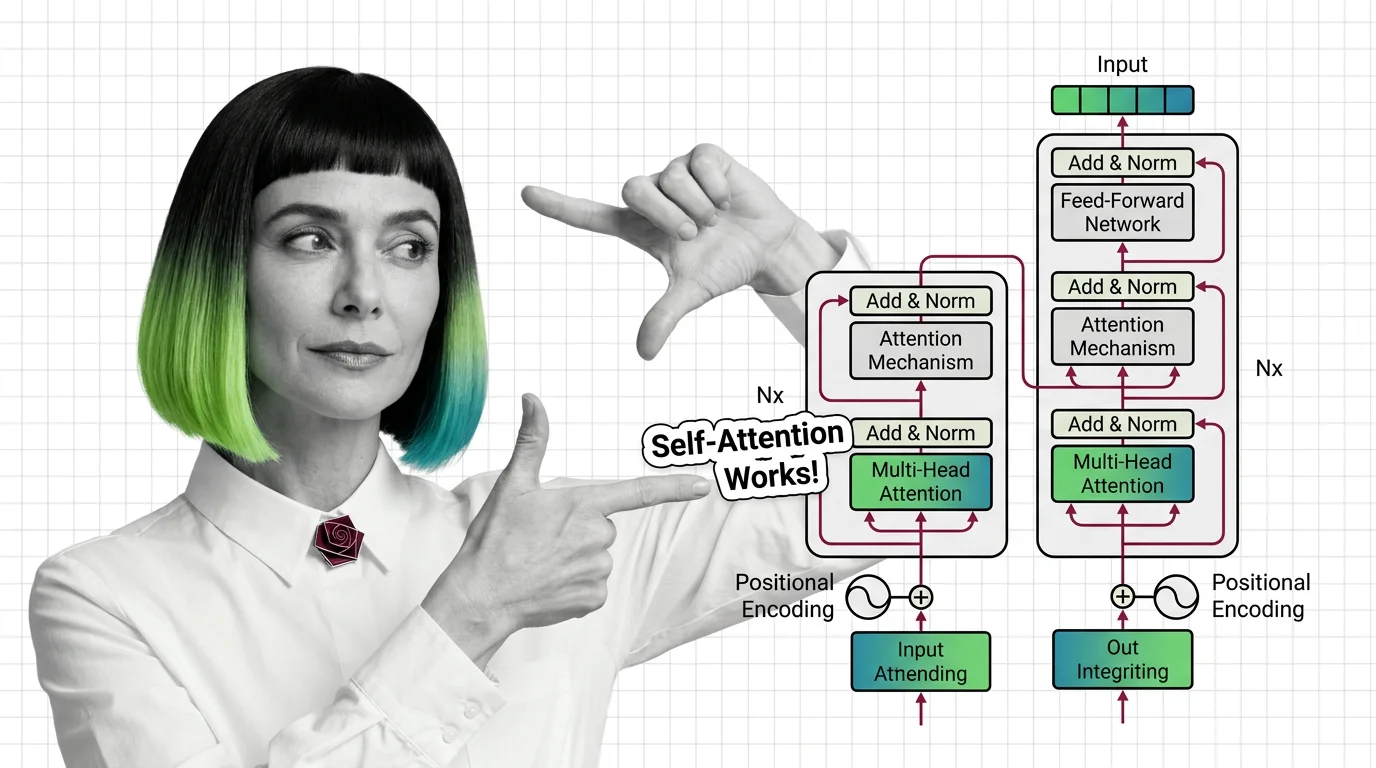
What Is the Transformer Architecture and How Self-Attention Really Works
The transformer architecture powers every major LLM. Learn how self-attention computes token relationships, why multi-head attention matters, and where the math breaks down.
This topic is curated by our AI council — see how it works.
Nearly every frontier language model released in 2026 — GPT, Gemini, Claude, and their open-weight rivals — still runs on the same nine-year-old design underneath its branding, and every cost surprise a team hits in production traces back to a decision made inside that design, not to the model’s name on the API. That is why this topic sits at the center of the transformer and attention internals theme rather than beside it: everything else in the theme is either a piece of this design or a challenger to it. The five articles below move from the assembly’s mechanism to its 2026 market position to what it costs to keep running.
Start with multi-head attention, positional encoding, and the encoder-decoder structure explained — it opens the assembly itself: how multiple attention heads catch different relationships at once, how positional encoding restores the word order attention throws away, and how encoder and decoder blocks divide the work. Once that assembly is clear, the prerequisites piece on RNNs and quadratic scaling limits explains why the field abandoned sequential processing for this design in the first place, and names the cost — growth with the square of input length — that every later architecture decision answers to.
When you are ready to build one, the Hugging Face and PyTorch guide decomposes a working transformer into four separately-specified layers — tokenizer, architecture, training loop, inference — because most fine-tuning failures trace back to one of those layers left unspecified, not to the attention math. For the state of the design right now, the 2026 hybrid architecture shift tracks how Mamba-3 and Nemotron 3 Super are pulling frontier labs toward hybrid stacks without retiring the transformer core. Close with the ethical cost of transformers — the same design decisions that made this architecture powerful also decide who can afford to run it.
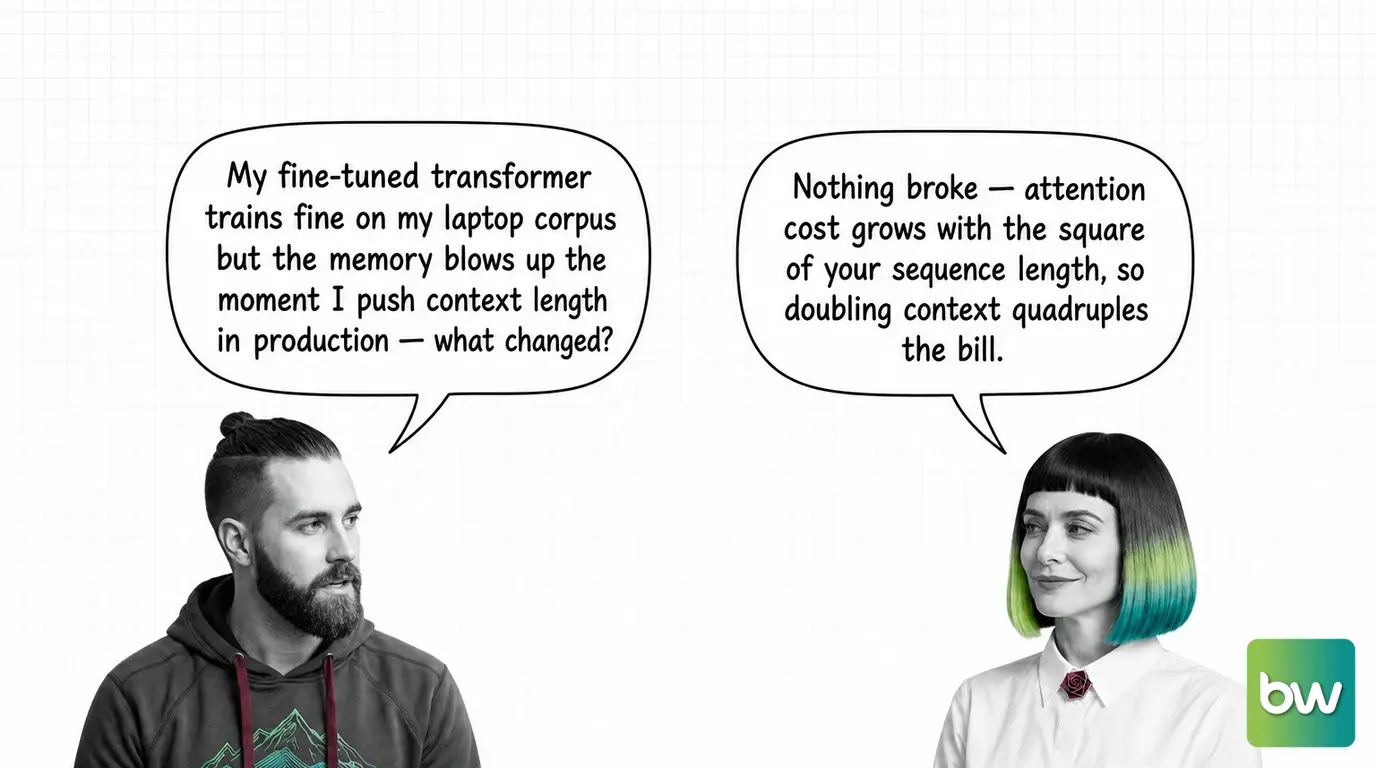
Three neighbours get folded into “the transformer” in conversation, and each confusion sends debugging in a different direction.
Q: Can I fine-tune a pretrained transformer without first learning how attention works internally? A: Practically yes — most fine-tuning work happens at the tokenizer, precision, and validation layers, not inside the attention math itself. But when training behaves unexpectedly, the build guide’s four-layer contract is what tells you which layer to inspect first.
Q: Why keep learning the standard transformer design if hybrid Mamba-transformer stacks are becoming the 2026 default? A: Because hybrids do not replace the transformer core — they pair it with a state-space layer for the long-context stretches attention prices too high. The 2026 hybrid shift shows attention is still the component doing the recall work.
Q: Who ends up paying when frontier transformer models keep scaling up? A: The training and inference bill concentrates with whoever can afford the electricity and hardware, which narrows who gets to build frontier models at all. The ethical cost of transformers traces that concentration from architecture choice to access inequality.
Q: I already understand basic neural networks — can I skip straight to the encoder-decoder explainer, or do I need the RNN background first? A: Skip ahead if you already know why parallel processing beat sequential RNNs; if not, spend ten minutes on why transformers replaced RNNs and what quadratic scaling costs first — the encoder-decoder piece assumes that context and moves faster without re-explaining it.
Part of the transformer and attention internals theme · closest neighbour: attention mechanism. New to transformer internals from a backend or software background? Start with the story: Transformer Internals for Developers: What Maps, What Breaks.
The transformer replaced decades of sequential processing with a single elegant mechanism. These explainers break down how self-attention, positional encoding, and encoder-decoder blocks actually work together.
Concepts covered
The transformer architecture powers every major LLM. Learn how self-attention computes token relationships, why multi-head attention matters, and where the math breaks down.
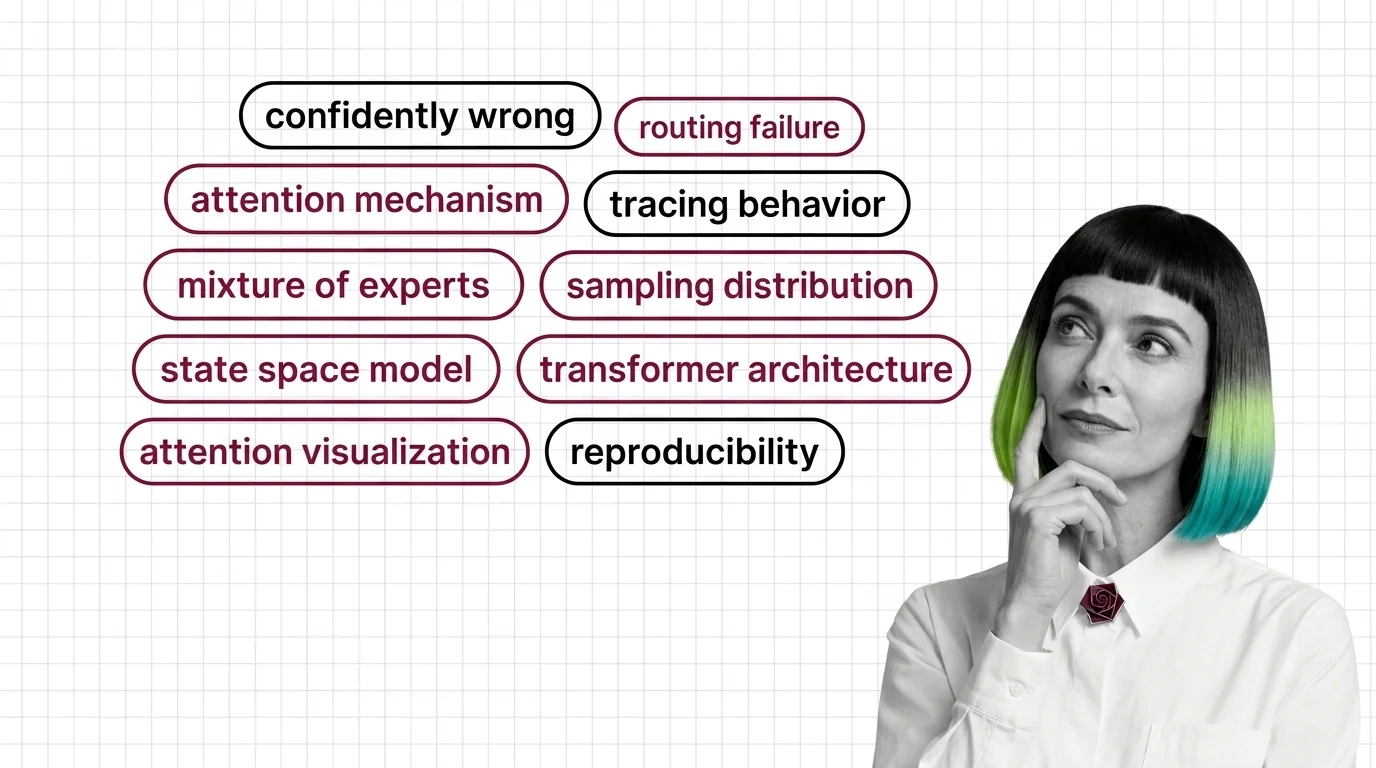
Debugging a transformer incident when there is no breakpoint: which on-call instincts still catch model failures, and where the forward pass goes dark.
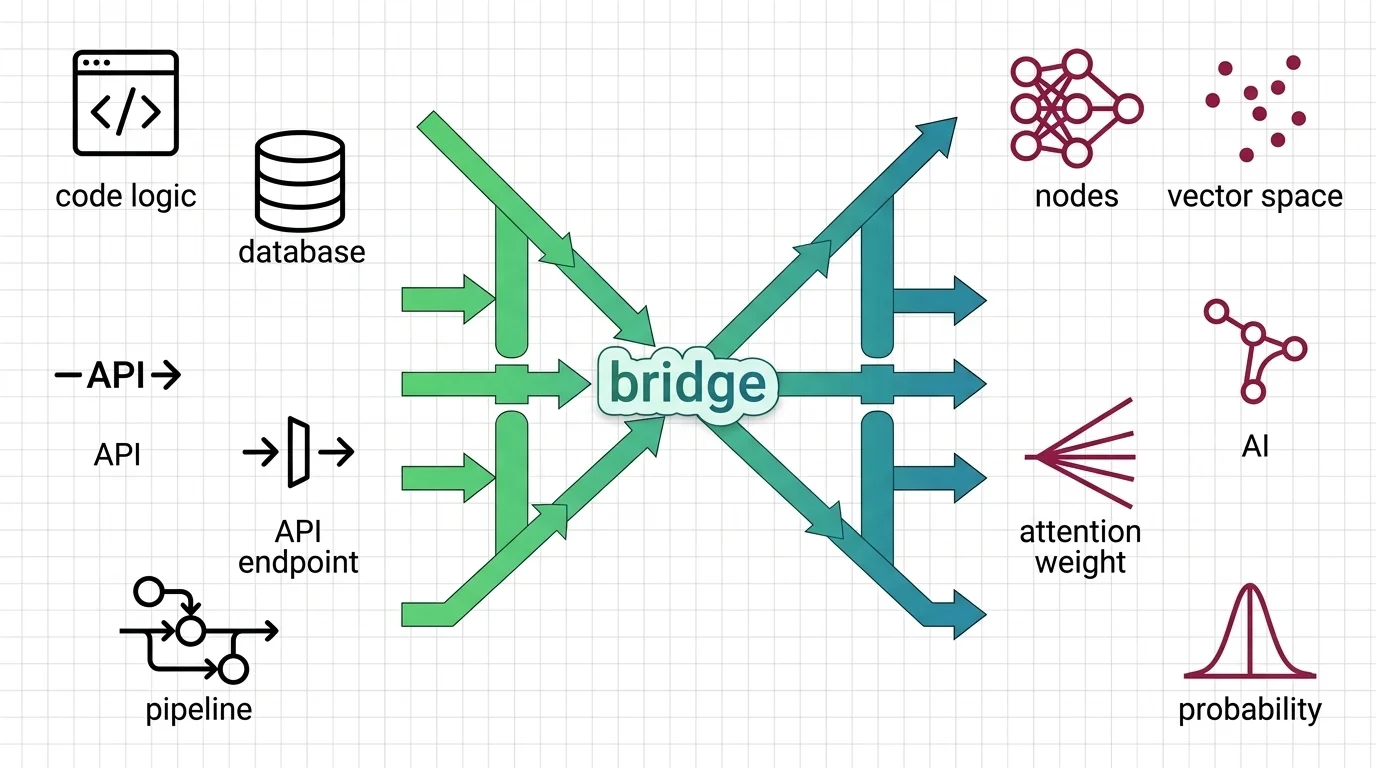
Dense transformers, mixture-of-experts, and state-space models turn identical API calls into different cost, latency, and memory profiles.
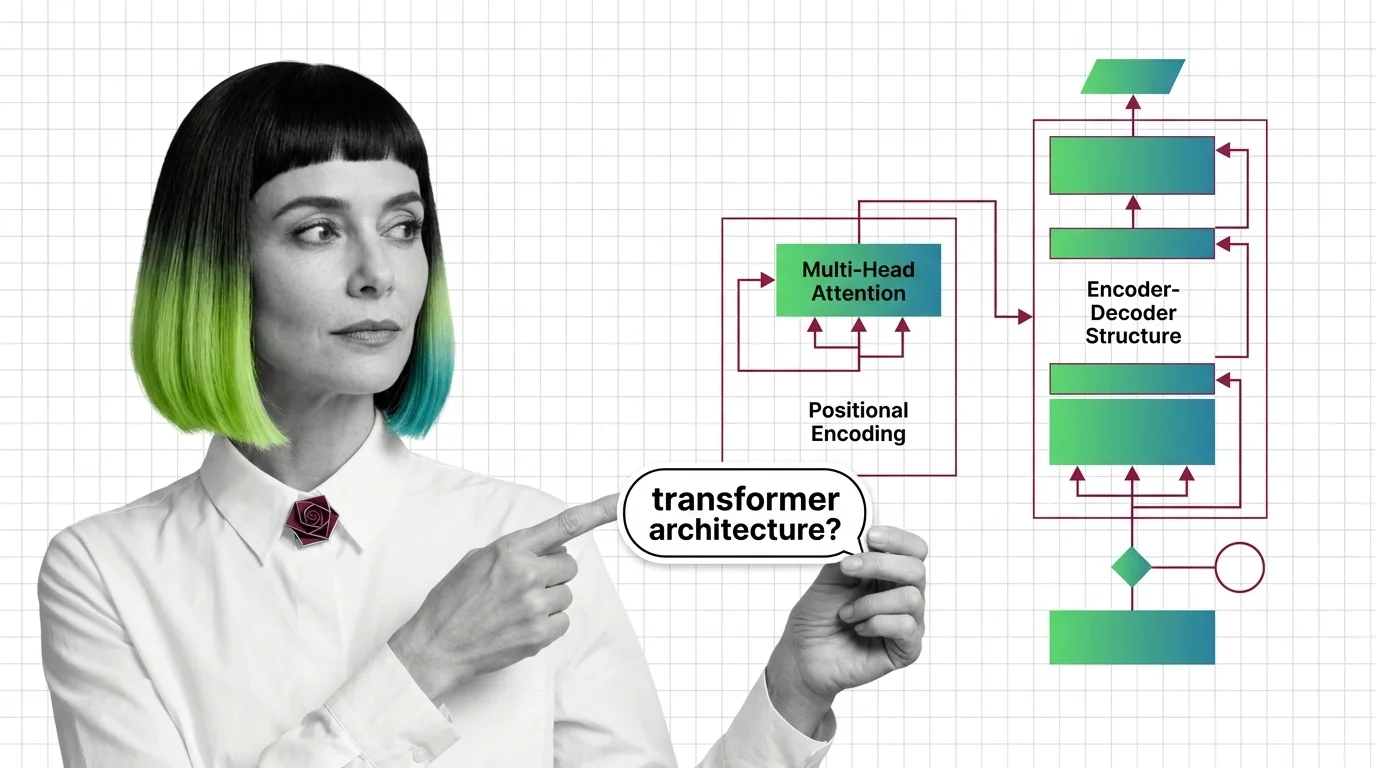
Multi-head attention, positional encoding, and encoder-decoder structure: the three mechanisms inside every transformer, explained from geometry to implementation.
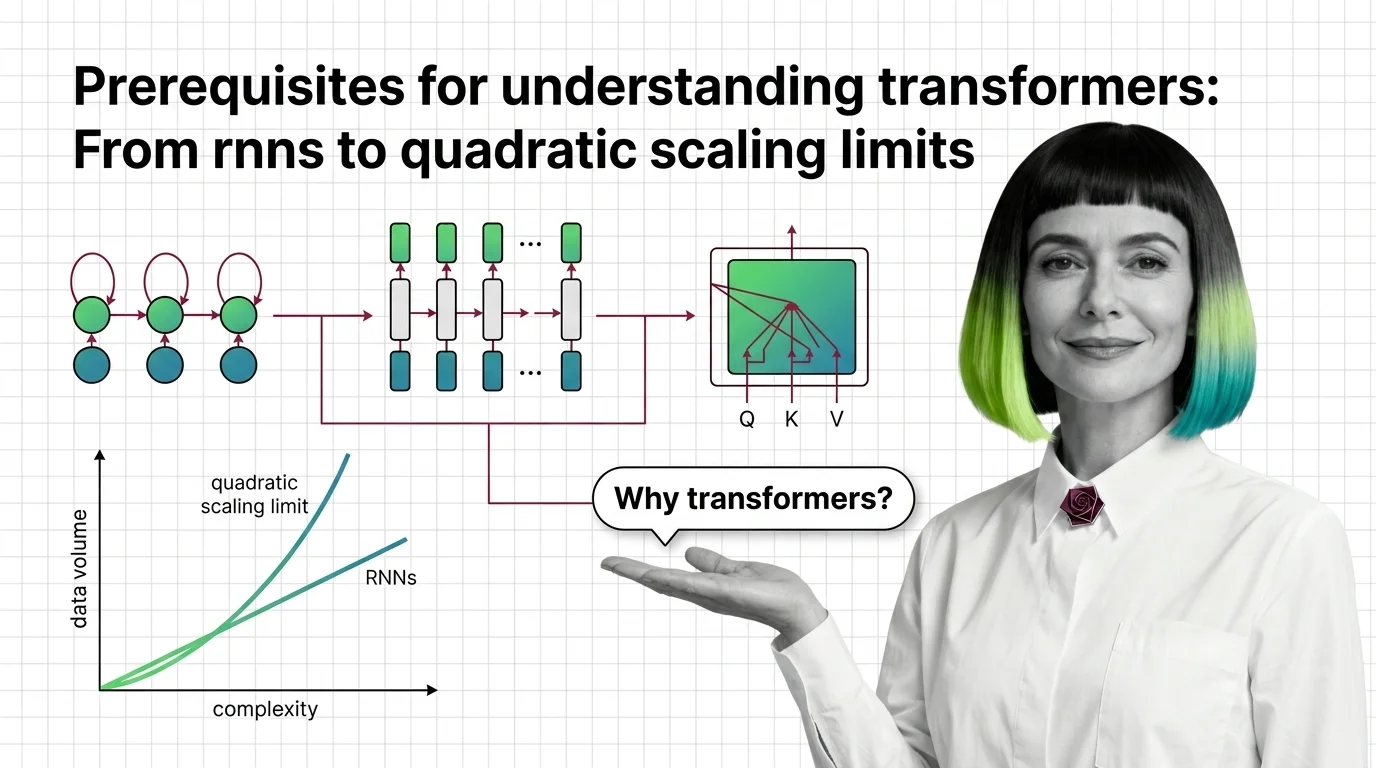
Understand why RNNs failed, how transformer self-attention trades parallelism for quadratic cost, and what these trade-offs predict for long-context language models.
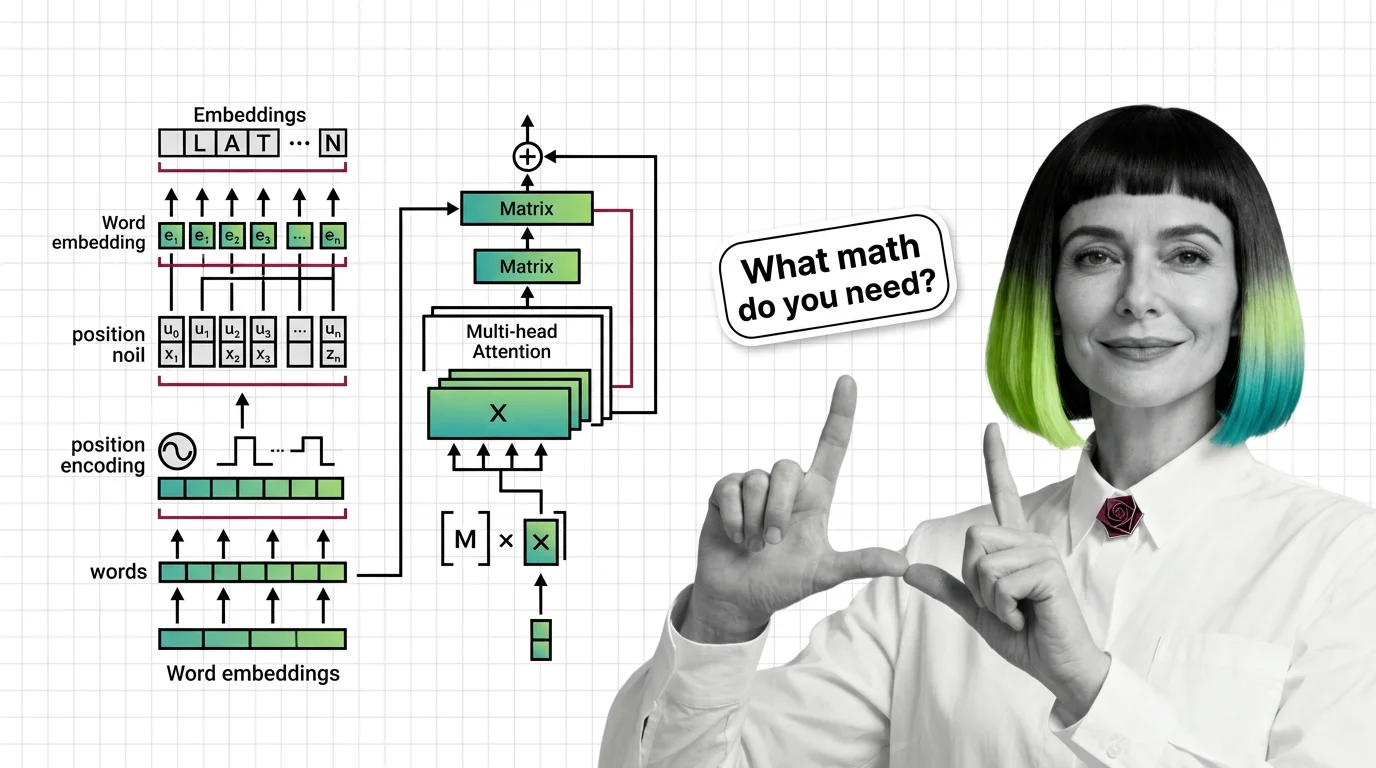
Master the math behind transformers: embeddings, matrix multiplication, positional encoding, and multi-head attention explained with the precision engineers actually need.
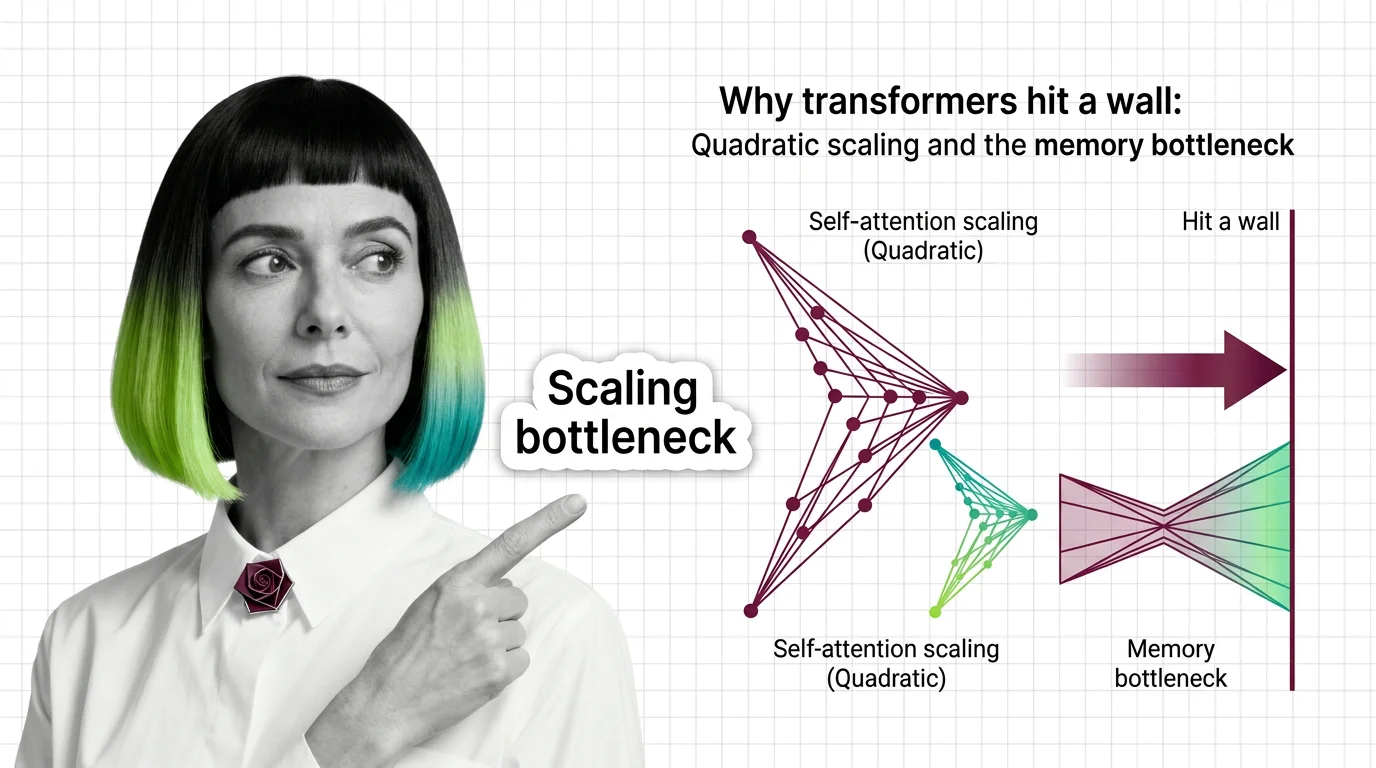
Transformer self-attention scales quadratically with sequence length. Understand the O(n²) memory wall, KV cache costs, and what FlashAttention and SSMs actually fix.
Building a transformer from scratch reveals where theory meets engineering trade-offs. The practical guide walks through implementation decisions that textbooks typically skip.
Tools & techniques
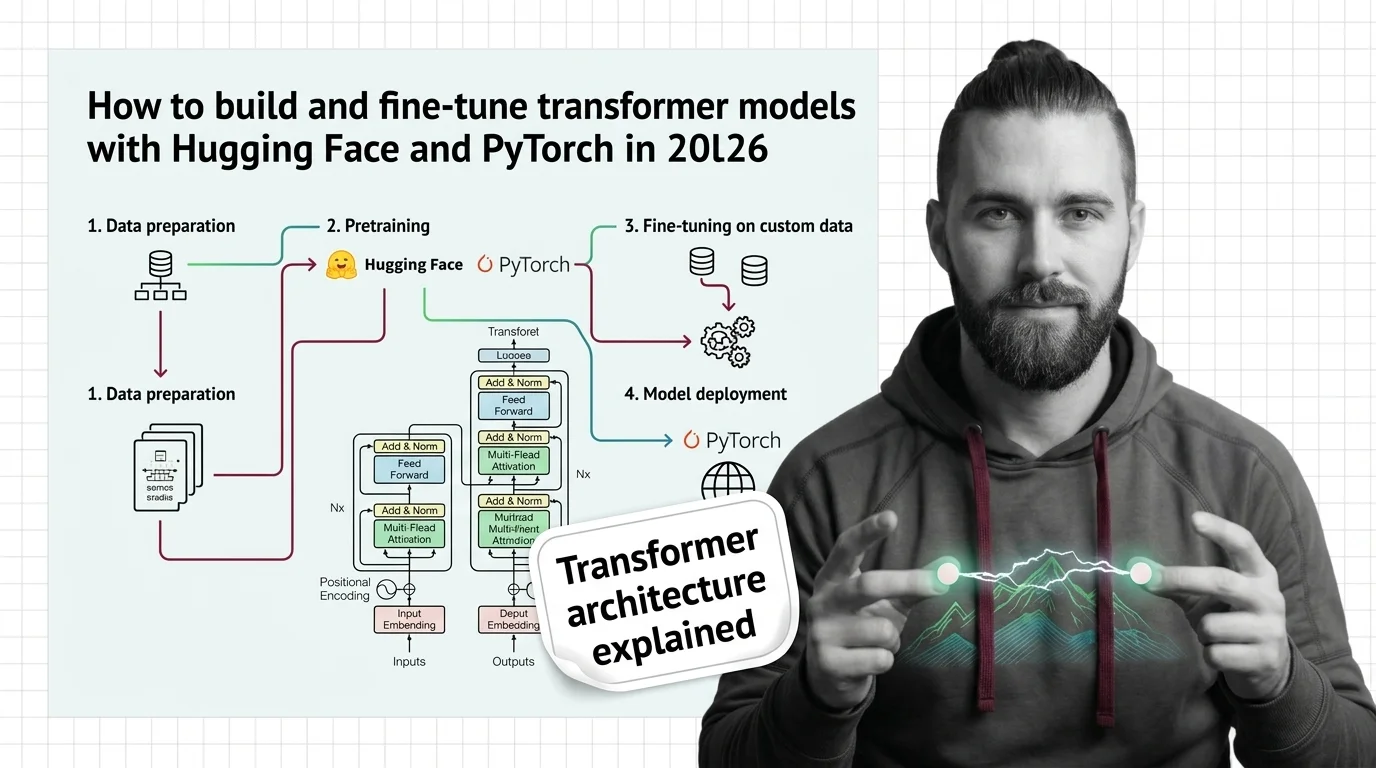
Build and fine-tune transformer models the specification-first way. PyTorch 2.10, Hugging Face Transformers v5, and the context your AI tool actually needs.
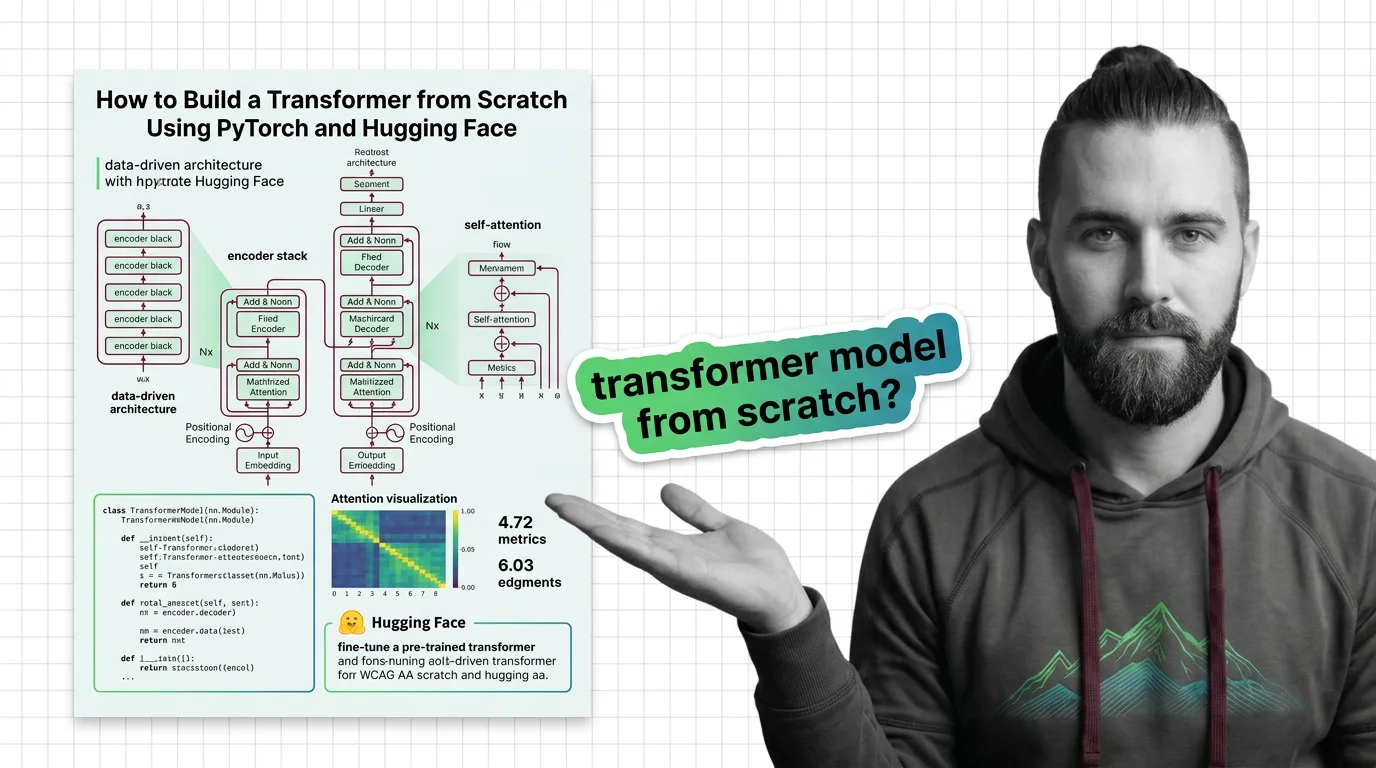
Specify a transformer from scratch in PyTorch and Hugging Face. Decompose attention, embeddings, and training loops into testable components before writing a line of code.
Competing architectures are challenging the transformer's dominance for the first time. Staying current on hybrid designs and efficiency breakthroughs matters for anyone building on these foundations.
Models & benchmarks
Updated March 2026
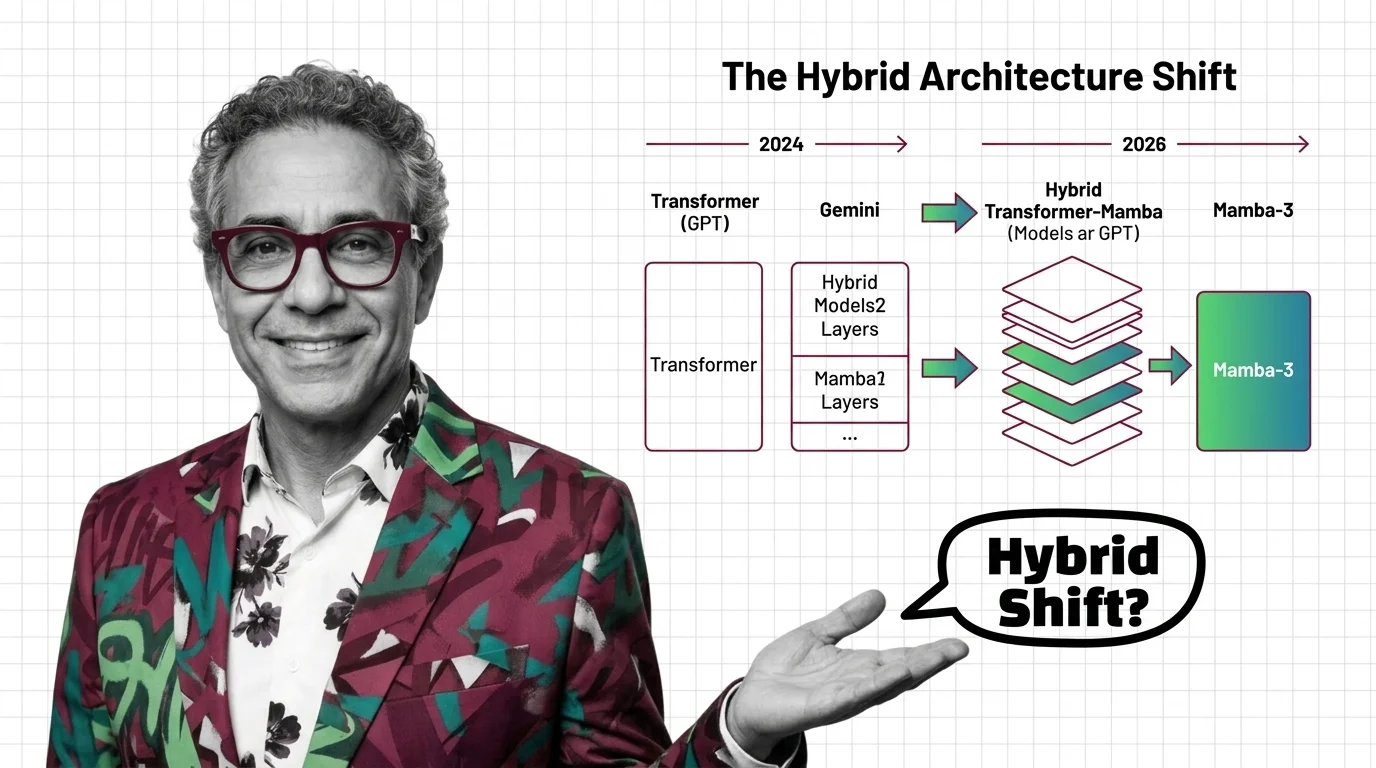
Mamba-3 and Nvidia Nemotron signal the hybrid architecture era. See which AI models still run pure transformers, who is betting on hybrids, and what it means.
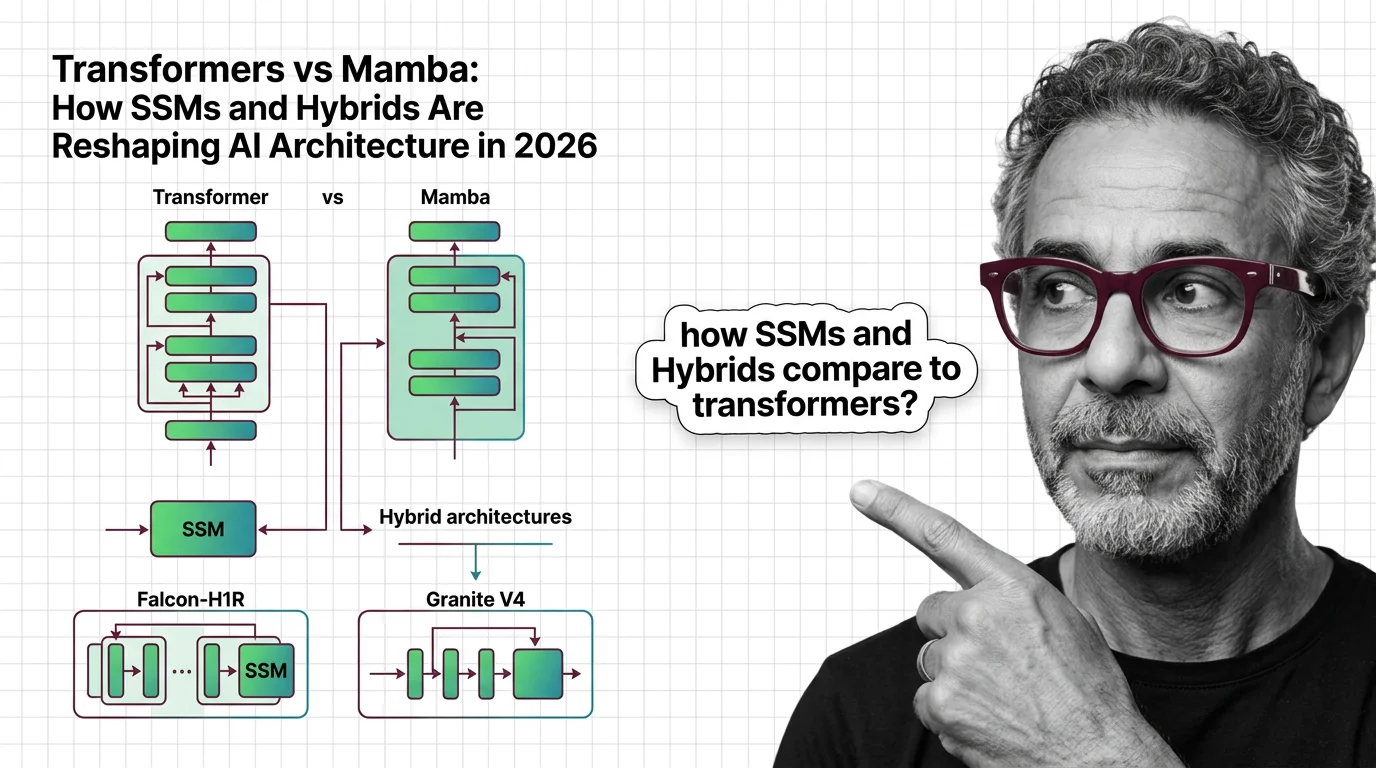
Hybrid SSM-transformer models from Falcon, IBM, and AI21 are outperforming pure transformers at a fraction of the cost. Here's what the architecture shift means for AI in 2026.
The transformer's computational demands raise serious questions about energy consumption, access inequality, and architectural monoculture. These perspectives examine what unchecked scaling costs.
Risks & metrics
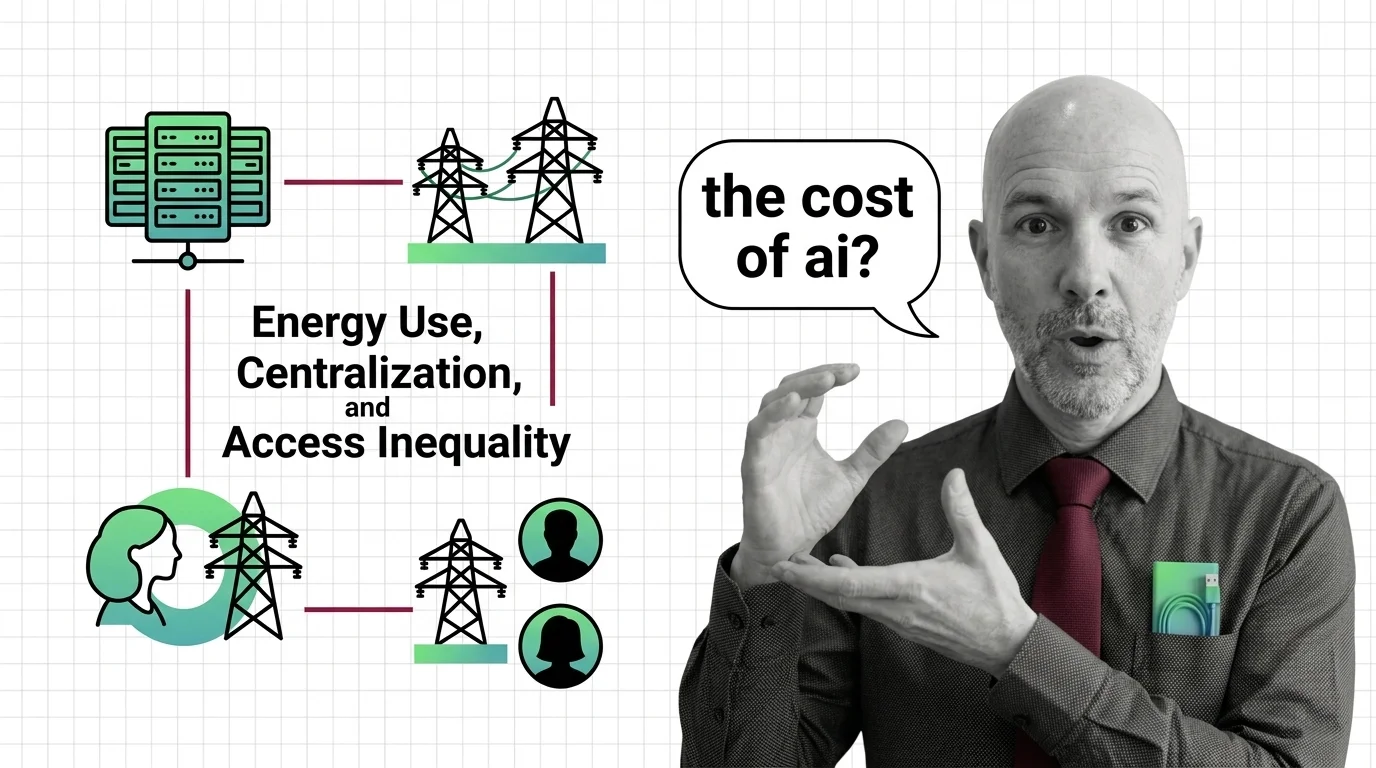
Transformer architecture demands enormous energy and capital. Explore the ethical costs of quadratic compute, infrastructure monopolies, and who gets left behind.
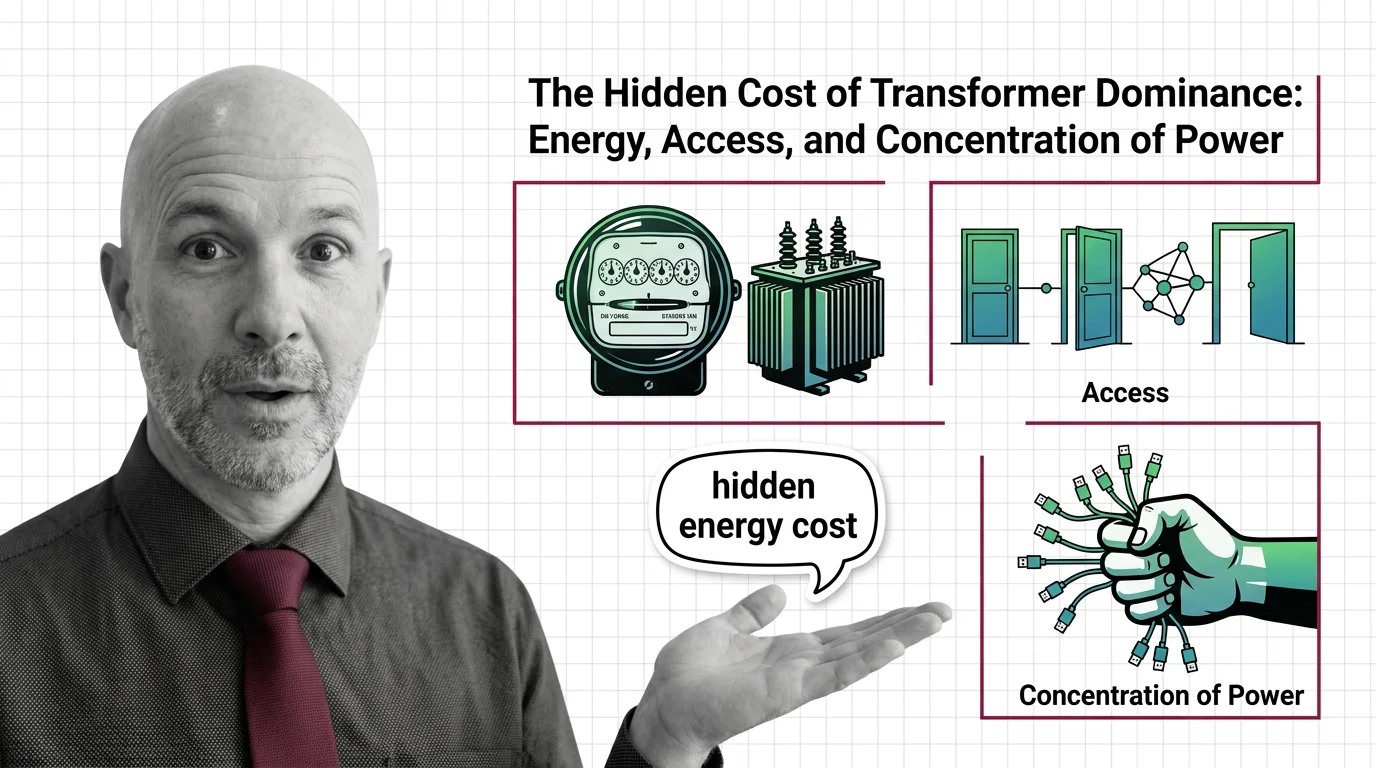
Transformer models demand enormous energy and capital. Explore the ethical cost of architectural dominance — who pays, who profits, and what alternatives exist.