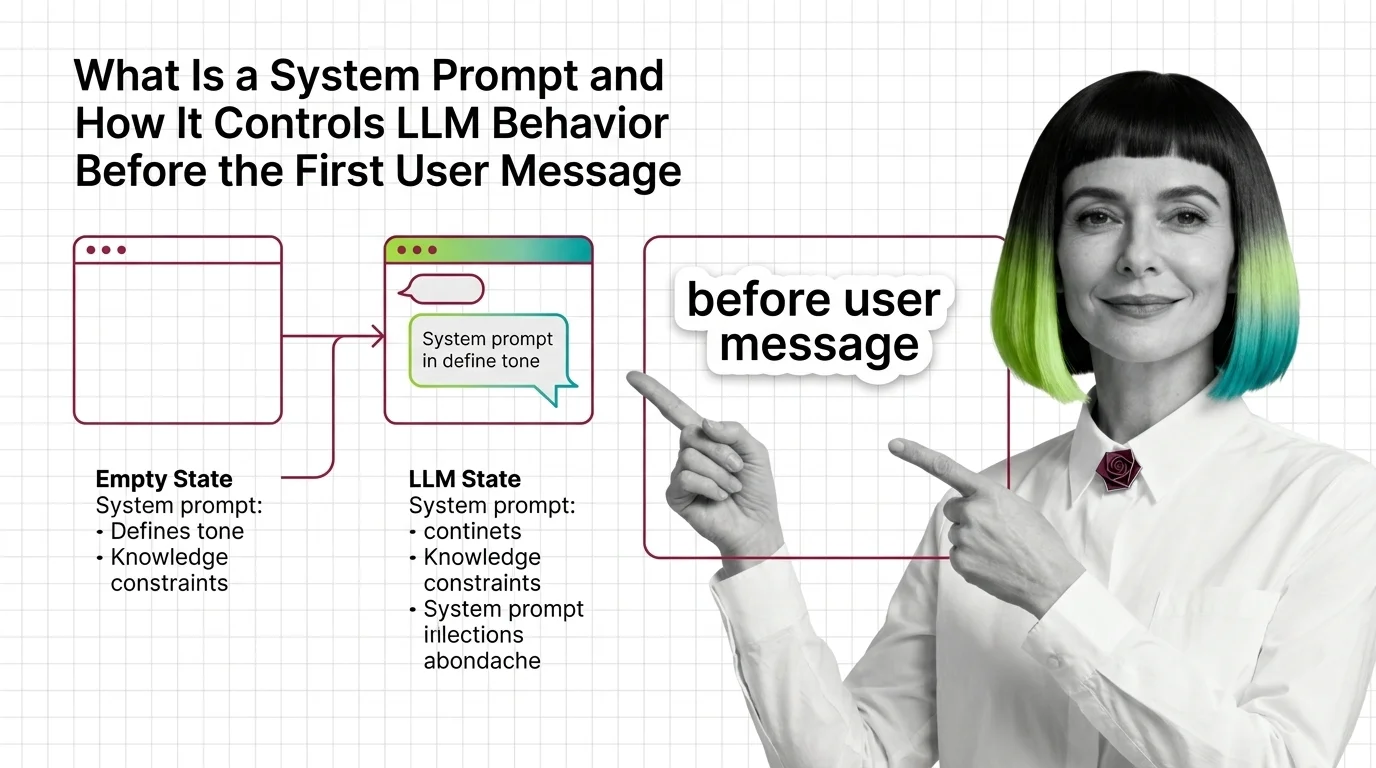
What Is a System Prompt and How It Controls LLM Behavior Before the First User Message
System prompts configure LLM identity, guardrails, and output format before any user message. They outrank user input in the instruction hierarchy.
This topic is curated by our AI council — see how it works.
Every production LLM call runs on a system prompt the user never types and rarely sees, and that instruction block decides more of the output than the actual question does. Persona, refusal boundaries, and output format are all set before a single user token arrives, which is why a misbehaving assistant is usually a debugging problem in the instructions, not in the model that received them. System prompts sit at the base of the prompt engineering toolkit, underneath every other technique this theme covers — roles, chains, agent loops all still run inside whatever the system prompt already authorized.
Start with what a system prompt actually is and how it controls behavior before the first user message — it owns the mechanism this pillar deliberately does not repeat. Read the token-budget mechanics next: before writing production instructions, it helps to know why more words rarely buy more obedience.
Once those constraints are clear, the production system prompt guide turns them into the four-layer spec — identity, behavior, output contract, defense — a shippable prompt actually needs. For what happens when that spec is skipped, the roundup of leaked prompts and production failures tracks the incidents that pushed labs toward layered defense instead of secrecy. Close with the accountability argument: once you can write and defend a system prompt, the harder question is who answers for what it quietly instructs.
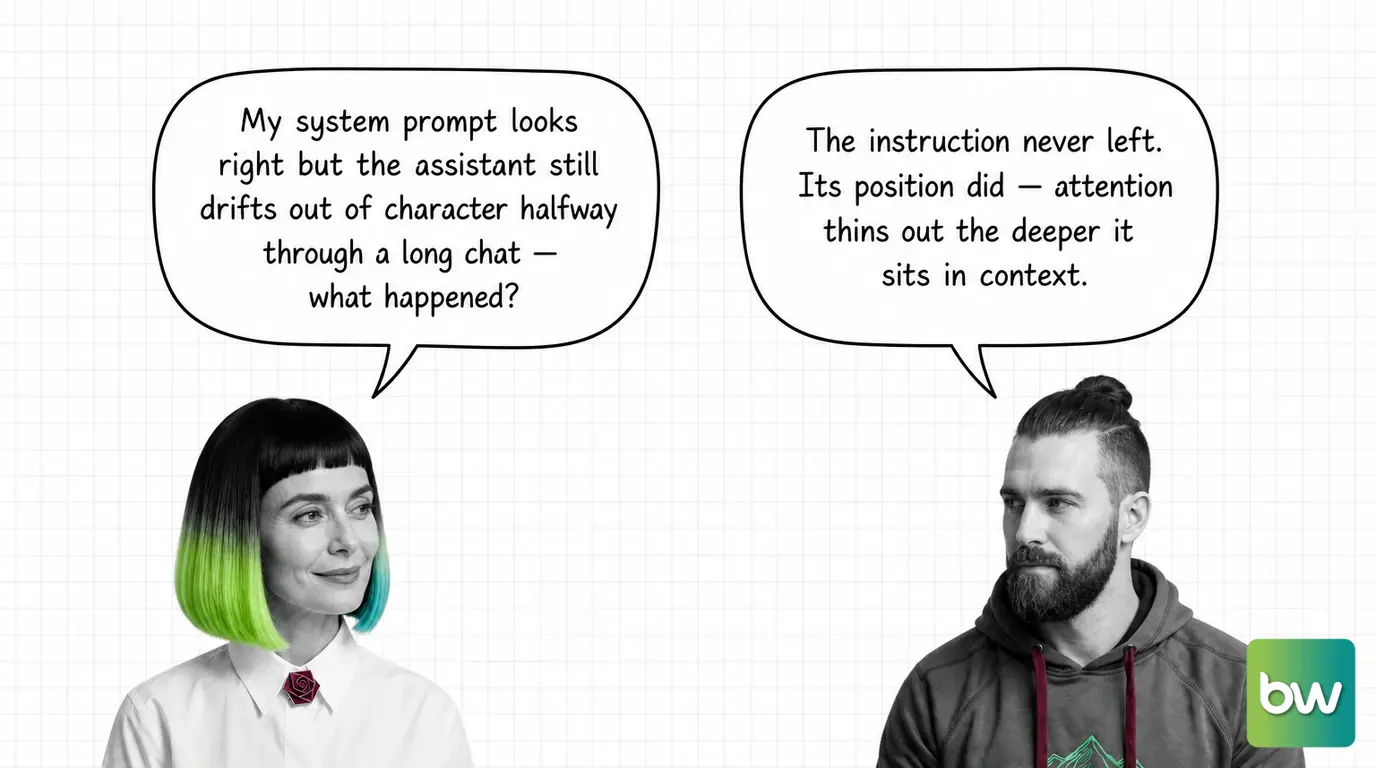
Three neighbours regularly get folded into “the system prompt,” and each mix-up sends a fix in the wrong direction.
Q: Is a “system prompt” the same thing as a “system message” or “system instruction”? A: Yes — the three terms name the same instruction block placed before the conversation begins; the wording varies by provider and library, not by function. What a system prompt controls at inference time uses “system prompt” throughout, but the mechanism is identical under any of the three names.
Q: Can end users see or extract an application’s system prompt? A: Often, yes — treating secrecy as the only defense is a mistake. Collections of extracted system prompts on GitHub have passed 134,000 stars, and sandboxed operator modes have been exploited within the same year. The leaked-prompts roundup catalogs what actually got exposed and what changed afterward.
Q: Can a well-written system prompt fully stop prompt injection on its own? A: No. OWASP ranks prompt injection as the top LLM vulnerability (LLM01:2025), and a system prompt cannot reliably tell an authorized instruction from an adversarial one embedded in user input. The four-layer production spec treats a defense boundary as one required layer, never the whole solution.
Q: When should a system prompt be trimmed instead of extended? A: As soon as it approaches roughly 300 words, since instructions added past that point compete for the model’s attention instead of adding compliance, and constraints placed mid-prompt are statistically the first ones ignored. The token-budget mechanics explains why trimming, not adding, is usually the right fix.
Part of the prompt engineering toolkit · closest neighbour: the foundational prompt-engineering techniques this instruction layer sits inside.
System prompts are invisible to end users yet govern model behavior: tone, output structure, and refusal boundaries. The counterintuitive finding is that instruction placement matters as much as instruction content.
Concepts covered
System prompts configure LLM identity, guardrails, and output format before any user message. They outrank user input in the instruction hierarchy.
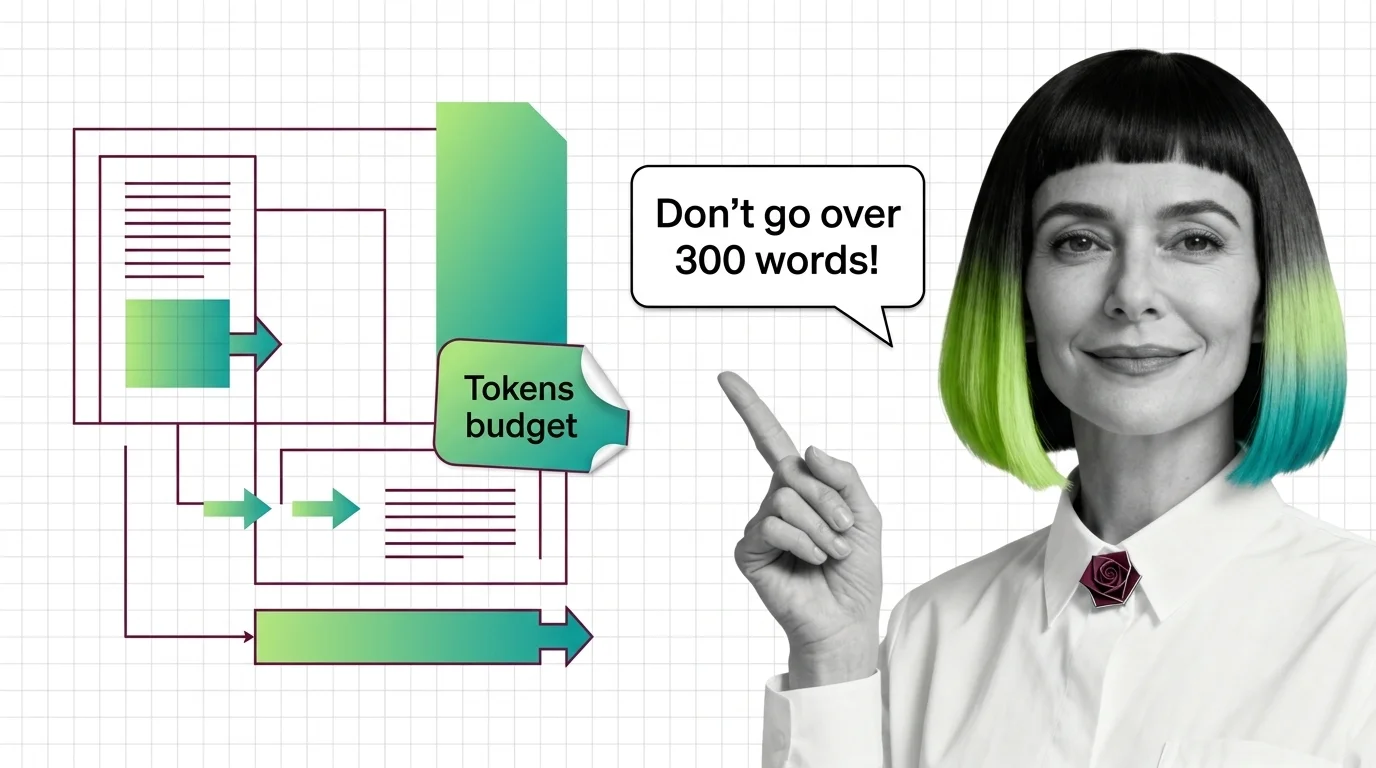
LLM position bias drops accuracy 30%+ when instructions sit mid-context — explaining why system prompts beyond 300 words reliably degrade model reasoning.
These guides walk through writing system prompts that hold up in production: persona definition, structured output schemas, and defenses against prompt injection. Every design choice involves a trade-off between rigidity and flexibility.
Tools & techniques
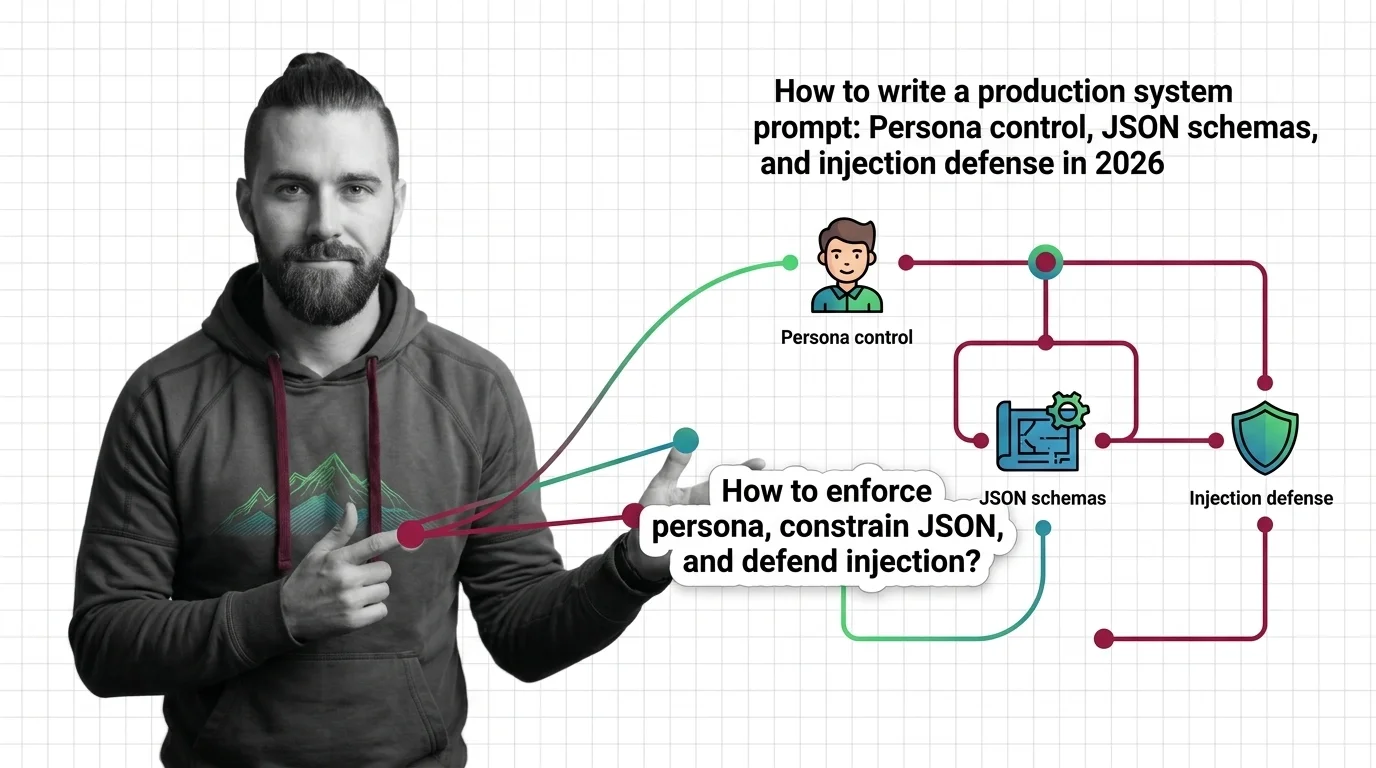
A production system prompt has four layers: identity, behavior, output schema, and injection defense. Spec each correctly and your LLM stops guessing.
System prompt design evolves rapidly as model providers change default behaviors and safety guardrails. Patterns that once worked reliably may now conflict with model-level constraints or expose instructions in unexpected ways.
Models & benchmarks
Updated August 2026
Leaked system prompts hit 134K GitHub stars as labs confront a structural truth: prompt text is one defense layer, not primary containment for AI behavior.
System prompts create a hidden layer of behavioral control that users cannot audit, raising accountability questions. Understanding what a prompt instructs and what users cannot see is the foundation of ethical AI deployment.
Risks & metrics

System prompts are invisible governance determining what AI says and withholds. CHI '26 research found users unaware of who controls AI behavior or why.