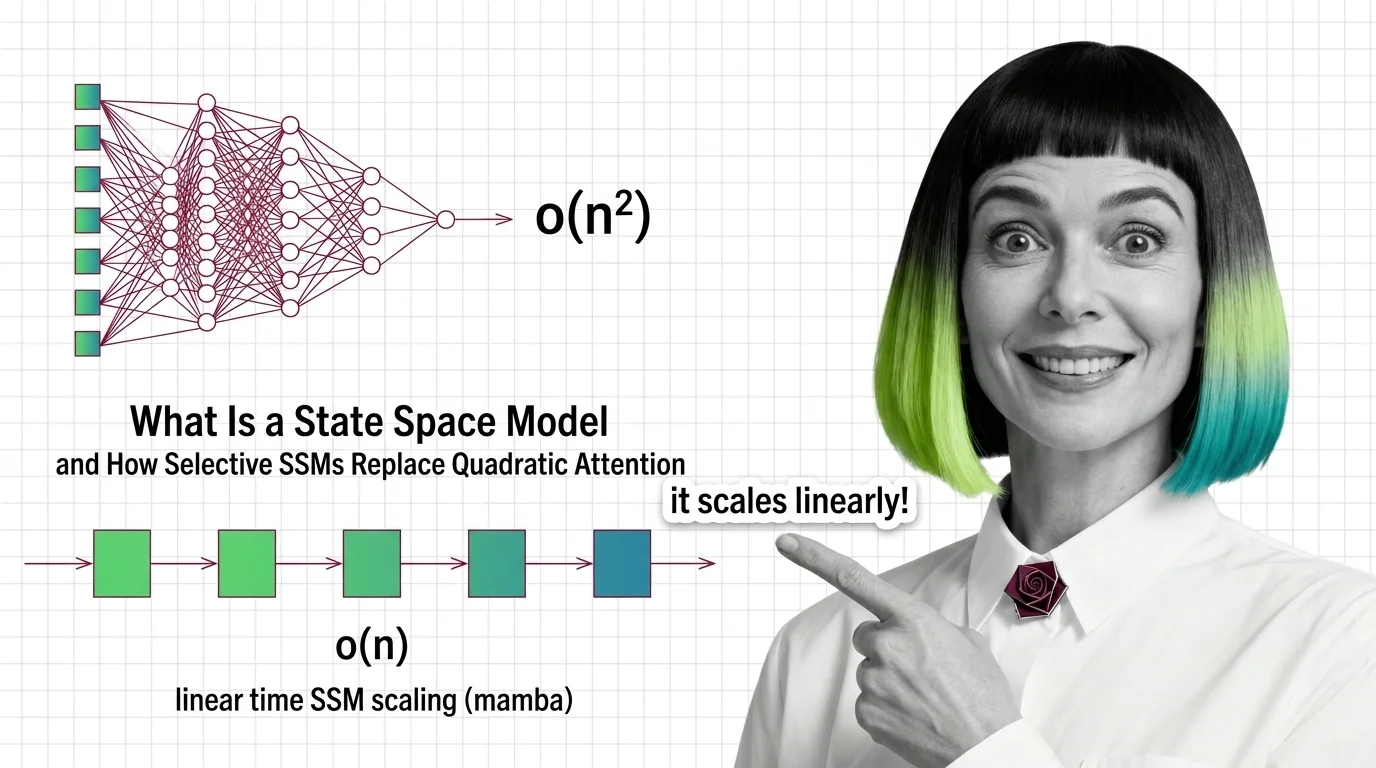
What Is a State Space Model and How Selective SSMs Replace Quadratic Attention
State space models trade quadratic attention for linear recurrence. See how Mamba's selection works and why long-context models run hybrid in 2026.
This topic is curated by our AI council — see how it works.
Attention’s quadratic cost is the one constraint that most of the transformer and attention internals theme is built to escape, and state space models are the most literal answer: strip out the token-by-token lookup entirely and let a fixed-size recurrent state carry the sequence instead. That bet pays off exactly where a quadratic bill gets unaffordable — audio transcripts, book-length documents, agent traces spanning hundreds of thousands of tokens — but “state space model” now spans a wide range of designs with very different training and serving demands, from the original Mamba line to hybrid stacks that keep a slice of attention around. Reading this topic well means knowing which design you are actually evaluating before you commit hardware to it.
Start with what a state space model is and how selective SSMs replace quadratic attention — it names the substitution this whole topic rests on: a compressed hidden state updated one token at a time, with a selection mechanism deciding what survives. Read the components and prerequisites, from HiPPO to selective scan in the same sitting — it names the hidden state, the selective scan, and the gating mechanism you will meet in every implementation, plus the math each one assumes. The in-context learning gaps and hard technical limits closes the foundations with the honest ceiling: pure SSMs trade perfect recall for their linear-time speed.
When you are ready to build, the guide to Mamba-3, Jamba, and Nemotron-H sets the hardware and fine-tuning contract, since pure and hybrid models do not share one recipe. For the market context behind that choice, how Mamba-3, Jamba 1.5, and Nemotron-H are rewiring long-context AI tracks which labs shipped hybrid backbones and why. Close with who wins and who loses as state space models scale — the efficiency this topic promises is not distributed evenly, and it is worth knowing that before treating linear time as an unqualified win.
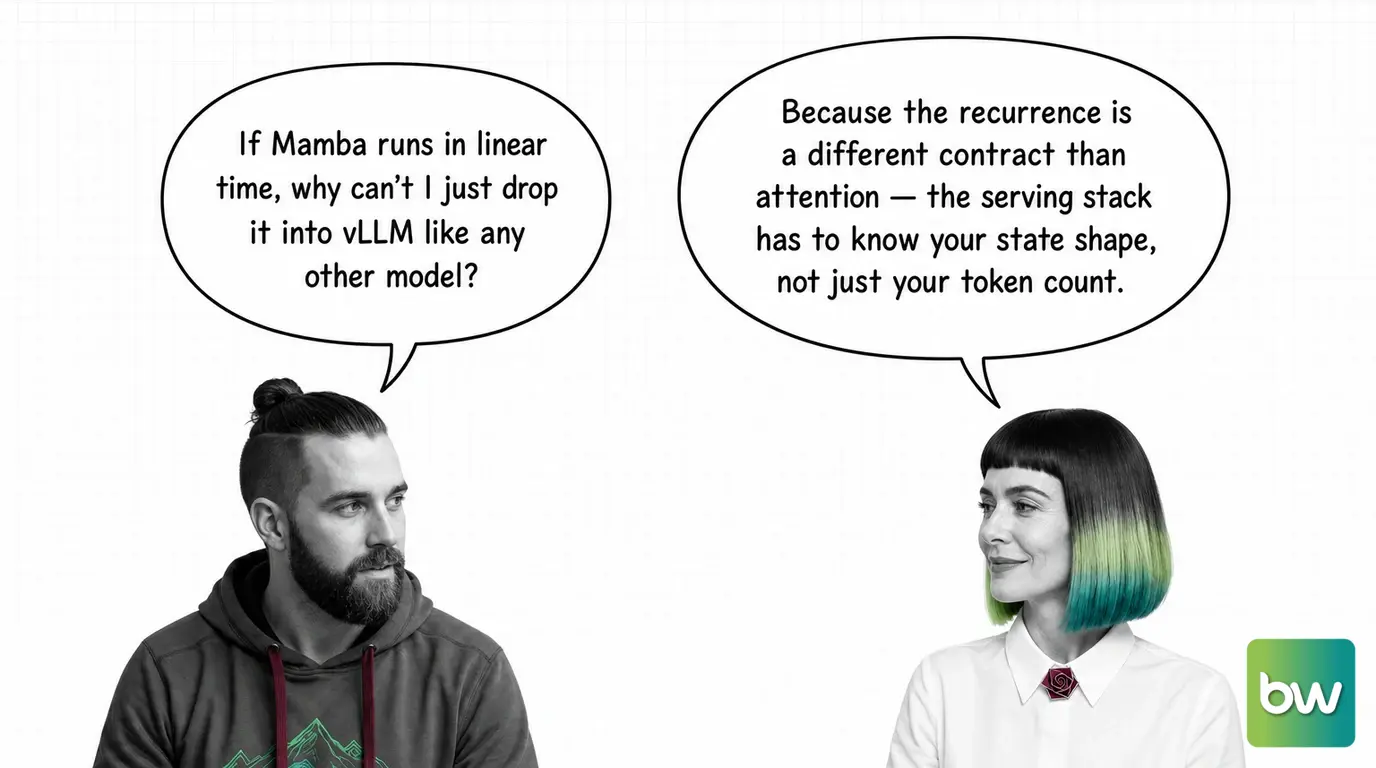
Mixture of experts and state space models both promise cheaper inference, but they answer different bills. MoE keeps attention’s quadratic sequence cost exactly as it is and instead activates only a slice of the model’s parameters per token — the saving is in width. A state space model attacks the other axis: it replaces the attention lookup itself with a fixed-size recurrent state, so the saving is in sequence length. The two are not rivals; a stack can route sparsely and process sequentially at the same time, and 2026’s hybrid production models increasingly do both.
The attention mechanism keeps every past token individually addressable and pays a quadratic price for that access; a state space model compresses the past into one evolving state and pays instead in recall. Neither design is simply better — attention stays the safer default when a workload depends on retrieving one exact earlier detail, and an SSM is the better bet when the sequence is long and the task cares more about the gist than a single buried fact.
Q: Should I treat a state space model as a drop-in replacement for a transformer when fine-tuning or serving it? A: No. Pure SSMs and hybrid SSM-transformers need different fine-tuning recipes — LoRA target modules from one rarely transfer to the other — and vLLM’s fast V1 path still lacks prefix caching and KV-cache offload for SSM models. The build guide covers both gaps before you provision hardware.
Q: If my application needs to recall one specific fact buried in a long document, should I pick a pure state space model? A: Probably not on its own. Pure SSMs compress the past into a fixed-size state and trade away exactly that kind of precise recall for linear-time speed — the gap the hard technical limits explain directly. A hybrid stack that keeps a slice of attention is the safer default for that workload.
Q: Who actually benefits from the compute savings state space models promise? A: Not evenly. Linear-time inference lowers the cost of running long-context models, but the hardware kernels and training recipes that make selective SSMs viable are concentrated among a handful of labs, so the efficiency gain accrues to whoever already holds the infrastructure, not automatically to smaller teams.
Q: Why did multiple AI labs converge on hybrid SSM-attention designs in 2026 instead of shipping pure state space models? A: Because hybrids close the recall gap while keeping most of the speed. Five labs shipped hybrid SSM-attention backbones within a year, reaching 256K-to-1M-token context at transformer-matching quality — pure attention still wins on short context, but stopped being the default once sequences got long.
Part of the transformer and attention internals theme · closest neighbour: the attention mechanism. New to this from a software background? Start with the story: Calling a Model Means Inheriting Its Runtime Cost Contract.
Transformers dominate language modeling, but their attention cost grows quadratically with sequence length. State Space Models take a different route — a recurrent backbone with careful mathematics that keeps inference linear while preserving long-range dependencies.
Concepts covered
State space models trade quadratic attention for linear recurrence. See how Mamba's selection works and why long-context models run hybrid in 2026.
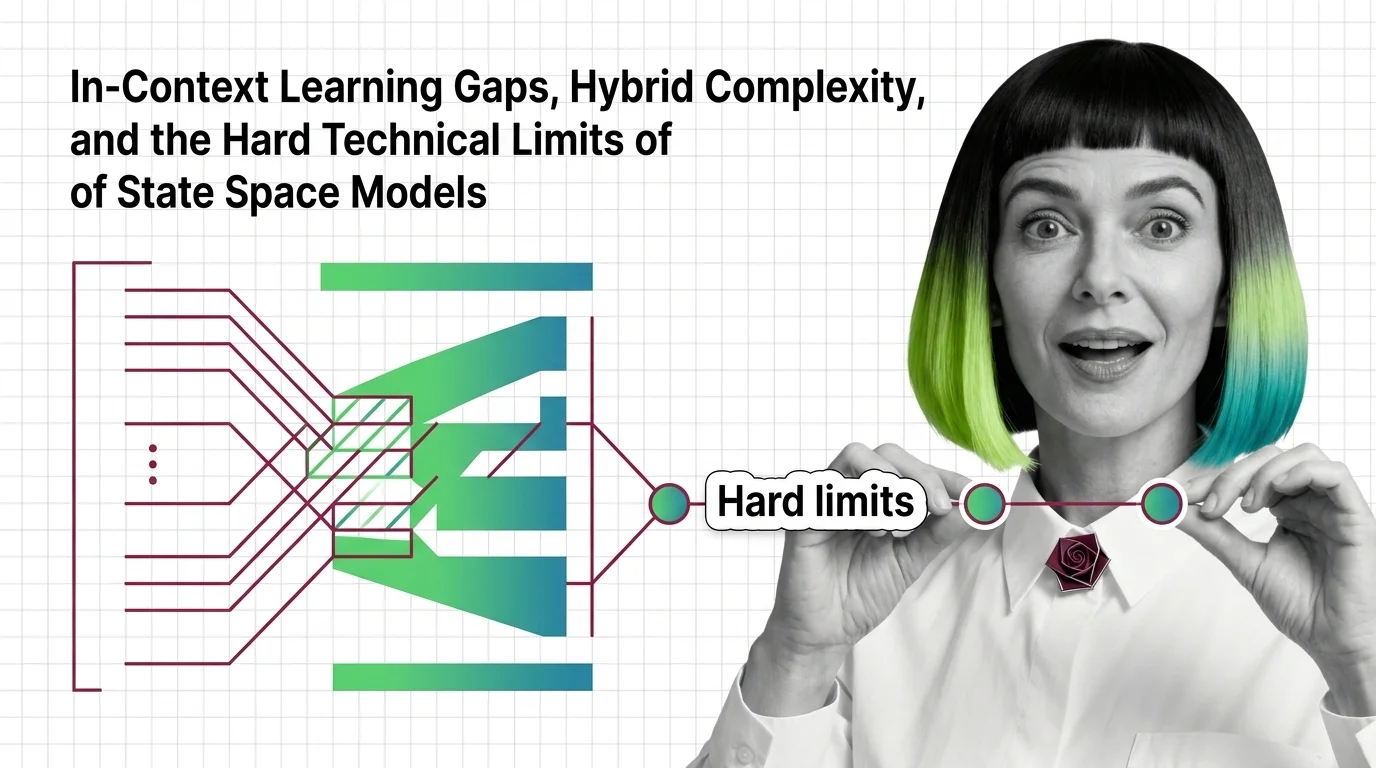
State space models trade recall for speed. Learn why pure Mamba breaks on in-context tasks and how hybrid SSM-attention models pay the compression bill.
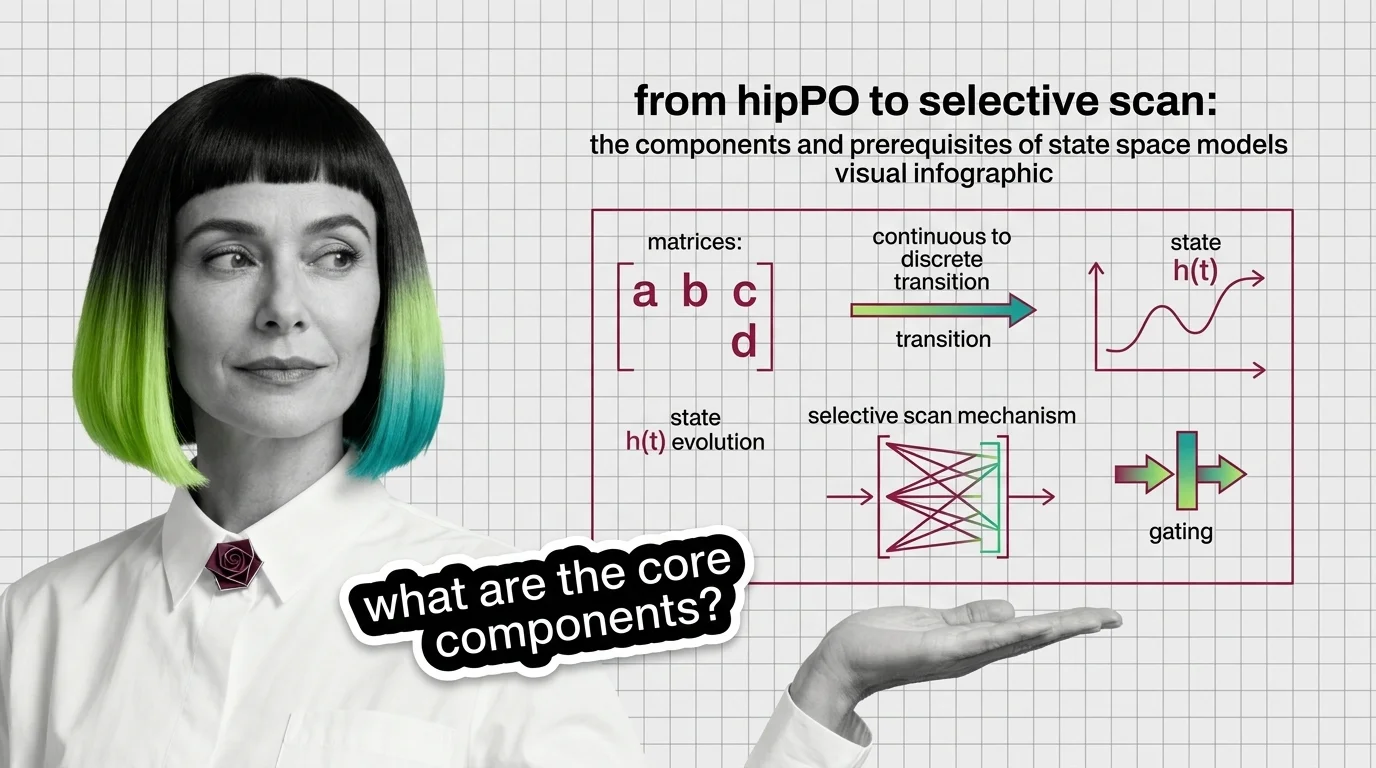
State space models rebuilt recurrence on new math. Trace the components — HiPPO, S4, selective scan, gating — and the prerequisites that make SSMs click.
These guides cover running, fine-tuning, and deploying State Space Model architectures, showing which frameworks handle selective scans efficiently and what trade-offs you will face when choosing between pure SSMs and hybrid transformer blends.
Tools & techniques
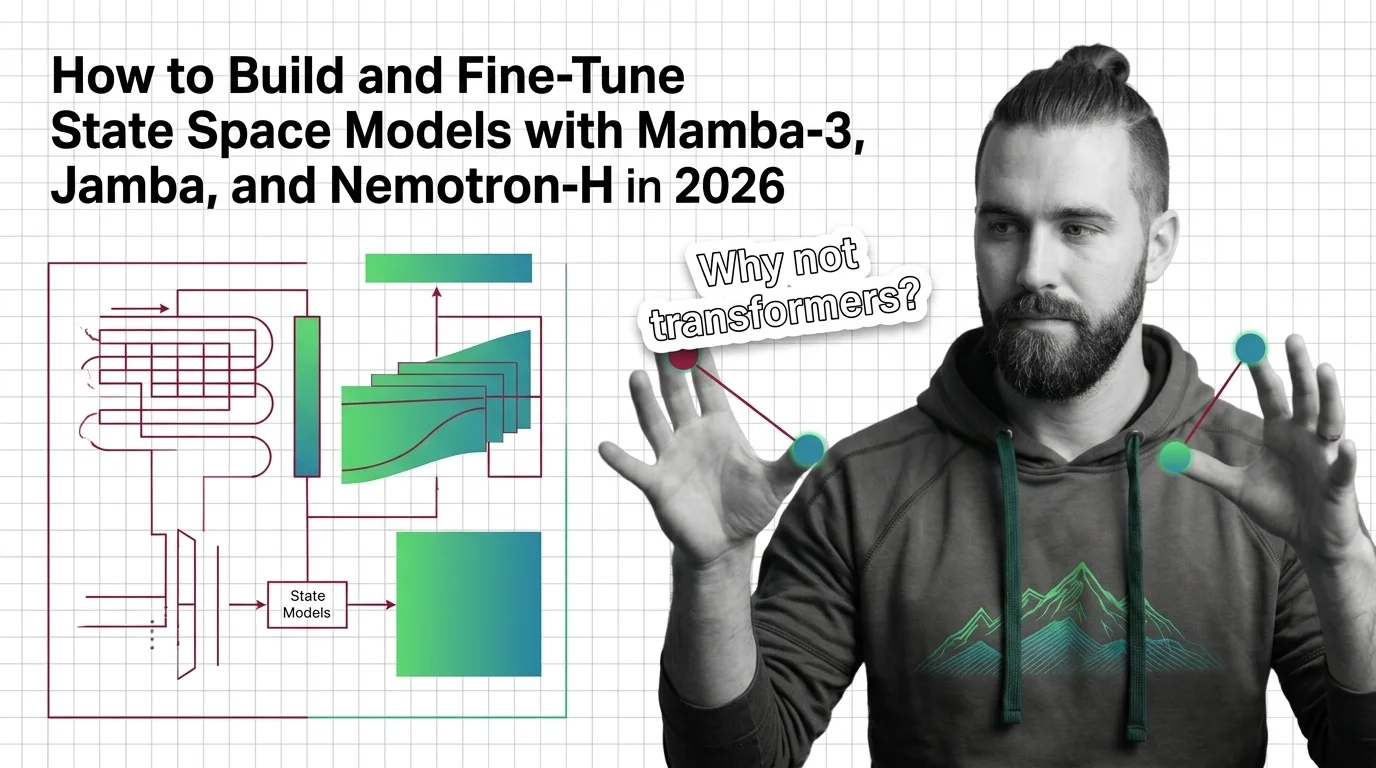
Build and fine-tune state space models with Mamba-3, Jamba, and Nemotron-H. Architecture mapping, install contracts, and LoRA strategies that survive production.
State Space Models have moved from research curiosity to production-ready long-context engines in just a few years. Tracking which variants gain traction shapes how teams plan their next generation of retrieval, coding, and reasoning systems.
Models & benchmarks
Updated April 2026
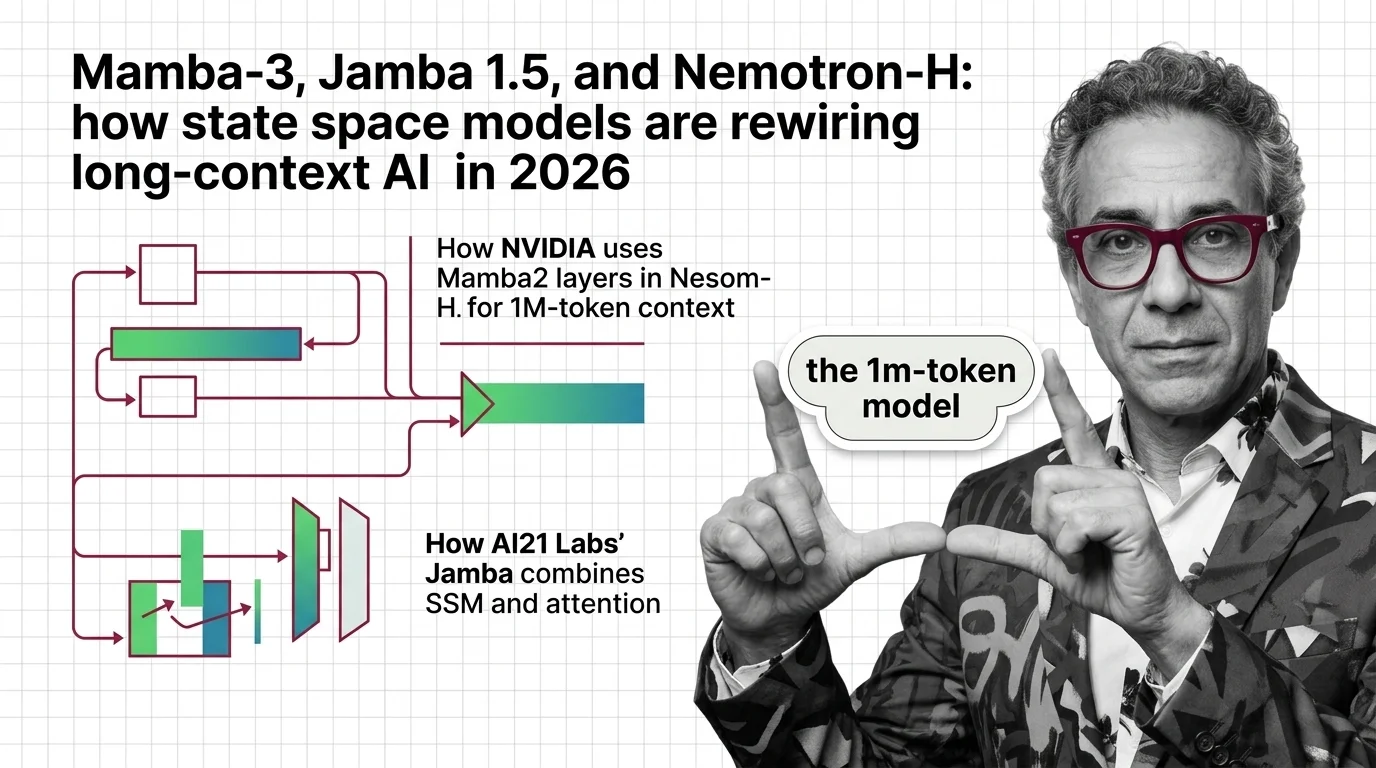
Mamba-3, Jamba 1.6, and Nemotron-H signal the end of pure-transformer dominance. Why hybrid state space models are the 2026 long-context default.
Linear-time efficiency sounds democratic, but the hardware kernels and training recipes that make State Space Models viable concentrate among a few labs. It is worth asking who benefits from the efficiency gains and where capability gaps might widen.
Risks & metrics
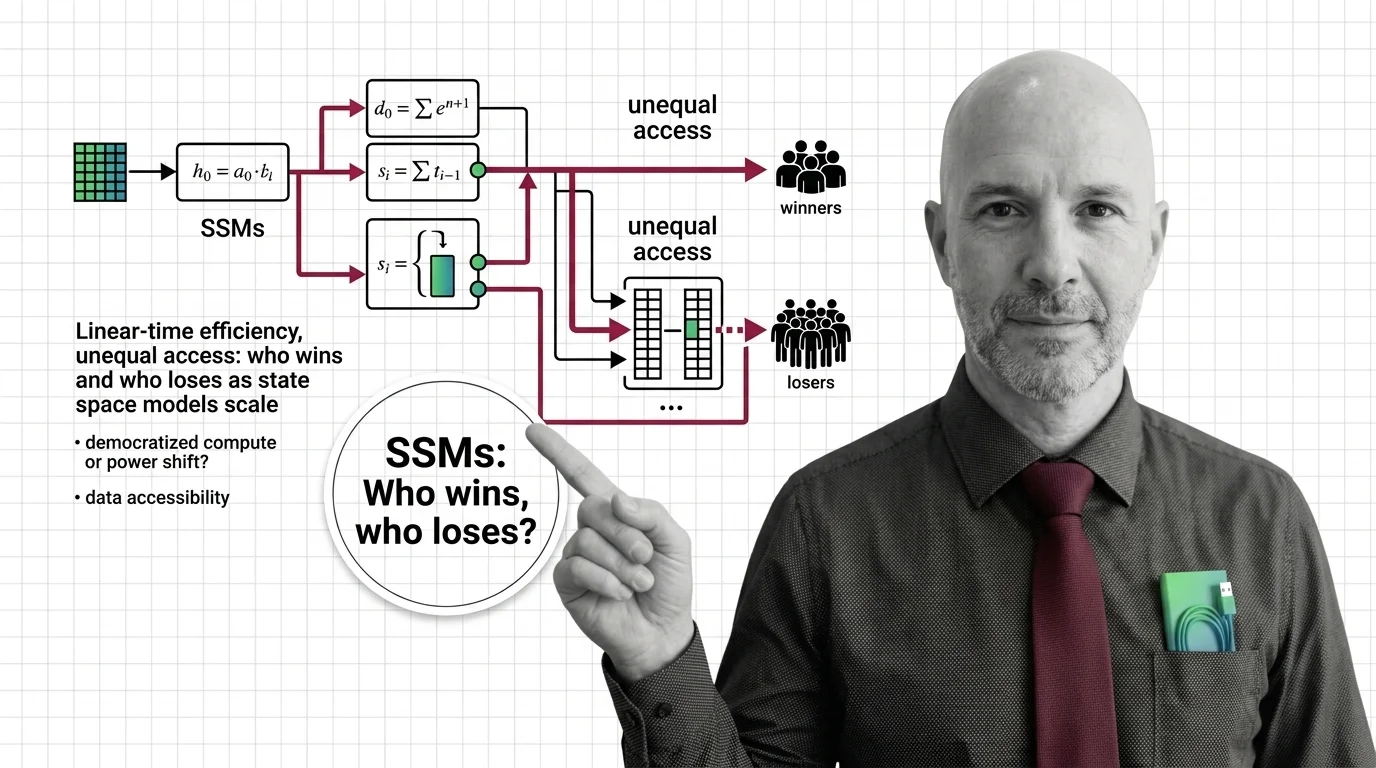
State space models slash inference costs and open long-context AI. But cheaper compute reshapes who holds power — and who gets watched at scale.