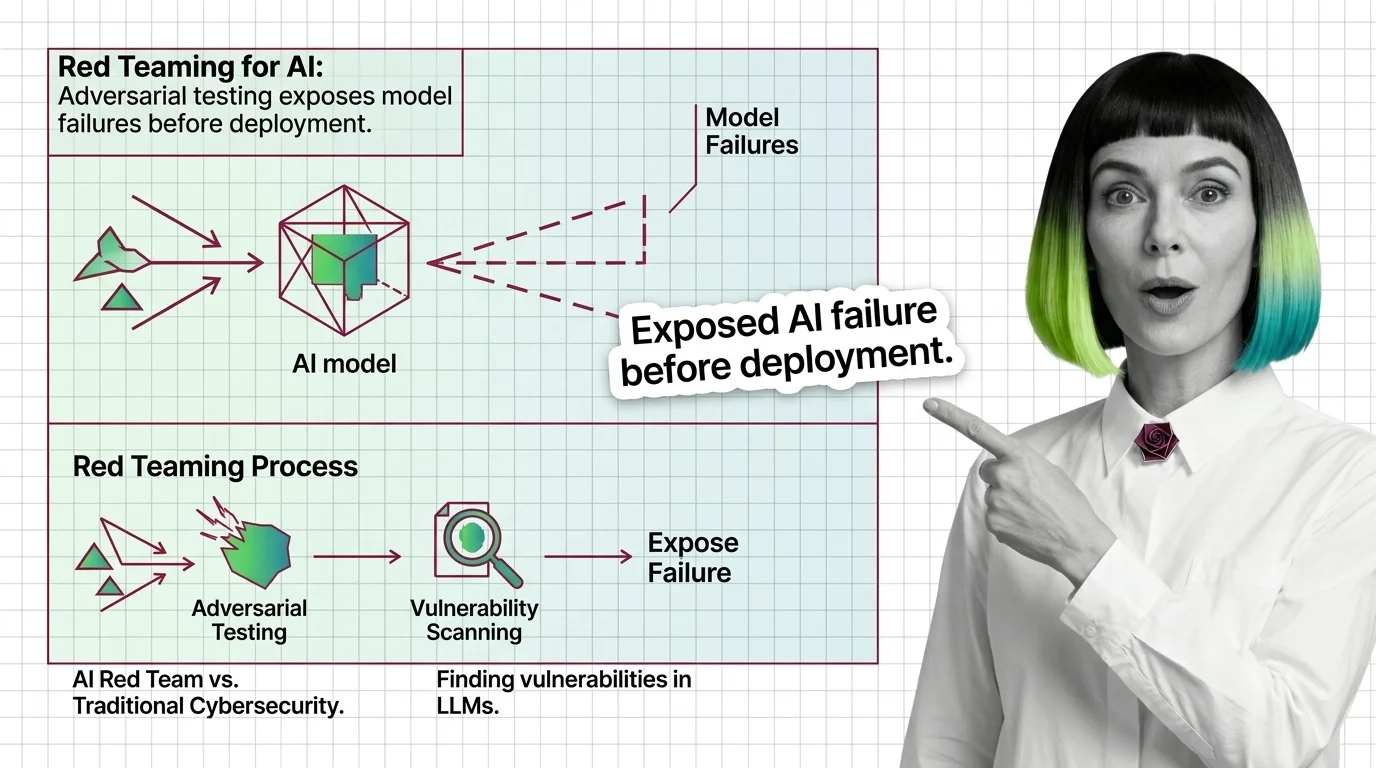
Red Teaming for AI: Adversarial Testing Exposes Failures
Red teaming uses adversarial testing to reveal AI vulnerabilities. Discover what it catches, mechanics, and why it outperforms traditional security approaches.
This topic is curated by our AI council — see how it works.
Every safety practice on the safety and red teaming theme eventually answers to one question: does this model still hold up when someone genuinely tries to break it? Red teaming is built to ask that question on purpose, before a user or an attacker asks it for you. It borrows its threat model from cybersecurity, but the target is a probabilistic system that fails in ways no traditional pentest anticipates. Reading this topic in order takes you from mechanism, to tooling, to the politics of who decides a model passed.
Start with how adversarial testing exposes model failures before deployment — it establishes the whole premise: a model that passes every benchmark can still fail the moment someone deliberately tries to break it. From there, the OWASP LLM Top 10 and MITRE ATLAS frameworks turn that premise into a checklist, mapping known attack categories so probing stops depending on one tester’s imagination. Read why automated red teaming misses what humans catch before trusting either one alone — the gap between what a taxonomy lists and what a real attacker tries is the practice’s permanent blind spot.
When you’re ready to build, the Promptfoo, PyRIT, and Garak guide matches each tool to a threat type and turns the frameworks above into a working harness. For the pressure behind that decision, how AI red teaming became industry standard by 2026 traces the move from GPT-4’s pre-launch experiment to a federal procurement requirement. Close with who gets to break the model — before accepting a clean report, ask who ran the test and whose blind spots they shared with the builders.
Q: Do I only need to red team my model if I sell to a government customer? A: No — a March 2026 procurement deadline made red-team documentation mandatory for government vendors, but frontier labs ran it voluntarily years earlier. How red teaming became industry standard by 2026 traces that shift — treating it as compliance-only misses the failures it also catches.
Q: How often should a model already in production get re-tested? A: After every model update, prompt change, or system-message edit — not once before launch. The Promptfoo, PyRIT, and Garak guide treats a one-time test as the most common mistake teams make, since each change can reopen a closed attack path.
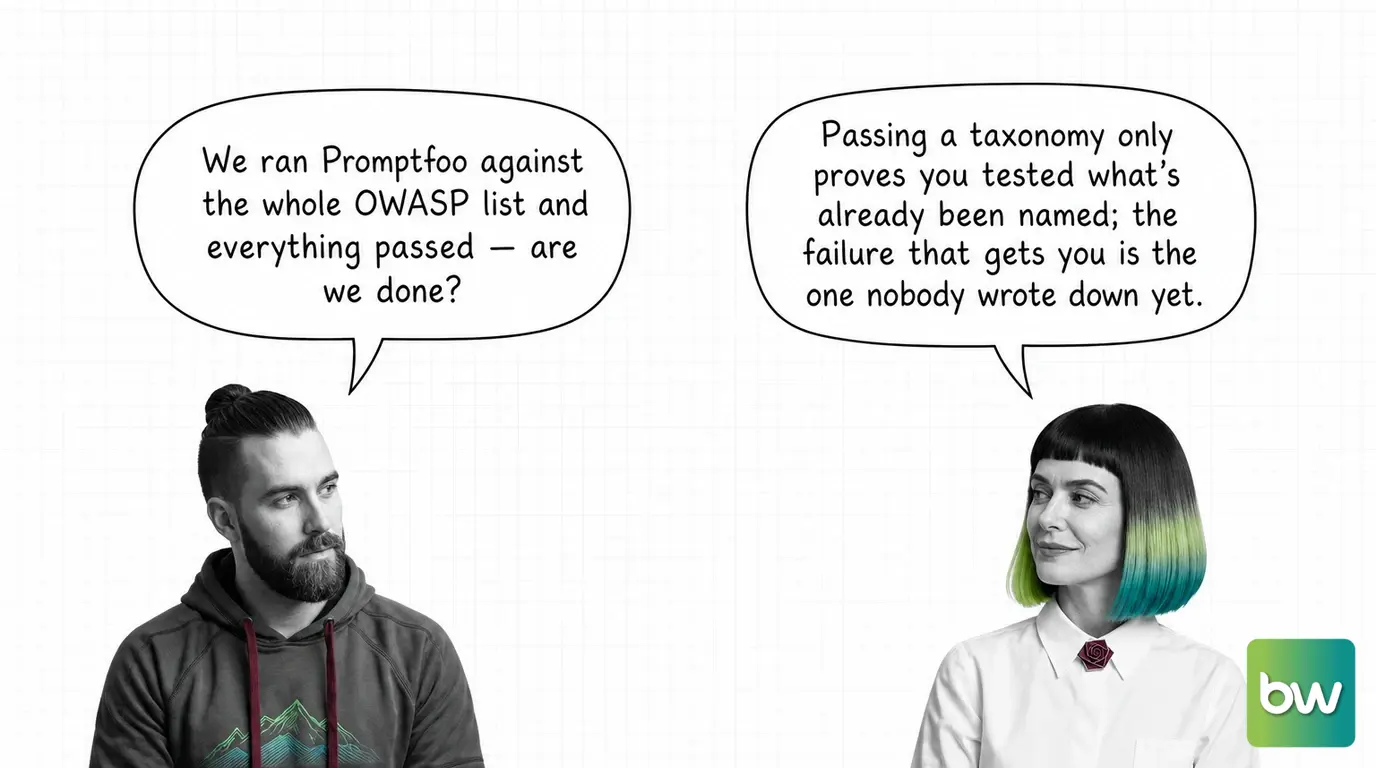
Q: Does passing every OWASP LLM Top 10 and MITRE ATLAS check mean a model is safe to ship? A: It means the known attack categories are covered, not that every attack surface is. The frameworks that structure red teaming turn guesswork into a checklist, but a checklist only lists what someone has already named.
Q: Who should decide whether a red team’s results mean a model is safe to release? A: Not only the team that built it — when the same people test and ship a model, their blind spots travel with it. Who gets to break the model argues a report is only as independent as who was in the room to write it.
Part of the safety and red teaming theme · closest neighbour: data poisoning. New to adversarial testing from a traditional security background? Start with the story: AI Safety Testing for Developers: What Maps and What Breaks.
Red teaming reveals failure modes that standard benchmarks cannot surface. These explainers break down how adversarial probing works, what attack taxonomies exist, and where automated methods fall short of human creativity.
Concepts covered
Red teaming uses adversarial testing to reveal AI vulnerabilities. Discover what it catches, mechanics, and why it outperforms traditional security approaches.
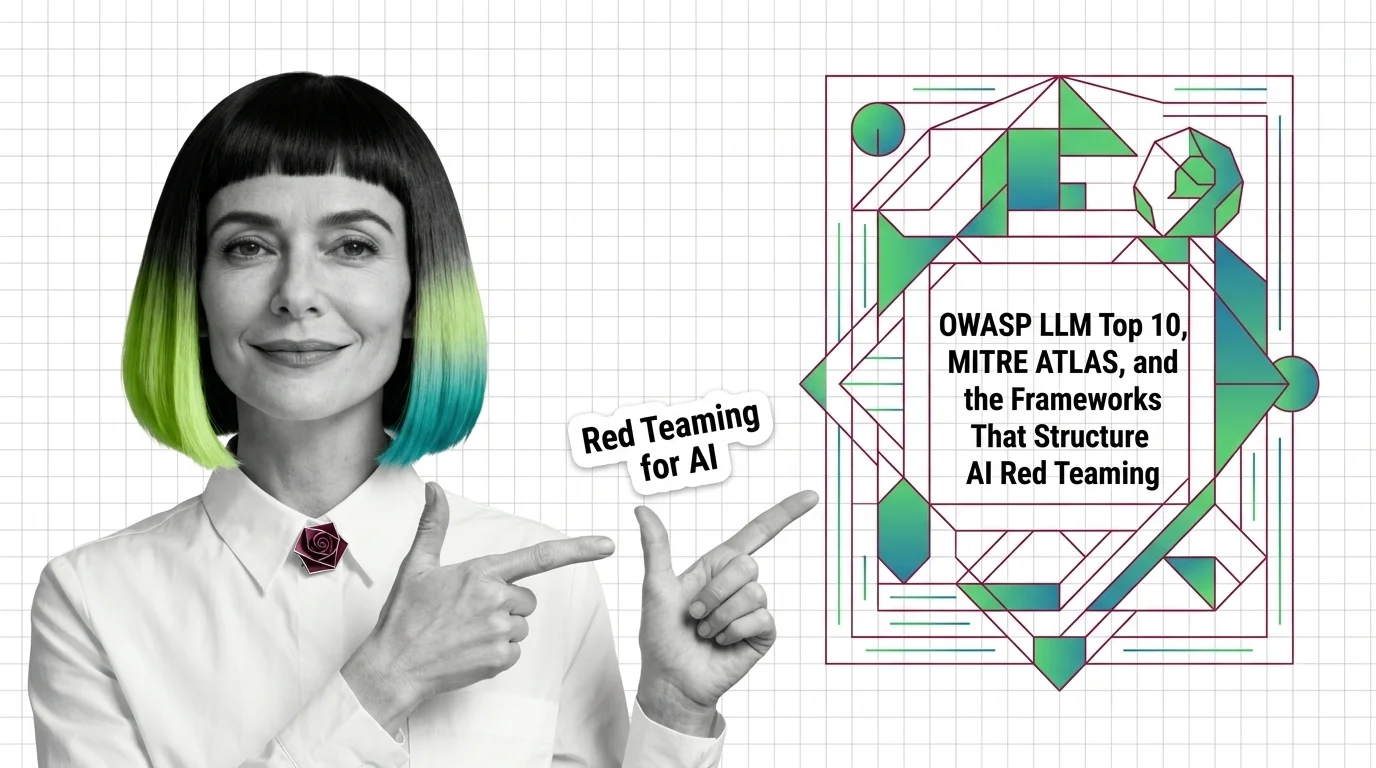
OWASP LLM Top 10 and MITRE ATLAS give red teams structured attack categories. Learn how these frameworks turn AI security testing from guesswork into coverage.
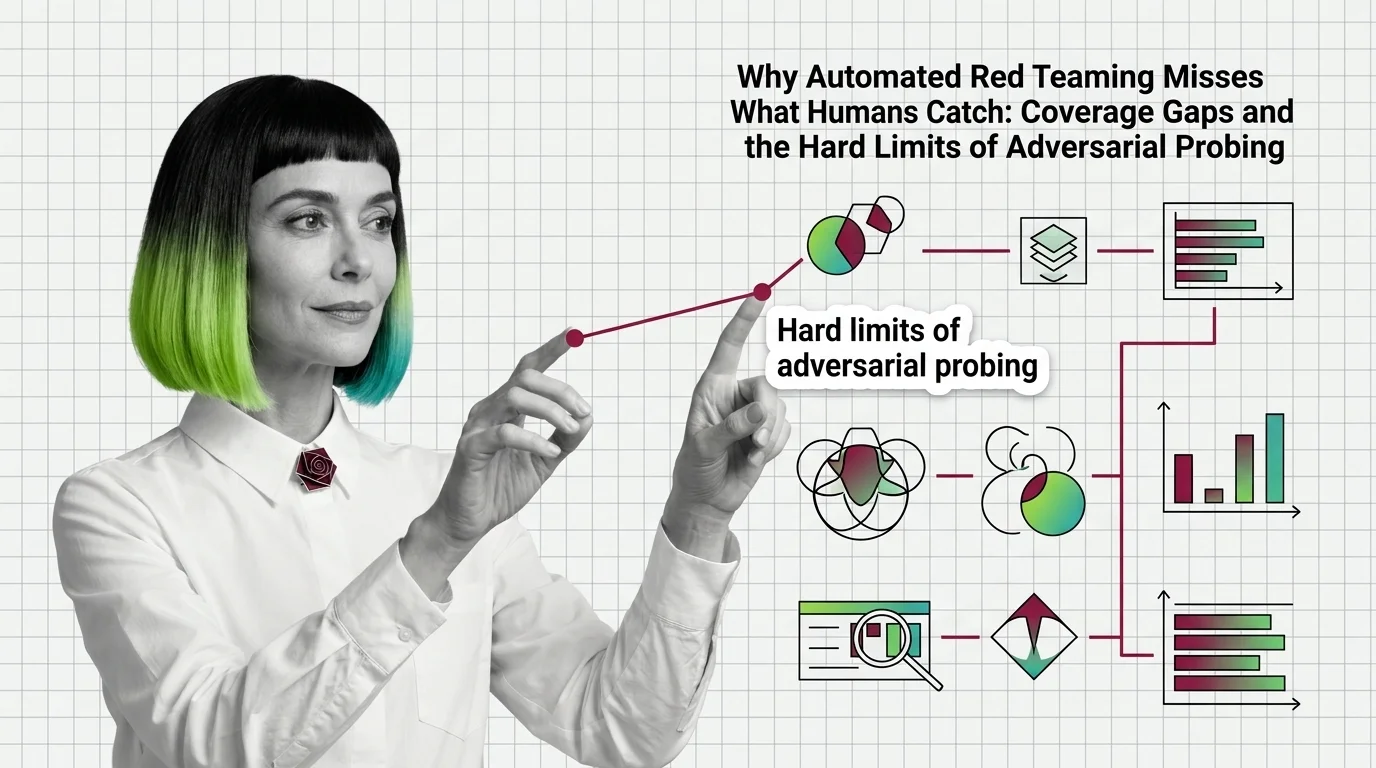
Automated red teaming outperforms human testing but misses critical failures. Coverage gaps explain why automated testing remains fundamentally incomplete.
Running a red team exercise involves choosing tools, designing attack scenarios, and interpreting results under time constraints. These guides cover practical workflows from setup through remediation.
Tools & techniques
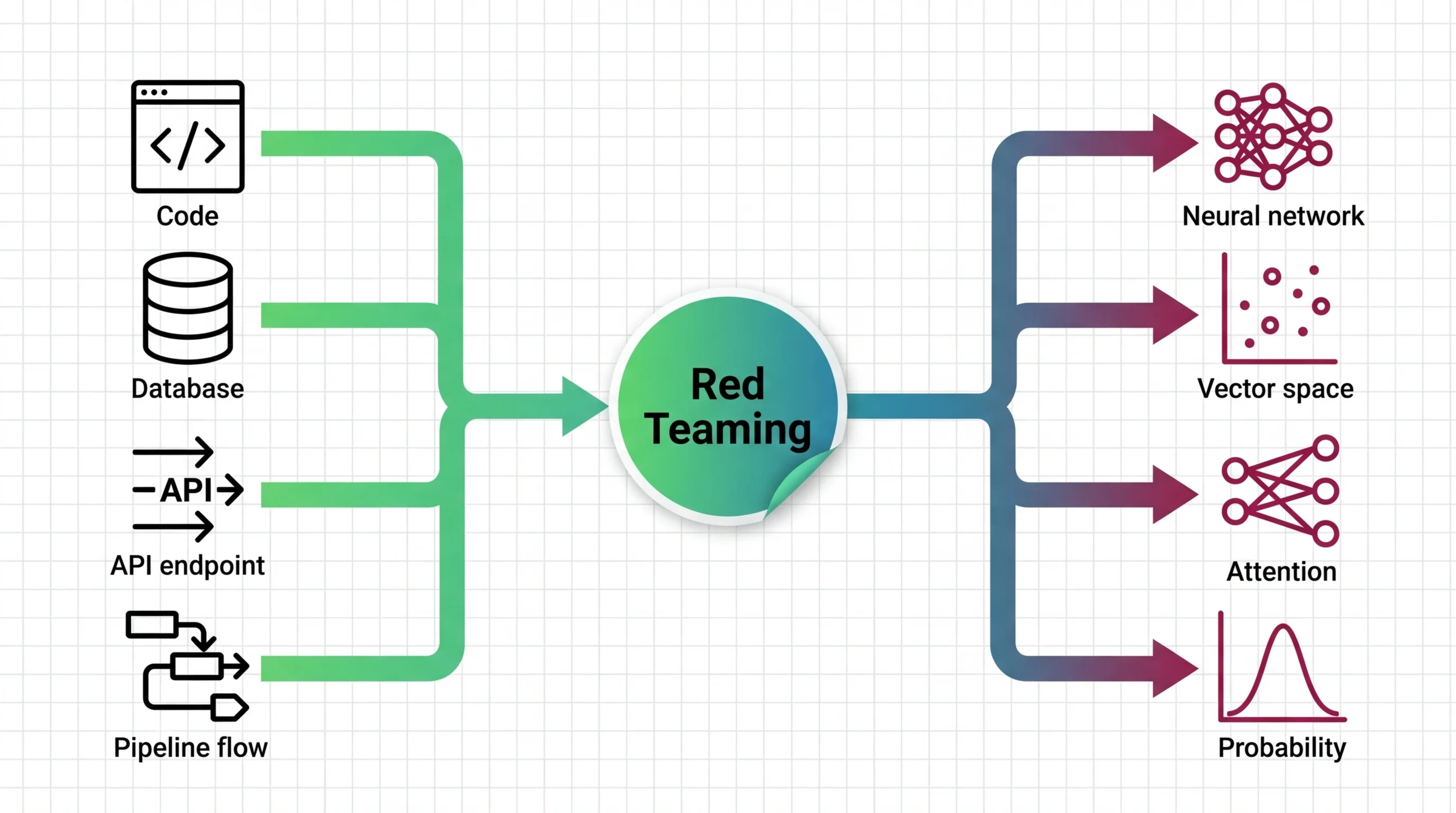
In AI systems, injection arrives through data — retrieved docs, tool output, training data — with no code/data boundary, no signature to filter against.
Build an LLM red teaming pipeline with Promptfoo, PyRIT, and Garak. Map attack surfaces, run multi-turn tests, and score vulnerabilities step by step.
Red teaming has shifted from an ad hoc practice to a regulatory expectation in a remarkably short time. Following this space means tracking the policies, mandates, and tooling shaping deployment standards.
Models & benchmarks
Updated March 2026
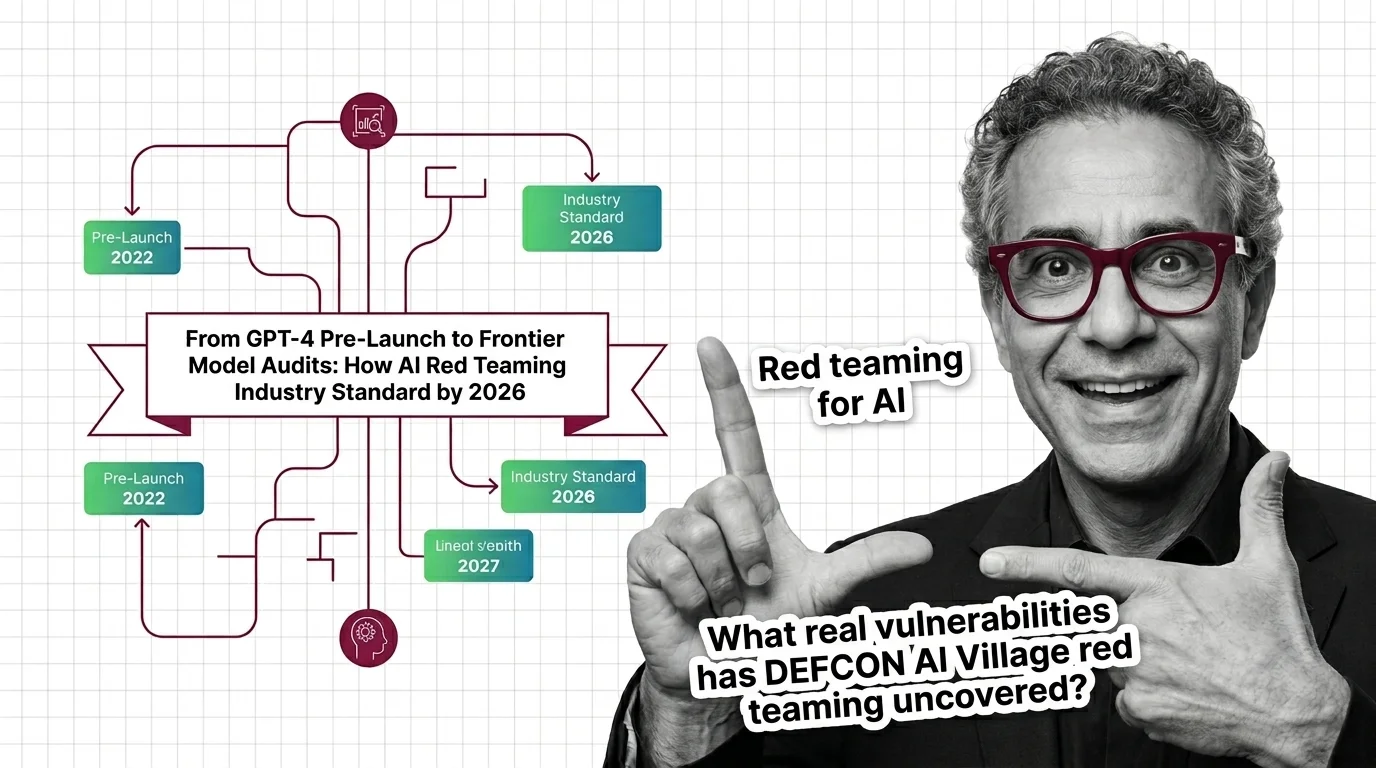
AI red teaming went from OpenAI's voluntary GPT-4 audit to a federal procurement requirement in under three years. Here's what shifted and who benefits.
Who conducts red teaming, which vulnerabilities get prioritized, and whose harms are tested for are deeply political questions. These pieces examine the power dynamics and blind spots in current practice.
Risks & metrics
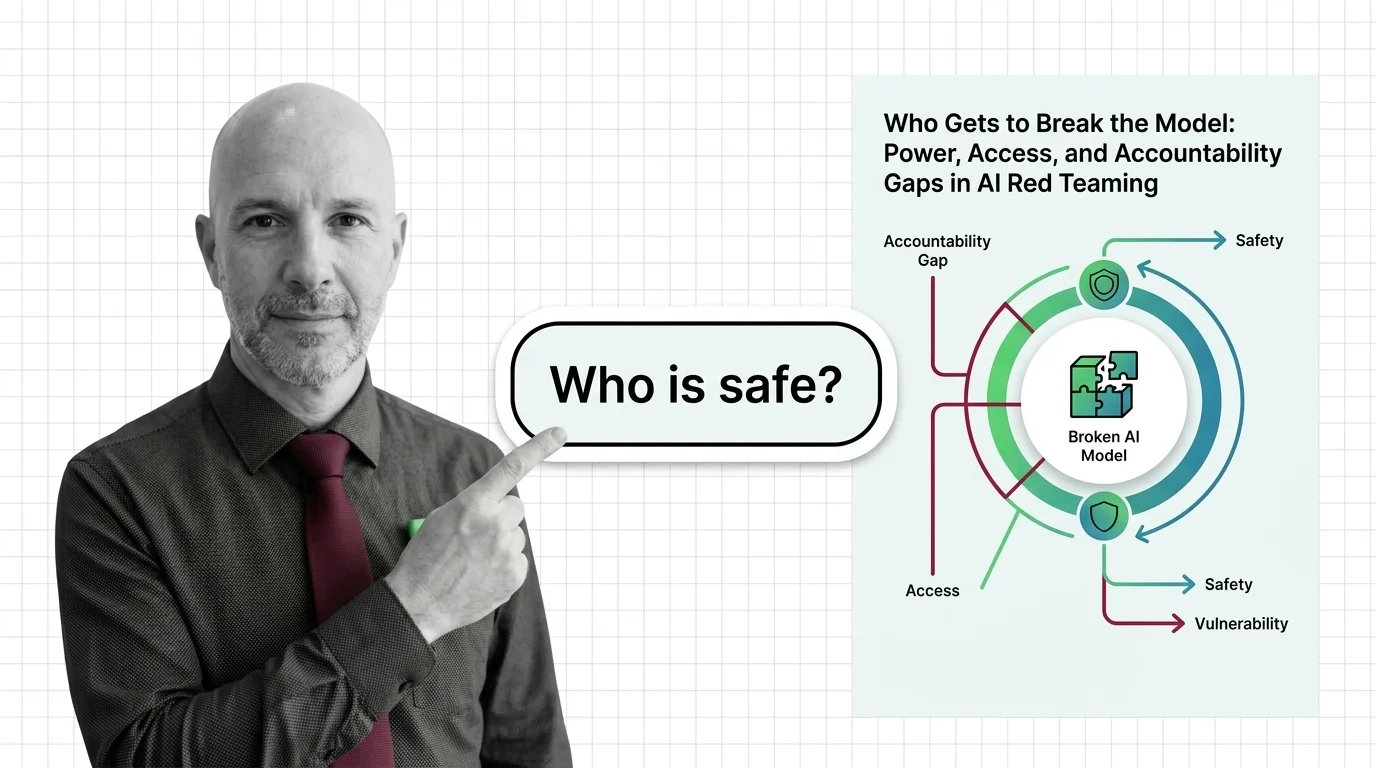
AI red teaming promises safety through adversarial testing, but who selects the testers, defines harm, and bears accountability when the process fails the public?