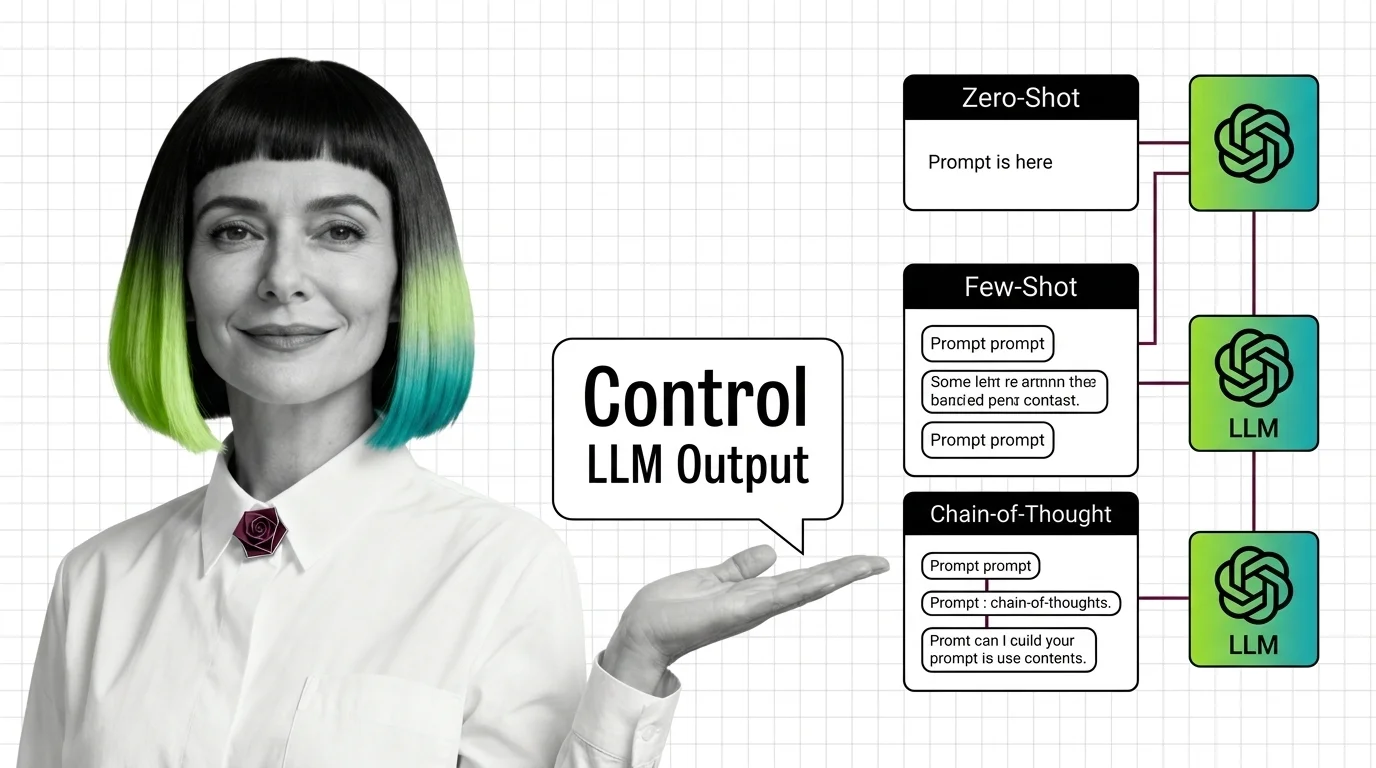
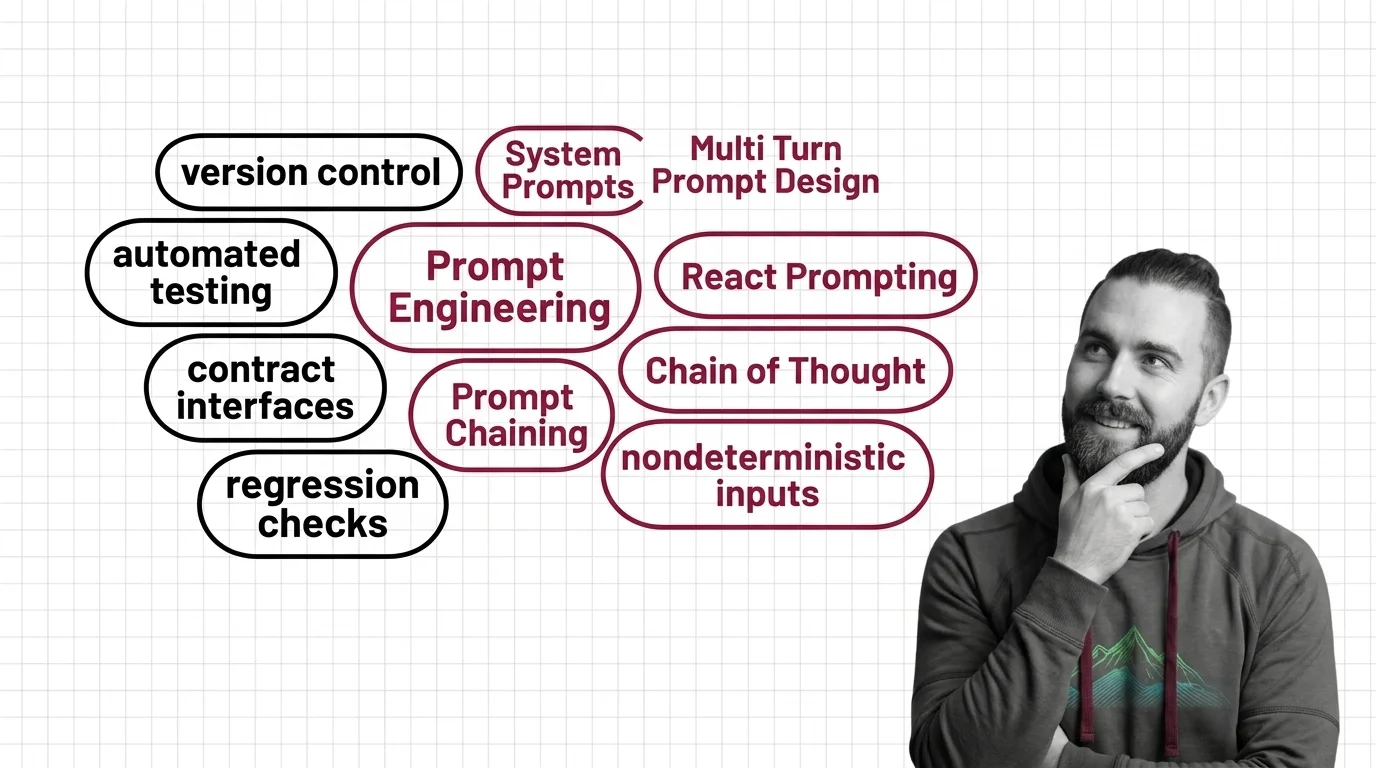
Every framework mapped elsewhere in the prompt engineering theme — chaining, agent loops, tree search, self-critique — is assembled from primitives this topic teaches first: how zero-shot, few-shot, and chain-of-thought instructions steer a model’s output distribution, and how those instructions stack into one working production prompt. Get this foundation wrong and every framework built on top of it inherits the instability, which is one reason production teams now version and evaluate prompts the way they version code, and why who controls a system’s hidden instructions has become a live governance question rather than a private engineering choice.
Zero-shot, few-shot, and chain-of-thought are the primitives every other framework in this theme assembles from — get them right before layering on chains, agents, or tree search.
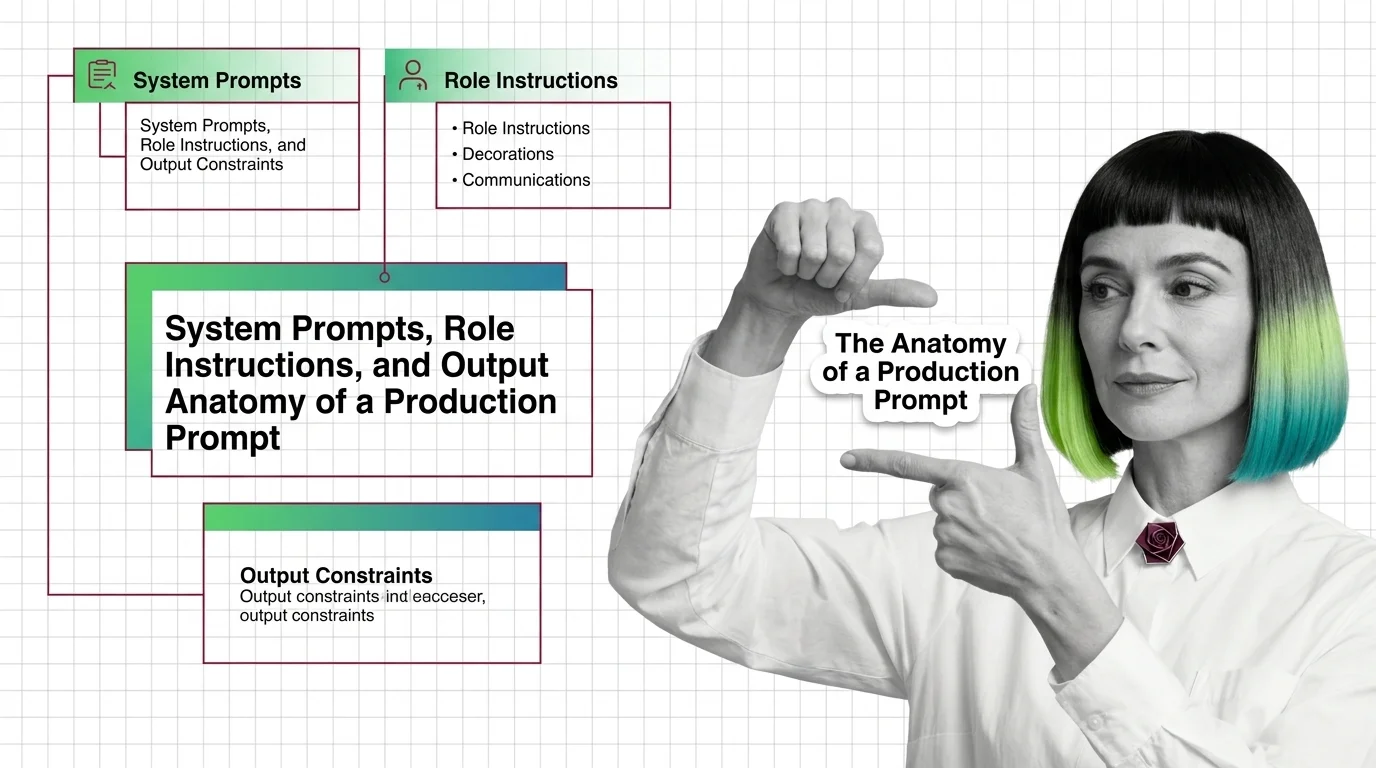
A production prompt is four stacked layers — instruction, context, input data, output indicator — not one block of text, and most failures trace to a single mishandled layer.
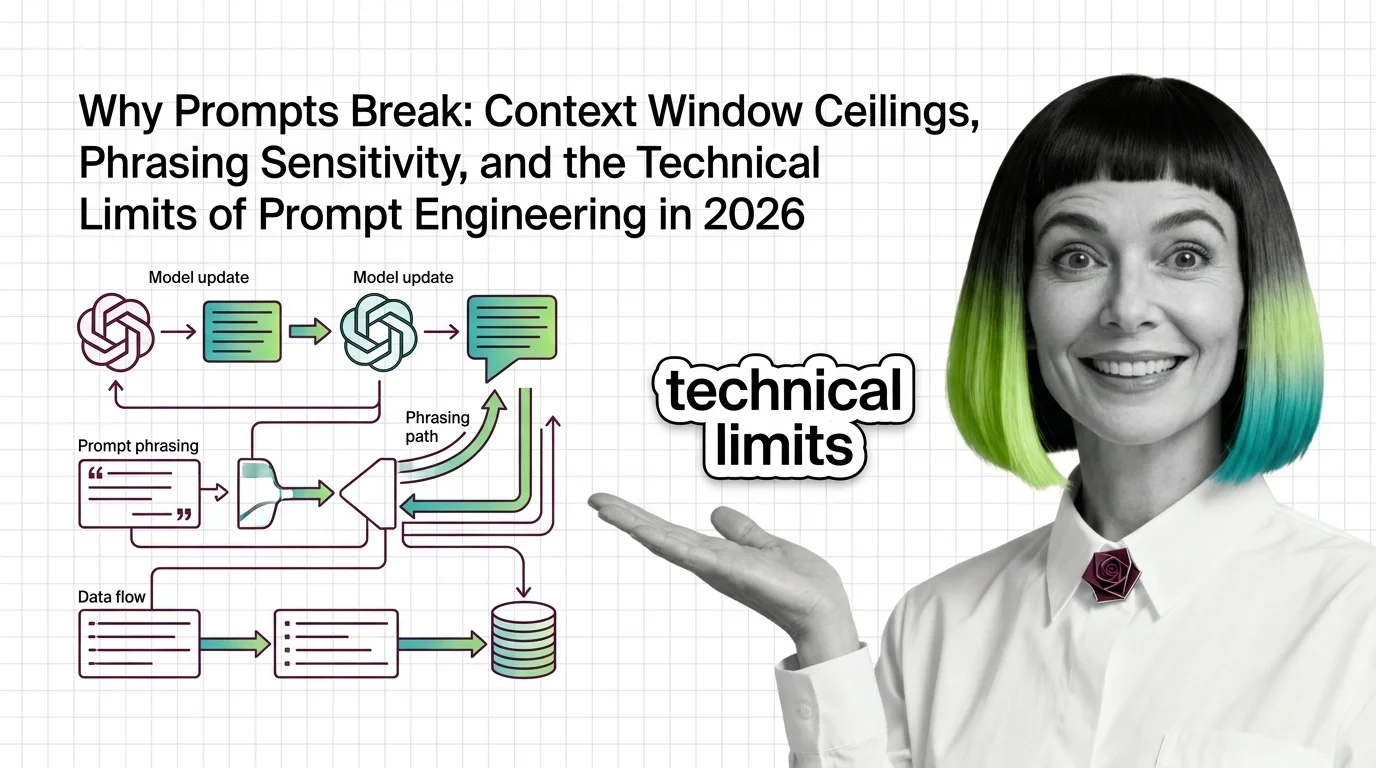
Prompt reliability has real technical ceilings: attention weight thins with position, and a routine model update can silently shift the distribution a working prompt was steering.
Versioning and evaluating prompts like code, not tweaking them by hand, is now the production baseline — and deciding who controls an AI’s hidden instructions is an active accountability question, not a solved one.
The prompt engineering reading path: primitives, production, and control
Correct primitives do not survive production without an evaluation loop behind them.
Where prompt engineering ends and the named frameworks begin
Three techniques get treated as synonyms for prompt engineering itself, and each mix-up sends effort in the wrong direction.
Chain-of-thought is not prompt chaining. Chain-of-thought asks a model to reason inside one call; prompt chaining wires several separate calls together, each feeding the next. Debugging a broken multi-step task as if it were a wording problem wastes the time a pipeline redesign would actually fix.
Prompt engineering is not domain-specific prompting. The techniques taught here are general-purpose; domain-specific prompting takes that same toolkit and loads it with a field’s vocabulary, roles, and constraints. Skipping straight to domain patterns without the general foundation is why domain prompts so often still misfire on basic instruction-following.
An output constraint is not a critique loop. This topic’s production-prompt anatomy covers explicit output constraints — format, schema, refusal handling. Constitutional AI prompting goes a step further, running the draft back through the model against a written set of principles before a human sees it, buying correction at the cost of extra calls.
Common questions about production prompt engineering
Q: Do I need a dedicated prompt-versioning tool, or is a shared document enough?
A: A shared doc works only until more than one person edits the same prompt — after that, untracked changes are indistinguishable from regressions. The versioning guide picks between Braintrust, PromptLayer, and Agenta by team size and eval depth, not by feature checklist.
Q: Why does the same prompt behave inconsistently across different users’ inputs, even without a model update?
A: Because reliability ceilings are structural, not wording-deep: attention weight thins for tokens further from either end of the context, so the same instruction lands with different effective weight depending on what surrounds it. The technical-limits article maps exactly where that ceiling sits.
Q: At what point does an AI feature need a formal evaluation pipeline instead of manual prompt testing?
A: Once a prompt ships to real users, manual spot-checks stop catching regressions before they do damage. The report on prompt engineering’s production shift found automated scoring and CI-style gates are now the baseline teams that survive model updates actually run.
Q: Who is responsible when a hidden system-level instruction causes an AI to mislead a user?
A: Increasingly, the operator who wrote the instruction — courts in multiple jurisdictions are already assigning liability there rather than to the model. The piece on hidden instructions and consent gaps lays out both sides of that argument.
Prompt engineering is more systematic than it first appears: small phrasing choices trigger different reasoning paths inside a model, and understanding why reveals how LLMs process instruction.
Prompt engineering has architectural failure points: position bias drops recall 30%+ in long contexts, and prompts silently regress after model updates.
A production LLM prompt has four layers: instruction, context, input data, and output indicator. The layer you ignore is usually where failures live.
2
Build with Prompt Engineering
Covers hands-on patterns for structuring system prompts, versioning templates, and applying few-shot examples, needed to ship prompt-driven features that behave consistently across edge cases in production.
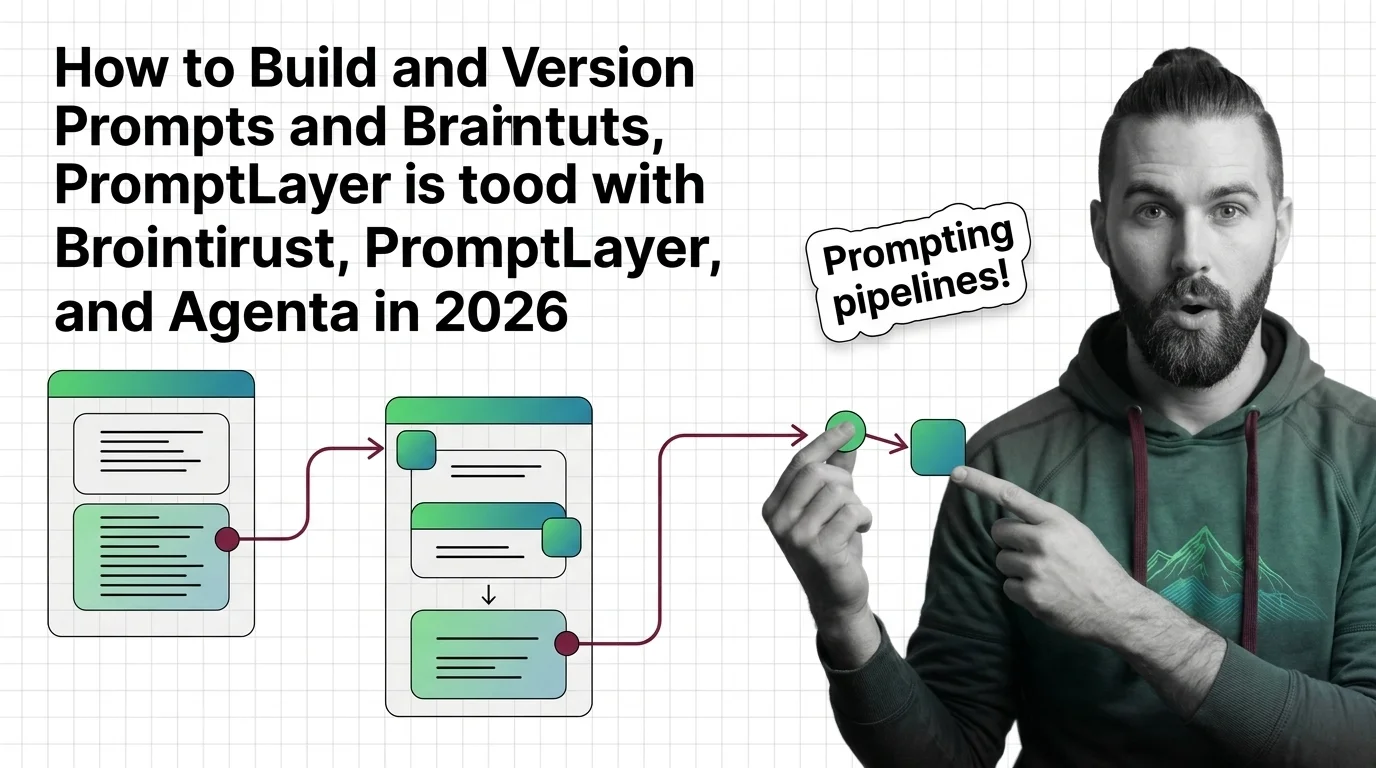
Editing prompts in place works until a model update breaks production with no changelog to blame. Map which API and contract-testing instincts transfer to prompt work, and where they break.
OpenAI deprecated native prompt storage in 2026. This guide covers few-shot specs, JSON output, and versioning with Braintrust, PromptLayer, or Agenta.
3
What's Changing in 2026
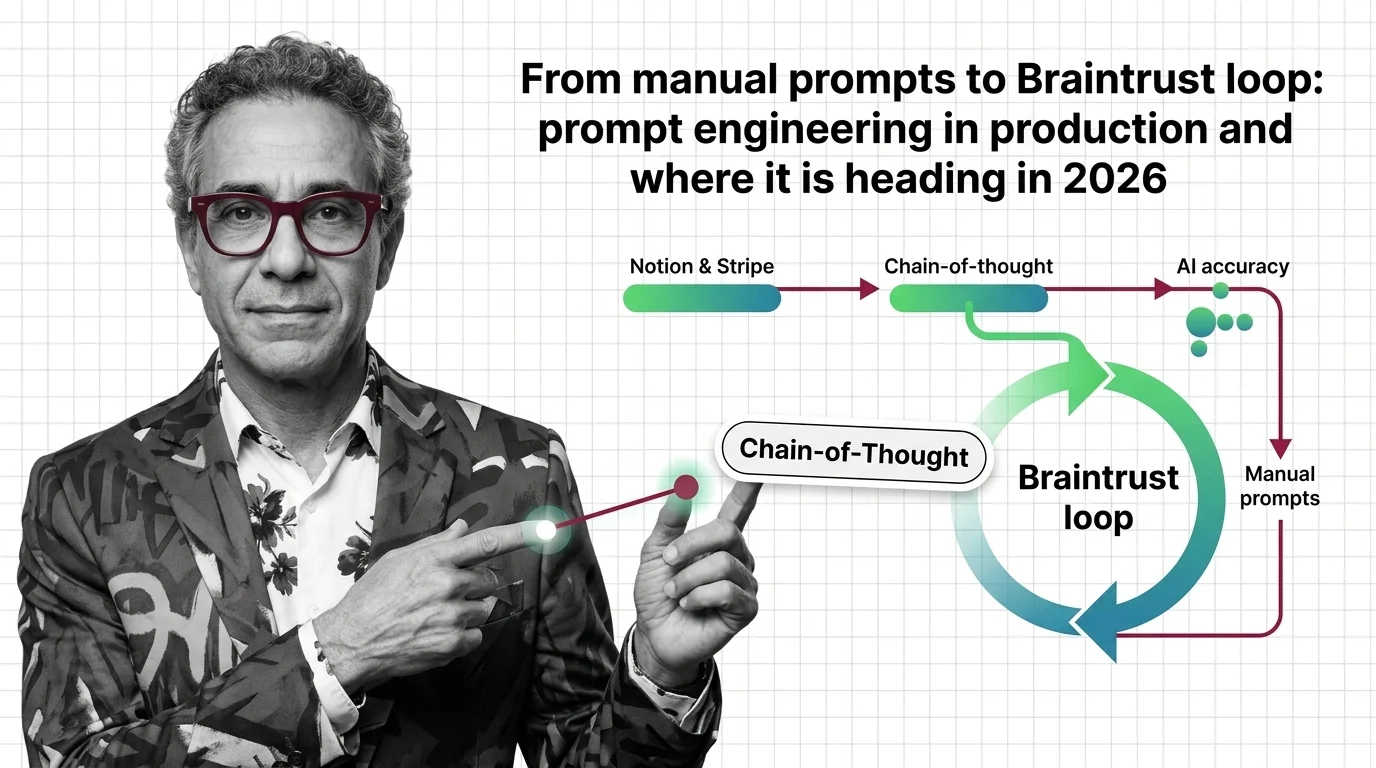
Prompt engineering is evolving from manual craft toward automated evaluation and optimization. Staying current matters because the techniques that work today shift as models and tooling change.
Prompt engineering is becoming infrastructure. Notion runs 70+ engineers on shared evals; Stripe benchmarks real integrations. The craft-only era is over.
4
Risks and Considerations
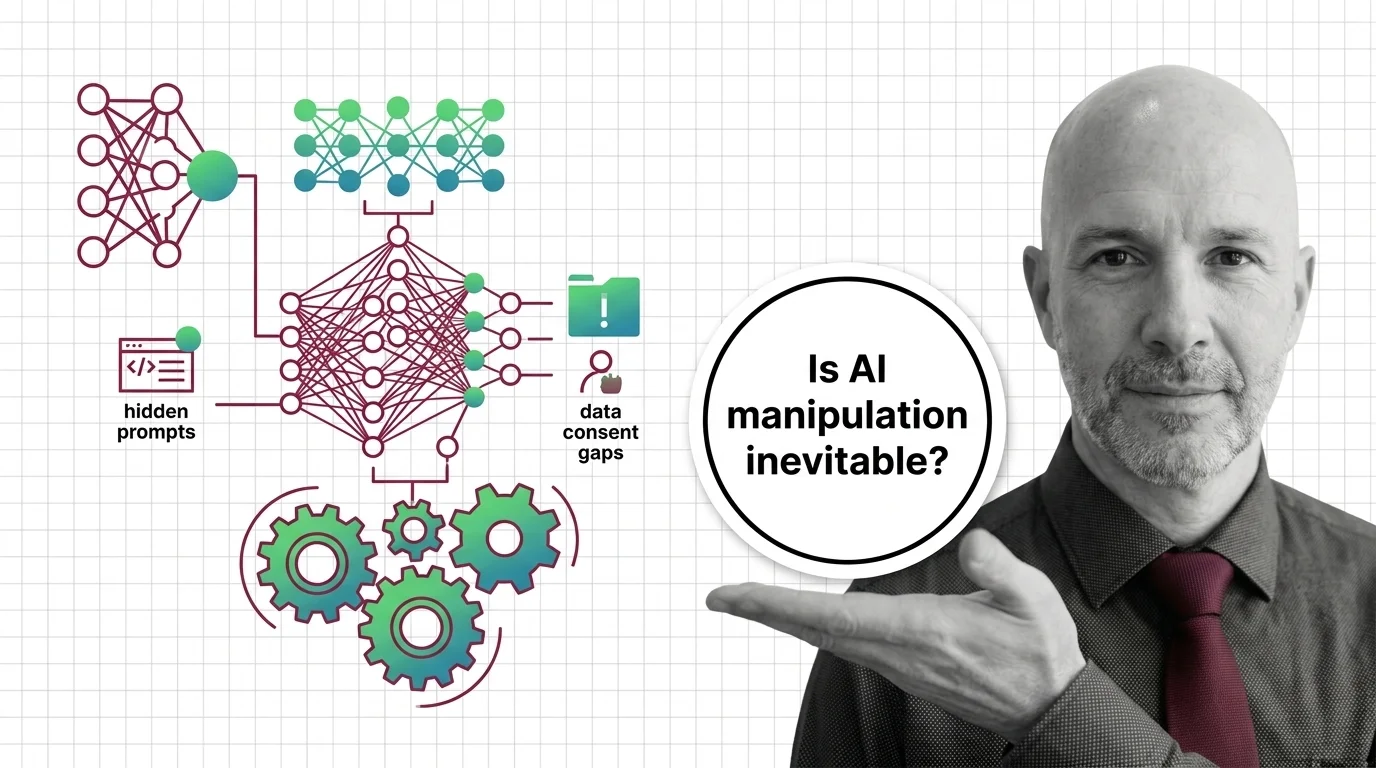
How prompts are designed determines what models will and won't say. Hidden instructions and context manipulation raise real questions about transparency, user consent, and who controls AI behavior.