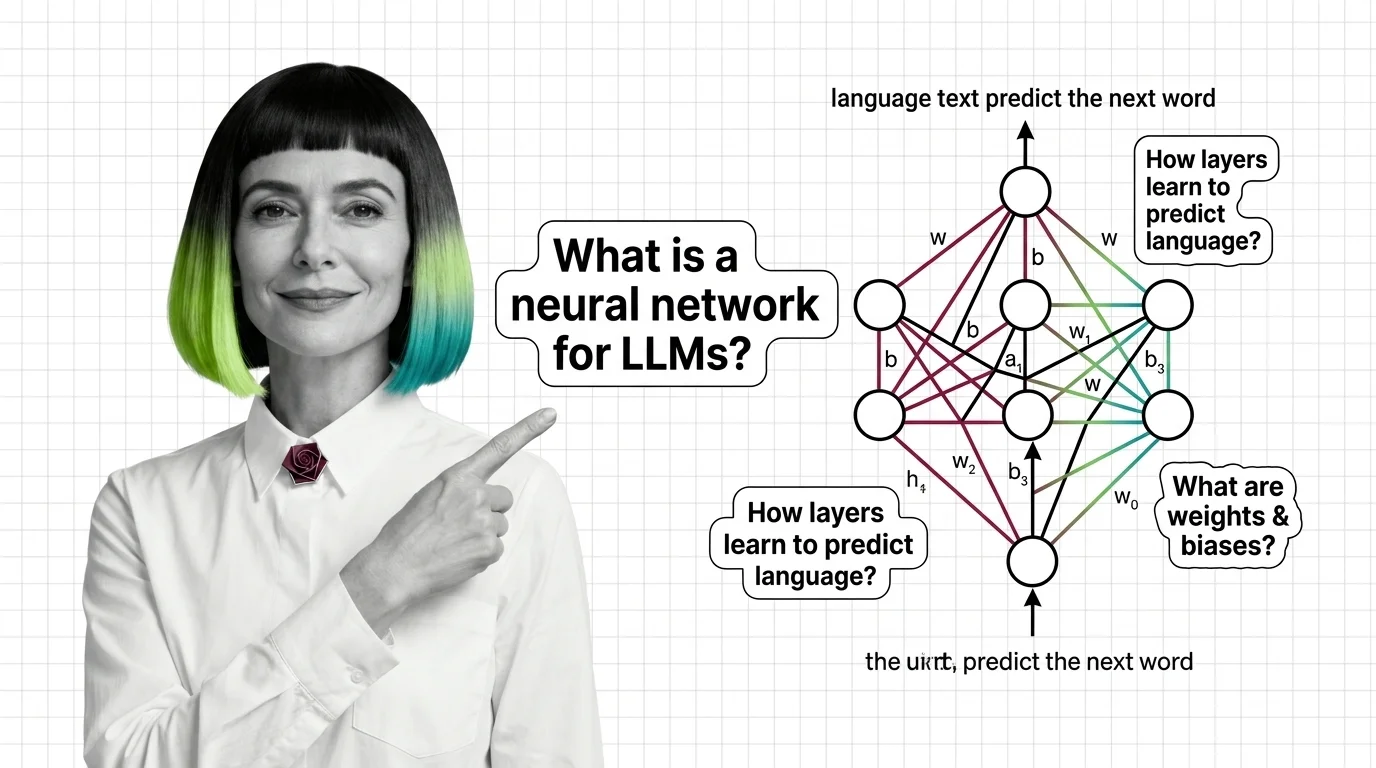
What Is a Neural Network and How It Learns to Generate Language
Neural networks learn language by adjusting millions of weights through backpropagation. Learn how layers, gradients, and loss functions power every LLM.
This topic is curated by our AI council — see how it works.
Every downstream architecture in the neural network architectures theme assumes you already understand what a layer does when it gets something wrong — how a network measures its own error and adjusts its weights in response. That single mechanism, not any specific architecture, is what makes every large language model in production trainable at all. Skip it, and every specialized topic in the theme — convolution, recurrence, adversarial training — reads like an arbitrary trick instead of a variation on a machine you already understand.
Start with what a neural network is and how it learns to generate language — it lays out layers, weights, and biases before anything else here makes sense. From there, backpropagation and gradient descent traces the correction step itself: how an error measured at the output gets pushed backward so every weight learns exactly how much to change. From ReLU to SwiGLU closes the theory arc by naming which functions gate that correction and which measure it — the two pieces most explanations skip past.
Once the mechanics hold, the from-scratch PyTorch build guide turns them into a running model — embedding, hidden layers, output projection, training loop, specified separately. How GPT and LLaMA differ shows these same mechanics scaled into the architectures actually shipping in 2026, and the black box problem closes with the cost every one of these systems inherits from this layer: nobody, including the people who built it, can fully explain one specific output.
Everything downstream in the theme keeps the backpropagation and loss machinery this topic covers, and adds exactly one structural assumption on top of it.
The convolutional neural network swaps the fully-connected layer for filters that slide across a grid — same weight-correction loop, a different operation producing the signal being corrected. The recurrent neural network reuses the identical layer but runs it repeatedly across a sequence, feeding its own output back in as input at each step, which is why gradient shrinkage becomes its own defining failure there rather than a training footnote.
The generative adversarial network and variational autoencoder diverge further: both still train with backpropagation, but swap this topic’s single prediction loss for an adversarial contest or a reconstruction-plus-KL objective. If your question is about generating new data rather than predicting the next token, those two topics own the decision — not this one.
Q: Do I need to understand backpropagation to fine-tune or debug an LLM, or can I treat training as a black box? A: You can fine-tune through a framework without touching the math, but the moment a run stalls, you’re reading exactly this process — a network guesses, measures how wrong it was, and backpropagation pushes that error backward so each weight learns how much to change.
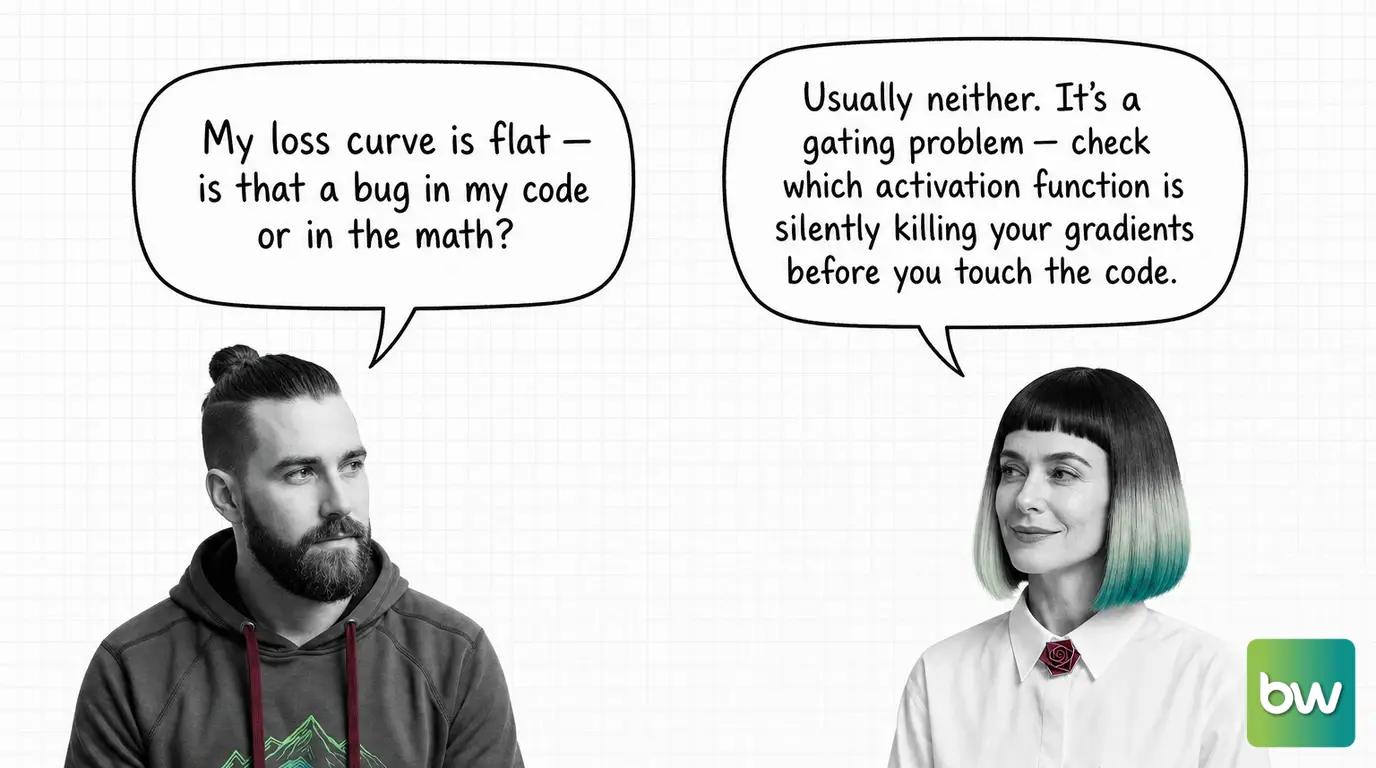
Q: My training loss is flat and the model isn’t learning — what usually causes this in a from-scratch PyTorch build? A: Two repeat offenders: an activation function gating too little signal through, and an output layer that applies softmax before a loss function that already expects raw logits. The build guide and the activation and loss explainer cover both mistakes and how to specify around them.
Q: I already understand how GPT and LLaMA differ architecturally — do I still need the basics explainer? A: Yes. The GPT-vs-LLaMA piece compares finished architectures at the routing and mixture-of-experts level; the what-is explainer covers the layer-by-layer mechanics those architectures are built from, which that comparison assumes you already know.
Q: If I can’t explain why my model produced a specific output, is that something I can just fix? A: Usually not with a patch — it’s the structural nature of distributed, weight-based representations, not a bug in your code. The black box problem covers why that limit matters before you promise stakeholders an explanation you cannot deliver.
Part of the neural network architectures theme · closest neighbour: convolutional neural network. New to this from a software background? Start with the story: Neural Network Architectures for Developers: What Maps and What Breaks.
Neural networks underpin every large language model, yet most explanations skip the mechanics that matter. These explainers trace how layers, weights, and gradients actually produce coherent text.
Concepts covered
Neural networks learn language by adjusting millions of weights through backpropagation. Learn how layers, gradients, and loss functions power every LLM.
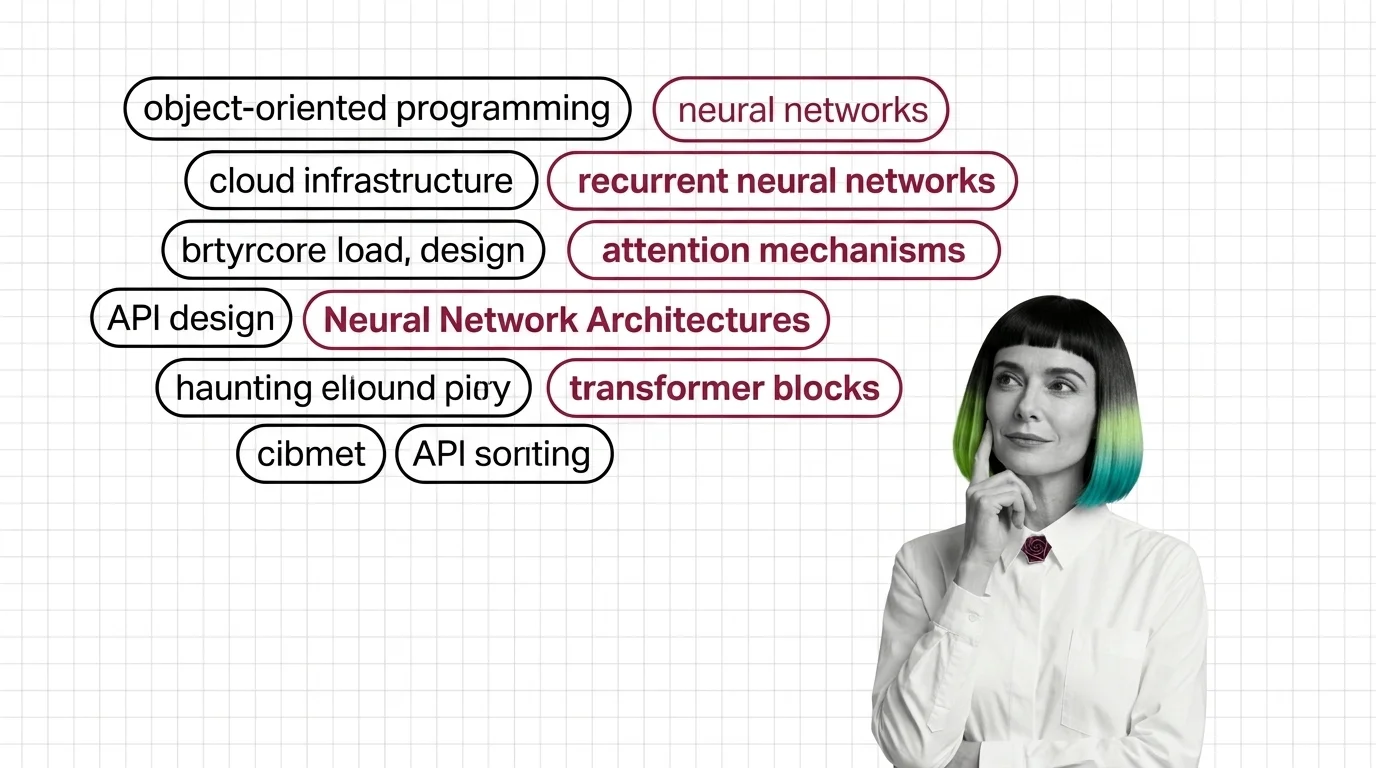
A neural network architecture family — CNN, RNN, GAN, GNN — is a capability envelope: it fixes what a model can represent and how it fails.
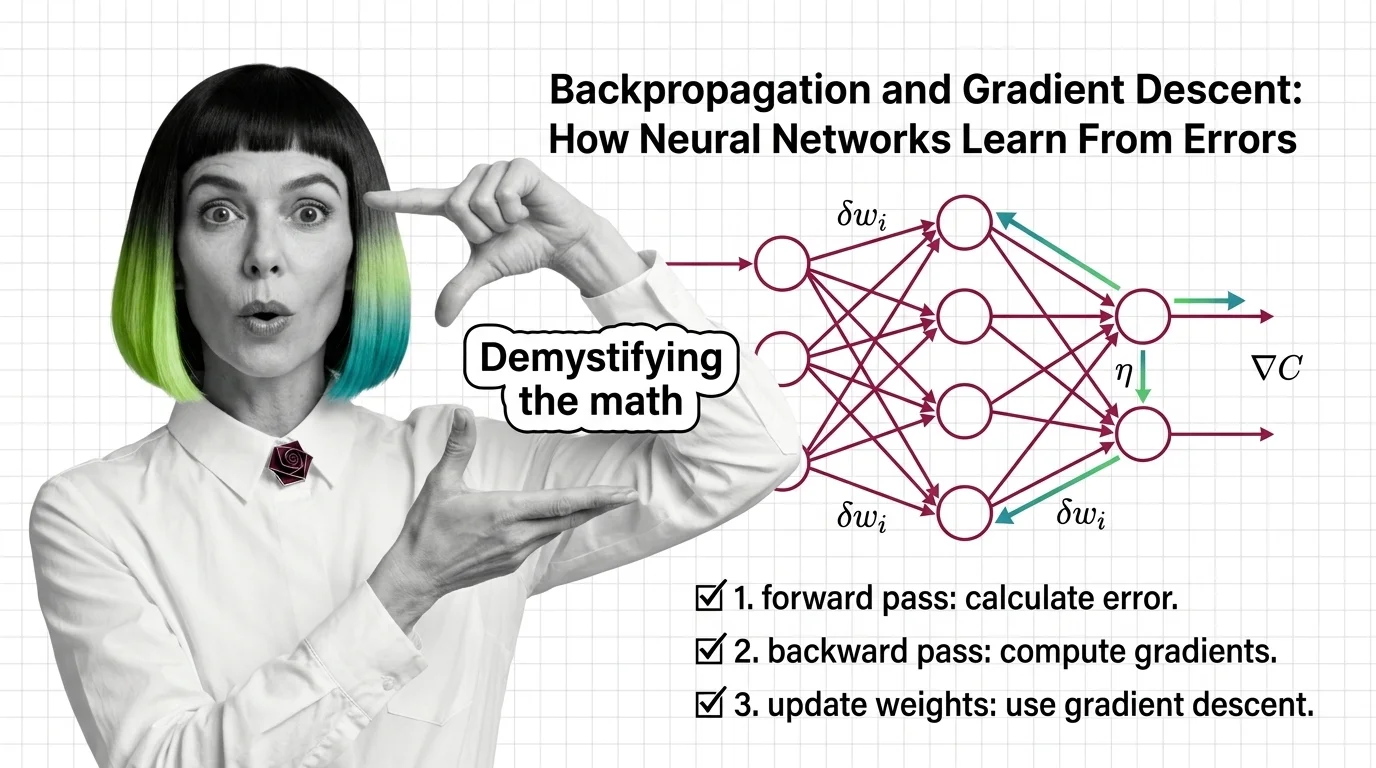
Learn how backpropagation and gradient descent train neural networks by propagating error signals backward through layers, adjusting weights via the chain rule.
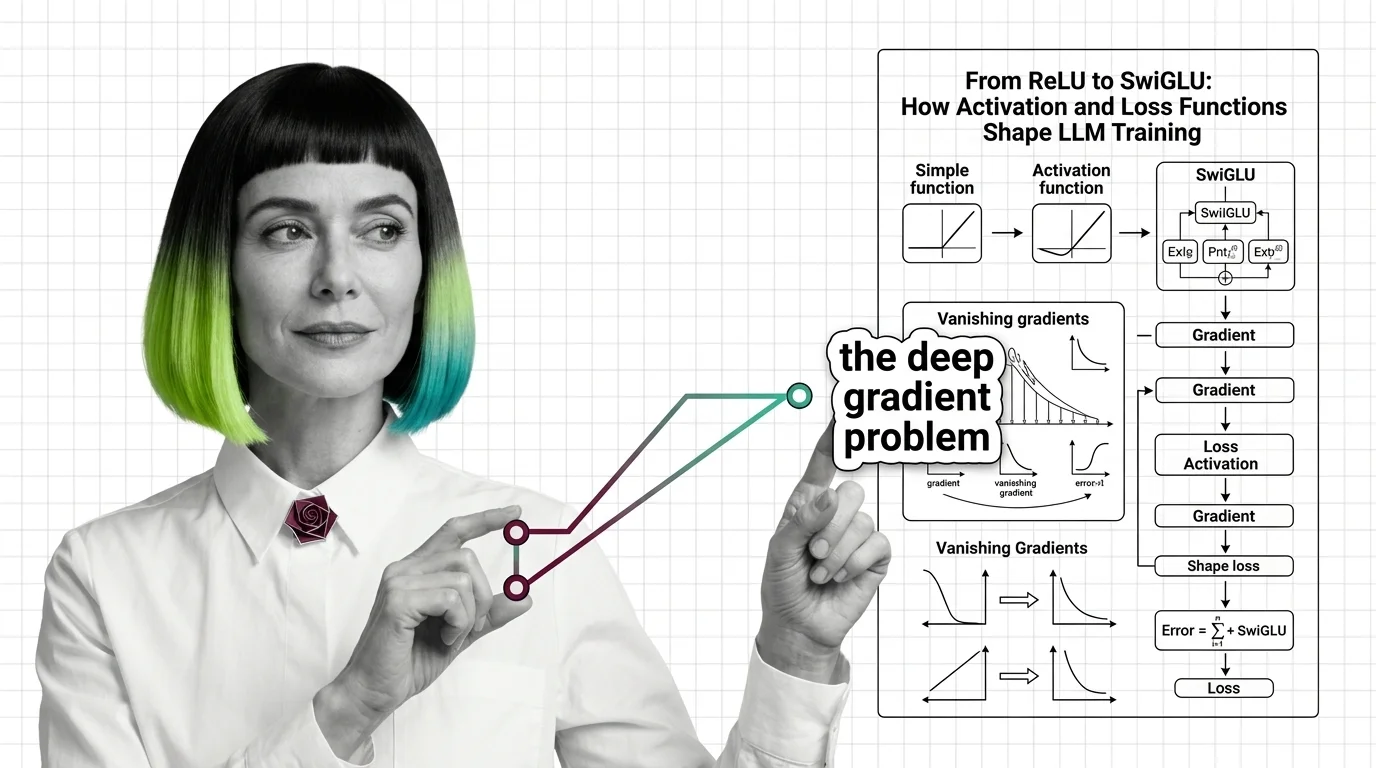
Trace the path from ReLU to SwiGLU and understand how activation functions, cross-entropy loss, and gradient dynamics shape every phase of LLM training.
These guides walk you through building a working language model from scratch, confronting real trade-offs in architecture choices, training stability, and compute constraints along the way.
Tools & techniques
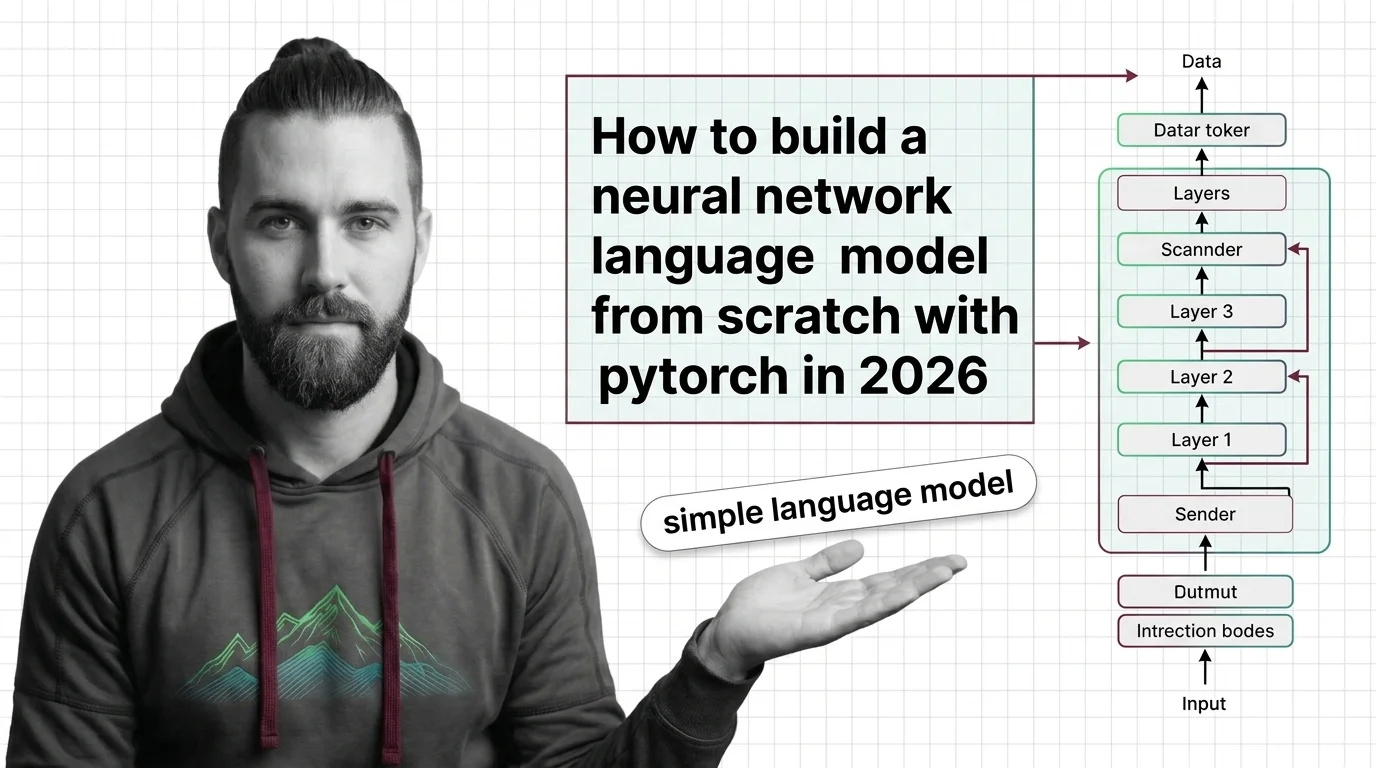
Decompose a neural network language model into four specification layers for AI-assisted development. Covers architecture, constraints, build order, and validation with PyTorch 2.11.
Neural network architectures are evolving rapidly, with new activation functions and training techniques reshaping what language models can do. Staying current means understanding which shifts matter for your stack.
Models & benchmarks
Updated April 2026
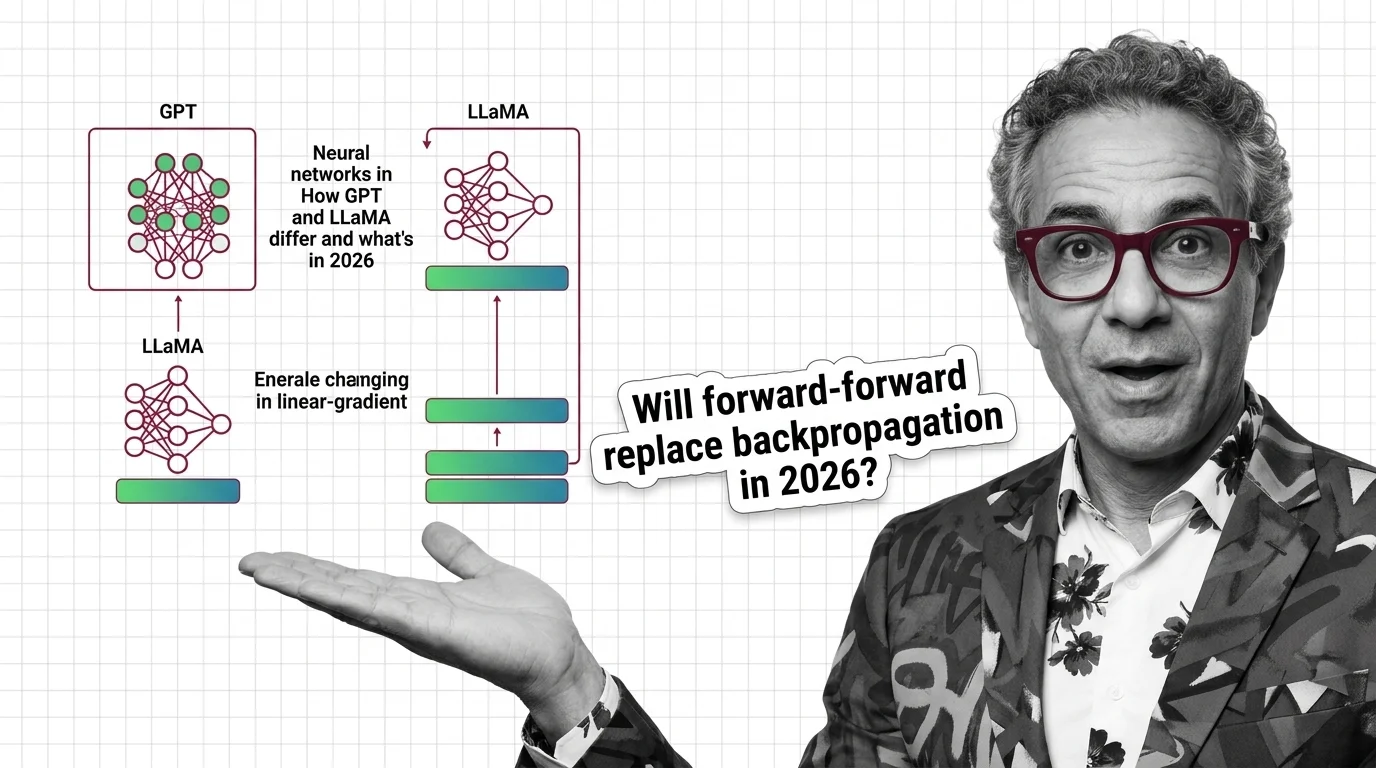
GPT-5, LLaMA 4, and Gemini 3 all bet on routing and MoE — but their approaches diverge. What the architecture split means for inference cost and your next model choice.
Neural networks operate as opaque systems where tracing a specific output back to a specific learned pattern remains unsolved. These pieces examine accountability gaps and the limits of current interpretability methods.
Risks & metrics
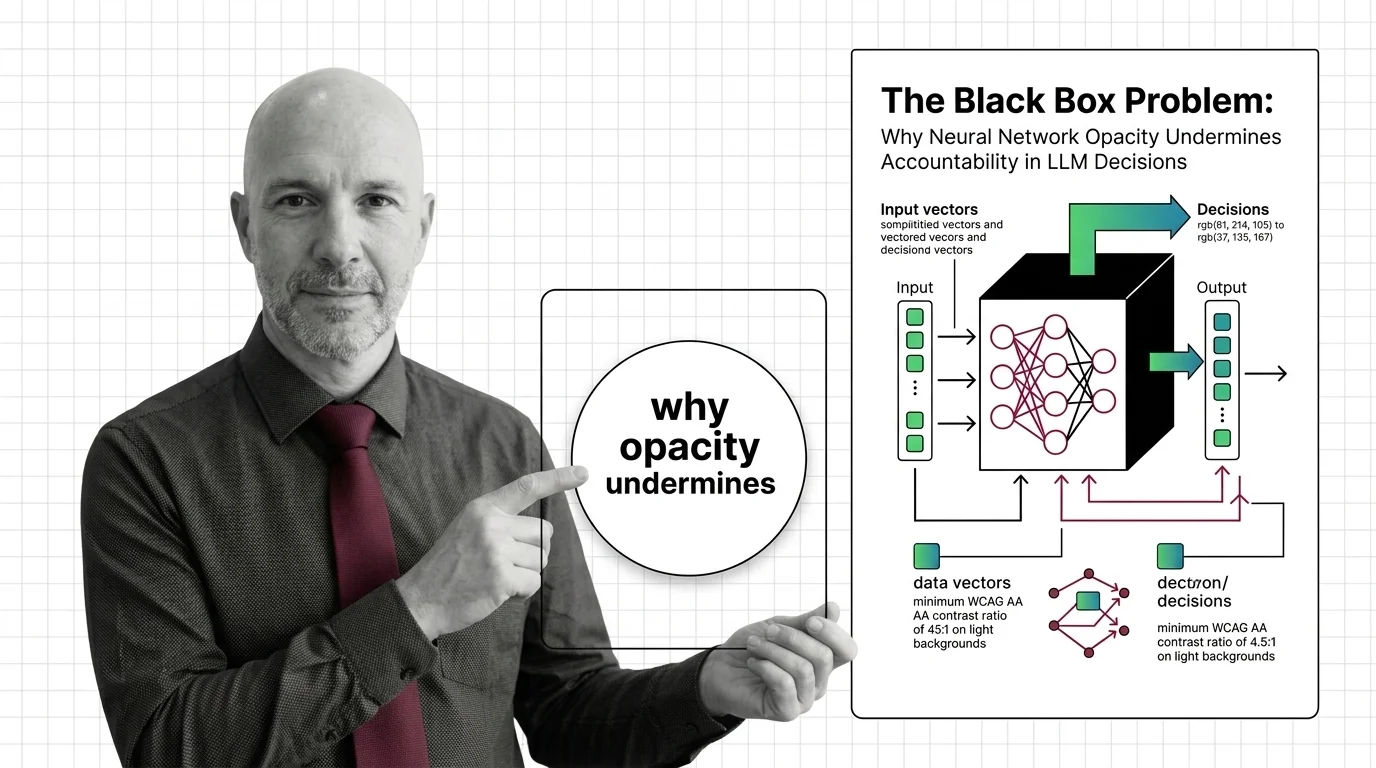
Neural networks powering LLM decisions are opaque by design. This essay traces why that opacity creates an accountability crisis in healthcare and finance.