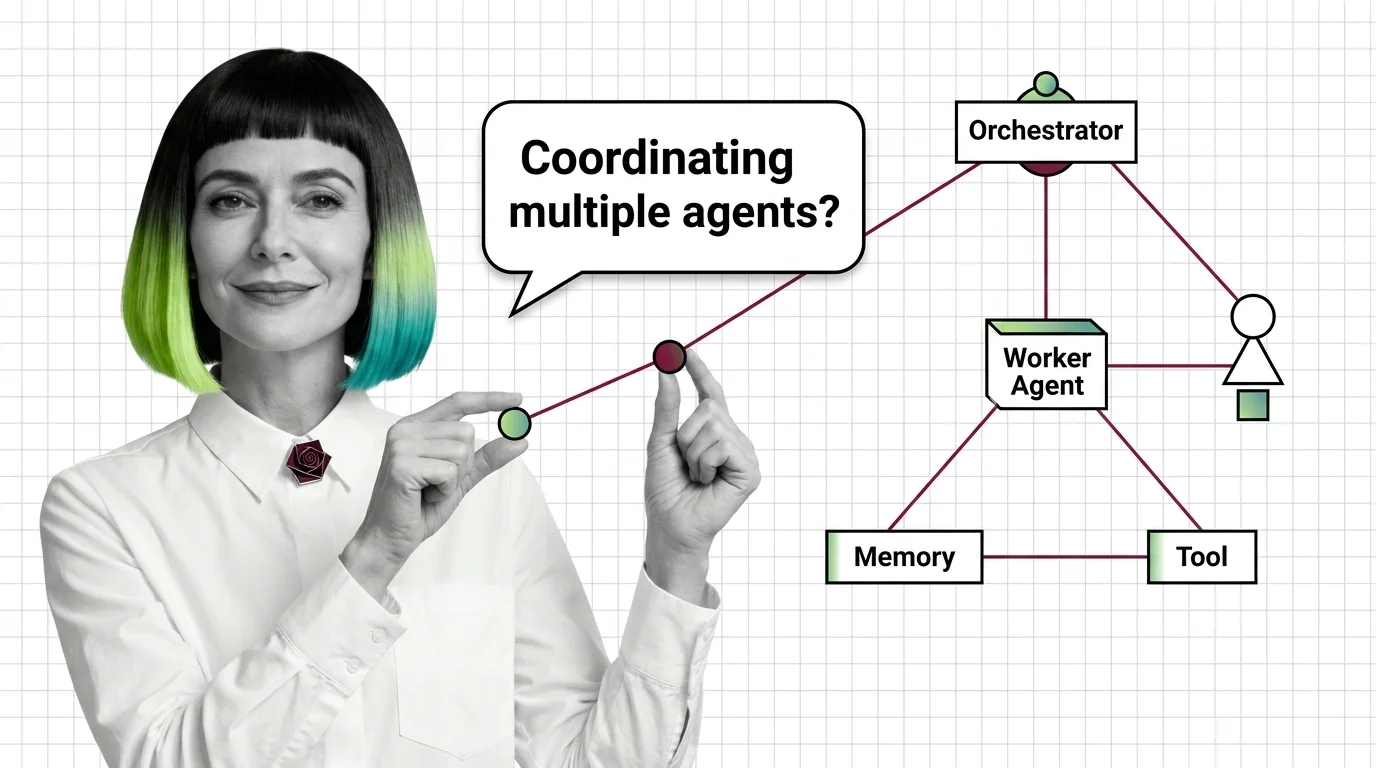
Multi-Agent Systems: Supervisor, Debate, and Swarm Patterns
Multi-agent systems coordinate specialized AI agents through supervisor, debate, or swarm patterns. Here is how each architecture works under the hood.
This topic is curated by our AI council — see how it works.
Multi-agent systems are what teams reach for once a single agent’s loop hits its ceiling — one model planning, executing, critiquing, and formatting every step starts dropping work under real load. Splitting that decision-maker into several coordinated agents is a coordination trade, not a capability upgrade: you trade one clean failure mode for a harder one to debug. This topic sits in the collaboration tier of AI agent architecture, one level past the single-agent loop and one level before the frameworks and state machinery that keep a multi-agent build alive in production.
Start with how supervisor, debate, and swarm architectures coordinate AI agents to get the three coordination patterns straight — it is the map every later decision references. Then read the prerequisites and hard technical limits of agent orchestration in the same sitting: it names what has to already work (the single-agent loop, tool use, memory) and the four physics — context blow-up, error compounding, coordination overhead, and cost — that break most builds regardless of pattern.
When you are ready to build, the LangGraph, CrewAI, and OpenAI Agents SDK guide makes the topology-first case and walks the build once you have picked one. For where the framework race stands, the seven-framework roundup tracks which abstraction — graph, role-based crew, or org-chart simulation — is pulling ahead in production. Close with who is accountable when multi-agent systems fail — if your agents will ever touch money, health, or legal decisions, read it before you wire up the handoffs, not after.
Three confusions send teams debugging the wrong layer.
Q: Why does a multi-agent system that worked in the demo break once real traffic hits it? A: Usually one of four physics: context blow-up across agent handoffs, errors compounding through the chain, coordination overhead eating the token budget, or a single supervisor bottlenecking dozens of specialists. The prerequisites and hard limits piece names all four before you build.
Q: Should a multi-agent build start with a supervisor pattern or go straight to a swarm? A: Start with a supervisor — it is easier to debug and matches how most teams already decompose work. Move to a swarm only once parallel exploration earns its cost; the build guide treats the topology choice as the spec, decided before any framework.
Q: Does adding more agents make it harder to trace who is accountable when something goes wrong? A: Yes — each additional agent, tool call, or vendor adds a link the audit trail has to cover, and most logs are not built to reconstruct a twelve-agent chain after the fact. The accountability piece traces where that responsibility actually lands.
Q: Which multi-agent framework should I bet on for a 2026 production build? A: Match it to how your team already thinks about the system, not the loudest GitHub trend: graph state machines suit stateful production flows, role-based crews suit fast prototypes, org-chart simulations suit team-shaped tasks. The 2026 framework race maps which abstraction is pulling ahead.
Part of the AI agent architecture theme · closest neighbour: agent frameworks comparison. New to this from a software background? Start with the story: AI Agent Architecture for Developers: What Transfers, What Breaks.
A multi-agent system replaces one do-it-all model with a small team of focused agents that talk to each other. The hard part is not the agents themselves — it is the coordination protocol that decides who speaks, who decides, and when the work is done.
Concepts covered
Multi-agent systems coordinate specialized AI agents through supervisor, debate, or swarm patterns. Here is how each architecture works under the hood.
Before multi-agent systems, master tool use, the ReAct loop, and memory. Then face the limits: context blow-up, error compounding, coordination overhead.
Building a multi-agent system means picking a coordination pattern, wiring up the framework, and then fighting the failure modes — runaway loops, conflicting outputs, and exploding token bills. These guides walk through the architectures developers actually ship.
Tools & techniques
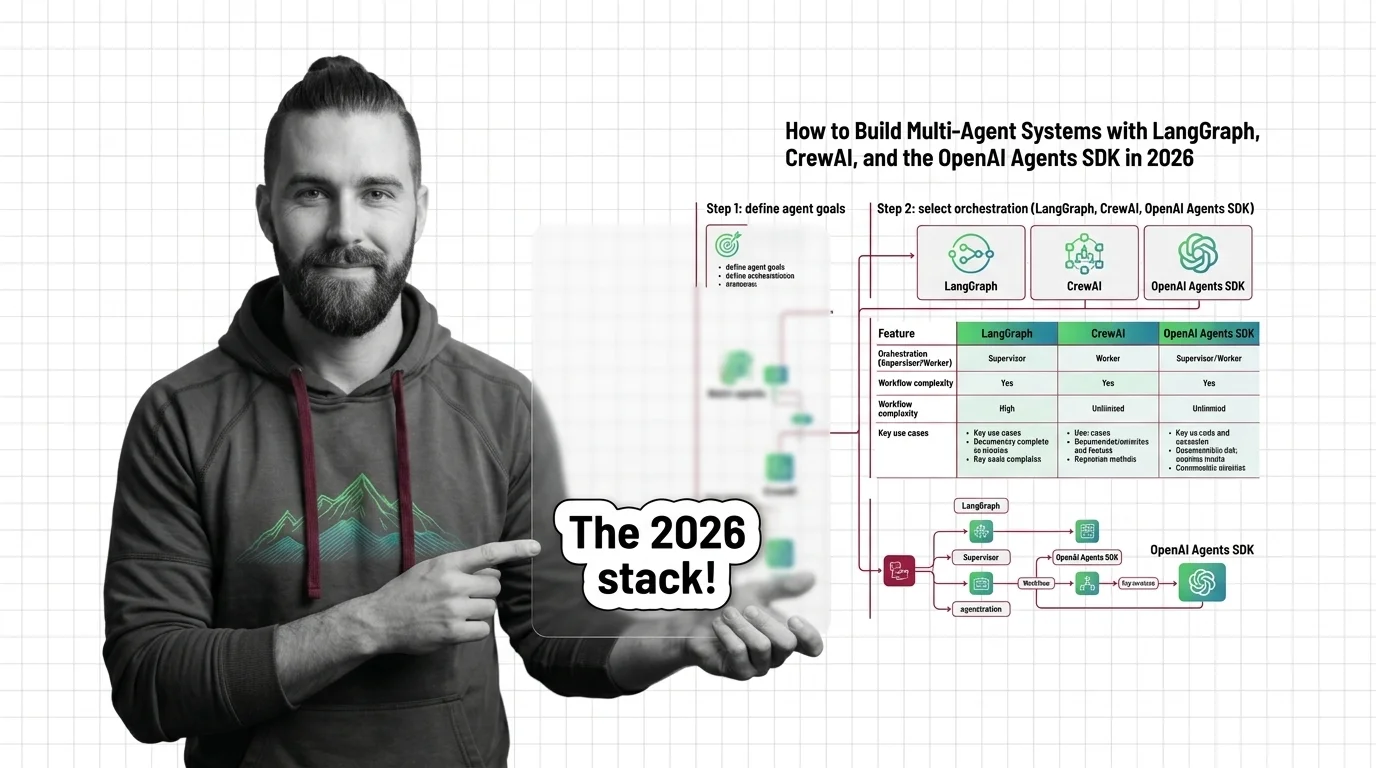
A specification-first guide to building multi-agent systems in 2026. Learn when to pick LangGraph, CrewAI, OpenAI Agents SDK, or Microsoft Agent Framework.
Multi-agent frameworks are moving fast, and the leaders this quarter may not be the leaders next quarter. Watching how the major players evolve their orchestration primitives tells you which patterns are about to become standard.
Models & benchmarks
Updated May 2026
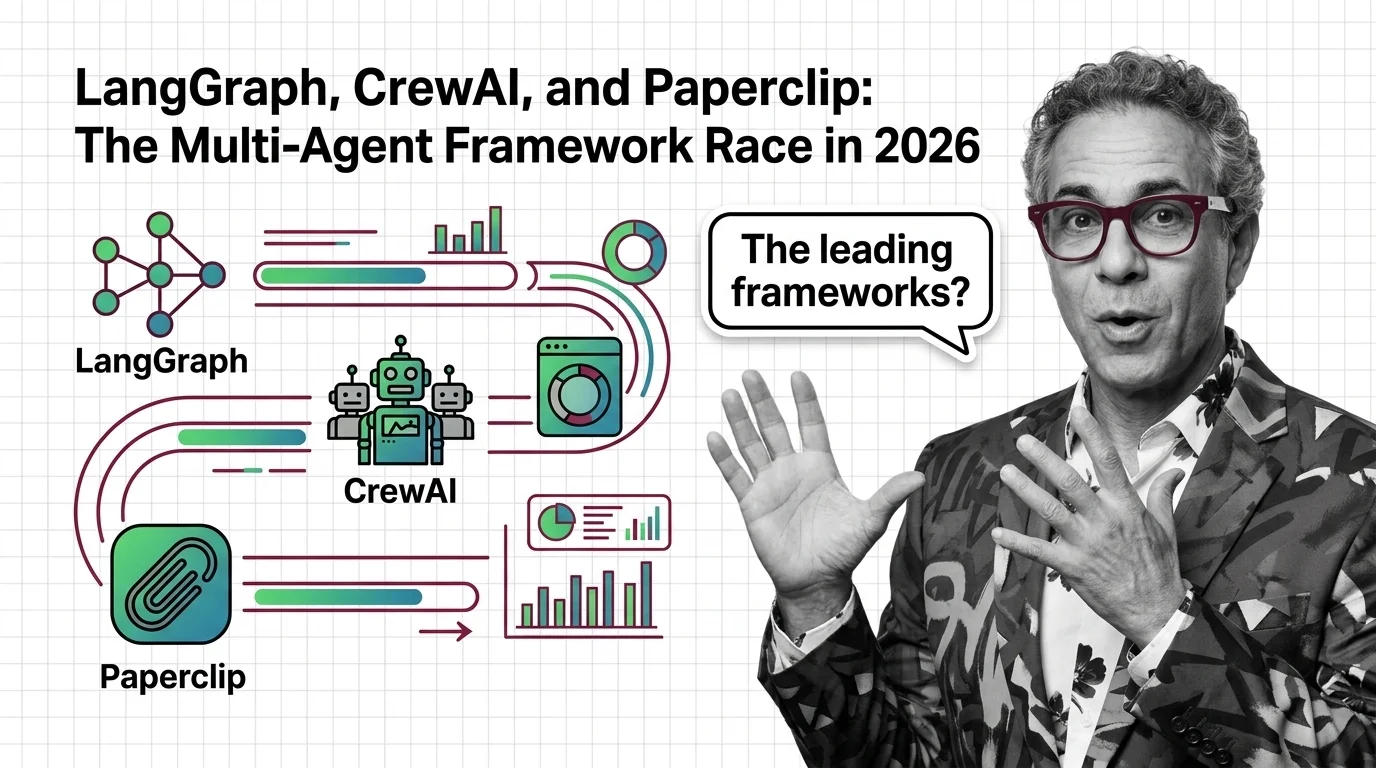
The multi-agent framework race in 2026: LangGraph leads in production, CrewAI scales by role, Paperclip abstracts org design. Here's who is winning.
When several agents share a decision, accountability gets blurry and small errors can cascade across the chain. Before deploying a multi-agent system in anything that touches real users, it is worth asking who owns the outcome when the agents disagree.
Risks & metrics
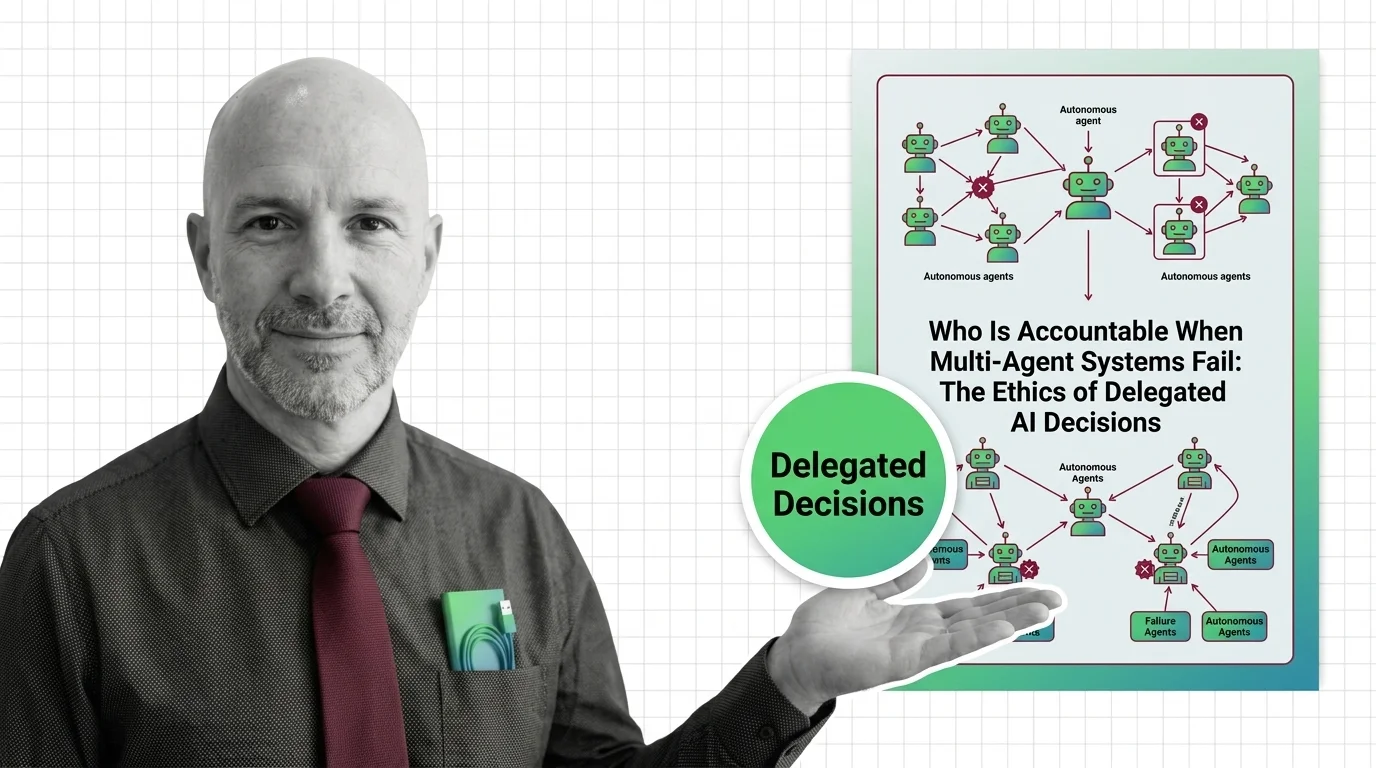
When multi-agent AI systems fail, accountability slips through every layer. Why delegated AI decisions create governance gaps no institution yet owns.