Every other page in the model evaluation theme — a classification metric, a benchmark suite, an arena leaderboard — reports a number, but none of them tells you on its own whether that number deserves your trust. That judgment is this discipline’s job, which is why this topic sits above its neighbors in the theme rather than beside them. Skip it and anchor a model choice on a single benchmark percentage or leaderboard rank, and you inherit every blind spot that one instrument happens to have.
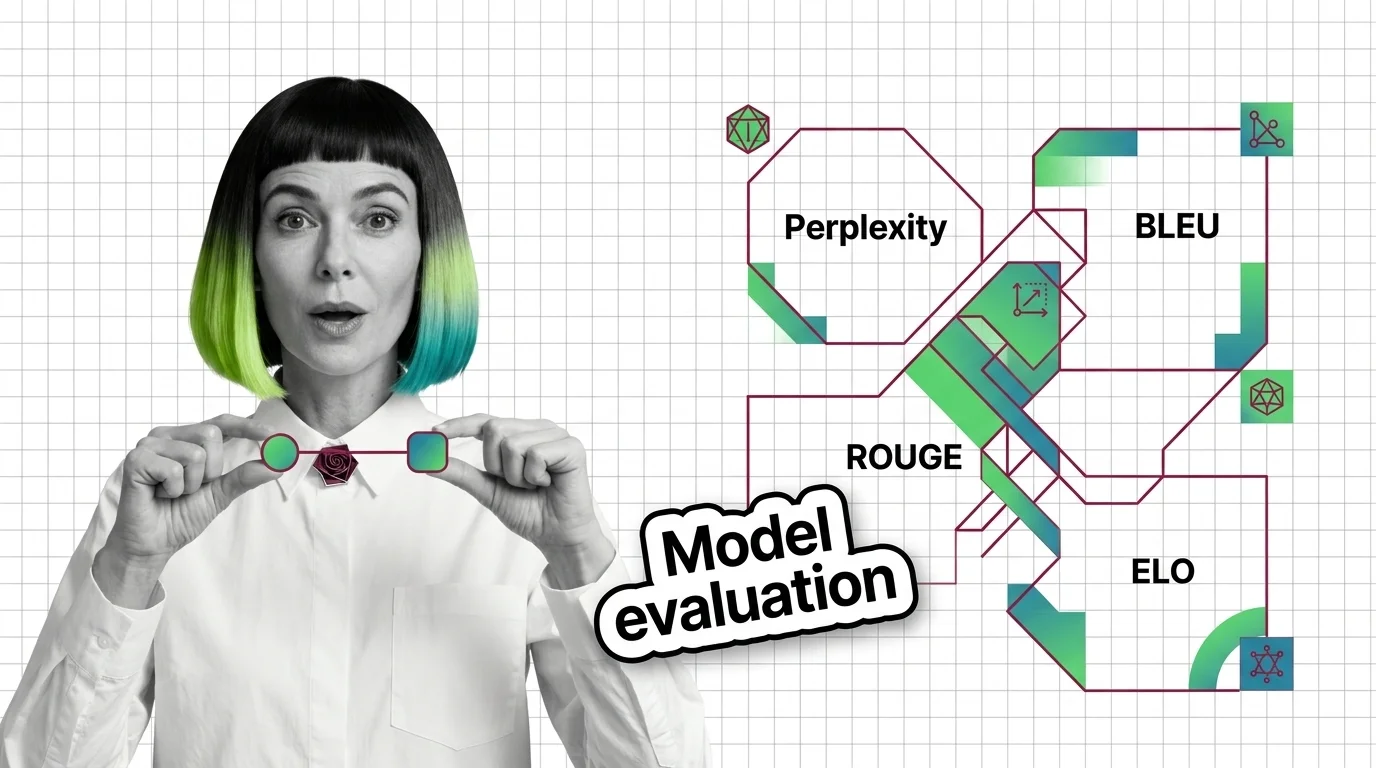
Model quality has no single number: perplexity, BLEU/ROUGE, and ELO each measure a different thing, and none substitutes for the others.
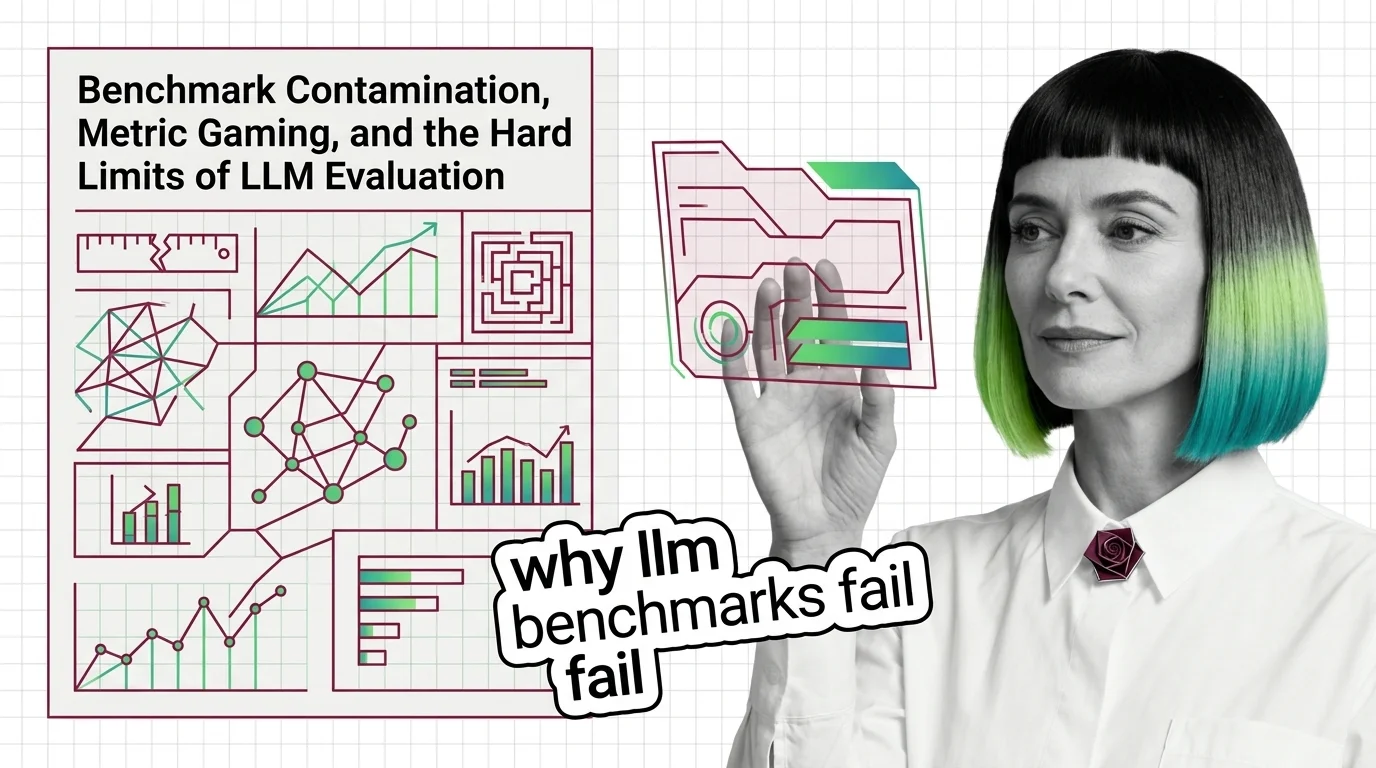
Benchmark contamination inflates rankings without inflating real capability — a high score does not rule out a model that has simply seen the exam.
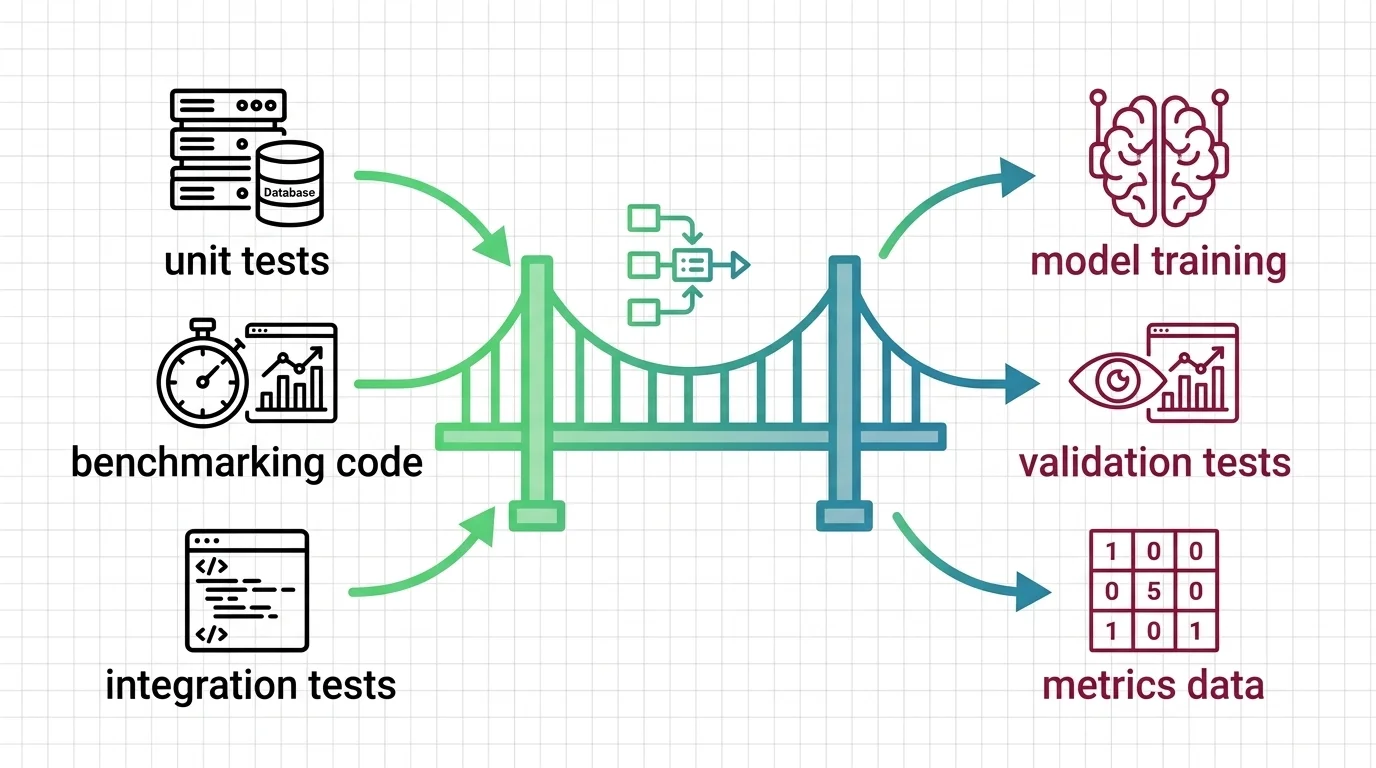
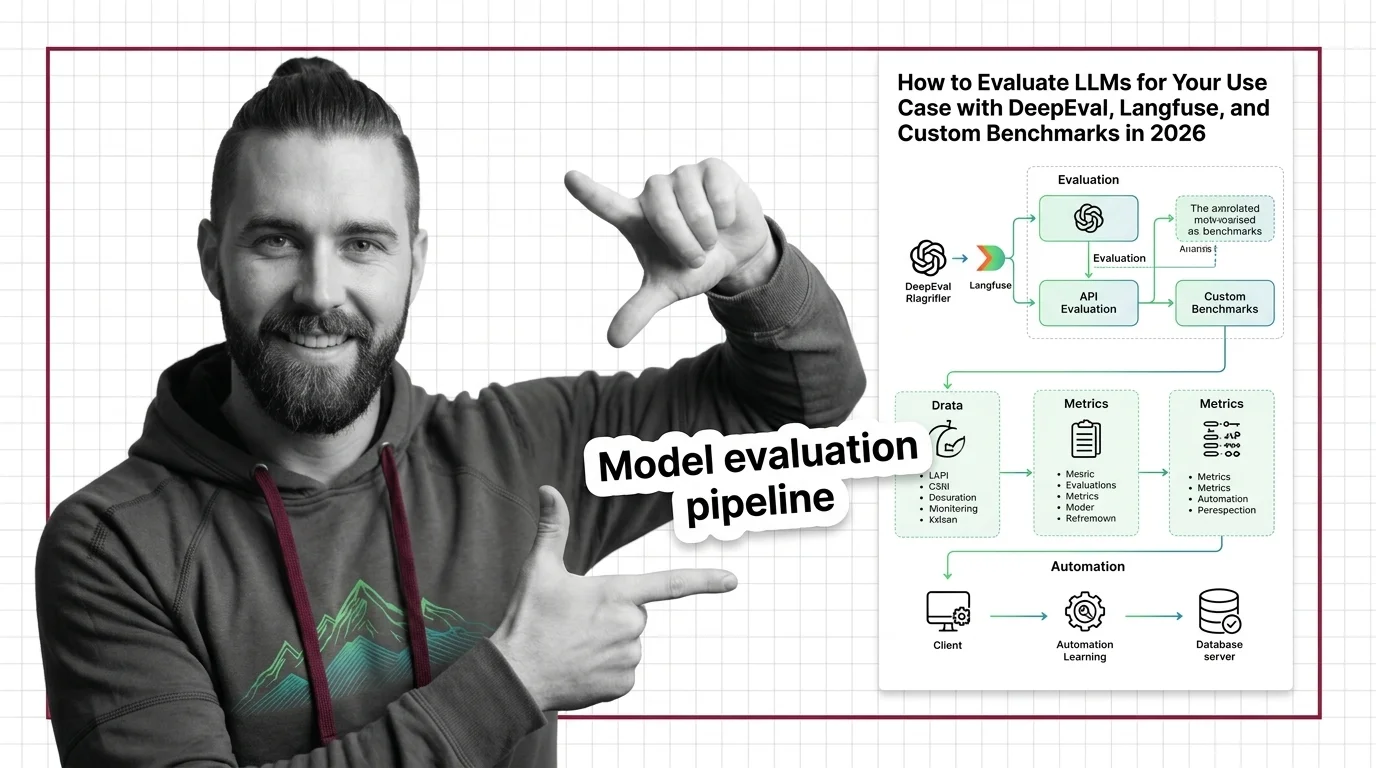
A repeatable evaluation pipeline needs the metric decided before the tool: define what you’re measuring, then wire scoring and tracing into CI rather than running spot checks.
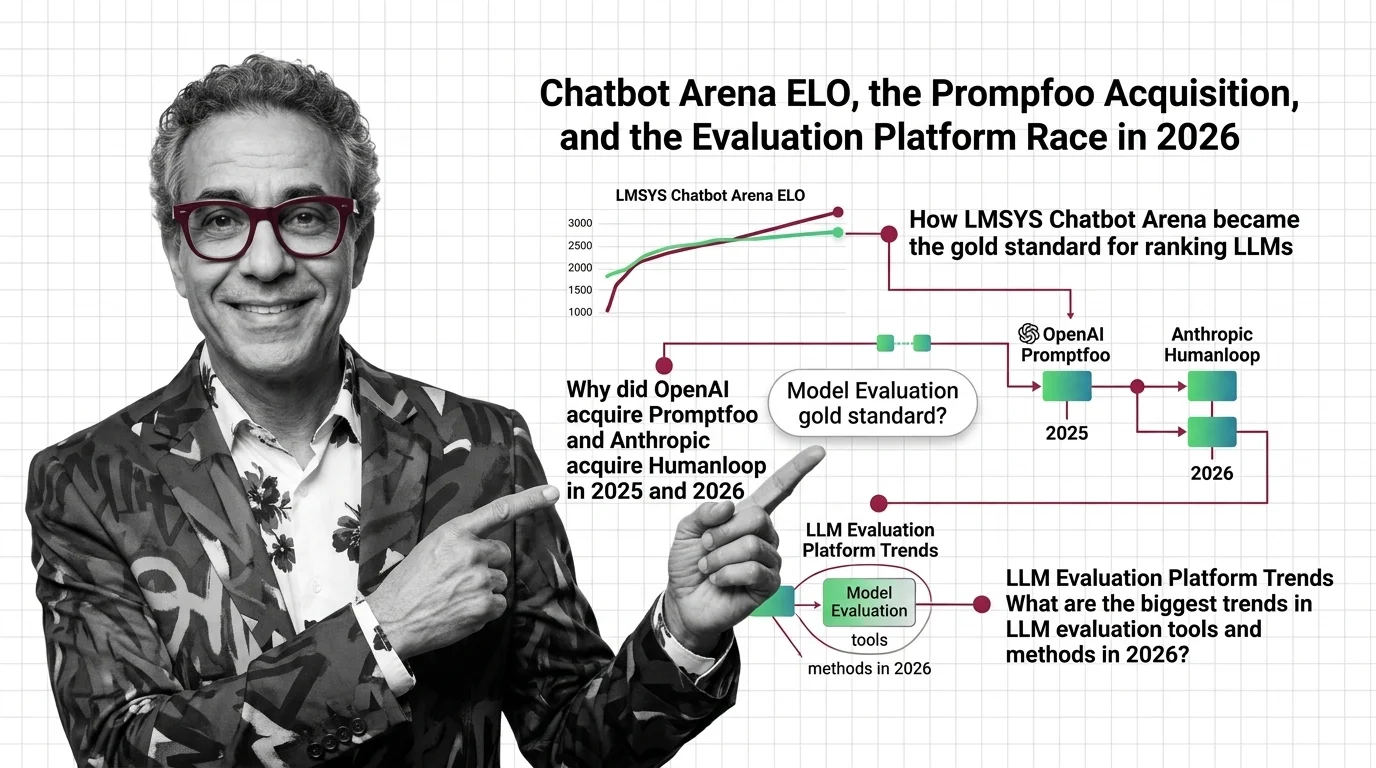
Evaluation infrastructure is consolidating — frontier labs are acquiring the startups that build the tools scoring their own models.
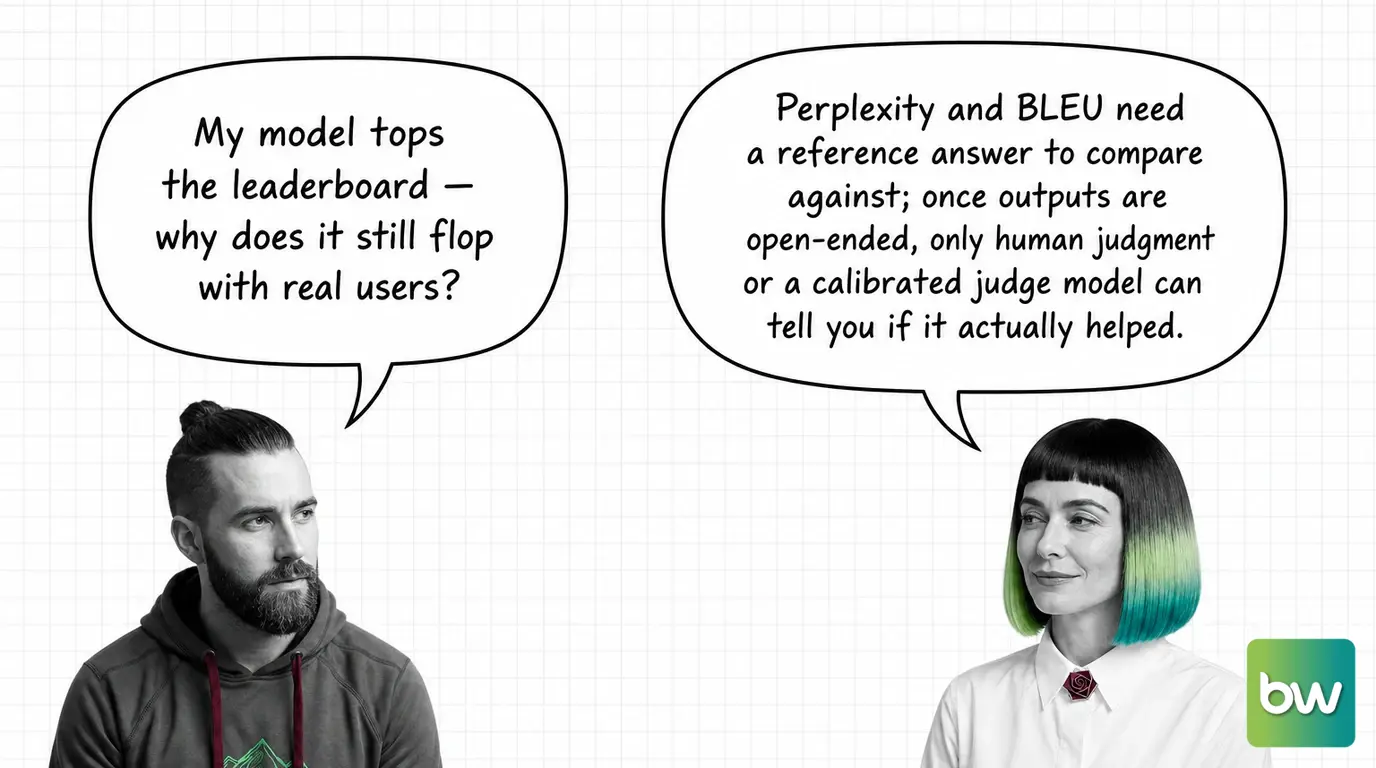
A benchmark score and a satisfied user are not the same measurement.
Model evaluation versus the tools that make it up
Three of this topic’s neighbors get mistaken for the discipline itself, when each is really one instrument inside it.
Model evaluation is not ablation study. Evaluation asks whether a model’s output is good; ablation asks why, removing one component at a time to find which part earned its cost. You evaluate the finished model against your task; you ablate to explain a score, not to produce one.
Model evaluation is not ELO rating for LLMs. ELO is one specific measurement inside this discipline, not a synonym for it — it converts anonymous, pairwise human votes into a ranking, a different signal than perplexity or a benchmark percentage. Treat an ELO leaderboard as one input to your evaluation, not the whole verdict.
Model evaluation is not SWE-bench. SWE-bench is a domain-specific benchmark — a coding task suite scored by whether a patch passes tests — while evaluation as a discipline spans every domain a model touches. A model can top SWE-bench and still fail an evaluation built around chat quality or factual recall.
Common questions about model evaluation
Q: Do BLEU and ROUGE still matter for evaluating today’s LLMs, or are they outdated?
A: They still work well for tasks with a fixed reference answer, like translation or summarization. Once outputs are open-ended, overlap-based scoring runs out and you need the preference-style signal core metrics like ELO provide, or a judge model instead.
Q: Does a high benchmark score mean a model treats every language and culture fairly?
A: No. Most flagship benchmarks were built and validated by English-speaking research teams on English-speaking users, so a strong headline score can hide weak performance elsewhere. Who decides what “good” means traces exactly whose judgment the number encodes.
Q: Are evaluation tool vendors like Promptfoo still independent from the labs whose models they score?
A: Less than they were — frontier labs have started acquiring the evaluation startups that build the scoring tools, folding referee and competitor into the same company. The 2026 evaluation platform race maps which acquisitions changed that.
Q: What’s the fastest way to move from ad-hoc spot checks to a repeatable evaluation pipeline?
A: Decide your metrics before you pick a tool, then wire them into automation instead of manual review. The practical evaluation guide walks through gating every prompt change in CI so regressions get caught before release.
Q: If a model is contaminated on one benchmark, is every score it posts unreliable?
A: Not automatically — contamination is usually specific to the benchmark whose questions leaked into training, not a verdict on the model everywhere. Benchmark contamination and metric gaming explains why the leak has to be checked test by test.
Model evaluation determines whether a language model actually does what you need it to do. These articles explain the science behind benchmarks, metrics, and the surprising gaps between leaderboard scores and real-world performance.
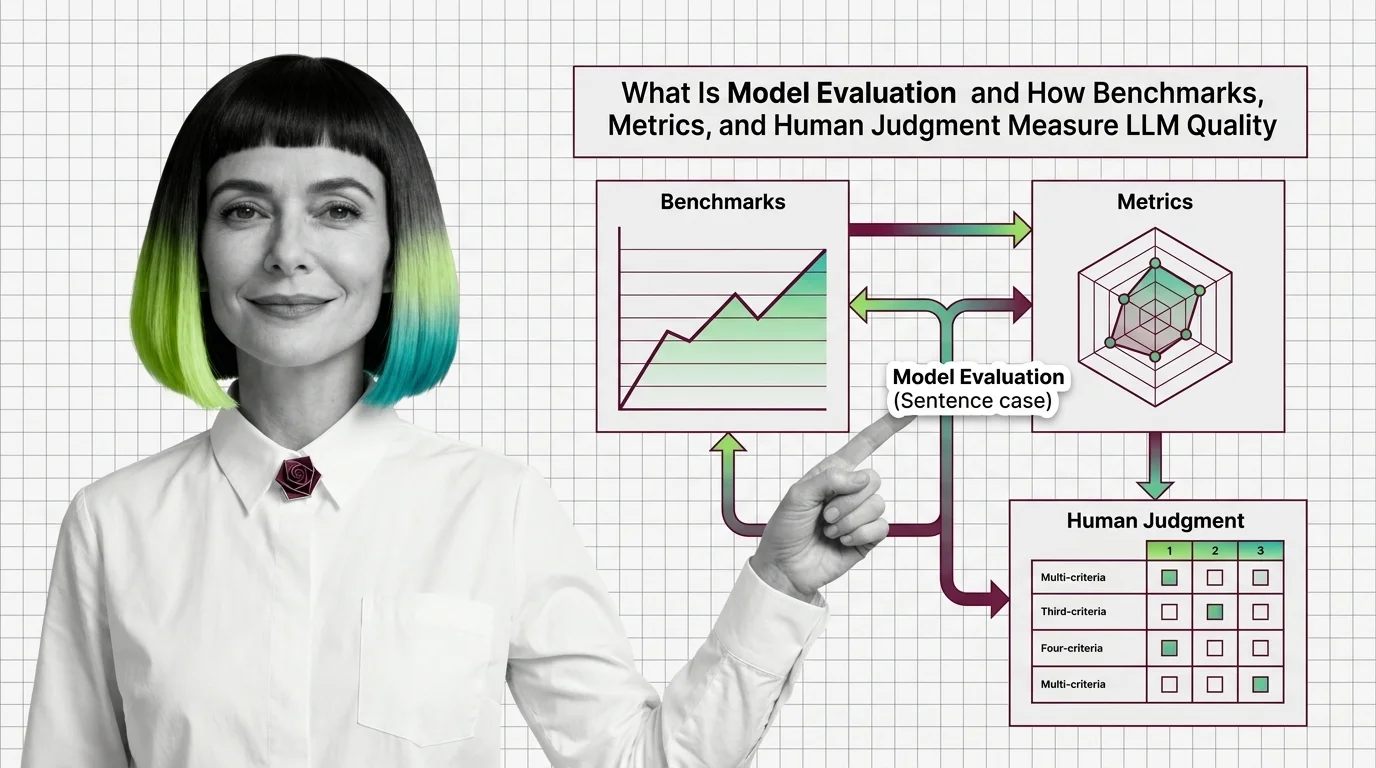
Model evaluation combines benchmarks, automated metrics, and human judgment to measure LLM quality. Learn why high scores mislead and what the math underneath reveals.
Benchmark contamination inflates LLM scores while real-world performance lags. Learn why metric gaming and saturated tests are breaking model evaluation in 2026.
Perplexity, BLEU, ROUGE, and Elo measure fundamentally different properties of language models. Learn when each metric applies, where they diverge, and what they hide.
2
Build with Model Evaluation
Evaluating models in practice means picking the right metrics, avoiding common measurement traps, and building repeatable test pipelines tailored to your specific use case.
Model evaluation mapped for backend developers. Learn which testing instincts transfer to LLM benchmarks, where scores mislead, and what to evaluate first.
Build an LLM evaluation pipeline with DeepEval, Langfuse, and Promptfoo. Covers metrics selection, production tracing, and CI/CD gating for RAG systems.
3
What's Changing in 2026
The evaluation landscape shifts fast as new benchmarks emerge and old ones saturate. Staying current on scoring methods and platform developments helps you separate genuine progress from hype.
OpenAI acquired Promptfoo, Anthropic acqui-hired Humanloop, and Arena hit a $1.7B valuation. Here's why the evaluation layer just became AI's most contested ground.
4
Risks and Considerations
Benchmark scores can mislead when contamination, cultural bias, or metric gaming go unexamined. These articles explore who defines quality and what gets lost in the measurement process.
LLM benchmarks encode their creators' cultural values. Explore how geographic bias, moral stereotyping, and power asymmetry define what we call AI intelligence.