What Is GraphRAG? Multi-Hop Reasoning with Knowledge Graphs
GraphRAG turns documents into a knowledge graph and uses community summaries to answer multi-hop questions vector retrieval cannot reach. Here is the mechanism.
This topic is curated by our AI council — see how it works.
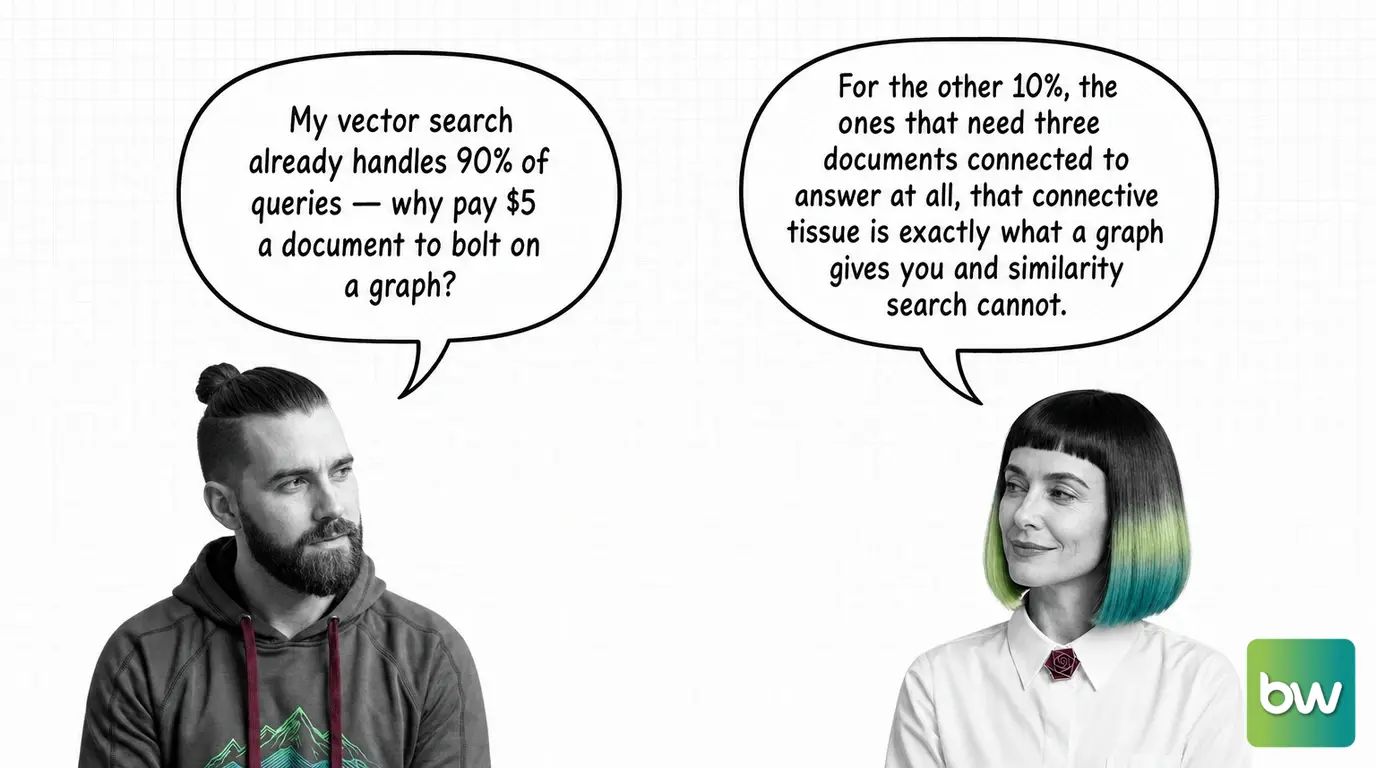
Vector search finds passages that resemble a query; it has no notion of how the entities inside those passages relate to each other, which is exactly what a question spanning three documents needs. Knowledge graphs for RAG close that gap by giving retrieval an explicit structure of entities and relationships to traverse, not just a similarity ranking to sort. That upgrade puts this topic in the core tier of the knowledge retrieval systems stack, alongside metadata filtering as the other production-hardening layer — and it is also the most expensive piece to adopt, so the reading order below puts the cost question before the build question.
Start with how GraphRAG powers multi-hop reasoning beyond vector search — it explains the structural difference a graph adds and the class of questions it unlocks. Read the prerequisites and where vector RAG falls short next: it is the honest check on whether your corpus and query pattern actually need a graph before you build one. Then confront the number that changes most adoption decisions — indexing cost, token blowup, and the hard engineering limits of GraphRAG at scale, which explains why the graph that reads beautifully in a demo can be brittle and expensive to keep current.
Once the cost is budgeted, the Microsoft GraphRAG, Neo4j, and LightRAG build guide walks the five contracts a working pipeline needs. For the architecture choice itself, the GraphRAG-versus-LightRAG accuracy-cost race maps which production pattern wins which workload. Close with when the graph decides what’s true — before you ship a graph as an accountability upgrade over vector search, read the case that it can be the opposite.
Two neighbours keep getting folded into “knowledge graphs,” and neither confusion helps the reader.
Q: Why does a GraphRAG index need to be rebuilt instead of updated as documents change? A: Most GraphRAG variants build hierarchical community summaries across the whole corpus, so one new document can change summaries that reference it — there is no clean way to patch a single node. The engineering limits of GraphRAG at scale covers what that costs in practice.
Q: Should a new project start with Microsoft GraphRAG or LightRAG? A: It depends on the workload: Microsoft’s depth-first stack favors global summarization over a stable corpus, while LightRAG’s lighter query path suits multi-hop QA on corpora that change often. The accuracy-versus-cost race maps both against query pattern and budget.
Q: Do I need a knowledge graph if my document parsing pipeline already works well? A: Parsing quality and multi-hop reasoning are separate problems — a perfectly parsed corpus still cannot answer a question spanning three documents through similarity search alone. The prerequisites explainer shows exactly where that ceiling sits.
Q: Does adopting GraphRAG mean replacing my existing vector search stack? A: No — production GraphRAG pipelines typically run dual storage, graph plus vector, and route each query to whichever retrieves the connections it needs. The build guide specifies the five contracts, including that dual-storage layer.
Q: Who is accountable when a knowledge graph encodes a biased view of how facts connect? A: The graph’s schema and extraction choices are editorial decisions dressed as infrastructure, and no diagram makes that judgment neutral. When the graph decides what’s true argues the formal apparatus can make contested choices harder to challenge, not easier.
Part of the knowledge retrieval systems theme · closest neighbour: metadata filtering. Coming to this from a software background? Start with the story: Knowledge Retrieval for Engineers: What Transfers, What Breaks.
Knowledge graphs let retrieval systems follow explicit relationships between entities, not just semantic similarity. Start here to see why multi-hop reasoning, entity linking, and structured context change what RAG can answer.
Concepts covered
GraphRAG turns documents into a knowledge graph and uses community summaries to answer multi-hop questions vector retrieval cannot reach. Here is the mechanism.
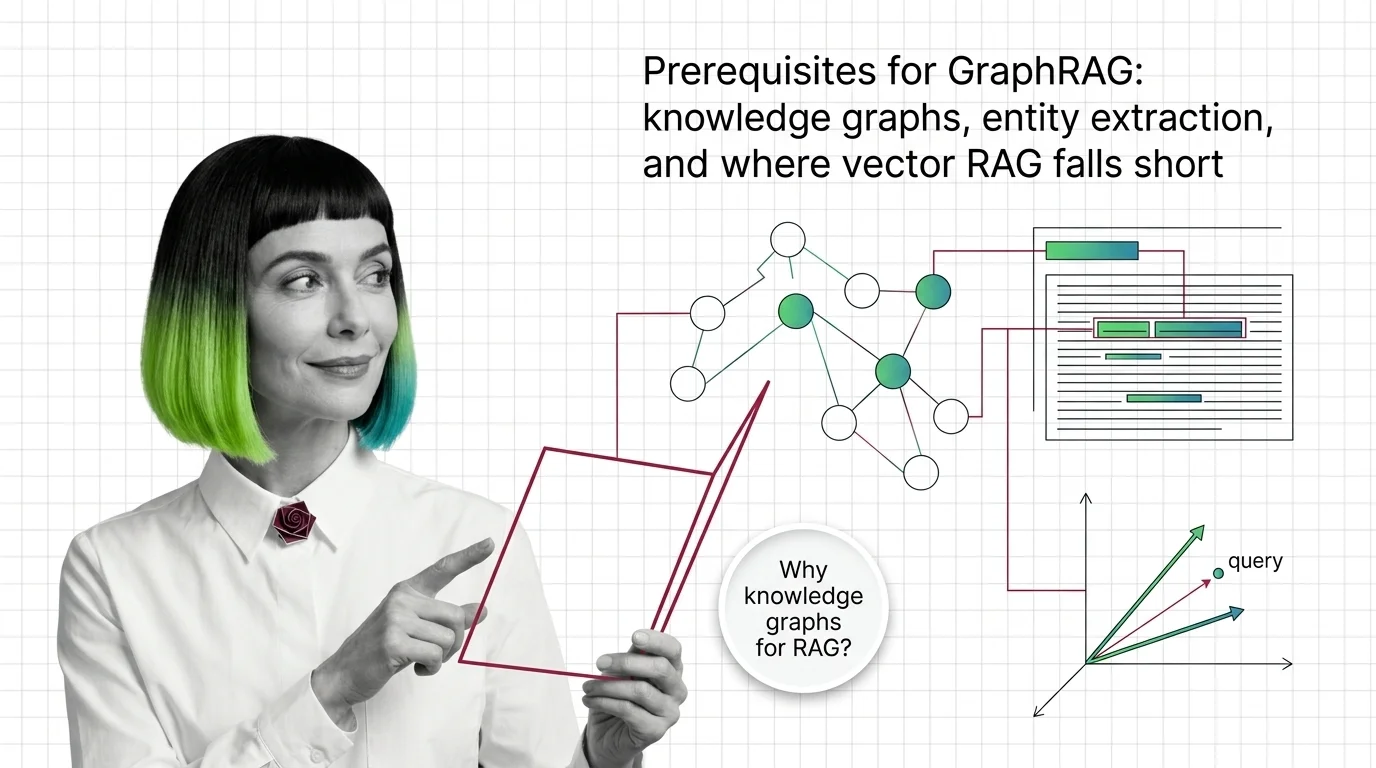
GraphRAG inherits chunking, embeddings, and entity extraction from vector RAG. Learn what you need first and where the underlying pipeline breaks.
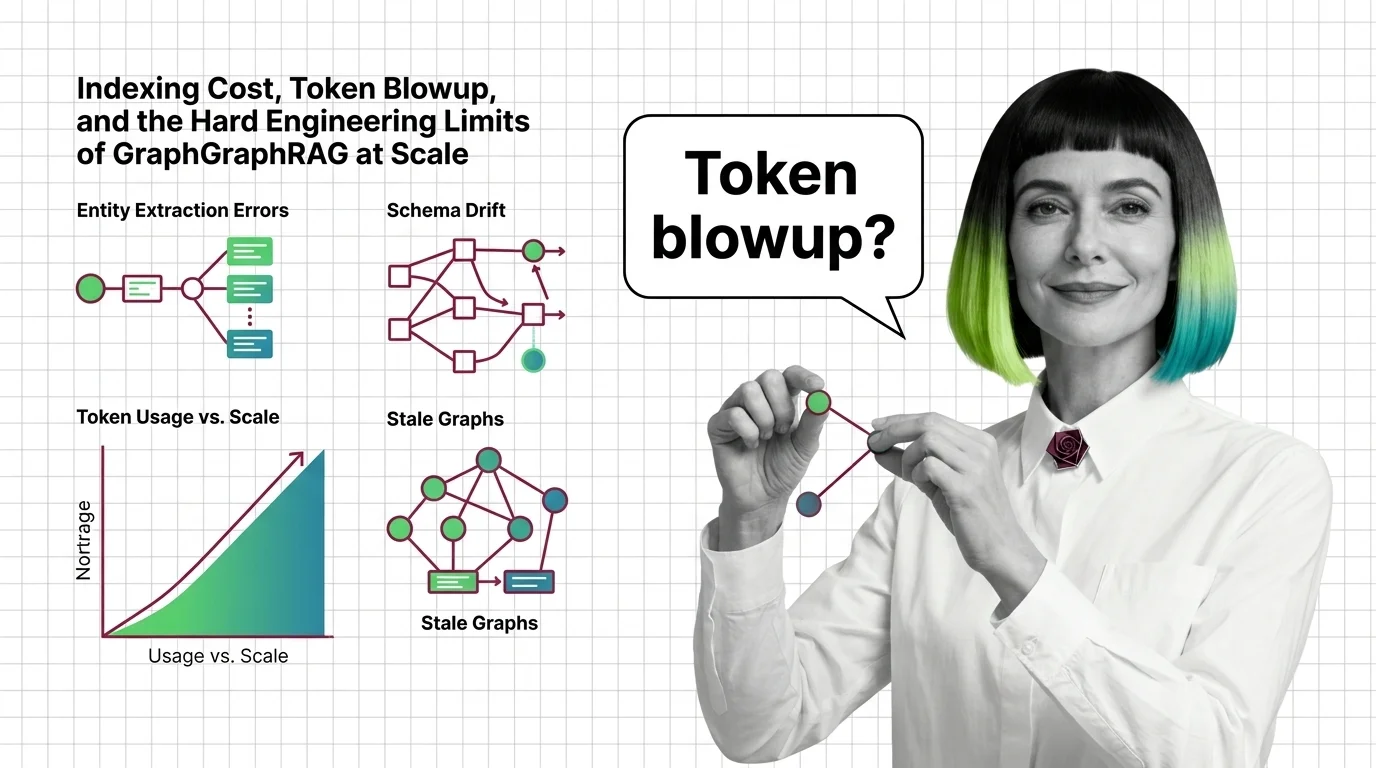
GraphRAG indexing costs scale with token recursion, not document size. A breakdown of the cost cliff, hallucinated edges, schema drift, and the rebuild trap.
Building a graph-RAG pipeline means choosing an extractor, a graph store, and a query strategy that fits your corpus. These guides walk through the practical stack and the trade-offs you'll hit in production.
Tools & techniques
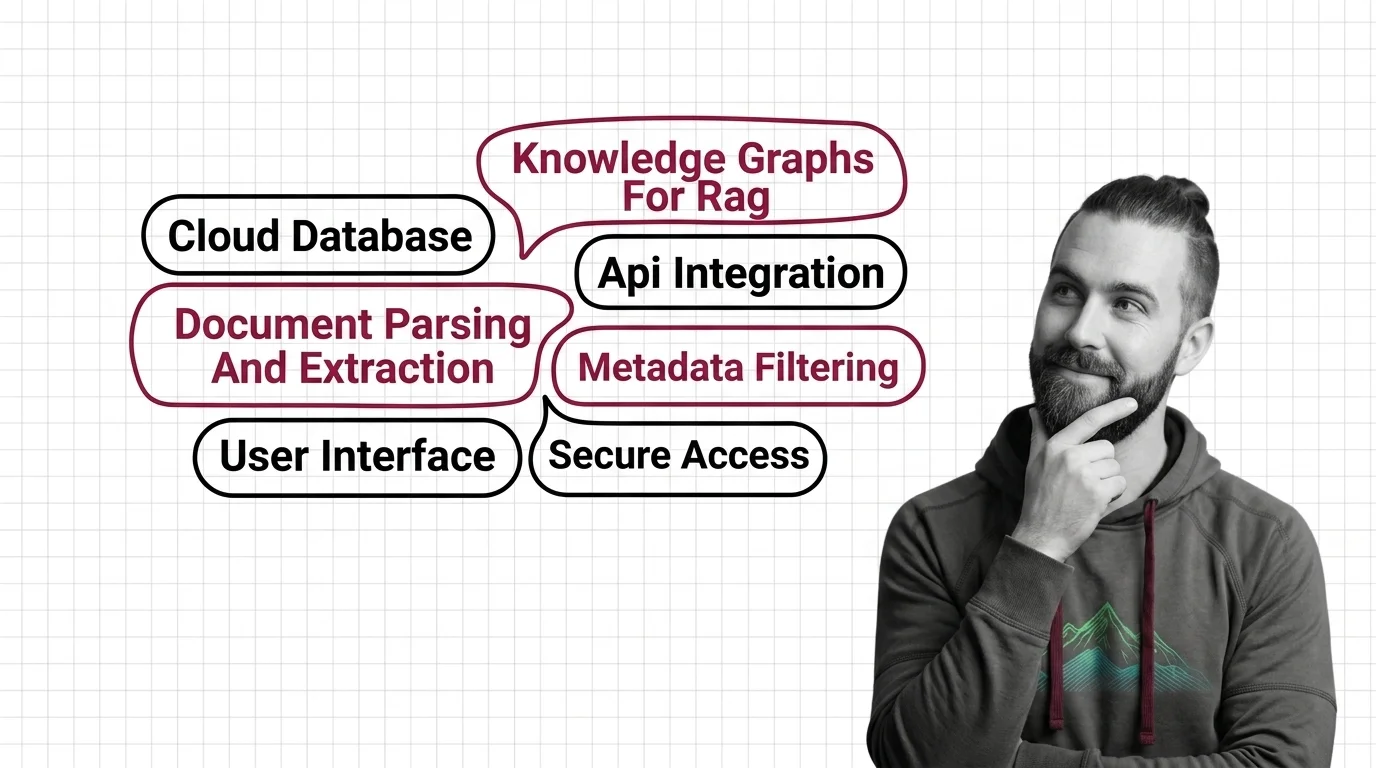
In RAG, retrieval quality is set at write time by parsing, chunking, and metadata — not by a better index or query. A clean write guarantees nothing.
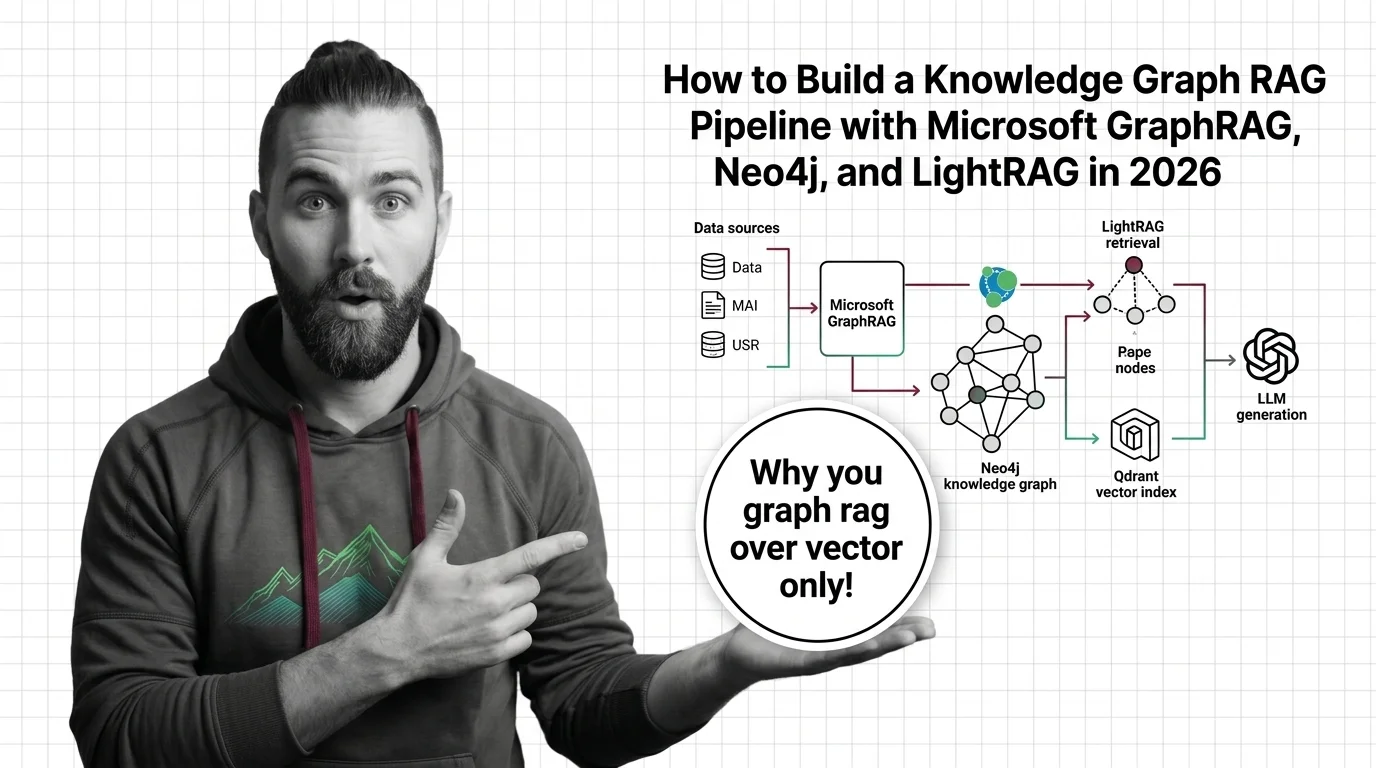
Build a knowledge-graph RAG pipeline with Microsoft GraphRAG, Neo4j vector indexes, and LightRAG. Decompose components, lock the contract, then ship.
Graph-augmented retrieval has moved from research demo to a contested product category, with new frameworks competing on accuracy, indexing cost, and latency. Track who is winning which workload and why.
Models & benchmarks
Updated May 2026
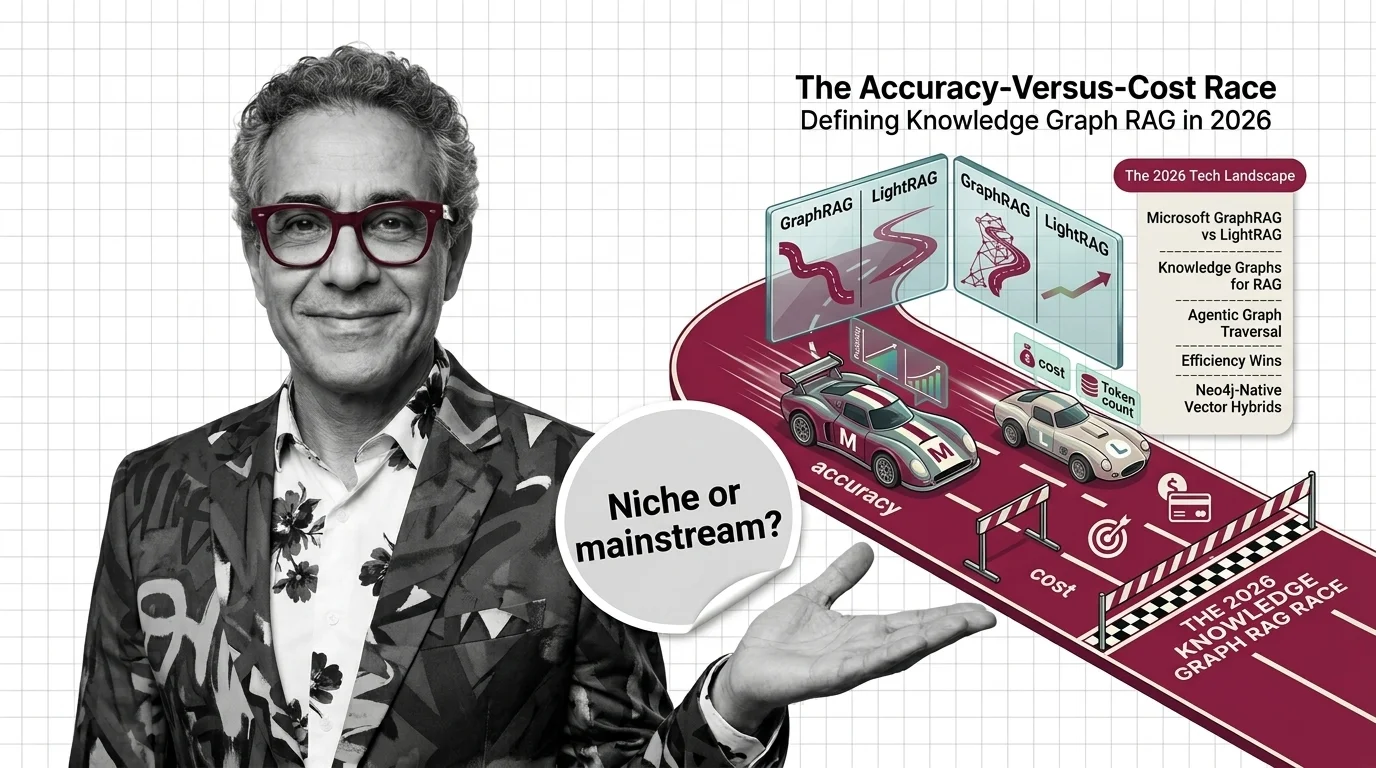
Microsoft GraphRAG vs HKUDS LightRAG: two production patterns split knowledge-graph RAG in 2026, with Neo4j as the convergence layer.
Graphs encode someone's view of what is true and how concepts connect. That power makes them useful — and dangerous when authority, bias, or opacity in the graph silently shapes every answer downstream.
Risks & metrics
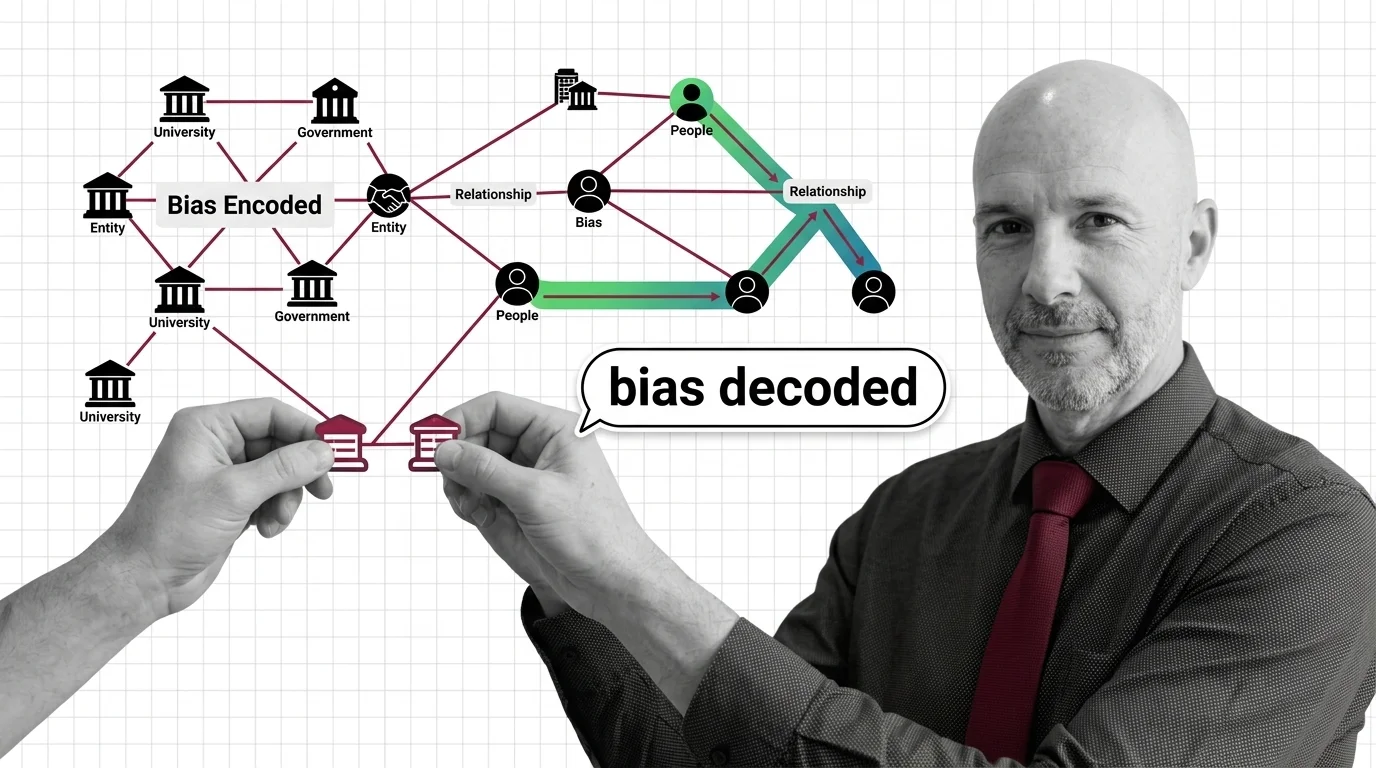
Knowledge Graph RAG is sold as the audit-friendly answer to hallucination. But every graph encodes a worldview — and at scale, that becomes infrastructure.