Generative Adversarial Network
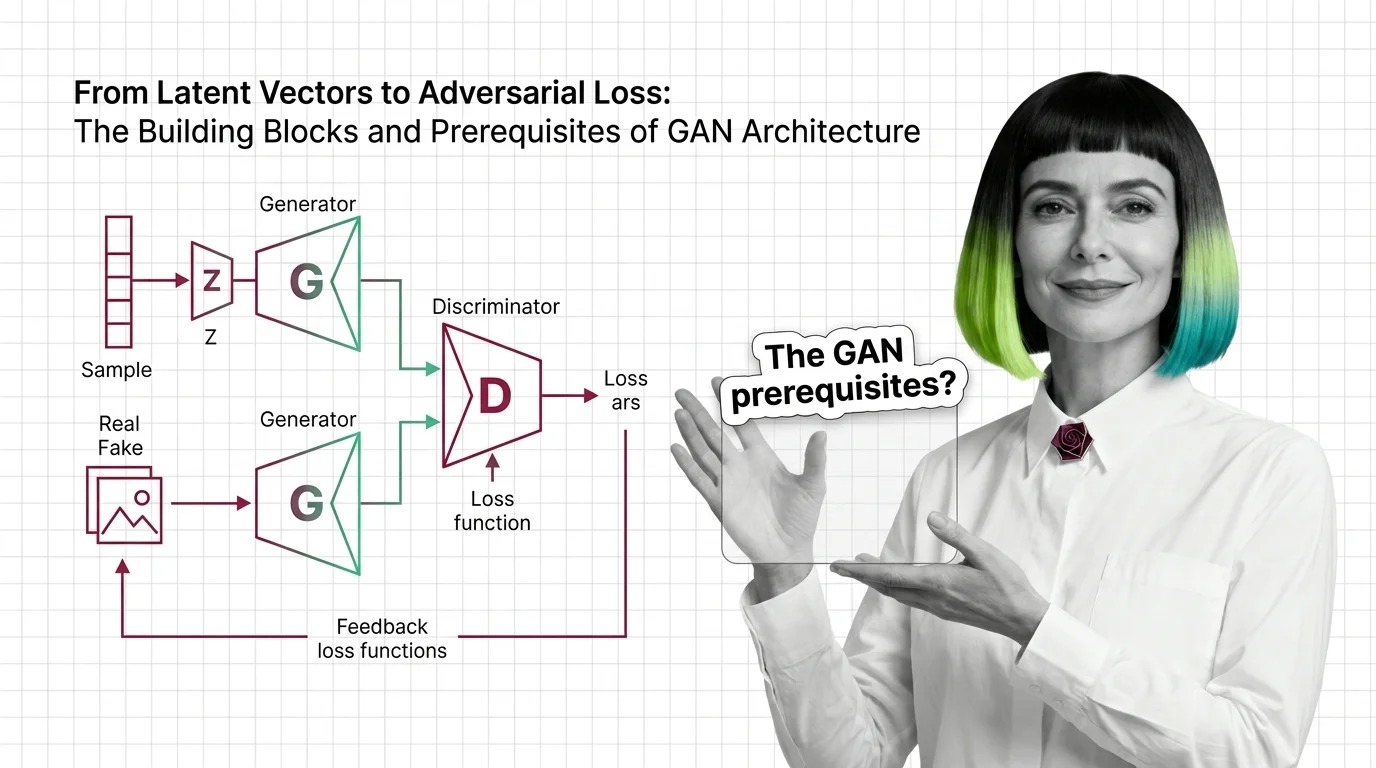
A generative adversarial network is a machine learning architecture composed of two neural networks — a generator and a discriminator — trained simultaneously in competition. The generator creates synthetic data samples while the discriminator learns to distinguish real data from generated data. This adversarial dynamic drives the generator to produce increasingly realistic outputs, making GANs especially effective for image synthesis, data augmentation, and super-resolution tasks. Also known as: GAN
Understand the Fundamentals
Generative adversarial networks introduced a fundamentally different training paradigm — two networks locked in competition rather than cooperating toward a shared objective. Understanding this adversarial dynamic reveals why GANs produce such sharp, realistic outputs.
Build with Generative Adversarial Network
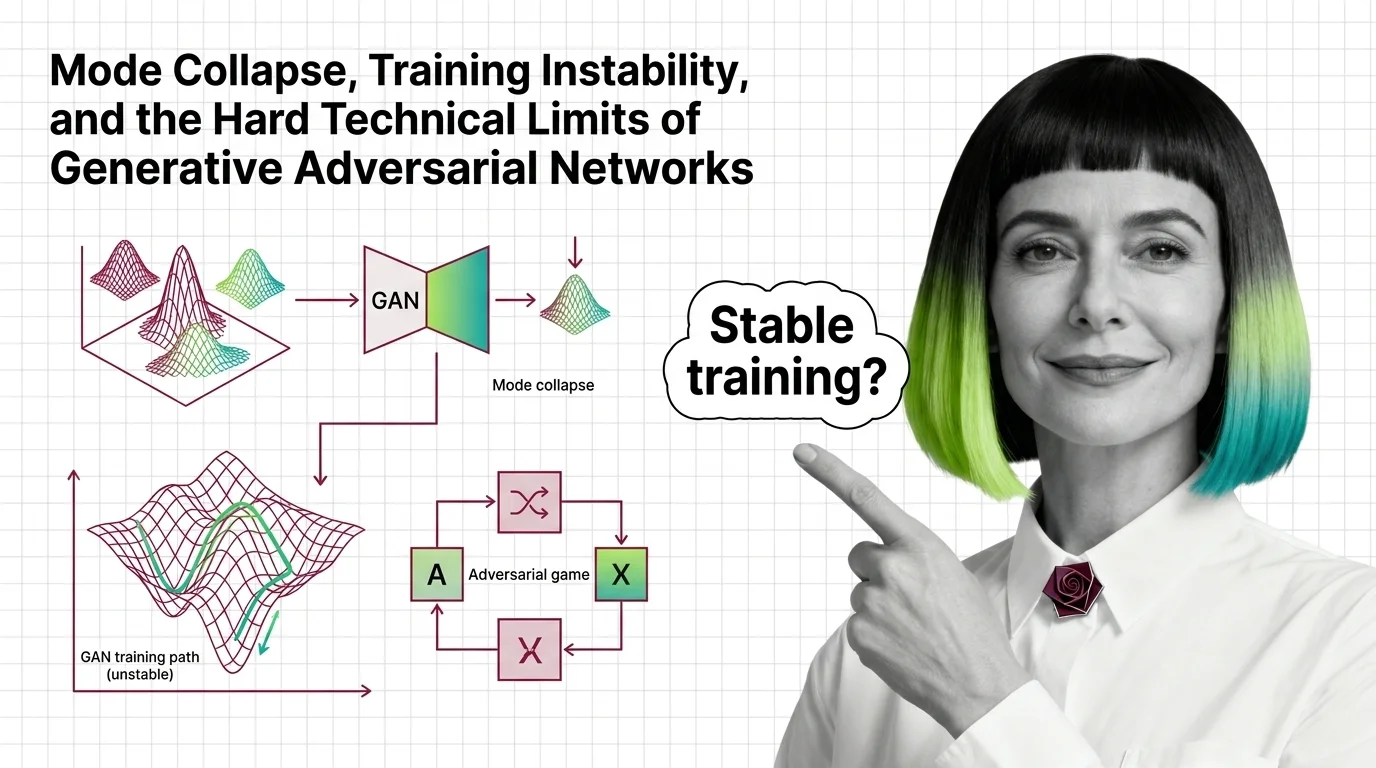
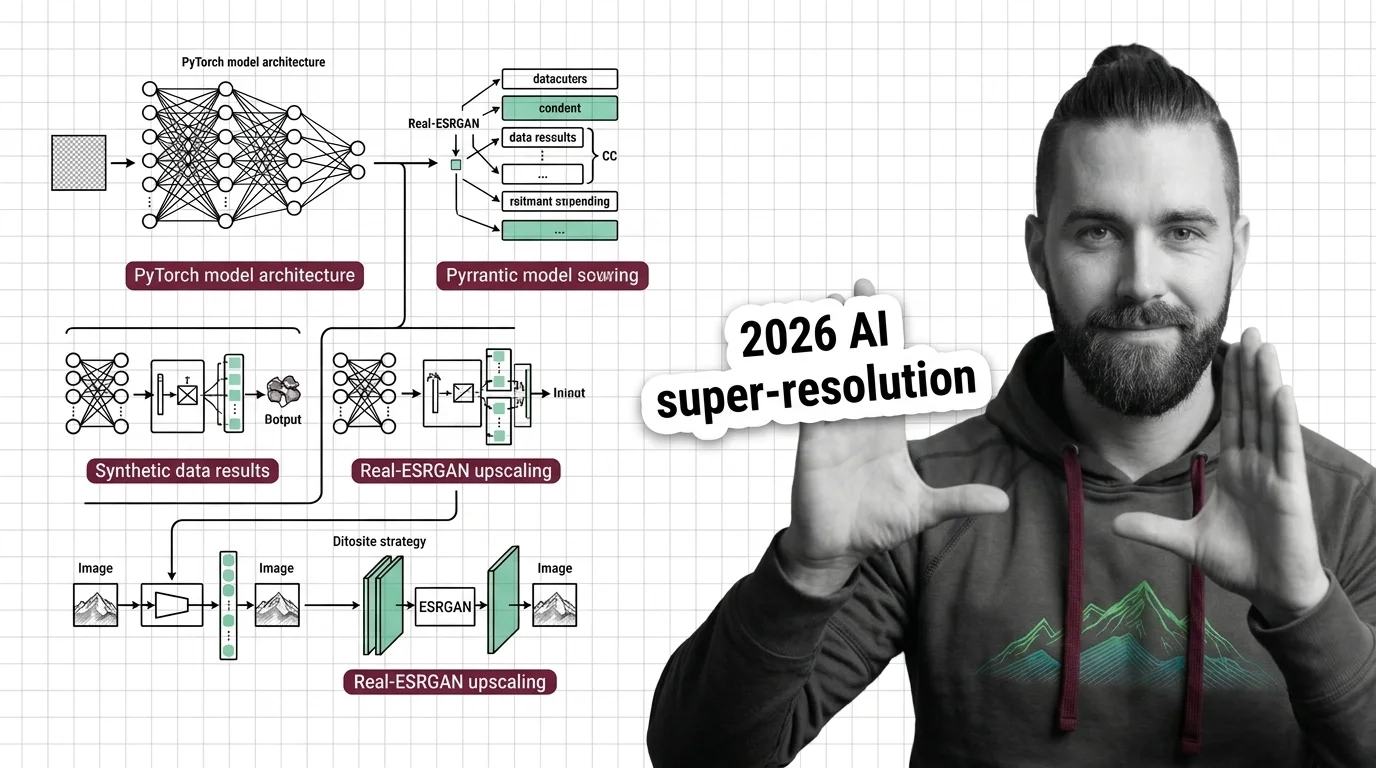
These guides walk through building and training GANs for practical tasks like super-resolution and synthetic data generation, covering the architectural decisions and training pitfalls you will actually encounter.
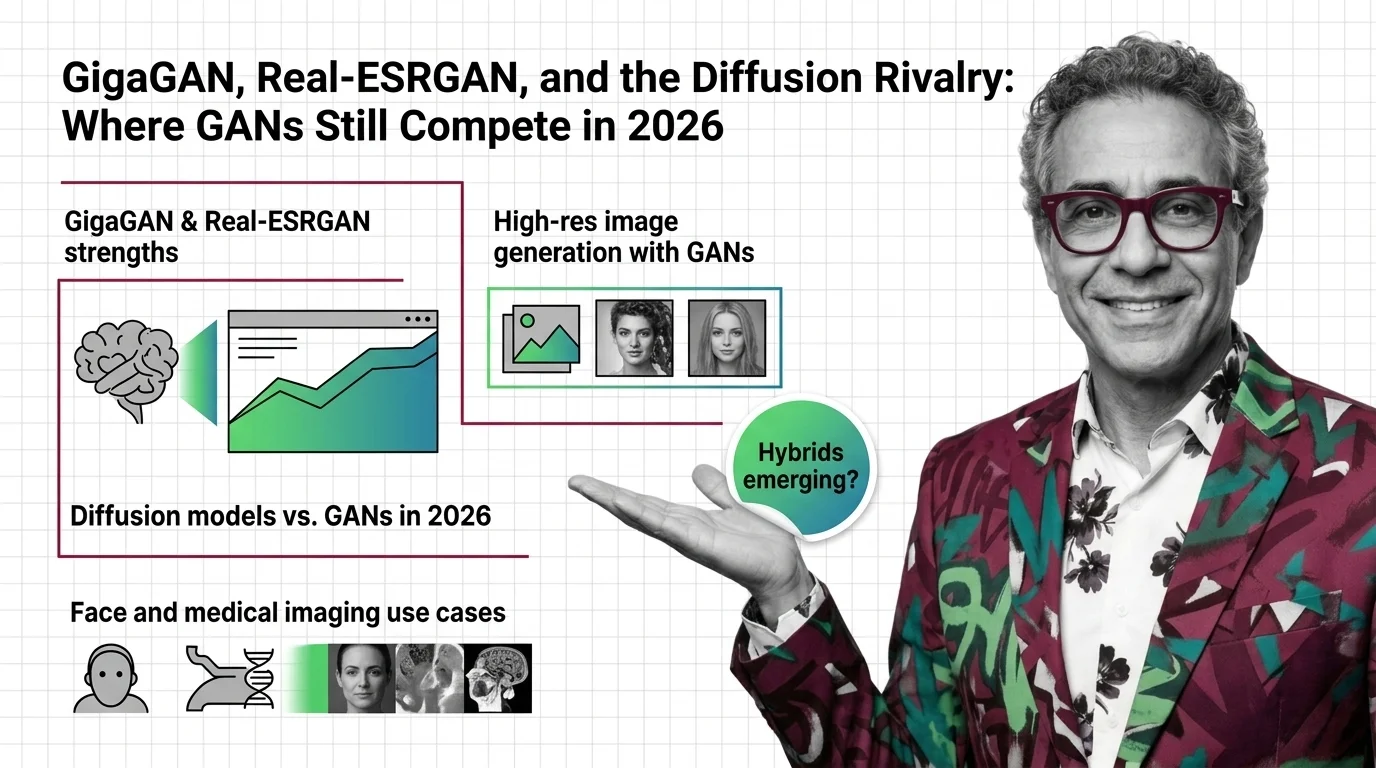
What's Changing in 2026
The generative landscape is shifting fast as diffusion models challenge GAN dominance, but adversarial architectures continue to carve out niches where speed and output sharpness matter most.
Updated April 2026