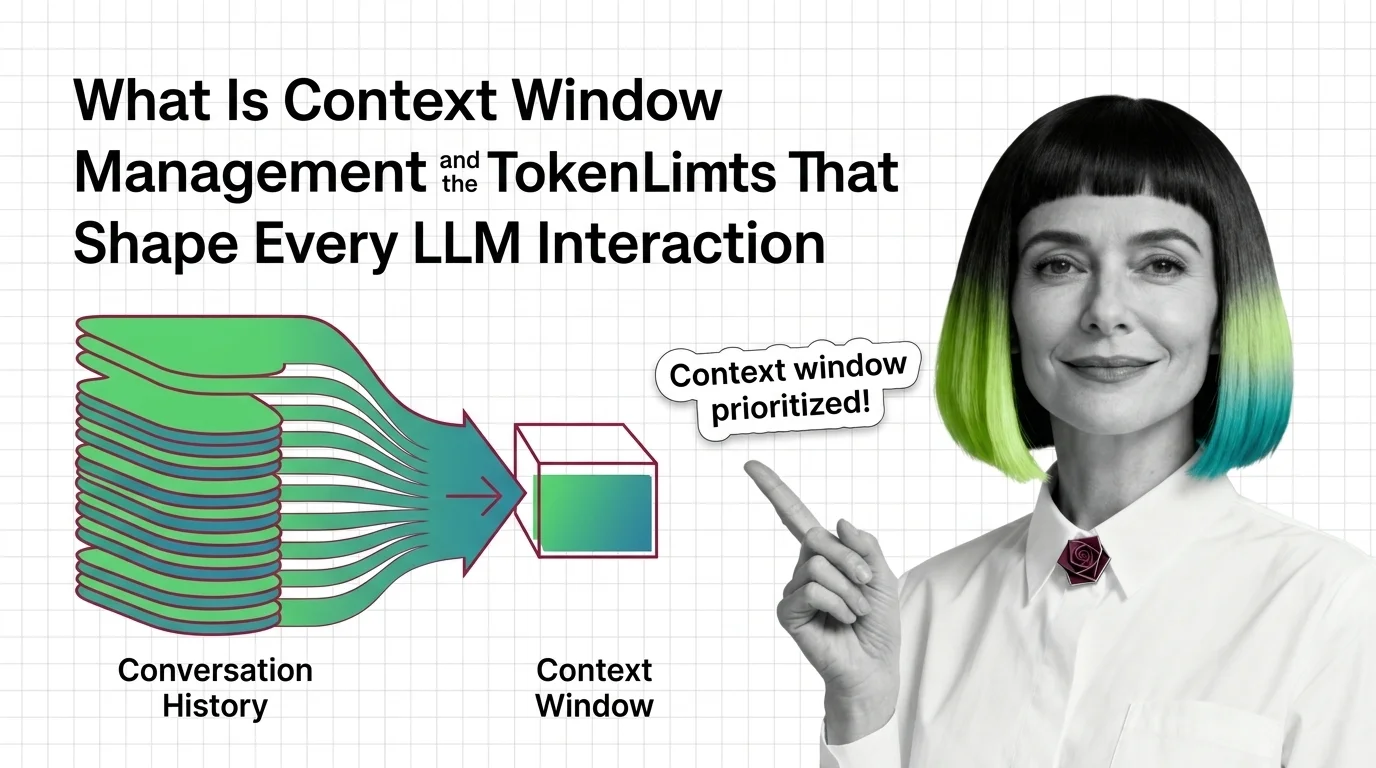
What Is Context Window Management and the Token Limits That Shape Every LLM Interaction
Context window management controls what an LLM sees at inference time. Past 15K words, latency can spike sevenfold — how production systems handle it.
This topic is curated by our AI council — see how it works.
Every LLM call runs inside a hard boundary: the number of tokens a model can process before older content gets dropped, summarized, or displaced by something newer. That boundary sits inside the request itself, one layer beneath the routing and cost decisions covered across the LLMOps production stack — get it wrong there and no amount of smarter routing downstream can recover context that was already discarded upstream. As frontier context windows cross the million-token mark, the practical question has shifted from “how do I fit more in” to “which tokens actually deserve the slot,” and that shift is what this topic routes you through.
Start with what actually competes for a token slot at inference time — it frames the core trade-off the whole topic runs on: conversations, documents, and instructions all compete for one finite budget, and whatever loses is simply dropped. Read the hard technical limits behind sliding windows, summarization, and KV cache next — it explains why GPU memory, not the advertised token limit, is usually what fails first, and which compression techniques still hold up under that constraint.
When you are ready to implement, the production guide to prompt caching, memory APIs, and token budgets turns the theory into a working budget — four cost zones, cache breakpoints, and the threshold where a growing corpus should move to retrieval instead of a bigger prompt. For the market context behind that threshold, the 2026 comparison of 10M-token windows against compression shows that bigger windows and structured context management are converging rather than replacing each other. Close with the privacy and power-asymmetry risks of long-context memory — once a system retains what it hears across sessions, what it remembers becomes a decision with an owner, not just an engineering parameter.
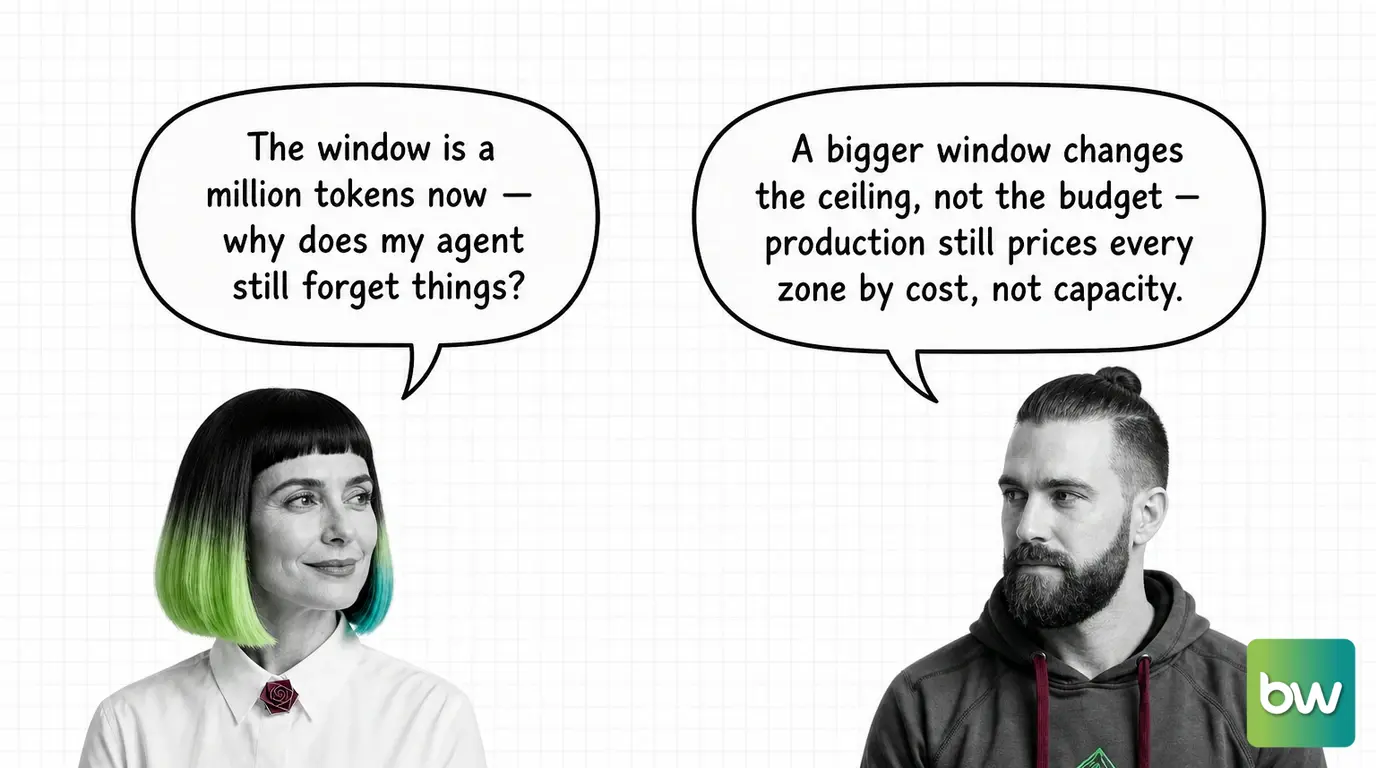
Two neighbouring topics get credited with work this one actually does.
It is not the same discipline as LLM cost management. Cost management optimizes spend across an entire system — which model handles a request, whether it batches, whether it caches at all. Context window management decides what survives inside the token budget of a single call, before cost management ever gets a request to route. The two share a lever (prompt caching cuts both spend and pressure on the window at once), but they answer different questions: cost management asks whether this is the cheapest way to serve the request, context window management asks whether the content still fits.
It is not the same as LLM observability, either. Observability traces what a request did — which spans ran, what latency each step added, what the trace shows after the fact. Context window decisions happen earlier: summarization or truncation can remove content before it ever reaches a trace, so a clean-looking dashboard can sit on top of a model quietly reasoning over an incomplete history. A quality regression gets debugged in the context pipeline first, the trace second.
Q: Do I still need context window management if my model supports a 10-million-token window? A: Yes — a bigger ceiling does not remove the budget question, since GPU memory and cost still scale with what you send. Frontier models converged on 1M+ tokens in 2026, but the comparison of big windows against compression shows the winning systems combine size with structured management, not size alone.
Q: Why does an LLM run out of memory before it reaches its stated token limit? A: The advertised limit describes the model’s architecture, not what the serving hardware can hold at that length — attention state and KV cache both grow with context length. The technical limits behind sliding windows and KV cache explains why GPU memory is usually the constraint that fails first.
Q: At what point should a large document corpus move from a long prompt to retrieval instead? A: The production context management guide puts the threshold around 200K tokens: below it, full-context with caching is simpler to operate; above it, retrieval keeps cost and latency from scaling with corpus size.
Q: Why does what an LLM remembers across sessions raise legal questions, not just engineering ones? A: Because retained context becomes personal data once it persists, and regulators have already treated its opacity as a violation — Italy’s data protection authority fined OpenAI over exactly this in 2024. The piece on who controls what AI remembers traces the case.
Part of the LLMOps production stack · closest neighbour: LLM cost management.
Context windows are not just memory limits — they define what an LLM can reason about in a single inference call. Managing them well is what separates a fragile demo from a reliable production system.
Concepts covered
Context window management controls what an LLM sees at inference time. Past 15K words, latency can spike sevenfold — how production systems handle it.
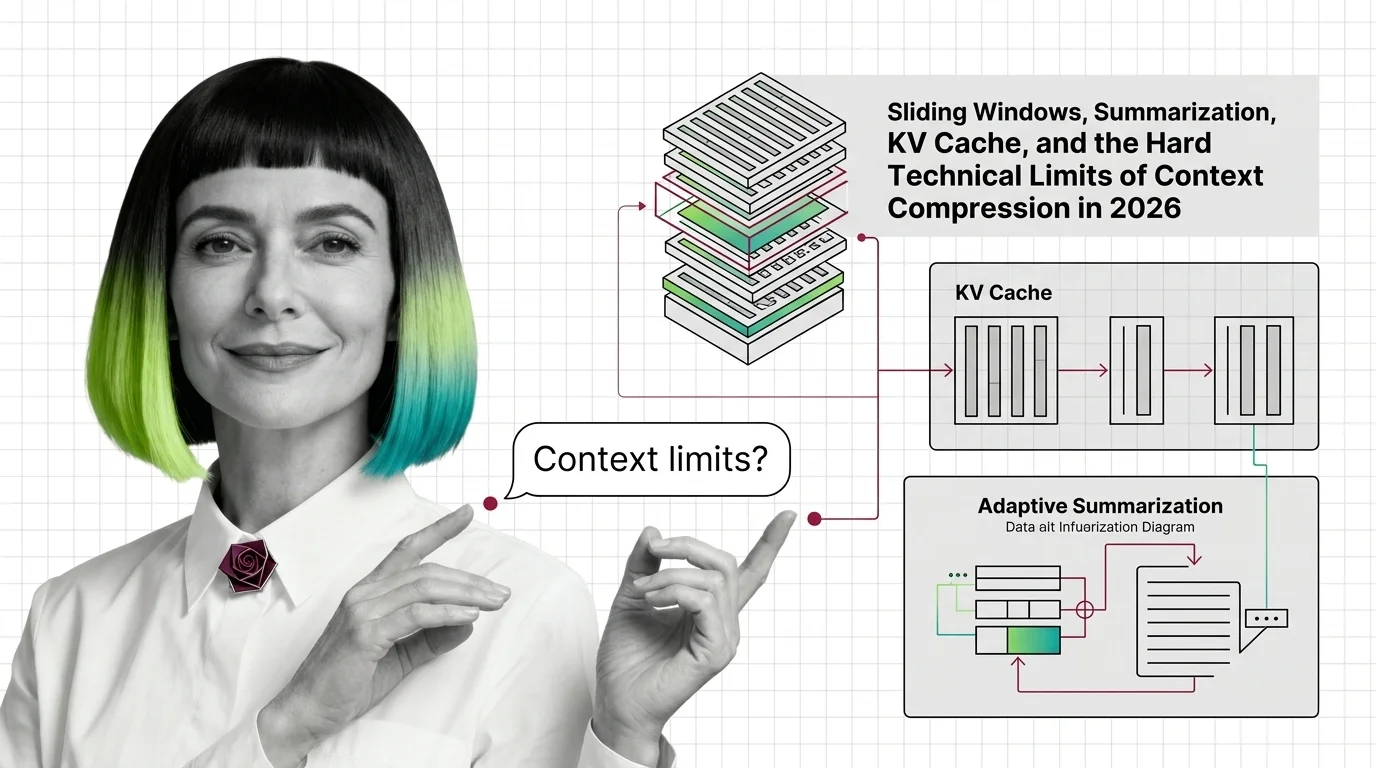
Production LLMs use sliding windows, KV caching, and summarization to manage context. GPU memory — not token limits — defines the real ceiling in 2026.
The guides cover practical patterns for token budget allocation, prompt caching, and sliding window implementations — with real trade-offs between context quality, latency, and cost at each decision point.
Tools & techniques
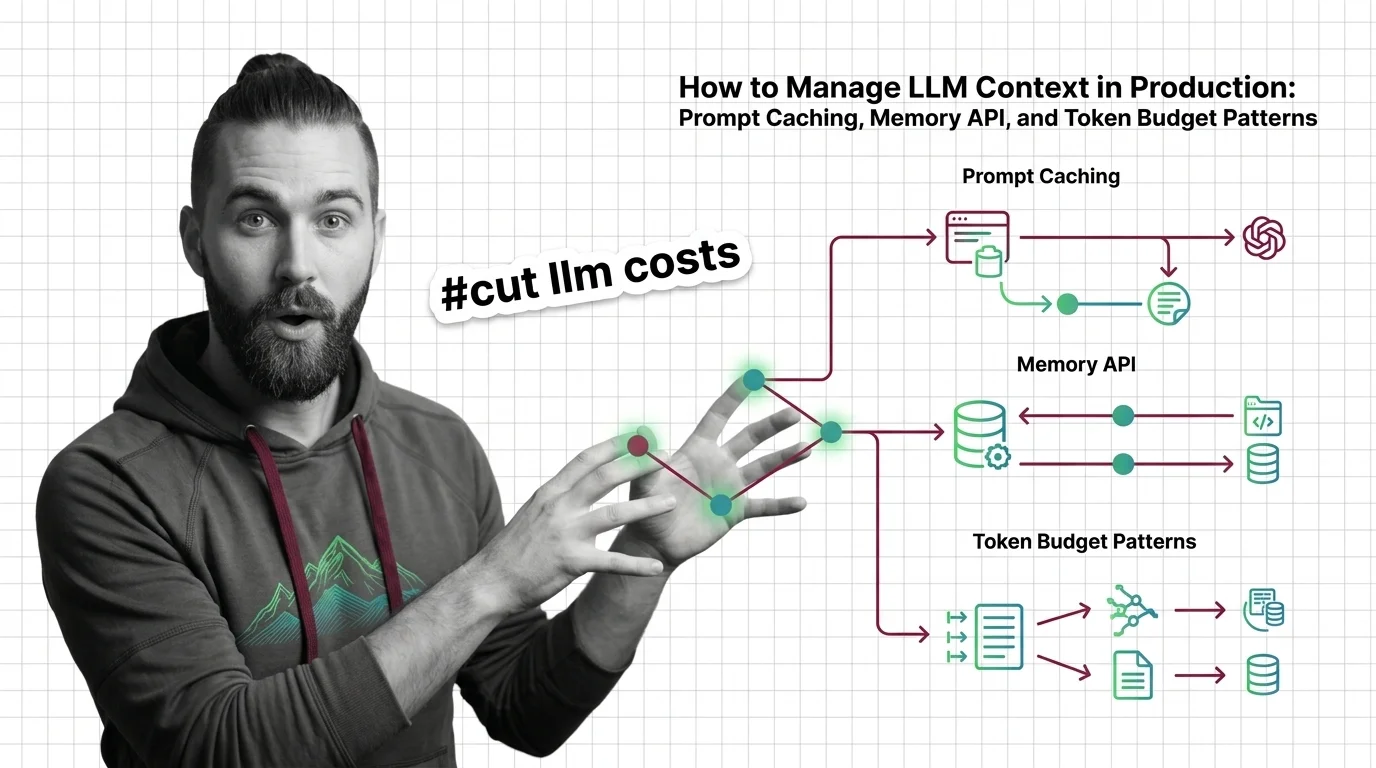
Cut LLM API costs in production: prompt caching gives 90% savings on cache hits, compression trims 30-70% token volume, RAG handles large corpora.
Context window sizes are expanding rapidly, reshaping which compression strategies remain relevant and which architectural assumptions become obsolete — staying current is essential for production decisions.
Models & benchmarks
Updated July 2026
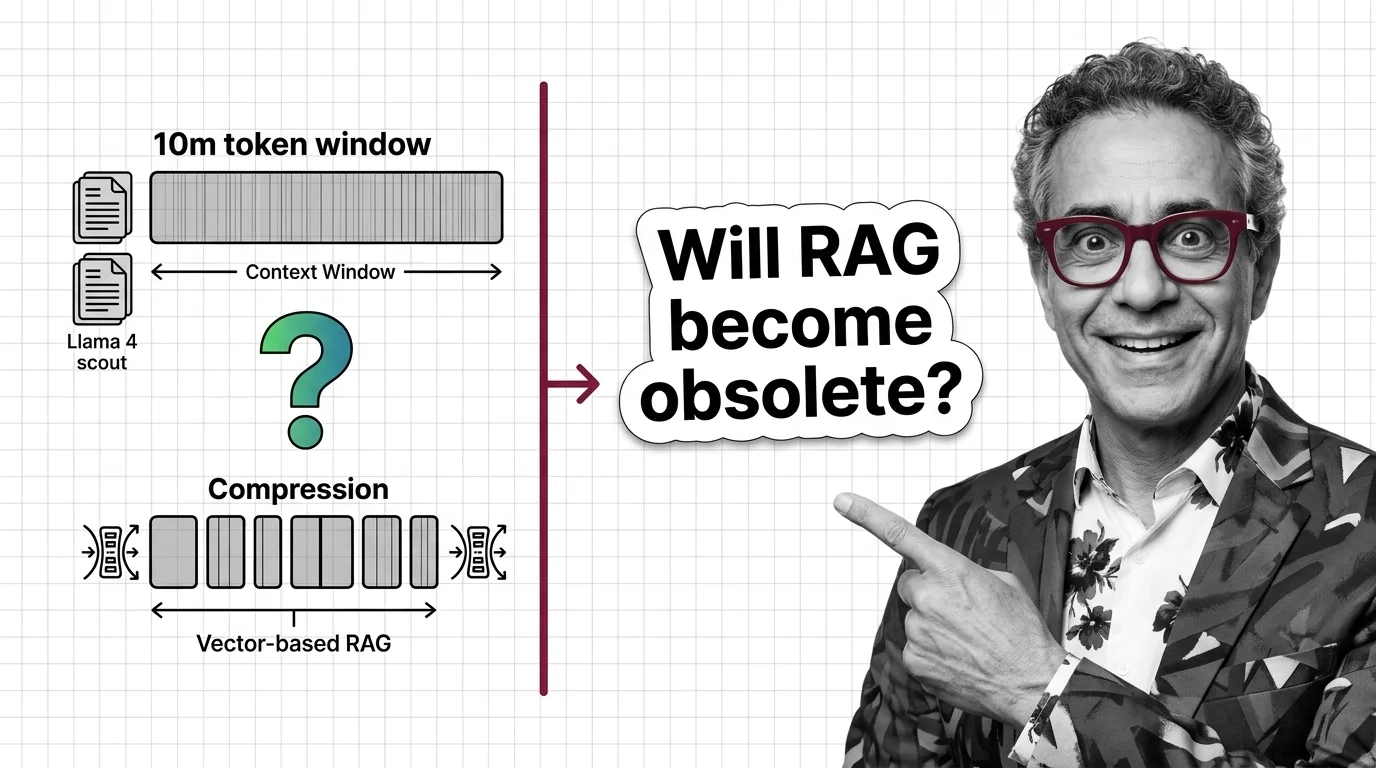
Every major frontier model now offers 1M+ token contexts. Cost math still favors compression at scale. Production teams are layering both.
Long-context systems raise questions about what persists across sessions, who controls retention policies, and whether users understand the scope of what an LLM can recall and act on.
Risks & metrics
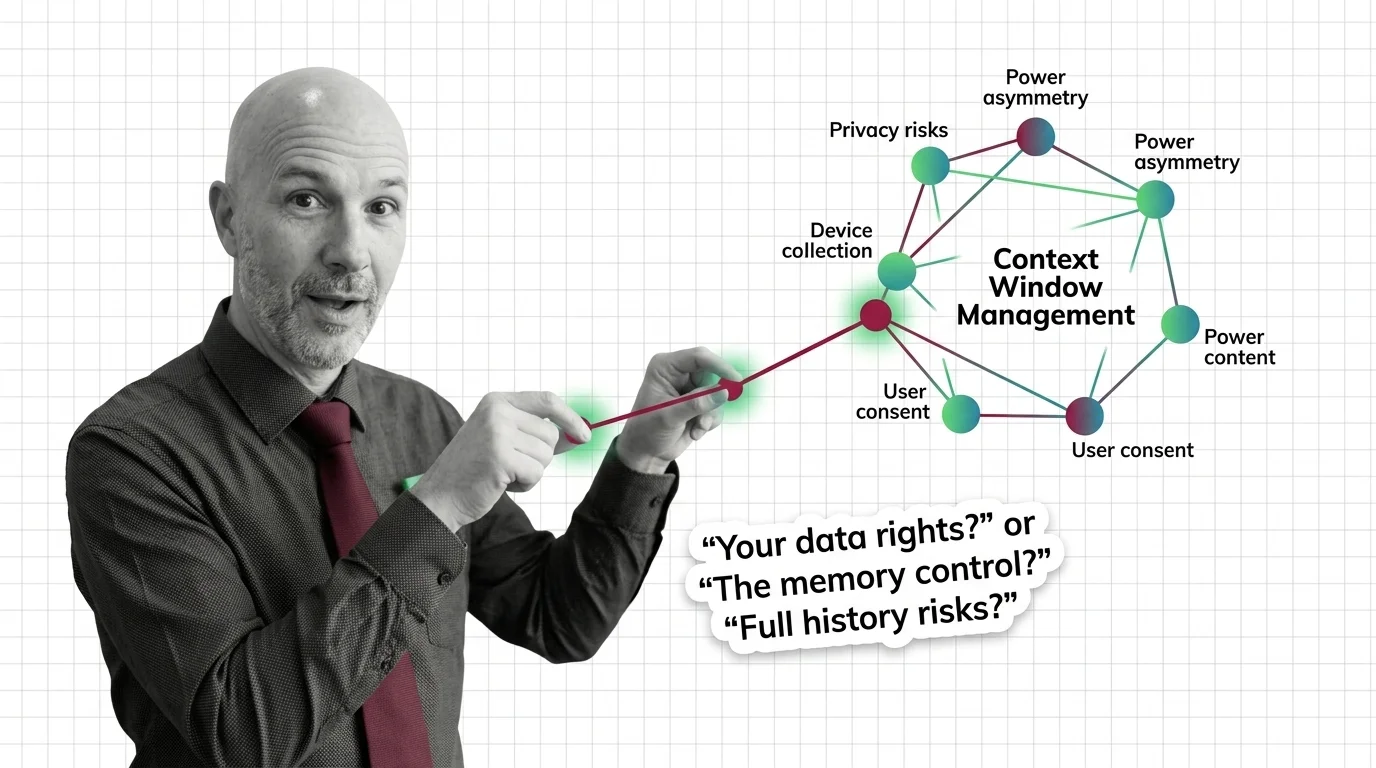
Long-context AI retains everything shared in a session — but users have no symmetric access. Italy's €15M OpenAI fine was the first signal.