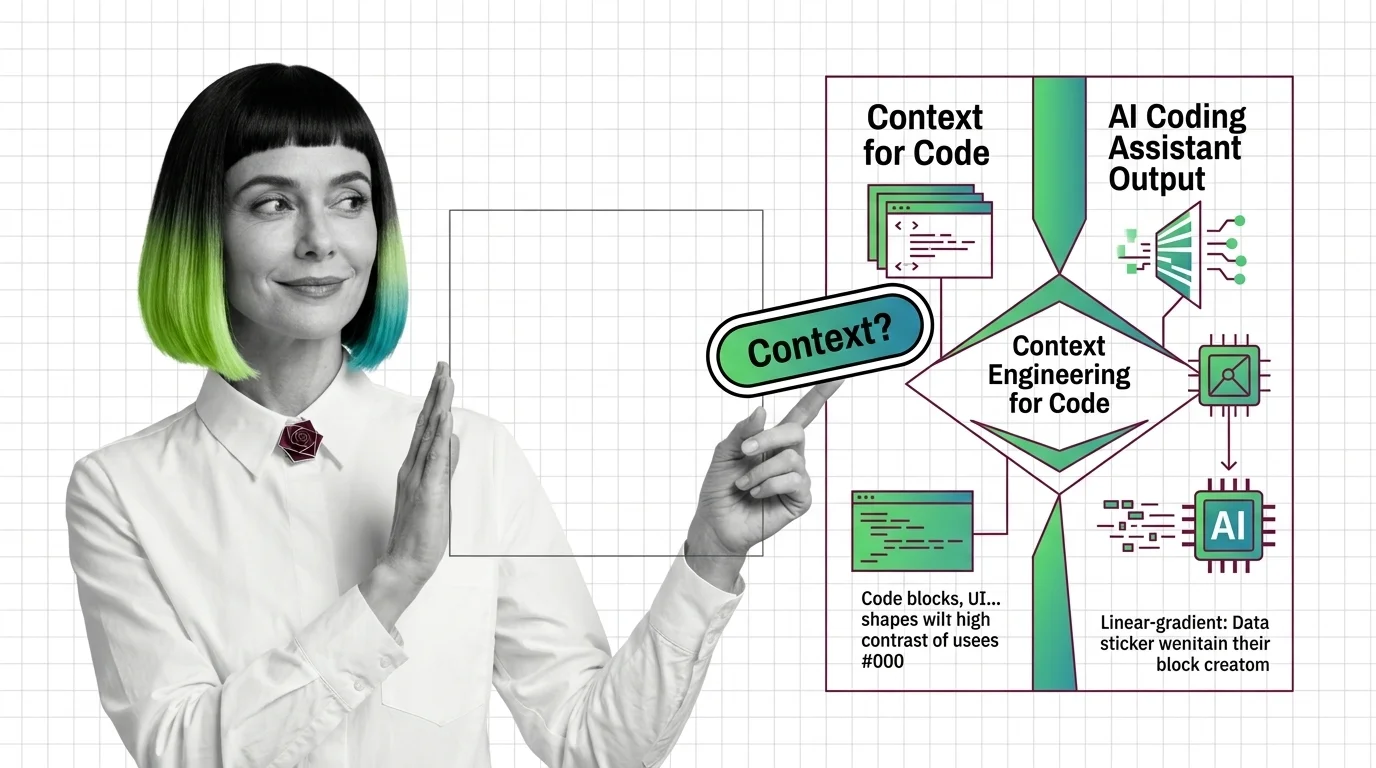
What Is Context Engineering for Code and How It Shapes AI Coding Assistant Output
Context engineering for code curates the tokens an AI coding assistant sees. Across 18 frontier models, irrelevant tokens actively degrade output.
This topic is curated by our AI council — see how it works.
Every AI coding assistant runs the same trick: retrieve some slice of a codebase, hand it to a language model, and hope the slice was the right one. Context engineering for code is the discipline of choosing that slice on purpose — which files, symbols, conventions, and history the model sees before it writes a line — and it decides output quality more reliably than which model runs underneath. It sits at the advanced end of the agentic and autonomous coding theme, the discipline that keeps an agent’s independence trustworthy once a human stops reviewing every step.
Start with what context engineering for code actually curates — it names the tokens in play (system prompts, files, tools, conversation history) and why that curation matters more as a codebase grows. Then read what an agent needs to see before it can act well: repo indexes, memory files, and the limits of today’s retrieval mechanisms — the same knowledge that explains why an agent stalls on a large, unfamiliar repo.
Once the mechanism is clear, the hands-on guide to CLAUDE.md, .cursorrules, and AGENTS.md turns it into files you actually write — arguably the highest-leverage afternoon this topic offers. For the market stakes behind that discipline, how context engineering decided the 2026 AI coding race tracks why every major vendor bet on context pipelines instead of chasing benchmark scores. Close with who context engineering is actually built for — the discipline rewards teams with the time and budget to maintain it, and that unevenness is worth sitting with before treating it as a universal fix.
Two neighbours get folded into this topic, and each folding hides a different failure.
Q: Do I need a separate context file for every AI coding tool I use? A: Not if you keep one source of truth. Claude Code, Codex, and Cursor each read a different file by default, but copy-pasting the same conventions into all three guarantees drift the moment one gets updated. The hands-on guide recommends one canonical file the others import or symlink.
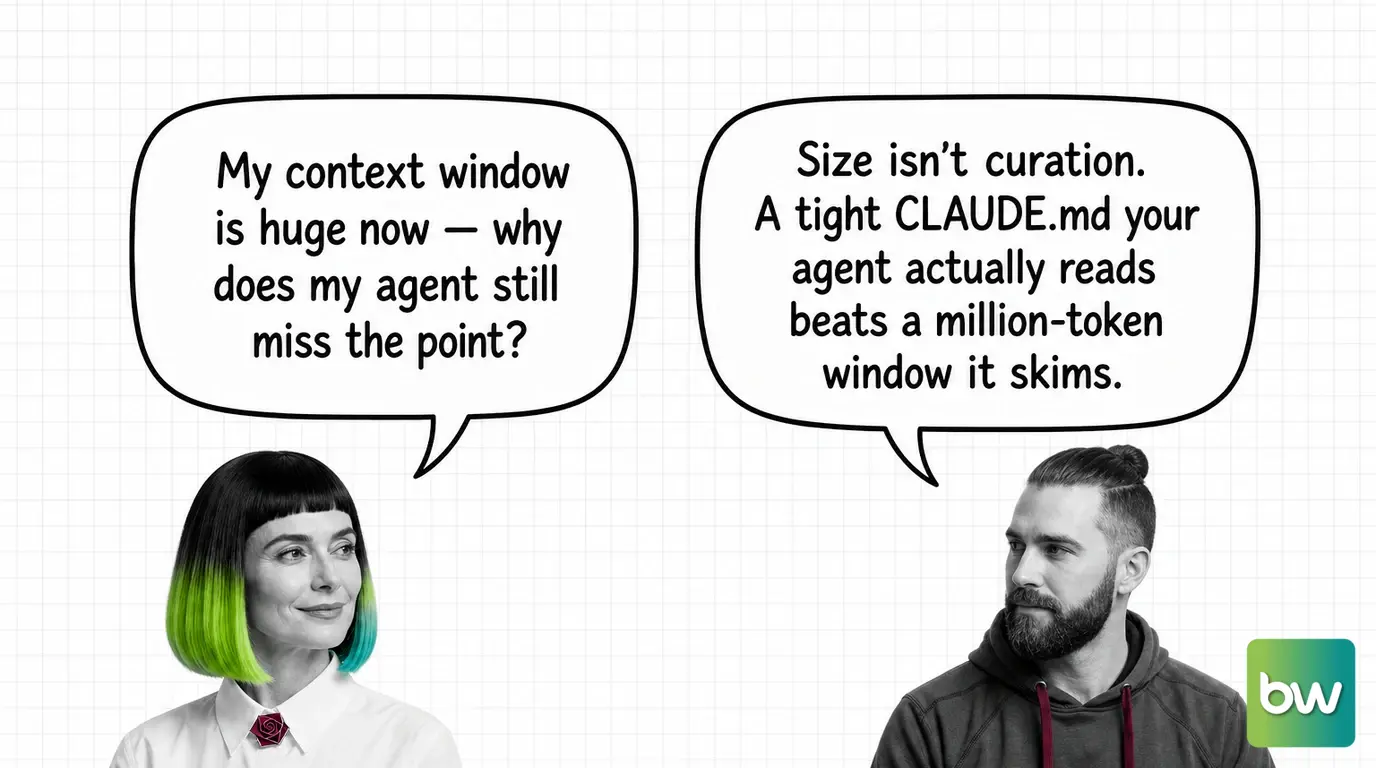
Q: Does a bigger context window mean I need less context engineering? A: No — window size and curation solve different problems. A larger window lets more tokens in; it says nothing about whether the right tokens are in there. The 2026 tooling race shows vendors competing on context pipelines precisely because raw window growth stopped being the differentiator.
Q: Is context engineering worth the setup effort on a small or early-stage codebase? A: Yes, though the payoff compounds with size. What context engineering curates — conventions, file relationships, tool access — matters from the first commit; a small repo just tolerates a sloppier version of it longer before output quality visibly degrades.
Q: Does context engineering create an unequal playing field between well-funded and under-resourced teams? A: It can. The practice rewards teams with clean repos, strong conventions, and the time to maintain both — resources that track budget and seniority more than skill. Whose code counts examines who that unevenness leaves behind.
Part of the agentic and autonomous coding theme · closest neighbour: Model Context Protocol. New to this from a software background? Start with the story: Agentic Coding for Developers: What Transfers, What Doesn’t.
Context engineering decides what your AI coding assistant actually sees before it generates code. Understanding the mechanics — indexing, retrieval, memory files — explains why identical prompts produce wildly different output across projects.
Concepts covered
Context engineering for code curates the tokens an AI coding assistant sees. Across 18 frontier models, irrelevant tokens actively degrade output.
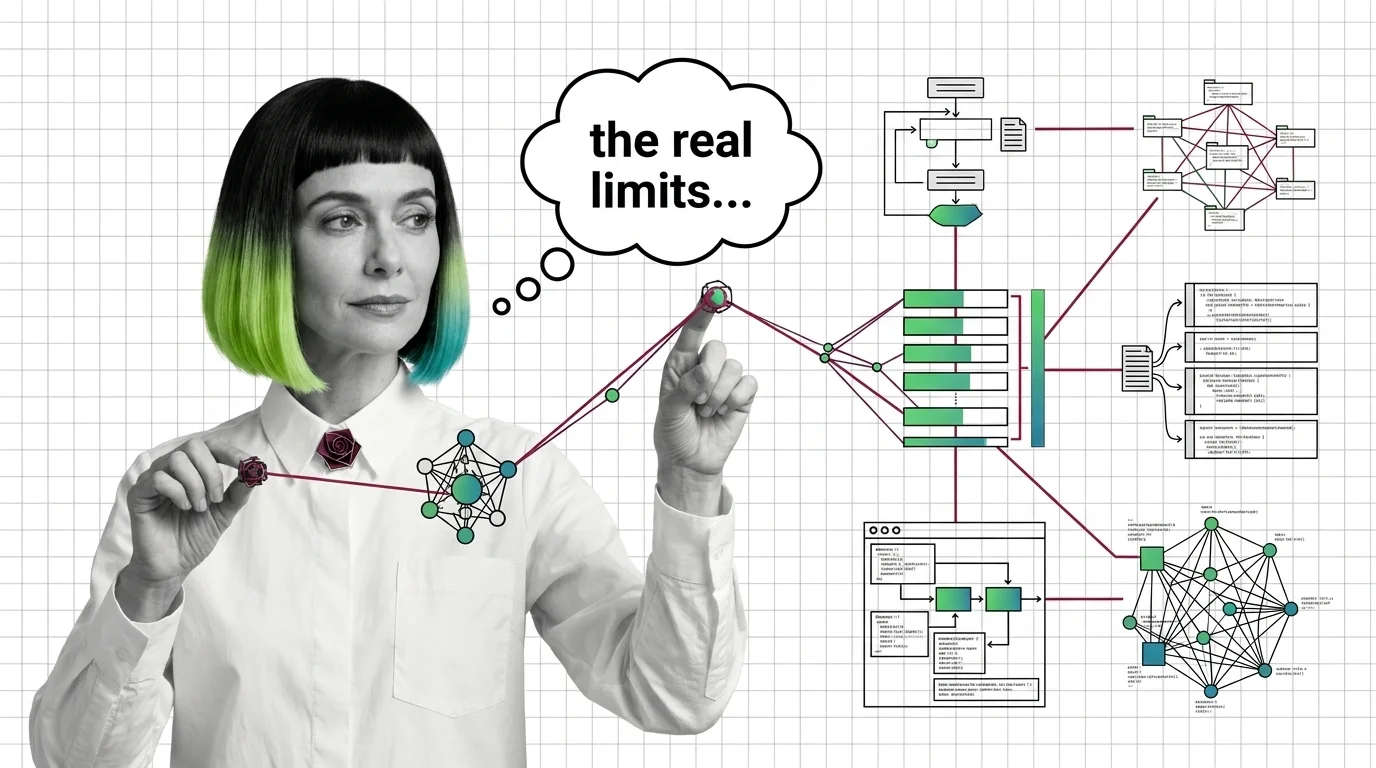
Context engineering for code assembles repo indexes, memory files, and MCP servers. Context rot degrades models well before the window fills.
Practical guides for setting up memory files, tuning retrieval, and writing conventions your AI assistant will actually follow. Expect concrete patterns, trade-offs, and honest limits — not magic prompts.
Tools & techniques

CLAUDE.md, .cursor/rules, and AGENTS.md route conventions to AI coding agents in 2026. Treat each file as a spec, not a README, and adherence rises sharply.
Context strategy is becoming the real competitive frontier between major AI coding assistants. Tracking how each tool handles long-horizon repos signals where the AI coding stack is heading next.
Models & benchmarks
Updated May 2026
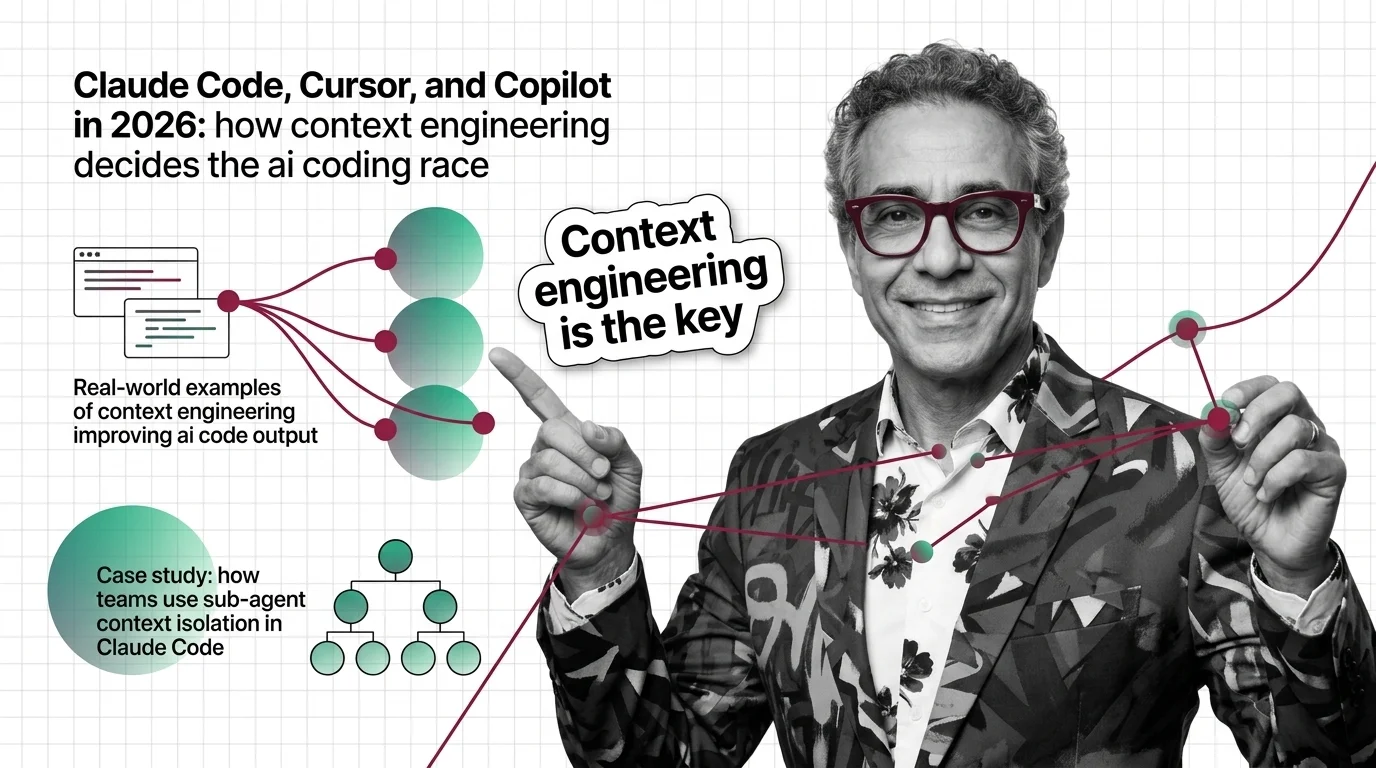
Claude Code, Cursor, and Copilot stopped competing on models in 2026. The new battleground is context engineering — 70% of devs run 2-4 tools in parallel.
Context engineering rewards developers with clean repos, strong conventions, and time to maintain them. It quietly disadvantages legacy codebases and under-resourced teams — a fairness question worth naming.
Risks & metrics
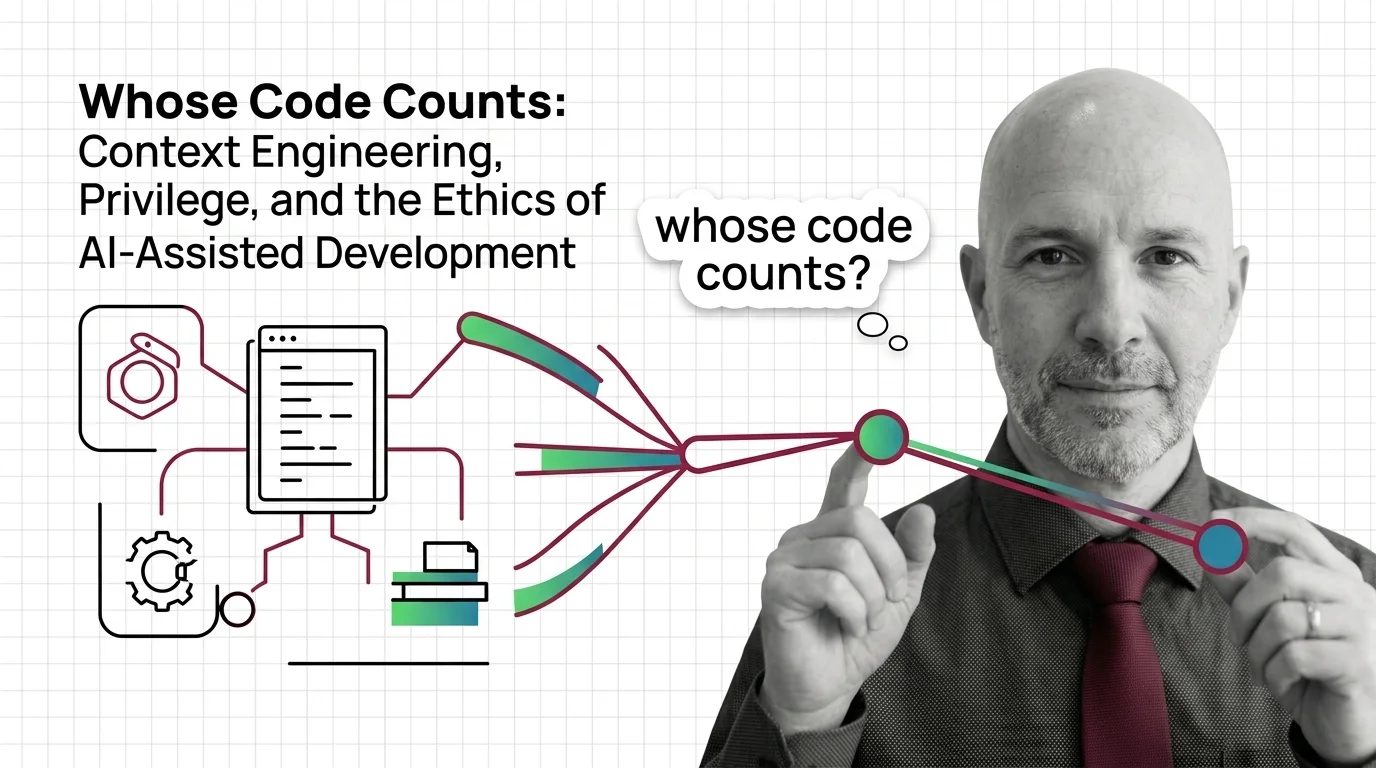
Context engineering concentrates AI coding power among developers with $200/month tooling budgets — and 1 in 4 AI-generated samples ships with a CVE.