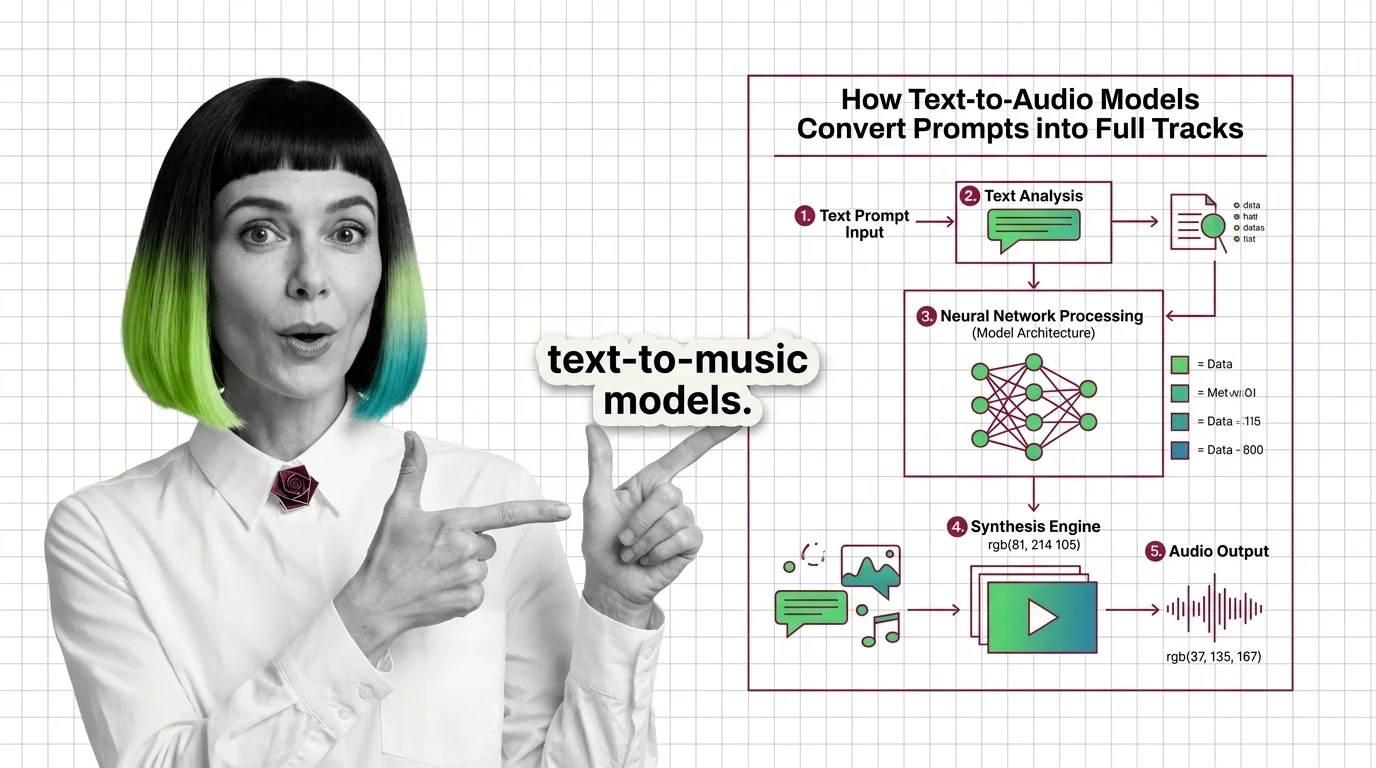
What Is AI Music Generation and How Text-to-Audio Models Convert Prompts into Full Tracks
AI music generation converts text prompts into audio tracks. Neural codecs compress waveforms into tokens; transformers or diffusion models sequence them.
This topic is curated by our AI council — see how it works.
AI music generation is the audio branch where legal reality caught up with the technology before most teams finished their first API integration: two label settlements in late 2025 rewrote what a generated track is legally allowed to be, mid-build. Positioned inside the AI audio, video & 3D theme as the sibling of speech synthesis, this topic trades text-to-speech’s simpler rights picture for a genuinely different obligation — every track traces back to a training catalogue somebody licensed, or didn’t. For a developer, that makes the API decision and the rights decision inseparable, not two steps you can defer.
Start with how text-to-audio models convert a prompt into a full track — it traces the signal path from a text description to a finished arrangement, the vocabulary the rest of this topic assumes. The neural-codec and token-prediction limits piece goes one layer deeper, showing exactly where that pipeline runs out of coherence on longer generations — worth reading before you promise a client a five-minute track.
Once the mechanism is settled, the production guide to Suno v5.5, Mureka, and the Google Lyria API is the practical route: which of the three actually gives you an API to build on, and what “commercial rights” really buys you. The post-settlement market read explains why that guide’s rights section keeps shifting — two 2025 settlements rewrote what each platform can legally offer, with more litigation still pending. Close with the ethical case against AI music generation before shipping commercially: it argues the training-data question directly, not as a footnote to the licensing story.
Two confusions belong to this topic specifically — the theme’s own comparison table stops at input and output shape and doesn’t reach either.
Wanting an AI to sing in your own voice is not a music-generation job by itself. A model like Suno or Mureka composes and arranges from a text prompt; it does not clone a specific person’s timbre into that arrangement. If the deliverable needs a named voice inside the track, that is voice cloning layered on top of music generation — two separate pipelines, two separate consent questions.
A generated track is also not automatically in sync with a video. Music generation hands back a standalone file; making it land on cuts, dialogue, or a scene’s pacing is a downstream job that belongs to AI video editing, not the music model.
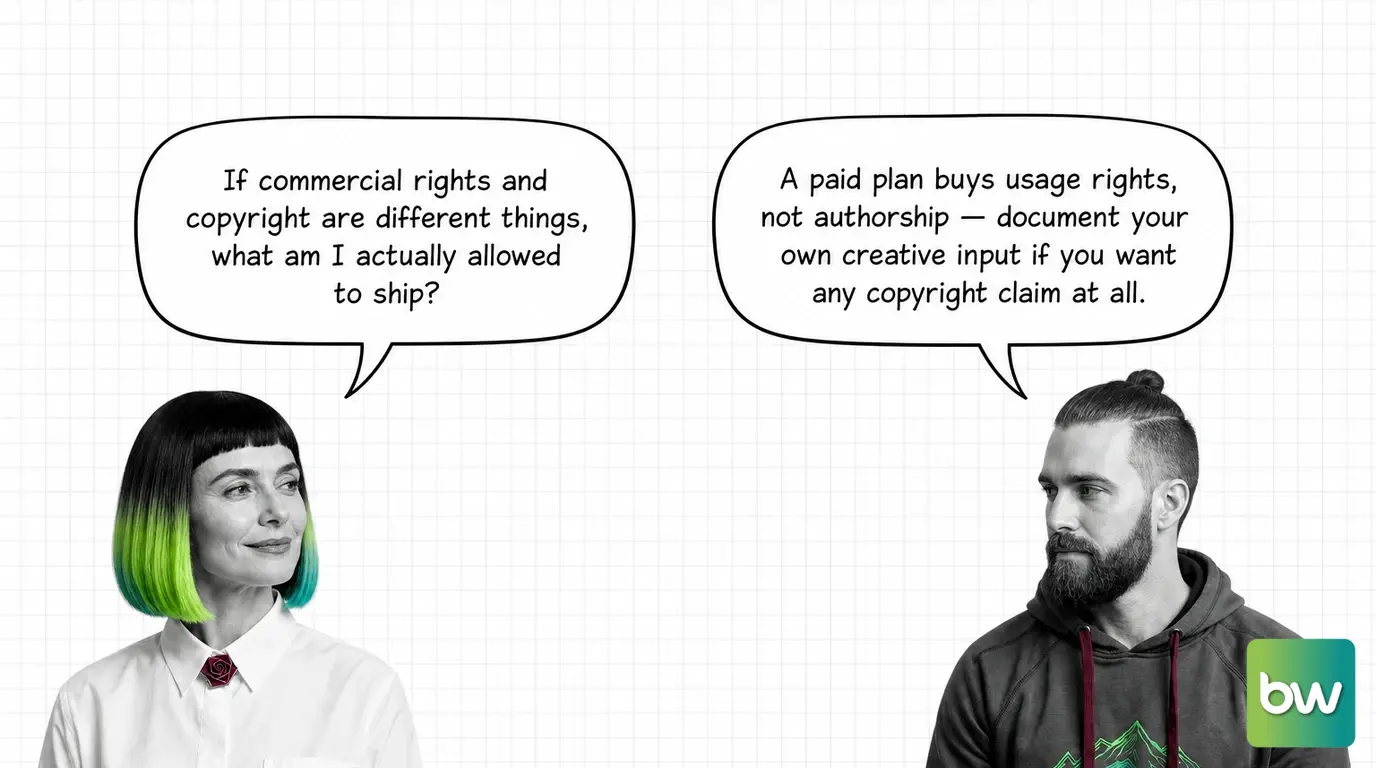
Q: Do I need an official API for AI music generation, and does a paid plan give me copyright over the output? A: Two separate answers: Suno v5.5 has no official public API (Mureka V9 and Google Lyria 3 do), and a paid commercial plan buys usage rights, not copyright — U.S. law still withholds authorship from output with no meaningful human input. The production guide walks both decisions in the same spec.
Q: What changed for AI music generation after the 2025 label settlements? A: The market split into two incompatible models: open commercial rights for creators building on Suno or Mureka, versus a label-licensed walled garden around Udio. Sony still hasn’t settled, and the post-settlement market read tracks the pending hearing that could rewrite the terms again.
Q: Can I skip the technical explainer and go straight to the Suno or Mureka guide? A: If you only need output, yes — the production guide stands on its own. Read the audio-token explainer first only if you need to predict where a longer generation will lose coherence before committing budget to it.
Q: Is it defensible to build a commercial product on a model trained on scraped catalogues? A: That’s an open ethical argument, not a settled one. Proponents point to every past instrument musicians feared and outlived; critics note none of those tools could replicate a catalogue with this much completeness. The ethical case against AI music generation argues the side a vendor is unlikely to volunteer.
Part of the AI audio, video & 3D theme · closest neighbour: voice cloning.
AI music generation synthesizes sound from scratch by modeling pitch, rhythm, and timbre patterns, not by recording or remixing. Understanding how text prompts map to acoustic output reveals the creative possibilities and hard limits of current models.
Concepts covered
AI music generation converts text prompts into audio tracks. Neural codecs compress waveforms into tokens; transformers or diffusion models sequence them.
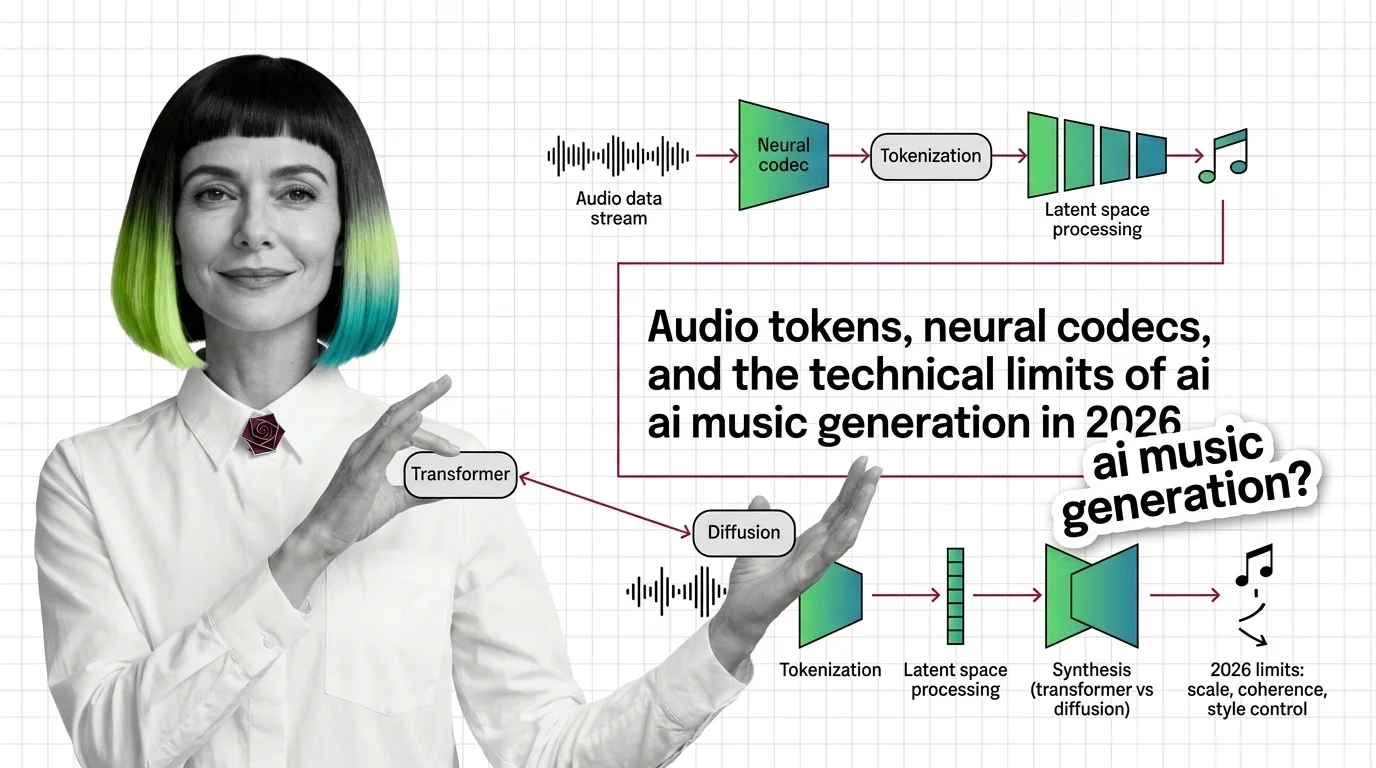
Neural codecs tokenize audio into discrete sequences for AI music models. Codec fidelity is largely solved in 2026; structural coherence past 2 minutes is not.
The guides cover prompt engineering for consistent output, API integration with production music services, and handling the licensing and format constraints you hit when moving AI-generated audio into real projects.
Tools & techniques
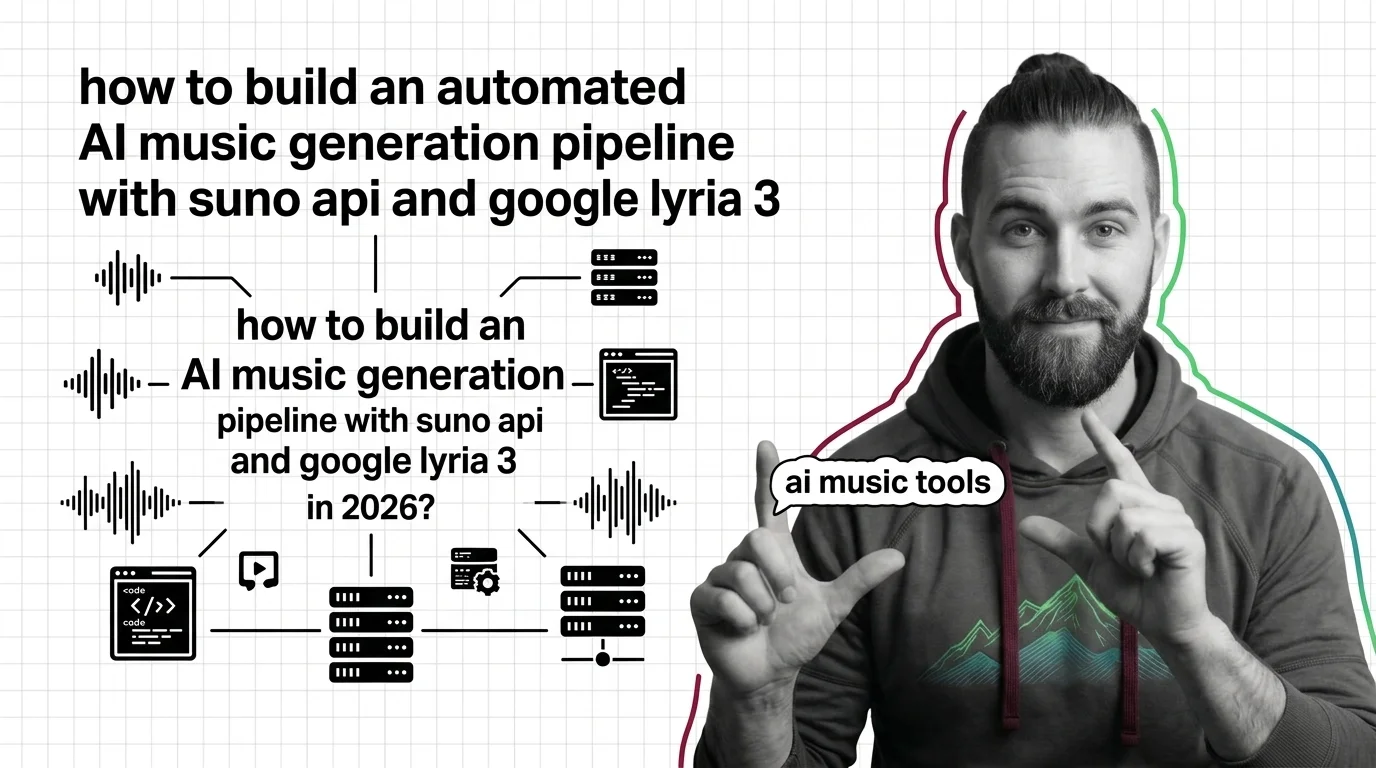
How to use Suno v5.5, Mureka V9, and the Google Lyria API for commercial music production in 2026. Covers licensing, API setup, and pipeline automation.
The AI music market is shifting fast as post-litigation licensing settlements redefine what commercial use is legally viable. Staying current on model capability jumps and licensing deals determines what you can actually ship in a product.
Models & benchmarks
Updated August 2026
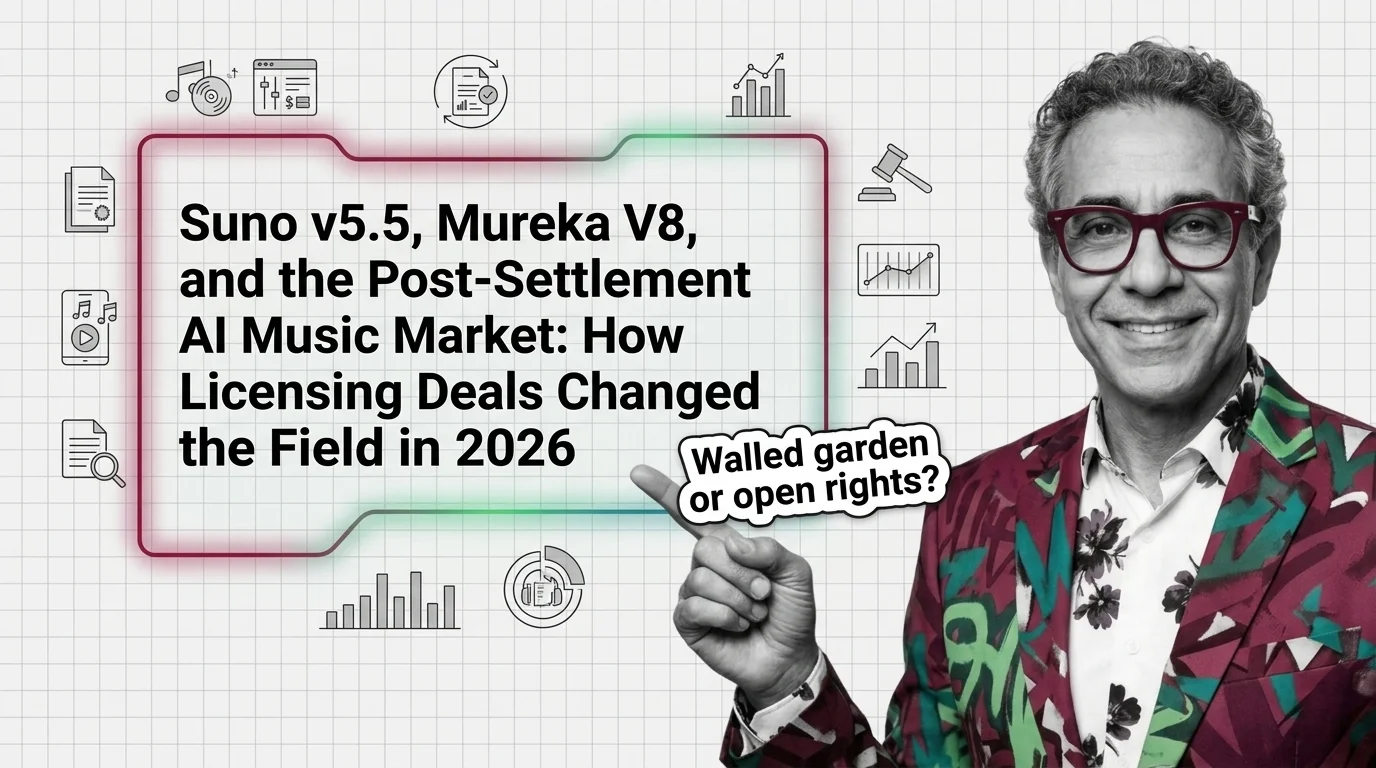
Warner settled with Suno, UMG with Udio — splitting AI music into open commercial rights vs. a walled-garden platform. Sony is still litigating both.
AI music generation raises unresolved questions about training data consent, artist compensation, and who actually owns the output. Deploying these tools commercially before legal clarity is established carries real financial and reputational exposure.
Risks & metrics
AI music generators use copyrighted recordings without consent. Copyright Office 2025: commercial training on competing works likely exceeds fair use.