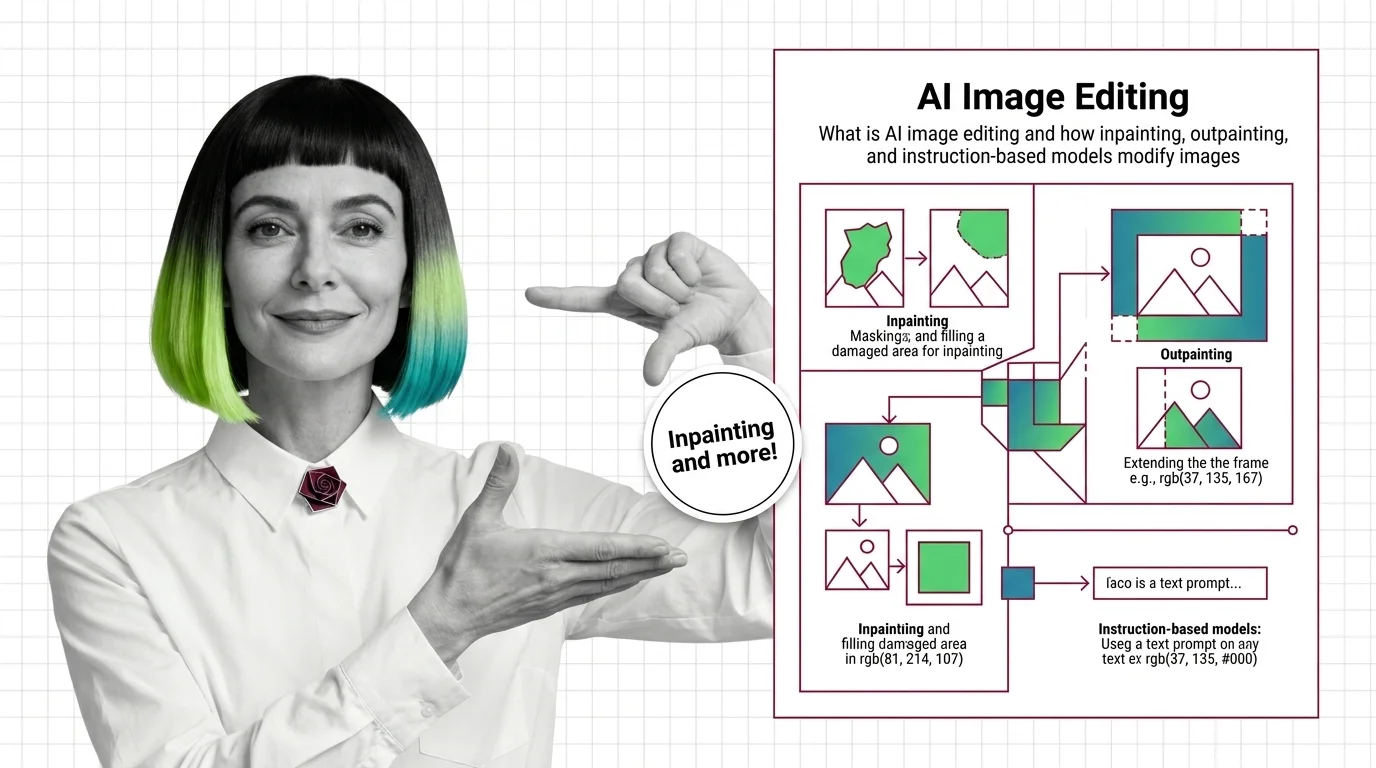
What Is AI Image Editing? Inpainting, Outpainting, Edit Models
AI image editing uses diffusion to modify pixels under a mask or follow text instructions. Learn how inpainting, outpainting, and edit models work.
This topic is curated by our AI council — see how it works.
AI image editing is the layer of the AI image generation and editing stack that works on pictures that already exist rather than blank canvases — a masked region, an outpainted edge, or a plain-language instruction that rewrites part of a photo. That distinction carries real stakes: a marketing team correcting one product shot, a support tool restoring a damaged image, and a deepfake all run on the same instruction-following diffusion machinery, pointed at different intentions. The field also moved fast enough in 2026 that the editor you picked in January may already sit a tier behind, and the question of whose likeness got rewritten never fully resolves.
Start with what AI image editing is and how inpainting, outpainting, and instruction-based models modify images — it names the three operations everything else in this topic assumes you already recognize. The diffusion and InstructPix2Pix prerequisites then open the box: classifier-free guidance and the training trick that taught diffusion models to follow an edit instruction instead of just a caption.
Once the mechanism is settled, the path forks by what you are deciding. Building your own stack means routing edit requests across several specialist backends rather than trusting one API for everything — the Flux Kontext, Qwen Image Edit, and GPT Image pipeline guide specs that router. Choosing a vendor instead means weighing commercial risk first — the Adobe Firefly vs. Flux Kontext vs. GPT Image decision guide maps which editor fits which liability. Because the leaderboard keeps moving, the GPT Image 1.5, Nano Banana Pro, and HunyuanImage 3.0 arena race is worth a periodic check rather than a one-time read. Close with the ethical reckoning over deepfakes, copyright, and consent — it applies to every edit that touches a real person, not only the malicious ones.
Two neighbouring topics get folded into “editing” that actually solve a different problem.
Image upscaling changes resolution, not content — it fabricates plausible detail at a higher pixel count without altering what the image depicts. AI image editing changes content directly: a region gets repainted, extended, or rewritten under instruction, resolution aside. Run them in the right order and they compose; run upscaling expecting it to fix a bad edit and it sharpens the mistake instead.
LoRA for image generation solves a different persistence problem. An editing model like Flux Kontext can hold a character’s identity across a handful of sequential edits in one session; it does not persist across separate generations days apart. A LoRA changes the model’s own weights so a style or subject shows up correctly in generation after generation, with no editing step involved. Reach for editing to change one image now, and for a LoRA to make many future images consistent.
Q: Should I build a custom AI image editing pipeline or use one vendor’s tool? A: Build a router across specialist backends once you have more than one recurring edit type — a single API becomes a spec hole the moment identity preservation, text rendering, and licensing all need different guarantees. The pipeline guide walks the router pattern.
Q: Which AI image editor carries the least commercial legal risk for marketing work? A: None of them by default — the right pick depends on license terms and indemnification, which is why Firefly, Flux Kontext, and GPT Image get compared on legal grounds first and image quality second. The decision guide maps the trade-off.
Q: Why did the top AI image editing models suddenly converge in quality in 2026? A: The frontier compressed from two labs to four within a single quarter, with one open-weight model sitting inside that top cluster — a narrow gap rather than a generational lead. The arena race tracks the Elo spread behind that shift.
Q: Does retouching a photo of a real person raise a consent issue even without deceptive intent? A: Yes — the ethical question is about who controls the image, not the editor’s intent. The consent and copyright piece examines why permission does not scale the way editing tools now do.
Part of the AI image generation and editing theme · closest neighbour: image upscaling. Coming to this from a classical software background? Start with the story: AI Image Stacks for Developers: What Maps and What Breaks.
AI image editing isn't one technique but a family of approaches — masked inpainting, instruction-following diffusion, and latent-space manipulation. Understanding how each modifies an image reveals why some edits look seamless and others break.
Concepts covered
AI image editing uses diffusion to modify pixels under a mask or follow text instructions. Learn how inpainting, outpainting, and edit models work.
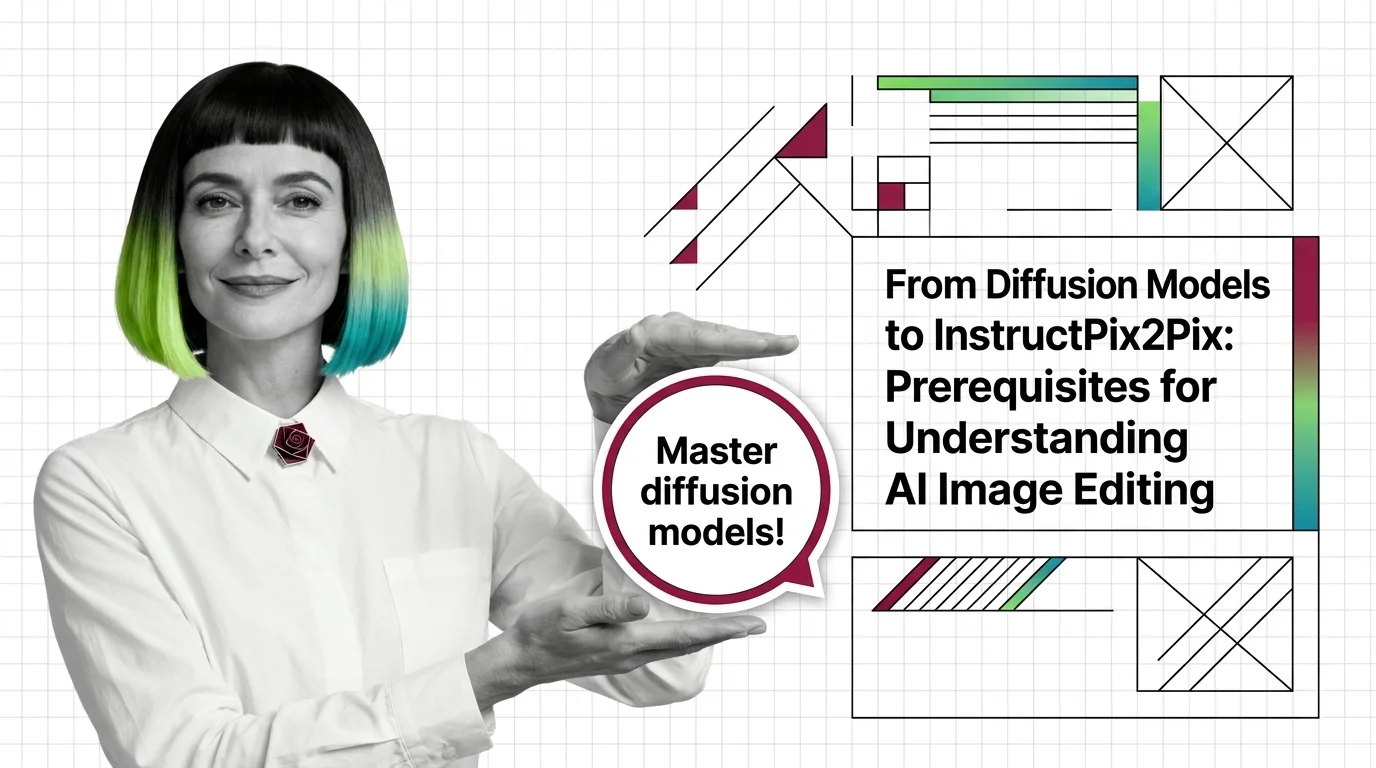
Before using GPT Image or FLUX, understand diffusion, classifier-free guidance, and why InstructPix2Pix made instruction-based editing tractable.
Learn how to chain editing models into production pipelines, from masked inpainting workflows to instruction-based editors. Compare cost, latency, and fidelity trade-offs, and see which approach fits product photography versus creative retouching.
Tools & techniques
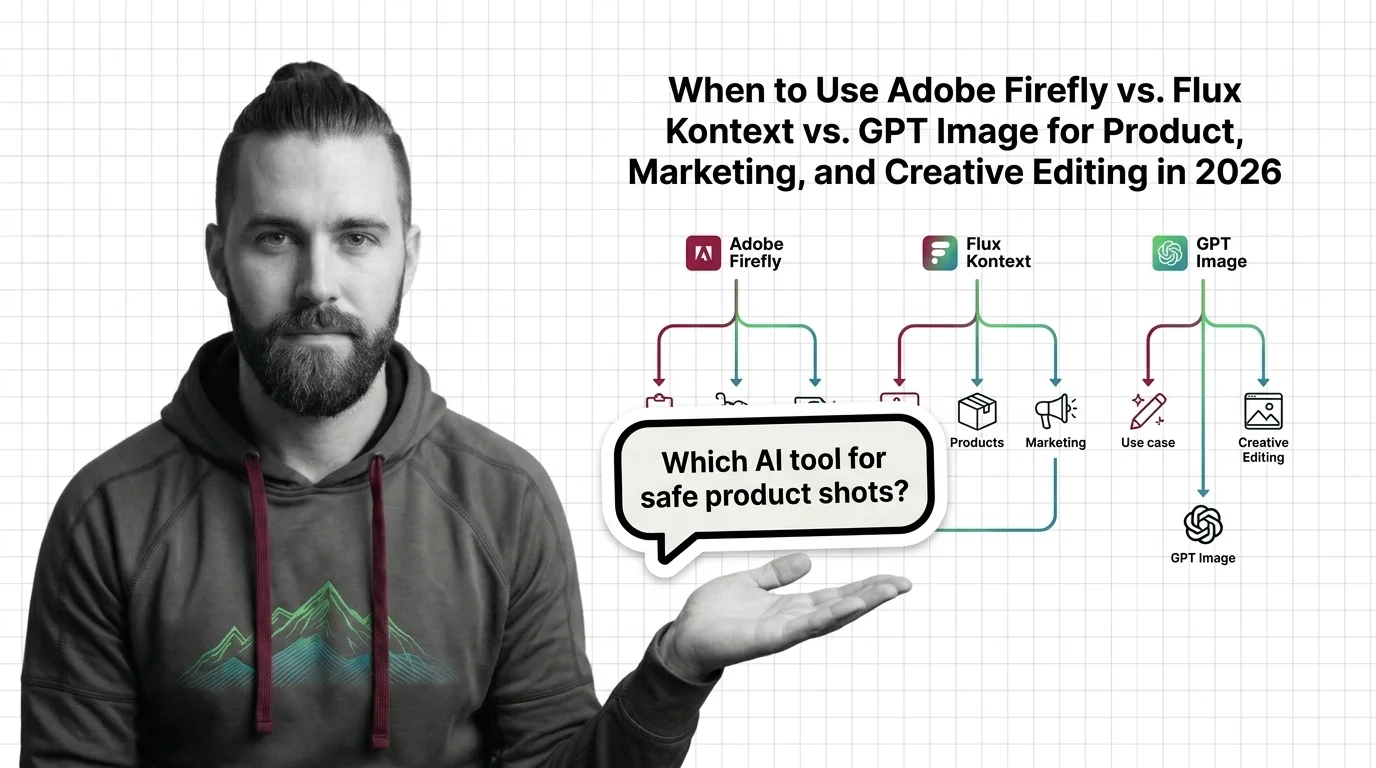
Pick the right AI image editor for commercial work: Adobe Firefly indemnifies, Flux Kontext iterates, GPT Image follows instructions. Here is how to spec each.
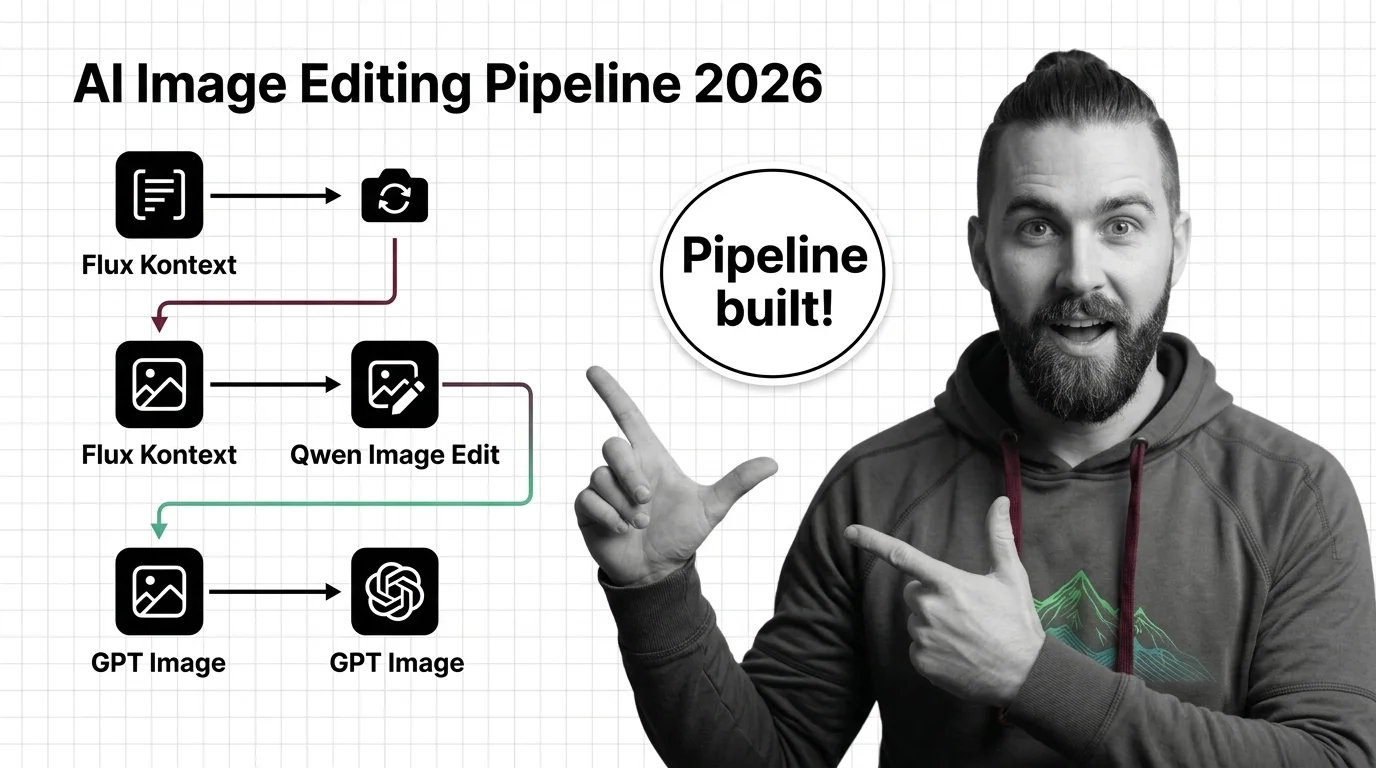
Build a production AI image editing pipeline in 2026. Spec Flux Kontext, Qwen Image Edit, and GPT Image 1.5 as swappable edit engines behind one router.
The image-editing arena shifts monthly, with instruction-following models leapfrogging each other on quality benchmarks. Staying current means knowing which tool edits hands correctly, preserves identity, or handles complex scenes today.
Models & benchmarks
Updated April 2026
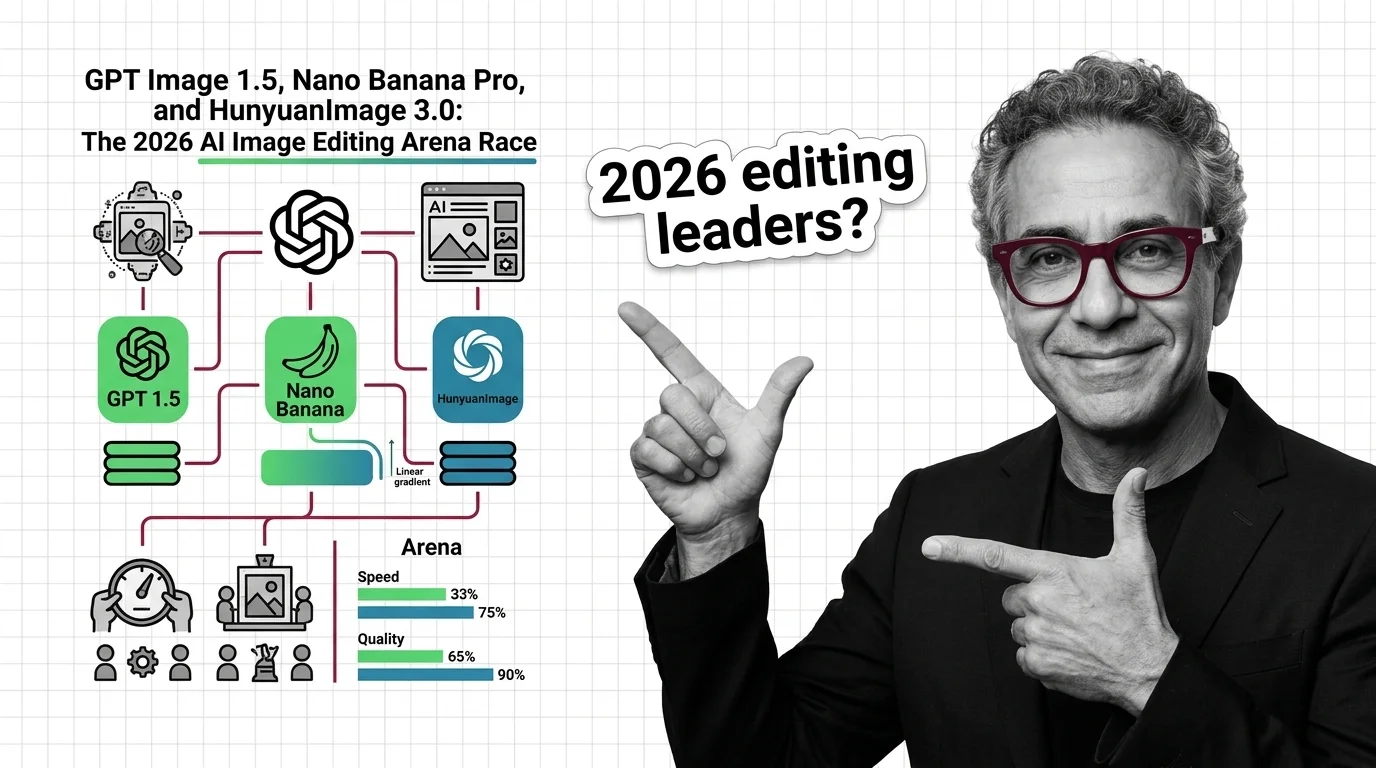
The Artificial Analysis editing arena compressed into a four-way race in 2026. What GPT Image 1.5, Nano Banana Pro, and HunyuanImage 3.0 mean for builders.
Image editing models blur the line between correction and fabrication, raising questions about consent, copyright, and disclosure. Understanding deepfake risks, provenance signals, and training-data origins matters before deploying editing tools in consumer or editorial contexts.
Risks & metrics
AI image editing has industrialized the act of lifting someone's likeness. Consent law, C2PA metadata, and new legislation still don't match its scale.