
What Is AI for Technical Debt and How Machine Learning Detects Code Smells and Hotspots
AI for technical debt combines ML and behavioral code analysis to find decay hotspots — a small fraction of files drives most defects in a codebase.
This topic is curated by our AI council — see how it works.
AI can now flag not just which lines break a style rule but which parts of a codebase are actually getting worse — a capability that matters once AI coding assistants are shipping code faster than any team can review by hand. This topic sits at the end of that pipeline: after completion, review, and tests have already merged a change, debt tooling is what tracks what accumulates across hundreds of those changes and ranks what is worth fixing next.
Start with how machine learning detects code smells and hotspots — it lays out what these tools actually count (complexity, churn, coupling) before you trust a single score. Read the prerequisites and limits of AI-driven detection in the same sitting: it explains why those proxies produce false positives and where the numbers stop meaning anything.
When you are ready to act, the SonarQube and CodeScene prioritization guide turns detection into a ranked backlog and a quality gate that blocks new debt at the merge. For the market context behind that shift, CodeScene and CodeAnt in action shows tooling moving from flagging every smell equally to ranking which debt actually costs money, and the 2026 agentic-refactoring and AI-generated-debt surge covers why AI writing code faster made that ranking problem urgent. Close with does AI really pay down technical debt — before you let a tool’s green dashboard stand in for your own judgment.
Debt tooling is not code review. AI code review inspects one pull request before it merges — it comments on a diff. Debt tooling scores the accumulated codebase over time: change frequency, coupling, and decay that no single diff reveals, however clean each individual PR looked.
Debt tooling is not CI/CD risk forecasting. AI in CI/CD pipelines predicts whether the commit in front of you is risky right now. Technical-debt tooling asks the slower, portfolio-level question — which parts of the codebase, across many commits, are actually costing the team the most to keep touching.
Q: Should I trust one technical-debt score to decide what to refactor first? A: No — rank by hotspot impact instead: files with high change frequency and low code health, not the ones with the worst raw score. The SonarQube and CodeScene prioritization guide walks through building that ranking.
Q: Do I need a dedicated technical-debt tool if my CI pipeline already runs static analysis? A: Usually yes — AI in CI/CD pipelines forecasts risk for the commit in front of you, but it does not track how debt accumulates across hundreds of merged changes. Debt tooling is the layer built for that longer view.
Q: Why does a debt score flag files that never actually cause problems? A: Because the score counts proxies — complexity, rule violations, how often a file changes — not confirmed bugs. The prerequisites and limits article explains why those proxies produce false positives that look identical to real risk.
Q: Can I trust an AI tool’s verdict that my codebase is now clean? A: Only as far as you trust the review behind it — a dashboard turning green reports that a score moved, not that a human confirmed the fix was correct. The automation-bias argument is worth reading before you stop checking.
Part of the AI coding assistants theme · closest neighbour: AI-assisted refactoring. New to this from a software background? Start with the story: AI Coding Assistants Are Untrusted Contributors at Colleague Speed.
Technical debt is the hidden cost of past shortcuts, and AI can now surface it objectively. Learn what machine learning actually measures in a codebase and why some debt matters far more than the rest.
Concepts covered
AI for technical debt combines ML and behavioral code analysis to find decay hotspots — a small fraction of files drives most defects in a codebase.
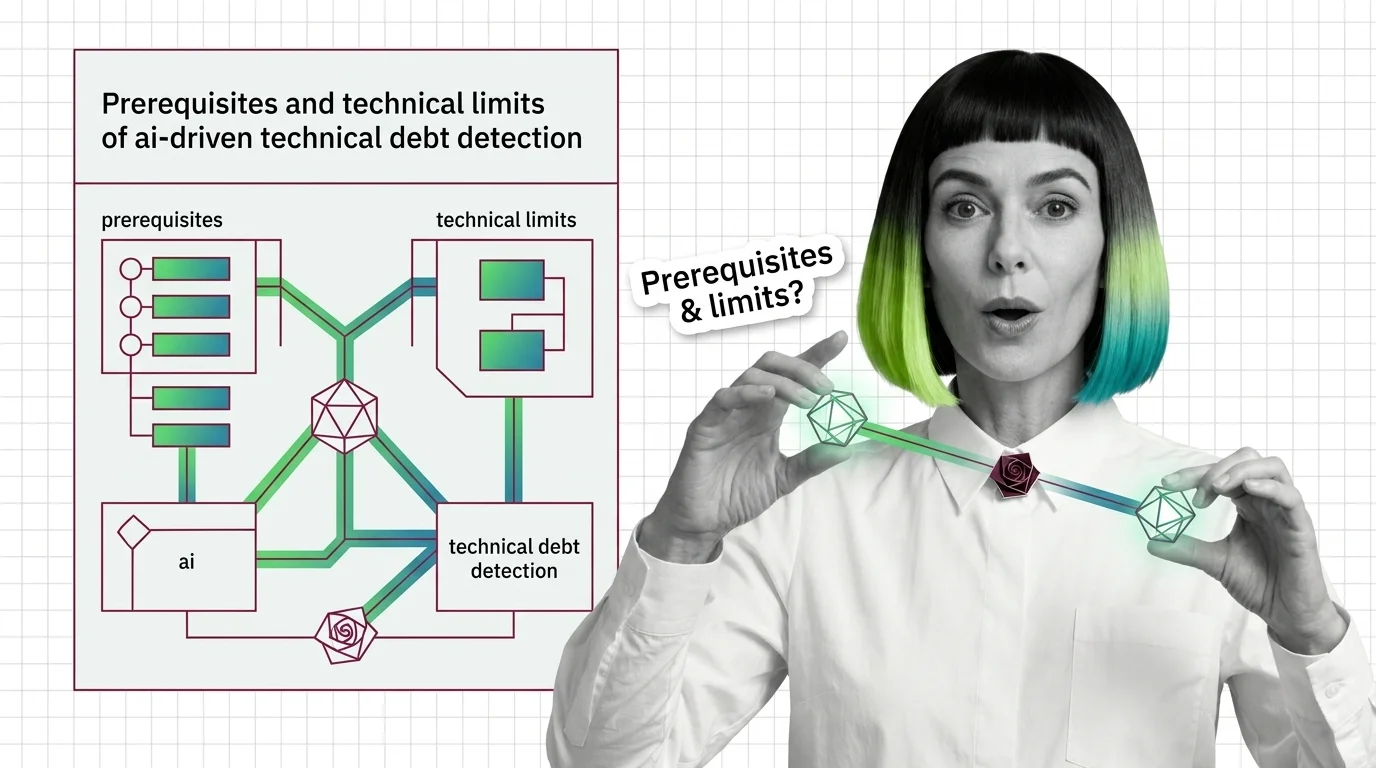
AI technical-debt tools measure proxies like complexity and code churn, not debt itself. Vendor false-positive rates near 3% clash with study findings.
These guides show you how to wire debt detection into your workflow, set quality gates that block new debt, and prioritize refactoring so effort lands where it pays off most. Expect practical trade-offs, not silver bullets.
Tools & techniques
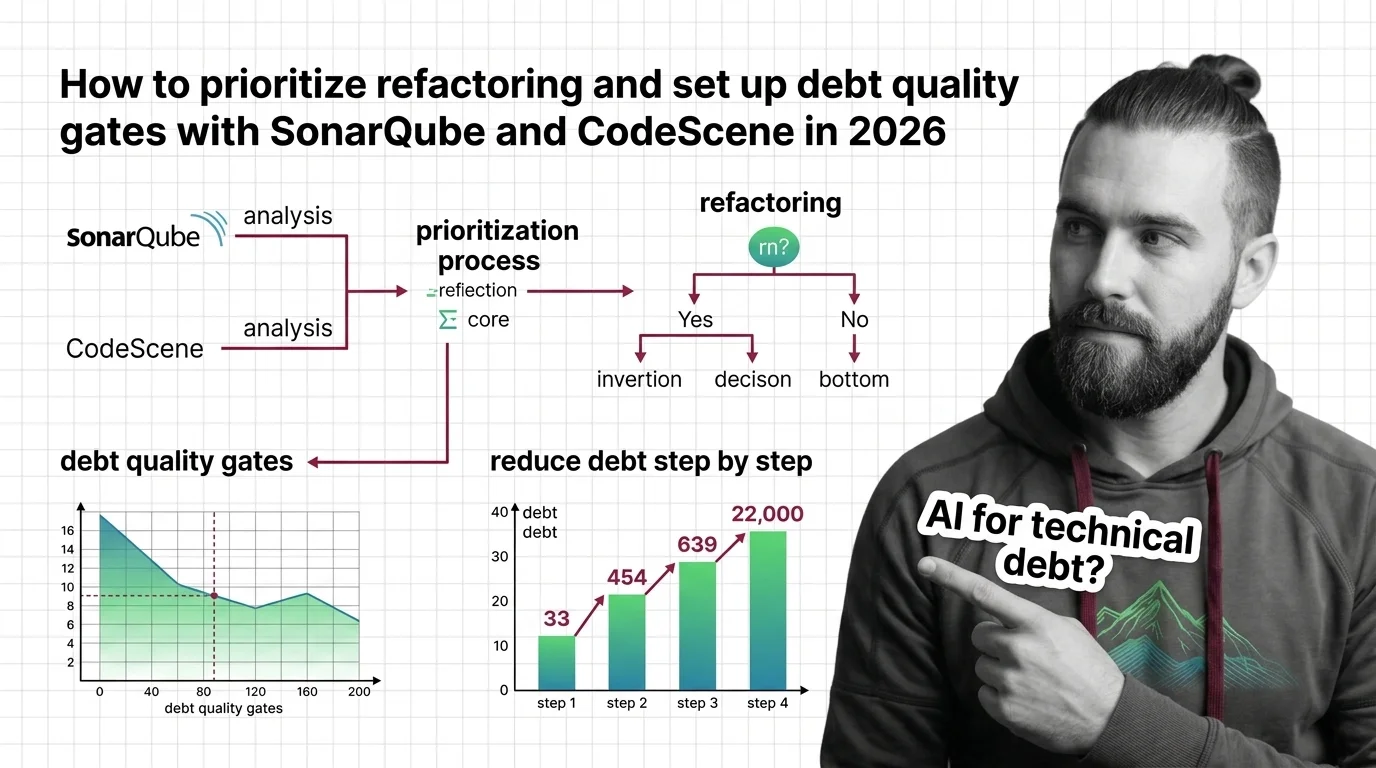
Prioritize refactoring by hotspot impact with CodeScene, then enforce a SonarQube new-code quality gate in CI/CD that blocks merges when debt grows.
The way teams tackle debt is shifting fast, especially as AI both creates and cleans up code. Follow the moves toward agentic refactoring and behavioral analysis to understand where this practice is heading next.
Models & benchmarks
Updated May 2026
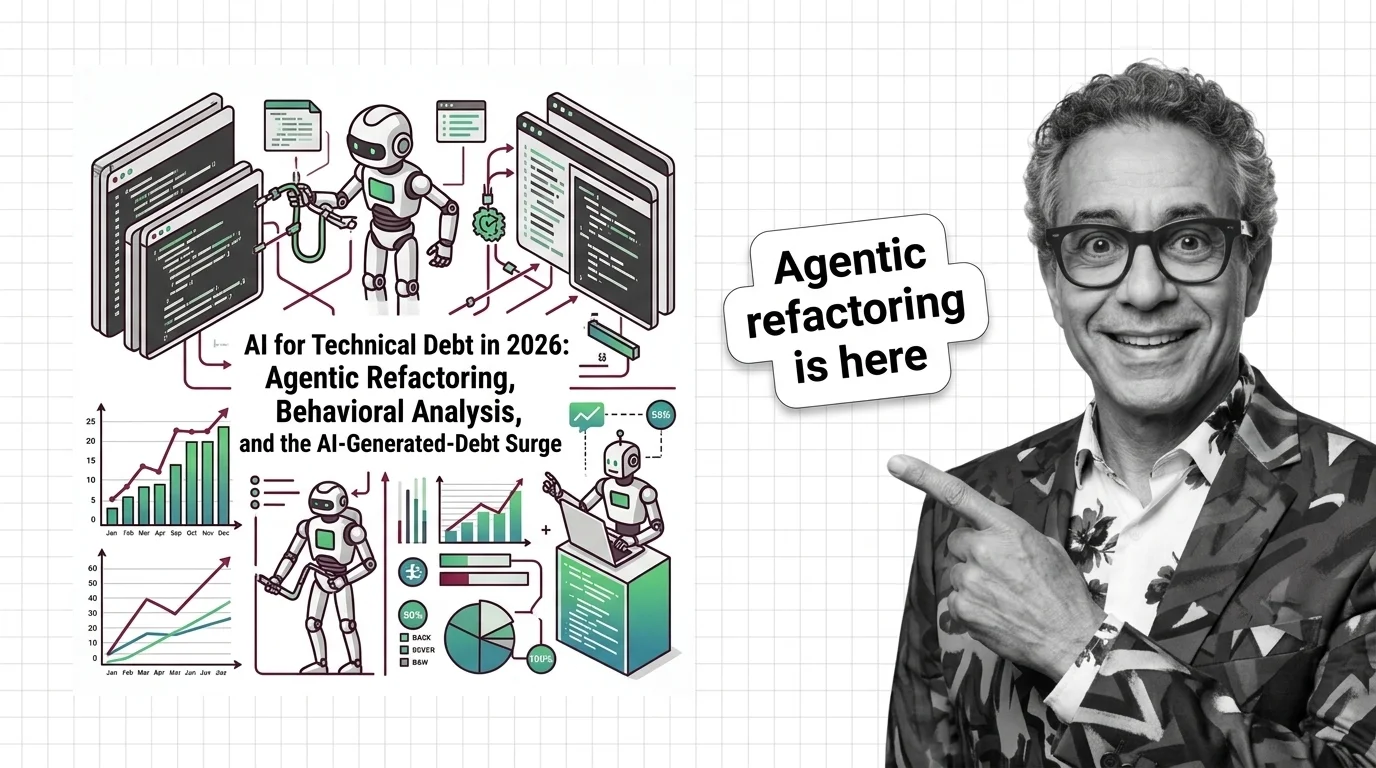
AI now writes ~41% of new code as duplication climbs and refactoring collapses. Agentic tools like CodeScene ACE and Sonar now verify the agent's output.
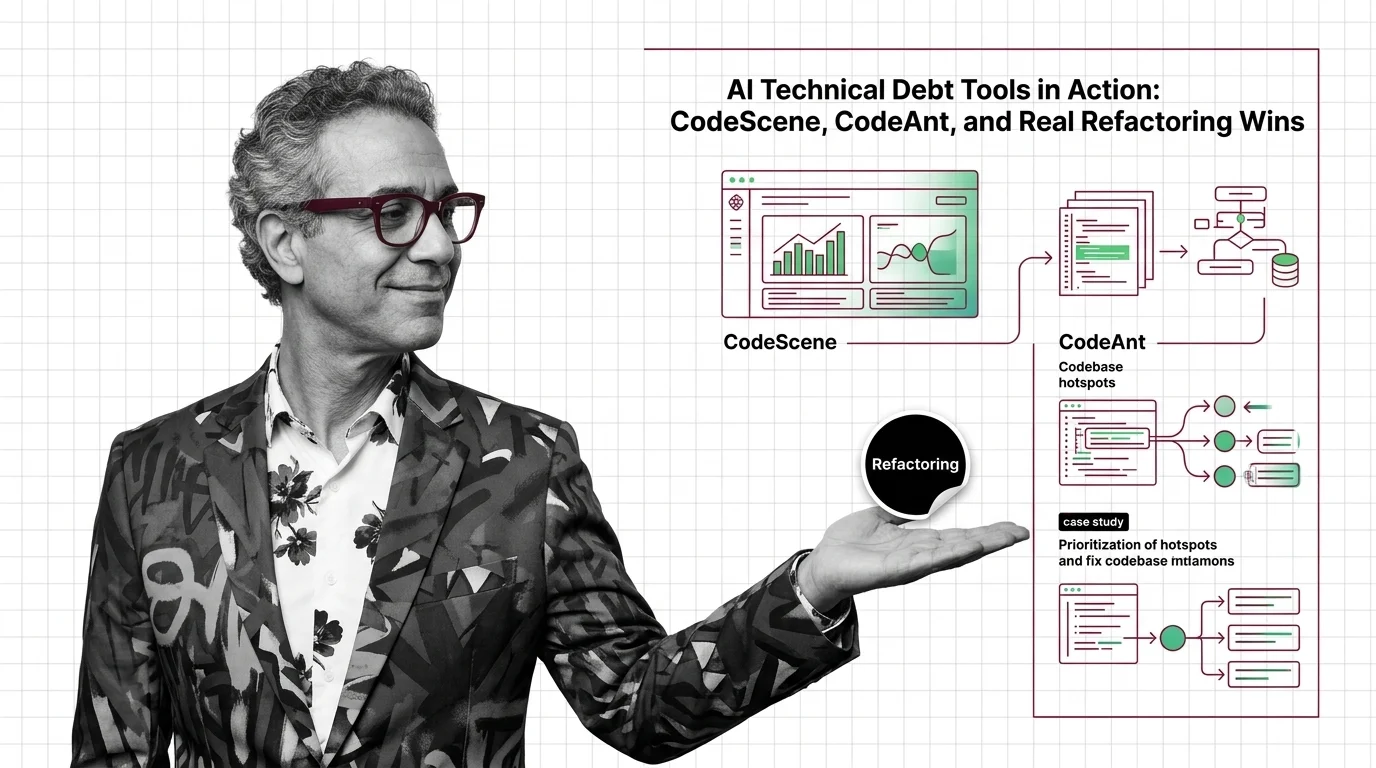
CodeScene ranks refactoring hotspots by pairing code health with change frequency. AI edits to low-health code carry a 60%+ defect risk, says CodeScene.
Letting AI judge what to fix carries real hazards — automation bias, false confidence, and blurred accountability when an automated change goes wrong. Consider what to verify yourself before trusting a tool to pay down your debt.
Risks & metrics
AI tools promise to pay down technical debt, but a 2025 study found experienced developers ran 19% slower while still believing they were faster.