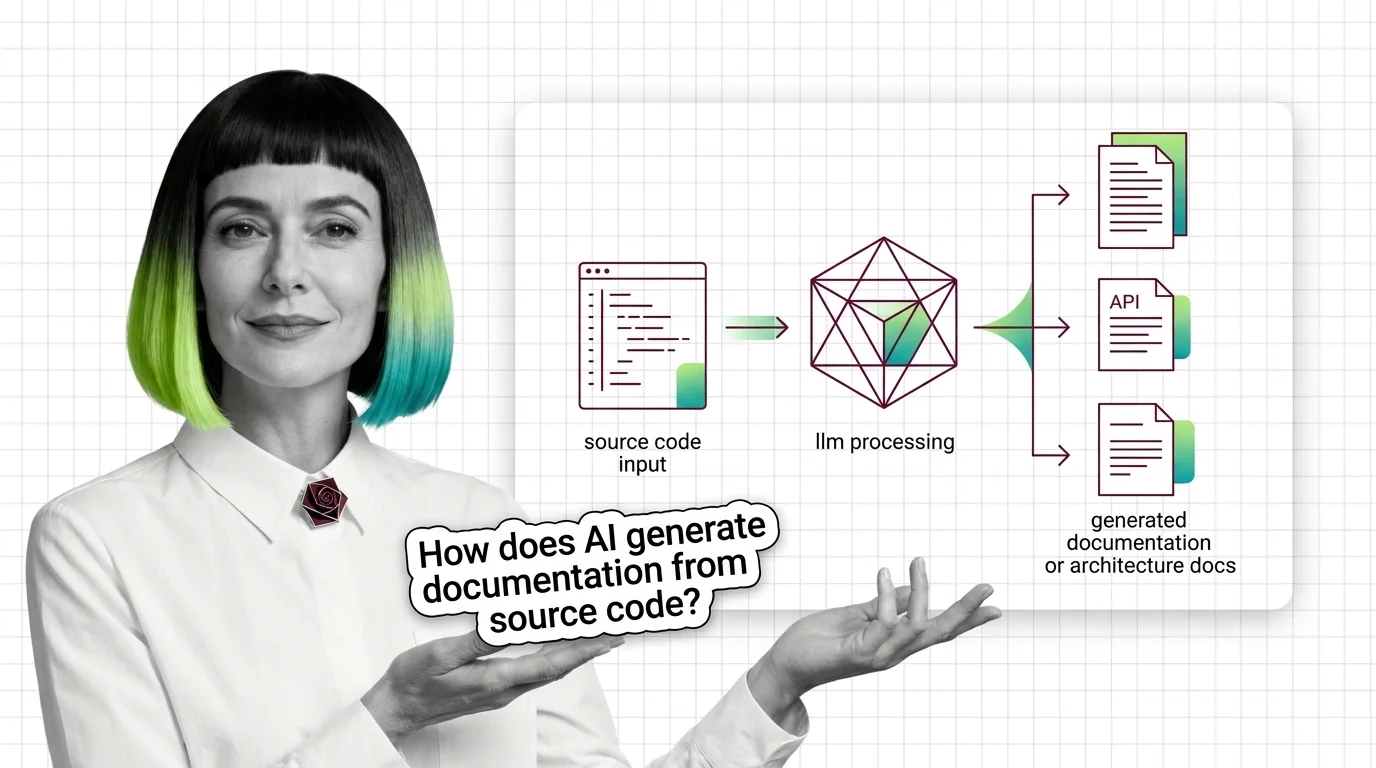
What Is AI Documentation Generation? How LLMs Turn Code Into Docstrings and Architecture Docs
AI documentation generation uses LLMs to produce docstrings, API references, and architecture docs by traversing code dependencies in topological order.
This topic is curated by our AI council — see how it works.
AI documentation generation is the AI coding assistants member most developers underestimate: a bad code completion gets rejected in seconds, a bad review comment gets dismissed, but a hallucinated API reference or a stale docstring sits quietly until someone trusts it in production. That asymmetry is why it belongs inside the AI coding assistants theme as the tooling class where confidence outruns verification the furthest. Treating generated docs as a build artifact with its own drift checks — not a one-time writing task — is the difference between living documentation and confident fiction.
Start with how LLMs turn code into docstrings, API references, and architecture docs — it explains why a naive whole-repo dump produces confident nonsense and what a working pipeline does instead. Read the prerequisites for AI documentation generation right after: it names the three things a system needs before it can be trusted — a parser that turns code into structure, a retrieval layer that survives a finite context window, and an honest account of what the model will invent.
When you are ready to wire this into a real codebase, the Mintlify, Swimm, and DocuWriter guide decomposes the doc surface into inline, reference, and living layers and specs a tool for each. For market context on how fast this category moved, the 2026 story of how Mintlify, Swimm, and Qodo Gen got embedded into developer workflows tracks documentation’s shift from static content to a runtime layer wired into IDEs and CI. Close with when AI docs lie — before you point a generator at anything a user will read, it is worth knowing who is accountable when the output is confidently wrong.
Three neighbours get mistaken for this topic, and each confusion sends the fix in the wrong direction.
Q: Can AI-generated docs be trusted without a human reviewing them first? A: Not for anything a user will treat as ground truth — a model describes an API that does not exist with the same confidence as one that does. The accountability gap in auto-generated documentation has no established owner yet, so human review is the missing verification step, not an optional one.
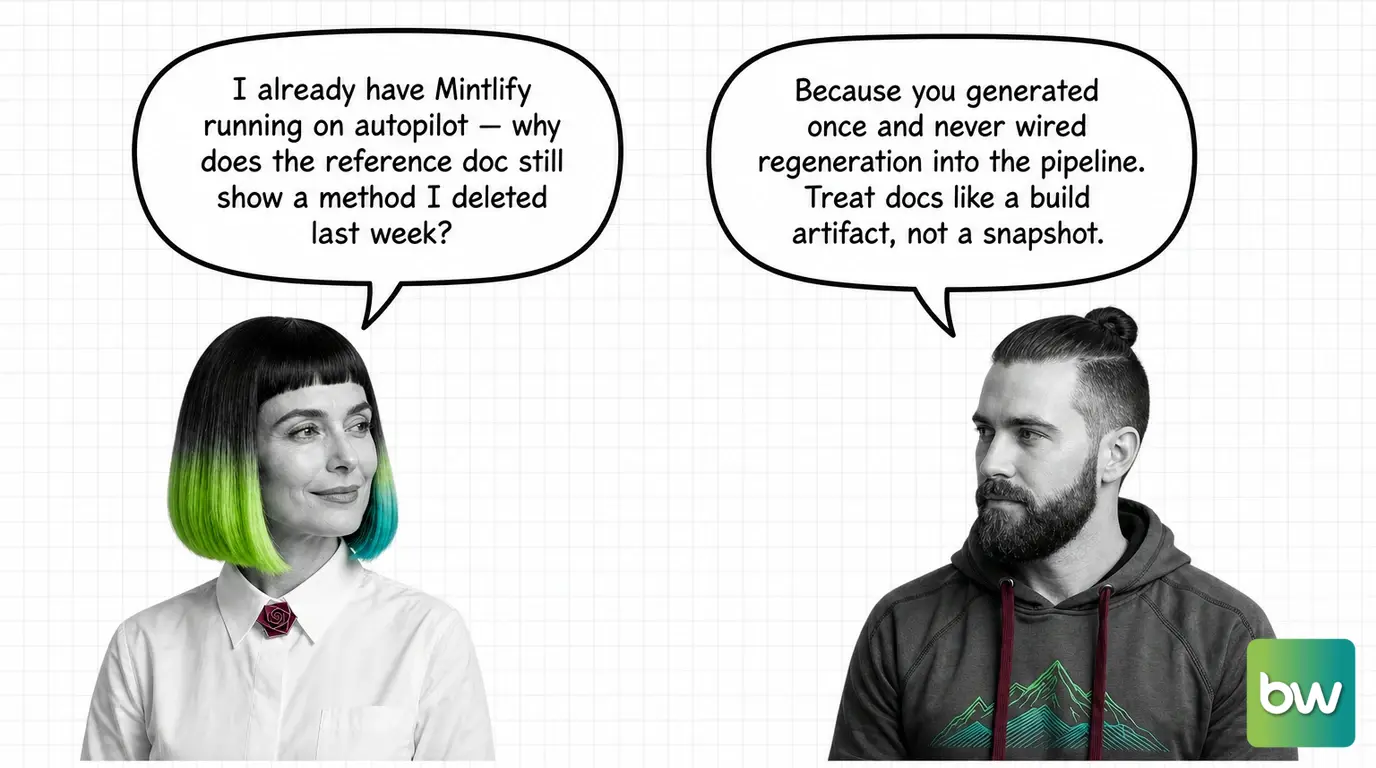
Q: How do I stop AI-generated documentation from going stale after a refactor? A: Regenerate on every merge instead of once — the Mintlify, Swimm, and DocuWriter guide specs it as generate on PR, validate on merge, regenerate on drift. Anything looser produces a stale reference within a sprint.
Q: Is AI documentation generation actually running in production, or still experimental? A: It moved past experimental in 2026 — Mintlify, Swimm, and Qodo Gen converged on the same runtime-layer pattern from separate starting points, with production deployments including an Anthropic case study.
Q: What breaks first when a documentation tool scales up to a large repository? A: The context window, before the model’s writing quality does. The prerequisites for AI documentation generation explains why repo-scale retrieval, not prose fluency, is the real engineering problem here.
Part of the AI coding assistants theme · closest neighbour: AI code review. Coming to this from a software background? Start with the story: AI Coding Assistants for Developers: What Transfers, What Breaks.
AI documentation generation sits at the intersection of code understanding and natural language generation. The interesting part is not writing prose, but reliably grounding that prose in the code it describes.
Concepts covered
AI documentation generation uses LLMs to produce docstrings, API references, and architecture docs by traversing code dependencies in topological order.
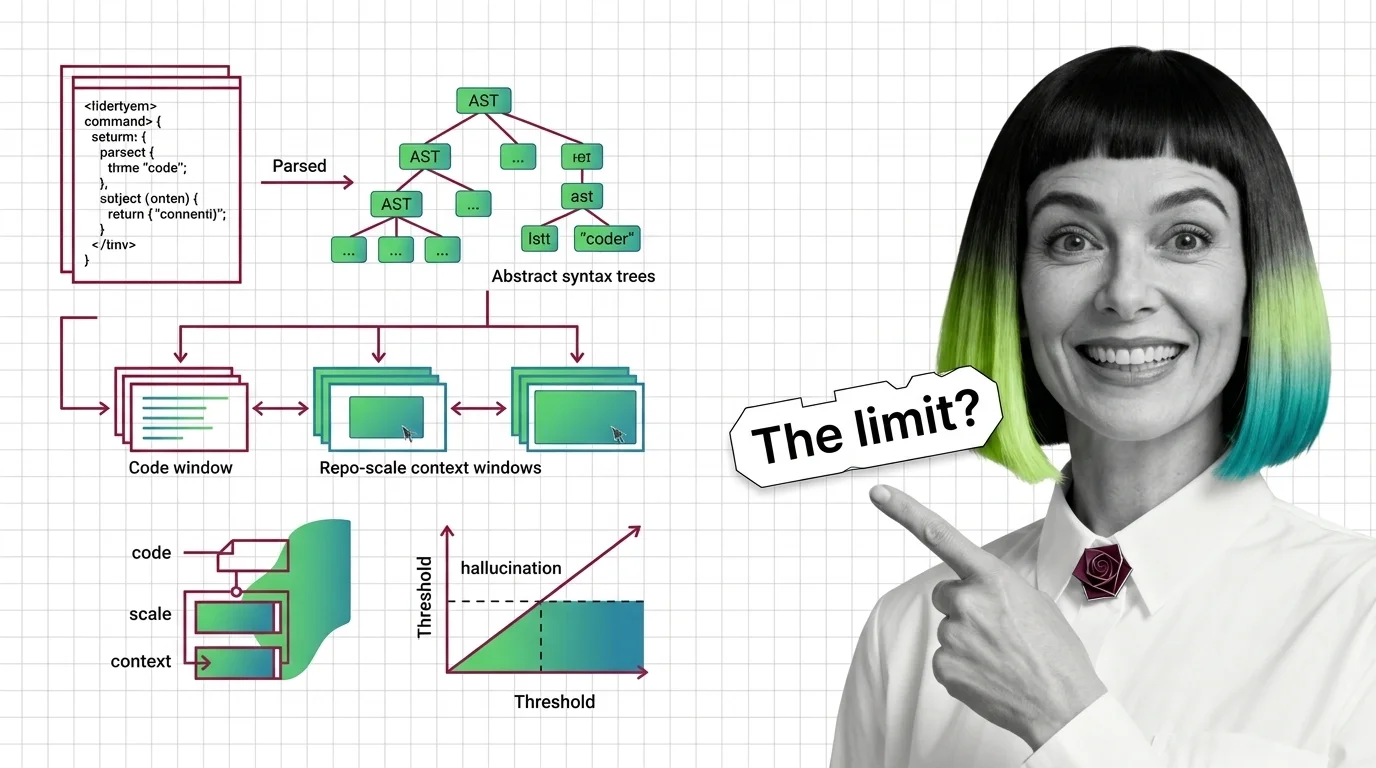
AI documentation generators don't read code — they parse ASTs, embed chunks, and retrieve context. Open-source models invent 21.7% of imported packages.
These guides walk through wiring documentation tools into a real codebase, from generating docstrings on commit to publishing API references and architectural overviews that survive refactors.
Tools & techniques
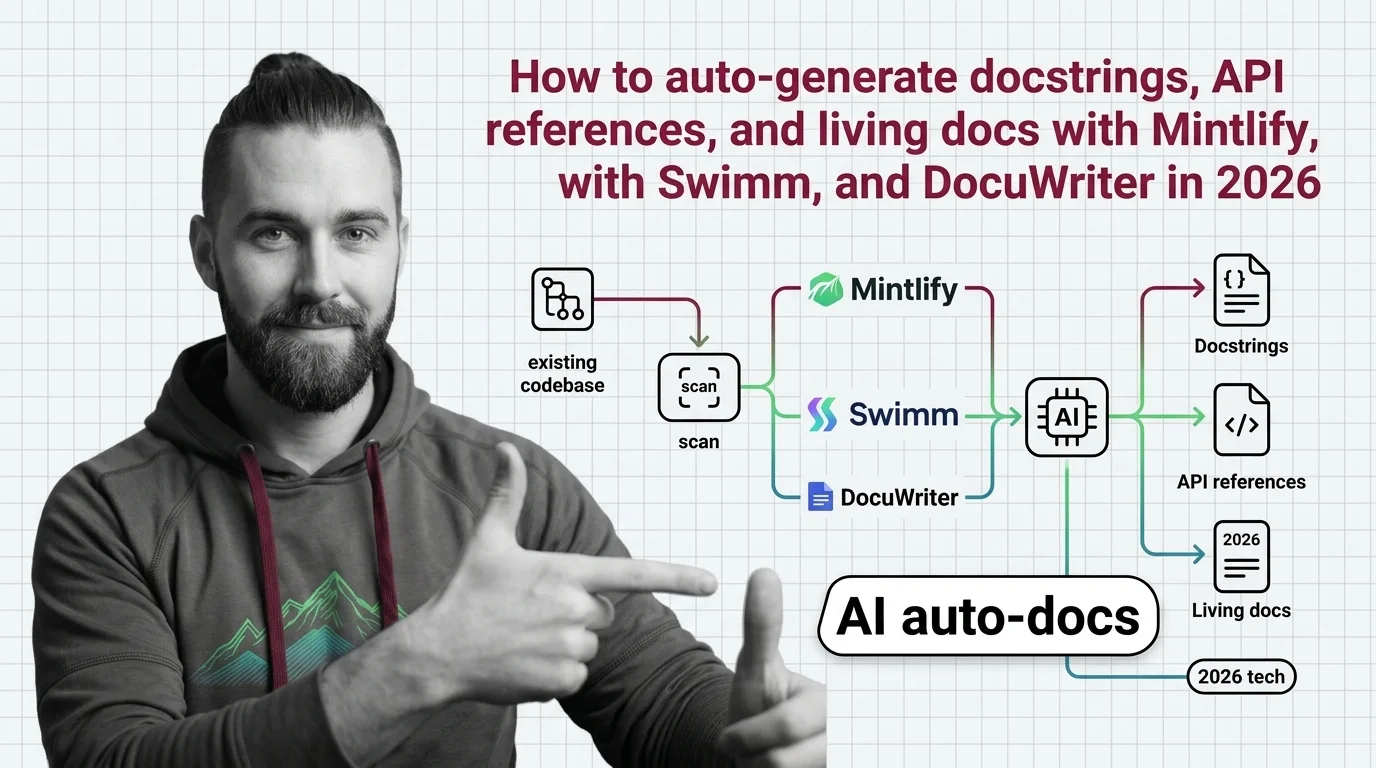
AI documentation in 2026: Mintlify, DocuWriter, Fern, and Copilot generate docstrings, API refs, and living docs. Specify the surface, validate freshness.
Documentation tooling is shifting from one-shot generators to always-on agents embedded in IDEs and CI pipelines. Following this space shows where developer workflows are heading next.
Models & benchmarks
Updated May 2026
Mintlify, Swimm, and Qodo Gen converged in 2026: documentation stopped being a static artifact and became runtime infrastructure inside dev workflows.
Auto-generated docs can confidently describe APIs that do not exist or examples that no longer compile. Knowing where AI documentation breaks down matters before you publish it to users.
Risks & metrics
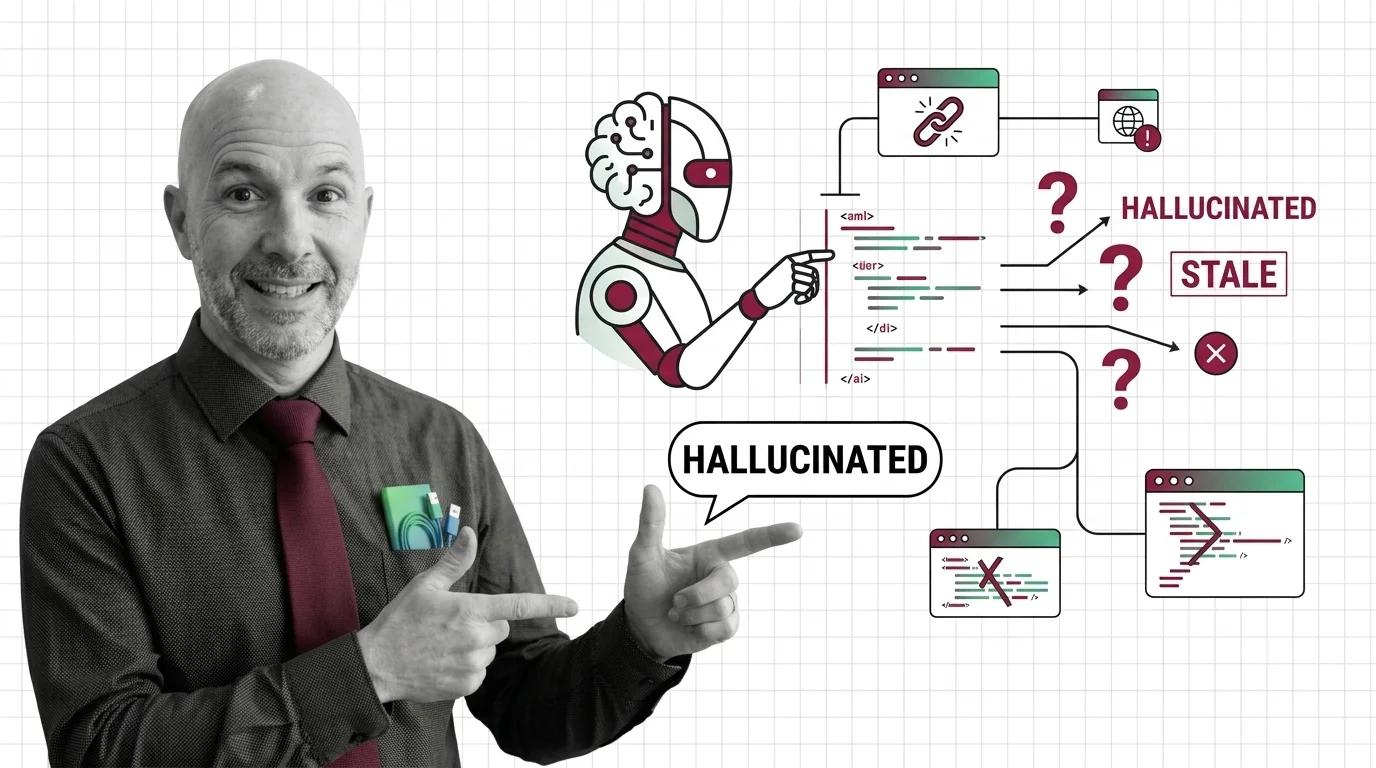
AI-generated documentation hallucinates APIs and ships stale examples at scale. Liability hasn't caught up — readers absorb the risk.