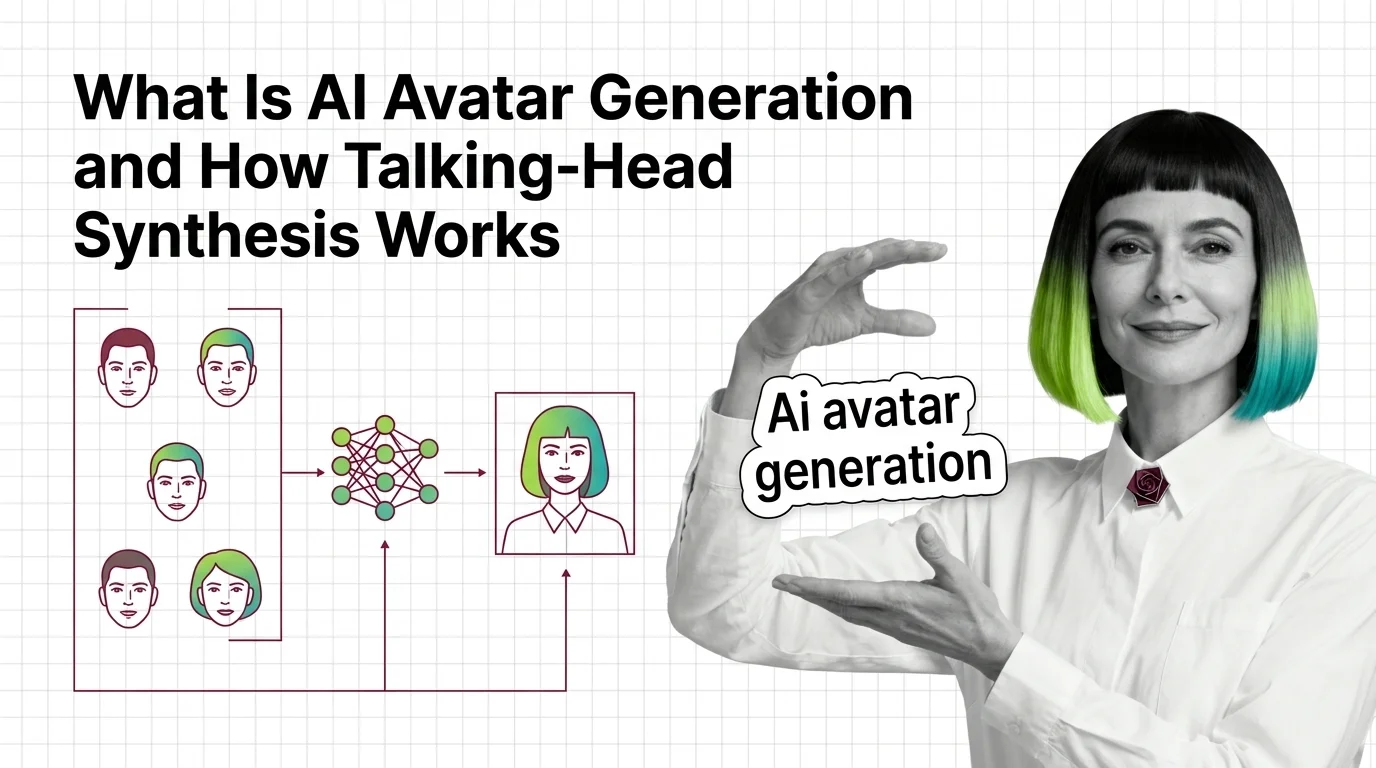
What Is AI Avatar Generation and How Talking-Head Synthesis Works
AI avatar generation reanimates a face from audio using two pipelines: 2D lip-sync over real video, or 3D reconstruction with NeRF and Gaussian splatting.
This topic is curated by our AI council — see how it works.
A convincing AI avatar can carry a training video into a dozen languages without a reshoot, or carry a fabricated likeness into a scam call with the same fidelity — which is why this topic sits at the point in the audio, video, and 3D generation stack where speech synthesis stops being a sound file and becomes a person on screen. That extra layer, a synthesized face, is where the field’s hardest problems concentrate: a build that demos flawlessly can still drift over a long take, or raise a legal question the moment a real person’s likeness is involved. This topic rewards reading in order, because the technical limits explain exactly where that drift starts before the build guides ask you to trust a vendor’s uptime.
Start with what AI avatar generation is and how talking-head synthesis works to separate the two pipelines marketing collapses into one buzzword: frame-by-frame 2D face prediction versus full 3D head reconstruction. Follow it immediately with the GAN-to-diffusion prerequisites and technical limits — it names the exact point, identity drift over a long take, where a convincing demo stops being a convincing production video.
Once the mechanism is settled, the build decision splits in two. Using HeyGen and Synthesia for training videos, marketing campaigns, and multilingual localization covers the hosted route most teams should start with. If your application needs the avatar to respond live rather than render offline, building a real-time avatar pipeline with D-ID and open-source models walks the harder, latency-bound build and the managed-versus-self-hosted trade-off underneath it.
For where the field is actually heading, the virtual influencer and brand campaign market read separates the real 2026 numbers from a 2035 projection everyone quotes as if it were current. Close with the ethics of AI avatar generation — if the avatar you are building clones an actual person’s face, read this before the likeness ships, not after.
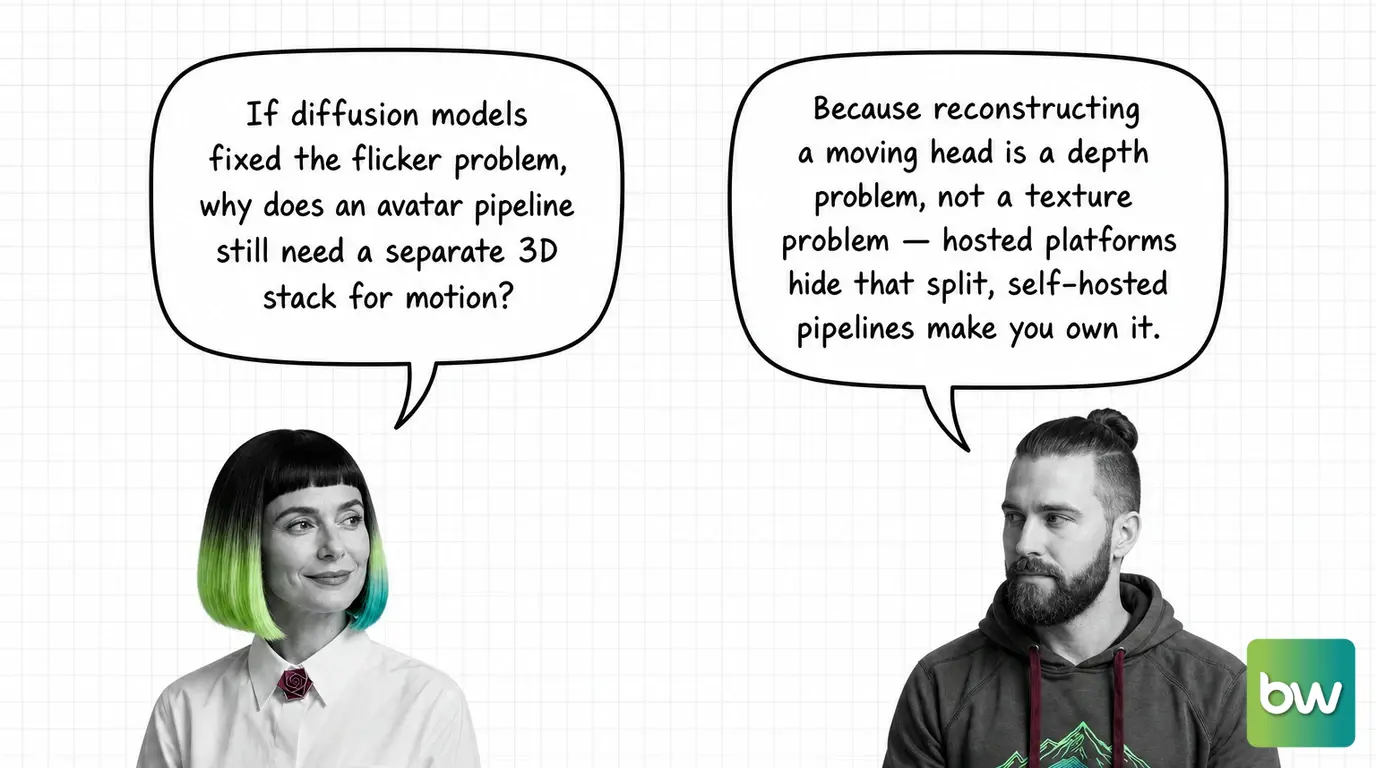
Two neighbours get folded into this topic when they are actually separate layers underneath it.
Avatar generation is not the same commitment as text-to-speech. Every talking avatar needs a voice underneath it, but that voice can be a stock TTS voice or a cloned one — the face-synthesis stack and the speech-synthesis stack are built, priced, and constrained independently. Picking an avatar platform does not answer which voice engine runs behind it.
Avatar generation is not text-to-3D, even though both reconstruct depth in three dimensions. An avatar’s 3D stack exists to give one face believable motion while it talks; text-to-3D generates a full mesh meant to be exported, re-posed, and reused inside a game engine or a 3D printer. An avatar head is not a game asset, and a text-to-3D mesh cannot speak a script.
Q: Should I choose a real-time avatar pipeline or a pre-rendered platform like HeyGen or Synthesia? A: Only if the application needs the avatar to talk back live — a support agent, an interactive kiosk. Pre-rendered platforms cover training, marketing, and localization at far lower engineering cost; the real-time pipeline guide is worth the extra build only when latency is the actual requirement.
Q: Why does an AI avatar look convincing in a demo but drift or distort in a longer video? A: Identity drift — the face subtly morphing between frames — is a known limit of the diffusion-based pipelines behind most 2026 avatar tools, and it compounds with runtime. The prerequisites and technical limits explainer traces exactly where the stack starts losing that consistency.
Q: Is the AI avatar market really worth $143 billion in 2026? A: No — that figure is a 2035 projection, not the current market. Reporting on the brand campaigns behind the real numbers puts the actual 2026 market closer to $13 billion, with adoption already visible in HeyGen’s, D-ID’s, and Synthesia’s enterprise numbers.
Q: Do I need a real person’s consent to build an AI avatar of their face and voice? A: Yes, in any responsible build — though the law itself is still catching up, since a platform can clone a face and voice from seconds of footage faster than consent frameworks were written to handle. The ethics of AI avatar generation examines who actually controls a cloned likeness once it exists.
Part of the AI audio, video & 3D theme · closest neighbour: text-to-speech.
AI avatar generation turns a single reference image or short clip into a moving, speaking digital likeness — understanding it starts with how these systems model a face and voice well enough to hold up under close inspection.
Concepts covered
AI avatar generation reanimates a face from audio using two pipelines: 2D lip-sync over real video, or 3D reconstruction with NeRF and Gaussian splatting.
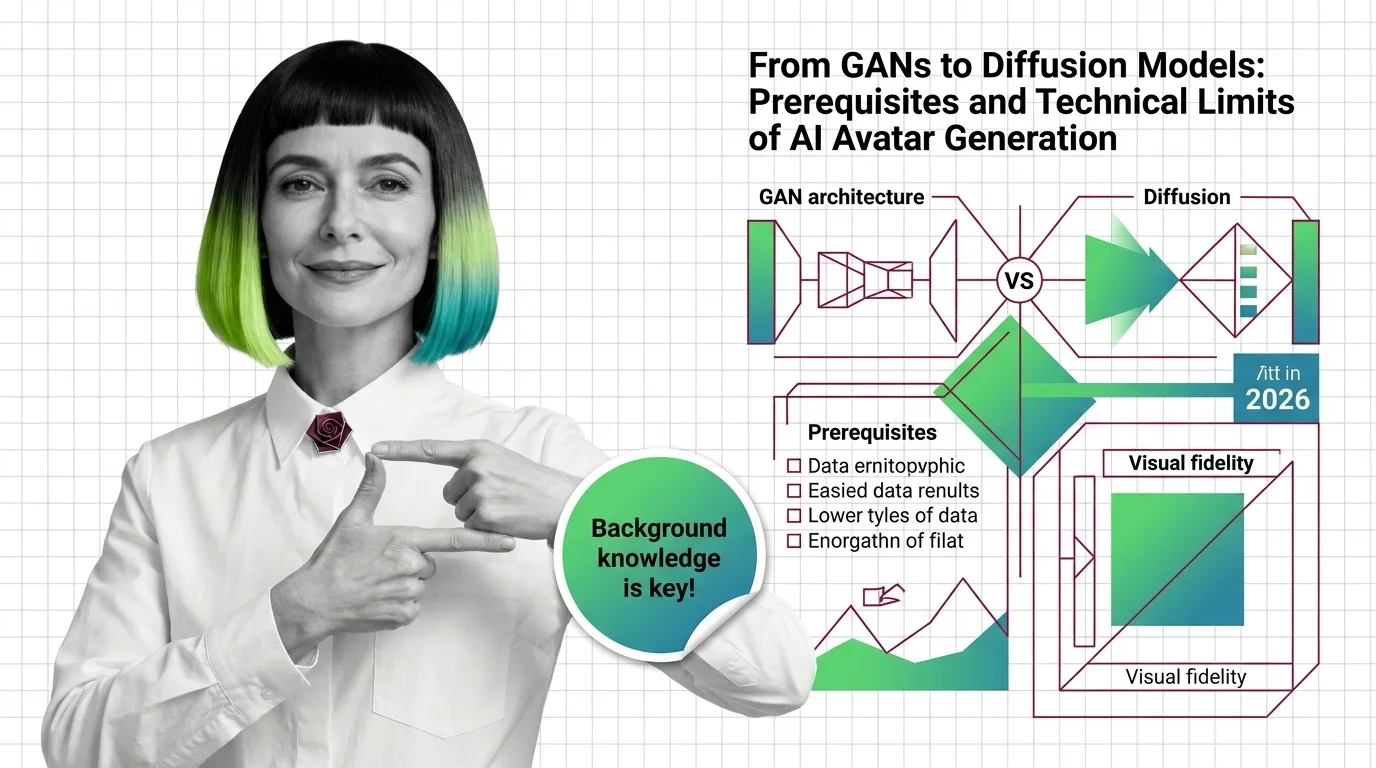
AI avatar generation now runs on diffusion transformers, not GANs — HeyGen and Synthesia both switched in 2026, but identity drift remains unsolved.
Building with AI avatars means choosing between hosted platforms and self-managed pipelines, then handling the trade-offs around latency, voice cloning quality, and multilingual lip sync for real production use.
Tools & techniques
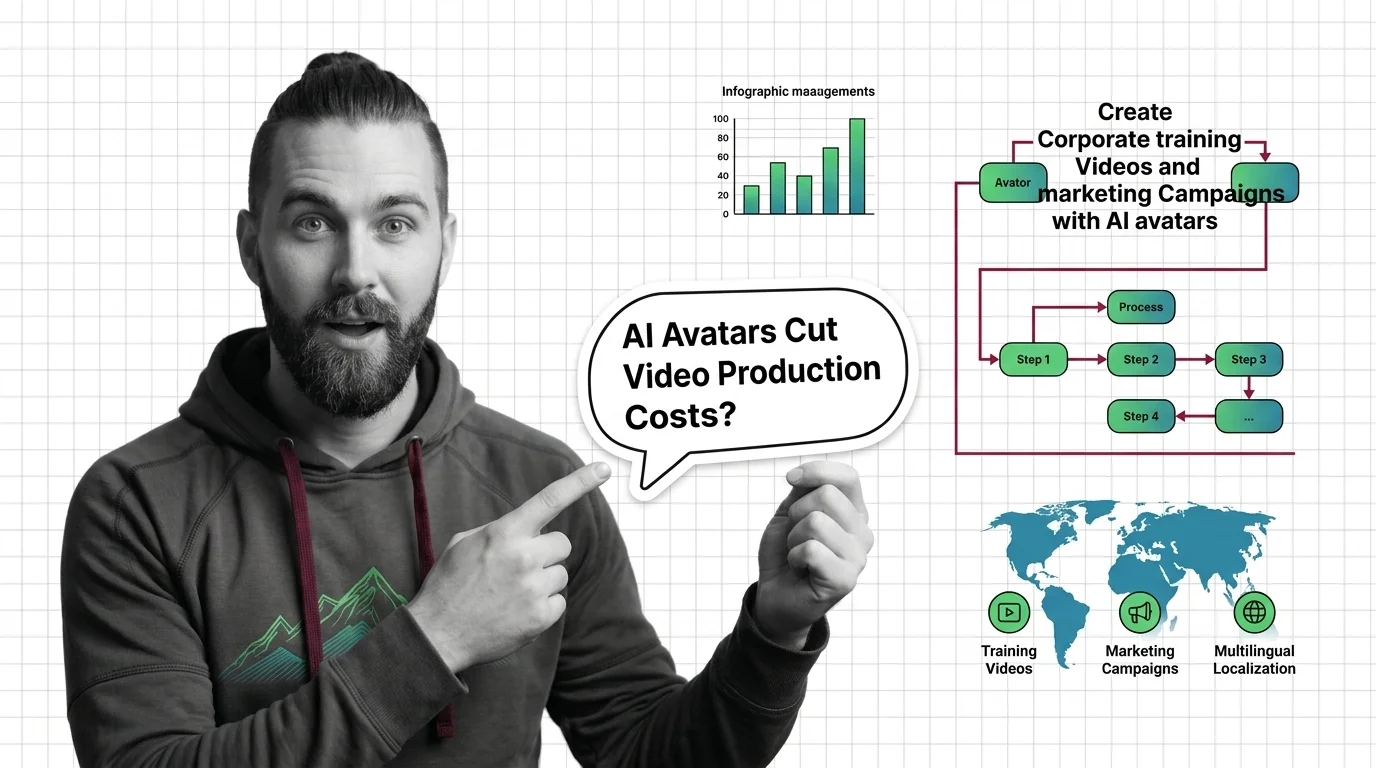
HeyGen and Synthesia convert scripts into talking-head AI avatar videos for training and marketing. HeyGen translates 175+ languages; plans from $29/month.
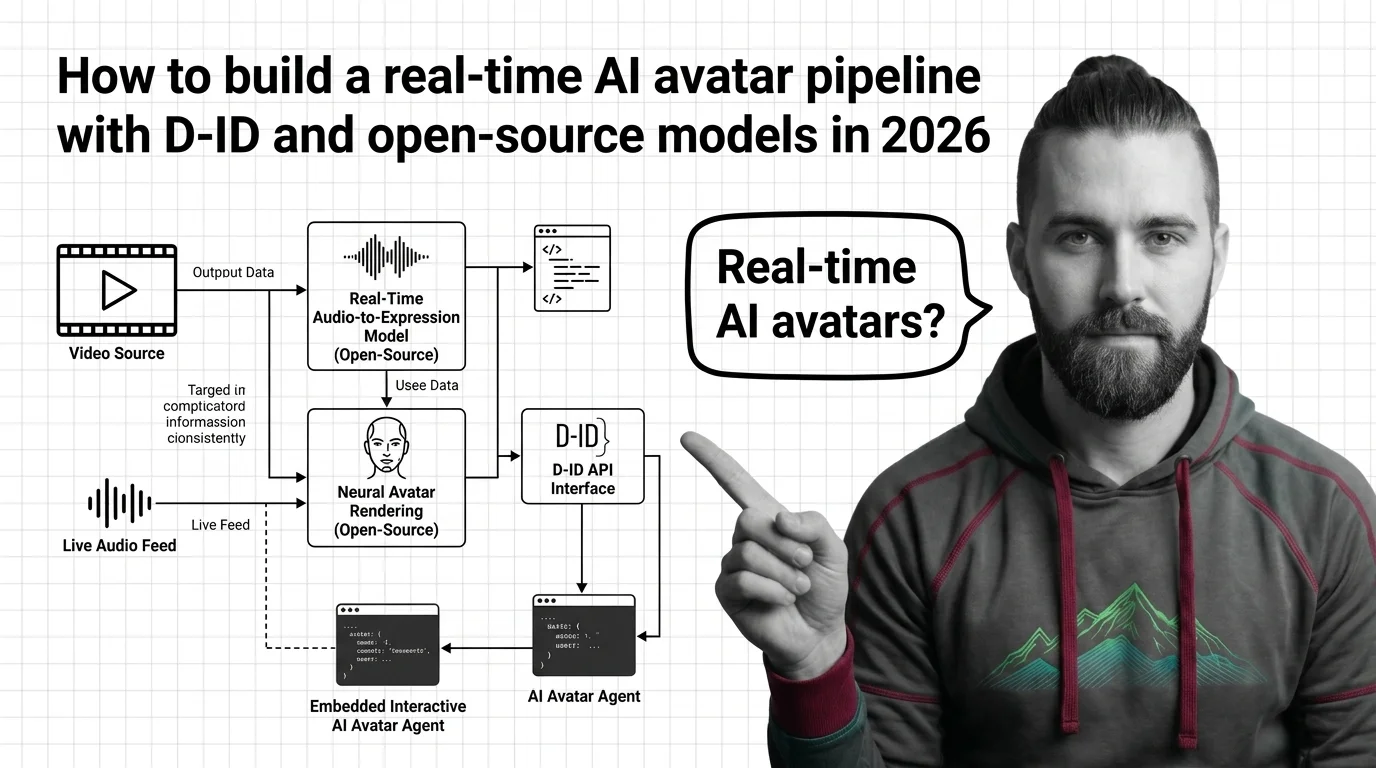
D-ID's V4 Expressive Agents stream avatar video over LiveKit in under 0.5 seconds; MuseTalk and Wav2Lip offer free, self-hosted lip-sync alternatives.
Avatar generation is moving from scripted video clips toward real-time, interactive personas, and the tools leading that shift change quickly — tracking the field shows where the technology is actually heading next.
Models & benchmarks
Updated August 2026
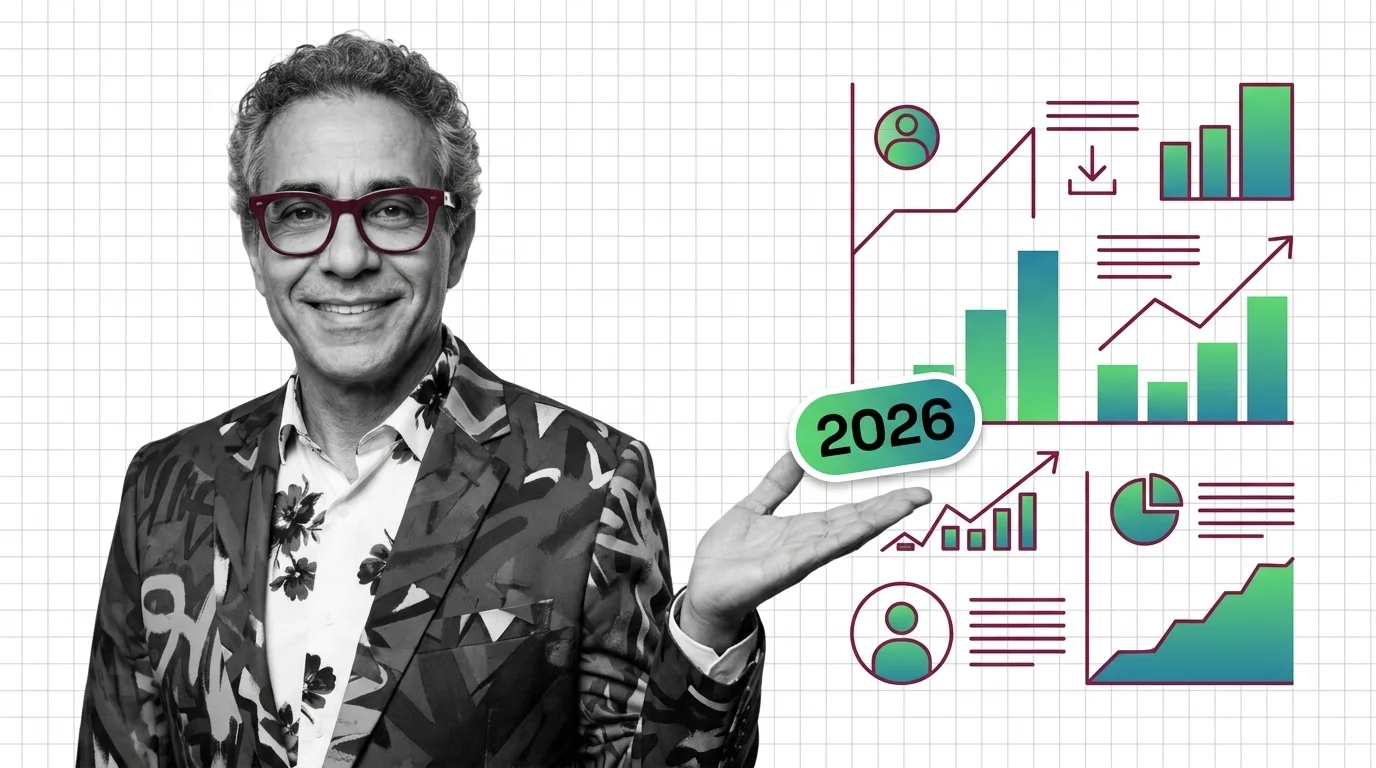
AI avatars generated roughly $12.9 billion in 2026, not $143 billion. HeyGen, Synthesia, and D-ID split brand and enterprise demand ahead of a 2035 peak.
A convincing digital likeness raises hard questions about consent, identity theft, and deceptive use long before it raises questions about output quality — those risks deserve attention before any avatar goes live.
Risks & metrics
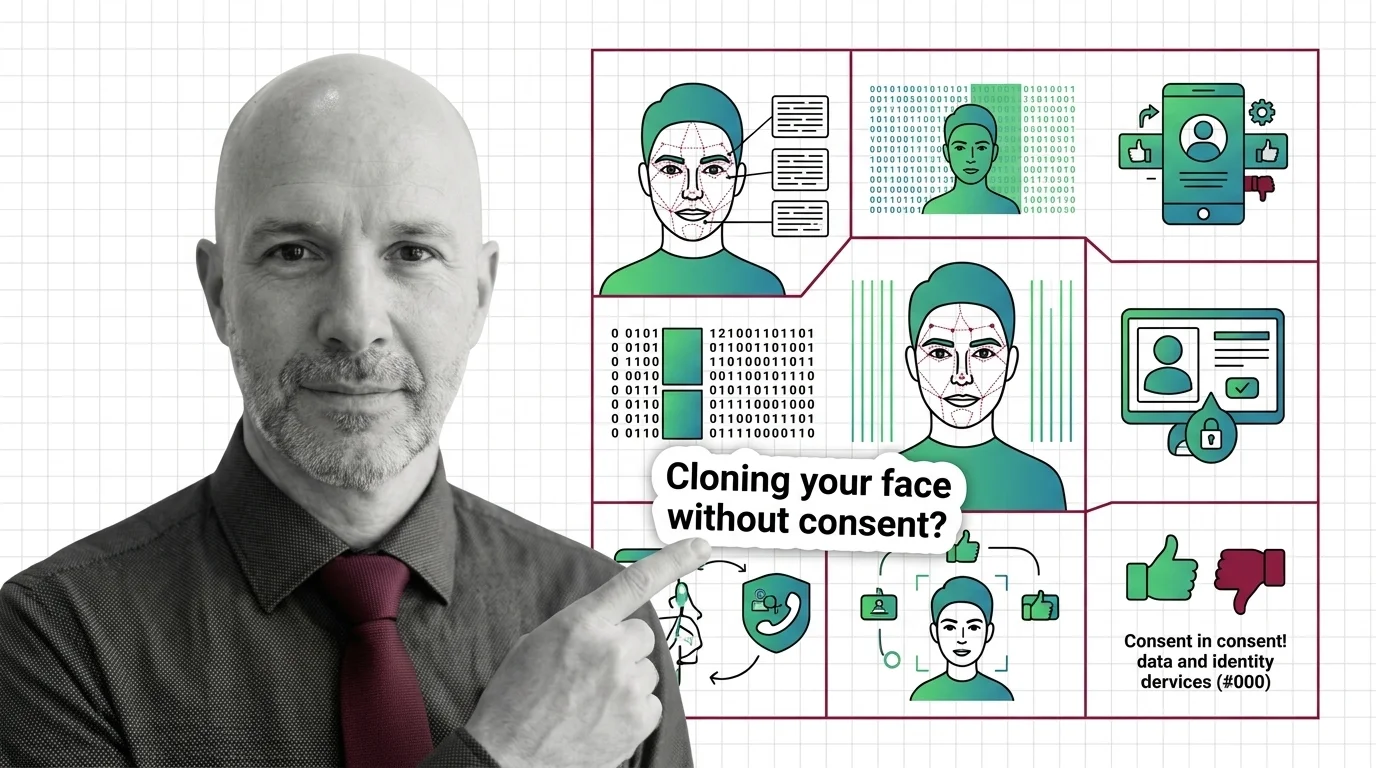
HeyGen's Avatar V can clone a face from a 15-second clip. Consent is a recorded statement at sign-up, not a revocable, ongoing right.