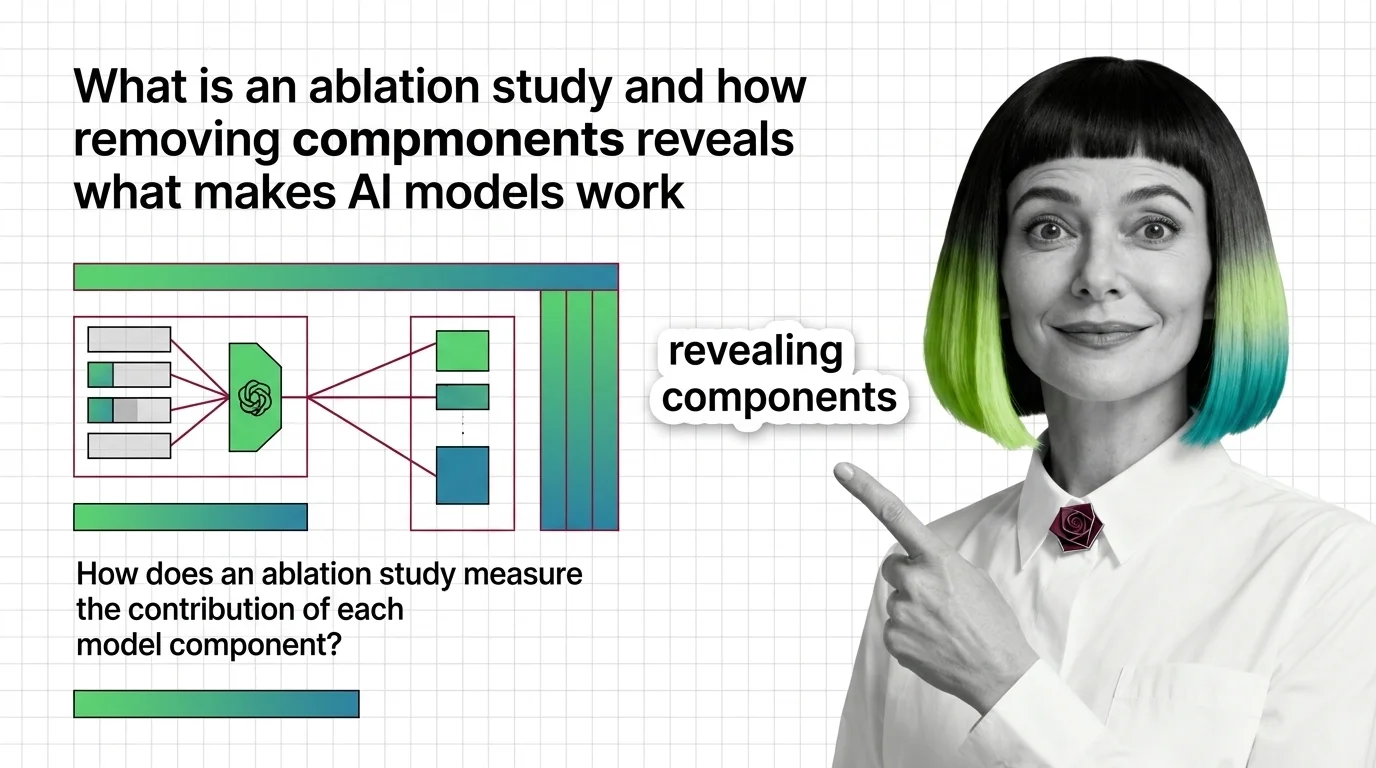
What Is an Ablation Study and How Removing Components Reveals What Makes AI Models Work
Ablation studies reveal what each model component does by removing it. Learn the experimental design and failure modes behind this core ML evaluation method.
This topic is curated by our AI council — see how it works.
Every claim that a specific component made a model better rests on an experiment most papers never publish — which is why this topic sits at the deeper, integrity end of the model evaluation stack, past the metrics that only score a finished result. Skip that experiment and an architecture decision is a guess dressed as an insight; base it on a missing or mismatched baseline and the guess earns a citation instead of a correction. That gap between claimed and demonstrated credit is why reading order matters more here than usual — the prerequisites decide whether the headline experiment means anything at all.
Start with what an ablation study is and how removing components reveals what makes AI models work — it is the one article in this topic allowed to explain the mechanism, and everything below assumes it. Then read the baselines and factorial design prerequisites before you plan an experiment of your own: it is what separates an ablation that proves something from one that only looks like it did.
When you are ready to run one, the ABLATOR, W&B Sweeps, and PyTorch guide turns the prerequisites into a specification — baseline, removal strategy, and seed count fixed before any code runs. Two articles then test the limits of the method itself: combinatorial explosion and the hard limits of ablation at scale covers what happens once component count makes a full ablation impossible, and how automated tools are reshaping the methodology tracks the shift from manual removal sequences to LLM-run ones. Close with the case against incomplete ablation reporting — if you will ever cite someone else’s ablation result, read it before you trust the credit it hands out.
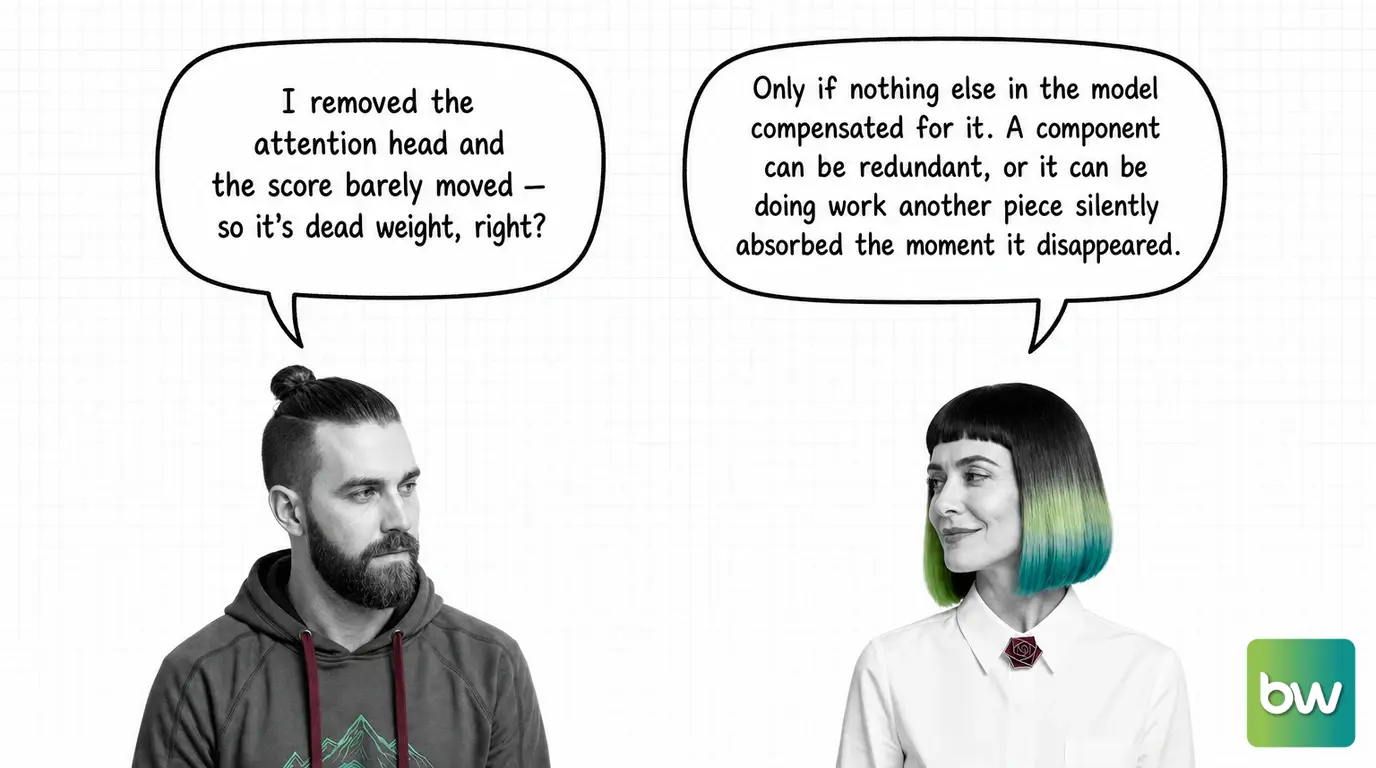
Q: Do I need to run an ablation study if my model already tops the benchmark leaderboard? A: A leaderboard score proves the whole system works; it says nothing about which piece earned it. Without an ablation study you cannot separate a load-bearing component from dead weight — exactly the gap incomplete ablation reporting leaves open in published research.
Q: Can an automated ablation tool replace a human-designed ablation study? A: Not yet. LLM-assisted tools now run ablation experiments on their own, but they catch only about 38% of what a human researcher would design, leaving the harder interaction effects for people to find.
Q: Why do ablation results sometimes look different when another team reruns the same removal? A: Usually the baseline changed — a different training run, different data, or a different placeholder standing in for the removed piece. The prerequisites for ablation experiment design covers why the baseline choice decides what a removal appears to prove.
Q: Is it worth running any ablation study on a billion-parameter model, or should I skip it? A: Skipping it trades one weak signal for none. A defensible partial ablation, focused on the components most likely to interact, still beats guessing — the limits of ablation at scale explains why an exhaustive one stops being possible long before a model reaches that size.
Q: How many random seeds do I need before trusting an ablation result? A: One seed proves nothing — run-to-run variance can look identical to the effect you are testing for. The ABLATOR, W&B Sweeps, and PyTorch guide sets a floor of three seeds per configuration before a removal counts as validated.
Part of the model evaluation theme · closest neighbour: evaluation harness. New to model evaluation from a software background? Start with the story: Model Evaluation for Developers: What Maps and What Misleads.
Ablation studies reveal the hidden dependencies inside models by stripping away parts one at a time. These articles explain the logic, the experimental design, and why the results often surprise even the researchers who built the system.
Concepts covered
Ablation studies reveal what each model component does by removing it. Learn the experimental design and failure modes behind this core ML evaluation method.
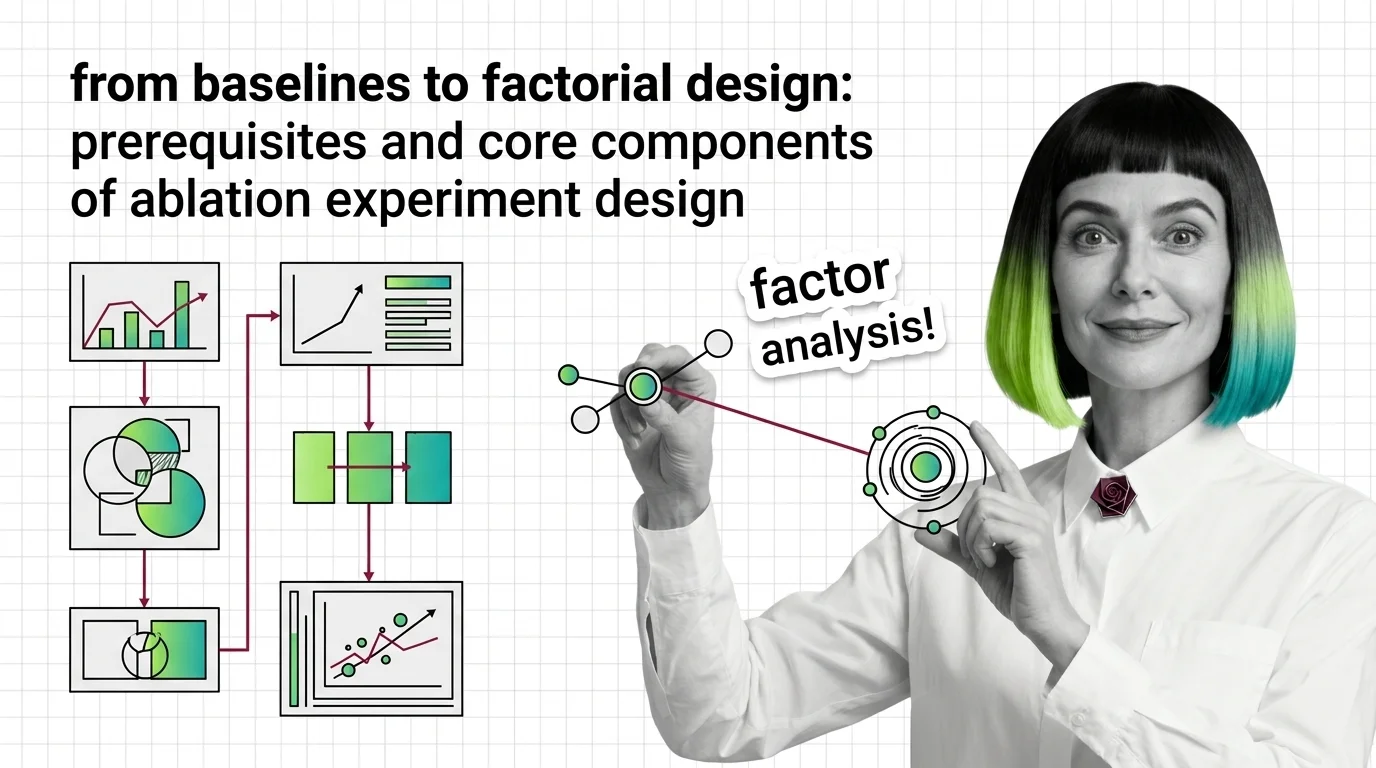
Ablation studies reveal which components matter, but only with the right baselines, controls, and statistical methods. The full experiment design, dissected.
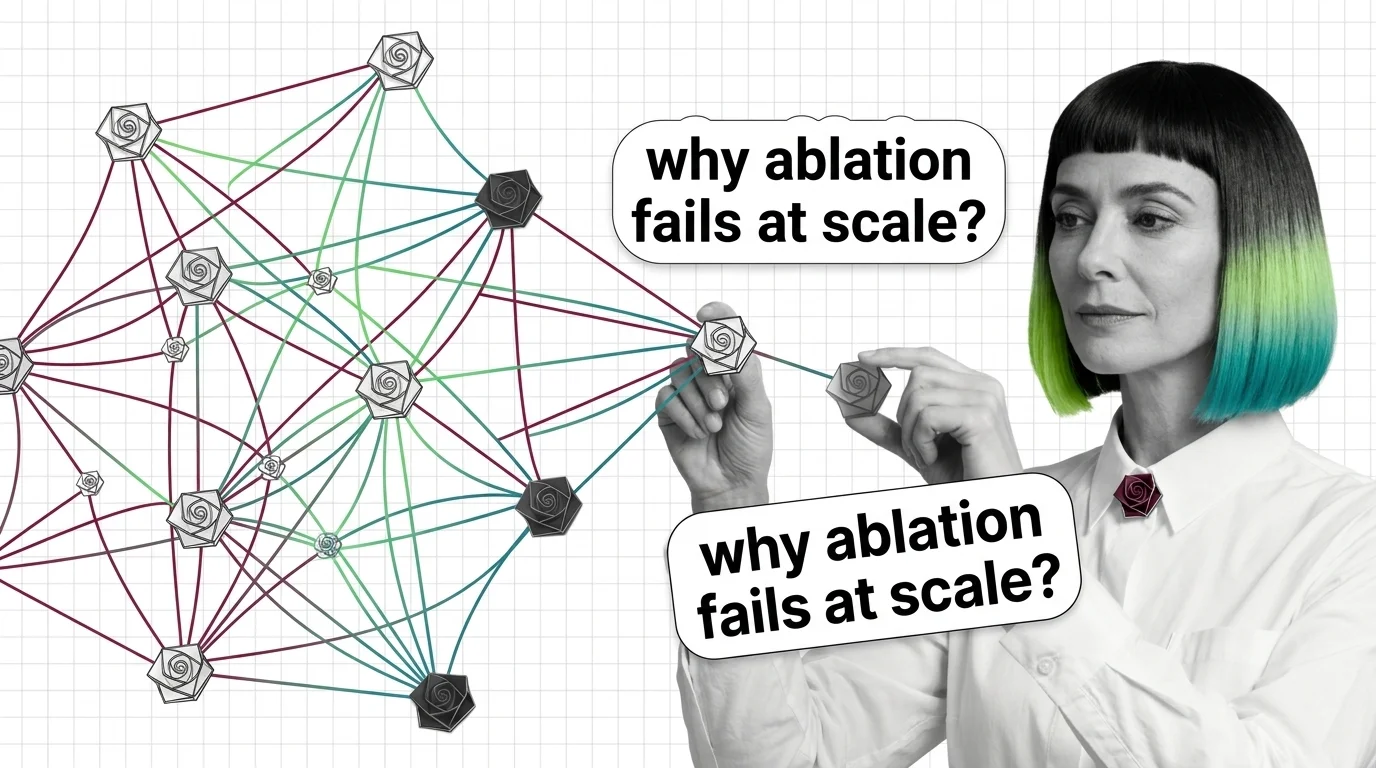
Ablation studies hit a wall at scale: combinatorial explosion and non-additive interactions make exhaustive testing of billion-parameter models impossible.
Running a rigorous ablation experiment means choosing the right baselines, controlling variables, and automating removal sequences. These guides walk through practical setup so your results hold up to scrutiny.
Tools & techniques
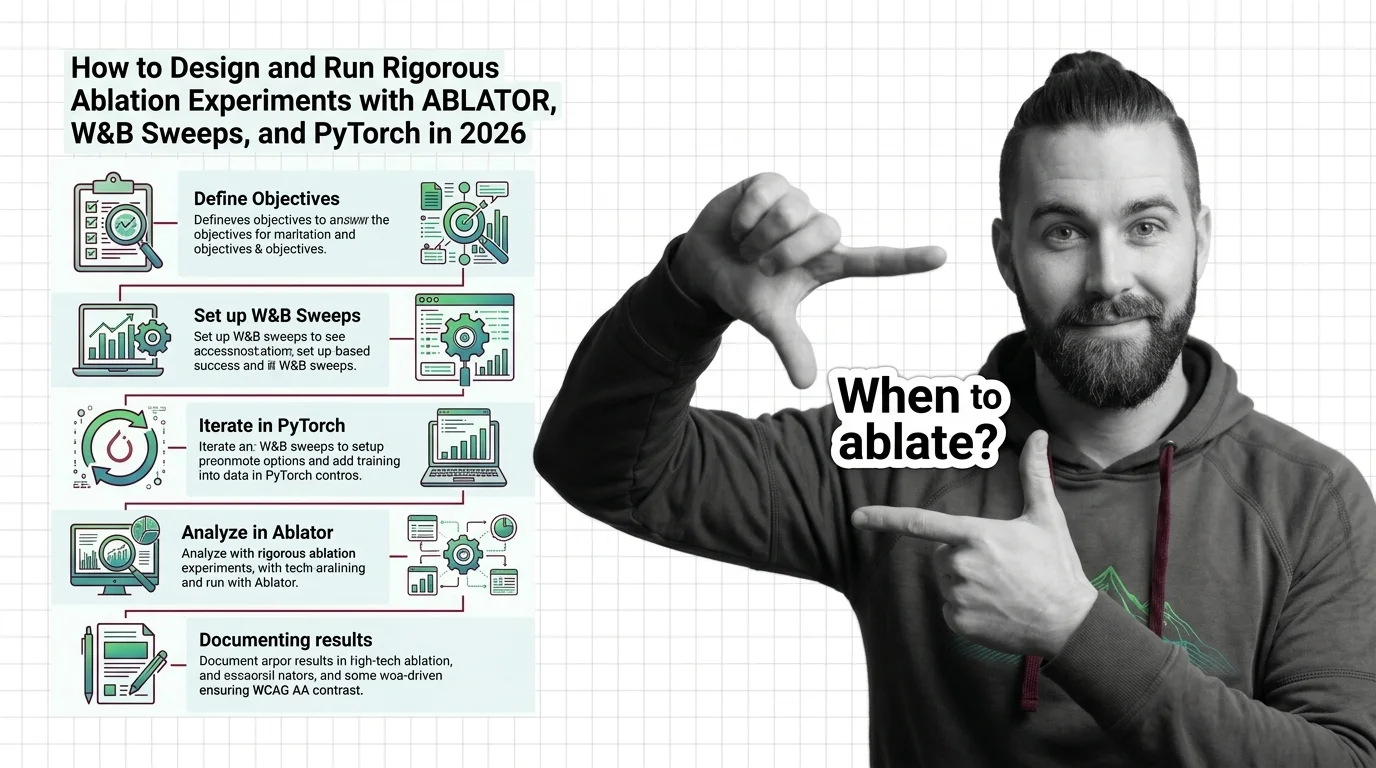
Design rigorous ablation experiments with ABLATOR, W&B Sweeps, and PyTorch 2.11. Specify, isolate, and prove which of your model components earn their keep.
Ablation methodology is evolving as models grow larger and more modular. Staying current means knowing which new tools and automation approaches are reshaping how researchers decompose system performance.
Models & benchmarks
Updated April 2026
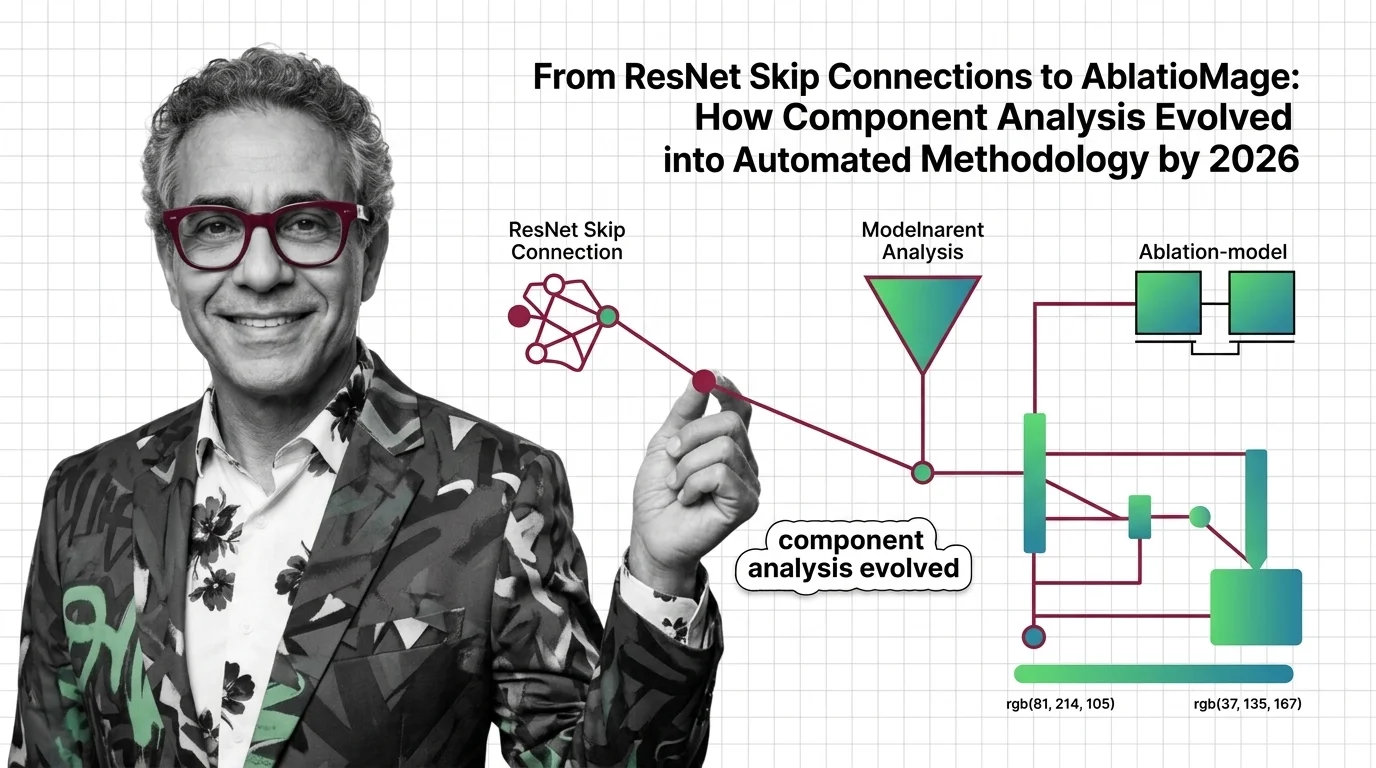
Ablation studies evolved from manual methods to LLM-powered tools. Track the shift from ResNet to AblationMage and the 62% gap where AI still lags.
Poorly designed ablation studies can produce misleading conclusions that inflate the importance of specific components. These articles examine where the methodology breaks down and how incomplete reporting erodes trust in published results.
Risks & metrics
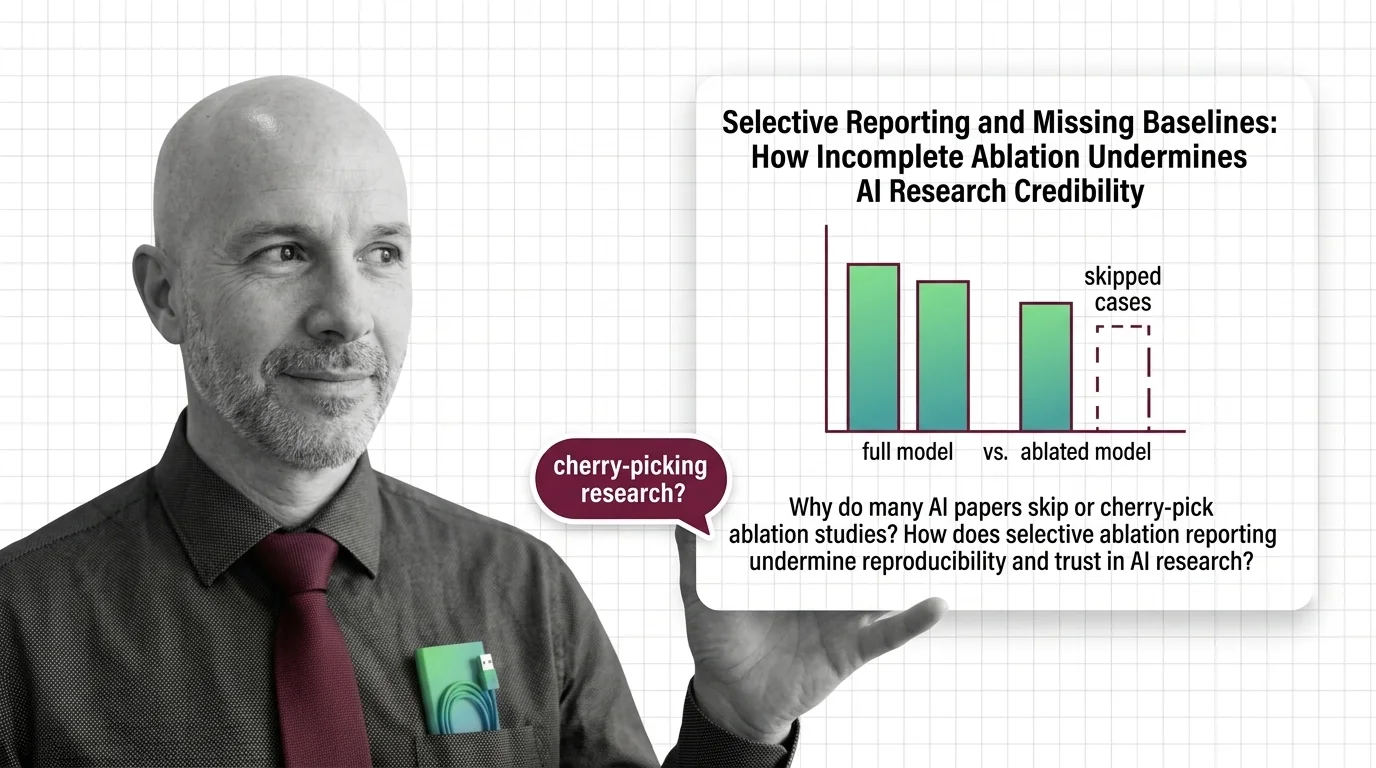
Selective ablation reporting hides whether AI breakthroughs are real. Explore how missing baselines erode research trust and what the field refuses to confront.