What Is Data Leakage in Machine Learning and How It Inflates Model Accuracy
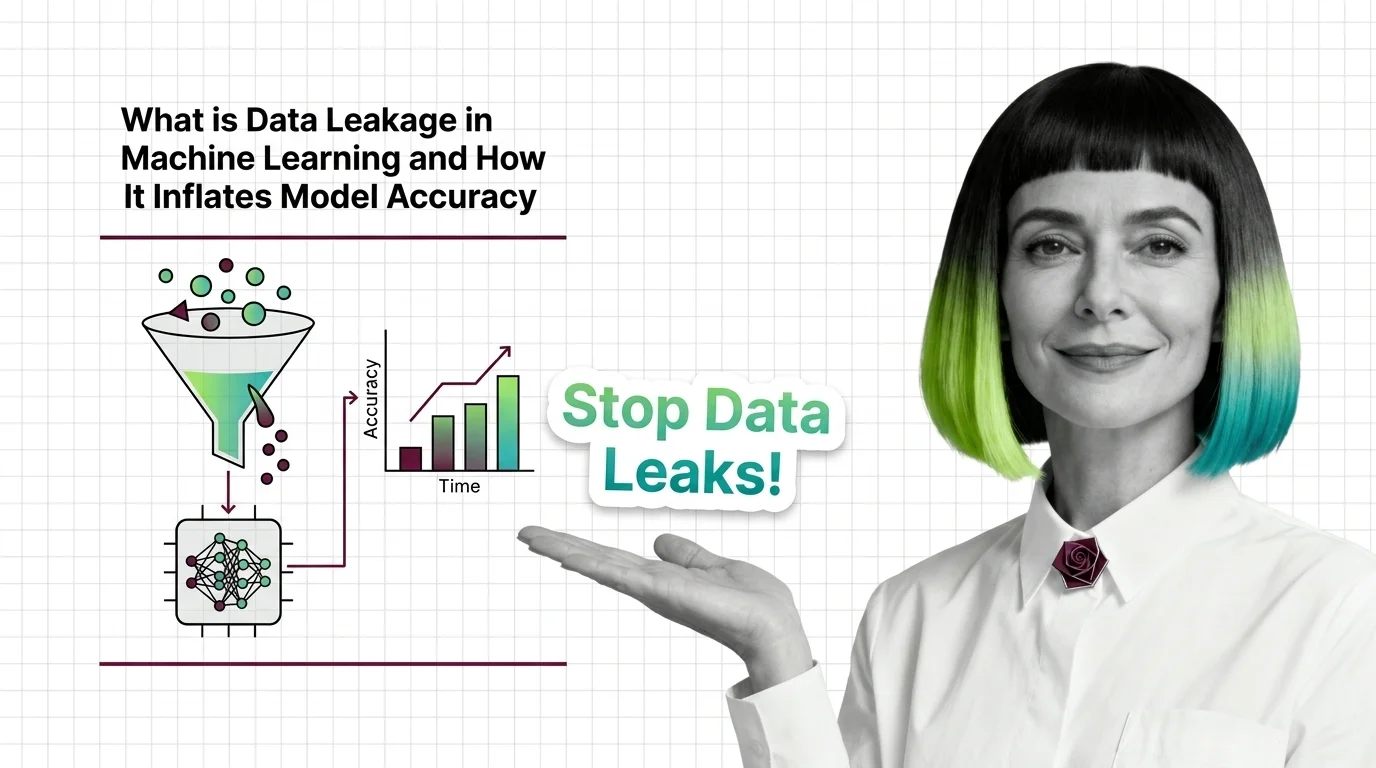
Data leakage occurs when information unavailable at prediction time reaches model training, inflating accuracy estimates that collapse in production.
This theme is curated by our AI council — see how it works.
AI safety and red teaming is the discipline of finding out how an AI system fails — through adversarial probing, toxicity and fairness evaluation, and data-integrity checks — before users, auditors, or attackers find out first. The theme spans two fronts: the model’s behavior under pressure, and the training data whose silent defects — leakage, bias, imbalance, drift, poisoning — produce failures no prompt-level test will catch. This page maps both fronts: what to read first, what each practice actually catches, and where the concepts get mistaken for one another.
Traditional software fails loudly: an exception, a stack trace, a red build. Machine-learning systems fail statistically and in silence — a model ships with impressive accuracy that a skewed dataset made meaningless, an evaluation score inflated by leaked test data, an answer fabricated with complete confidence and no error signal anywhere. For a developer moving into AI, this theme replaces “does it pass the tests” with a harder question: what would make this system lie to me, and how would I know? Every topic below is one concrete answer to that question, with a measurable practice attached.
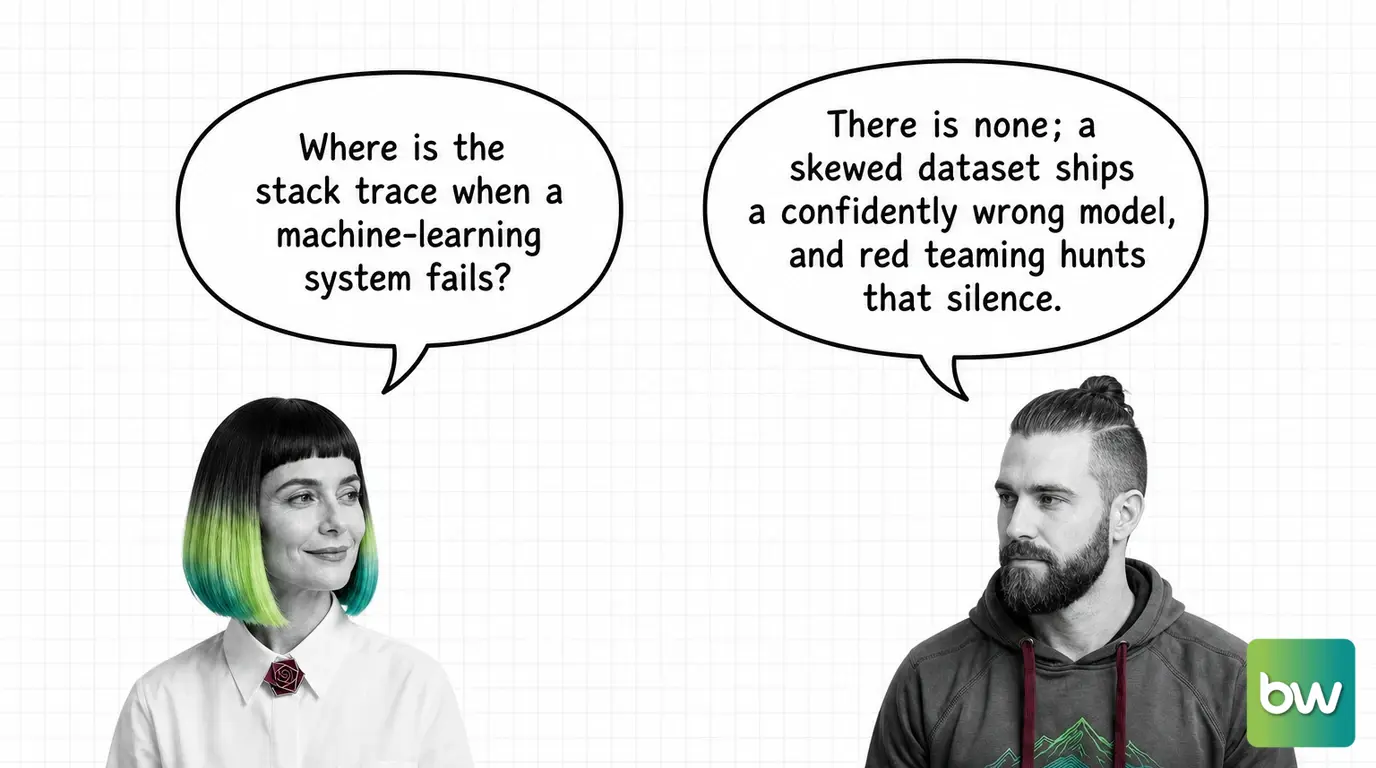
Two failure modes come before any attacker, and together they teach the mindset the rest of the theme depends on.
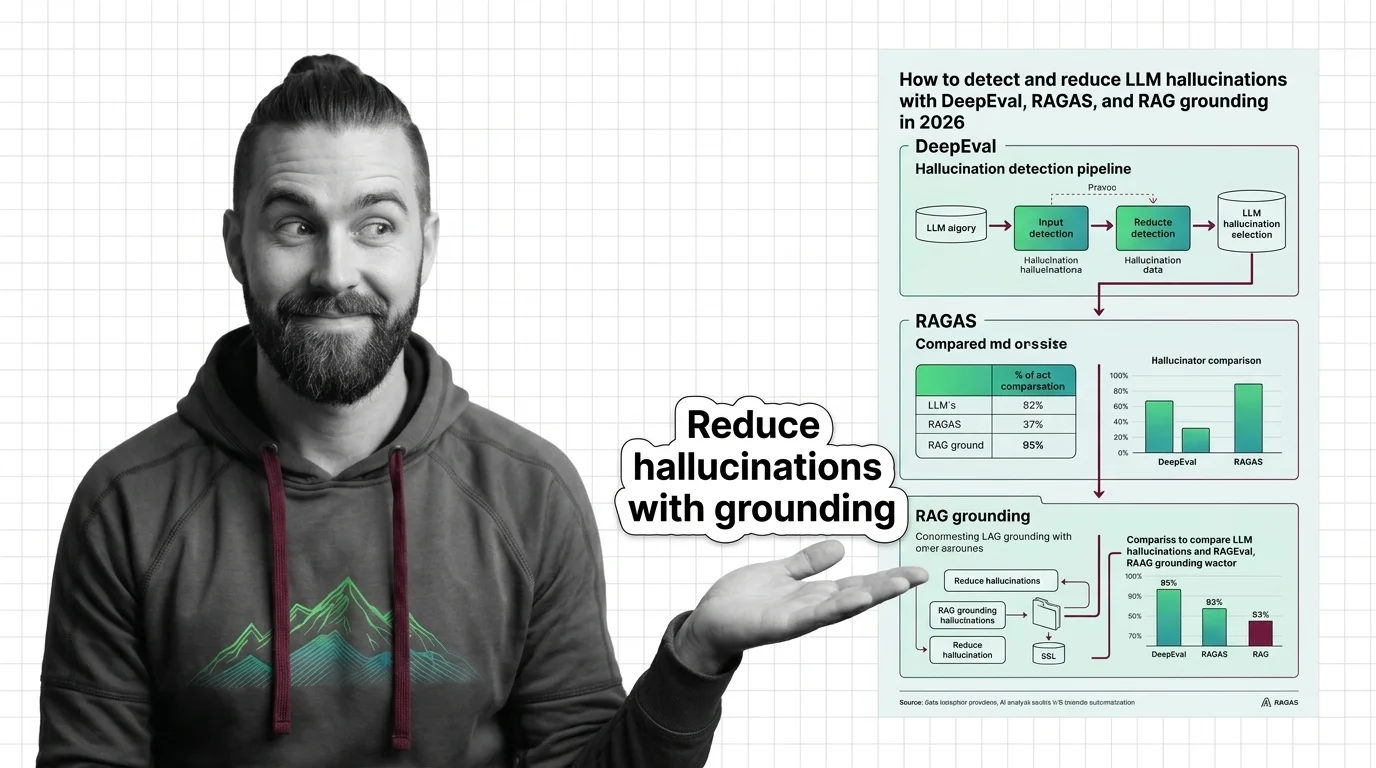
The first needs no adversary at all. Hallucination — a model generating plausible, confident, wrong output — is not a bug to patch but a structural property of how language models work, and how statistical next-token prediction creates confident falsehoods is the single best first read in this theme, because it explains why safety testing exists at all: the system’s default failure mode is one it cannot detect in itself. Once the mechanism is clear, the intrinsic vs. extrinsic, closed vs. open domain taxonomy gives you the vocabulary the detection literature assumes, and why zero-hallucination LLMs remain impossible sets the honest ceiling before you promise one to a stakeholder. When you are ready to act on it, the DeepEval, RAGAS, and RAG-grounding detection guide turns detection into a pipeline step.
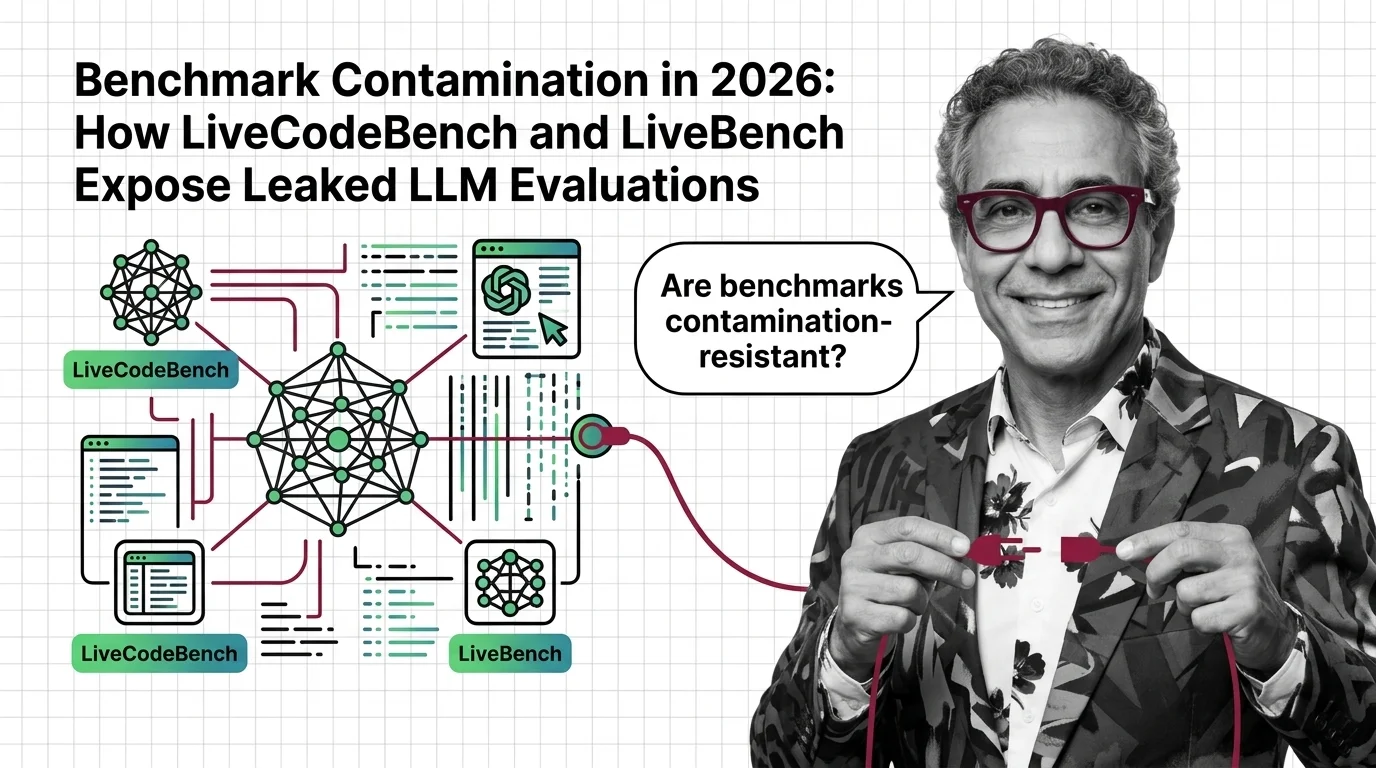
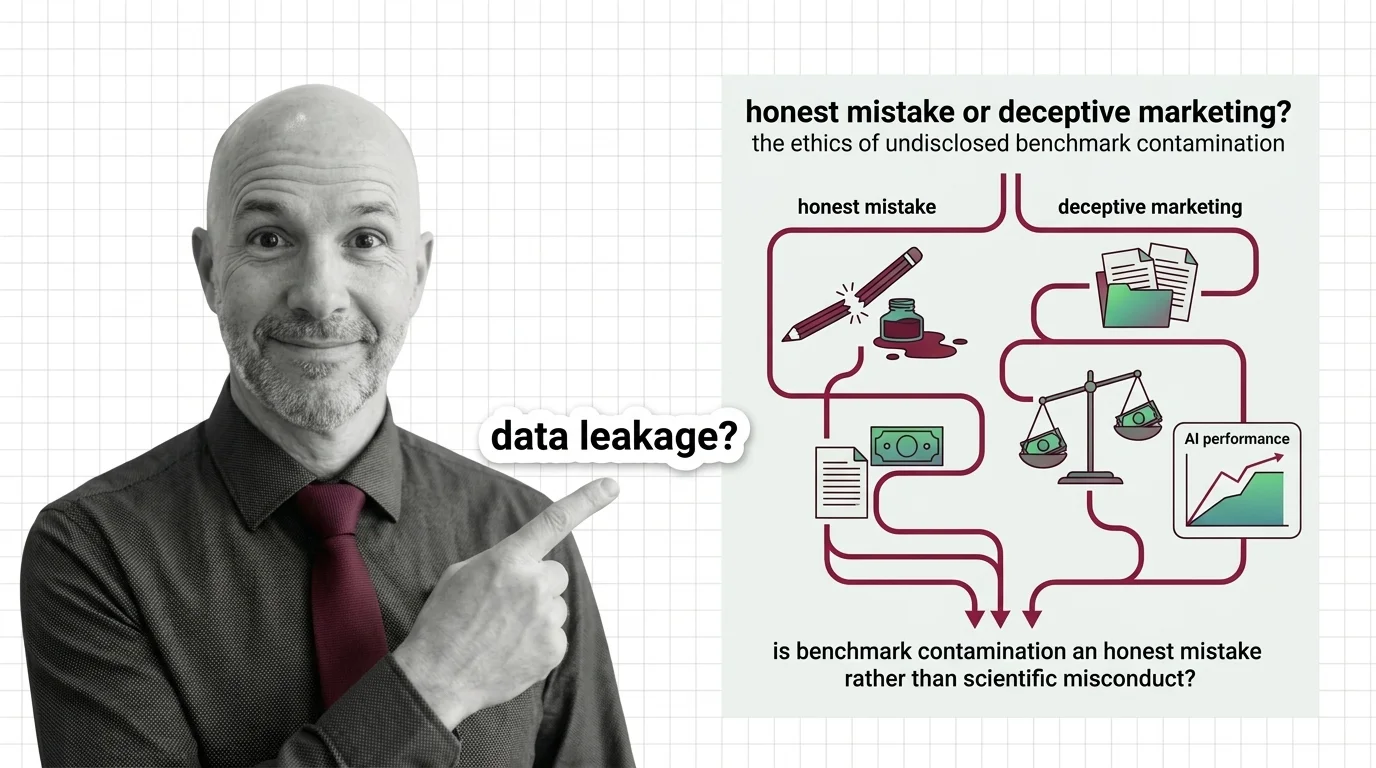
The second foundation is subtler: the failure of your own measurement. Data leakage is information from outside the training set quietly contaminating the model, and how leakage inflates model accuracy shows why a spectacular offline score should be the first thing you distrust. Target, temporal, and preprocessing leakage breaks down why each pattern evades review, and at LLM scale the same failure goes public as benchmark contamination — how LiveCodeBench and LiveBench expose leaked evaluations.
These two establish the theme’s founding suspicion: trust neither the model’s confidence nor your own metrics. Everything in the next tier is a method for earning that trust back.
This is the layer the theme is named for — deliberate attack from the outside, systematic audit from the inside. Both directions matter, because a model that survives adversarial prompts can still be quietly broken by its own training data.
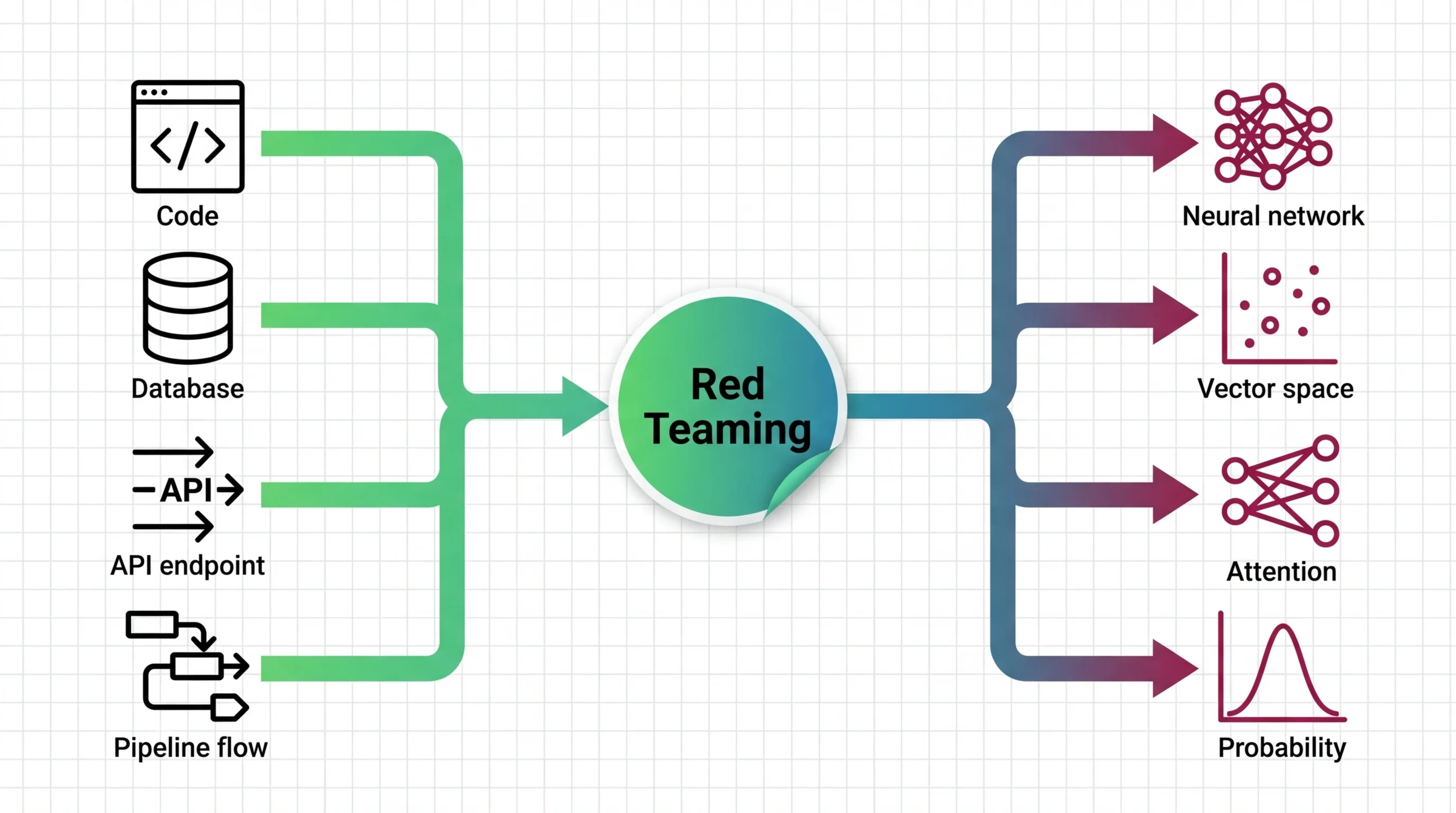
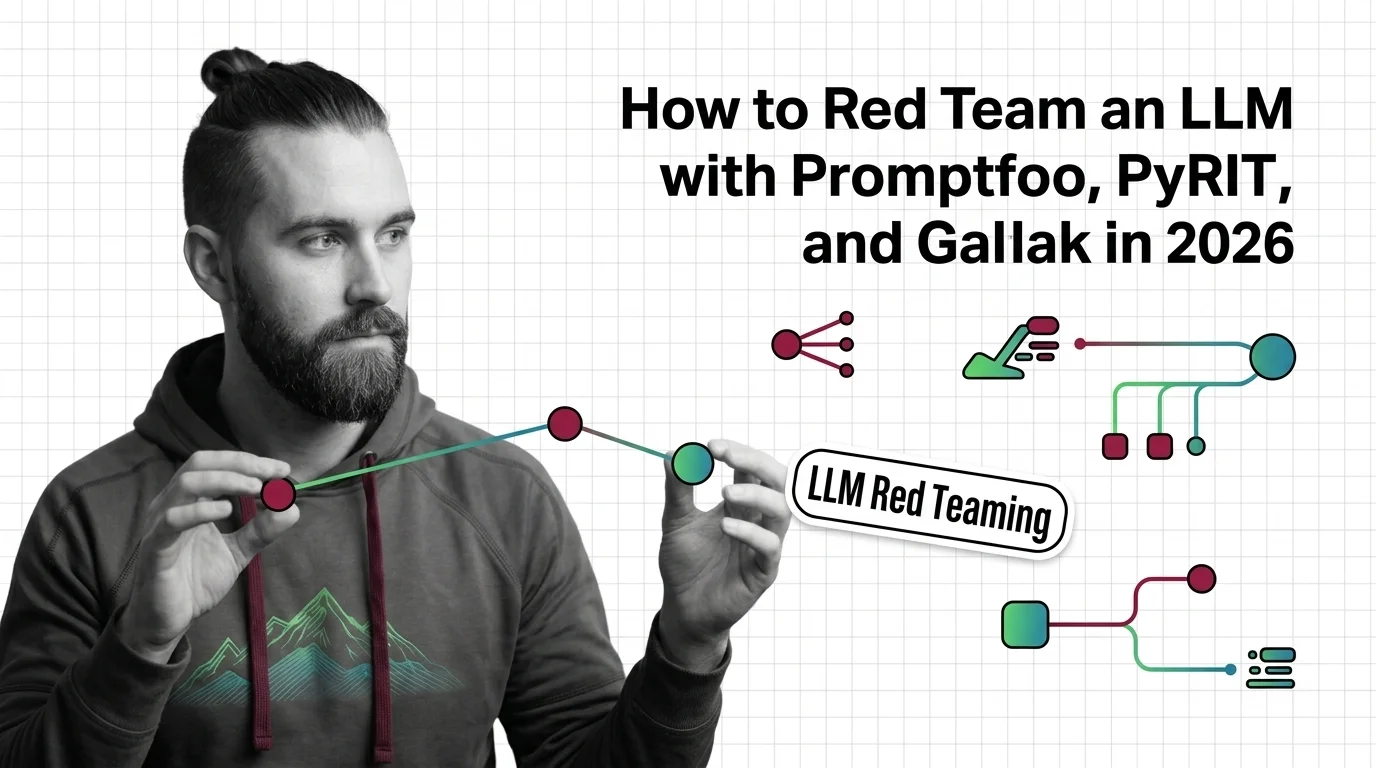
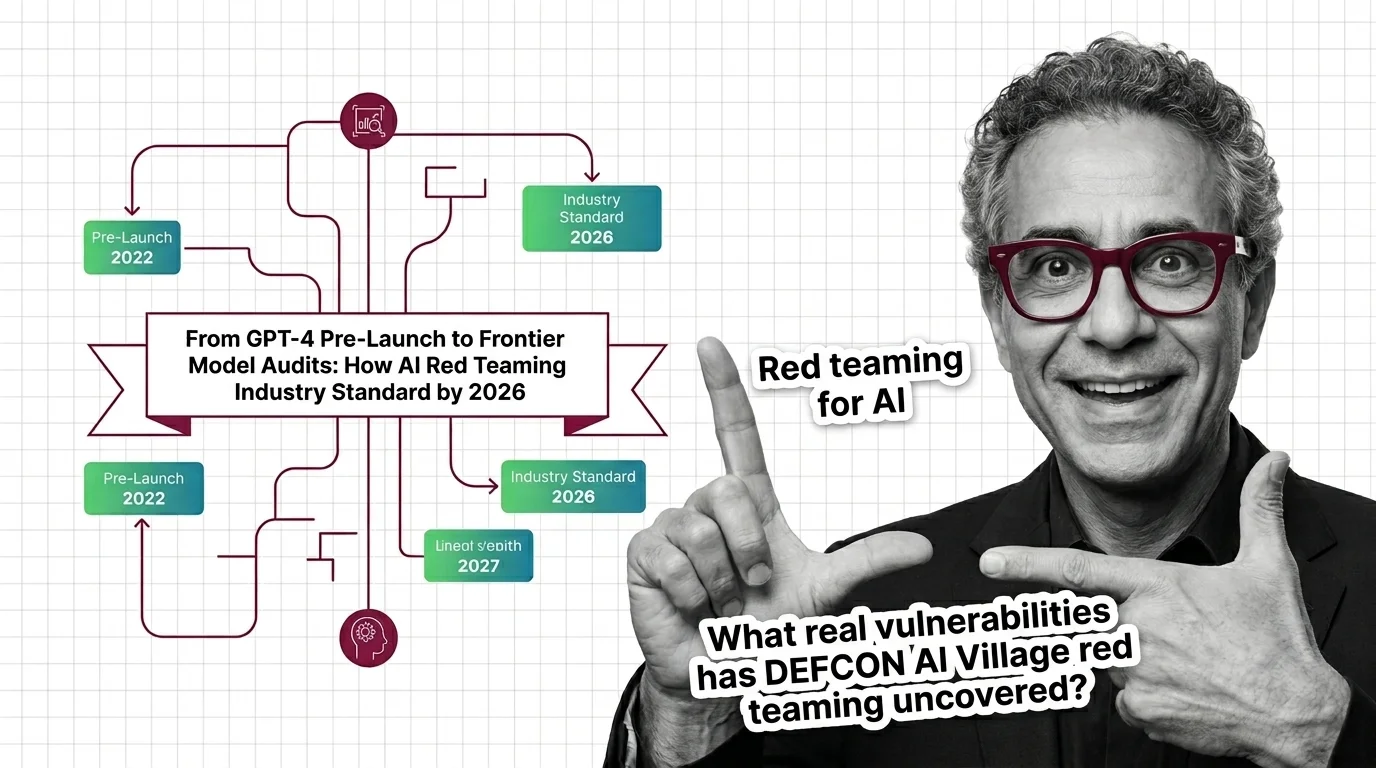
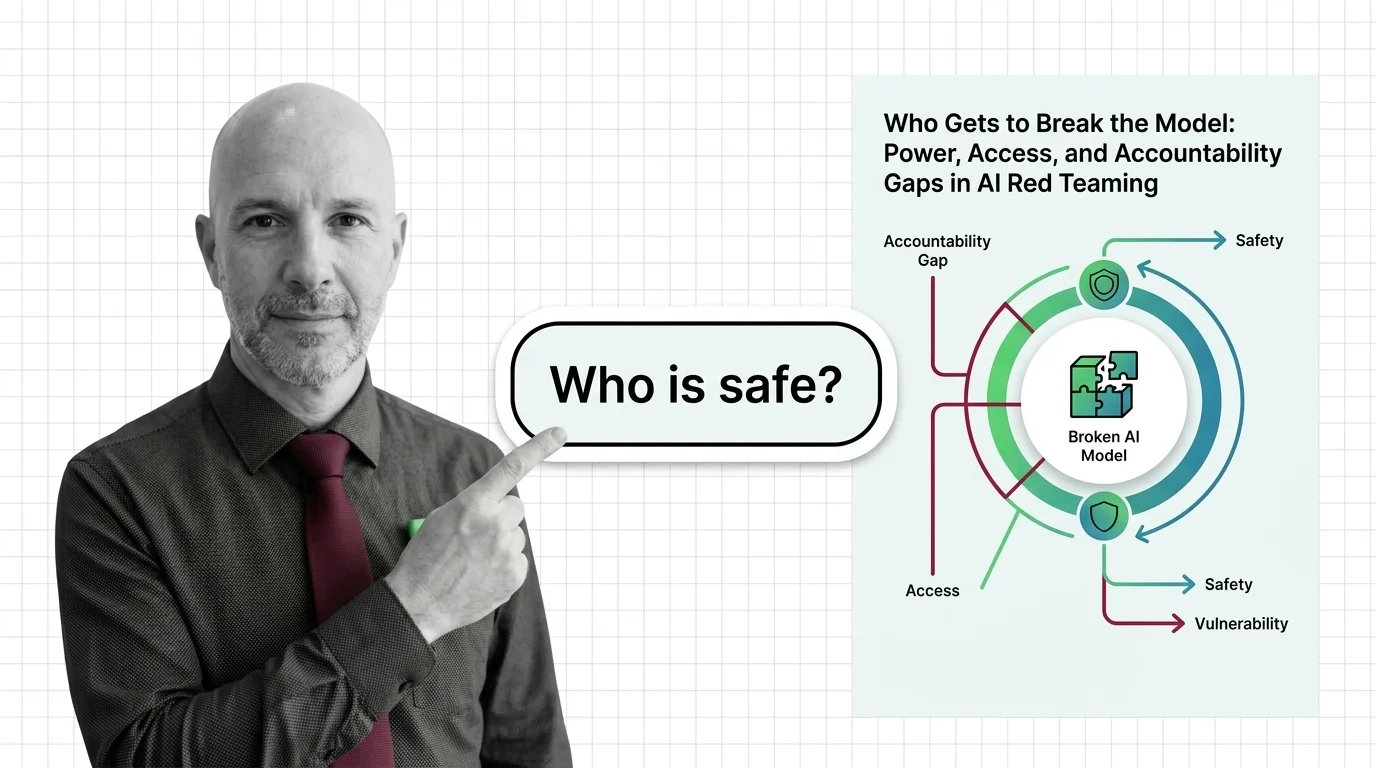
Red teaming for AI is the attack direction: humans or automated probes hunting for jailbreaks, harmful outputs, and edge cases before deployment does it for you. How adversarial testing exposes model failures before deployment is the orientation read; OWASP LLM Top 10 and MITRE ATLAS supply the frameworks that keep probing systematic instead of anecdotal; and the Promptfoo, PyRIT, and Garak guide gets you a working red-team harness. Before you trust that harness alone, read why automated red teaming misses what humans catch — coverage gaps are the practice’s known blind spot.
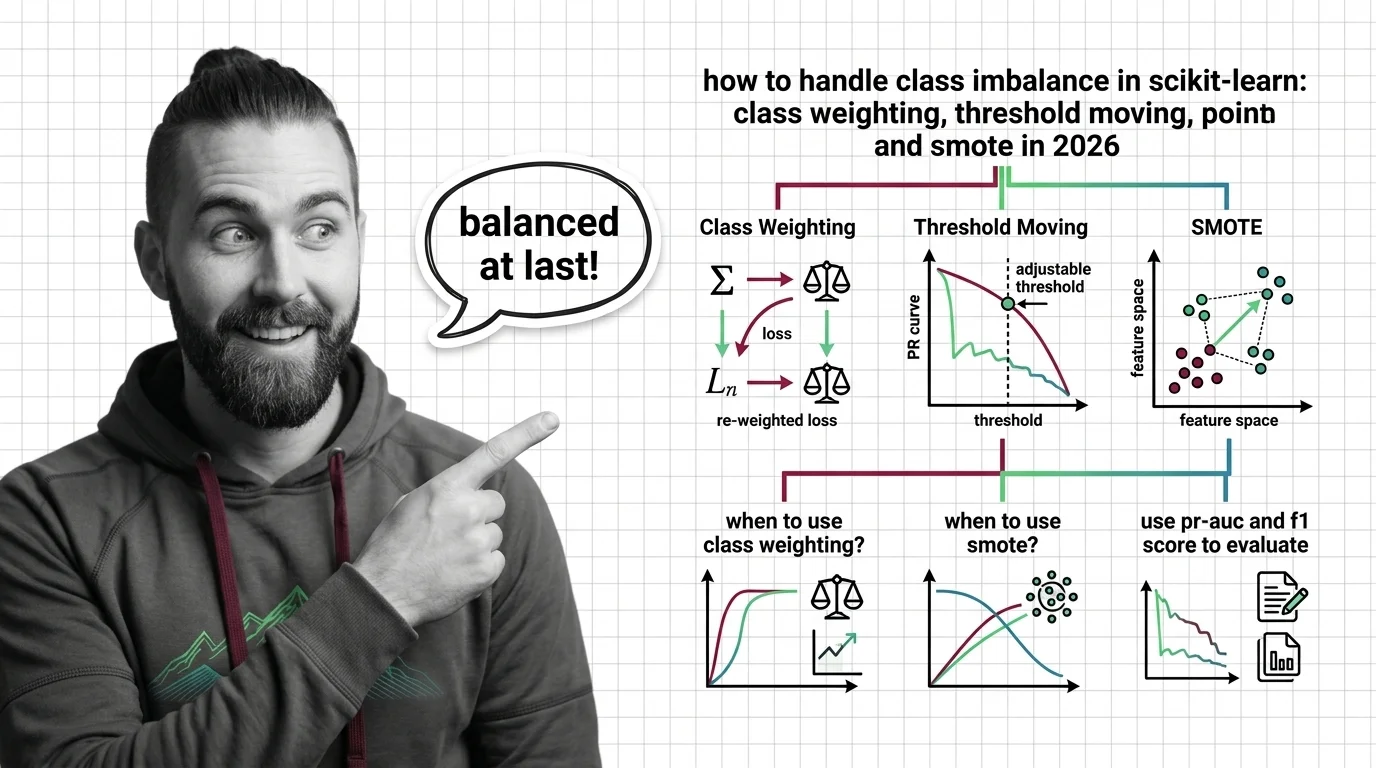
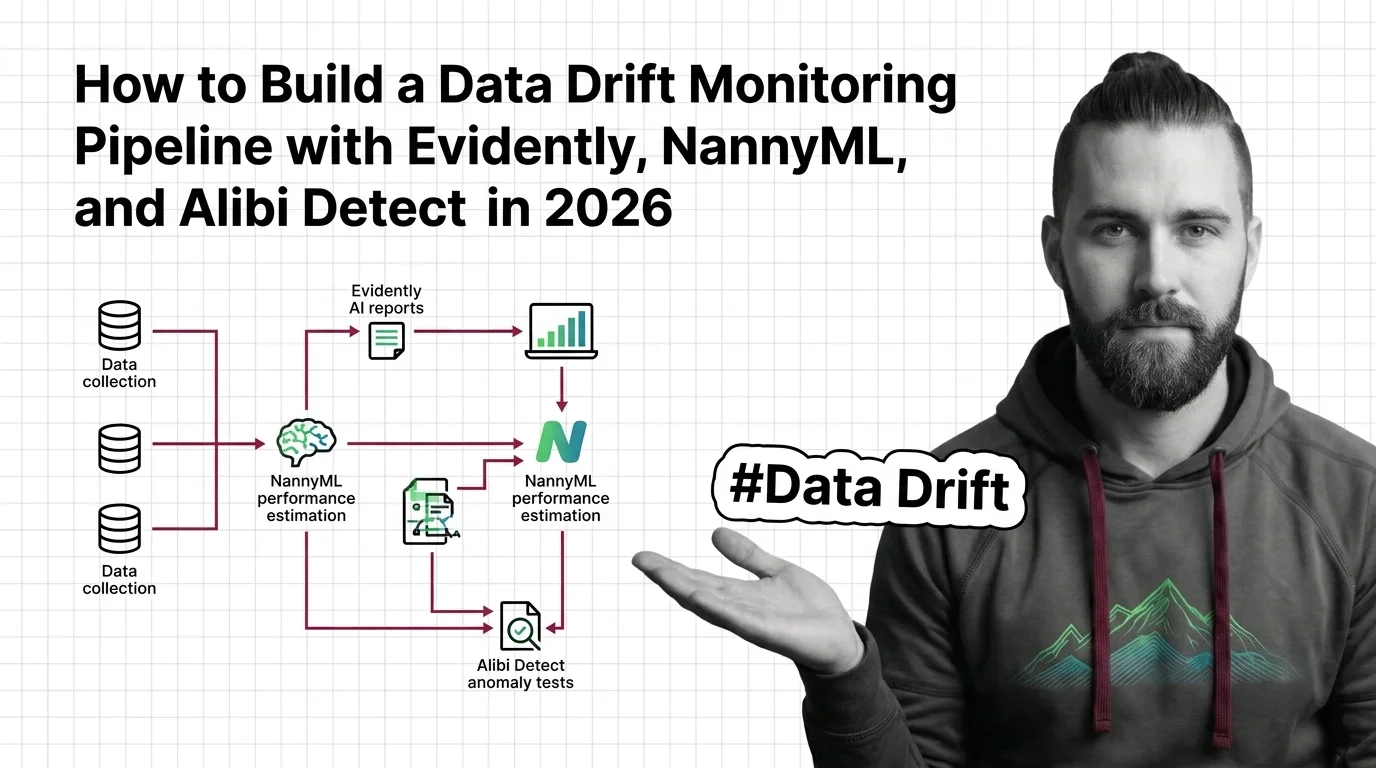
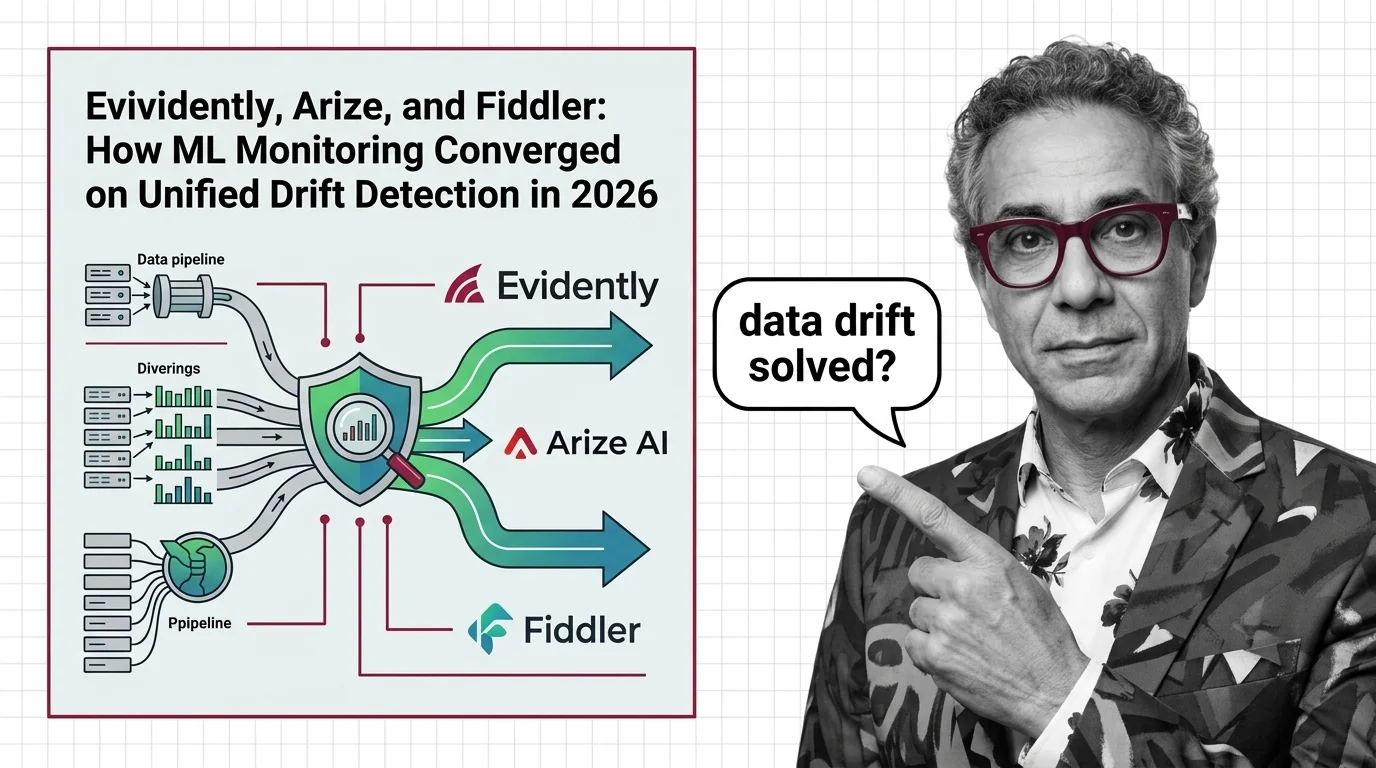
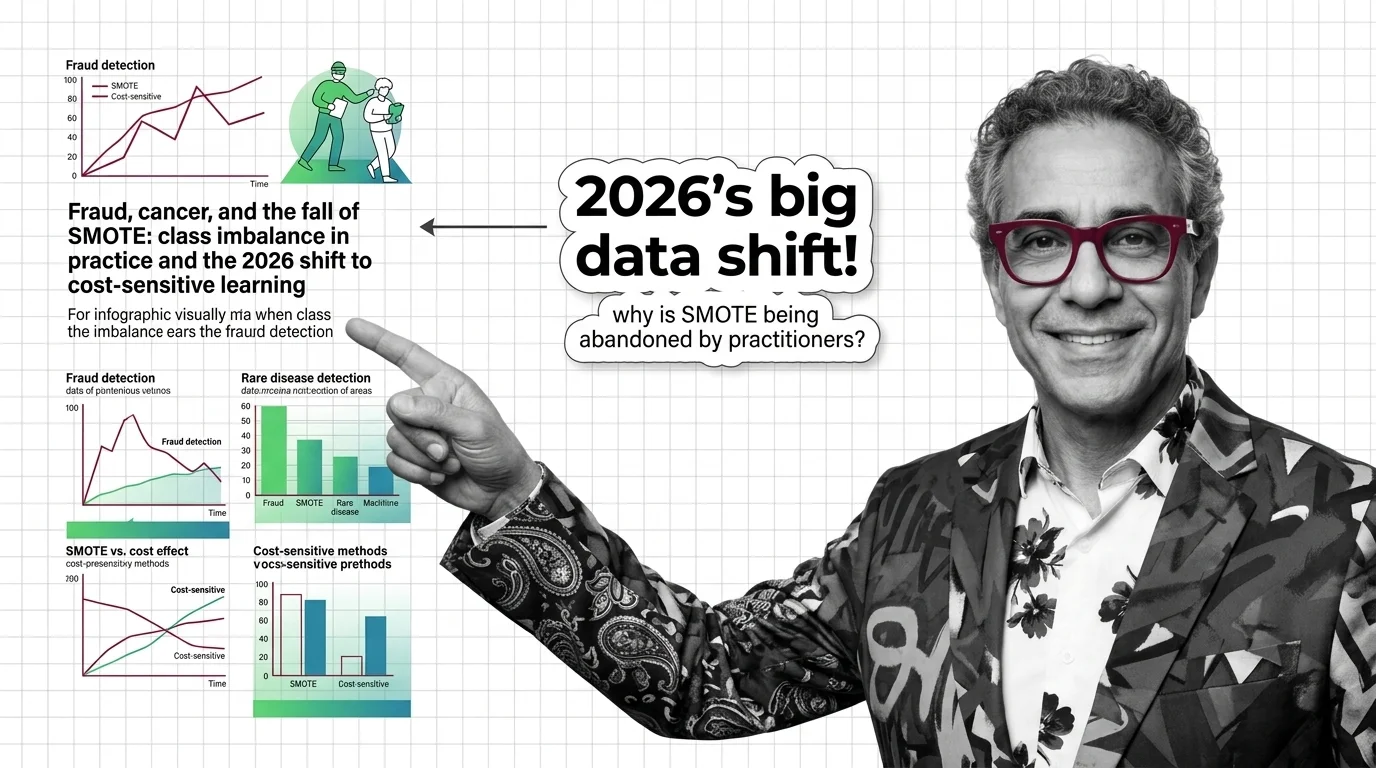
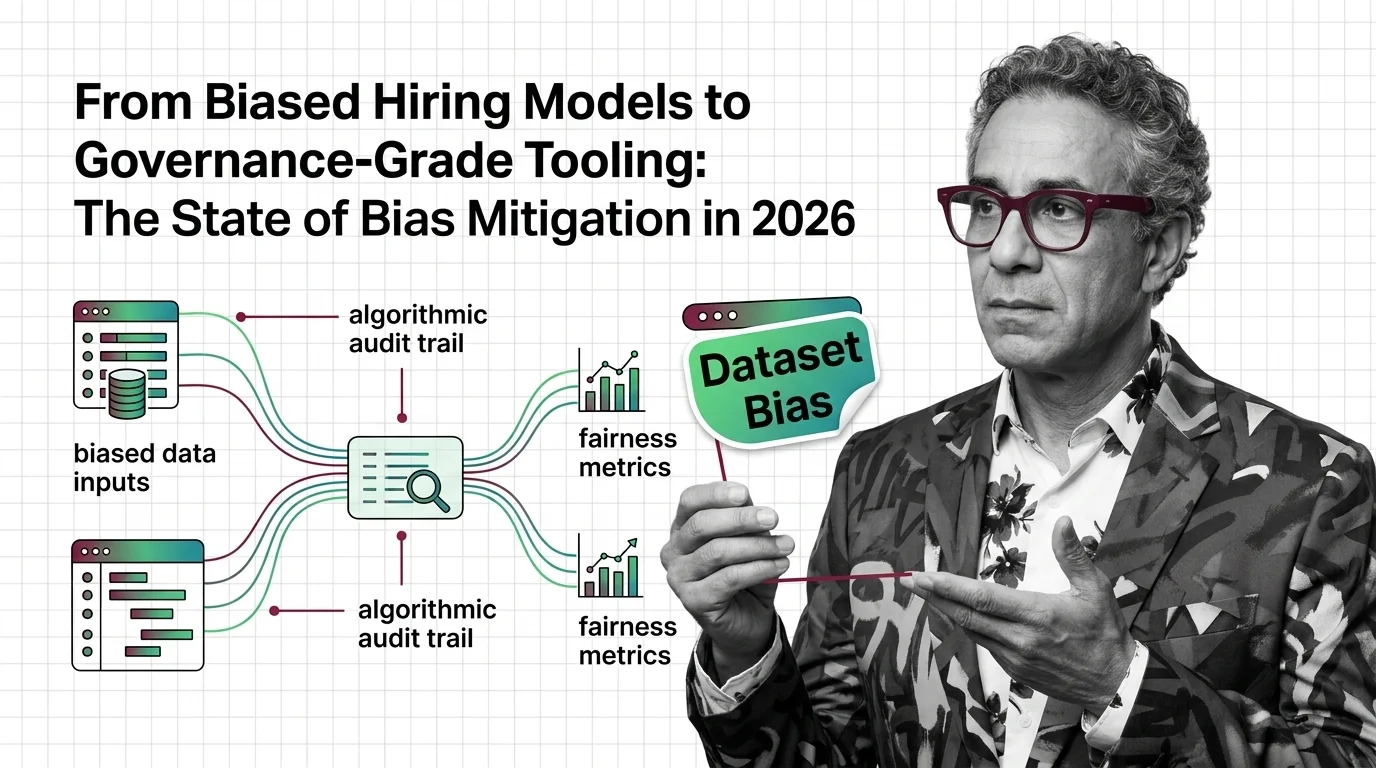
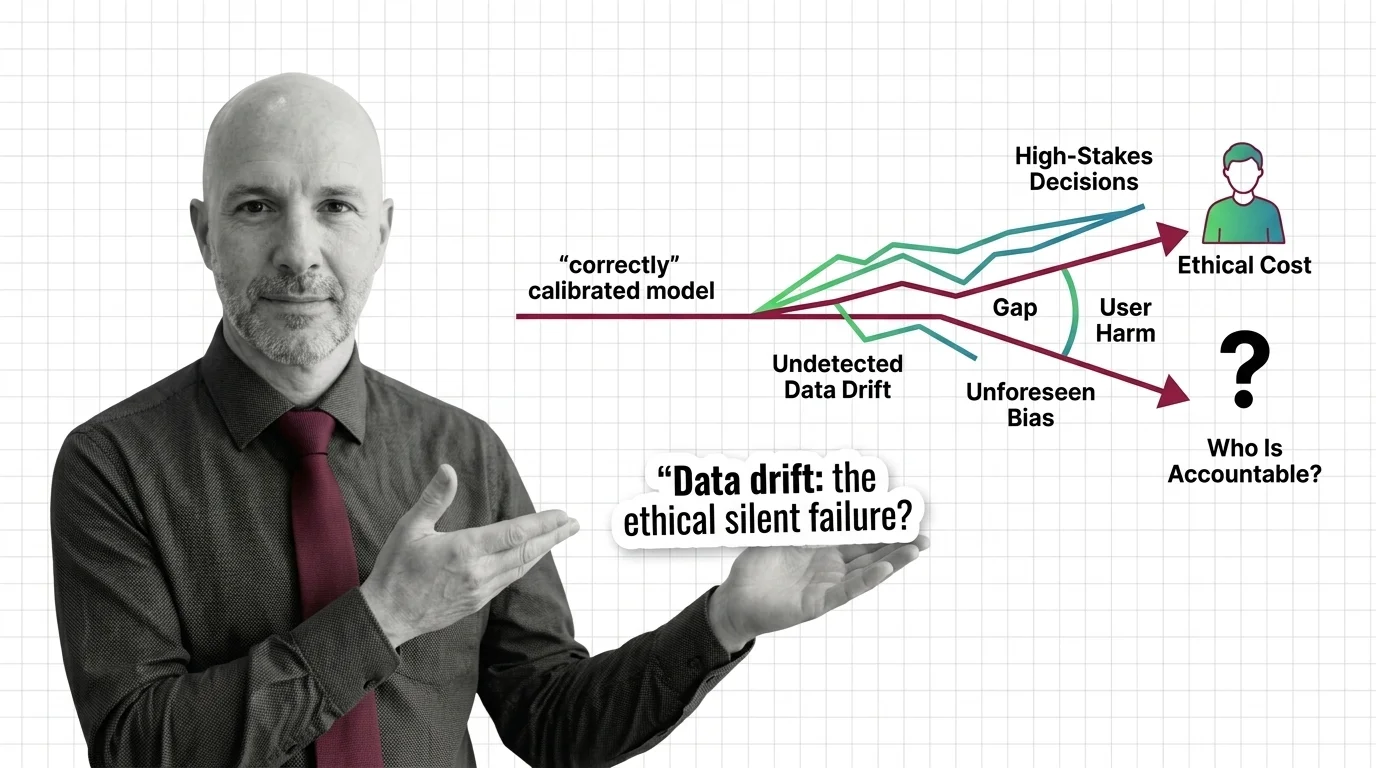
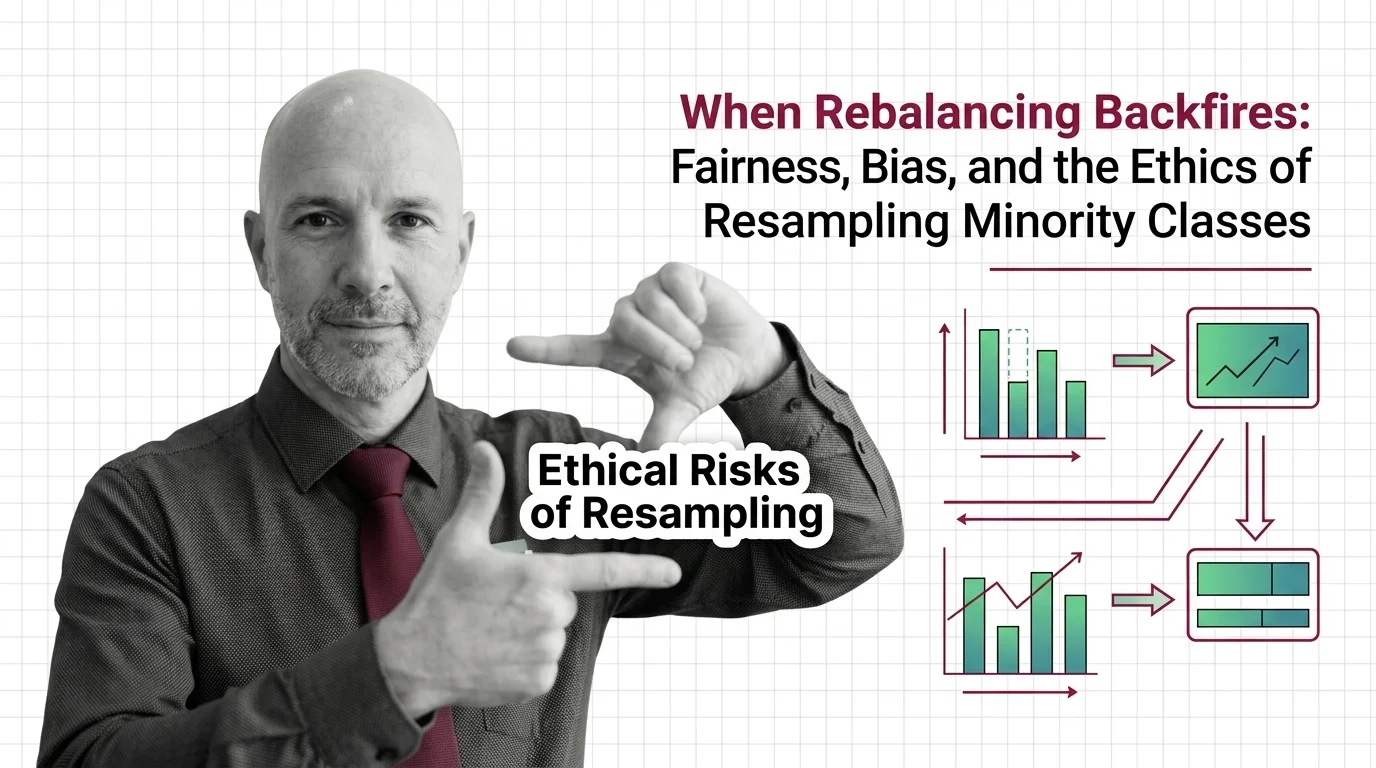
The audit direction runs through three data threats every production team eventually meets. Class imbalance is the oldest: when one class vastly outnumbers another, accuracy stops meaning anything — why a 99% accurate model can be useless is the canonical demonstration, and the scikit-learn guide to class weighting, threshold moving, and SMOTE covers the standard remedies and their traps. Dataset bias is the harder cousin: systematic skews the model learns and amplifies — start with how skewed training data shapes model predictions, then selection, representation, and measurement bias to tell the three sources apart, because each needs a different fix. And data drift is the threat that arrives after launch: production data diverging from training data until the model quietly stops working — how production data silently degrades model accuracy explains the mechanism, and the Evidently, NannyML, and Alibi Detect monitoring guide makes watching for it operational.
With these four, you can attack the model and audit the data. The advanced tier makes both continuous, quantified, and resistant to a real adversary.
Everything above finds failures; this tier is what production systems run to keep finding them — and what they need when the failure was planted deliberately.
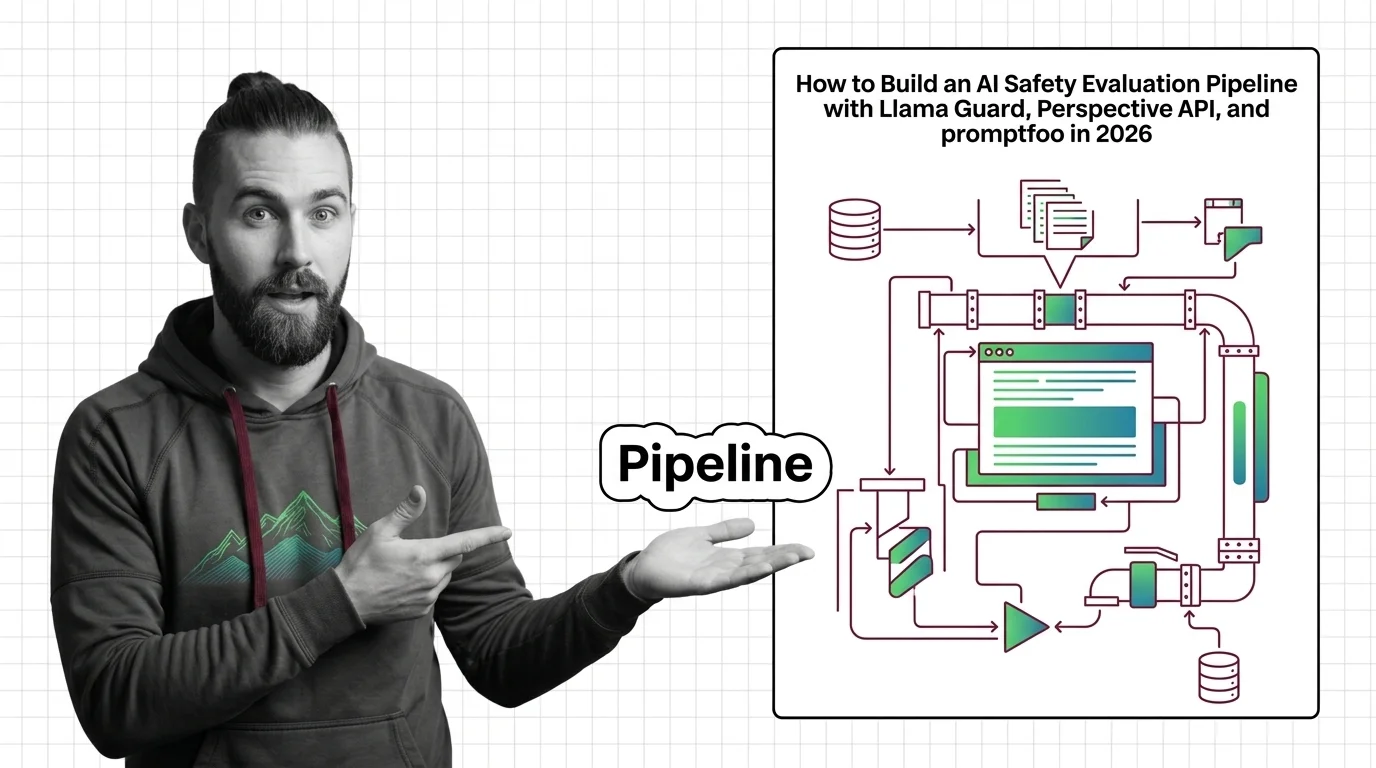
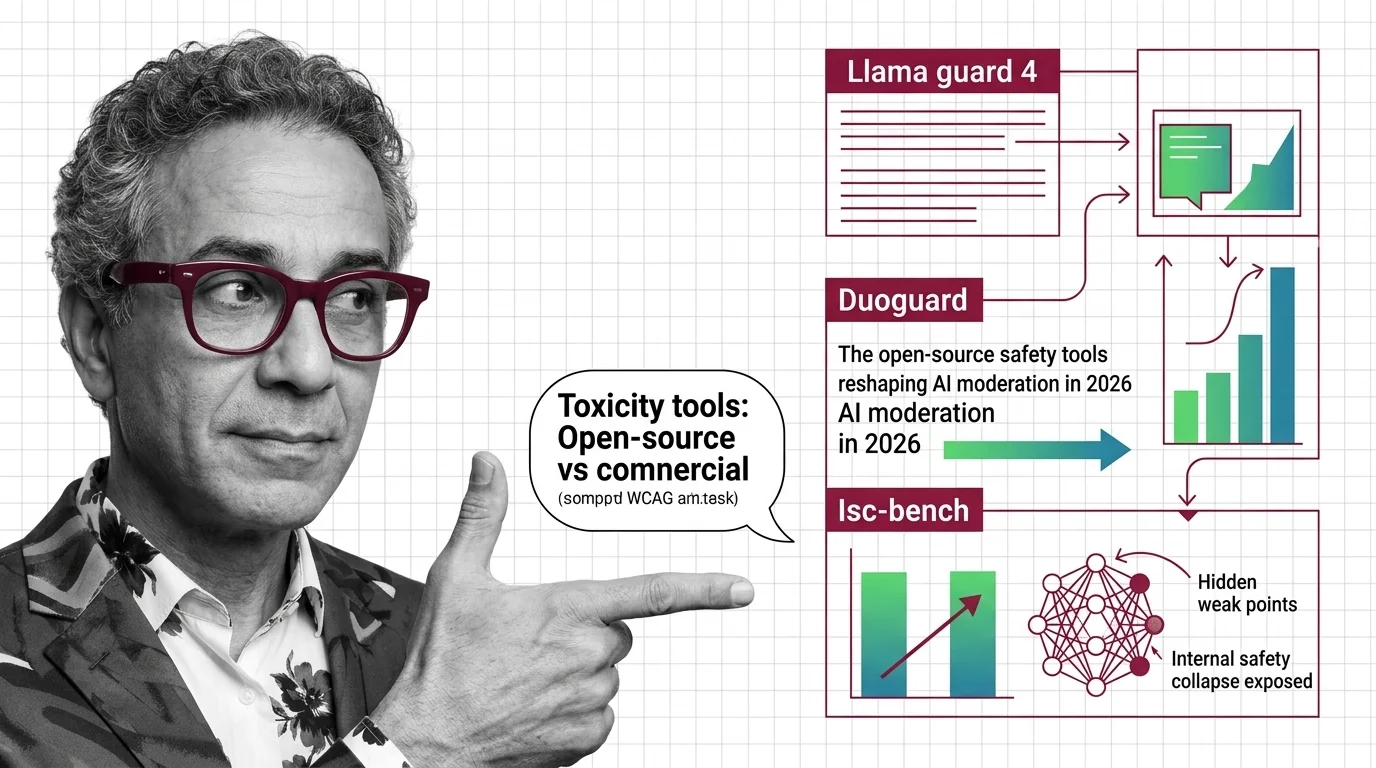
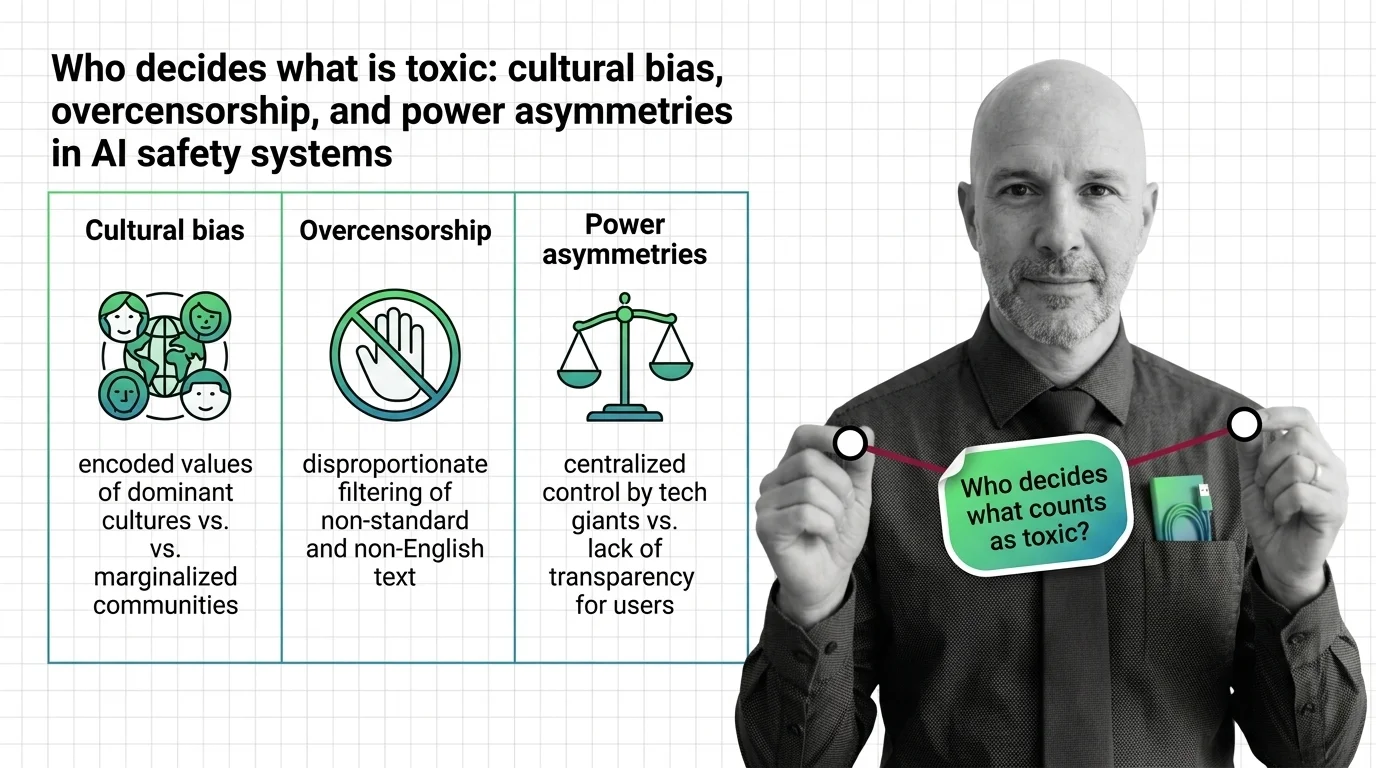
Toxicity and safety evaluation turns red-team findings into continuous measurement: guard models scoring every output against a harm taxonomy. How guard models score harmful AI outputs is the entry point, HarmBench, ToxiGen, and the MLCommons taxonomy covers the datasets and standards the scores rest on, and the Llama Guard, Perspective API, and promptfoo pipeline guide assembles a working stack. Balance it with false positives, dialect bias, and adversarial bypasses — automated moderation has hard limits, and knowing them is part of running it.
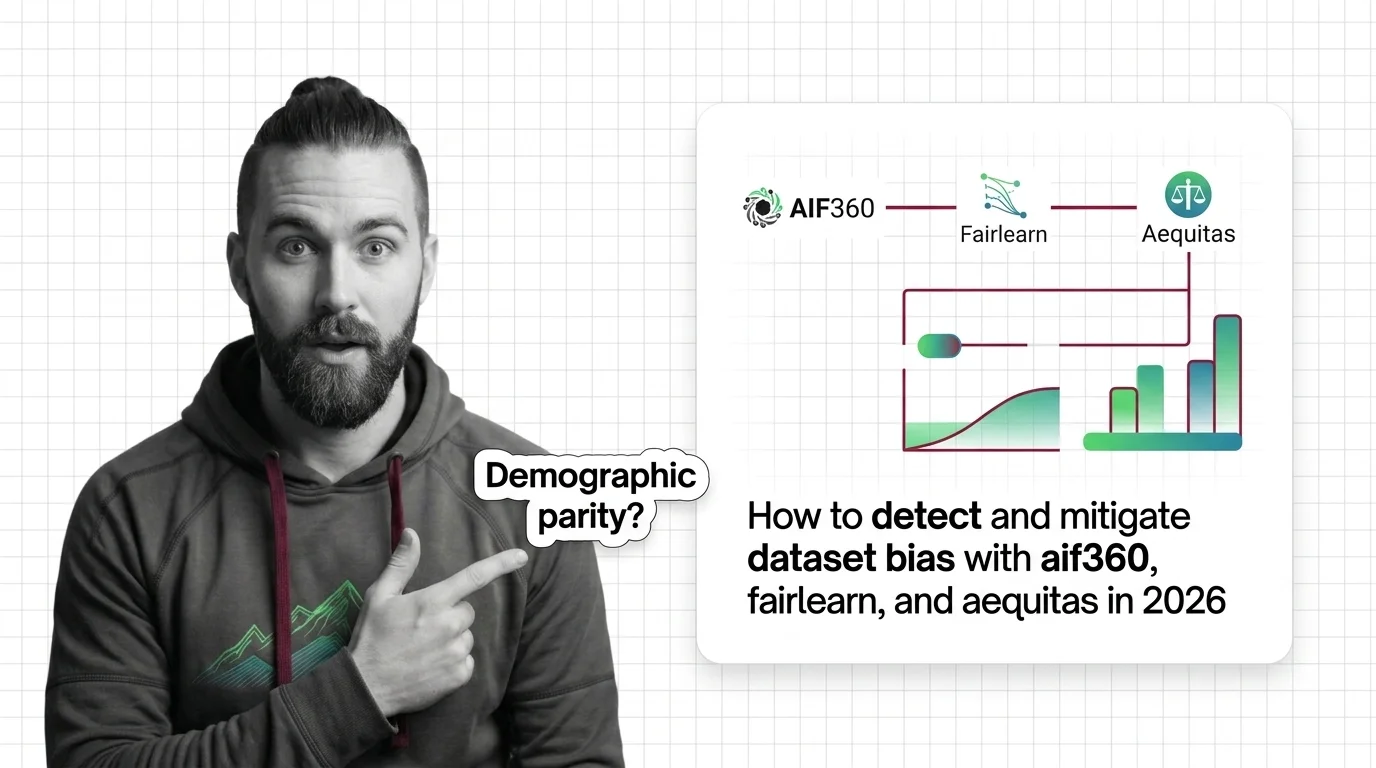
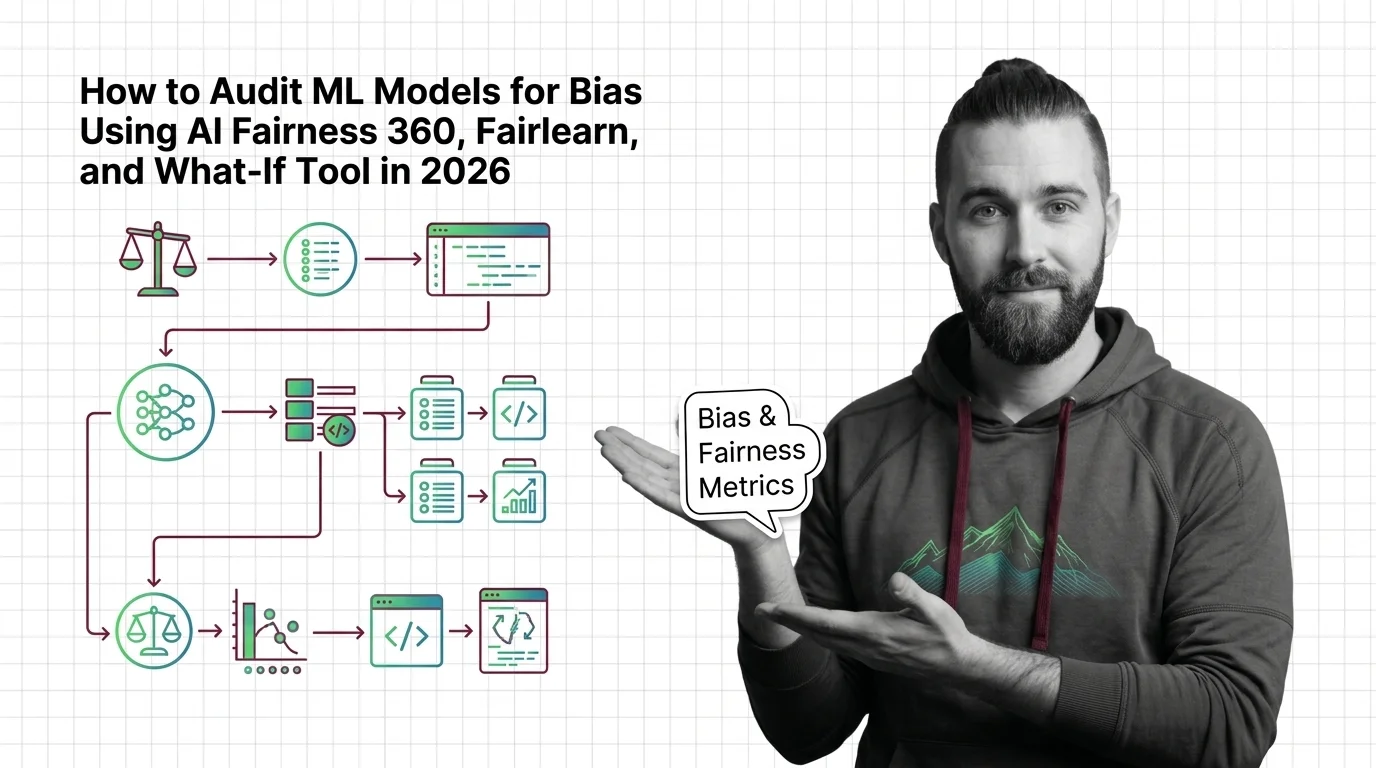
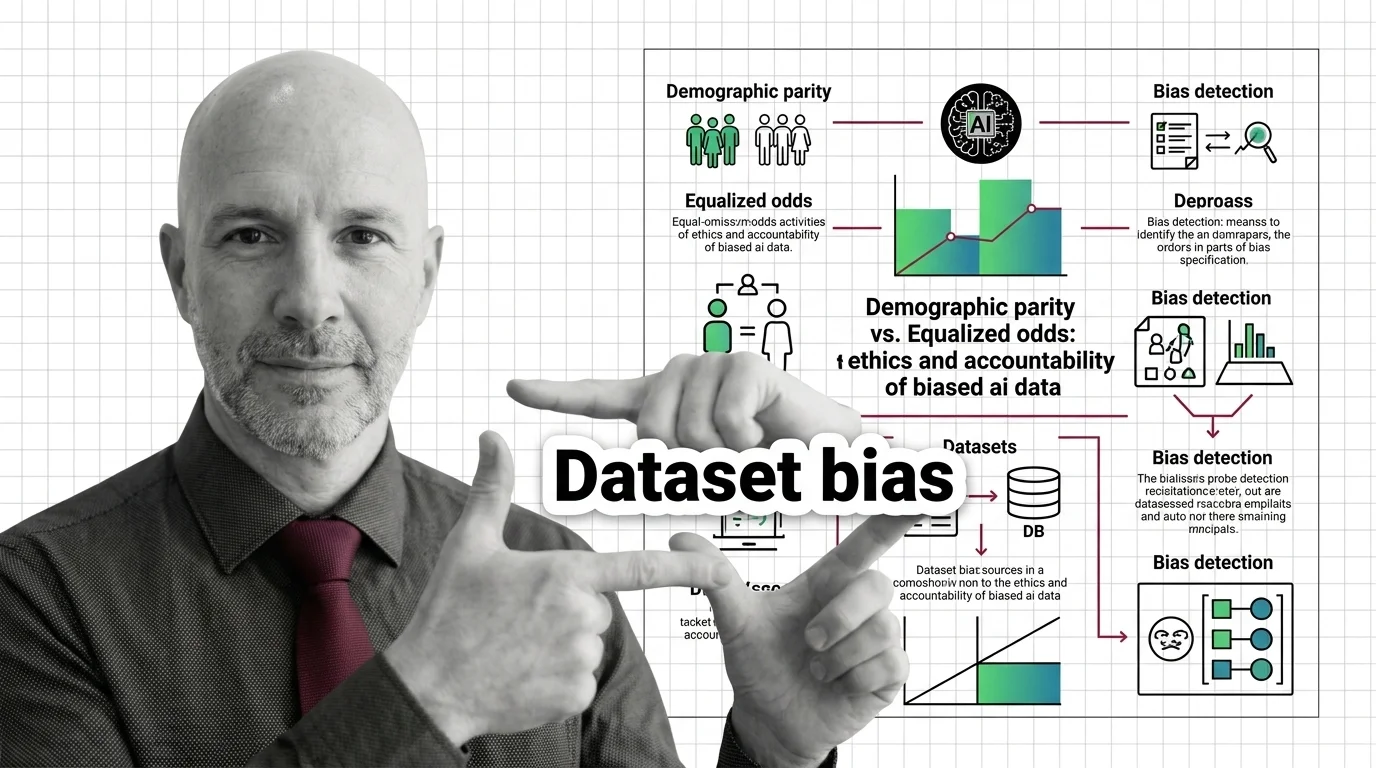
Bias and fairness metrics do the same for the bias work one tier down: they turn “the data looks skewed” into numbers a review board can act on. How fairness metrics detect discrimination in ML predictions introduces the instrument; demographic parity vs. equalized odds vs. calibration compares the core metrics; and the impossibility theorem explains why you must choose between them rather than satisfy all — a genuine design decision, not a checkbox. The AI Fairness 360, Fairlearn, and What-If Tool audit guide operationalizes the audit, and from COMPAS to the EU AI Act traces how these metrics became regulatory requirements.
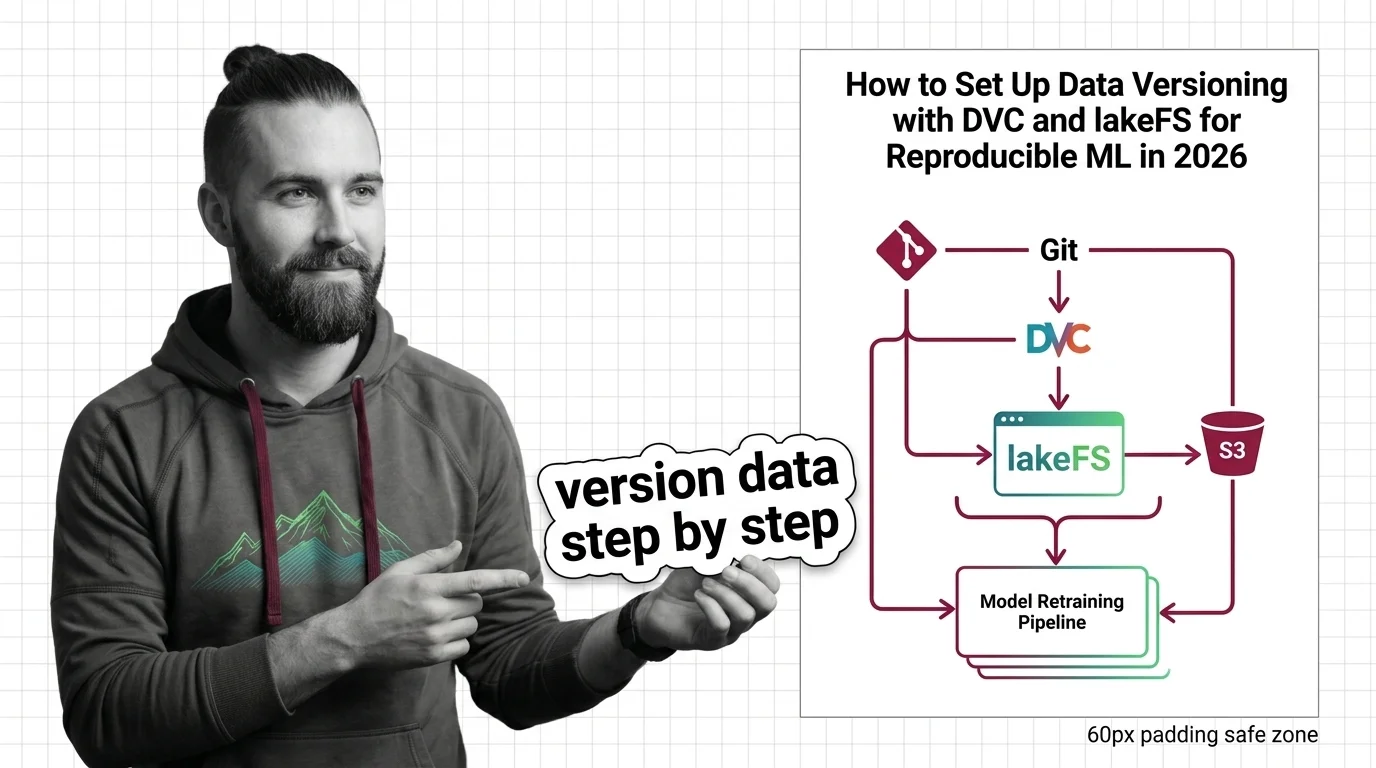
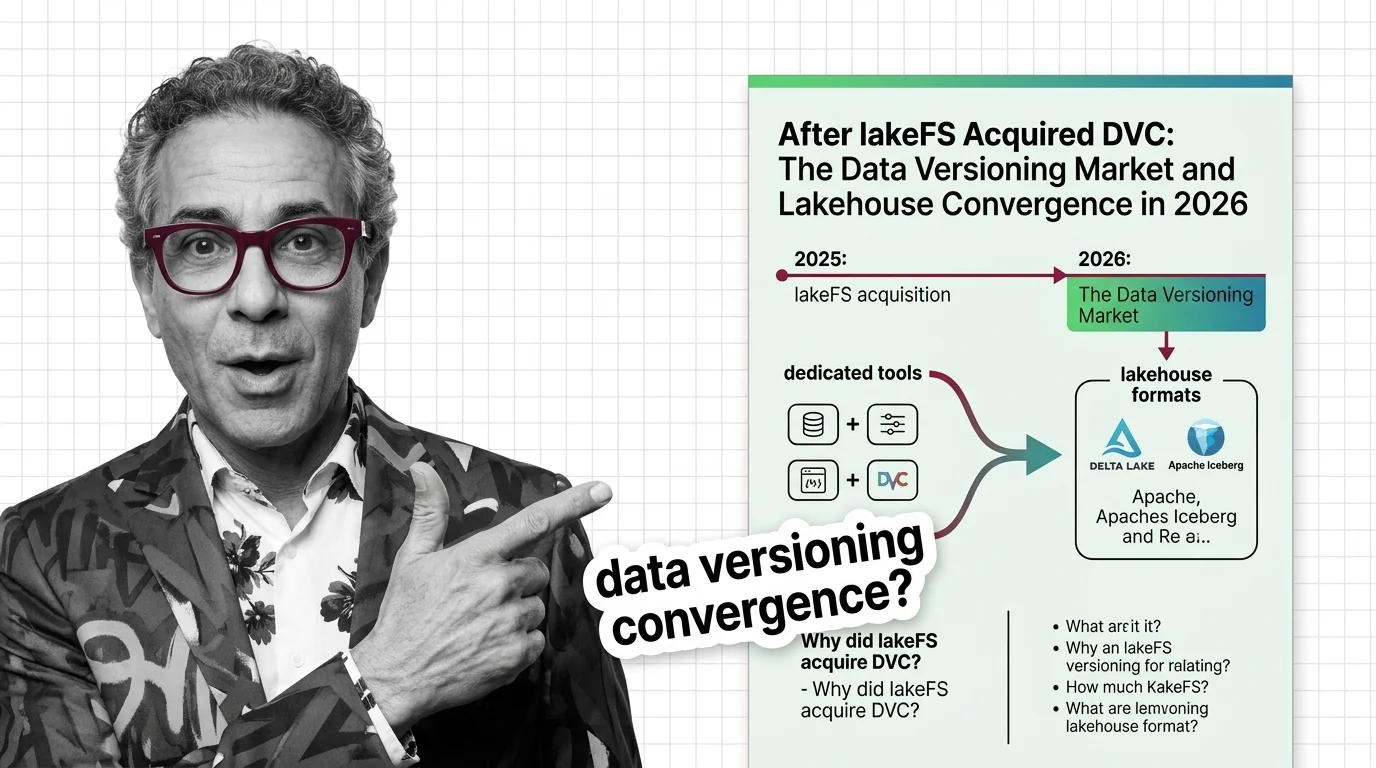
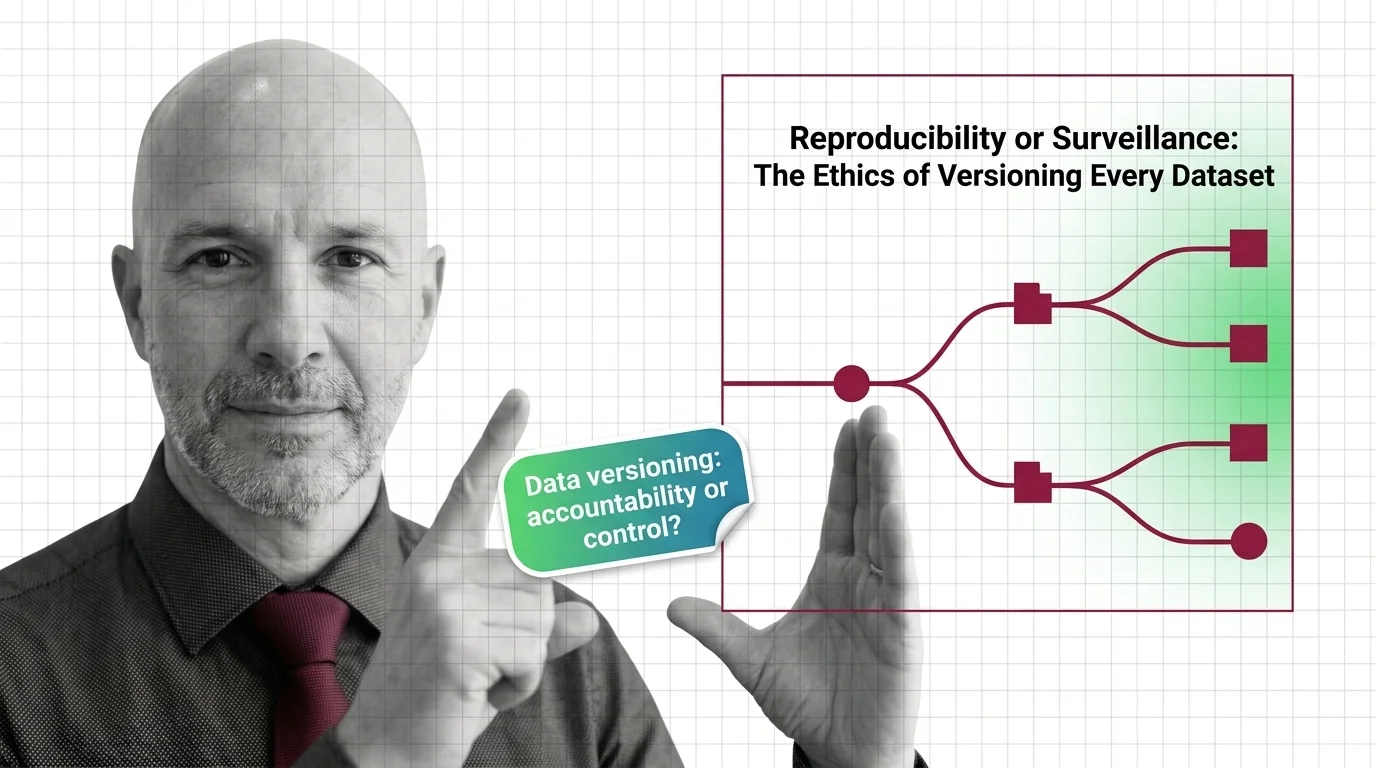
Data versioning is the forensic backbone the other topics assume: when a model misbehaves, you need to reproduce exactly which data trained it. How content hashing tracks dataset changes like git maps the concept onto version control you already know, and the DVC and lakeFS setup guide builds the reproducibility layer.
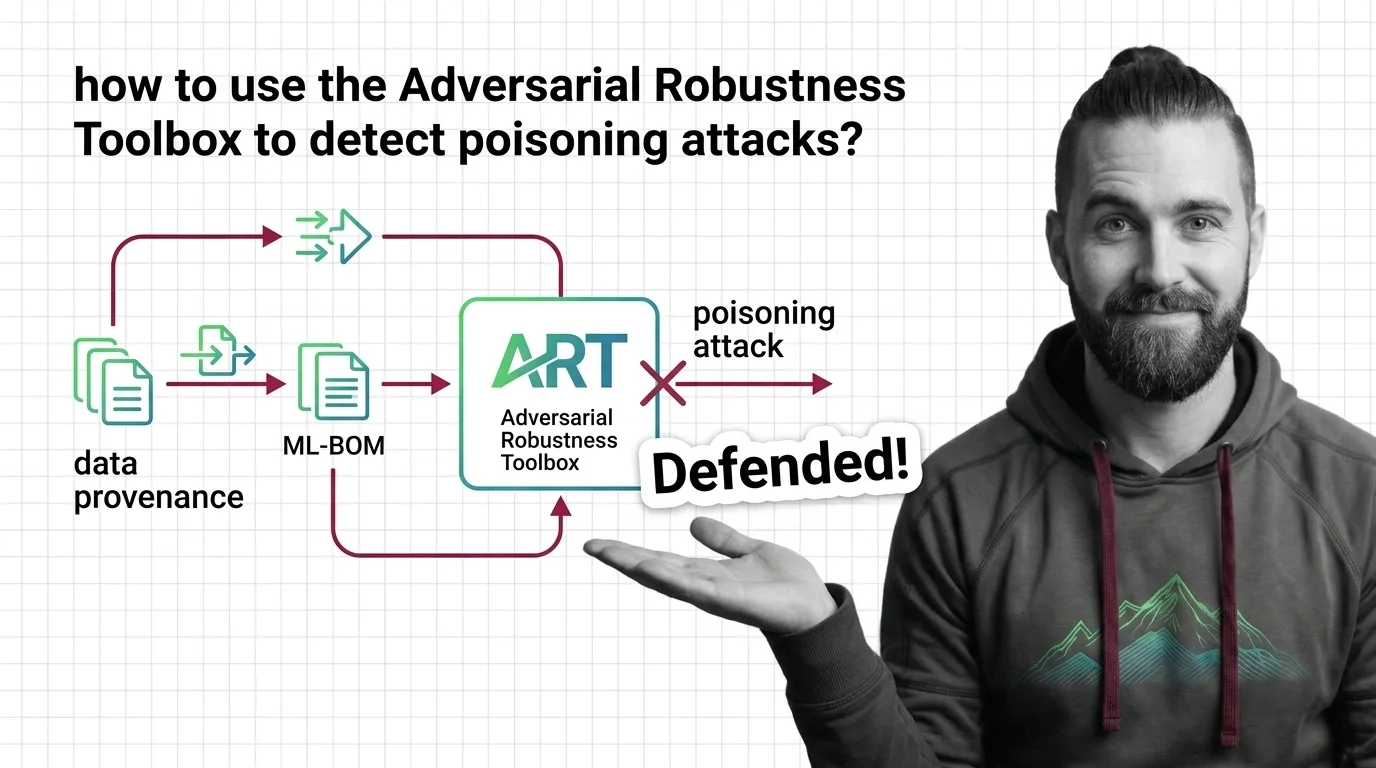
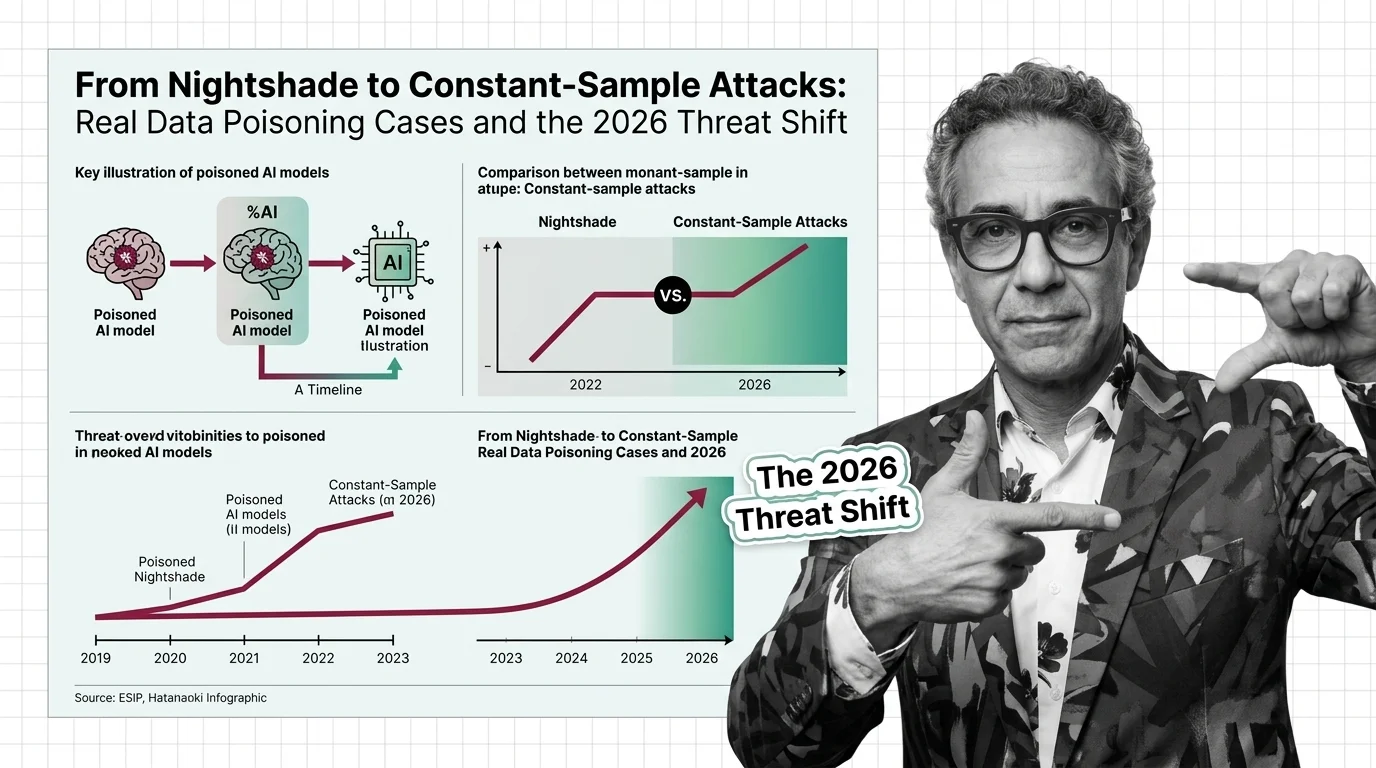
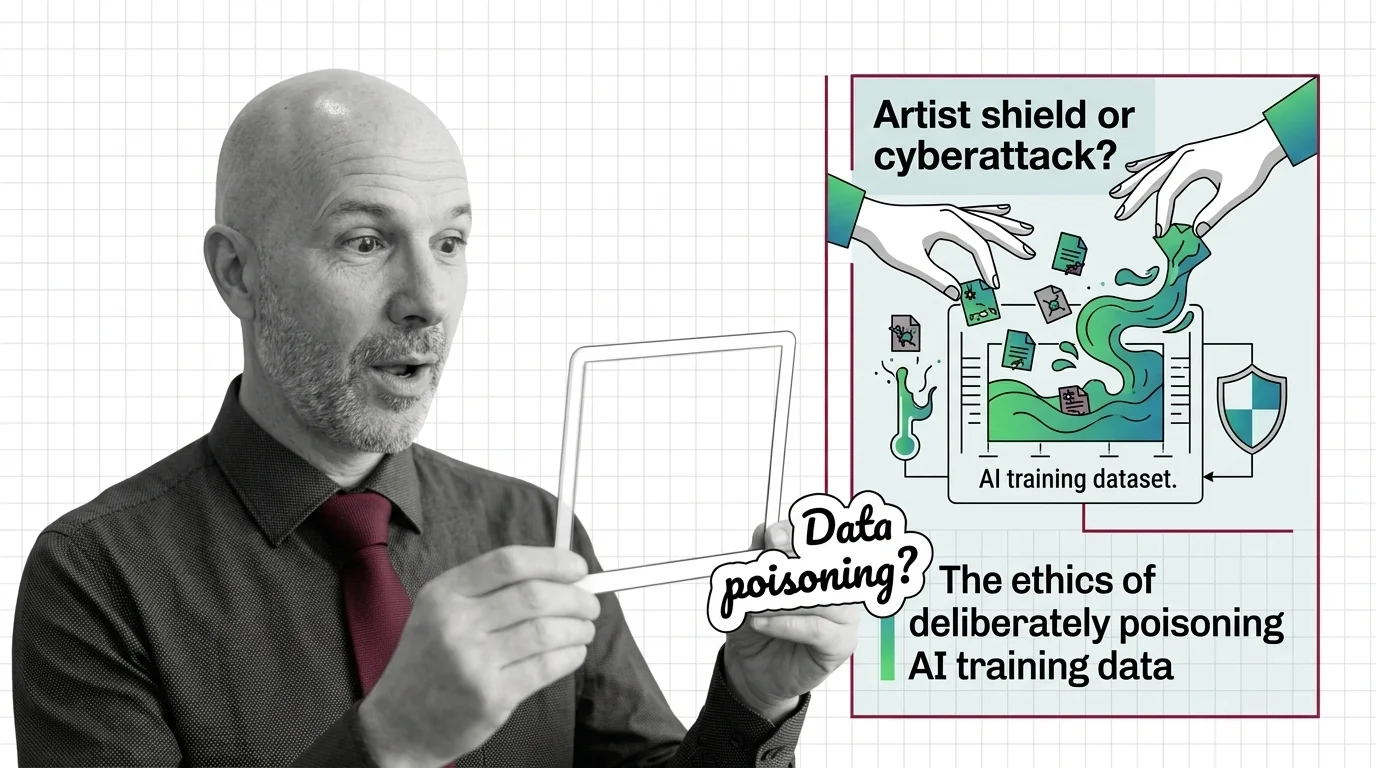
The tier closes where the adversary gets serious. Data poisoning is an attacker manipulating your training data itself — how corrupted training data compromises model behavior covers the threat model, backdoor triggers, clean-label, and label-flipping explains why poisoned samples pass human review, and RAG poisoning and agent-memory corruption extends the attack surface to systems that never retrain. The ART, data provenance, and ML-BOM defense guide covers the countermeasures, and from Nightshade to constant-sample attacks documents the real incidents that moved poisoning from theory to threat model.
Five data-borne threats sound alike in an incident review and get conflated constantly. The distinctions that matter for diagnosis:
| Threat | What goes wrong | Intent | Where it enters | Typical first sign |
|---|---|---|---|---|
| Data leakage | Evaluation lies — test information reaches training | Accidental | Pipeline construction | Offline metrics too good to be true |
| Class imbalance | Model ignores the rare class | Structural — the world is skewed | Data collection | High accuracy, useless recall on the class you care about |
| Dataset bias | Model learns and amplifies unfair patterns | Accidental or structural | Collection and labeling | Performance gaps between groups |
| Data drift | Production data diverges from training data | Nobody’s — the world moved | After deployment | Slow, unexplained accuracy decay |
| Data poisoning | An attacker plants behavior in the model | Deliberate | The data supply chain | Often none — until the trigger fires |
Three more distinctions sit on the behavioral side and trip teams just as often:
Q: Where should I start with AI safety testing as a software developer? A: With the two foundations: hallucination and data leakage. They require no security background and recalibrate how you read every metric afterward. How next-token prediction creates confident falsehoods is the first read; the leakage explainer is the second. Then work through the core tier in order.
Q: Do I need red teaming if I already run automated safety evaluations? A: Yes — they answer different questions. Benchmarks and guard models score outputs against known harm categories; red teaming hunts for failures nobody has categorized yet. Frontier labs run both, which is how red teaming became industry standard by 2026. Evaluation without probing leaves novel jailbreaks for your users to find.
Q: My model passed offline evaluation but degrades in production — which threat am I looking at? A: Check leakage first: if offline scores were inflated by contaminated splits, production is just the truth arriving. If the model genuinely worked and then decayed, it is drift — covariate shift, concept drift, and label drift gives you the statistics to tell which kind, which decides the retraining response.
Q: My model has high accuracy but fails one user group — is that class imbalance or dataset bias? A: Diagnose by slicing: imbalance shows up as poor recall on a rare class regardless of who it belongs to; bias shows up as performance gaps between groups at comparable base rates. Confusion matrices and PR-AUC are the tools for the first check — and both threats can be present at once.
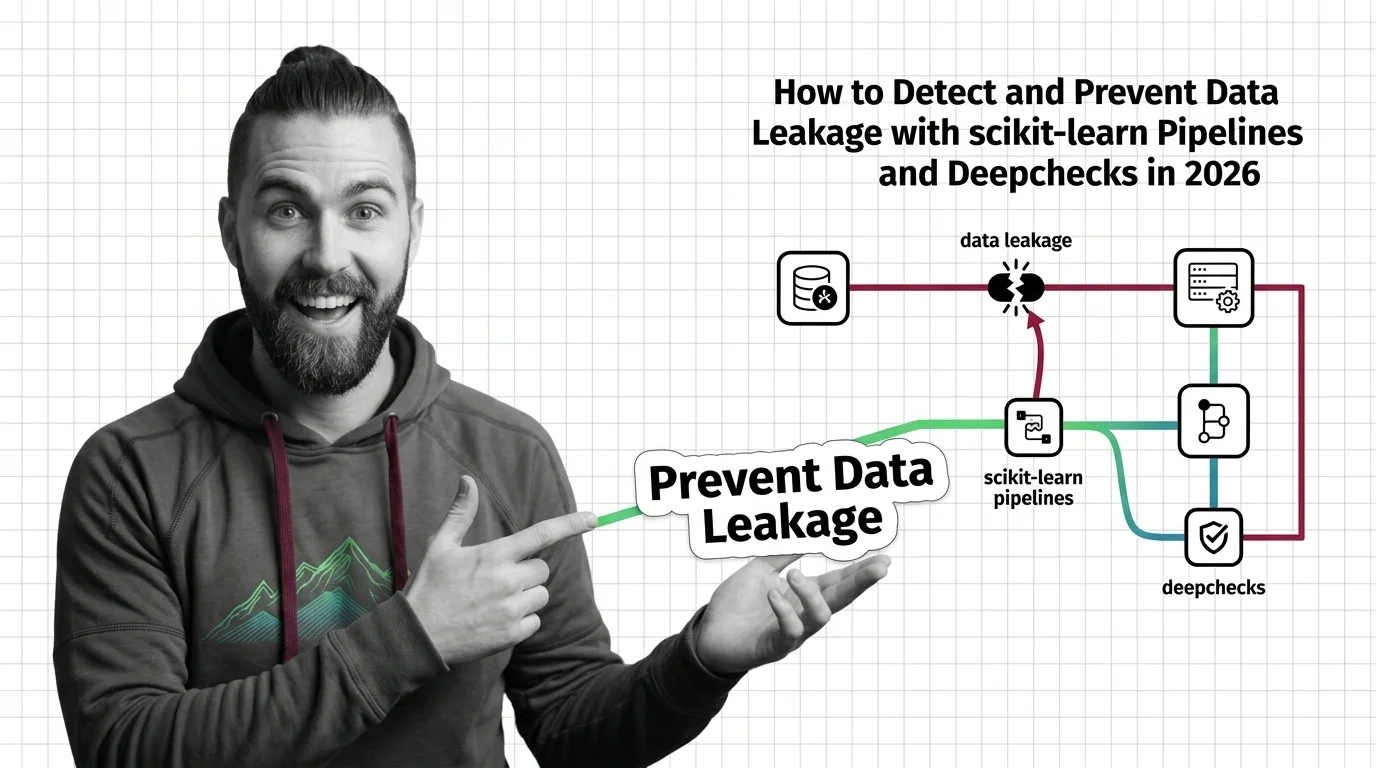
Q: Which safety checks belong in CI, and which in production monitoring? A: Leakage detection and safety evaluations are pre-deployment gates — scikit-learn pipelines and Deepchecks run in CI. Drift is a production-only signal, so monitoring lives there. Red teaming fits neither loop cleanly: run it before major releases and after significant model or prompt changes.
Q: How do I trace a suspected poisoning incident back to its source? A: Through lineage — you can only investigate data you can reproduce. Storage backends, data lineage, and hashing covers the versioning components that make the question answerable; without them, a poisoning suspicion ends at “we can’t know which data trained this model.”
Coming from software engineering? Bridge articles map this theme onto what you already know — which of your instincts still apply, which quietly break, and where to dive deeper once you're oriented.
Bias and fairness metrics are quantitative measures used to detect, quantify, and report systematic disparities in …
Class imbalance is the problem of training a model on data where one outcome vastly outnumbers another, such as fraud …
Data drift is when the live data flowing into a deployed model gradually stops resembling the data it was trained on. …
Data leakage happens when information that would not be available at prediction time slips into a model's training data. …
Data poisoning is an adversarial attack where malicious actors corrupt a model's training data to manipulate its …
Data versioning tracks every change to a dataset over time, the way Git tracks changes to code. Each version gets a …
Dataset bias is a systematic skew in the data used to train a model, causing it to learn and amplify unfair or …
Hallucination is what happens when a large language model generates text that sounds confident and coherent but is …
Red teaming for AI is adversarial testing where humans or automated systems deliberately probe an AI model to find …
Toxicity and safety evaluation encompasses the metrics, datasets, and frameworks used to measure whether AI systems …
MONA's articles build your mental model — how things work, why they work that way, and what intuition to develop.
Updated Aug 8, 2026
Concepts covered
Data leakage occurs when information unavailable at prediction time reaches model training, inflating accuracy estimates that collapse in production.
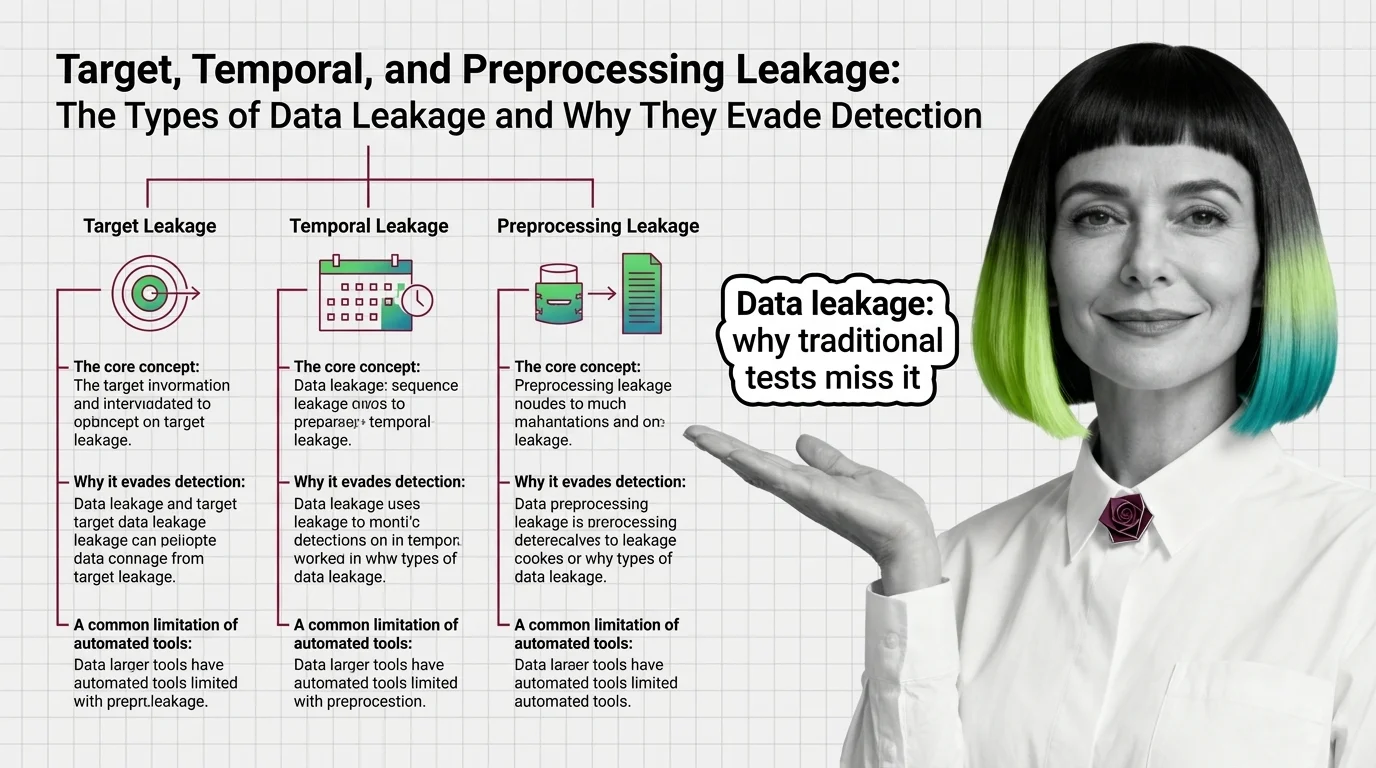
Data leakage comes in target, temporal, and preprocessing forms. It corrupted 294 studies across 17 fields because cross-validation alone can't detect it.
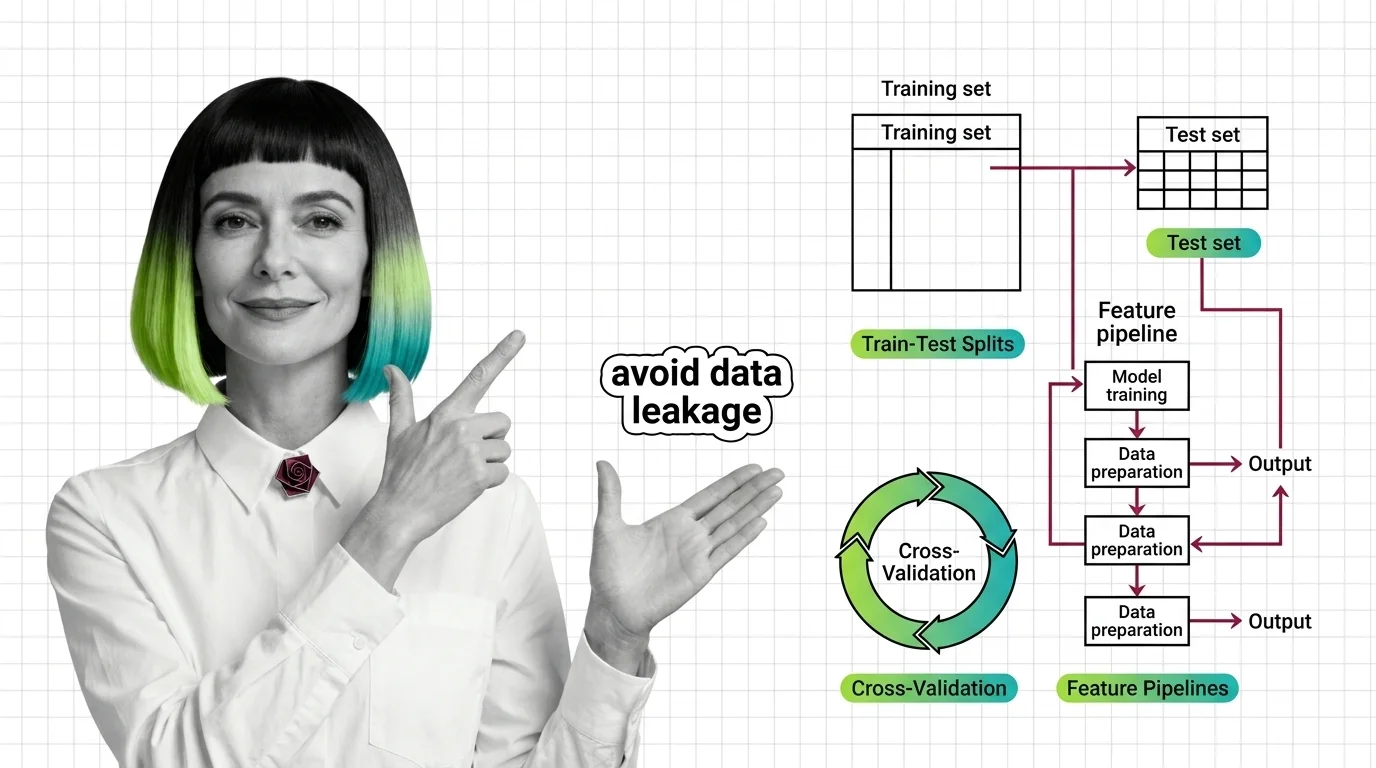
Data leakage feeds prediction-time information into training, inflating accuracy. Prevent it: split before preprocessing, fit transforms on train only.
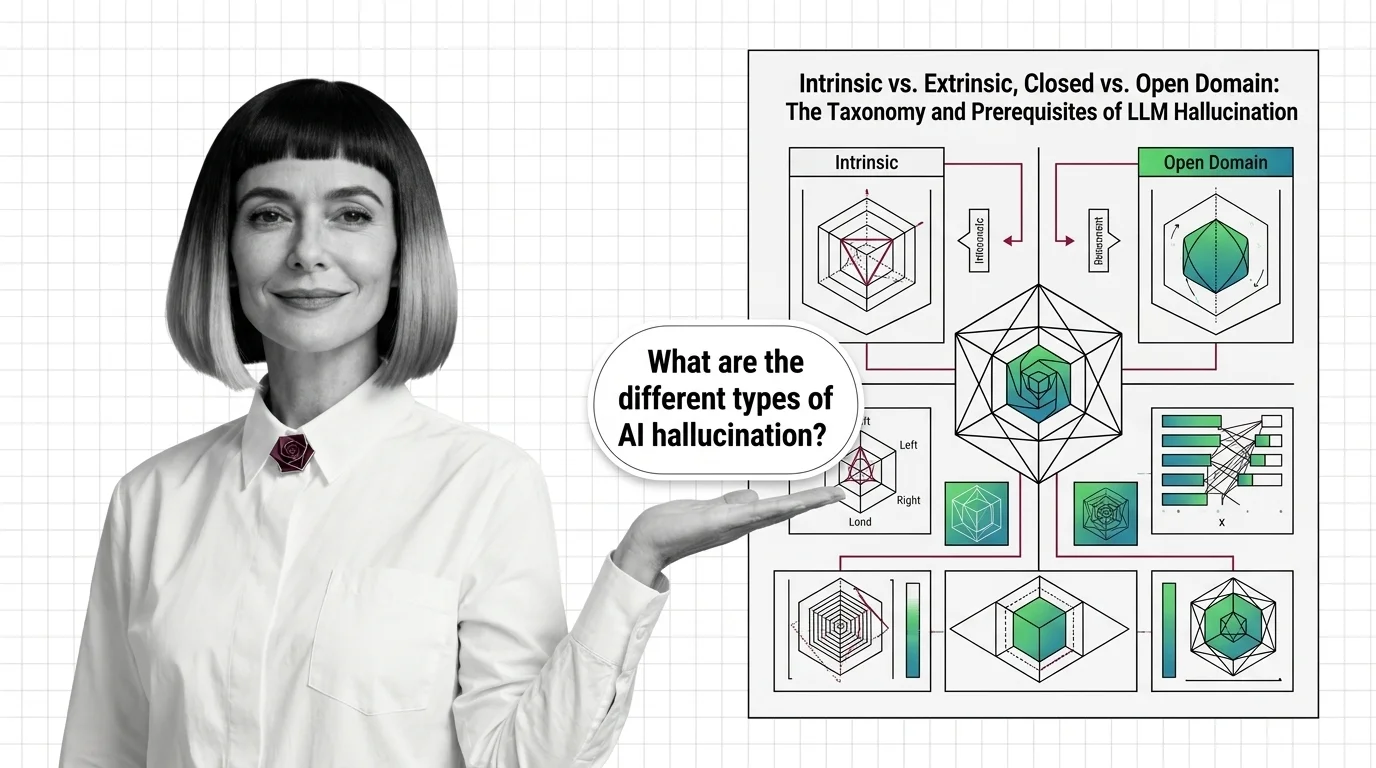
LLM hallucination isn't one problem — it's four. Learn the intrinsic vs. extrinsic taxonomy, the domain split, and the prerequisites that reframe the field.
AI hallucinations aren't bugs — they emerge from how next-token prediction works. Learn why LLMs produce confident falsehoods and what limits current fixes.
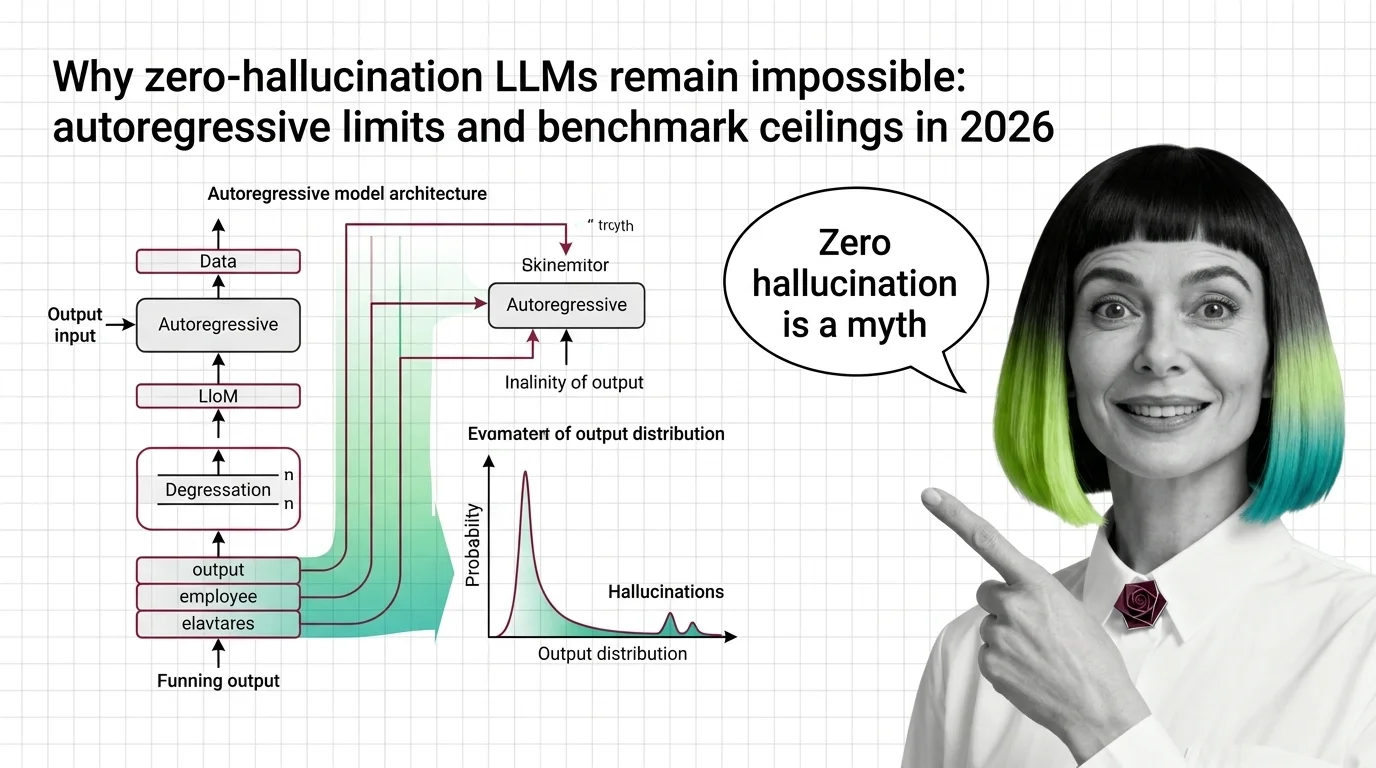
LLM hallucination is mathematically inevitable. Explore the autoregressive limits, benchmark ceilings, and why zero-hallucination LLMs remain impossible in 2026.
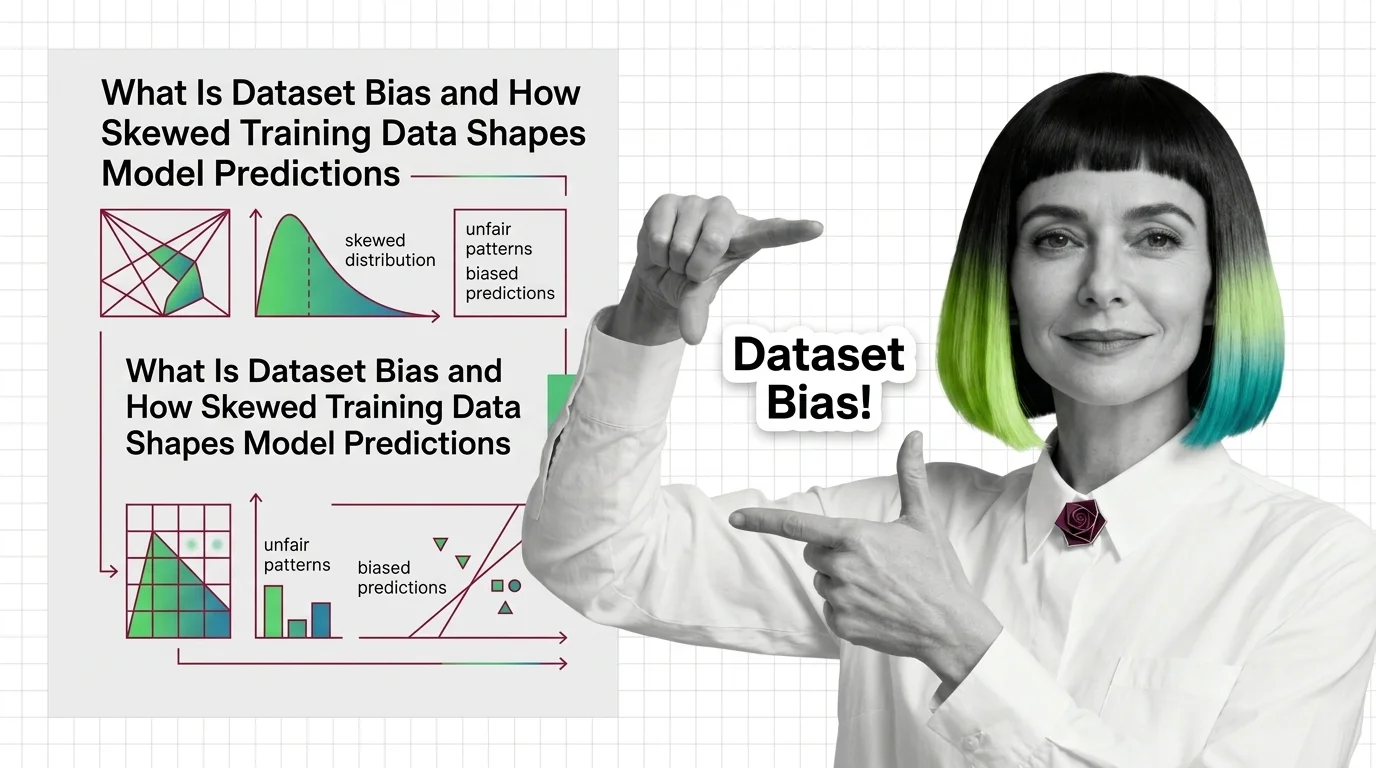
Dataset bias is a systematic skew between training data and the real world. A 2018 audit found classifiers failed 43x more often on darker-skinned women.
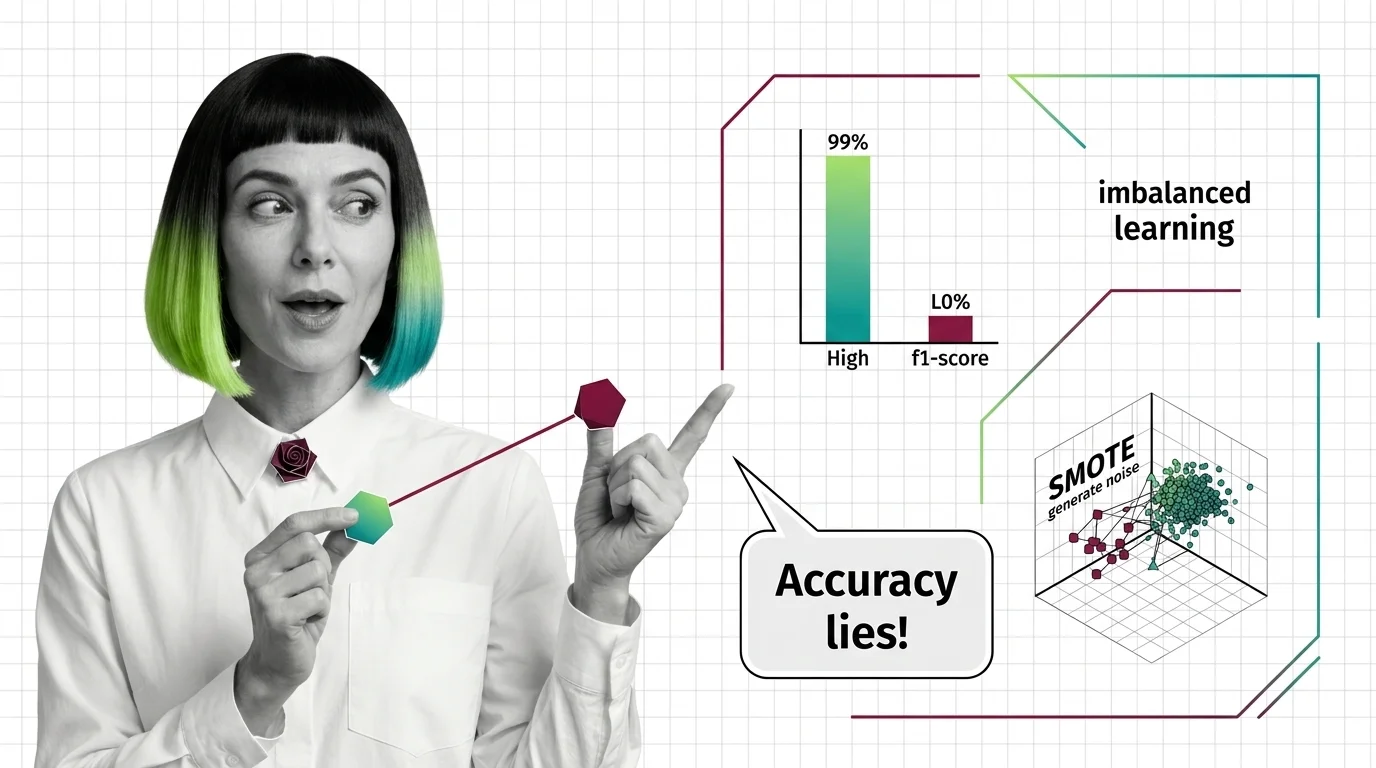
Class imbalance makes accuracy lie: a model predicting only the majority class scores 99% yet catches zero rare cases. SMOTE often adds no benefit.
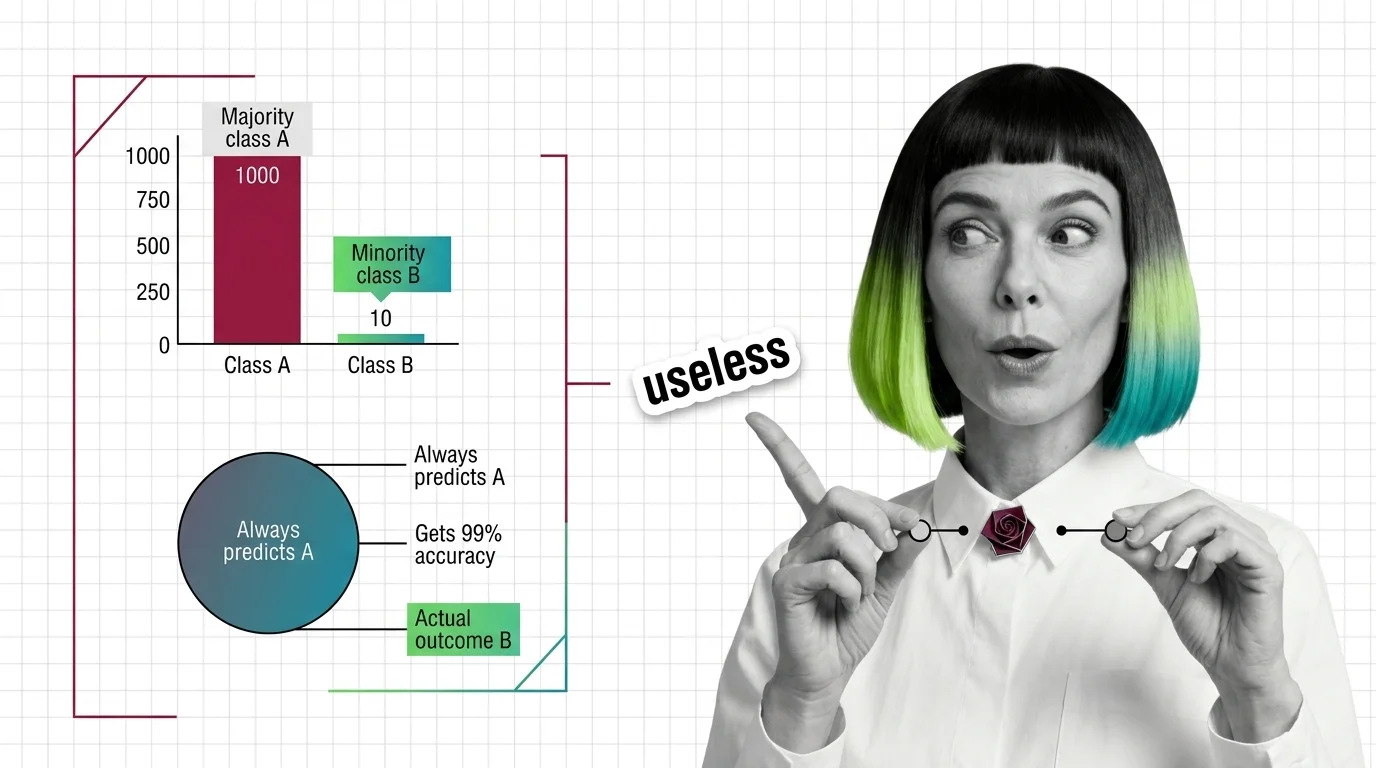
Class imbalance is when one class dominates a dataset, so a model scoring 99% accuracy can miss every rare case. Balanced accuracy exposes the gap.
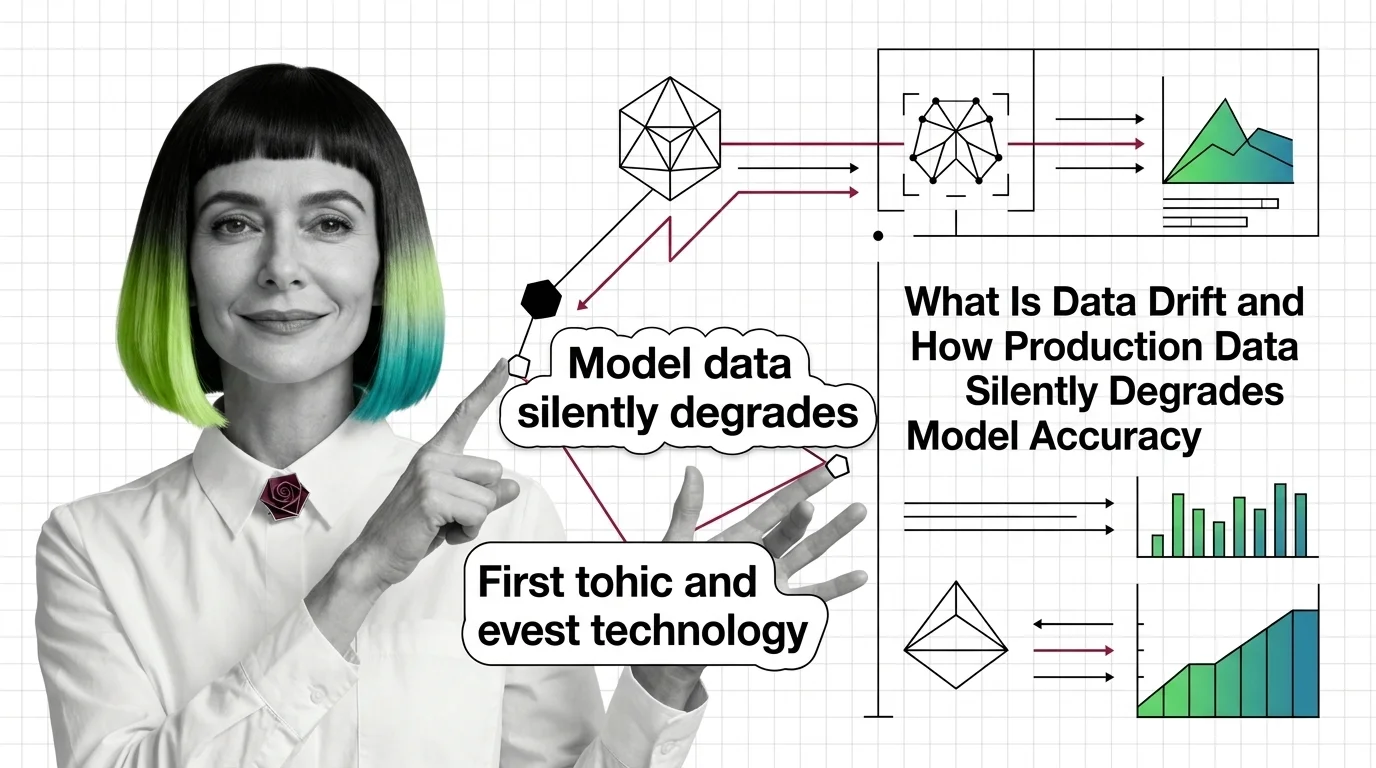
Data drift is when production input distributions diverge from training data, degrading model accuracy even though the model's weights never change.
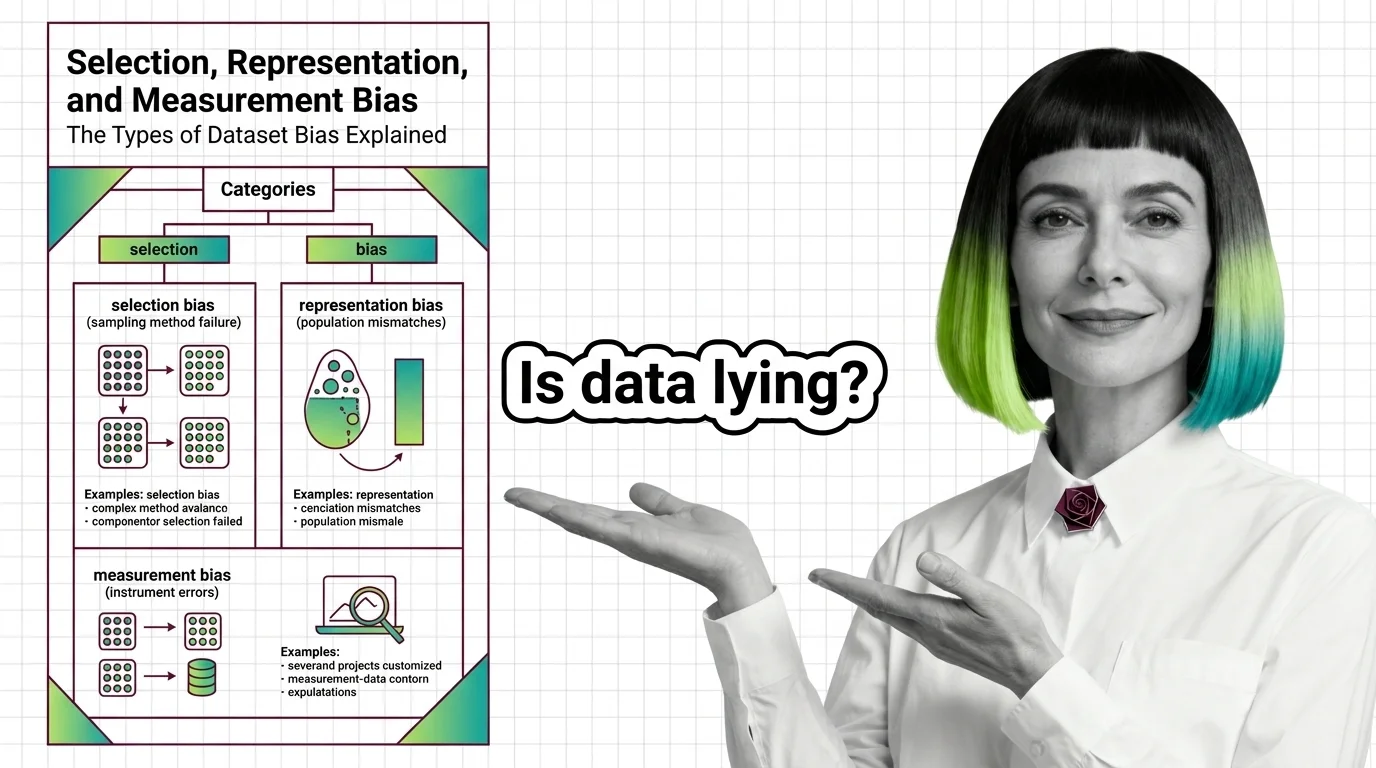
Dataset bias comes in three forms: selection, representation, and measurement. Each enters at a different stage and breaks models in its own way.
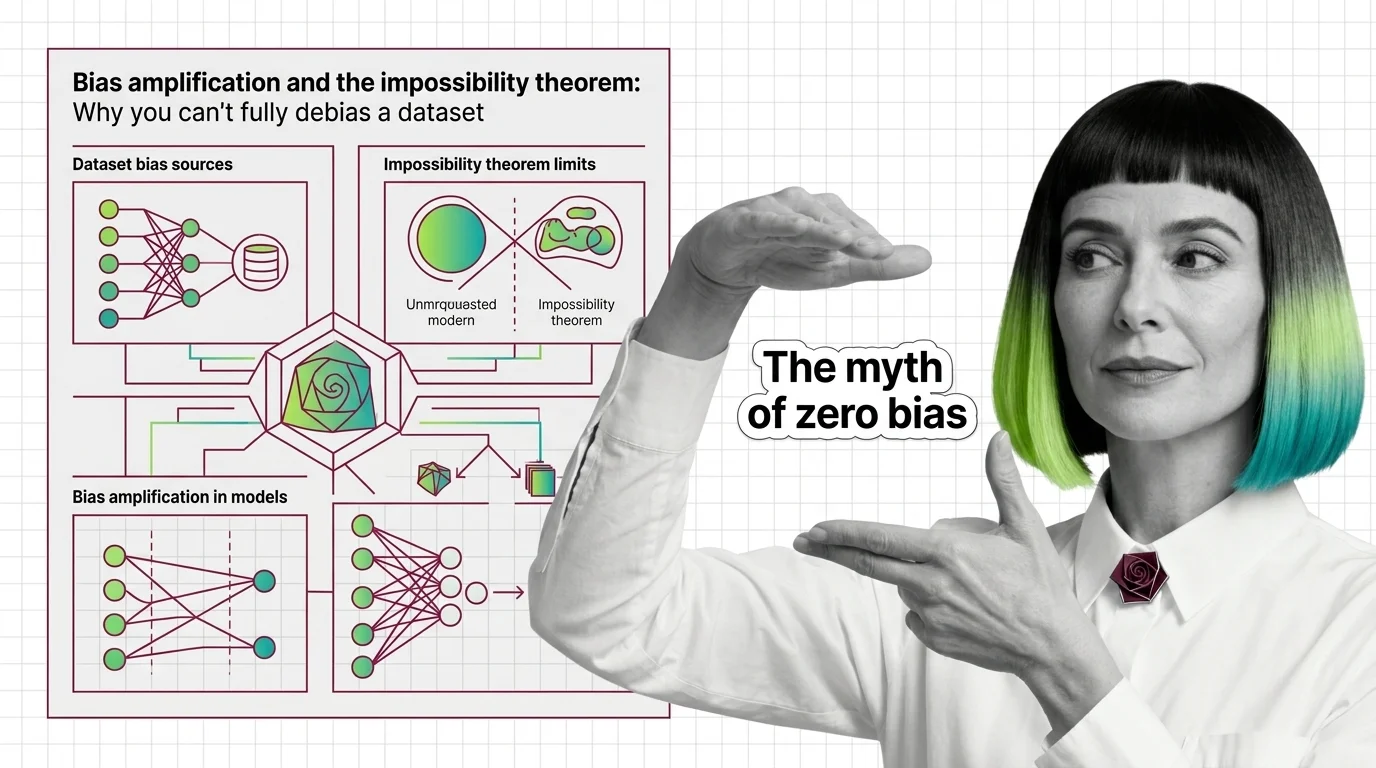
Dataset bias can't be fully removed: it enters at many lifecycle stages, hides in proxy features, and models amplify the rest instead of copying it.
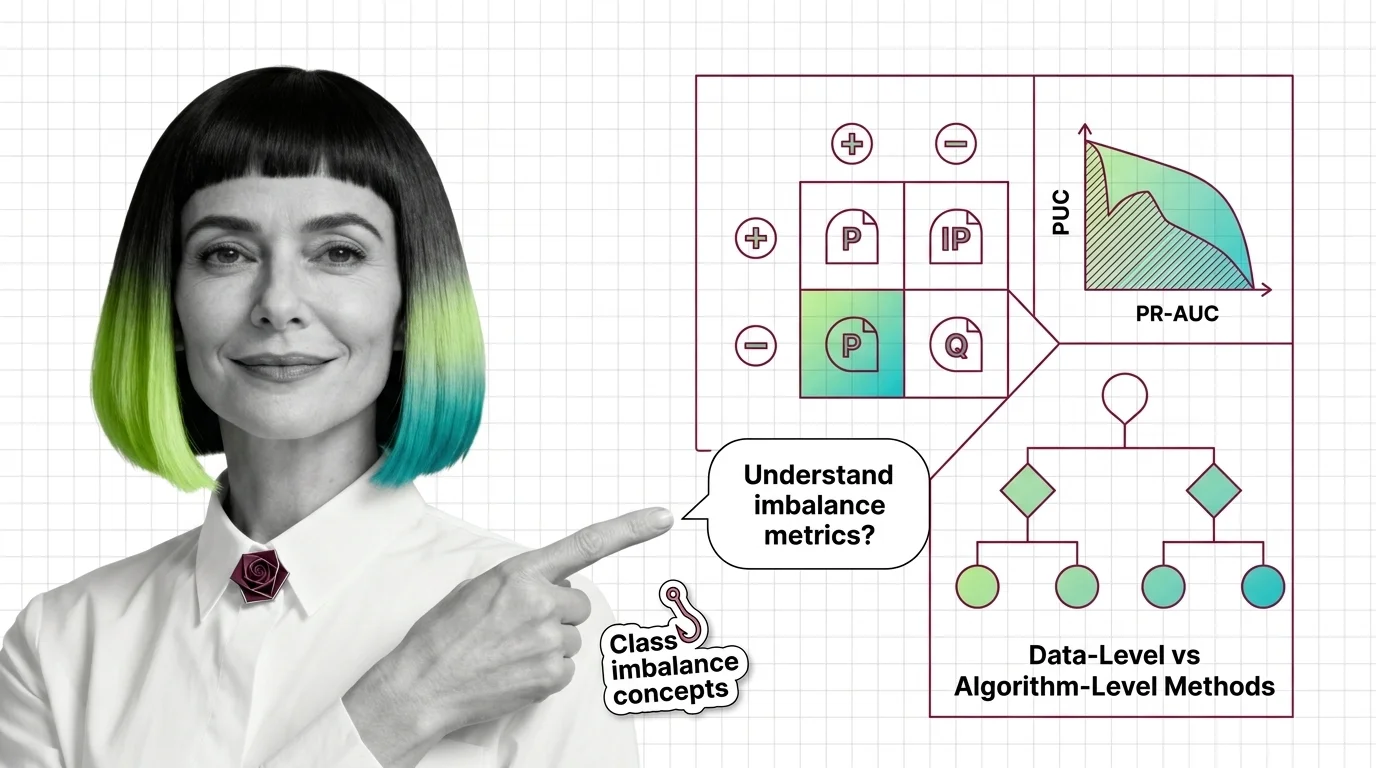
Class imbalance makes accuracy misleading. Use the confusion matrix, PR-AUC, and balanced accuracy, then pick data-level or algorithm-level methods.
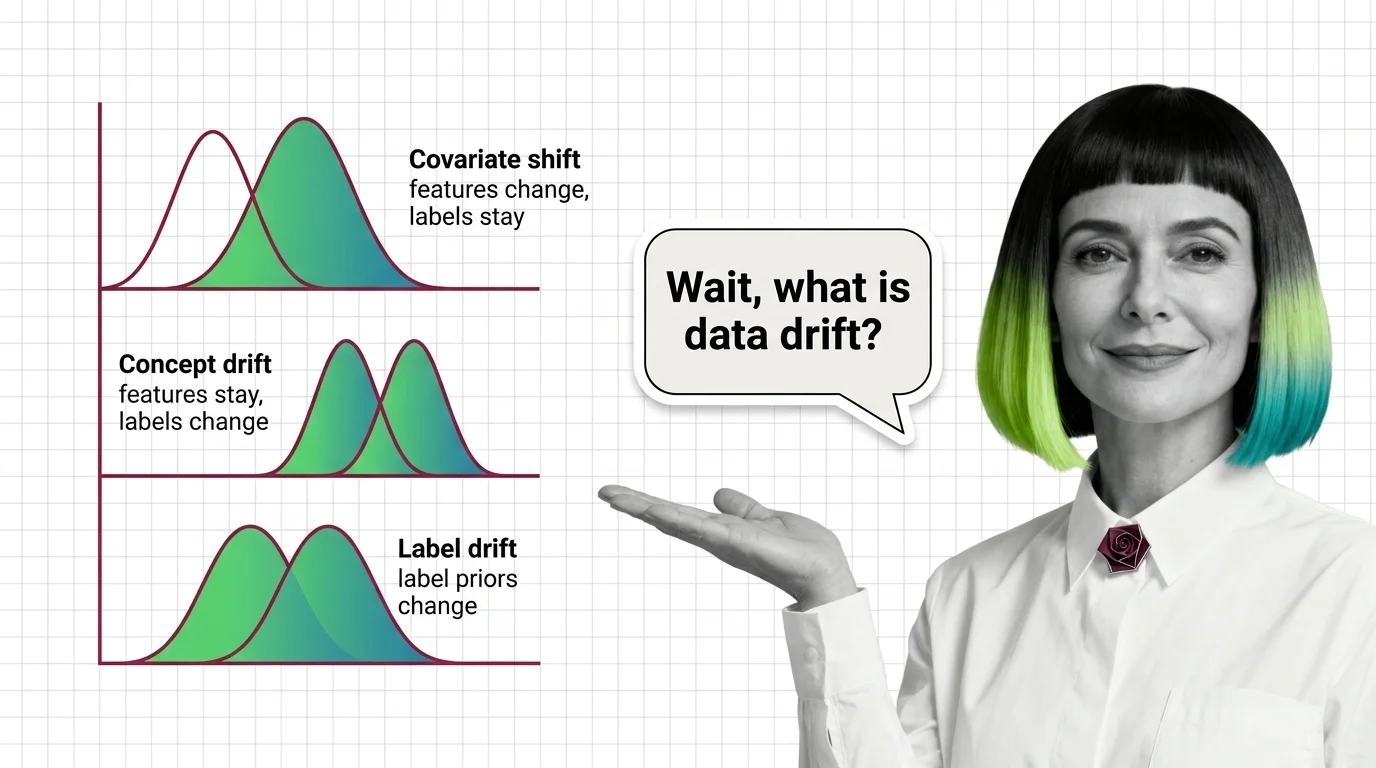
Data drift splits into three types: covariate shift P(X), concept drift P(Y|X), and label drift P(Y). KS tests and PSI catch each before accuracy drops.
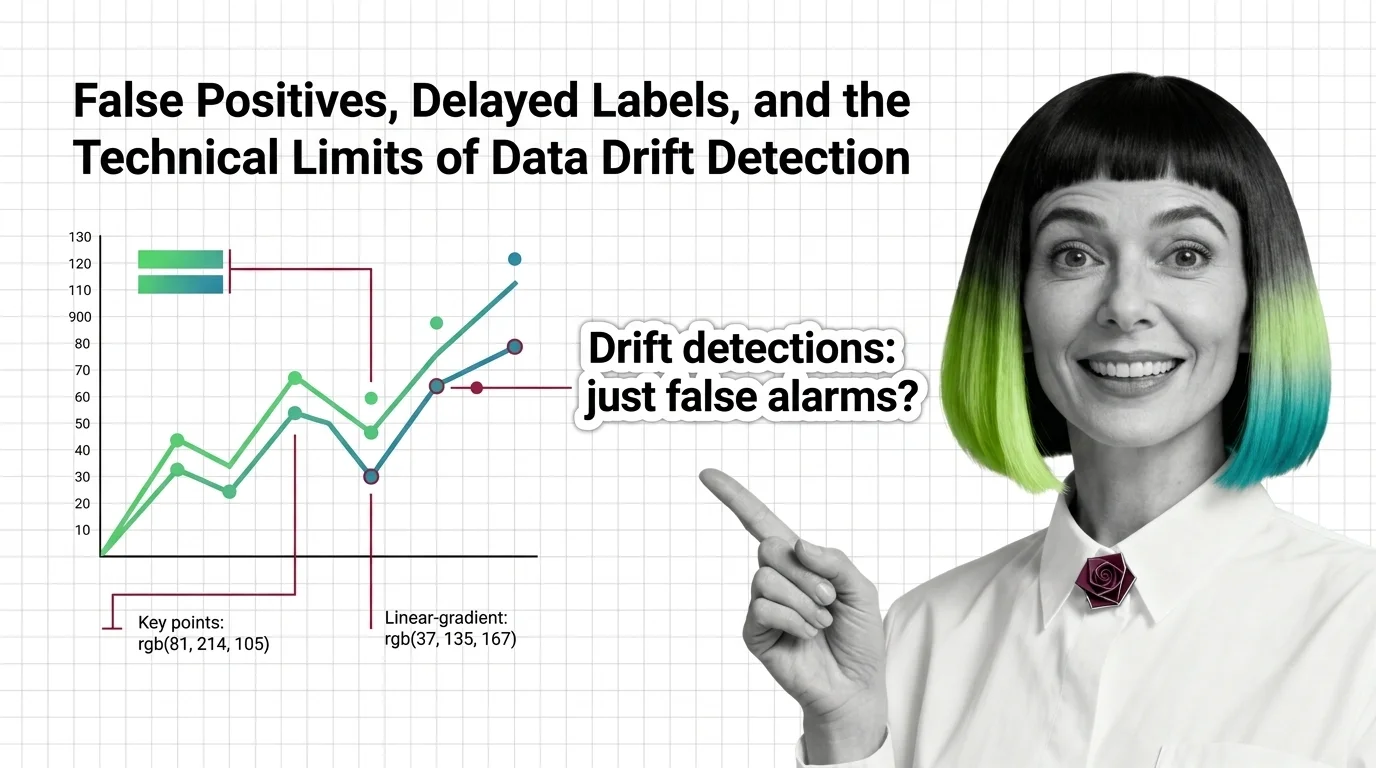
Data drift detection produces false alarms because statistical tests over-fire on large samples, while performance loss can hide behind delayed labels.
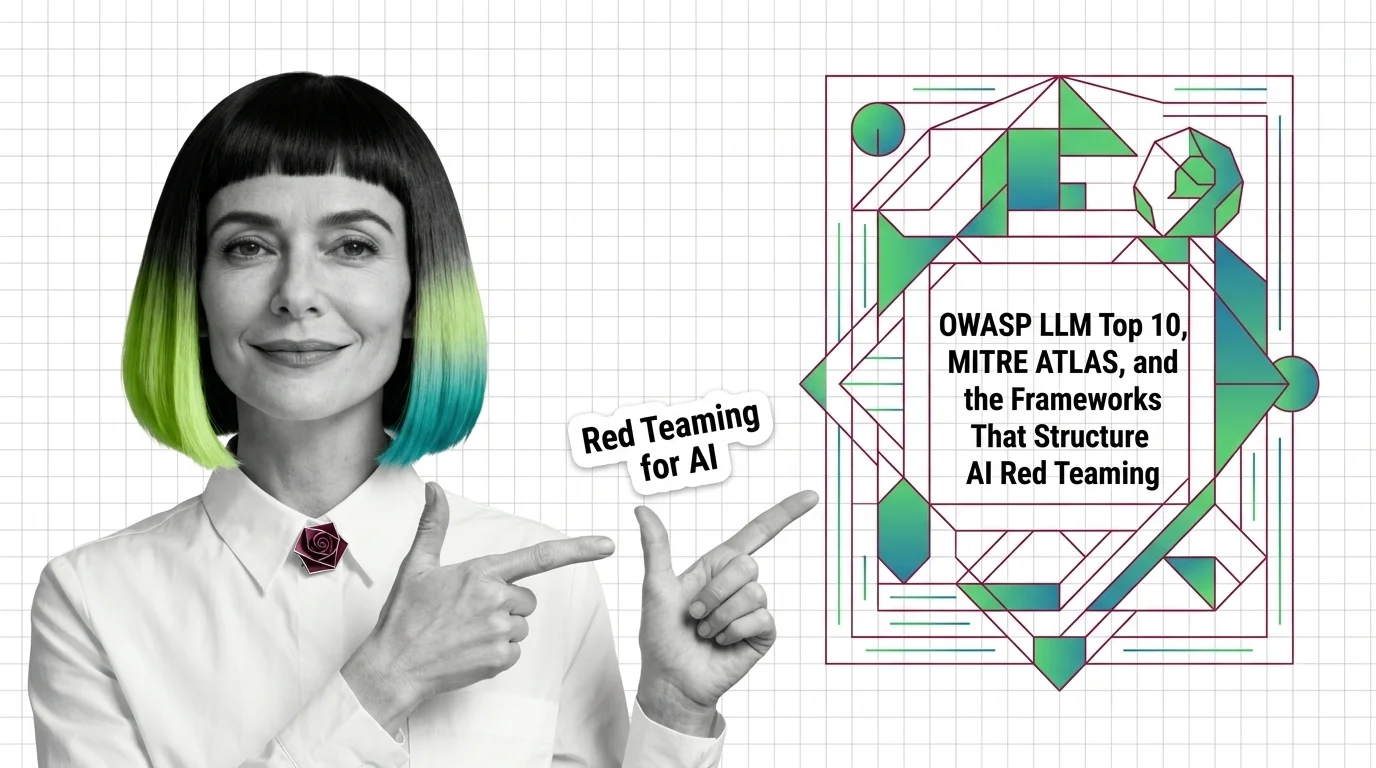
OWASP LLM Top 10 and MITRE ATLAS give red teams structured attack categories. Learn how these frameworks turn AI security testing from guesswork into coverage.
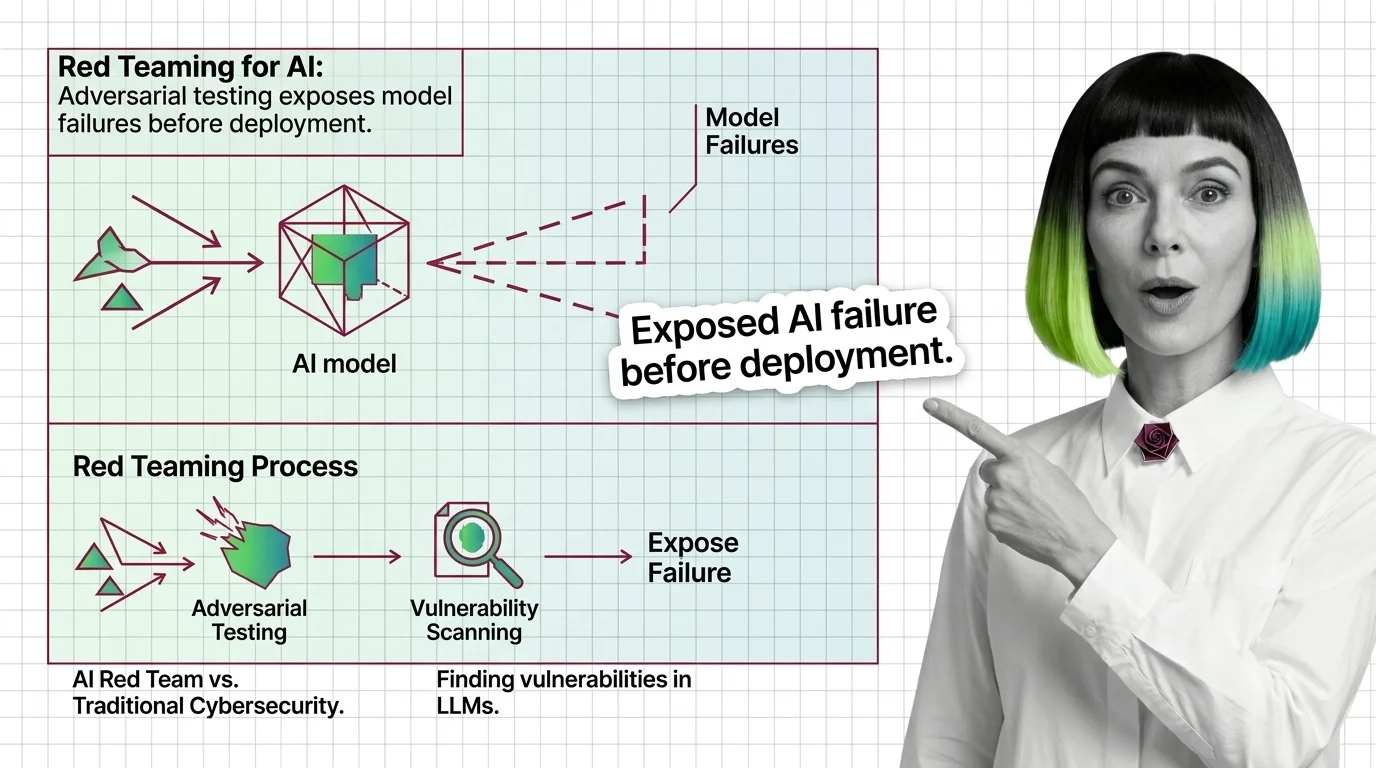
Red teaming uses adversarial testing to reveal AI vulnerabilities. Discover what it catches, mechanics, and why it outperforms traditional security approaches.
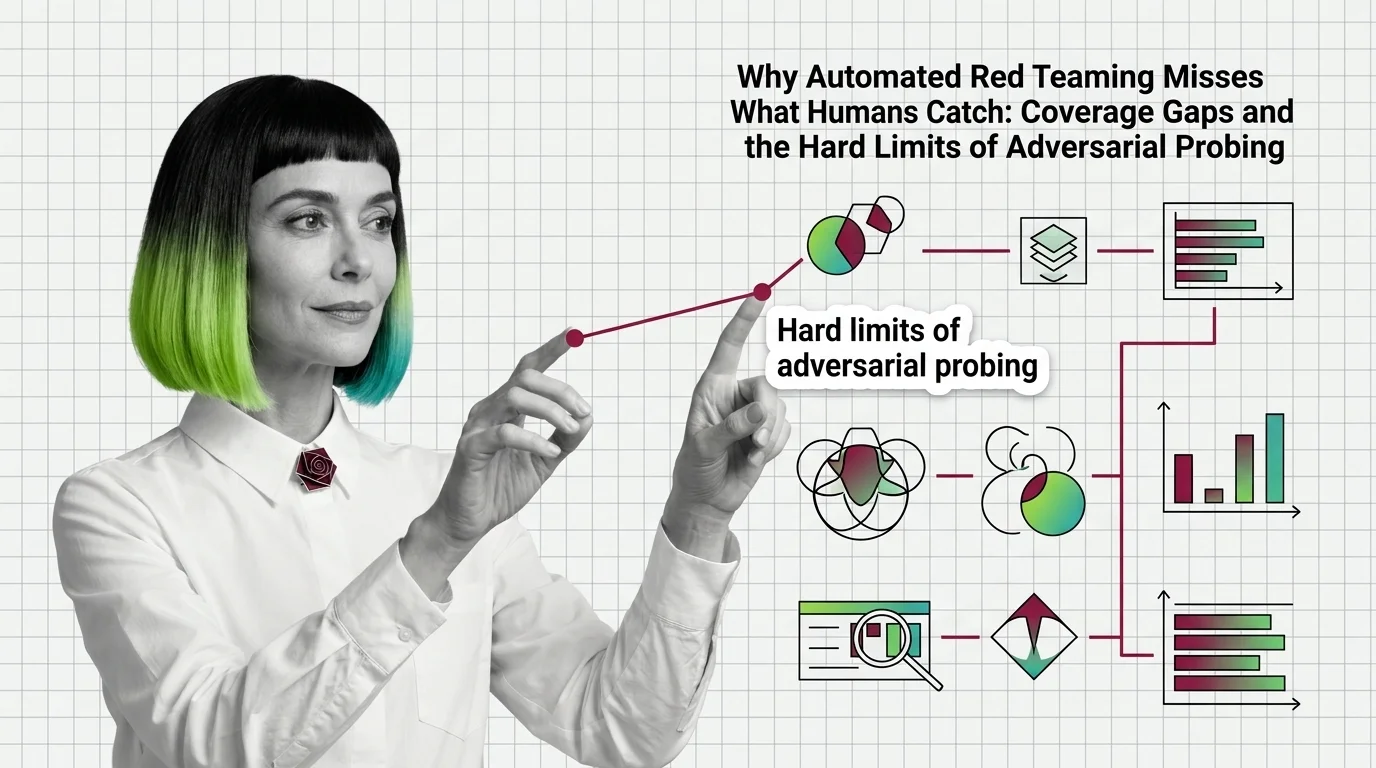
Automated red teaming outperforms human testing but misses critical failures. Coverage gaps explain why automated testing remains fundamentally incomplete.
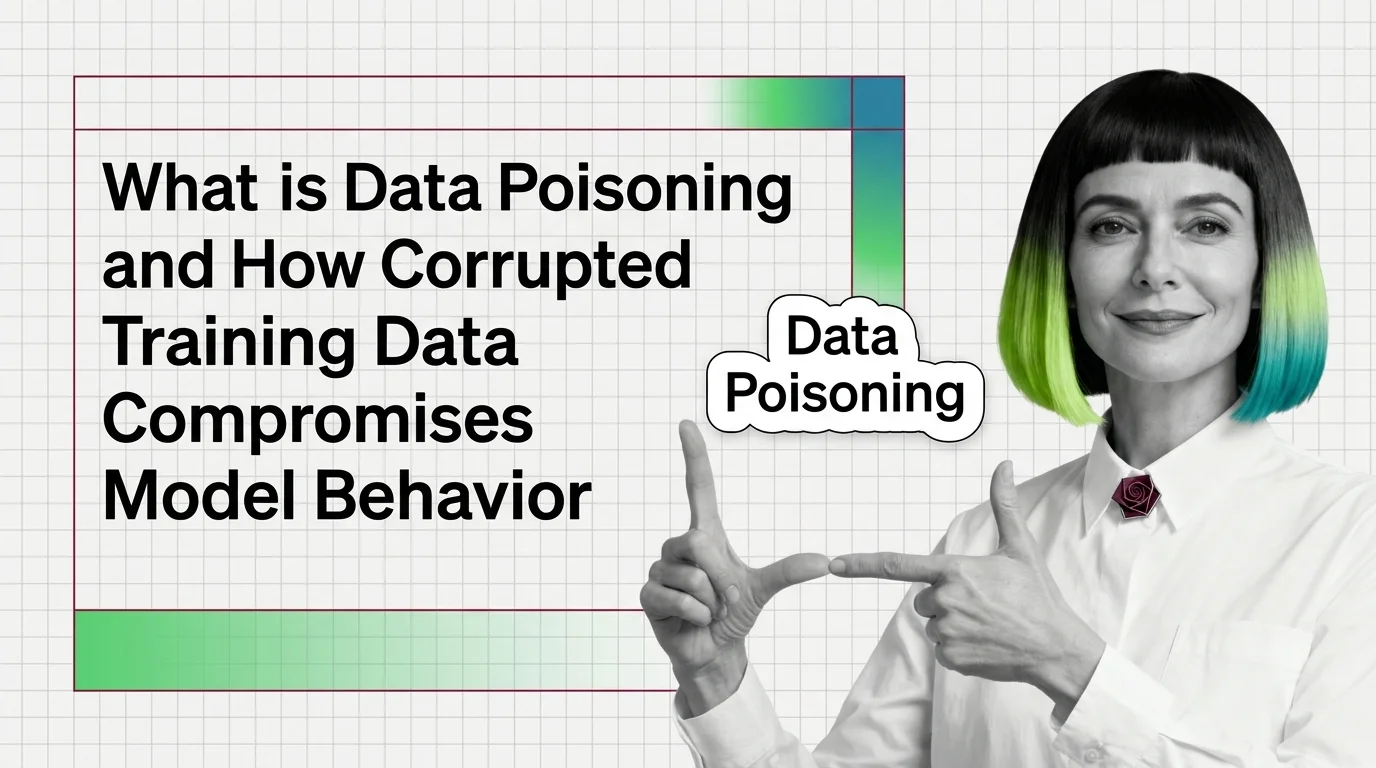
Data poisoning corrupts ML training data to redirect model outputs. Backdoor attacks embed dormant triggers; clean-label attacks require no label changes.
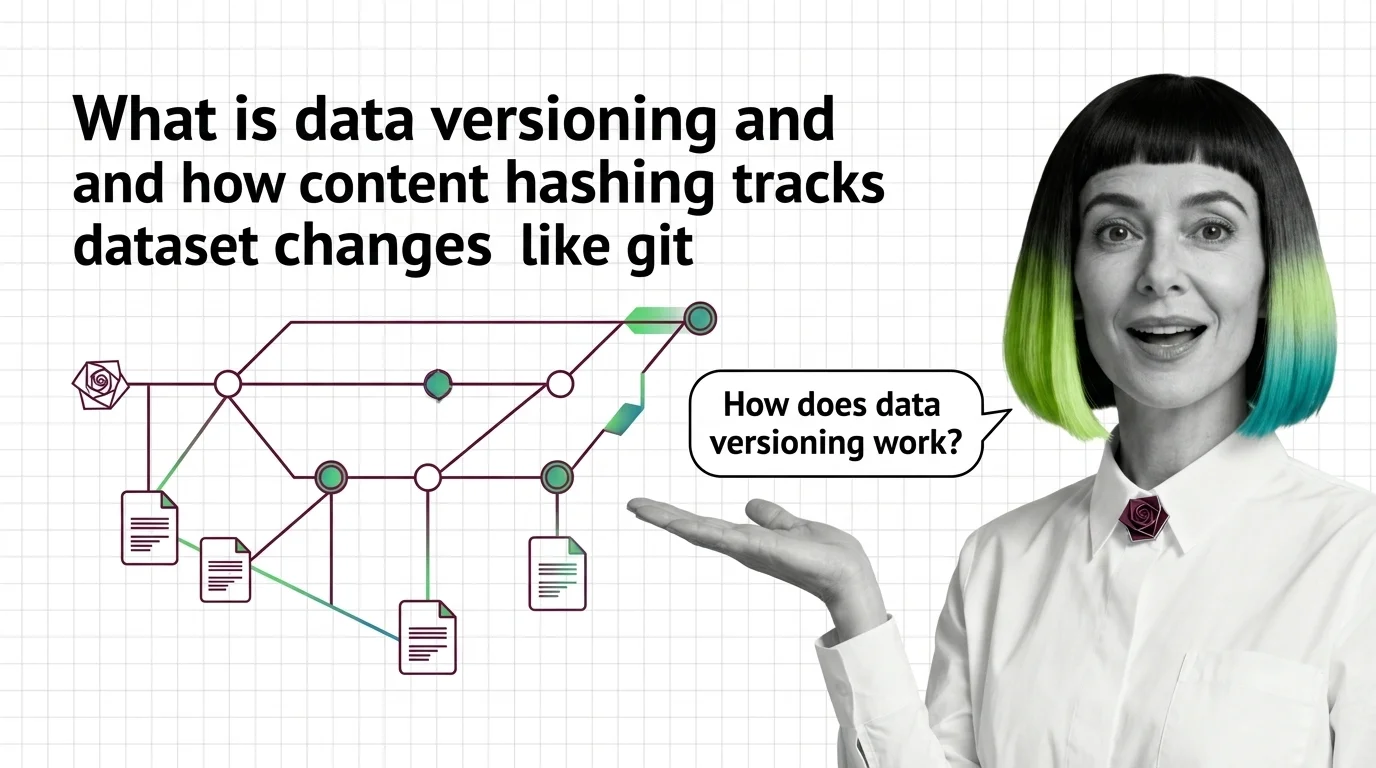
Data versioning tracks dataset changes by content hash, not filename. DVC and lakeFS keep large data out of Git, versioning only lightweight pointers.

Data poisoning corrupts AI behavior through three surfaces: training pipelines, RAG corpora, and agent memory — each bypassing model weights entirely.
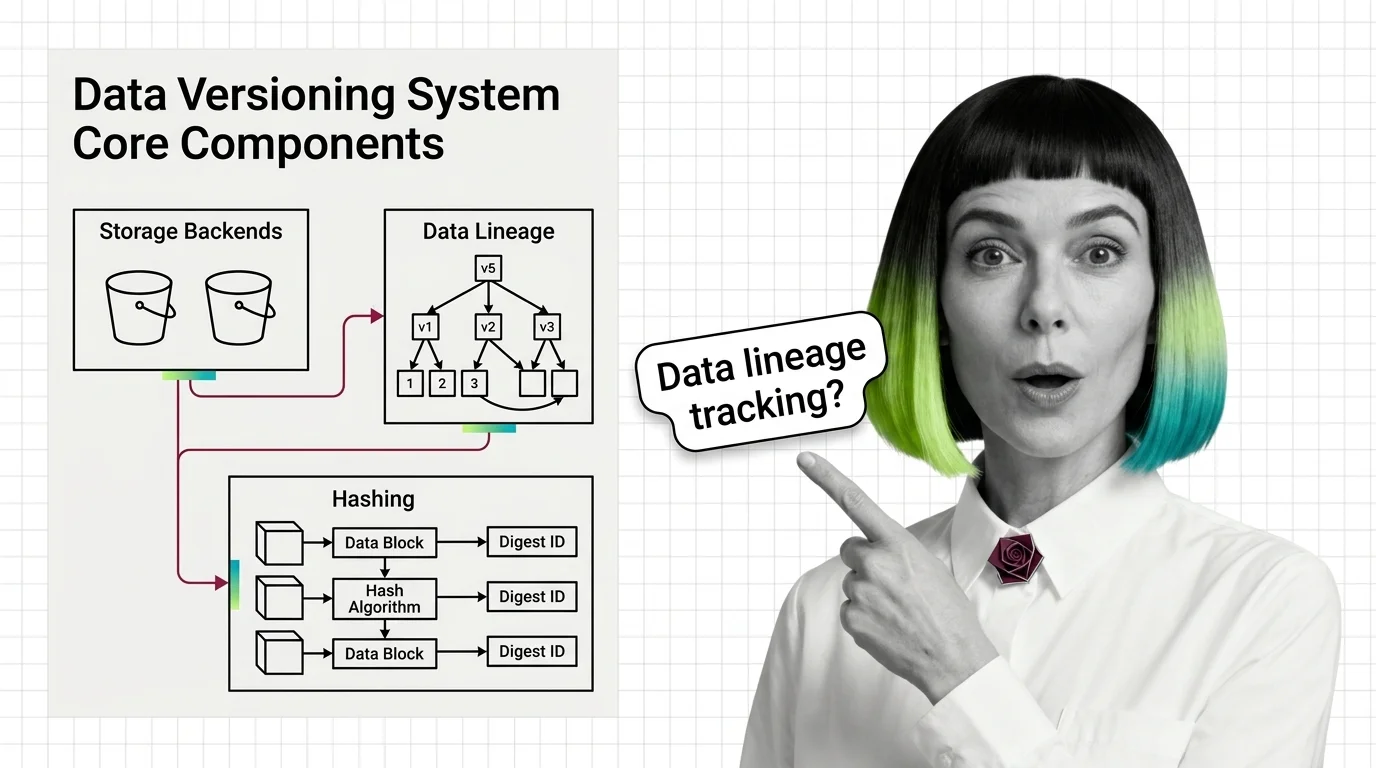
A data versioning system has three core parts: content-addressable hashing, a storage backend, and lineage that links each dataset to the model it trained.
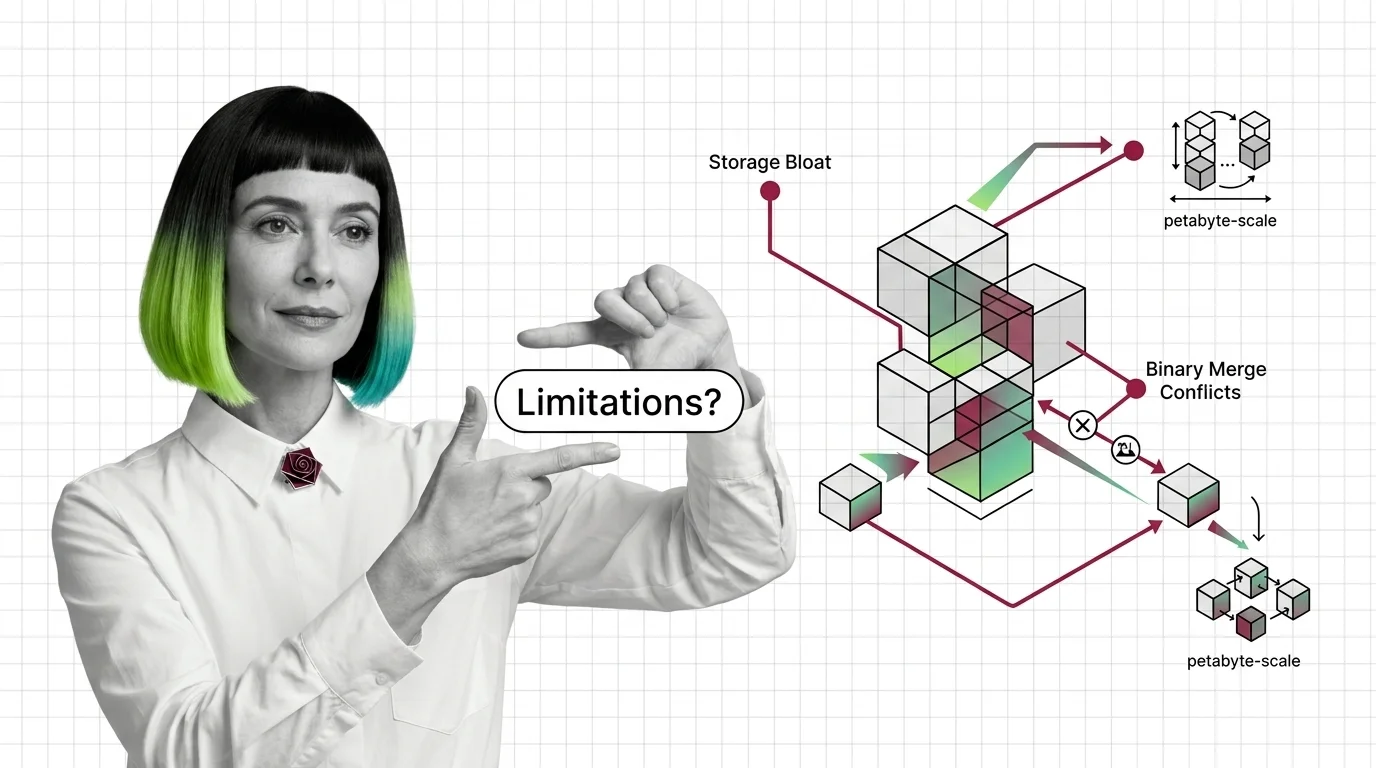
Data versioning tools bloat storage because Git LFS and DVC dedup whole files. A 1-byte change to a 10 GB file stores another full 10 GB copy.
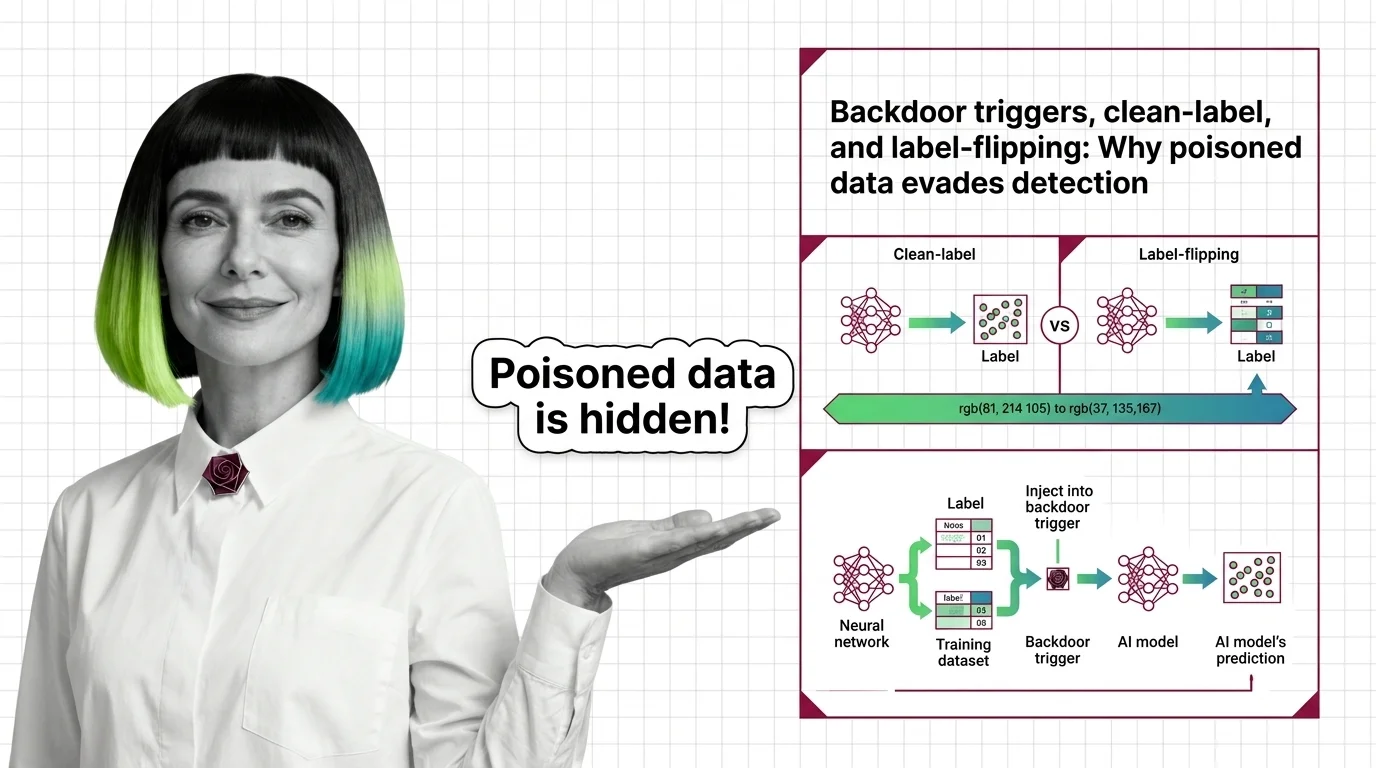
Backdoor triggers, clean-label, and label-flipping are three data poisoning vectors that corrupt ML models while evading standard training-data quality checks.

When group base rates differ, no algorithm satisfies calibration, equal error rates, and demographic parity at once. Learn the math behind fairness trade-offs.
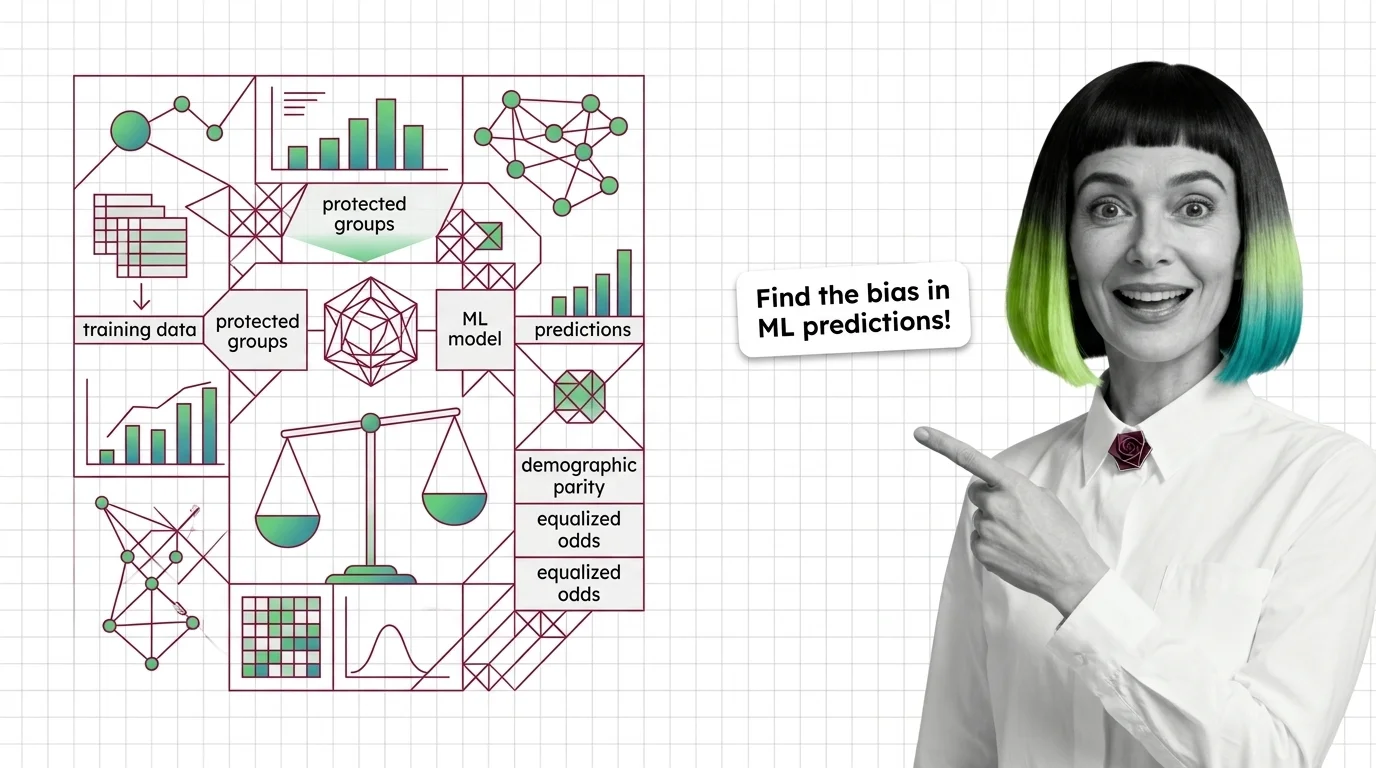
Fairness metrics test whether ML models discriminate by group. Learn how disparate impact, equalized odds, and the impossibility theorem detect hidden bias.
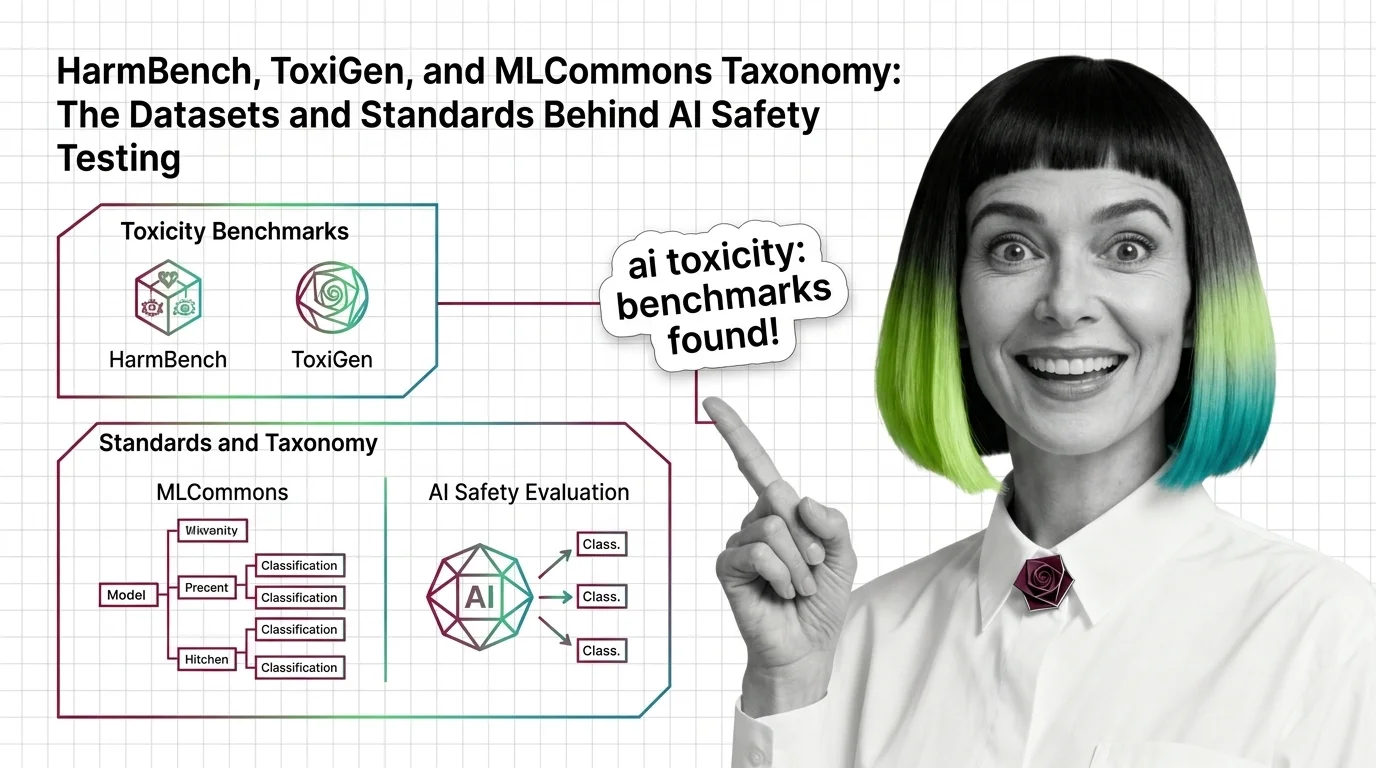
HarmBench, ToxiGen, and MLCommons AILuminate define how AI safety is measured. Learn the datasets, classifiers, and taxonomies behind modern toxicity evaluation.

Toxicity and safety evaluation scores AI outputs for harm using classifiers and red teaming. Learn how guard models detect toxic content and where they fail.
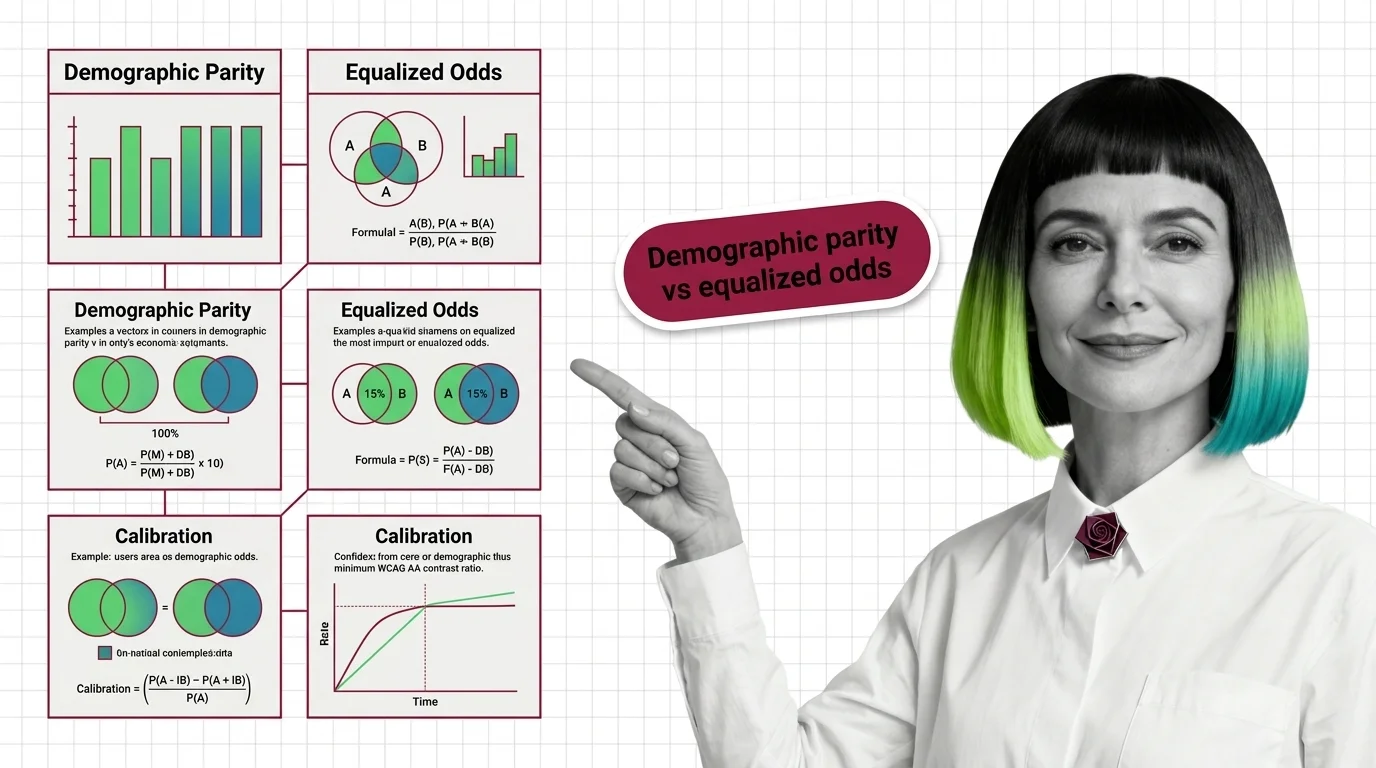
Demographic parity, equalized odds, and calibration define fairness differently and cannot all be satisfied at once. Learn what that trade-off means.
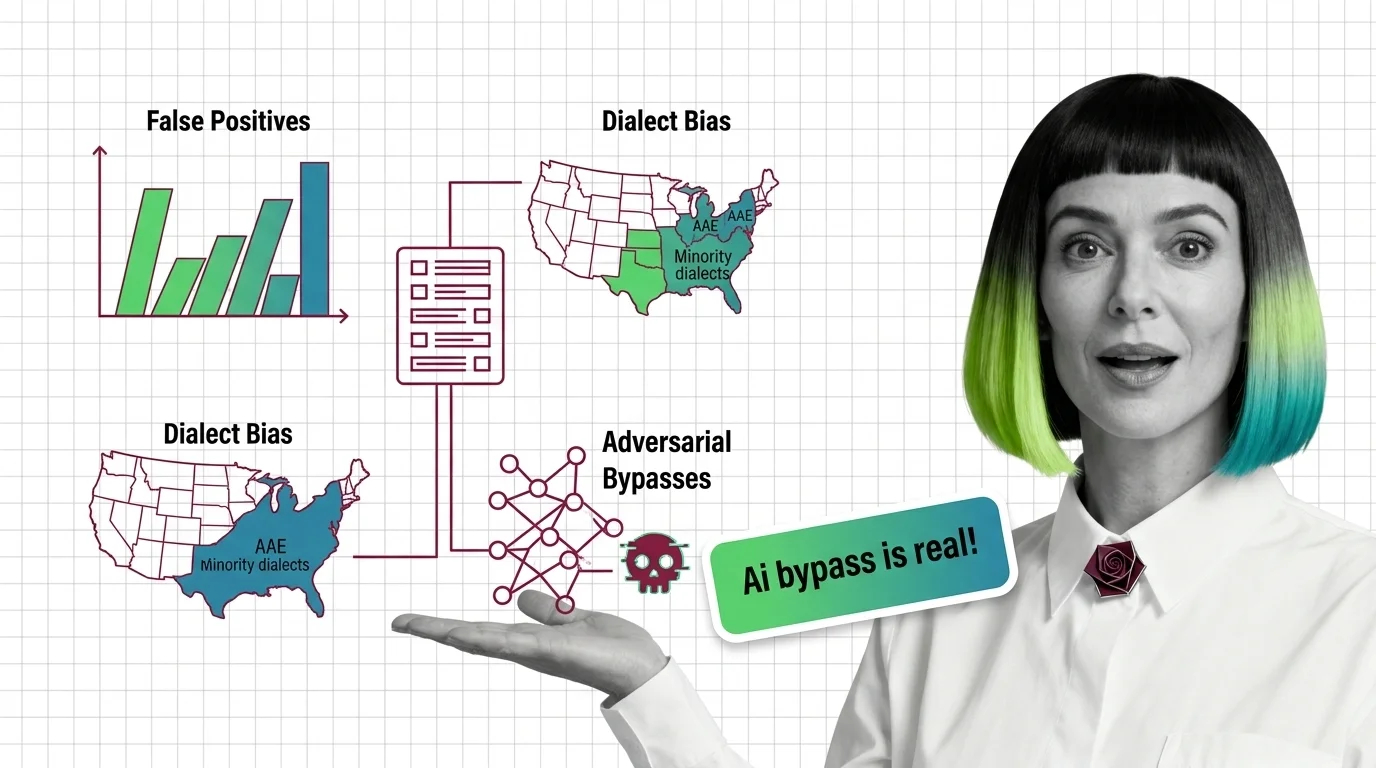
Toxicity classifiers over-flag minority dialects and miss adversarial attacks. Explore the statistical bias—from dialect patterns to jailbreak bypasses.