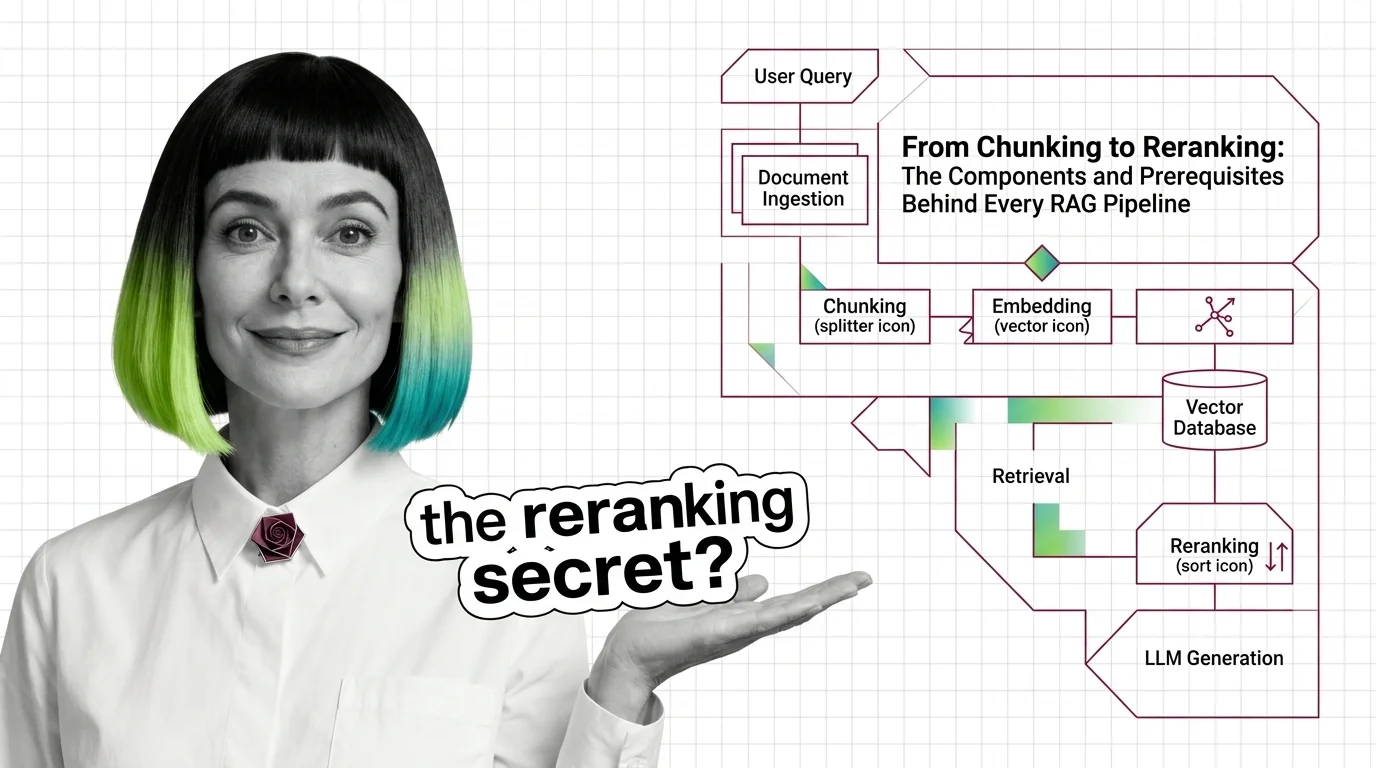
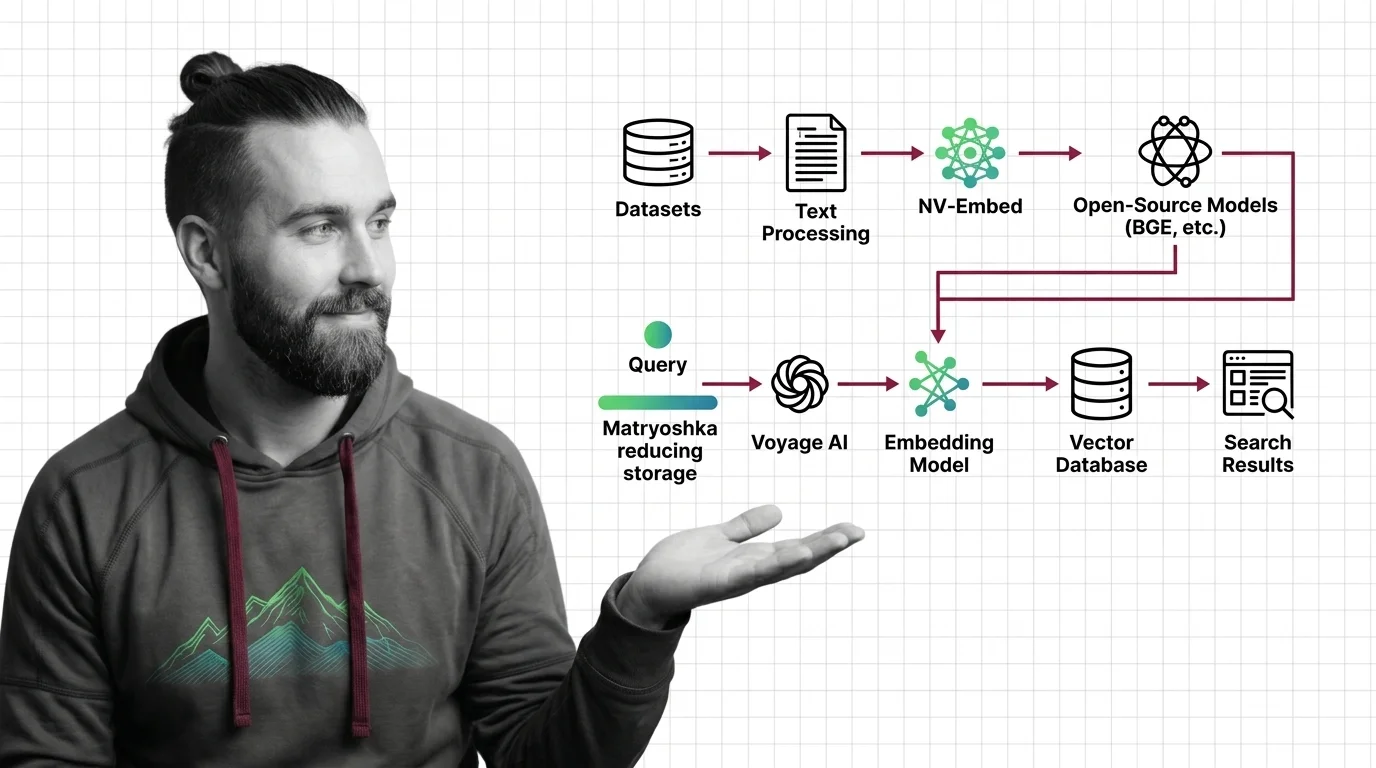
Retrieval-augmented generation (RAG) is an architecture that answers a question by first fetching relevant text from an external knowledge source and then handing that text to a language model as grounding, so the answer is built from retrieved facts instead of the model’s frozen training data. The theme spans the full pipeline — turning documents into vectors, storing and searching them, sharpening what comes back, and checking that the final answer stays faithful to what was actually retrieved. This page maps that pipeline: what to read first, what each piece is for, and where the pieces get confused with each other.
RAG is not one technology but a pipeline of swappable stages; most production failures trace to a weak stage, not a weak model.
Retrieval quality is won or lost early — in how text becomes vectors and how those vectors are searched — long before the LLM sees anything.
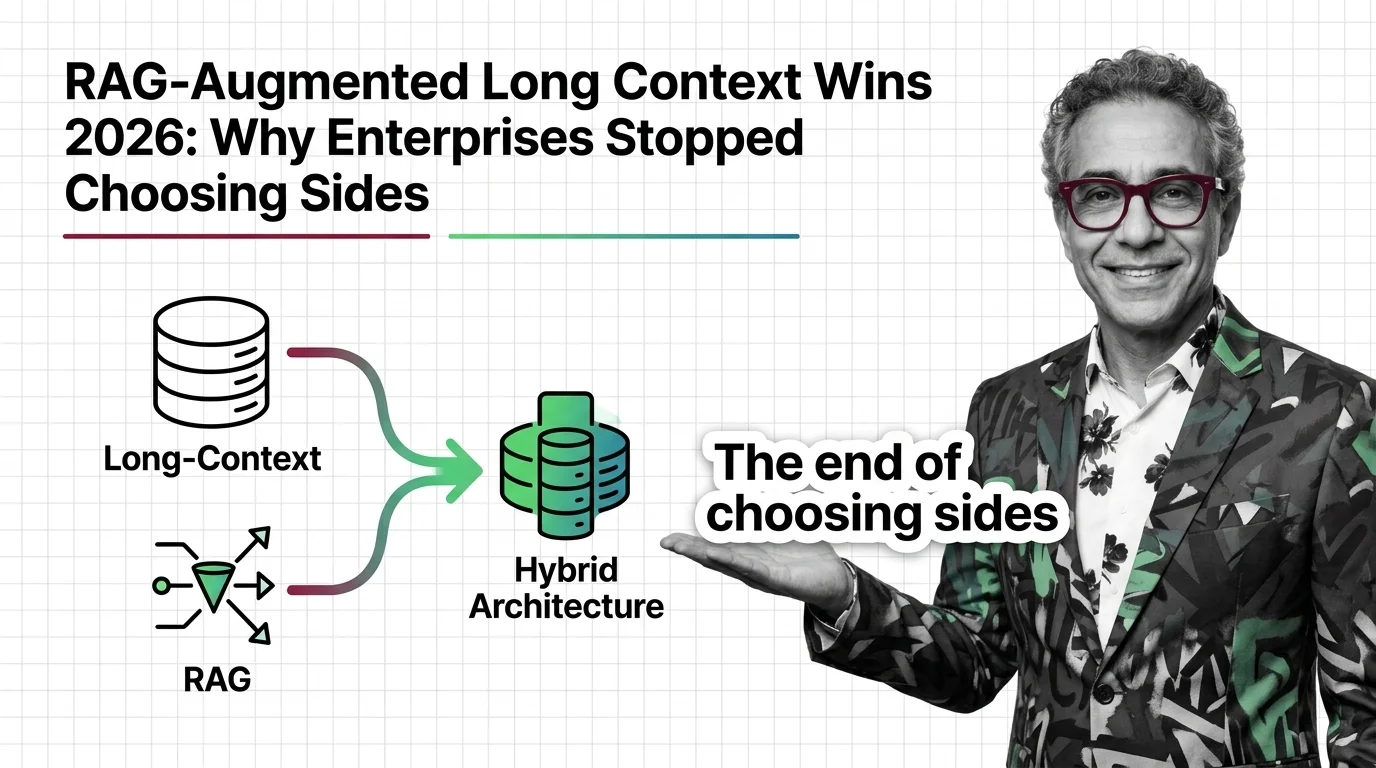
The 2026 debate is no longer “RAG or not” but “which retrieval architecture per query”: classic RAG, agentic retrieval, and long-context each own a lane.
This theme has three tiers: five foundations, five core pipeline stages, five production-and-beyond topics. Read them in that order.
Why retrieval-augmented generation matters for engineers moving into AI
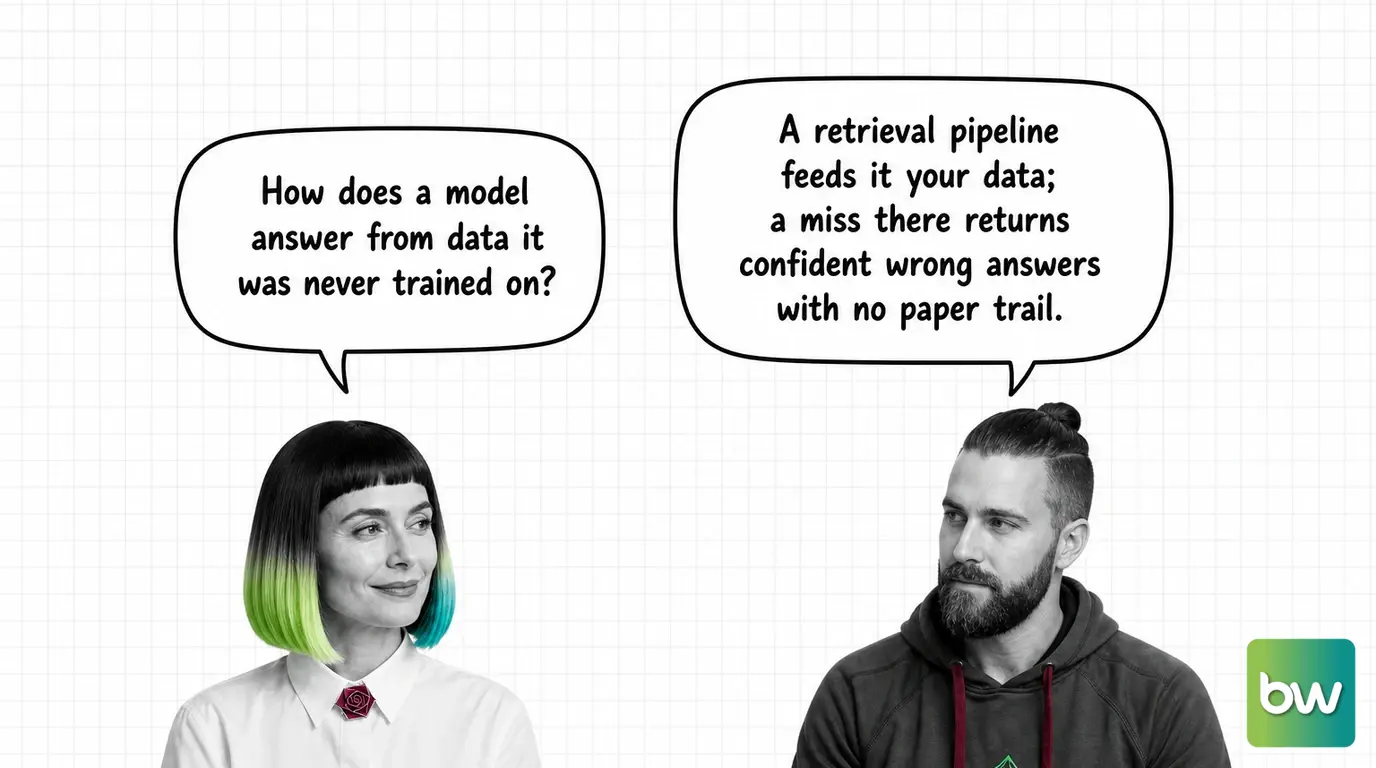
A language model on its own is a closed book: it can only answer from what it memorised during training, it cannot cite a source, and it cannot know anything that happened after its cutoff. RAG is how teams make an LLM answer from their data — internal docs, a product catalogue, case law, a codebase — without retraining the model. For a developer, that reframes the problem from “prompt engineering” into something far more familiar: a data pipeline with retrieval, ranking, and quality gates, where each stage is measurable and each stage can be the bottleneck. The stakes are concrete — in regulated domains a retrieval miss is not a bad demo, it is a wrong answer delivered with full confidence and no paper trail.
RAG is a data pipeline where every stage is measurable.
Start here: vectors and search, the foundations of RAG
If RAG is new to you, five concepts carry everything else — and none of them requires an LLM to understand. Budget an evening for this tier; it repays itself every time a later article says “as the embeddings degrade” and you know exactly what that means.
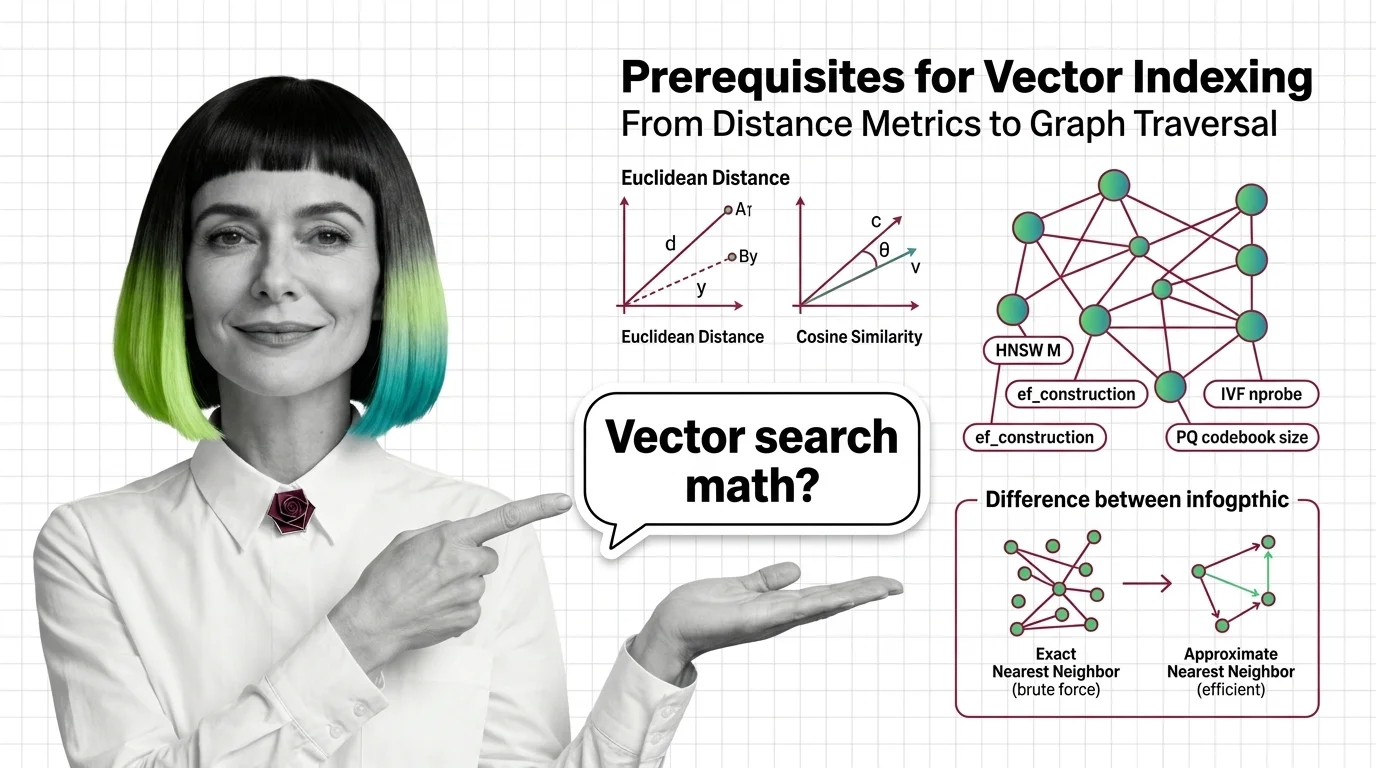
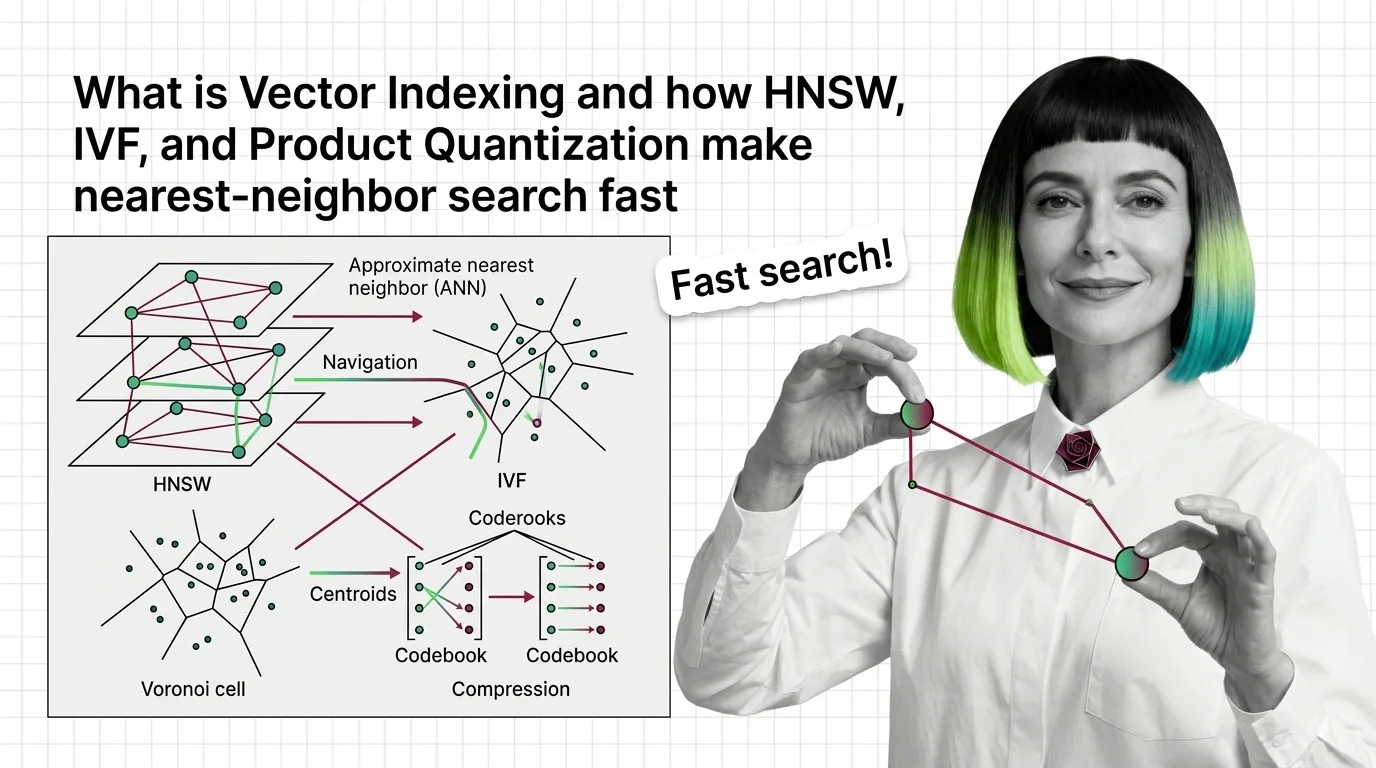
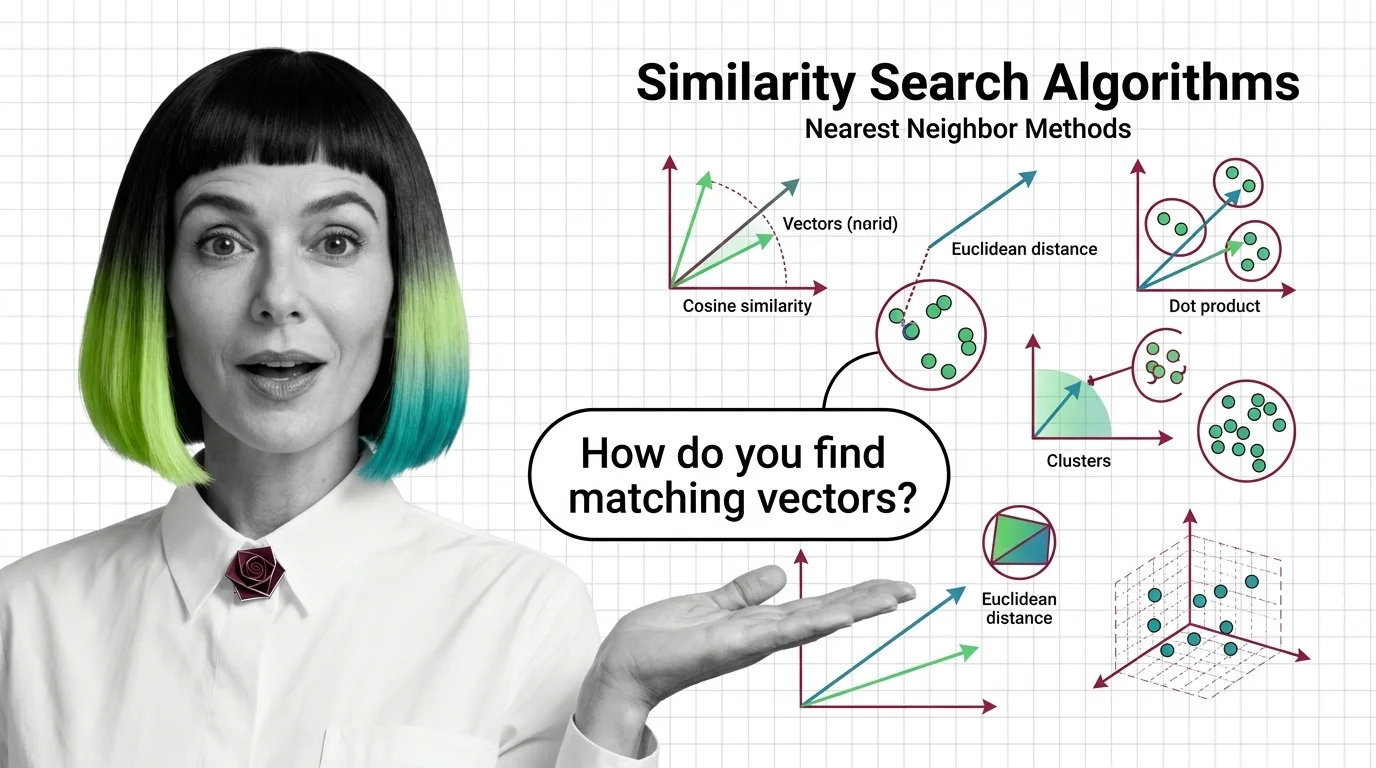
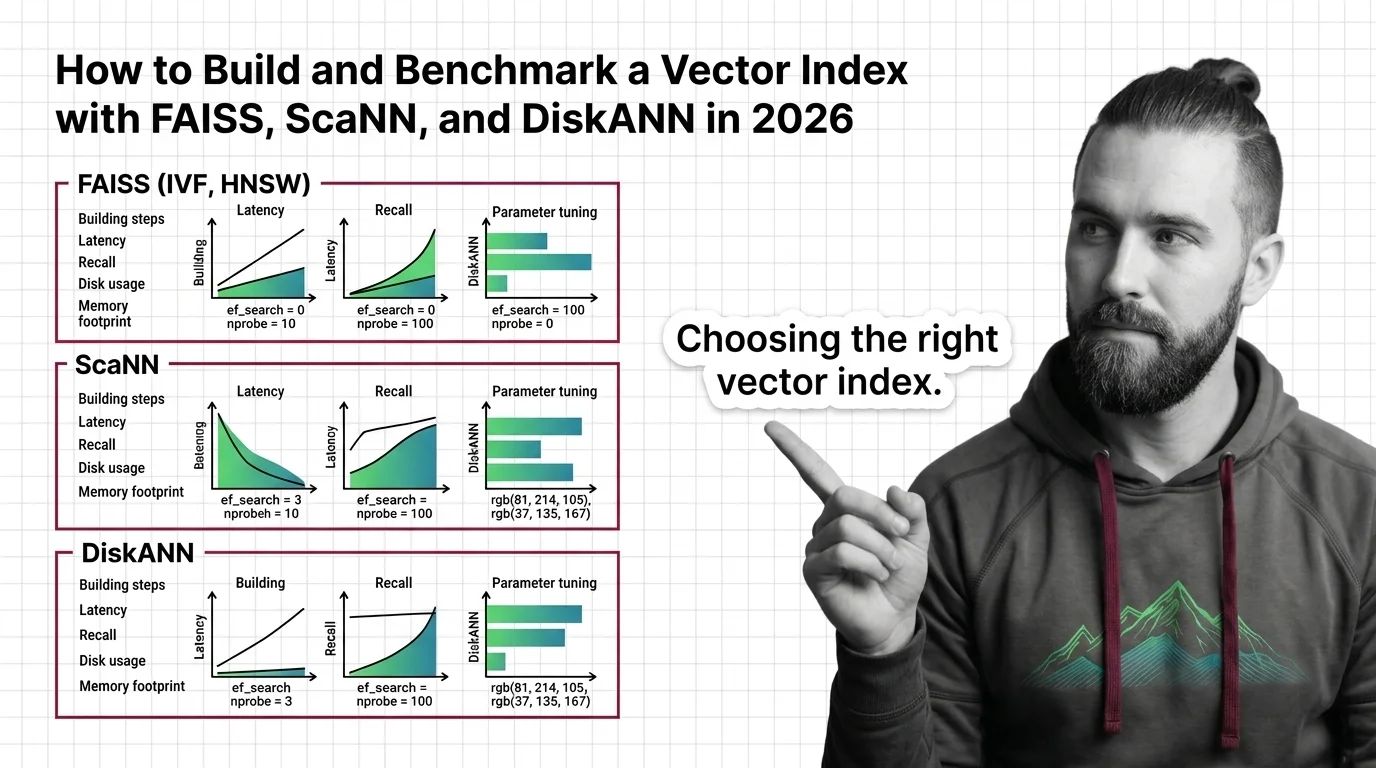
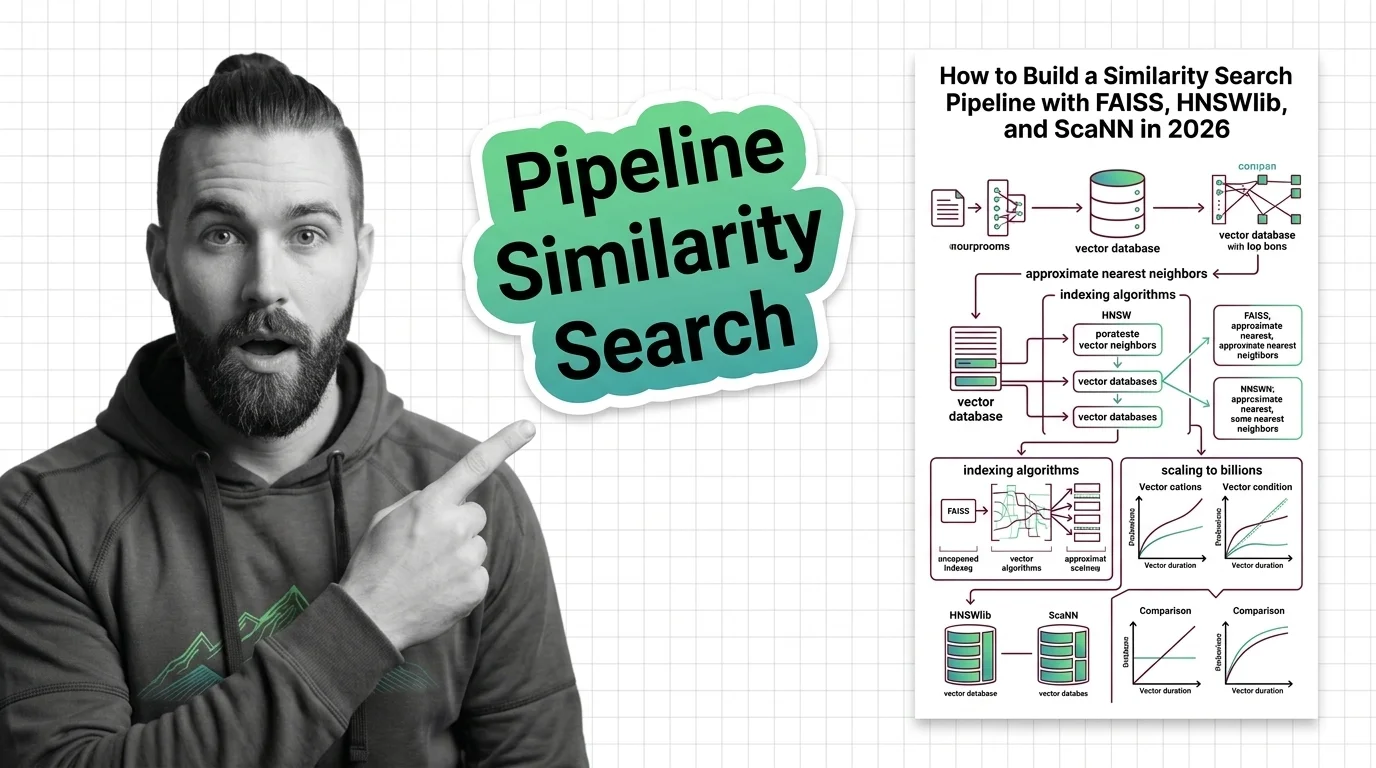
Once text is vectors, searching them is its own discipline. Similarity search algorithms define what “close in meaning” means mathematically — start with how nearest-neighbor methods find matching vectors, and if you learn best by building, the FAISS, hnswlib and ScaNN pipeline guide gets you a working system in an afternoon. At scale you cannot compare against every vector, so vector indexing structures (HNSW, IVF, product quantization) trade a little accuracy for orders-of-magnitude speed — from distance metrics to graph traversal is the read that makes index tuning stop feeling like folklore. This is where most newcomers hit their first surprise: vector search is approximate by design.
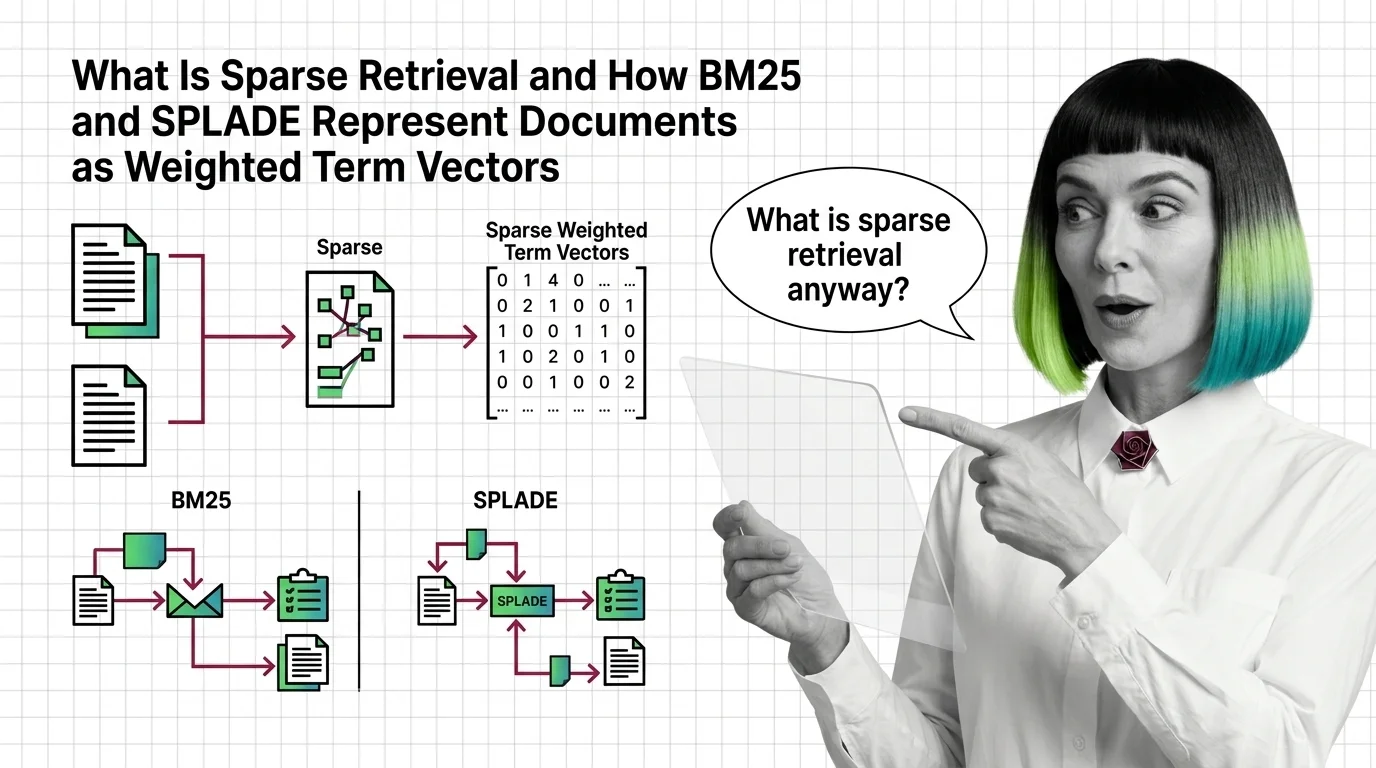
The last foundation predates embeddings entirely. Sparse retrieval (BM25, SPLADE) matches exact terms the way classic search engines do — from TF-IDF to learned sparse explains why the forty-year-old approach remains competitive, which is precisely why it never went away and why you will meet it again one tier up, fused with dense vectors.
With these five, you can read anything else in the theme without getting lost.
The core RAG pipeline
This is the layer most tutorials call “RAG” — and where the production decisions live. Everything here assumes the foundations tier; nothing here assumes production experience.
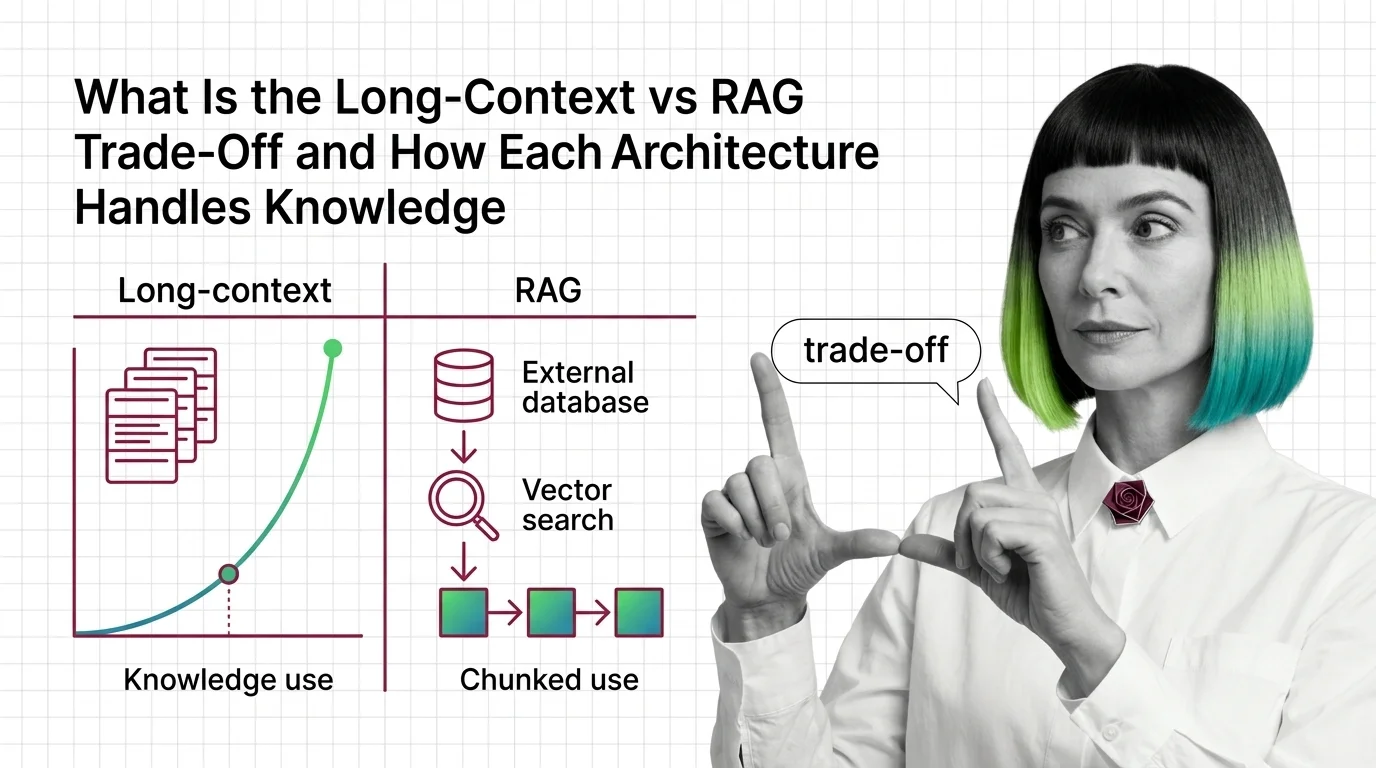
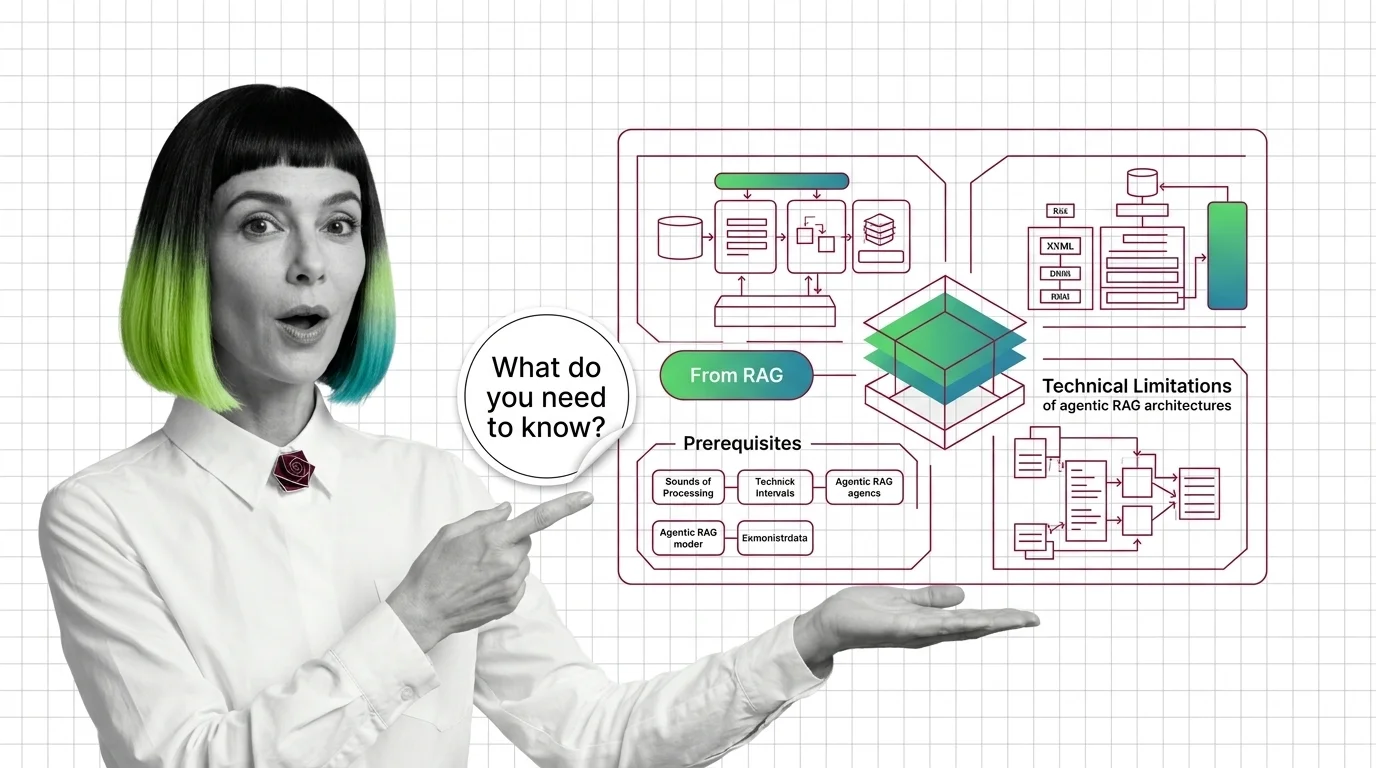
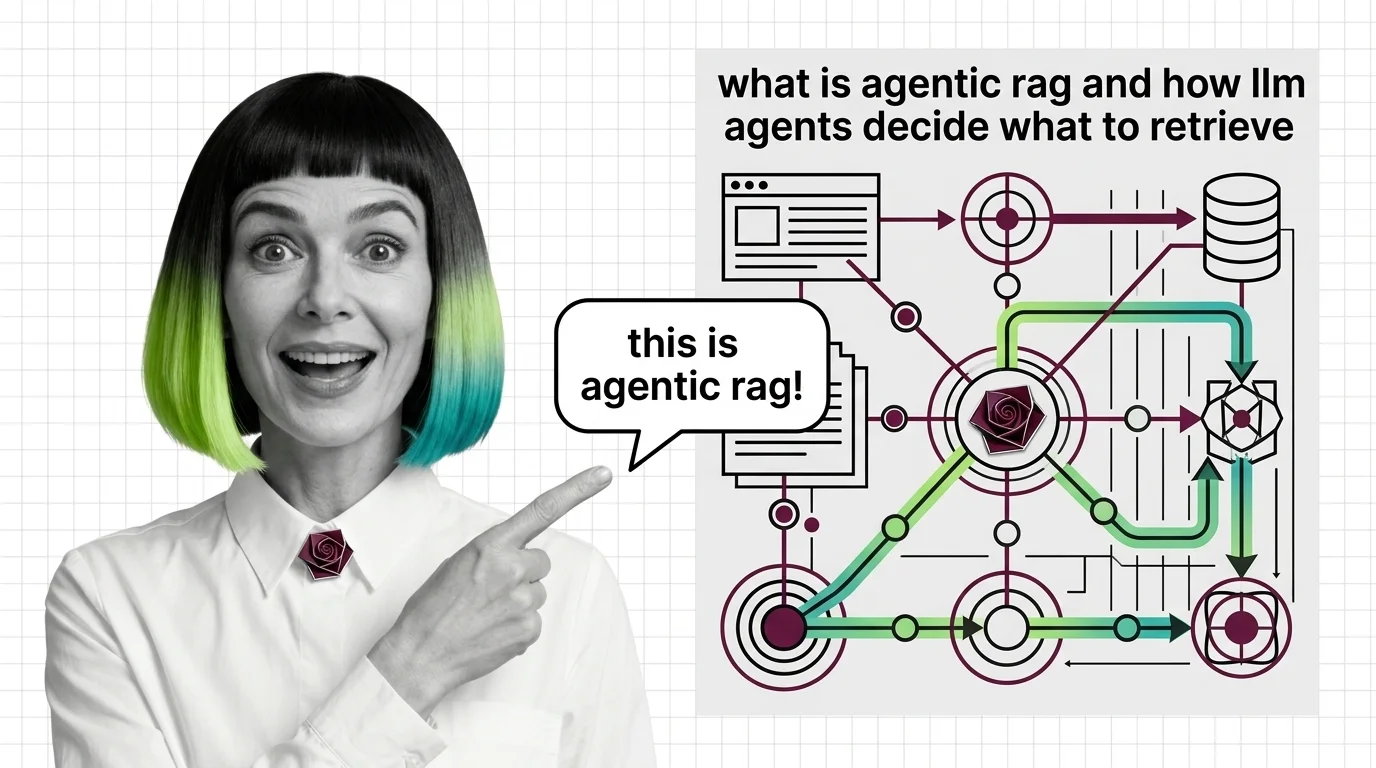
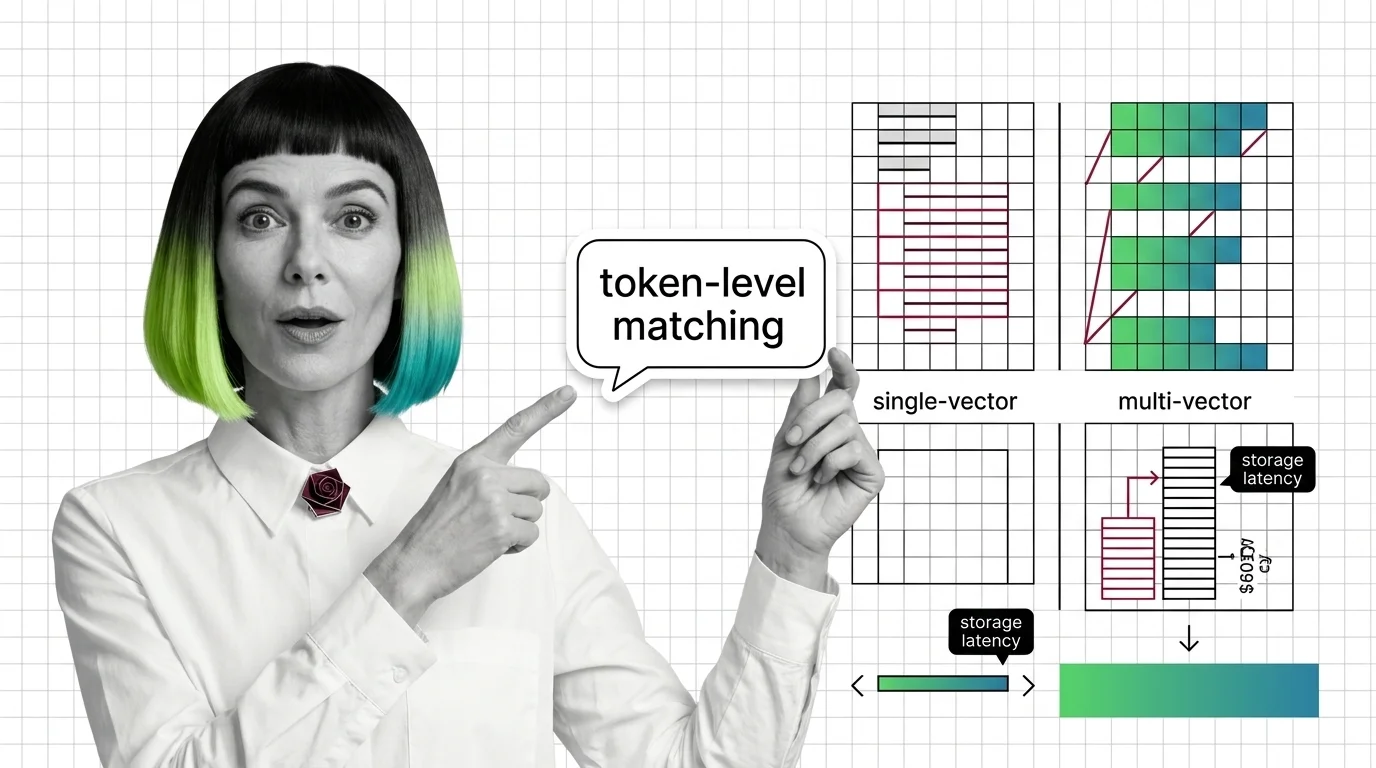
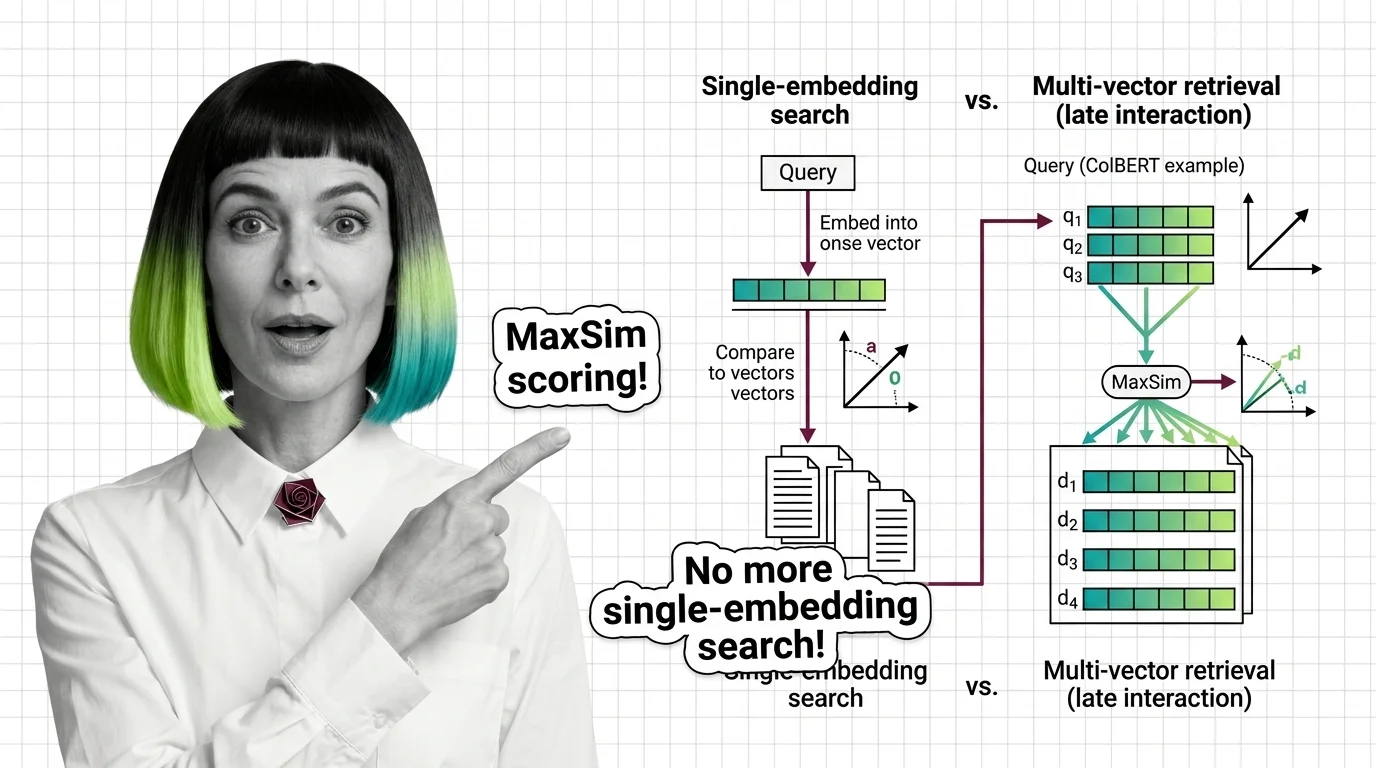
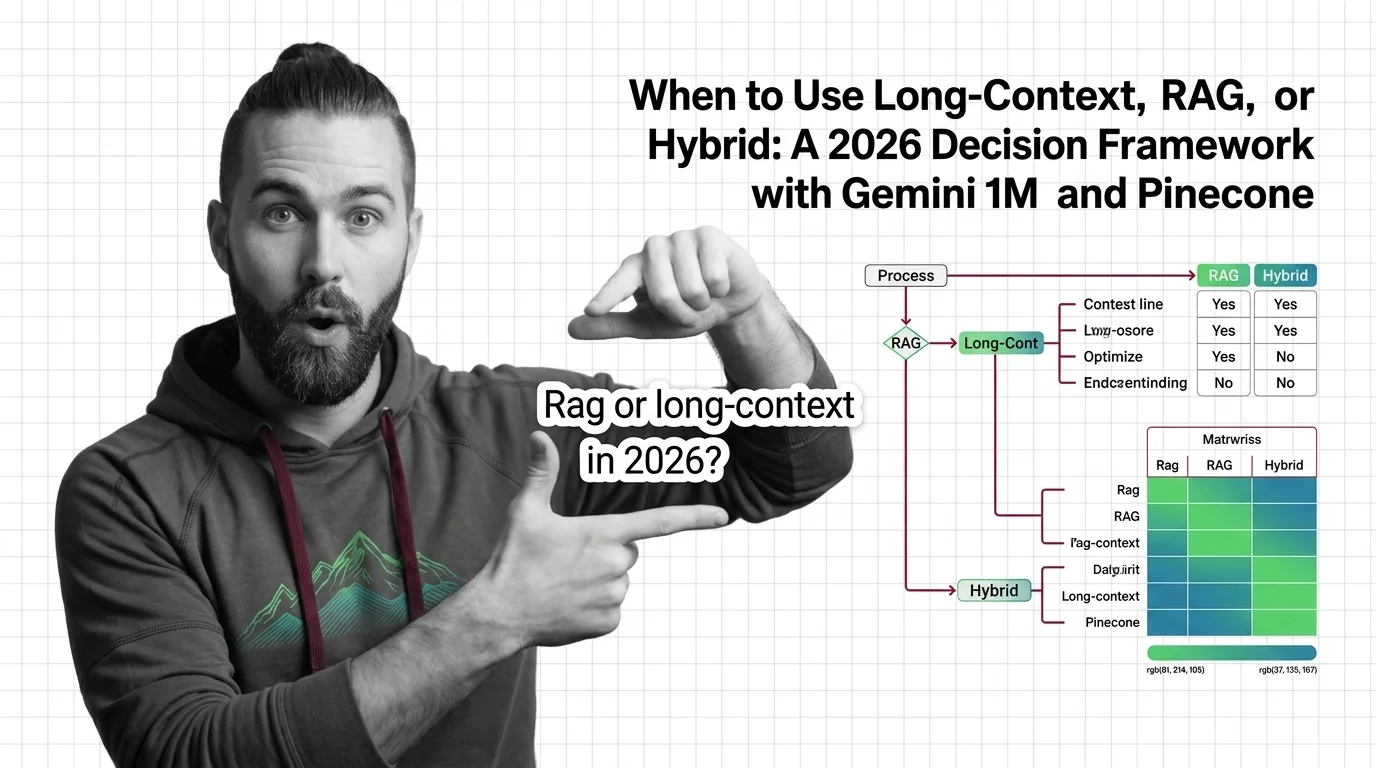
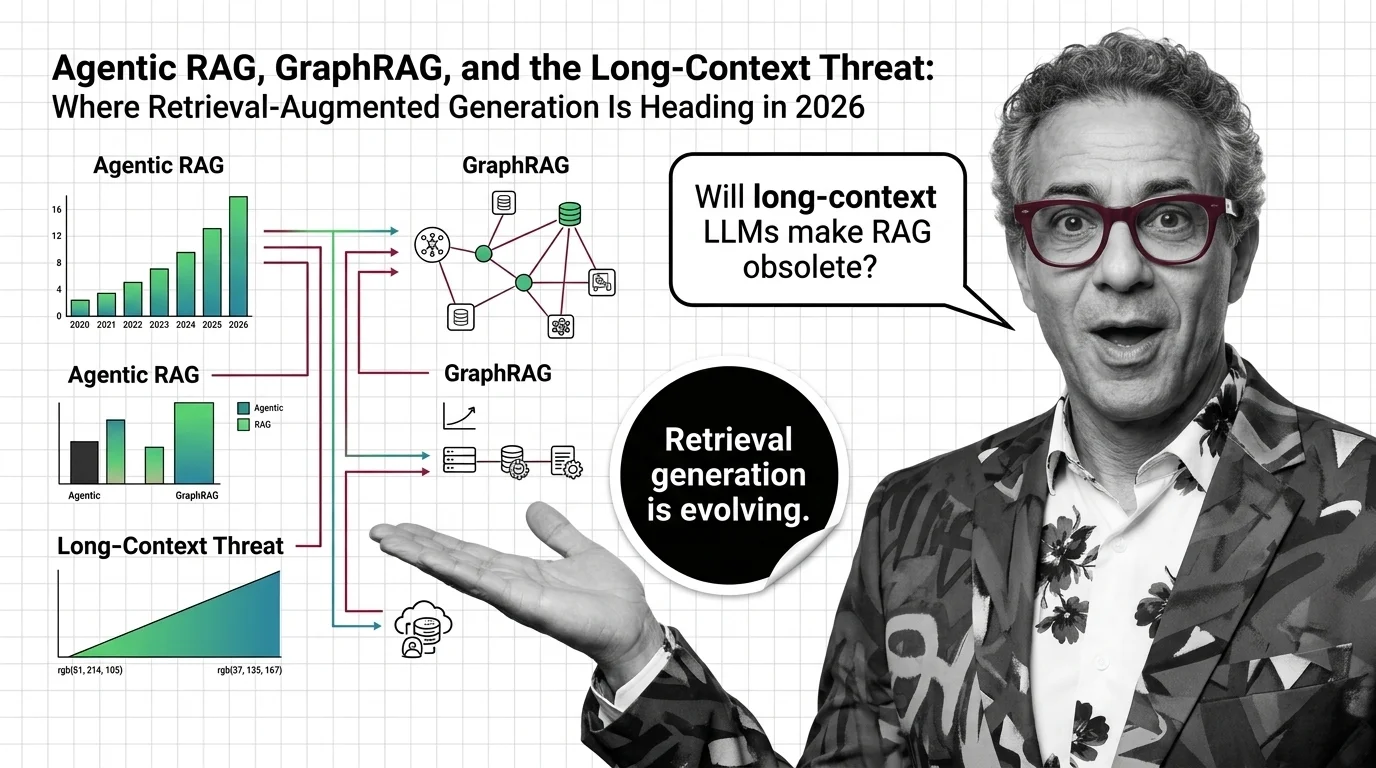
The frontier moves the pipeline from a fixed chain to a decision. Agentic RAG lets an LLM decide what to retrieve, when, and from where — how agents decide what to retrieve is the entry point, and from RAG to agents spells out what you must already have in place before an agent loop pays off. For finer-grained matching, multi-vector retrieval (ColBERT-style late interaction) represents a document as many token-level vectors — the RAGatouille and Qdrant build guide shows the cost of that precision. And the whole approach now competes with a rival architecture: long-context vs RAG weighs stuffing entire documents into an ever-larger context window against retrieving only what a query needs — the trade-off explained, and the hard numbers behind it when you need to defend the decision in a design review.
How the retrieval architectures differ
The confusion that costs teams the most is treating three distinct choices as one. Here is where each actually wins.
Classic RAG
Long-context
Fine-tuning
What changes
External index the model reads from
Everything pasted into the prompt
The model’s own weights
Knowledge is updated by
Re-indexing documents (minutes)
Re-pasting the document (instant)
Retraining (slow, costly)
Best when
Large or changing corpus, need citations
One document, small corpus, one-off
Fixed style/format, no fresh facts
Main cost
Retrieval infrastructure
Tokens per call scale with context
Training + eval per update
Failure mode
Retrieval miss → nothing to ground on
“Lost in the middle” recall drop, token cost
Stale facts, silent drift
Three finer distinctions sit inside retrieval and trip people just as often:
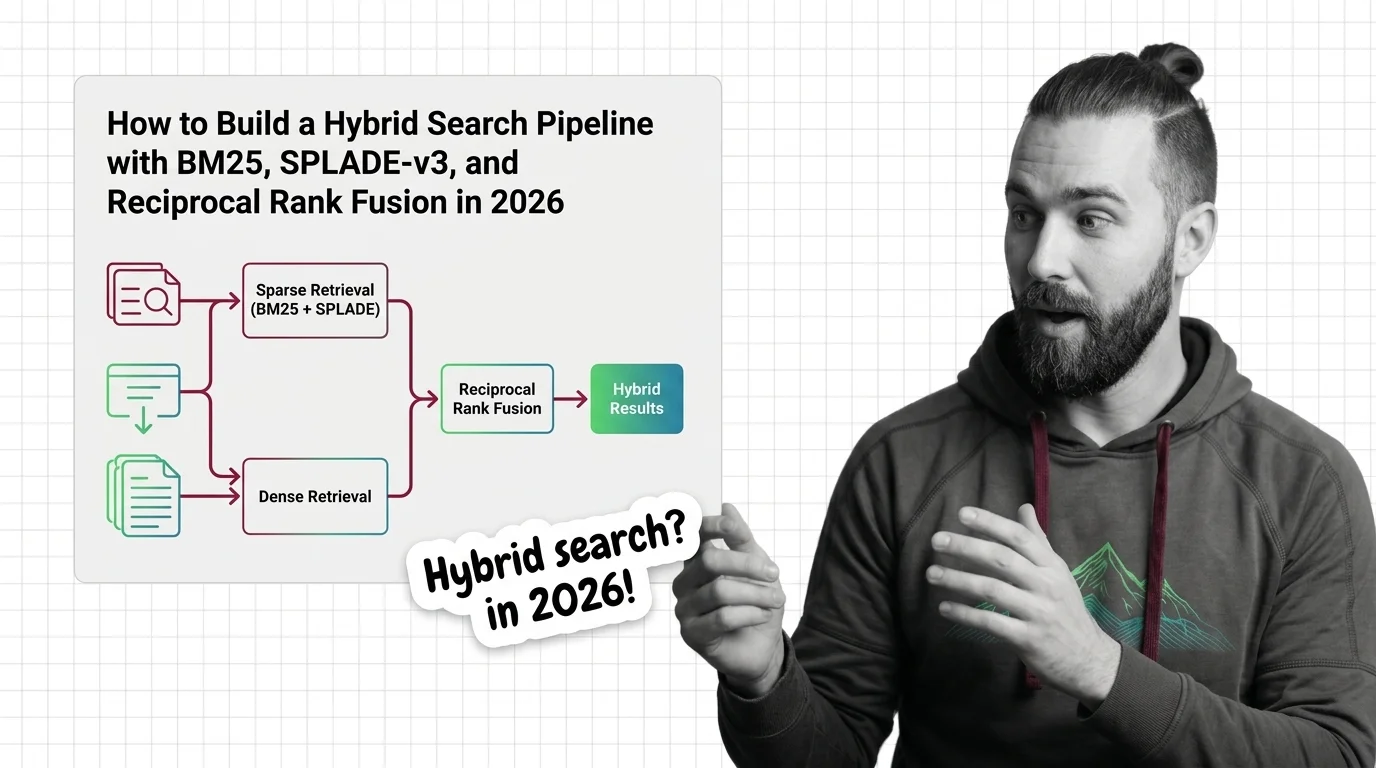
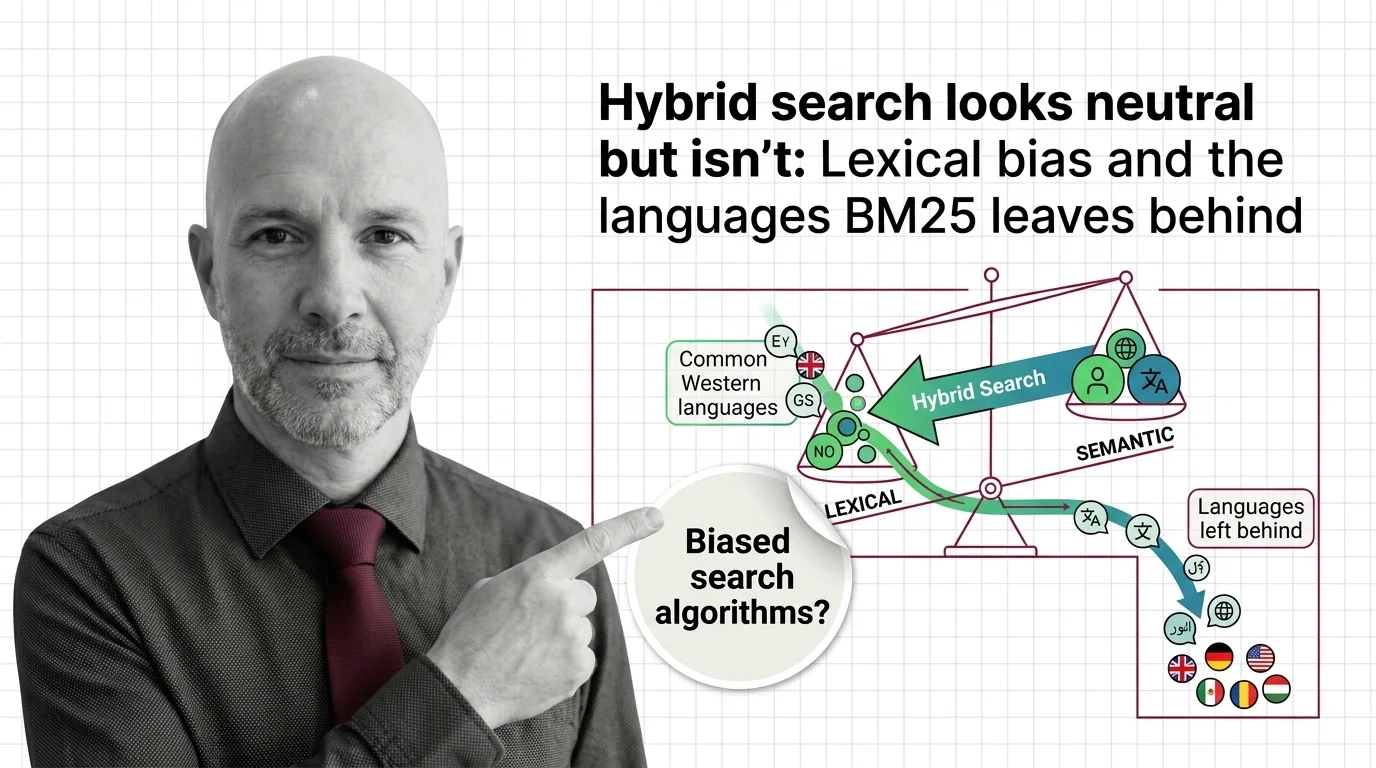
Dense vs sparse. Dense embeddings match on meaning and miss exact tokens; sparse retrieval (BM25) matches exact terms and misses paraphrase. This is why hybrid search runs both — it is a fusion, not a choice.
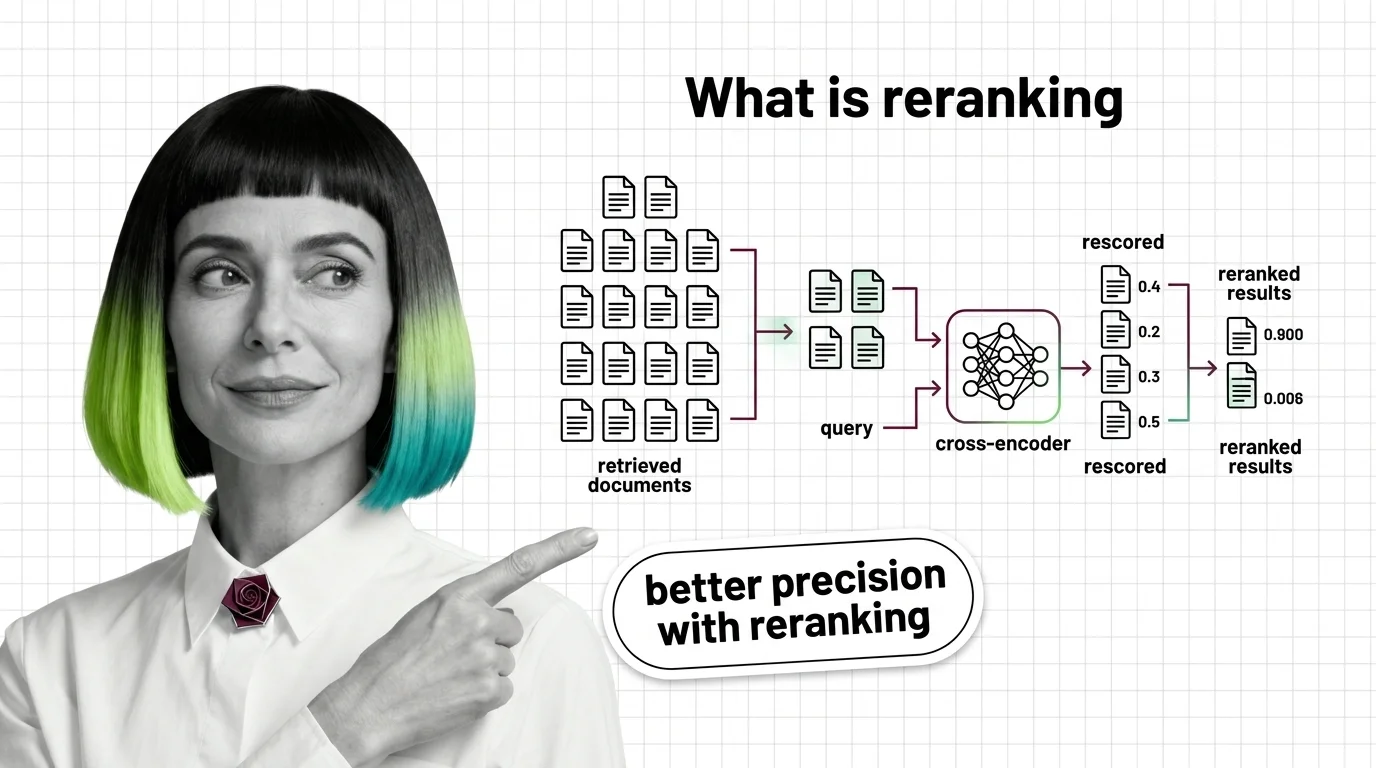
Bi-encoder vs cross-encoder. The first-stage retriever (bi-encoder) is fast because it embeds the query and documents separately; the reranker (cross-encoder) is slow but precise because it reads query and document together. Use the fast one to recall many, the slow one to reorder a few — teams that swap the roles pay for it in latency.
Pipeline vs agent. Classic RAG runs the same fixed chain for every query; agentic RAG makes retrieval a per-query decision. The agent version is not “better RAG” — it is a different cost/latency/reliability contract, and it inherits every weakness of the pipeline underneath it.
Q: Where should I start learning RAG as a software developer?
A: Start with the five foundations above — embeddings first, since every later stage searches over them. If you want the narrative before the stack, read the RAG bridge for engineers and come back to the core pipeline tier.
Q: What should I read before touching agentic RAG?
A: The whole core pipeline tier — an agent loop only decides between retrieval strategies you already run well. From RAG to agents lists the concrete prerequisites; skipping them means debugging an agent and a retrieval stack at the same time.
Q: Does a bigger context window make RAG obsolete?
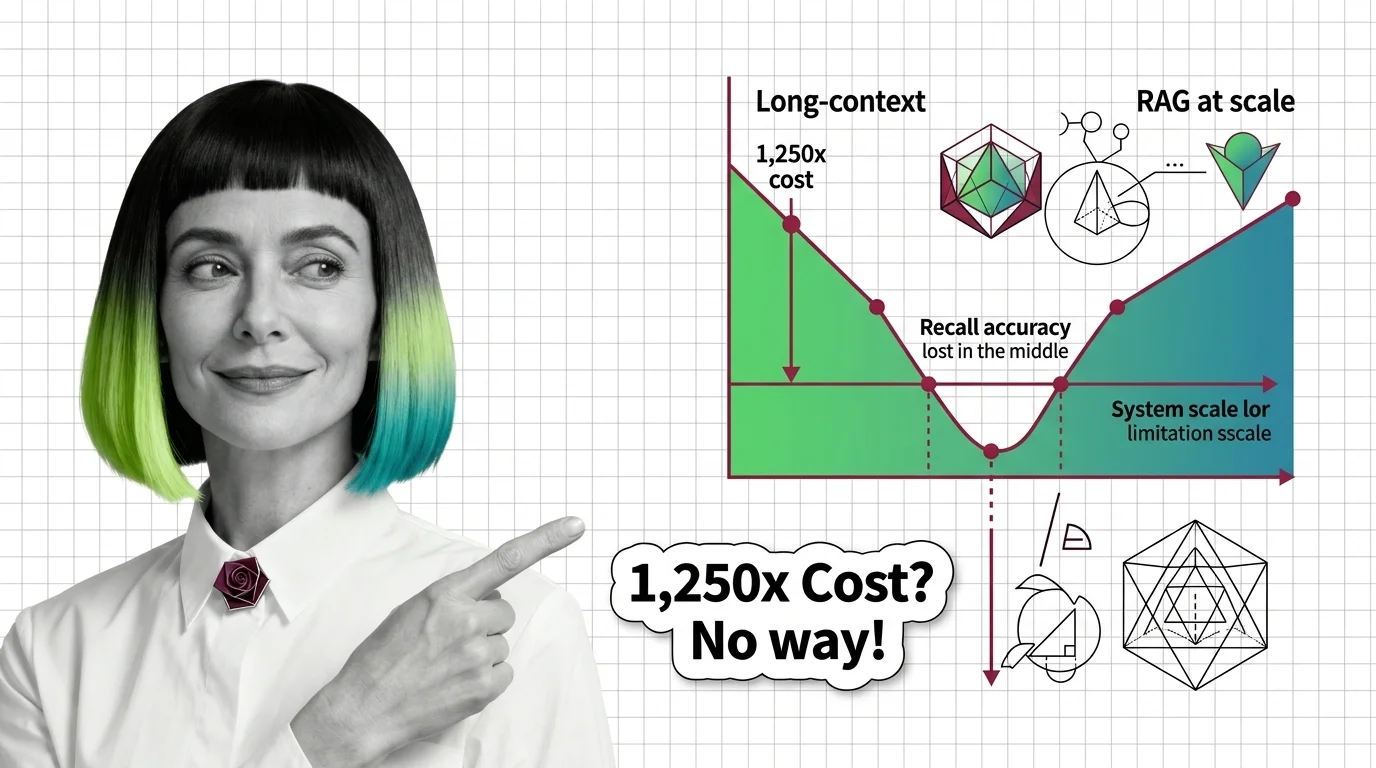
A: No — it changes the trade-off, not the verdict. Long-context wins for a single document you read once, but cost scales with every token and recall drops for facts buried mid-prompt. For large or changing corpora, retrieval stays cheaper and more accurate. The full long-context vs RAG trade-off breaks down when each wins.
Q: Why does my RAG system return confident but wrong answers?
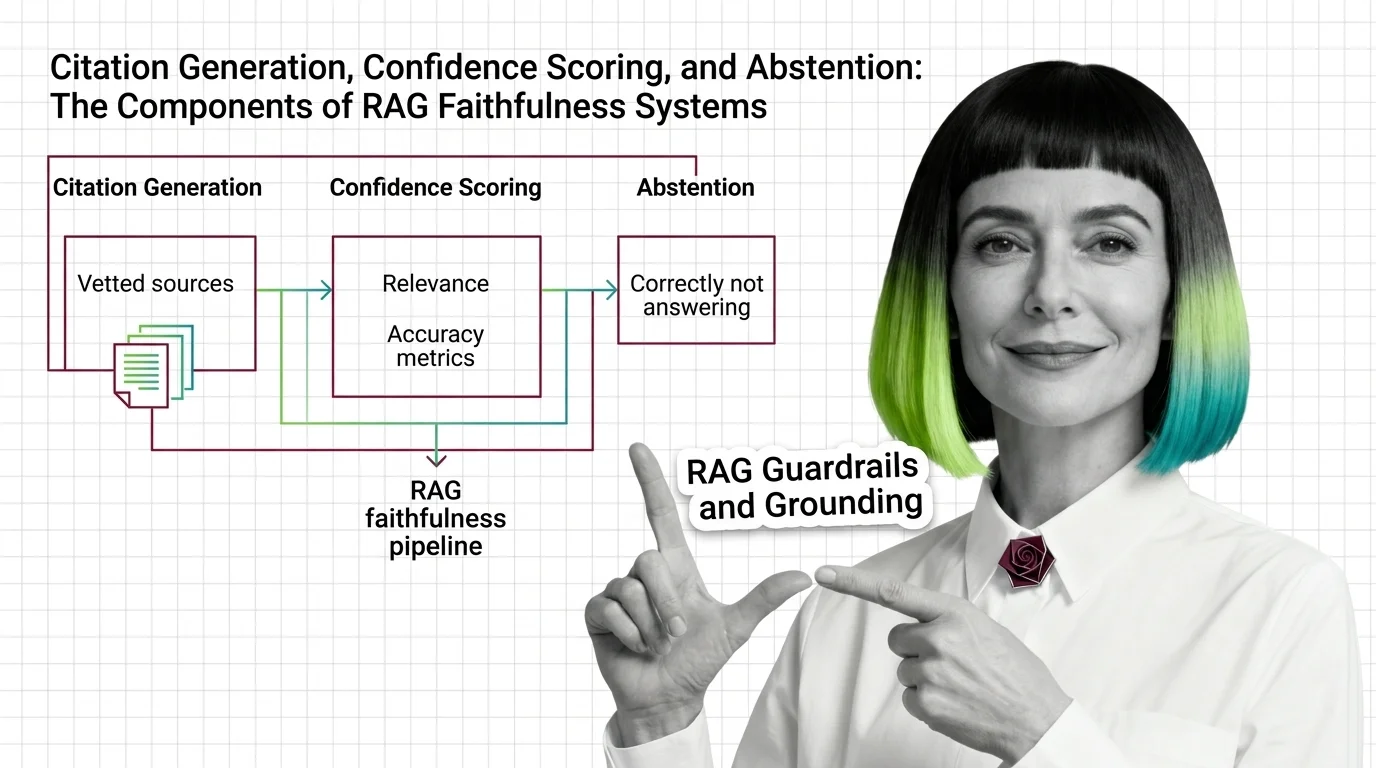
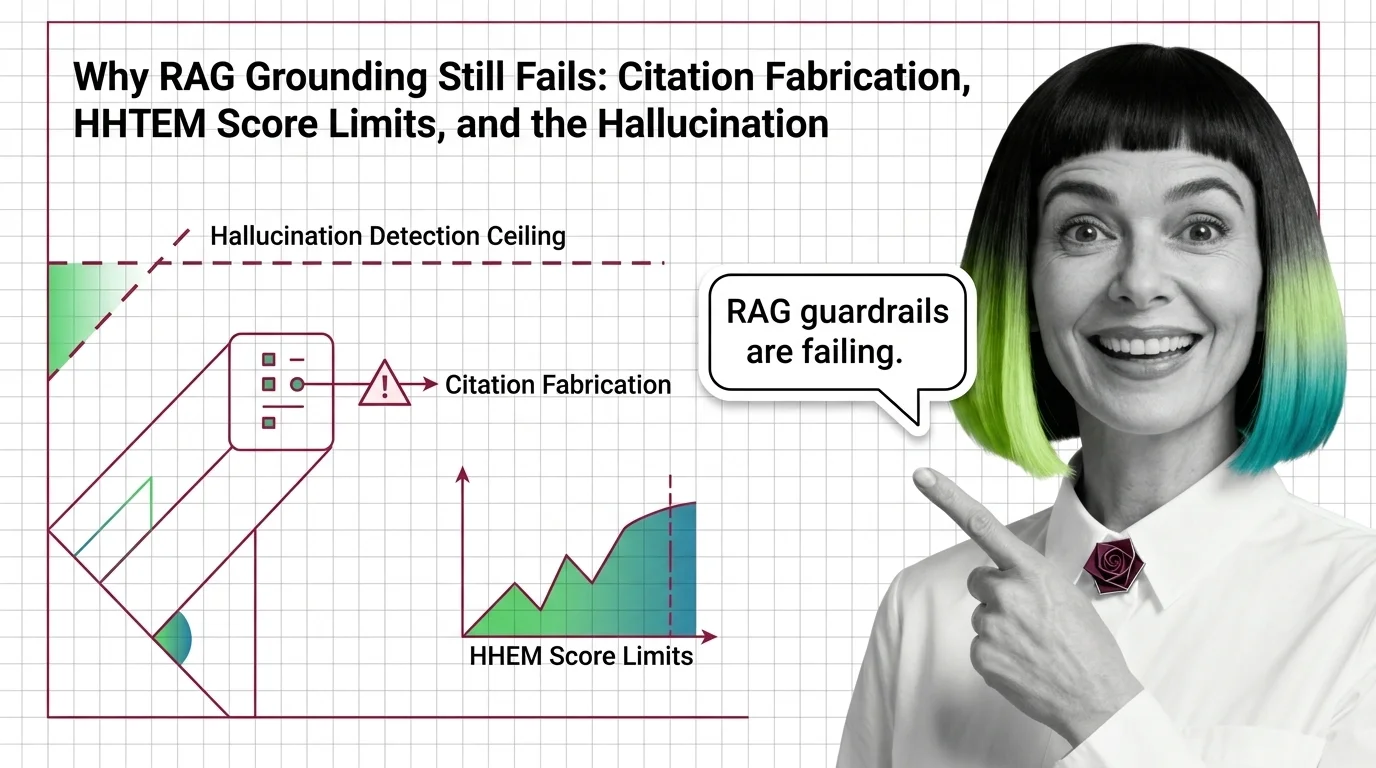
A: Almost always a retrieval problem, not a model problem: the right chunk was never retrieved, so the model grounded on the wrong context. This is why RAG guardrails add abstention and citation checks, and why RAG still fails in production traces most failures upstream of the LLM.
Q: Do I need a reranker, and where does it go?
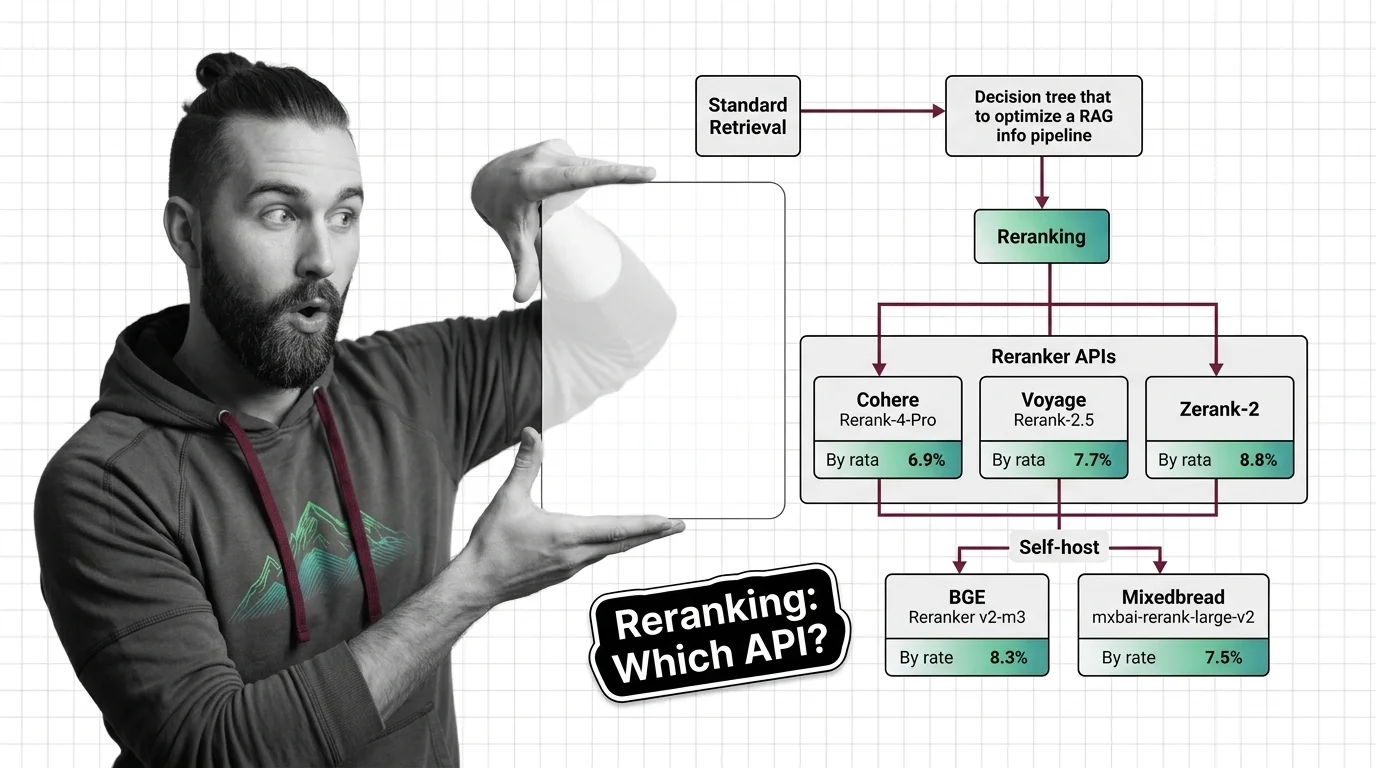
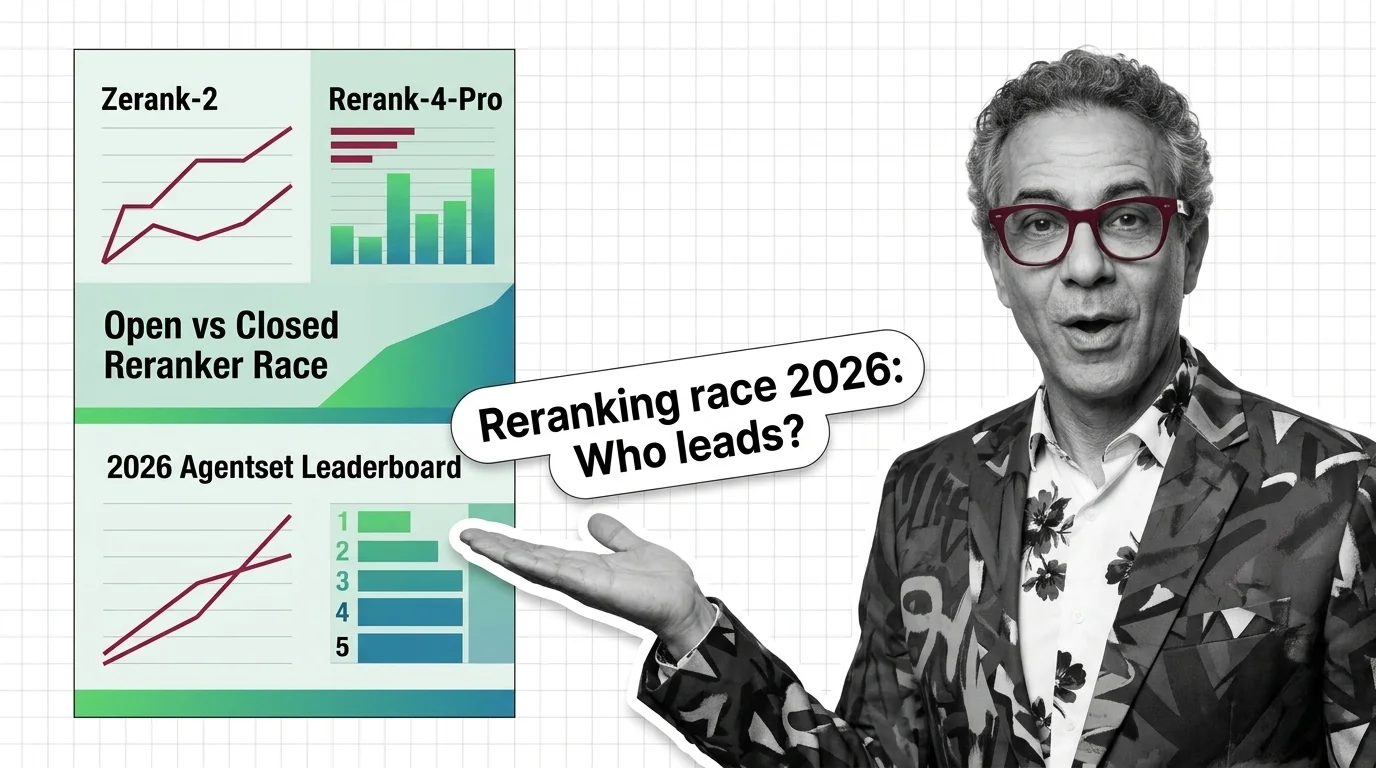
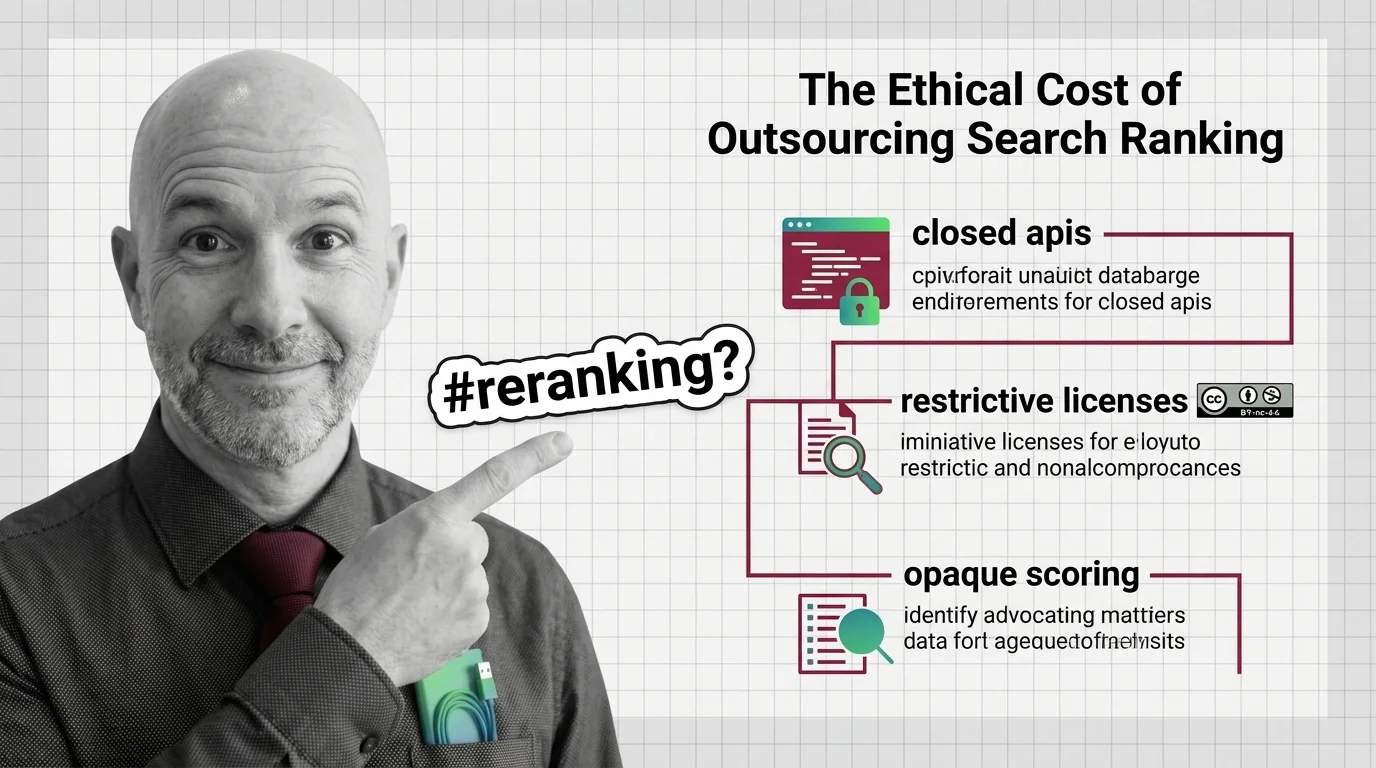
A: Add one once you have measured retrieval quality and still see relevant results ranked too low. It sits between retrieval and the LLM, rescoring a shortlist — it fixes order, never recall, so sweep a larger candidate pool first. See how to add reranking with Cohere, Voyage, and Zerank-2 — and watch licences: some reranker weights block commercial use.
Q: How do I know if my RAG pipeline is actually good?
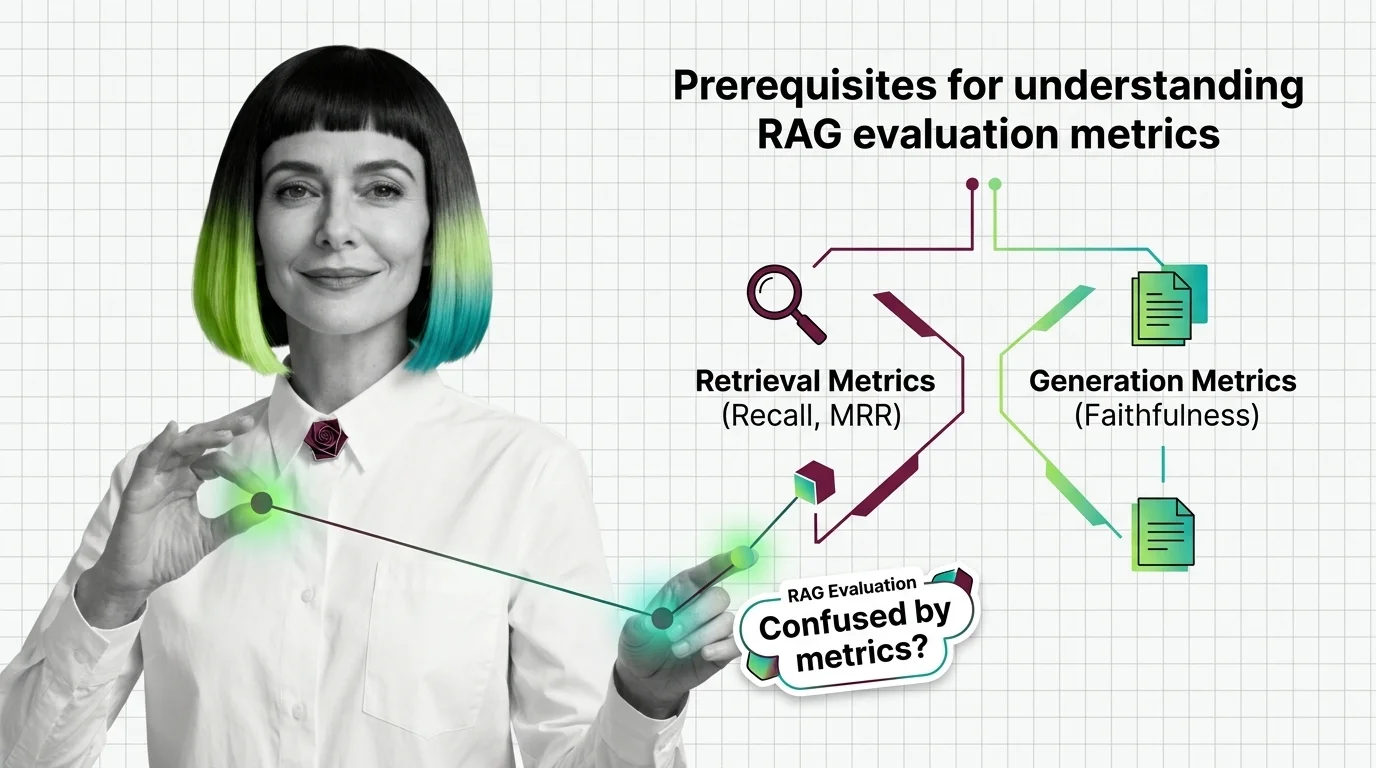
A: Measure retrieval and generation separately. Retrieval metrics (recall, MRR) tell you whether the right context was found; generation metrics (faithfulness, relevance) tell you whether the answer used it. Conflating them hides which stage broke — what RAG evaluation measures separates the two.
Developer orientation
Coming from software engineering? Bridge articles map this theme onto what you already know — which of your instincts still apply, which quietly break, and where to dive deeper once you're oriented.
Sparse retrieval encodes documents as weighted term vectors. Here is how BM25 and SPLADE produce those weights and why they beat dense models on exact terms.
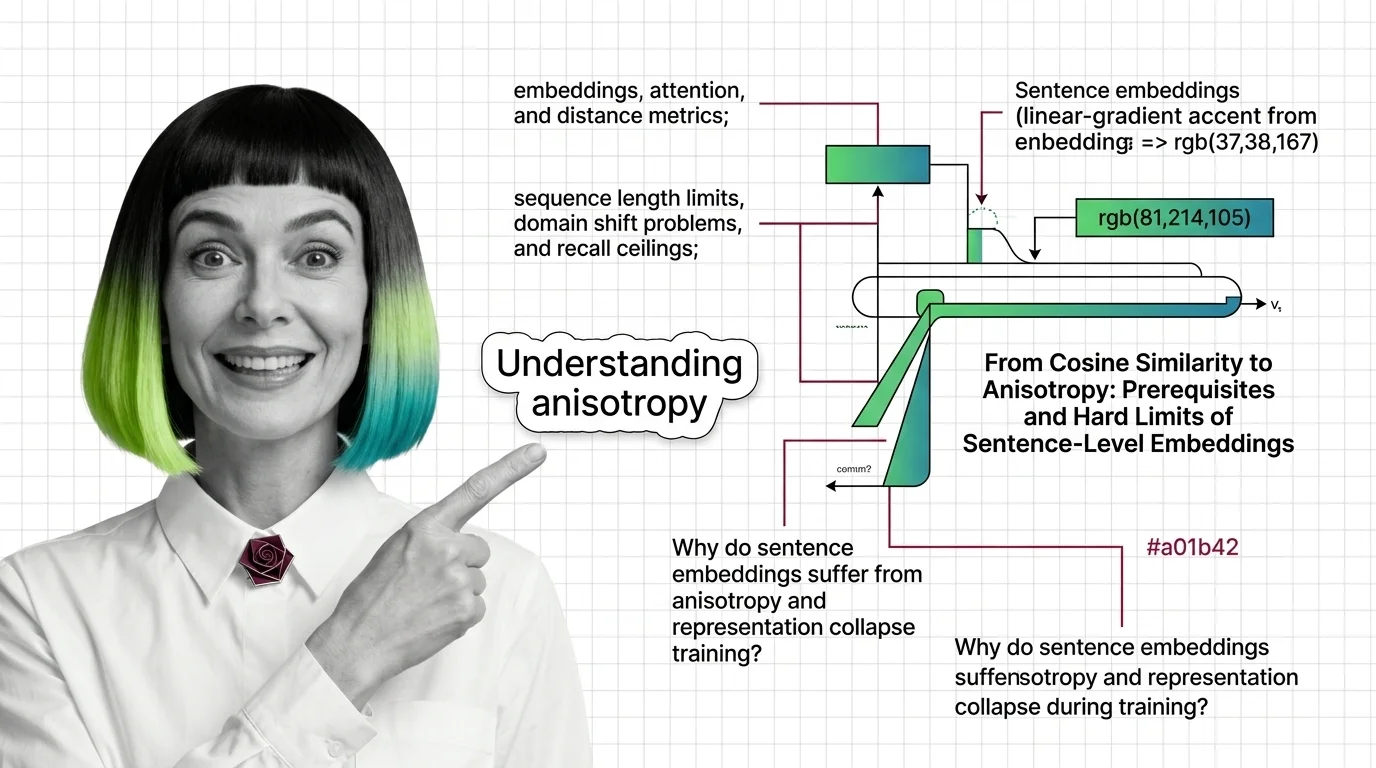
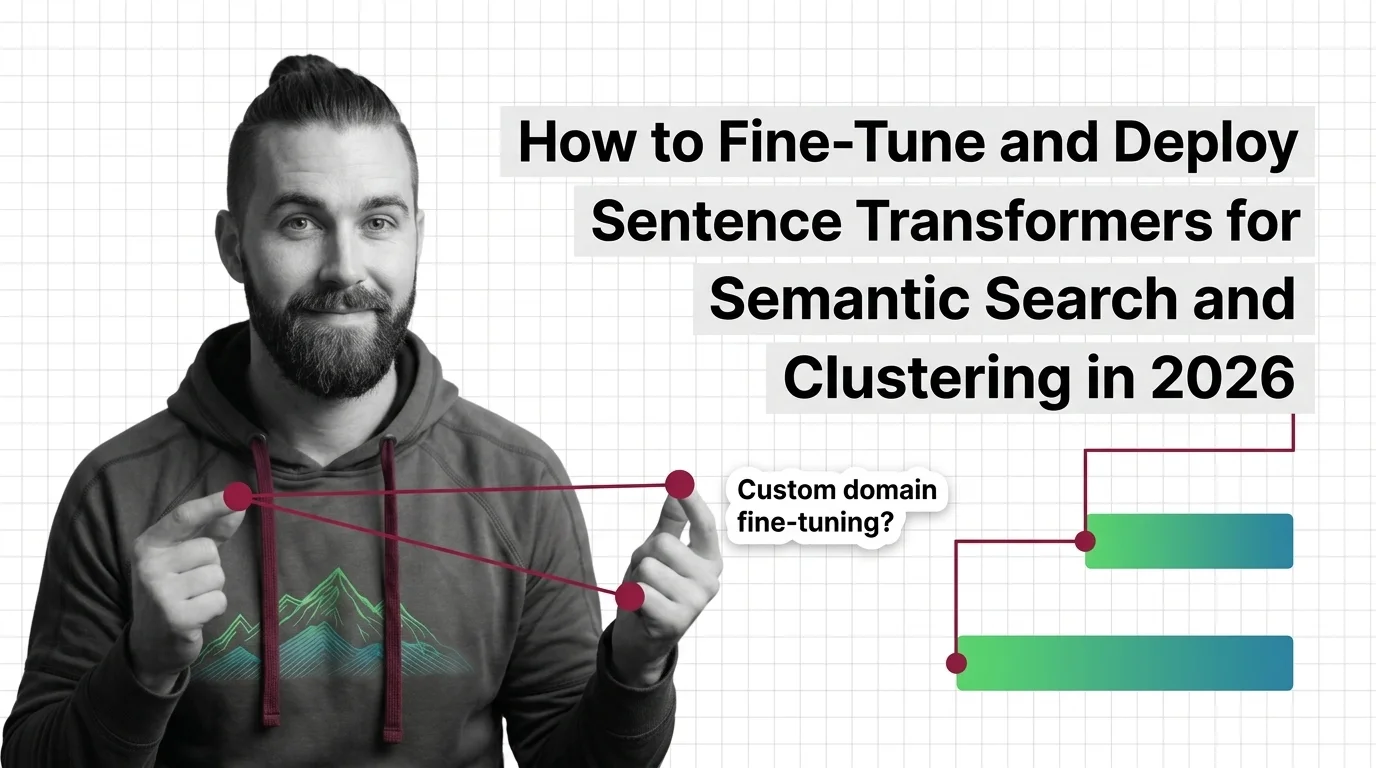
Sentence Transformers encode meaning as geometry. Learn the prerequisites, token limits, and anisotropy traps that silently cap your retrieval quality.
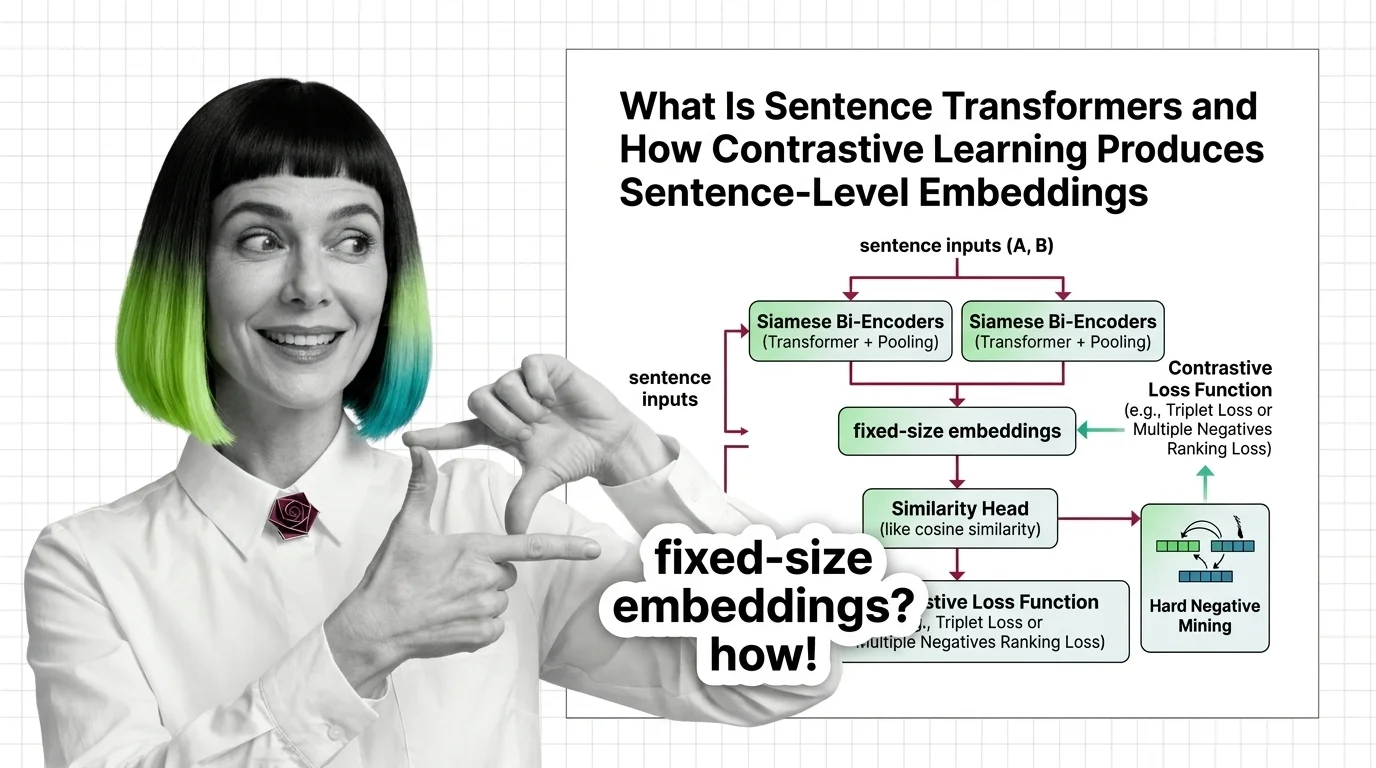
Sentence Transformers turns transformers into sentence encoders via contrastive learning. Covers bi-encoders, loss functions, pooling, and hard negative mining.
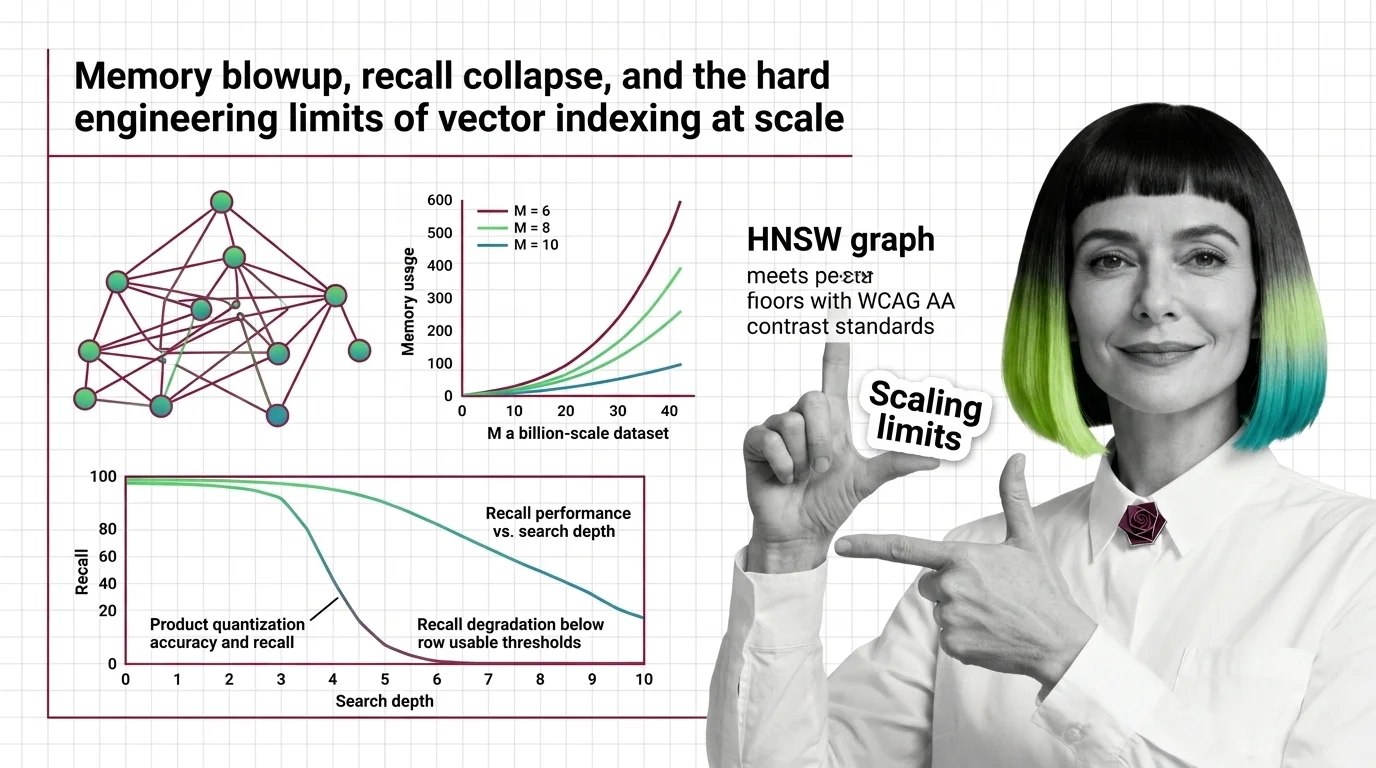
HNSW memory grows linearly with connectivity while PQ recall collapses on high-dimensional embeddings. Learn where vector indexing limits hit at billion scale.
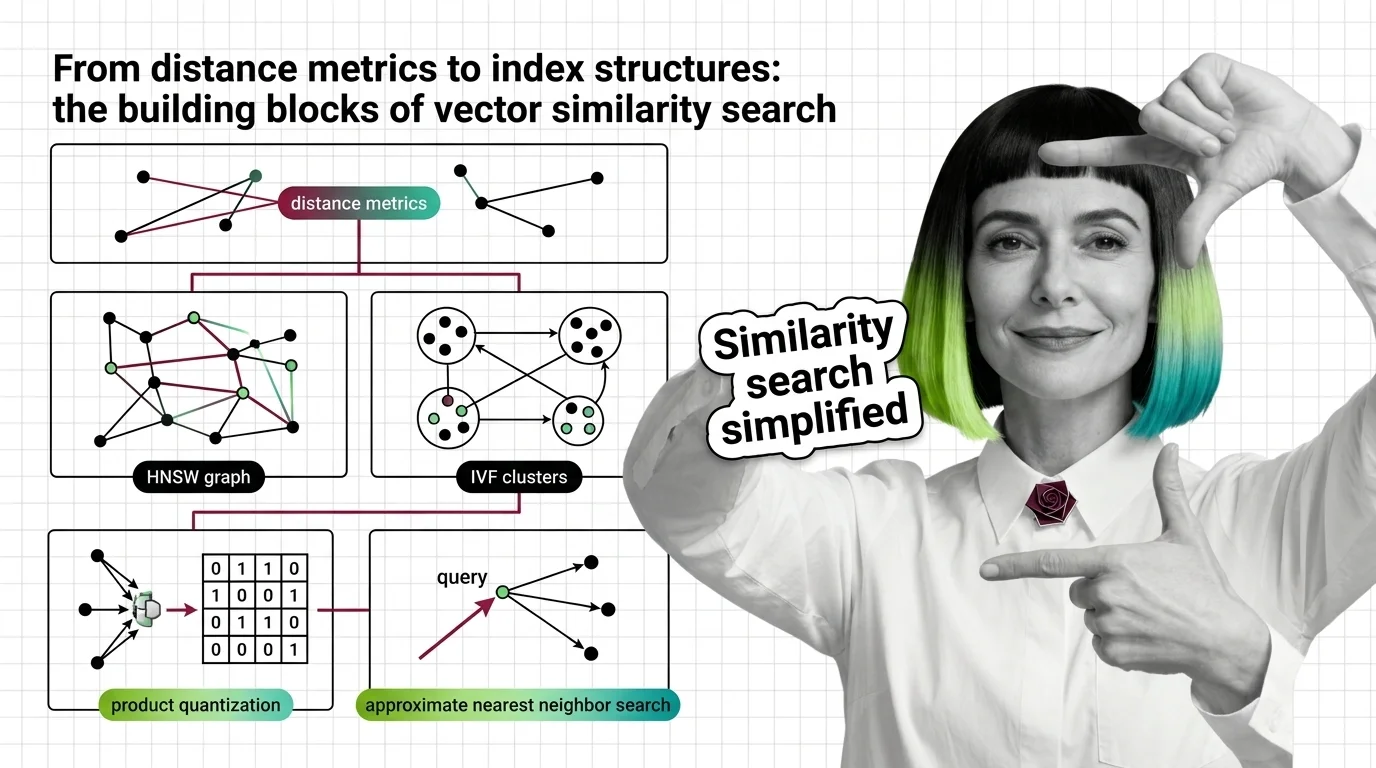
Vector indexing replaces brute-force search with graph, partition, and compression strategies. Learn how HNSW, IVF, and product quantization actually work.
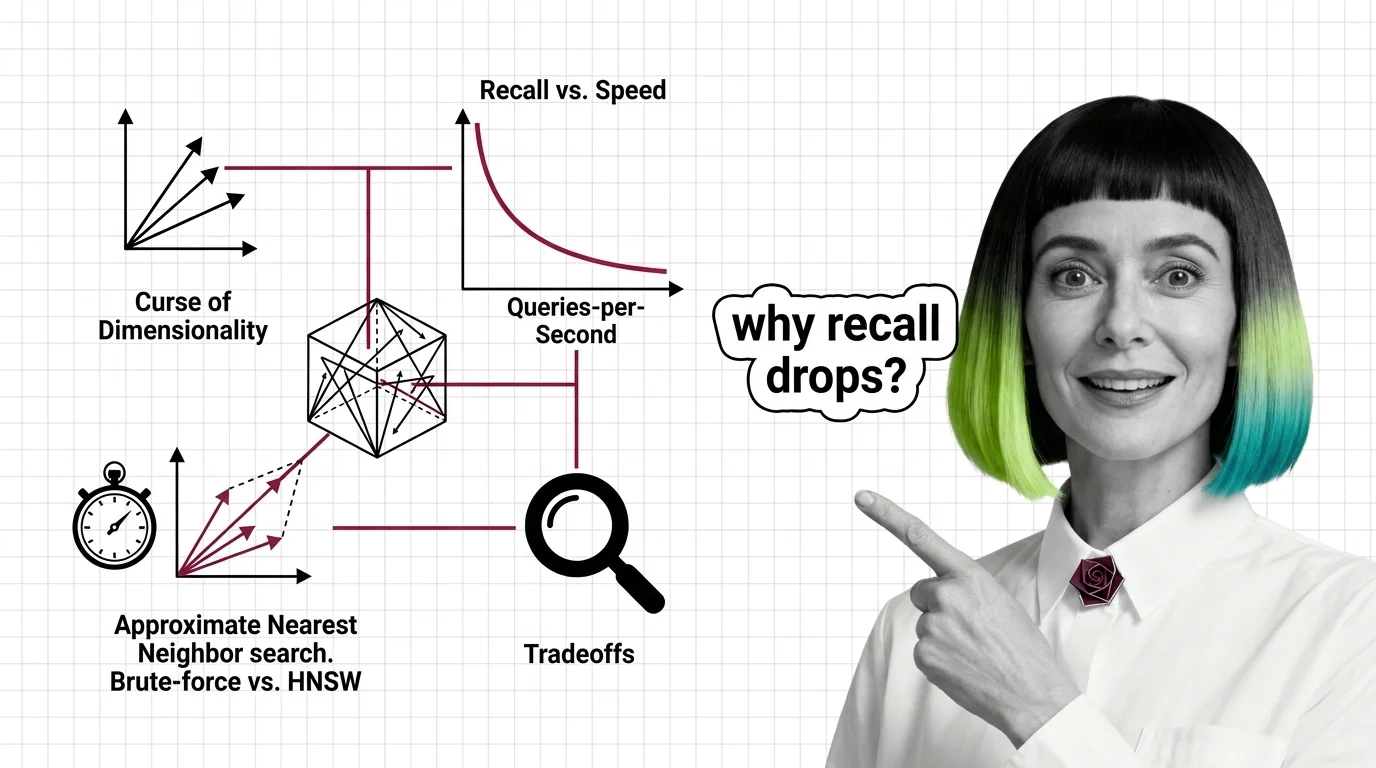
High-dimensional similarity search faces hard mathematical limits. Explore the curse of dimensionality, recall-speed tradeoffs, and when brute force wins.
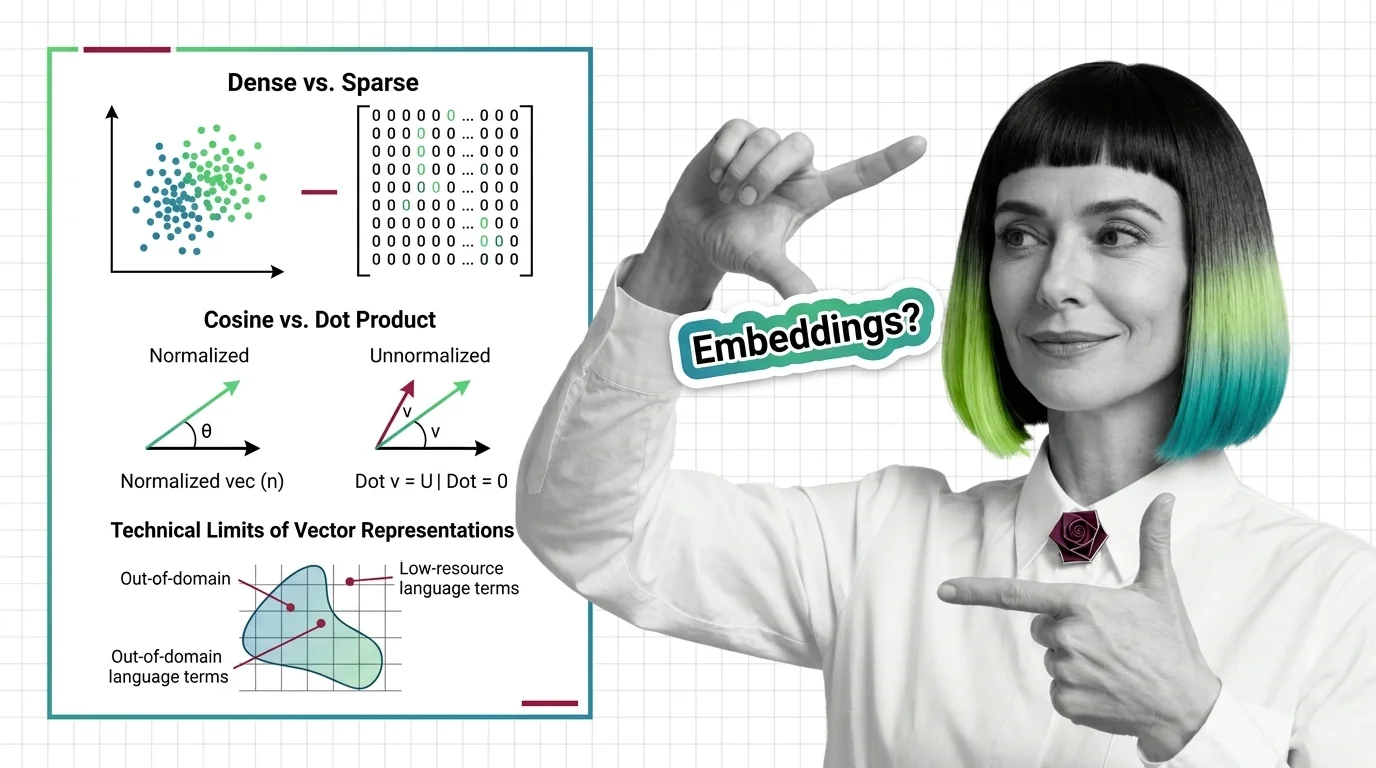
Dense vs. sparse embeddings encode meaning differently. Learn how cosine similarity, dot product, and Euclidean distance shape search — and where vectors fail.
Similarity search combines distance metrics, index structures, and quantization. Learn how HNSW, IVF, LSH, and product quantization trade accuracy for speed at scale.
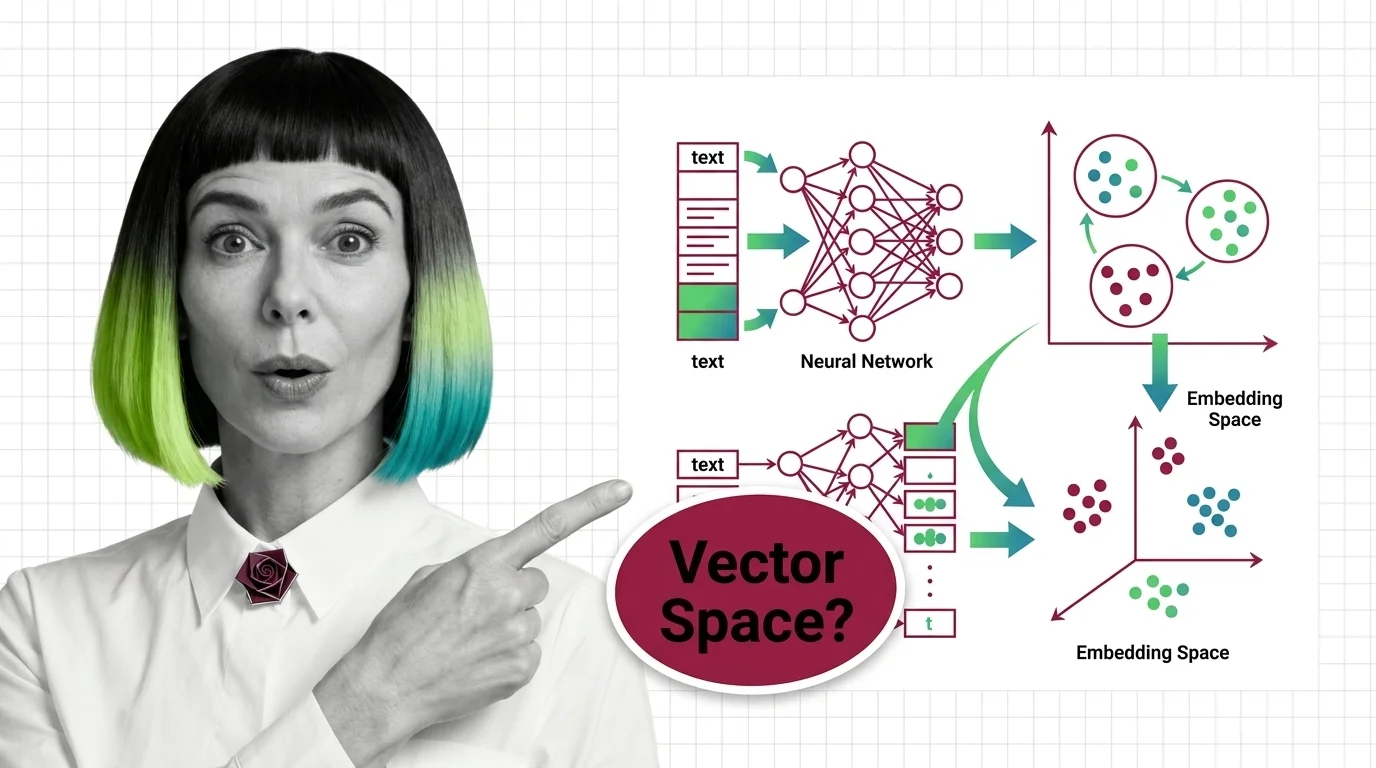
Embeddings turn words into vector coordinates where distance equals meaning. Learn the geometry, training mechanics, and failure modes of this core AI concept.
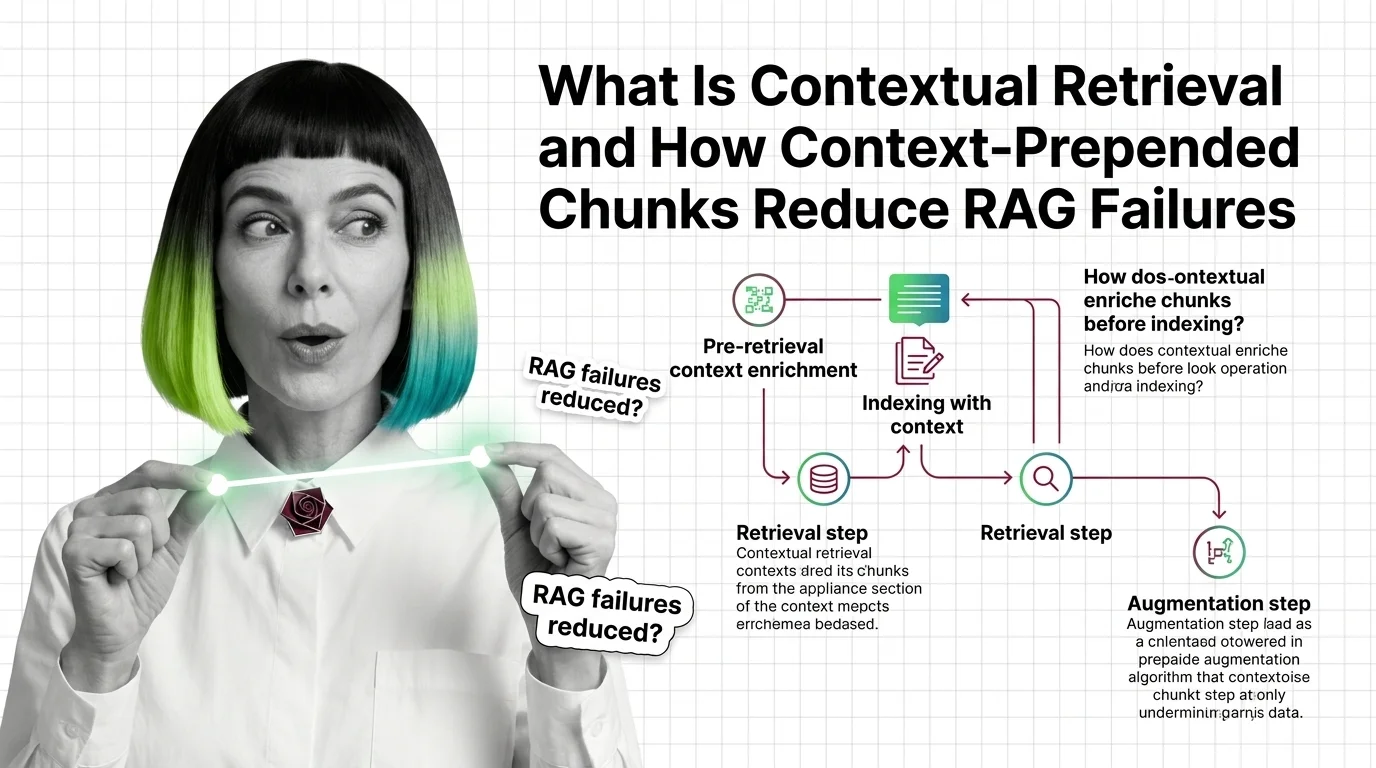
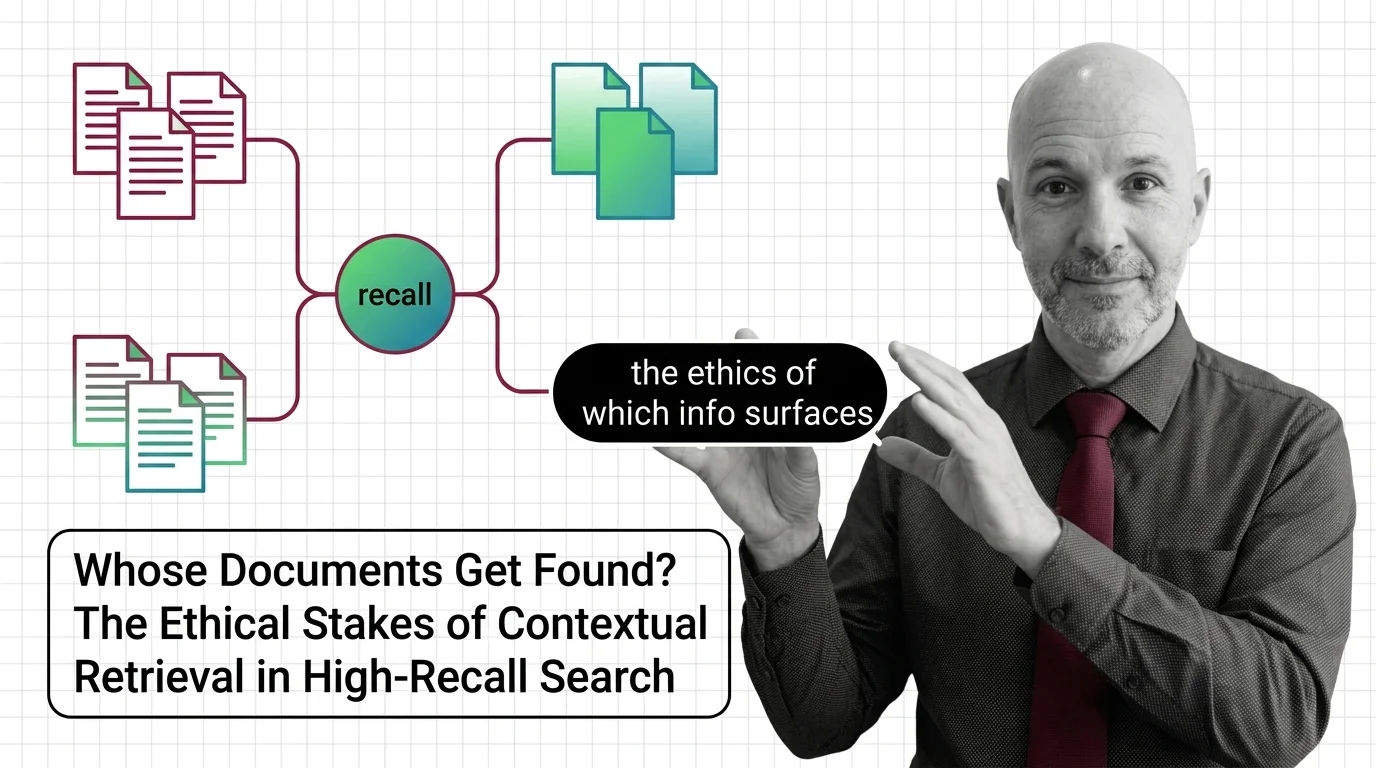
Contextual retrieval prepends 50-100 tokens of LLM-generated context to each chunk before indexing. Anthropic reports a 67% drop in retrieval failures.
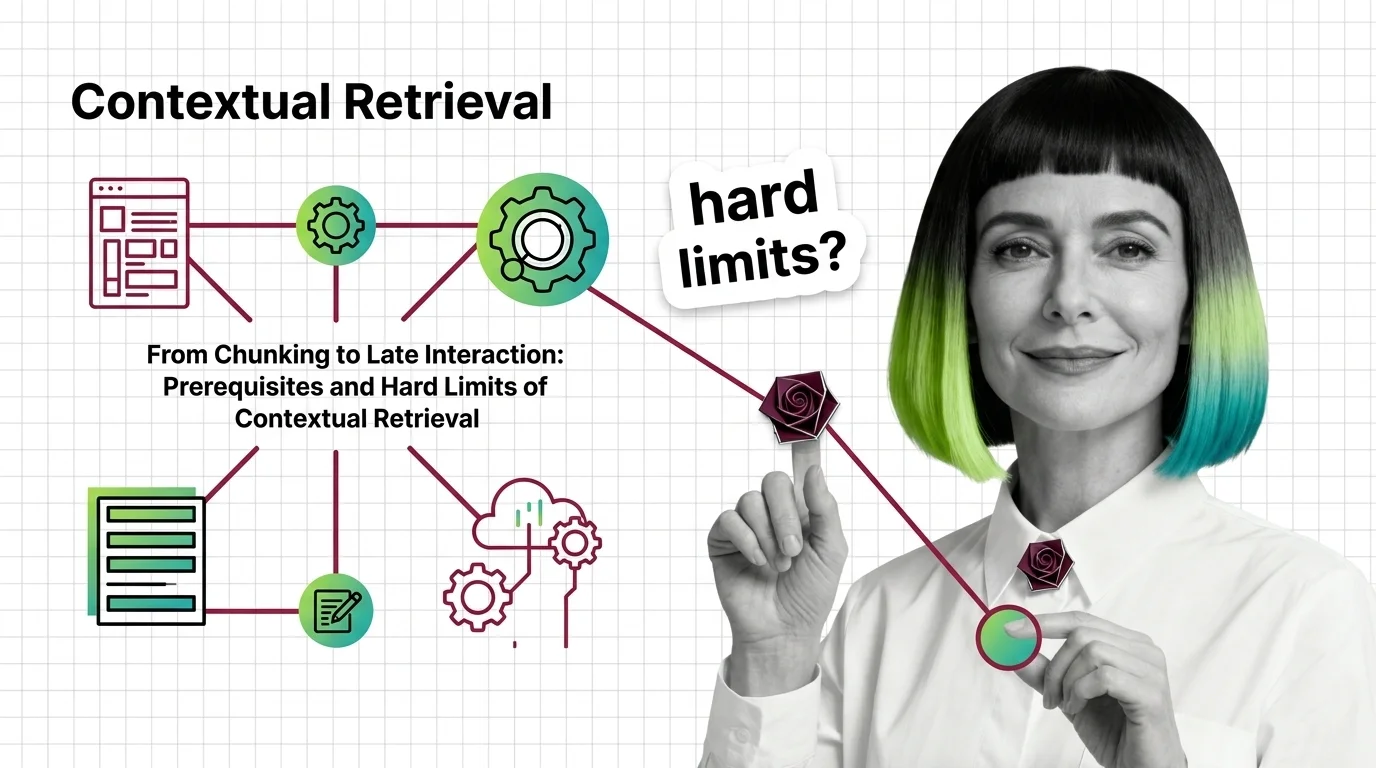
Contextual Retrieval cuts RAG failure rates, but at a cost. Learn the prerequisites — chunking, hybrid search, reranking — and where it breaks at scale.
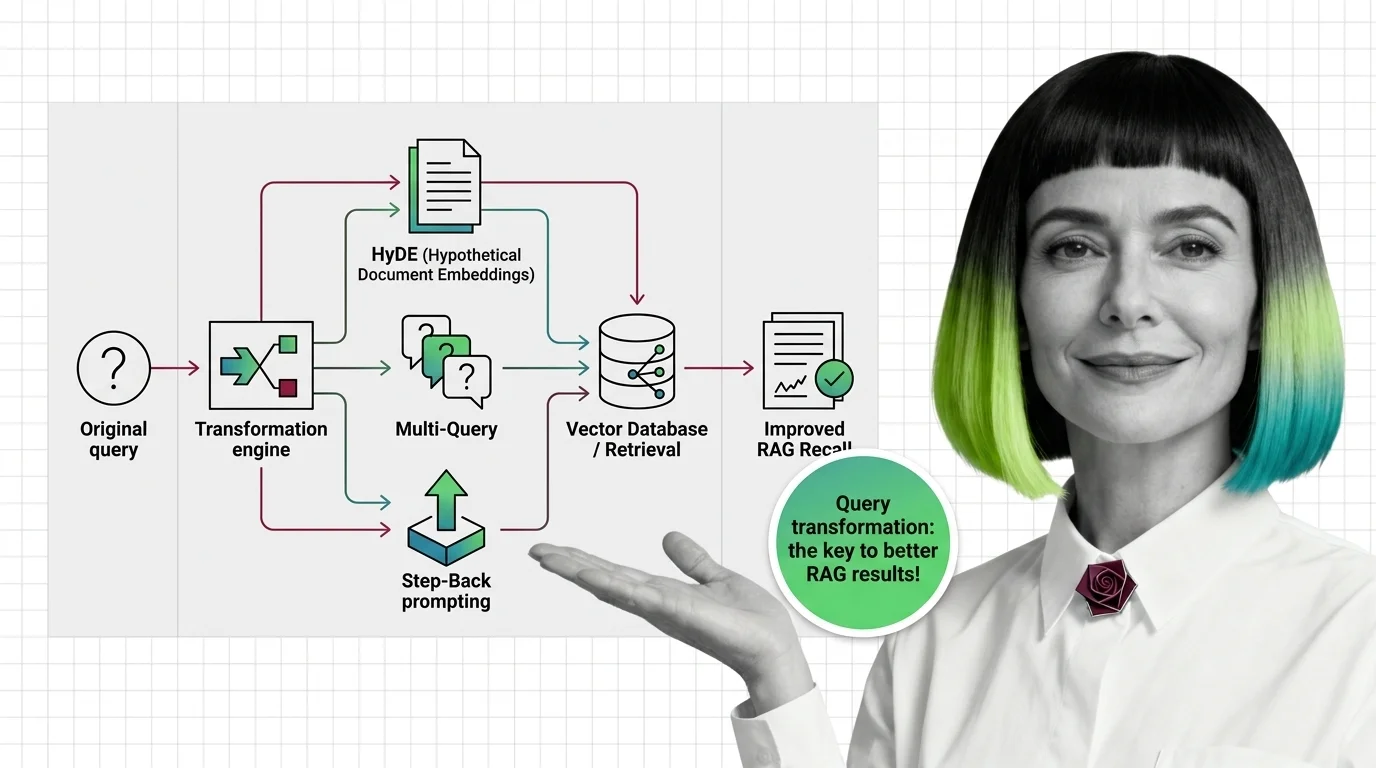
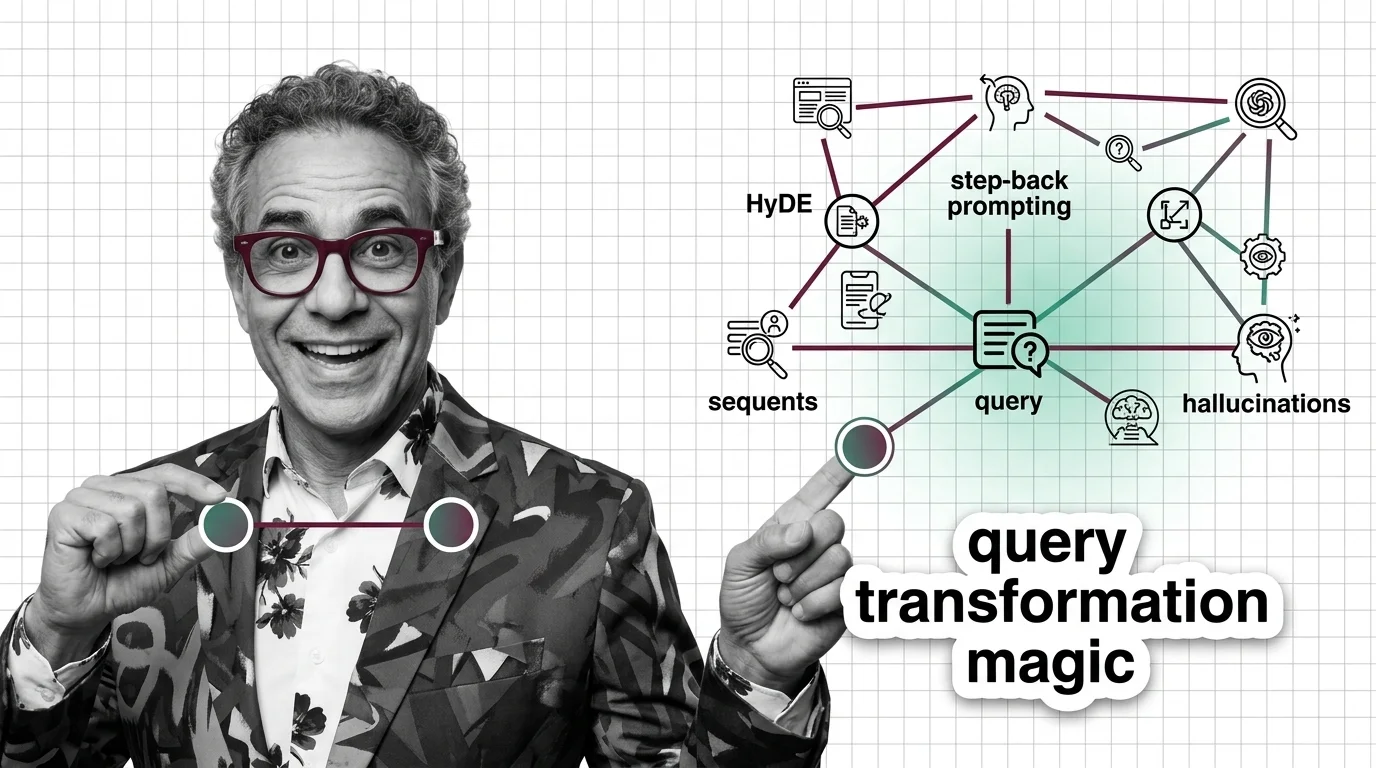
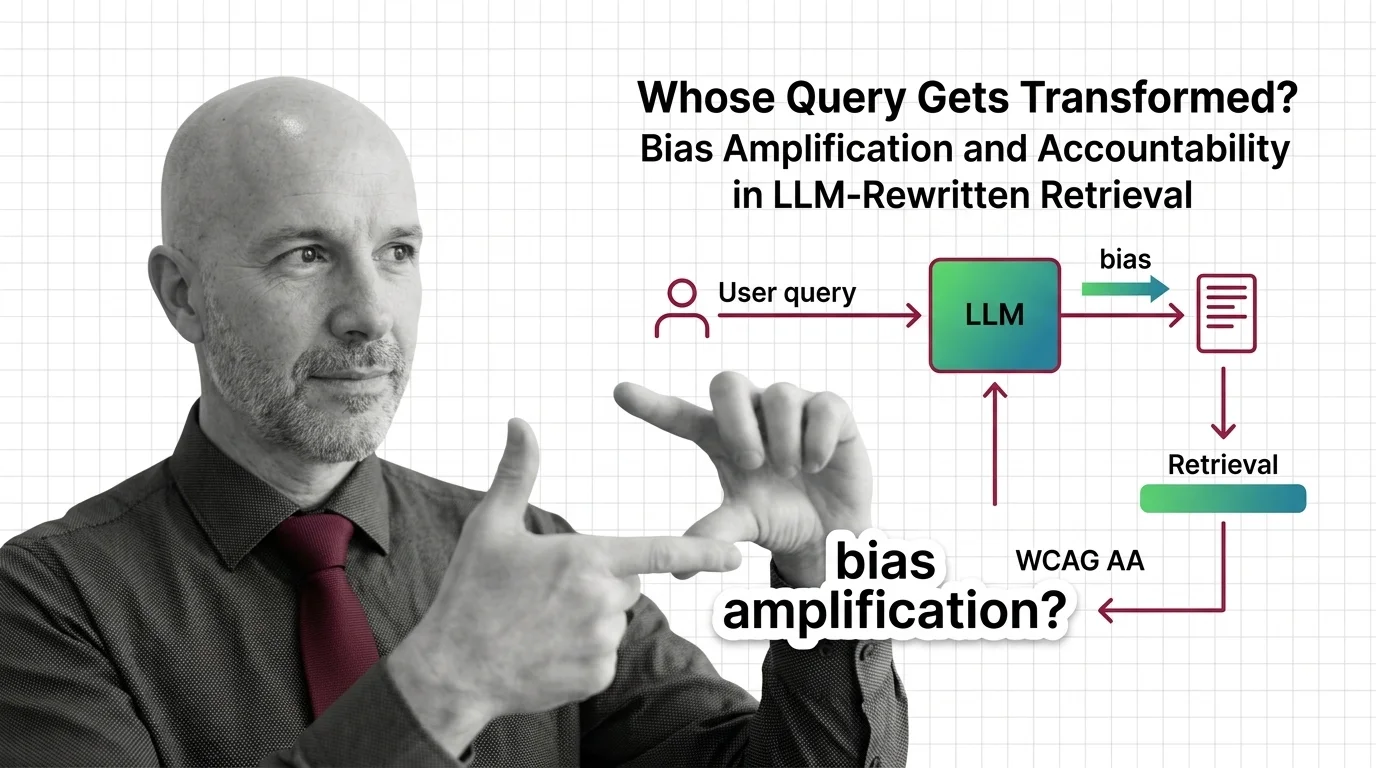
Query transformation rewrites user prompts before retrieval. Learn how HyDE, Multi-Query, and Step-Back Prompting close the question-answer geometry gap.
Cross-encoder rerankers hit two architectural walls: latency scales linearly with candidates and quadratically with tokens, plus MS-MARCO domain drift.
Query transformation in RAG hits three hard limits: latency tax from extra LLM calls, query drift on simple inputs, and hallucinated documents from HyDE.
Reranking splits recall and precision into two stages. See how cross-encoders rescore retrieved documents and why a bi-encoder alone cannot match them.
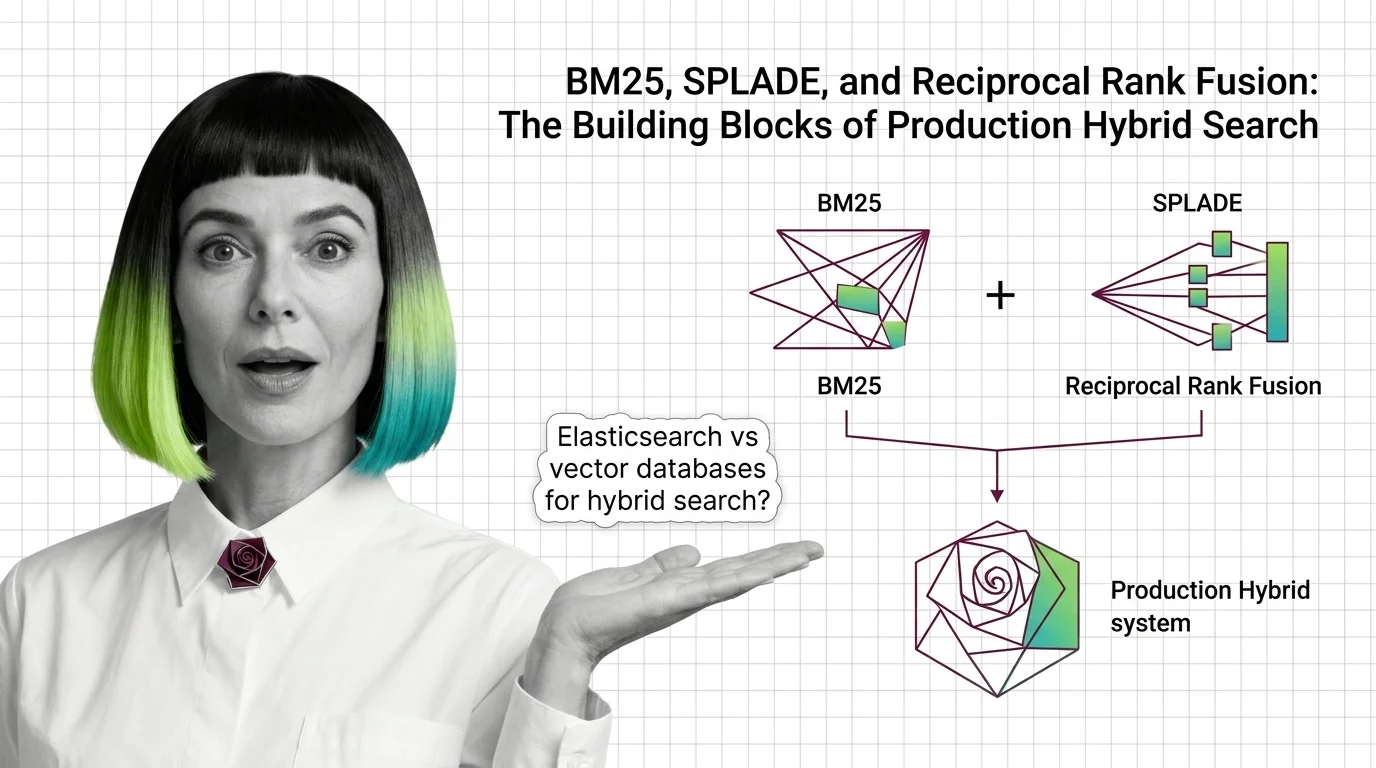
BM25, SPLADE, and reciprocal rank fusion each solve a different retrieval problem. Here's how the three combine into a production hybrid search system.
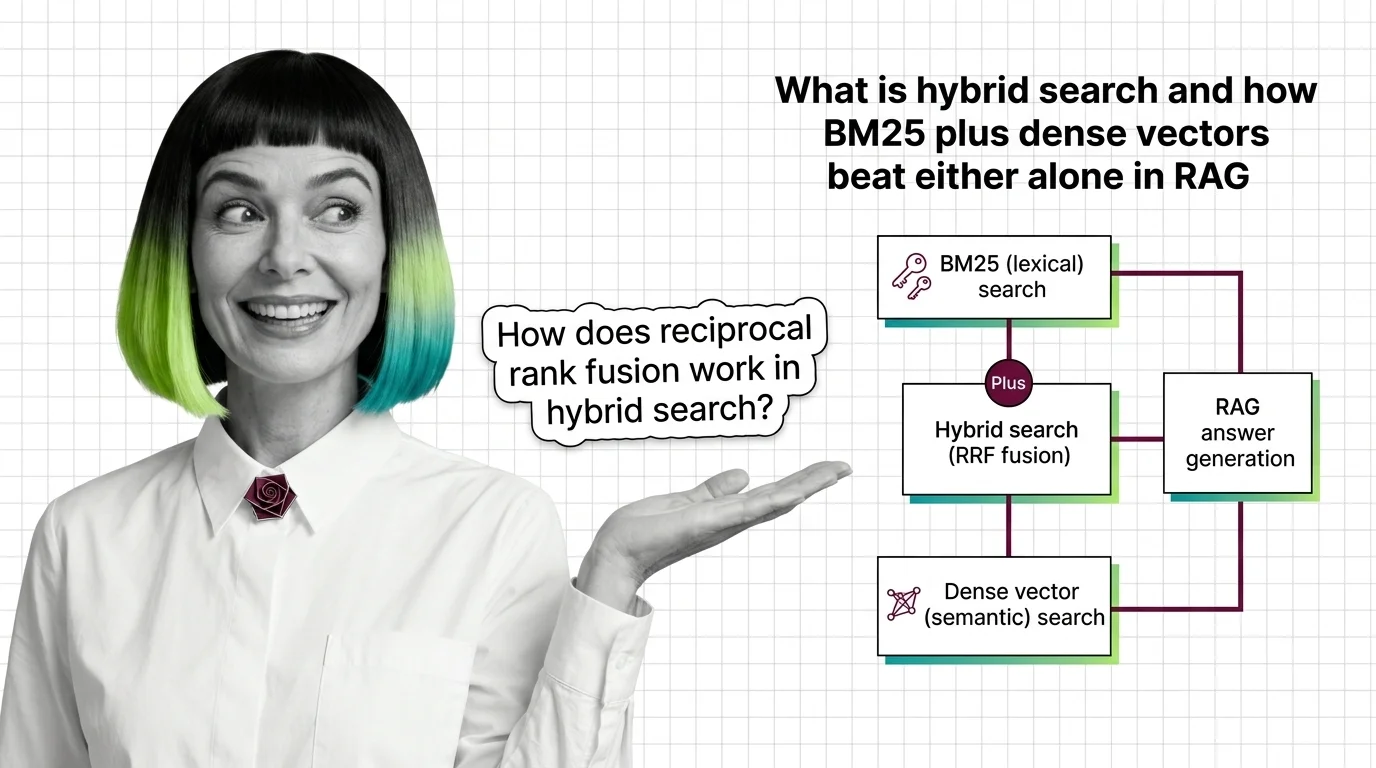
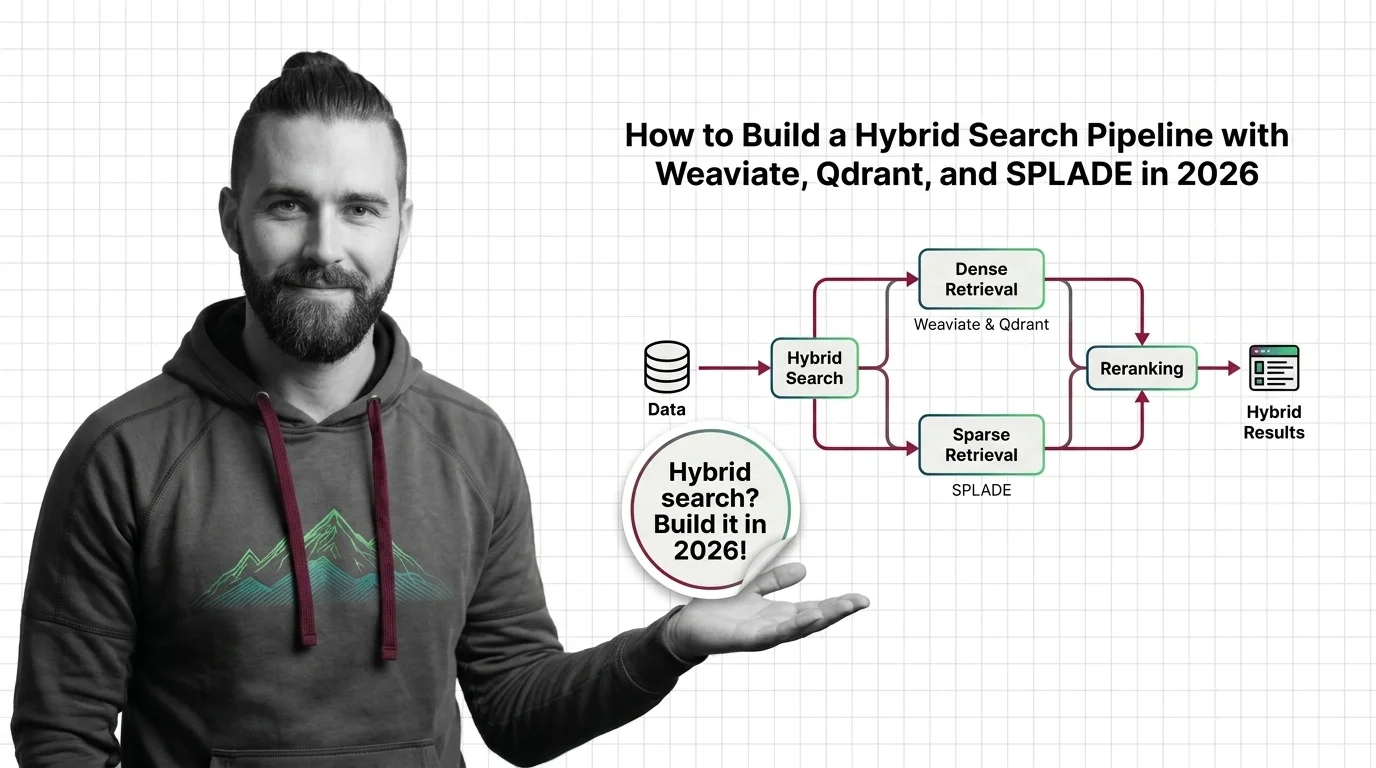
Hybrid search fuses BM25 keyword retrieval with dense vector search using reciprocal rank fusion. Why two ranked lists beat either alone in RAG pipelines.
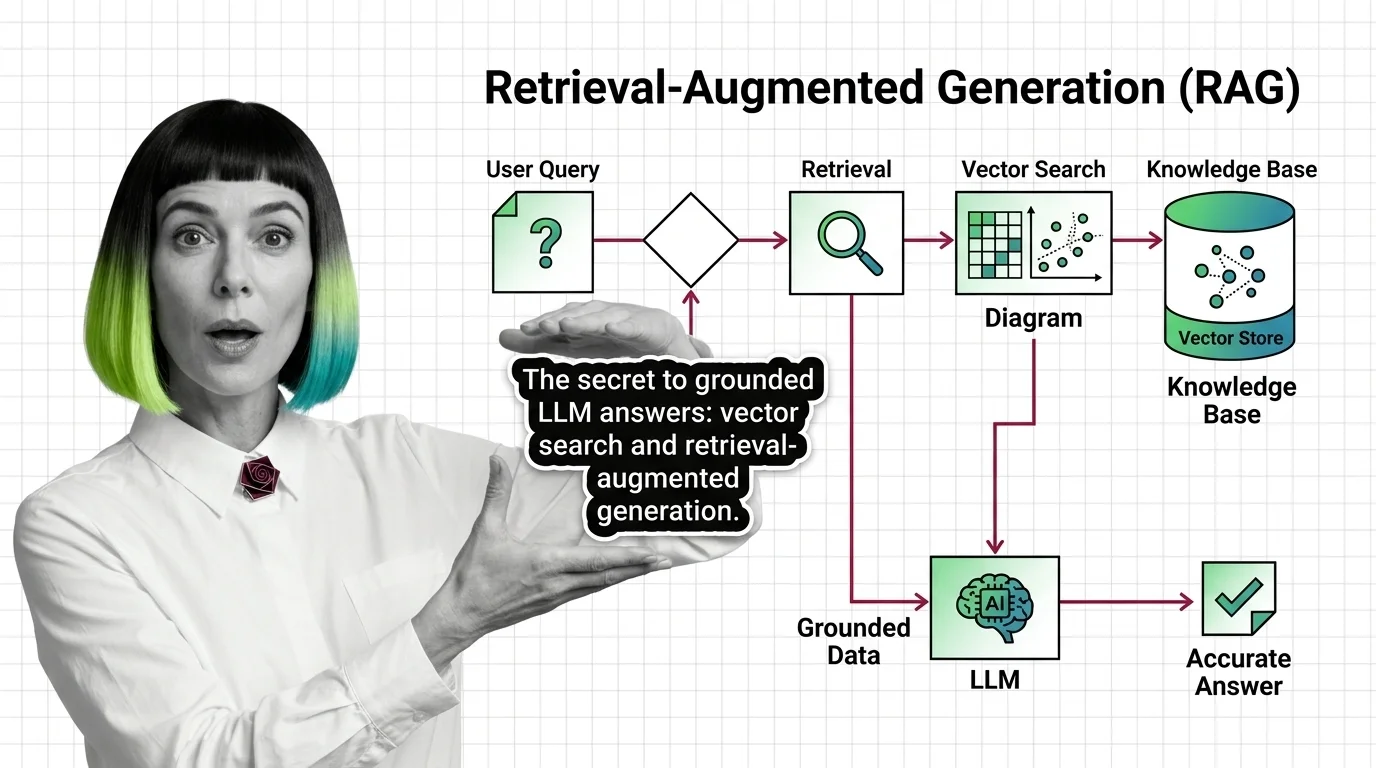
Retrieval-augmented generation pairs an LLM with a vector index so answers are grounded in real documents — not just training data. The mechanism, explained.
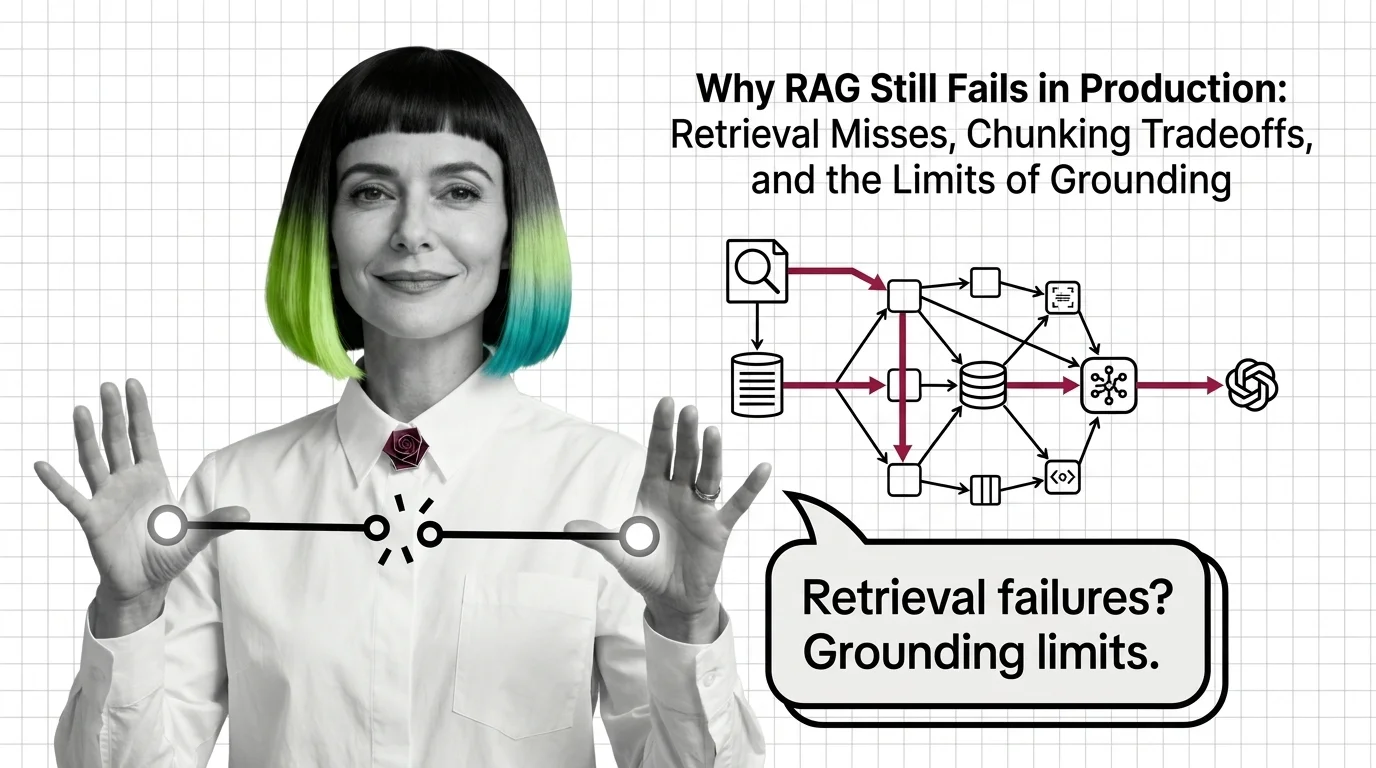
RAG fails in production because retrieval, chunking, and grounding hit structural limits — not because of bugs. Why correct retrieval still hallucinates.
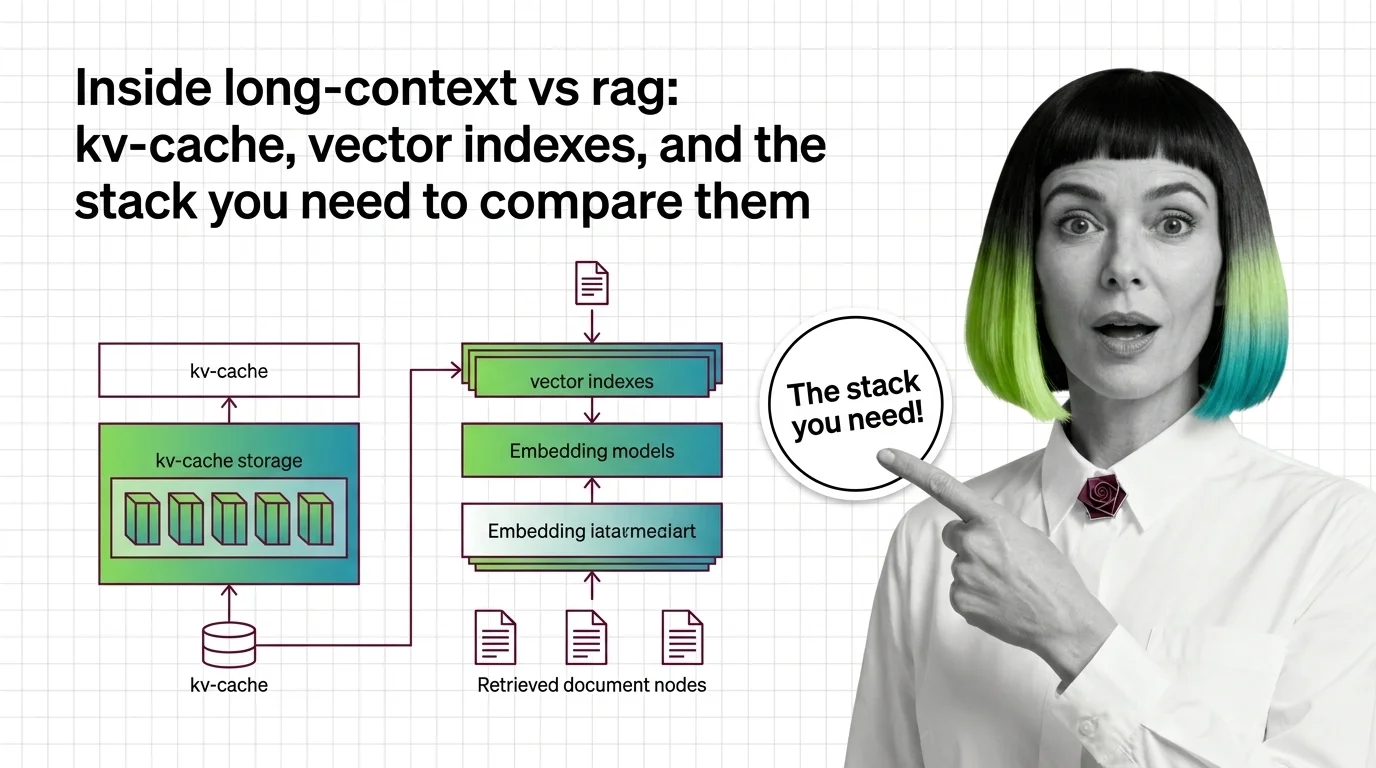
Long-context models and RAG pipelines compete for the same job with different parts. A component-by-component map of KV caches, vector indexes, and trade-offs.
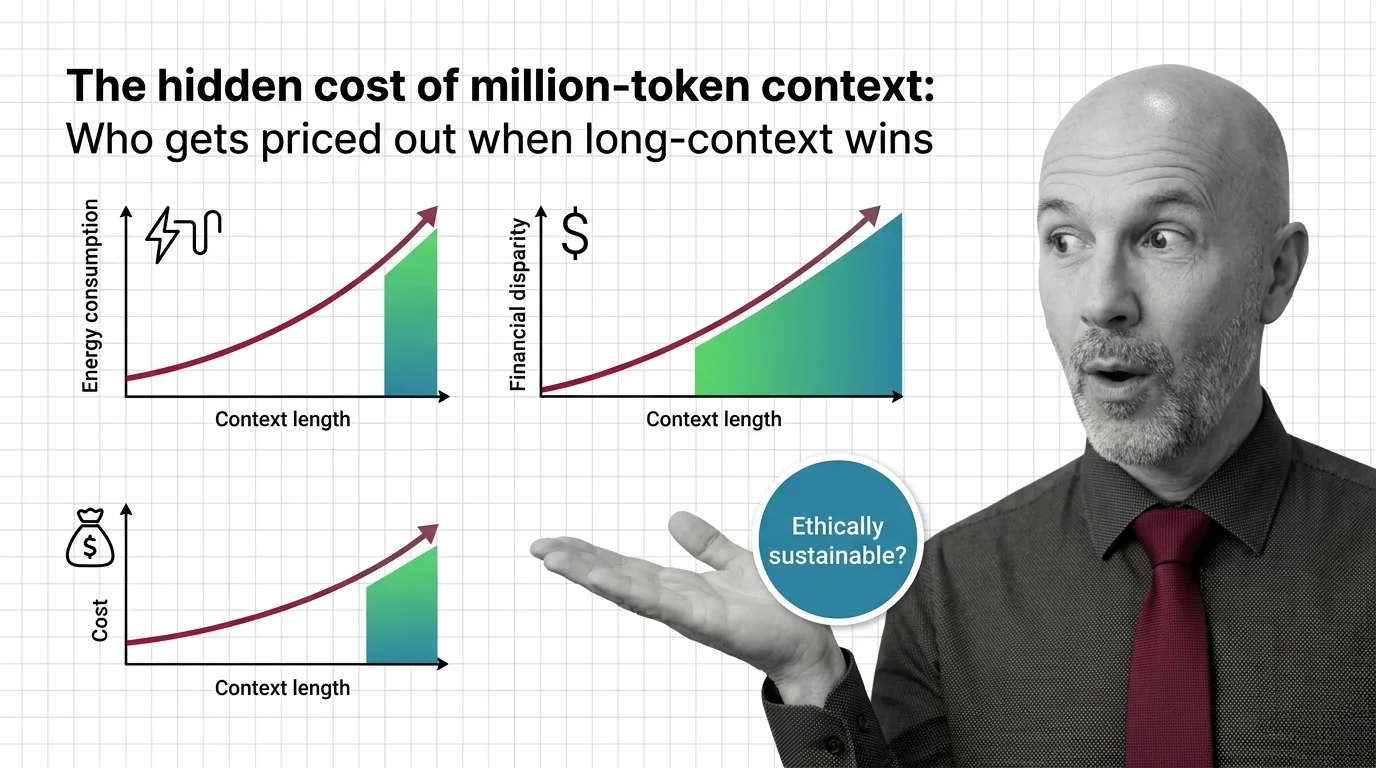
Long-context windows promise simplicity, but lost-in-the-middle, 1,250x cost gaps, and effective-context collapse at 32K make RAG indispensable at scale.
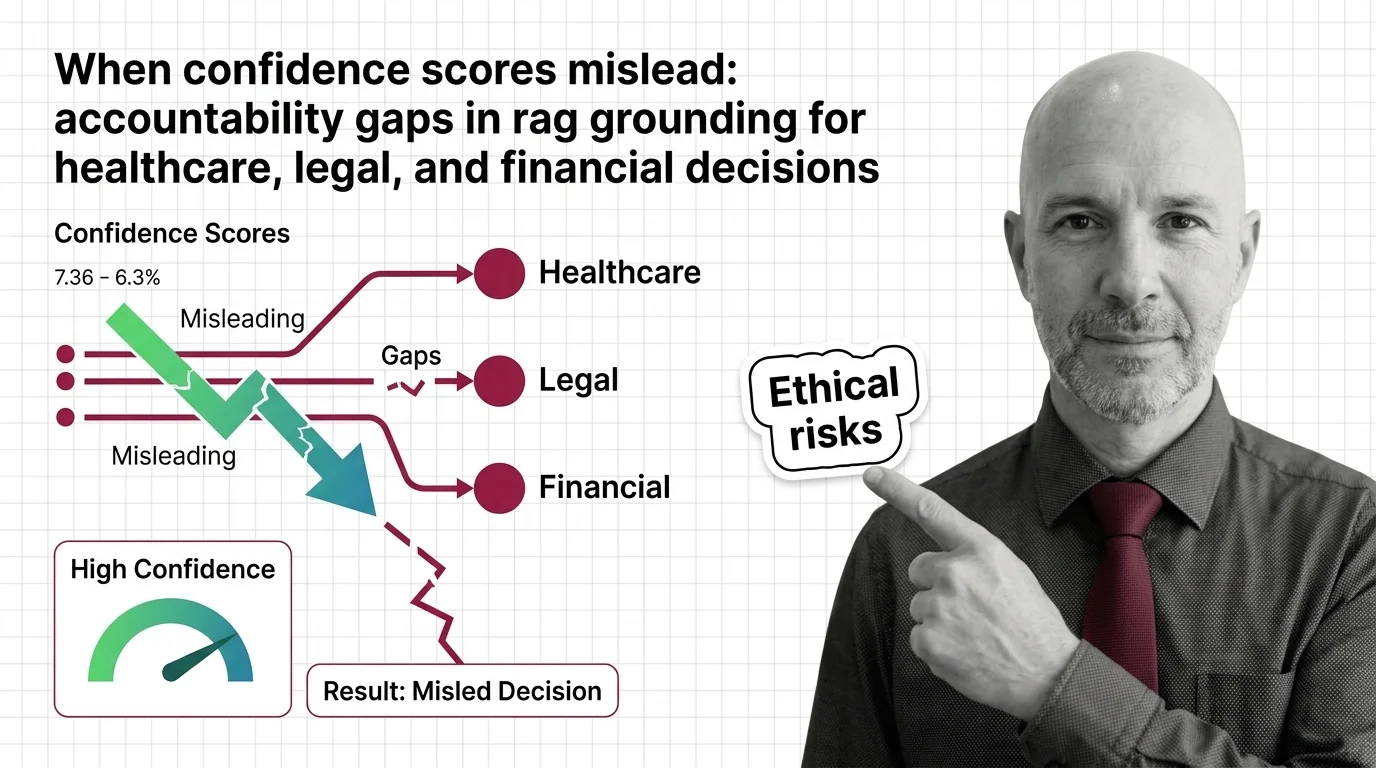
RAG grounding splits into three layers: citation generation, confidence scoring, and abstention. See how each fails differently and what each actually measures.
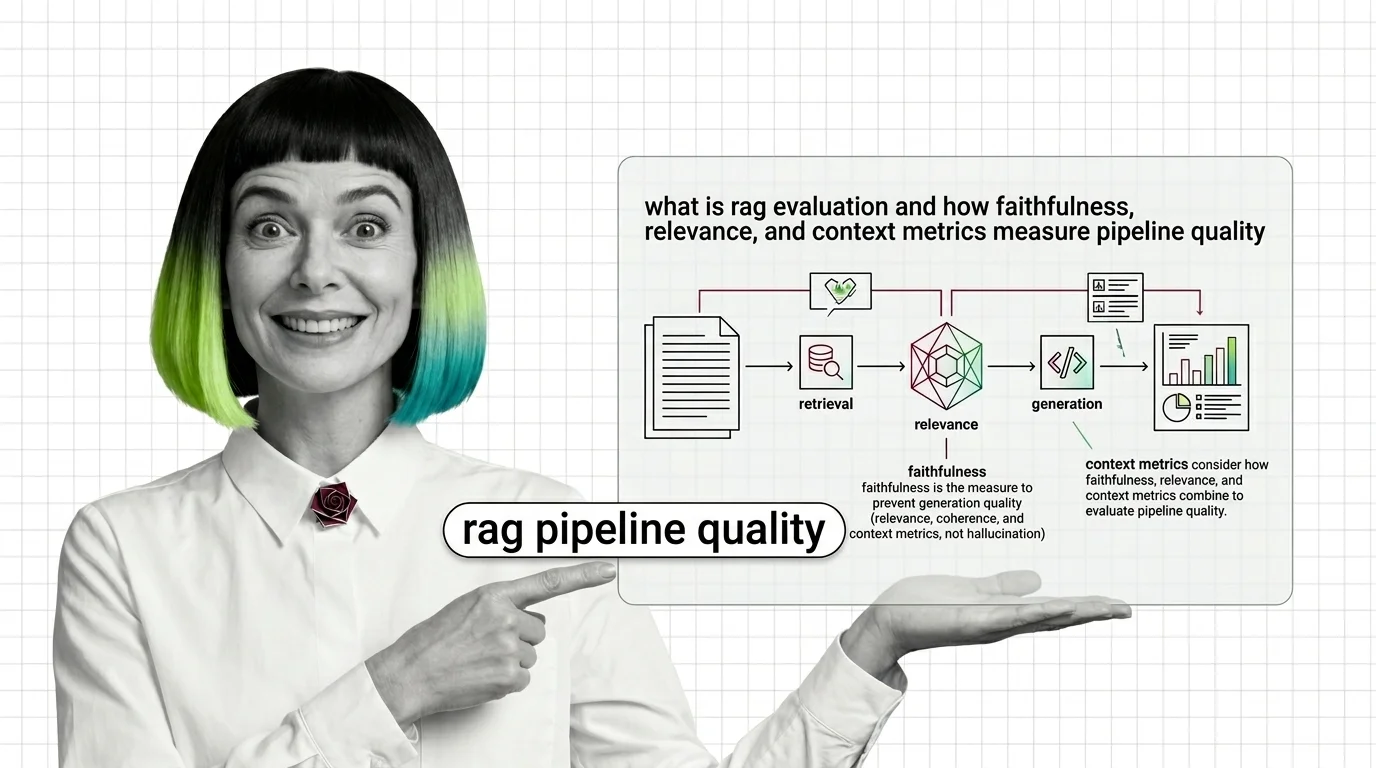
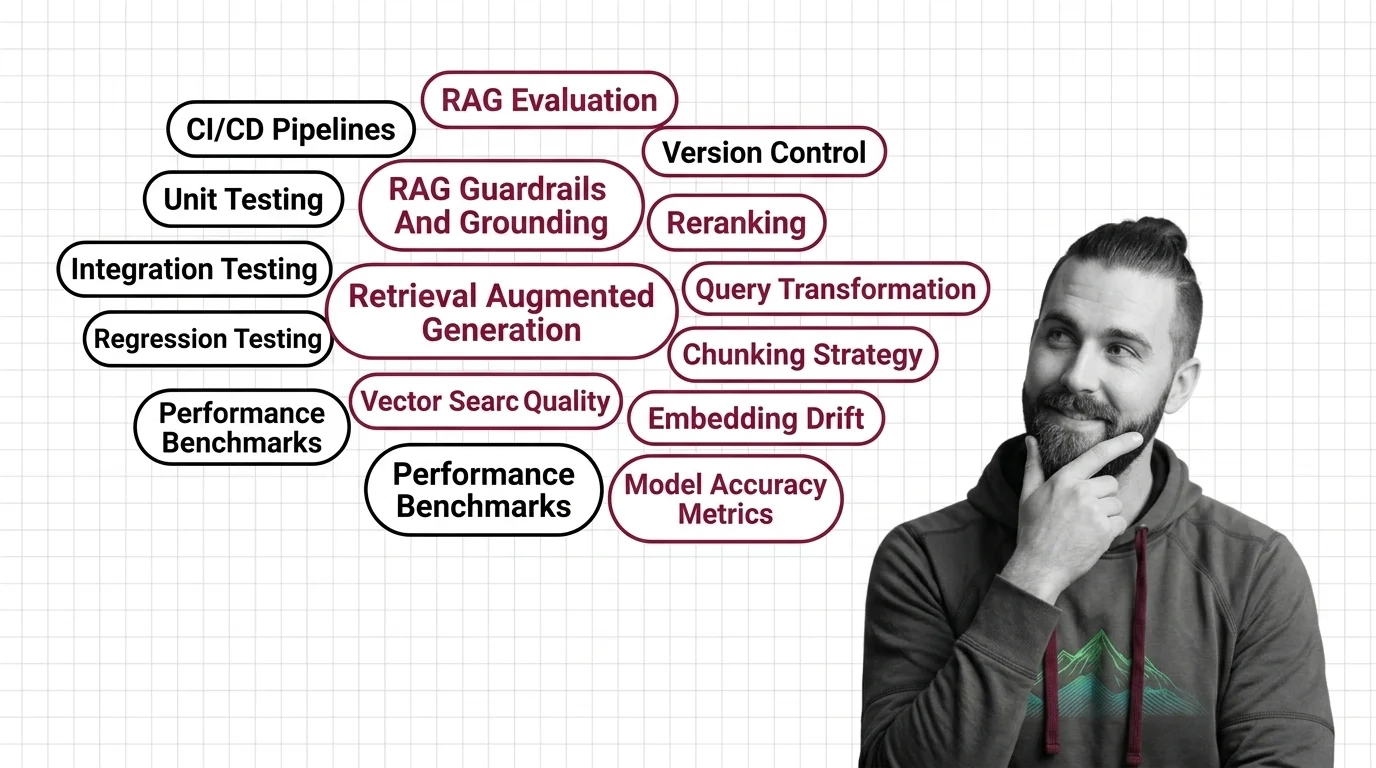
RAG evaluation splits your pipeline into retriever and generator and scores each. Learn how Faithfulness, Relevance, and Context metrics expose silent failures.
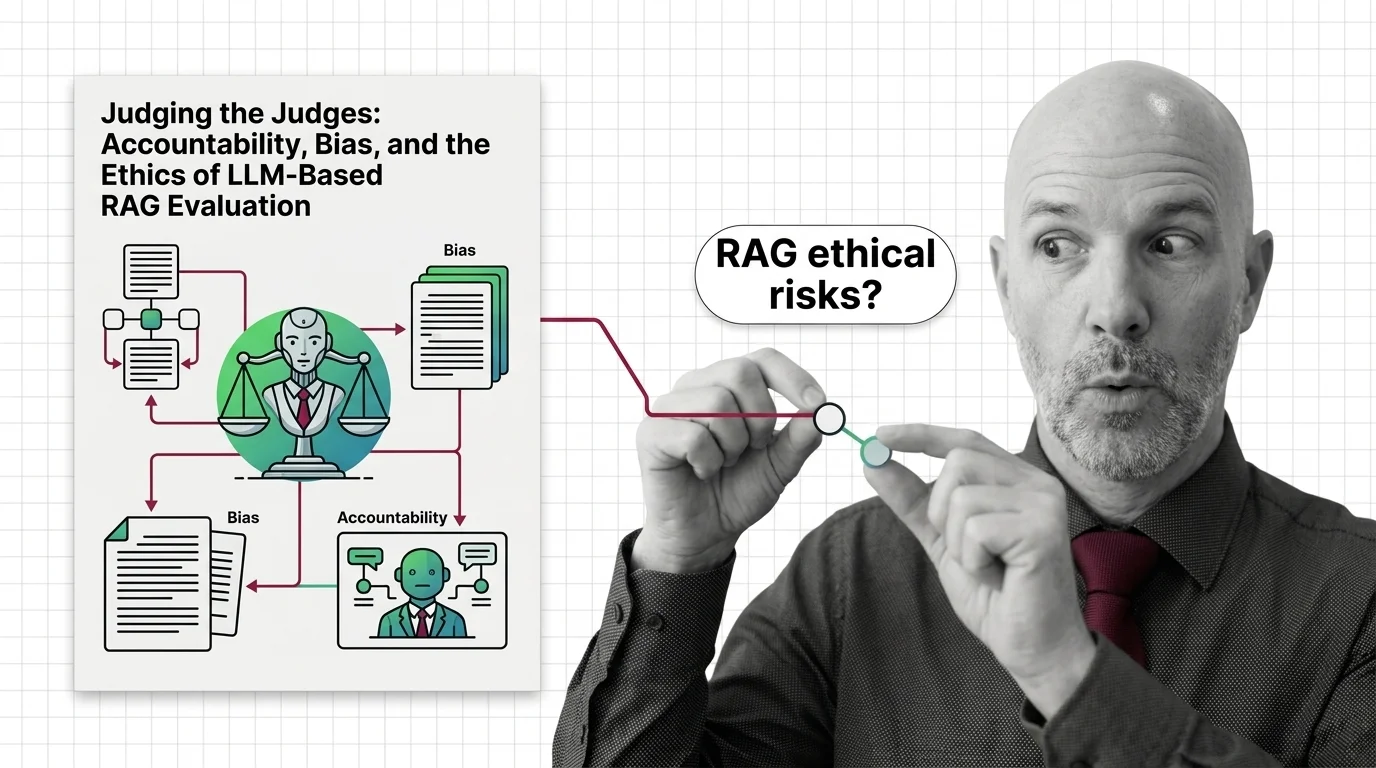
RAG evaluation frameworks like RAGAS rely on LLM judges with documented biases. Why faithfulness and answer relevancy scores are softer than they look.
Before you bolt guardrails onto a RAG pipeline, learn the RAG Triad — context relevance, groundedness, answer relevance — and how faithfulness gets measured.
RAG guardrails and grounding force generated answers to stay tied to retrieved sources. Learn how the mechanism works in 2026 — and why it still leaks.
Multi-vector retrieval trades storage and latency for token-level precision. Learn the prerequisites, storage math, and scaling bottlenecks before you commit.
Build and benchmark vector indexes with FAISS, ScaNN, and DiskANN. Choose index types by dataset size, tune parameters for recall, and prove performance with ANN-Benchmarks.
Select between FAISS, HNSWlib, and ScaNN for production vector search. Specification-first approach covering index selection, quantization, and validation.
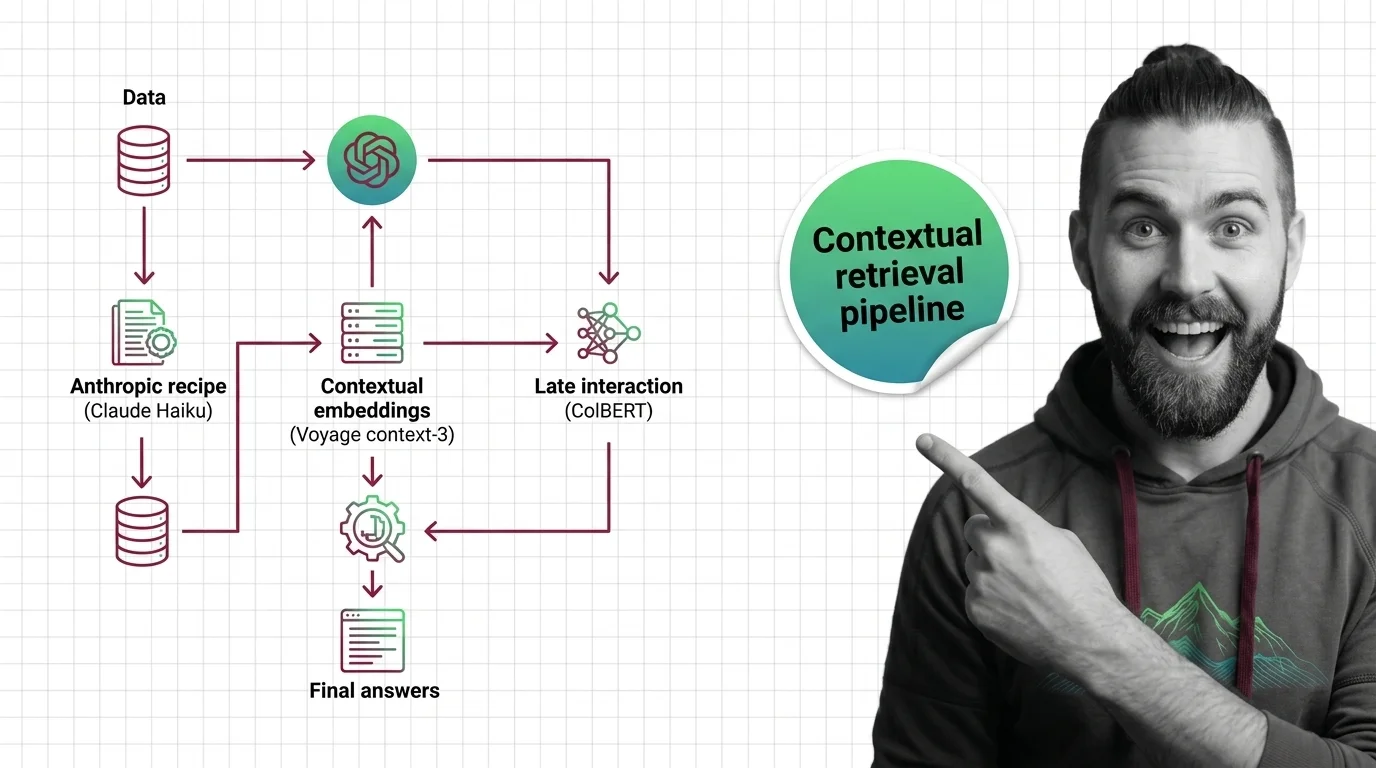
Contextual retrieval cuts RAG retrieval failures by up to 67%. Here is the pipeline spec for 2026 — Anthropic recipe, voyage-context-3, ColBERT, reranking.
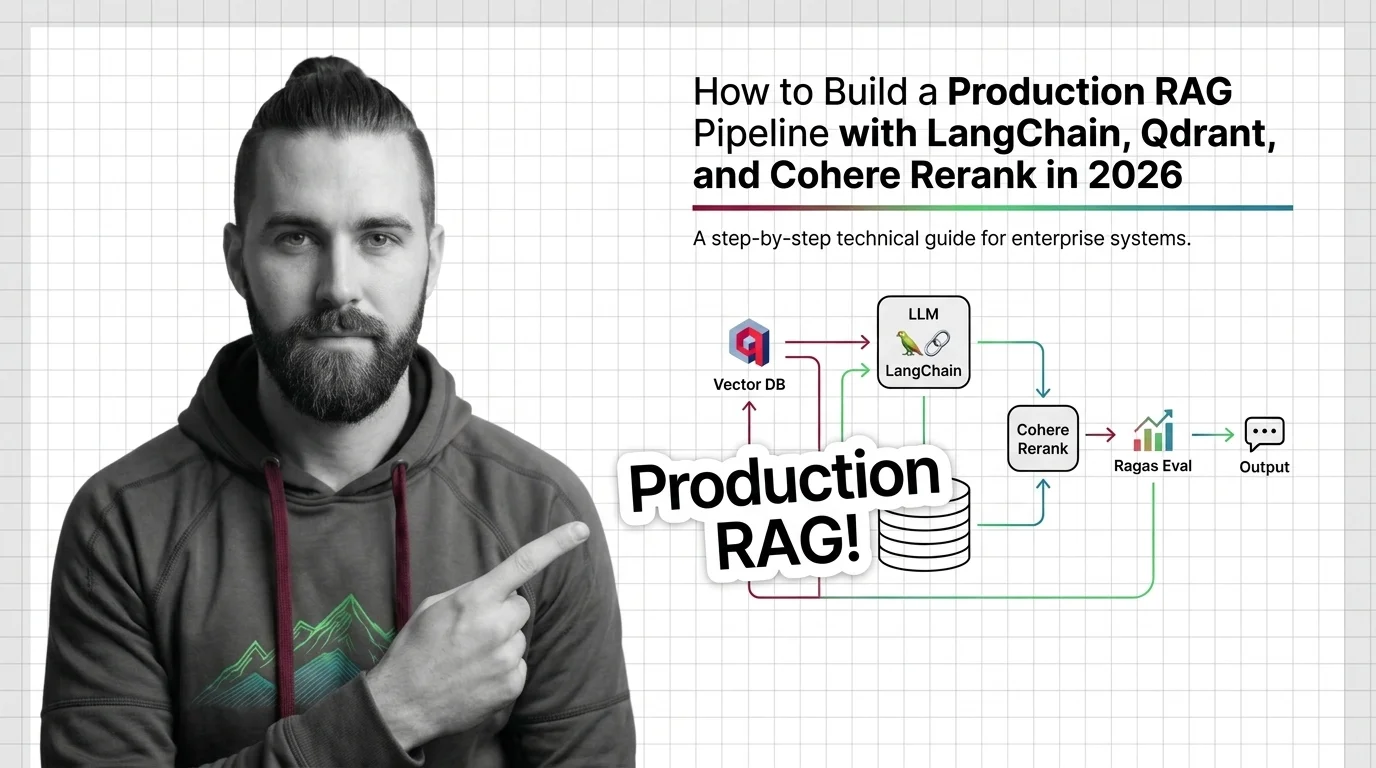
Build a production RAG pipeline in 2026 with LangChain, Qdrant hybrid retrieval, Cohere Rerank 4, and Ragas eval. Specs, contracts, and validation that ship.
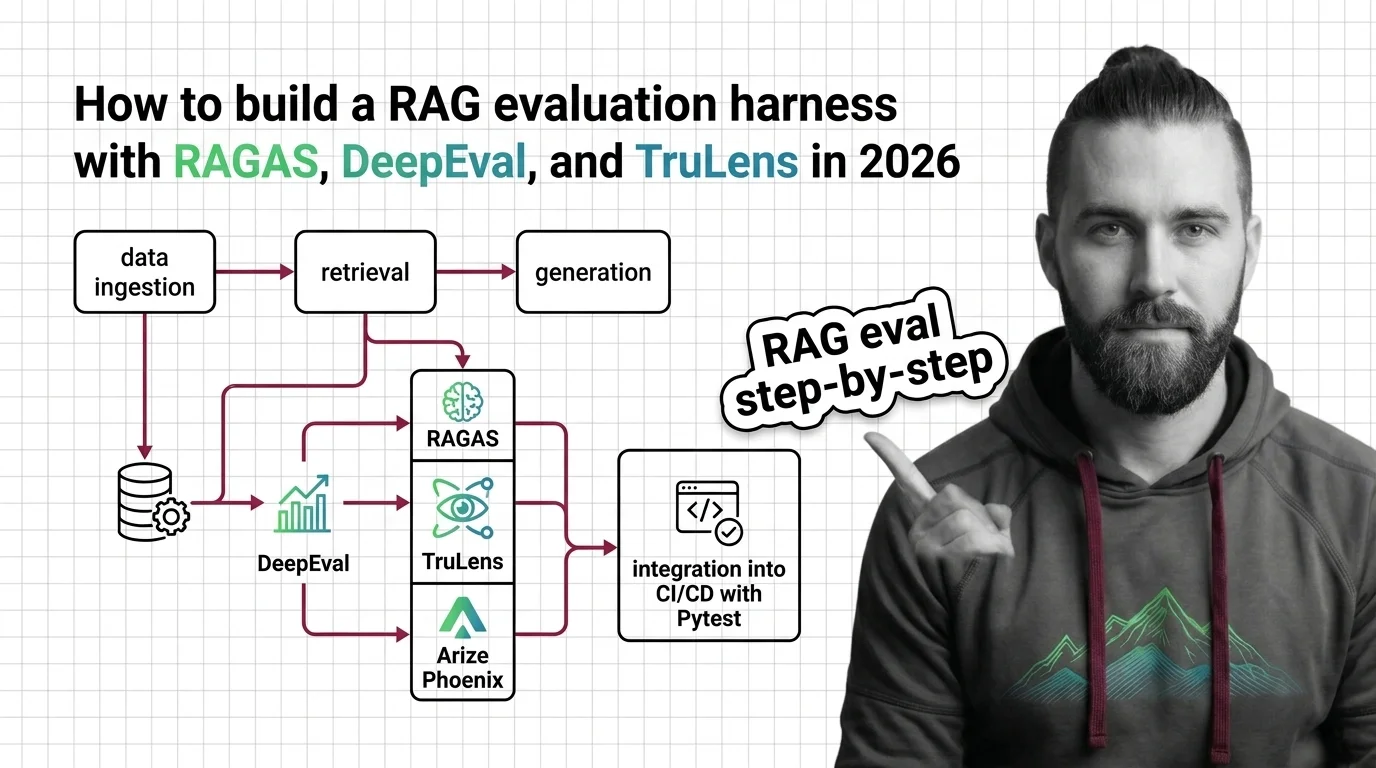
RAG regresses with no commit and no deploy. Map your testing instincts onto a live evaluation harness — golden sets, baselines, and a CI gate that now scores instead of asserts.
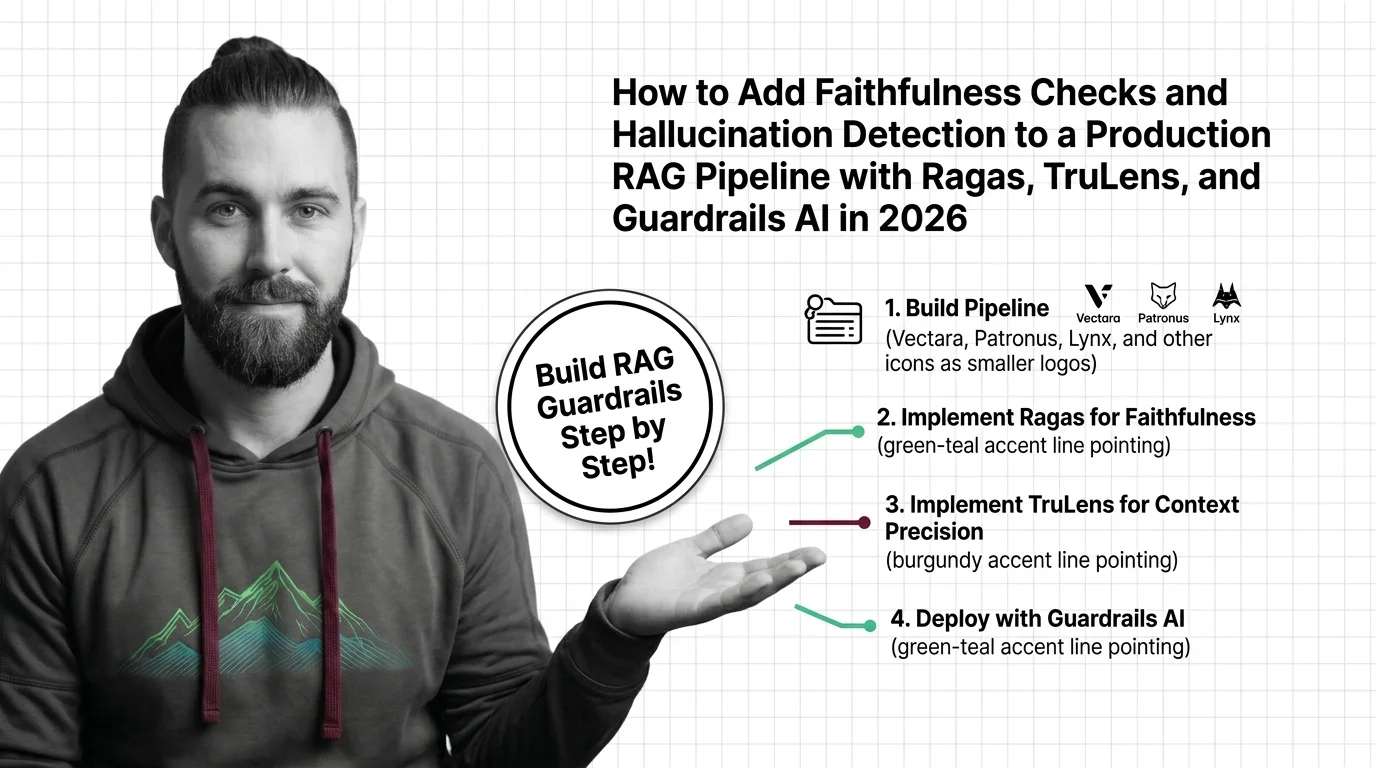
Wire Ragas, TruLens, and Guardrails AI into your RAG pipeline to catch hallucinations before users see them. A three-layer spec for faithfulness in 2026.
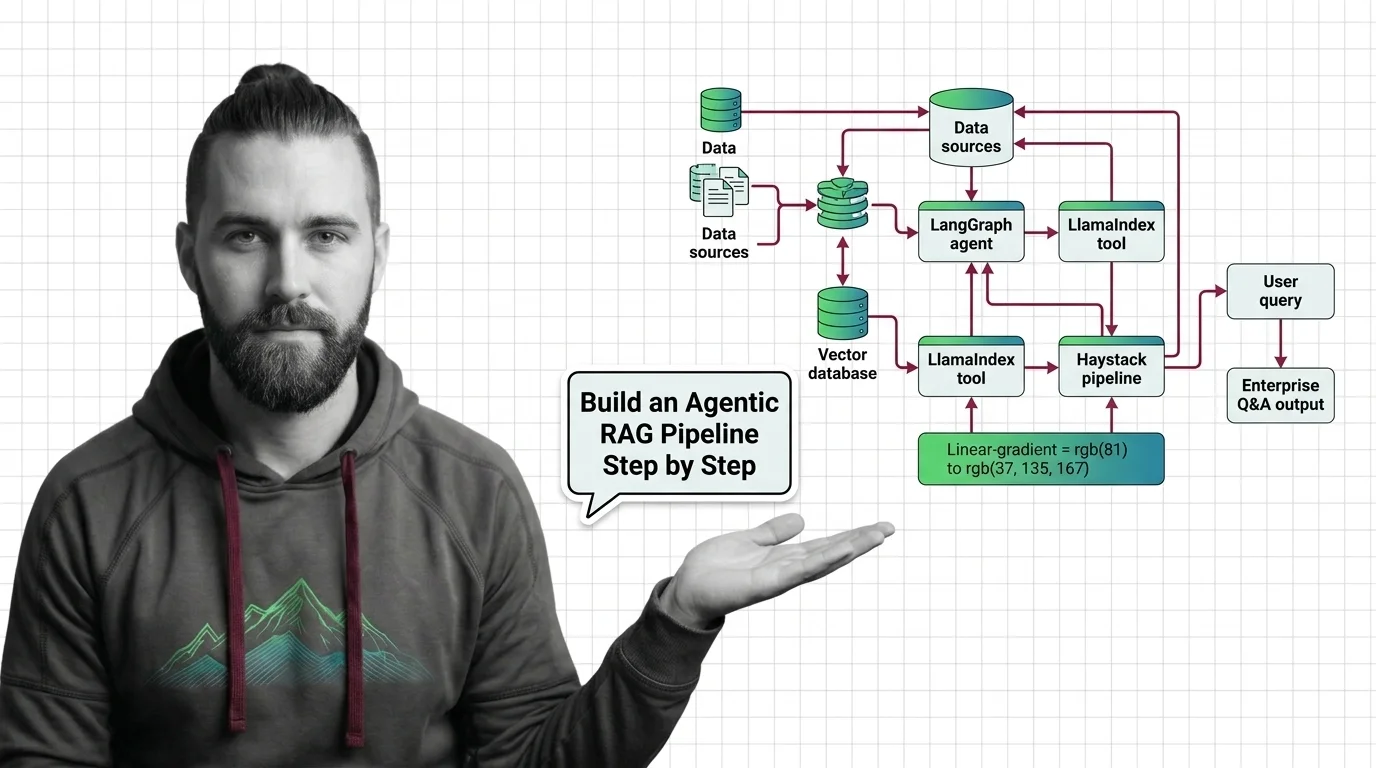
Production agentic RAG in 2026 means hybrid search, cross-encoder rerank, and bounded loops. Spec the pipeline before wiring LangGraph, LlamaIndex, Haystack.
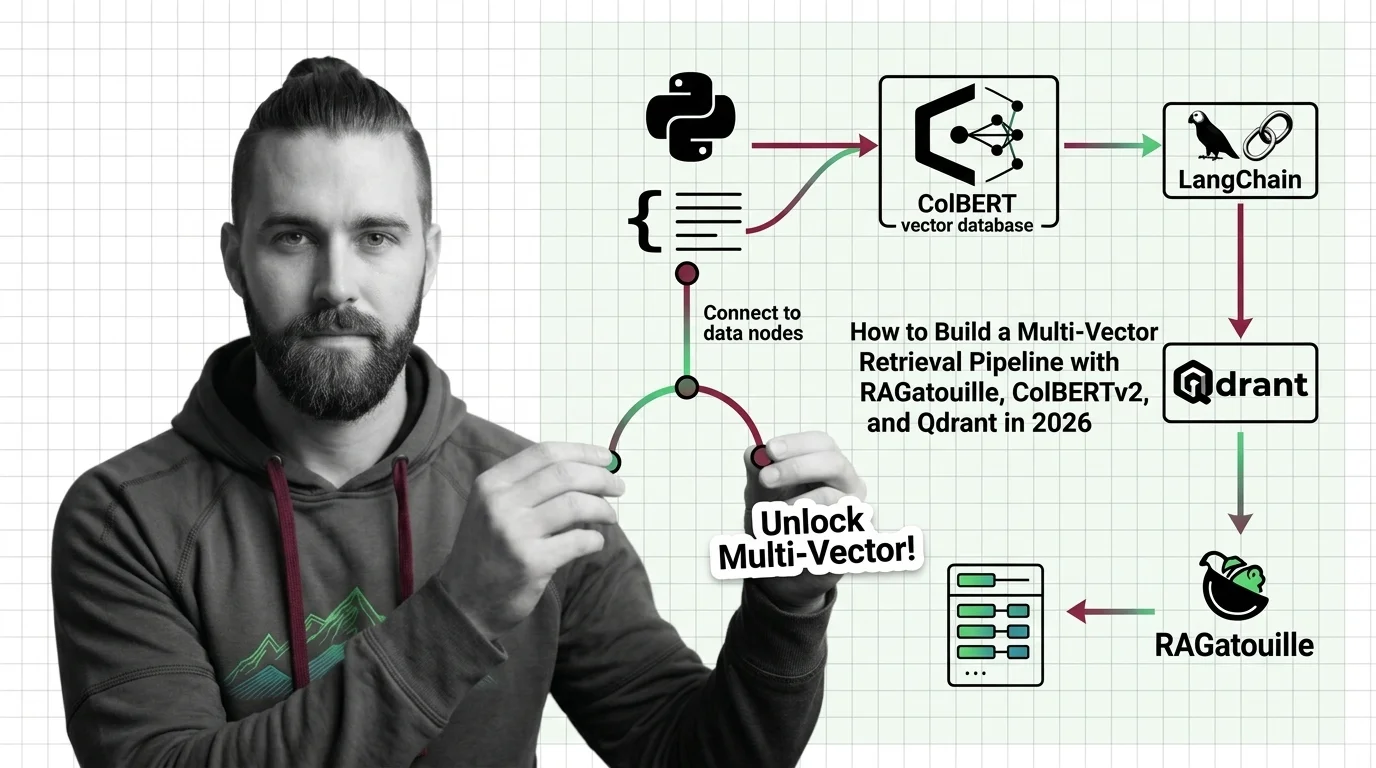
Build a production multi-vector retrieval pipeline with ColBERTv2, RAGatouille, and Qdrant. Specification-first framework for late-interaction search in 2026.
DAN tracks how this domain is evolving — which models, techniques, and benchmarks are reshaping 2026.
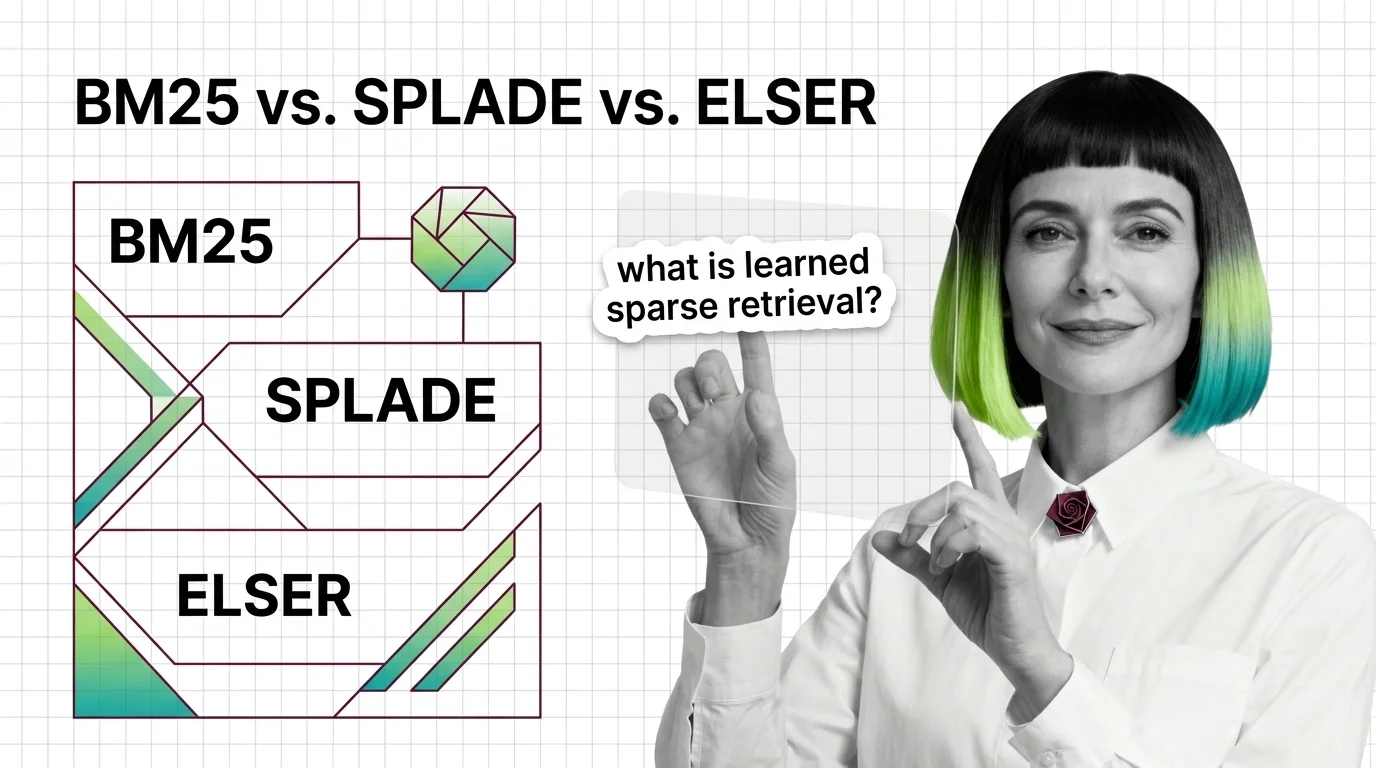
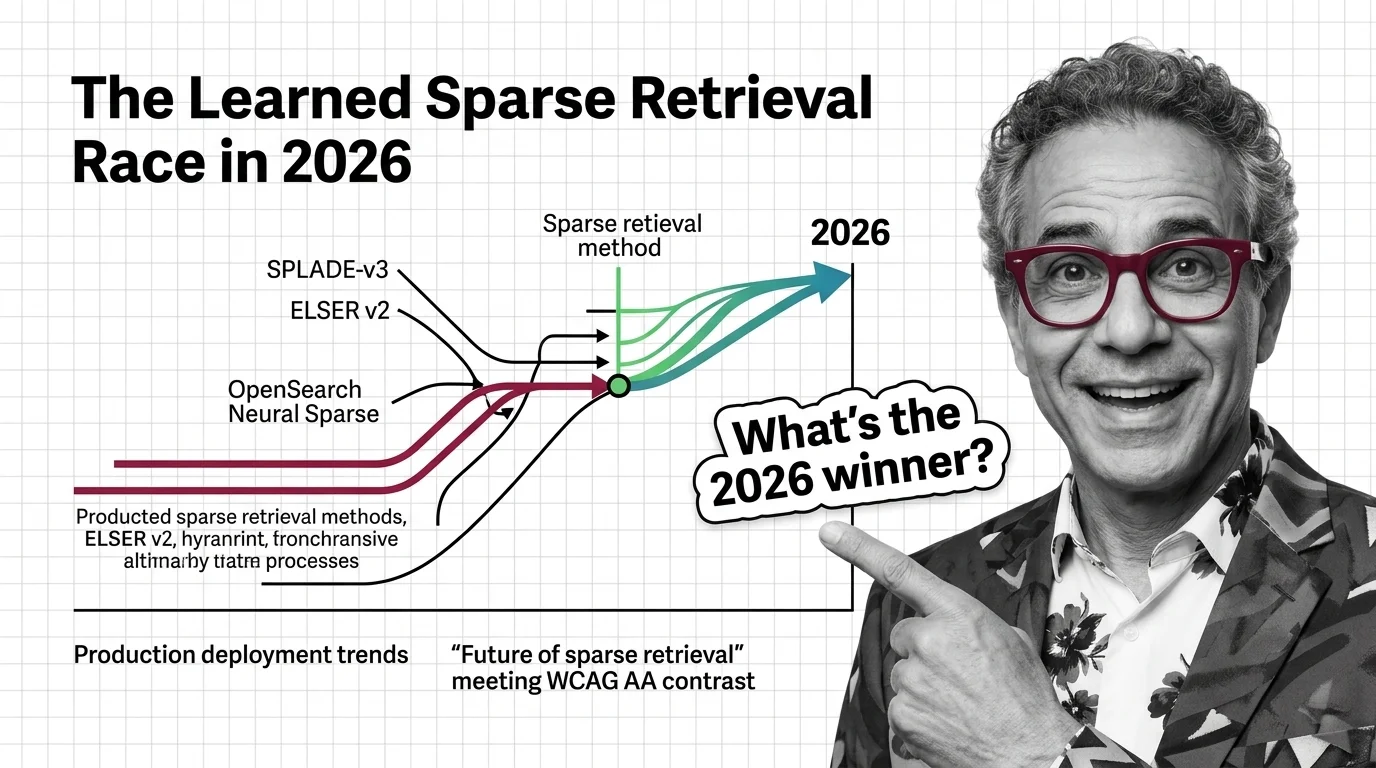
Three learned sparse retrieval lines hit production in 2026 as hybrid search becomes the default RAG stack. Who's winning, who's losing, what to deploy now.
SymphonyQG, Glass, and ScaNN are rewriting ANN benchmark rankings. Learn which vector indexing strategies win at scale and what it means for your search stack.
The ANN library race split into GPU-first and disk-first lanes. See which similarity search libraries lead in 2026 and what the fork means for your vector stack.
Open-weight embedding models now match proprietary APIs on benchmarks at a fraction of the cost. What the 2026 market shift means for your retrieval stack.
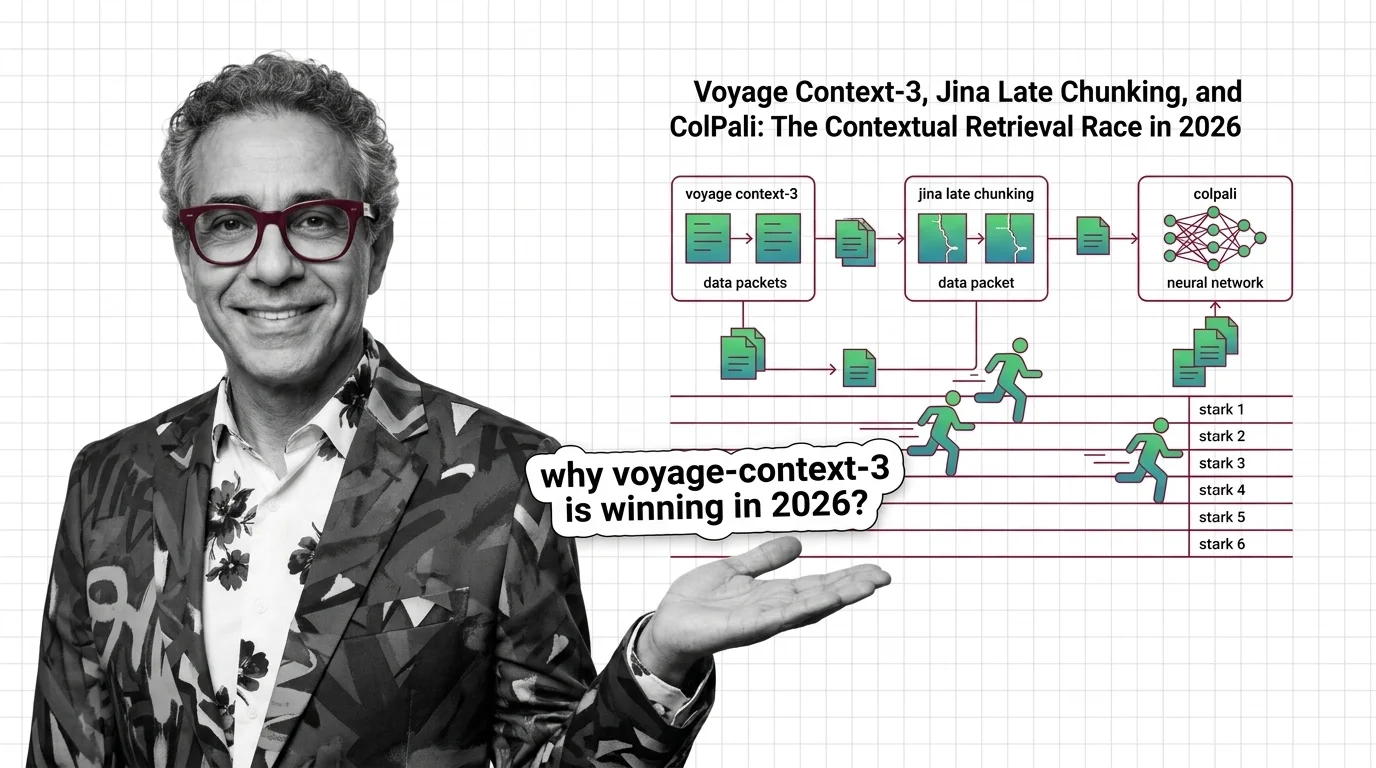
voyage-context-3, Jina late chunking, and ColPali each replace Anthropic's contextual retrieval recipe in 2026. Here is which one wins for your stack — and why.
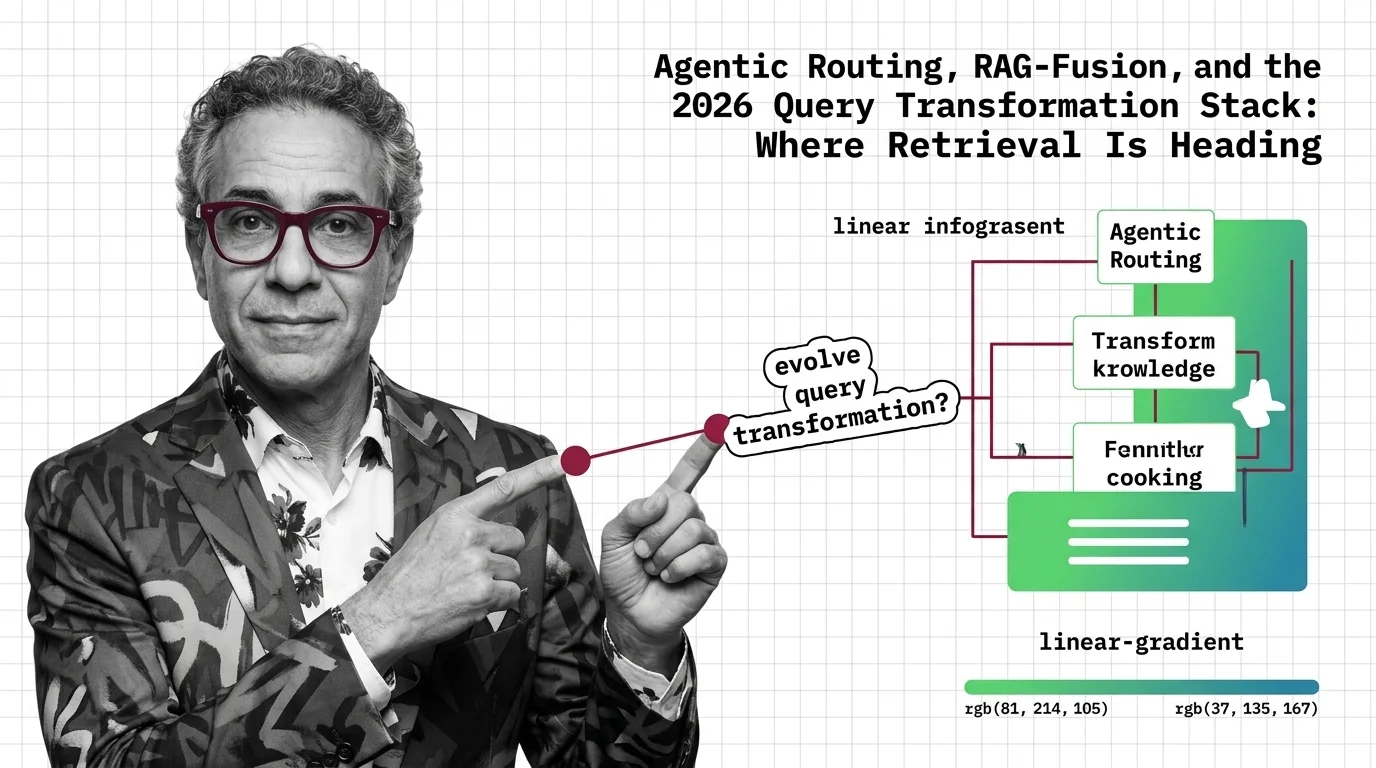
Query transformation in 2026: agentic routers dispatch per query, RAG-Fusion gets reranked into a tie, and pipelines collapse into reflective agent loops.
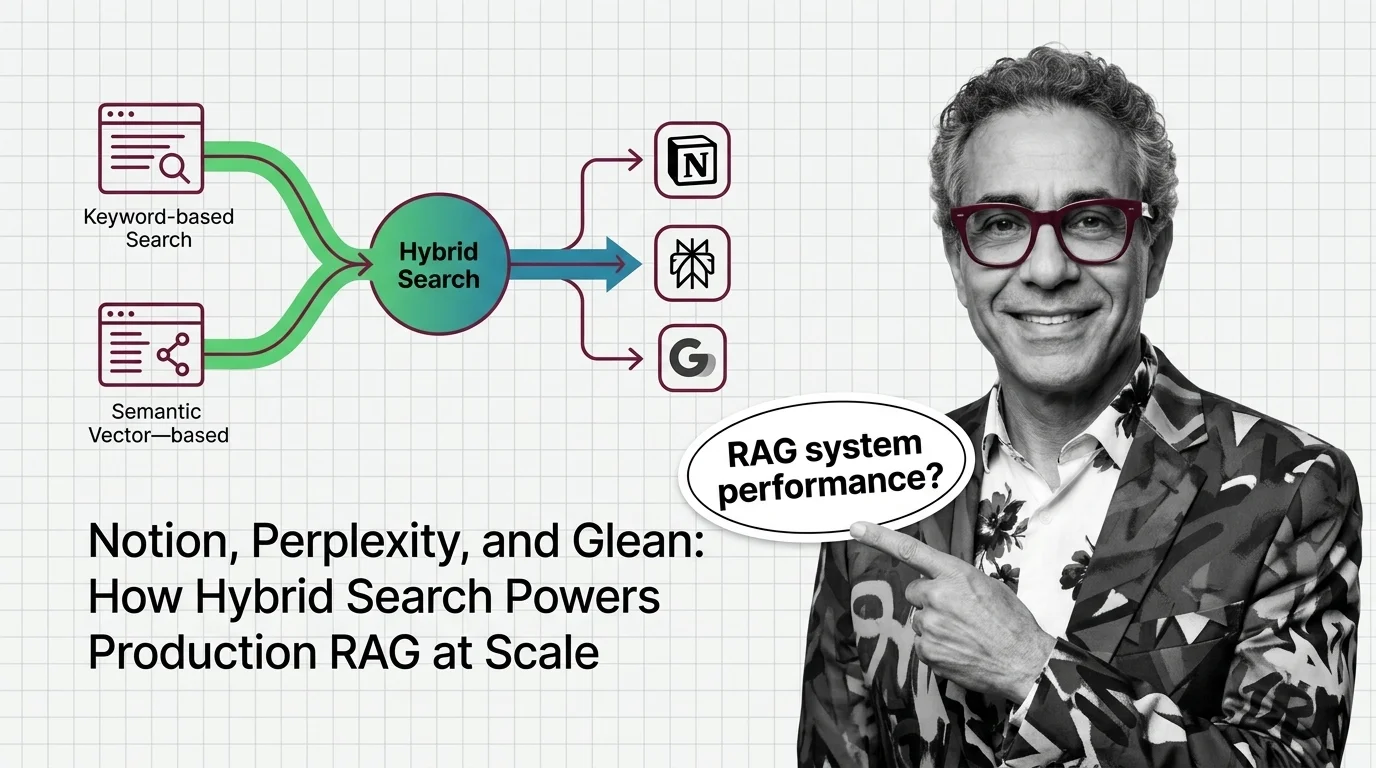
Hybrid search is now the production RAG default. How Perplexity, Glean, and Notion combine lexical and semantic retrieval at scale, and what it signals.
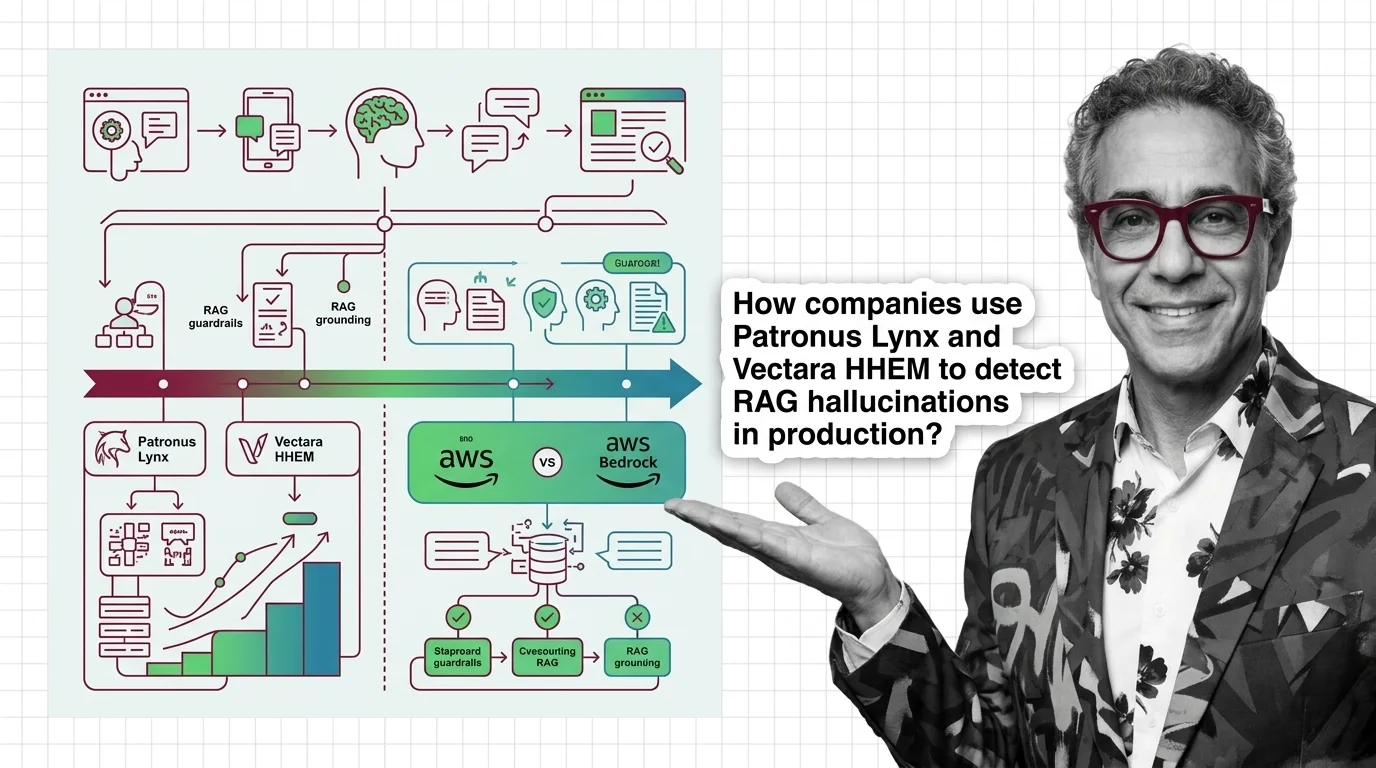
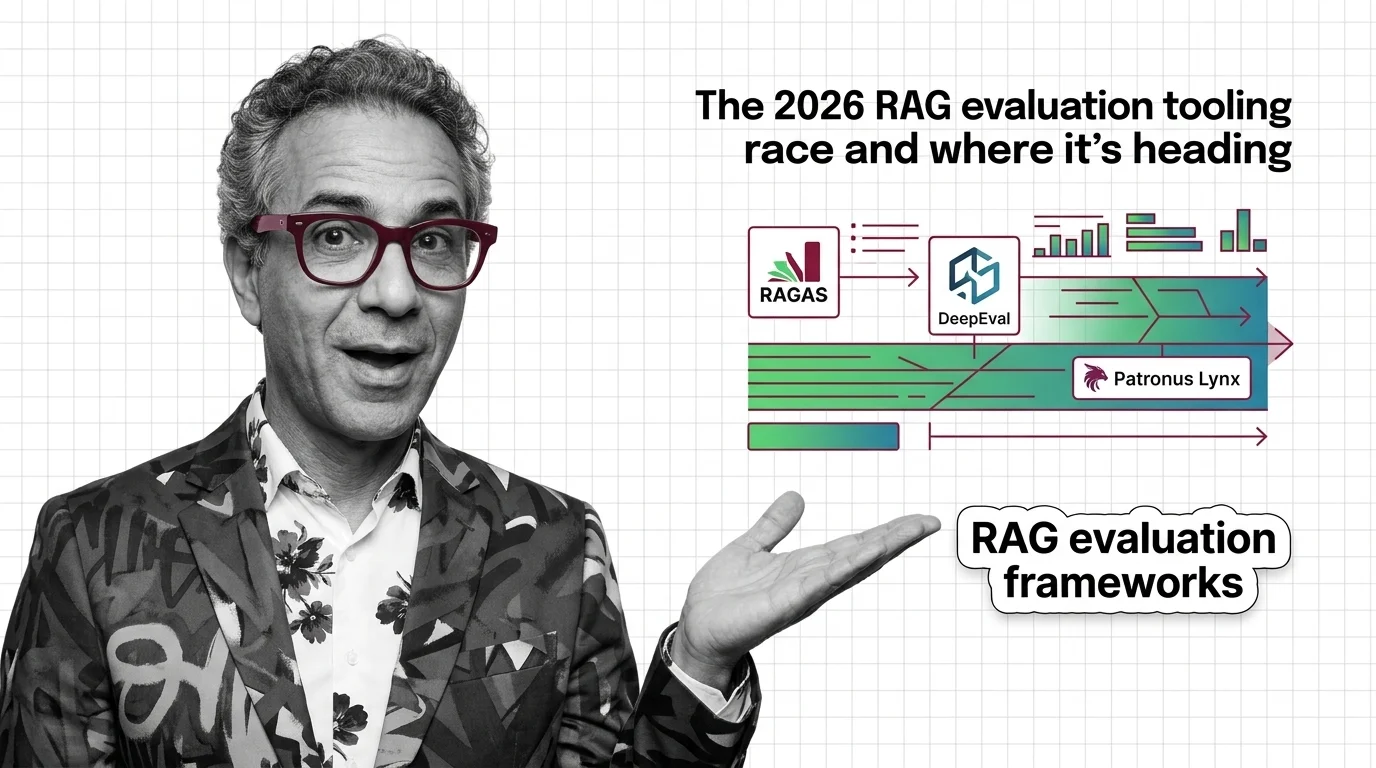
RAG evaluation forks in 2026: RAGAS and DeepEval push into agents and multimodal, while Patronus Lynx specialises in long-context hallucination detection.
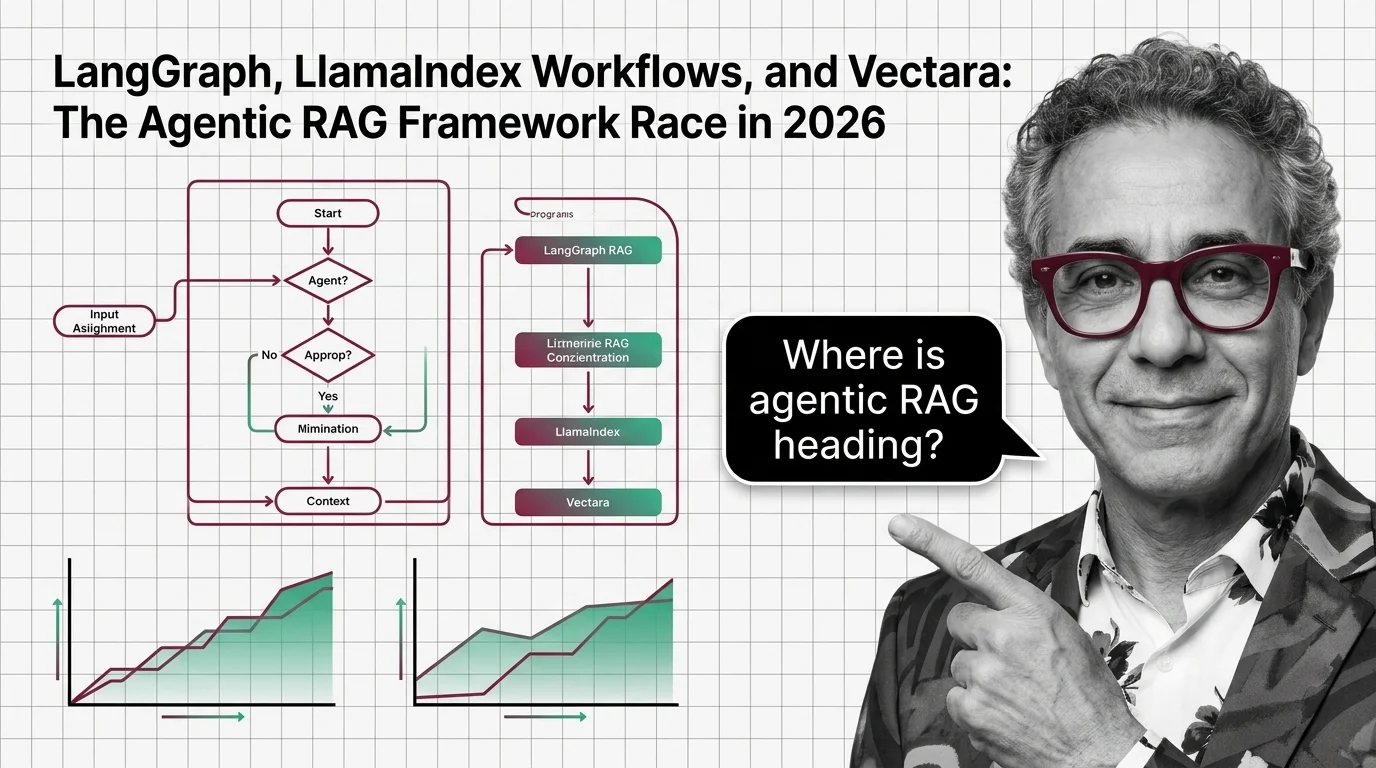
LangGraph 1.0, LlamaIndex Workflows, and Vectara are pulling agentic RAG in three directions in 2026 — orchestration, retrieval, and managed governance.
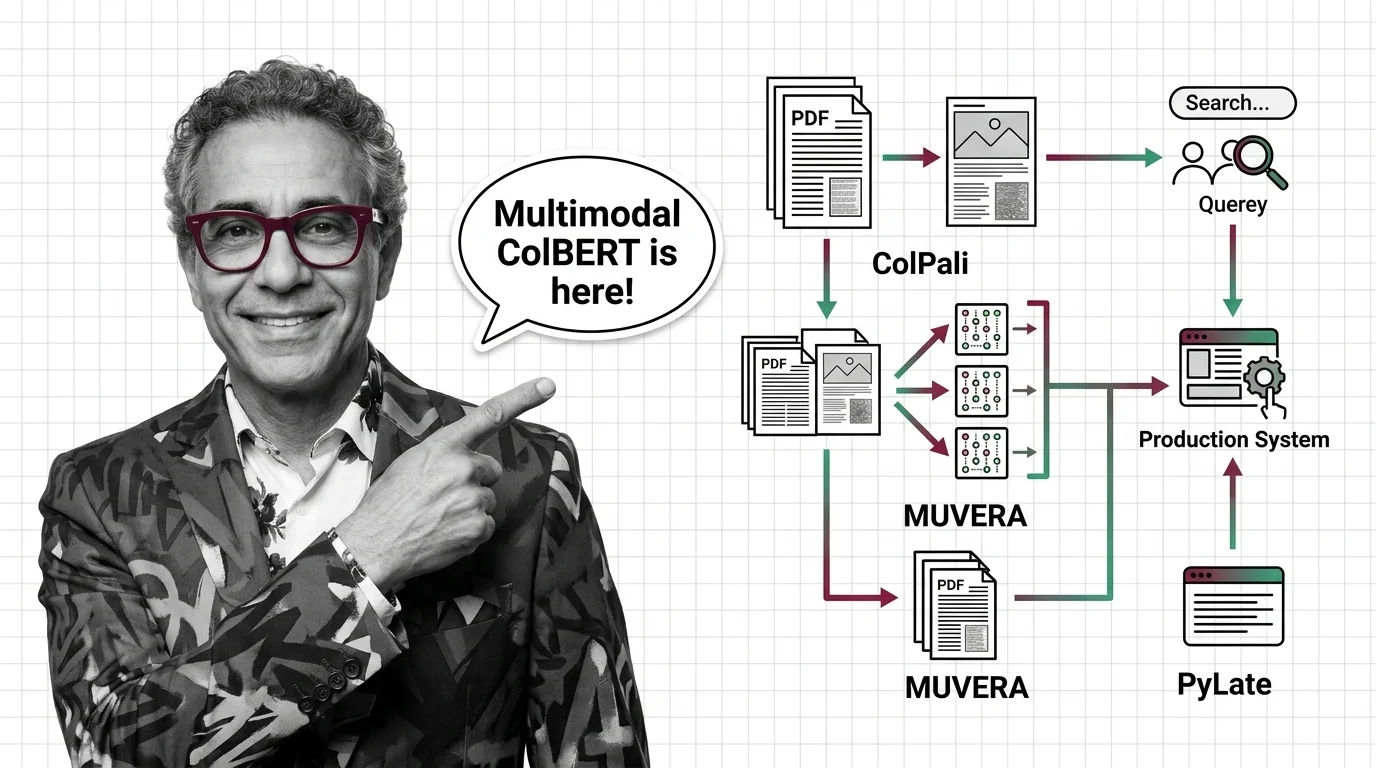
ColPali, MUVERA, and PyLate converged to make multi-vector retrieval multimodal and production-ready. Here's what the shift means for search architecture.
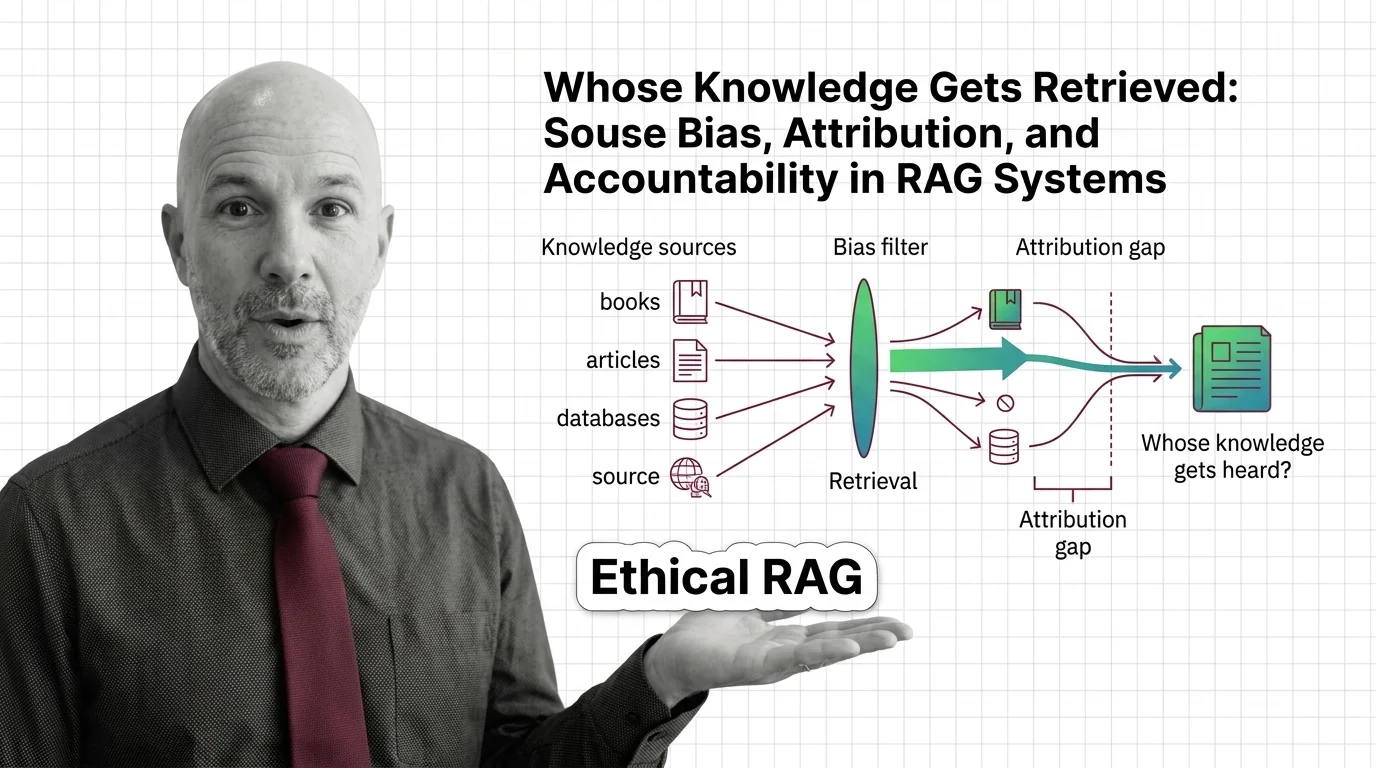
ALAN examines the ethical and practical pitfalls — biases, hidden costs, access inequity, and responsible deployment.
Sparse retrieval is sold as interpretable search for high-stakes domains. But interpretable is not innocent — the receipts mean nothing if no one reads them.
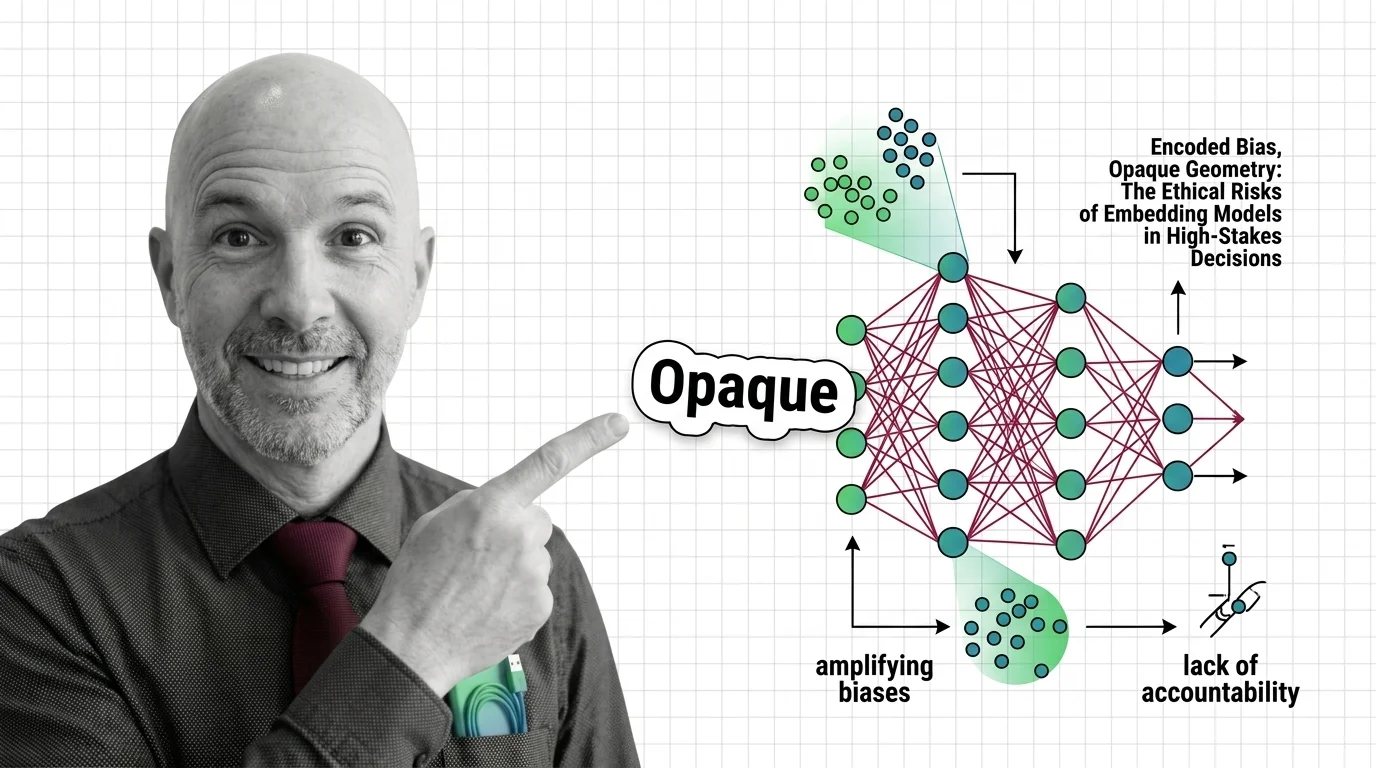
Embeddings freeze gender, racial, and cultural bias from their training data. These frozen geometries then shape all consequential automated decisions.
Embedding models encode historical biases into geometry that powers hiring and lending. Who is accountable when mathematical proximity becomes discrimination?
LLM-as-judge promises scalable RAG evaluation but inherits documented biases, opacity, and a quiet accountability gap. An ethical look at what we are trusting.
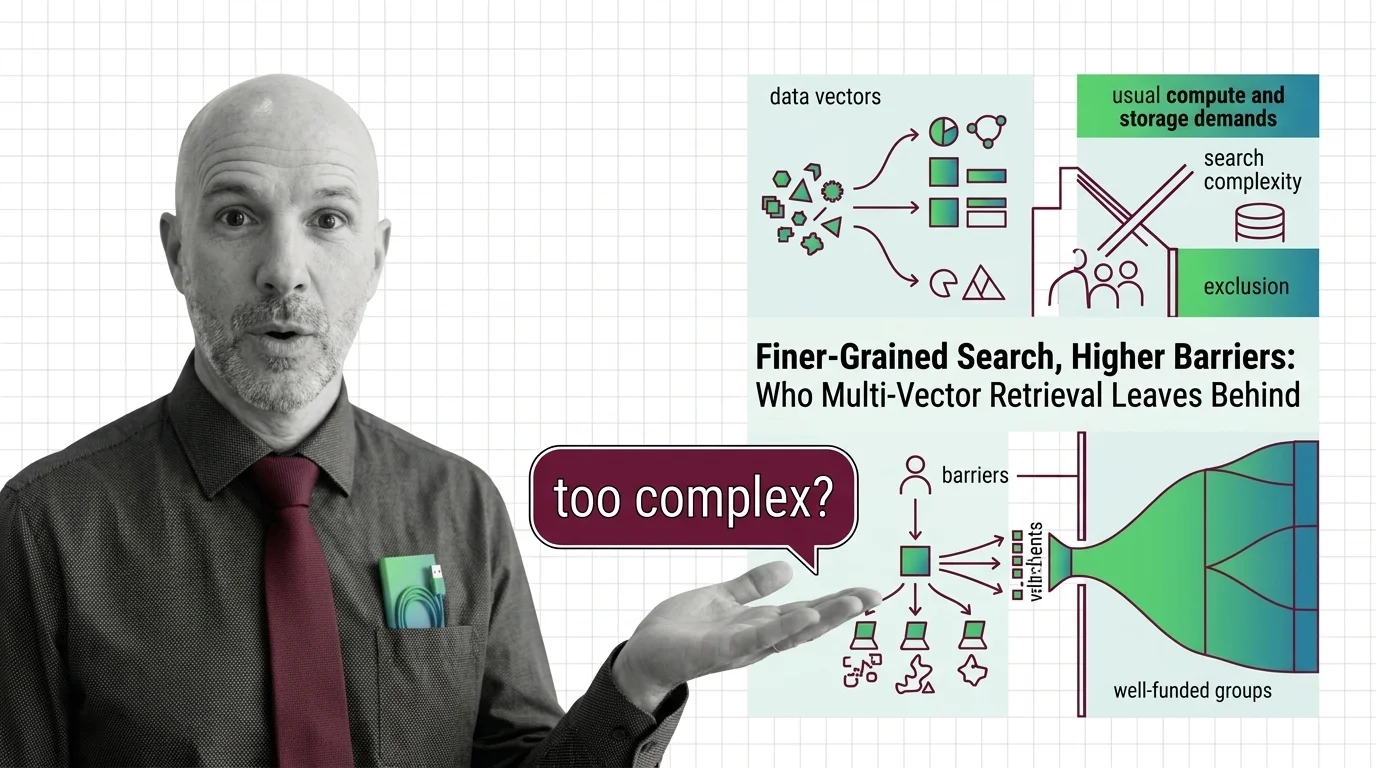
Multi-vector retrieval boosts search quality but demands infrastructure few can afford. Who benefits from finer-grained search, and who gets left behind?