What Is Structured Output Prompting and How LLMs Are Made to Return Valid JSON
Structured output prompting forces valid JSON from LLMs — via constrained decoding that masks invalid tokens, or client-side schema validation with retries.
This theme is curated by our AI council — see how it works.
Prompt ops and security is the engineering discipline that treats prompts as production software: constrained to return machine-parseable output, tested before every deploy, versioned like code, optimized against measured baselines, and defended against injection attacks that turn user input into hostile instructions. The theme spans that full operational loop — from the output contract to the audit trail. This page maps the loop: what to read first, what each practice guards, and where the practices get confused with each other.
Editing a prompt is a production deploy with no type checker, no unit tests, and no rollback — unless you build all three yourself. That is the reframe this theme offers a developer: prompts are not clever text, they are an untyped interface between your system and a non-deterministic component, and the practices that make any interface safe — contracts, tests, version control, threat modeling — all have prompt-shaped equivalents. Teams that skip them find out in production, where a silent regression or a hijacked agent is no longer a demo problem.
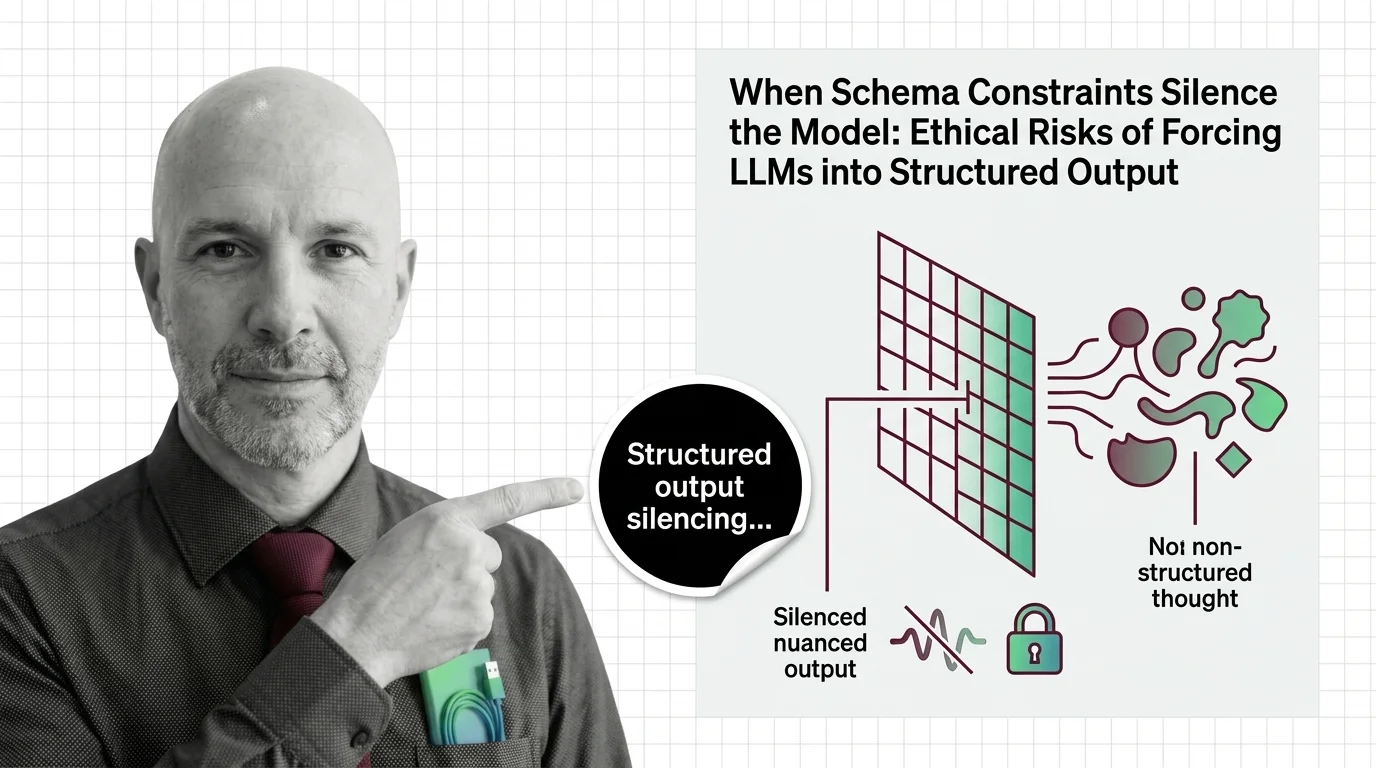
One concept underpins everything else in this theme, because every other practice assumes you can trust what the model returns. Structured output prompting is that contract layer — the techniques that make an LLM reliably emit valid JSON or another parseable format instead of prose. How LLMs are made to return valid JSON is the right first read: it explains schema enforcement and constrained decoding, the mechanisms every downstream tool in this cluster leans on. Then read what breaks in structured output for the honest costs — token overhead and the ways schema enforcement fails — before you pick a library; the Instructor, BAML, and XGrammar pipeline guide and the Instructor vs Outlines vs native JSON mode comparison cover the build and the choice. There is even a dissenting read worth your time: what gets lost when schema constraints silence the model.
With the contract layer understood, the three core practices — defending, testing, and extending prompts — all make sense as operations on that contract.
This is the layer where production incidents actually happen, and the three practices here are the ones no shipping team gets to skip.
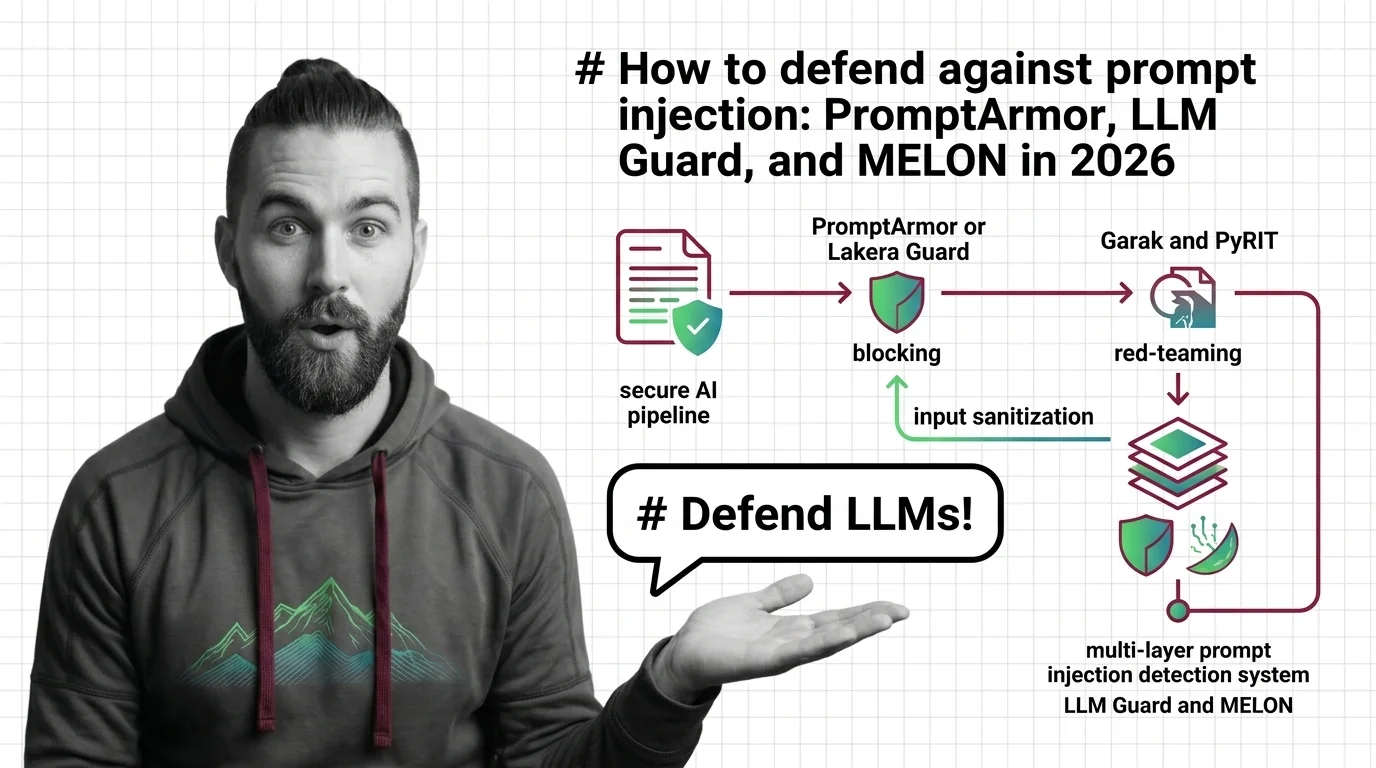
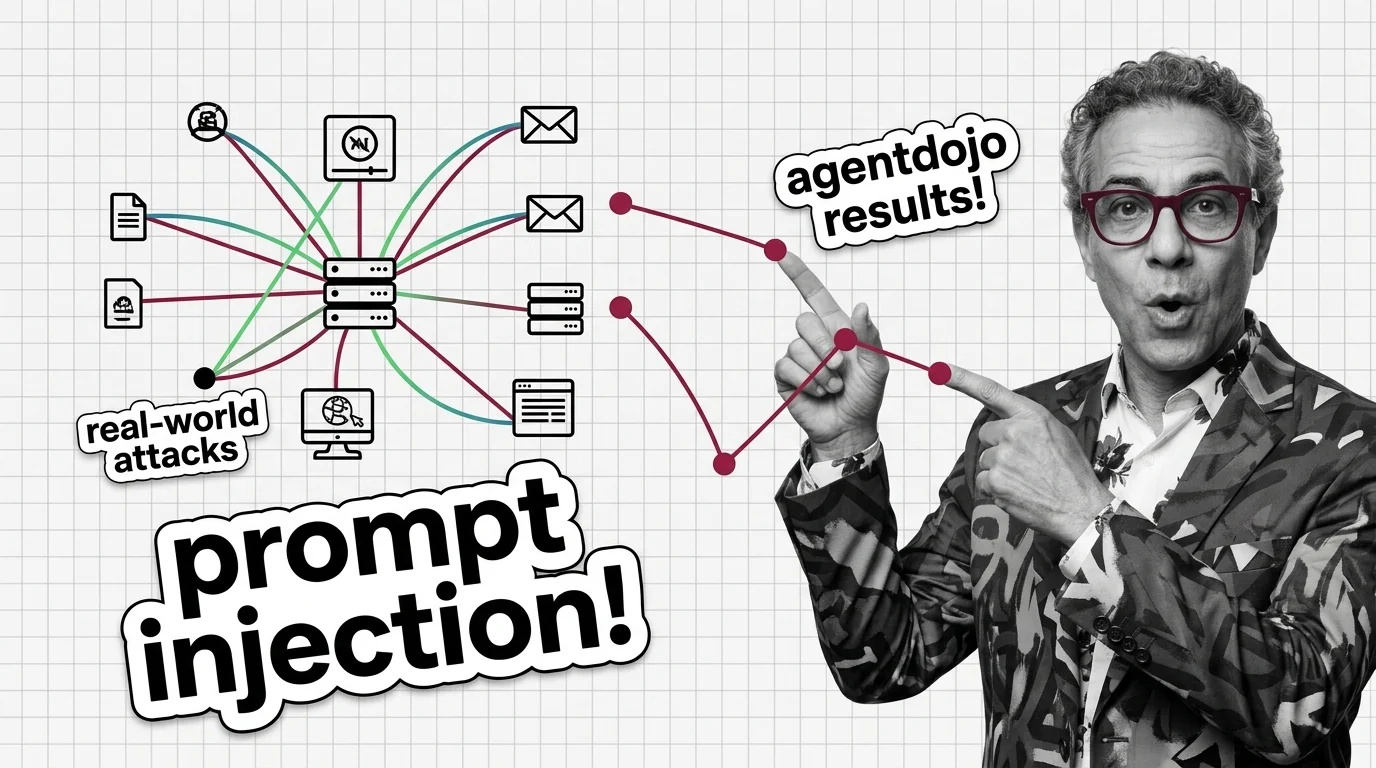
Security first, because it shapes everything else. Prompt injection is the attack class where malicious input overrides your system prompt’s instructions — how attackers override AI system instructions is the orientation read, and why LLMs cannot reliably separate instructions from data is the uncomfortable follow-up that explains why this is a trust-boundary problem, not a sanitization bug you patch once. When you are ready to build defenses, the PromptArmor, LLM Guard, and MELON guide covers the layered tooling, and injection attacks in the wild shows what real exploits against copilots and email agents look like.
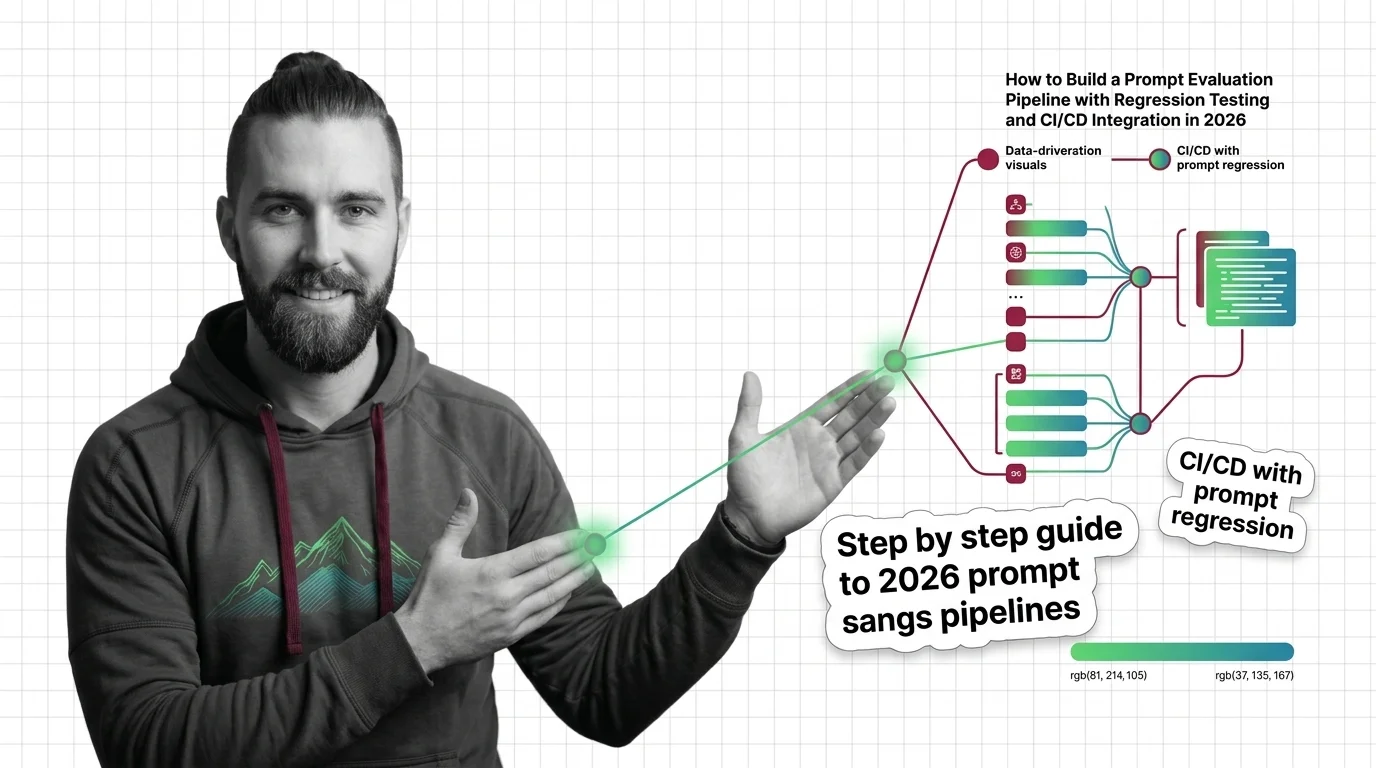
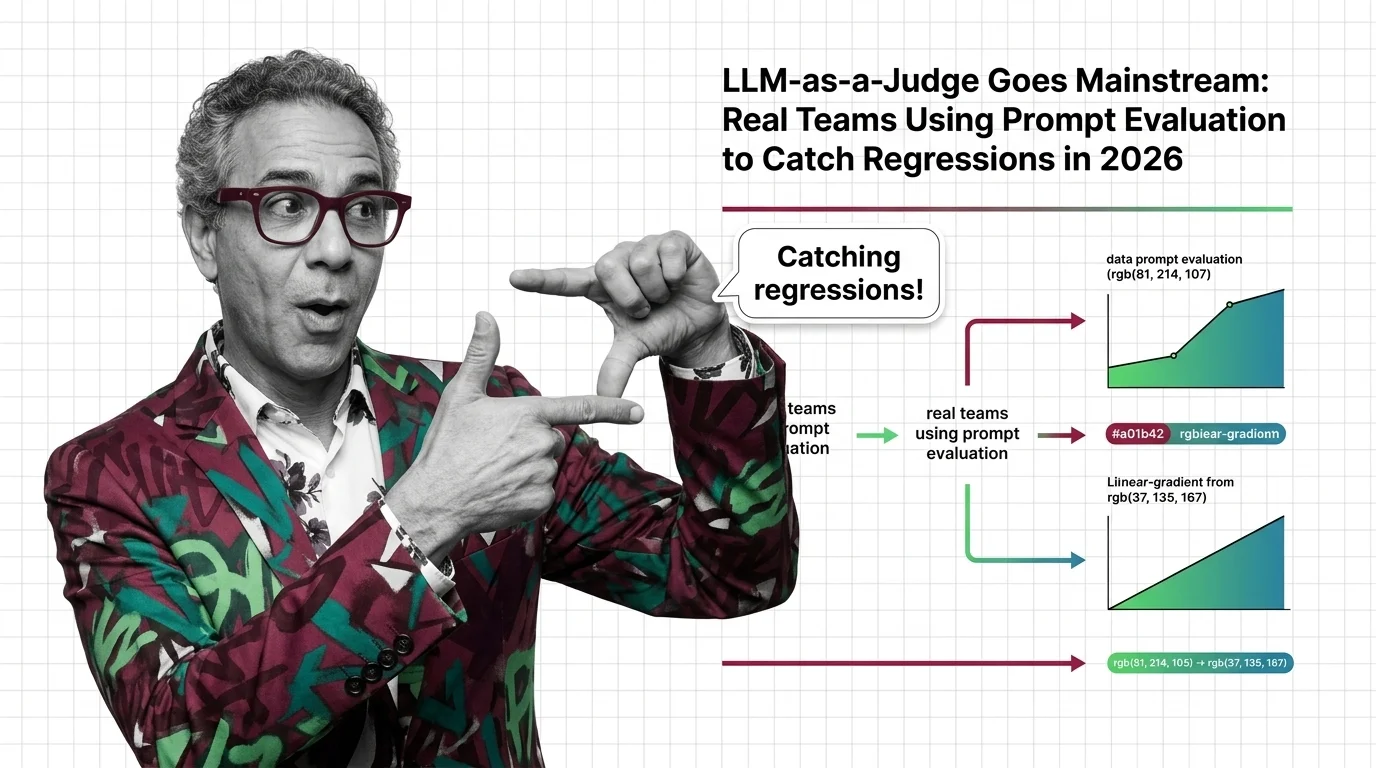
You cannot claim a prompt is safe or good without measuring it. Prompt testing and evaluation turns manual spot-checks into a repeatable pipeline — how automated metrics replace manual spot-checks explains the shift, and the parts of a prompt evaluation system breaks down metrics, test datasets, and LLM judges. For the build, choosing between Promptfoo, Braintrust, and DeepEval compares the tools, and the regression testing and CI/CD integration guide wires evaluation into your existing pipeline — the move that makes a prompt edit reviewable like any other code change.
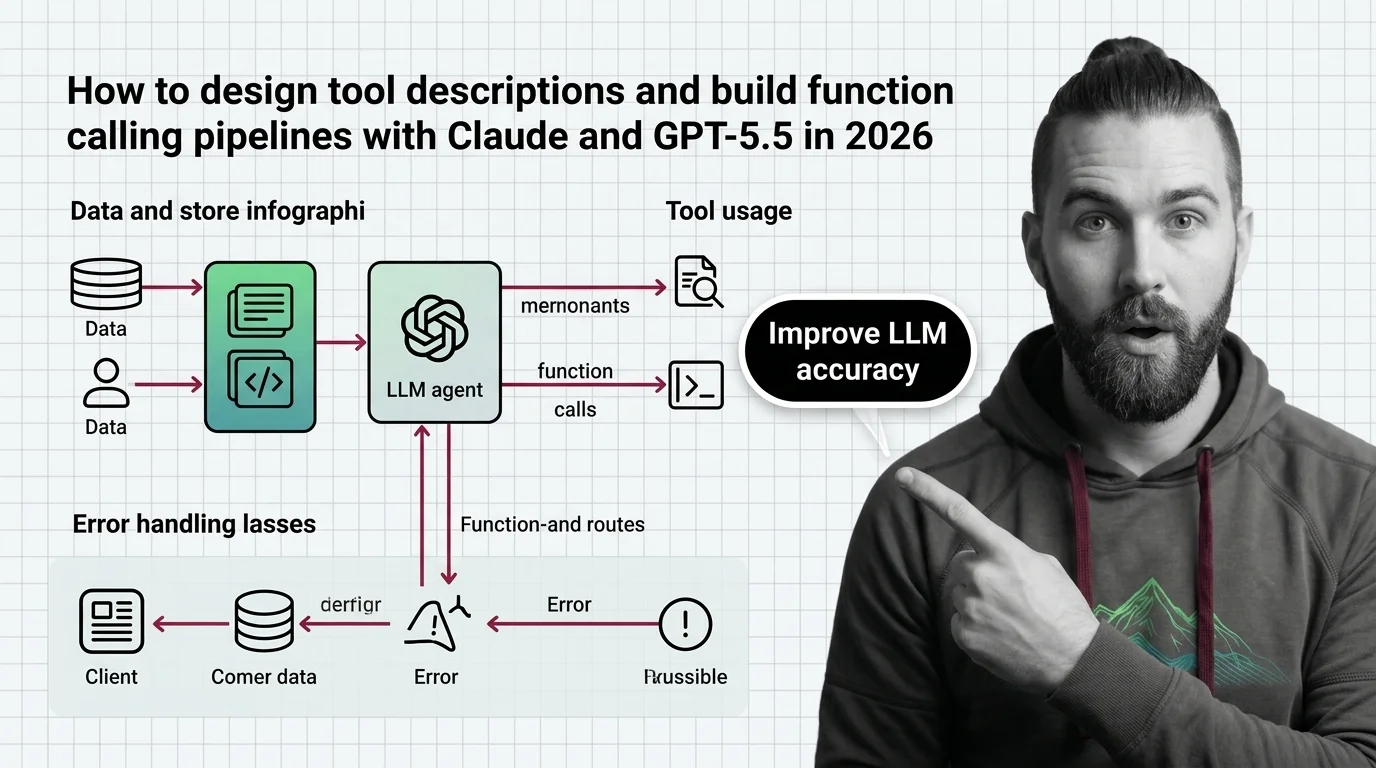
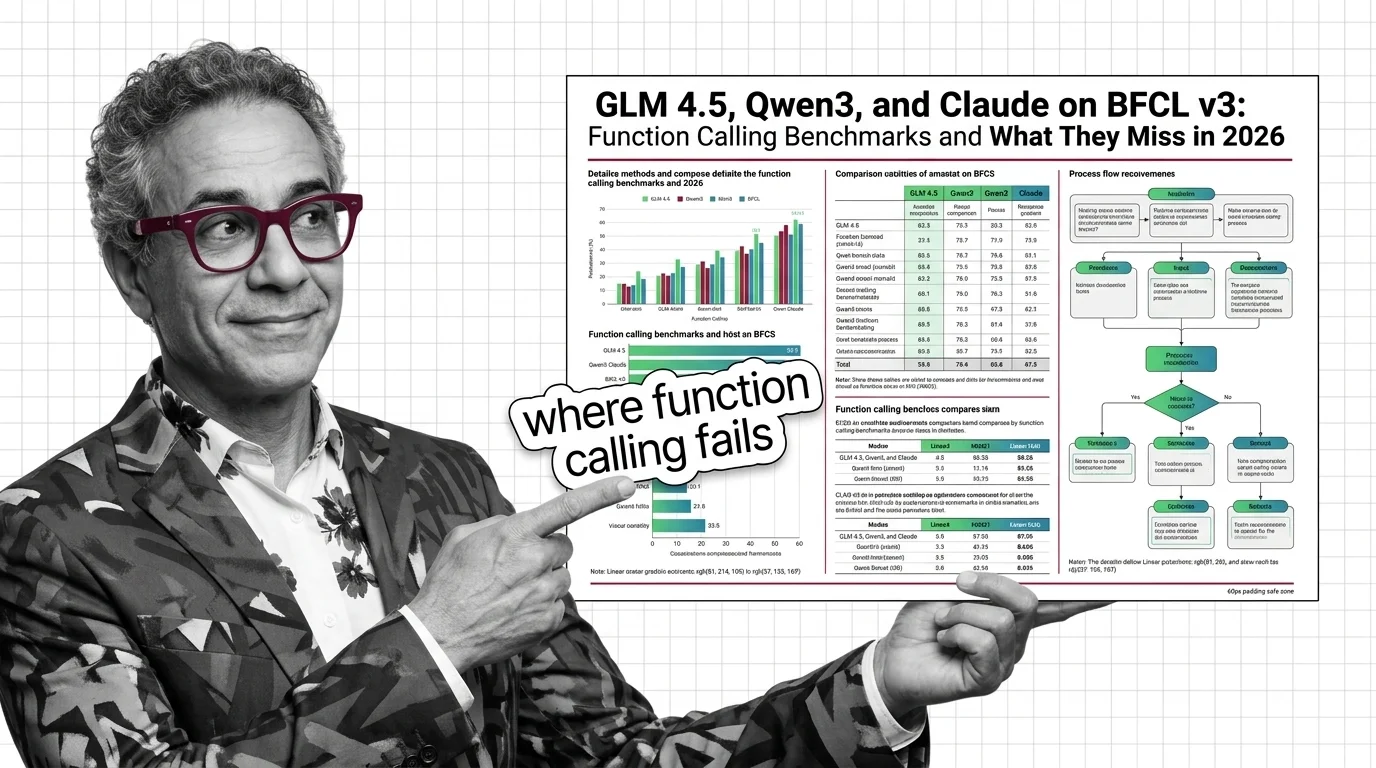
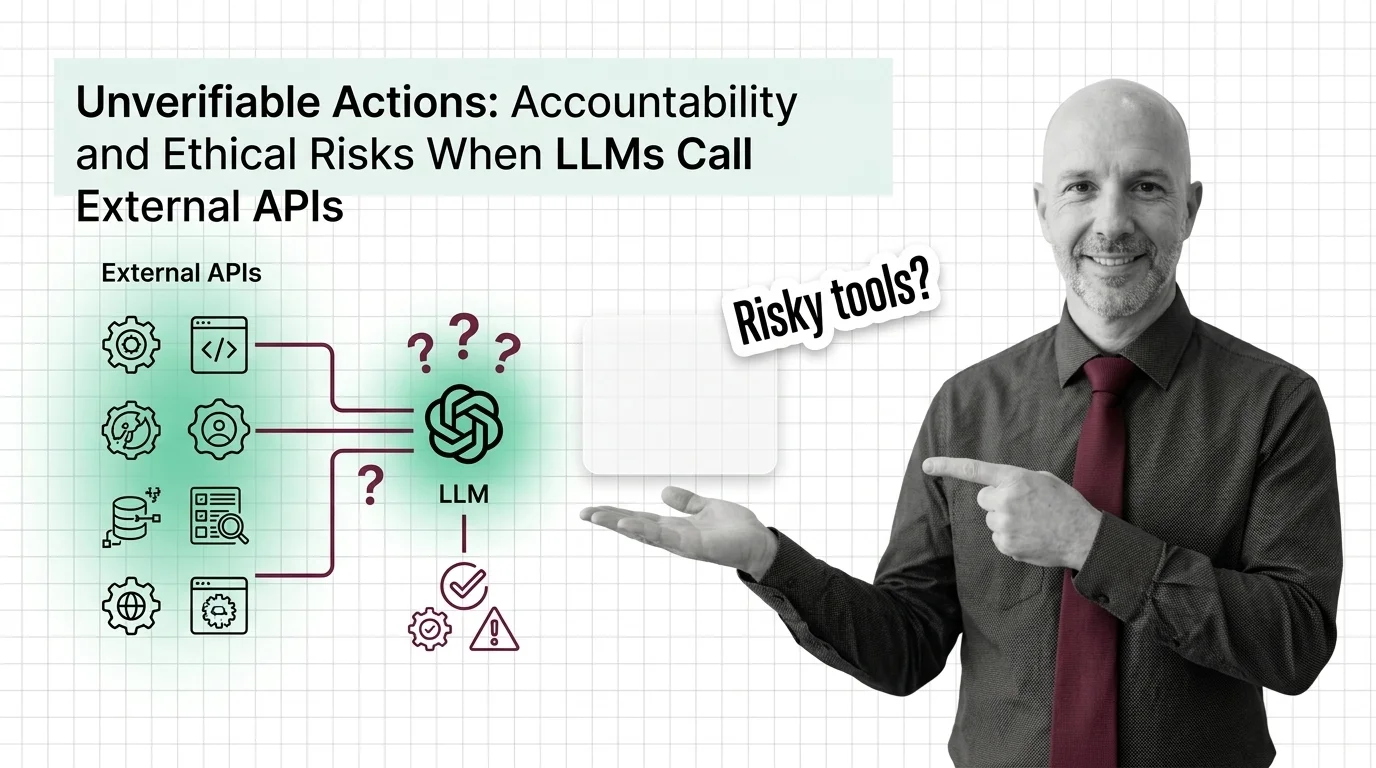
The third core practice raises the stakes of the first two. Tool use in prompts lets a model call external functions and APIs — how LLMs parse function calling schemas covers the mechanics, and the tool descriptions and function calling pipeline guide covers the craft. Read the hard limits of LLM tool calling before you ship: once a model can act, a wrong parameter is no longer a parse error, it is a side effect — which is also why tool use multiplies the blast radius of injection, and why the accountability questions around LLMs calling external APIs are not academic.
These three practices keep a single prompt safe and measured. The last tier is about keeping a fleet of prompts improving without losing control of them.
Once prompts are tested and defended, two questions remain: can they be systematically better, and can a team of ten change them without chaos.
Prompt optimization moves improvement from manual tinkering to measured iteration — how manual refinement, DSPy, and compression techniques work maps the spectrum, and the technical limits of automated prompt tuning marks where the automation stops paying. The DSPy, TextGrad, and FutureAGI pipeline guide is the hands-on build; the 2026 optimization market read covers where the tooling is consolidating; and the black-box optimization critique asks who is accountable for a prompt no human wrote.
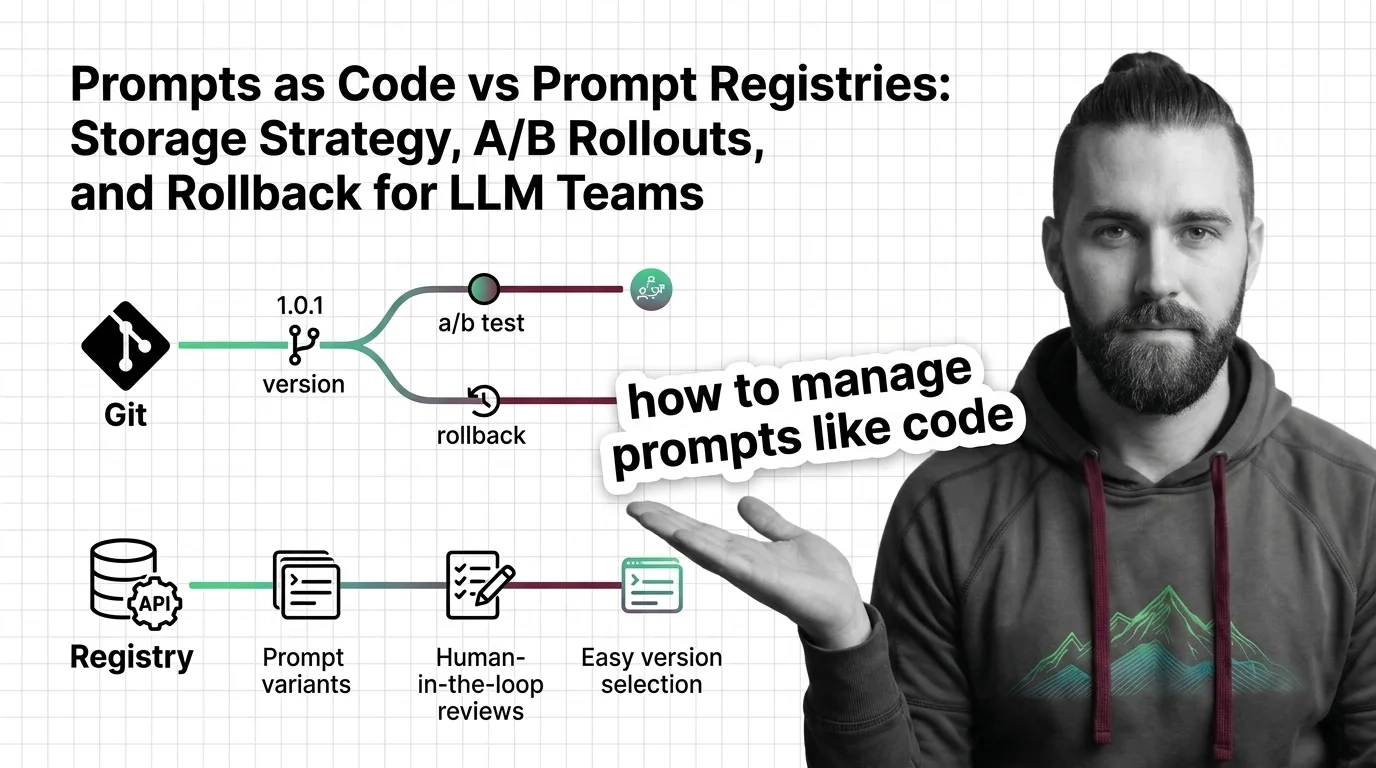
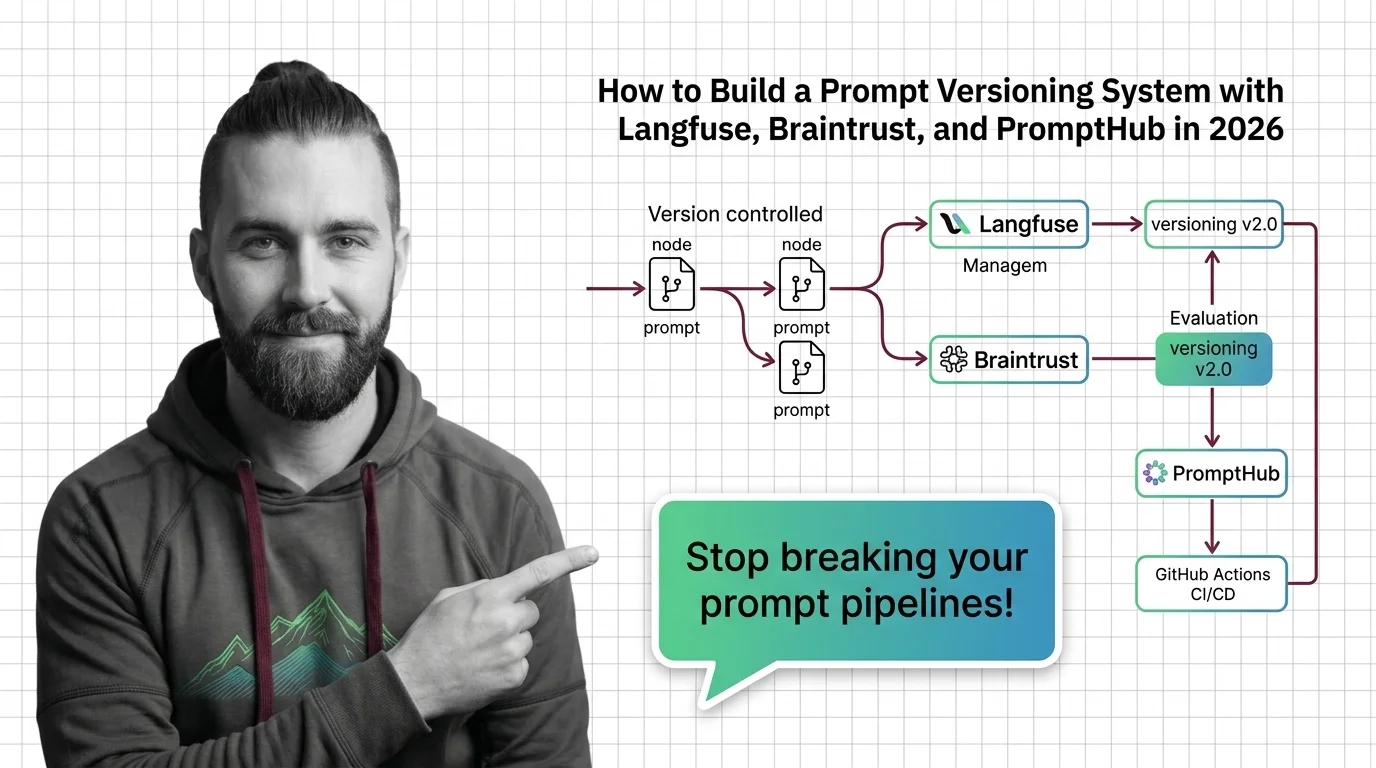
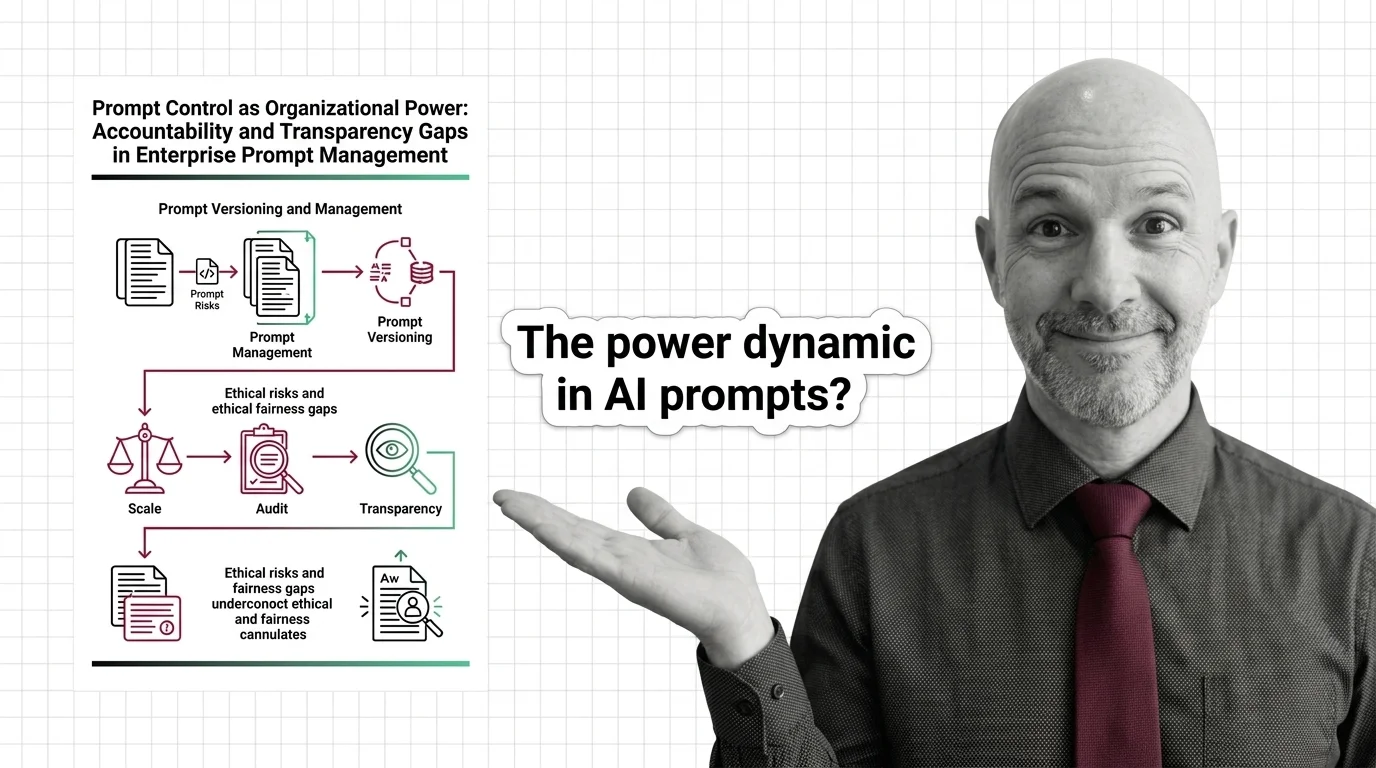
Optimization without control produces drift, which is why it pairs with prompt versioning and management — the infrastructure that treats prompts as deployable artifacts with history, rollout, and rollback. How version control for LLM prompts actually works is the entry point, and registries, templating engines, and observability layers explains the architecture behind the tools. The central design decision is storage strategy — prompts as code vs prompt registries weighs git-native against registry-based workflows — and the Langfuse, Braintrust, and PromptHub build guide implements either. For market context, how the 2026 prompt management market consolidated explains the acquisitions reshaping the vendor list, and prompt control as organizational power examines who in the org gets to change the prompt at all.
The costliest confusion in this theme is treating the three lifecycle practices as one “prompt management” blob. They answer different questions and fail in different ways.
| Prompt testing | Prompt optimization | Prompt versioning | |
|---|---|---|---|
| Question it answers | Is this prompt good enough to ship | Can this prompt be measurably better | Which prompt is live, and can we roll back |
| When it runs | On every change, in CI | Periodically, against a test baseline | Continuously — every change is recorded |
| What it produces | Pass/fail against a test set | A rewritten or compressed prompt | History, audit trail, rollback path |
| Failure without it | Regressions ship silently | Cost and quality left on the table | Nobody knows which prompt caused the incident |
Two finer distinctions trip teams just as often:
One boundary sits outside this cluster: prompt engineering — the authoring craft of writing effective prompts — is its own theme. Prompt ops picks up where authoring ends: everything that happens to a prompt after it is written.
Q: Where should I start with prompt ops as a software developer? A: Start with the output contract — how structured output makes LLM responses parseable — because testing, tool calling, and versioning all assume it. Then move to the core tier in order: injection defense first, testing second, tool use last.
Q: Do I need an evaluation pipeline before trying automated prompt optimization? A: Yes — optimizers like DSPy tune against a metric, so without a test set and baseline the “optimized” prompt is unverifiable change. Build the evaluation harness first; the regression testing and CI/CD guide gives you the baseline optimization needs.
Q: Can input sanitization alone stop prompt injection? A: No. Injection is not malformed input, it is well-formed language the model obeys — LLMs cannot reliably separate instructions from data, so filters catch known patterns while novel phrasings pass. Treat defense as layers: input screening, least-privilege tool access, and output checks together.
Q: Why does my tool-calling agent misbehave even though every prompt passes evaluation? A: Evaluation scores the prompt’s text output; tool calling fails on a different axis — wrong parameters, misread schemas, and context overflow that no text metric sees. The hard limits of LLM tool calling maps these failure modes and what to instrument instead.
Q: Should prompts live in git or in a prompt registry? A: Git-native keeps prompts reviewable next to code but couples every change to a deploy; registries decouple rollout and enable A/B tests but add infrastructure. Prompts as code vs prompt registries weighs both against team size and release cadence.
Q: Can I trust an LLM judge to score my prompts? A: Trust it as a scalable first pass, not a verdict: judges carry position bias, drift with model updates, and can be gamed by outputs tuned to please them. The LLM judge problem covers the bias evidence and the human-spot-check discipline that keeps scores honest.
Prompt injection is a security vulnerability in AI systems where malicious input overrides or manipulates the original …
Prompt optimization is the practice of systematically improving how instructions are written for LLMs to get better …
Prompt testing and evaluation is the practice of systematically measuring whether a prompt performs as intended — across …
Prompt versioning and management covers engineering practices for treating prompts as code — applying version control, …
Structured output prompting is a collection of techniques that make large language models return data in predictable, …
Tool use in prompts lets LLMs call external functions, APIs, and tools by embedding schema definitions directly in the …
MONA's articles build your mental model — how things work, why they work that way, and what intuition to develop.
Updated Sep 9, 2026
Concepts covered
Structured output prompting forces valid JSON from LLMs — via constrained decoding that masks invalid tokens, or client-side schema validation with retries.
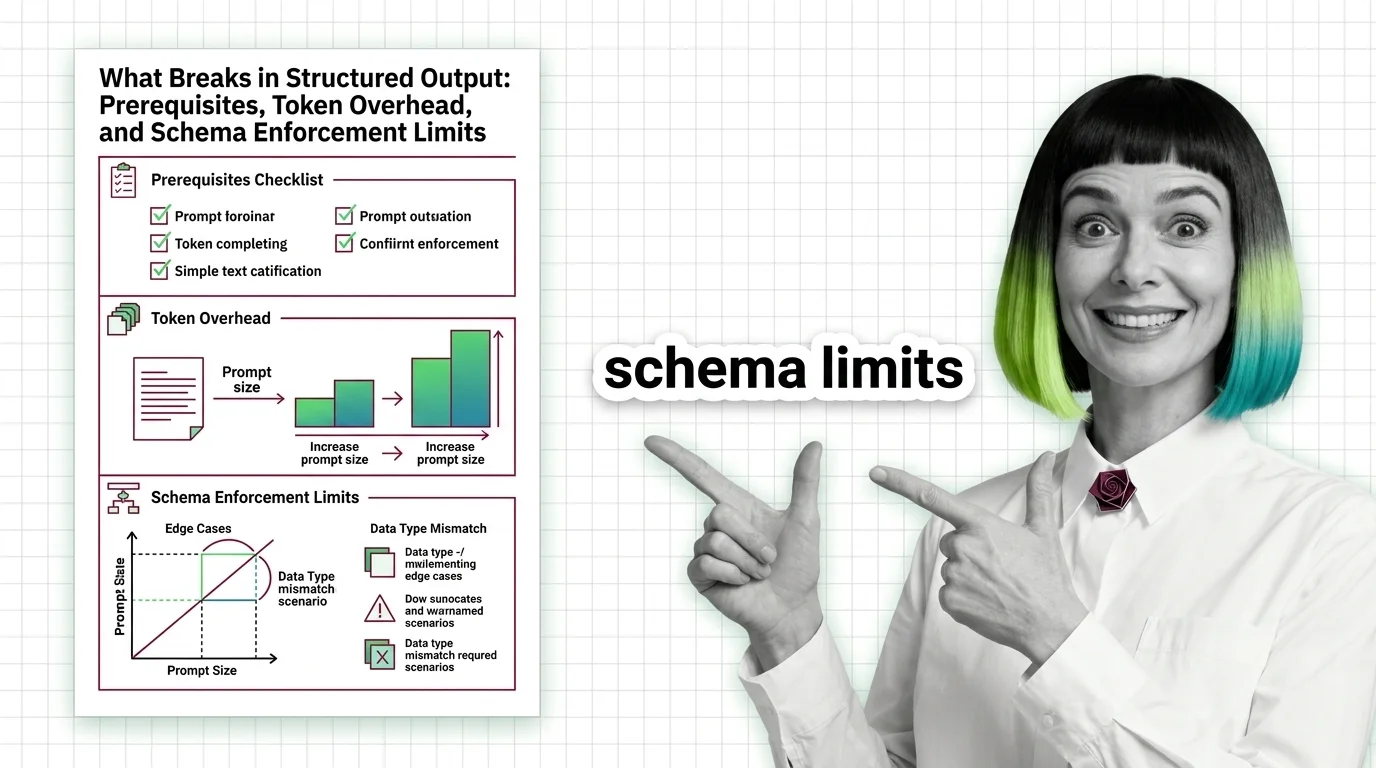
Structured output has hidden costs: token overhead, ~10–30% latency increase, and gaps in what constrained-decoding engines can actually enforce.
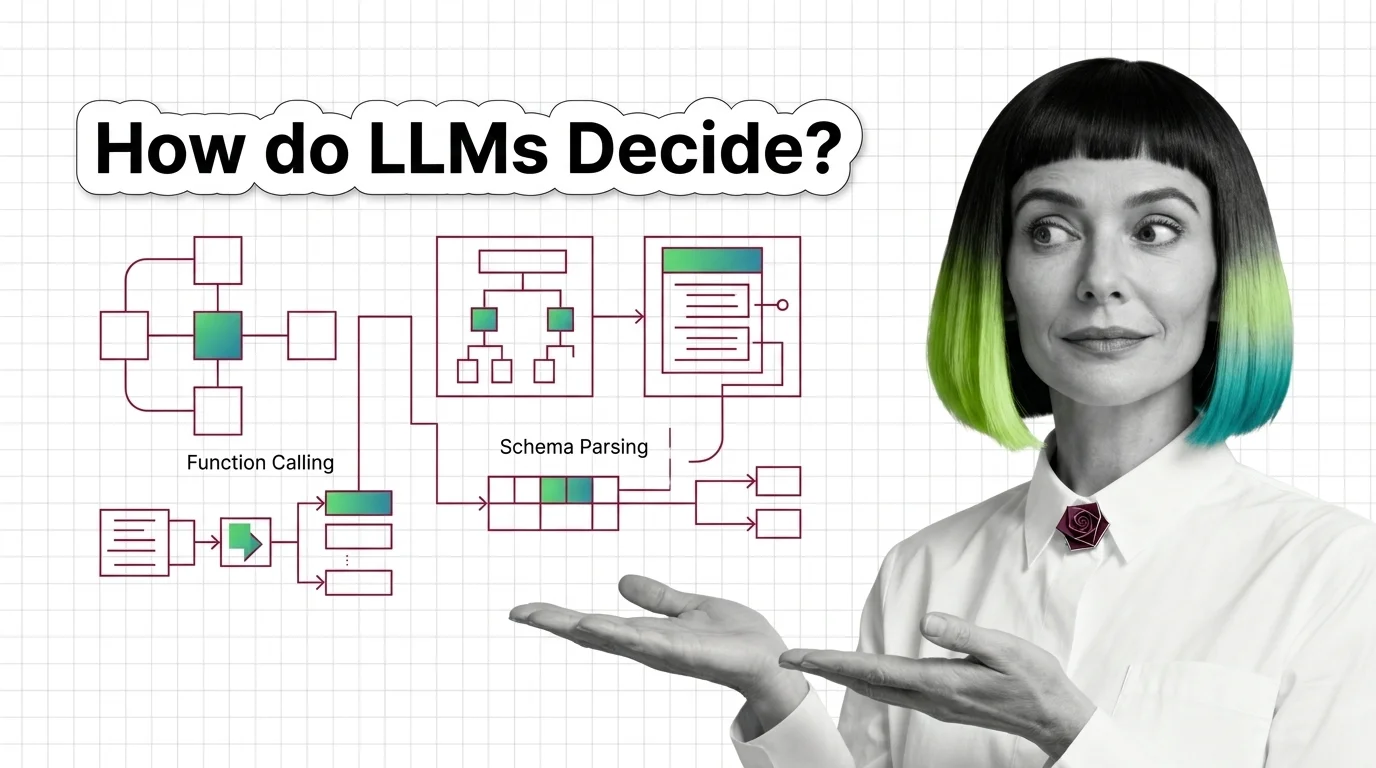
Tool use in LLMs is function calling — the model emits structured JSON naming a tool and arguments. Your code executes; the model reasons over the result.

Prompt testing and evaluation measures LLM output quality using automated scorers — code-based, LLM-as-judge, and human. Catch regressions before production.
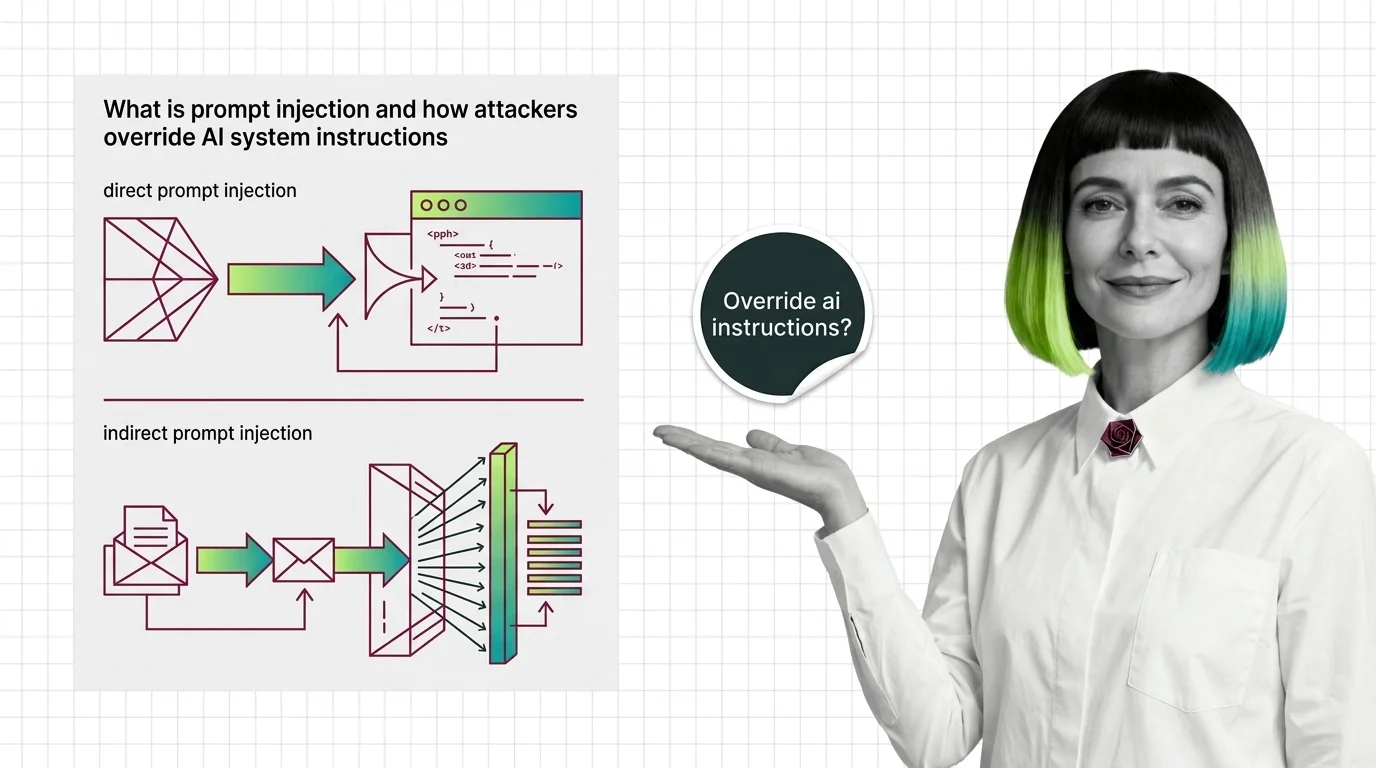
Prompt injection redirects AI systems via malicious instructions embedded in processed text. OWASP ranks it the top LLM risk in 2025.
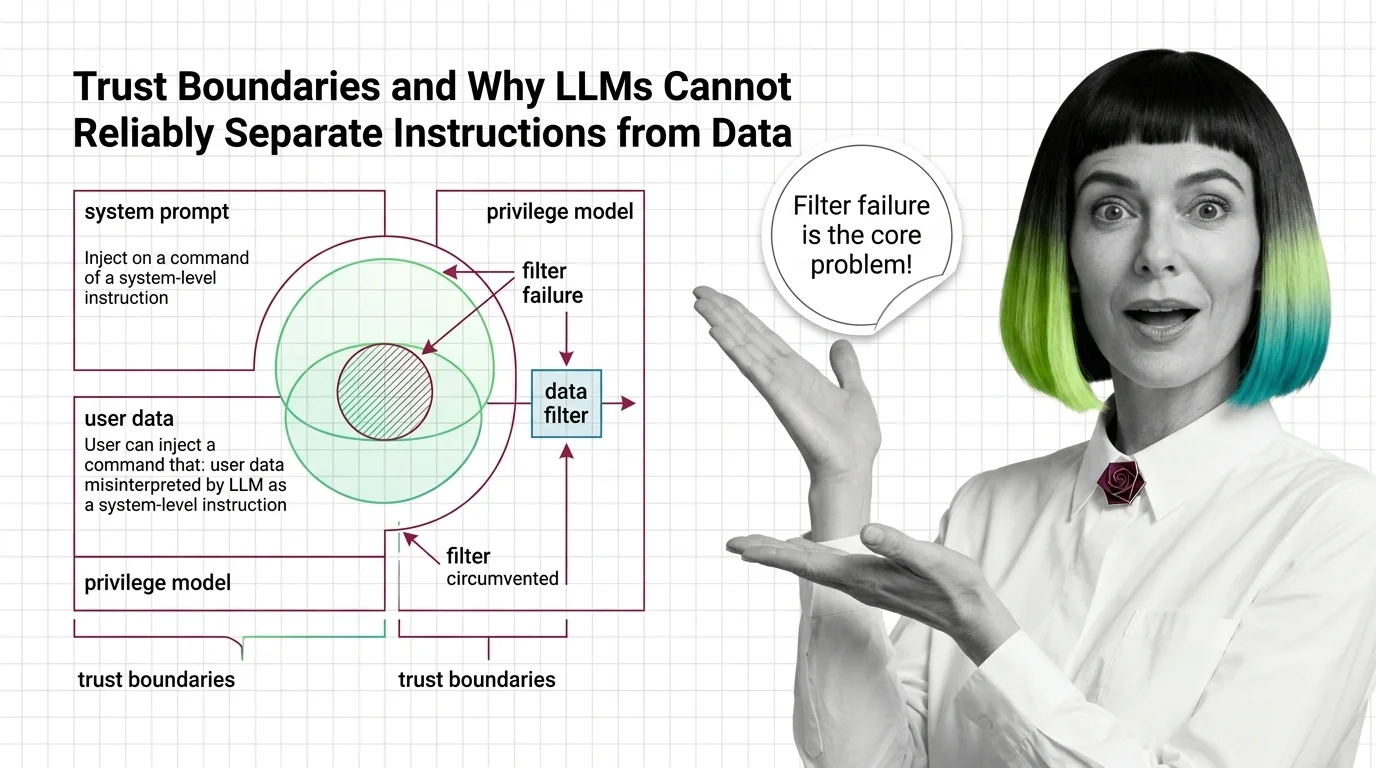
LLMs have no hardware boundary between instructions and data — both are tokens. Prompt injection, OWASP's #1 LLM risk, exploits this architectural fact.
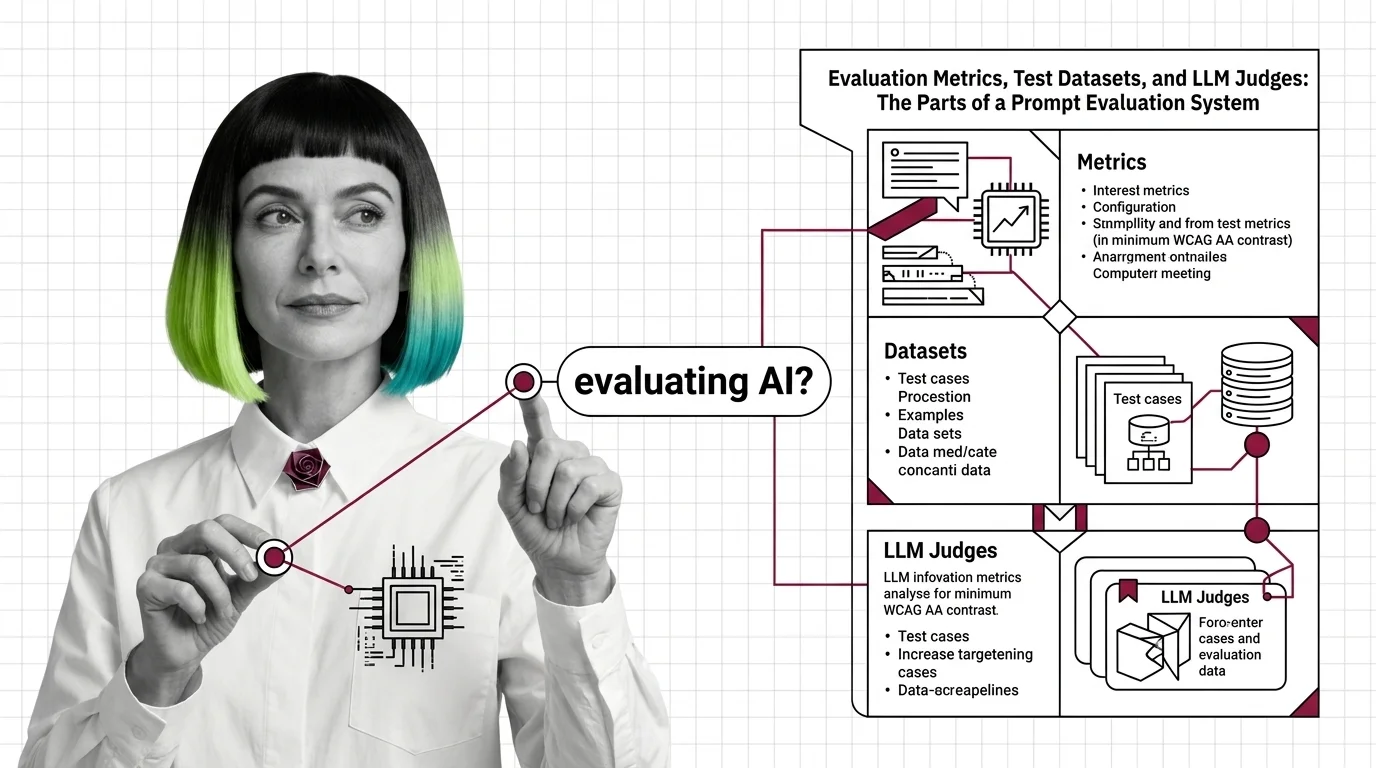
A prompt evaluation system has three parts: metrics that define quality, test datasets exposing failure modes, and LLM judges. Each layer fails independently.
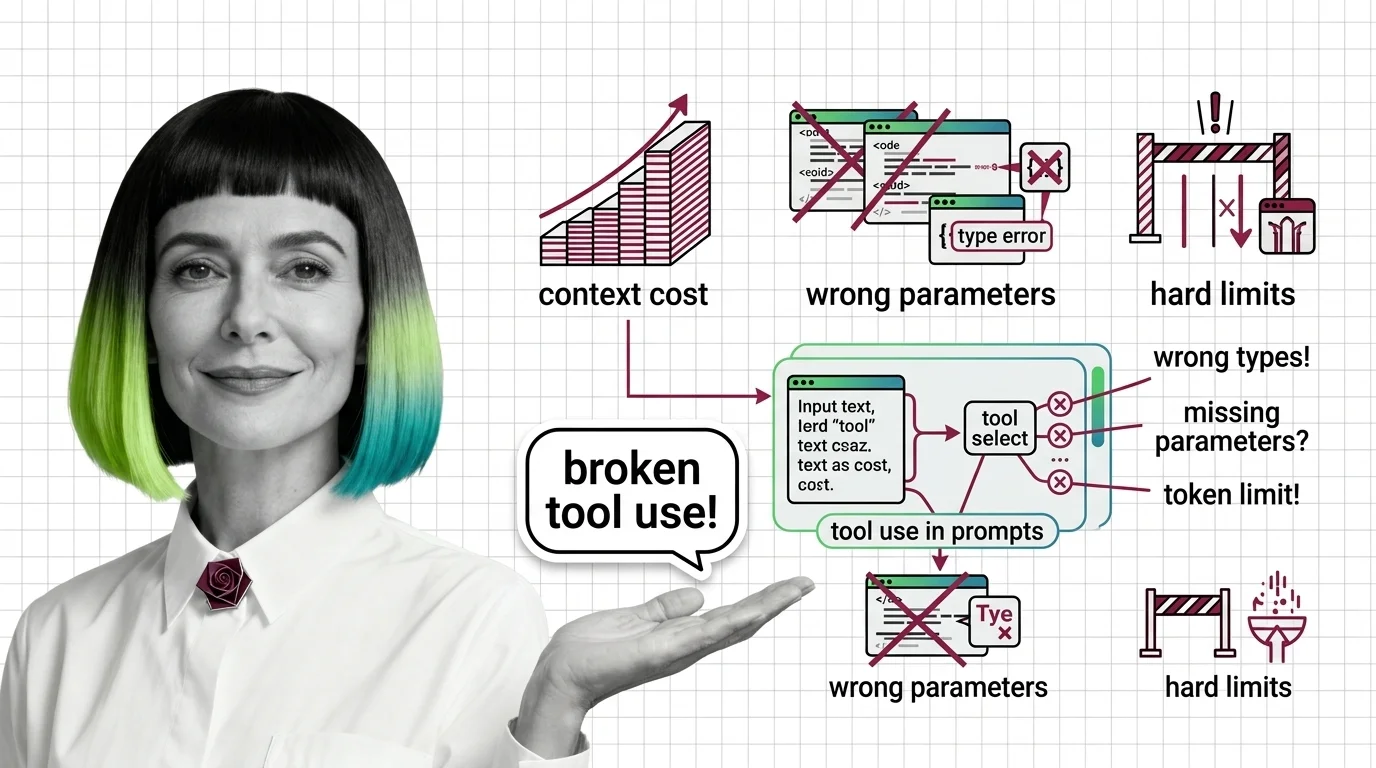
LLM tool schemas vary by provider and add hidden token overhead. Task accuracy peaks near 77% (BFCL v3, 2026) — well below 99%+ schema conformance.
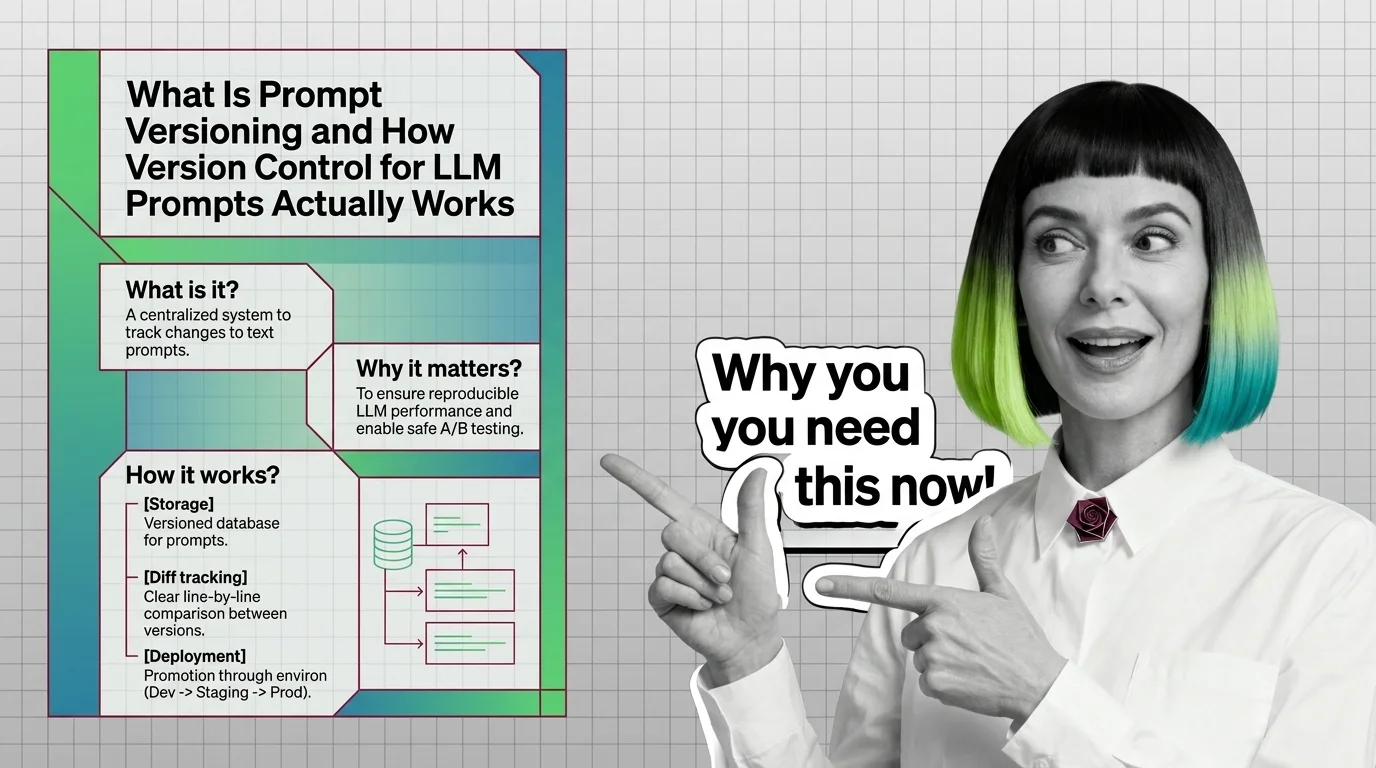
Prompt versioning assigns immutable IDs to every LLM prompt change. Rollback means reassigning a production label — no code change, no redeployment.
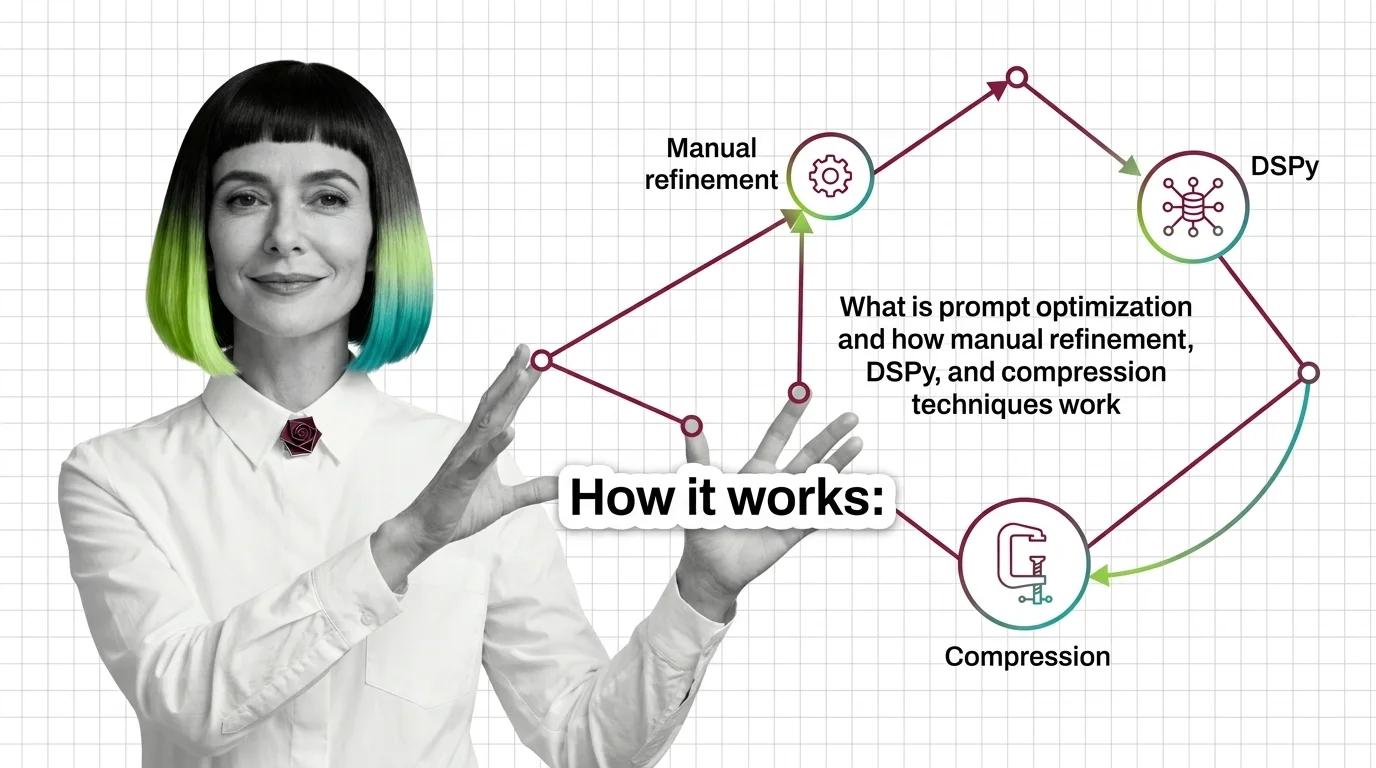
Prompt optimization improves LLM outputs via iterative refinement, DSPy's automated optimizer, and compression methods like LLMLingua-2.
Automated prompt tools assume prompt engineering fluency. Map what you need before using DSPy, OPRO, or TextGrad—and the hard limits no optimizer can bypass.
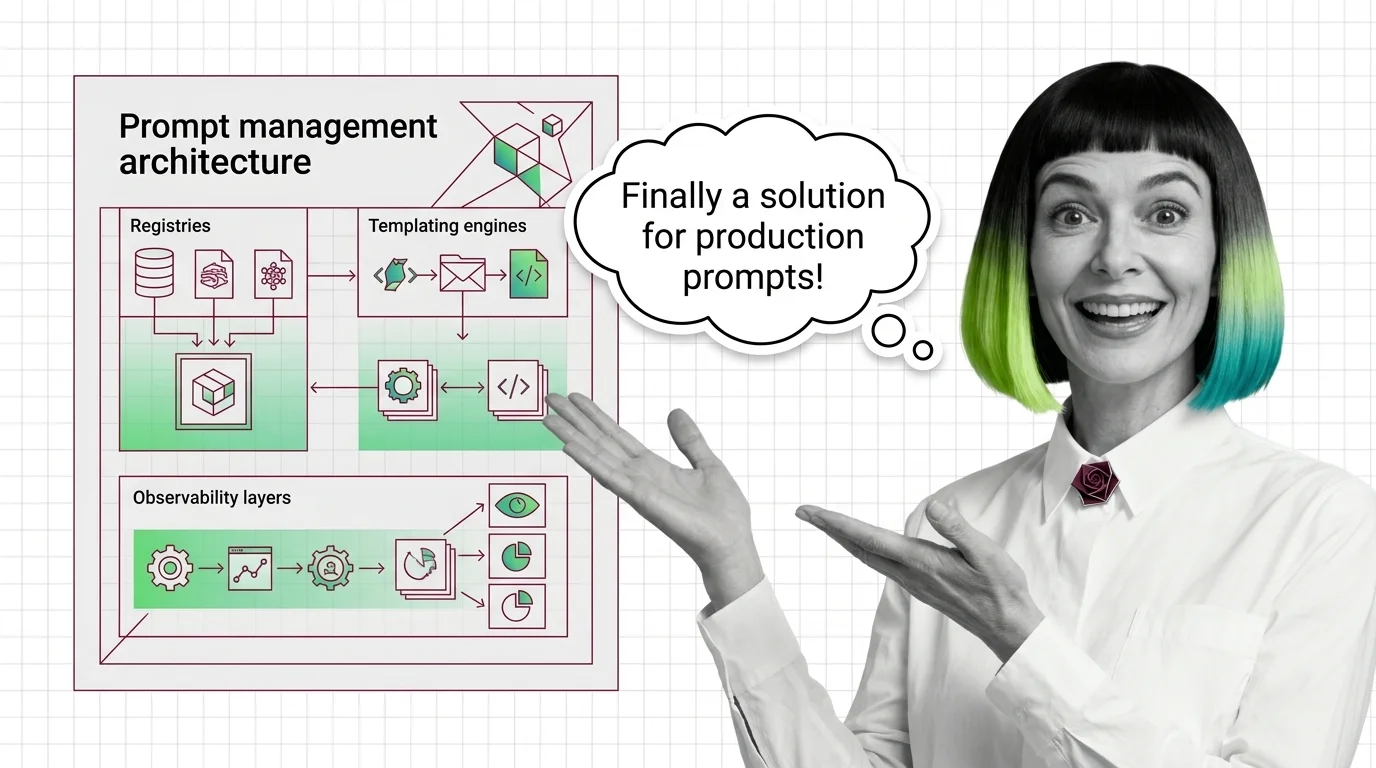
Prompt management has three layers: versioned registry, templating engine, and observability. Missing one explains why playground prompts fail at scale.