Prompt engineering is the discipline of designing the inputs a large language model receives — instructions, examples, roles, and reasoning scaffolds — so that its output becomes reliable enough to build on. The theme spans everything from the system prompt that fixes behavior before the first user message to frameworks that let a model plan across branches, act through tools, and critique its own drafts. This page maps that craft: what to read first, which technique fits which problem, and where the techniques get mistaken for one another.
A prompt is an interface contract, not an incantation: most bad output traces to instructions the model was never actually given in a form it could follow.
The techniques form a ladder — instruction, system, and role design first; then multi-step patterns (chains, agent loops, conversations, multimodal inputs); then deliberate reasoning and domain adaptation.
Every technique above a plain instruction buys reliability with tokens and latency; choosing between them is an engineering trade-off, not a matter of style.
This theme has three tiers: three foundations, four core patterns, three advanced frameworks. Read them in that order.
Why prompt engineering matters for engineers moving into AI
For a developer, the prompt is a new kind of API surface — except the contract is written in natural language, the parser is probabilistic, and a rephrased sentence can change the result. Prompt engineering is what turns that instability into something you can ship: explicit instructions, structured output constraints, and reasoning patterns with known failure modes. The stakes are practical, not academic — the same model, prompted two different ways, is the difference between a demo that impresses and a workflow that survives real inputs.
Prompt engineering turns a probabilistic contract into something you can ship.
Start here: instructions, system prompts, and roles — the foundations of prompt engineering
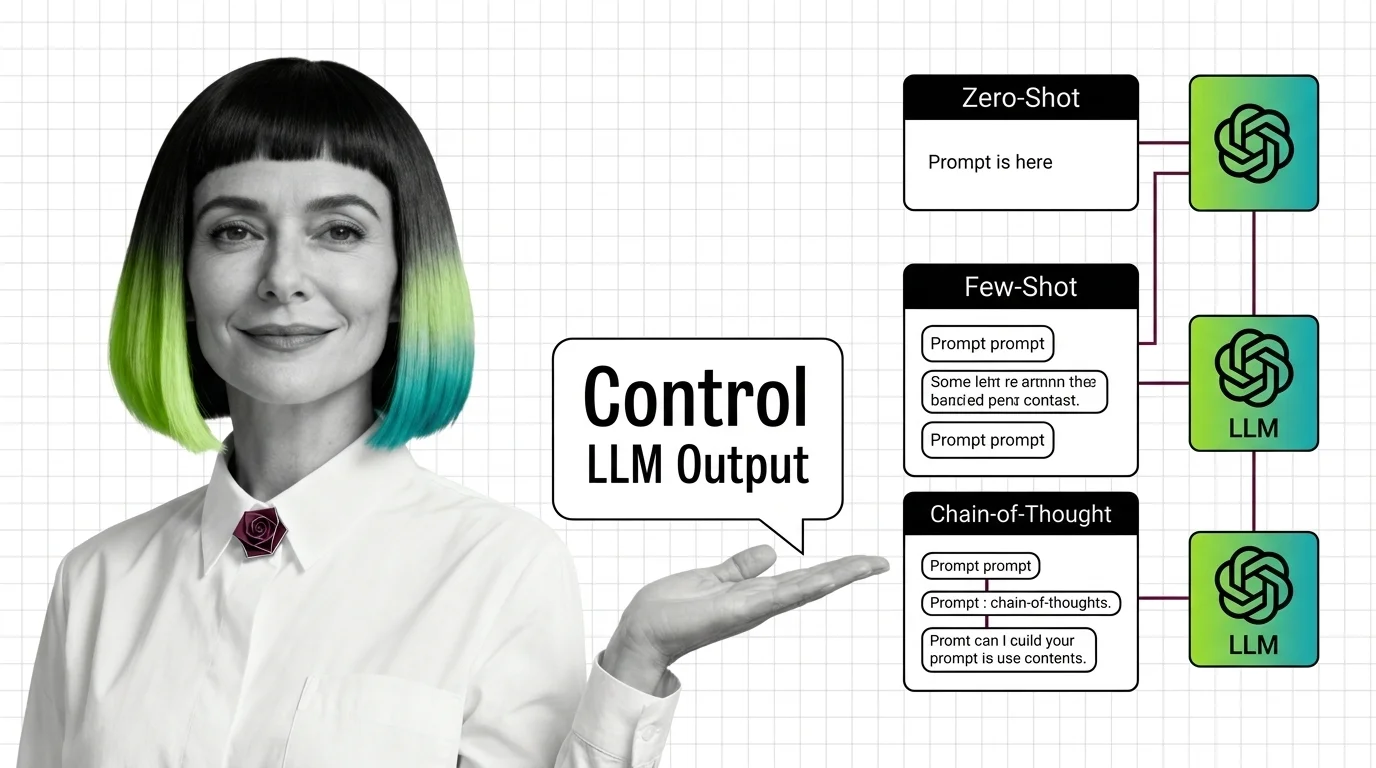
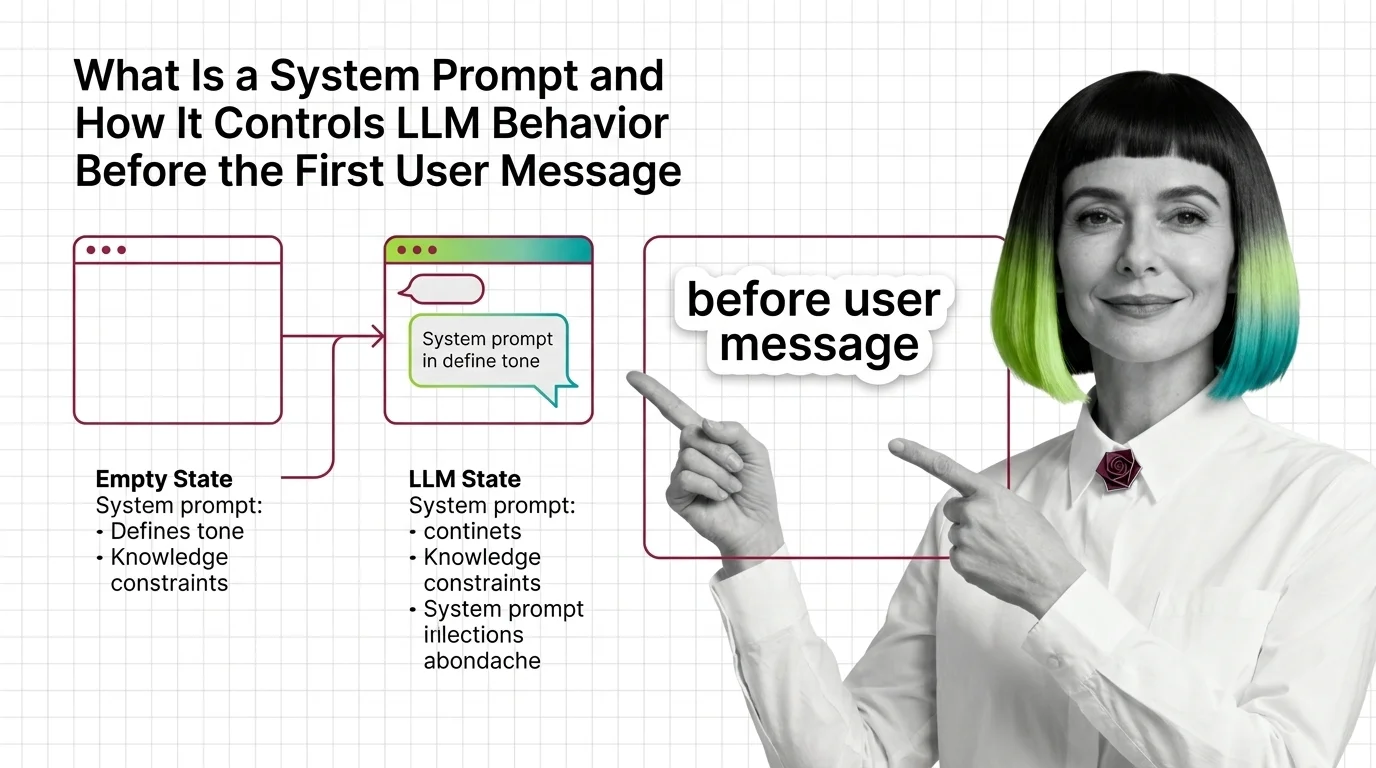
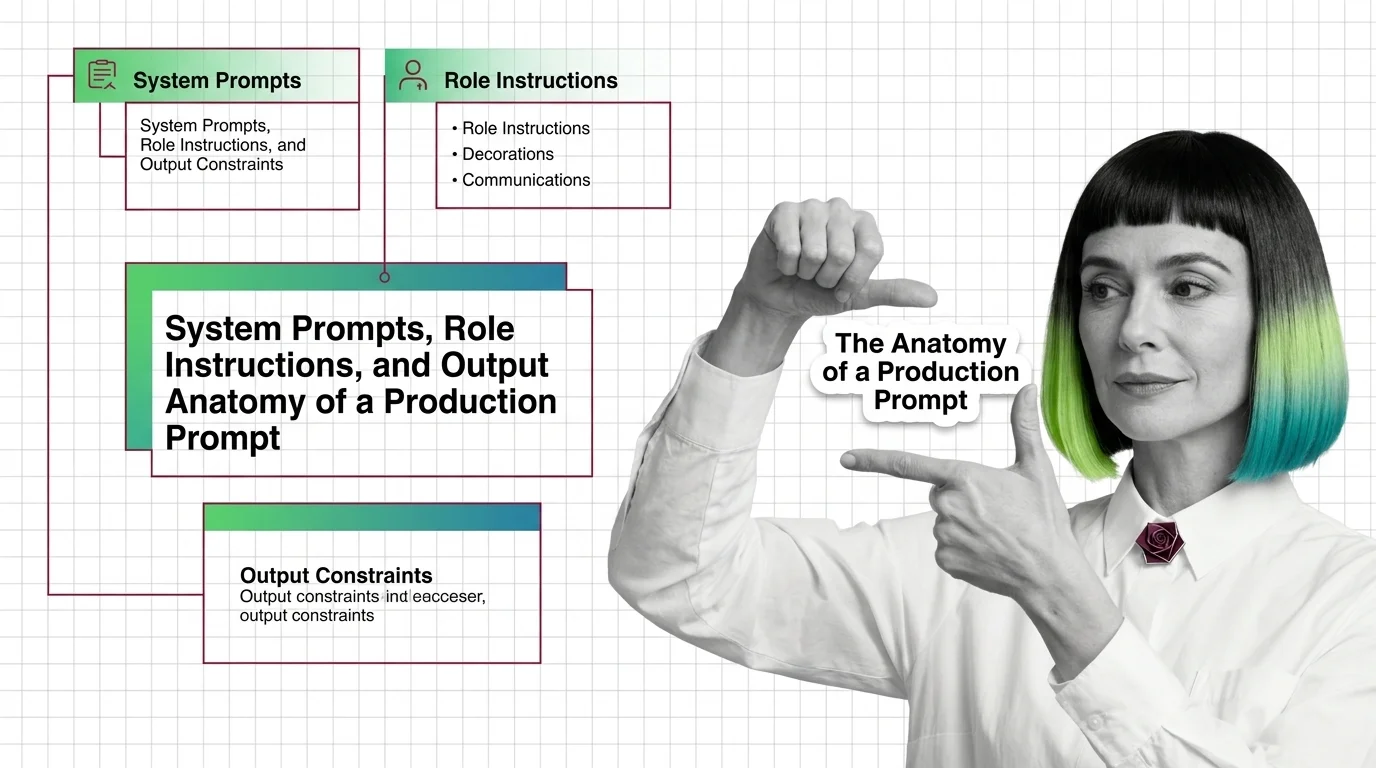
The discipline itself is the first stop. Prompt engineering names the full toolkit — zero-shot, few-shot, chain-of-thought — and how those techniques control LLM output is the single best first read in this theme, because every later framework is assembled from these primitives. Its companion piece, the anatomy of a production prompt, shows how instructions, role lines, and output constraints combine into one working artifact rather than a pile of tips.
With these three, every technique in the rest of the theme reads as a variation on a shape you already know: an instruction layer, an optional persona, and a defined output contract.
The core prompting patterns: chains, agent loops, conversations, and multimodal inputs
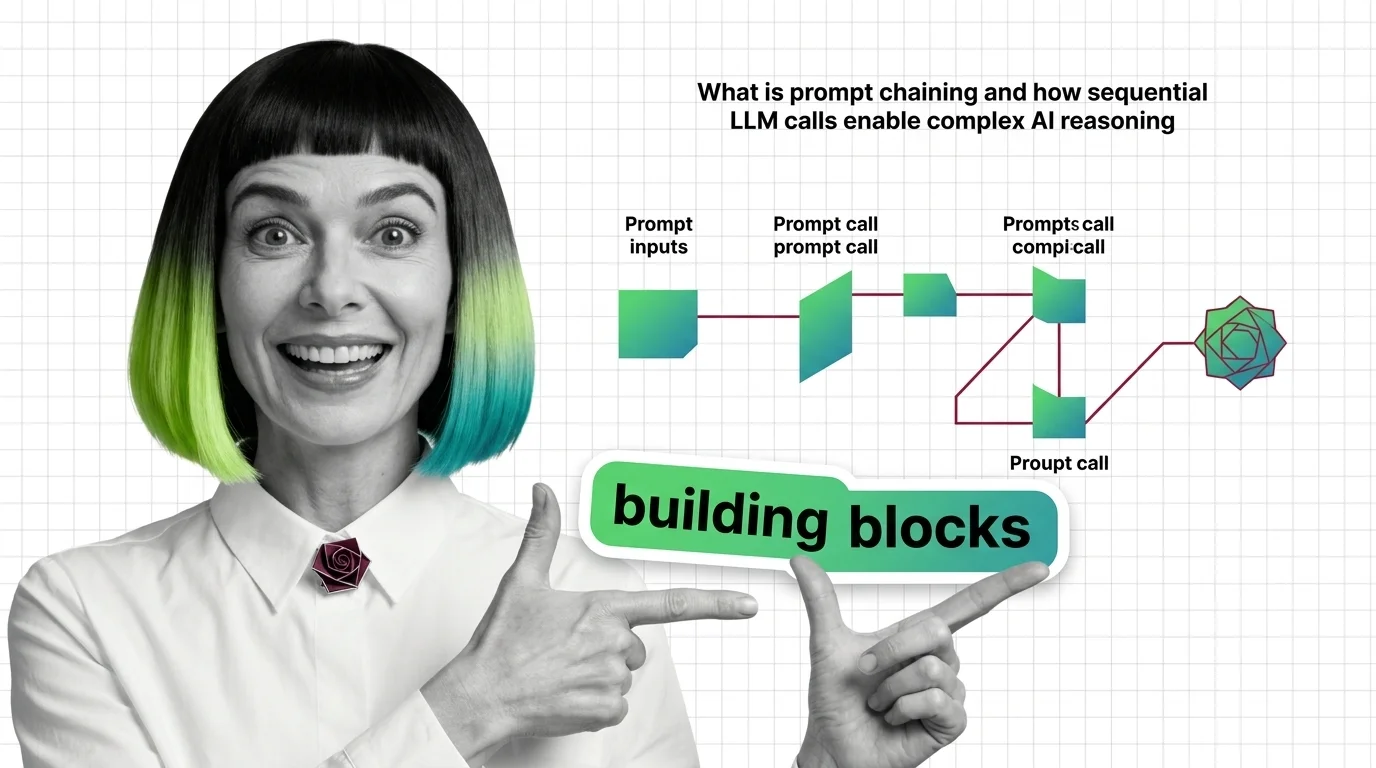
Once a single prompt behaves, the next question is what to do when one call is not enough — and the four core patterns are four different answers to it.
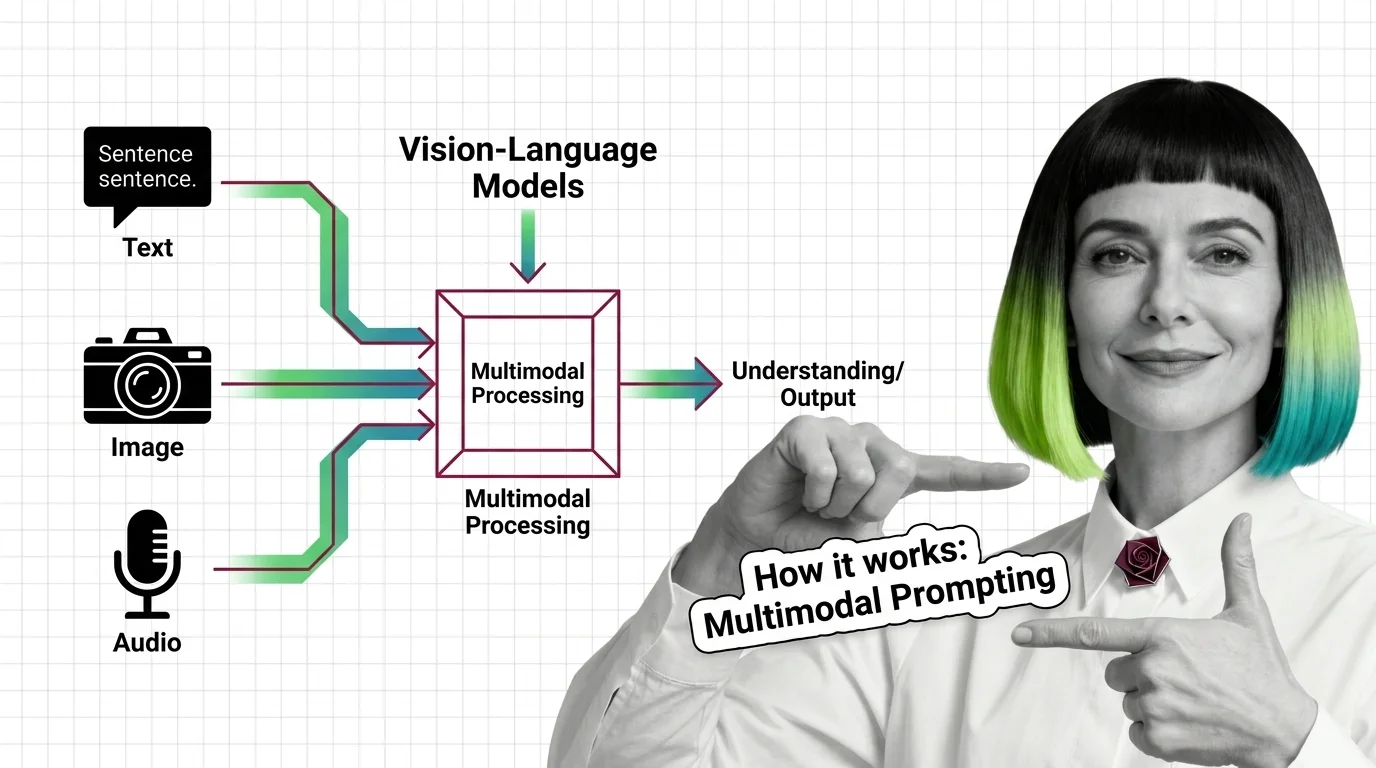
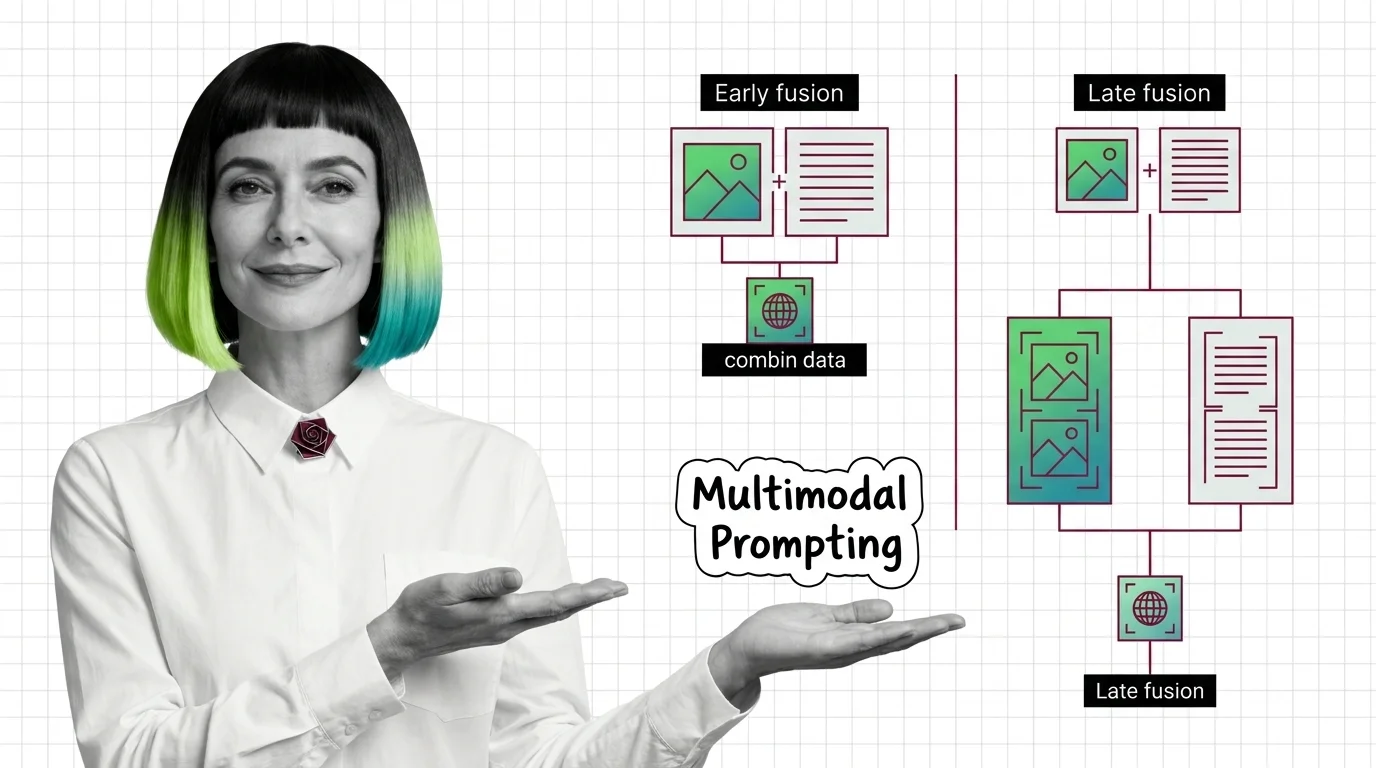
Finally, multimodal prompting extends everything above to inputs that mix images, audio, and text — how vision-language models process them together is the orientation read, because cross-modal prompts involve design decisions (what to describe in words, what to let the model see) that text-only intuition does not cover. The cross-modal pipeline guide turns those decisions into working patterns.
These four cover most production prompting work. The last tier exists for the problems they cannot solve — tasks that need exploration, self-correction, or expert-domain framing.
Advanced prompt engineering: deliberate reasoning, self-critique, and domain adaptation
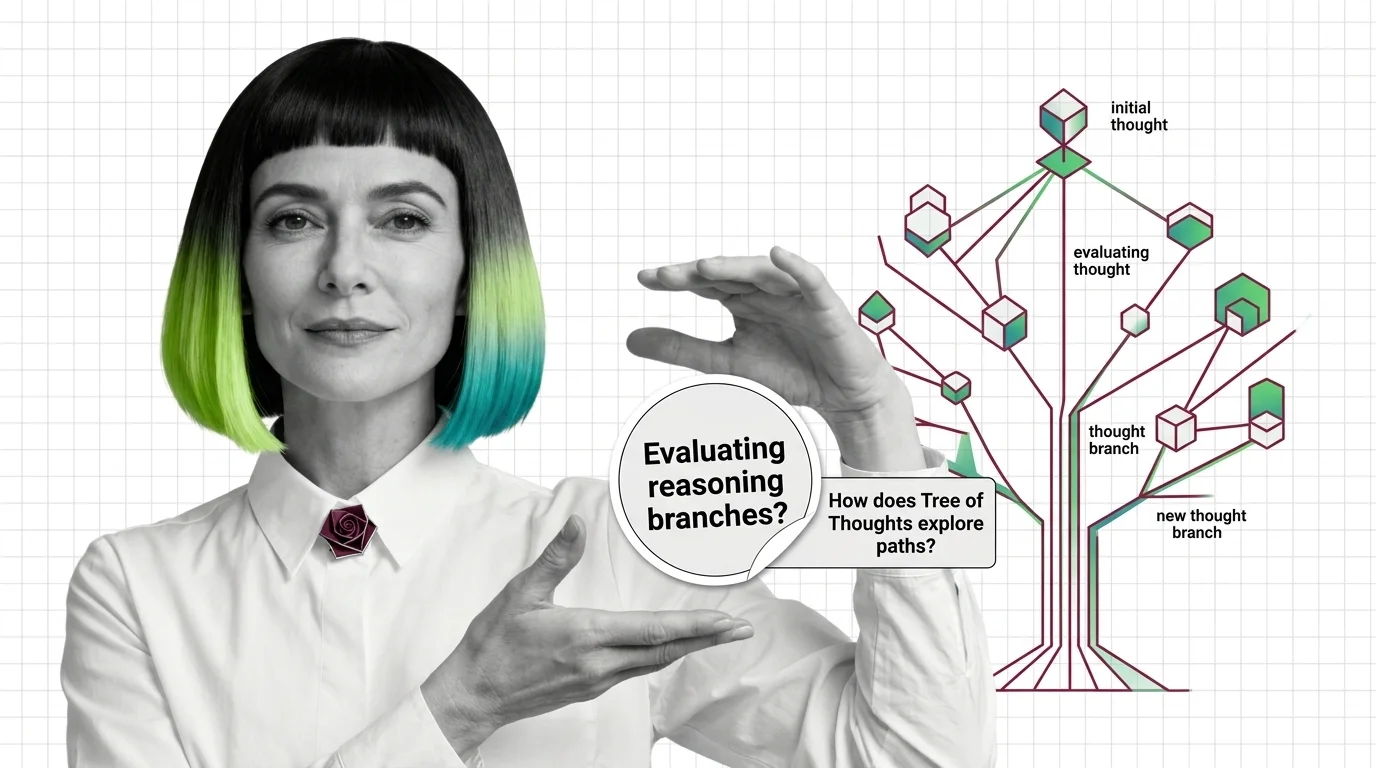
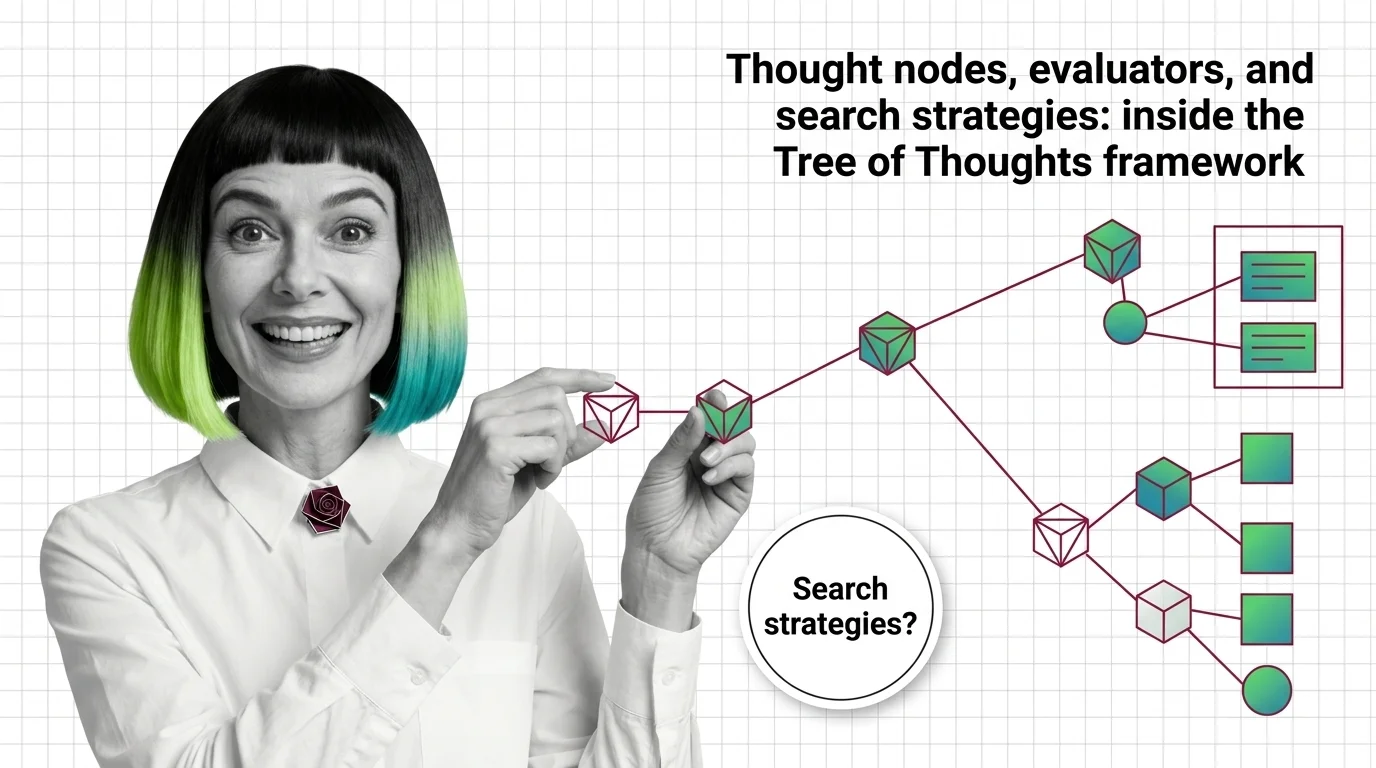
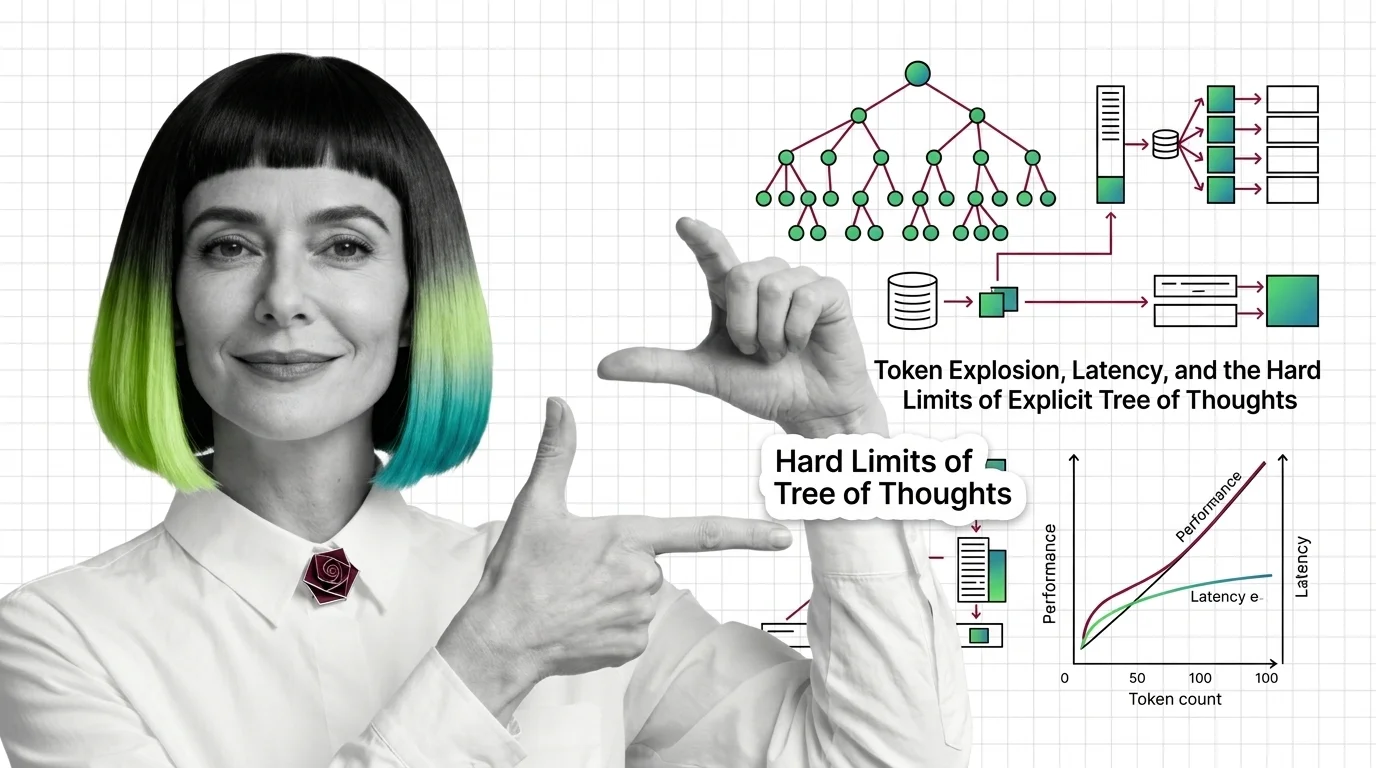
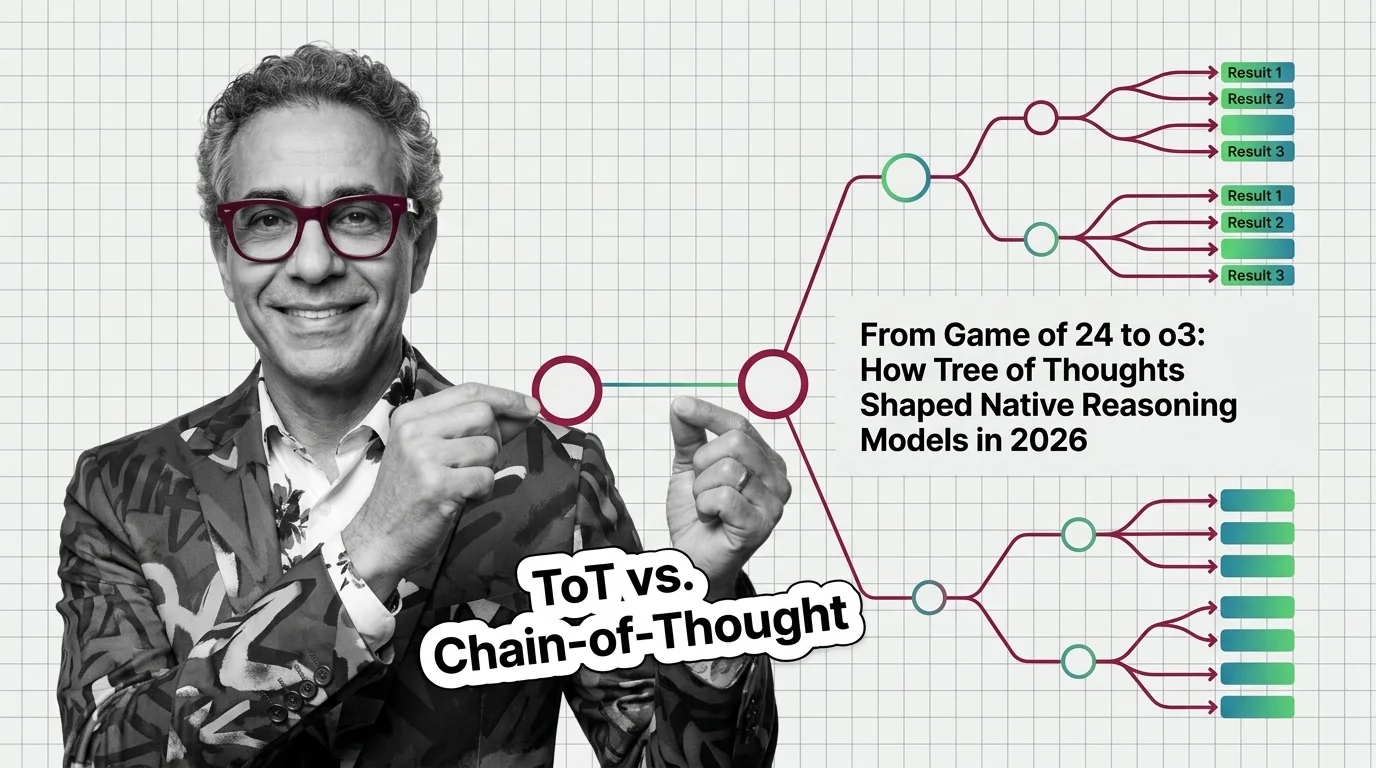
When a single linear chain of thought is not enough, tree of thoughts lets the model explore several solution paths in parallel, score the branches, and backtrack — how it extends chain-of-thought reasoning is the concept read, and token explosion, latency, and the hard limits is the cost sheet to study before turning it on. The framework’s history is instructive in its own right: from Game of 24 to o3 traces how explicit tree search shaped the native reasoning models that now internalize it.
The three advanced frameworks share one economic shape: each buys quality with more model calls. That is why the earlier tiers matter — an expensive framework layered on a weak base prompt amplifies the weakness at a higher price.
How the prompting techniques differ
The confusion that costs teams the most is treating the three multi-step patterns as interchangeable. They answer different questions:
Prompt chaining
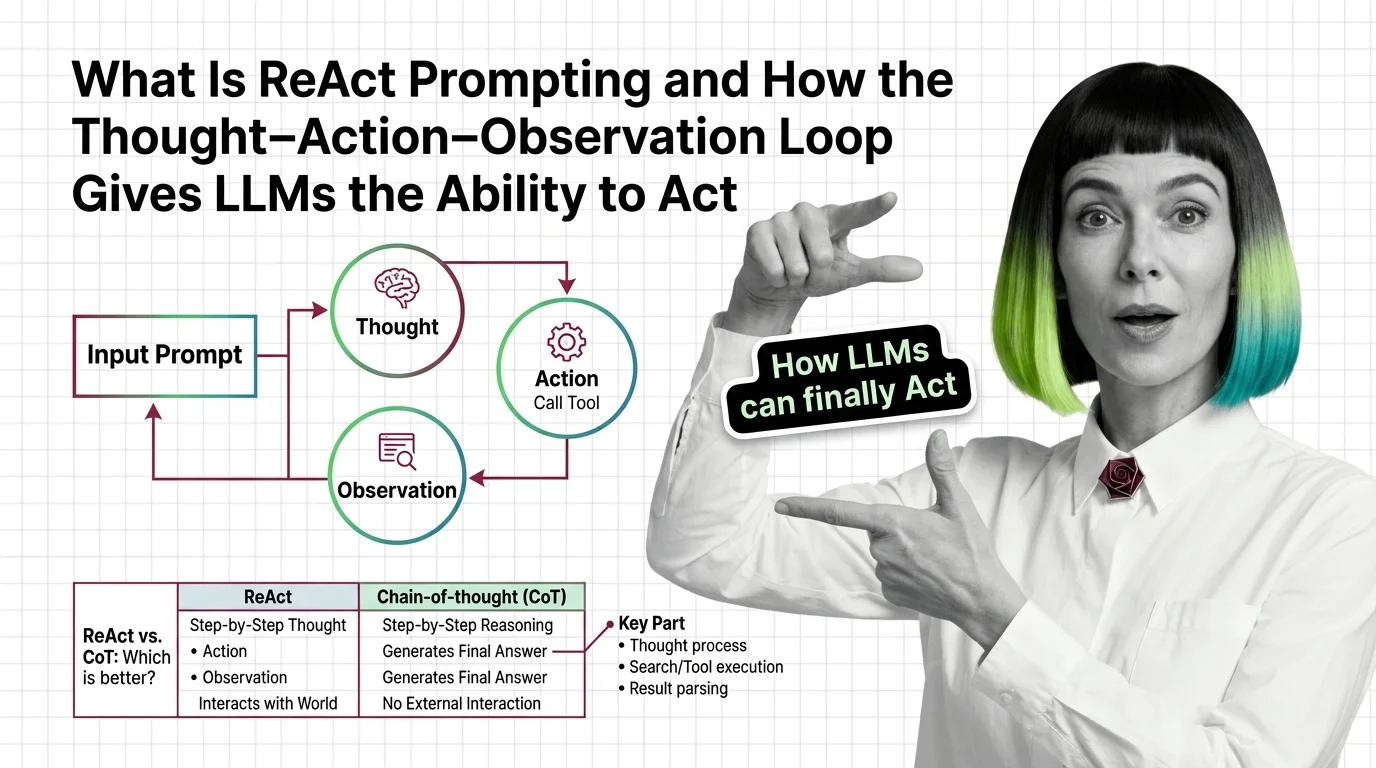
ReAct
Multi-turn design
Who decides the next step
You, at design time
The model, at runtime
The user, turn by turn
Control flow
Fixed sequence of calls
Reason–act–observe loop
Open-ended conversation
Best when
The task decomposes into known steps
The next step depends on what tools return
A human stays in the loop
Main failure mode
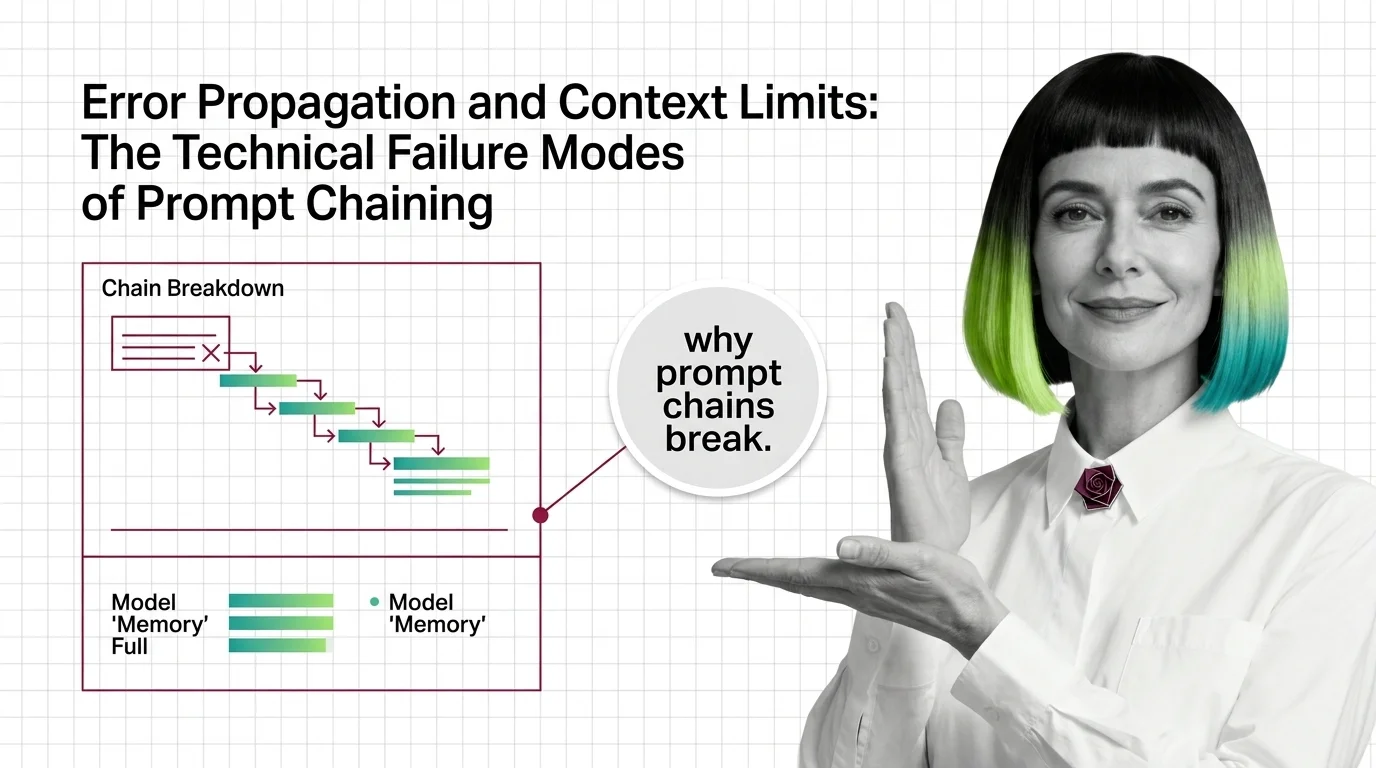
Errors propagate silently down the chain
Loops, wrong tool calls, runaway cost
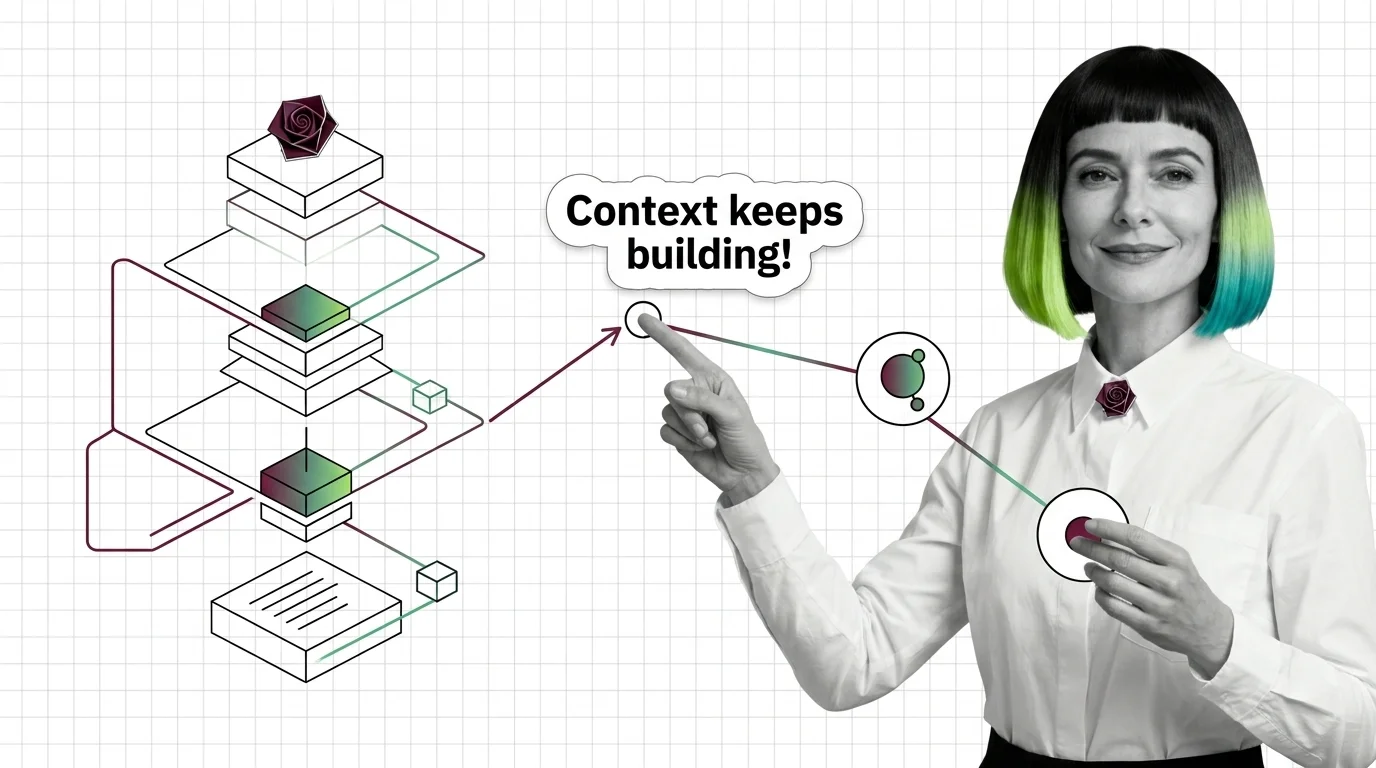
Context rot as history grows
Three finer distinctions trip readers just as often:
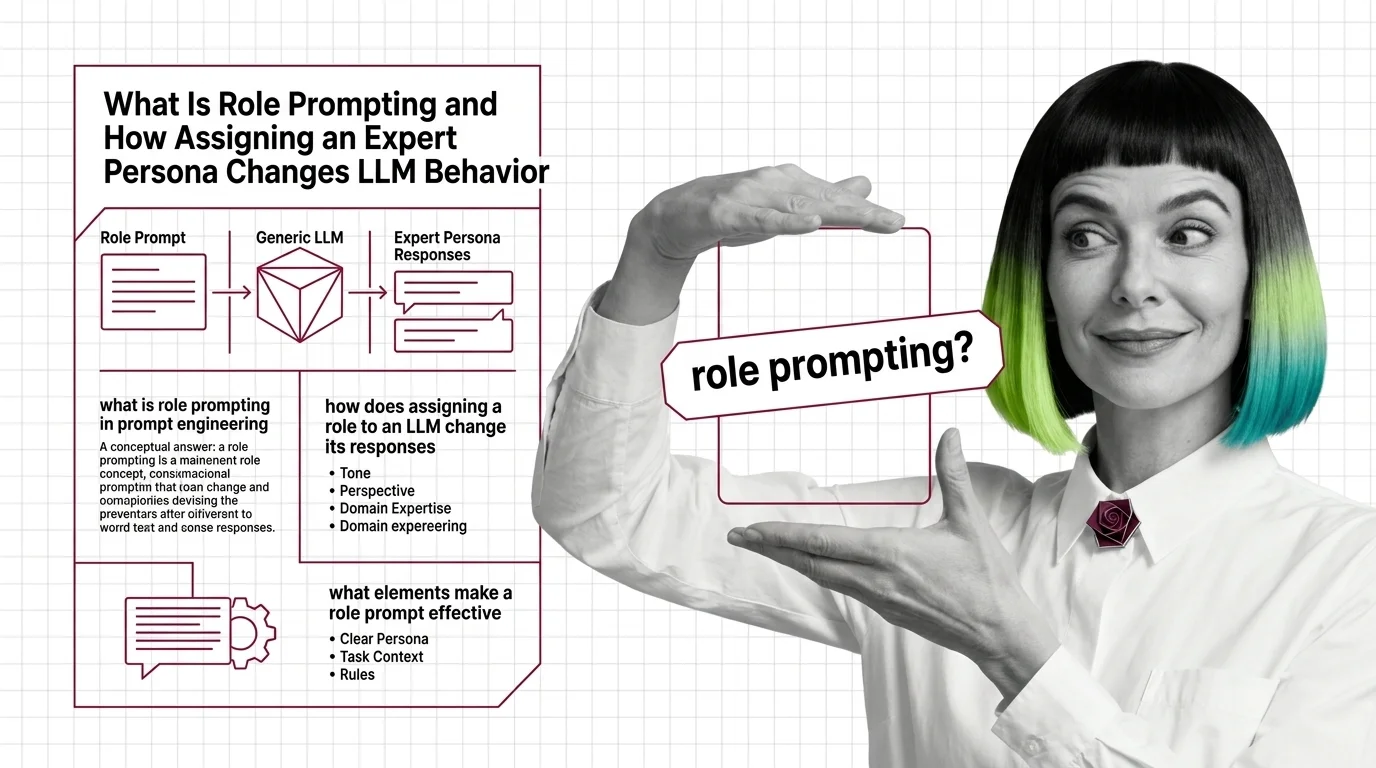
System prompt vs role prompt. Not rivals — different axes. The system prompt is a placement: the instruction layer that precedes the conversation. A role is one content choice you can make inside it. Conflating them produces bloated system prompts where a persona paragraph does work that an output constraint should be doing.
Chain-of-thought vs tree of thoughts. Chain-of-thought is a single reasoning trace inside one response; tree of thoughts is many traces with evaluation and backtracking across calls. Most tasks that seem to need the tree actually need a better linear prompt — the tree earns its token bill only when the first idea is frequently wrong and candidates are cheap to score.
A chain vs one long prompt. Growing context windows make it tempting to merge a chain back into one giant prompt. The trade-off is inspectability: a chain exposes intermediate outputs you can log, test, and correct mid-flow. Prompt chaining in production 2026 examines how real deployments weigh exactly this threat.
Common questions
Q: Where should I start with prompt engineering as a software developer?
A: Read the foundations tier in order — the discipline overview first, since zero-shot, few-shot, and chain-of-thought are primitives every later pattern reuses. The prompt engineering explainer covers all three; move on to system prompts once single instructions behave predictably.
Q: Do I still need ReAct now that models have native tool calling?
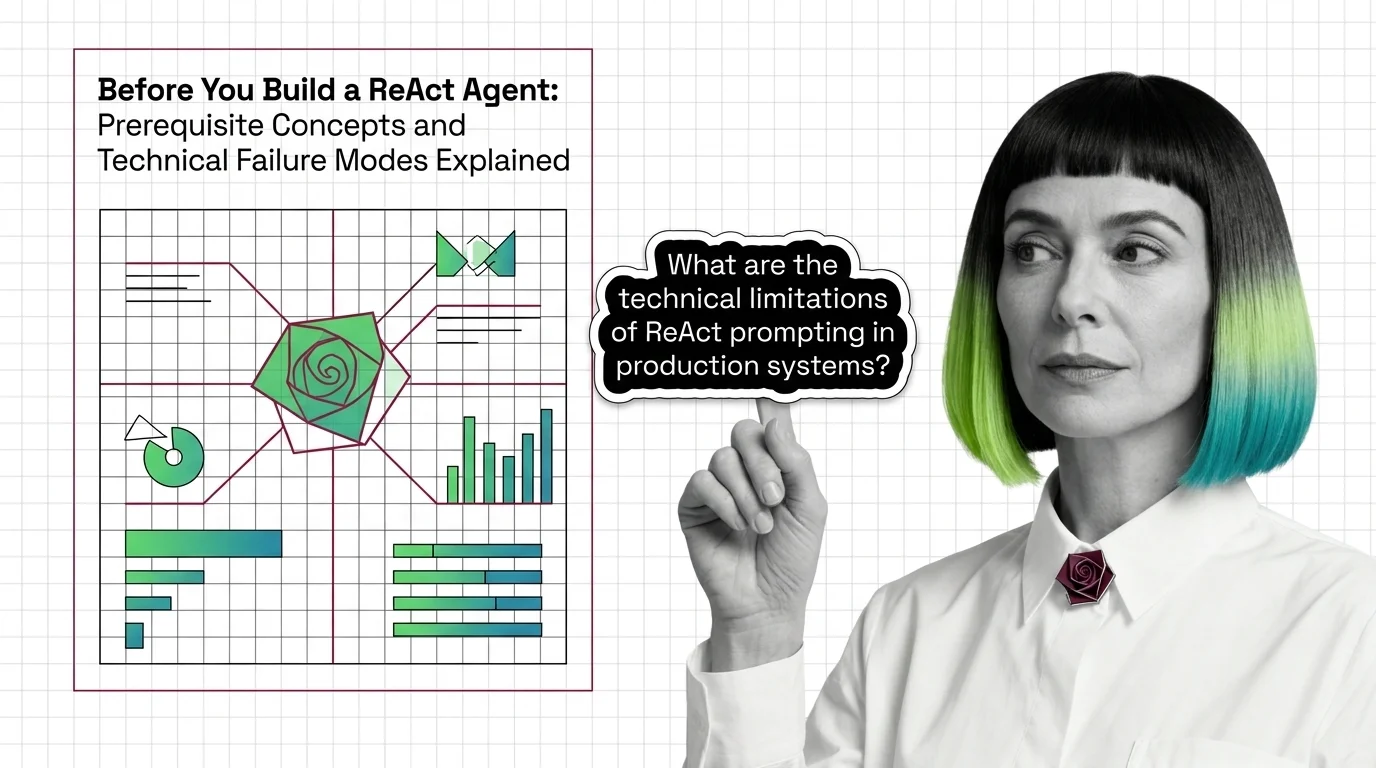
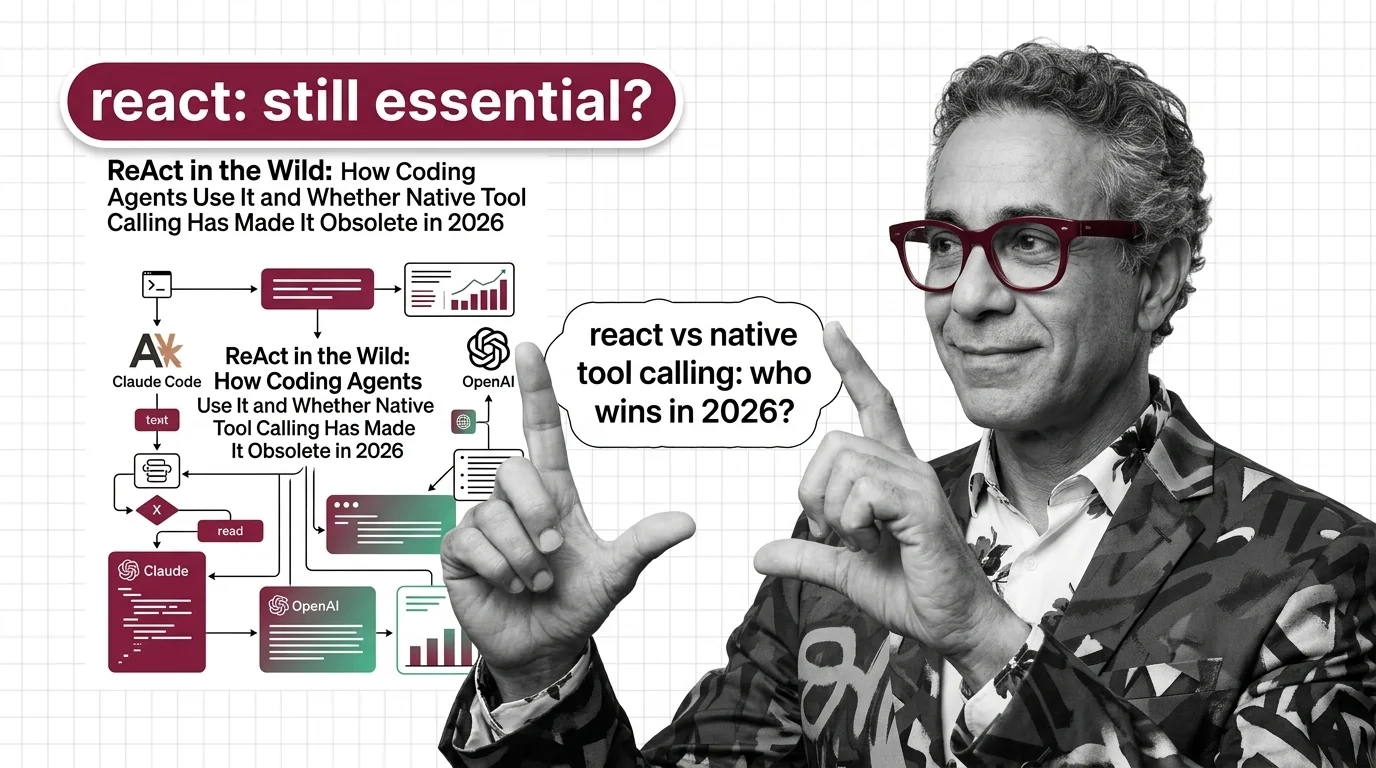
A: Rarely as literal prompt text — native function calling covers the mechanics — but the reason–act–observe structure still governs how agents are designed and debugged. ReAct in the wild examines what actually survived into 2026’s coding agents and what became redundant.
Q: Why does a prompt that worked yesterday break on a new model or input?
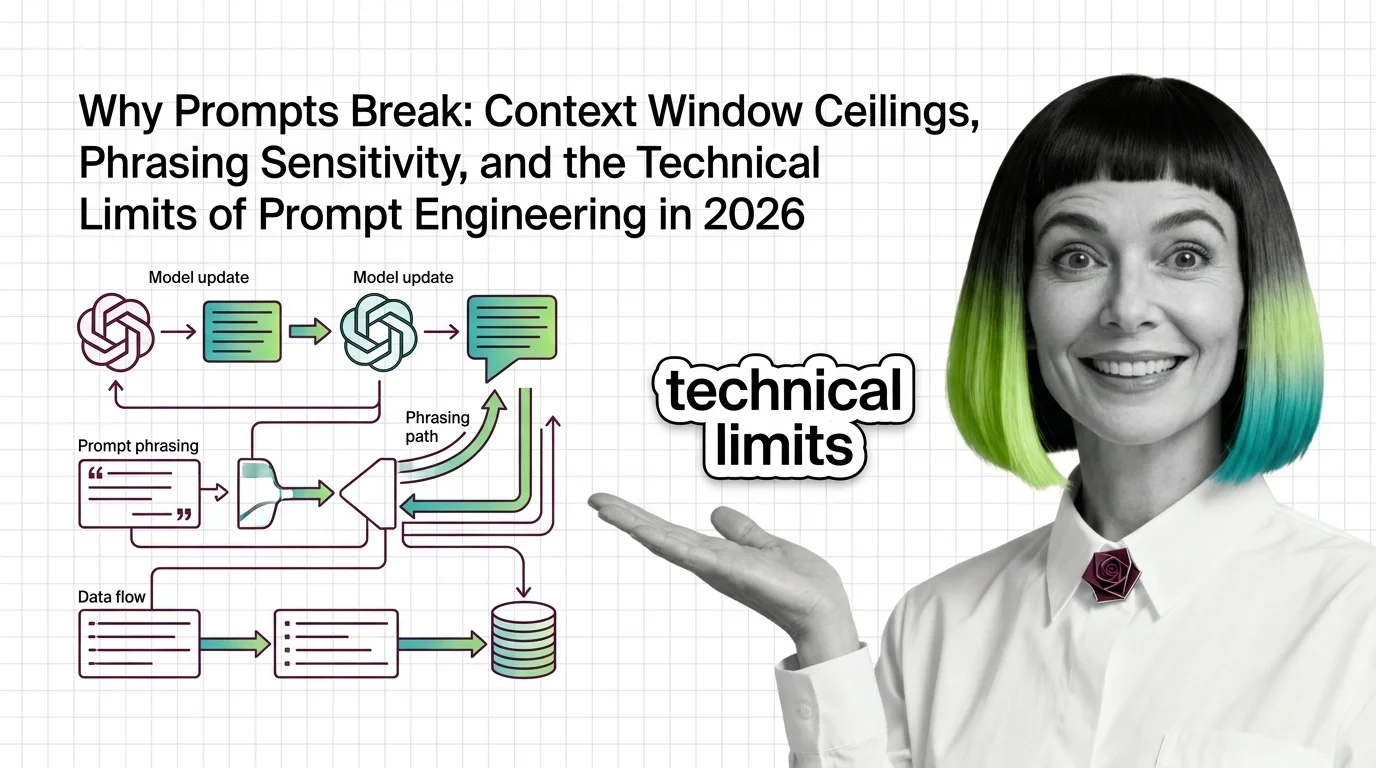
A: Because prompts are phrasing-sensitive contracts with no compiler: small wording shifts, model updates, and context growth all change behavior without warning. Why prompts break maps the ceilings and sensitivities — the honest-limits read for this whole theme.
Q: Should I split a task into a prompt chain or keep it in one prompt?
A: Split when the task has distinct steps whose intermediate outputs you want to inspect and correct; keep one prompt when the steps are entangled and cheap to redo. Splitting has its own tax — error propagation in prompt chains shows how early mistakes compound downstream.
Q: When is tree of thoughts worth the extra tokens?
A: Only when the first attempt is often wrong and candidate solutions are cheap to evaluate — planning, puzzles, constrained generation. For everything else, a well-prompted linear chain of thought gets close at a fraction of the cost. The hard limits of explicit tree of thoughts prices the trade honestly.
Q: What should I read before prompting in a regulated domain like law or medicine?
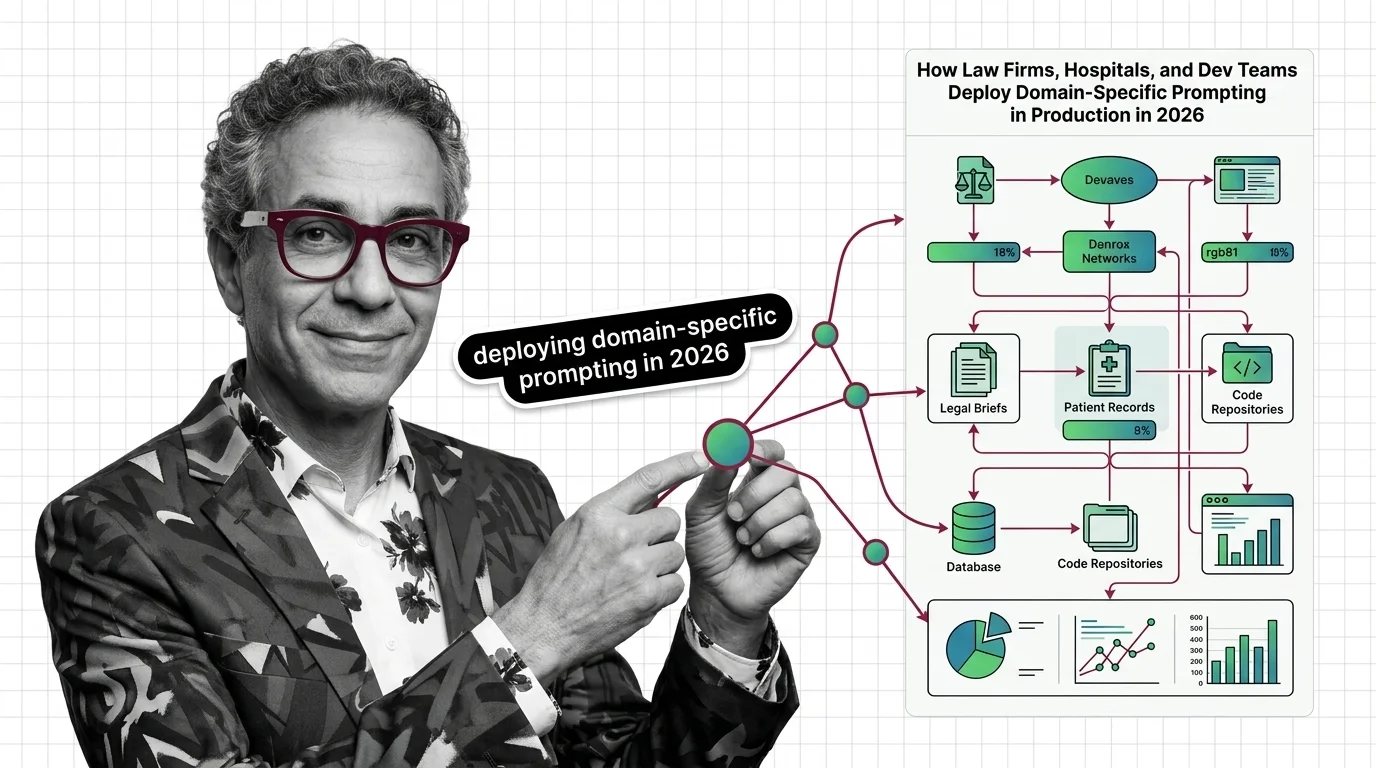
A: The prerequisites-and-limits read first: before you prompt a doctor or lawyer covers what domain prompting cannot fix. Then the foundations tier — domain-specific prompting composes roles, constraints, and system prompts, so weak foundations surface fastest where the stakes are highest.
Developer orientation
Coming from software engineering? Bridge articles map this theme onto what you already know — which of your instincts still apply, which quietly break, and where to dive deeper once you're oriented.
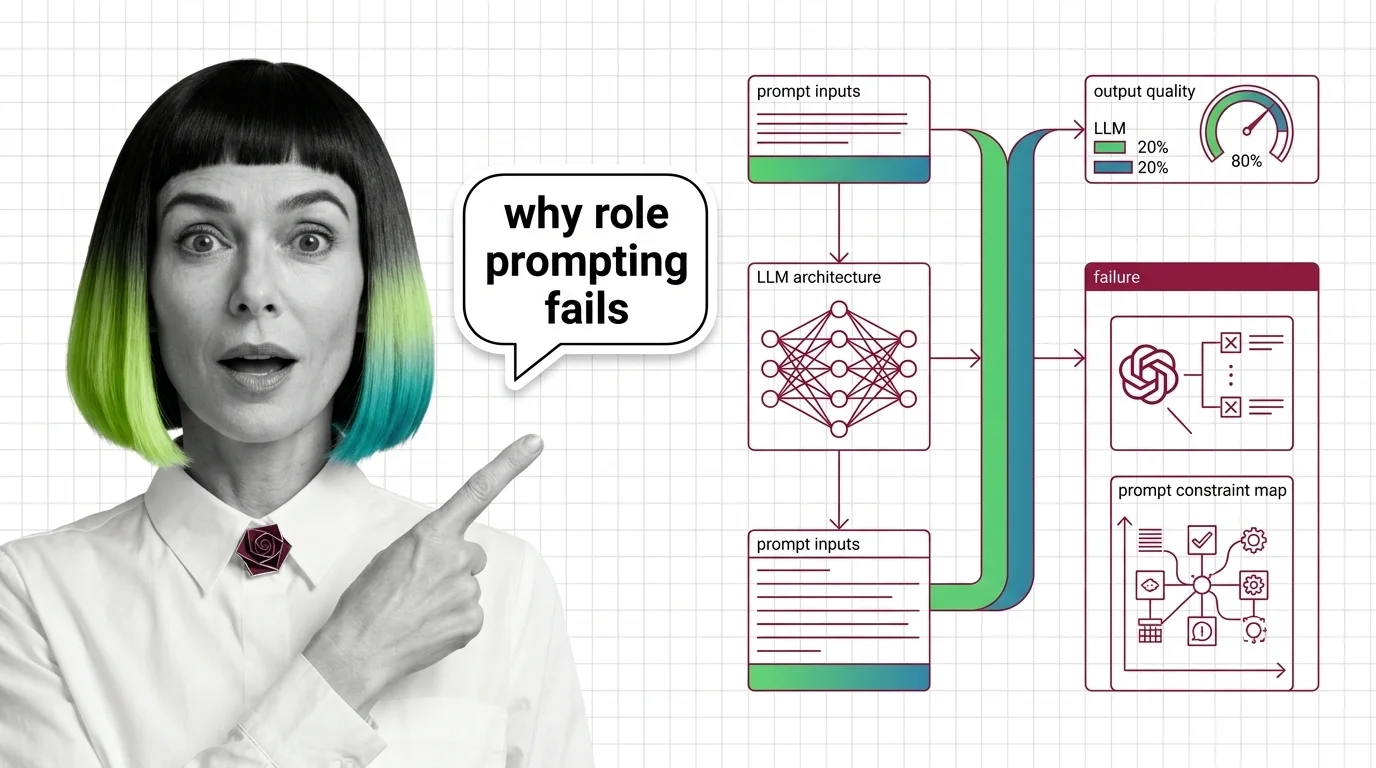
Prompt engineering has architectural failure points: position bias drops recall 30%+ in long contexts, and prompts silently regress after model updates.
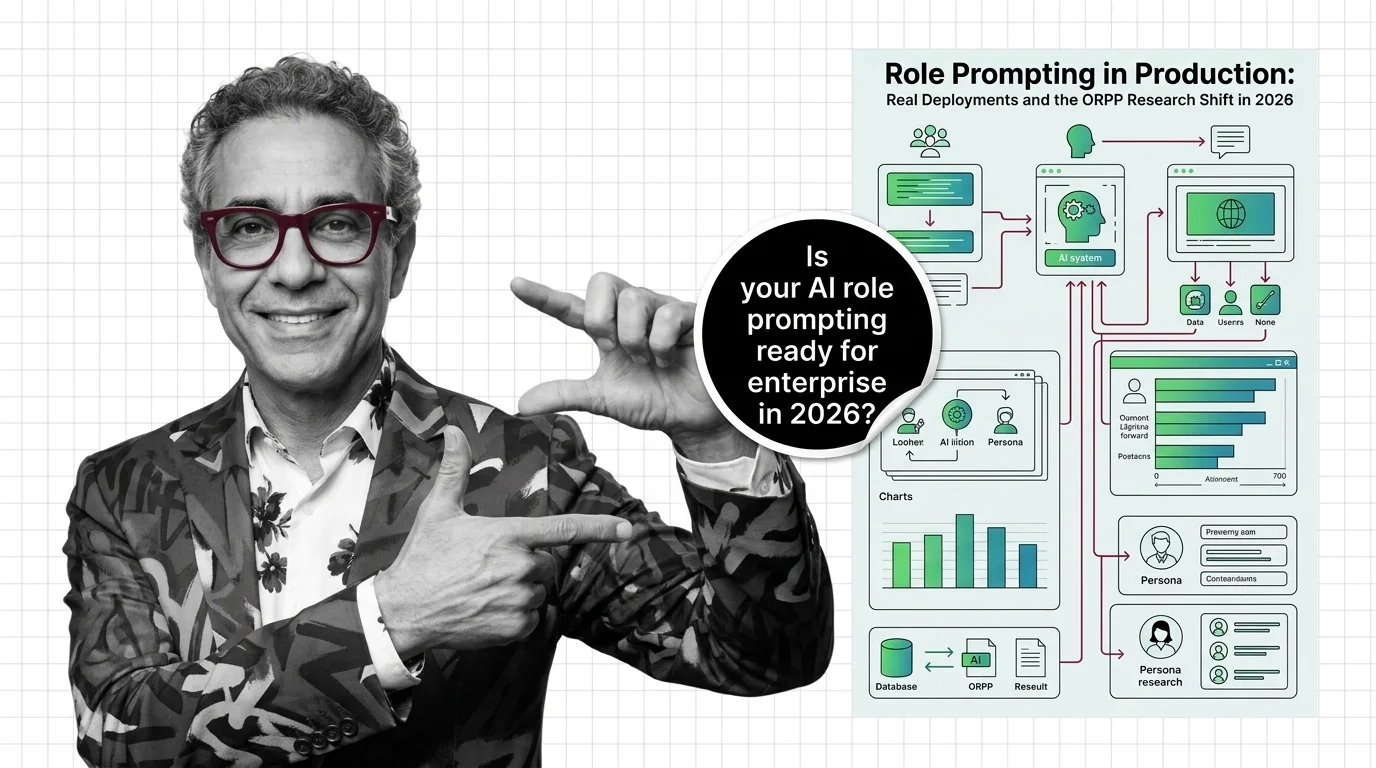
Role prompting assigns an expert persona via the system prompt, shifting how an LLM samples tokens. It helps advisory tasks but degrades factual accuracy.
Role prompting shifts LLM tone reliably but gains ~0.01% accuracy on factual benchmarks. Expert personas degrade reasoning without training data support.
LLM position bias drops accuracy 30%+ when instructions sit mid-context — explaining why system prompts beyond 300 words reliably degrade model reasoning.
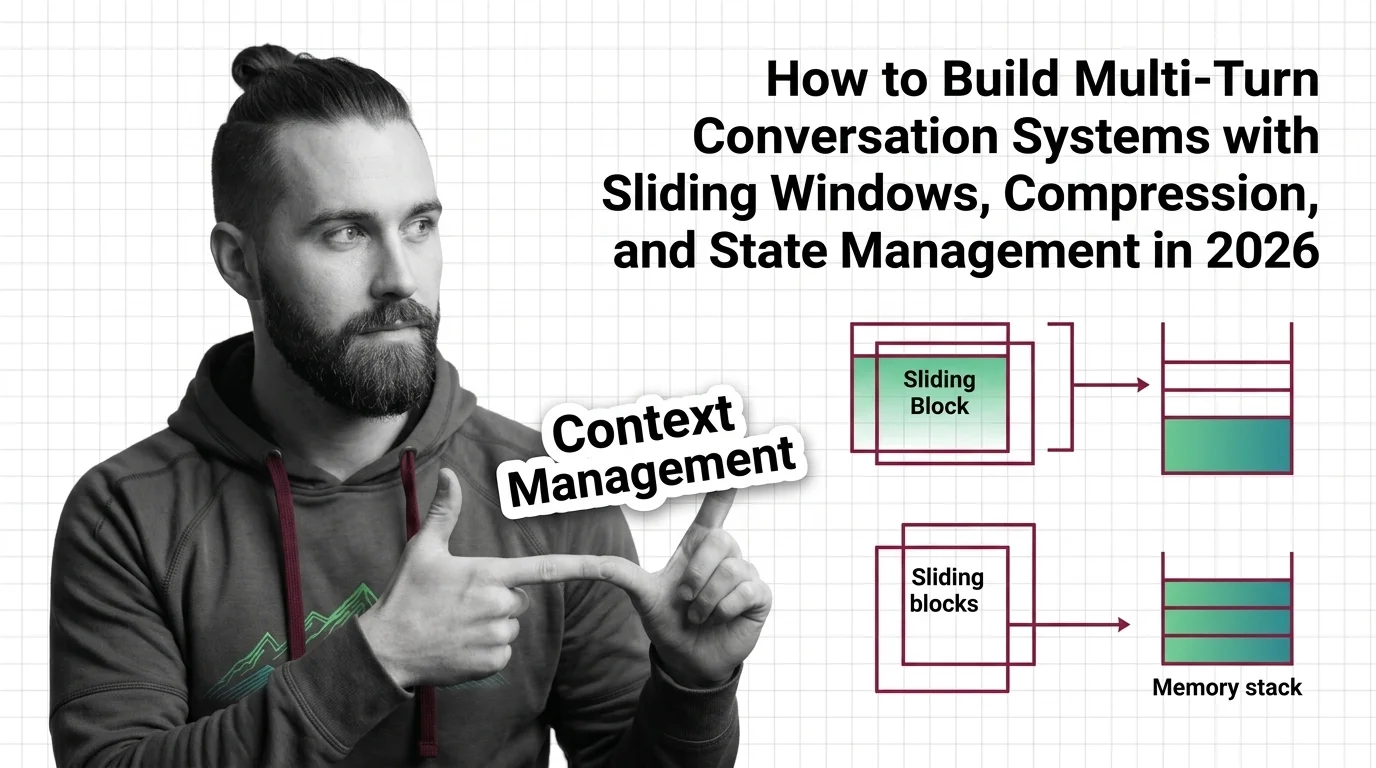
Multi-turn prompt design passes full message history as tokens on every API call. Context accumulates linearly until the window fills and truncation begins.
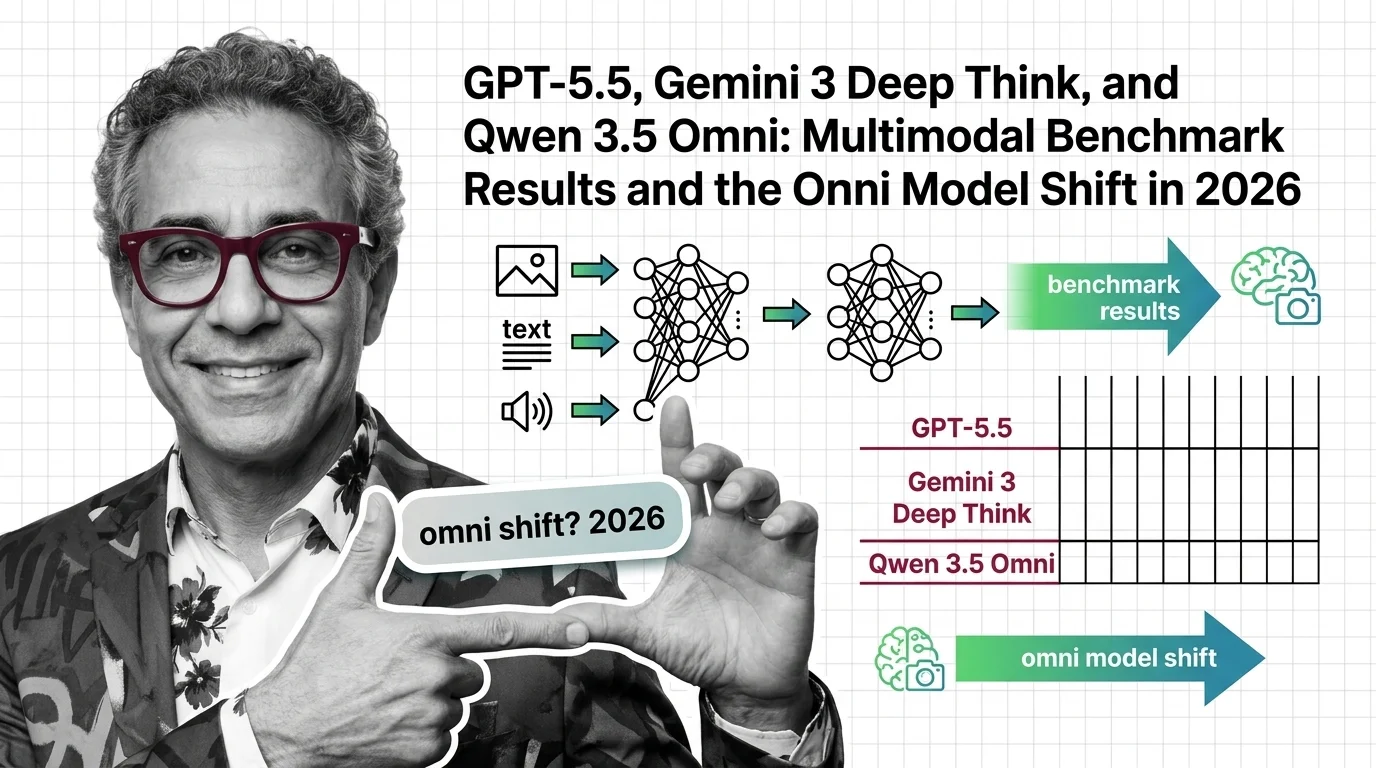
Multimodal prompting sends images or audio alongside text in one query. A VLM encodes each image as patch tokens, then attends to vision and text jointly.
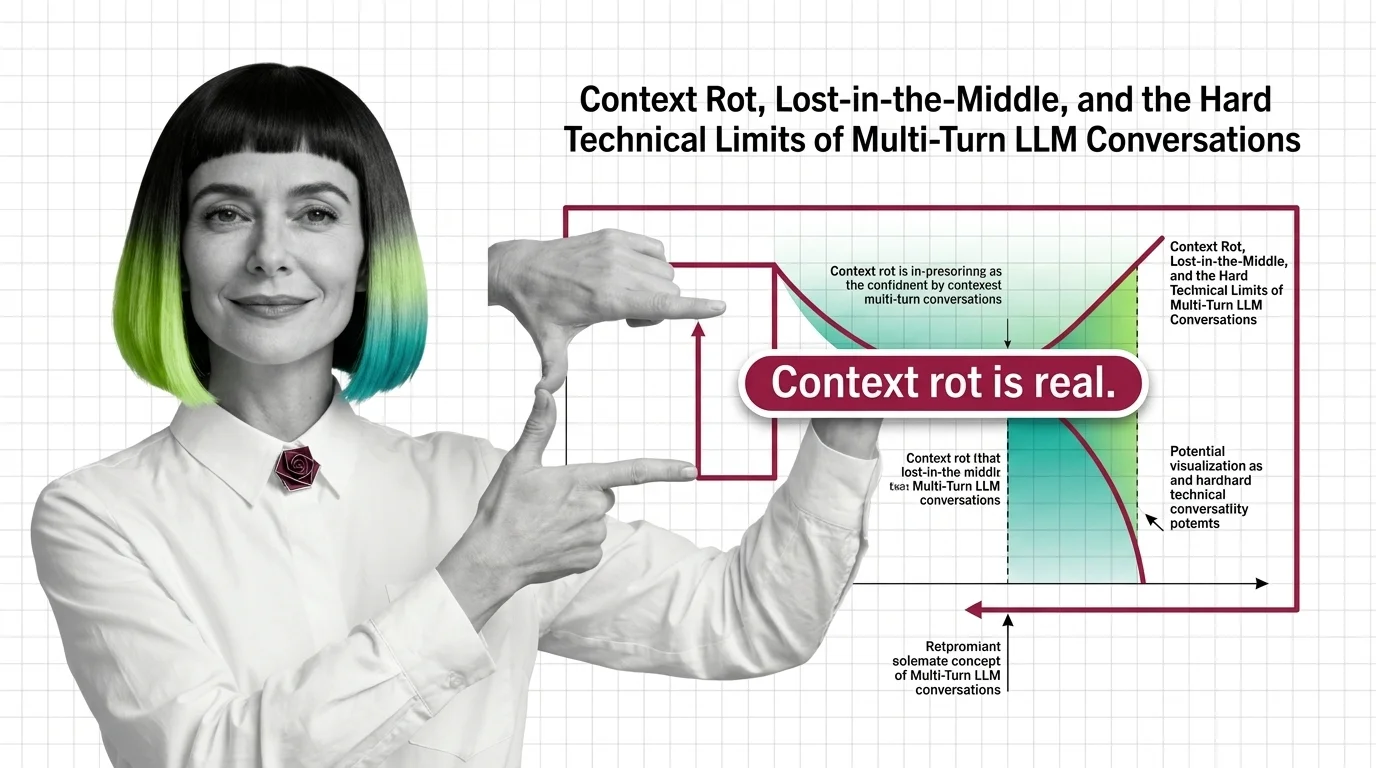
LLMs degrade in multi-turn conversations via attention dilution, position bias, and context rot — degradation begins well before context limits are reached.
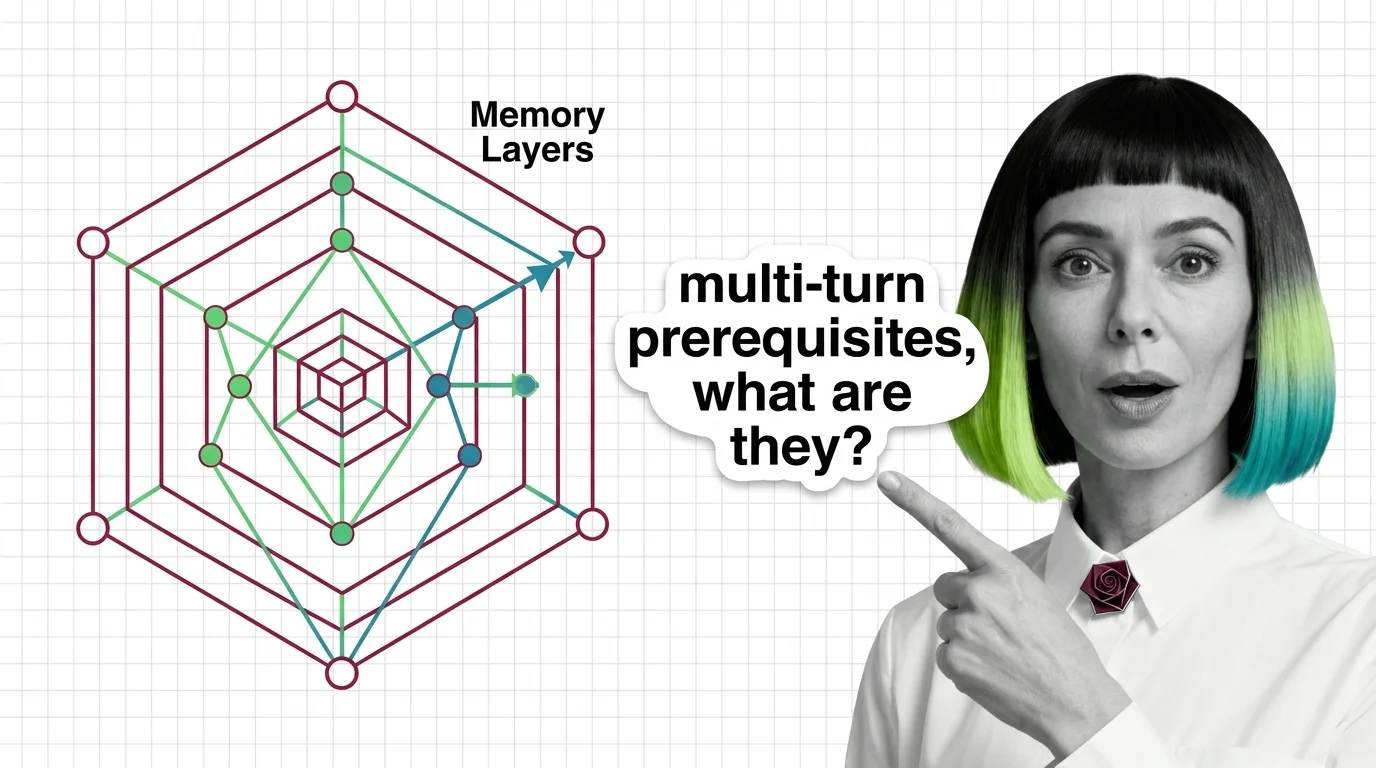
LLM conversation APIs are stateless: full history is re-injected on every call. Semantic, episodic, and procedural memory layers persist across sessions.
Early fusion processes image and text tokens from layer one; late fusion merges at output only. Architecture determines what multimodal prompts can achieve.
Prompt chaining fails when early errors compound downstream and attention degrades at mid-context — accuracy drops exceed 30%. The four failure modes explained.
ReAct pairs reasoning with tool calls in a loop. Context rot, exemplar mismatch, and token growth are failure modes that break agents on multi-step tasks.
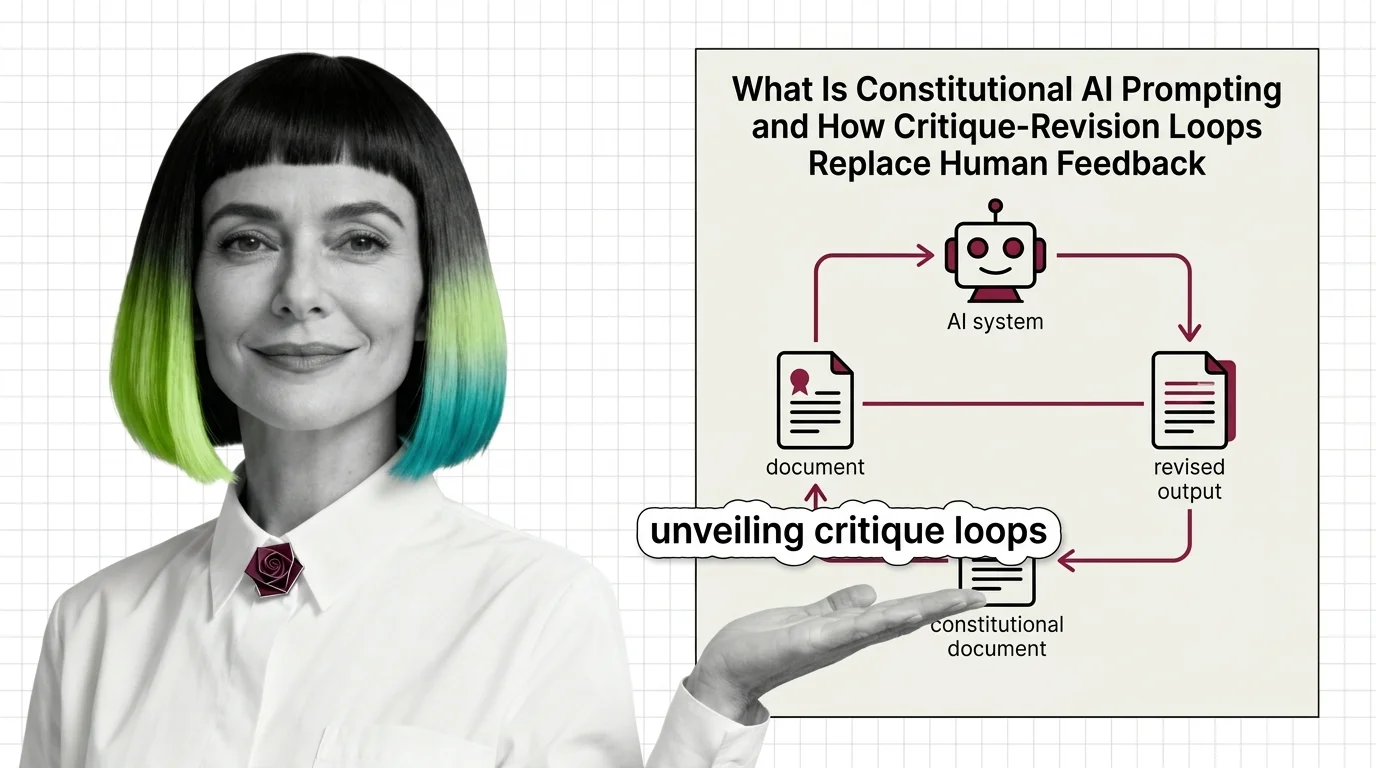
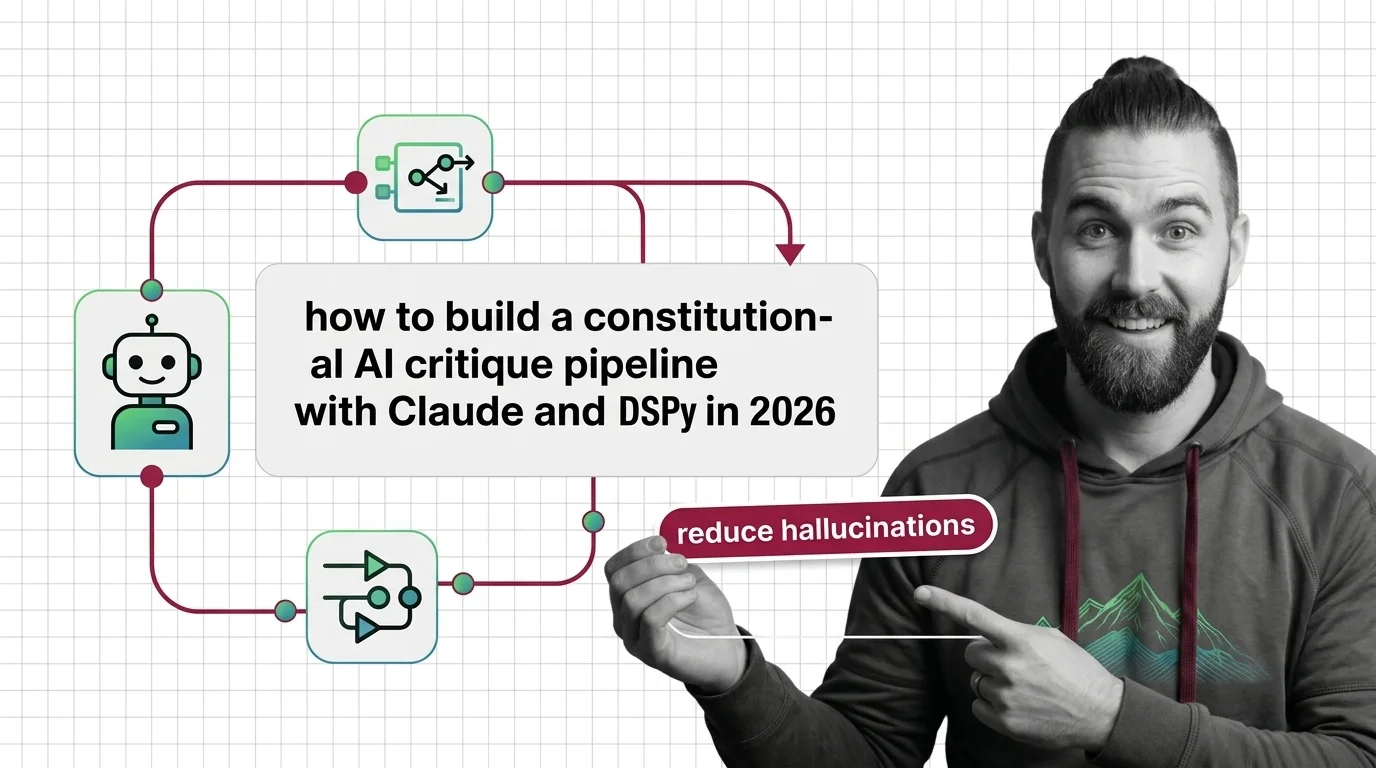
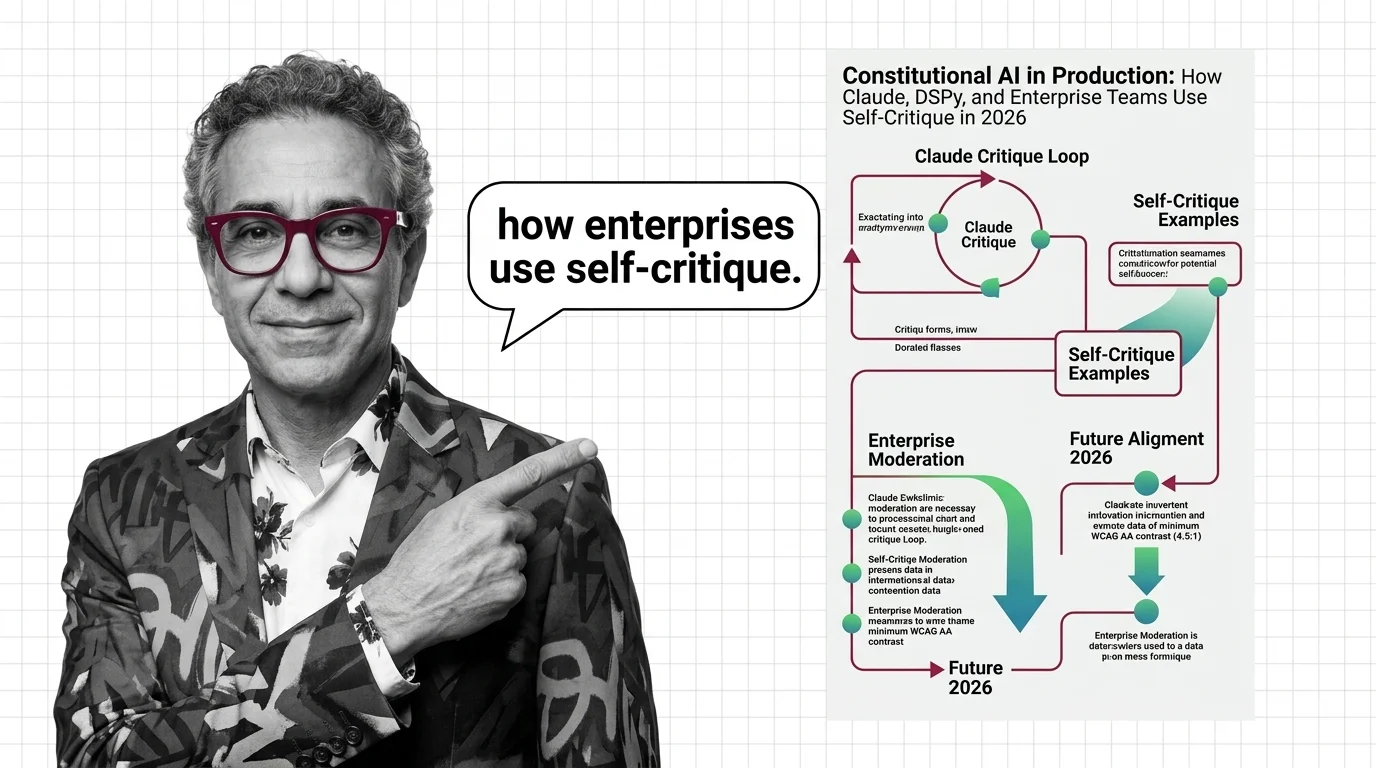
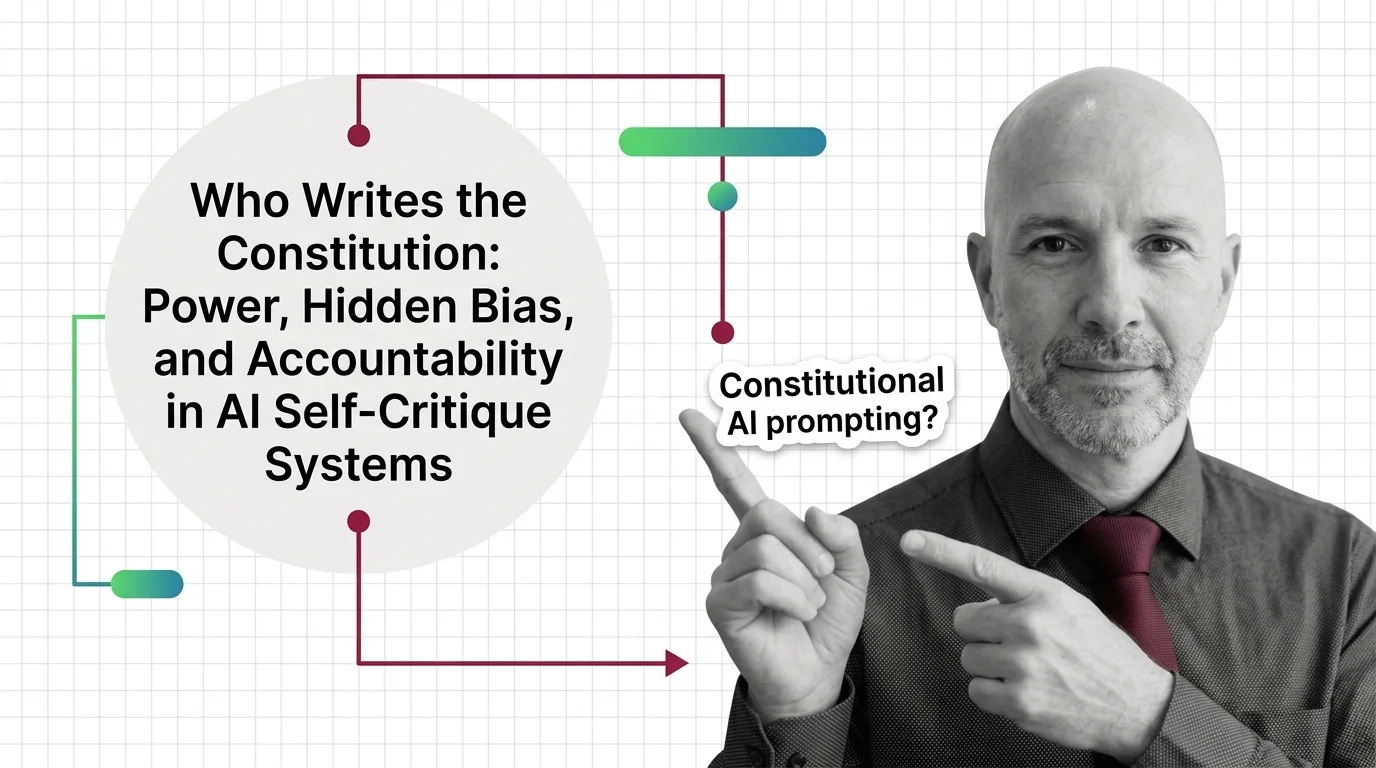
Constitutional AI prompting is a critique-revision loop: a model checks its own outputs against explicit principles, then revises — no human labeling required.
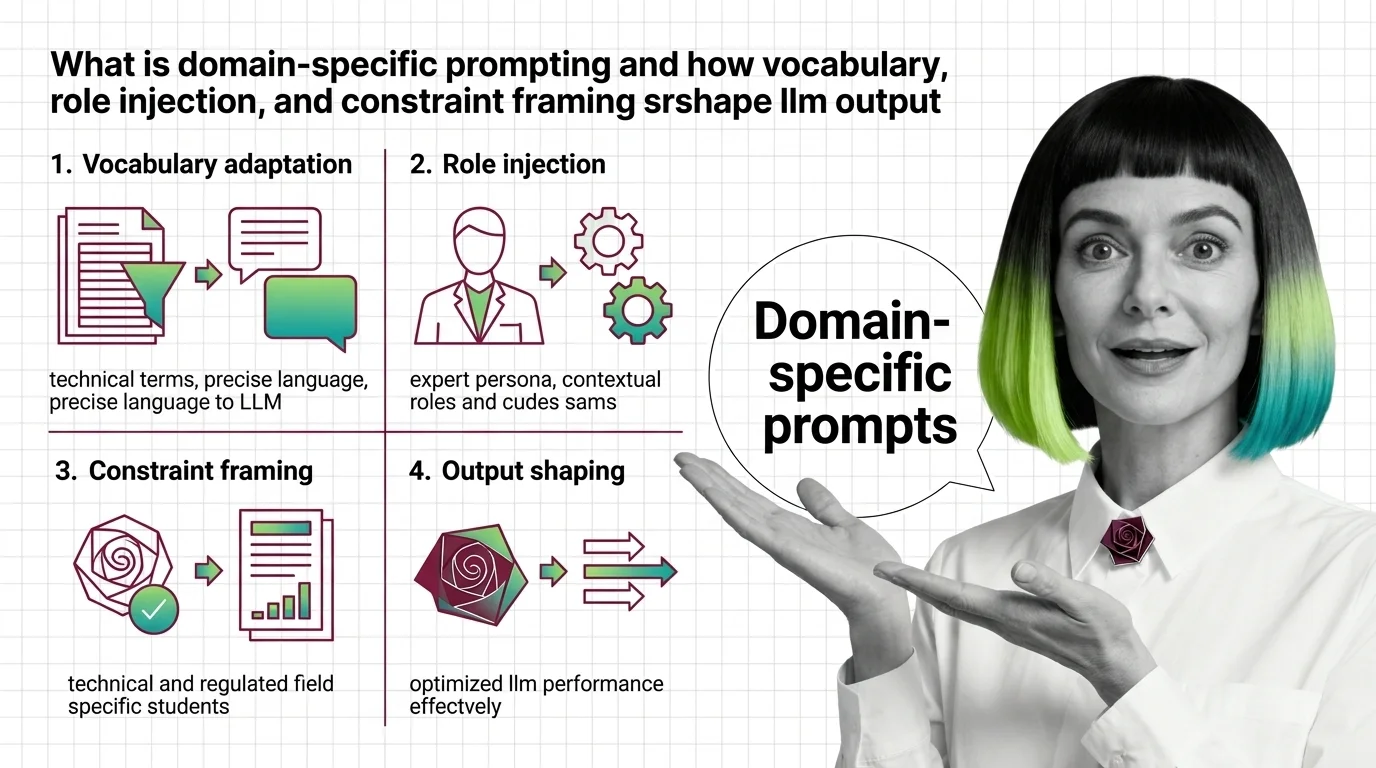
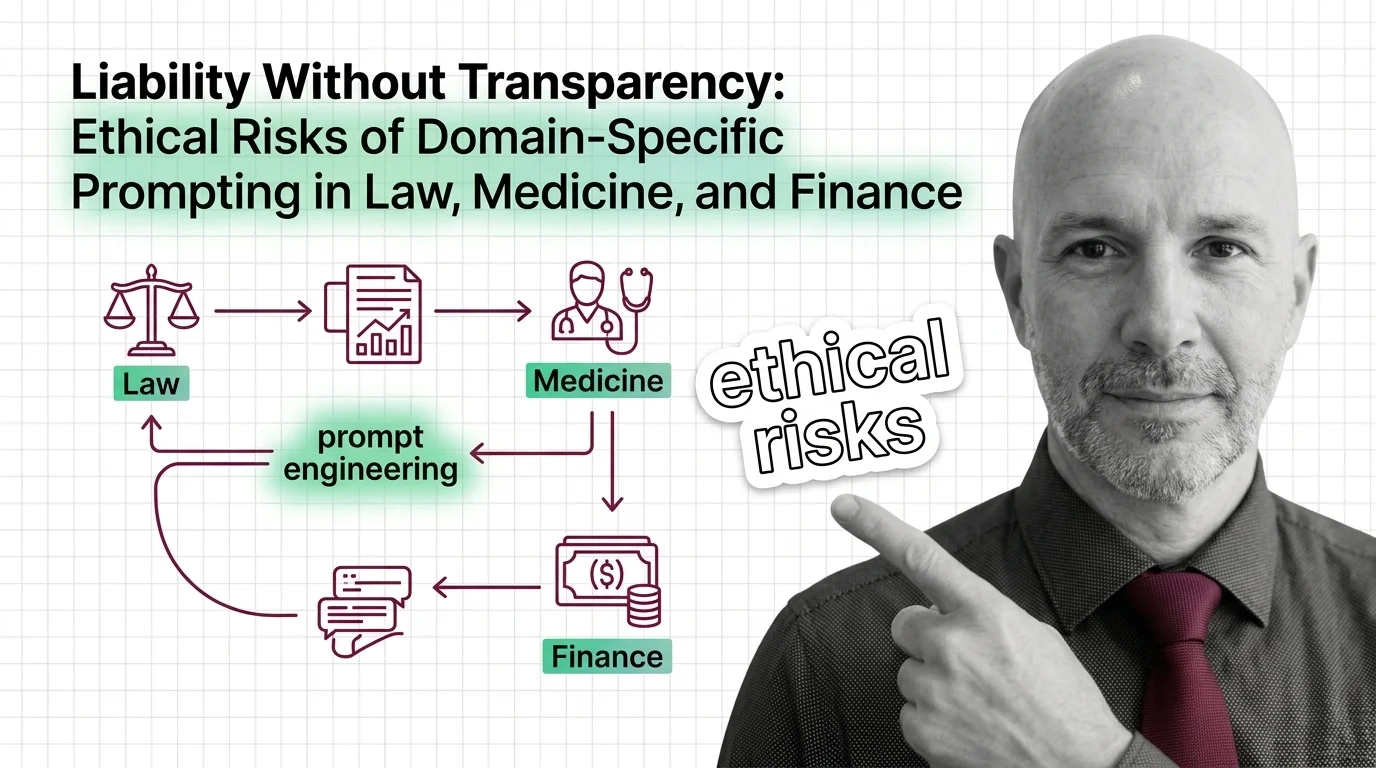
Domain-specific prompting adapts LLM output per field via vocabulary, role, and constraints — no retraining. Prompt wording alone shifts accuracy by 30+ points.
Tree of Thoughts gives LLMs branching search via four components and two algorithms. GPT-4 scored 74% on Game of 24 — chain-of-thought alone managed 4%.
Constitutional AI prompting adapts Anthropic's CAI training method for runtime self-critique. Understand prerequisites and why self-correction has hard limits.
Domain-specific prompting shapes LLM behavior, not what it knows. Medical-specialized LLMs still hallucinate in up to 49% of queries, per Kim et al. 2025.
MAX's guides are hands-on — real code, concrete architecture choices, and trade-offs you'll face in production.
Editing prompts in place works until a model update breaks production with no changelog to blame. Map which API and contract-testing instincts transfer to prompt work, and where they break.
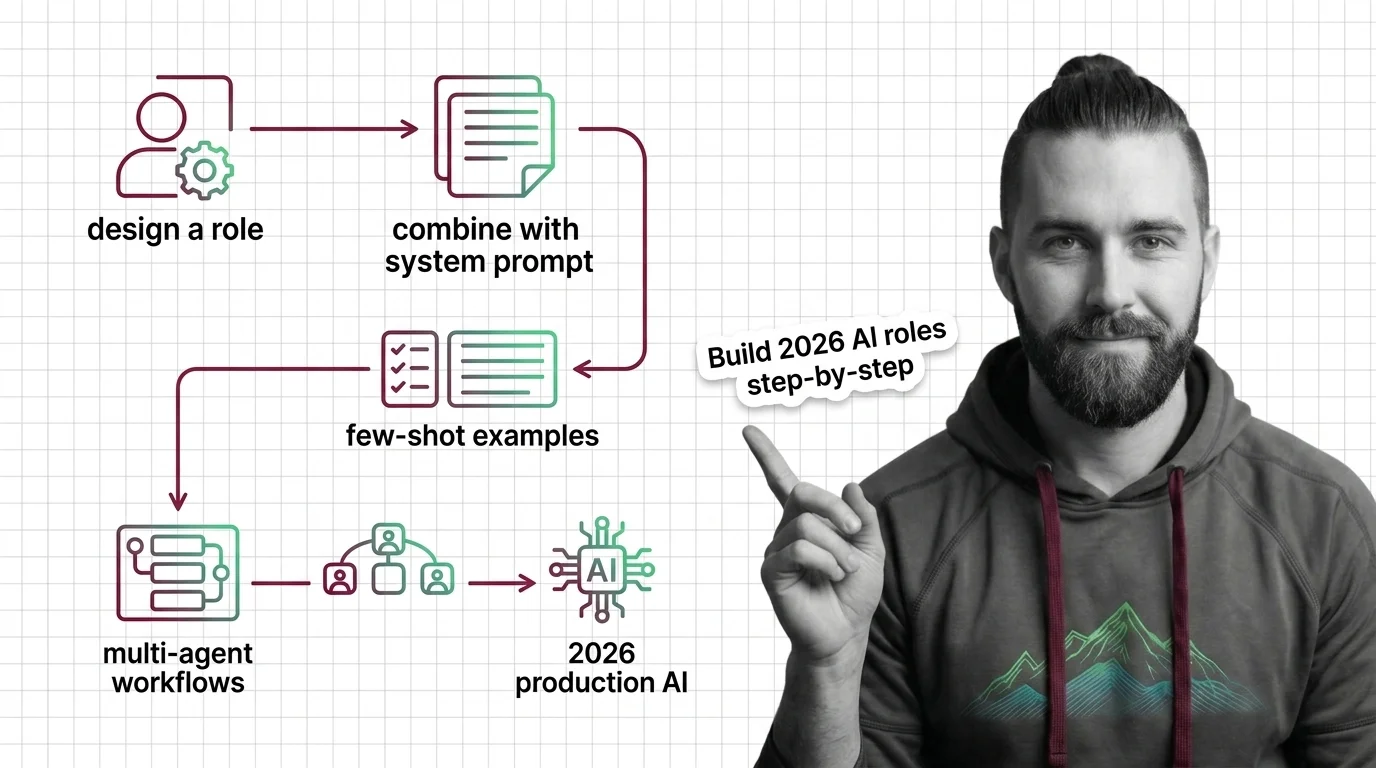
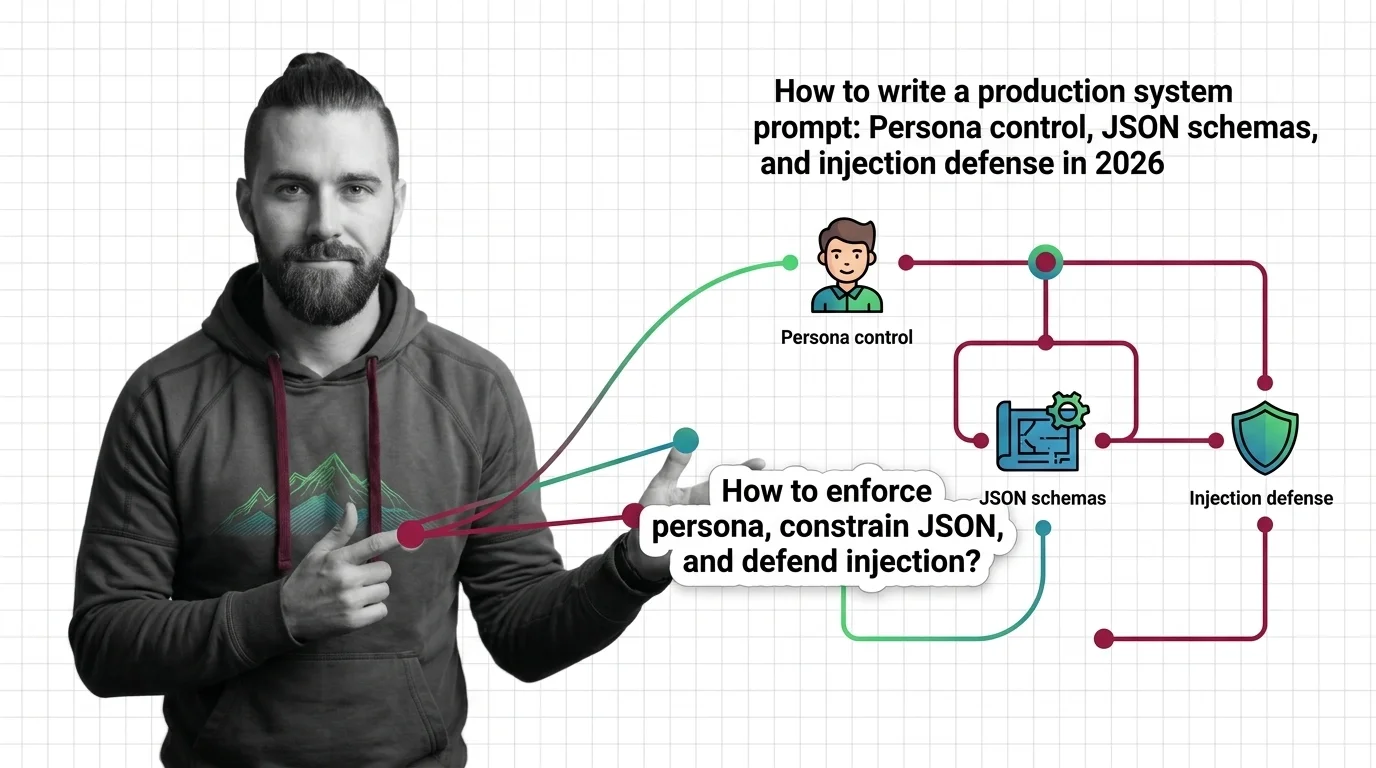
Role prompts break in production when they skip behavioral spec. Build domain boundaries, output contracts, and few-shot layers that make AI systems hold up.
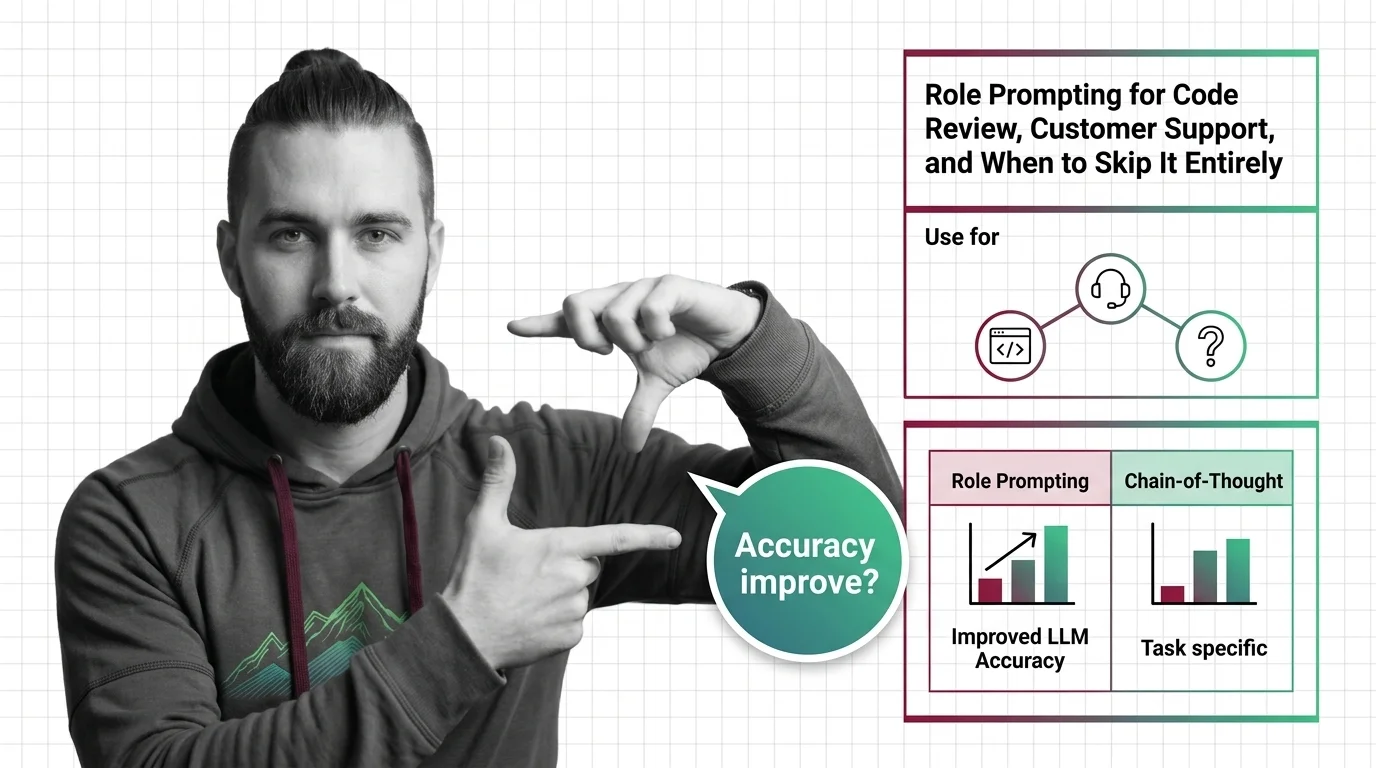
Role prompting improves reasoning tasks but damages classification accuracy. Spec for code review, support agents, and when to skip the persona entirely.
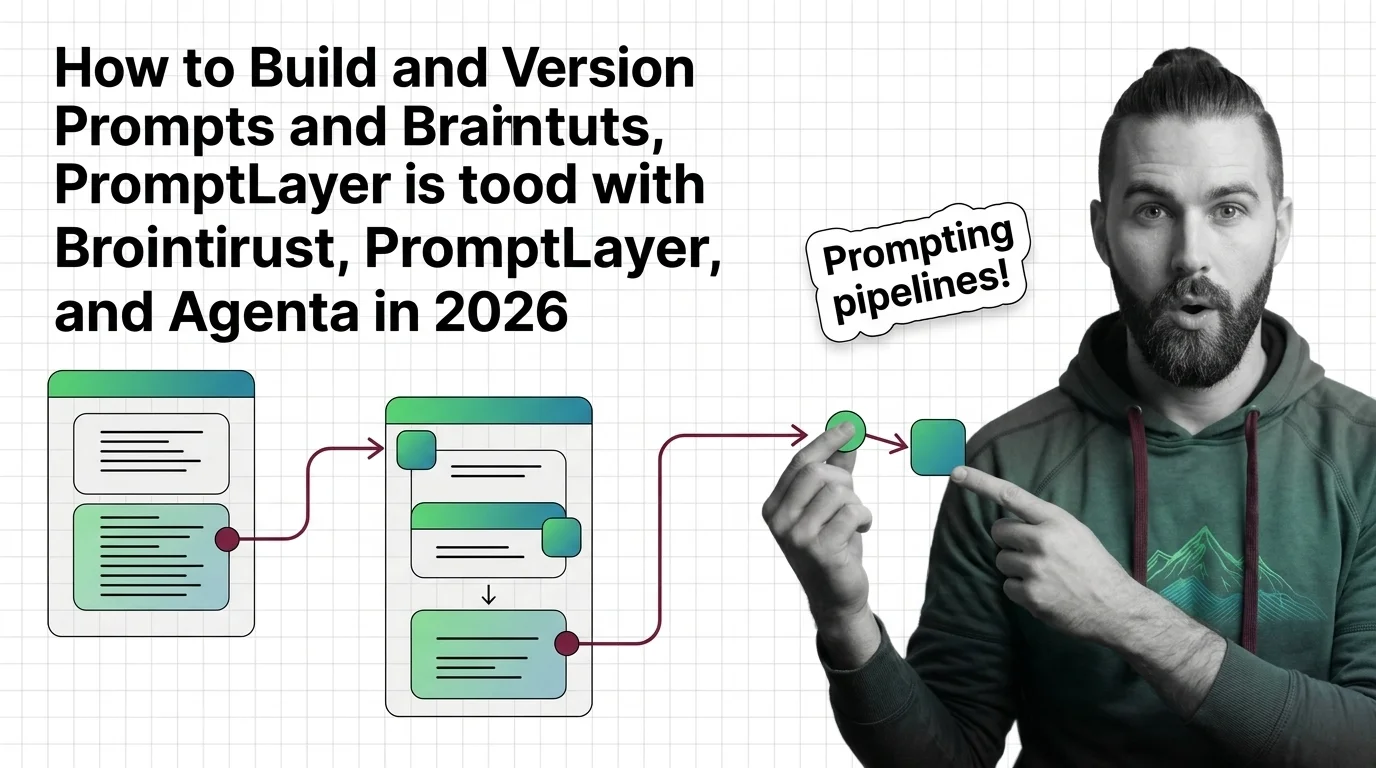
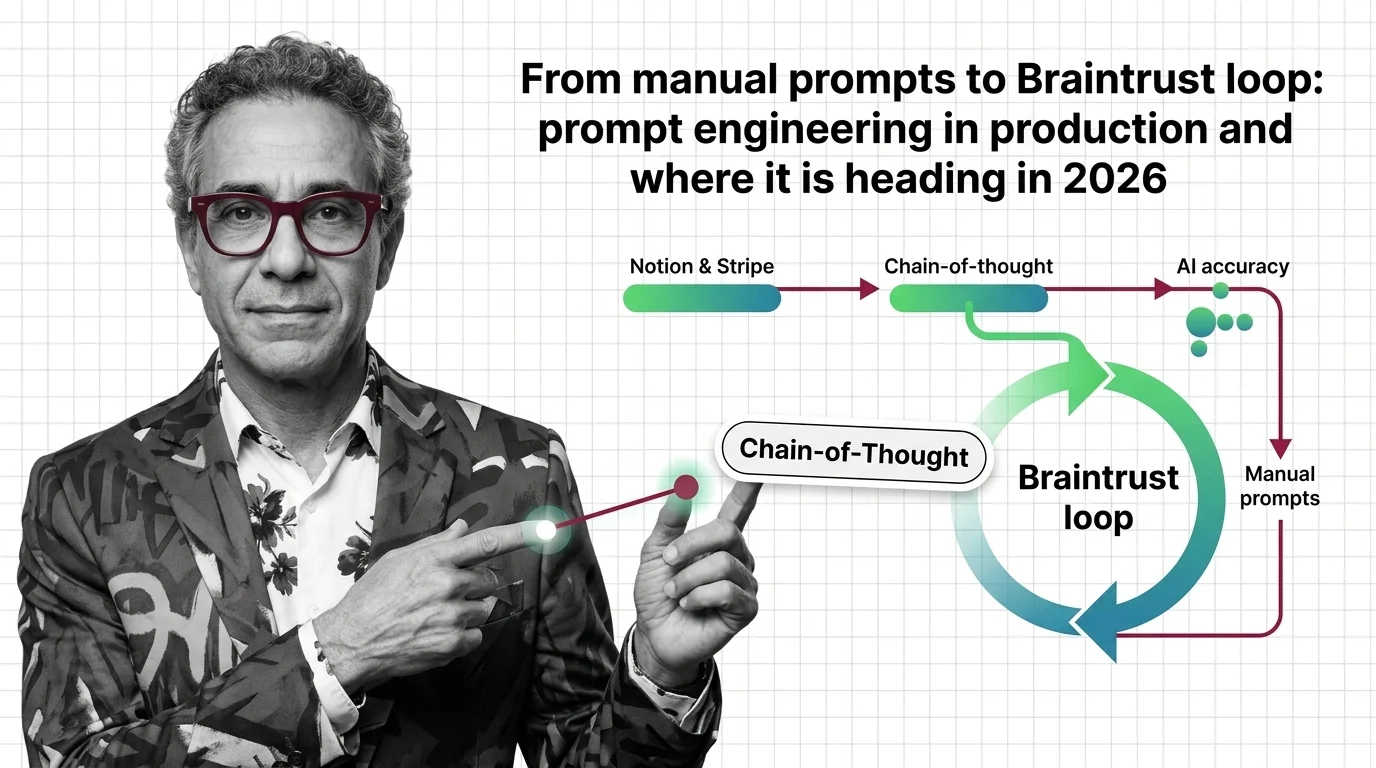
OpenAI deprecated native prompt storage in 2026. This guide covers few-shot specs, JSON output, and versioning with Braintrust, PromptLayer, or Agenta.
Multimodal prompts fail when they lack modality contracts. Build GPT-5.5 and Qwen3-VL pipelines with extraction specs for images, documents, and charts.
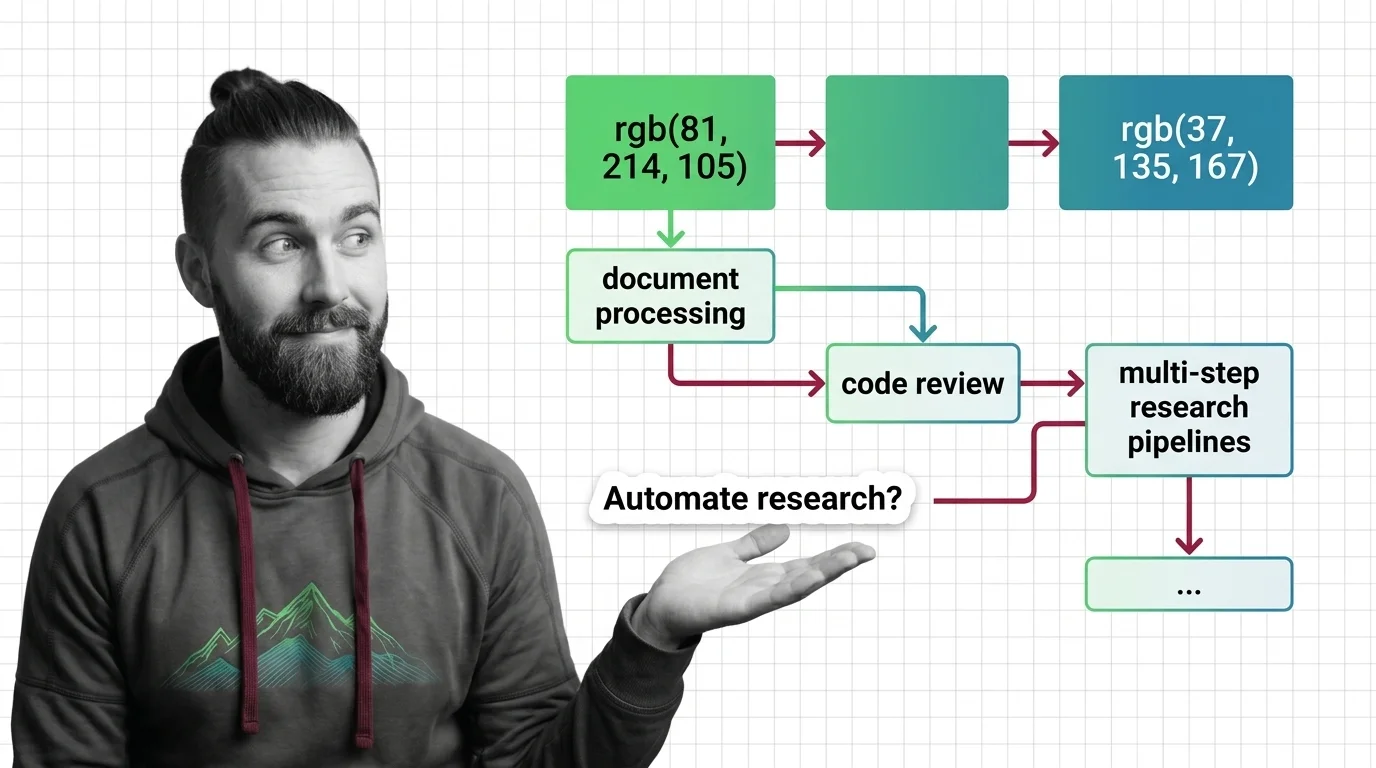
Prompt chaining splits tasks into sequential LLM calls with gate checks at each stage. Covers document processing, code review, and research pipelines.
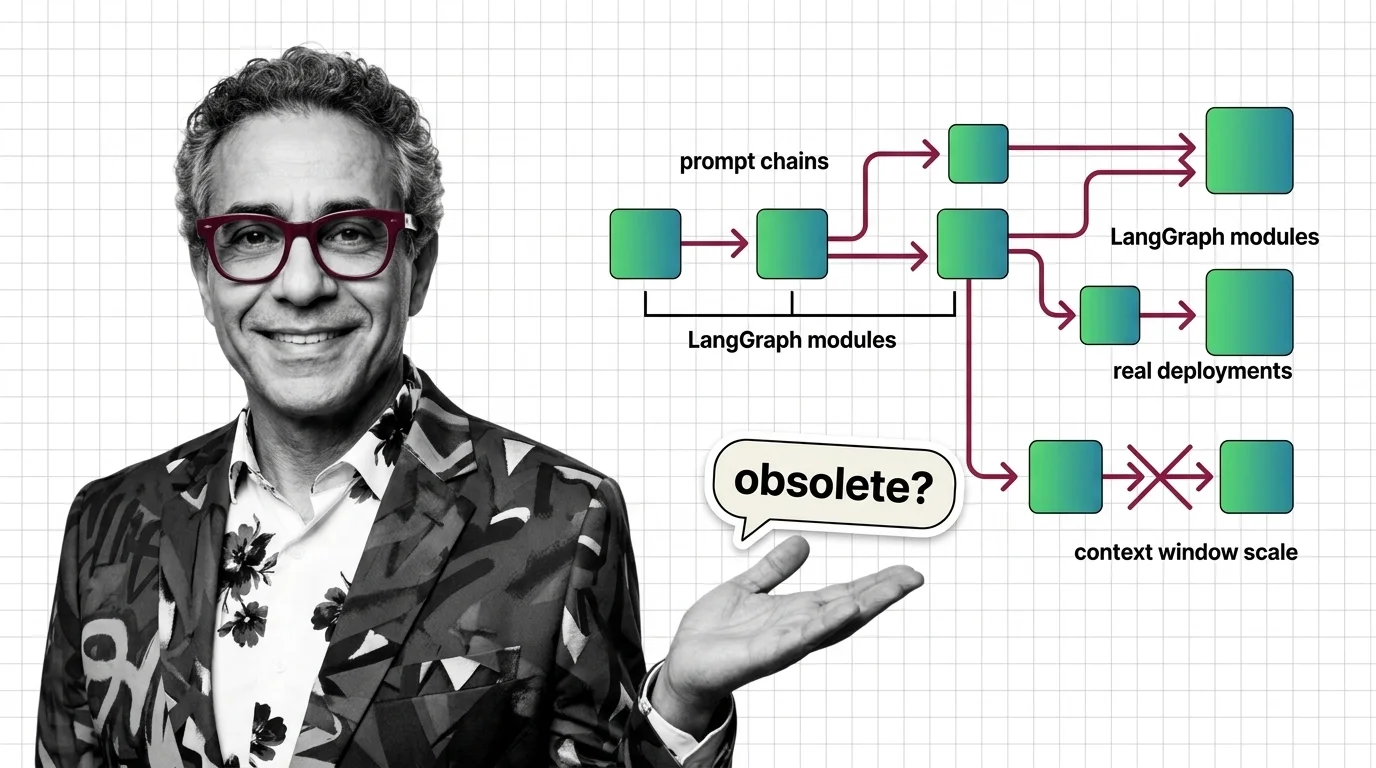
Prompt chains in 2026 have three homes: LangChain LCEL pipes, LangGraph stateful graphs, Claude Agent SDK. Pick by execution pattern, not by popularity.
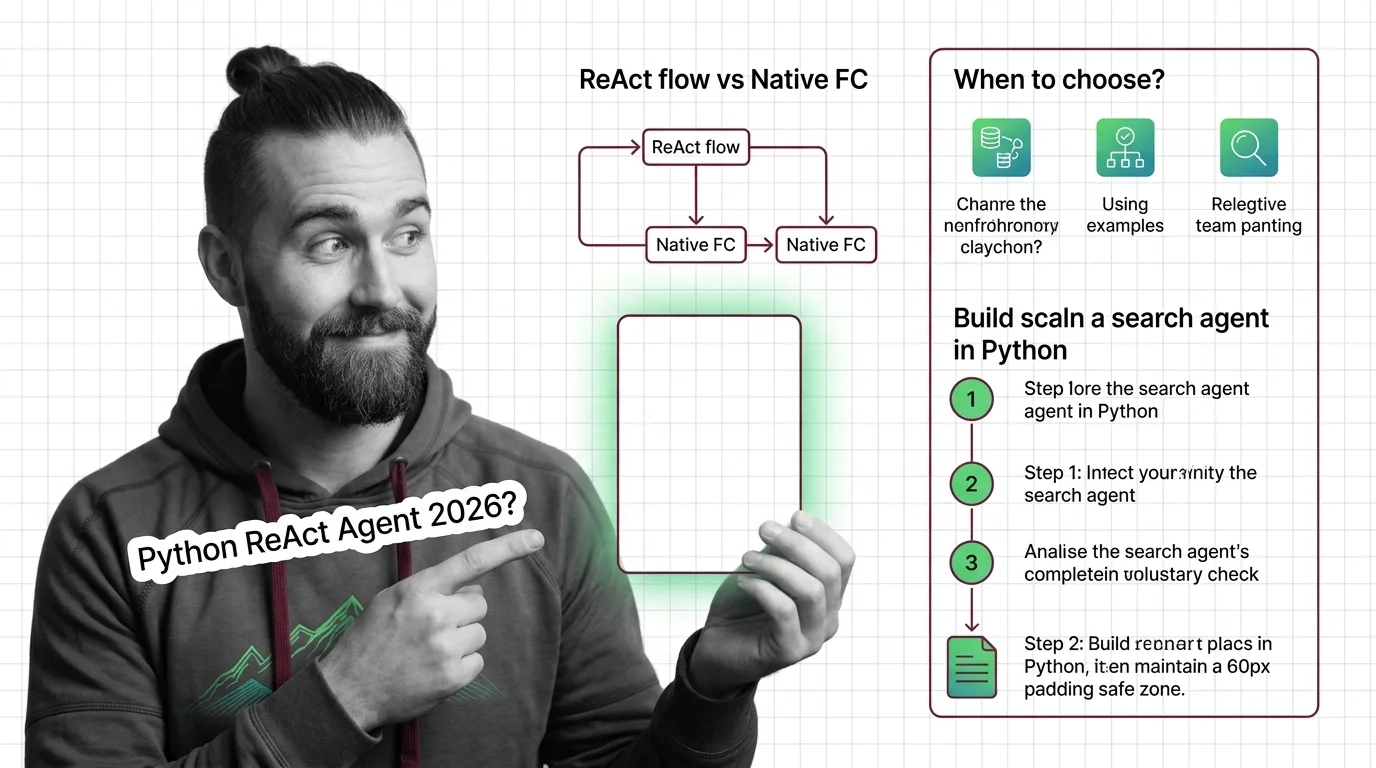
ReAct agents chain Thought-Action-Observation until a task resolves. LangGraph 1.2.6, Pydantic AI 2.0.0, decision rules for ReAct vs native function calling.
Tree of Thoughts raised GPT-4's Game of 24 success from 4% to ~74%. The LangChain ToT module is archived. LangGraph + LATS is now the right build path.
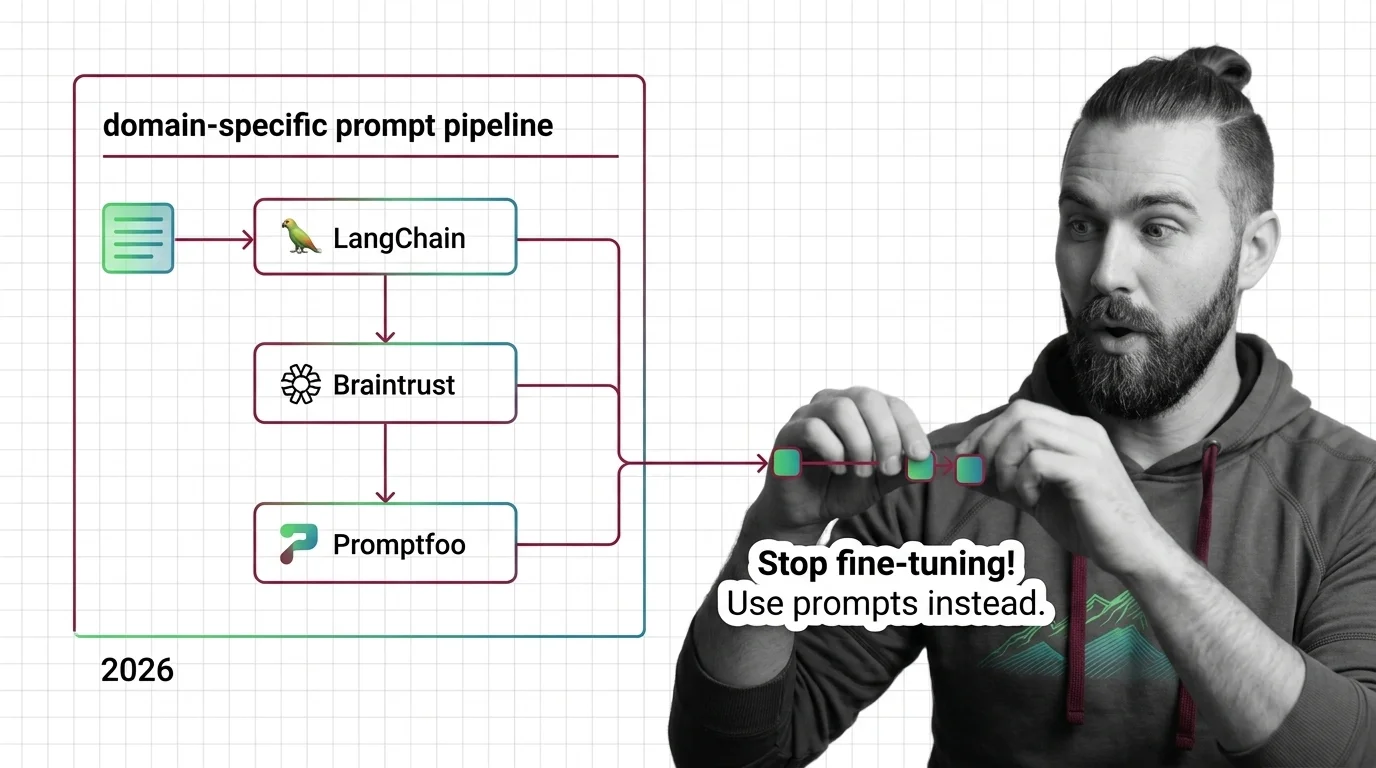
Domain-specific prompting adapts LLMs for legal, medical, and code AI. Few-shot context and role-priming match fine-tuned specialists — without training.
Constitutional AI prompting builds critique-revise loops via API, no RLHF training needed. Build a Claude + DSPy 3.2.1 pipeline with this spec-first guide.
DAN tracks how this domain is evolving — which models, techniques, and benchmarks are reshaping 2026.
Role prompting became a production security boundary in 2026. ORPP automates persona optimization, beating CoT and manual prompts on reasoning benchmarks.
Prompt engineering is becoming infrastructure. Notion runs 70+ engineers on shared evals; Stripe benchmarks real integrations. The craft-only era is over.
Leaked system prompts hit 134K GitHub stars as labs confront a structural truth: prompt text is one defense layer, not primary containment for AI behavior.
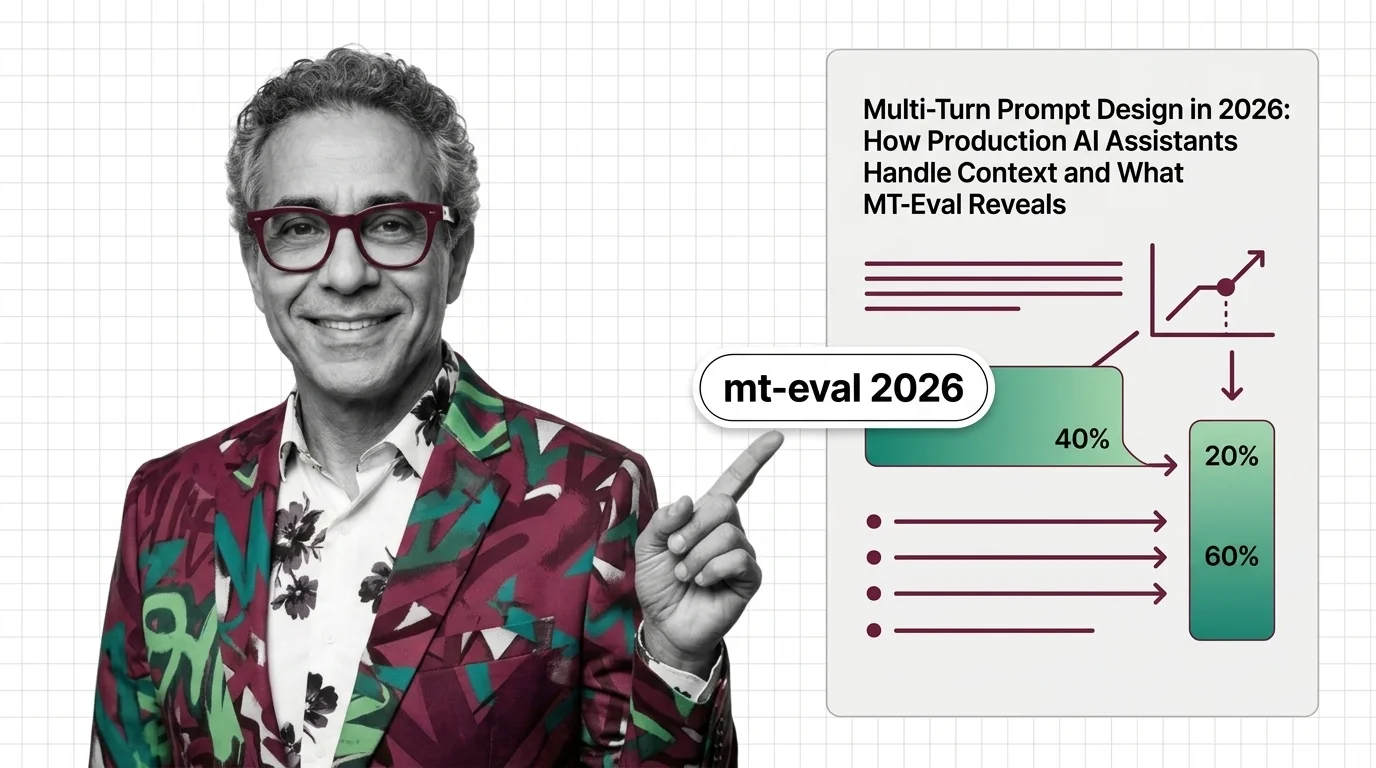
Production AI assistants fail mid-conversation even when single-turn evals look strong. Research from 2026 reveals why and how leading tools close the gap.
ReAct wasn't deprecated — it was absorbed into API contracts. LangChain AgentExecutor enters maintenance mode in 2026. LangGraph is the active ReAct path.
Constitutional AI moved from Anthropic's lab to enterprise stacks. Claude and DSPy embed self-critique at training and runtime, reshaping who owns quality.
ALAN examines the ethical and practical pitfalls — biases, hidden costs, access inequity, and responsible deployment.
Role prompting embeds behavioral identities into AI systems. Research shows stronger persona adherence correlates directly with jailbreak vulnerability.
System prompts are invisible governance determining what AI says and withholds. CHI '26 research found users unaware of who controls AI behavior or why.
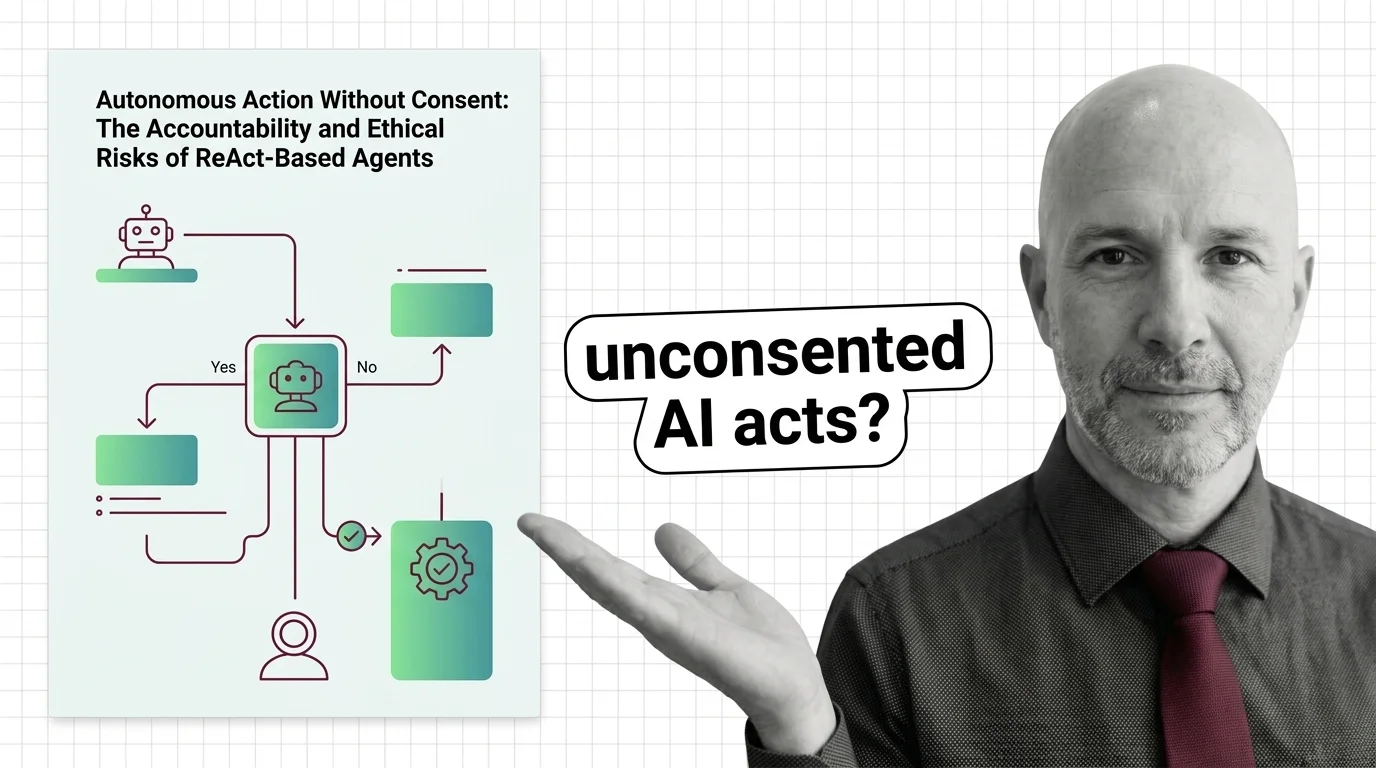
ReAct agents take real-world actions without consent. Prompt injection succeeds in roughly one quarter of attempts. No accountability framework closes the gap.
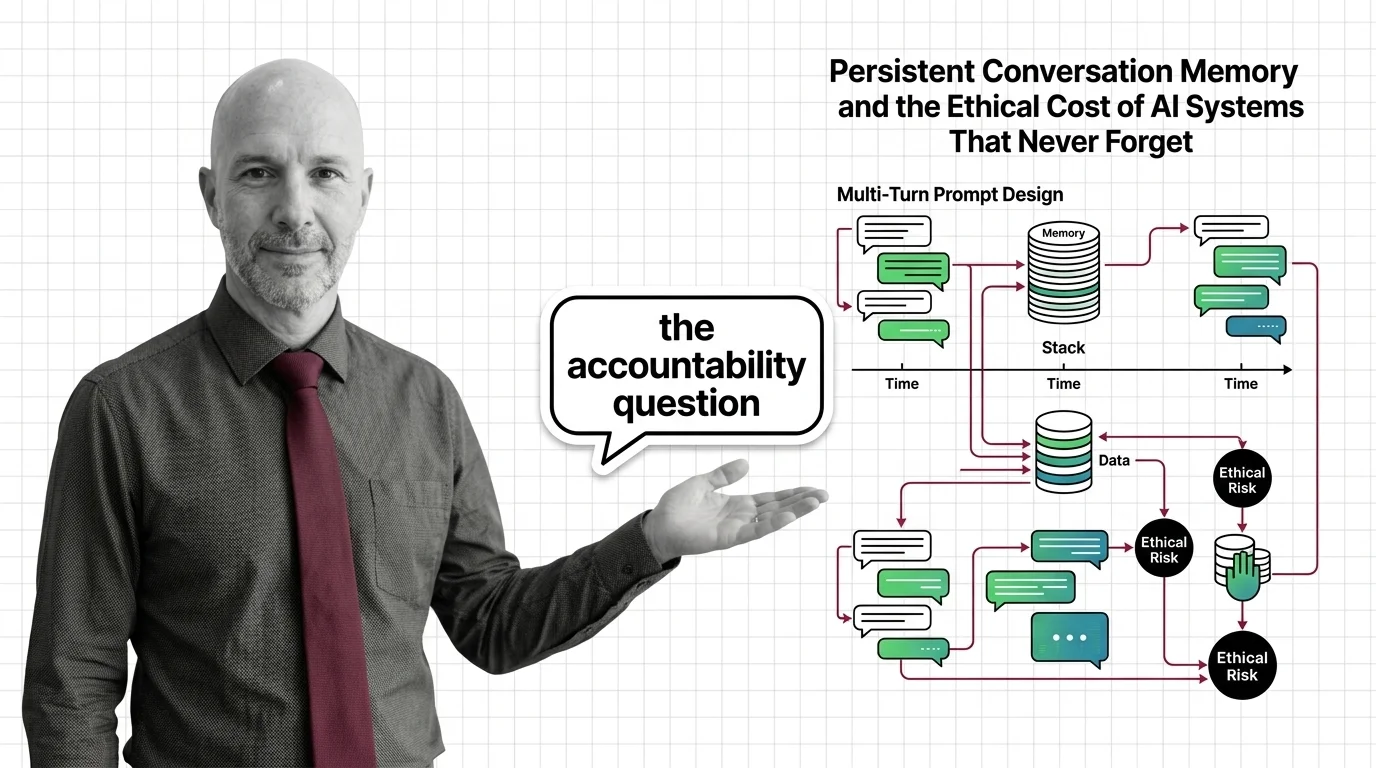
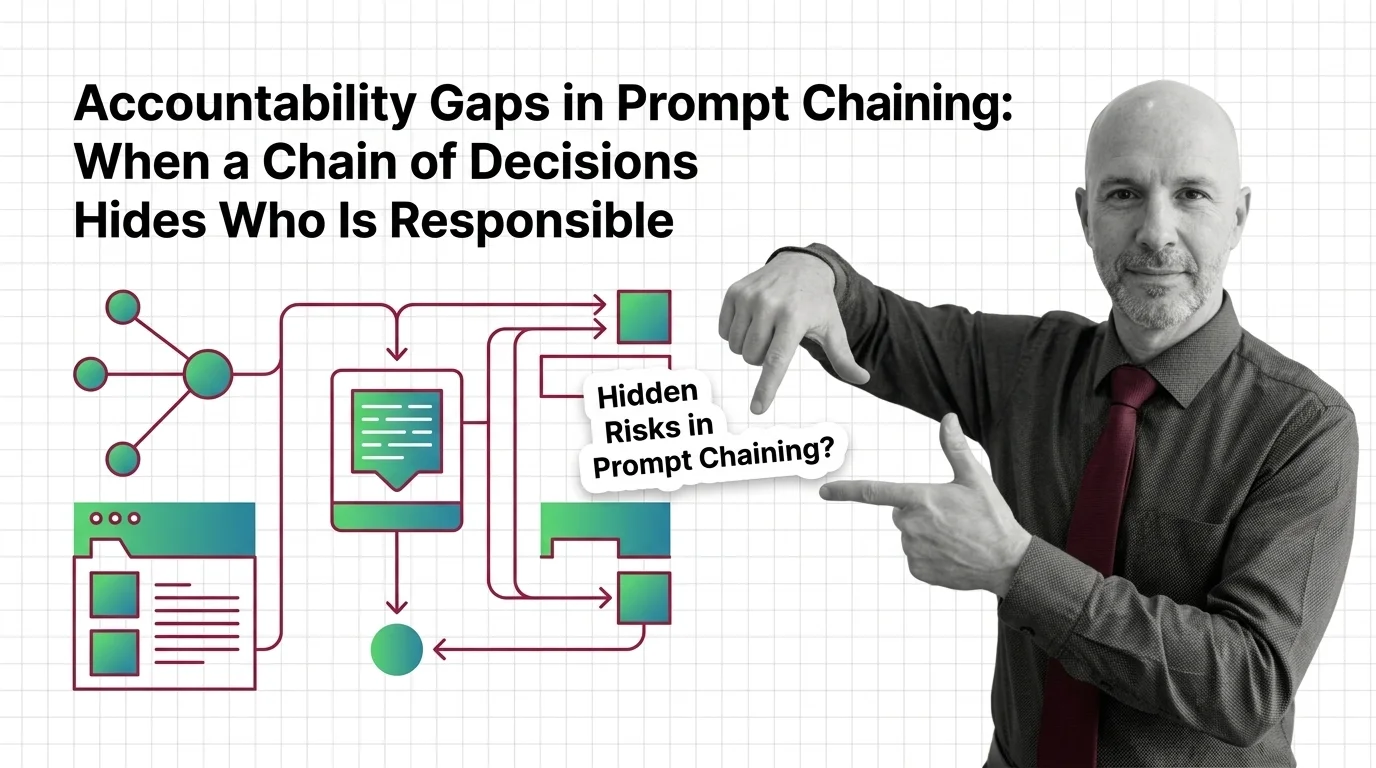
Automated prompt chains fracture accountability across every decision node. When chains fail in high-stakes contexts, responsibility has no clear owner.
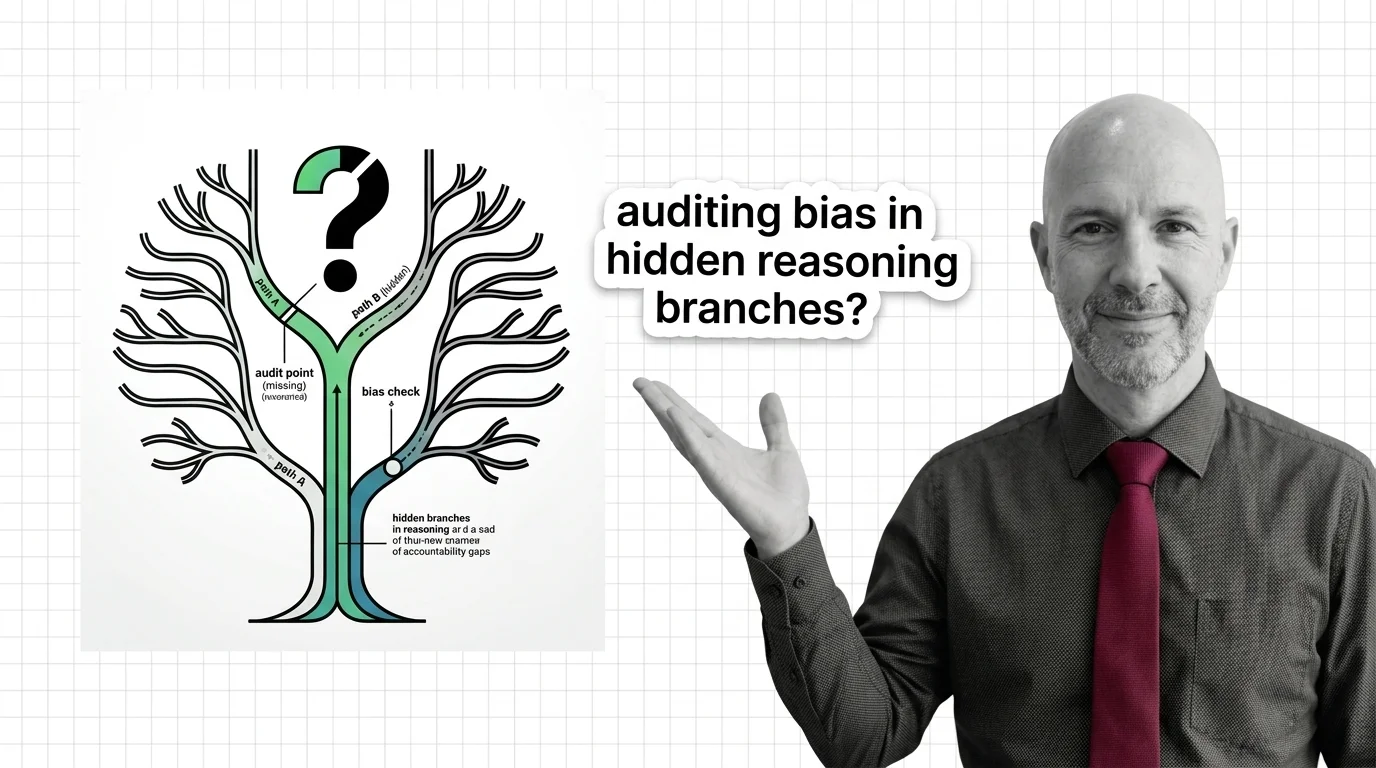
Tree of Thoughts uses one model to generate and evaluate branches. In high-stakes AI, that structure creates accountability gaps no audit log can close.