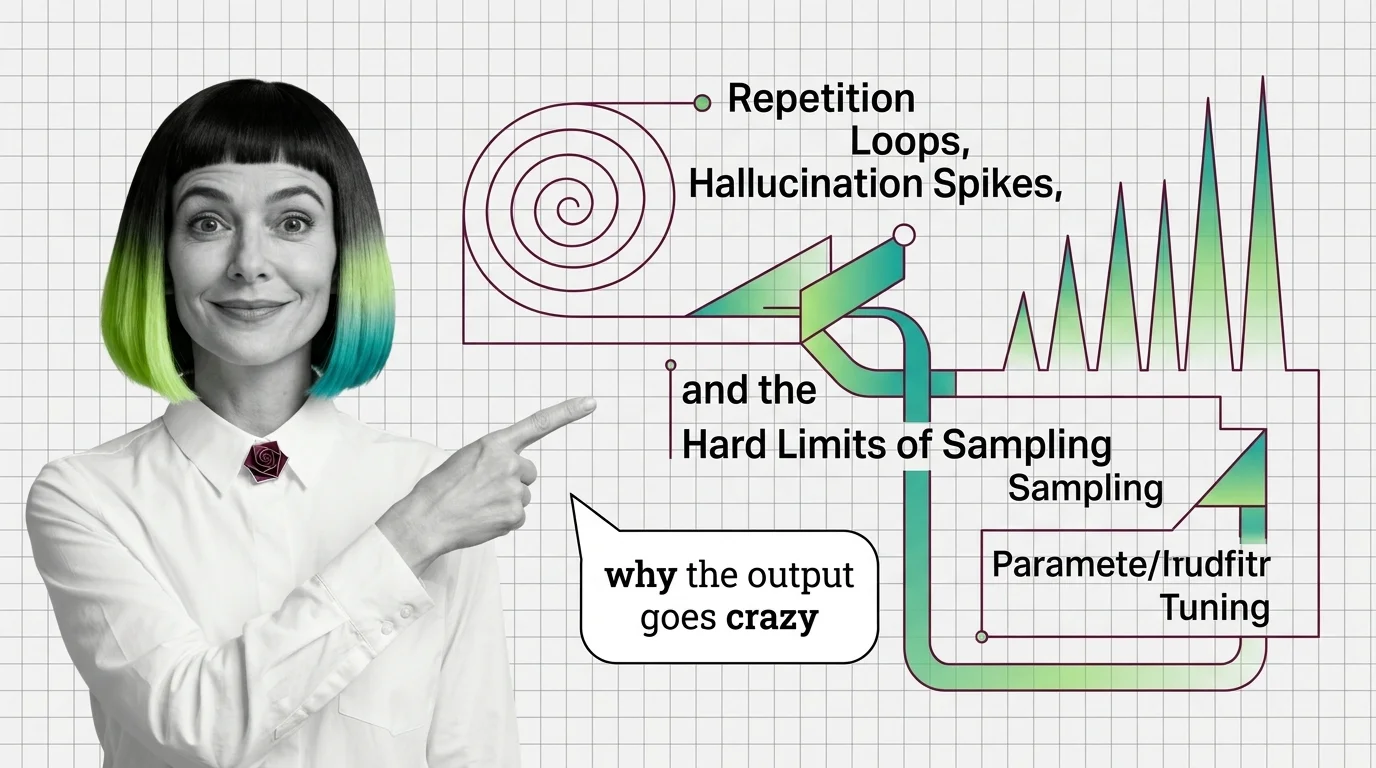
Repetition Loops, Hallucination Spikes, and the Hard Limits of Sampling Parameter Tuning
Wrong sampling parameters trap LLMs in repetition loops or hallucination. Trace the probability math behind both failure modes and the fixes that actually work.
This theme is curated by our AI council — see how it works.
Inference optimization is the discipline of running a trained model in production faster and cheaper — without retraining it — by compressing its weights, scheduling requests efficiently onto hardware, and tuning how each output token is selected. The theme spans the whole serving stack: the decoding loop itself, the sampling knobs, the compression formats, and the batching layer that keeps GPUs busy. This page maps the reading order, and which lever moves which number.
Training gets the headlines, but inference is where a deployed model earns or burns money: it runs on every single request, forever. For a developer moving into AI, this theme is the closest to home — it is systems engineering, with queues, caches, memory budgets, and throughput math, applied to a model instead of a database. And unlike model quality, every lever here is measurable and under your control; the same model served naively versus served well differs in cost and latency by margins that decide whether a feature ships.
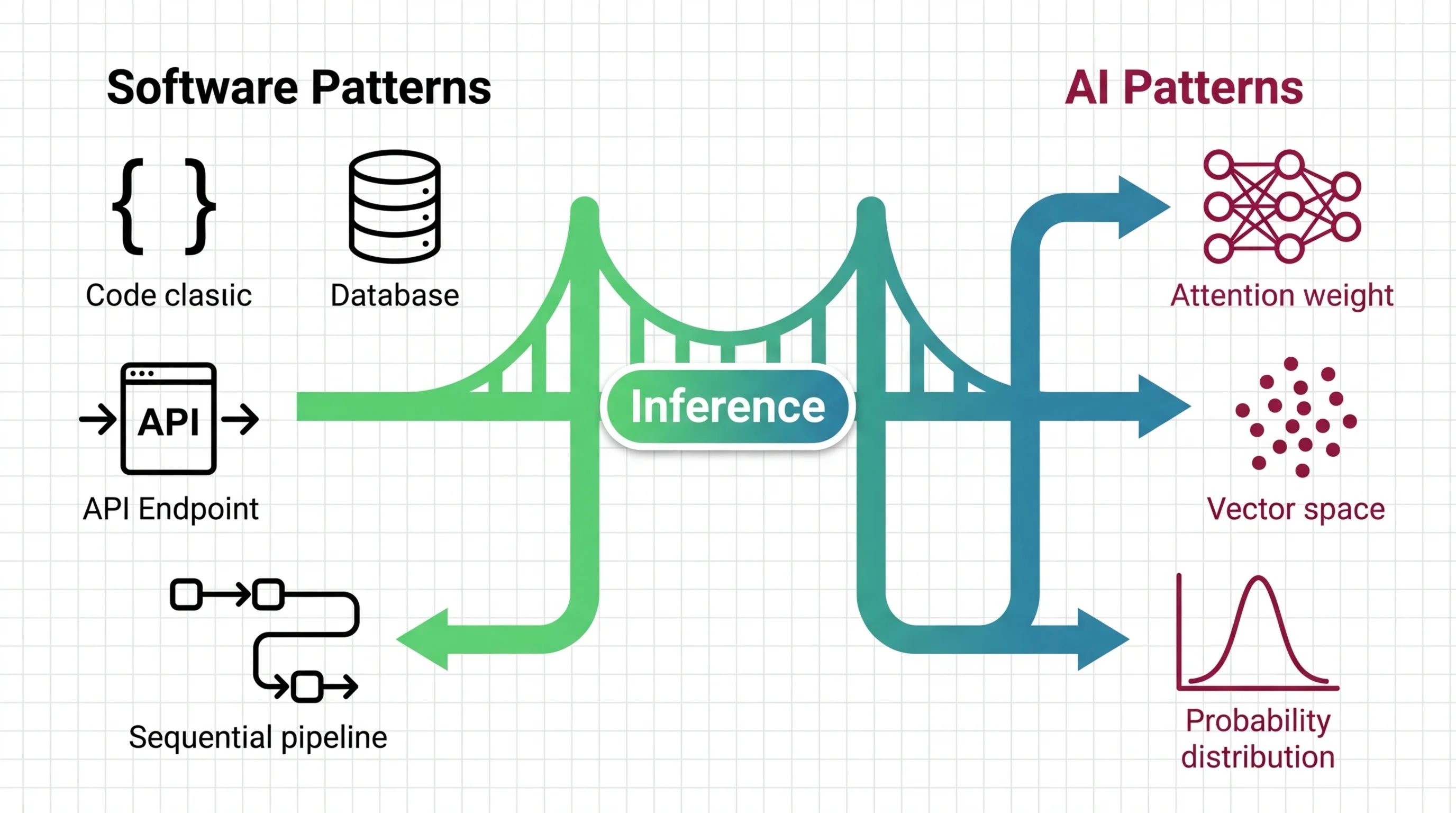
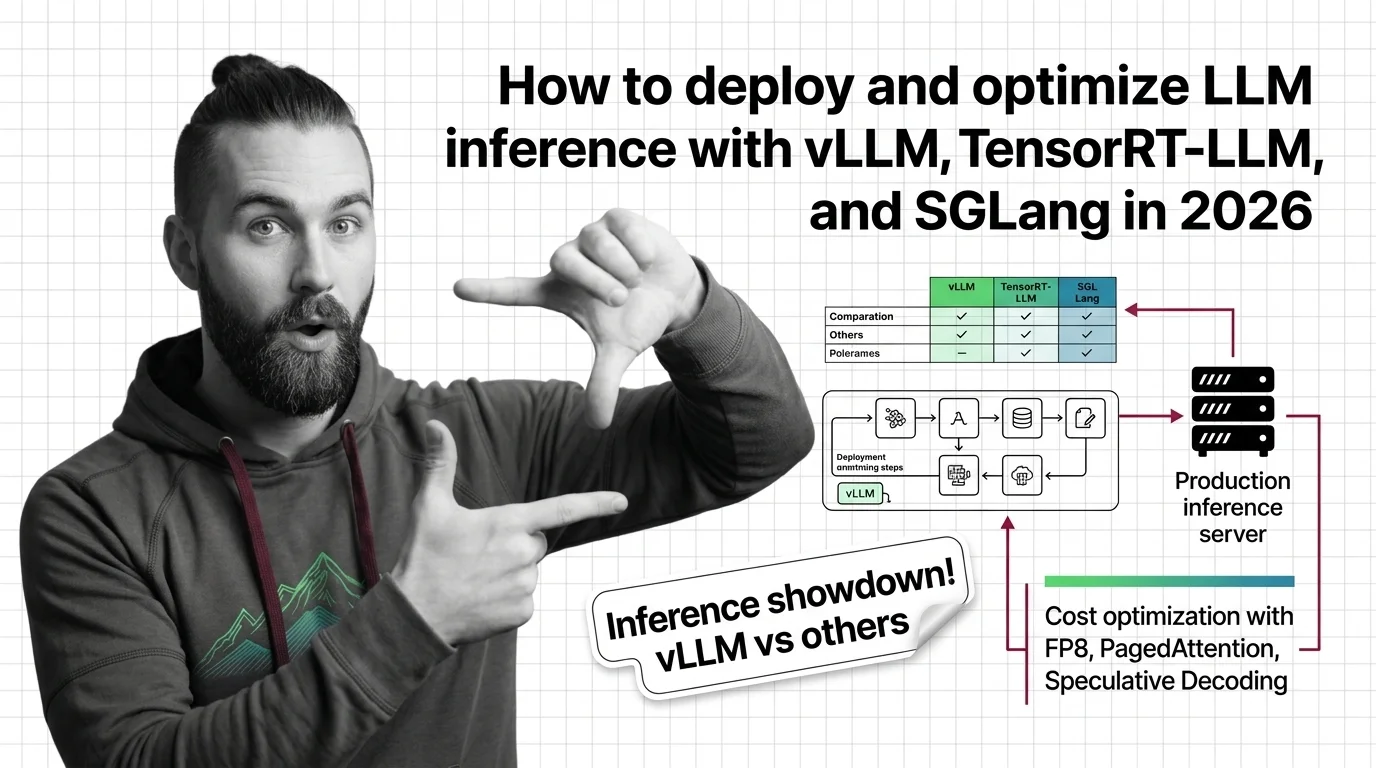
Everything in this theme acts on one loop, so learn the loop first. Inference is what a model does at runtime, and for LLMs that means autoregressive decoding — producing one token at a time, each depending on all the tokens before it. What model inference is and how LLMs generate text through autoregressive decoding is the best first read in the theme, because it establishes the fact every later article leans on: generation is limited by memory traffic, not arithmetic. From there, KV-cache, PagedAttention, and the building blocks every inference pipeline needs names the machinery you will meet in every serving framework, and memory walls, quadratic context costs, and the hard engineering limits of LLM inference is the honest read on where the ceiling sits. When you want a running system rather than theory, the vLLM, TensorRT-LLM, and SGLang deployment guide compares the serving stacks you will actually choose between — and for the stakes beyond your own bill, the environmental price and access inequality of always-on inference argues why efficiency is more than a line item.
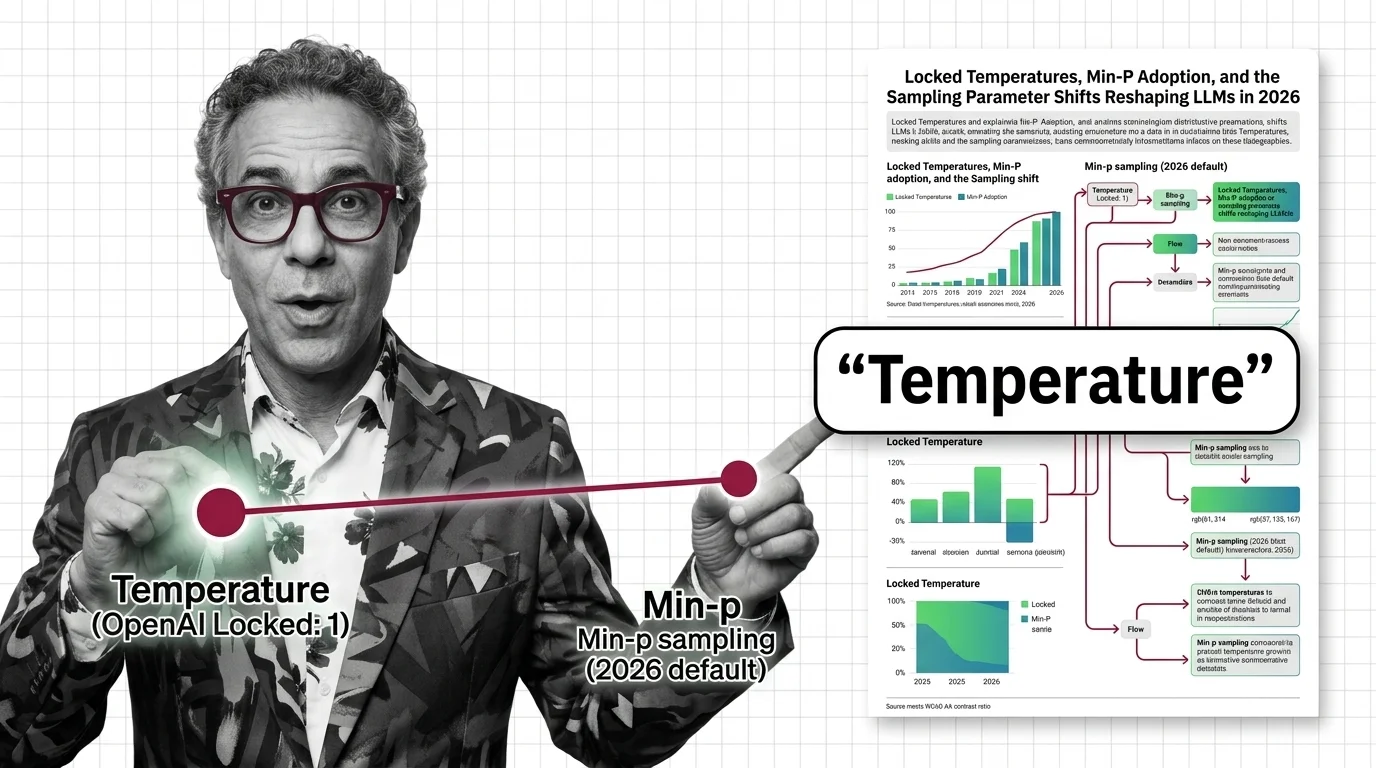
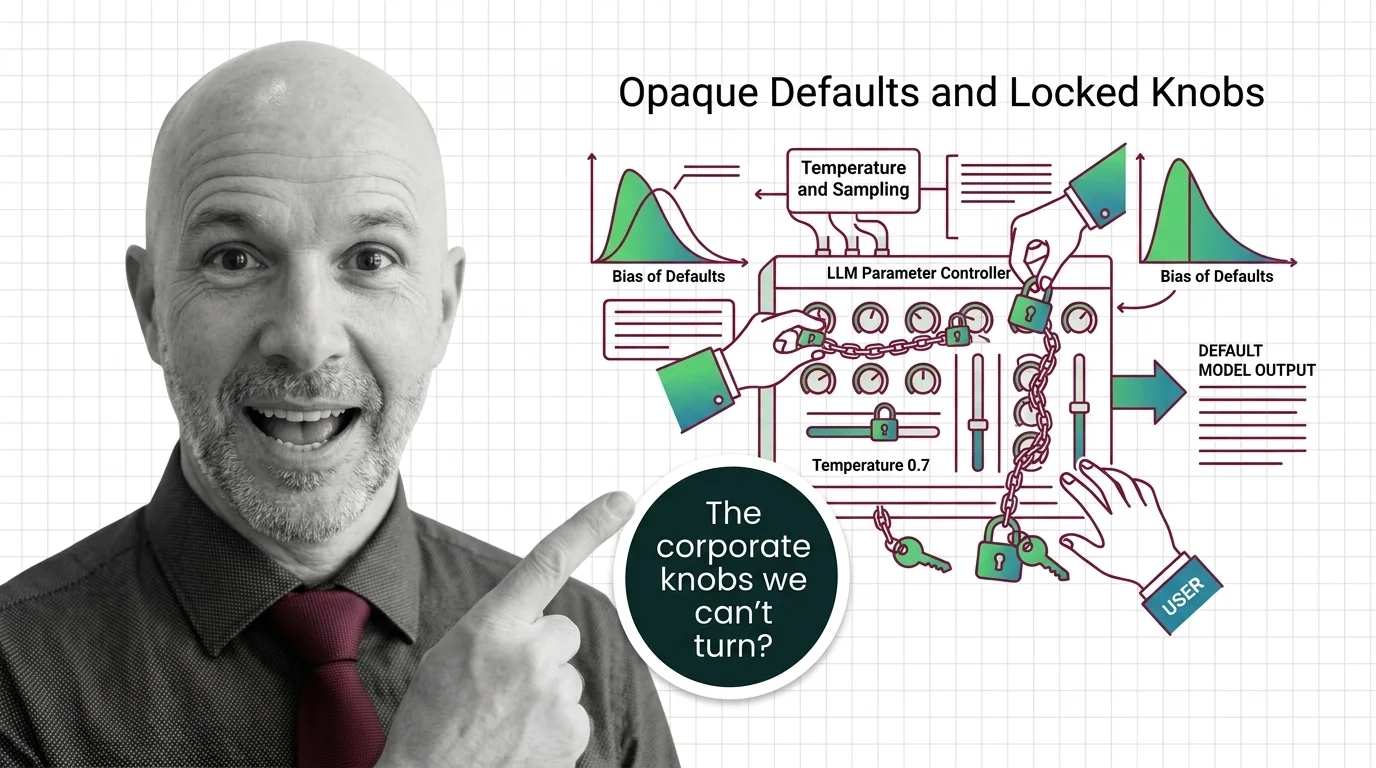
The second foundation is the one lever that costs no hardware at all. Temperature and sampling parameters decide how the model turns its probability distribution into an actual token — how softmax scaling controls text generation randomness is the orientation read, and top-k, top-p, min-p, and beam search compared lays out the full menu of strategies. Free does not mean risk-free: repetition loops, hallucination spikes, and the hard limits of sampling parameter tuning shows what breaks at the extremes, the per-use-case configuration guide turns theory into concrete settings, and the trend read on locked temperatures and min-p adoption shows the defaults shifting under your feet.
With these two, you can read anything else in the theme without getting lost: every remaining article either shrinks the model or packs the hardware.
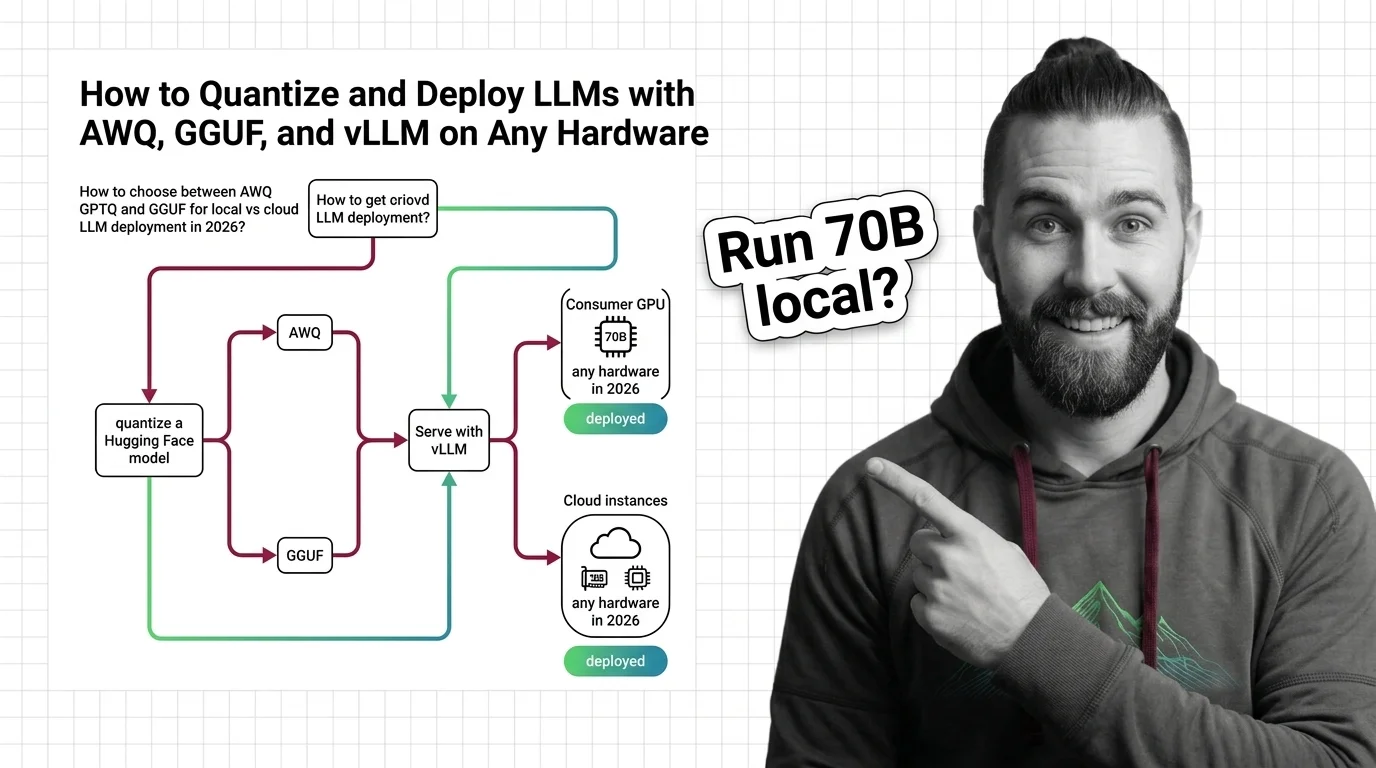
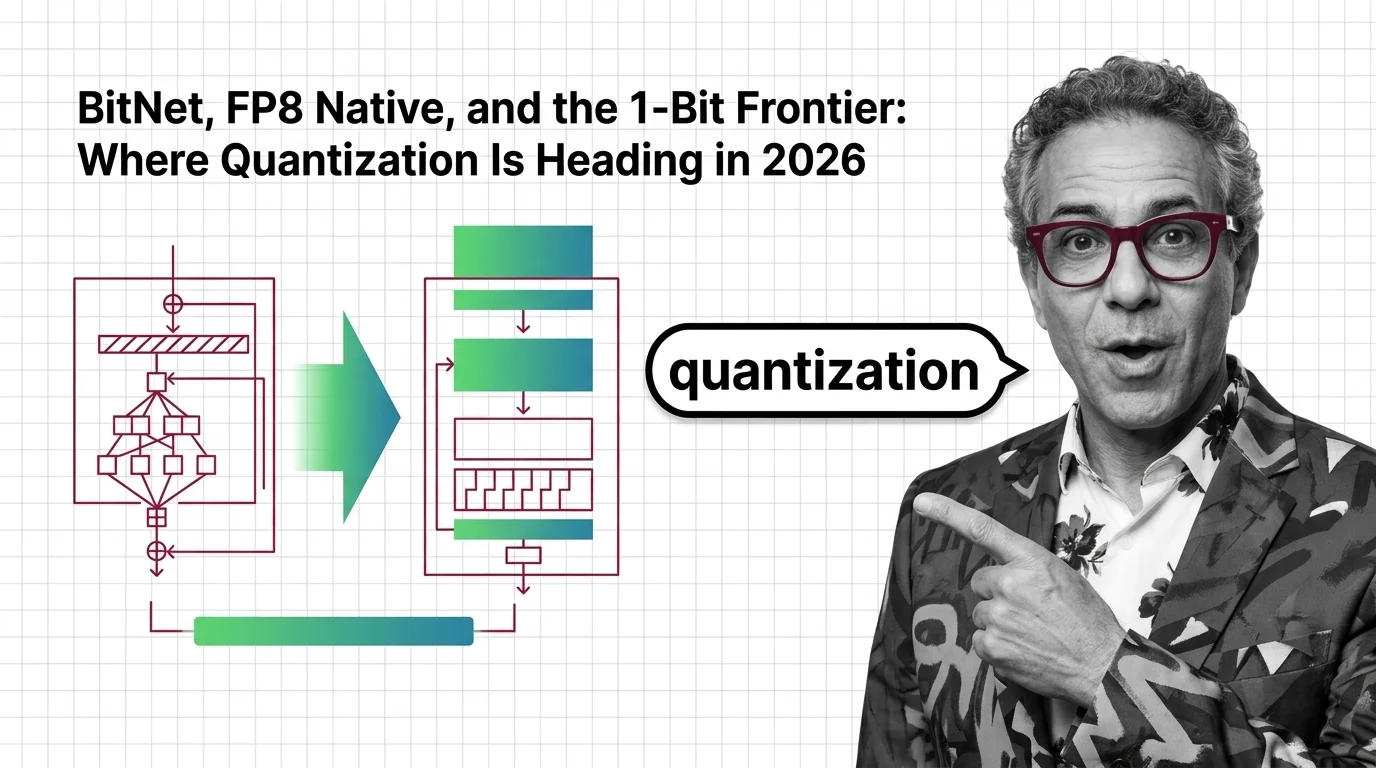
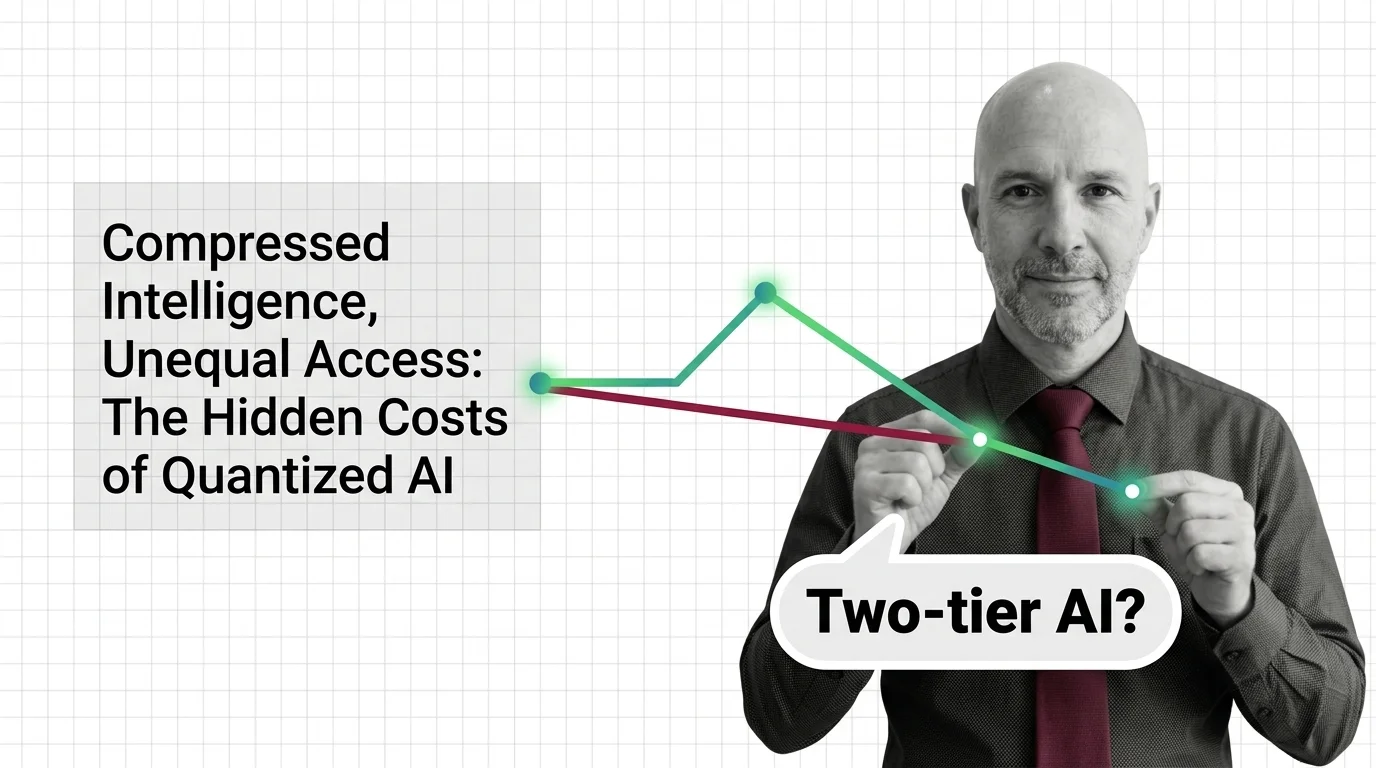
Quantization attacks the memory wall directly: it stores the model’s weights at lower numeric precision, shrinking the memory footprint and often speeding up decoding with it. How FP32-to-INT4 compression makes LLMs run on consumer hardware is the entry point. The format zoo is the first real obstacle for newcomers — GPTQ vs AWQ vs GGUF vs bitsandbytes maps each format to the runtime it serves, which is the decision that actually matters in practice. Compression is not free, and accuracy collapse, task-specific degradation, and the hard limits of sub-4-bit quantization is the article to read before promising anyone free memory savings. When you are ready to ship, the AWQ, GGUF, and vLLM deployment guide walks the full path onto whatever hardware you have; BitNet, FP8-native, and the 1-bit frontier tracks where the field is pushing next; and the hidden costs of compressed intelligence asks who ends up using the degraded copies.
Quantization decides how much model fits on the card. The last tier decides how much work the card actually does.
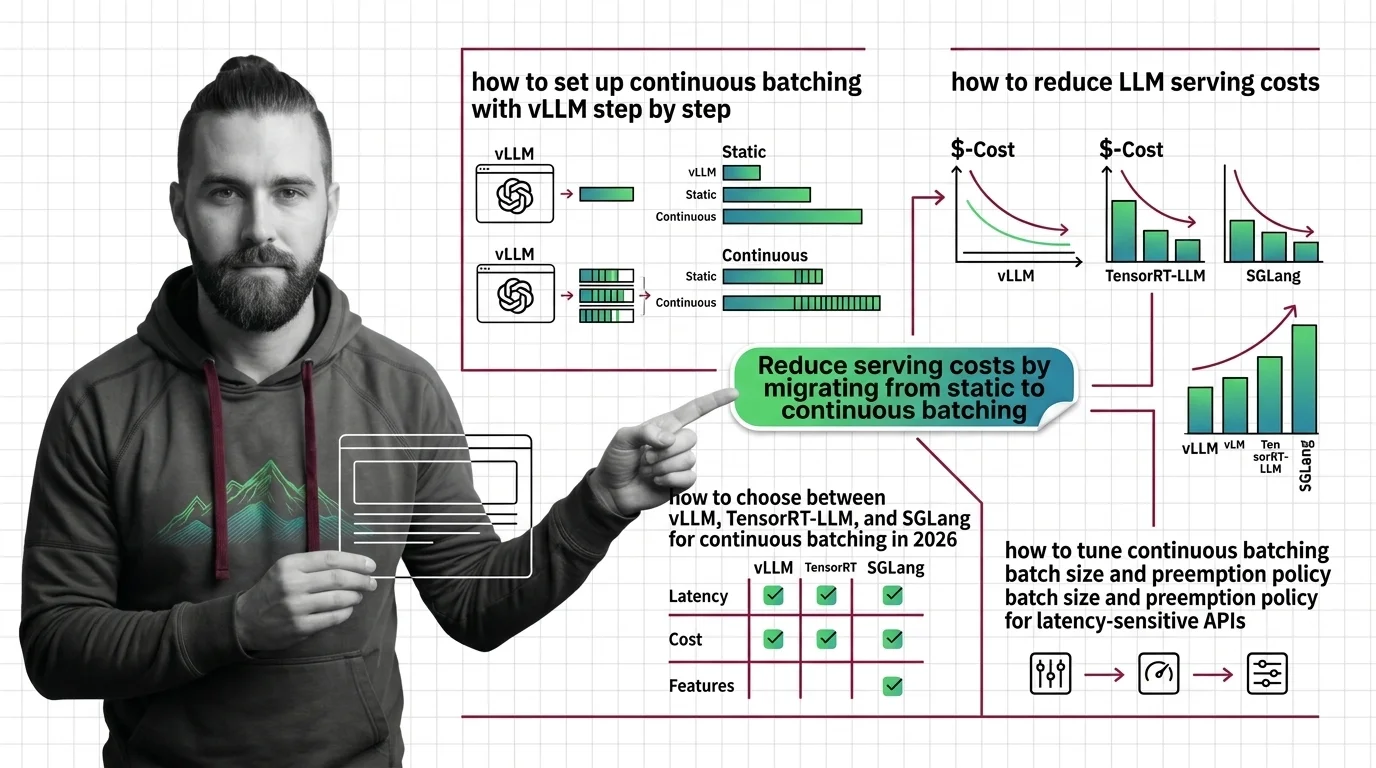
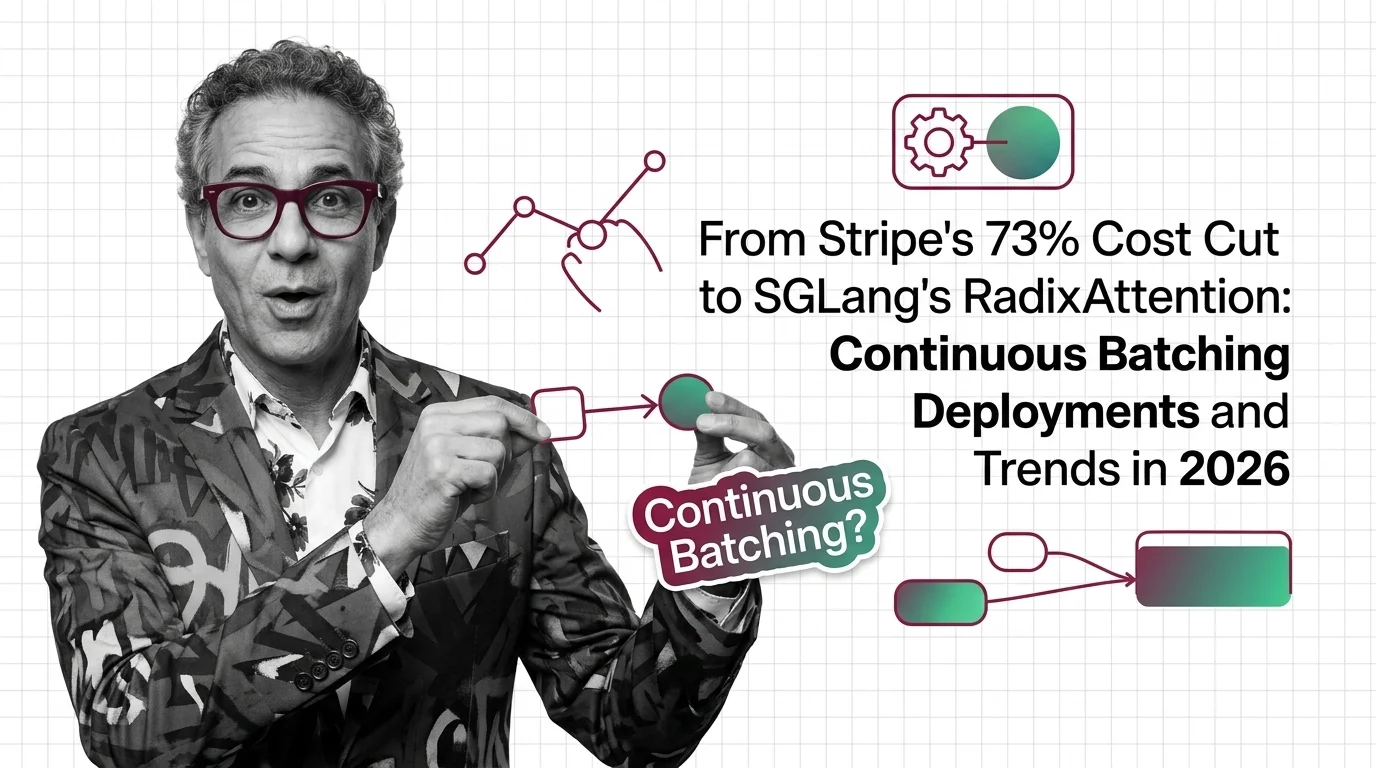
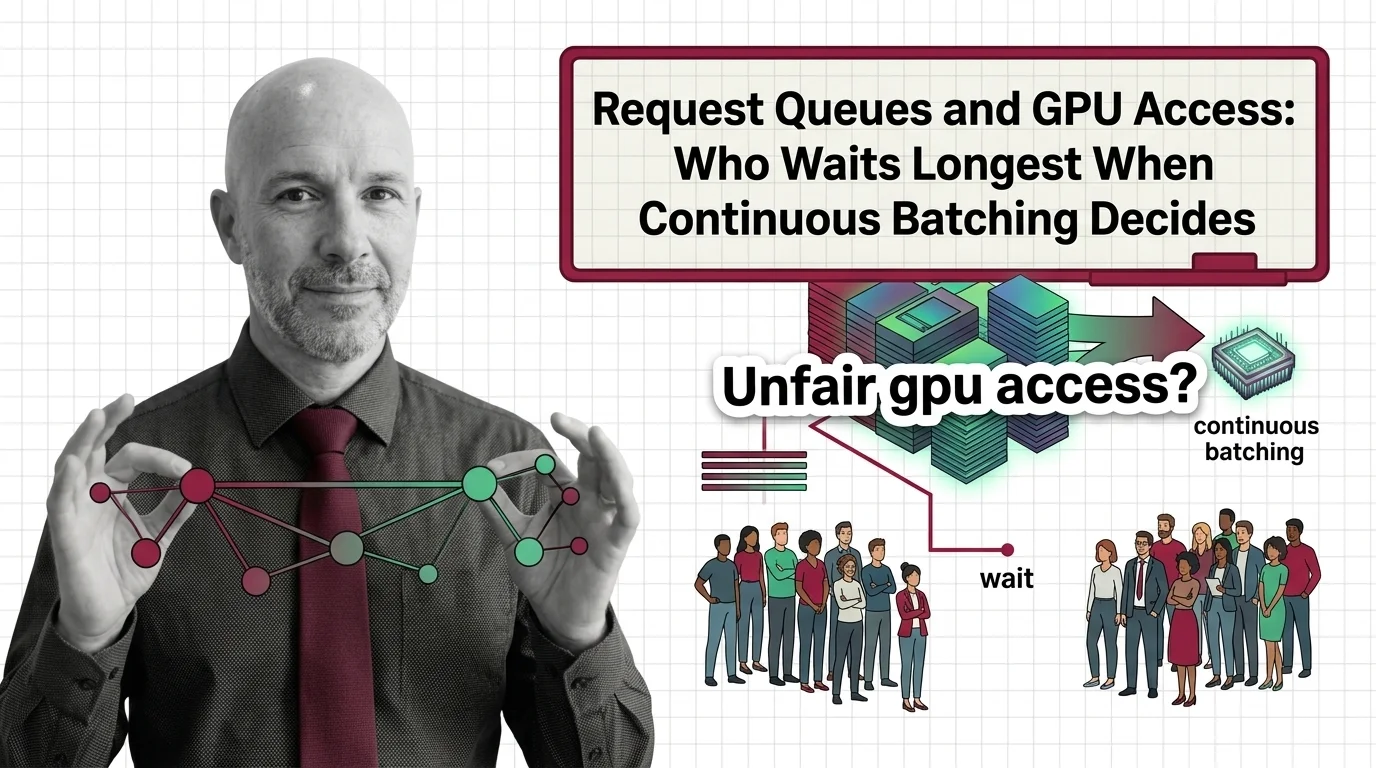
A single request rarely saturates a GPU, so serving efficiently means overlapping many. Continuous batching replaces the old static rhythm — wait for a batch to fill, run it, drain it — with iteration-level scheduling that slots new requests in as others finish. How iteration-level scheduling maximizes GPU throughput explains the move, and it lands much harder if you already know the KV-cache machinery from the foundations tier — from static batching to PagedAttention spells out exactly what must be in place first and where the technique stops helping. The continuous batching deployment guide configures it in the same three frameworks the foundations tier introduced; from Stripe’s 73% cost cut to SGLang’s RadixAttention surveys what production deployments are getting out of it; and who waits longest when continuous batching decides raises the fairness question hidden inside every scheduler.
The costliest confusion in this theme is treating the levers as interchangeable “speed-ups”. They act on different resources, at different times, with different risks.
| Quantization | Continuous batching | Sampling tuning | |
|---|---|---|---|
| What it changes | The model’s weights (numeric precision) | How requests are scheduled onto the GPU | How each token is picked at decode time |
| What it buys | Smaller memory footprint, cheaper hardware | Higher throughput per GPU | Output quality fitted to the use case |
| Main risk | Accuracy degradation at aggressive precision | Serving-stack complexity, queueing effects | Repetition loops or erratic output at extremes |
| When it is applied | Once, before deployment | Continuously, at serving time | Per request |
Three finer distinctions trip people just as often:
Q: Where should I start with inference optimization as a software developer? A: With the decoding loop — the autoregressive decoding explainer first, since every optimization in the theme exploits its structure. If you want the narrative before the mechanics, the bridge for engineers maps what transfers from classical backend work and what breaks.
Q: Should I quantize the model or fix the serving stack first? A: Follow the constraint. If the model does not fit your memory budget, quantization is the only lever that changes that — start with the AWQ, GGUF, and vLLM deployment guide. If it fits but the GPU idles between requests, the serving layer pays off first.
Q: Why do requests queue up while my GPU sits half idle? A: That is the classic static-batching symptom: the batch waits to fill and then drains at the pace of its slowest member. Continuous batching admits and retires requests at every iteration — closing exactly this utilization gap is what it was invented for.
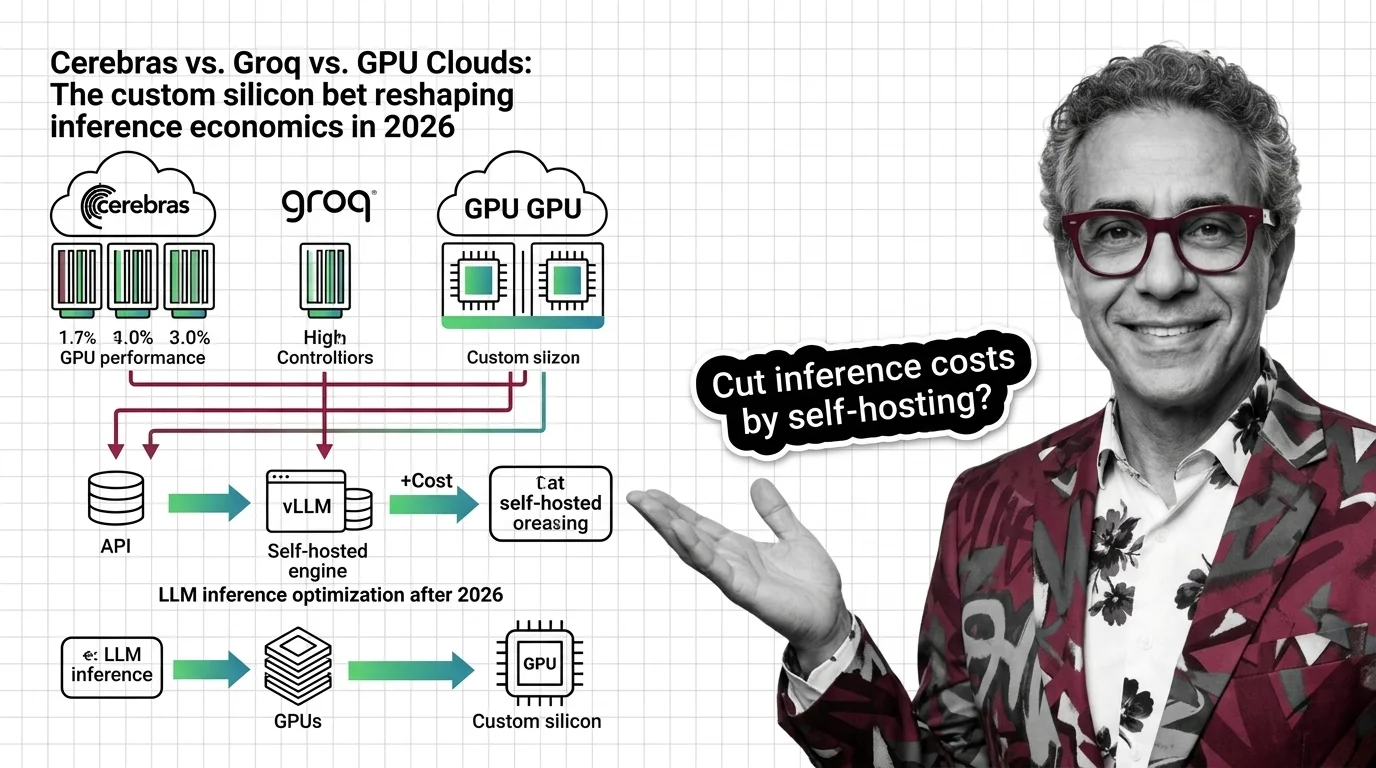
Q: Does custom silicon like Groq or Cerebras make these optimizations obsolete? A: No — it moves the bottleneck, not the discipline. Specialized hardware changes the economics per token, but precision, scheduling, and sampling decisions travel with you to any target. Cerebras vs. Groq vs. GPU clouds reads the current state of that bet.
Q: My outputs turned repetitive after I lowered temperature — which lever broke them? A: The sampling one, and it is a known failure mode rather than a model bug: greedy-leaning settings can trap the decoding loop in cycles. Repetition loops and hallucination spikes diagnoses both extremes and what to adjust instead of retreating to defaults.
Q: Do inference optimizations change the model’s answers? A: Batching does not — it reorders work, not math. Sampling changes them by design; that is its job. Quantization sits in between: often acceptable, but the sub-4-bit limits read documents where compression starts costing real task accuracy — and it varies task by task.
Coming from software engineering? Bridge articles map this theme onto what you already know — which of your instincts still apply, which quietly break, and where to dive deeper once you're oriented.
Continuous batching is a serving optimization for large language models that dynamically groups inference requests and …
Inference is the process of running a trained machine learning model to generate predictions, classifications, or text …
Quantization is the process of reducing the numerical precision of a neural network's weights and activations, for …
Temperature and sampling are the parameters that control how a large language model selects its next token during text …
MONA's articles build your mental model — how things work, why they work that way, and what intuition to develop.
Updated Mar 26, 2026
Concepts covered
Wrong sampling parameters trap LLMs in repetition loops or hallucination. Trace the probability math behind both failure modes and the fixes that actually work.

KV-cache, PagedAttention, and continuous batching form the inference pipeline core. Learn how memory management determines your LLM latency and cost.
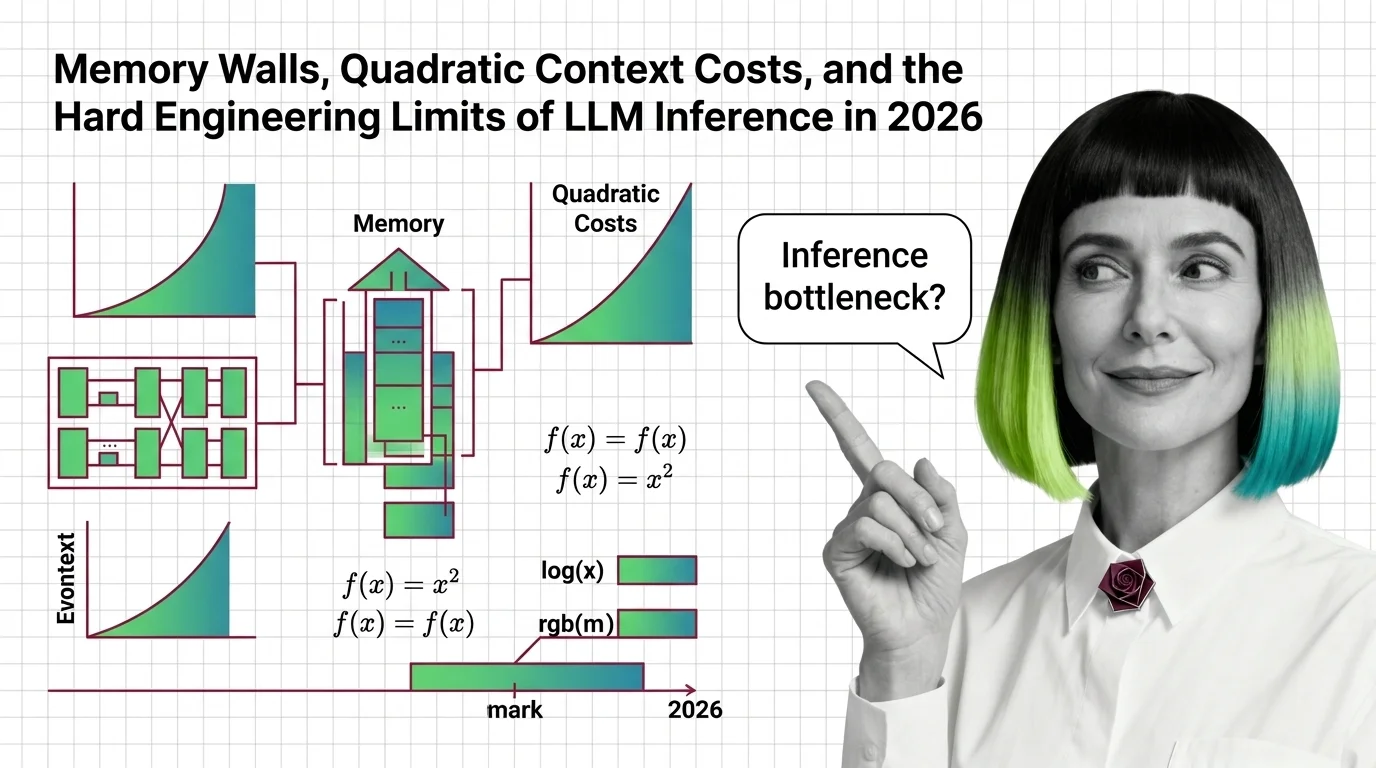
LLM inference hits hard physical walls — memory, quadratic attention, bandwidth. Learn the engineering limits and 2026 workarounds shaping real-world AI costs.
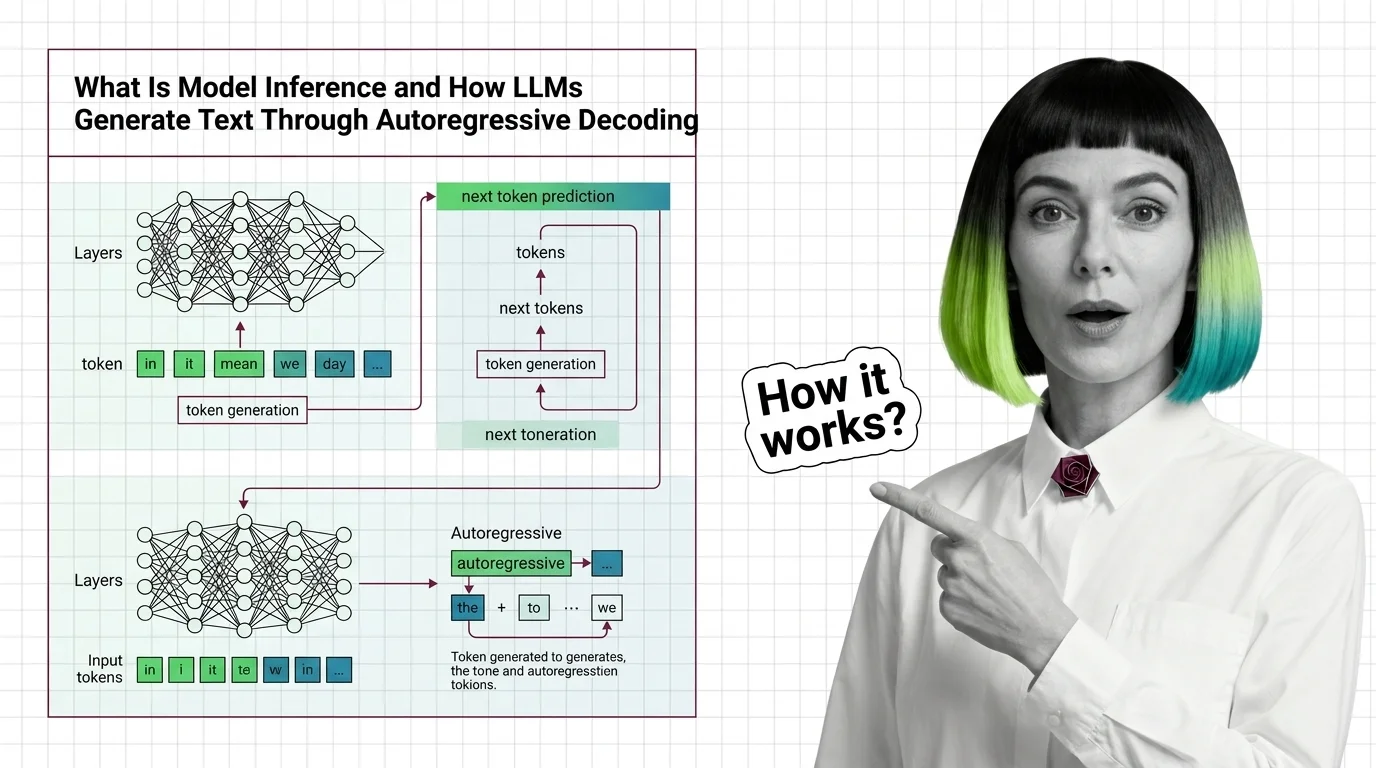
Model inference generates LLM text one token at a time via autoregressive decoding. Learn why this sequential bottleneck shapes every optimization in modern AI serving.
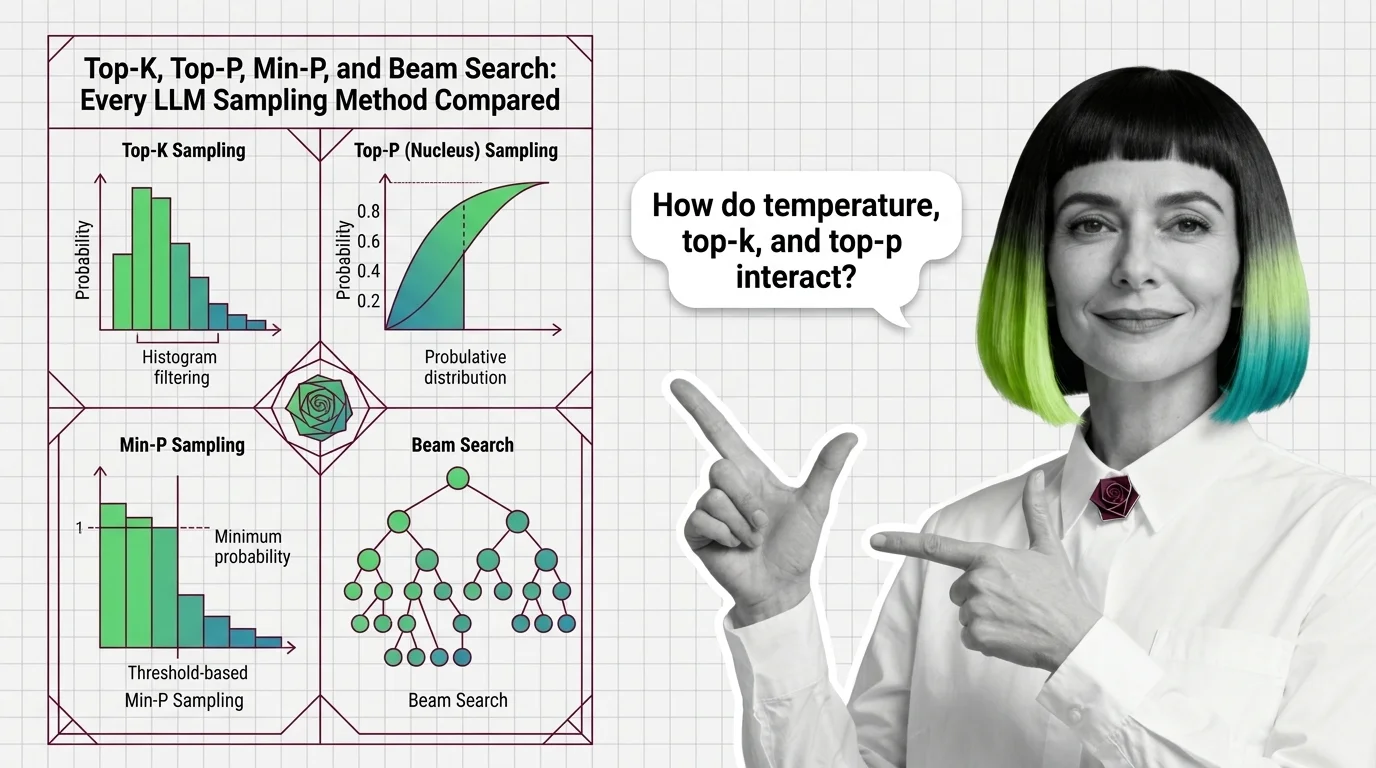
Compare top-k, top-p, min-p, and beam search LLM sampling methods. Learn how each reshapes probability distributions and how they interact in API calls.
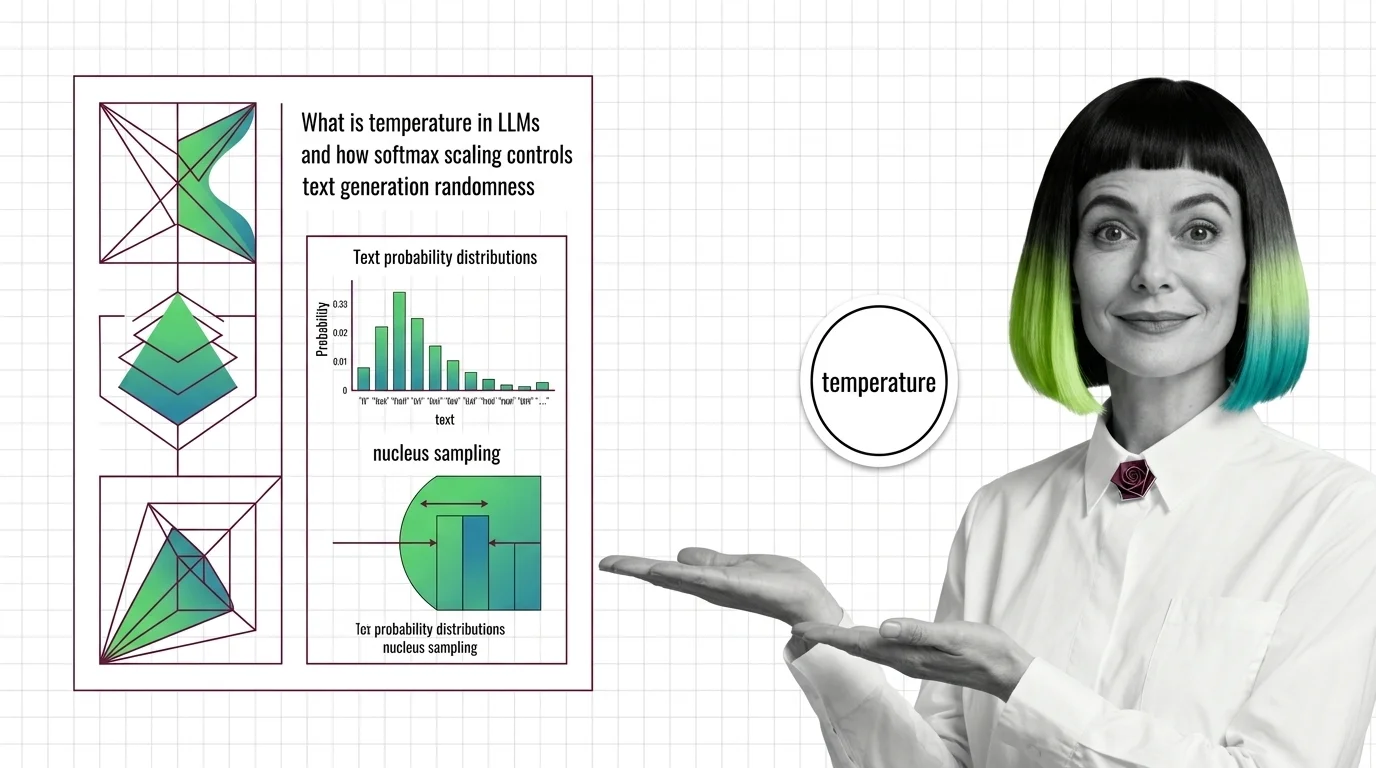
Temperature divides logits before softmax, reshaping the token probability distribution. Learn how this parameter, top-p, and min-p control LLM randomness.
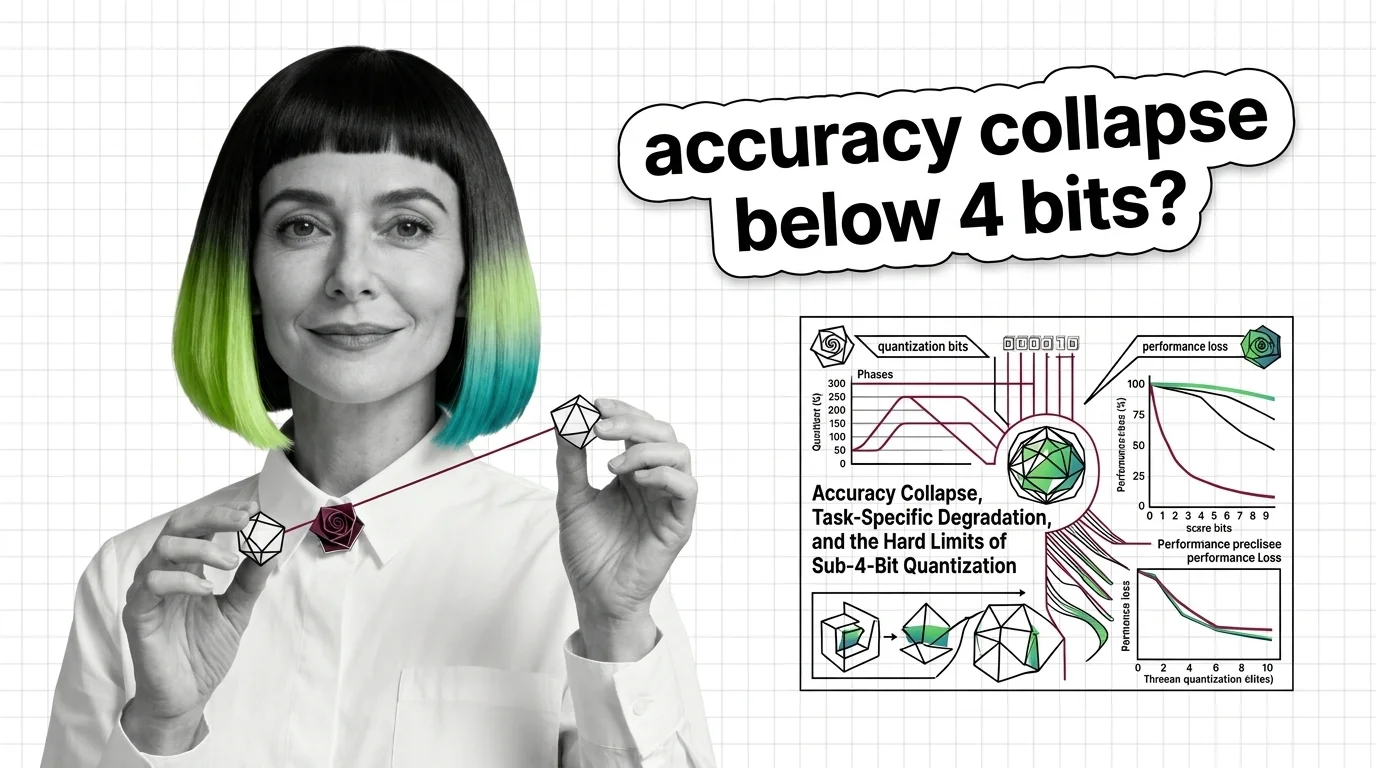
Sub-4-bit quantization promises smaller LLMs, but accuracy collapses unevenly across tasks and languages. Learn where the real degradation thresholds are.
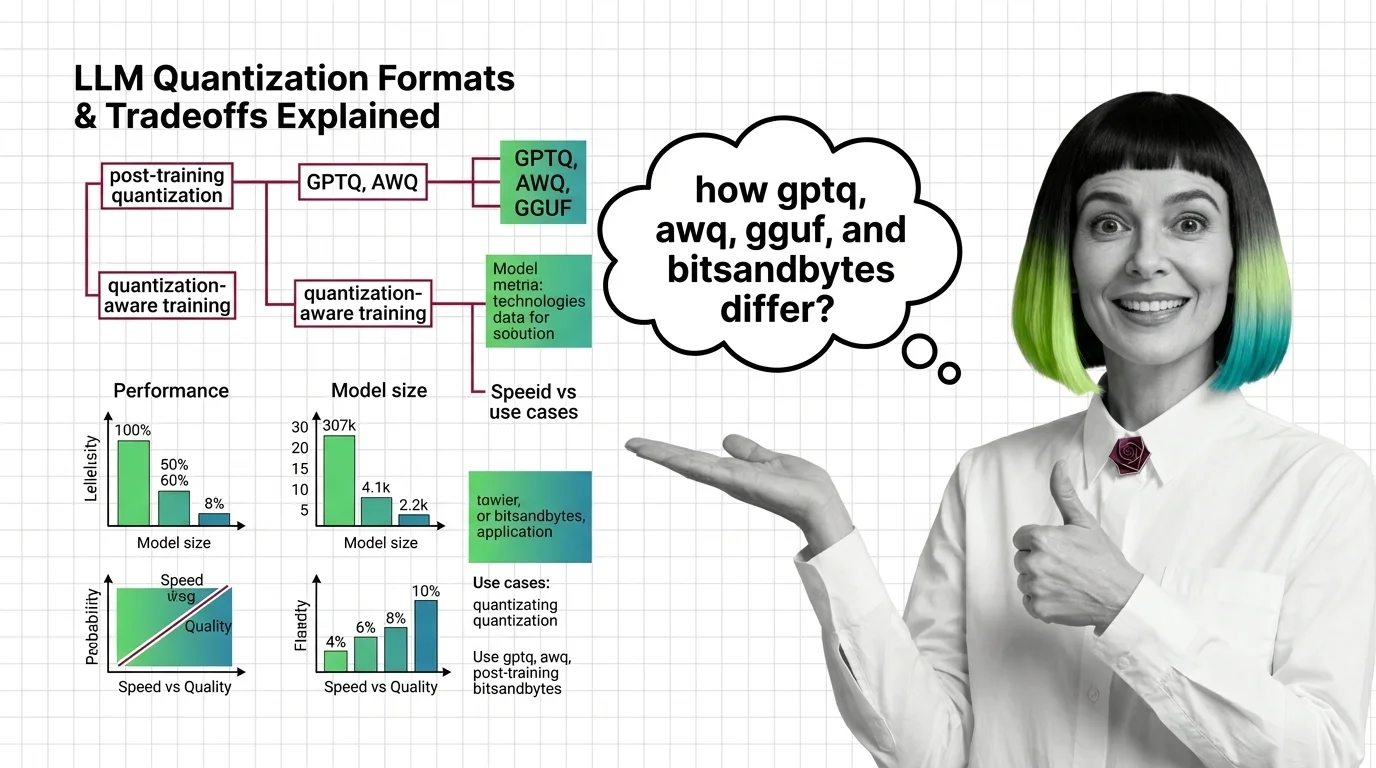
GPTQ, AWQ, GGUF, and bitsandbytes each shrink LLM weights differently. Compare speed, accuracy, and hardware reach to find the right format for your inference stack.
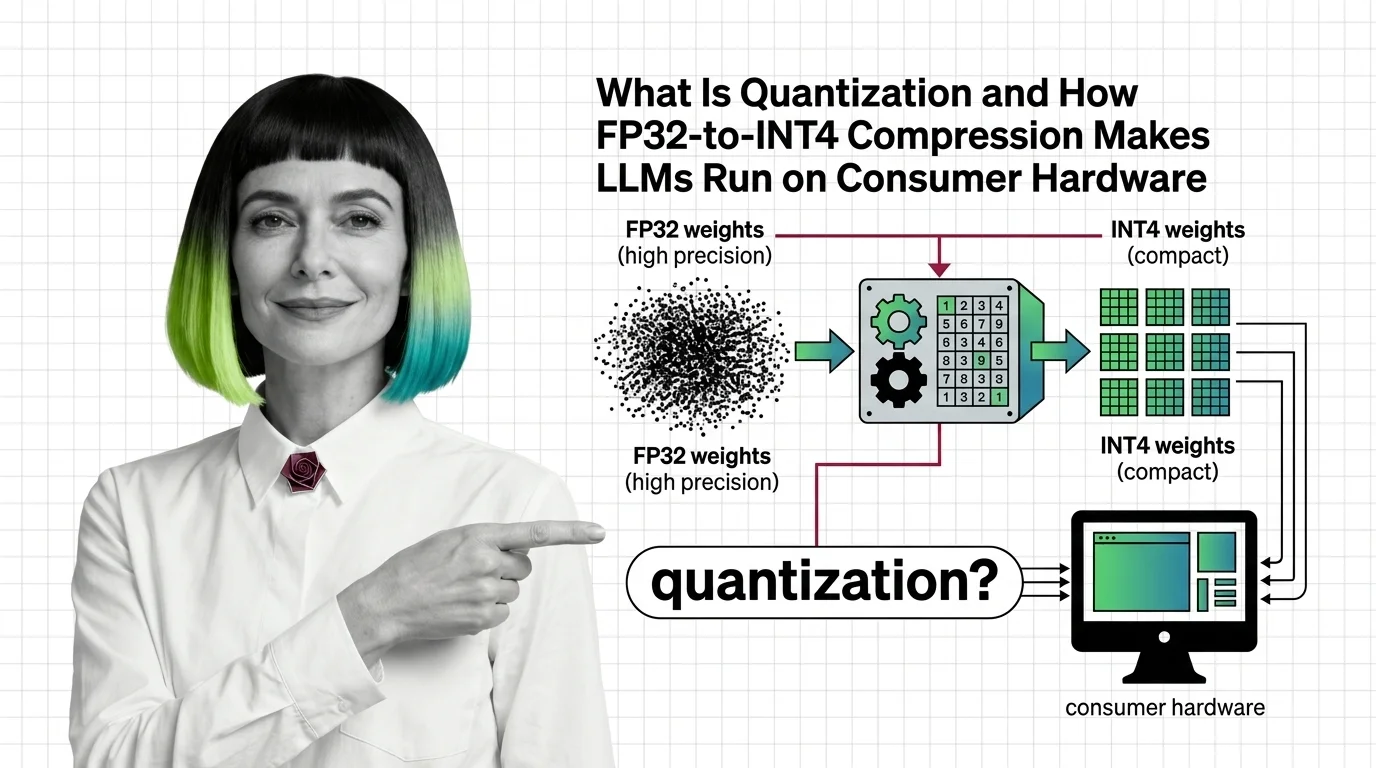
Quantization compresses LLM weights from FP32 to INT4, cutting memory up to 8x. Learn how GPTQ, AWQ, and calibration methods preserve accuracy on consumer GPUs.
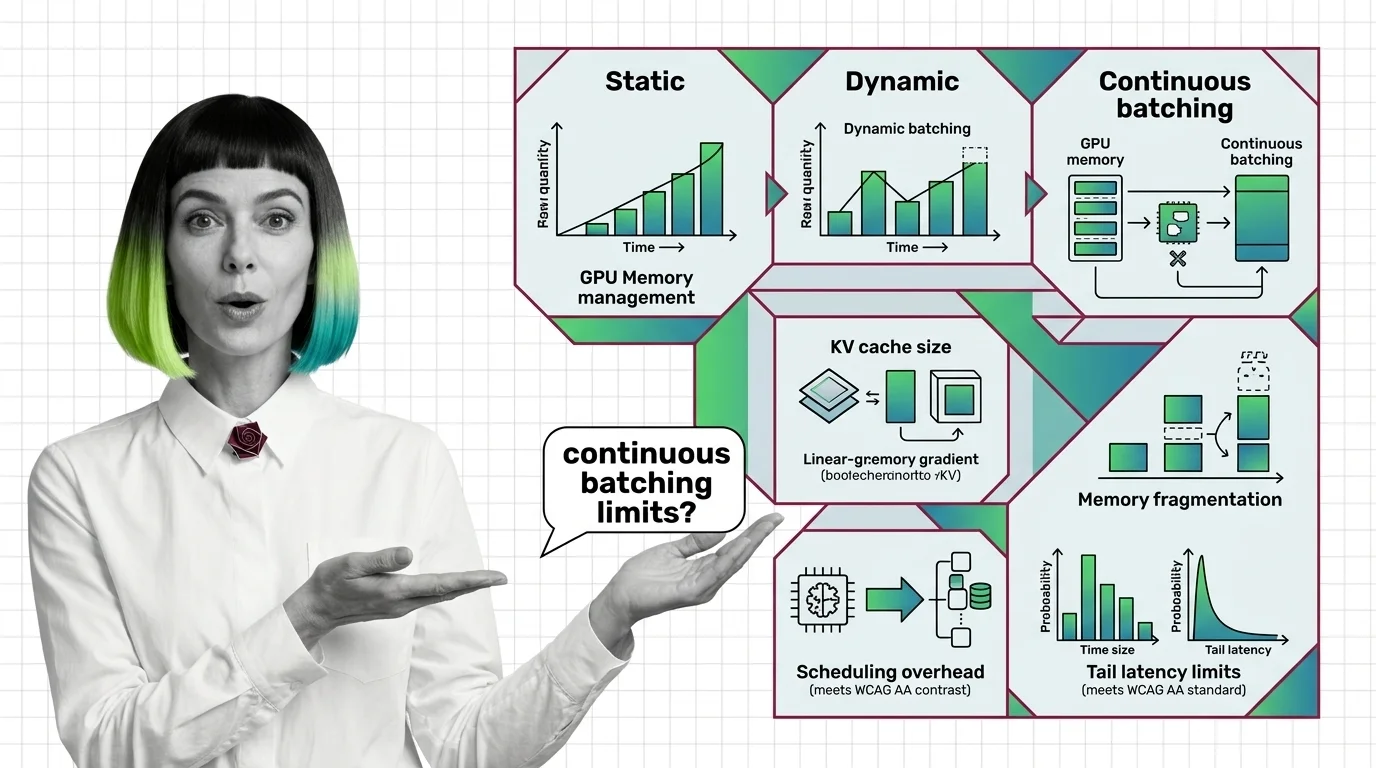
Continuous batching swaps finished LLM requests every decode step. Learn how PagedAttention cuts KV cache waste to under 4% and where the hard limits emerge.
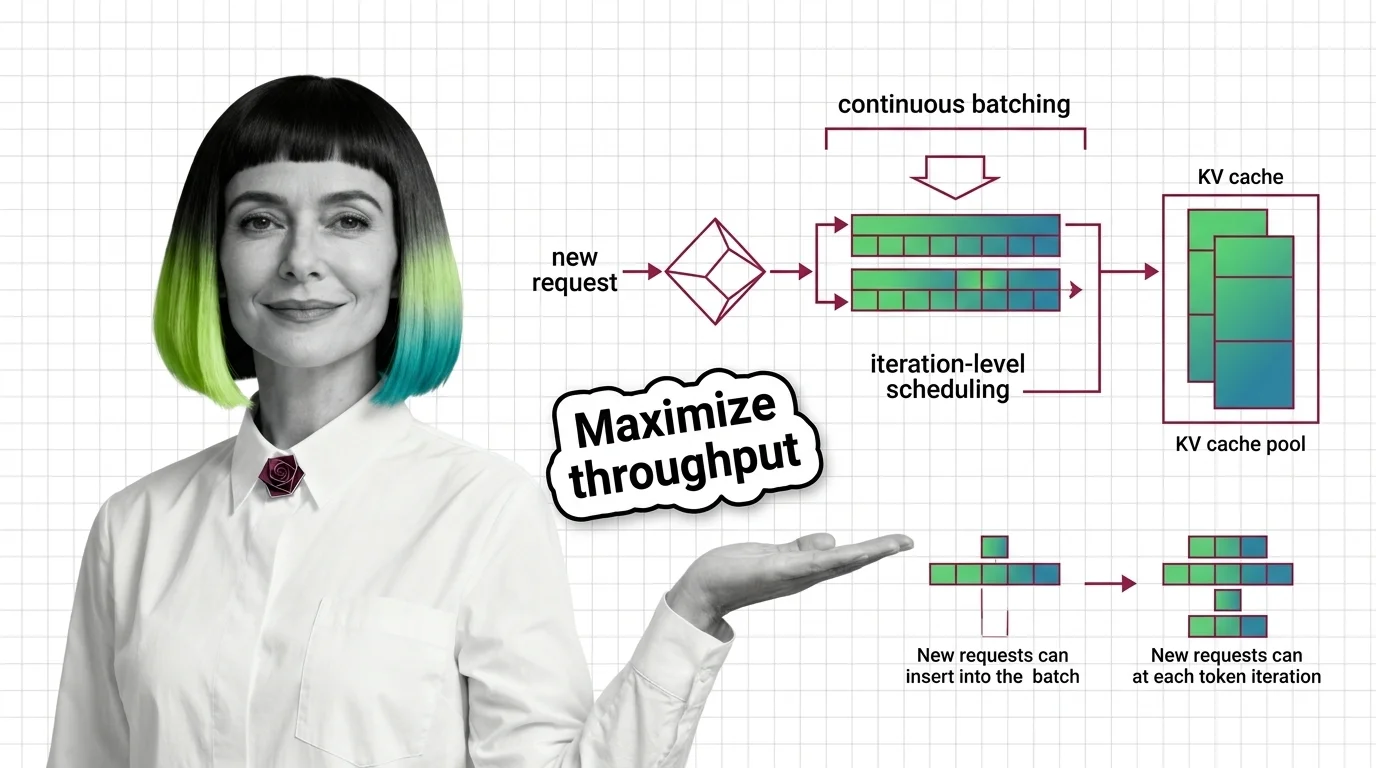
Continuous batching replaces request-level scheduling with iteration-level scheduling, keeping GPUs busy on every forward pass. Learn how the mechanism works.