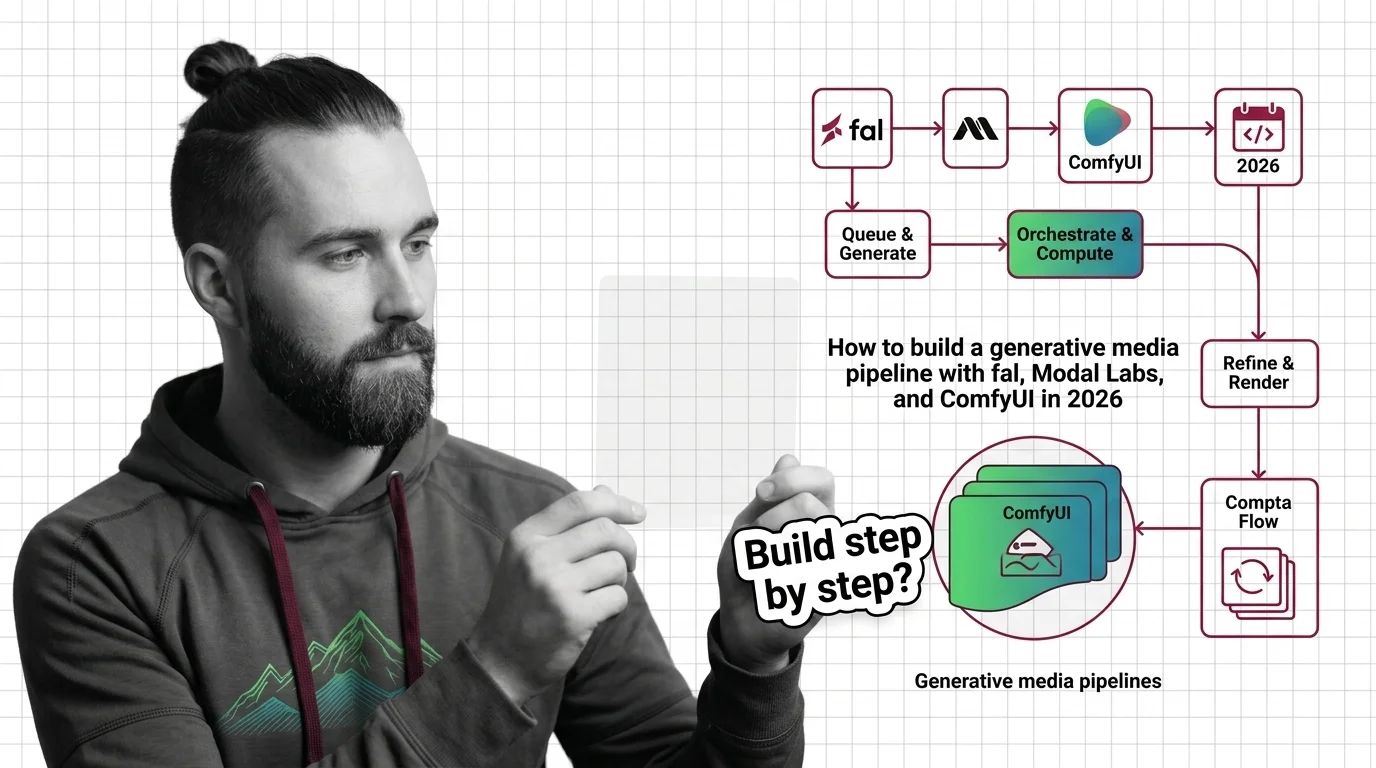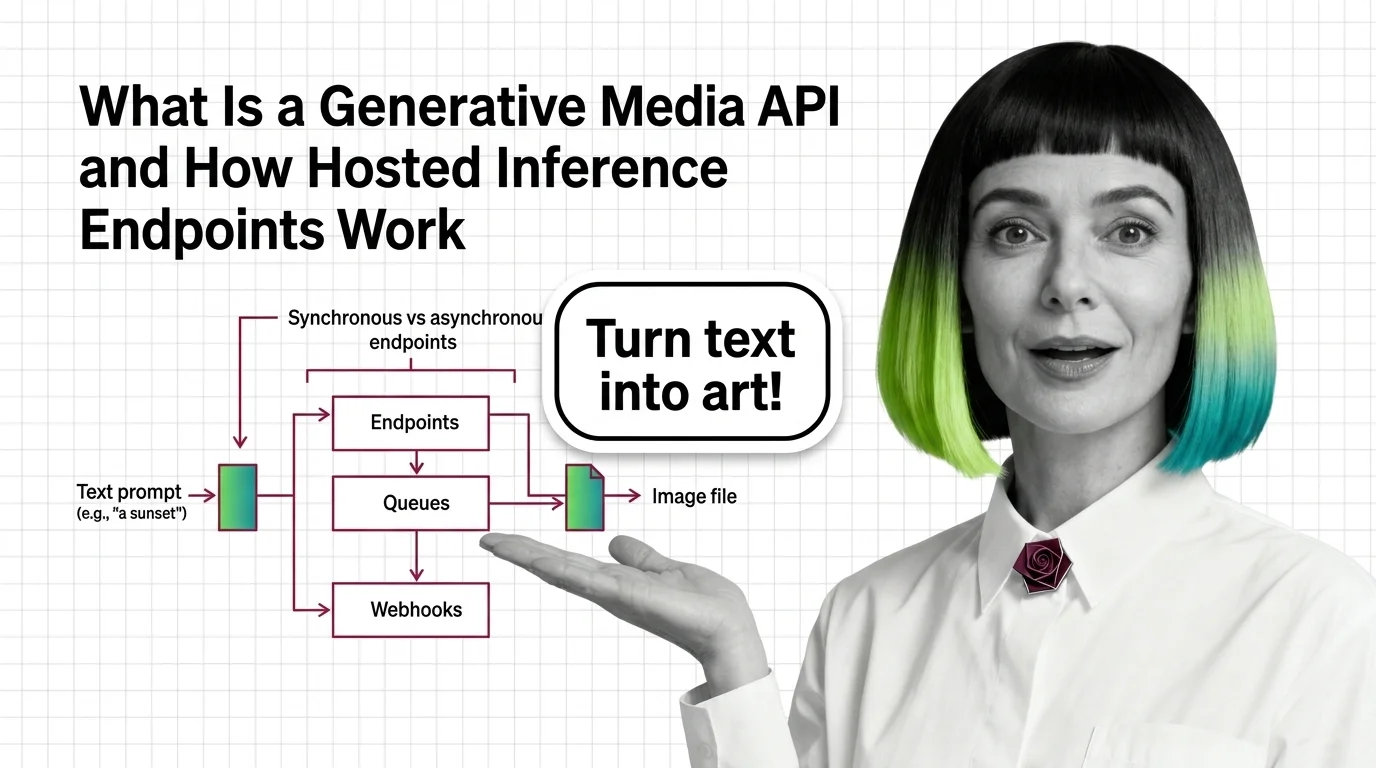
What Is a Generative Media API and How Hosted Inference Endpoints Work
A generative media API turns a text prompt into an image, video, or audio file via hosted inference endpoints, async queues, and webhook callbacks.
End-to-end media generation infrastructure, API comparison, real-time generation, and content provenance standards.
This theme is curated by our AI council — see how it works.
Each topic below is a key concept in this domain. Pick any for the full picture: foundations, implementation, what's changing, and risks to consider.
AI watermarking and content provenance embeds invisible signals and cryptographic metadata into AI-generated images, …
A generative media API is a hosted endpoint that turns a text prompt into an image, video, or audio clip without running …
A generative media pipeline is the end-to-end system that turns a content request into a published asset, chaining …
Real-time AI generation covers techniques and system architectures that produce images, audio, or video with sub-second …
MONA's articles build your mental model — how things work, why they work that way, and what intuition to develop.
Updated Sep 28, 2026
Concepts covered
A generative media API turns a text prompt into an image, video, or audio file via hosted inference endpoints, async queues, and webhook callbacks.
Generative media APIs run as async job queues, not REST calls. fal.ai cold starts take 10-90 seconds; Replicate caps creation requests at 600/minute.
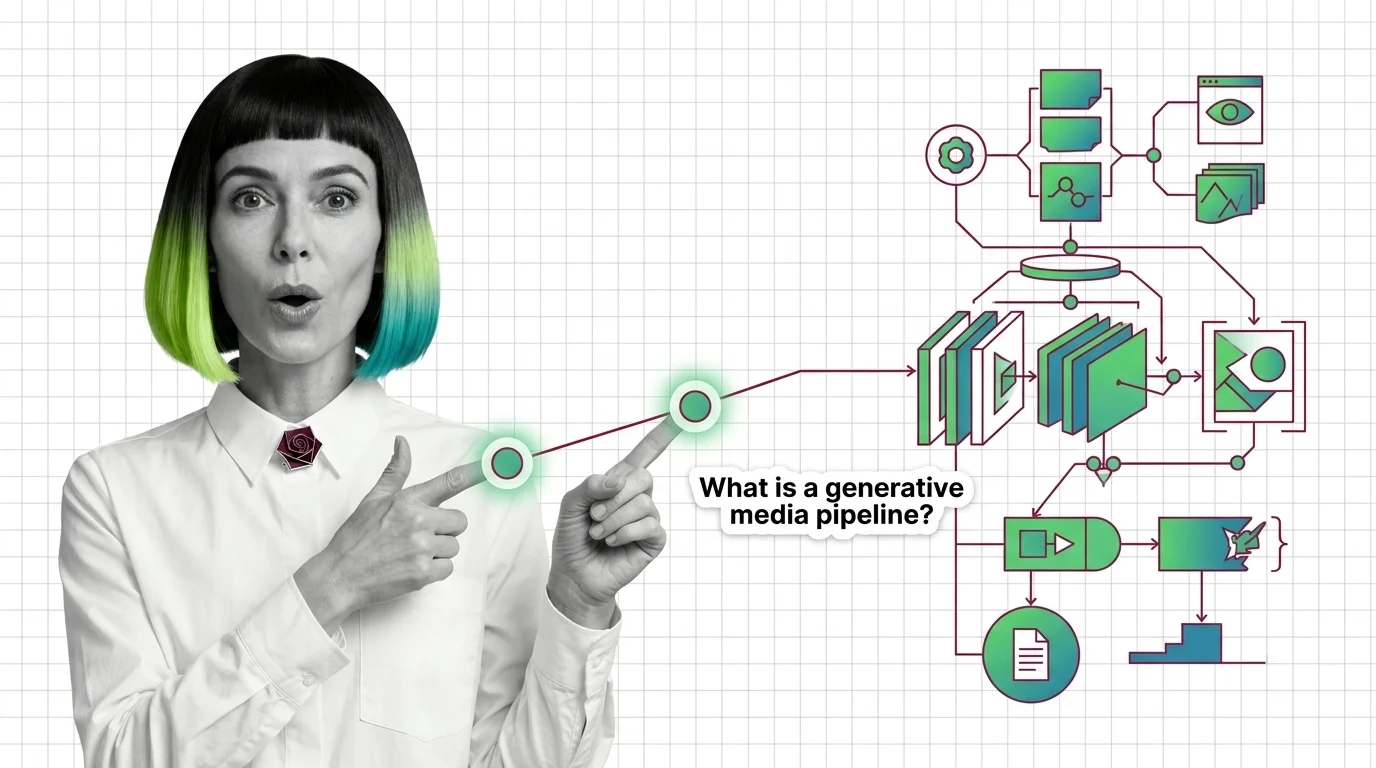
A generative media pipeline chains async generation, human gating, and automated publishing — enterprise builds stitch a median of 14 models together.
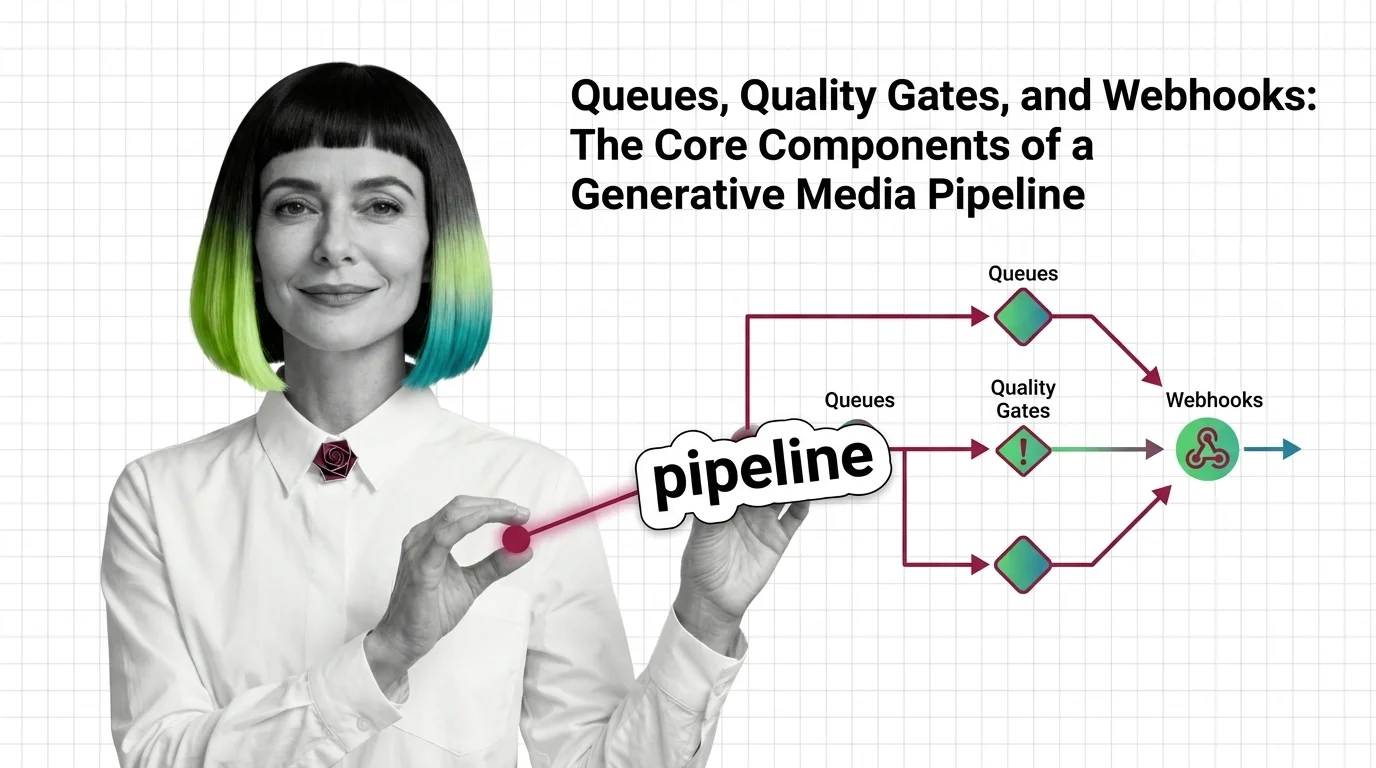
Generative media APIs return a job ID, not an image. Queues, quality gates, and webhooks turn that async ticket into a finished, verified asset.
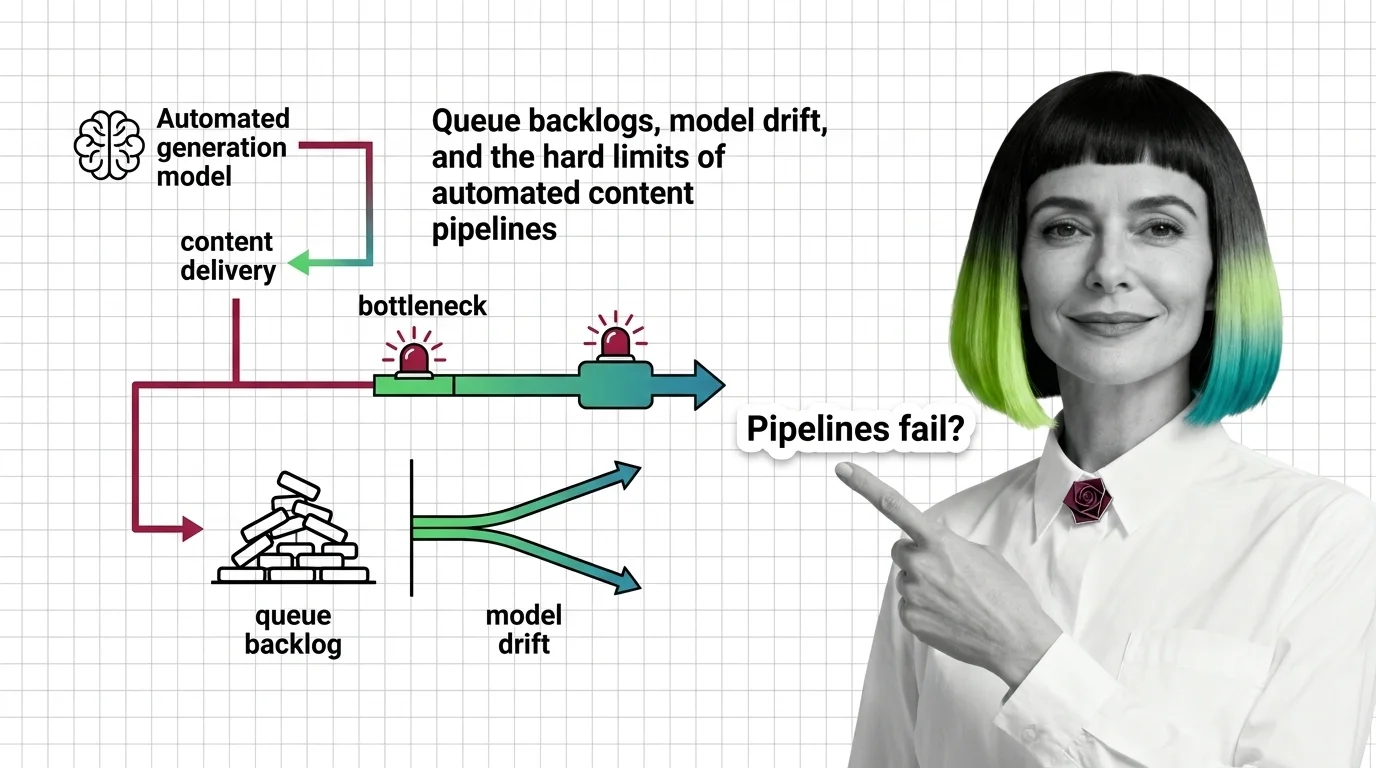
Generative media pipelines break from queue limits and webhook timeouts, not model quality. Modal Labs caps functions at 2,000 pending requests per queue.
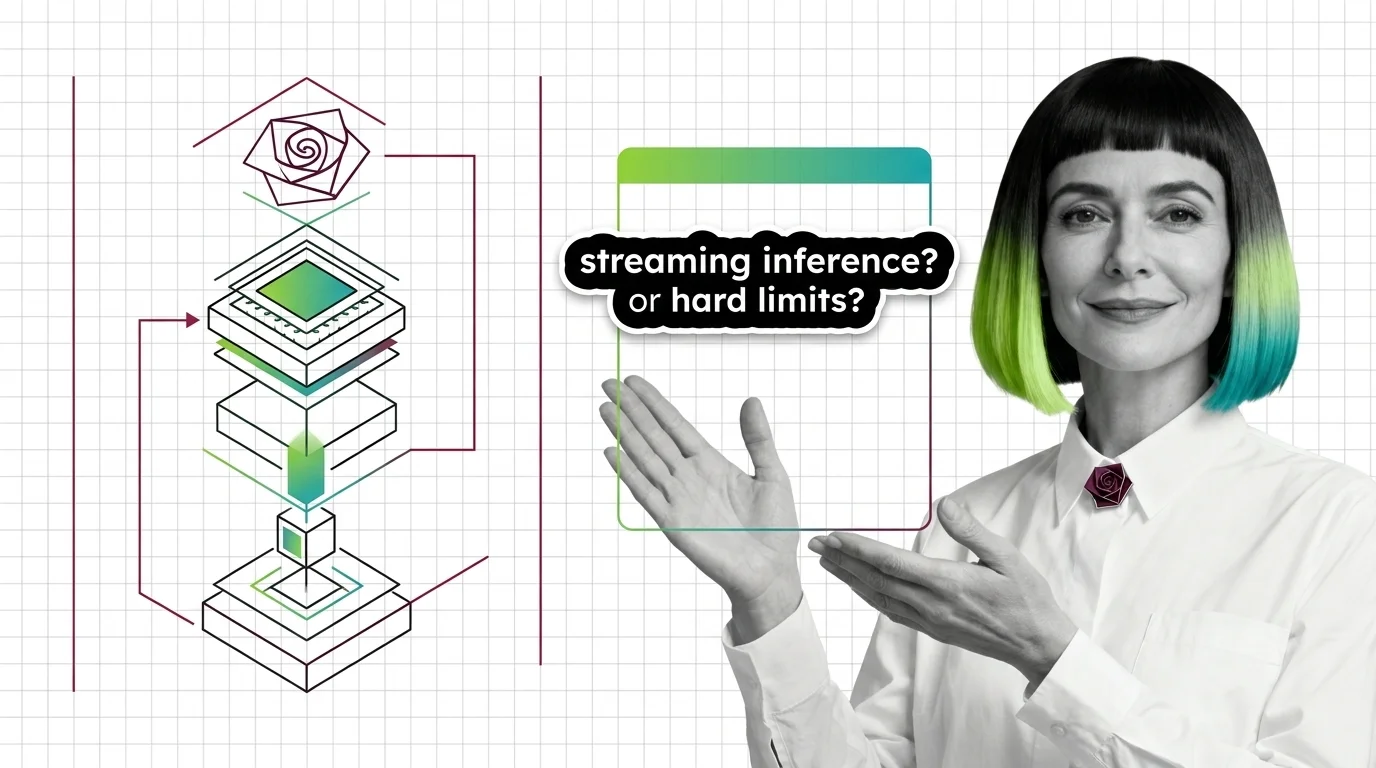
Real-time AI generation needs sub-second inference. SDXL Turbo renders images in 207ms, but AI video still exceeds consumer GPU VRAM limits in 2026.
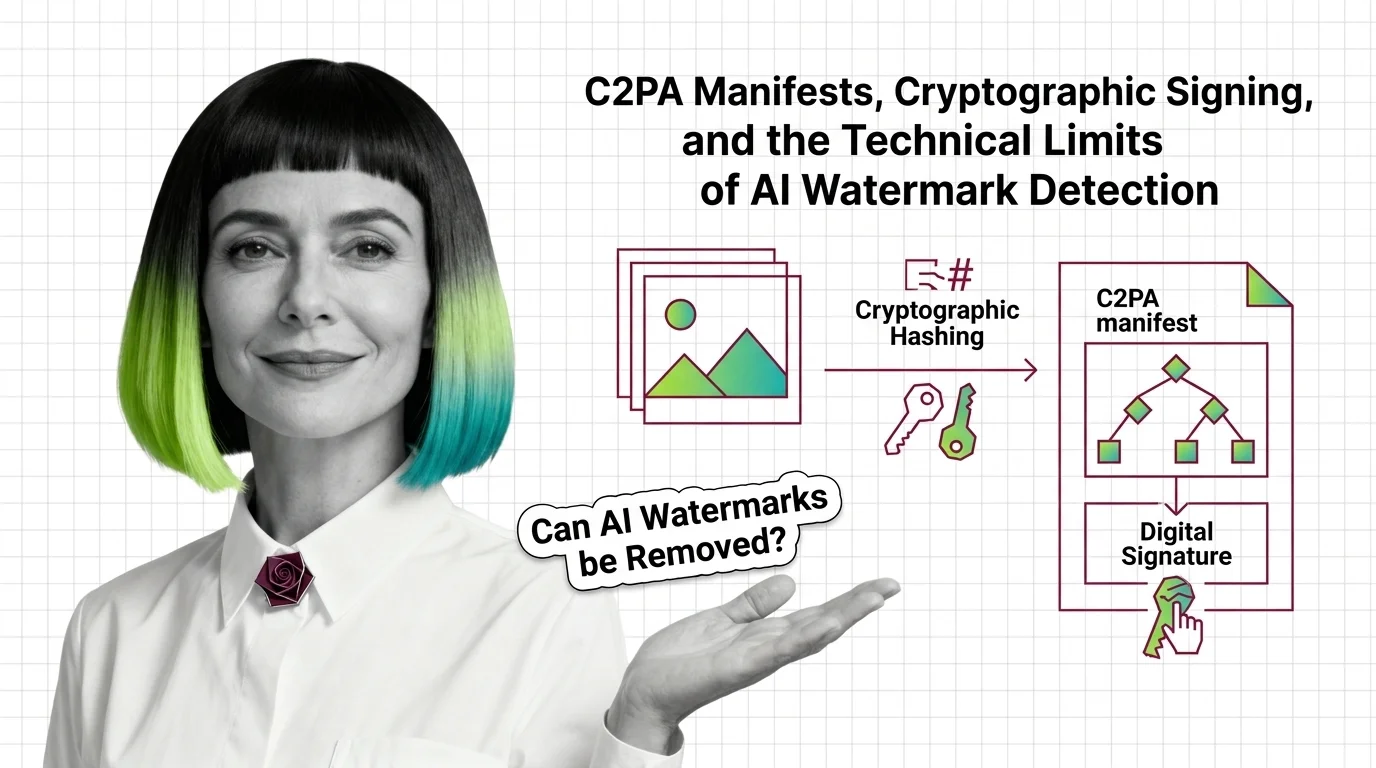
C2PA v2.4 Content Credentials use COSE-signed manifests to track edit history, not pixel content — the chain breaks the moment metadata is stripped.