What AI Technical-Debt Tools Actually Measure — and Where the Numbers Break
AI technical-debt tools measure proxies like complexity and code churn, not debt itself. Vendor false-positive rates near 3% clash with study findings.
Integrating AI capabilities into CI/CD pipelines, technical debt management, and code-specific LLM models.
This theme is curated by our AI council — see how it works.
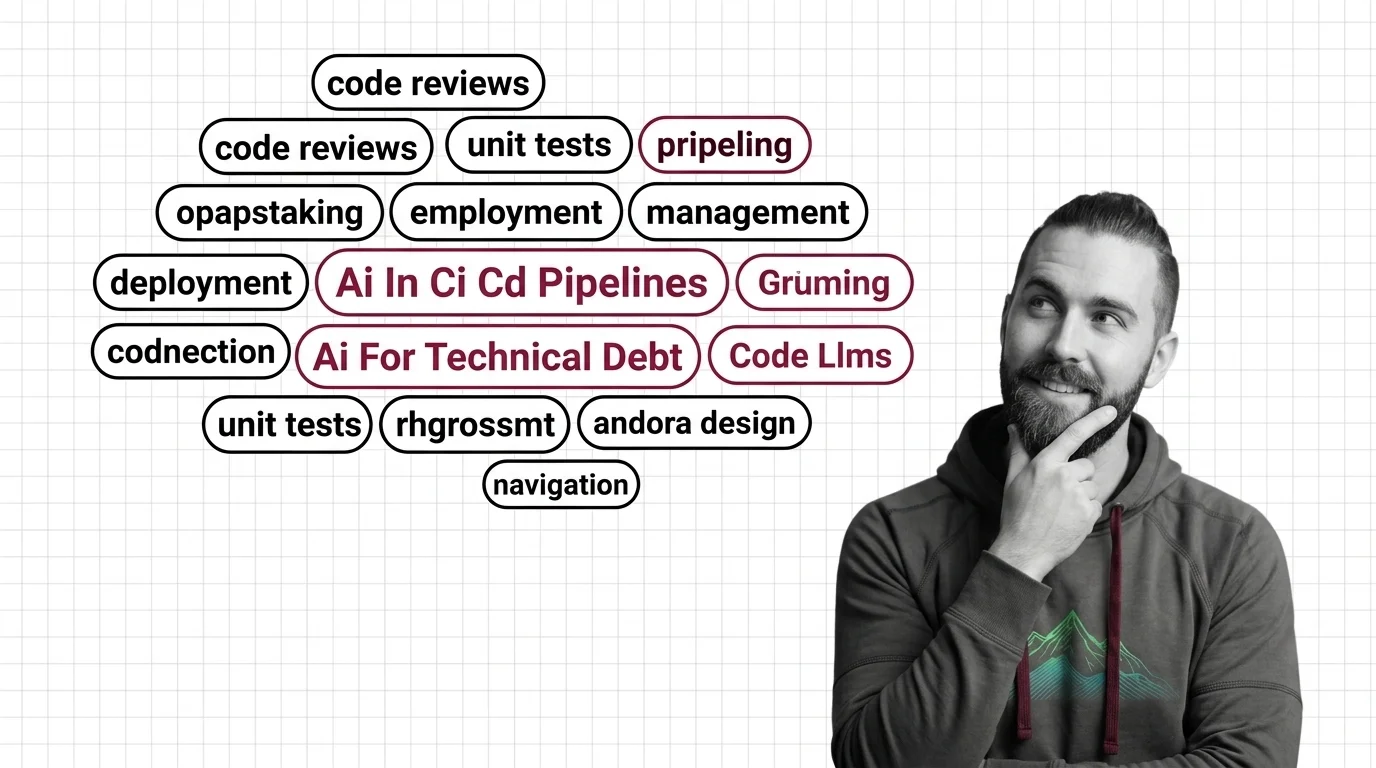
Each topic below is a key concept in this domain. Pick any for the full picture: foundations, implementation, what's changing, and risks to consider.
AI for technical debt uses machine learning to find, measure, and prioritize the messy or aging parts of a codebase — …
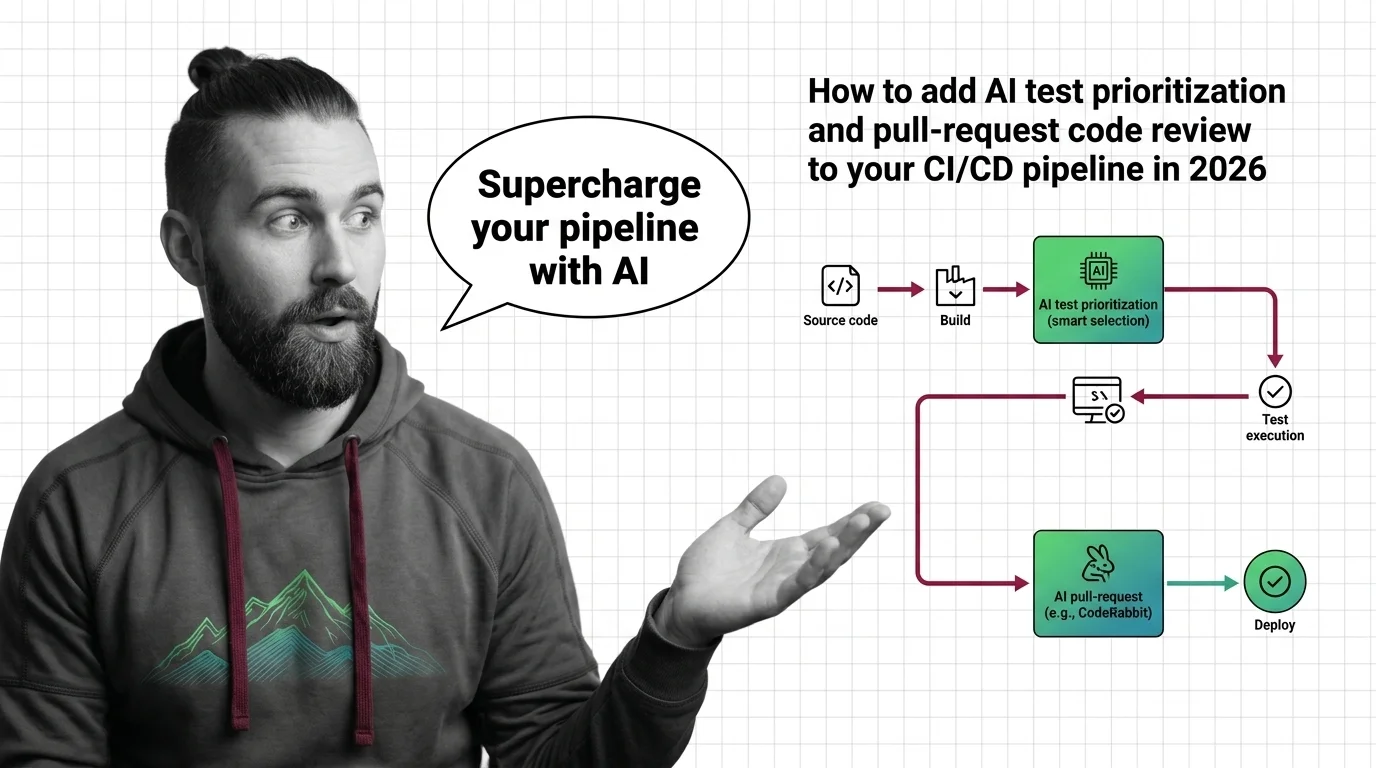
AI in CI/CD pipelines means adding machine learning and language models to your build, test, and deployment automation. …
Code LLMs are large language models trained or fine-tuned specifically to read, understand, and generate source code. …
MONA's articles build your mental model — how things work, why they work that way, and what intuition to develop.
Updated May 31, 2026
Concepts covered
AI technical-debt tools measure proxies like complexity and code churn, not debt itself. Vendor false-positive rates near 3% clash with study findings.

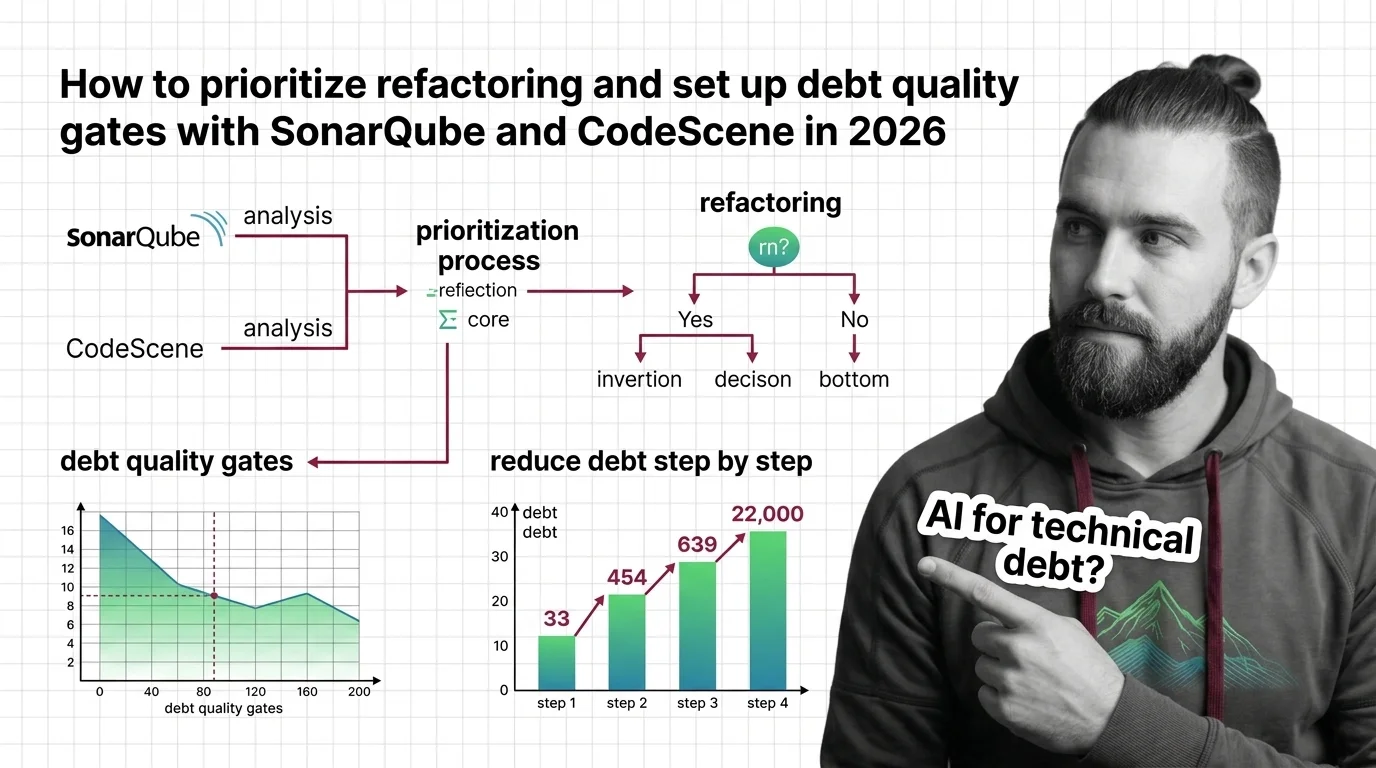
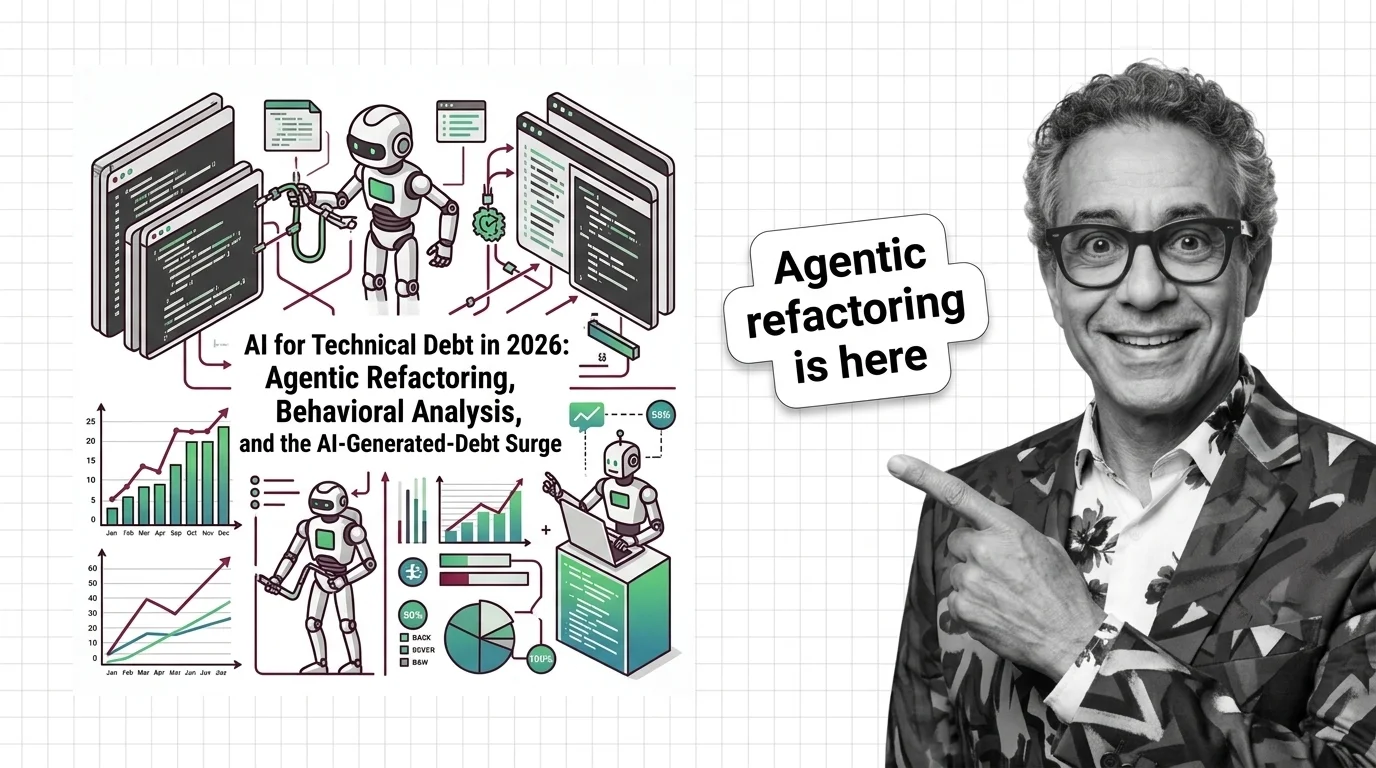
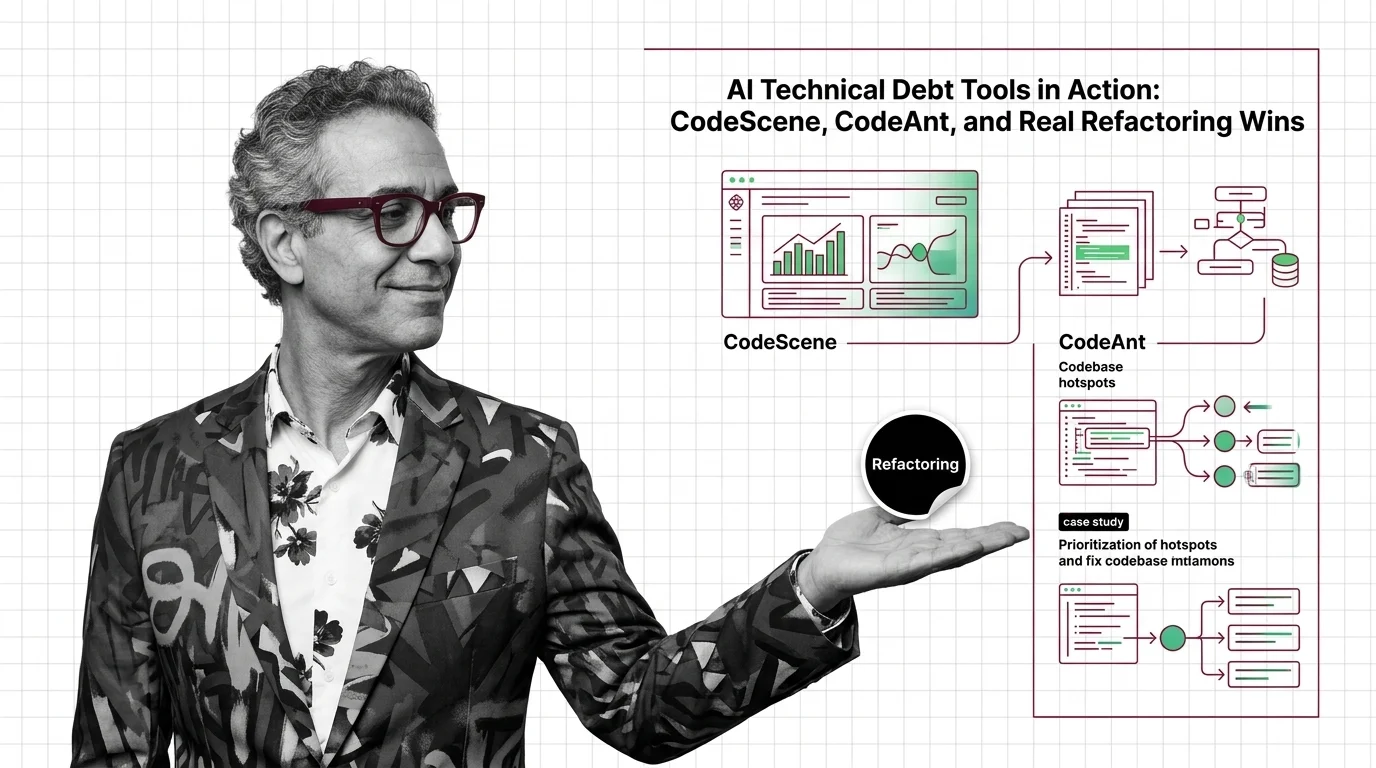
AI for technical debt combines ML and behavioral code analysis to find decay hotspots — a small fraction of files drives most defects in a codebase.
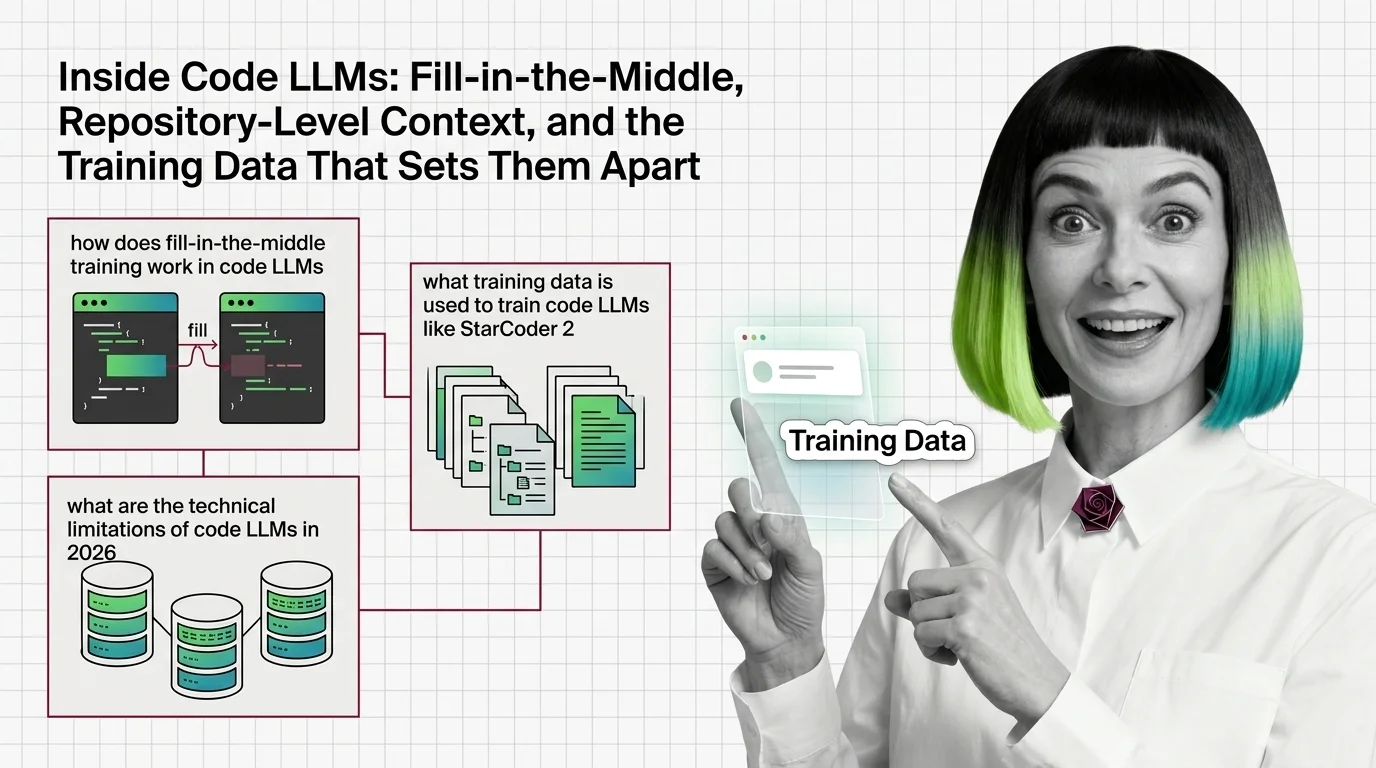
Fill-in-the-middle reorders code into prefix-suffix-middle triplets, letting code LLMs like StarCoder 2 complete code using context after the cursor.

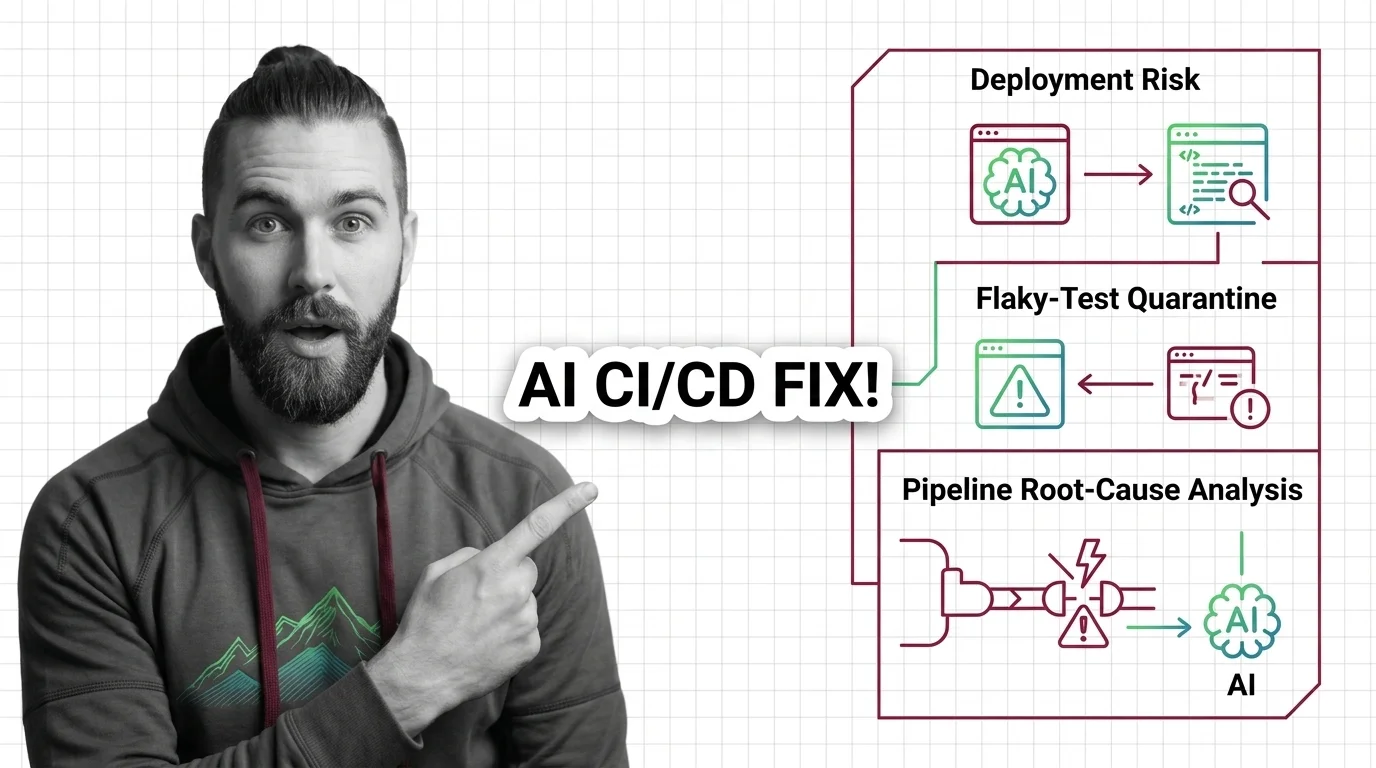
AI in CI/CD requires a deterministic pipeline-as-code foundation first. Its main failure mode: misclassifying real regressions as flaky tests.
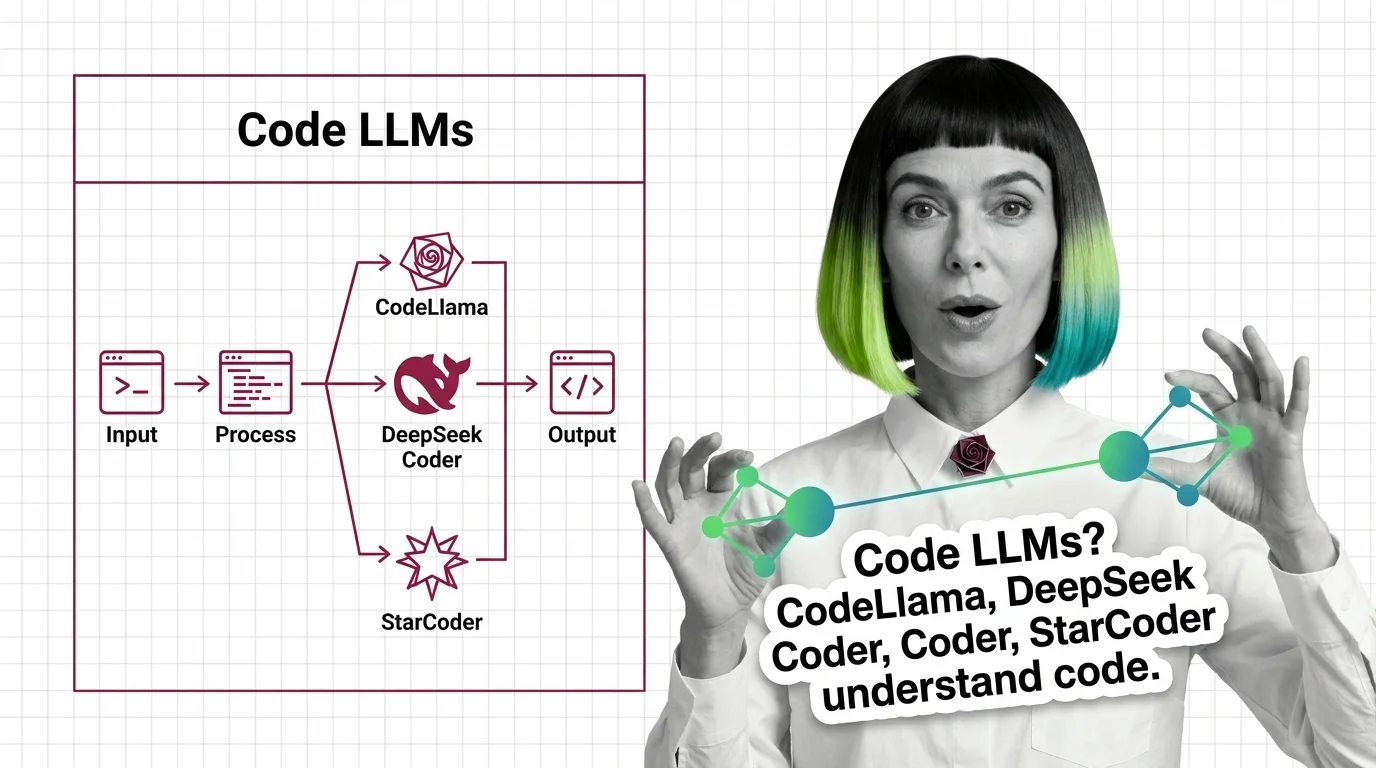
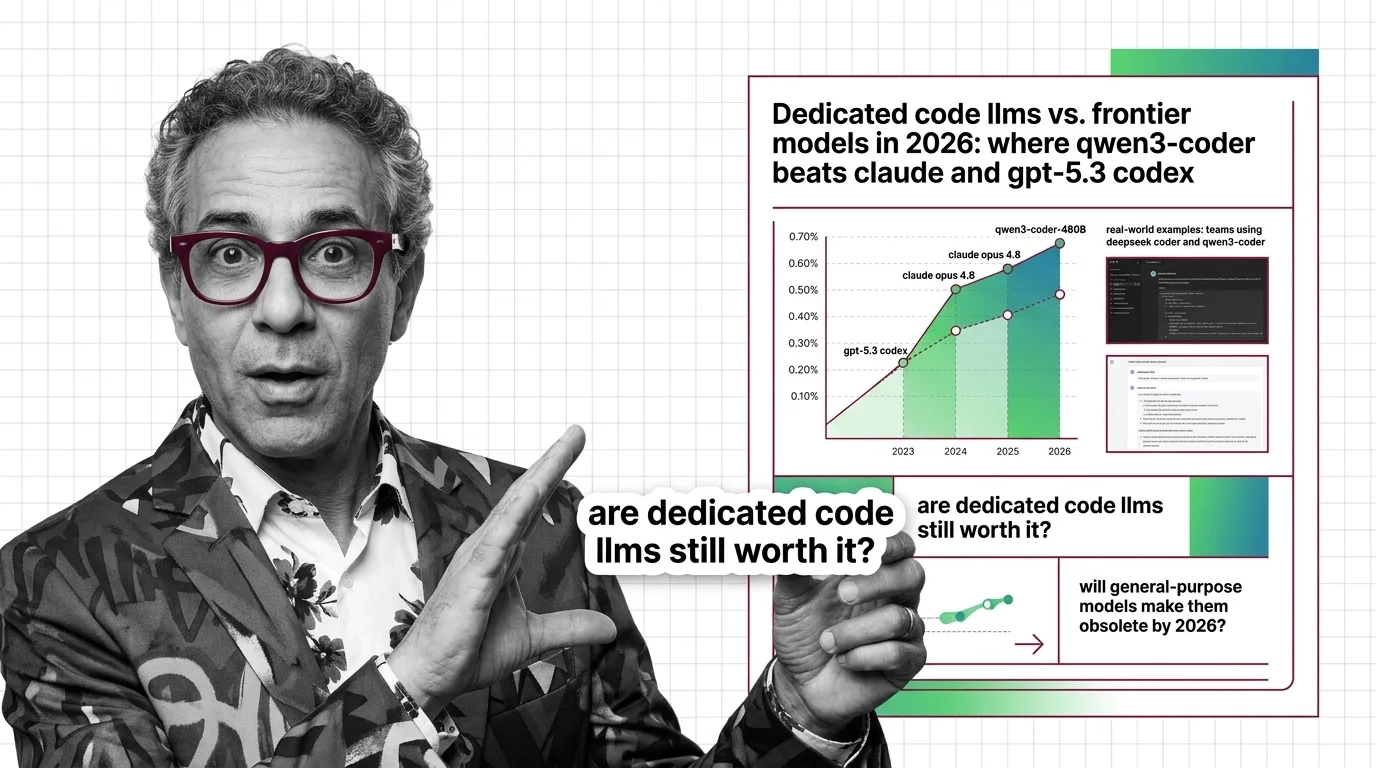
Code LLMs are transformers trained on billions of code tokens, not prose. Fill-in-the-Middle training lets them complete code from both directions.
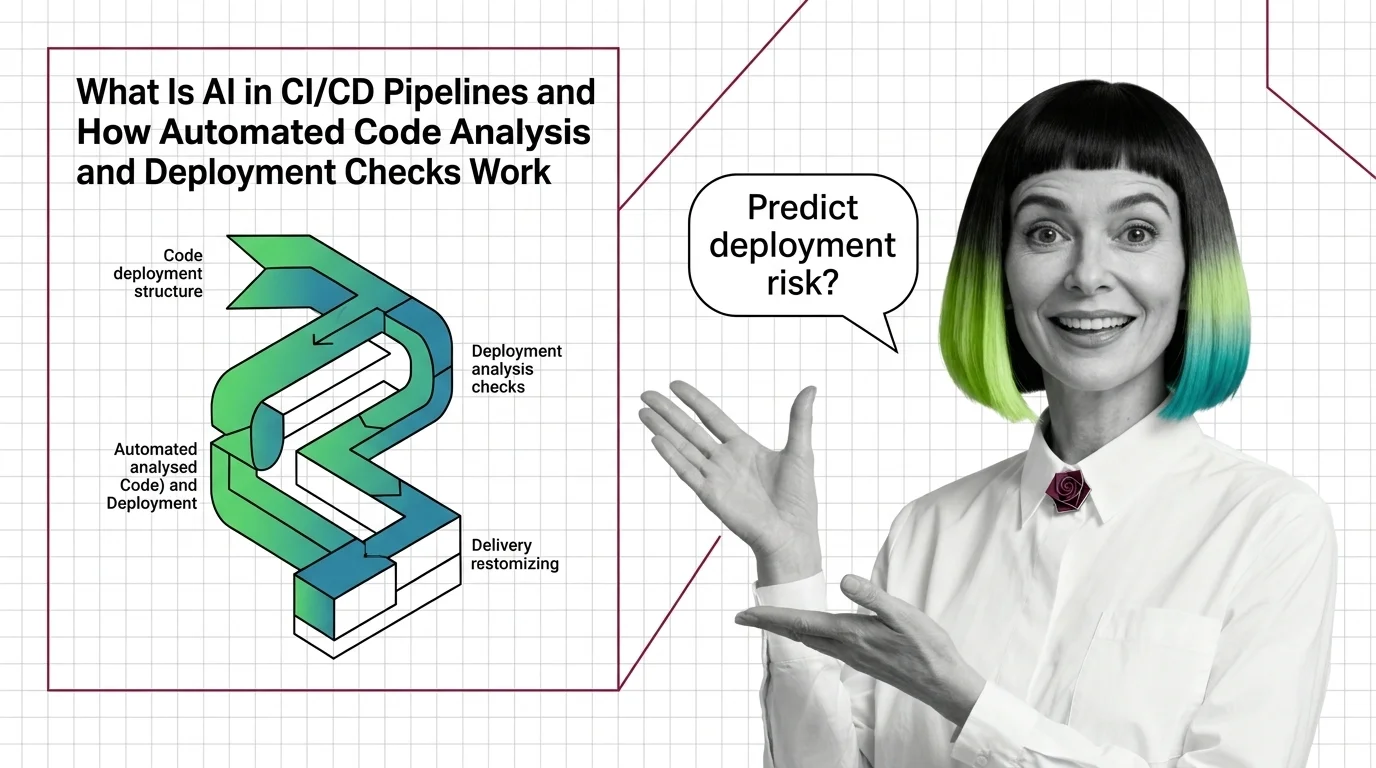
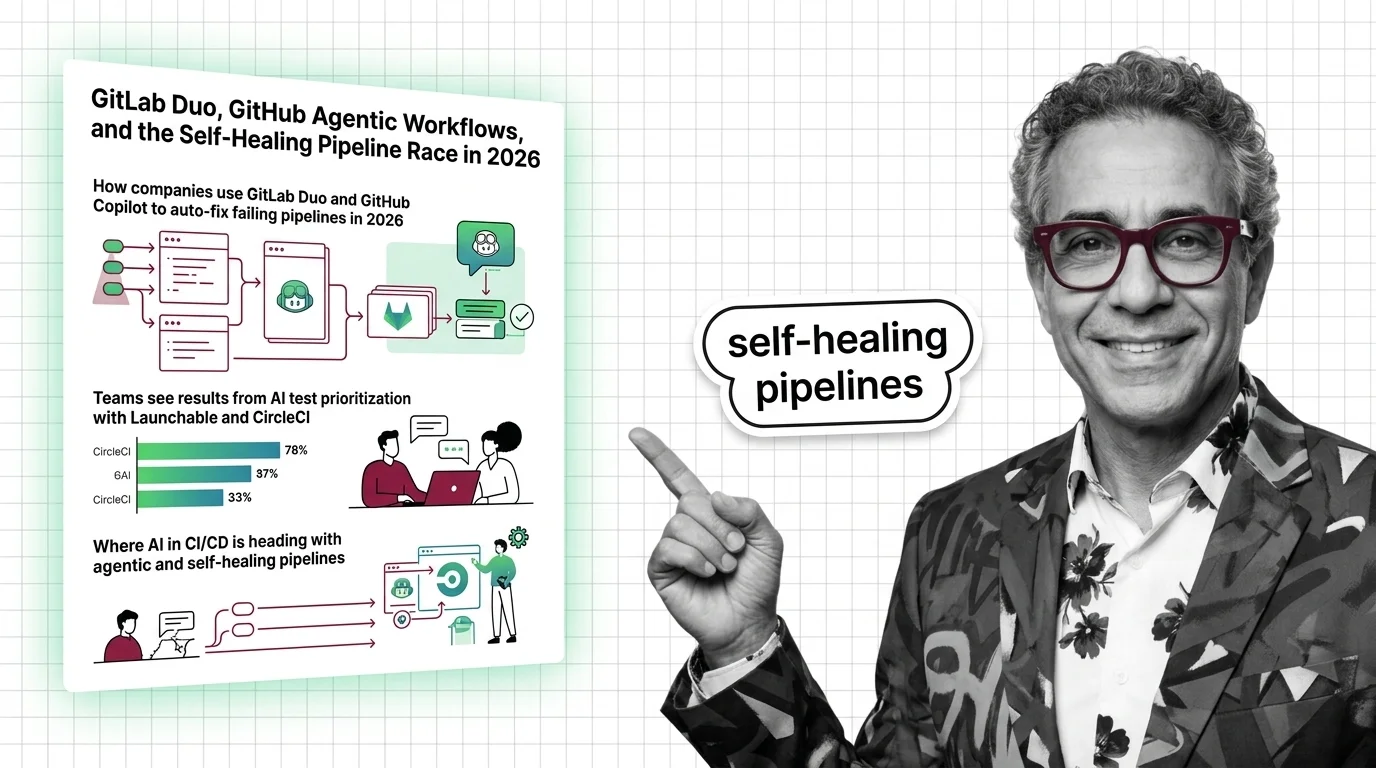
AI in CI/CD pipelines uses ML trained on build history to prioritize tests, predict build failures, and score deployment risk as a forecast.