AI agent architecture is the set of design patterns that turn a language model into a system that plans its own steps, acts through tools, remembers what happened, and recovers when something breaks. The theme spans the whole stack of an autonomous agent — memory, orchestration, planning, multi-agent collaboration, execution capabilities like code and browser control, and the state machinery that keeps long-running agents alive in production.
An agent is a loop, not a pipeline: the model chooses an action, observes the result, and decides again — the architecture around that loop is what makes it reliable.
Memory and orchestration are the load-bearing walls: most production agent failures trace to lost context or uncontrolled control flow, not to a weak model.
Capabilities — code execution, dynamic retrieval, browser control — plug into the same core loop; you choose them per task, not per trend.
This theme has three tiers: two foundations, four core patterns, three production topics. Read them in that order.
Why agent architecture matters for engineers moving into AI
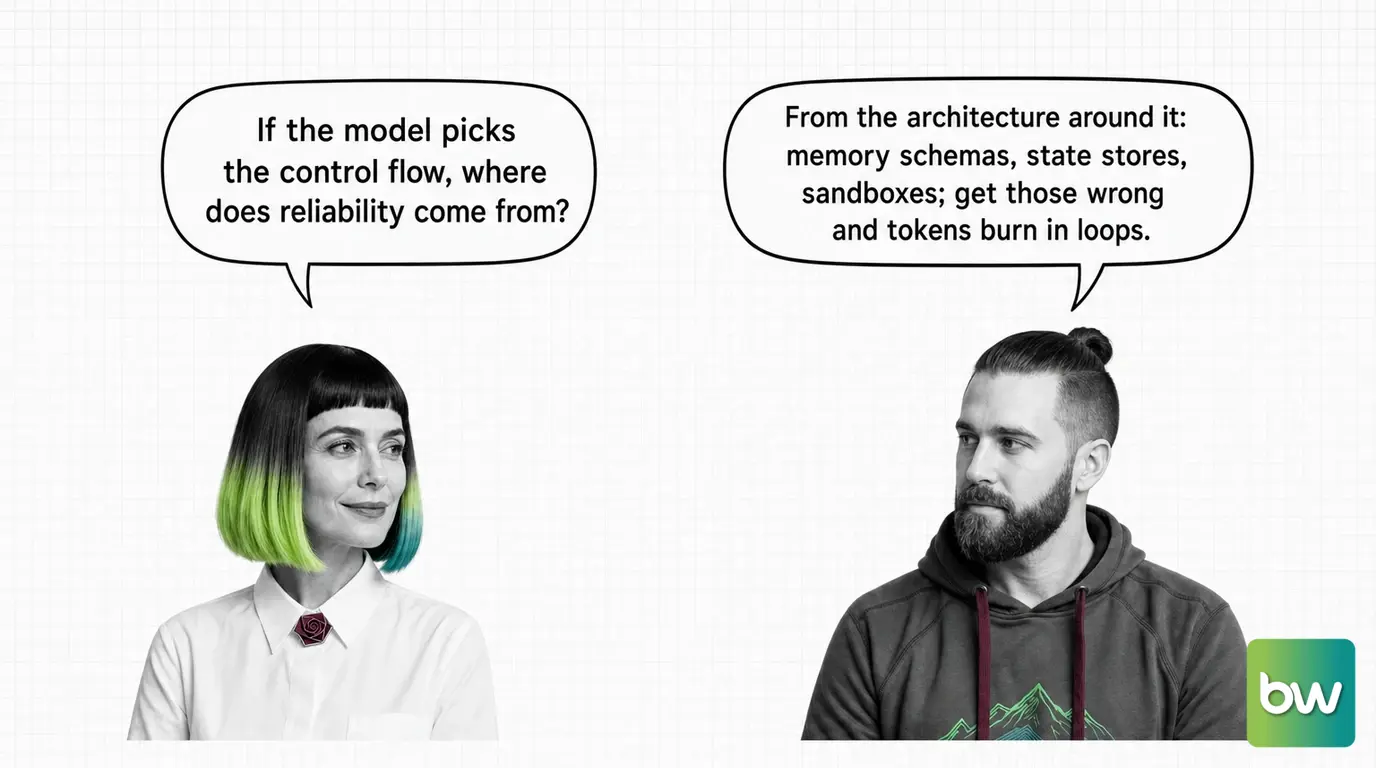
Classic software takes a defined input and follows control flow you wrote. An agent inverts that contract: the model decides the control flow at runtime, which means reliability no longer comes from your code path — it comes from the architecture wrapped around the model. For a developer, this theme reframes “AI agents” from magic into familiar system design: memory schemas, state stores, orchestration graphs, sandboxes, failure handling. Get that architecture right and a mediocre model performs; get it wrong and the best model on the leaderboard burns tokens in a loop.
Reliability lives in the system design wrapped around the model.
Start here: memory and orchestration, the foundations of agent architecture
An agent, stripped of the hype, is a loop: look at the situation, pick an action, observe the result, go again. Before touching that loop, two foundations decide whether it can work at all.
With memory and orchestration in place, every pattern in the next tier reads as a controlled loosening of control: you know exactly what you are giving up, and what you expect back.
The core agent loop: planning, acting, and collaborating
This is the layer most people mean when they say “agents” — the point where the model starts choosing its own next step.
How workflows, single agents, and multi-agent systems differ
The confusion that costs teams the most is treating three levels of autonomy as one choice. Each is a different contract:
Workflow
Single agent
Multi-agent system
Who decides the next step
Your code (DAG / state machine)
The model, inside your loop
Several models, coordinated by an architecture
Control flow
Fixed, inspectable upfront
Emerges per run
Emerges per run, per agent
Best when
Steps are known in advance
Steps vary per input, one skill set covers them
Task genuinely needs separate roles or parallel work
Failure mode
A step errors; retry logic handles it
Loop drifts, stalls, or burns tokens
Coordination failure: agents block, duplicate, or contradict each other
Debugging
Read the graph
Replay the loop’s decisions
Reconstruct a conversation between systems
Three finer distinctions inside the theme trip people just as often:
Memory vs. state.Agent memory is what the agent recalls about the world and its user — semantic, selective, searchable. Agent state is where the execution is — position, pending work, checkpoints. Production agents need both, and they live in different stores; conflating them produces agents that remember preferences but lose their place, or resume perfectly while forgetting who they were talking to.
RAG vs. a retrieval-augmented agent. Classic RAG runs the same fixed retrieve-then-generate chain for every query; a retrieval-augmented agent makes retrieval a per-step decision. The agent version buys flexibility and pays in latency and debuggability — a different contract, not an upgrade.
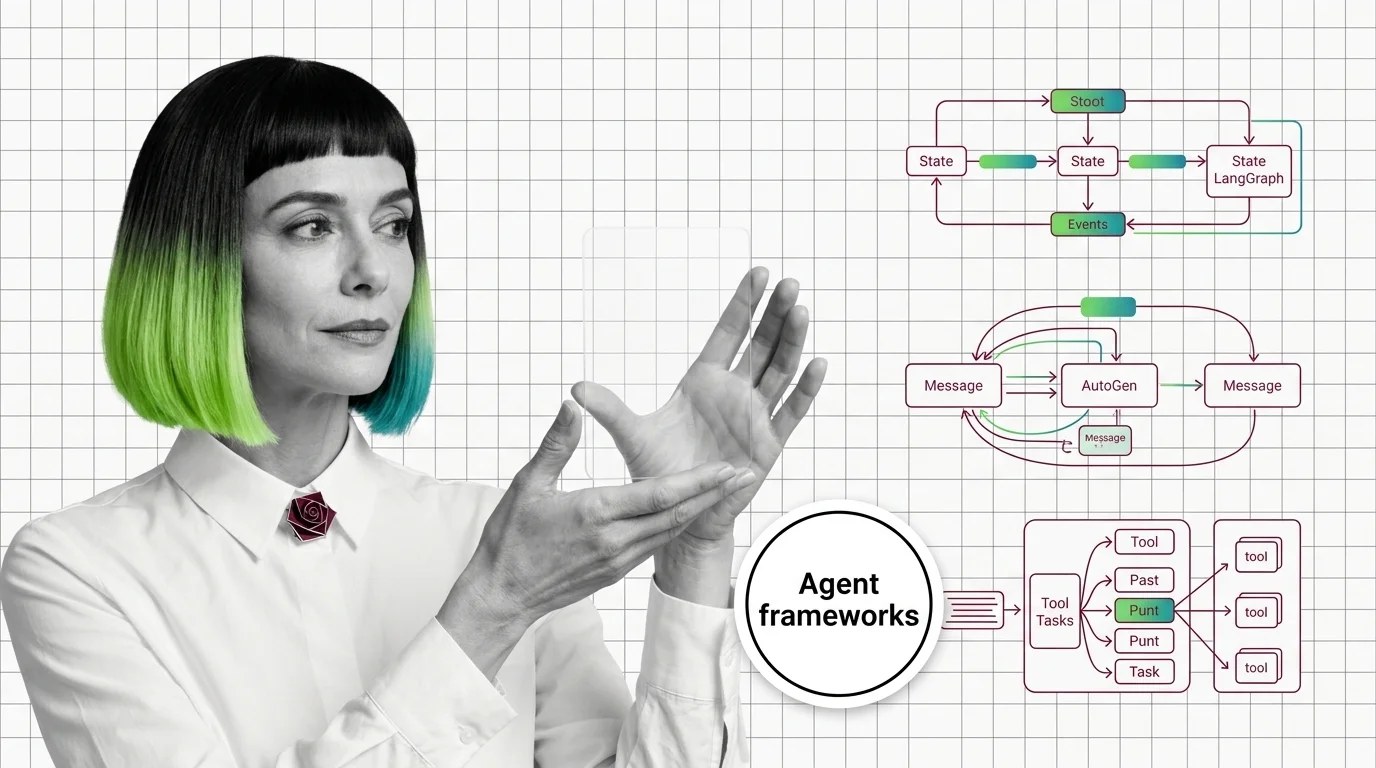
Framework vs. orchestrator. An agent framework (LangGraph, CrewAI, AutoGen) shapes how agents are defined and composed; a workflow orchestrator (Temporal, Prefect) makes any multi-step process durable. Production stacks increasingly run both — how hybrid orchestration stacks won production AI traces that pairing — so “which framework” and “which orchestrator” are two questions, not one.
Common questions
Q: Where should I start with AI agents as a software developer?
A: With the two foundations, not a framework. Read how agent memory systems give LLMs persistent recall first, then the orchestration explainer — every pattern in the core tier assumes the model can keep context and that you control the surrounding flow.
Q: Do I need a multi-agent system, or is one agent enough?
A: Default to one agent. Add more only when the task genuinely needs separate roles, parallel work, or adversarial checks — the prerequisites for multi-agent systems lists what must already work first. A struggling single agent, multiplied, is a struggling system multiplied.
Q: What should I read before picking an agent framework?
A: The architectural pattern behind each candidate, not the feature tables — graph, conversation, or crew determines how your system will debug and scale. Then work through how to choose and build with LangGraph, CrewAI, AutoGen, or LlamaIndex Workflows with your own task in hand.
Q: Why does my agent lose track of a task halfway through?
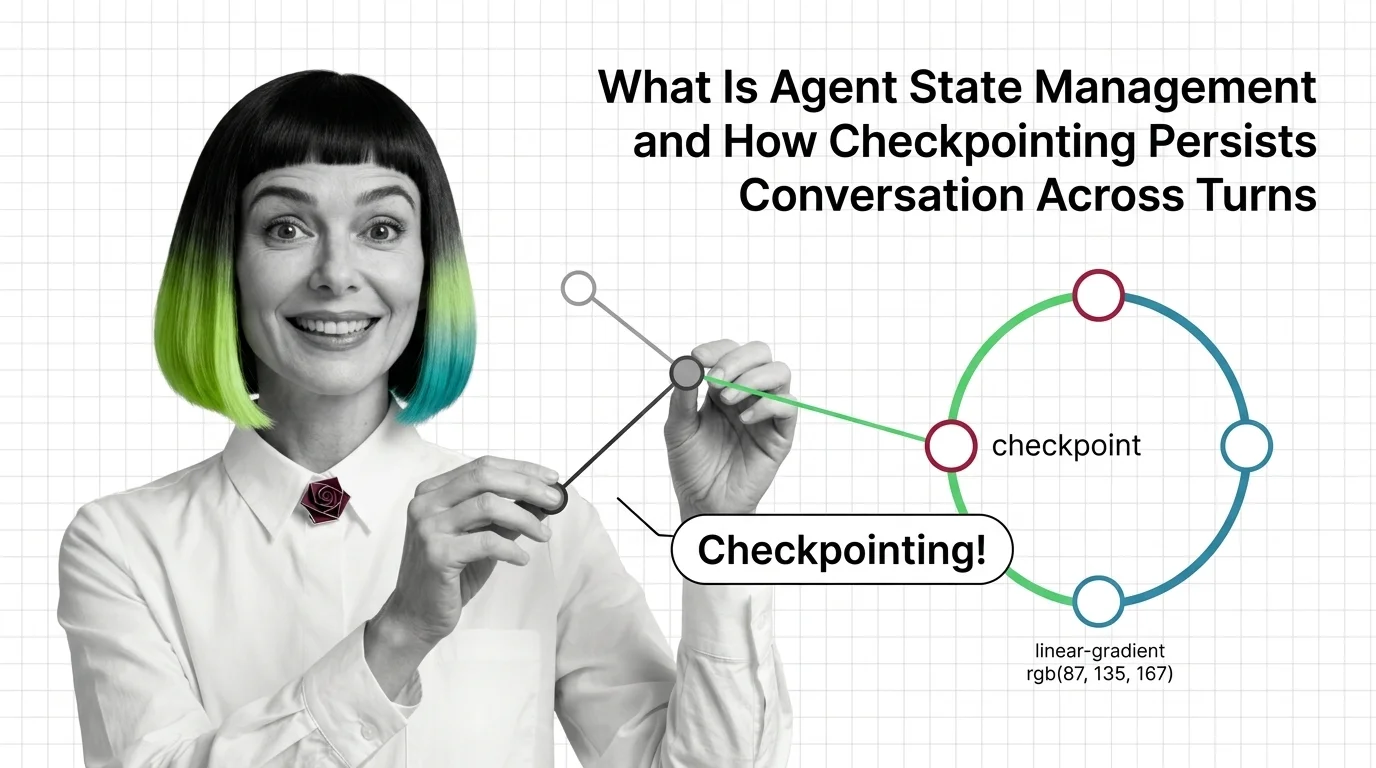
A: Usually a state problem, not a model problem: nothing persisted the execution position, so a restart or a long gap reset the loop. Checkpointing fixes that — see how checkpointing persists conversation across turns. If the agent instead forgets facts and preferences, the gap is in the memory layer.
Q: When is a plain workflow the better choice than an agent?
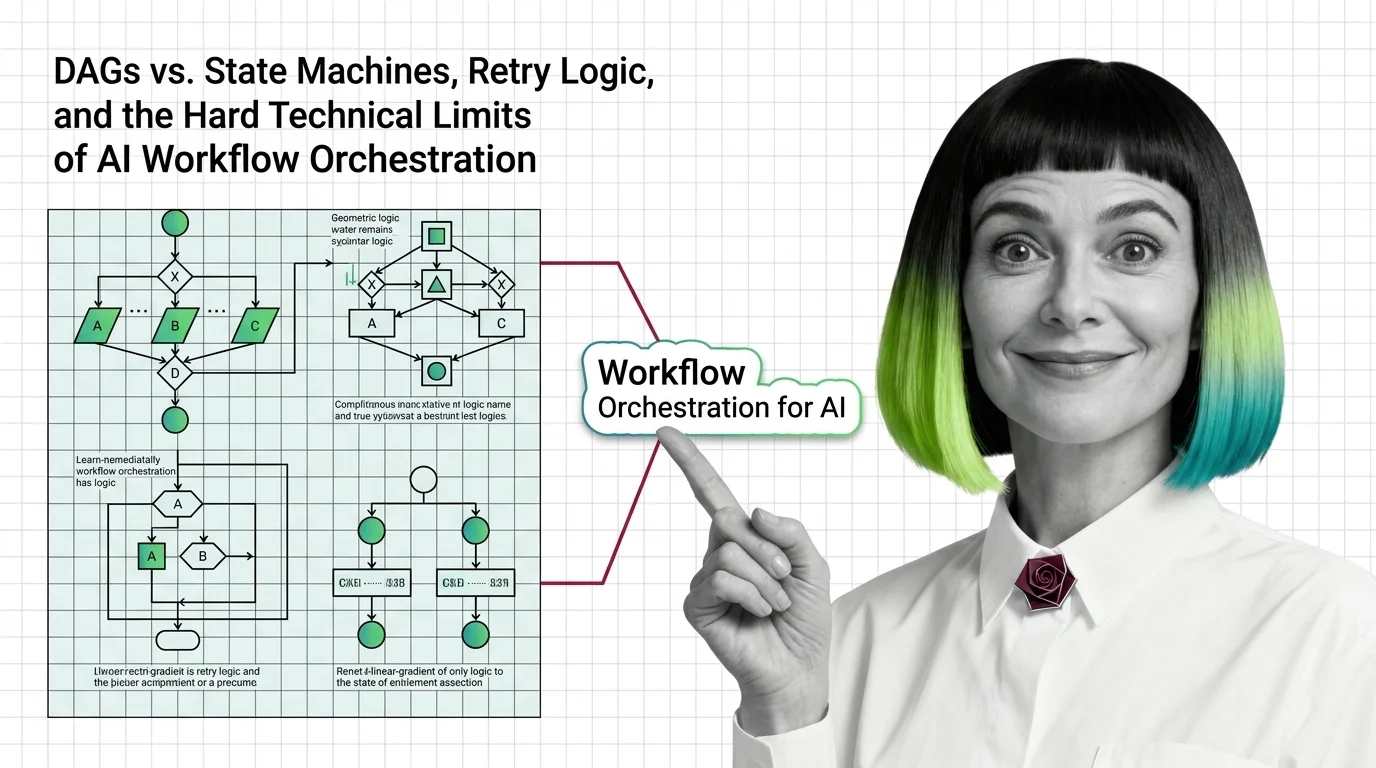
A: Whenever you can enumerate the steps in advance. A fixed pipeline is cheaper, testable, and debuggable; an agent loop earns its overhead only when the path genuinely varies per input. DAGs vs. state machines and retry logic shows how far deterministic control can take you.
Q: If an agent can already execute code, why would it need browser control?
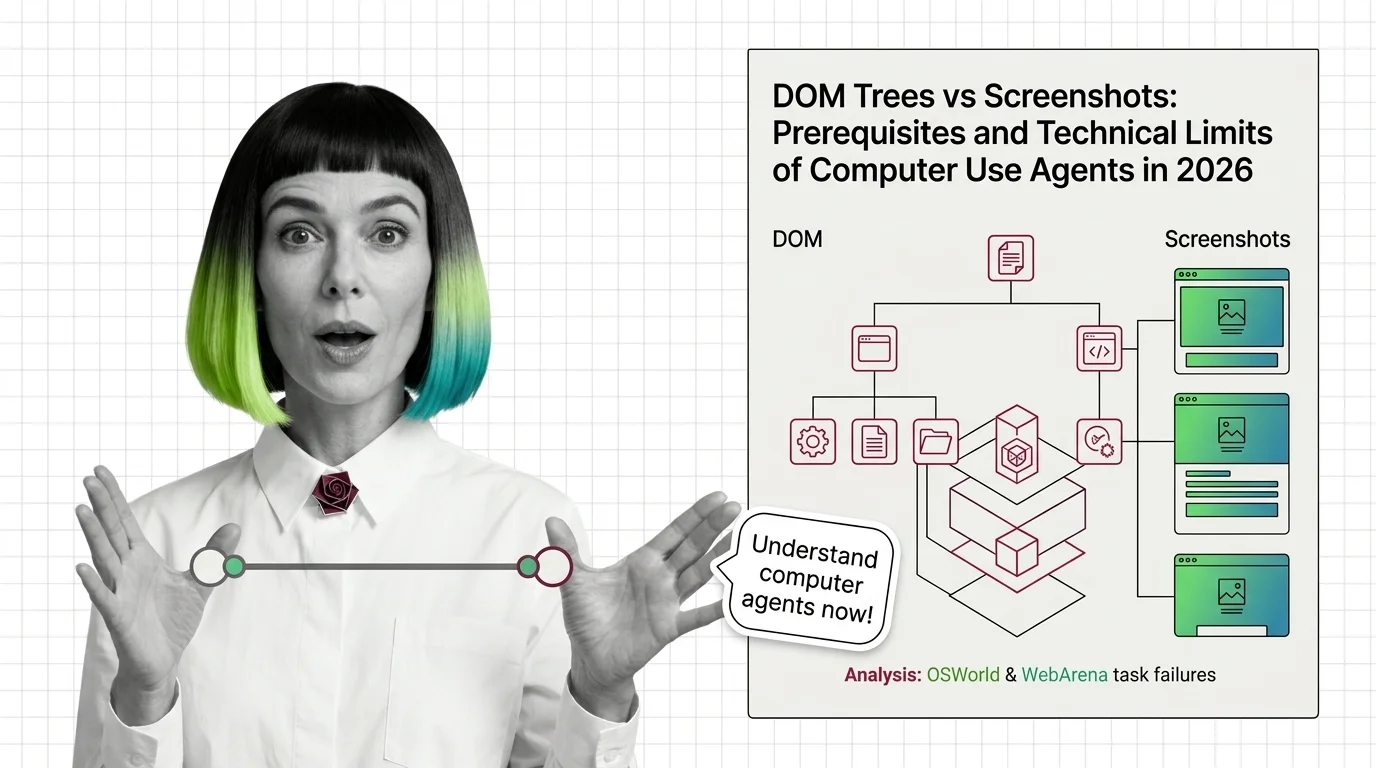
A: They act on different surfaces. Code execution works wherever an API or script exists; browser and computer use agents handle software with no programmable interface — legacy tools, web apps, forms. DOM trees vs screenshots explains what that kind of access costs in reliability.
Developer orientation
Coming from software engineering? Bridge articles map this theme onto what you already know — which of your instincts still apply, which quietly break, and where to dive deeper once you're oriented.
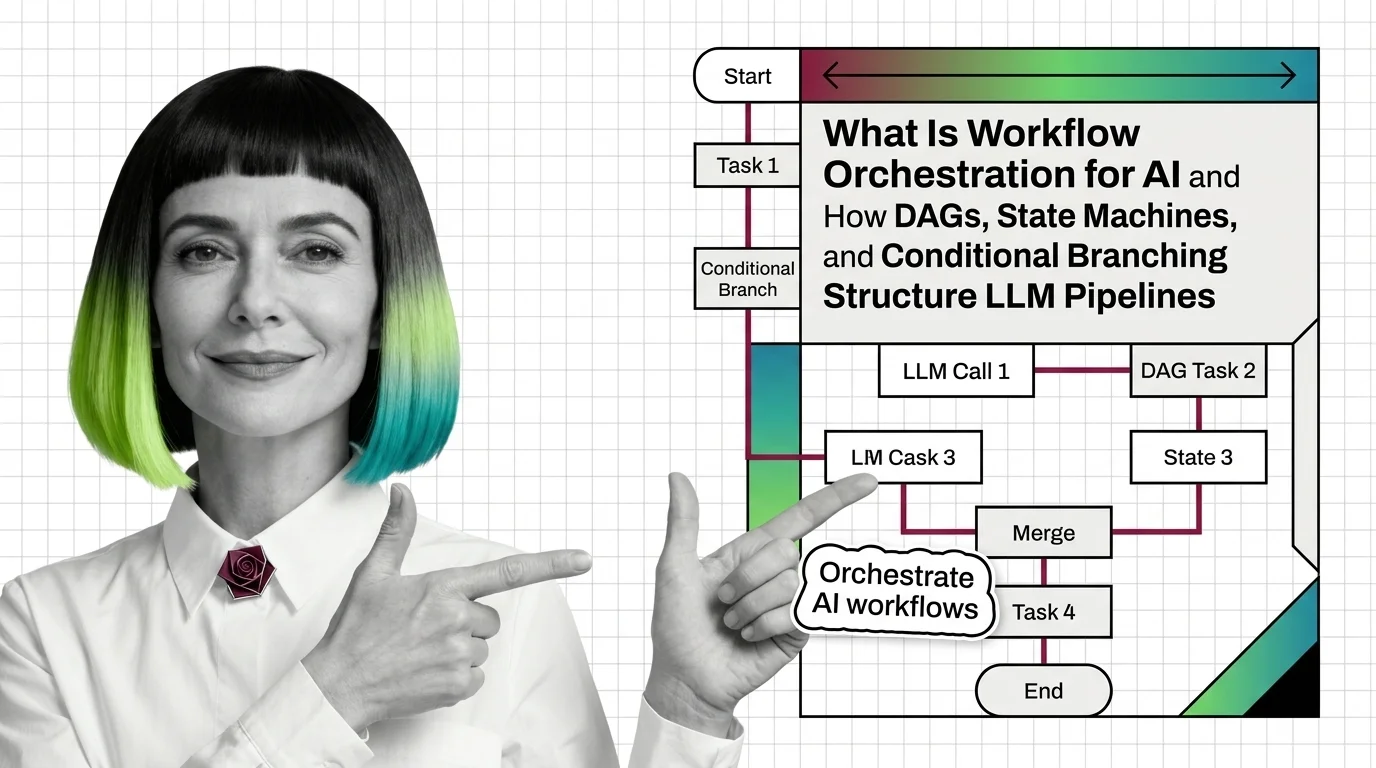
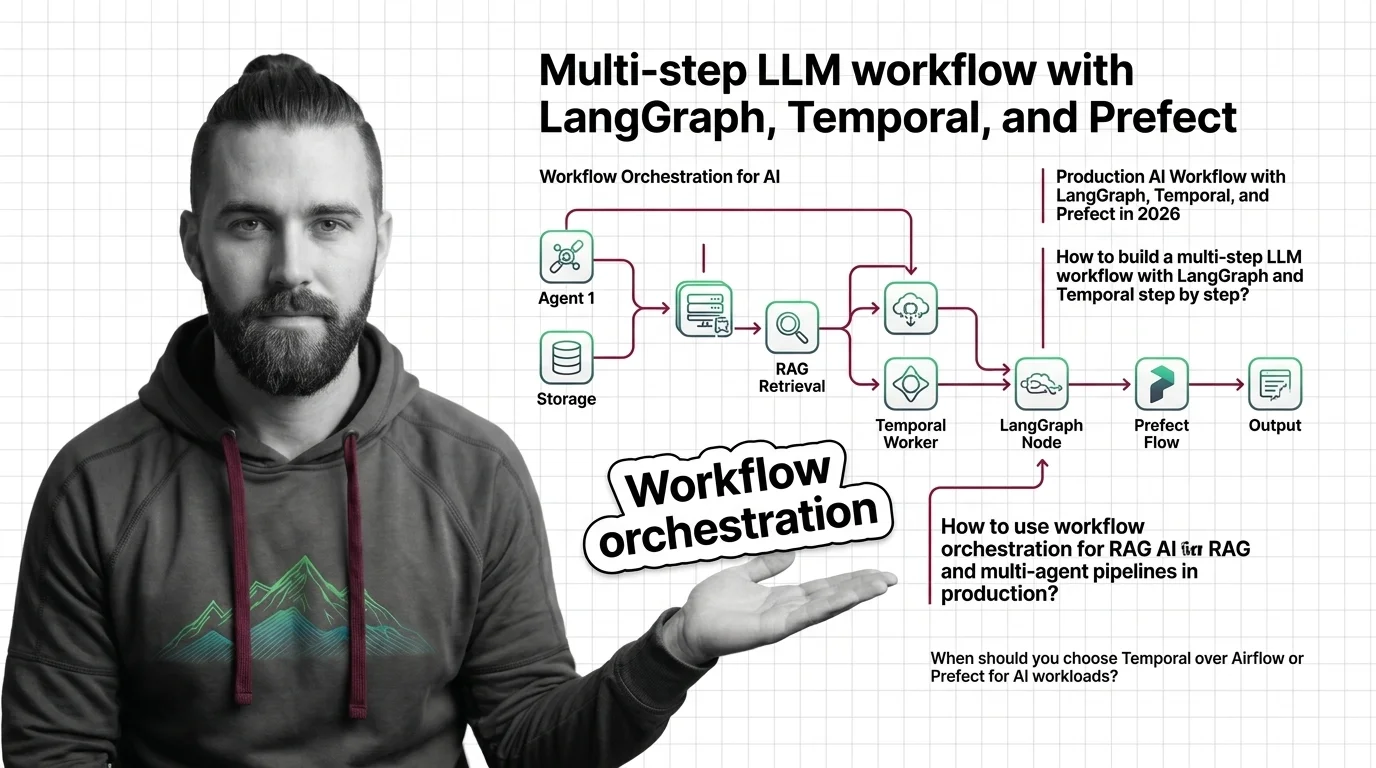
Workflow orchestration for AI coordinates LLM pipelines through DAGs, graph state machines, and event-driven step graphs over a durable execution layer.
Workflow orchestration for AI splits into DAGs (Airflow, Prefect) and state machines (Temporal, LangGraph). Step Functions Standard caps at 25,000 events.
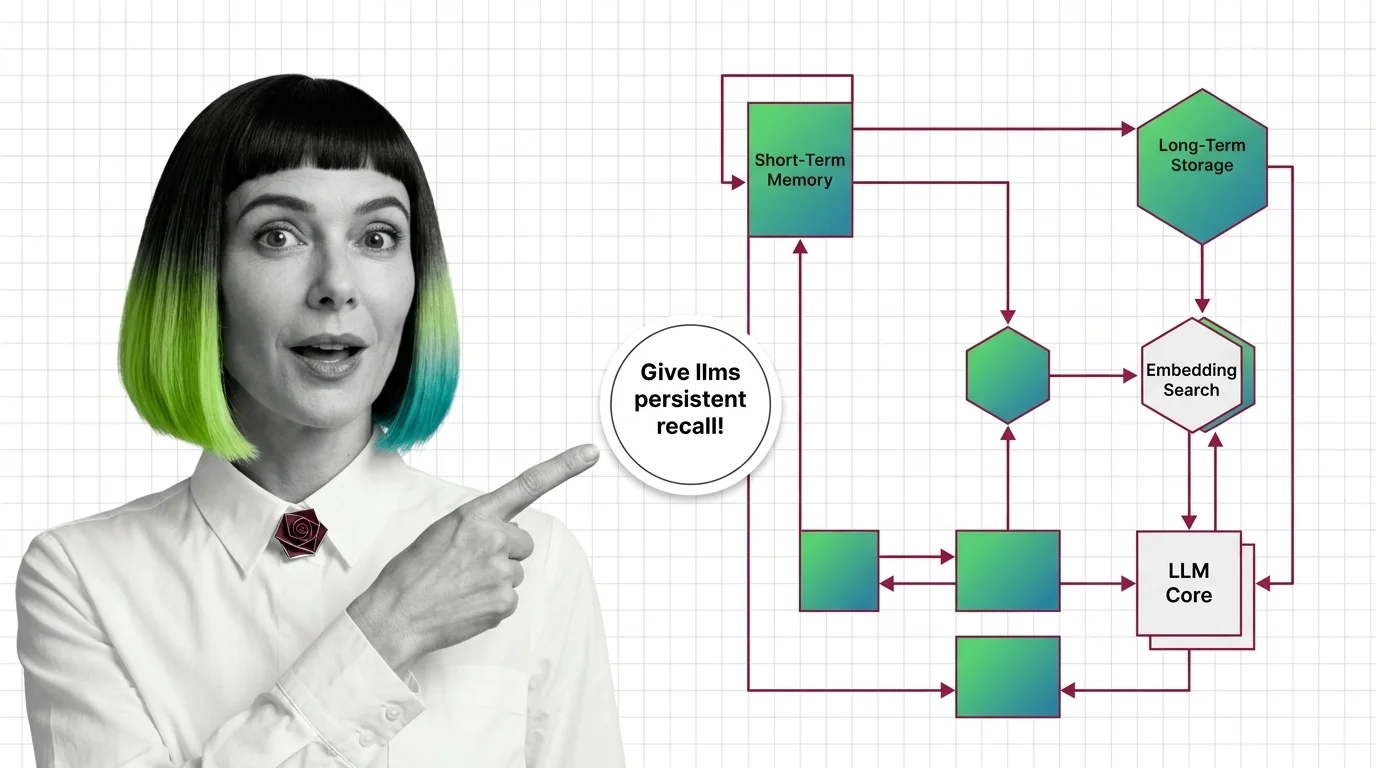
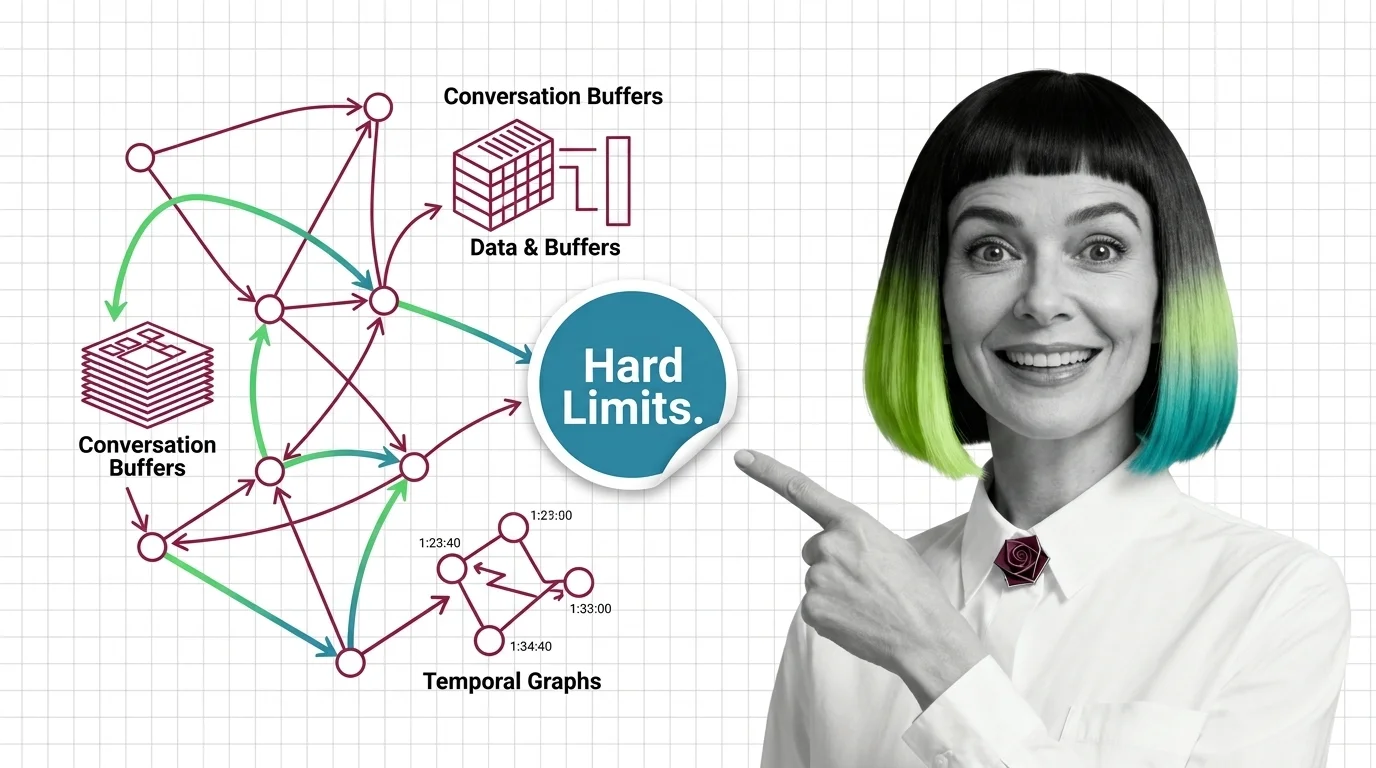
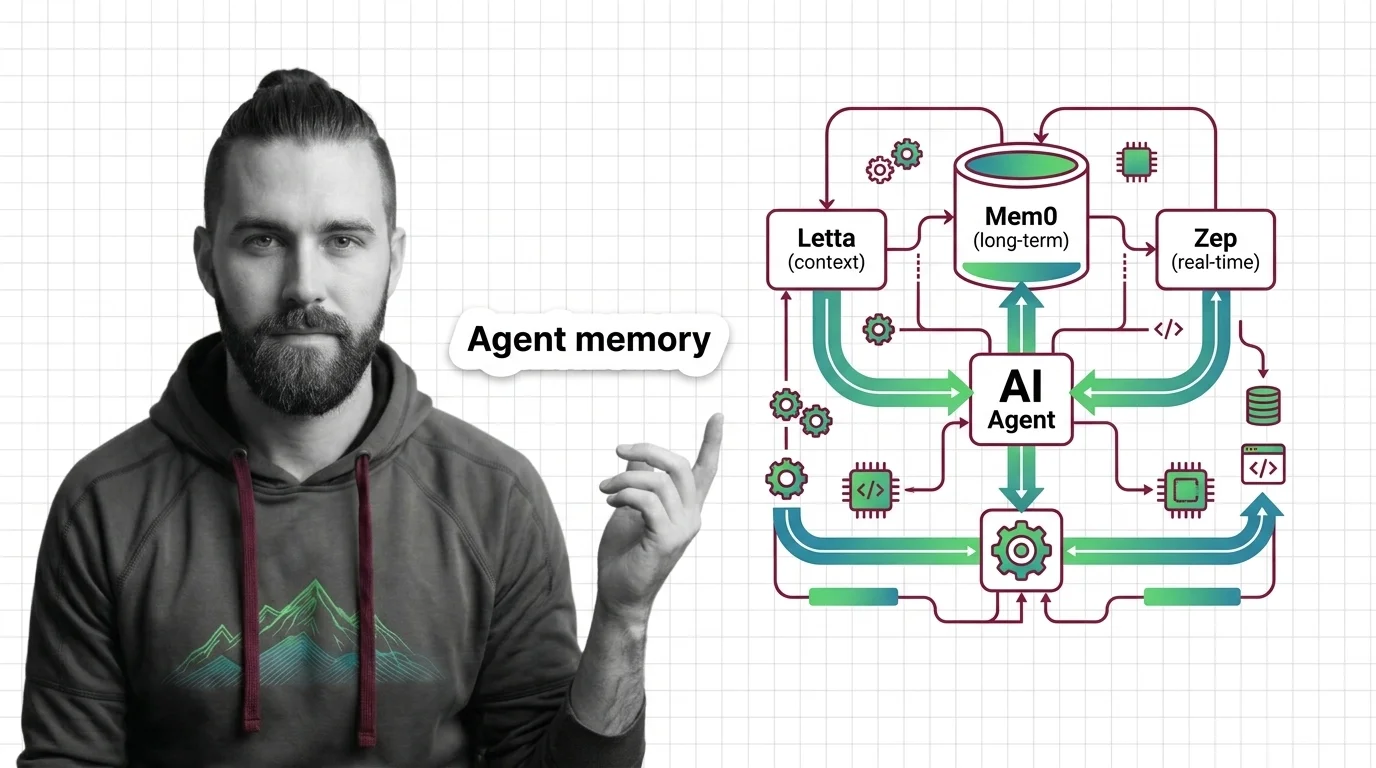
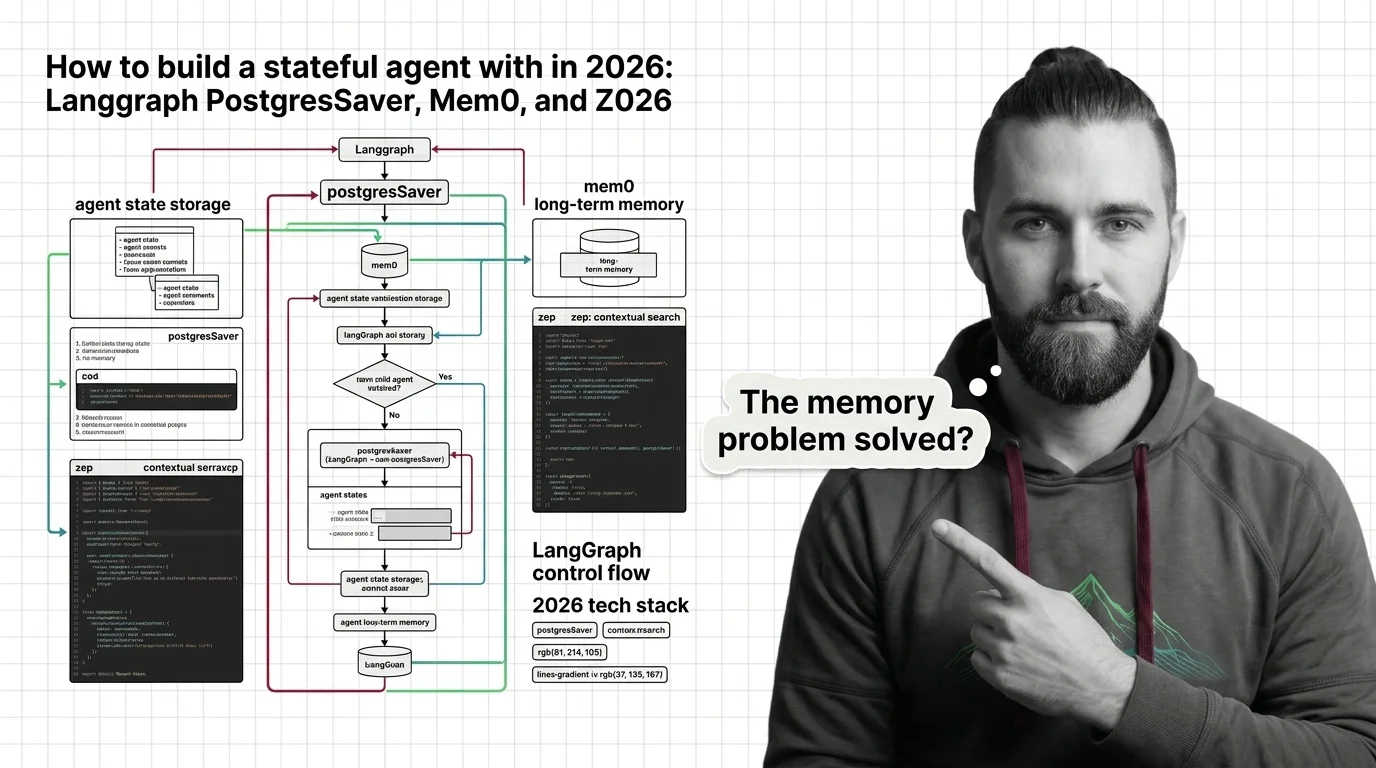
Agent memory systems give LLMs persistent recall across sessions. Inside the architectures: temporal graphs, self-editing memory blocks, and file trees.
Agent memory isn't a bigger context window. Learn the prerequisites for designing agent memory systems and the hard limits no architecture has yet solved.
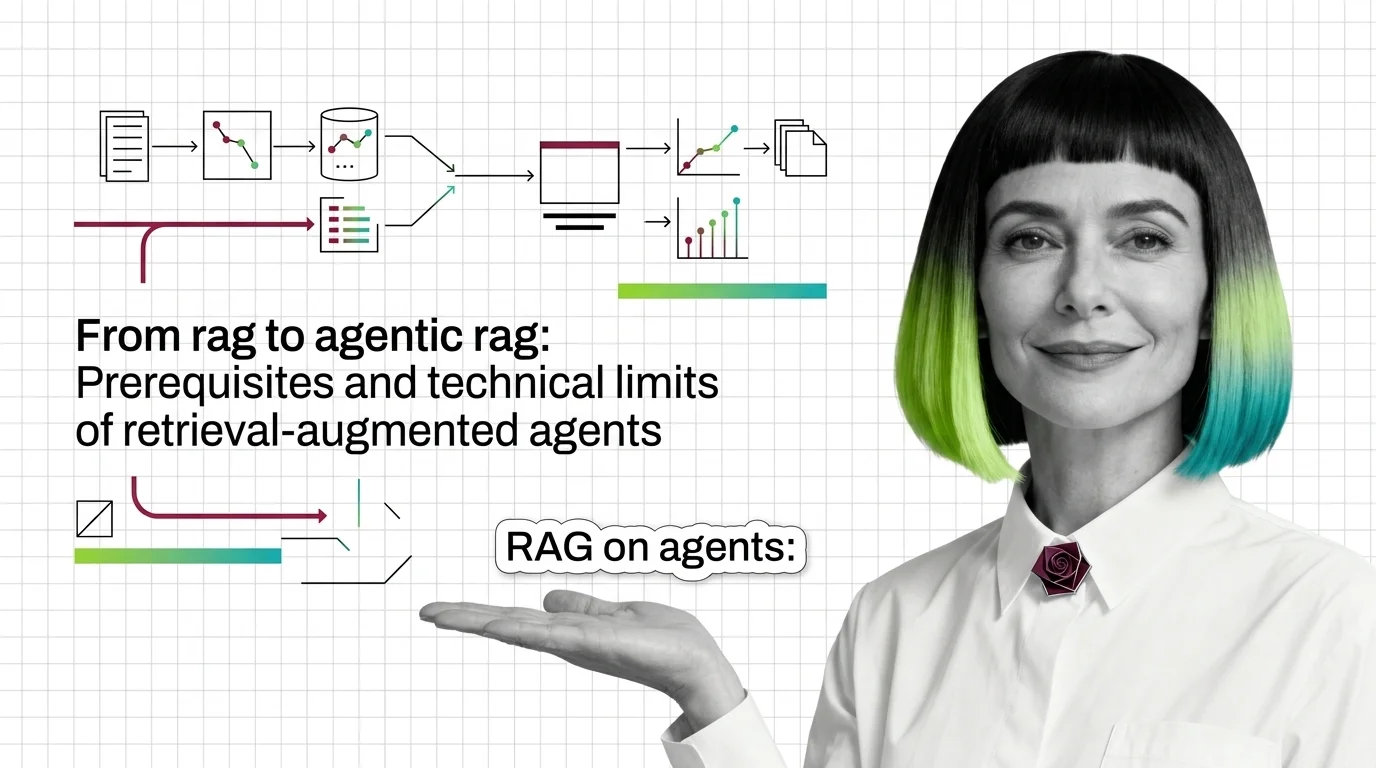
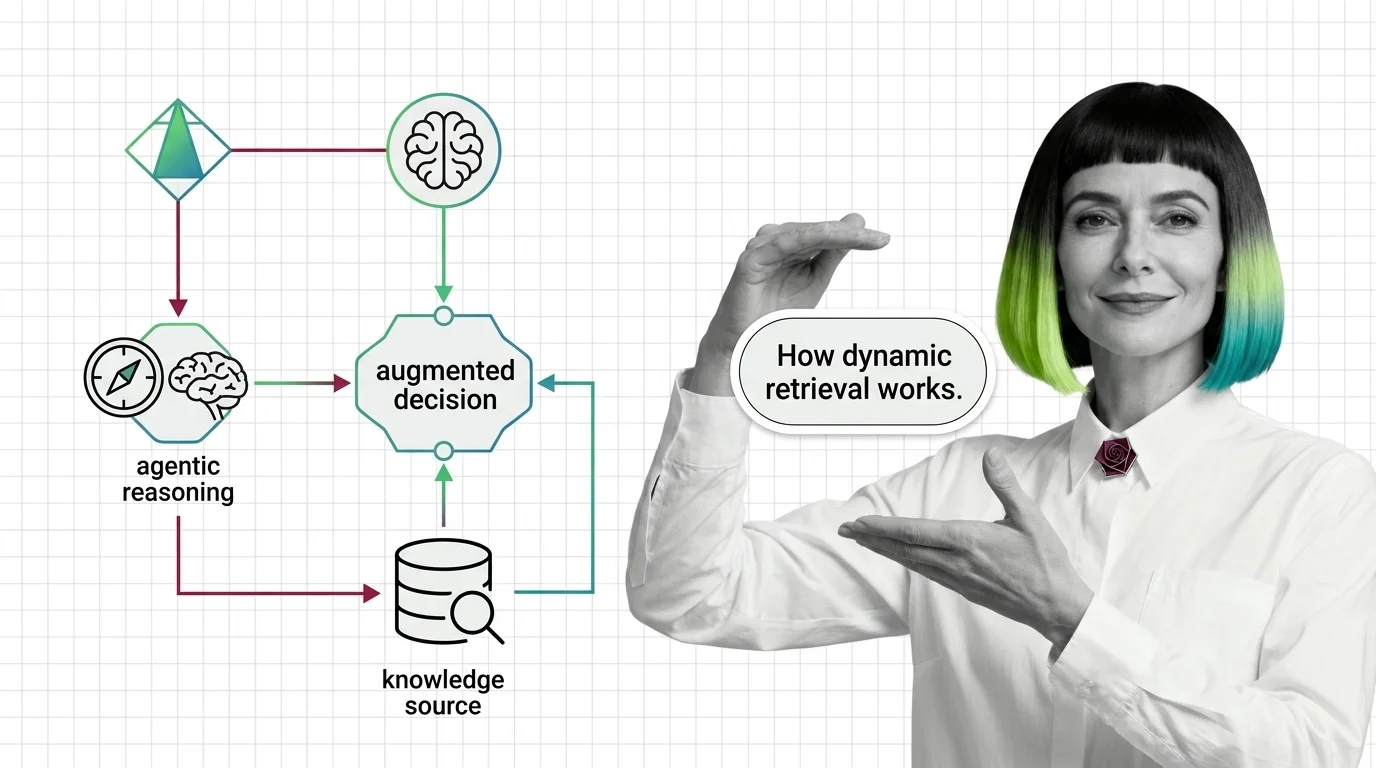
Retrieval-augmented agents let the LLM decide when, what, and how often to retrieve — turning RAG from a fixed pipeline stage into a tool the agent calls.
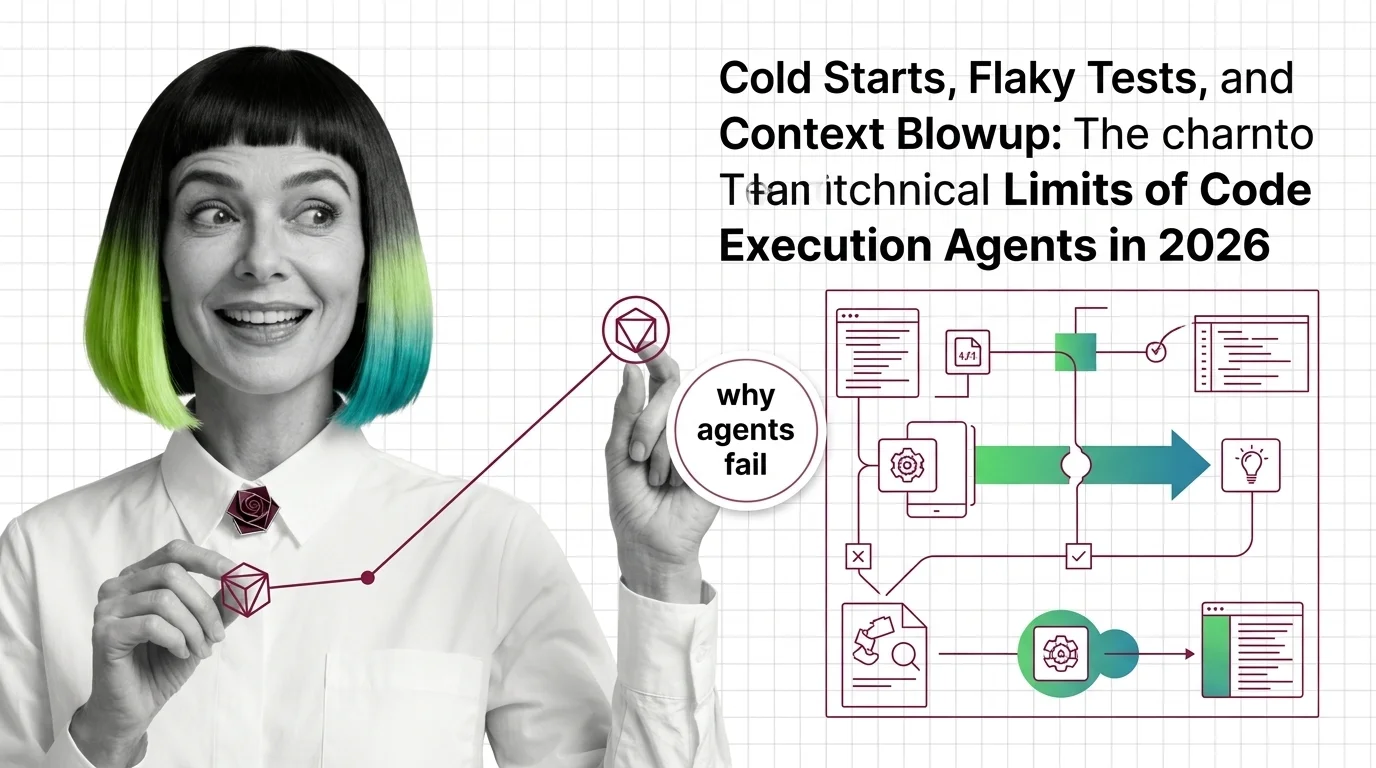
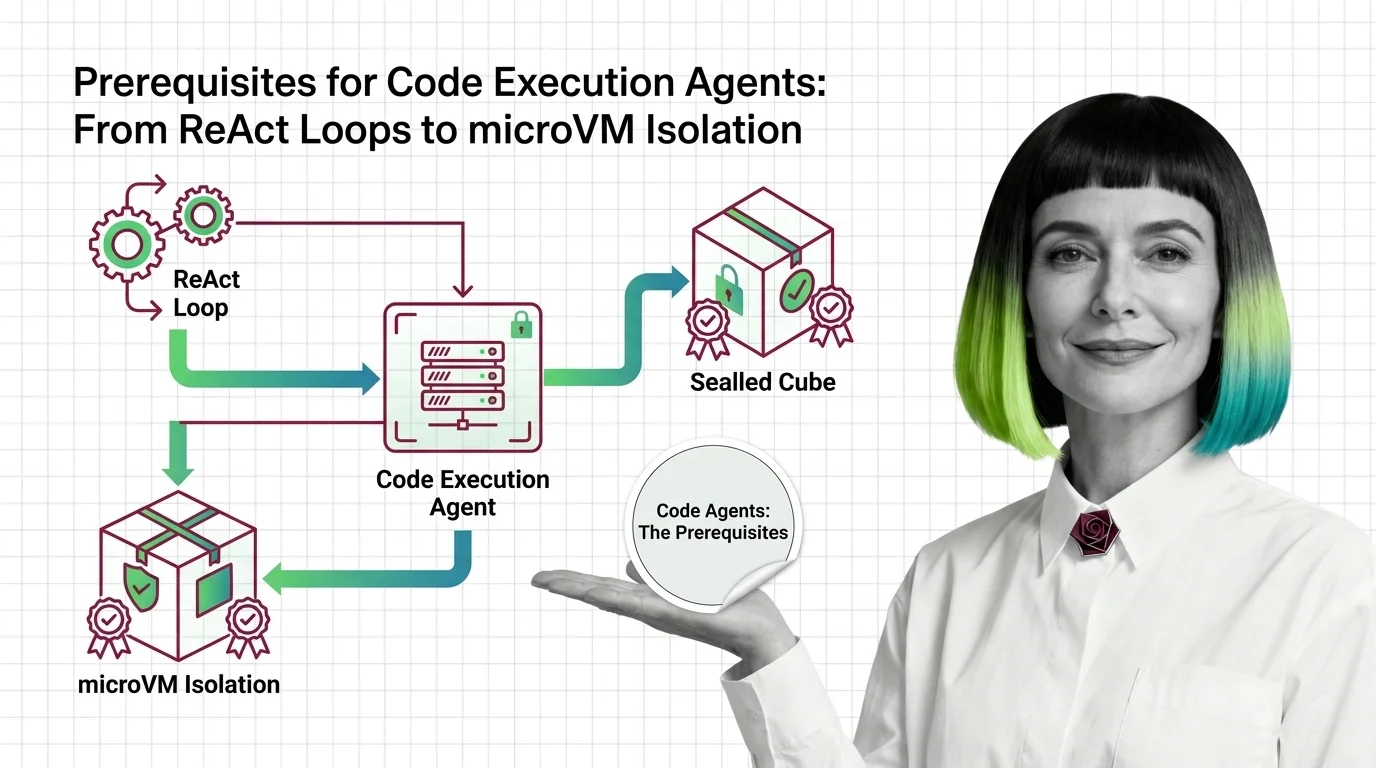
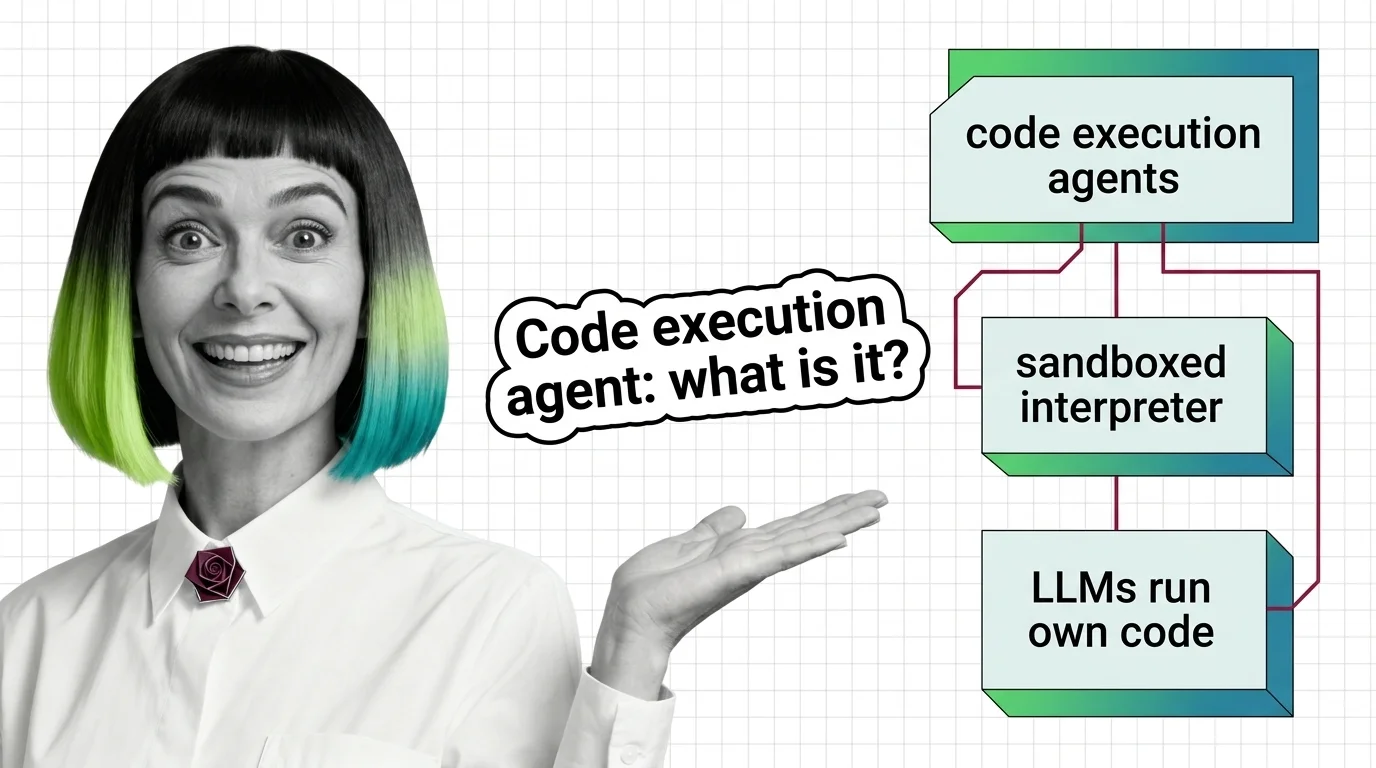
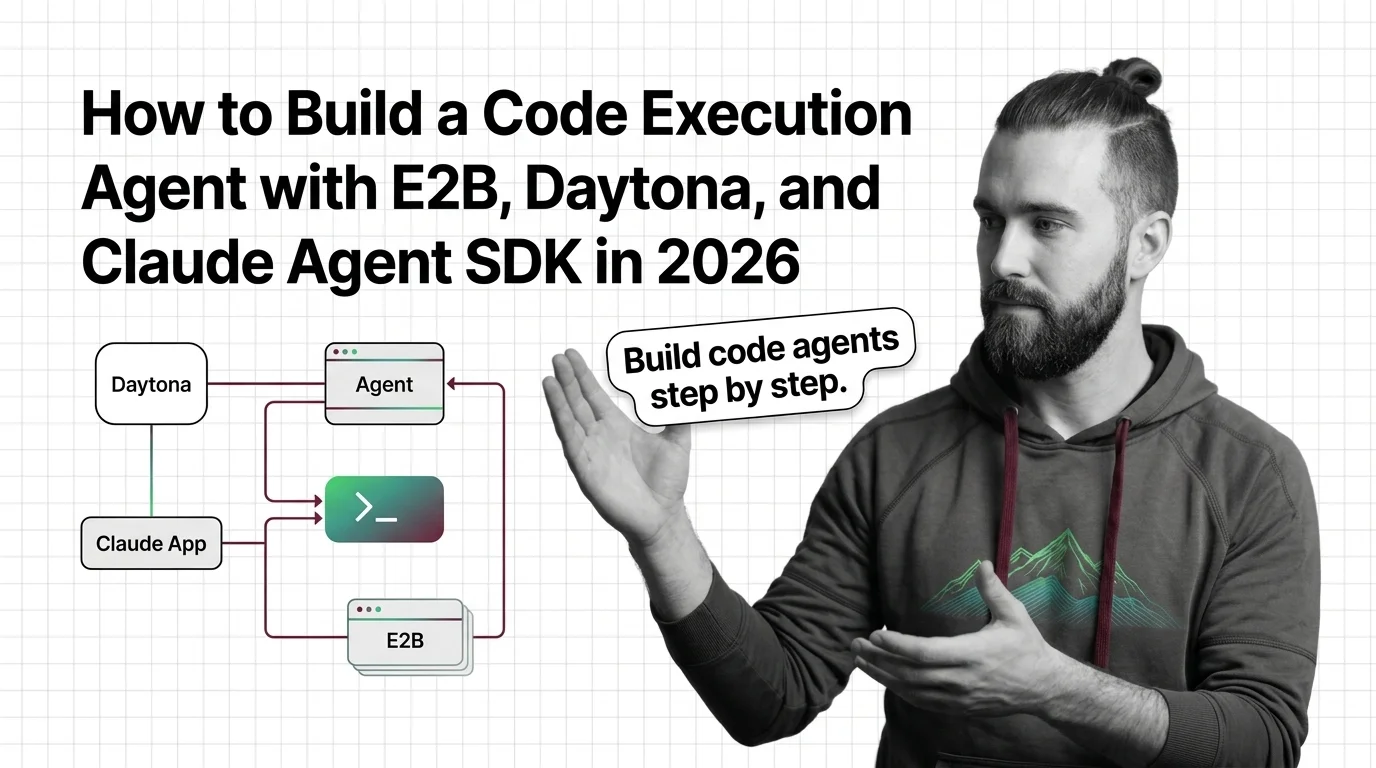
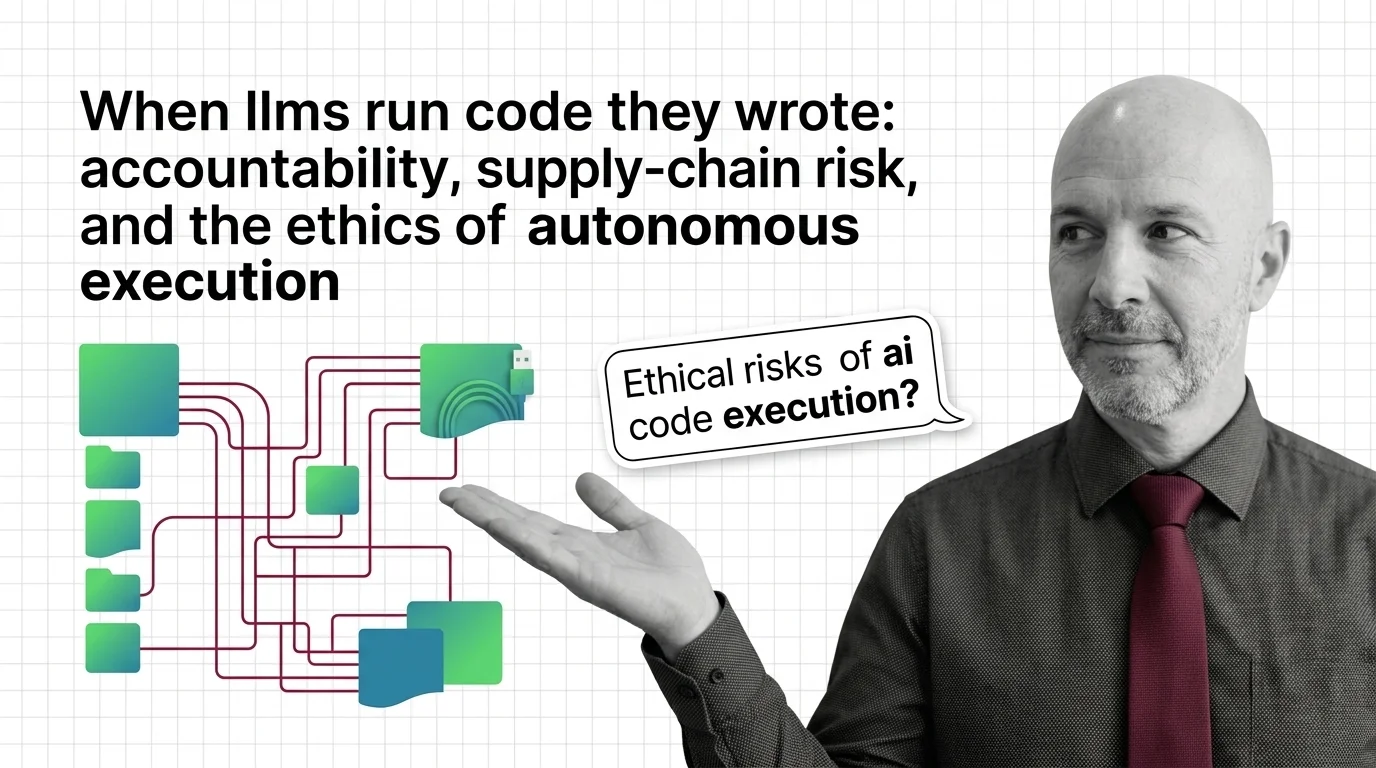
Code execution agents fail at three limits in 2026: sandbox cold-start vs isolation, flaky benchmark tests, and context collapse on long-horizon tasks.
Code execution agents are LLMs that write and run Python inside sandboxed containers. CodeAct showed up to 20% higher task success than JSON tool calling.
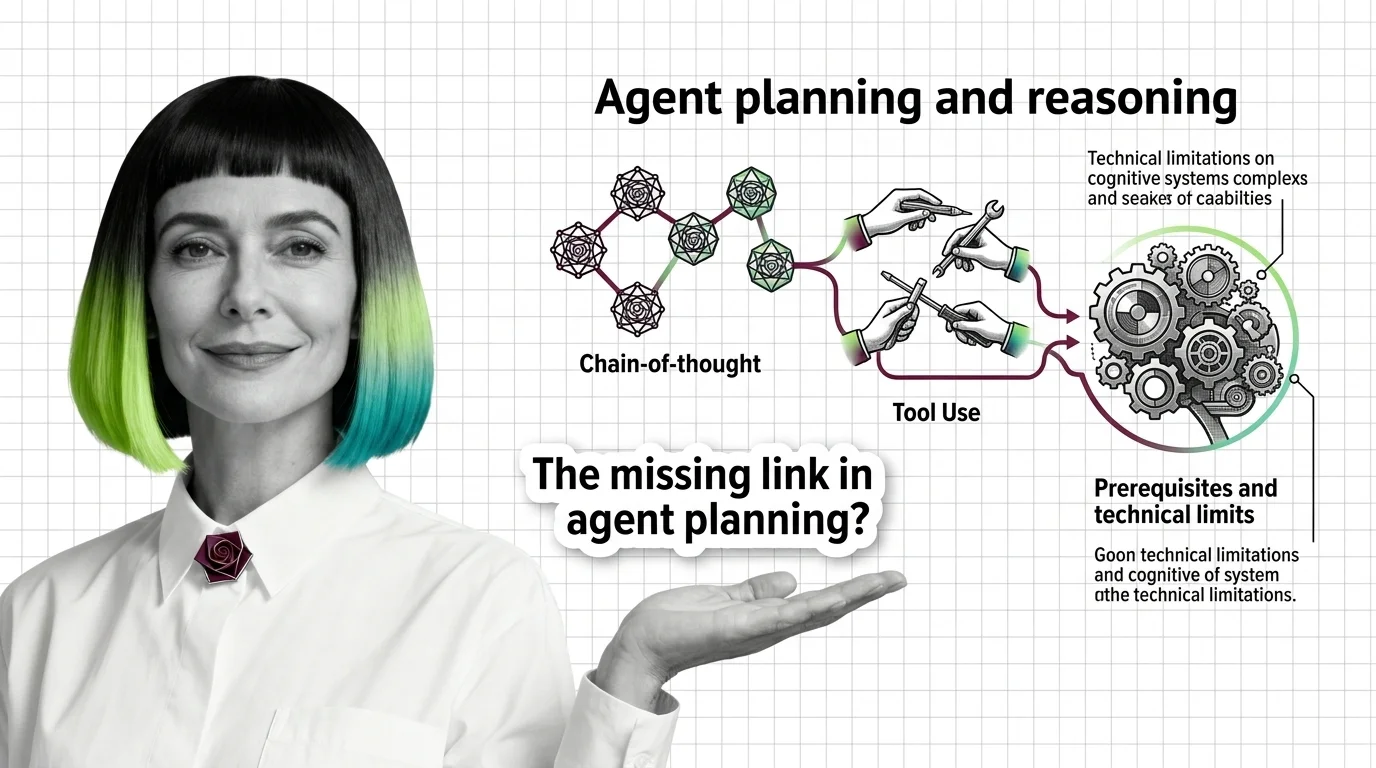
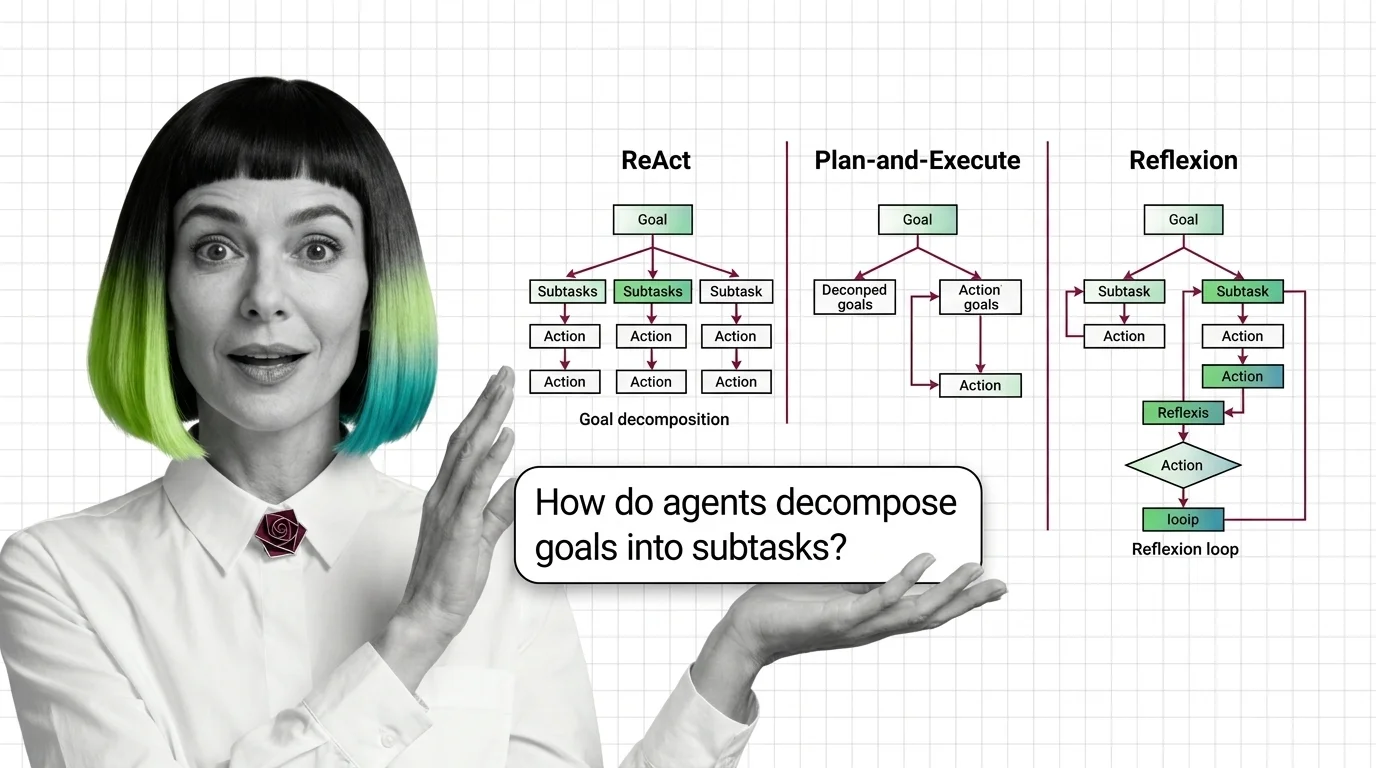
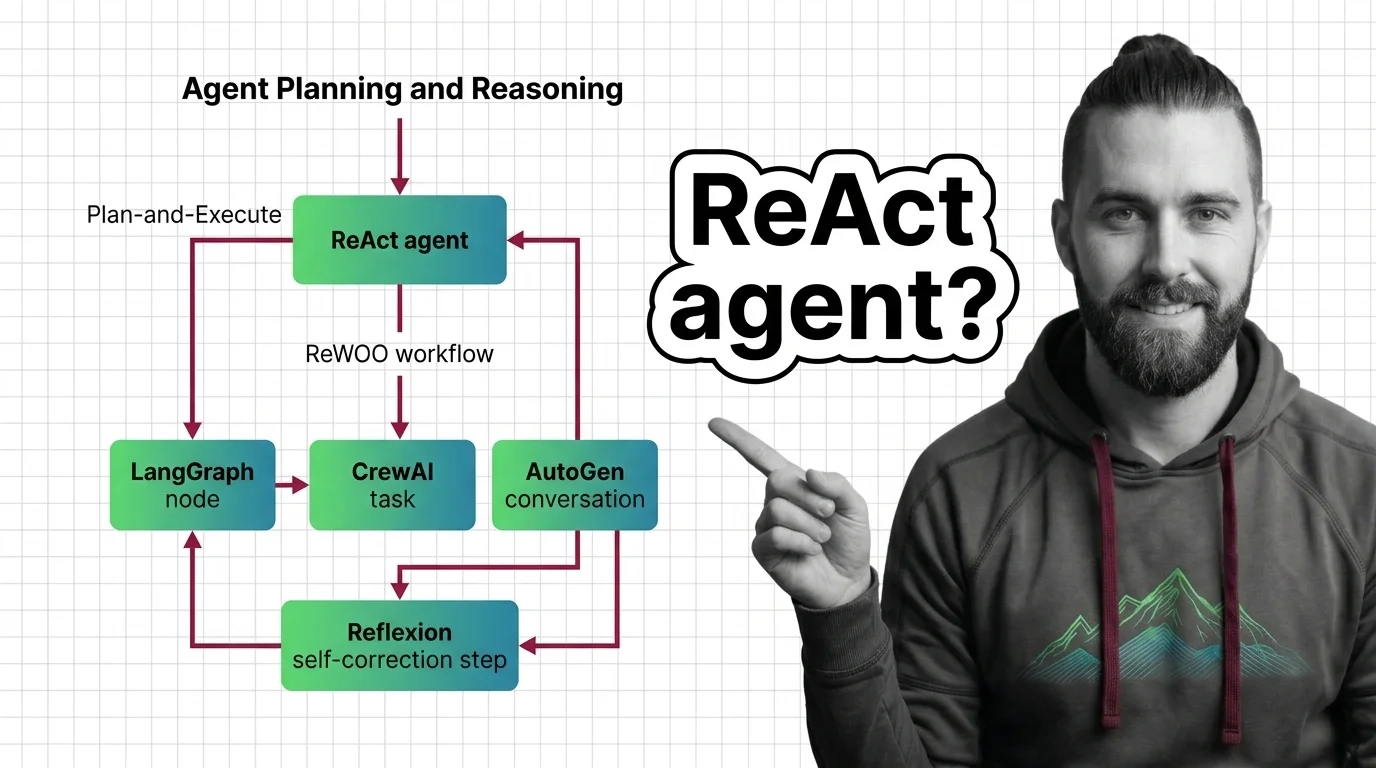
Agent planning rests on three primitives — chain-of-thought, tool use, and the ReAct loop. Learn the prerequisites and where each named pattern's ceiling lives.
Before multi-agent systems, master tool use, the ReAct loop, and memory. Then face the limits: context blow-up, error compounding, coordination overhead.
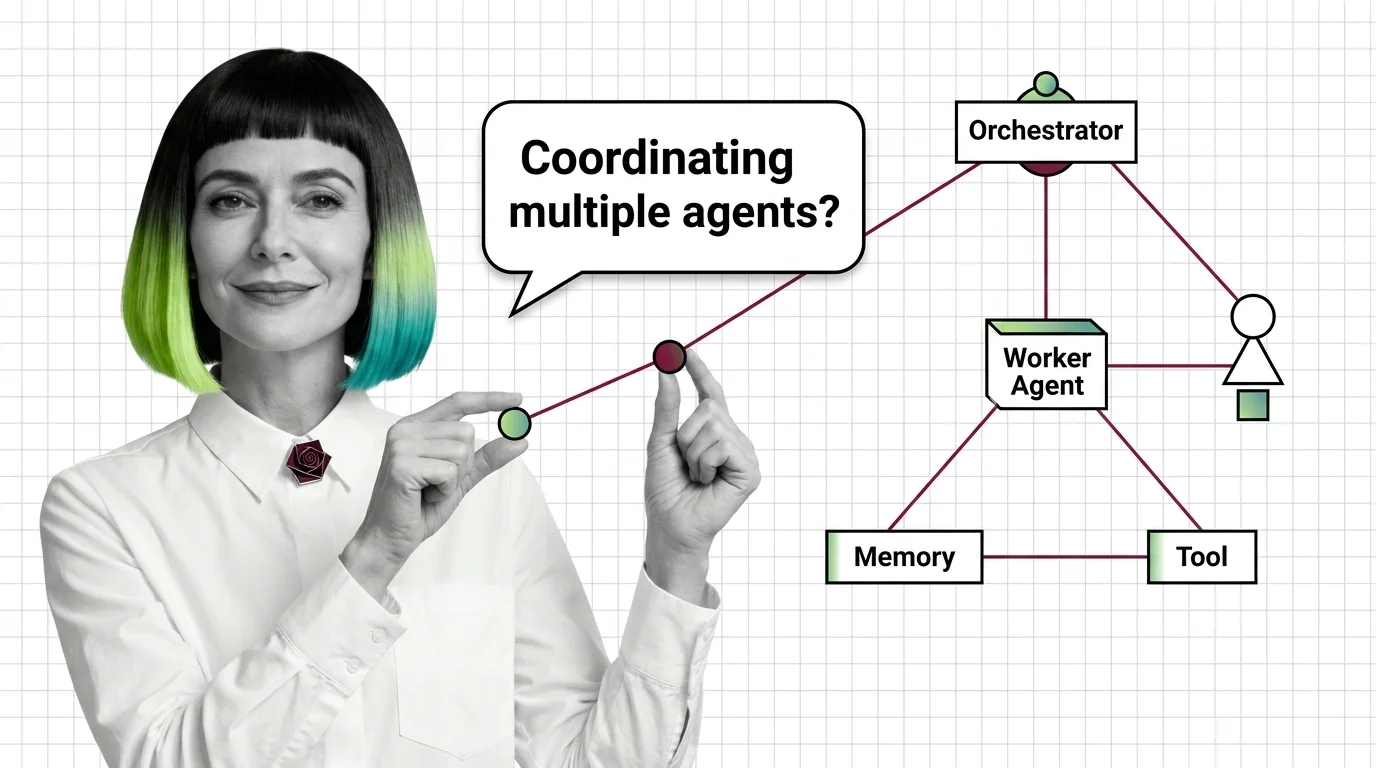
Multi-agent systems coordinate specialized AI agents through supervisor, debate, or swarm patterns. Here is how each architecture works under the hood.
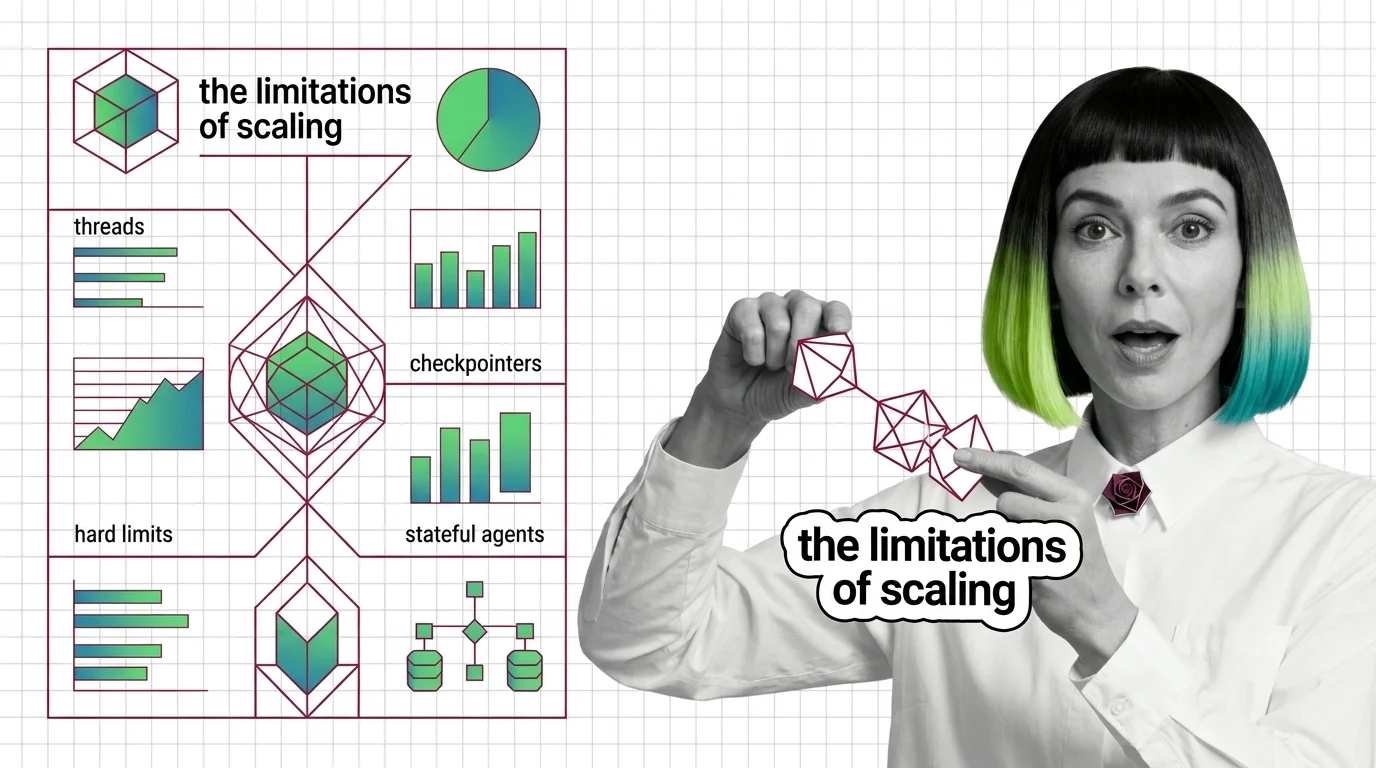
Agent state is not memory — it is plumbing that replays snapshots between steps. Mona explains threads, checkpointers, and where stateful agents break.
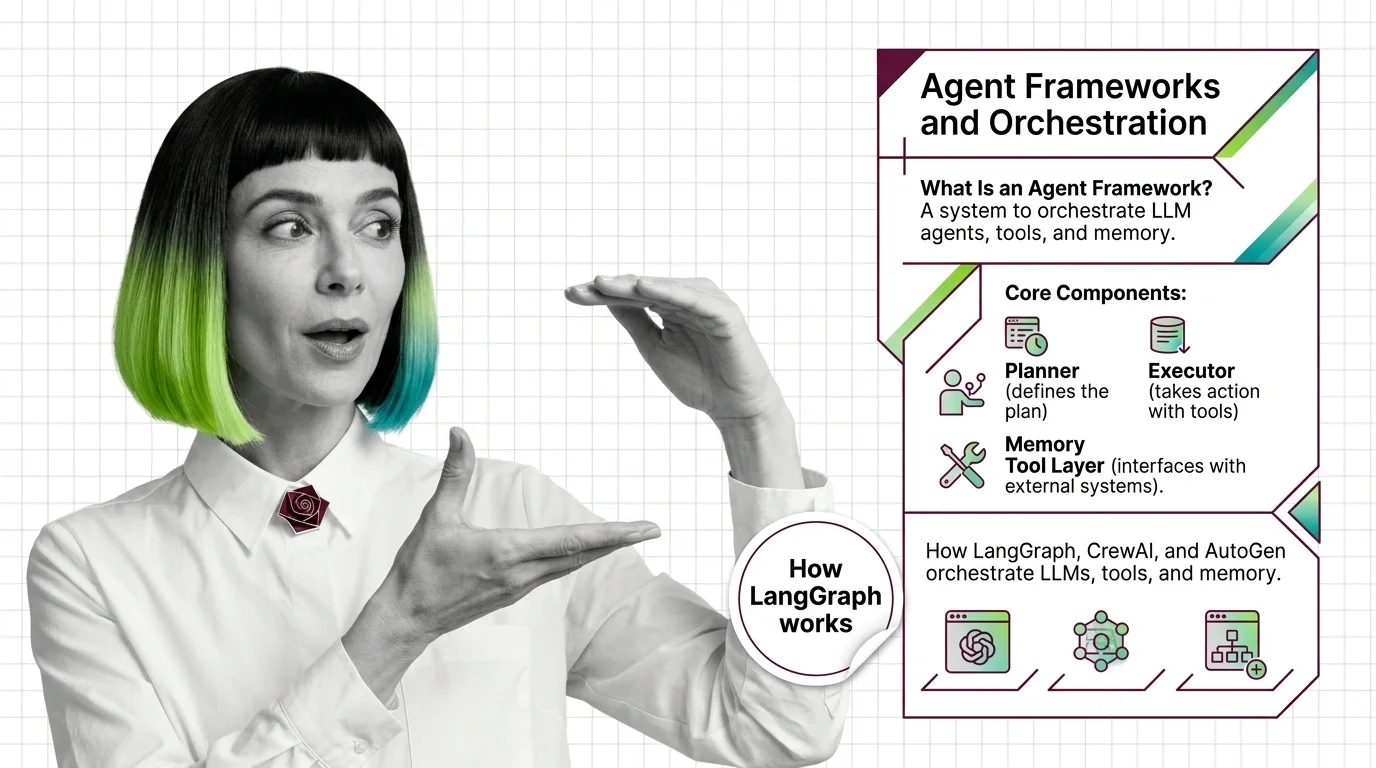
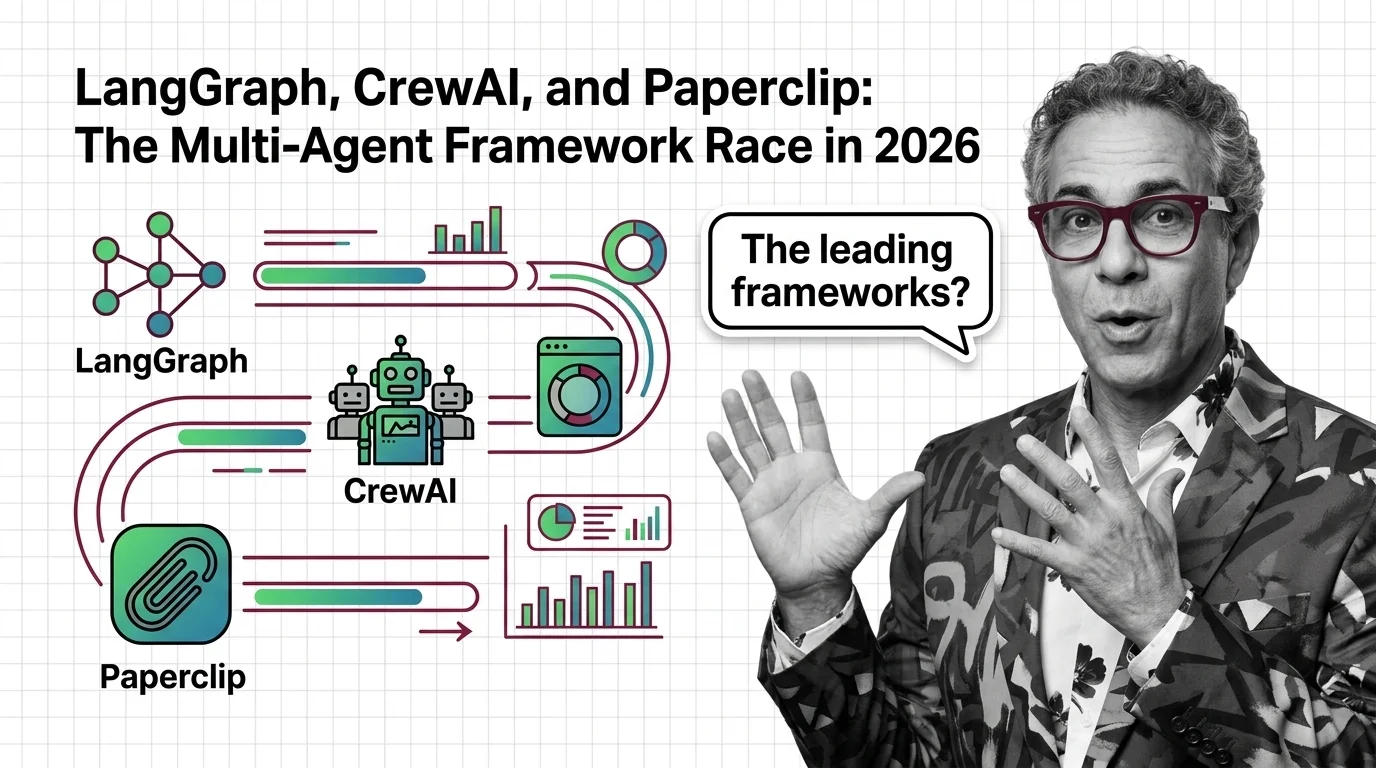
Agent frameworks orchestrate LLM calls, tools, and memory — but each one bets on a different abstraction. Learn what LangGraph, CrewAI, and AutoGen actually do.
Spec a persistent memory layer for AI agents with Mem0, Letta, or Zep. A four-step decomposition for choosing the stack and wiring it correctly in 2026.
An agent returns the wrong answer and every step logged success. Why an agent run debugs like a distributed trace, not a stack trace — and where your on-call instincts stop predicting.
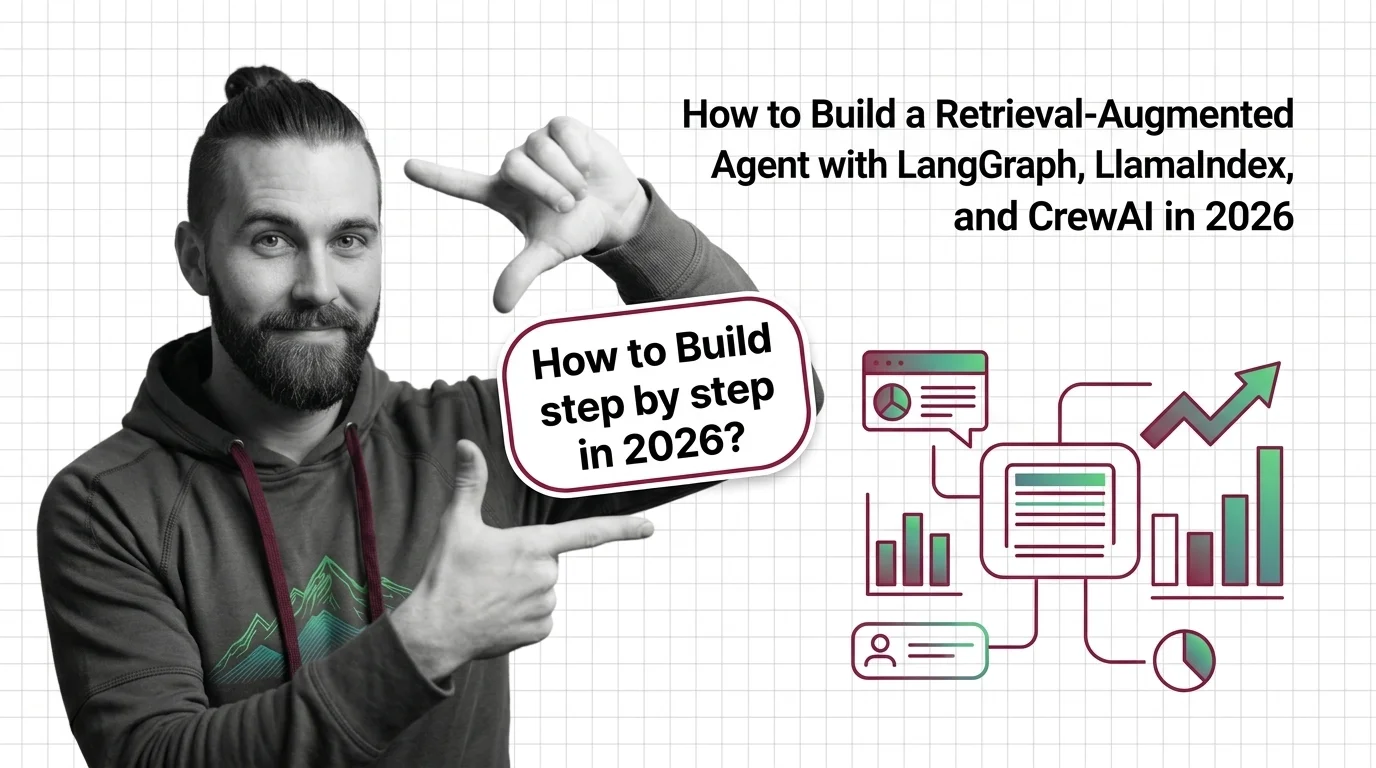
Build production retrieval-augmented agents by composing LangGraph for control flow, LlamaIndex for document retrieval, and CrewAI for role orchestration.
A code execution agent has three layers: Claude Agent SDK, a tool wrapper, and a sandbox like E2B or Daytona. The built-in Bash tool runs on your host.
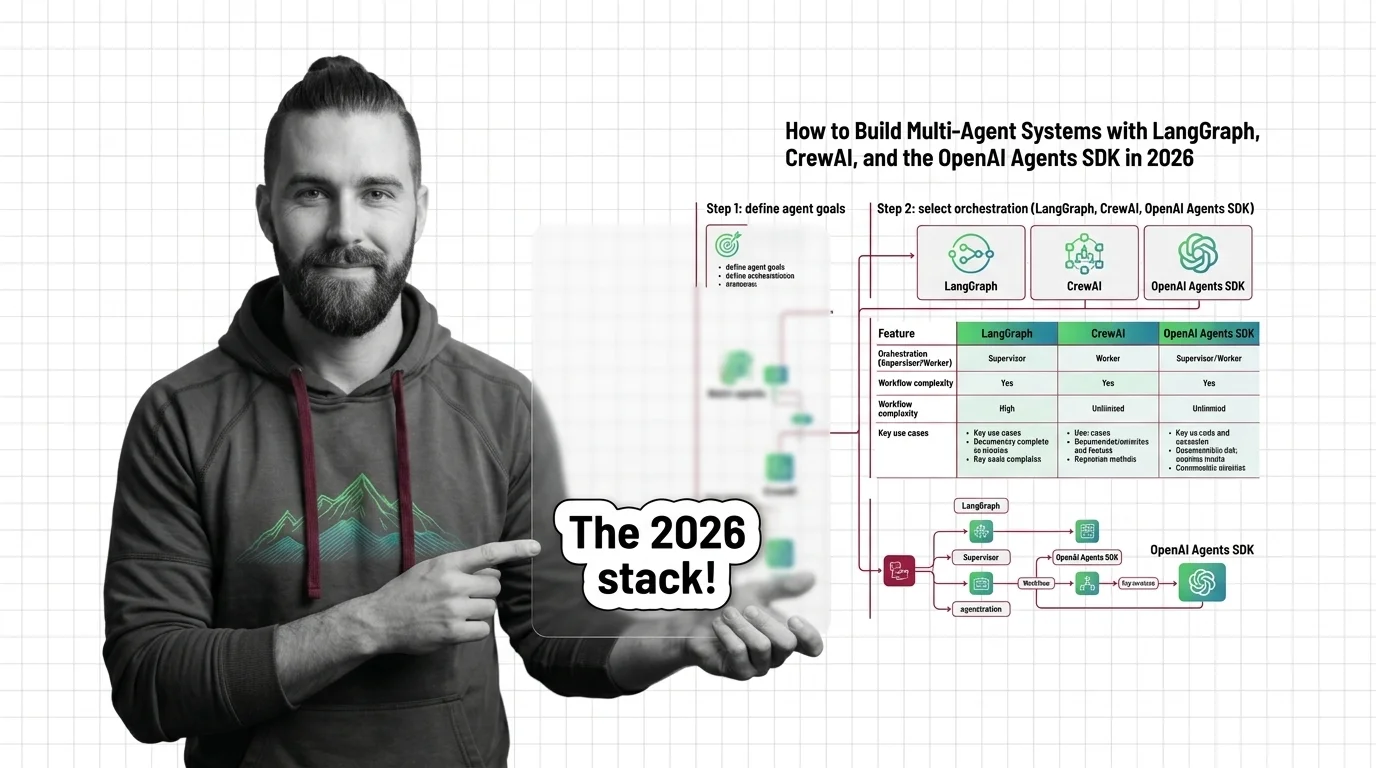
A specification-first guide to building multi-agent systems in 2026. Learn when to pick LangGraph, CrewAI, OpenAI Agents SDK, or Microsoft Agent Framework.
Planning agents fail when frameworks come before patterns. Match ReAct, Plan-and-Execute, Reflexion, or ReWOO to your task, then build on LangGraph or CrewAI.
You wrap an internal service as an agent tool, the schema validates every call, and the agent still fires it at the wrong time. Why schema stopped meaning correct — and what the contract is now.
Choosing between LangGraph, CrewAI, AutoGen, or LlamaIndex Workflows in 2026? Decompose your agent system, match framework strengths to constraints, then build.
DAN tracks how this domain is evolving — which models, techniques, and benchmarks are reshaping 2026.
LangGraph 1.0, LlamaIndex Workflows, and Vectara are converging on the same agentic RAG primitives: durable state, sub-agents, MCP tools, grounding guards.
Code execution agents diverge by ~17 points on identical base models. Scaffolding — not the LLM — now decides which agent ships production code in 2026.
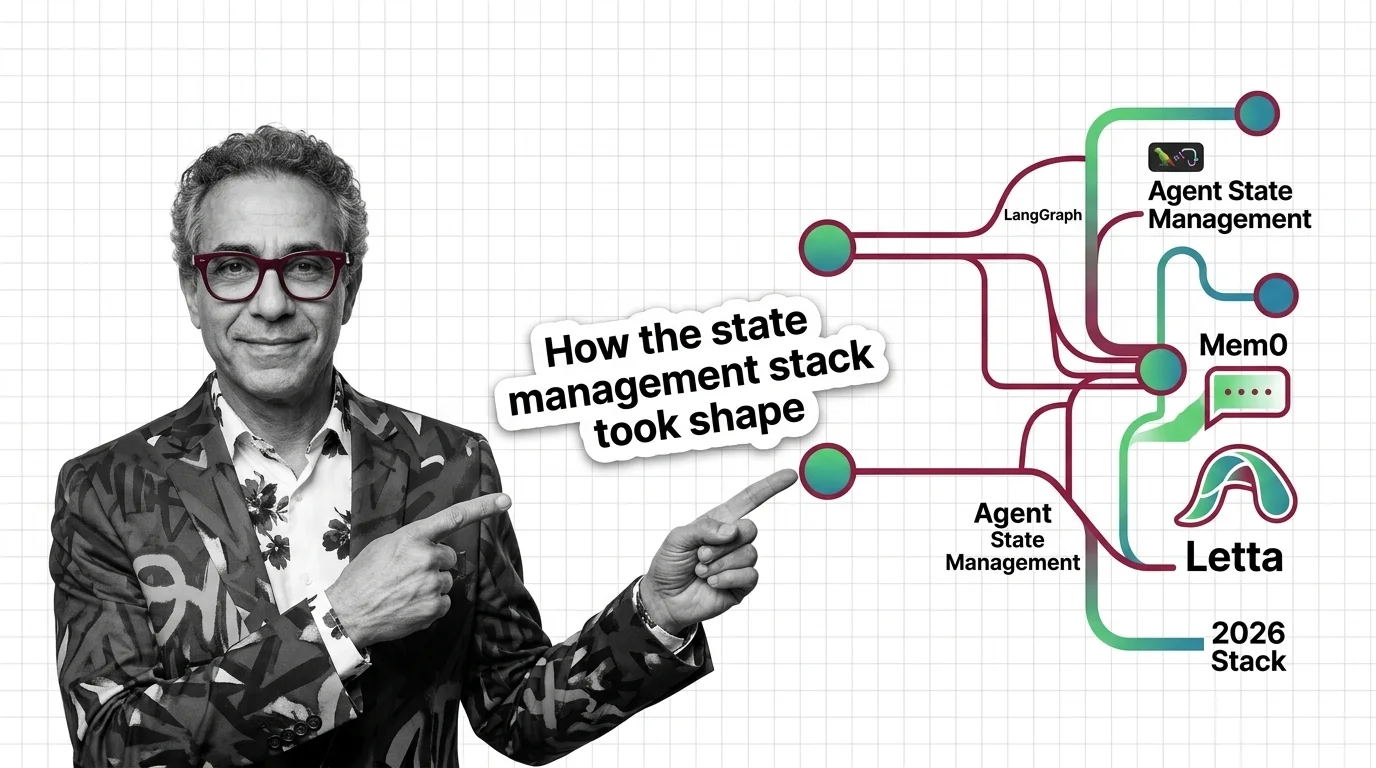
Agent state management split in 2026 into two layers — LangGraph checkpointing for thread state, Mem0 or Letta for cross-session memory. Here's the new stack.
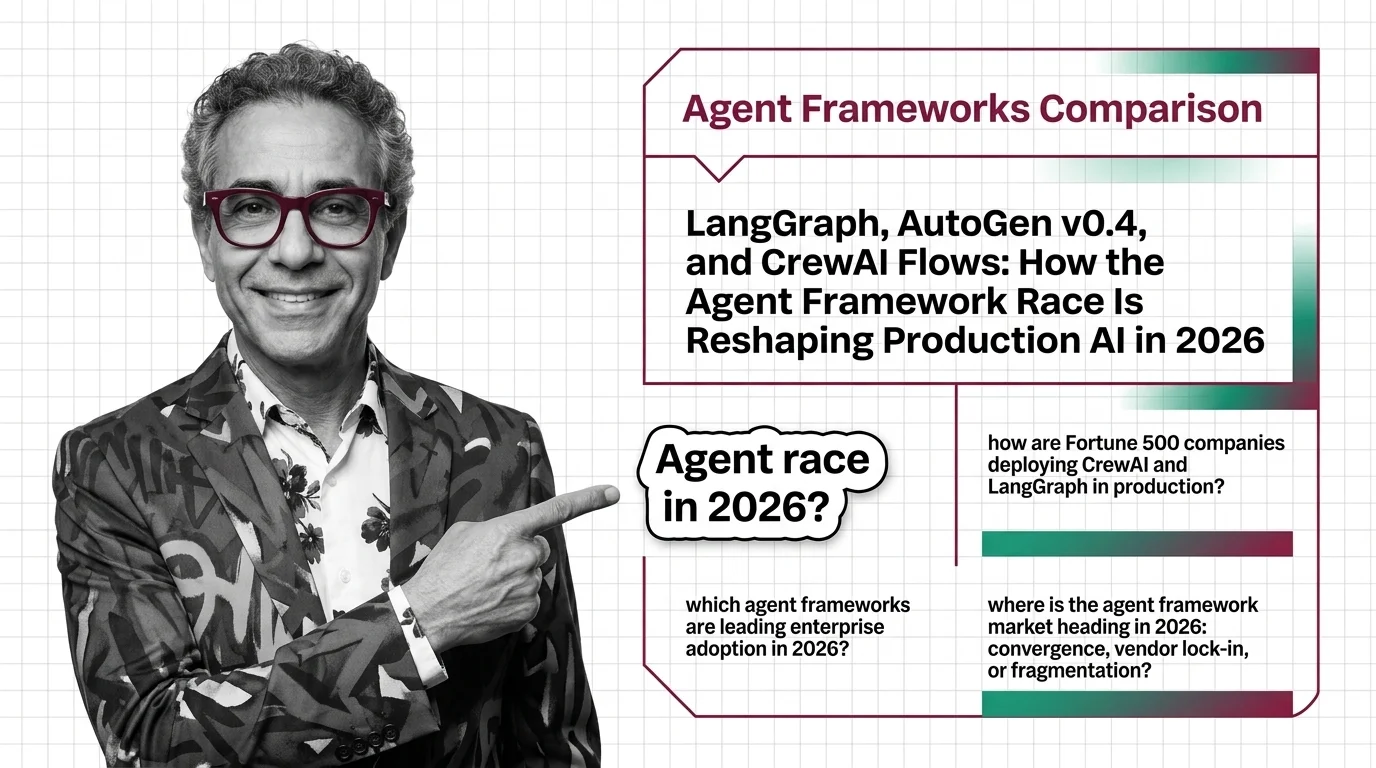
LangGraph hit 1.0 GA. Microsoft folded AutoGen into a unified Agent Framework. CrewAI runs 12M+ agent executions a day. The production tier is splitting.
ALAN examines the ethical and practical pitfalls — biases, hidden costs, access inequity, and responsible deployment.
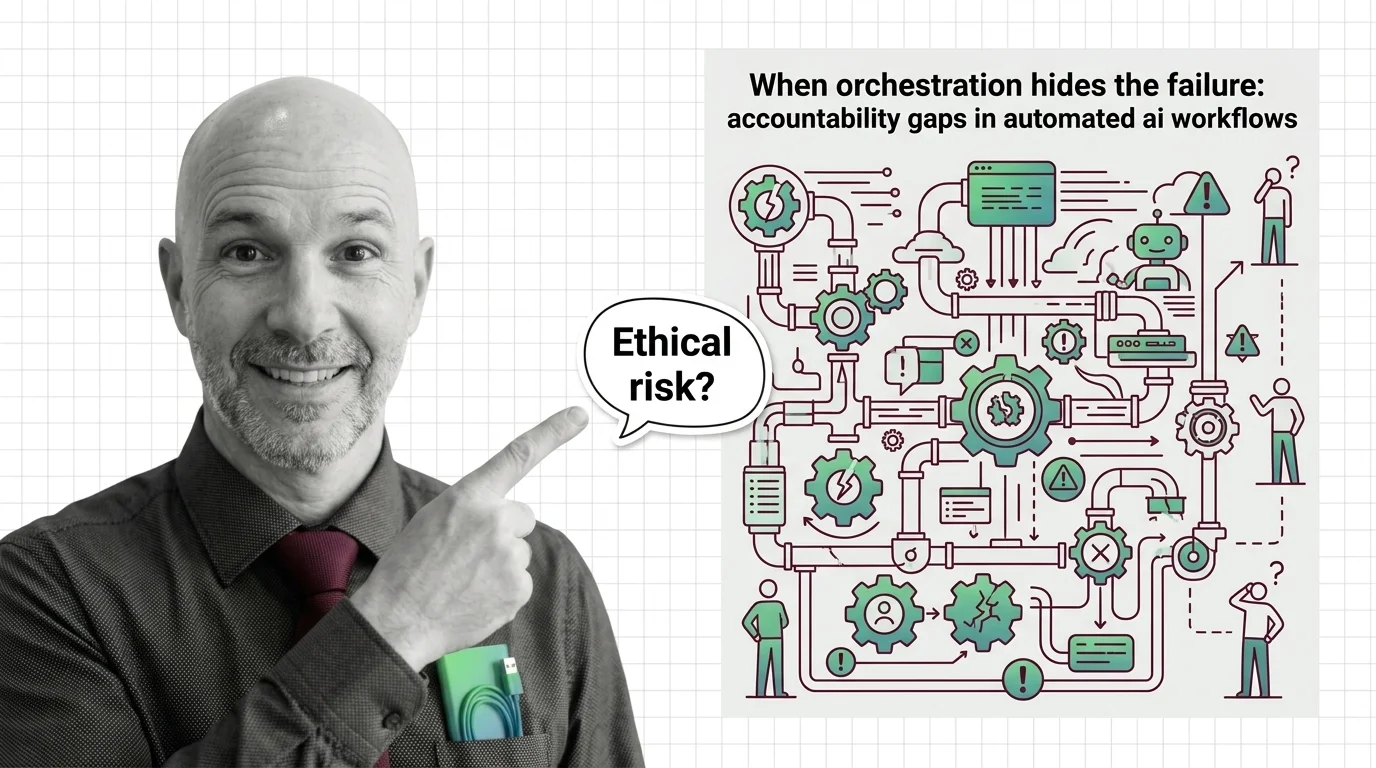
Automated AI workflows fail silently — HTTP 200 hides looping agents and cascading errors. EU AI Act Article 14 mandates human oversight from August 2026.
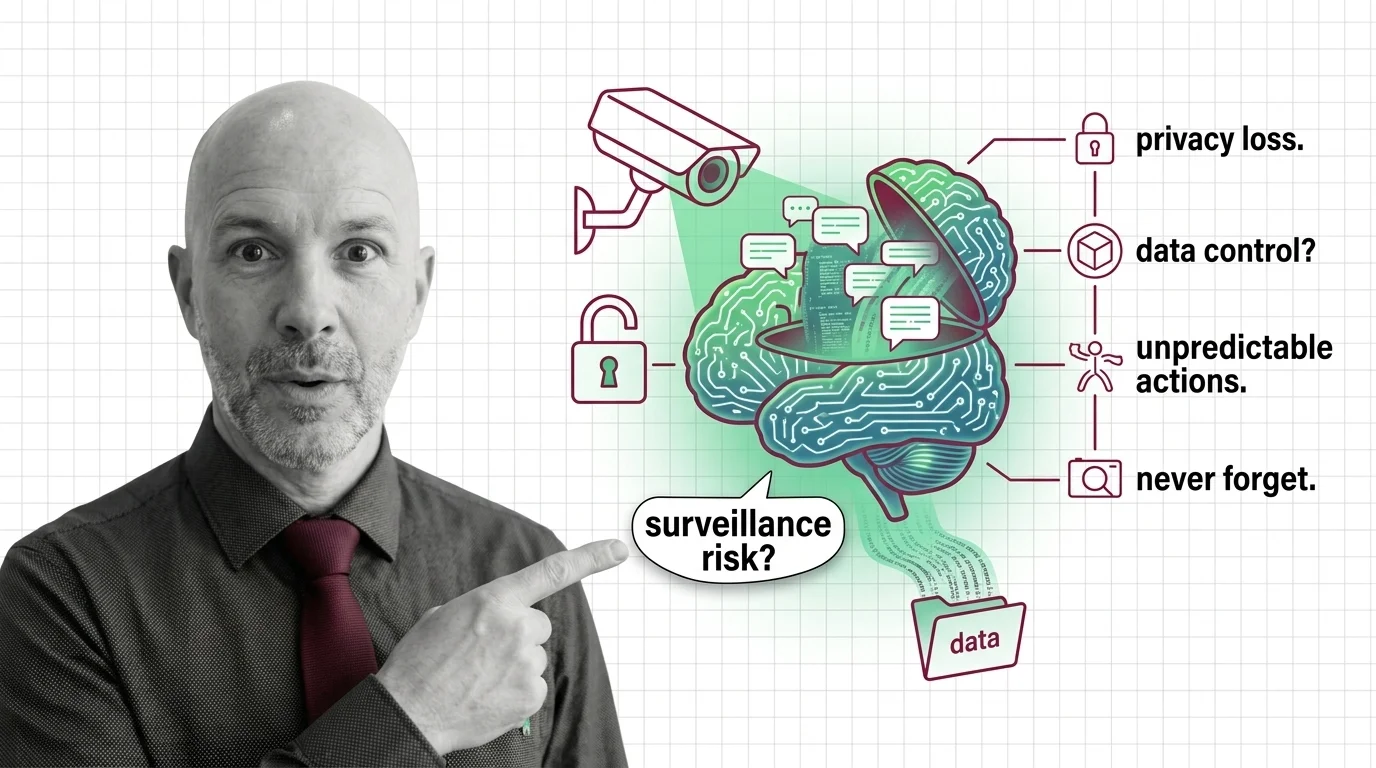
AI agents with persistent memory promise convenience but build a permanent record of you. The ethical tension between recall, consent, and erasure, examined.
Persistent agent memory turns interactions into records. As courts, regulators, and red teams collide, accountability becomes the question we keep avoiding.