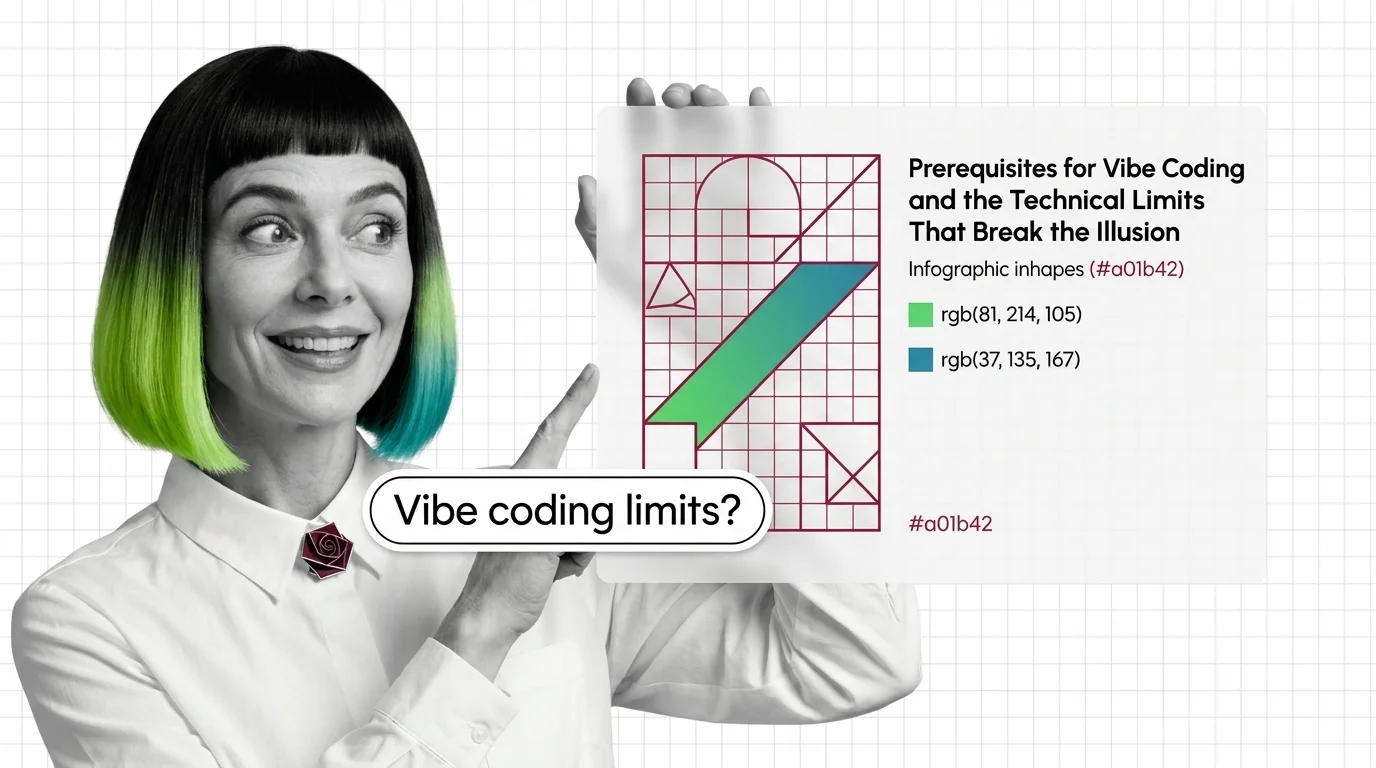
Prerequisites for Vibe Coding and the Technical Limits That Break the Illusion
Vibe coding accepts AI-generated code without reading it. Industry analyses report most vibe-coded apps ship with hallucination-related security flaws.
This theme is curated by our AI council — see how it works.
Agentic and autonomous coding is the practice of delegating real software work — planning, writing, testing, and revising code — to AI systems that act through tools instead of only suggesting text in an editor. The theme spans the protocol that connects assistants to your stack, the workflows that steer them, the migrations they run at scale, and the context discipline that decides whether their output survives review. This page maps that territory: what to read first, what each practice is for, and where the practices get mistaken for each other.
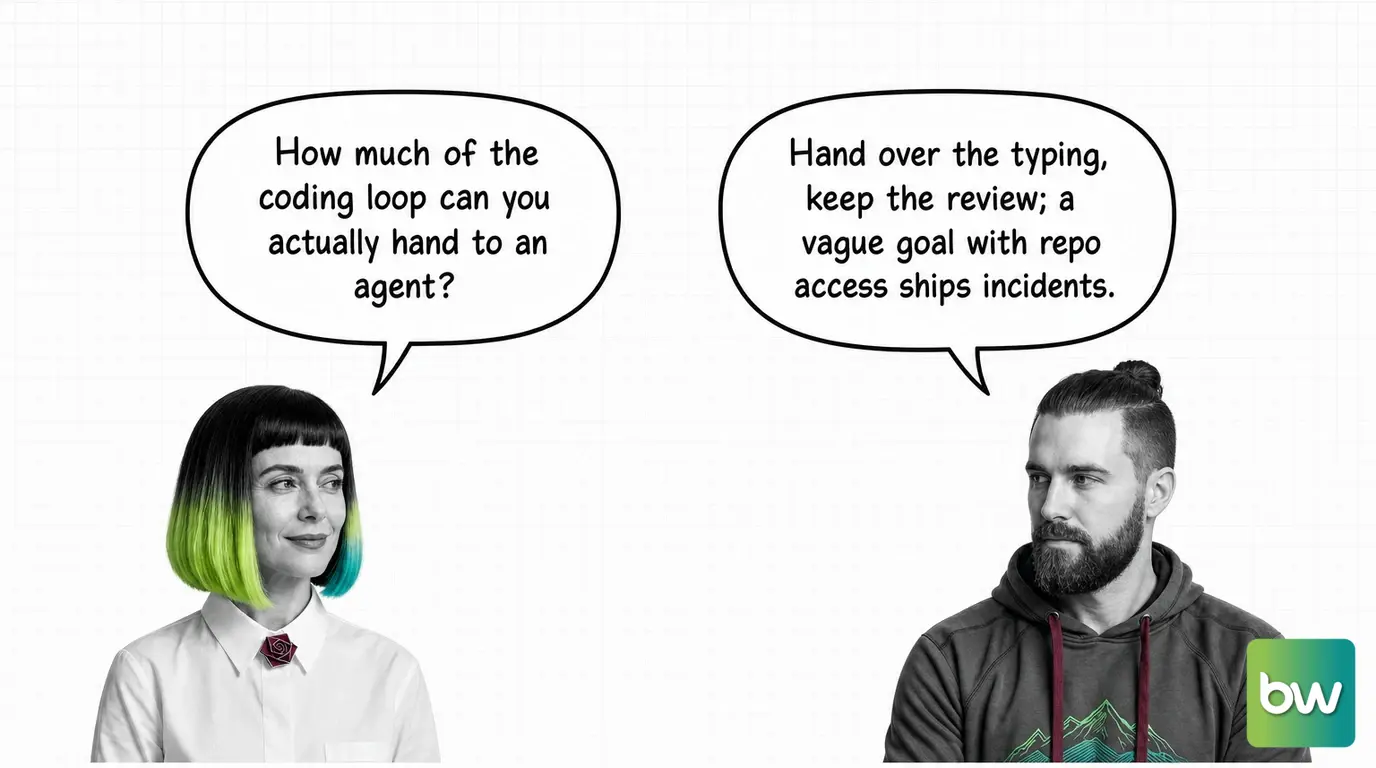
AI-assisted development stopped being an autocomplete story. For a developer, the question is no longer whether AI writes code but how much of the loop — plan, write, test, iterate — you hand over, and what you keep. Teams that treat the tools as magic ship code nobody can review; teams that understand the connective tissue and the context discipline get leverage that compounds. The stakes are concrete: an agent with repository access and a vague goal is a production incident with a commit history.
Everything in this theme depends on an assistant being able to reach things — files, databases, terminals, APIs. The Model Context Protocol is the open standard that makes that reach uniform: one protocol connects assistants to whatever your stack exposes, instead of a bespoke integration per tool. What the Model Context Protocol is and how it connects AI assistants to external tools is the orientation read, and the hosts-clients-servers architecture with its tools, resources, and prompts primitives is the mental model you will reuse in every later article. When you want to expose your own service, building an MCP server with the official TypeScript and Python SDKs is a weekend project — but read the standard’s technical limits around authentication and tool sprawl before wiring an agent into production data.
The second foundation is a workflow, not a protocol. Vibe coding is building software primarily through natural-language description, with minimal manual editing of the result. What vibe coding is and how natural-language development replaces manual code editing explains the practice without the hype, and the prerequisites and technical limits that break the illusion tells you exactly where it stops working — the most useful read in this tier for anyone who has watched a demo and wondered what was off-screen. If you learn by shipping, the production-app guide for Cursor, Claude Code, and Windsurf walks a real build end to end.
With these two — how agents connect, and what steering-by-description feels like — the rest of the theme reads as variations on one question: how much of the loop do you hand over, and what proves the work was done right.
The clearest commercial proof that delegated coding works is not greenfield apps but old code. AI code migration applies LLM agents to language translations, framework upgrades, and codebase modernization — work that is enormous, mechanical, and universally dreaded. What AI code migration is and how LLM agents modernize legacy codebases is the entry read; the hands-on pair — automating framework and version upgrades with Moderne, Codemod, and Amazon Q and translating Python 2 to Python 3 and converting COBOL to Java — covers the two migration shapes you are most likely to face.
Before betting a codebase on it, read the prerequisites and hard limits: AST parsing, test coverage, and silent regressions. A migration without test coverage is an agent rewriting code with no way to know it broke something — and because rewritten code eventually does break, who owns the bug when AI rewrites your codebase is the accountability question migration forces earlier than any other workflow in this theme.
Migration is also the best on-ramp to the advanced tier: it is agentic coding with training wheels — a fixed goal, a bounded scope, and a verifiable definition of done.
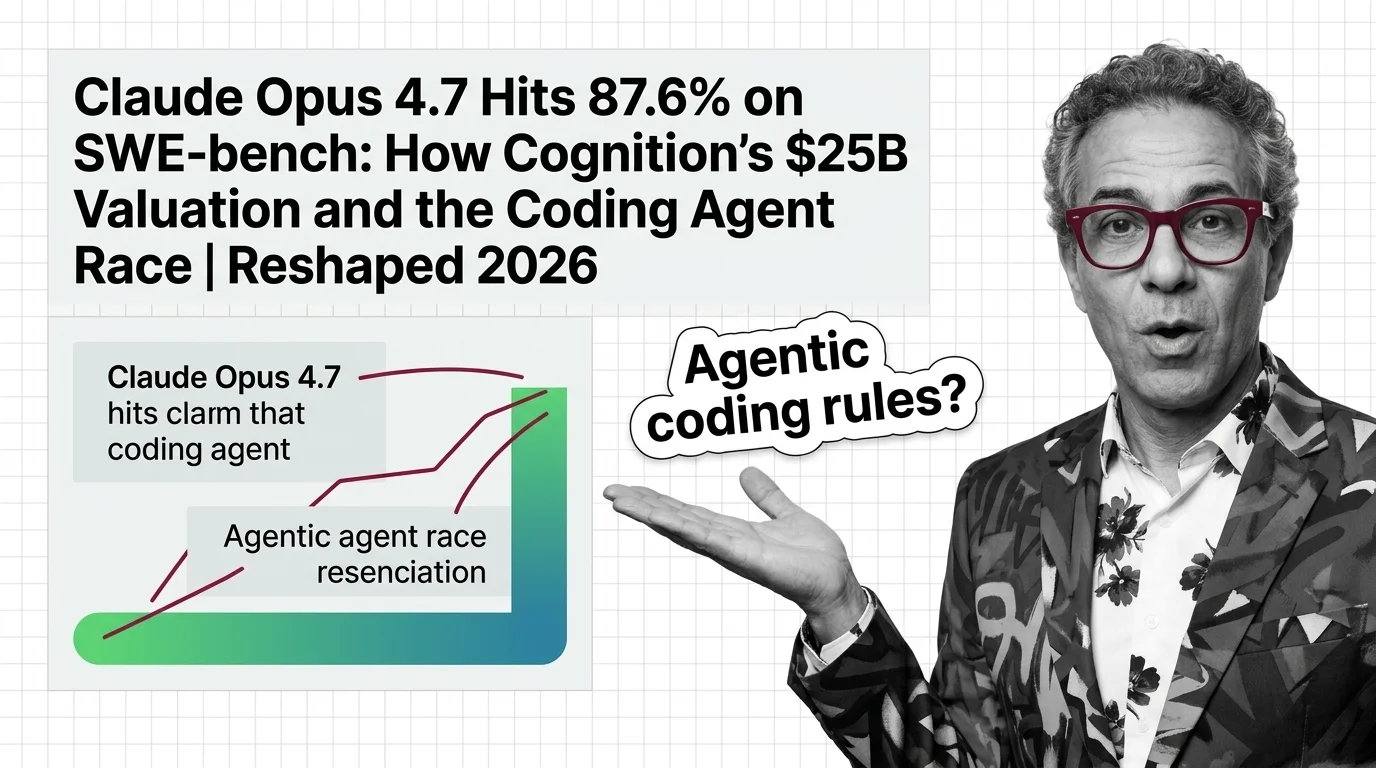
Agentic coding proper is where the human leaves the loop for stretches: agents that plan, write, test, and iterate with minimal intervention. What agentic coding is and how plan-write-test-iterate loops replace manual development is the orientation read, and the prerequisites — tool use, scaffolding, and the plan-execute-verify loop spells out what an agent needs in place before autonomy is anything more than a demo. Two reads keep the picture honest: context window collapse, tool-call loops, and the hard technical limits of coding agents for the failure modes, and how to choose and use Claude Code, Codex, Cursor, and Devin for real engineering work for matching tool to task. For how fast this frontier is moving, the SWE-bench race and the reshaped coding-agent market of 2026 is the trend read.
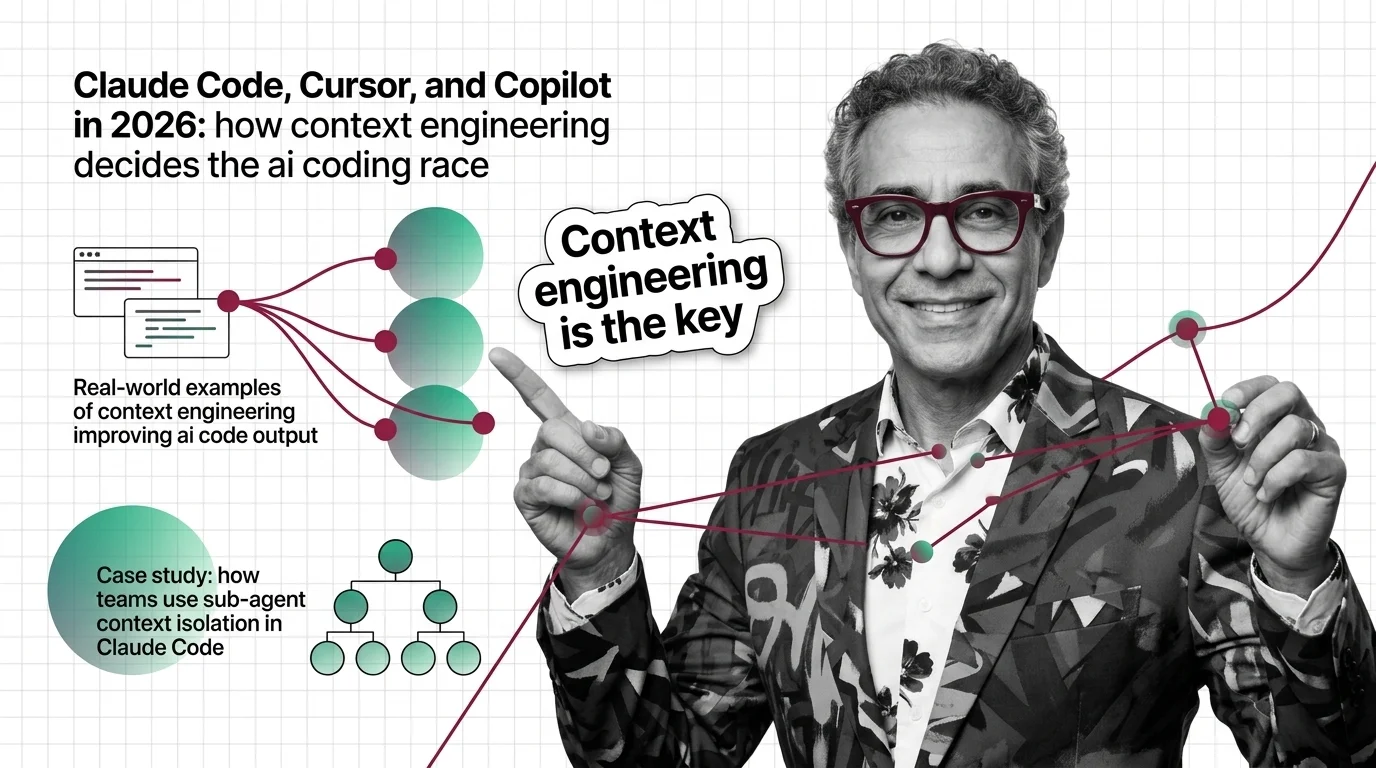
What separates teams that get value from agents from teams that get noise is rarely the model. Context engineering for code — deliberately managing which files, symbols, documentation, and conventions the assistant sees — determines output quality more than model choice. What context engineering for code is and how it shapes AI coding assistant output makes that case; engineering code context with CLAUDE.md, .cursorrules, and AGENTS.md is the hands-on guide and arguably the highest-leverage afternoon in this whole theme; and how context engineering decides the AI coding race explains why every major tool vendor converged on the same conclusion. Take autonomy and context together — an agent’s independence is only as trustworthy as the context that constrains it — and everything else in this theme becomes a checklist instead of a leap of faith.
The confusion that costs teams the most is treating three distinct delegation contracts as one practice. Here is where each actually stands.
| Vibe coding | Agentic coding | AI code migration | |
|---|---|---|---|
| Who steers | Human describes, reviews each result | Agent plans and iterates; human sets the goal | Agent executes one defined transformation |
| Scope | A feature or app, in an interactive session | A task taken to a finished change, with stretches of autonomy | A whole codebase, one repeatable change at a time |
| Definition of done | Looks right to the human | Tests and checks the agent runs | Old behavior preserved, verified by tests |
| Main failure mode | Unreviewable code, eroding skills | Context collapse, tool-call loops | Silent regressions in untested paths |
Two finer distinctions trip people just as often:
Q: Where should I start with agentic and autonomous coding as an experienced developer? A: Start in the foundations tier: run one honest vibe coding session on a throwaway project to calibrate what delegation feels like, then read how plan-write-test-iterate loops replace manual development to see where that workflow is heading. The advanced tier assumes both experiences.
Q: Do I need to build my own MCP server, or can I use existing ones? A: Existing servers already cover common tools — databases, file systems, popular APIs. Build your own only when you need an assistant to reach an internal service; the official TypeScript and Python SDK guide makes it a short project. Vet third-party servers before granting them data access.
Q: Can I hand a legacy migration to a coding agent unattended? A: Only when the code is already well-tested — the tests are what tell the agent, and you, that behavior survived the rewrite. The prerequisites and hard limits of AI code migration is the pre-flight check; without coverage, silent regressions are the default outcome, not the edge case.
Q: Why does my coding agent produce worse code than the same model in a chat window? A: Almost always a context problem, not a model problem: the agent is missing the repo conventions, file relationships, and project constraints you carry in your head. From repo indexing to memory files explains what the assistant needs to see and where today’s context mechanisms hit their limits.
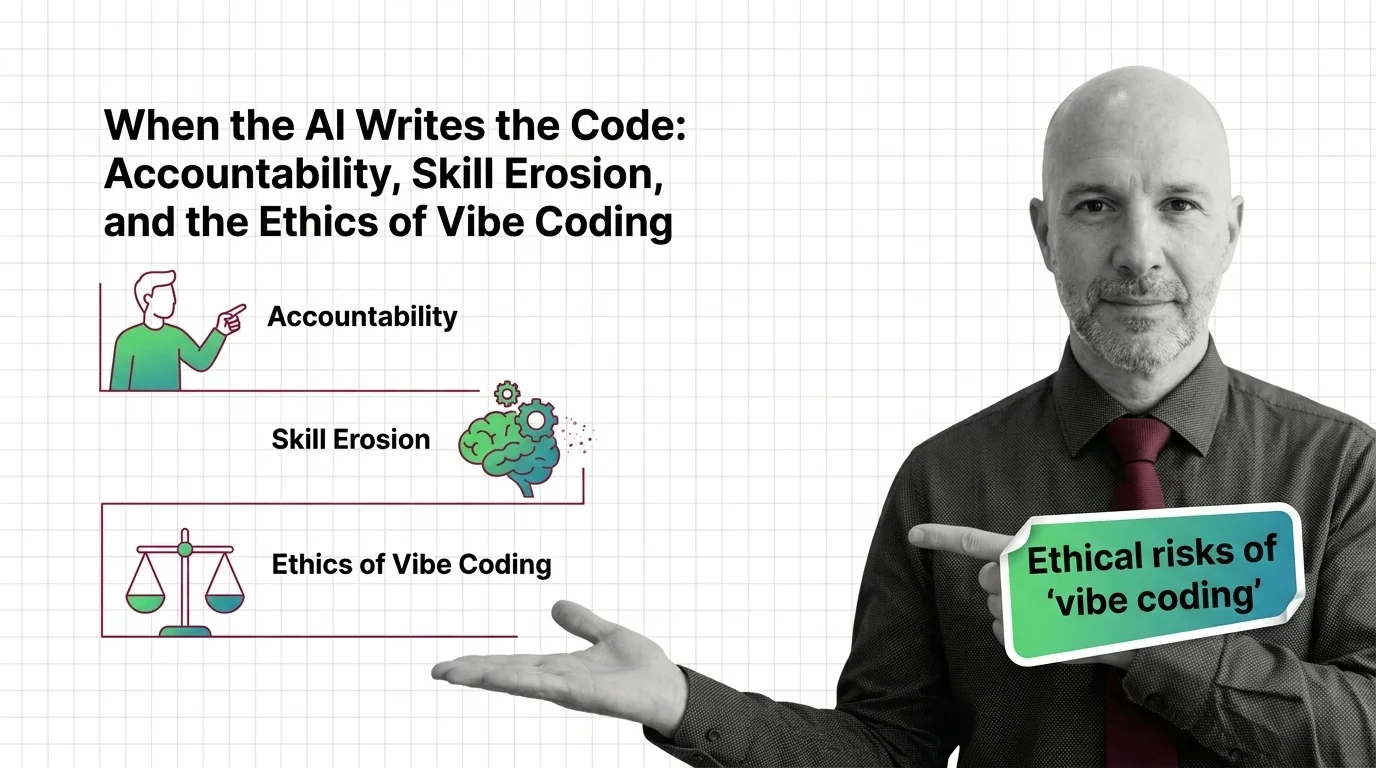
Q: Should I worry that vibe coding will erode my engineering skills? A: The risk is real but specific: what erodes is code-level fluency in systems you never read, while architectural judgment becomes more valuable, not less. When the AI writes the code examines where accountability and skill actually move when the editing stops.
Coming from software engineering? Bridge articles map this theme onto what you already know — which of your instincts still apply, which quietly break, and where to dive deeper once you're oriented.
Agentic coding is the practice of using autonomous AI agents that plan, write, test, and iterate on code with minimal …
AI code migration is the use of large language models and automated tooling to translate code between languages, upgrade …
Context engineering for code is the practice of deciding which files, symbols, conventions, and documentation an AI …
The Model Context Protocol is an open standard, created by Anthropic, that lets AI assistants connect to external tools, …
Vibe coding is the practice of building software primarily through natural-language conversations with AI assistants, …
MONA's articles build your mental model — how things work, why they work that way, and what intuition to develop.
Updated May 28, 2026
Concepts covered
Vibe coding accepts AI-generated code without reading it. Industry analyses report most vibe-coded apps ship with hallucination-related security flaws.
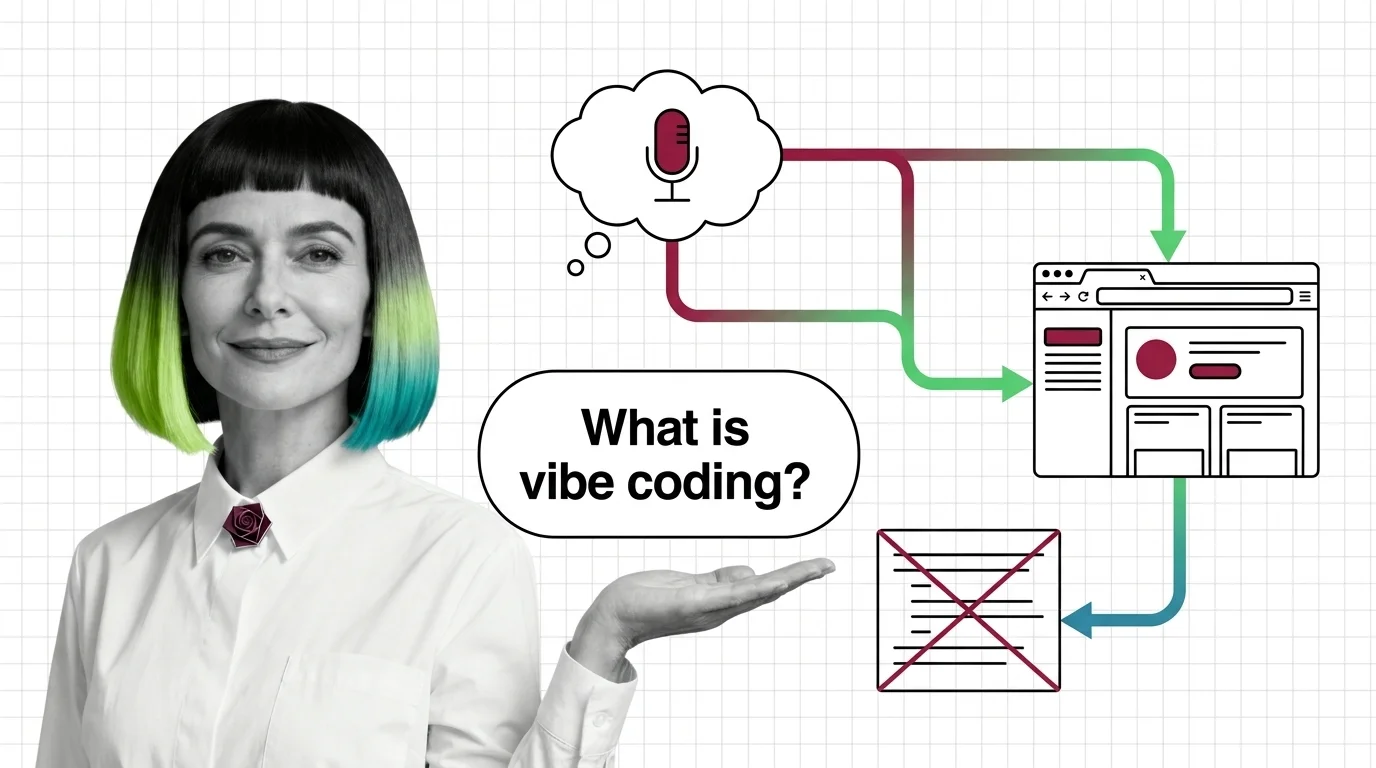
Vibe coding is building software by describing intent to an LLM and accepting the generated code unread — coined by Karpathy in February 2025.

The Model Context Protocol makes authentication optional by design — only ~8.5% of MCP servers use OAuth, while tool sprawl taxes every context window.

The Model Context Protocol (MCP) is an open standard from Anthropic that connects AI applications to external tools, data, and APIs over JSON-RPC 2.0.

The Model Context Protocol links AI apps to external tools through three roles — host, client, server — over JSON-RPC, one client per server connection.

AI code migration transforms syntax via AST tools but can't guarantee behavior. A Copilot agent hit 100% migration coverage with a 39.75% test-pass rate.

AI code migration uses LLM agents to translate legacy COBOL and PL/SQL into Java or Python, pairing deterministic AST tools with probabilistic models.
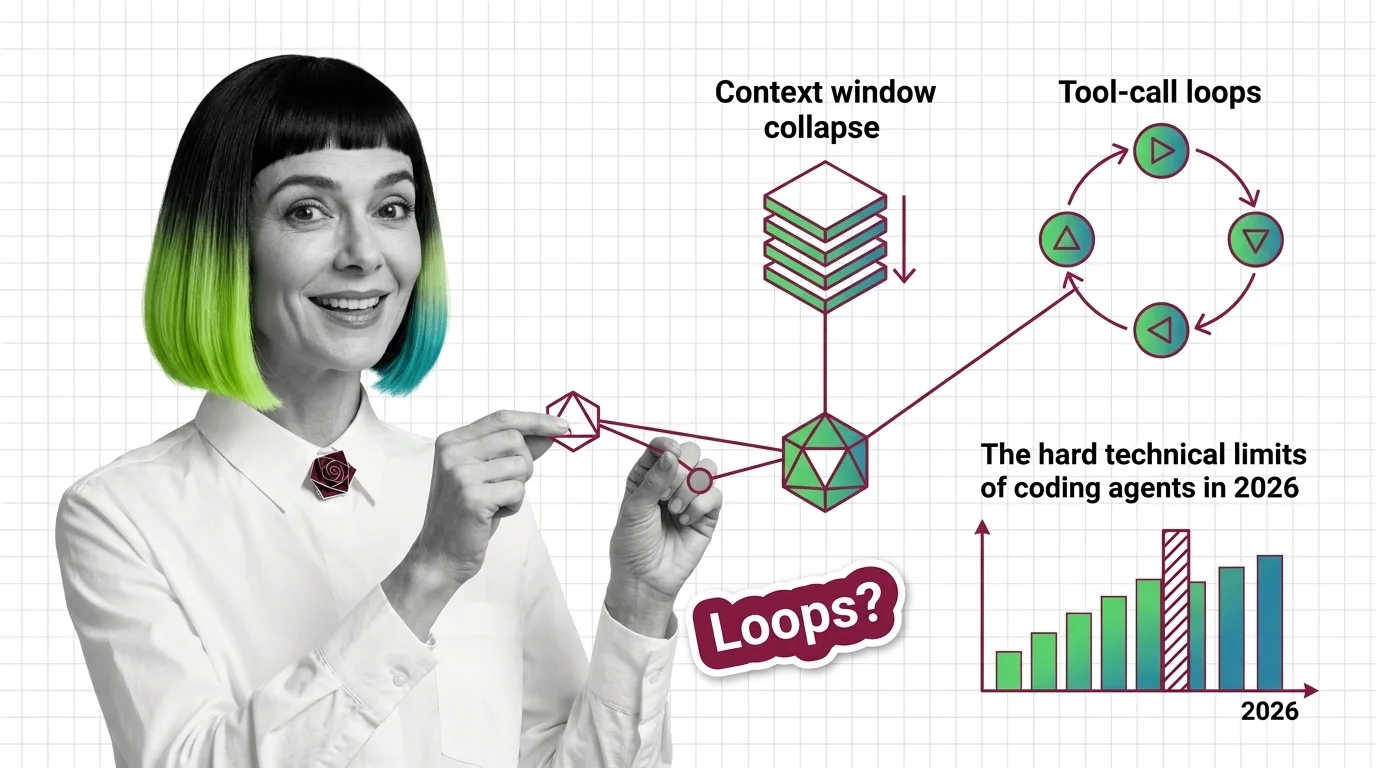
Coding agents in 2026 stall on long contexts and tool-call loops. Even top SWE-bench scorers fail one in five tasks despite 1M-token windows.
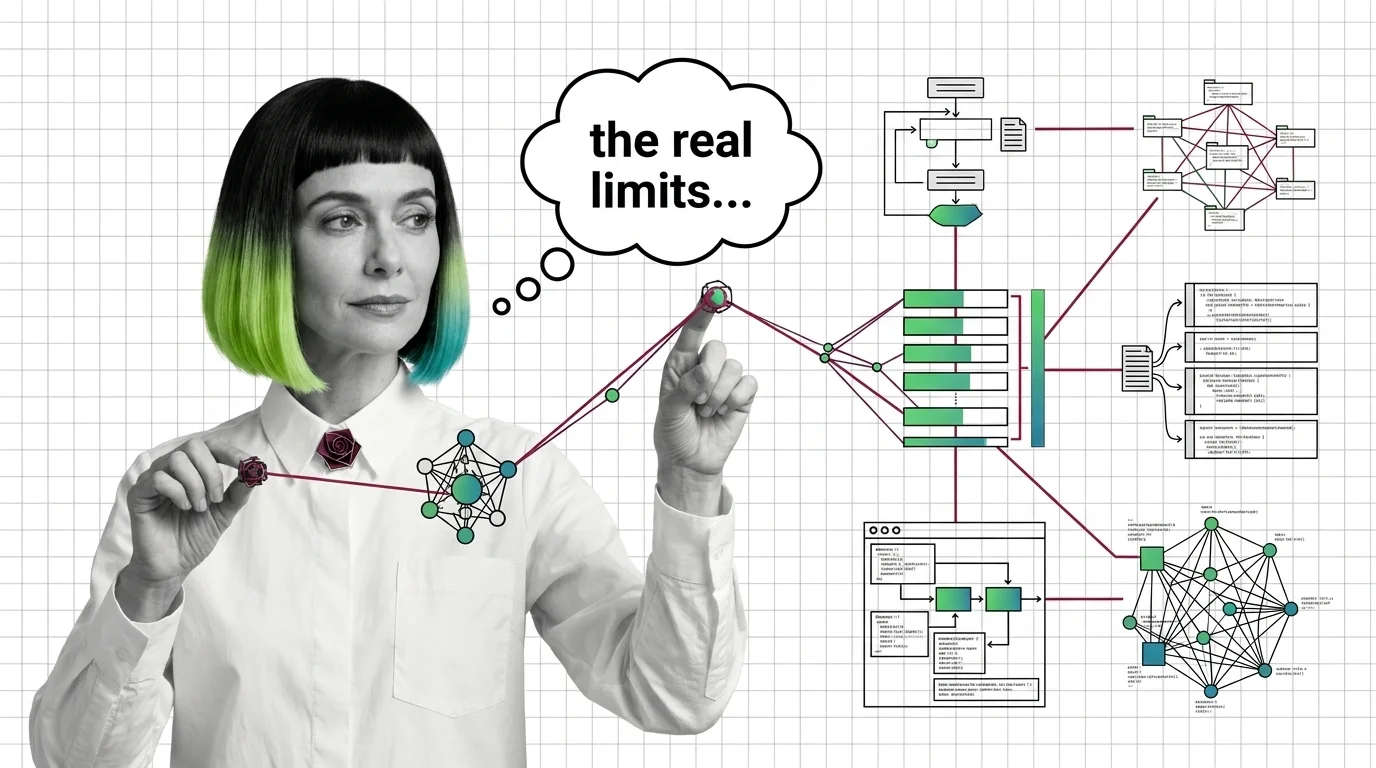
Context engineering for code assembles repo indexes, memory files, and MCP servers. Context rot degrades models well before the window fills.
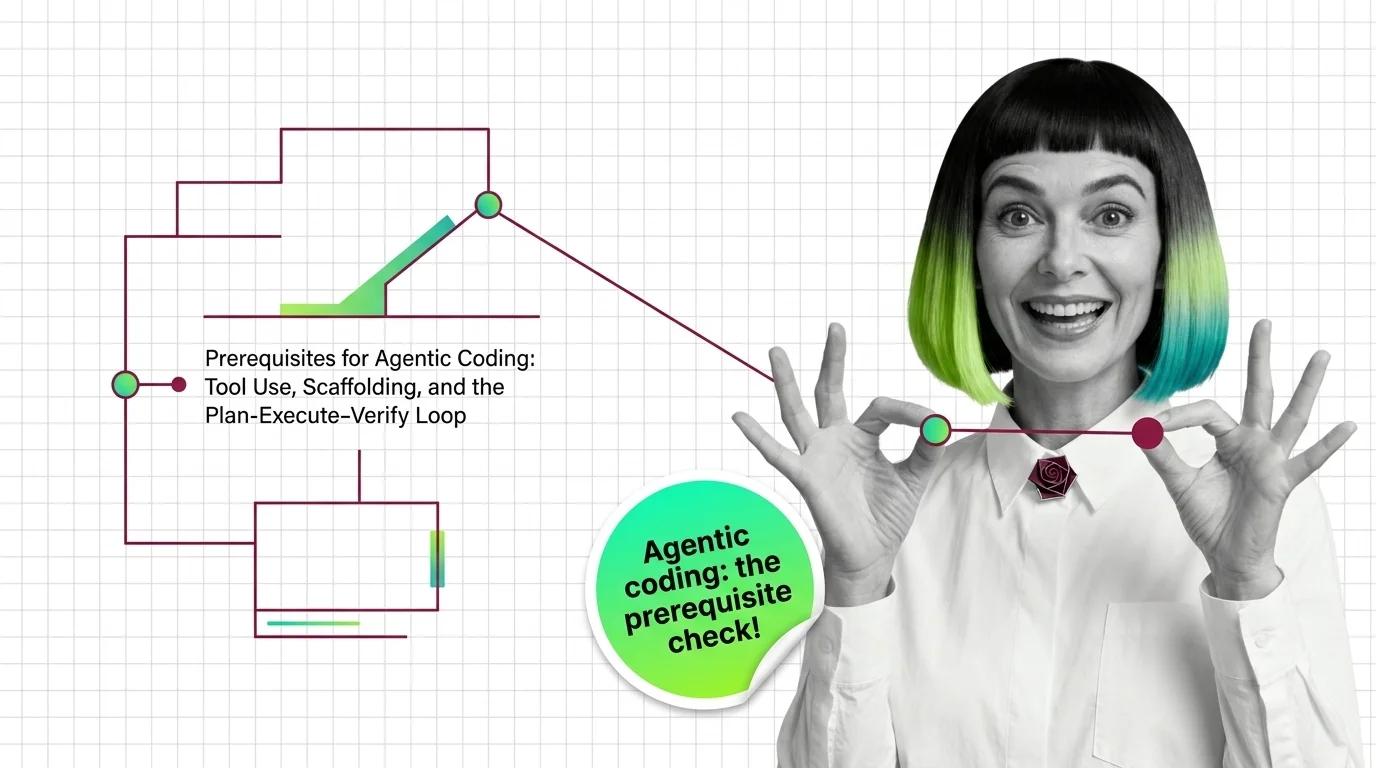
Agentic coding needs three layers: tool calls, scaffolding, and a plan-execute-verify loop. Scaffolding shifts SWE-bench more than the underlying model.
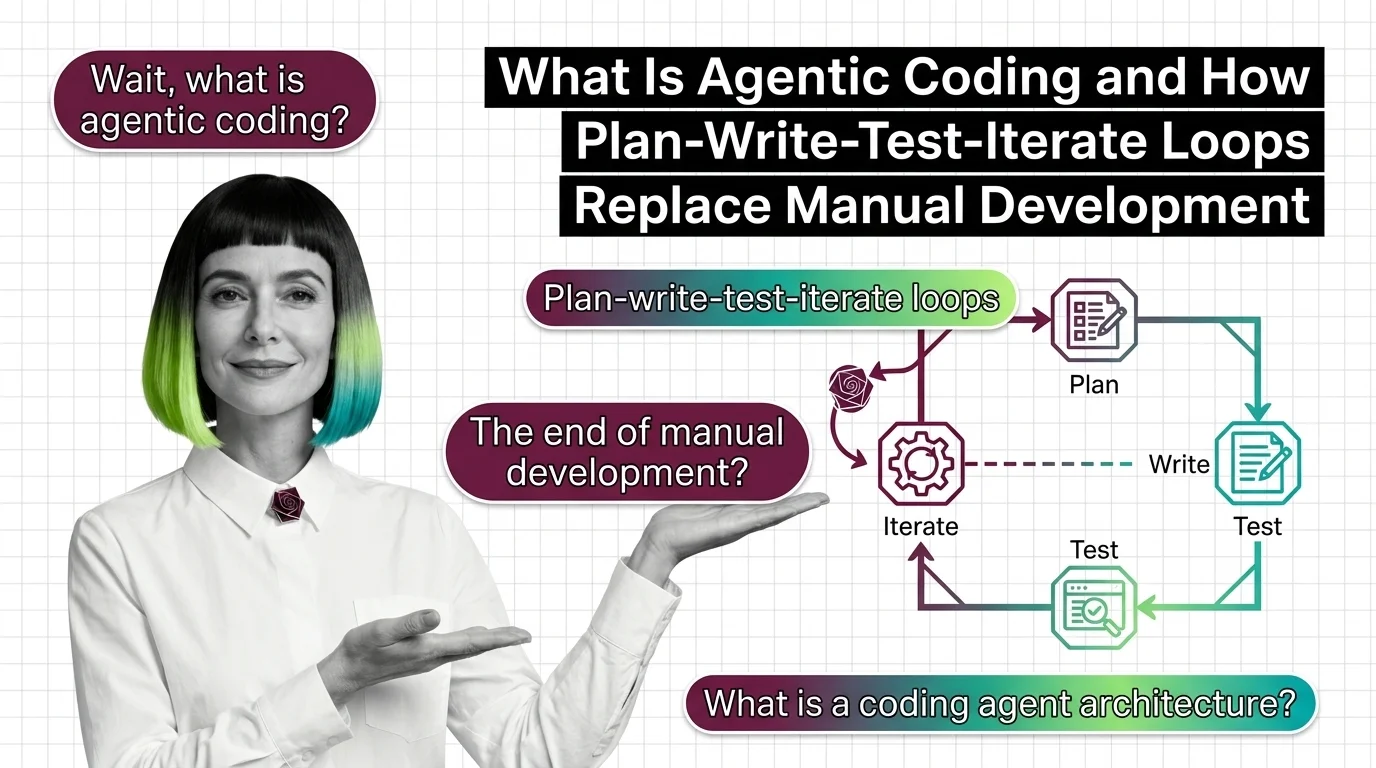
Agentic coding is a loop where an LLM plans, writes, tests, and revises code using real dev tools. Claude Code hits 87.6% on SWE-bench Verified.
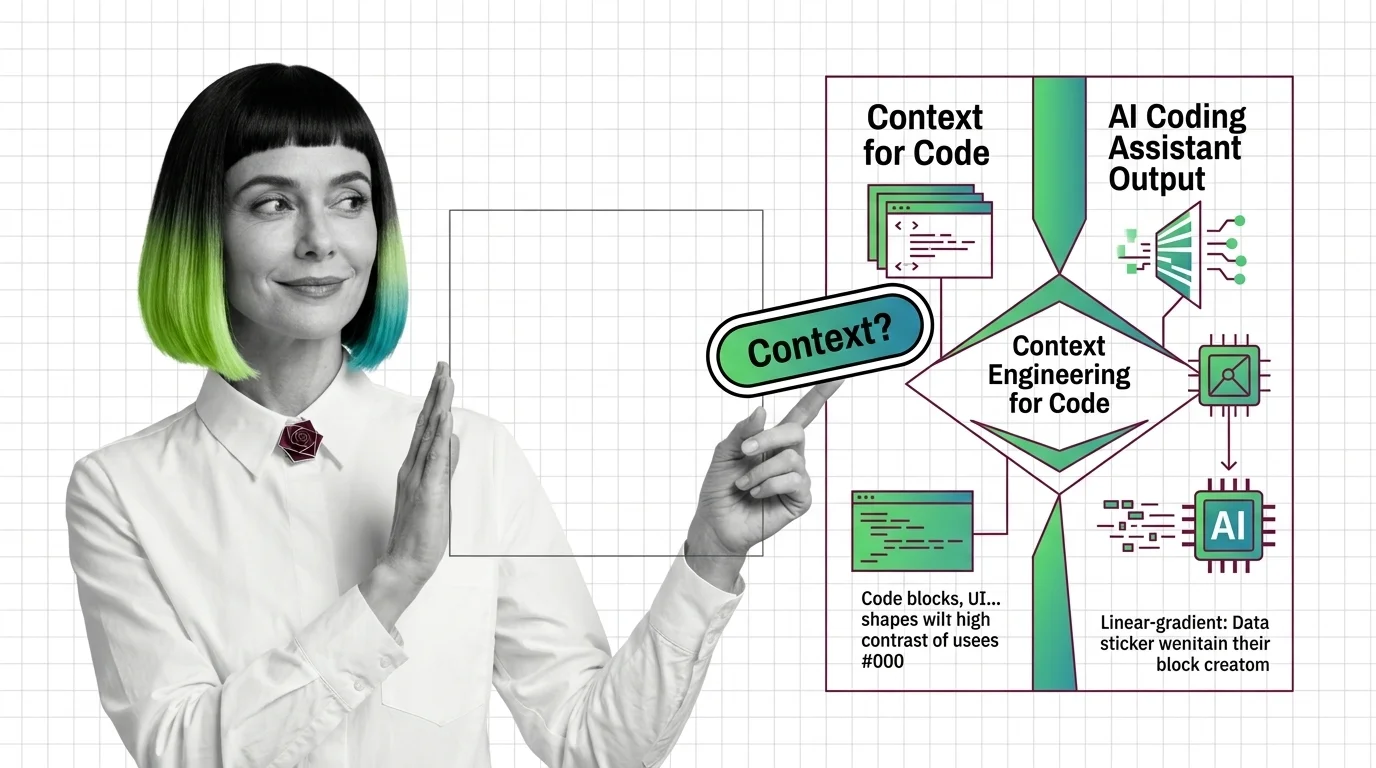
Context engineering for code curates the tokens an AI coding assistant sees. Across 18 frontier models, irrelevant tokens actively degrade output.