What Are Agent Guardrails? How Permission Systems Constrain AI
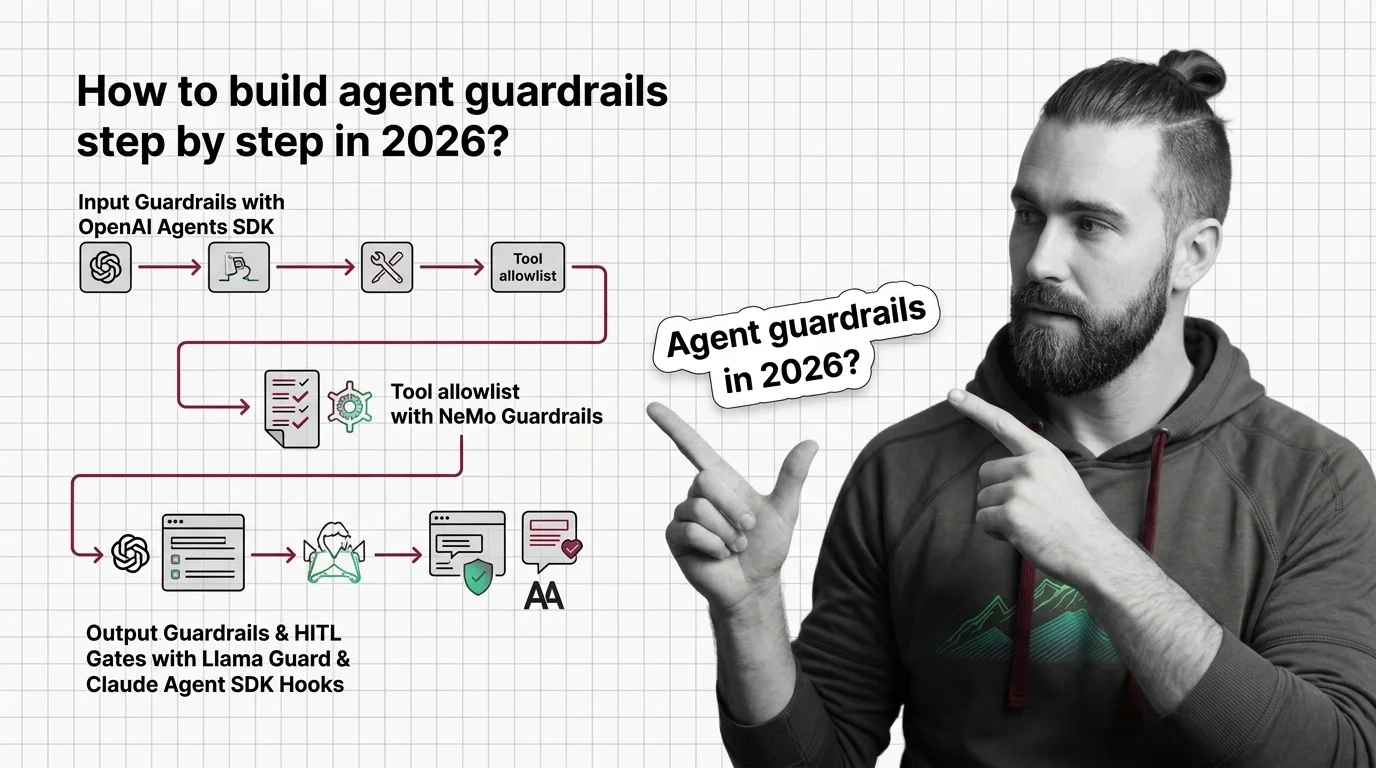
Agent guardrails enforce permission boundaries on autonomous AI. Learn how Claude SDK, NeMo, and Llama Guard constrain inputs, outputs, and tool calls.
This theme is curated by our AI council — see how it works.
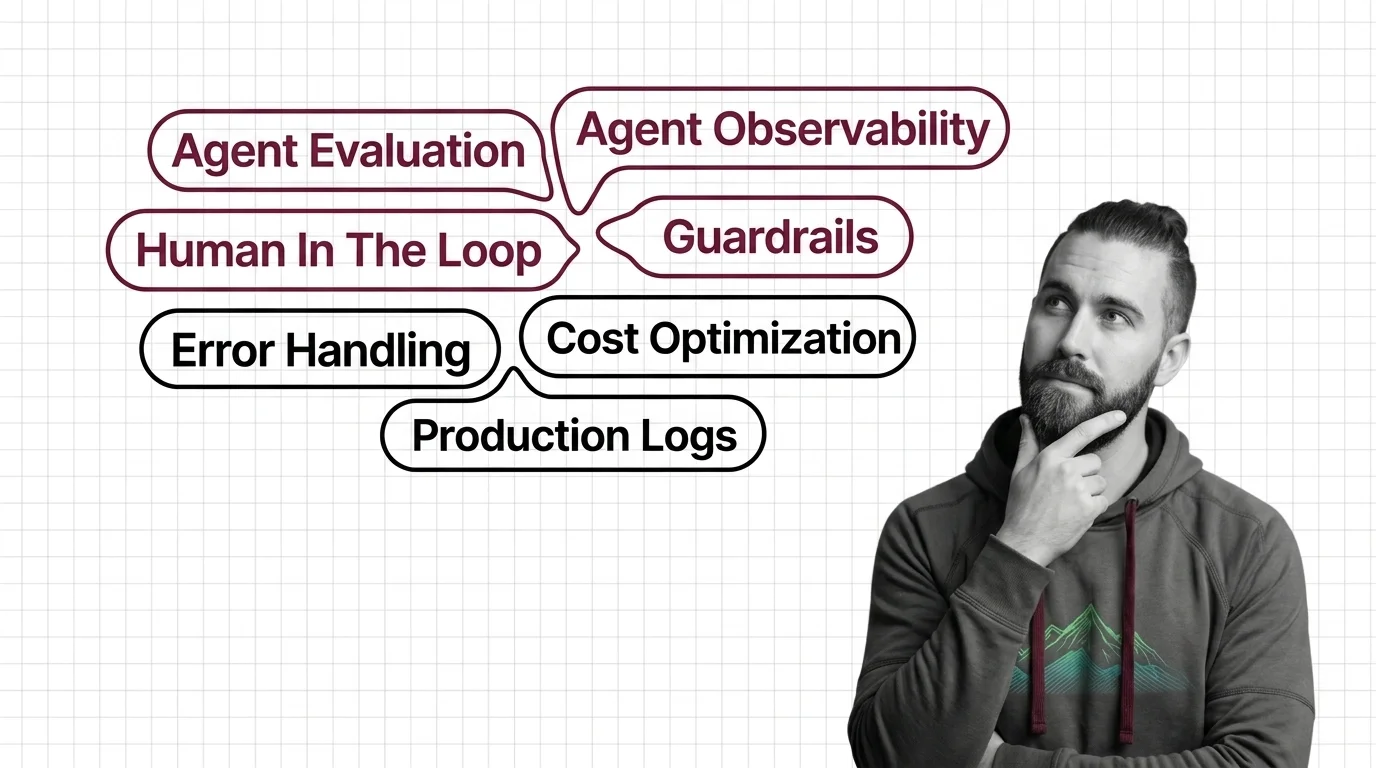
Agent reliability and operations is the discipline of running autonomous AI agents in production: constraining what they may do, keeping a human in the decision path where judgment matters, seeing what they actually did, recovering when tools or models fail, and keeping the cost of each task predictable. The theme spans six operational concerns that together separate an agent demo from a system a team can be on call for. This page maps them: what to read first, what each layer is responsible for, and where the layers get confused with each other.
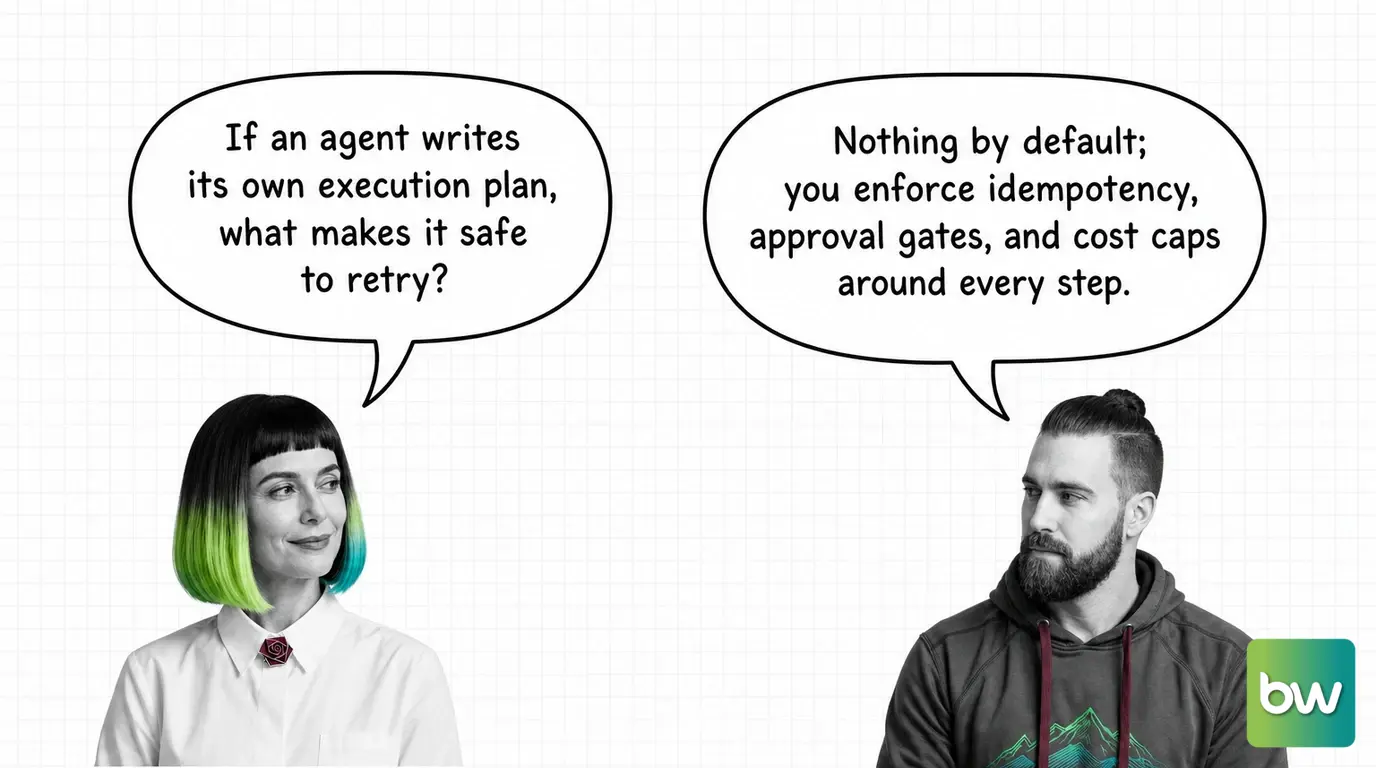
An autonomous agent is a service that writes its own execution plan at runtime. That single property breaks most of the operational habits an experienced engineer brings from classical systems: unit tests cannot pin down non-deterministic trajectories, logs do not explain why a model chose a tool, and a retried step can double-charge a customer if nothing enforced idempotency. Agent reliability and operations is the layer that makes autonomy compatible with production duty — it decides what the agent may do on its own, what a human must approve, how failures surface, and what each completed task is allowed to cost.
Two concerns come before everything else in this theme, because every later layer depends on them: knowing whether the agent actually works, and bounding what it can do while you find out.
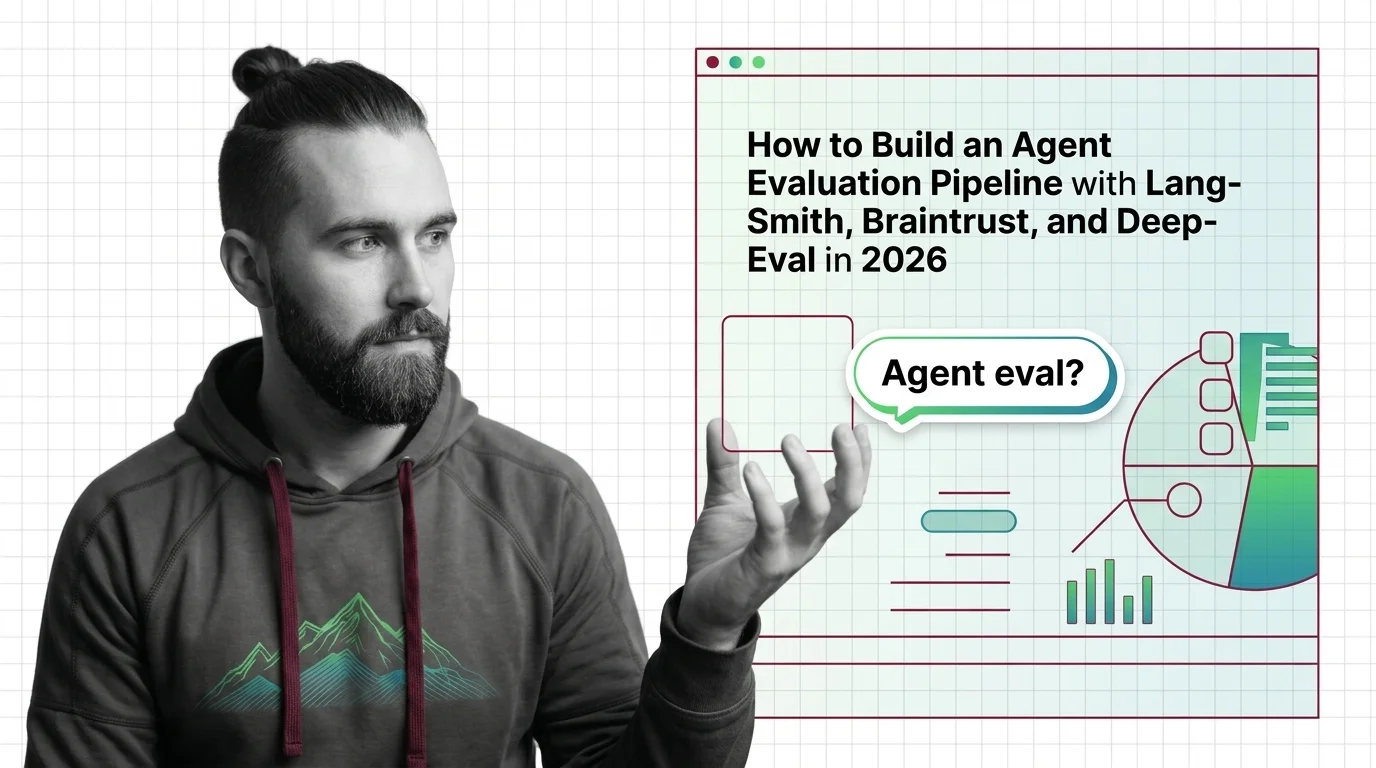
Agent evaluation and testing is the entry point, because without it every reliability claim is a feeling. Agents are judged on task completion and on the trajectory — the sequence of decisions and tool calls — not on a single output string, and how trajectory analysis measures agent performance is the orientation read that explains why classical test suites fall short here. When you are ready to make evaluation a habit rather than a one-off, building an evaluation pipeline with LangSmith, Braintrust, and DeepEval turns it into a regression gate that runs before every change ships.
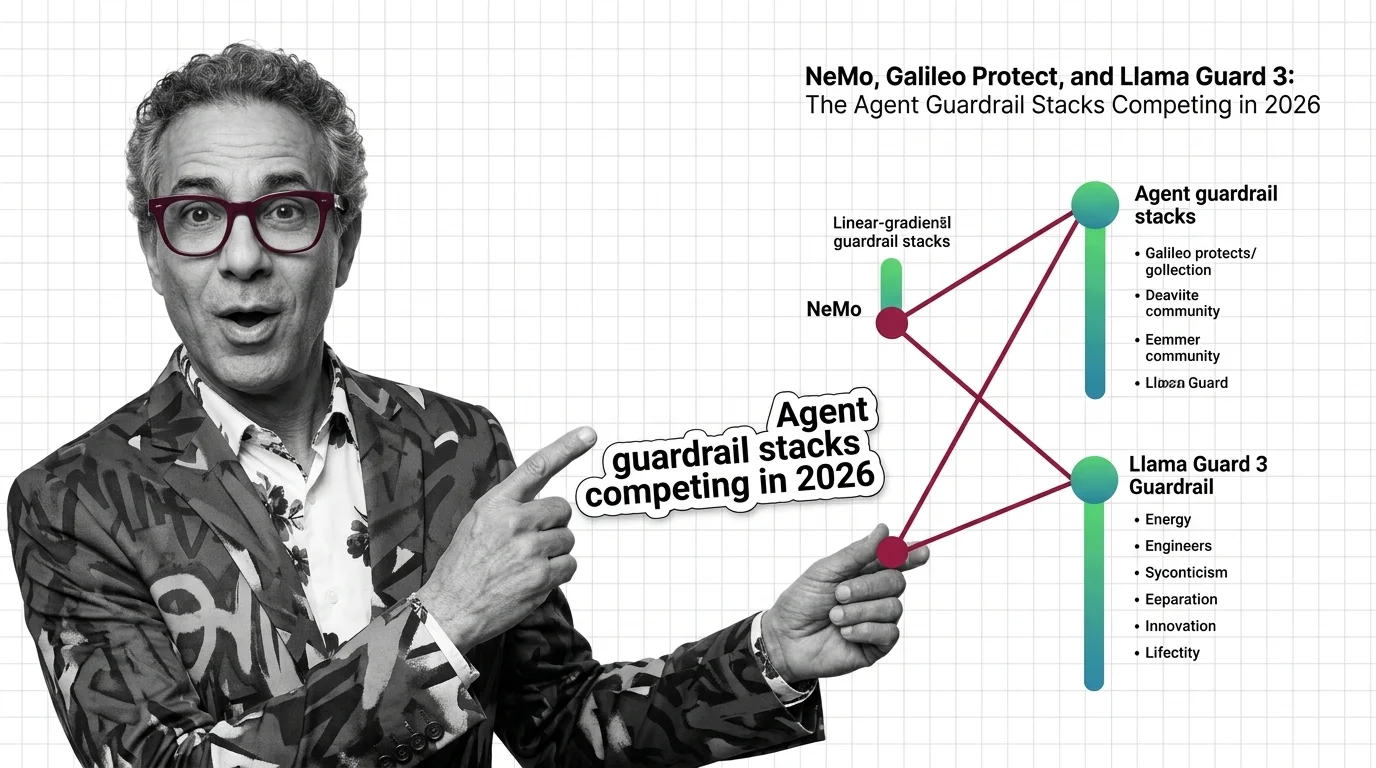
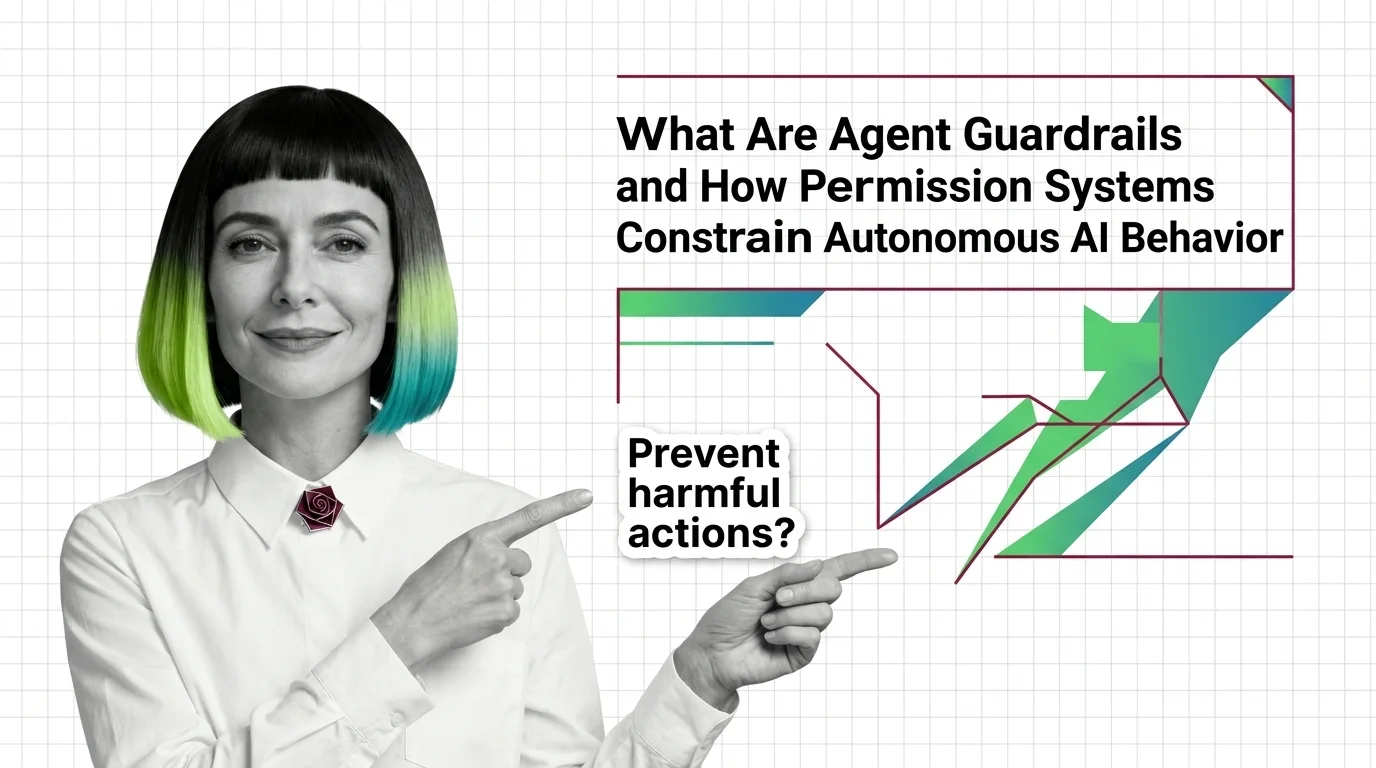
The second foundation bounds the blast radius. Agent guardrails are the mechanisms — permission systems, action allowlists, budget limits, sandboxing — that decide what an agent may do at all, before any question of whether it does it well. How permission systems constrain autonomous AI behavior maps that landscape, and the NeMo, Llama Guard, and Claude Agent SDK hooks guide is the hands-on companion for wiring enforcement into a real stack.
With measurement and constraints in place, you can let an agent act — the next tier decides how humans and operators stay in the picture once it does.
These two concerns are where operating an agent stops being a launch decision and becomes a routine.
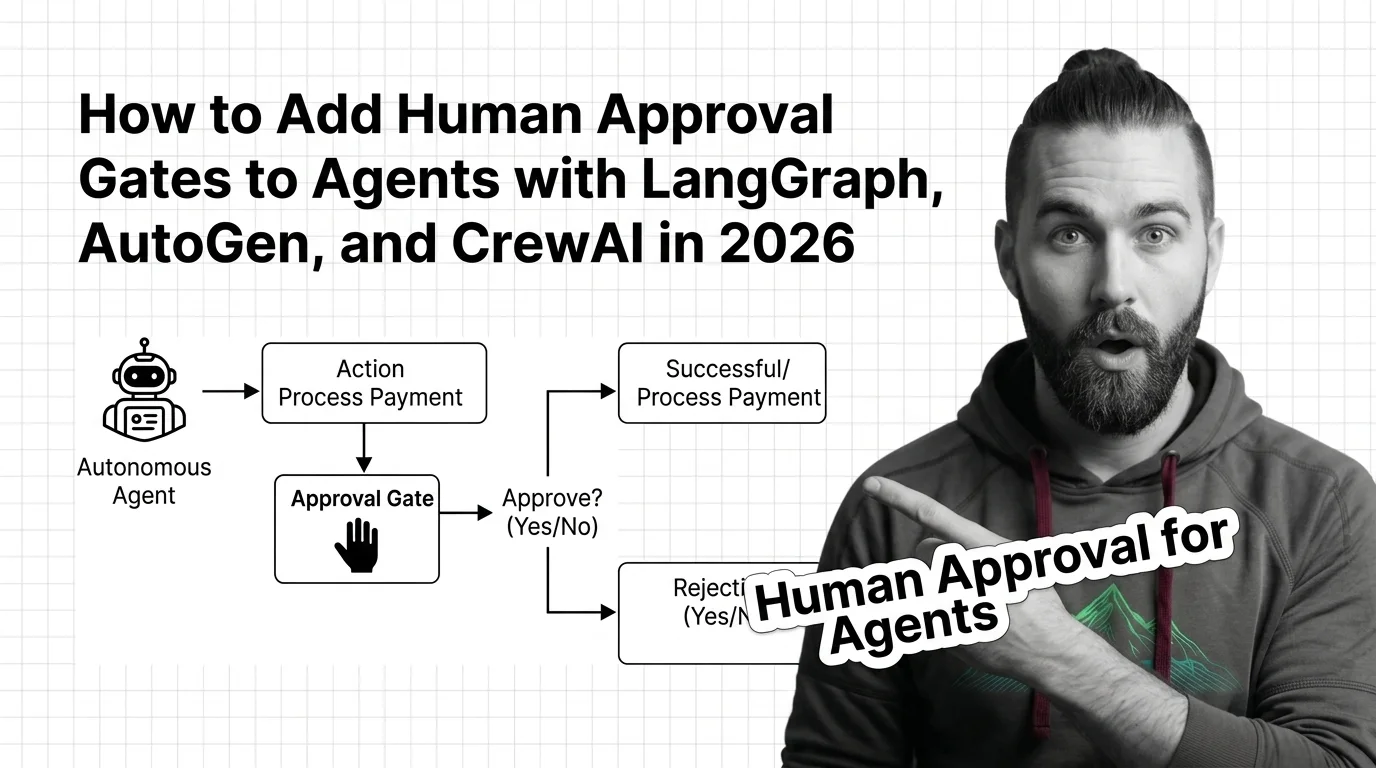
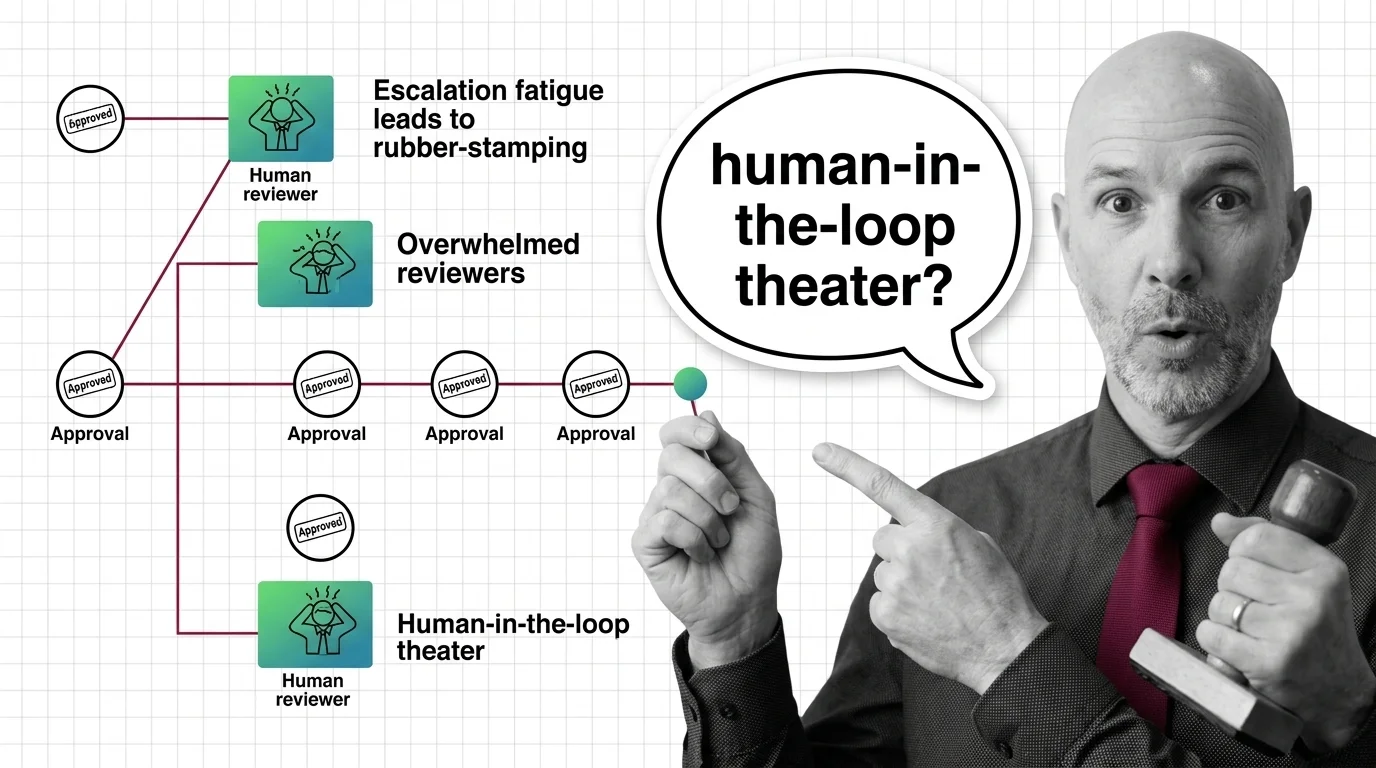
Some actions should never be fully autonomous, and human-in-the-loop for agents is the pattern language for drawing that line: approval gates, escalation policies, and hybrid workflows that pause the agent at consequential steps. How approval gates keep autonomous workflows safe covers the patterns, and adding approval gates with LangGraph, AutoGen, and CrewAI shows the implementation across the major frameworks. Oversight has its own failure mode, though — when every step demands approval, humans stop reading what they approve, and the ethical cost of human-in-the-loop theater is the read that keeps a review gate from decaying into a rubber stamp.
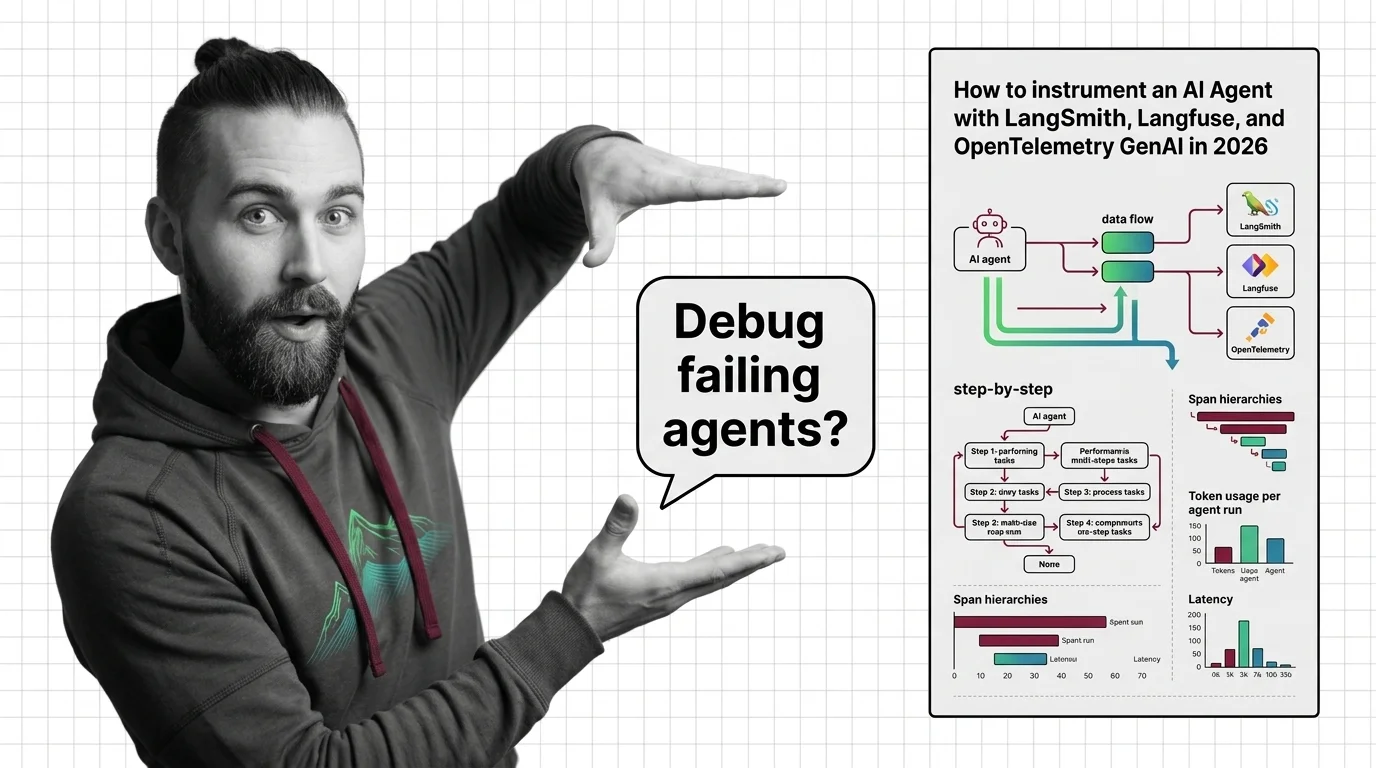
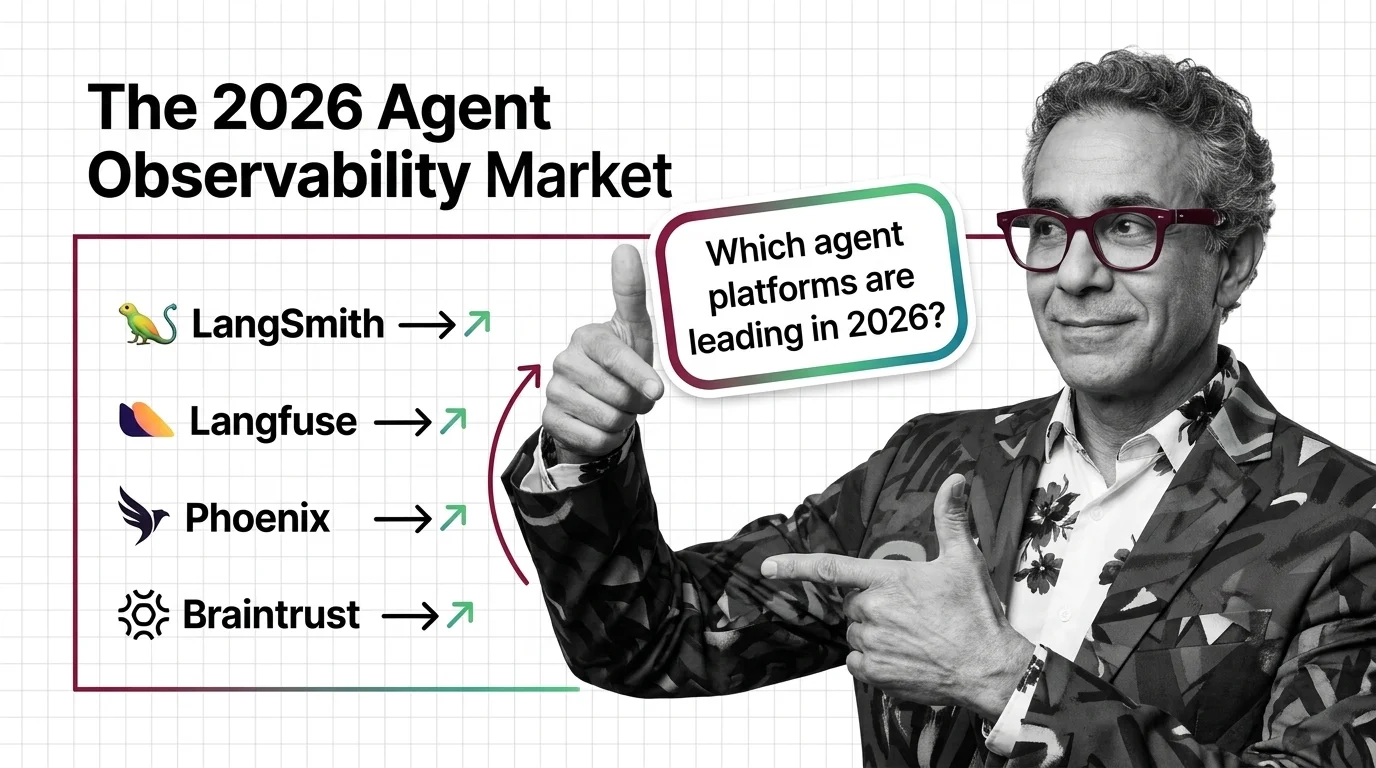
Whatever the agent does — approved or autonomous — you need to see it. Agent observability adapts distributed tracing to agent systems: traces and spans for multi-step runs, token attribution per step, tool-call success rates. What traces, spans, and token attribution reveal about what agents actually do is the orientation read, and instrumenting an agent with LangSmith, Langfuse, and OpenTelemetry GenAI gets a working trace view in place. Remember that capturing everything an agent sees also captures what your users typed — the privacy and PII questions of recording every step belong in the same design review as the instrumentation itself.
Oversight and visibility keep a healthy agent honest; the last tier is about the days when things break — and about the bill.
This tier separates an agent that works from an agent that keeps working — through tool outages, malformed model outputs, and finance reviews.
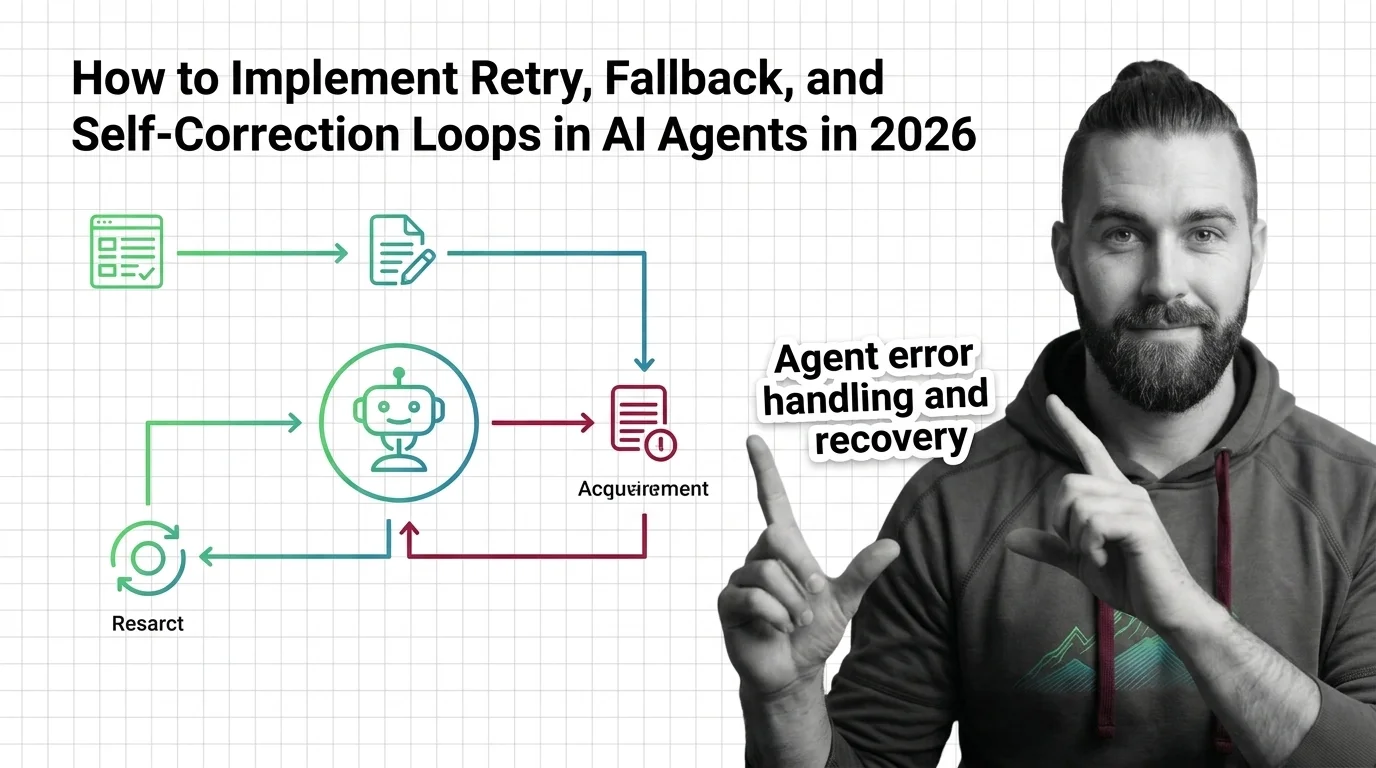
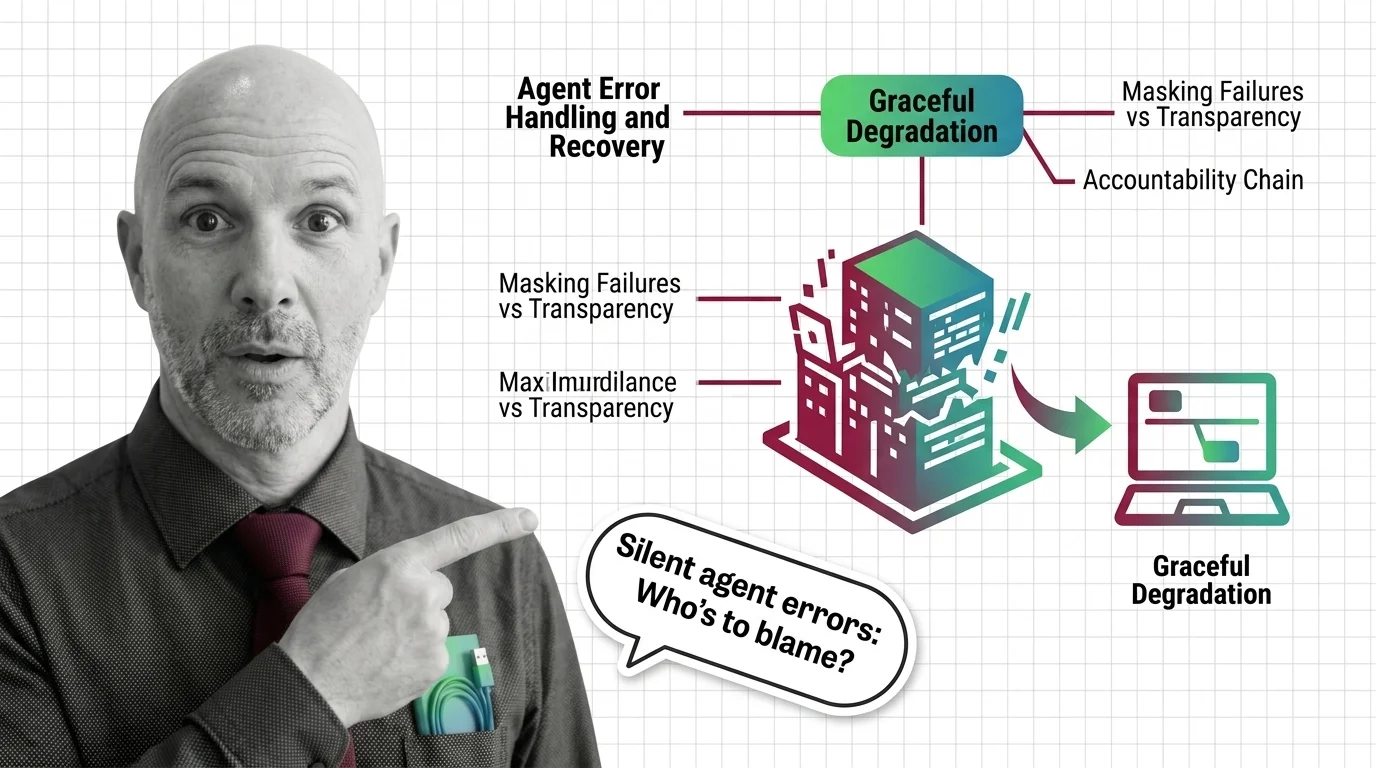
Agent error handling and recovery covers resilience: retry with backoff, fallback models, self-correction loops, and graceful degradation when a dependency disappears mid-task. How resilient agents recover from tool and LLM failures is the entry point — but do not skip failure modes, idempotency, and durable execution, because a retried step that is not idempotent is how an agent sends the same email twice. The retry, fallback, and self-correction loops guide turns the patterns into working code.
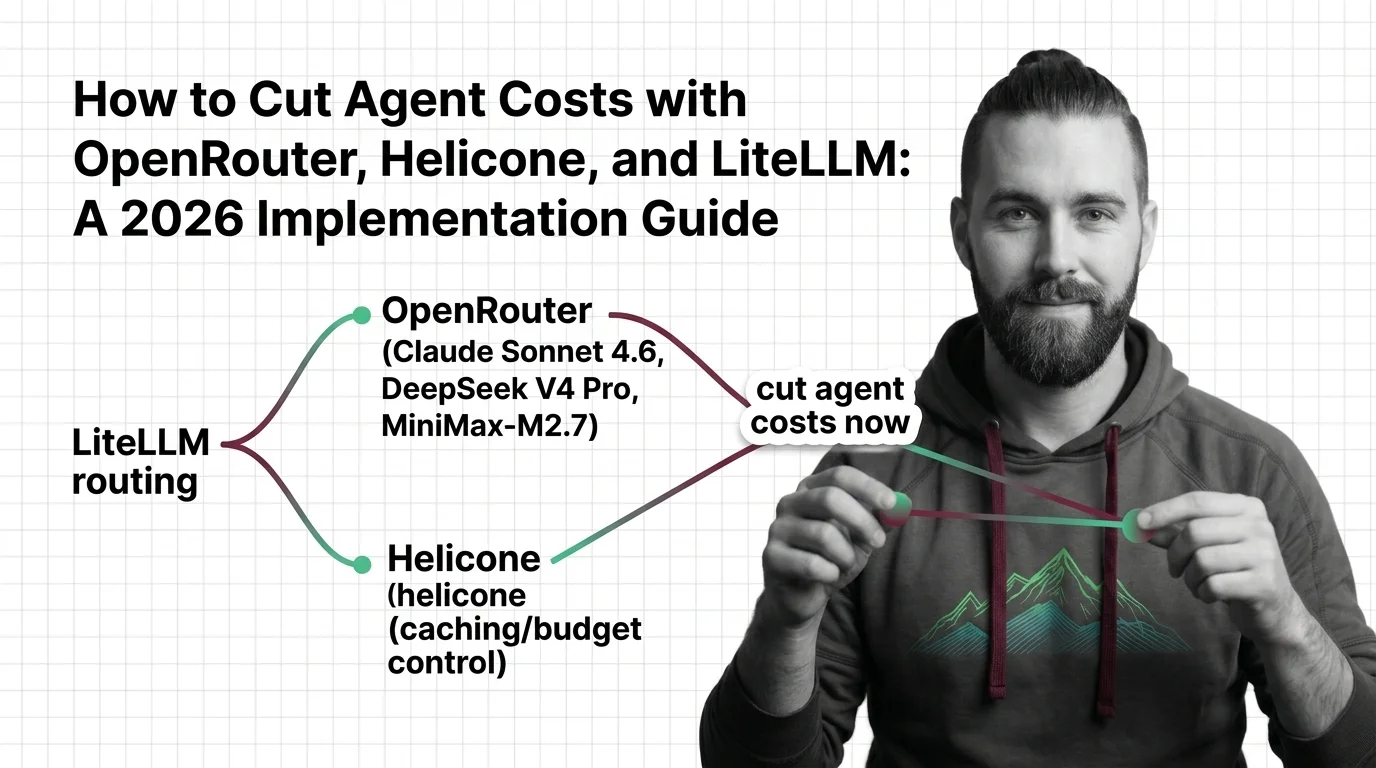
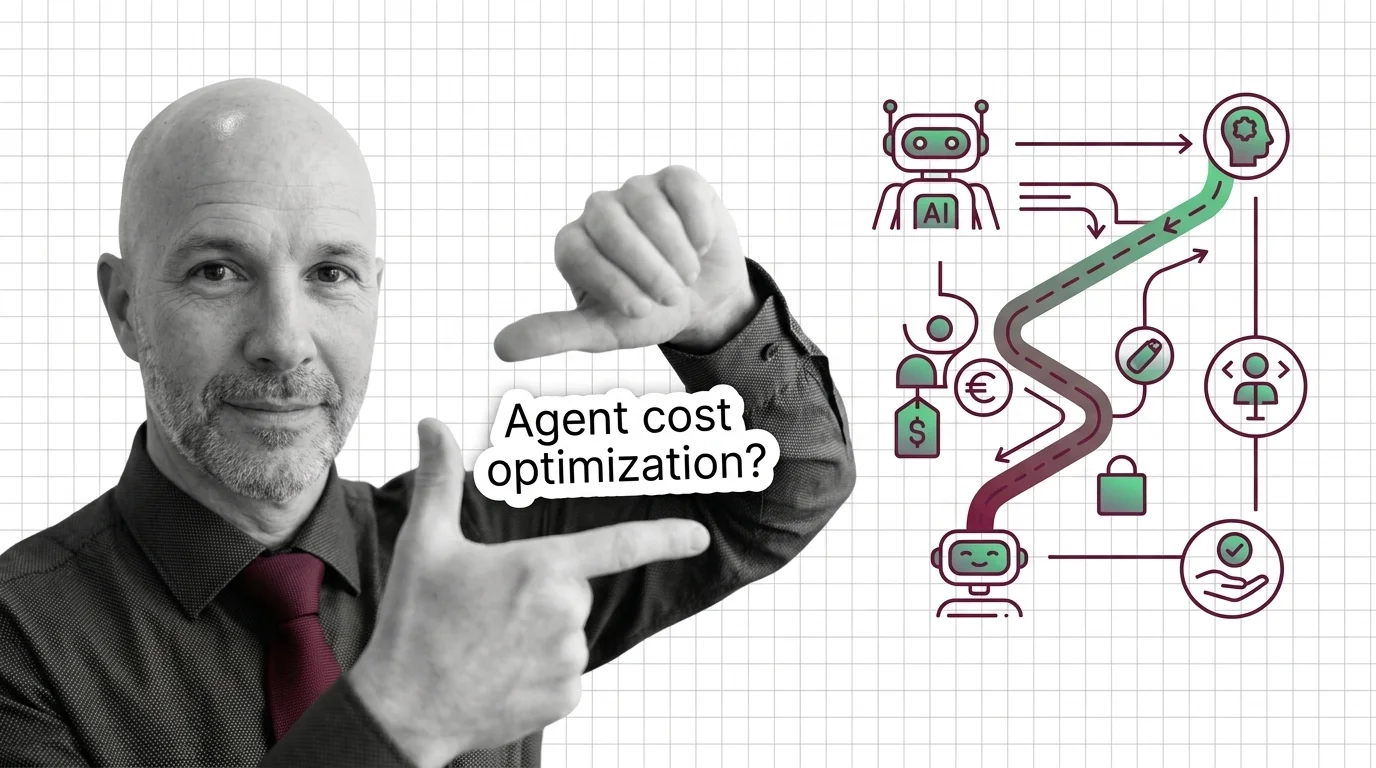
Finally, an agent that completes every task but costs more than the work it replaces is still a failed system. Agent cost optimization is the discipline of model routing, caching, and token budgets — how routing, caching, and token budgets cut LLM spend explains the levers, cutting agent costs with OpenRouter, Helicone, and LiteLLM implements them, and the 2026 LLM router race shows where the routing market itself is heading.
The costliest confusion in this theme is treating the three control layers — guardrails, approval gates, and error handling — as interchangeable “safety”. They act at different moments and protect against different things.
| Guardrails | Human-in-the-loop | Error handling | |
|---|---|---|---|
| When it acts | Before the action executes | At designated decision points | After something fails |
| Question it answers | Is this action allowed at all | Should a human decide this one | How do we recover and continue |
| Protects against | Harmful or out-of-scope actions | Consequential judgment calls | Tool outages, malformed outputs |
| Typical failure mode | Rules too loose to ever block | Rubber-stamp approvals under volume | Retries without idempotency, silent degradation |
Two finer distinctions trip teams inside this cluster just as often:
Q: Where should I start with agent reliability as a software developer? A: Start with evaluation — it is the closest concept to the testing discipline you already have, and every other layer’s value is measured through it. How trajectory analysis measures agent performance is the first read; guardrails come immediately after.
Q: Do I need human approval gates if I already have guardrails? A: Usually yes — they solve different problems. Guardrails encode rules you can state in advance; approval gates handle actions that are permitted but consequential enough to need judgment. When guardrails fail examines what happens when teams rely on rules alone.
Q: Why does my agent fail in production when every component test passes? A: Because agent failures live in trajectories, not components: the model picks a legal-but-wrong tool, or context degrades across many steps. Component tests never see that path — tracing does. Start with what traces, spans, and token attribution reveal.
Q: Can I just route every task to the cheapest model? A: Routing is a trade-off, not a discount button: cheaper models fail more tasks, and failed tasks carry retry, oversight, and correction costs that rarely show up on the API bill. Cheap models, hidden costs works through the trade-offs before you commit.
Q: What should I read before building self-correction loops? A: The failure-mode fundamentals: idempotency and durable execution come first, because a self-correction loop that re-runs non-idempotent steps causes the incidents it was meant to prevent. Then layer in retries and fallbacks, simplest mechanism first.
Coming from software engineering? Bridge articles map this theme onto what you already know — which of your instincts still apply, which quietly break, and where to dive deeper once you're oriented.
Agent cost optimization is the practice of reducing how much it costs to run an AI agent in production. It covers …
Agent error handling and recovery is the set of techniques that keep AI agents working when something breaks. When a …
Agent evaluation and testing is how teams measure whether an AI agent actually does its job. It looks beyond a single …
Agent guardrails are the safety mechanisms that limit what an autonomous AI agent is allowed to do. They include …
Agent observability is the practice of tracing, logging, and monitoring AI agent systems so engineers can see what an …
Human-in-the-loop for agents is a design pattern that pauses an autonomous workflow at defined checkpoints so a person …
MONA's articles build your mental model — how things work, why they work that way, and what intuition to develop.
Updated May 12, 2026
Concepts covered
Agent guardrails enforce permission boundaries on autonomous AI. Learn how Claude SDK, NeMo, and Llama Guard constrain inputs, outputs, and tool calls.
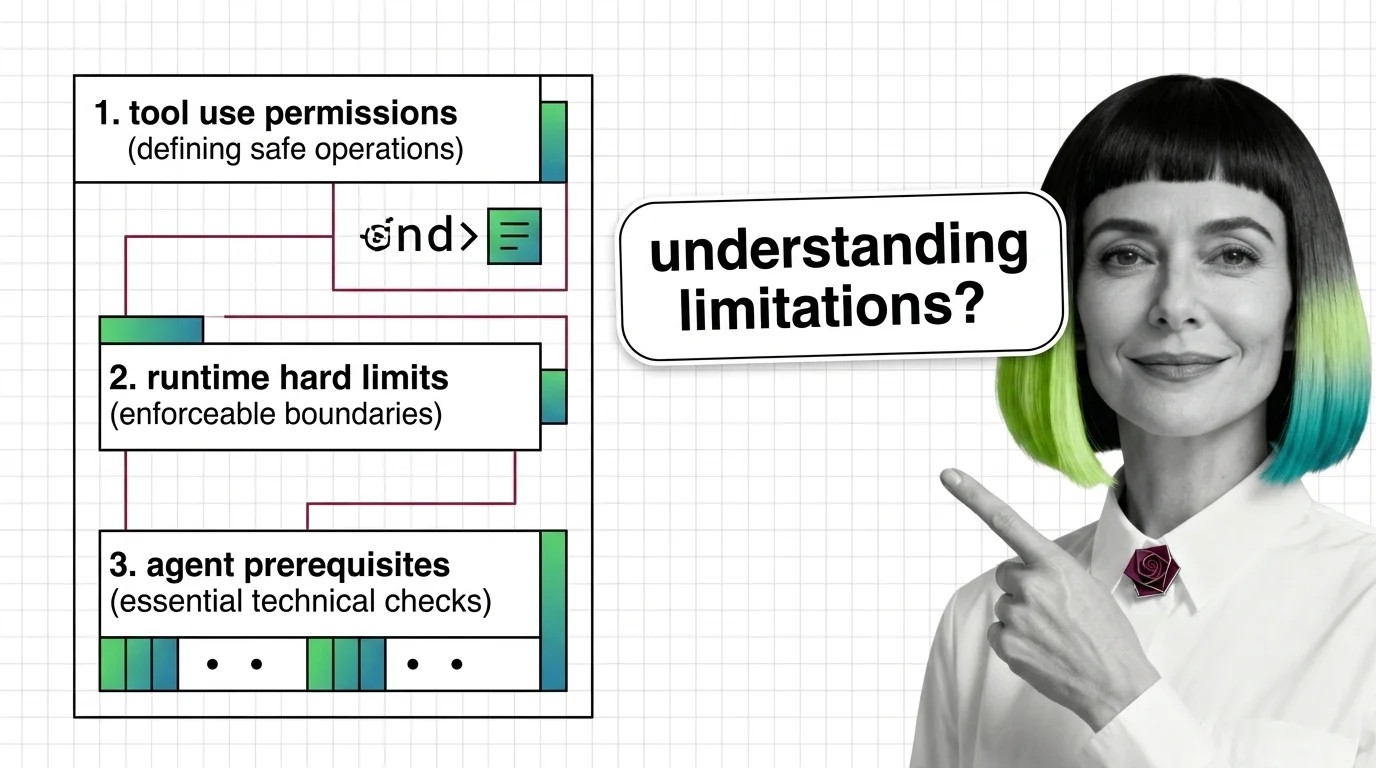
Agent guardrails are runtime classifiers wrapped around tool-use loops — useful, partial, and demonstrably evadable. Here's what to understand first.
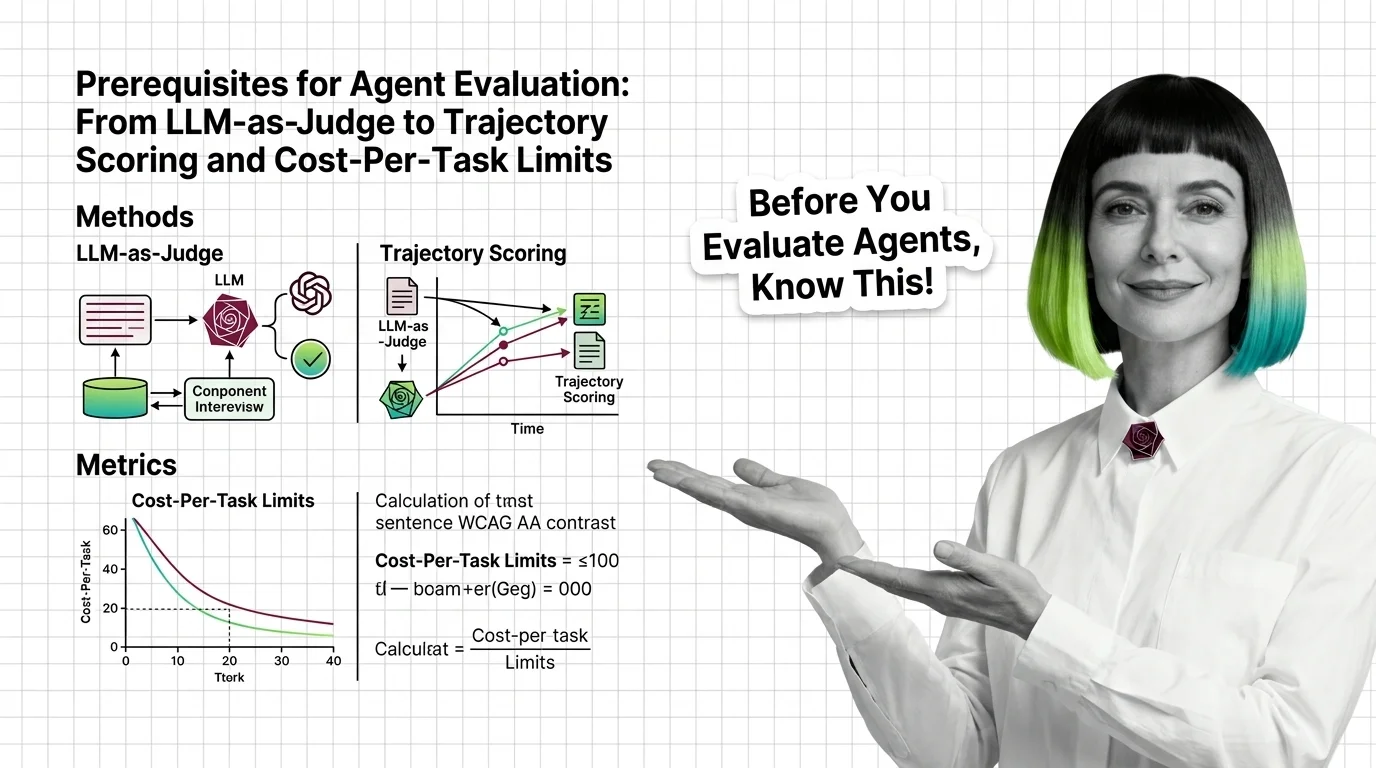
Agent evaluation needs three signals: outcome, trajectory, cost. Learn why LLM-as-judge has known biases and where major benchmarks quietly break.
Agent evaluation grades the path, not just the final answer. Learn how trajectory analysis exposes silent reasoning failures in production AI agents.
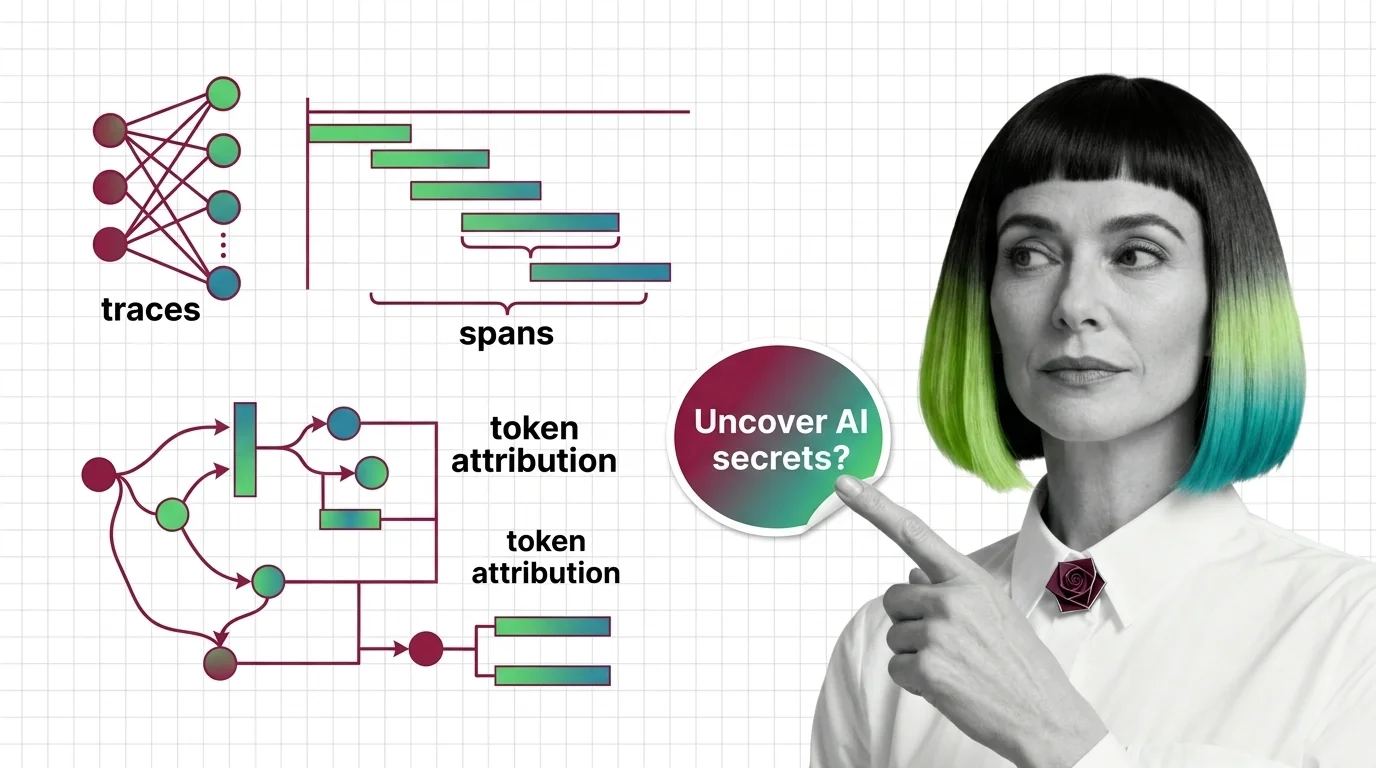
Agent observability records every step an AI agent takes. Learn how traces, spans, and token attribution reveal what your agent actually did at runtime.
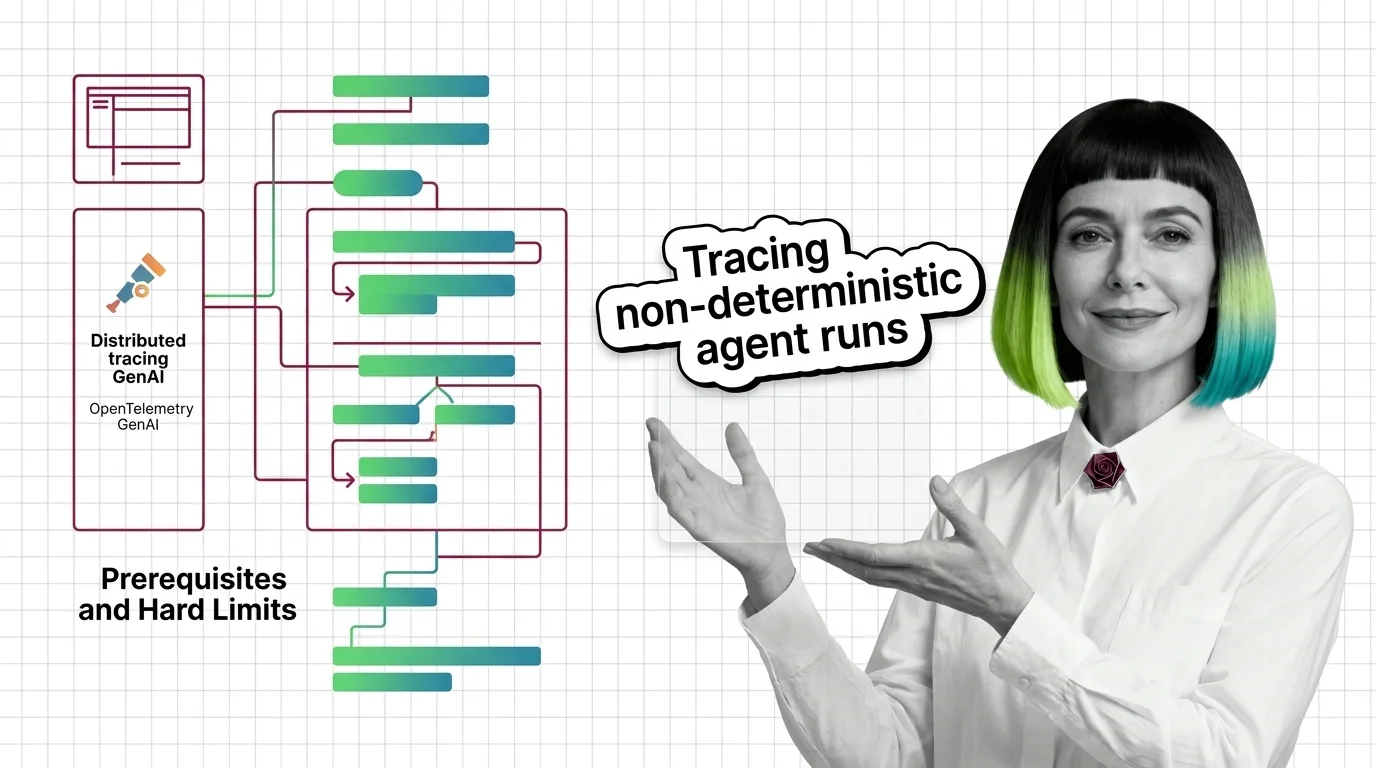
OpenTelemetry GenAI semconv is still in Development. What you need to know about tracing prerequisites and hard limits of observing non-deterministic agents.
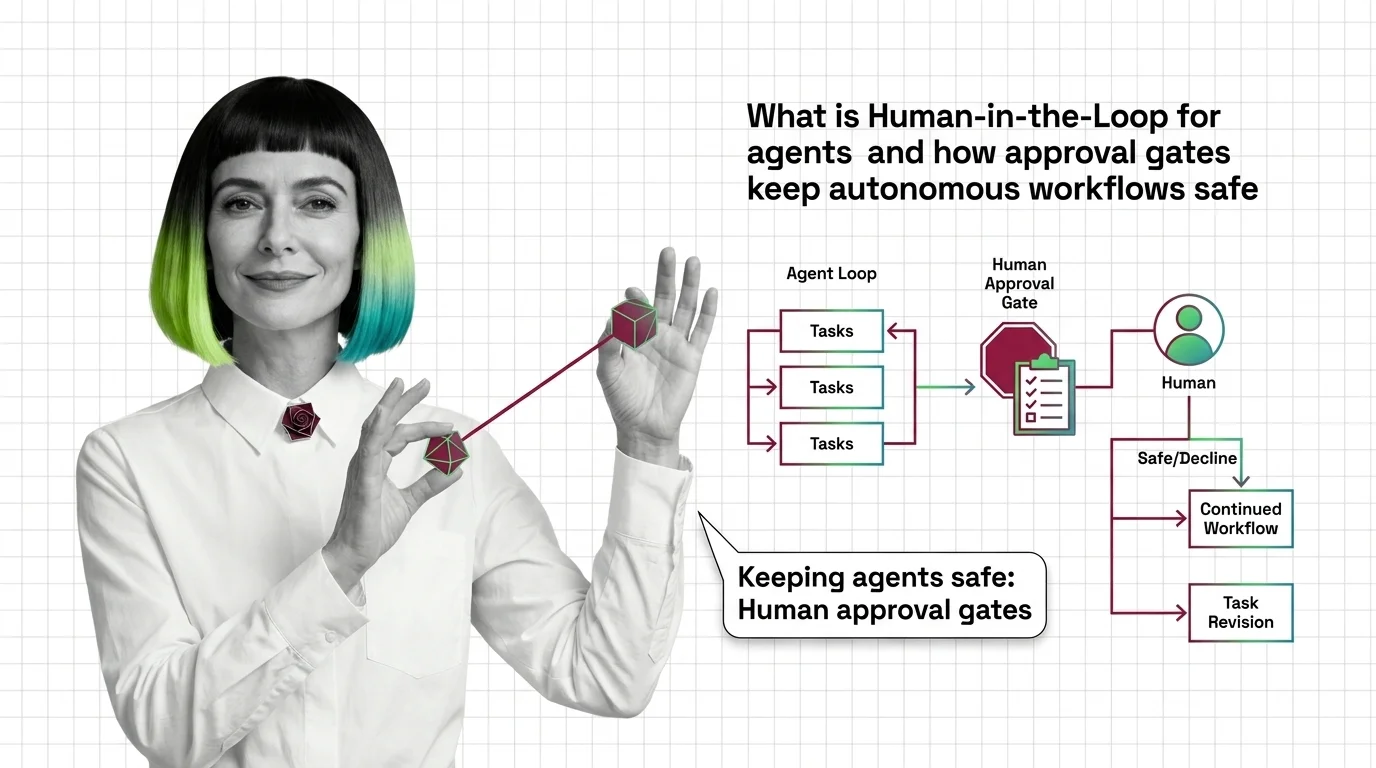
Human-in-the-loop for AI agents pauses autonomous workflows at risky steps and routes them to a human gate. Here's how approval works in production.
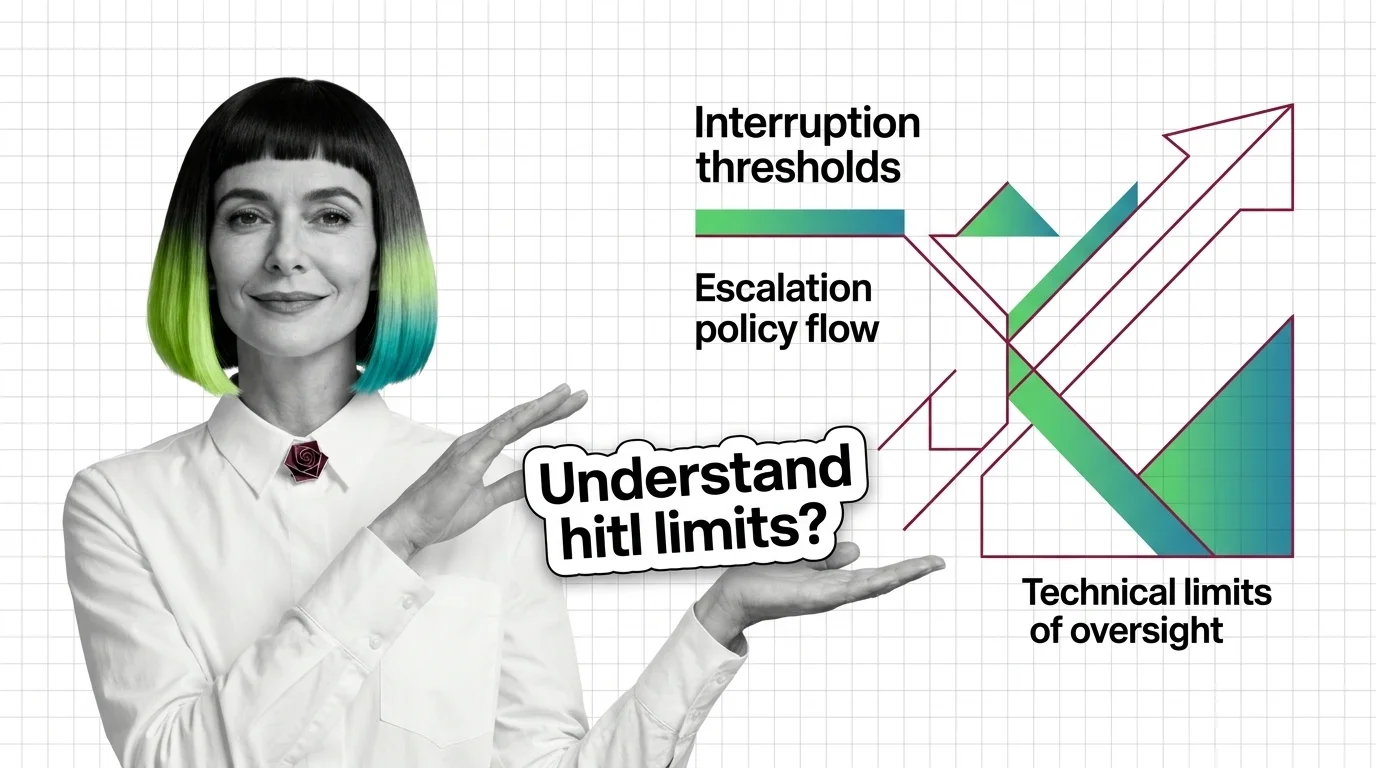
HITL for agents is easy to start and hard to scale. Learn the prerequisites — durable state, idempotency, escalation — and where vigilance breaks.
Agent error handling turns brittle LLM loops into resilient systems. Learn how guardrails, retries, and checkpoints catch tool failures and malformed outputs.
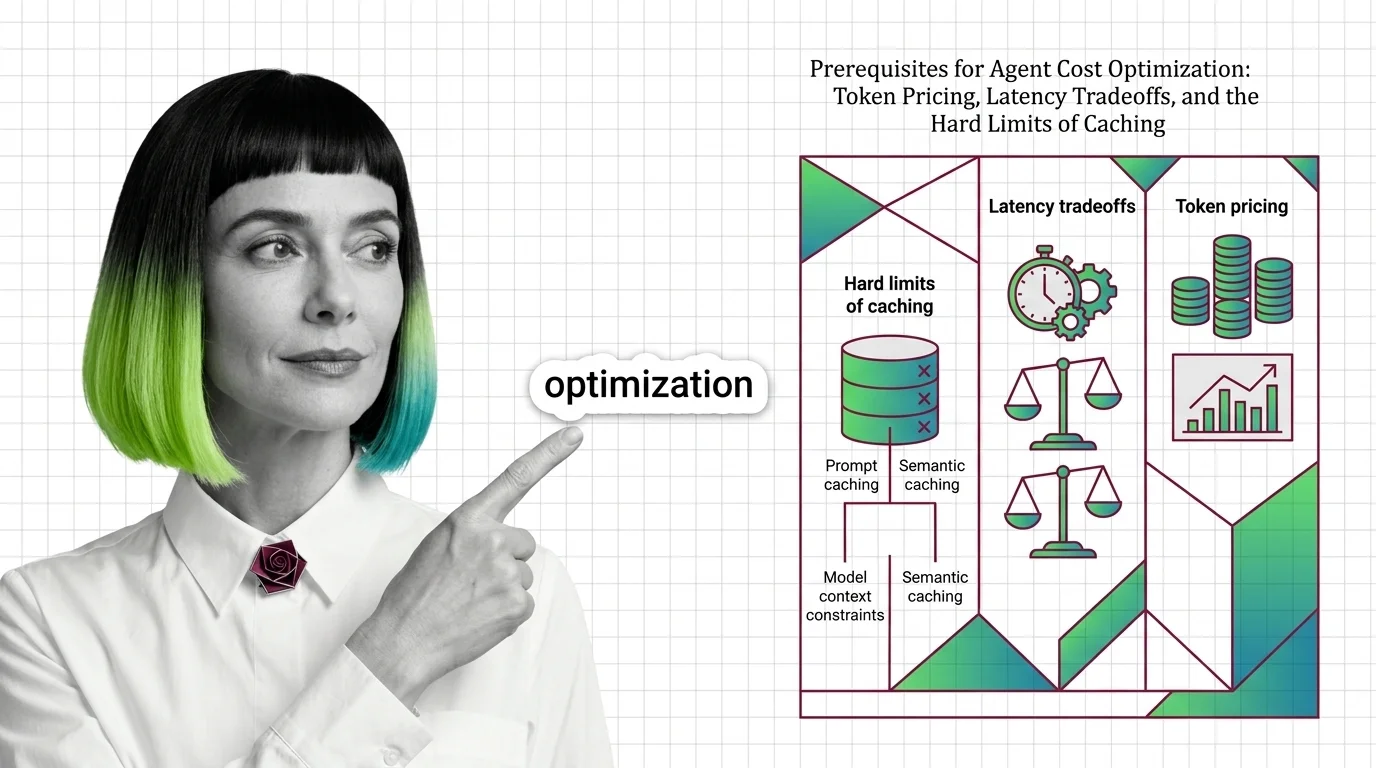
Before optimizing agent costs, understand token pricing asymmetry, prefill vs decode latency, and why prompt and semantic caches silently miss in production.
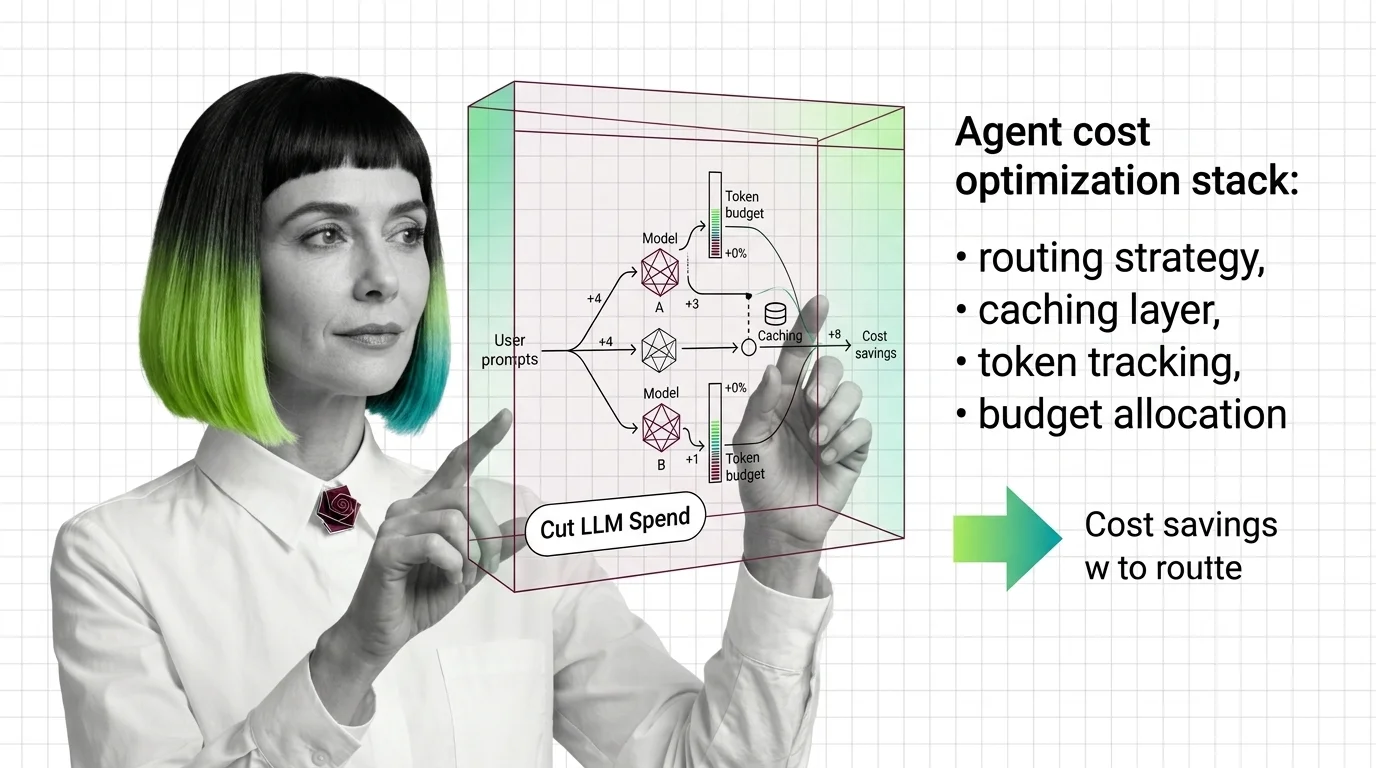
Agent cost optimization routes requests to the right model, caches reusable computation, and caps runaway loops before LLM budgets burn. Here is the mechanism.
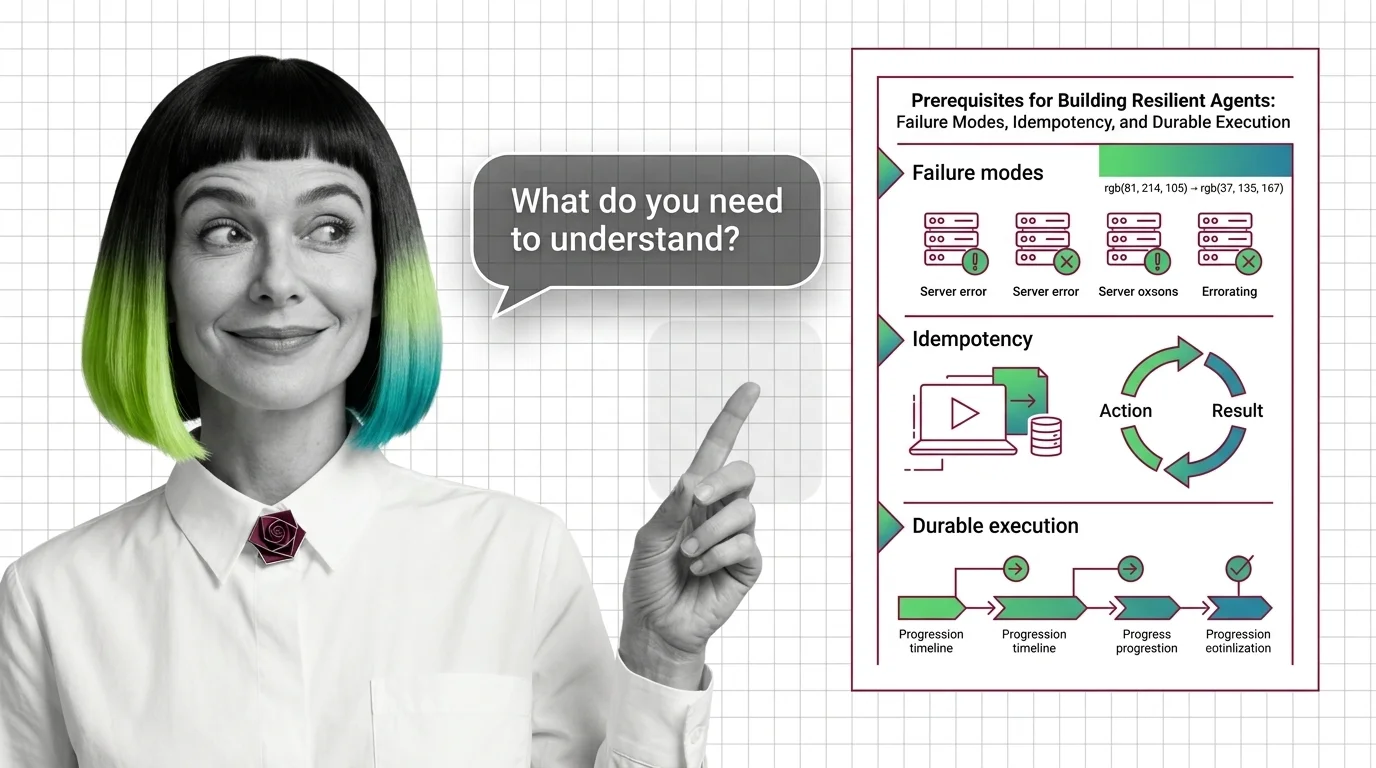
Reliable AI agents need three foundations: a failure-mode taxonomy, idempotent action boundaries, and durable execution that survives mid-workflow crashes.