Fifth Element
Behind every AI pipeline, there are two people who built it, break it, and rebuild it — Jula and Matt. Fifth Element is where we share the real process: worklogs from building this site’s AI content pipeline, reflections on what we learned along the way, and the occasional playground experiment — a prompt, a trick, or a creative discovery that made us smile. No personas here. Just us.
- Home /
- Fifth Element
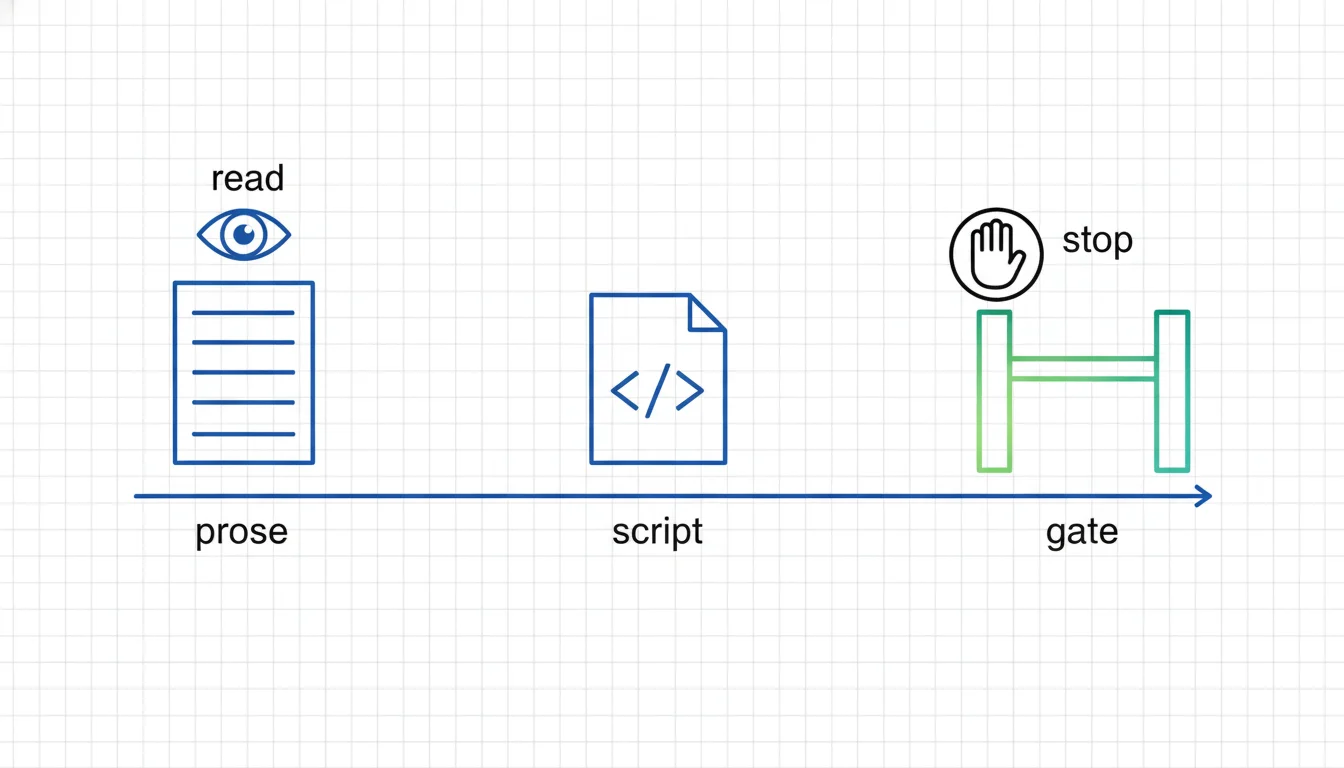
Boris Cherny's Steps of AI Adoption, Through the Eyes of Our Pipeline
Seven months of building a content pipeline on Claude Code, told stage by stage on Boris Cherny's five steps: 1 042 …
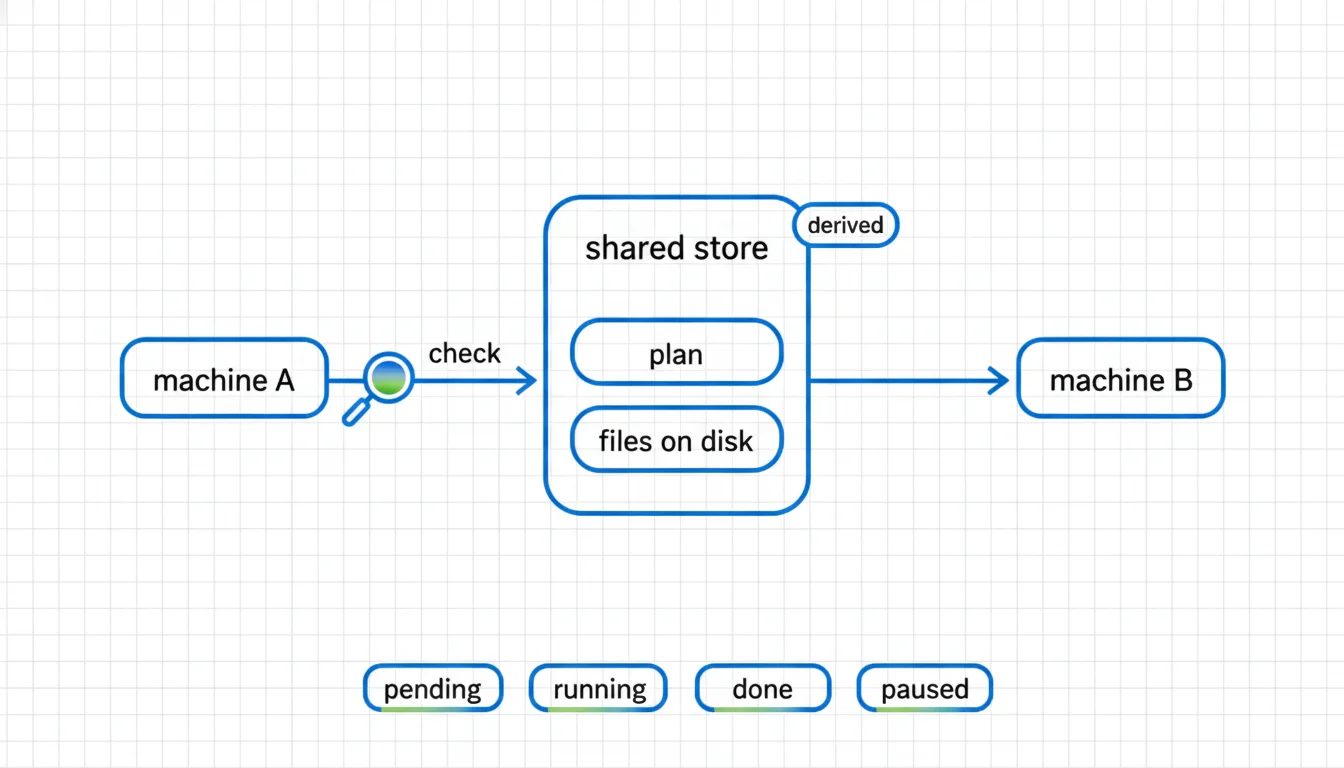
The Resume Flag That Lied to Me for Three Months
A resume flag is not resumability. Why our pipeline stopped trusting its own progress file and derives finished work …
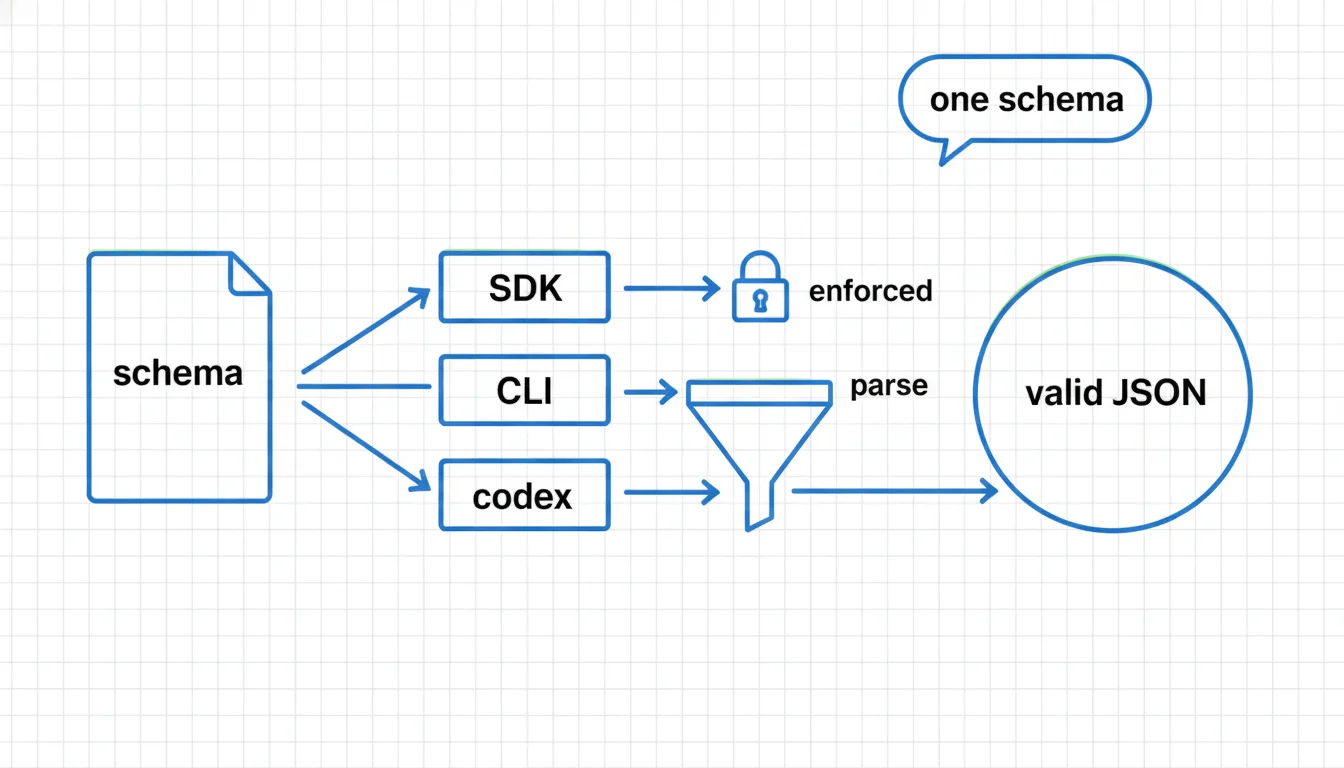
Asking for JSON Is Not Enforcing It: One Schema, Three Backends, Three Guarantees
Only one of three AI backends enforces a JSON schema at the API layer. Why the schema in the prompt is the portable …
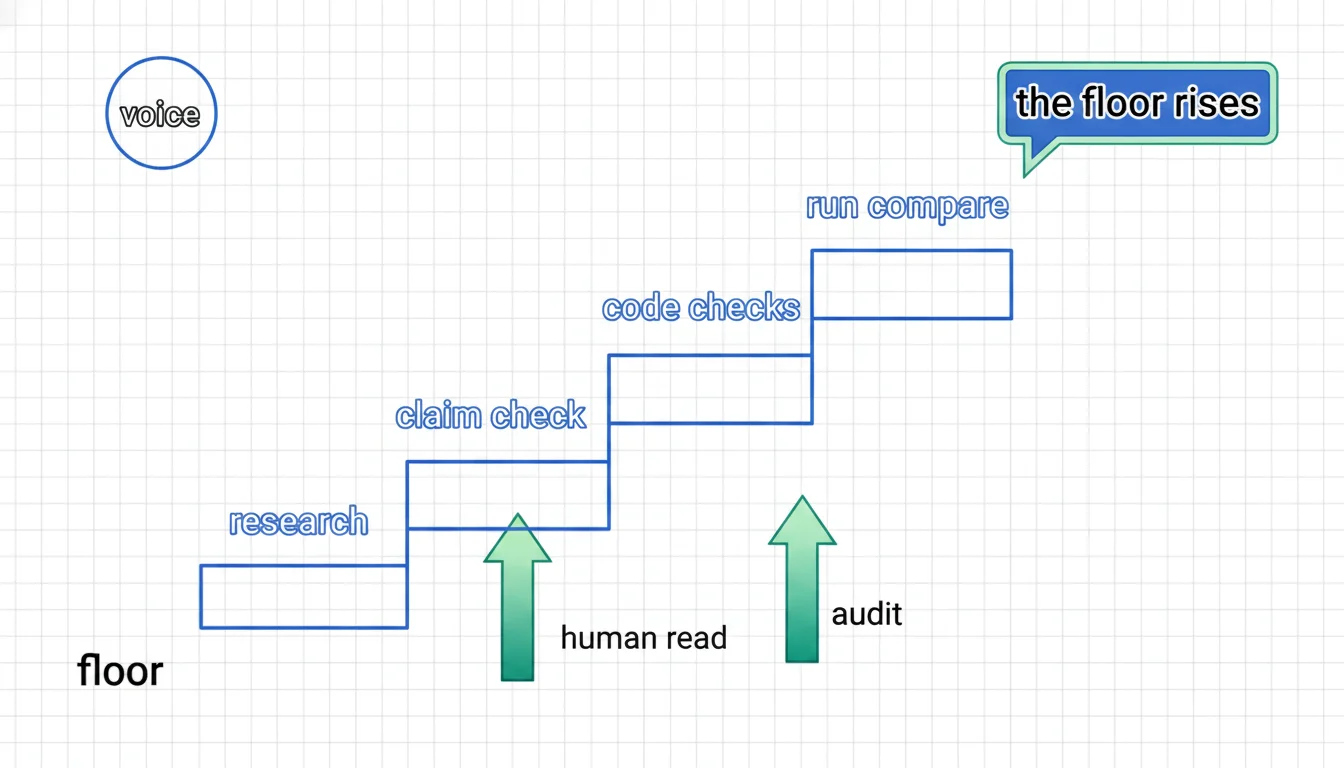
The LLM Evaluation Metrics We Actually Run: What 90+ Checks per Article Taught Us
An evaluation harness that grew by accident — what 90+ checks per article catch, where they stop discriminating, and the …
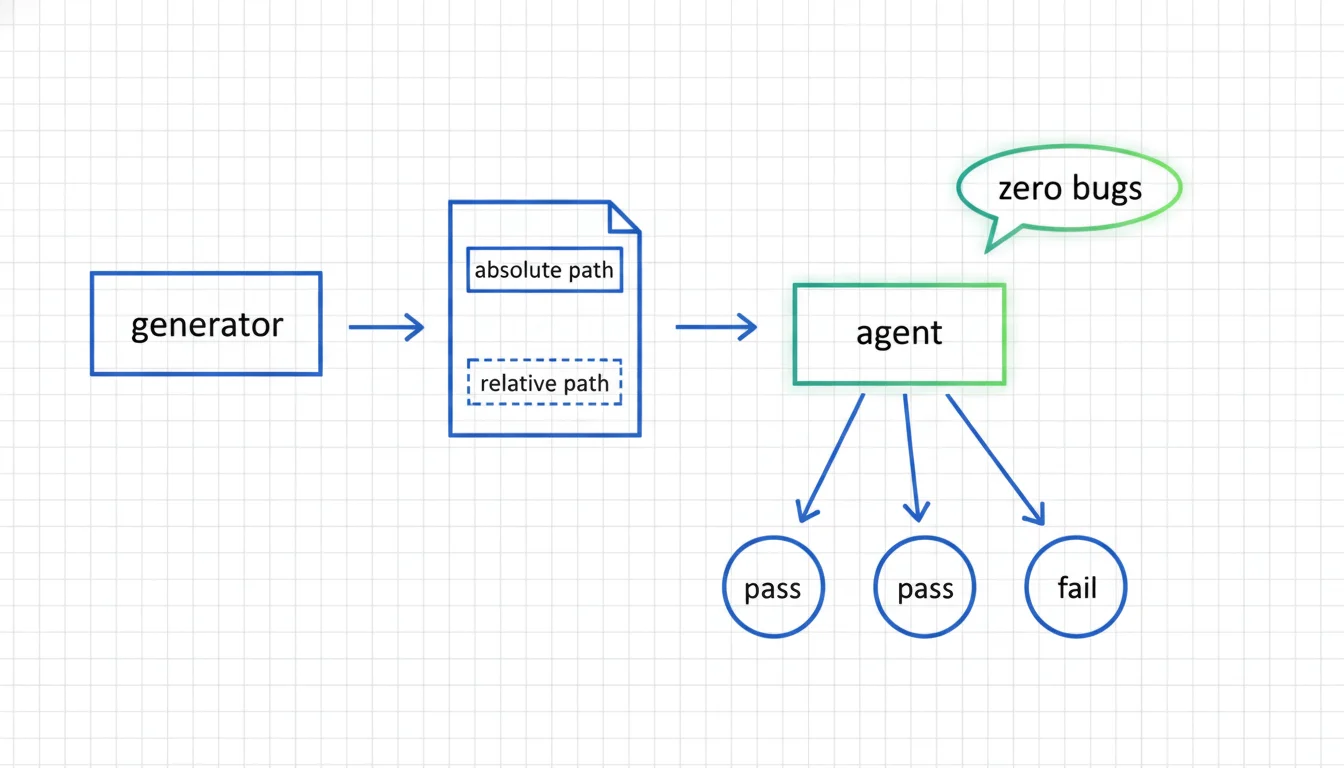
117 Identical Failures, Zero Bugs: Anatomy of a Flaky AI Agent
117 identical errors in seven weeks of overnight agent runs, and no bug in the code — how an ambiguous path contract …
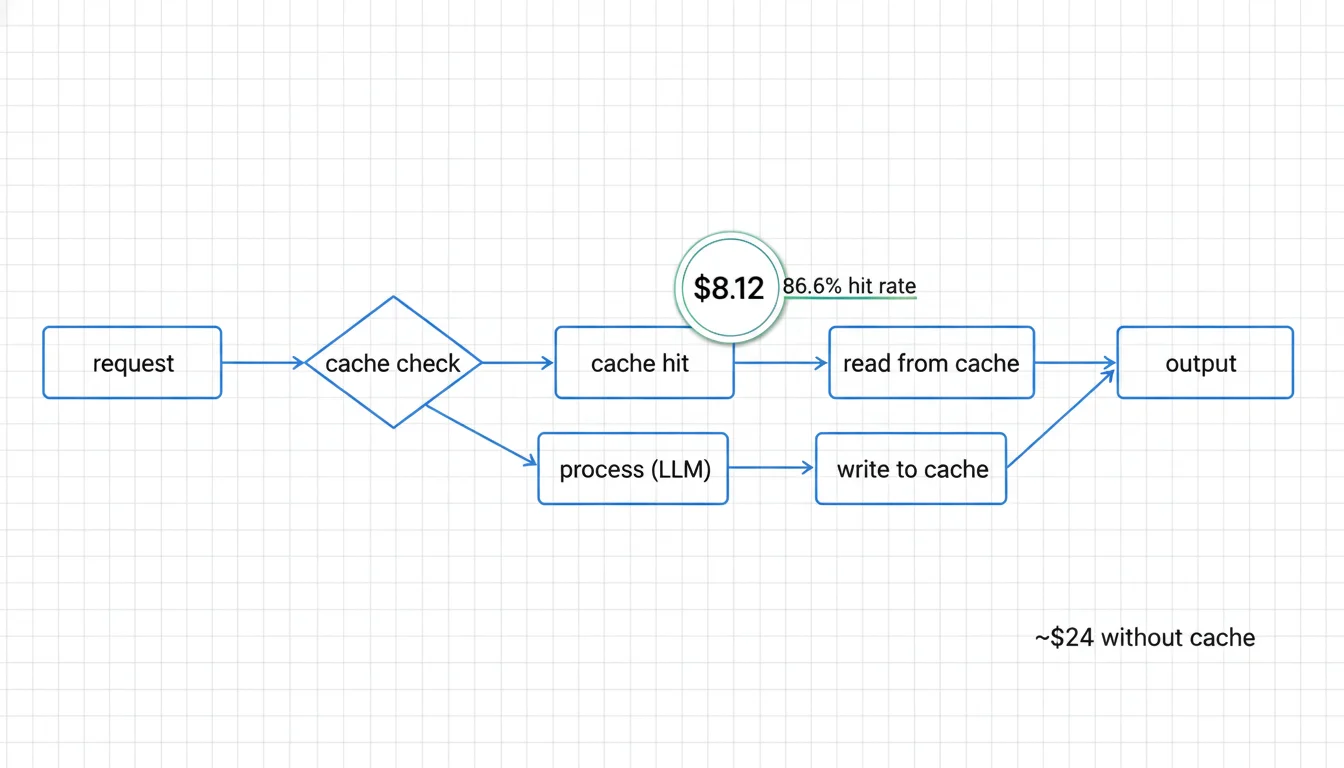
Prompt Caching in LLMs, Measured on Our Own Bill
One pipeline run, 7.3 million tokens, an $8.12 bill — what prompt caching actually does to LLM API costs, measured in …
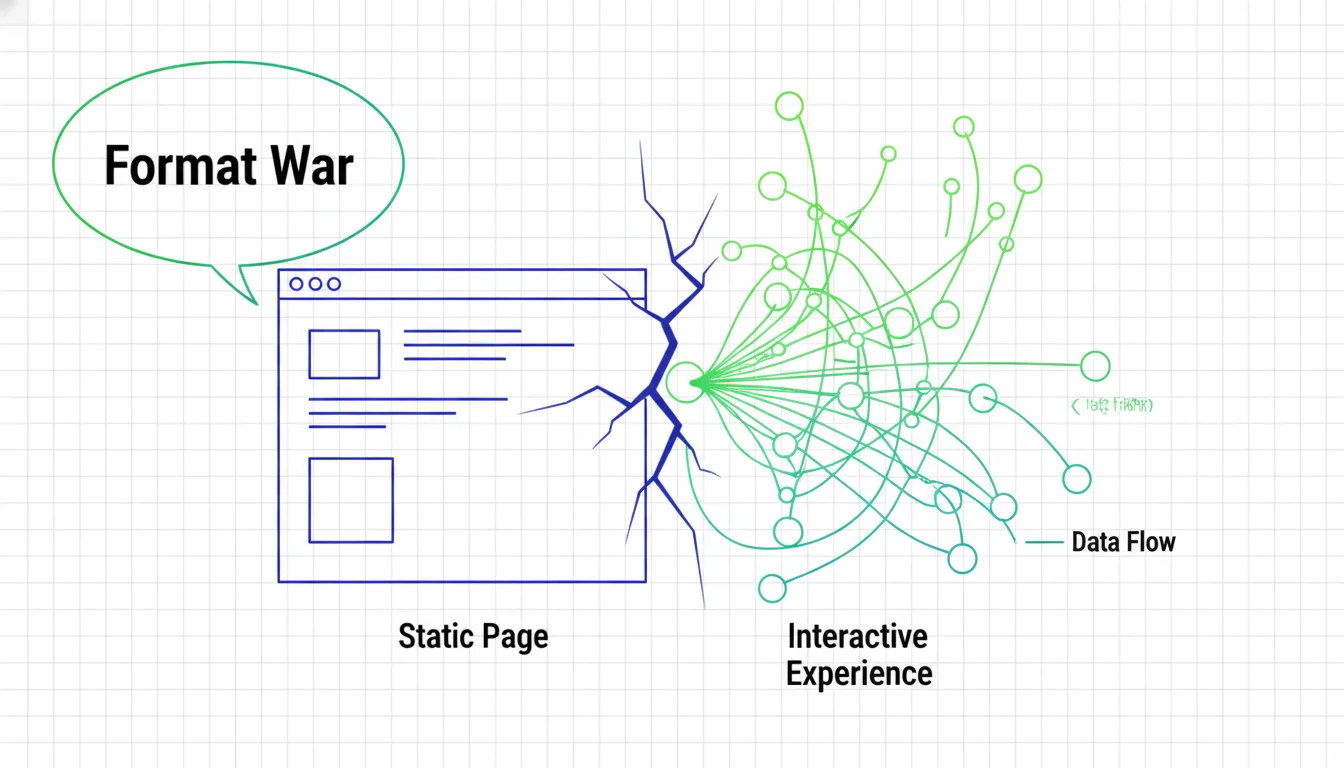
I Built an AI Content Pipeline. Google I/O Made Me Question Everything.
What happens when the search engine stops needing your website? A reflection on Google I/O's generative UI demo and what …
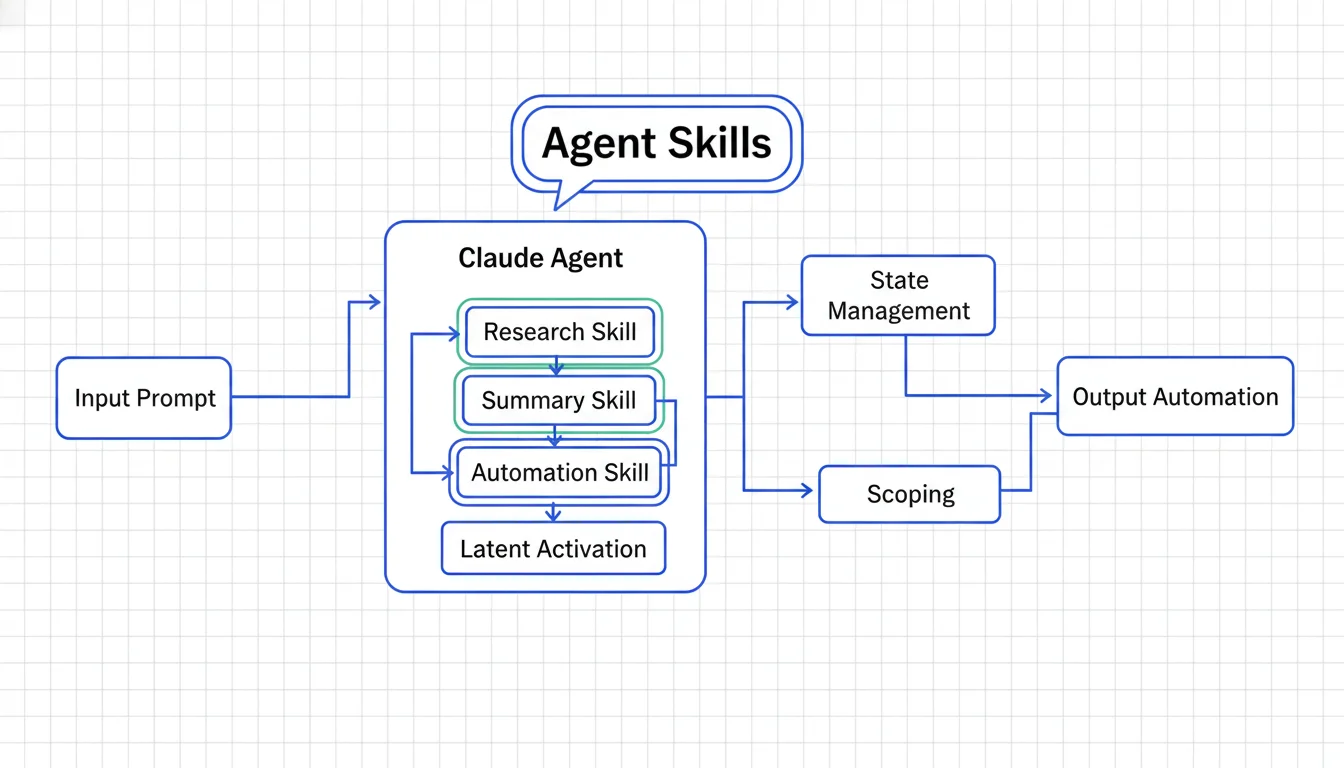
Understanding Claude Skills: A New Paradigm for Agentic Workflow Automation
How Claude Skills eliminate the repetition tax in AI-assisted development by codifying expertise into persistent, …
About Fifth Element
Best AI Web runs on an AI content pipeline with four synthetic personas. But the pipeline didn’t build itself. Fifth Element is the human layer — articles written by the editors who designed, debugged, and continuously improve the system.
We write three kinds of articles here. Worklogs document real workflows — how we set up a tool, solved a problem, or built a feature. Reflections are personal takes on what we’re learning as we work alongside AI daily. Playground pieces are the fun ones — creative prompts, visual experiments, and playful discoveries that don’t fit anywhere else but deserve to be shared.
How we write
We use AI throughout the writing process — and we think that’s a strength, not a caveat. Deep research tools like NotebookLM and AI-powered search are indispensable for a writer in 2026. They do research faster and more thoroughly than any human can alone, and it would be a mistake not to use them. We also use AI for drafting, formatting, English language review, and readability improvements. How much of the drafting is AI-assisted varies from article to article. What does not vary: the experience is first-hand, and the ideas, structure, and editorial decisions are ours.
Q: Are Fifth Element articles written entirely by hand? A: Some are, some are not. Every one of them starts from something we actually did — our own runs, our own numbers, our own mistakes — and the ideas, structure, and editorial judgment are human throughout. The drafting is where it varies: some pieces are written by hand, others are drafted with AI assistance from our own notes. We believe saying that plainly is more honest than pretending AI doesn’t exist in a writer’s toolkit.
Q: What is the difference between Fifth Element and the rest of Best AI Web? A: The rest of the site is generated by our AI content pipeline — four synthetic personas (MONA, MAX, DAN, ALAN) producing articles through a structured, multi-phase process with human review. Fifth Element is the reverse: nothing here comes from the pipeline. These are our own experiences, written up by us — some by hand, some drafted with AI assistance — with the reporting and editorial judgment human throughout.
Q: What does “Playground” mean? A: Playground pieces are lightweight, playful experiments — a creative prompt that produced something beautiful, a visual experiment, a fun workflow trick. Not everything has to be a production guide. Sometimes a good prompt is just a good prompt.
Q: Will more article types be added? A: If we find ourselves writing something that doesn’t fit worklog, reflection, or playground, we’ll add a new type. The categories grow with the content, not ahead of it.