AI Transition
18 bridge articles mapping software engineering experience onto the AI landscape. Each article takes one AI domain — from RAG pipelines to agent orchestration — and shows which developer instincts still work, which silently fail, and what you need to learn from scratch. Written by MAX for backend developers, SREs, and data engineers who build in production, not in notebooks.
- Home /
- AI Transition
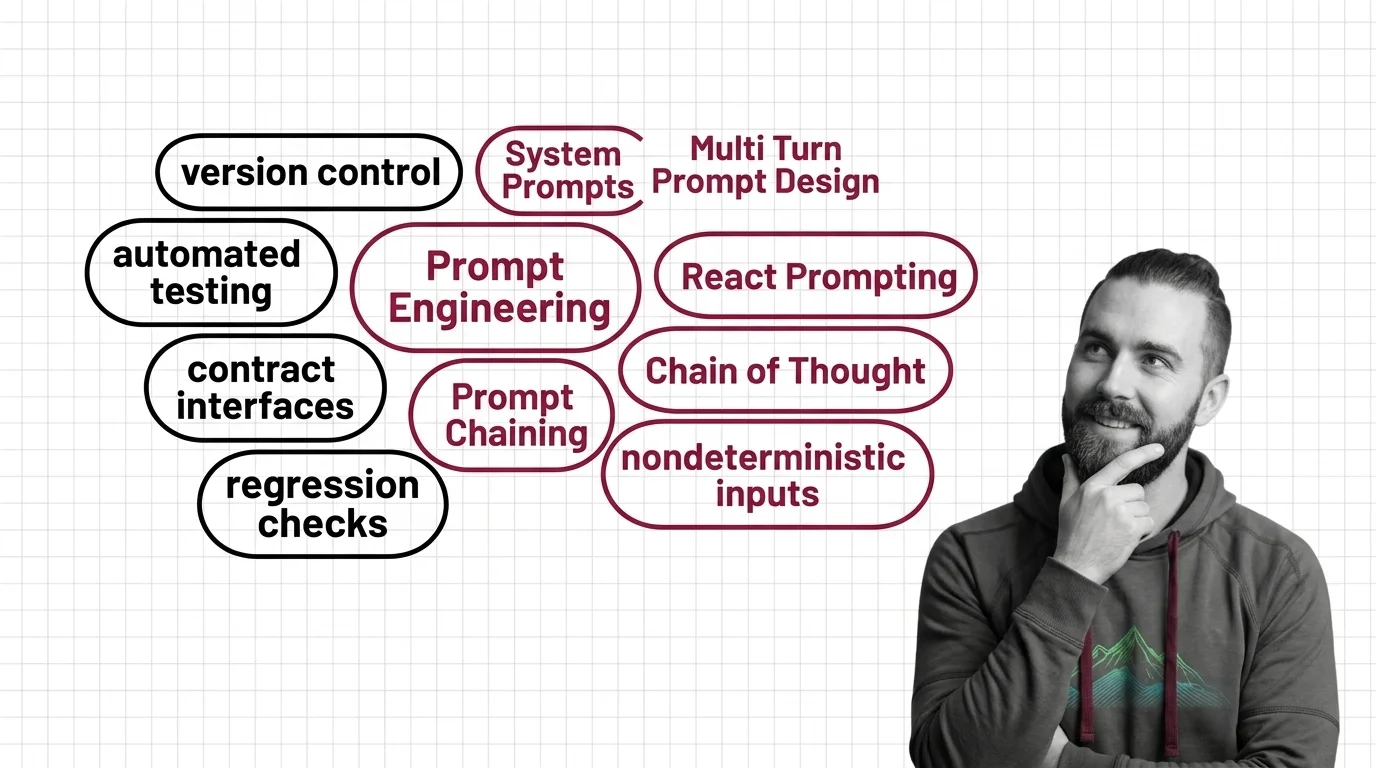
A Prompt Is an Interface Contract That Breaks Without a Changelog
Editing prompts in place works until a model update breaks production with no changelog to blame. Map which API and …
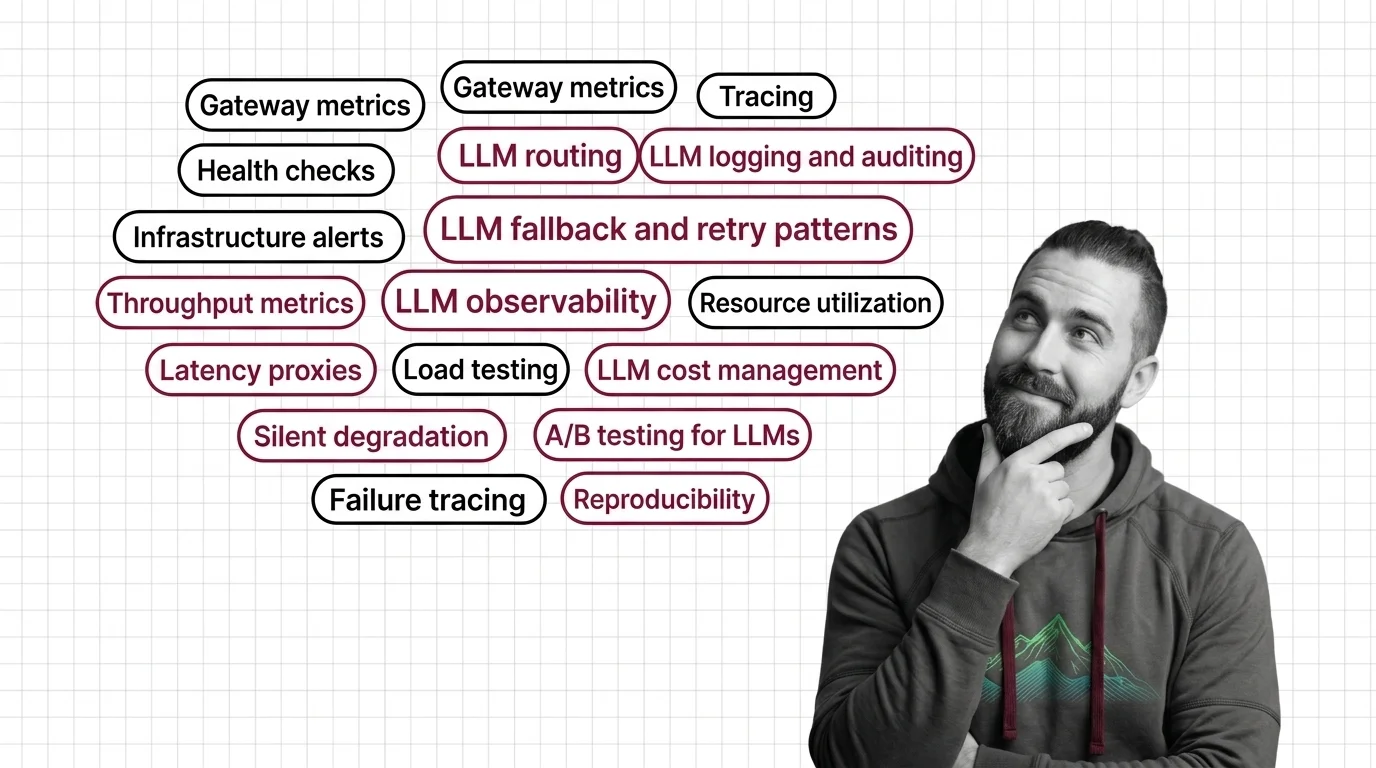
Green Dashboard, Wrong Answers: Operating LLMs in Production
Operating an LLM in production looks like running any other service until the answers rot with the dashboard still …
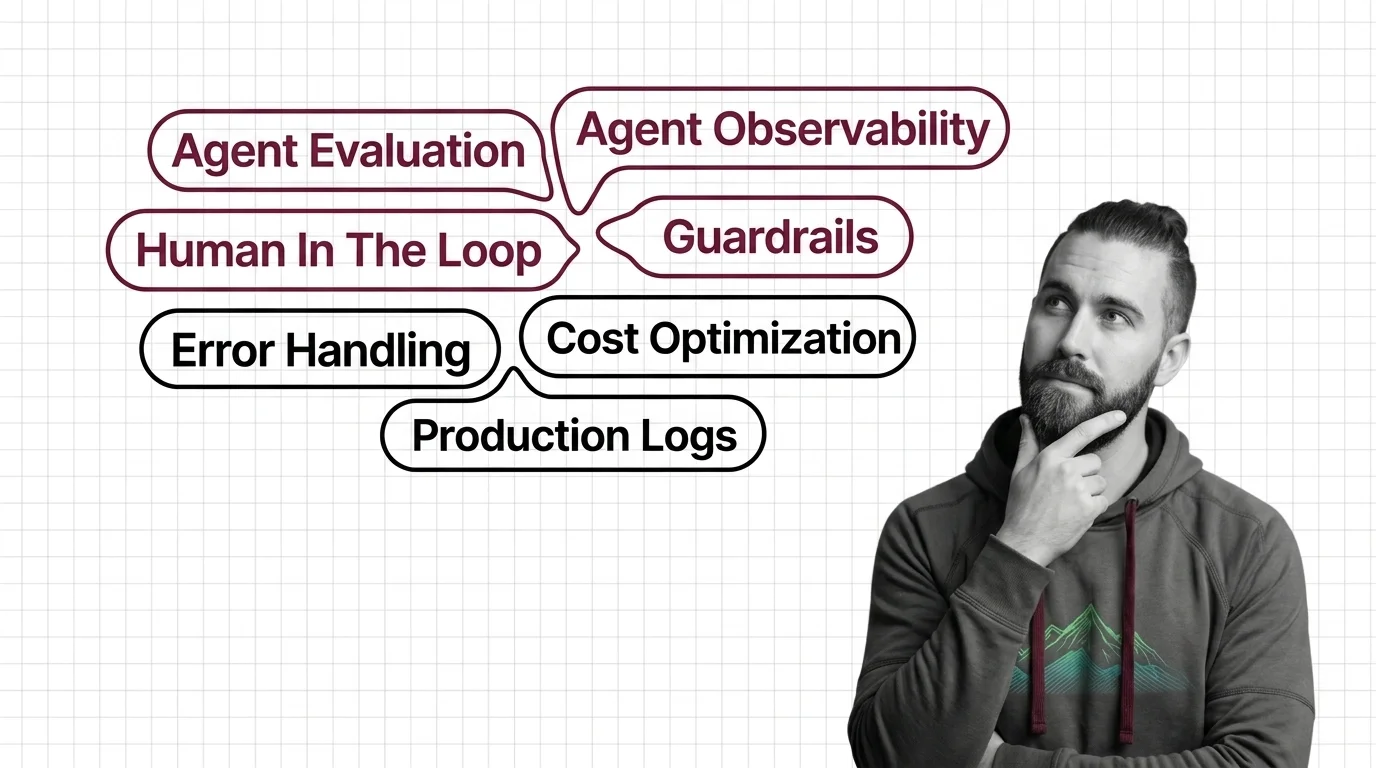
When an Agent Fails Without Throwing: Operating for Drift
An AI agent can degrade for weeks with no deploy, no exception, and no run you can replay. Map which reliability …
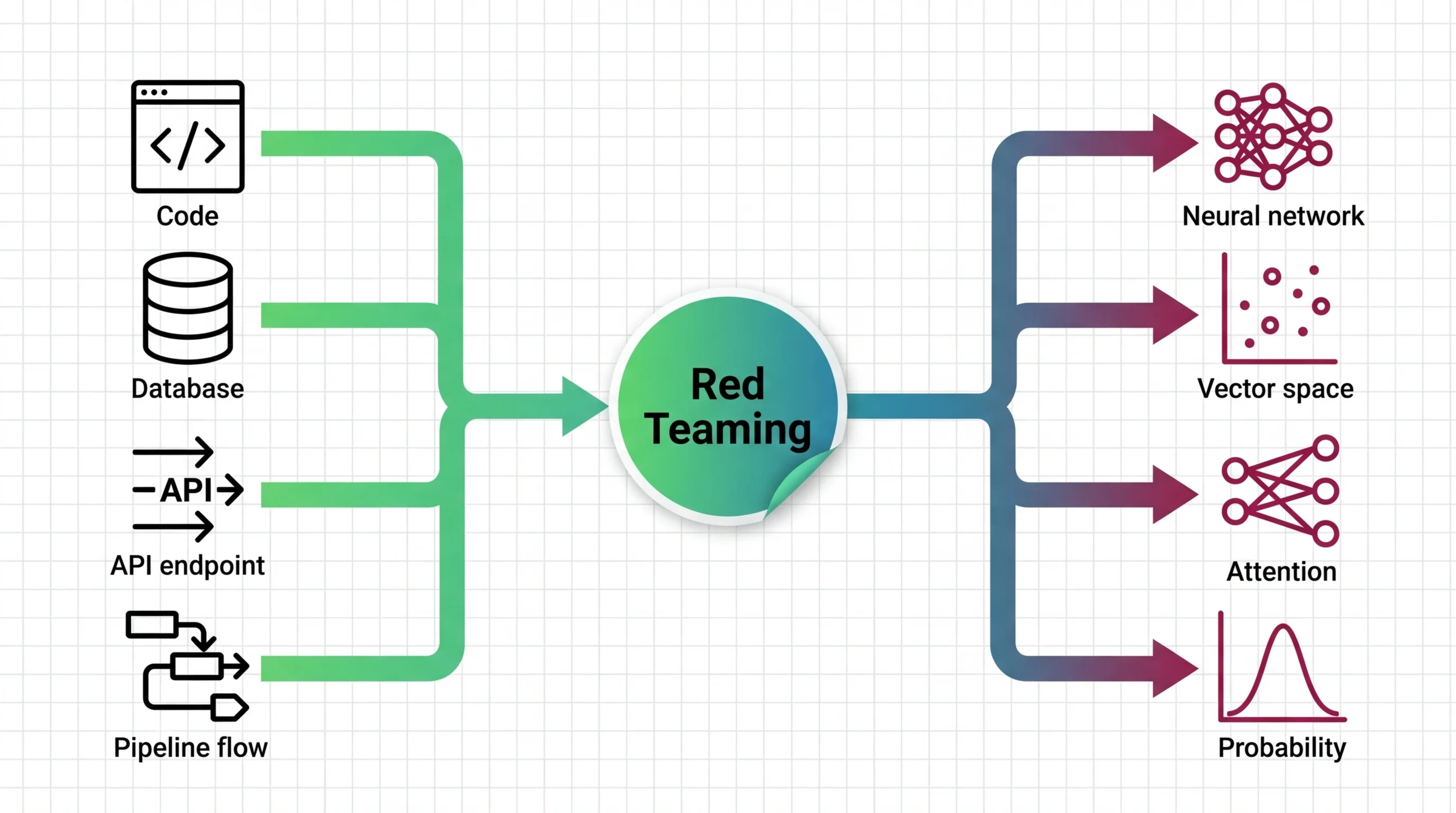
There's No Signature to Sanitize: AI's Injection Attack Surface
A support engineer forwards you a screenshot. Your assistant answered a billing question by quoting …
The Write Succeeded. Retrieval Won't: Where RAG Quality Is Decided
On Monday the legal team dropped six hundred scanned 1990s contracts into your ingestion pipeline. …
The Architecture Name on the Spec Sheet Is a Failure Contract
You wired a vendor’s image upscaler into your product pipeline — an off-the-shelf model, a few …
Shipping Code You Specified but an Agent Wrote
A branch shows up in your review queue on Monday. It touches a dozen files across three modules, the …
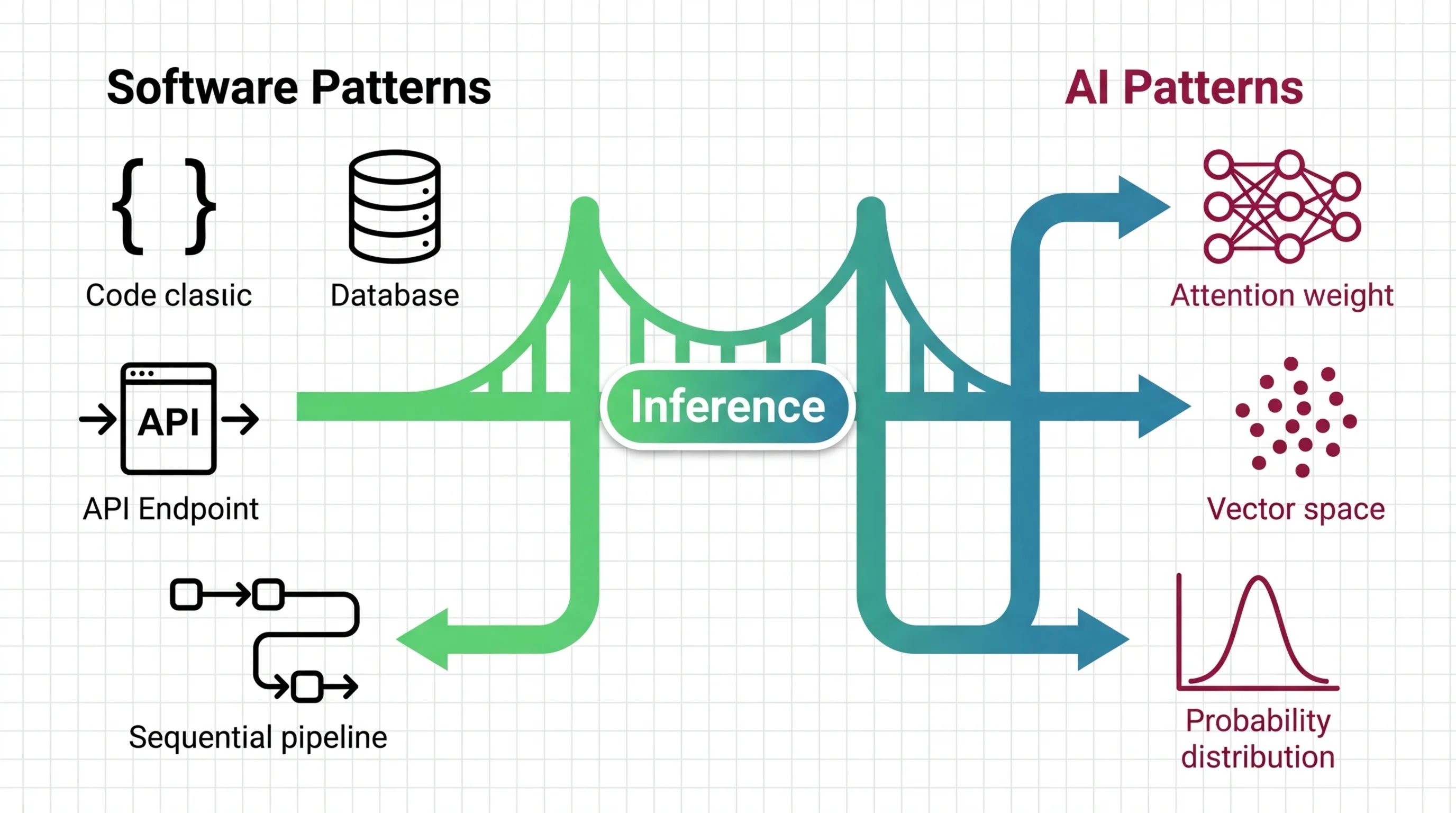
Inference Latency Is a Budget You Allocate, Not a Code Path
A vendor migration landed a model-inference service in your dependency graph. Nobody on the team …
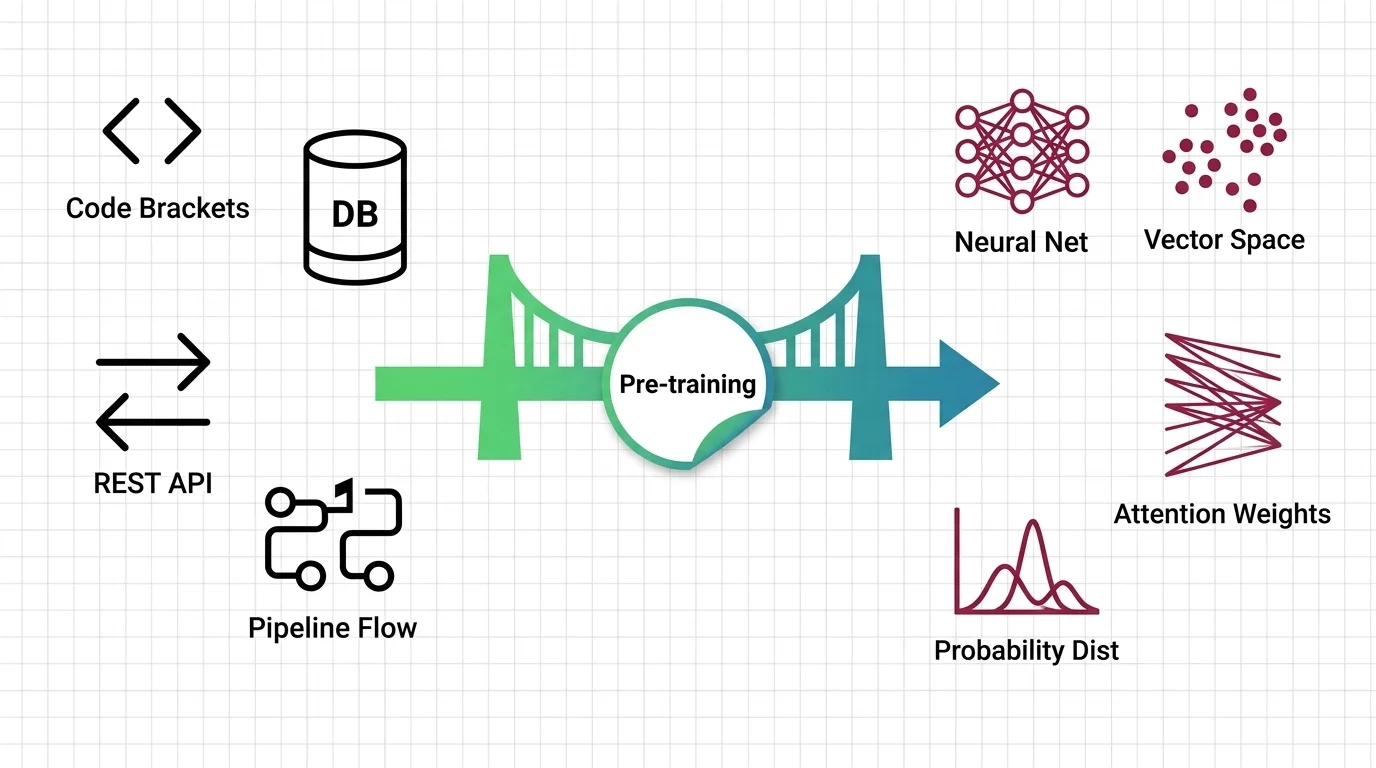
Choosing a Model Means Inheriting a Training Run You Can't Patch
Choosing an LLM means inheriting a training run you cannot inspect, pin, or patch. Map which dependency instincts …
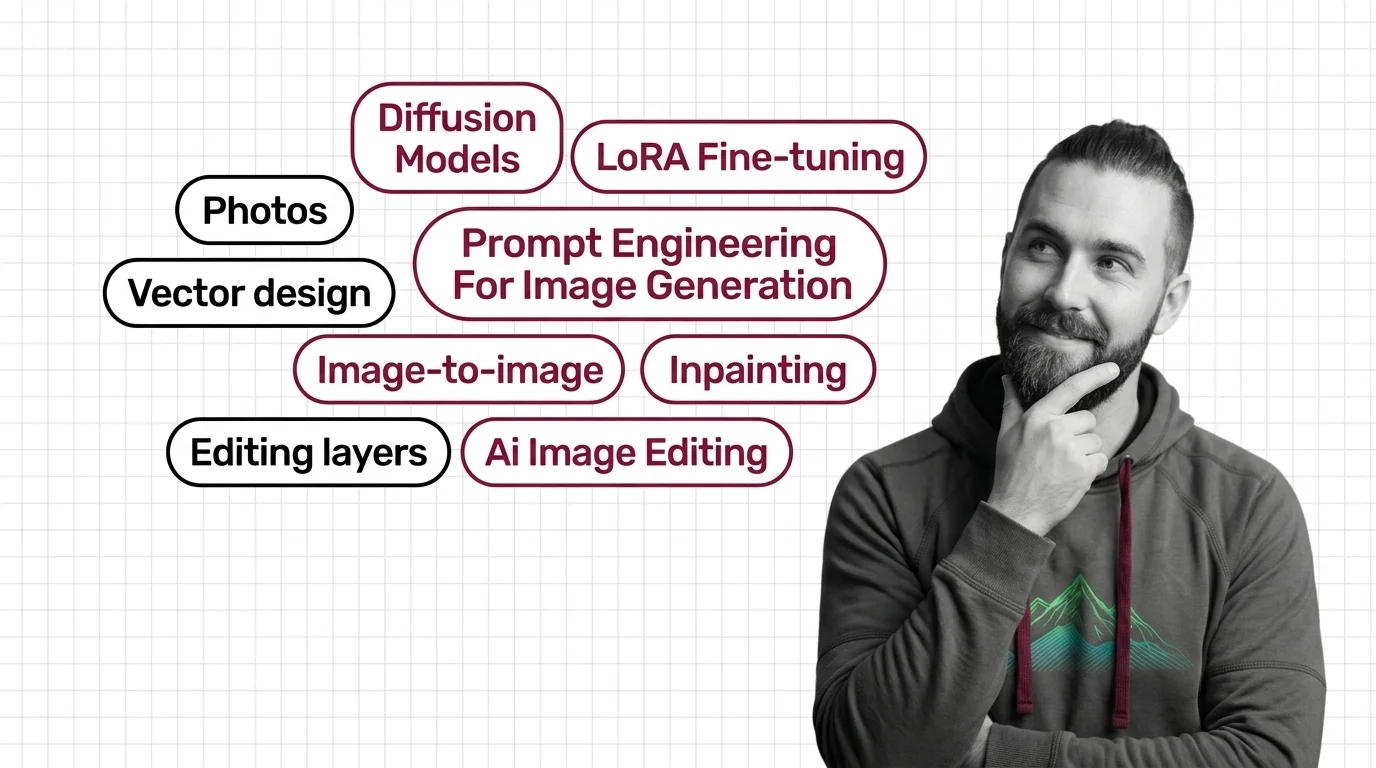
An Image API Is a Contract Whose Output You Can't Diff
QA opened a ticket on a Tuesday: the product thumbnails looked off. Not broken — off. Slightly …
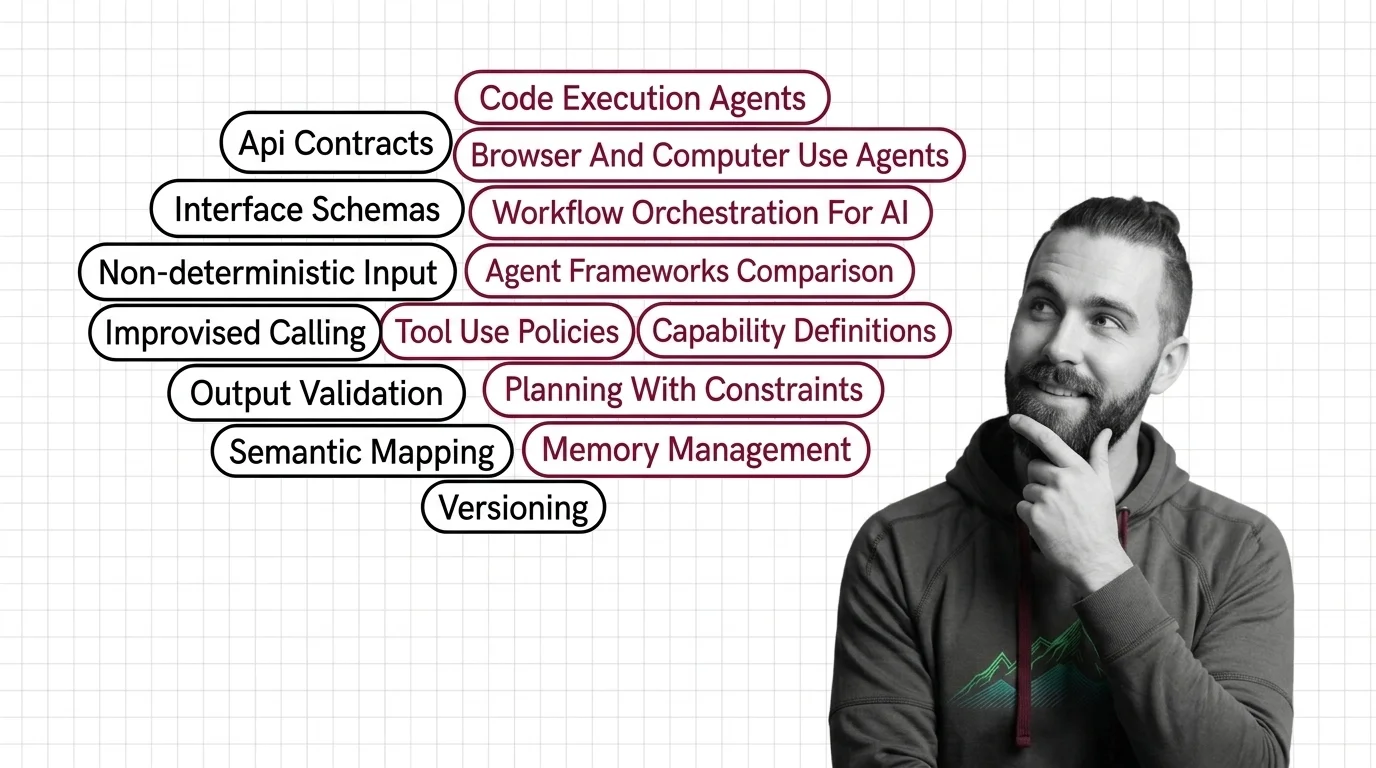
Your Tool Schema Passes, but the Agent Called It Wrong
You wrap an internal service as an agent tool, the schema validates every call, and the agent still fires it at the …
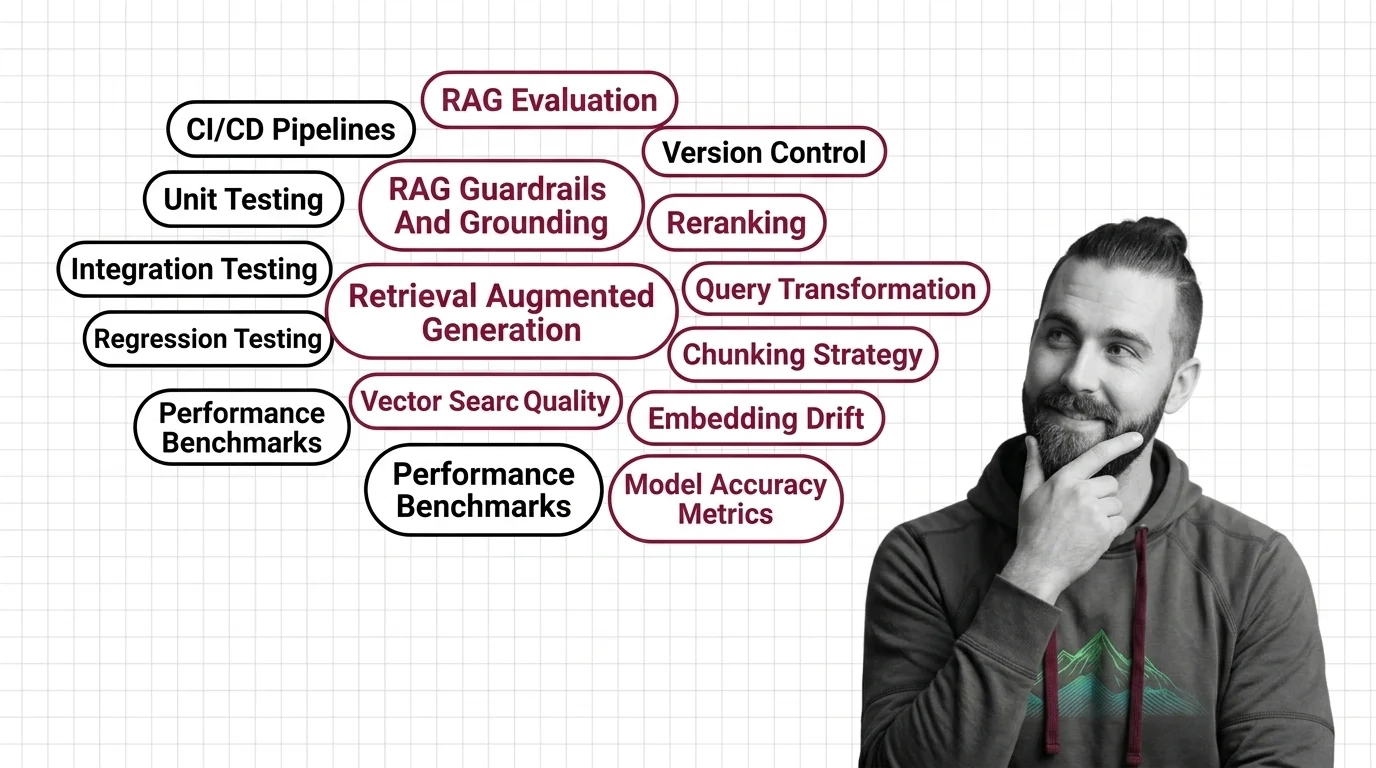
RAG Regresses Without a Deploy: From Green Build to Live Eval
RAG regresses with no commit and no deploy. Map your testing instincts onto a live evaluation harness — golden sets, …
Debugging Agents: Reconstruct the Decision Path, Not a Stack Trace
An agent returns the wrong answer and every step logged success. Why an agent run debugs like a distributed trace, not a …
Debugging a Transformer When You Can't Set a Breakpoint
Debugging a transformer incident when there is no breakpoint: which on-call instincts still catch model failures, and …
AI Coding Assistants Are Untrusted Contributors at Colleague Speed
Nobody sat in a planning meeting and decided to hire a contributor who commits at three in the …
Debugging RAG Failures: Why Developers Need a New Diagnostic Model
The ticket says the assistant gave a customer the wrong answer. You open the trace expecting the …
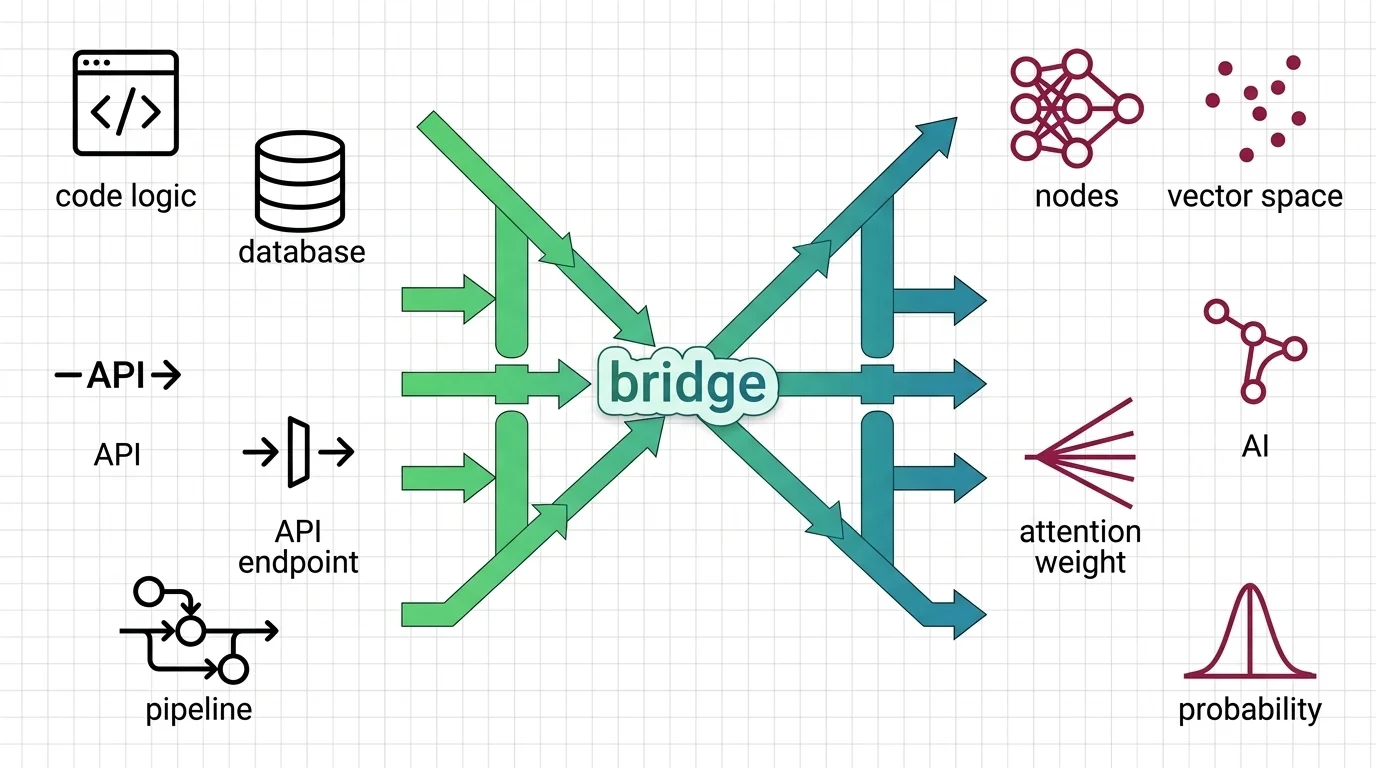
Calling a Model Means Inheriting Its Runtime Cost Contract
A cached prefix processes almost for free. Send the opening of a conversation twice and the second …
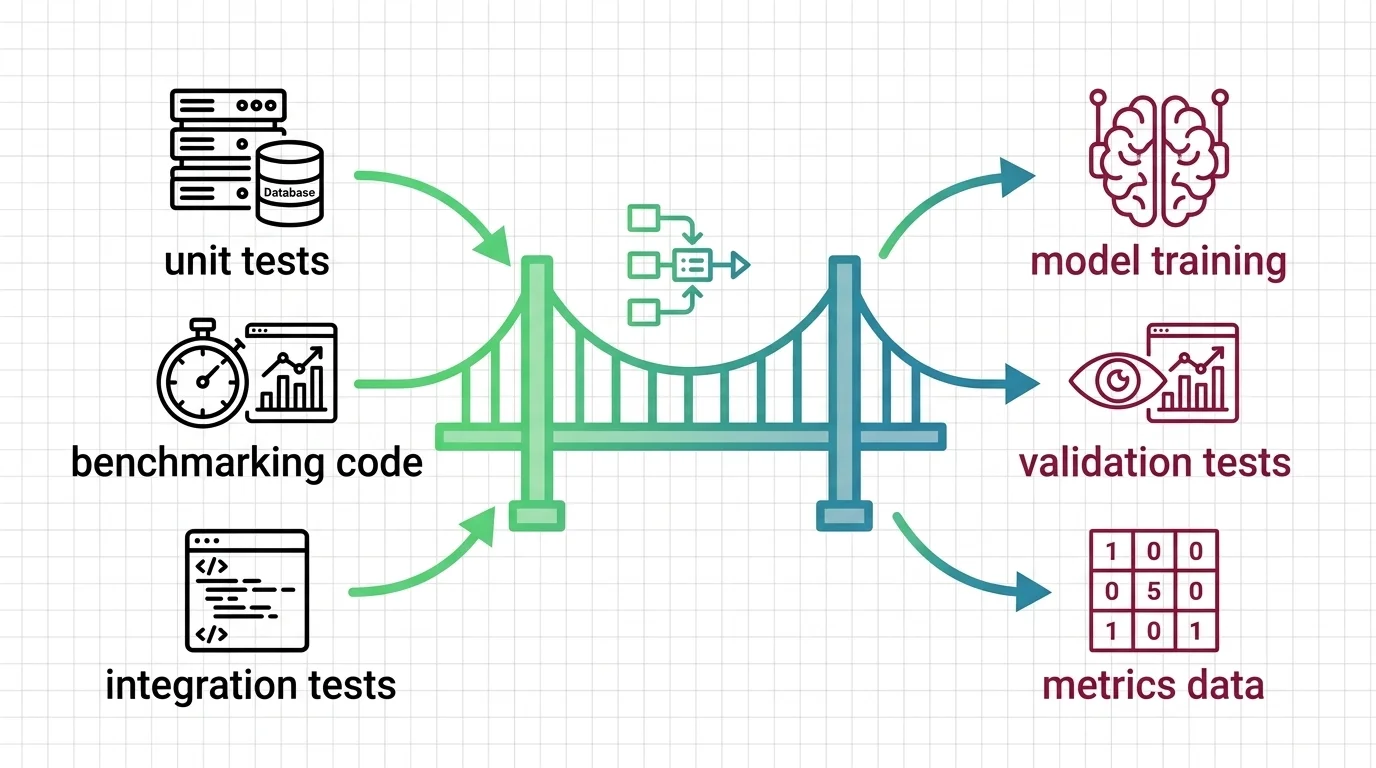
Model Evaluation for Developers: What Maps and What Misleads
Model evaluation mapped for backend developers. Learn which testing instincts transfer to LLM benchmarks, where scores …
About AI Transition
Bridge articles are not beginner tutorials and not academic surveys. They are orientation maps for experienced software developers who already ship production systems and now need to understand where AI changes the rules.
Every bridge article follows the same structure: take a specific AI domain, identify what transfers from classic software engineering, name what breaks, and map the concepts you need to learn in order of practical impact. The starting point is always your existing knowledge — design patterns, observability, testing, deployment — not a blank slate.
What each bridge article covers
Every bridge article takes one AI topic cluster — from RAG pipelines to agent orchestration to generative media — and maps it against the engineering discipline closest to it: data engineering, distributed systems, DevOps, or API design. You get three things: what transfers directly, what silently breaks, and what you need to learn from scratch. Browse the articles below to find the domain closest to your current work.
Q: Who are bridge articles for? A: Software developers with production experience — backend engineers, SREs, data engineers, platform teams — who are moving into AI-related work. Bridge articles assume strong programming skills and systems thinking, but no prior AI or ML background.
Q: How are bridge articles different from tutorials? A: Tutorials teach you how to call an API. Bridge articles tell you which of your existing engineering instincts will help, which will actively mislead you, and what new mental models you need. They are strategic orientation, not step-by-step instructions.
Q: Where should I start reading? A: Start with the domain closest to your current work. If you build data pipelines, start with RAG & Semantic Search. If you run infrastructure, start with AI Agents & Orchestration or LLMOps. Each article is self-contained — there is no required reading order.
Q: Will more topics be added? A: Yes. New bridge articles are published with every content cycle as our topic cluster coverage expands. Each new cluster that is relevant to the developer transition gets its own bridge article.