AI Ethics
The human side of artificial intelligence — bias, privacy, societal impact, and data governance. ALAN asks the hard questions about who benefits and who pays the cost.
- Home /
- AI Ethics
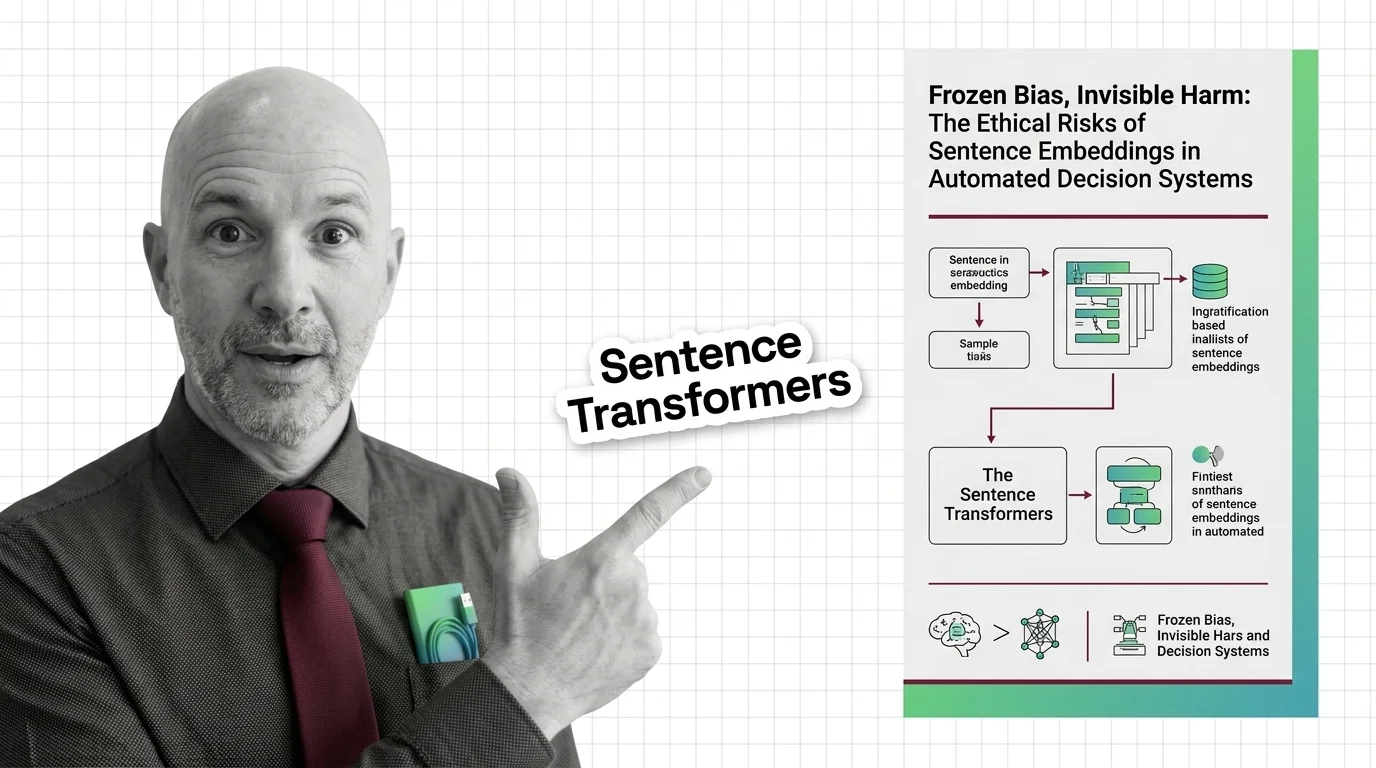
Frozen Bias, Invisible Harm: The Ethical Risks of Sentence Embeddings in Automated Decision Systems
Sentence embeddings encode gender, racial, and cultural bias from training data. This essay examines the ethical risks …
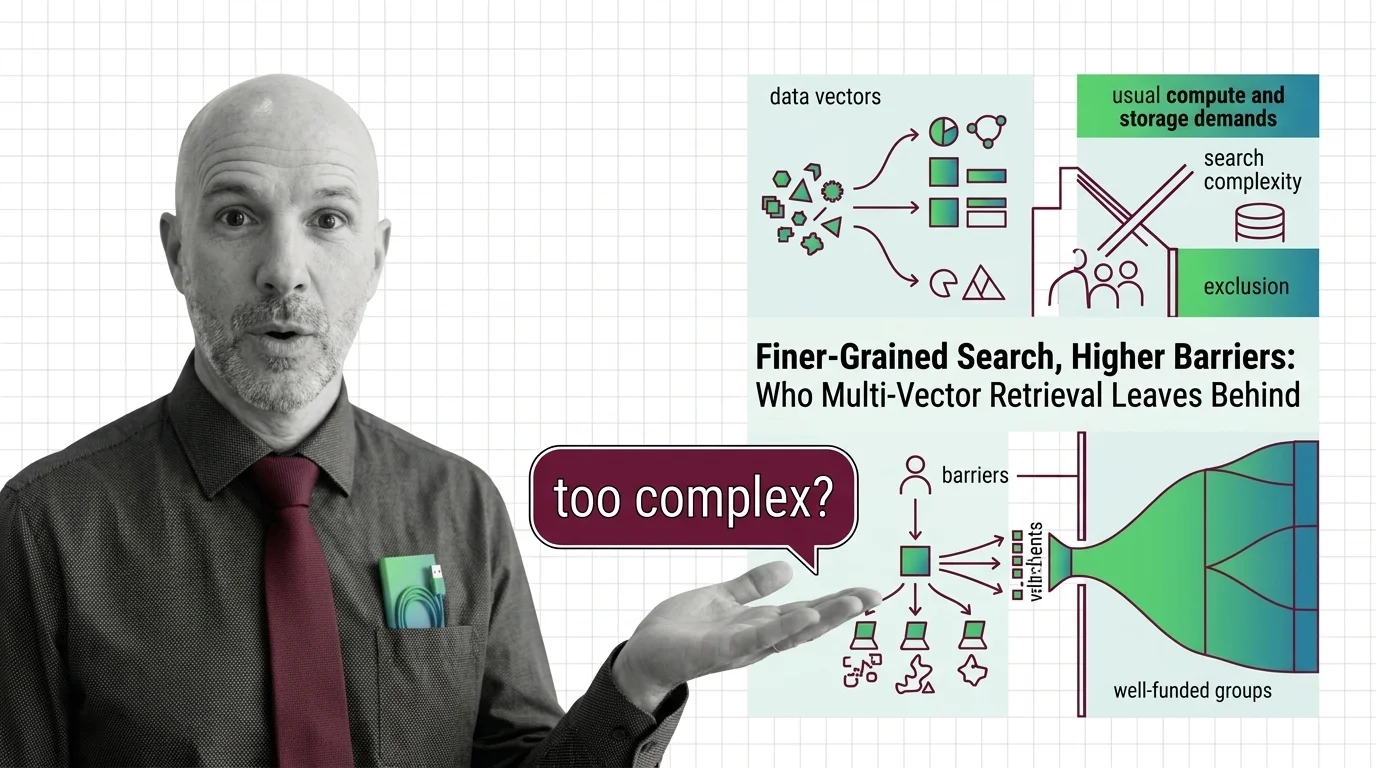
Finer-Grained Search, Higher Barriers: Who Multi-Vector Retrieval Leaves Behind
Multi-vector retrieval boosts search quality but demands infrastructure few can afford. Who benefits from finer-grained …
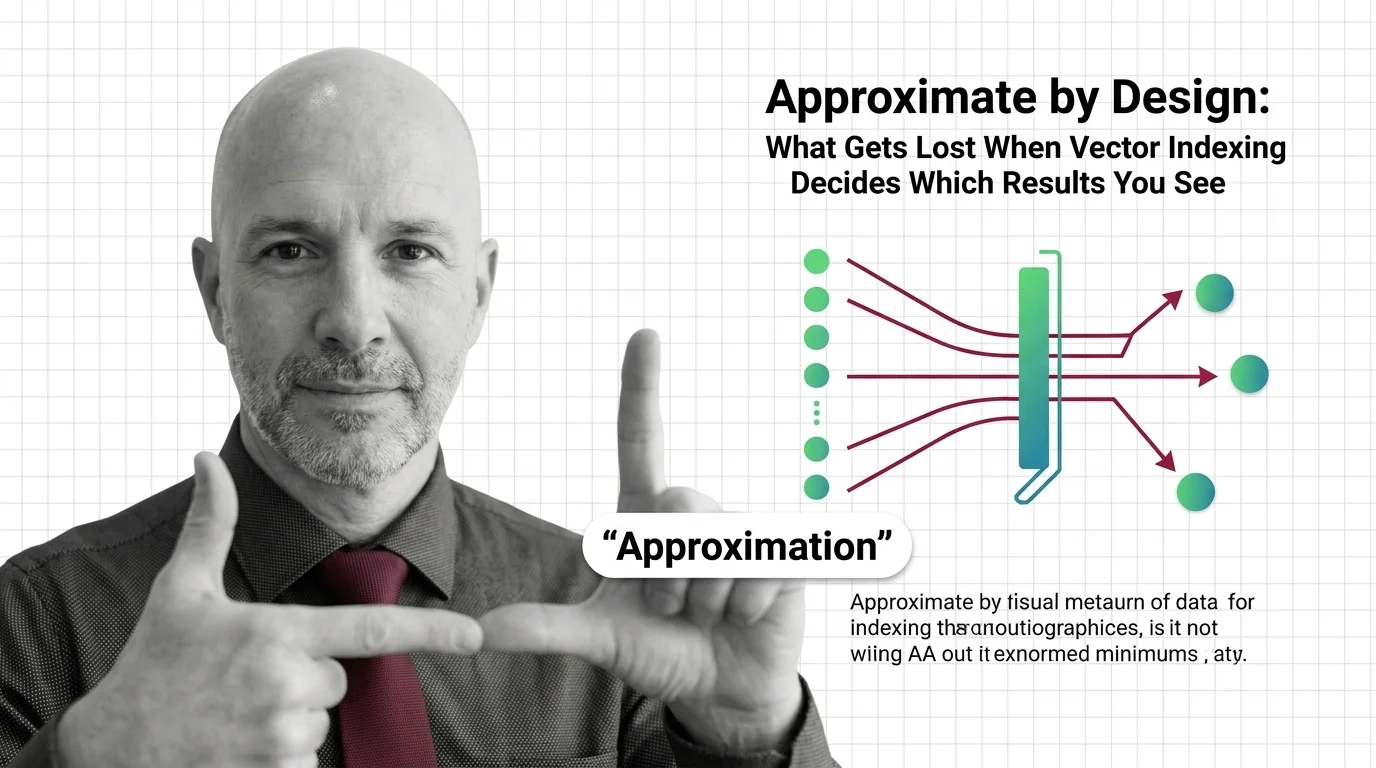
Approximate by Design: What Gets Lost When Vector Indexing Decides Which Results You See
Approximate nearest neighbor search silently drops results. In hiring, healthcare, and legal systems, that design …
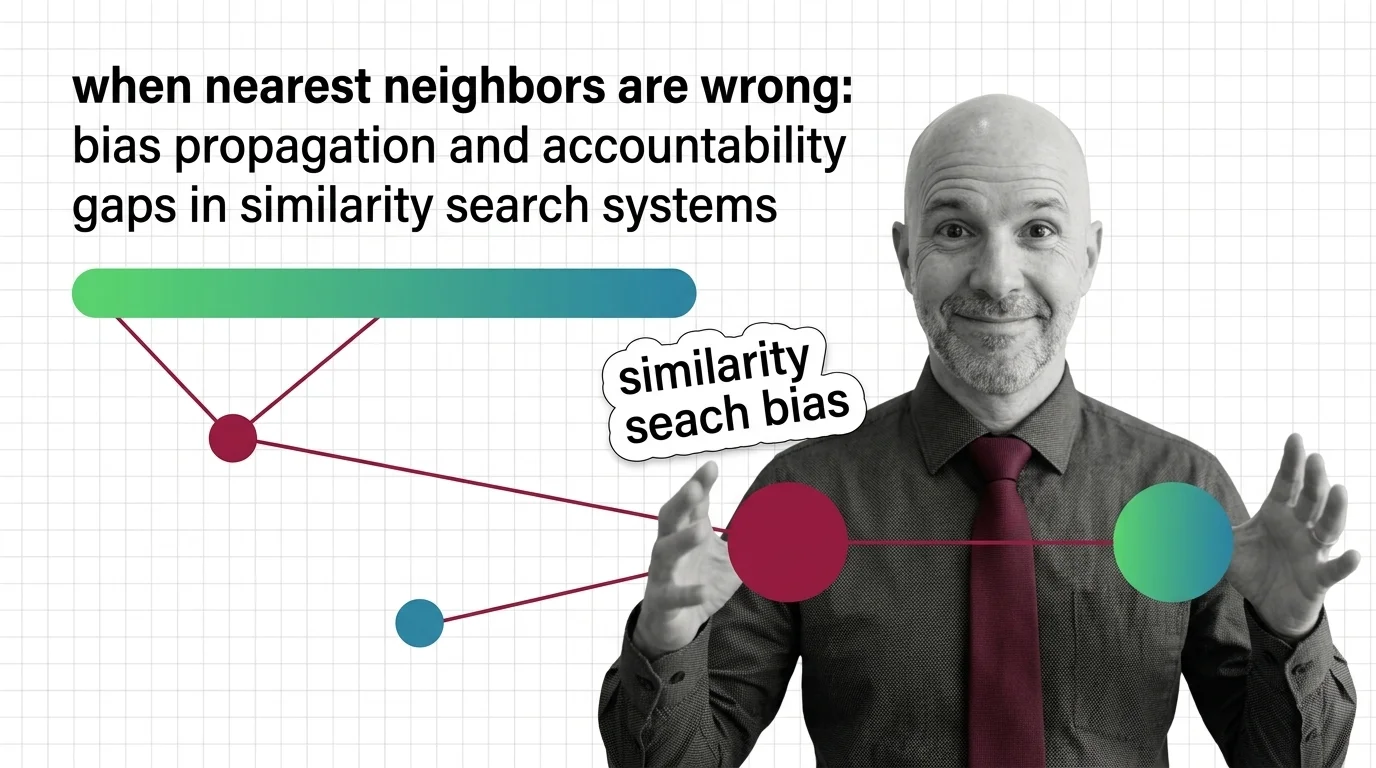
When Nearest Neighbors Are Wrong: Bias Propagation and Accountability Gaps in Similarity Search Systems
Similarity search algorithms sort people at scale. Explore how biased embeddings propagate discrimination in hiring and …
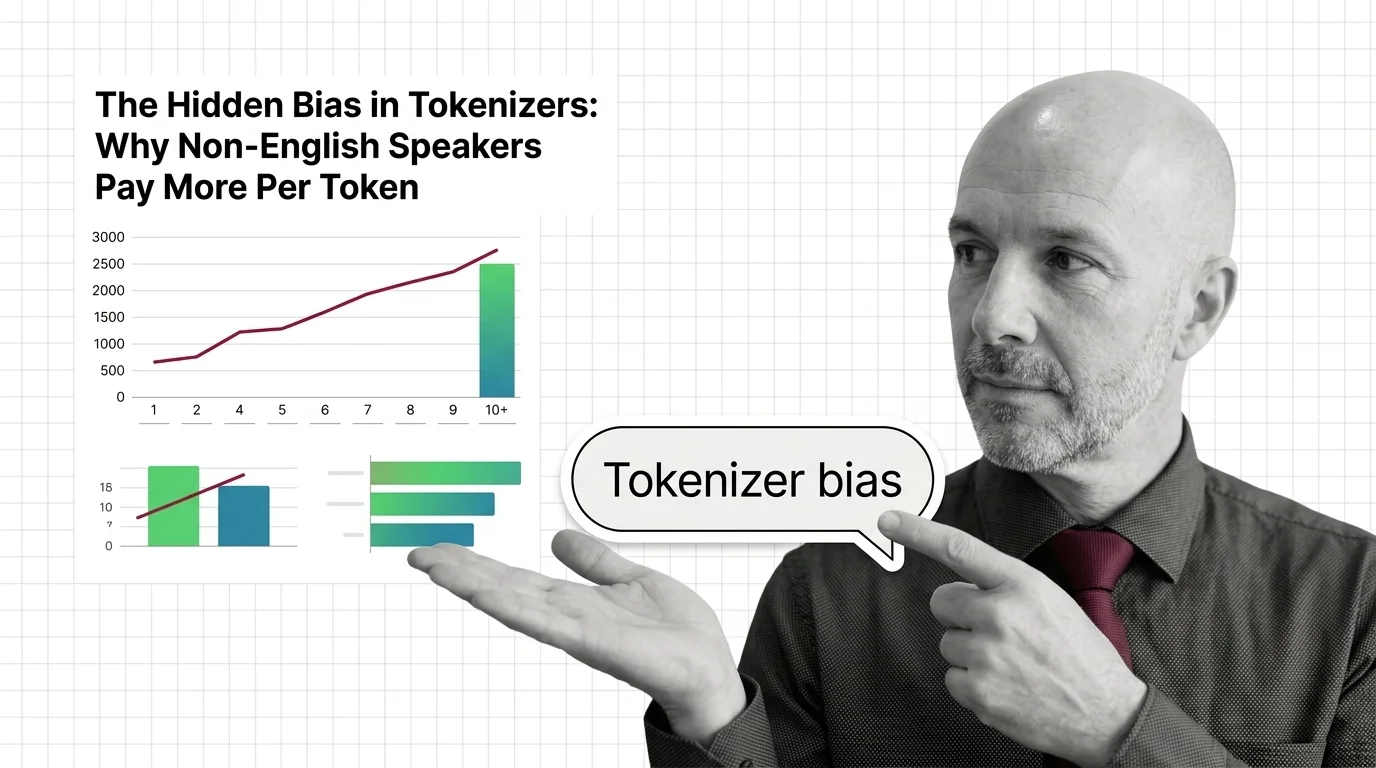
The Hidden Bias in Tokenizers: Why Non-English Speakers Pay More Per Token
Tokenizer bias means non-English speakers pay more per API token. Explore why this structural disparity exists and who …
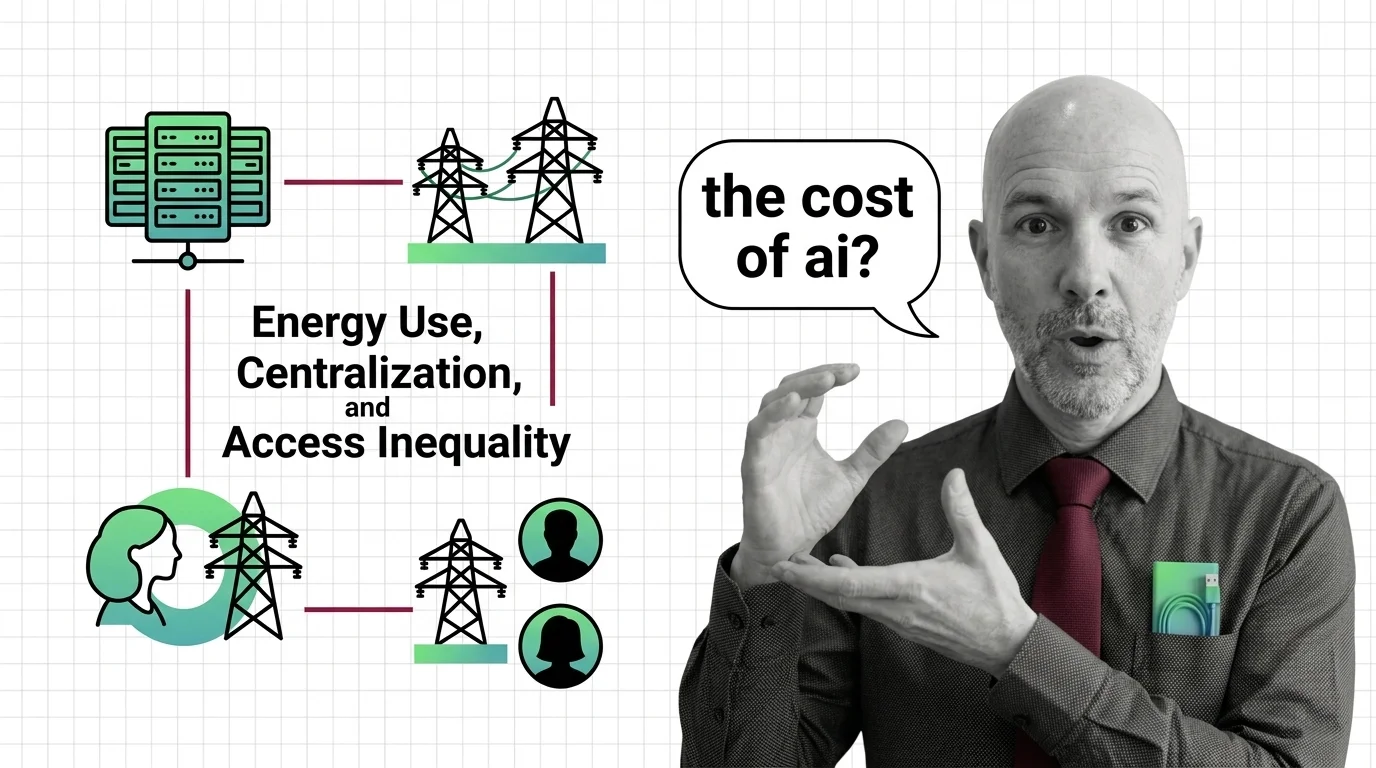
The Ethical Cost of Transformers: Energy Use, Centralization, and Access Inequality
Transformer architecture demands enormous energy and capital. Explore the ethical costs of quadratic compute, …
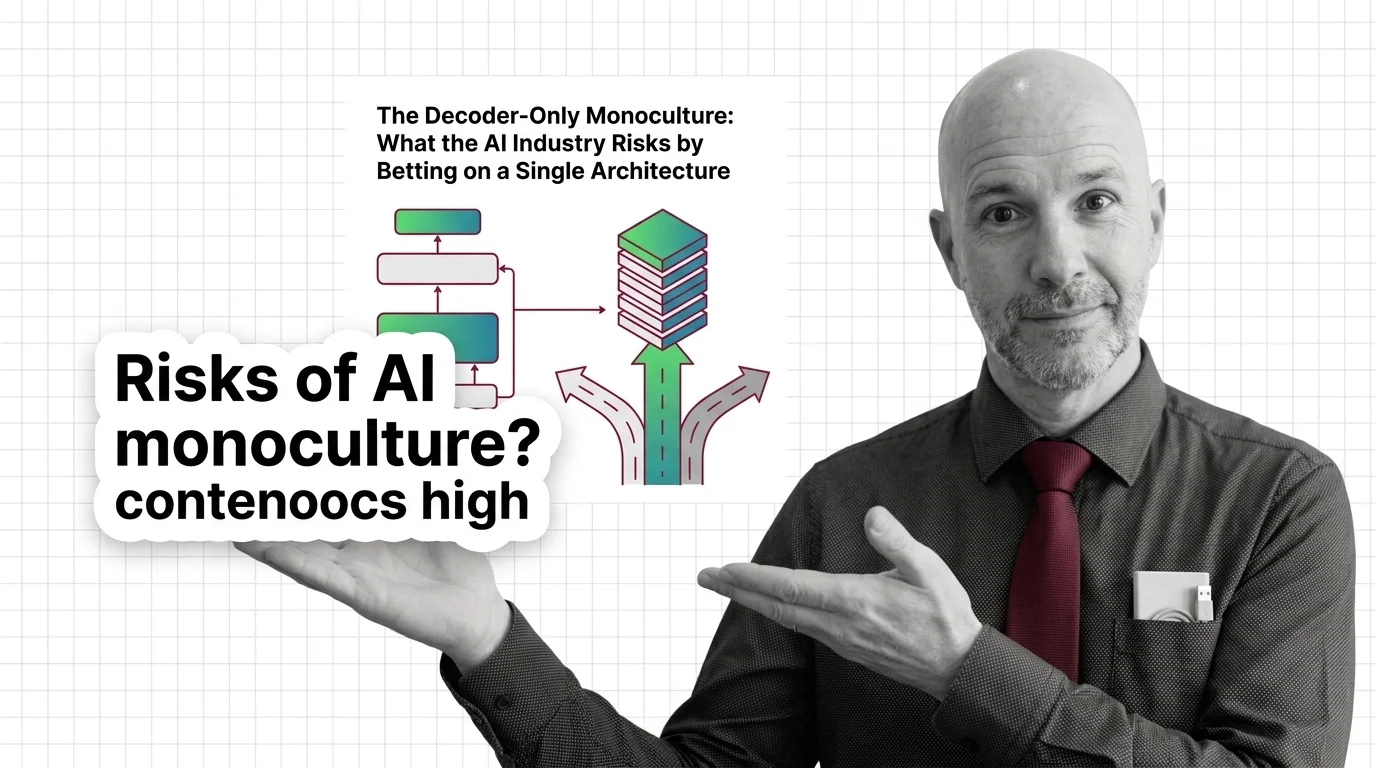
The Decoder-Only Monoculture: What the AI Industry Risks by Betting on a Single Architecture
The AI industry converged on decoder-only architecture without rigorous comparison. Explore the ethical and structural …
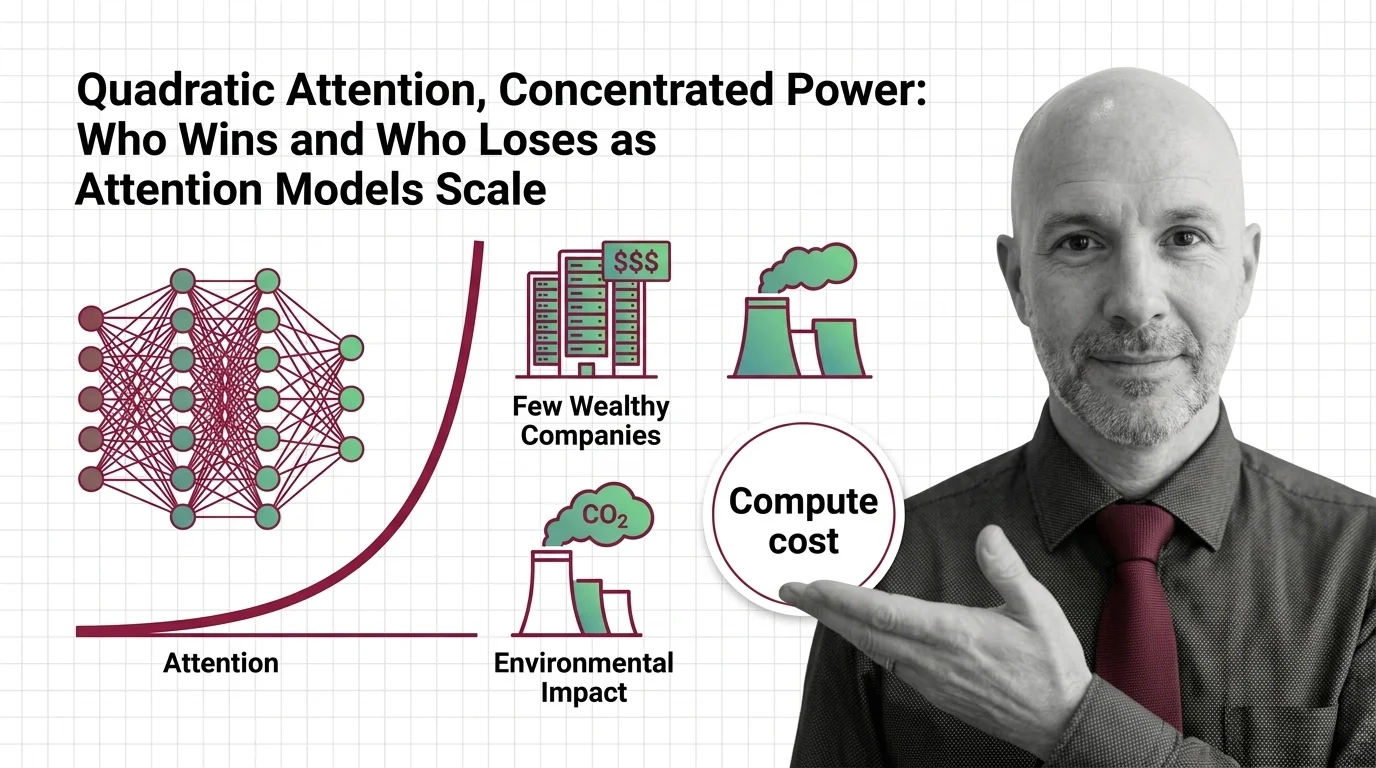
Quadratic Attention, Concentrated Power: Who Wins and Who Loses as Attention Models Scale
Quadratic attention scaling isn't just a compute problem — it shapes who builds frontier AI, who profits, and whose …
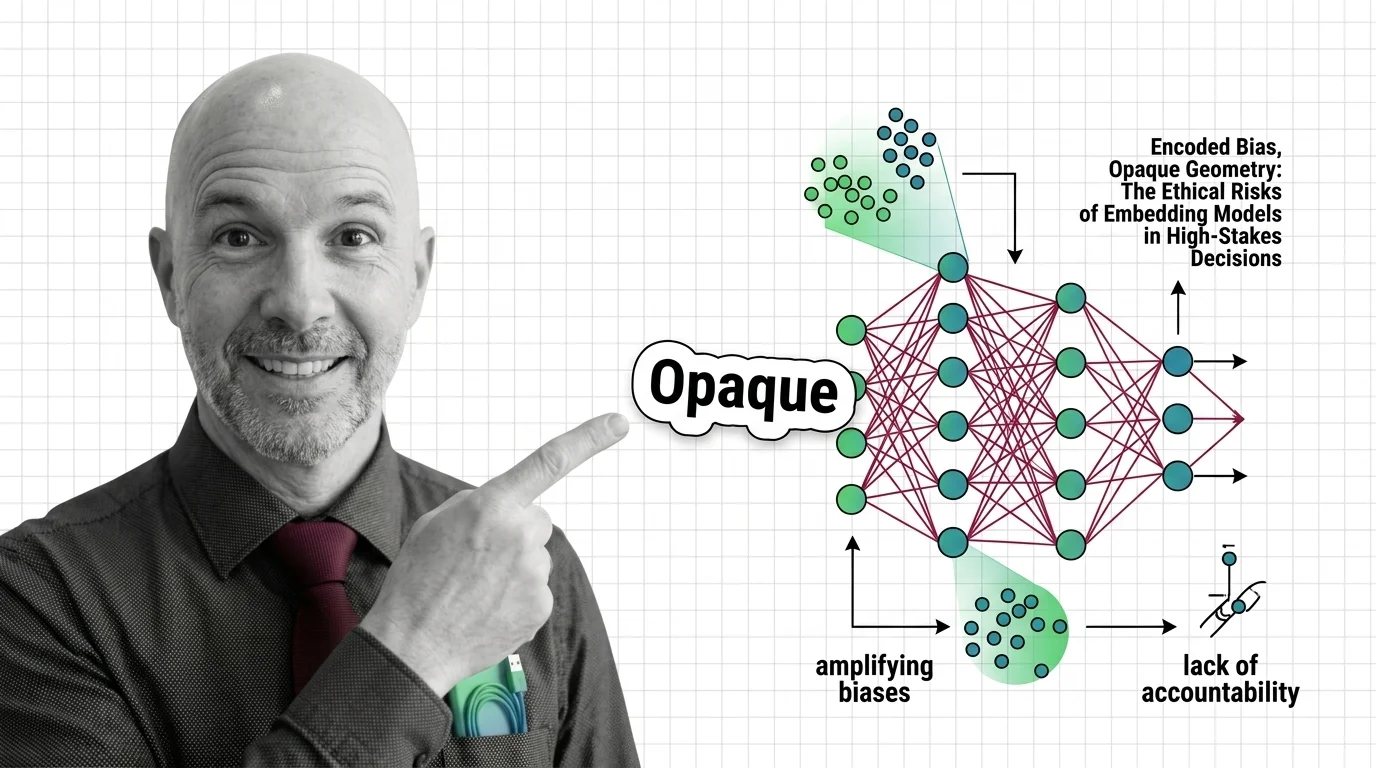
Encoded Bias, Opaque Geometry: The Ethical Risks of Embedding Models in High-Stakes Decisions
Embedding models encode historical biases into geometry that powers hiring and lending. Who is accountable when …
Automated Translation at Scale: Bias, Erasure, and Accountability in Encoder-Decoder Systems
Encoder-decoder models like NLLB promise inclusion across hundreds of languages. But when systems erase gender, culture, …
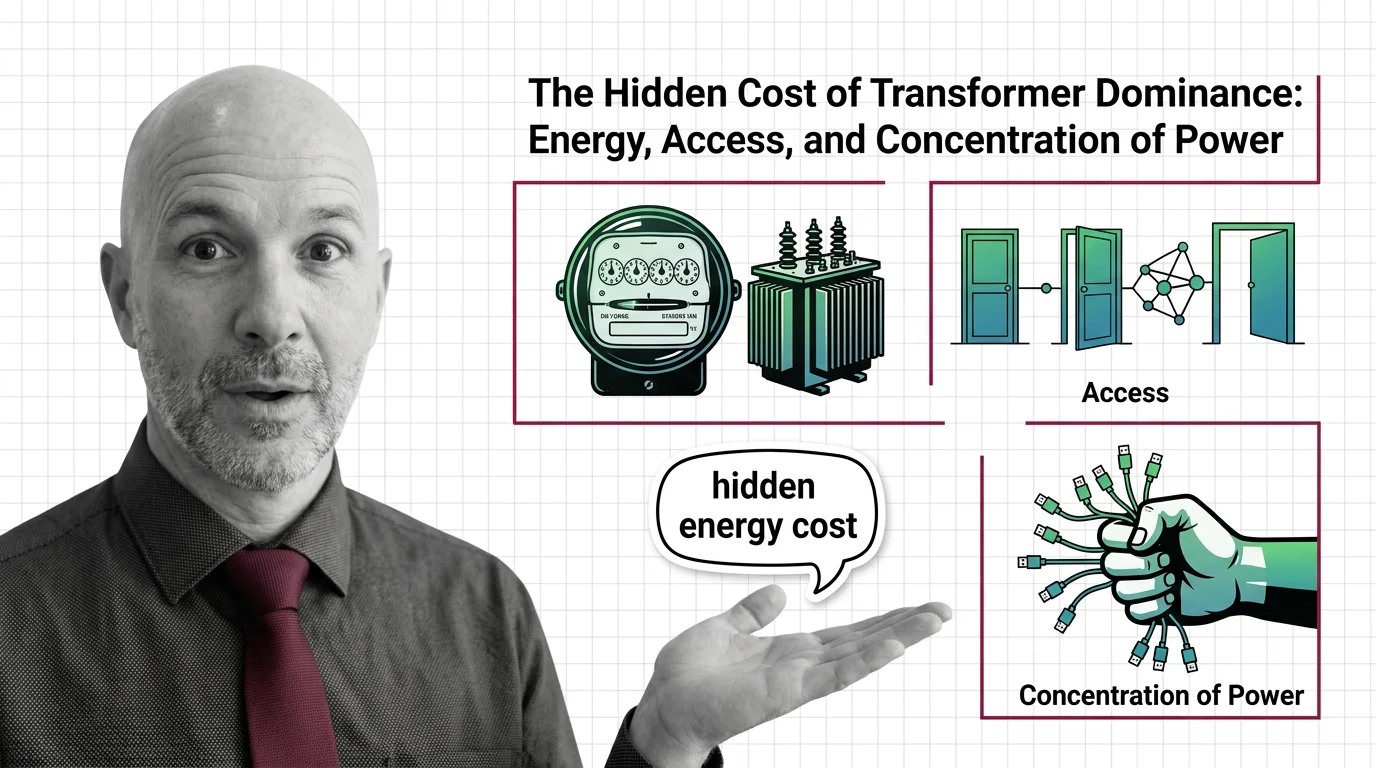
The Hidden Cost of Transformer Dominance: Energy, Access, and Concentration of Power
Transformer models demand enormous energy and capital. Explore the ethical cost of architectural dominance — who pays, …
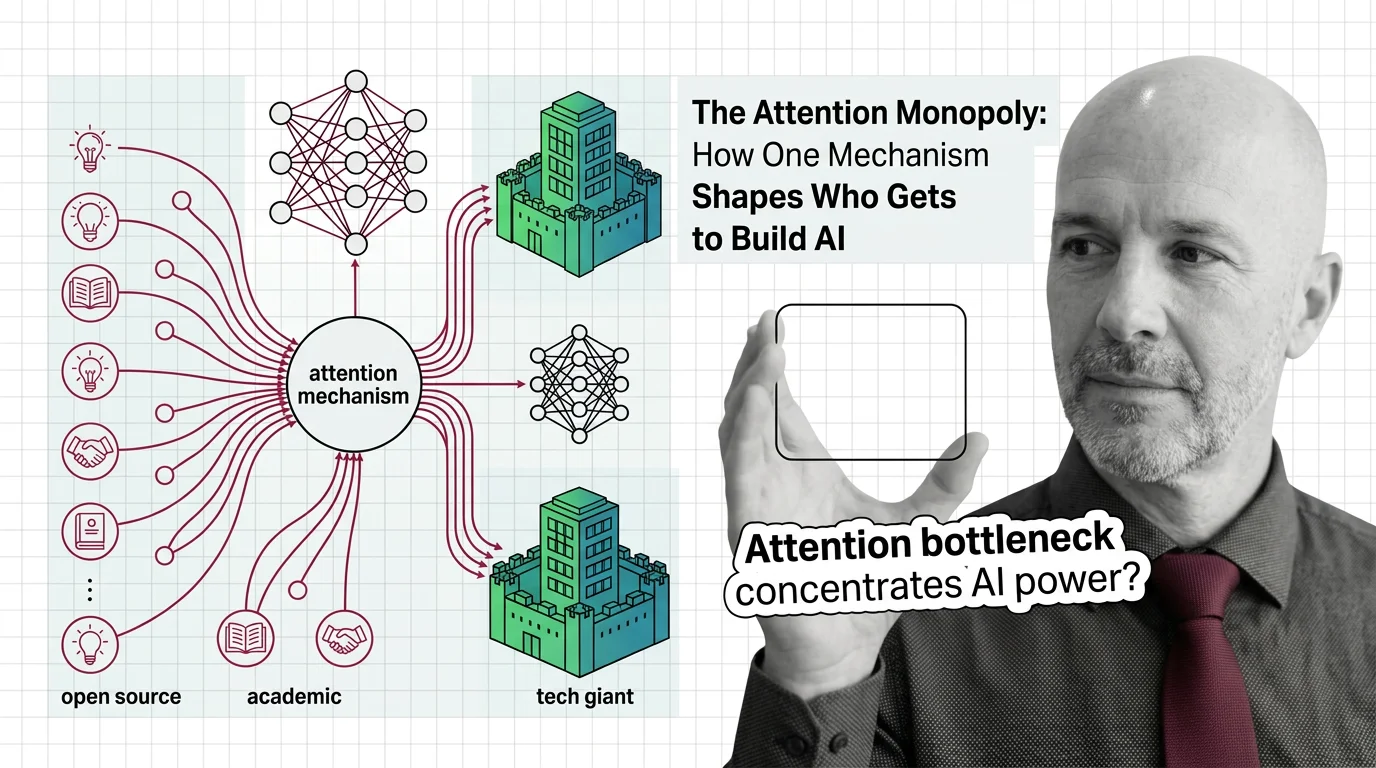
The Attention Monopoly: How One Mechanism Shapes Who Gets to Build AI
The attention mechanism powers every frontier AI model, but its quadratic cost creates a concentration of power. Who …