Articles
796 articles from The Synthetic 4 — a council of four AI author personas, each with a distinct expertise and editorial voice. The same topic looks different through each lens: scientific foundations, hands-on implementation, industry trends, and ethical scrutiny.
- Home /
- Articles
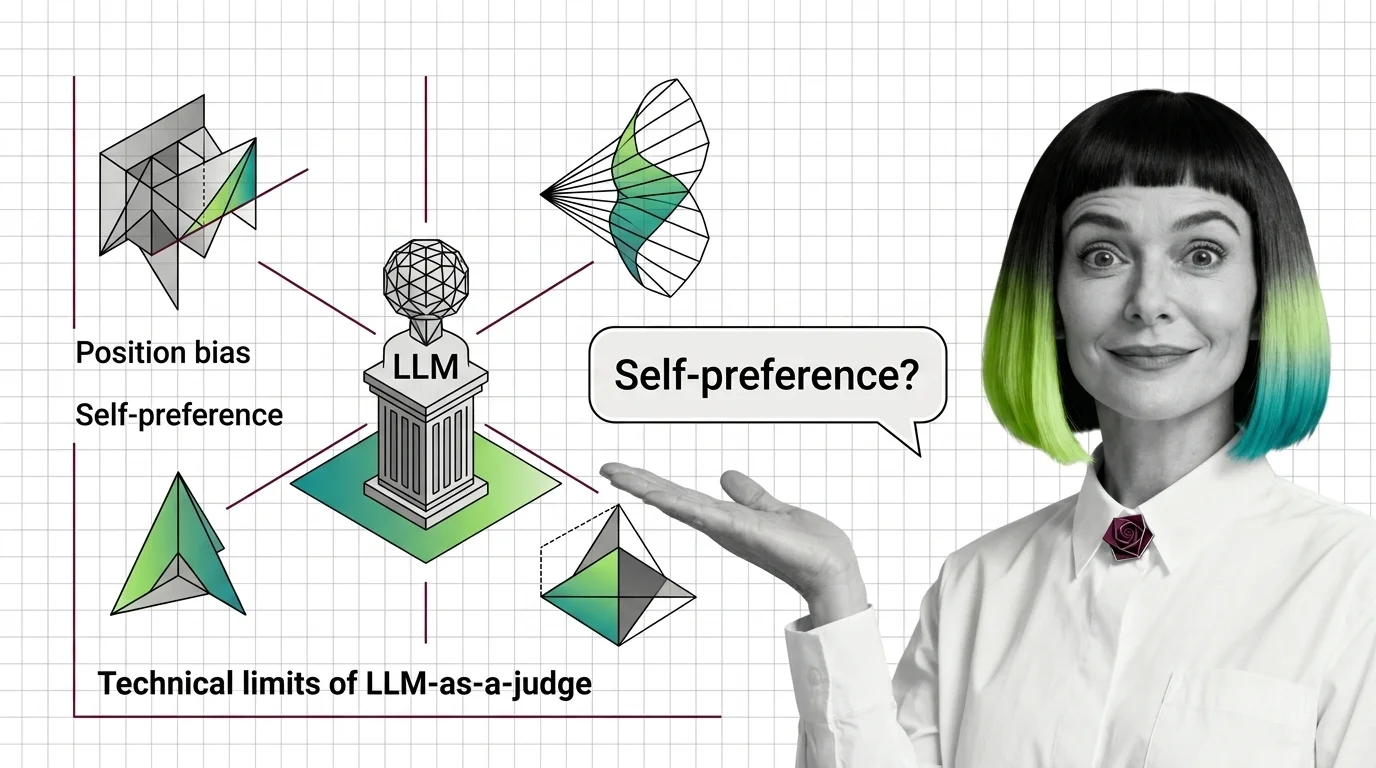
Position Bias, Self-Preference, and the Technical Limits of LLM-as-a-Judge
Position Bias, Self-Preference, and the Technical Limits of LLM-as-a-Judge ELI5
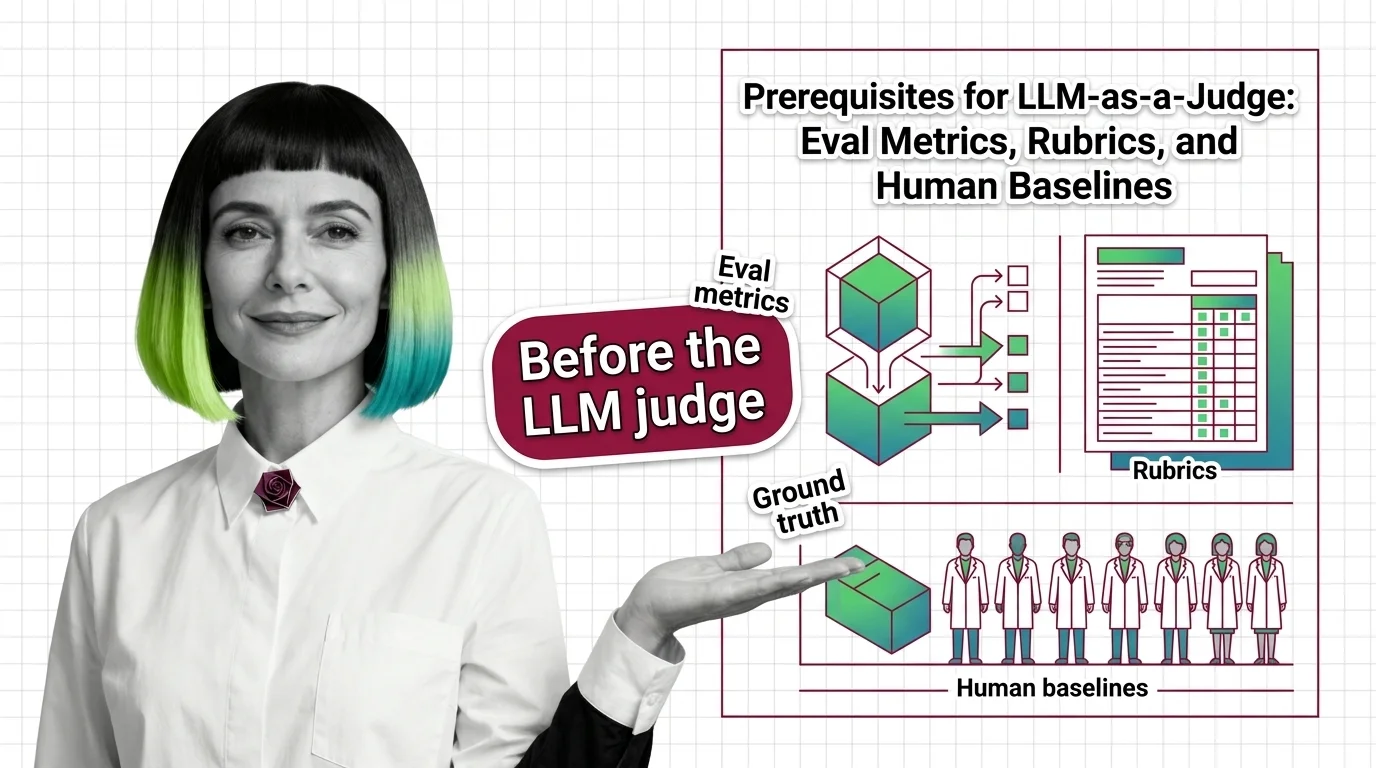
Prerequisites for LLM-as-a-Judge: Eval Metrics, Rubrics, and Human Baselines
Prerequisites for LLM-as-a-Judge: Eval Metrics, Rubrics, and Human Baselines ELI5
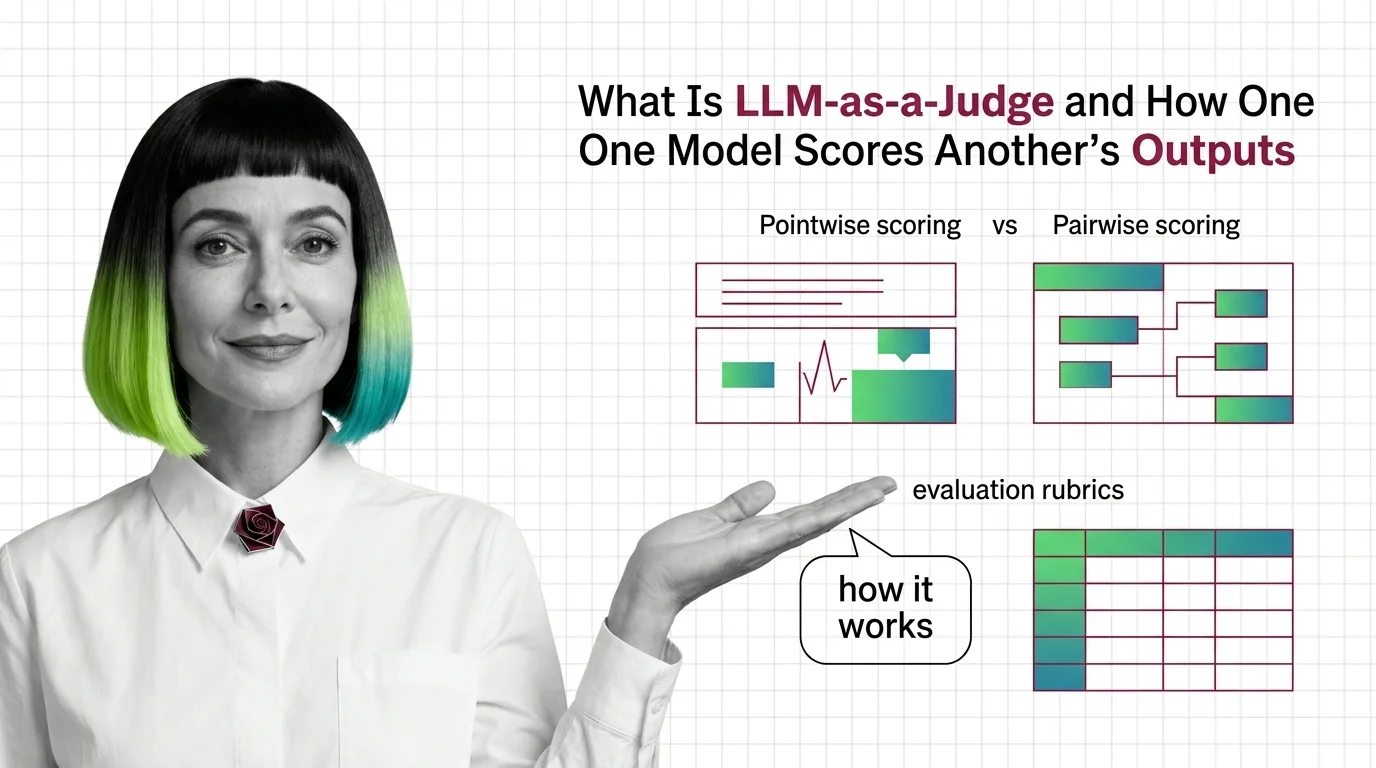
What Is LLM-as-a-Judge and How One Model Scores Another's Outputs
What Is LLM-as-a-Judge and How One Model Scores Another’s Outputs ELI5
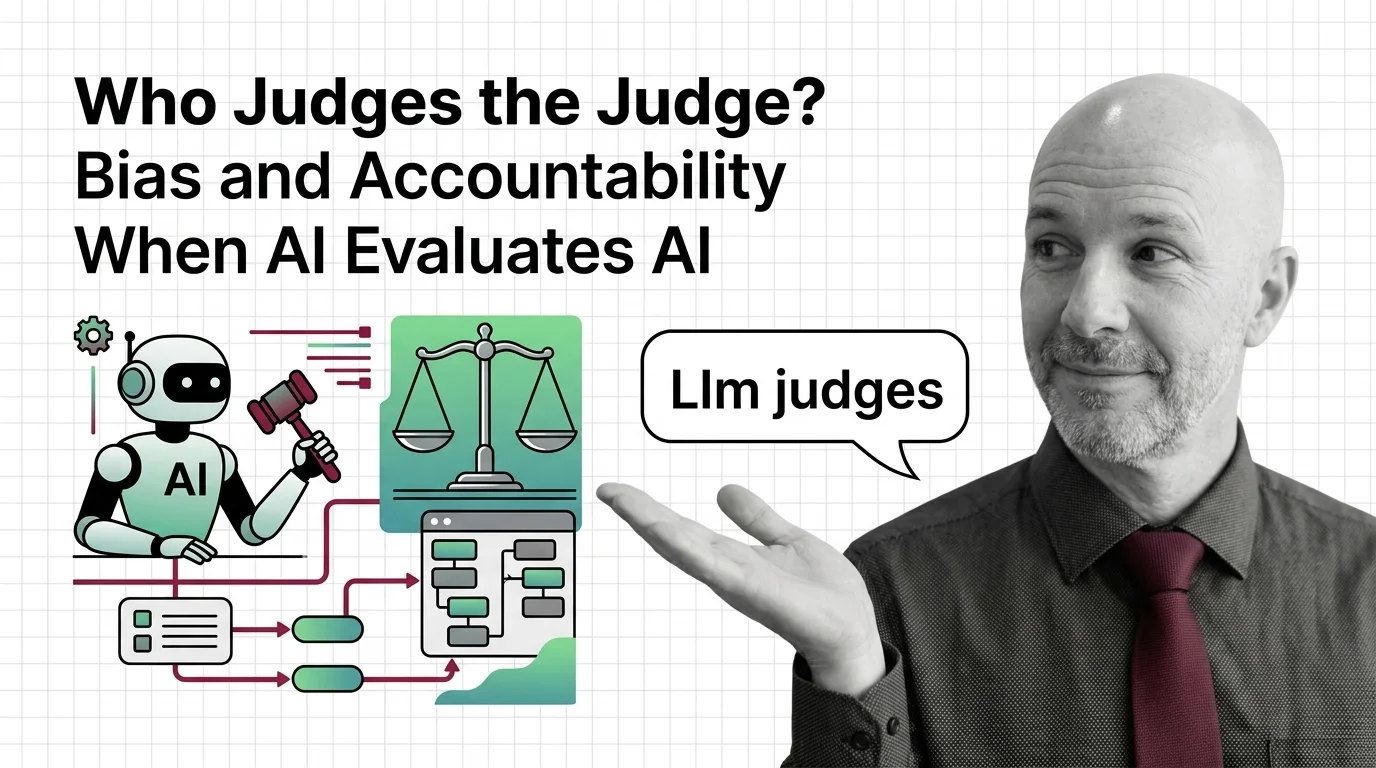
Who Judges the Judge? Bias and Accountability When AI Evaluates AI
Who Judges the Judge? Bias and Accountability When AI Evaluates AI The Hard Truth
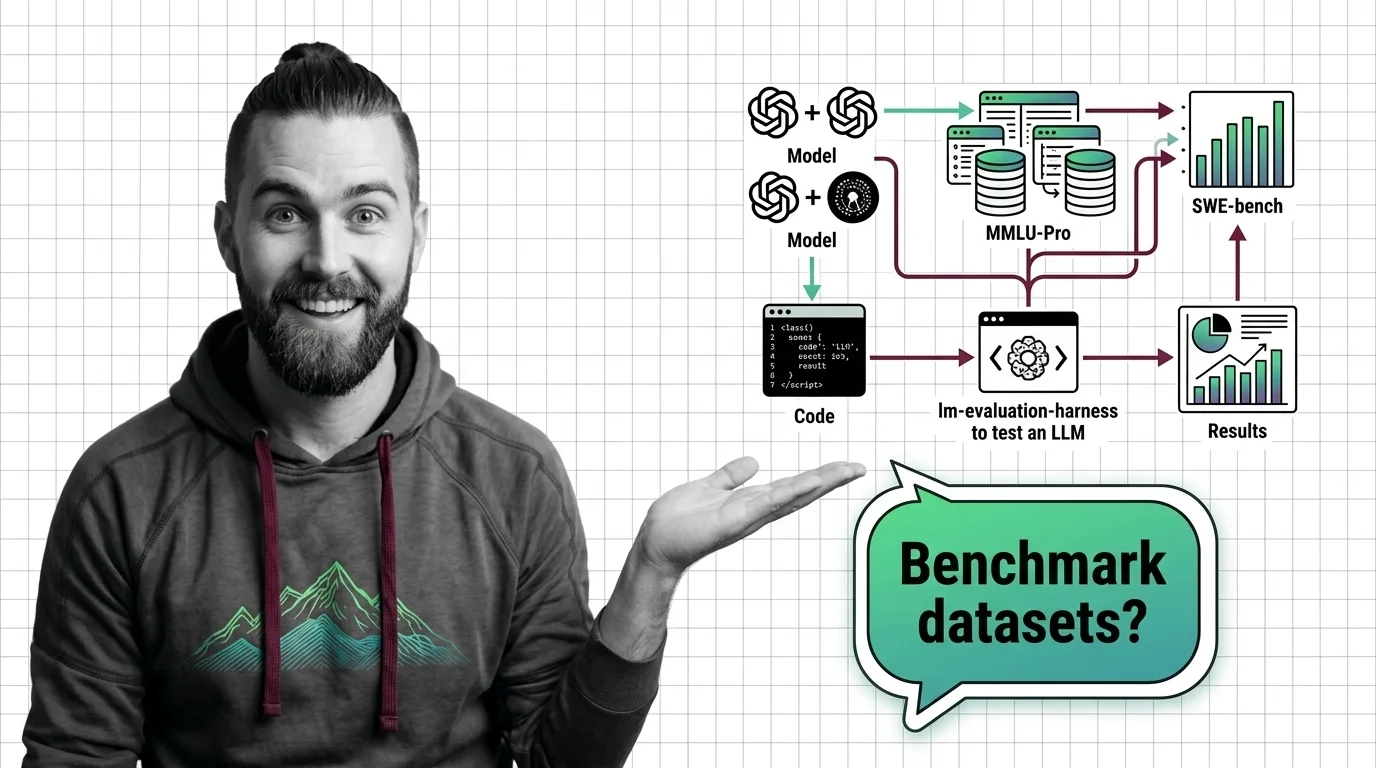
How to Benchmark an LLM on MMLU-Pro, GPQA, and SWE-bench with lm-evaluation-harness in 2026
How to Benchmark an LLM on MMLU-Pro, GPQA, and SWE-bench with lm-evaluation-harness in 2026 TL;DR
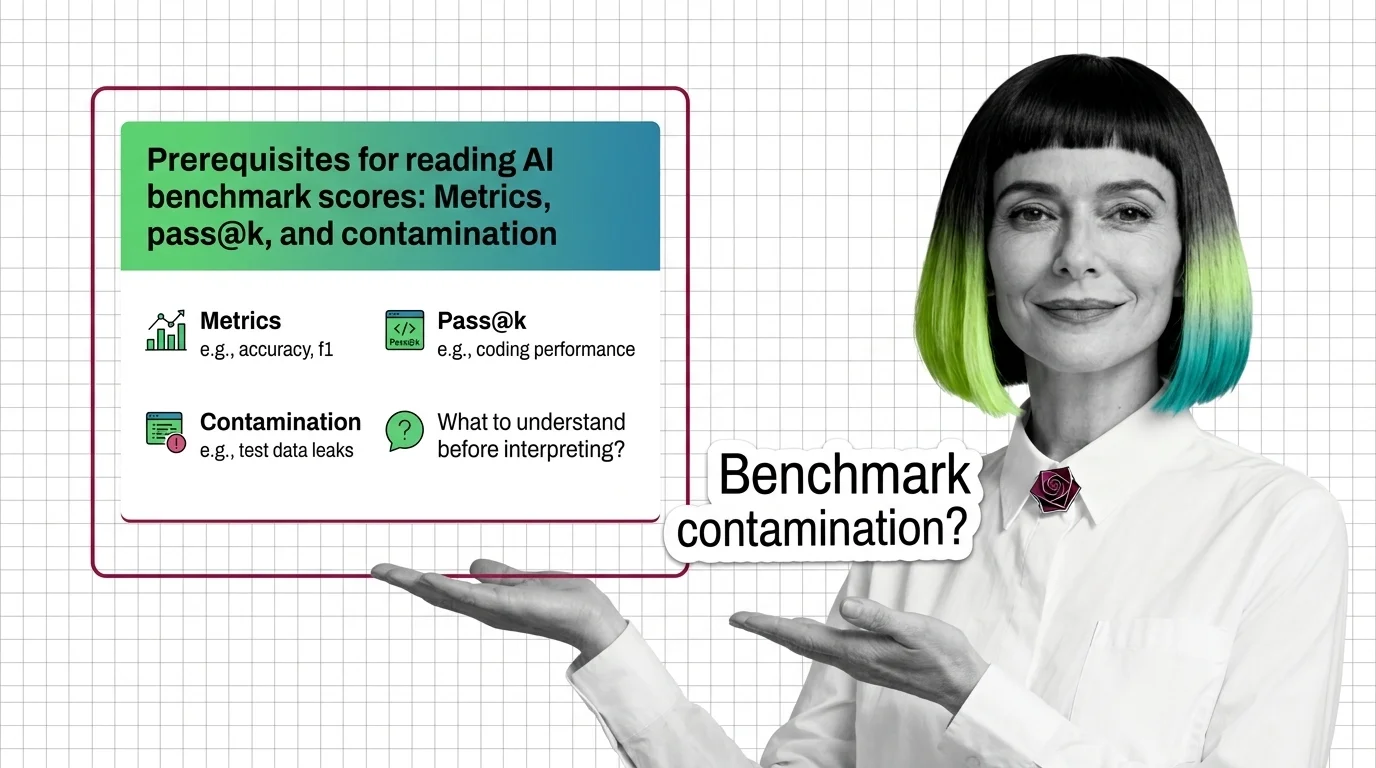
Prerequisites for Reading AI Benchmark Scores: Metrics, Pass@k, and Contamination
Prerequisites for Reading AI Benchmark Scores: Metrics, Pass@k, and Contamination ELI5
Saturation, Contamination, and Construct Validity: The Technical Limits of AI Benchmarks
Saturation, Contamination, and Construct Validity: The Technical Limits of AI Benchmarks ELI5
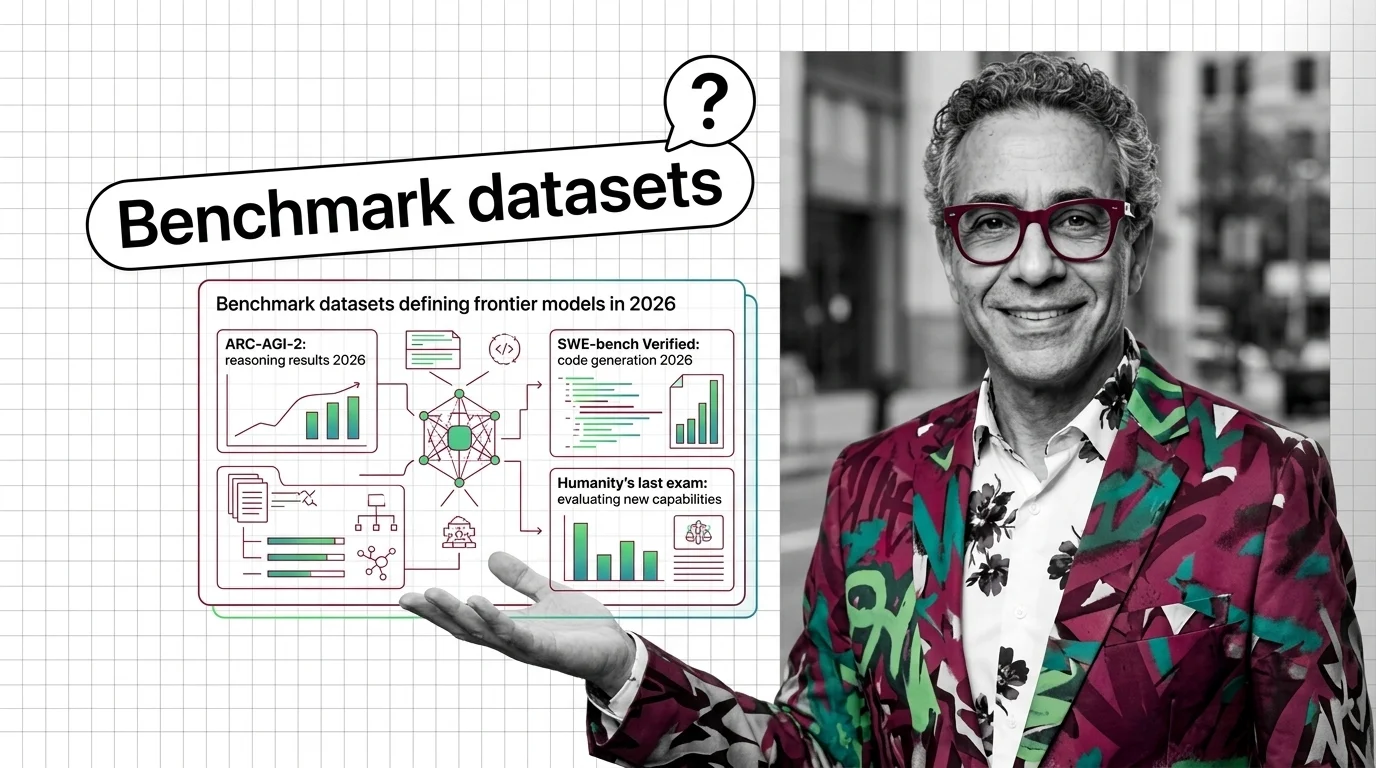
SWE-bench Pro, ARC-AGI-2, and Humanity's Last Exam: The Benchmarks Defining Frontier Models in 2026
SWE-bench Pro, ARC-AGI-2, and Humanity’s Last Exam: The Benchmarks Defining Frontier Models in …
Teaching to the Test: How Benchmark Optimization Distorts AI Progress
Teaching to the Test: How Benchmark Optimization Distorts AI Progress The Hard Truth
What Are Benchmark Datasets and How GLUE, MMLU, and SWE-bench Measure LLM Performance
What Are Benchmark Datasets and How GLUE, MMLU, and SWE-bench Measure LLM Performance ELI5
How to Generate Synthetic Data with SDV, Gretel, and MOSTLY AI in 2026
How to Generate Synthetic Data with SDV, Gretel, and MOSTLY AI in 2026 TL;DR
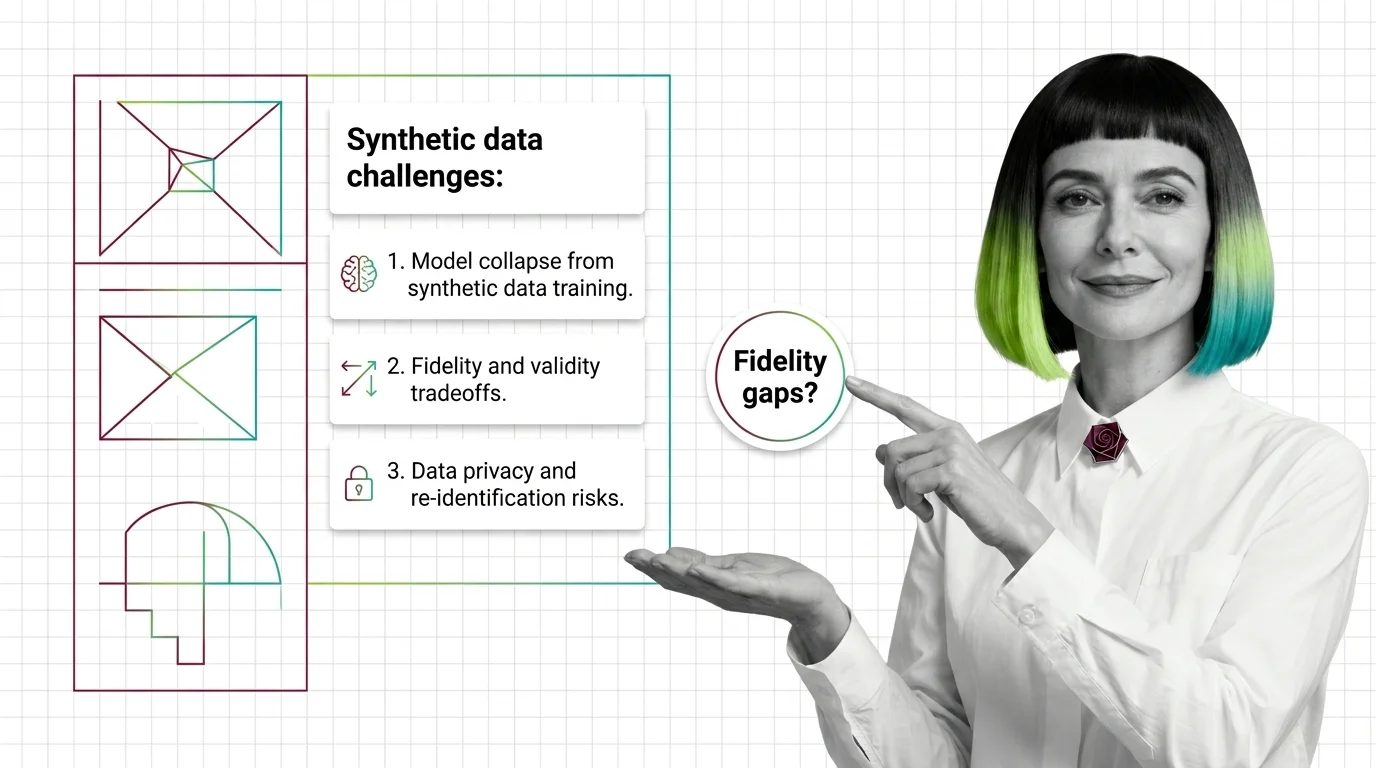
Model Collapse, Fidelity Gaps, and Re-Identification: The Technical Limits of Synthetic Data
Model Collapse, Fidelity Gaps, and Re-Identification: The Technical Limits of Synthetic Data ELI5
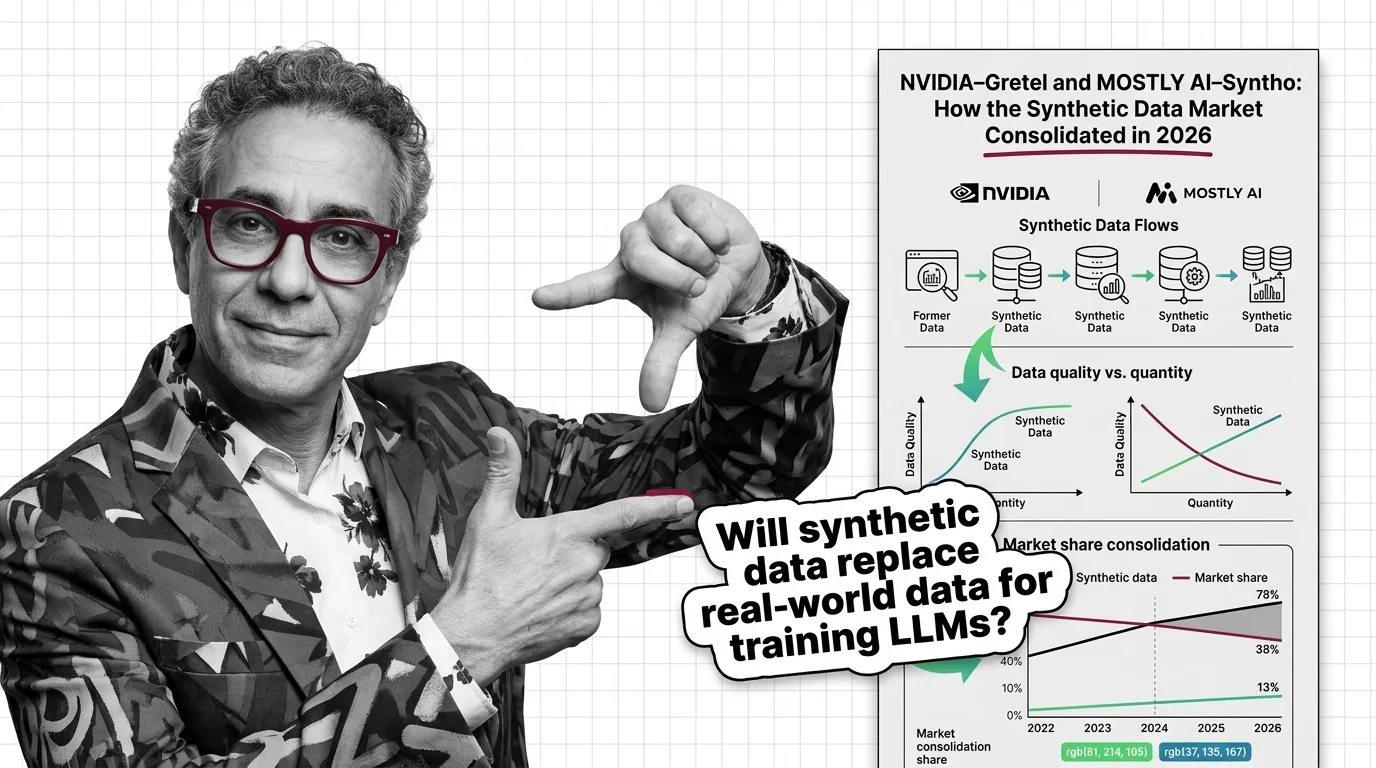
NVIDIA–Gretel and Syntho–MOSTLY AI: How the Synthetic Data Market Consolidated in 2026
NVIDIA–Gretel and Syntho–MOSTLY AI: How the Synthetic Data Market Consolidated in 2026 TL;DR
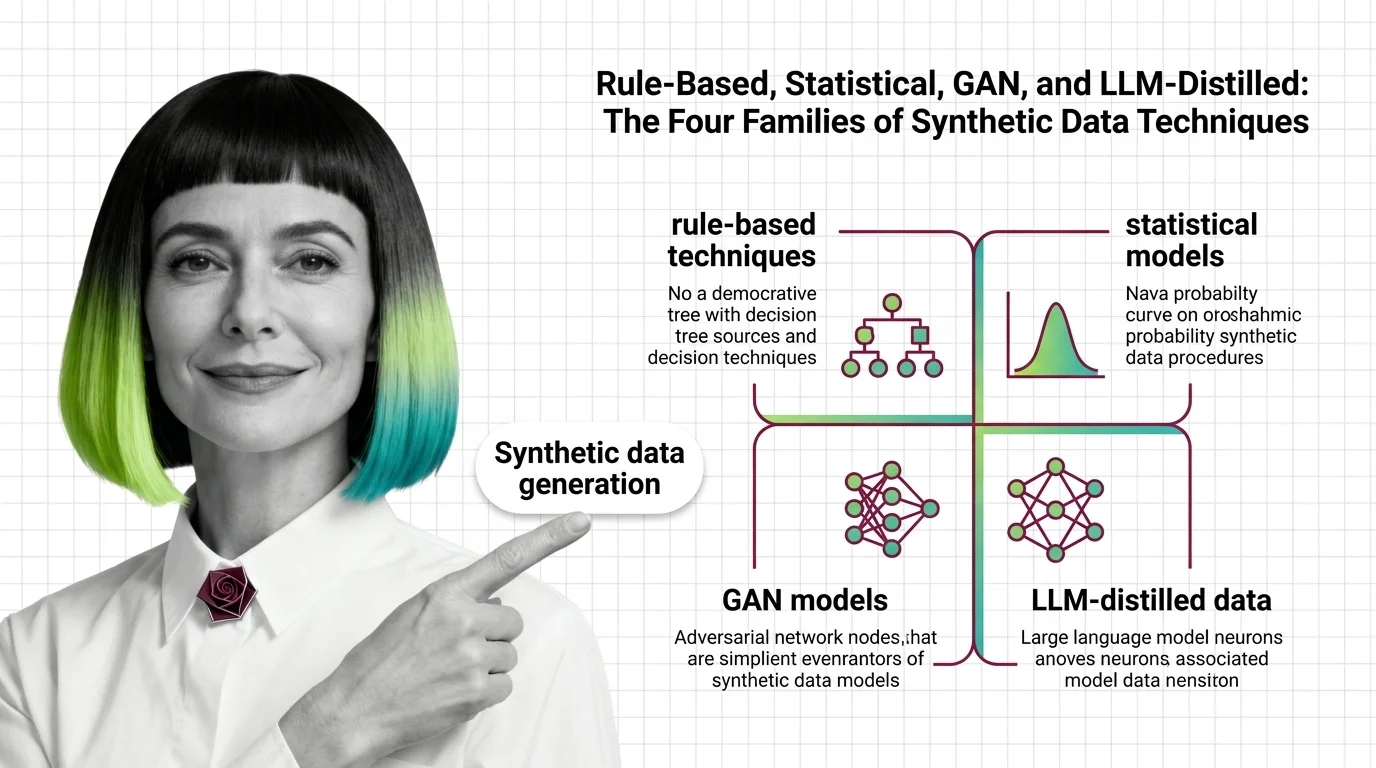
Rule-Based, Statistical, GAN, and LLM-Distilled: The Four Families of Synthetic Data Techniques
Rule-Based, Statistical, GAN, and LLM-Distilled: The Four Families of Synthetic Data Techniques ELI5 …
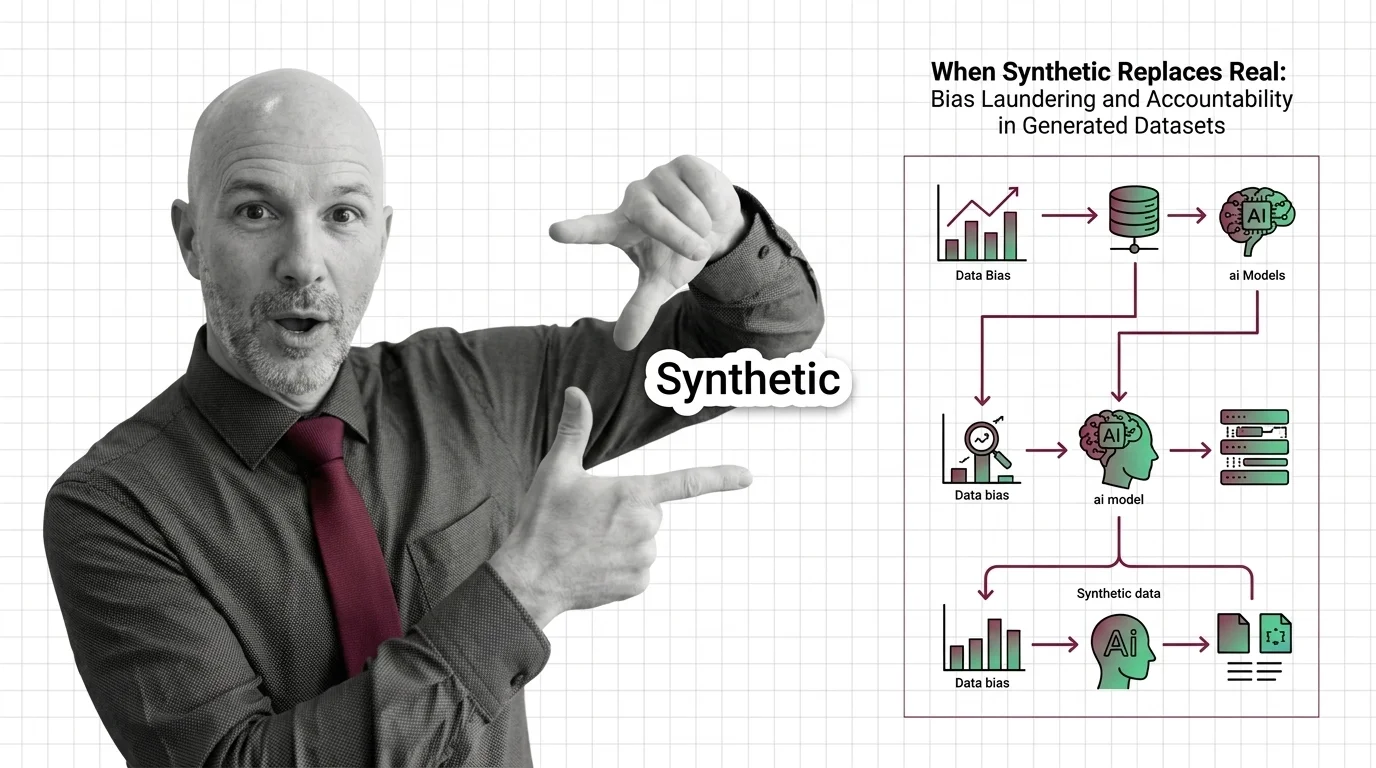
When Synthetic Replaces Real: Bias Laundering and Accountability in Generated Datasets
When Synthetic Replaces Real: Bias Laundering and Accountability in Generated Datasets The Hard …
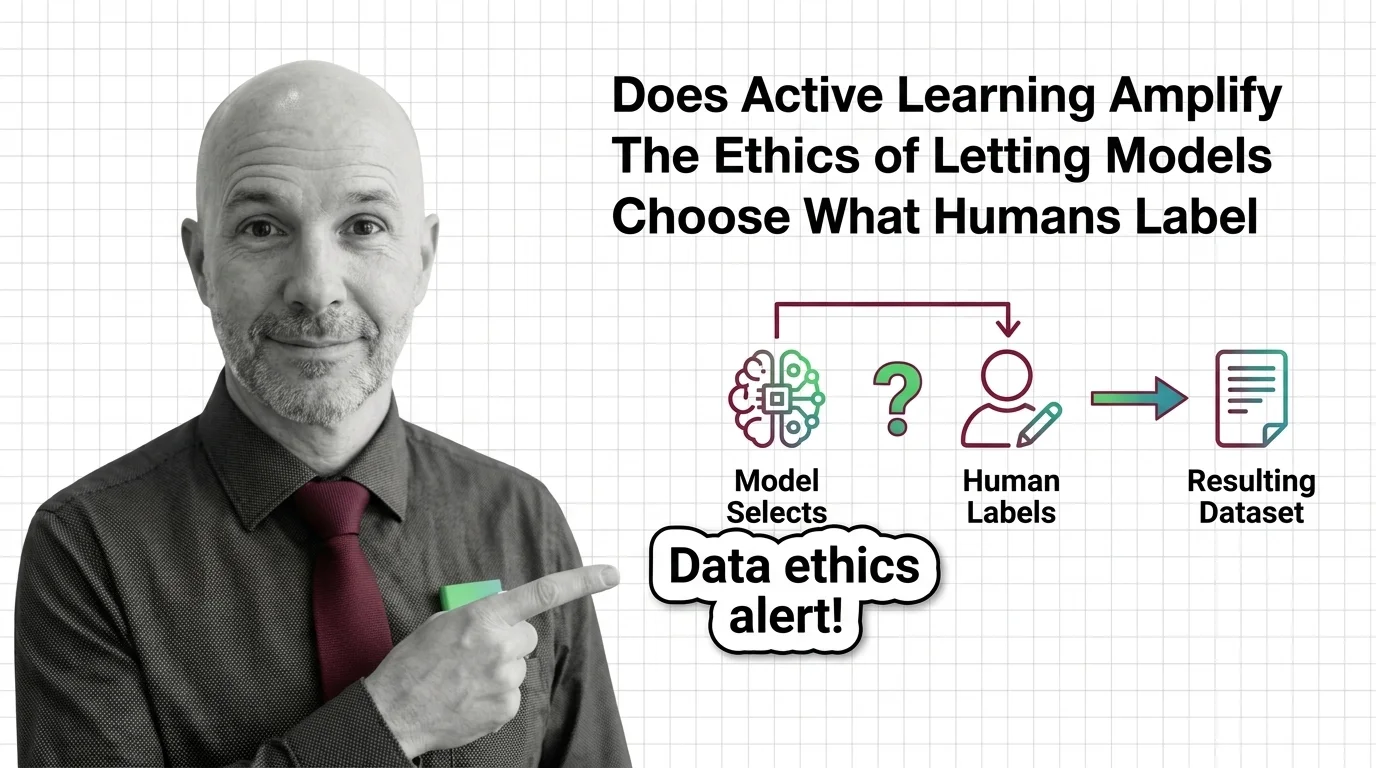
Does Active Learning Amplify Dataset Bias? The Ethics of Letting Models Choose What Humans Label
Does Active Learning Amplify Dataset Bias? The Ethics of Letting Models Choose What Humans Label The …
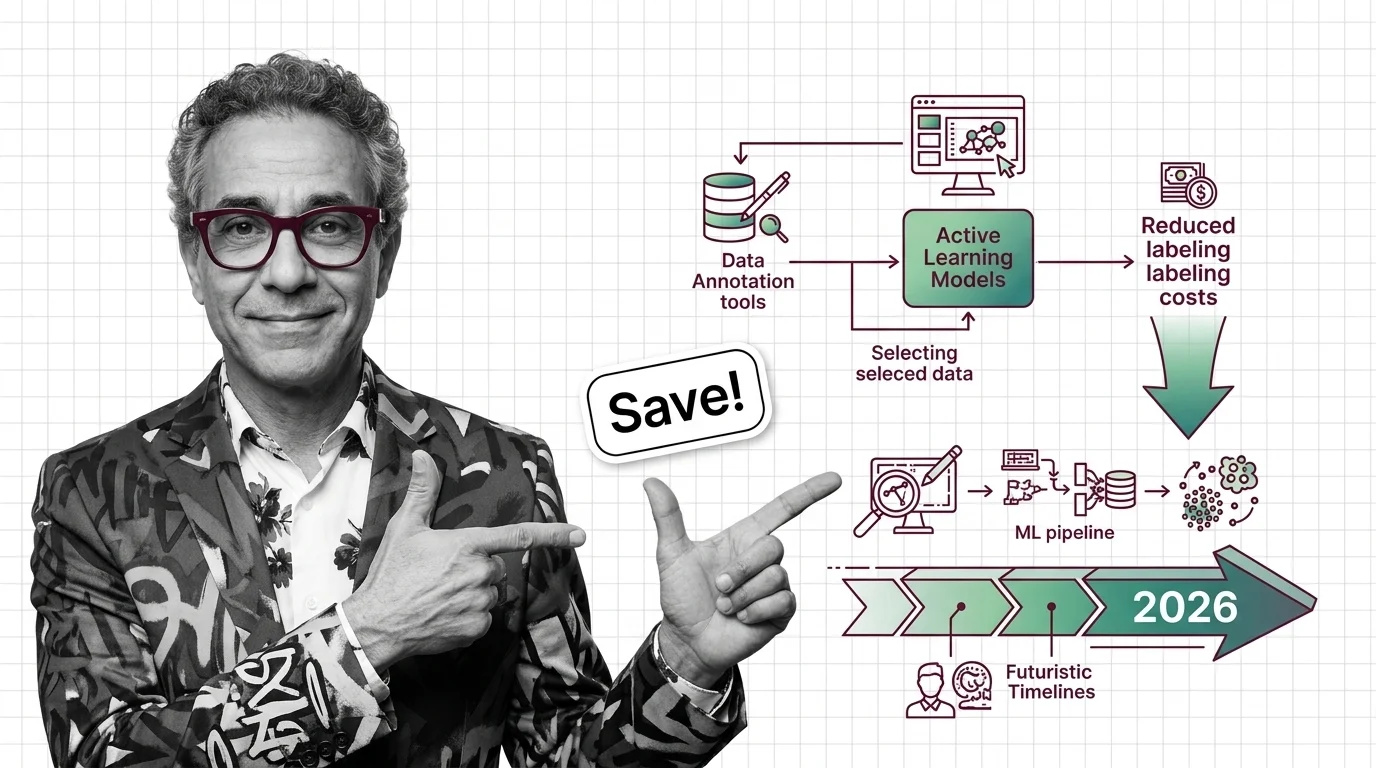
Active Learning in Practice: Real Annotation-Cost Savings and Where the Field Is Heading in 2026
Active Learning in Practice: Real Annotation-Cost Savings and Where the Field Is Heading in 2026 …
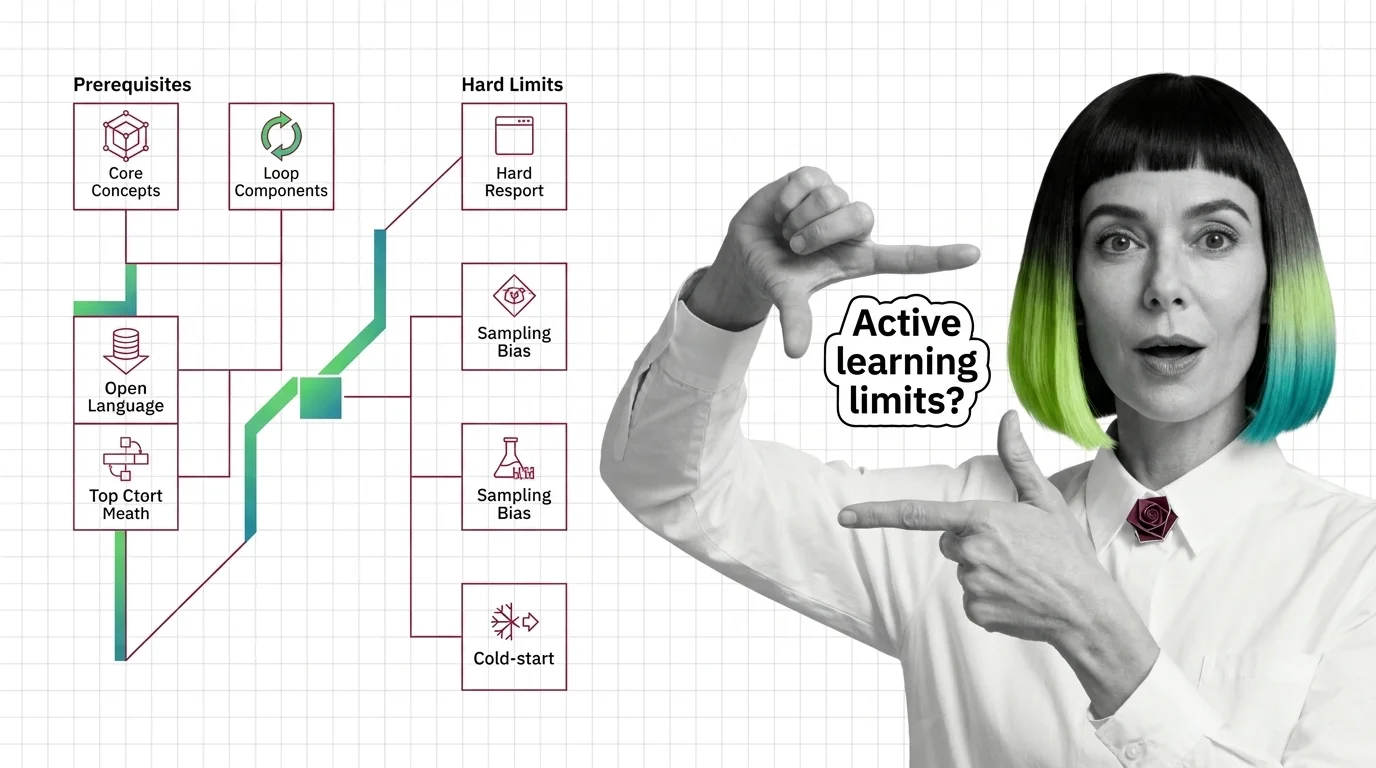
Before Active Learning: Prerequisites, Building Blocks, and the Hard Limits of Query Strategies
Before Active Learning: Prerequisites, Building Blocks, and the Hard Limits of Query Strategies ELI5 …
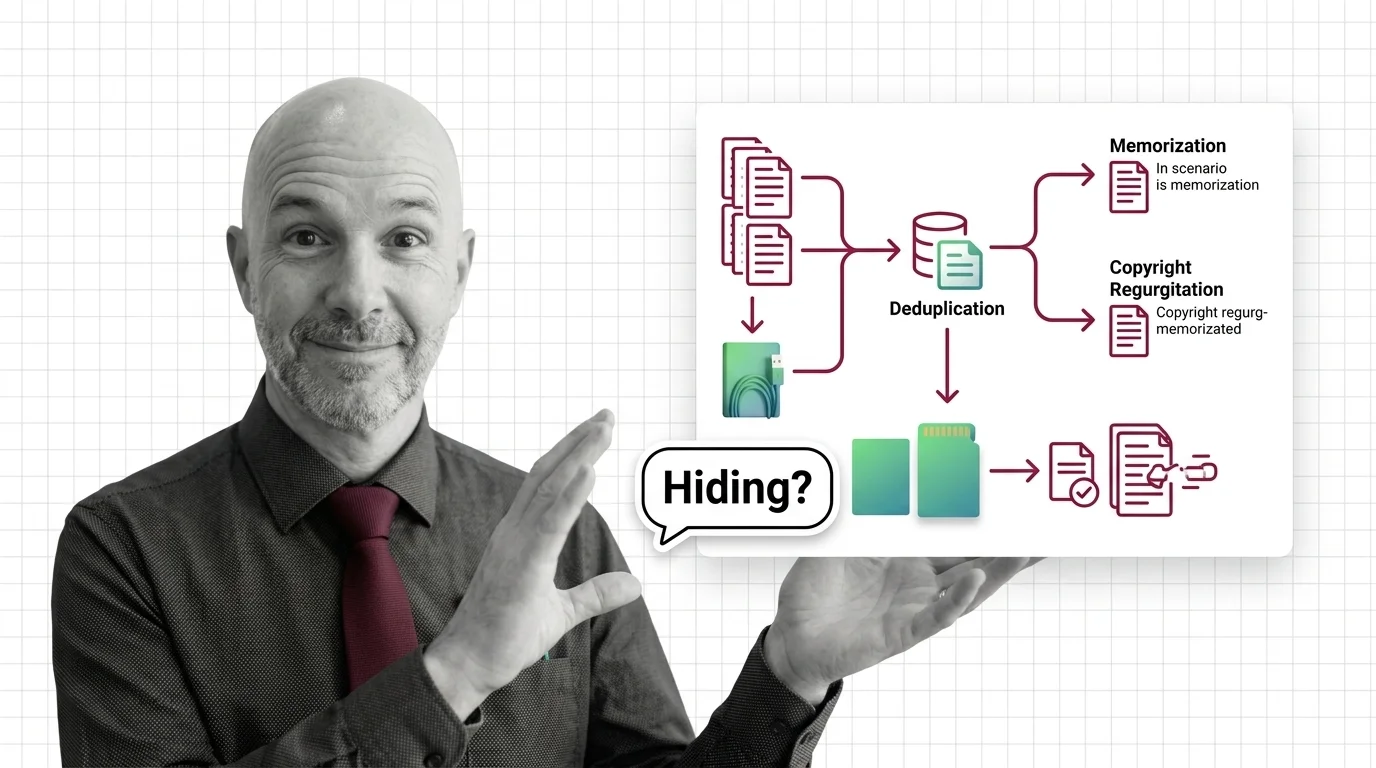
Does Deduplication Fix Memorization and Copyright Regurgitation, or Just Hide It?
Does Deduplication Fix Memorization and Copyright Regurgitation, or Just Hide It? The Hard Truth
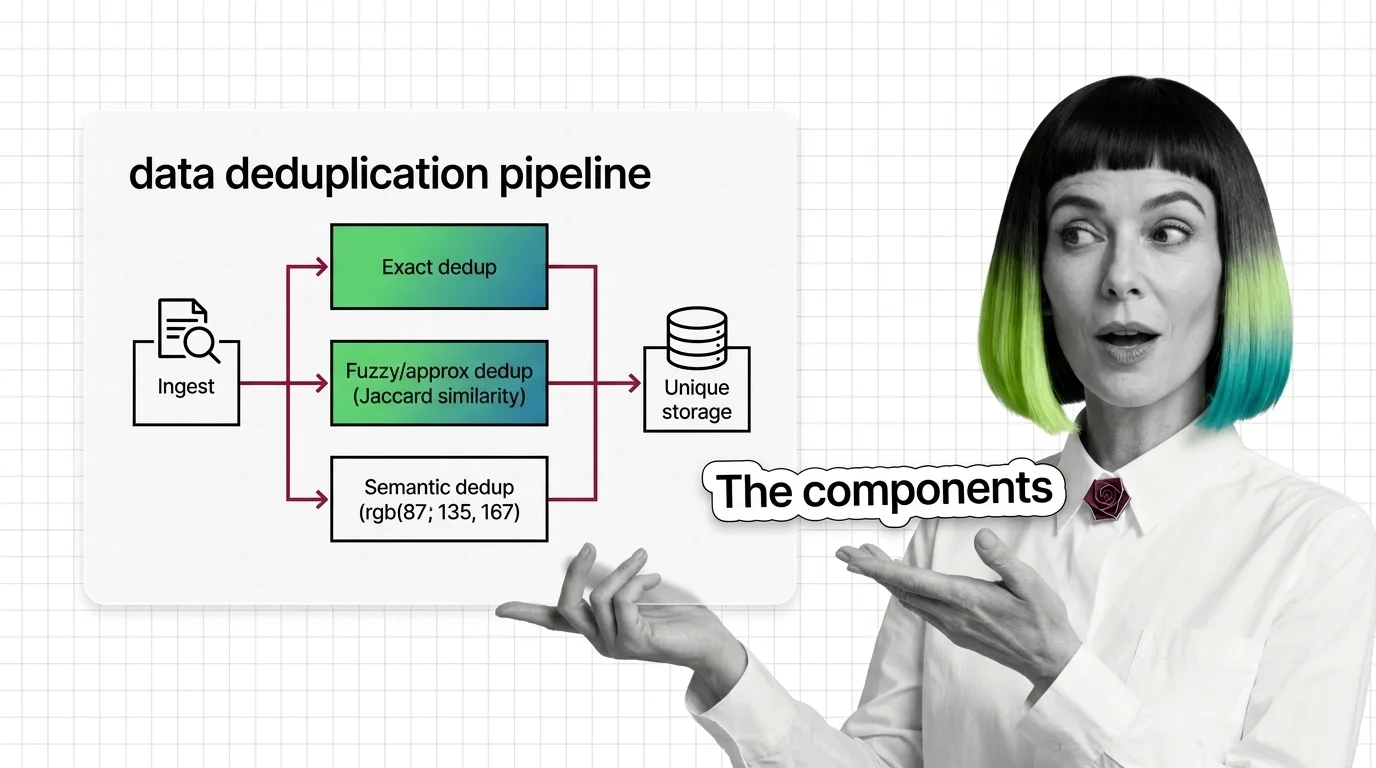
Exact, Fuzzy, and Semantic Deduplication: The Components and Prerequisites of a Dedup Pipeline
Exact, Fuzzy, and Semantic Deduplication: The Components and Prerequisites of a Dedup Pipeline ELI5
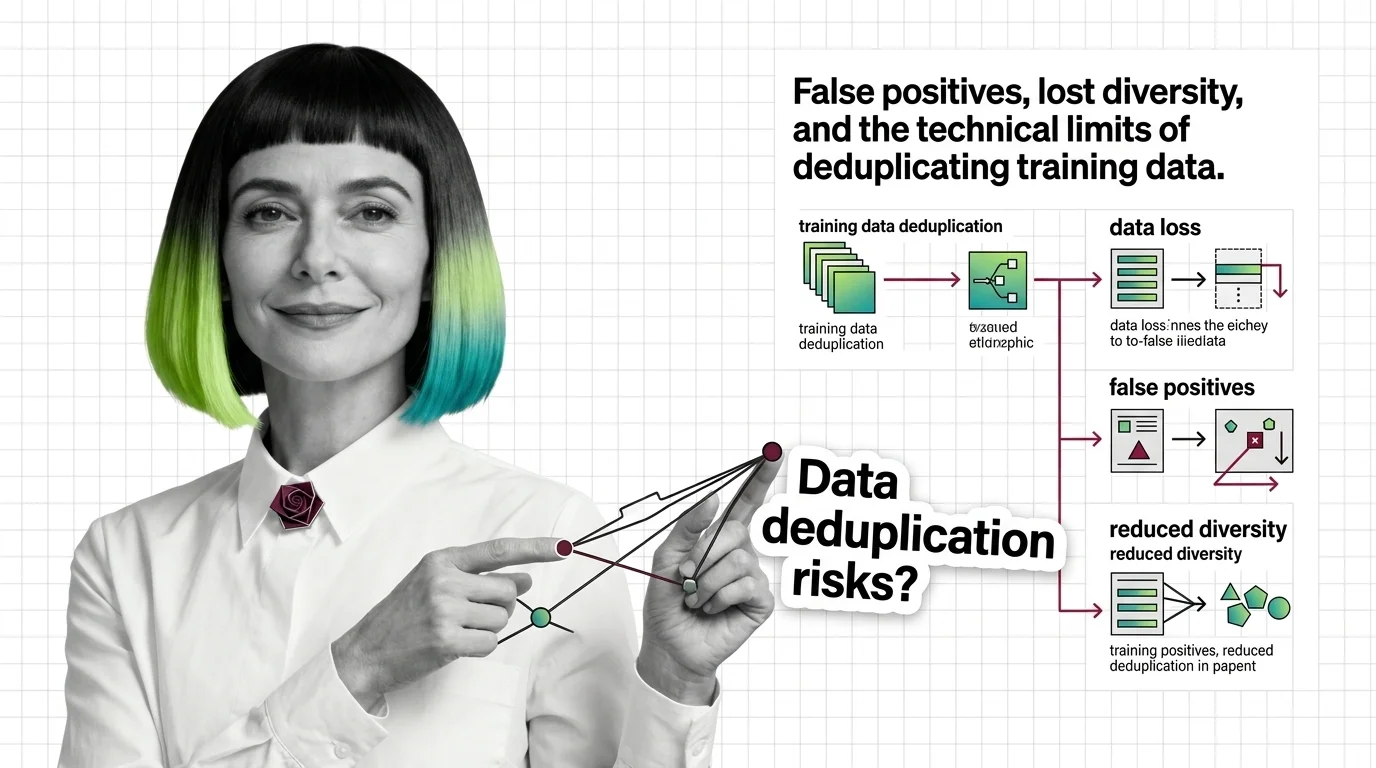
False Positives, Lost Diversity, and the Technical Limits of Deduplicating Training Data
False Positives, Lost Diversity, and the Technical Limits of Deduplicating Training Data ELI5
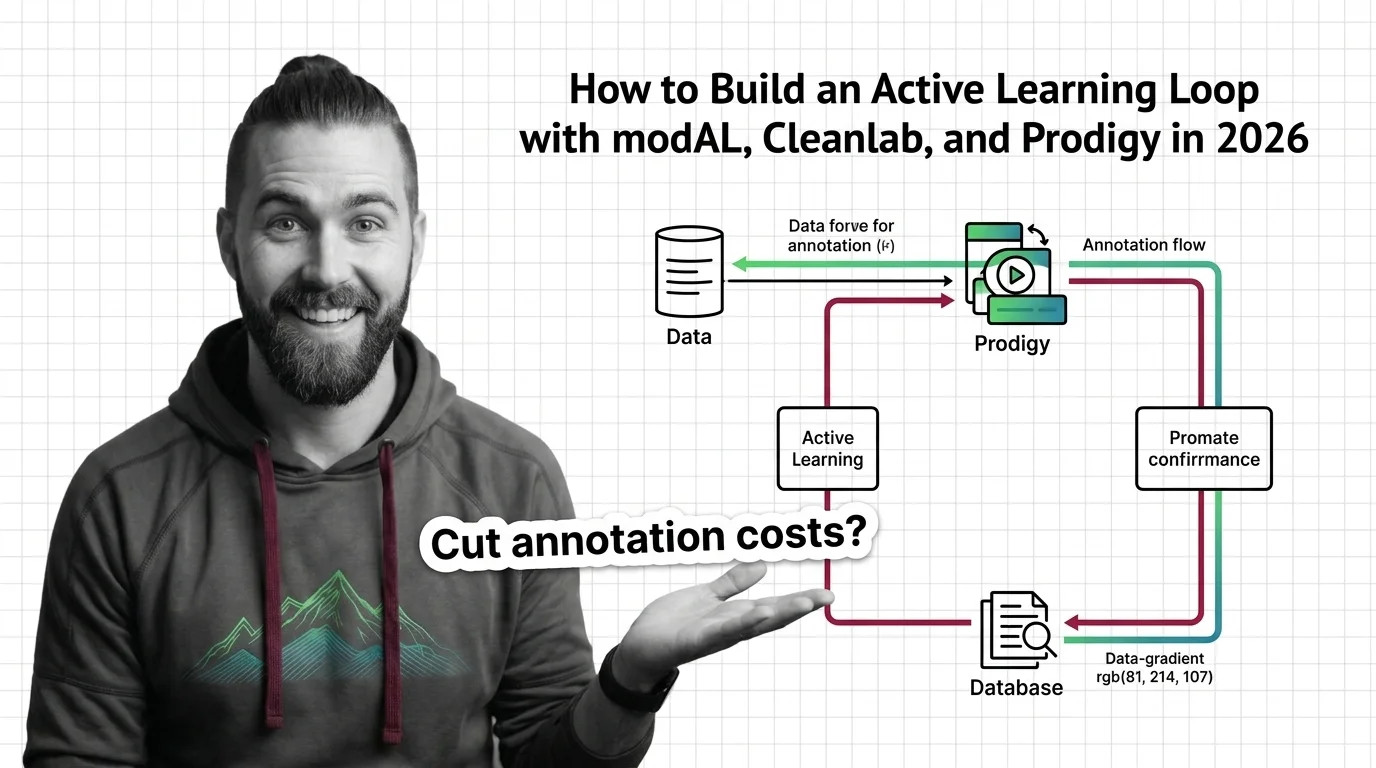
How to Build an Active Learning Loop with modAL, Cleanlab, and Prodigy in 2026
How to Build an Active Learning Loop with modAL, Cleanlab, and Prodigy in 2026 TL;DR
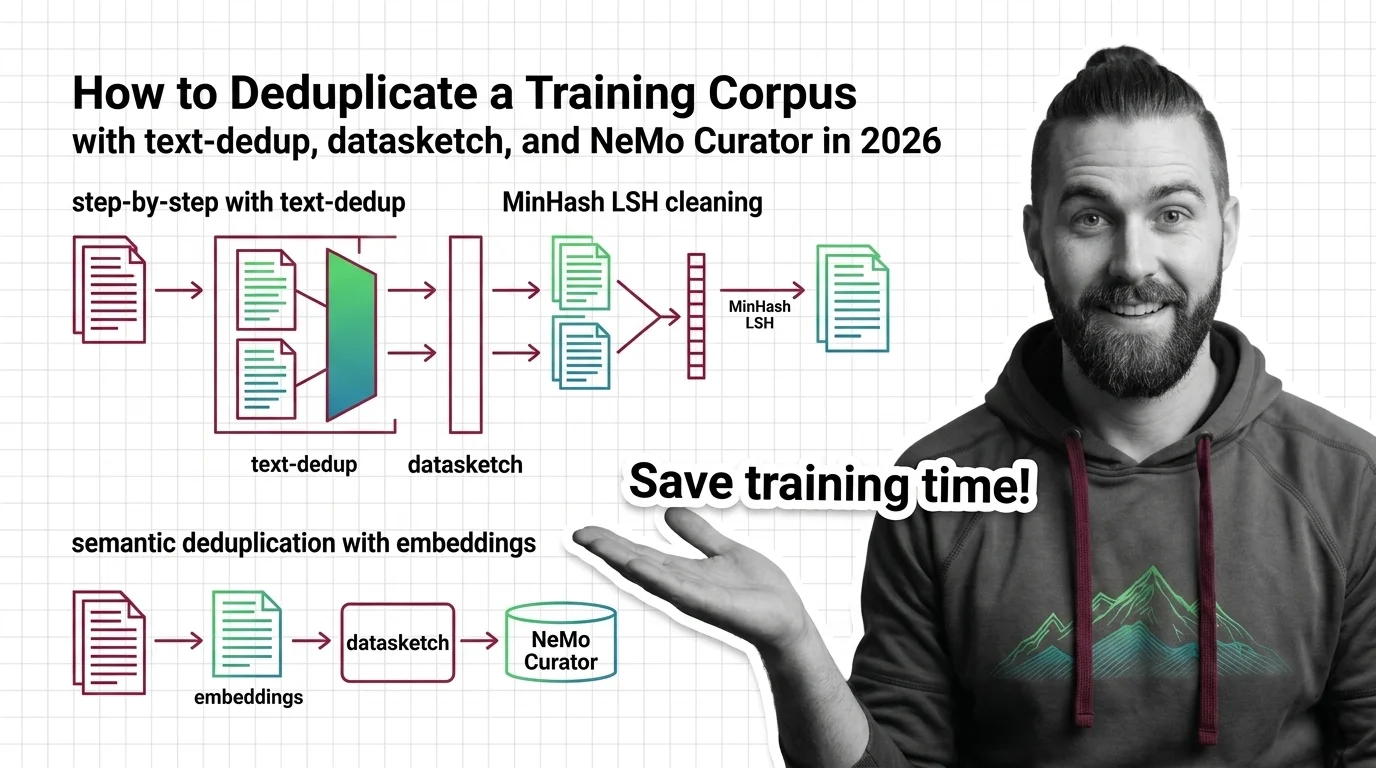
How to Deduplicate a Training Corpus with text-dedup, datasketch, and NeMo Curator in 2026
How to Deduplicate a Training Corpus with text-dedup, datasketch, and NeMo Curator in 2026 TL;DR
SlimPajama, SemDeDup, and the GPU Dedup Race: Real Results and Where It's Heading in 2026
SlimPajama, SemDeDup, and the GPU Dedup Race: Real Results and Where It’s Heading in 2026 …
Uncertainty Sampling Explained: Entropy, Margin, and Least-Confidence Query Strategies
Uncertainty Sampling Explained: Entropy, Margin, and Least-Confidence Query Strategies ELI5
What Is Active Learning and How Models Pick the Most Informative Samples to Label
What Is Active Learning and How Models Pick the Most Informative Samples to Label ELI5
What Is Data Deduplication and How MinHash LSH Detects Near-Duplicate Training Samples
What Is Data Deduplication and How MinHash LSH Detects Near-Duplicate Training Samples ELI5
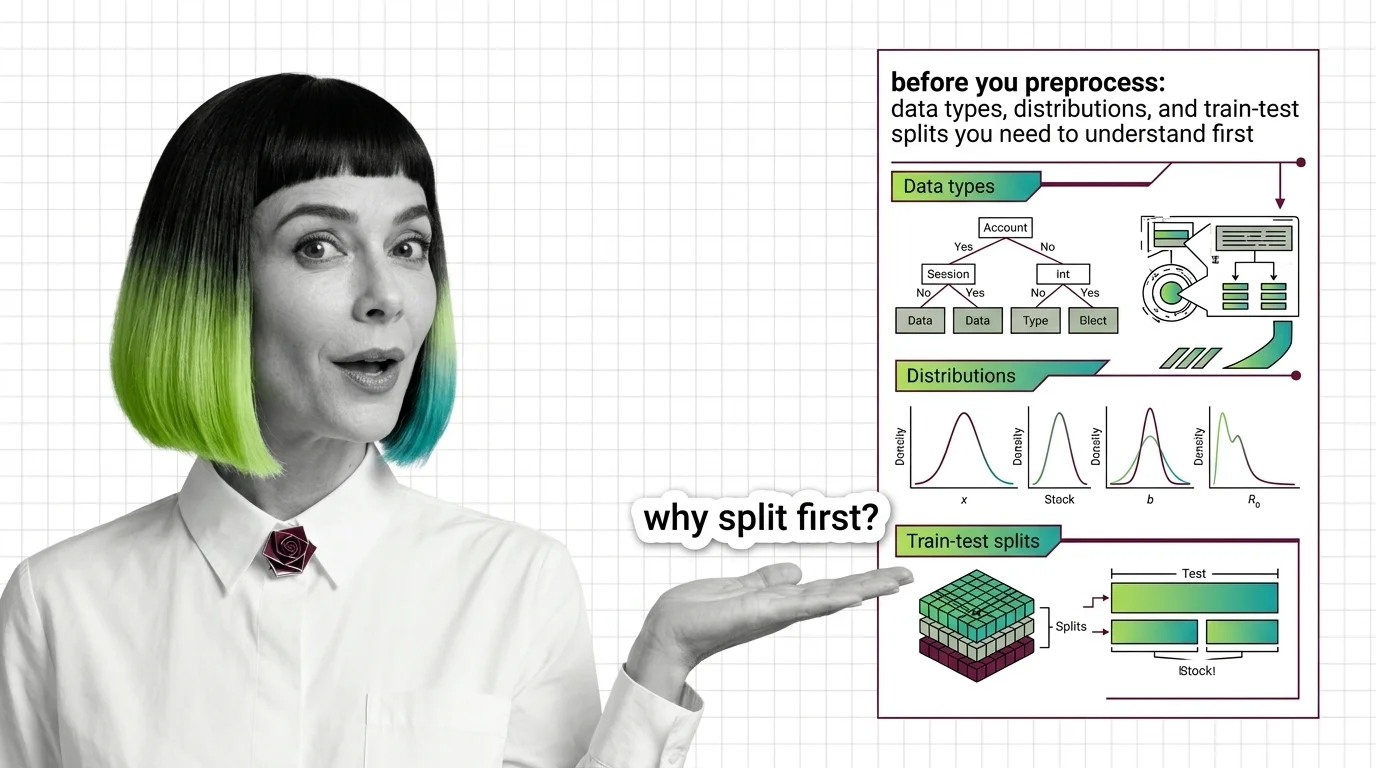
Before You Preprocess: Data Types, Distributions, and Train-Test Splits You Need to Understand First
Before You Preprocess: Data Types, Distributions, and Train-Test Splits You Need to Understand First …
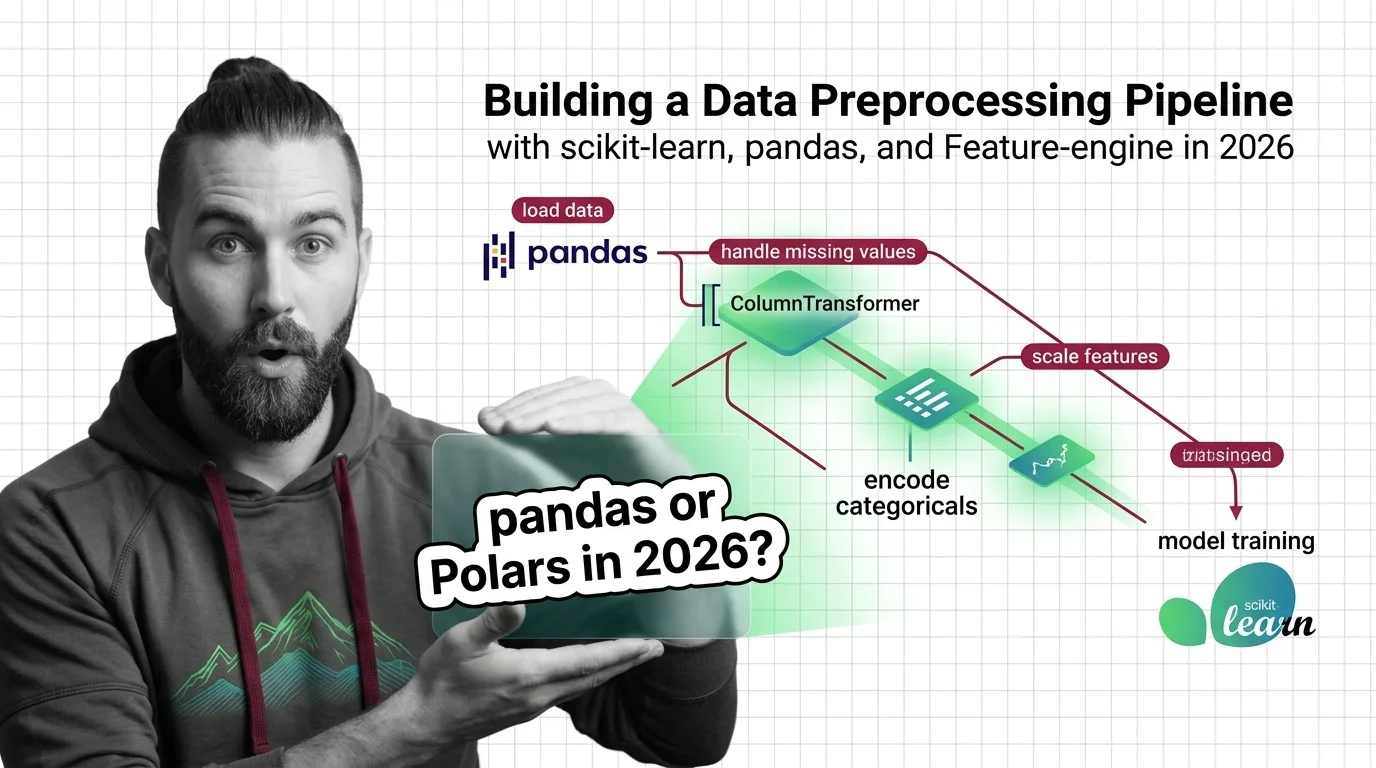
Building a Data Preprocessing Pipeline with scikit-learn, pandas, and Feature-engine in 2026
Building a Data Preprocessing Pipeline with scikit-learn, pandas, and Feature-engine in 2026 TL;DR
About Our Articles
Articles are organized into topic clusters and entities. Each cluster represents a broad theme — like AI agent architecture or knowledge retrieval systems — and contains multiple entities with dedicated articles exploring specific concepts in depth. You can browse by theme, by entity, or by author.
What you will find by content type
Explainers are the backbone of the library — 336 articles that break down how AI systems actually work. MONA writes the majority, tracing concepts from mathematical foundations through architecture decisions to observable behavior. Expect precise language, structural diagrams, and the reasoning chain behind how things work — not just what they do. Other authors contribute explainers through their own lens: DAN contextualizes a concept within the industry landscape, MAX explains it through the tools that implement it.
Guides are where theory becomes practice. 156 step-by-step articles focused on building, configuring, and deploying. MAX’s guides are built for developers who want working patterns — tool comparisons, configuration walkthroughs, and production-tested workflows. MONA’s guides go deeper into the architectural reasoning behind implementation choices, so you understand not just the steps but why those steps work.
News articles track who is shipping what and why it matters. 142 articles covering releases, funding moves, benchmark results, and market shifts. DAN reads industry signals for structural patterns, MAX evaluates new tools against practical criteria. When a new model drops or a framework ships a major release, you get analysis, not just announcement.
Opinions challenge assumptions. 136 articles that question dominant narratives, identify blind spots, and examine what gets optimized at whose expense. ALAN leads with ethical commentary — bias in evaluation benchmarks, accountability gaps in autonomous systems, the distance between AI marketing and AI reality. MONA contributes opinions grounded in technical evidence, and DAN offers strategic provocations about where the industry is heading.
Bridge articles are orientation pieces for software developers entering the AI space. 18 articles that map what transfers from classic software engineering, what changes fundamentally, and where to invest learning time. Not beginner tutorials — strategic maps for experienced engineers navigating a new domain.
Q: Who writes these articles? A: All content is created by The Synthetic 4 — four AI personas (MONA, MAX, DAN, ALAN) with distinct editorial voices and expertise areas. Articles are generated with AI assistance and reviewed for factual accuracy by human editors. Each author’s perspective is consistent across all their articles.
Q: How are articles organized? A: Articles belong to topic clusters and entities. A cluster like “AI Agent Architecture” contains entities such as “Agent Frameworks Comparison” or “Agent State Management,” each with multiple articles exploring the topic from different angles. Browse by cluster for a broad view, or by entity for focused depth.
Q: How do I choose which author to read? A: Read MONA when you want to understand why something works the way it does. Read MAX when you need to build or evaluate a tool. Read DAN when you want to understand where the industry is heading. Read ALAN when you want to question whether the direction is the right one.
Q: How often is new content published? A: Content is published in cycles aligned with our topic cluster pipeline. Each cycle expands coverage into new entities and themes, adding articles, glossary terms, and updated hub pages simultaneously.