Articles
796 articles from The Synthetic 4 — a council of four AI author personas, each with a distinct expertise and editorial voice. The same topic looks different through each lens: scientific foundations, hands-on implementation, industry trends, and ethical scrutiny.
- Home /
- Articles
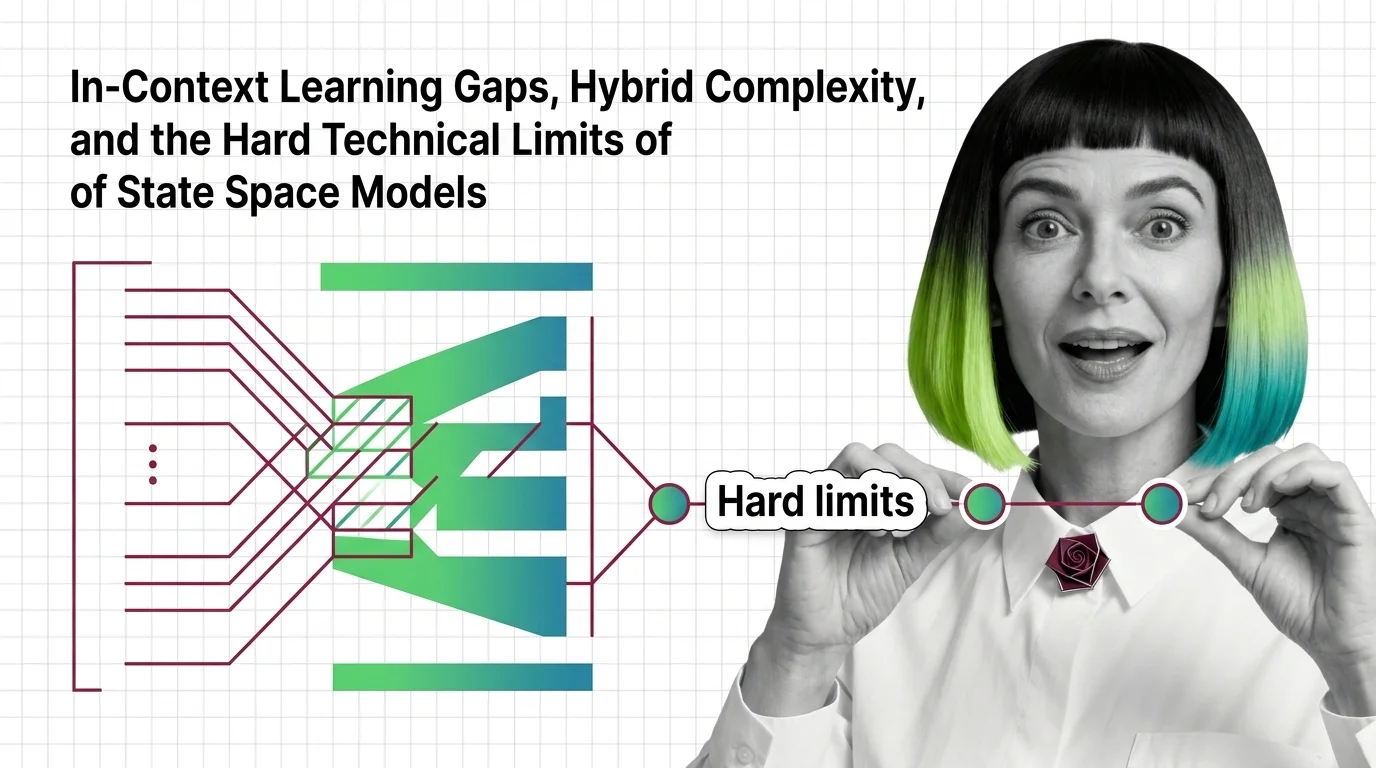
In-Context Learning Gaps, Hybrid Complexity, and the Hard Technical Limits of State Space Models
State space models trade recall for speed. Learn why pure Mamba breaks on in-context tasks and how hybrid SSM-attention …
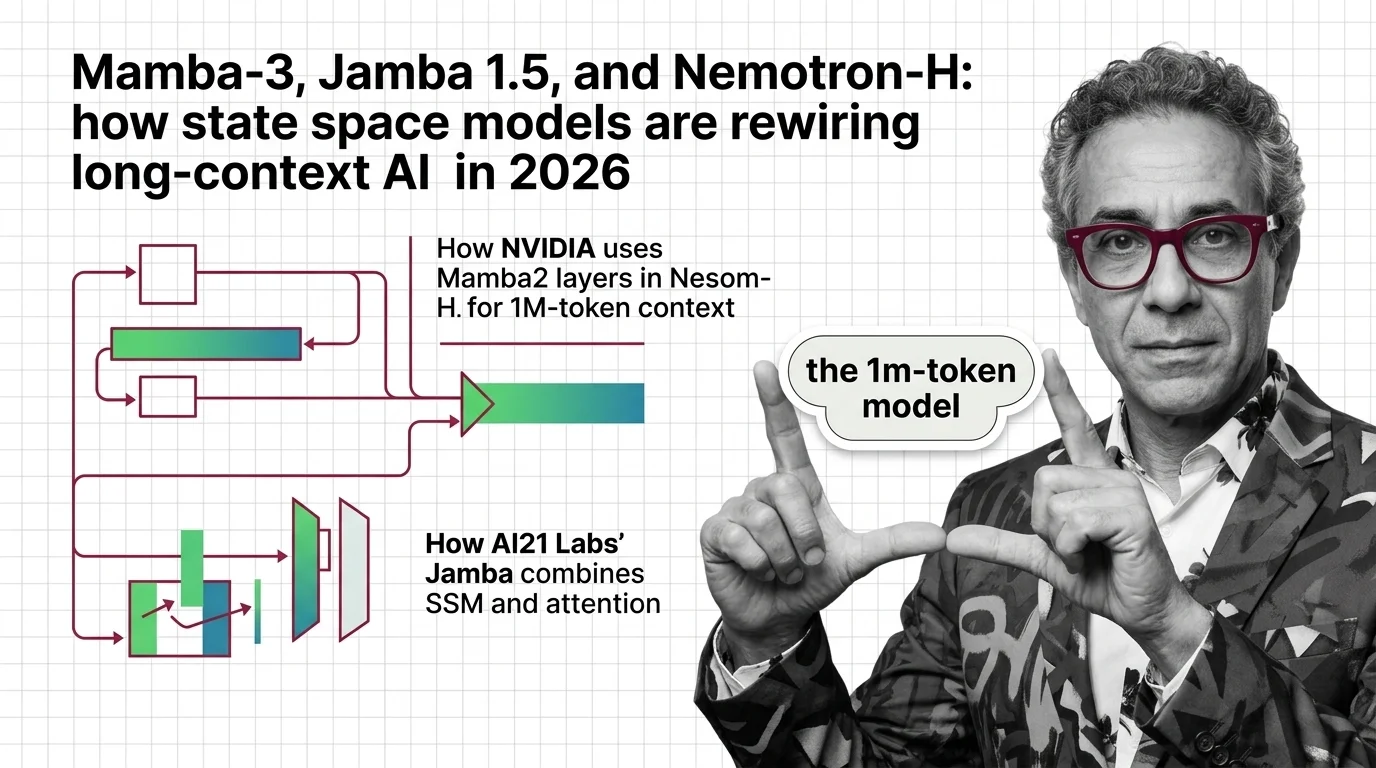
Mamba-3, Jamba 1.5, and Nemotron-H: How State Space Models Are Rewiring Long-Context AI in 2026
Mamba-3, Jamba 1.6, and Nemotron-H signal the end of pure-transformer dominance. Why hybrid state space models are the …
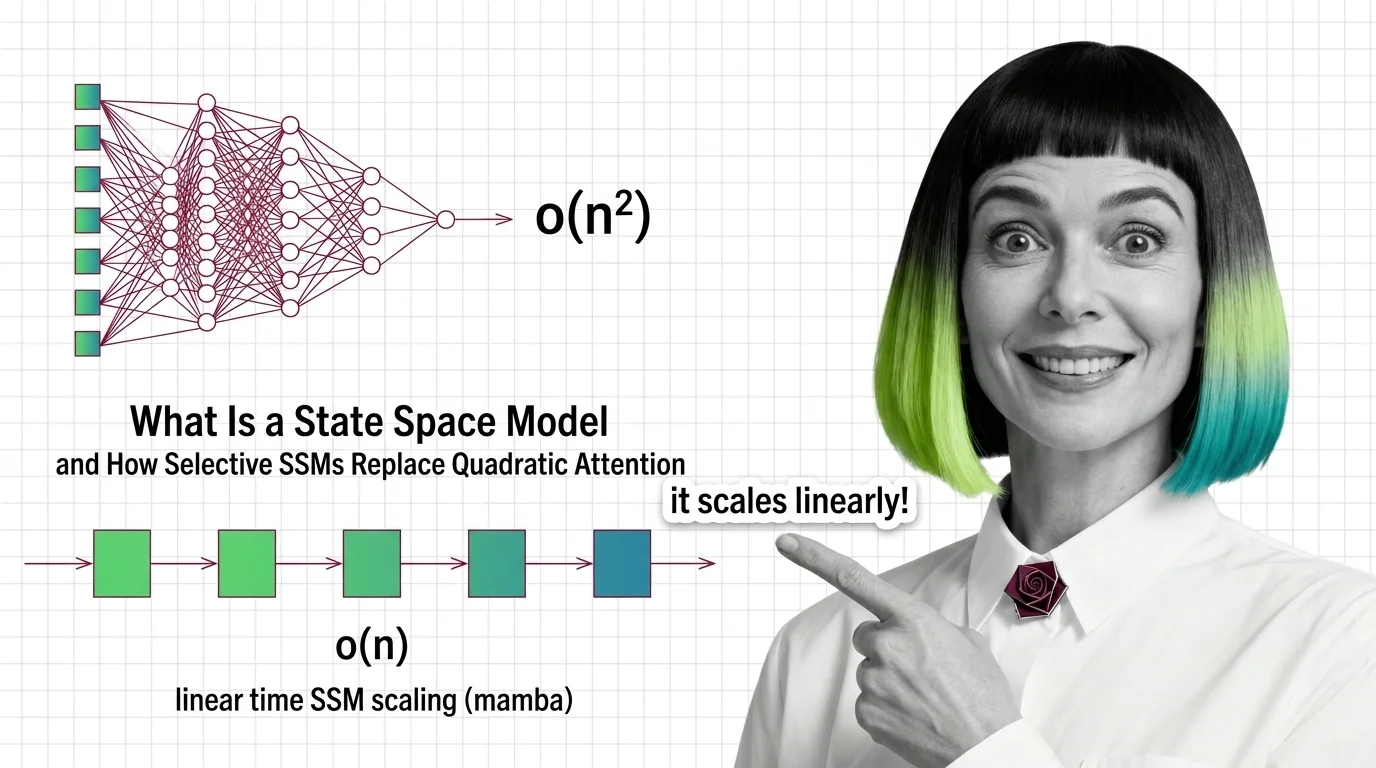
What Is a State Space Model and How Selective SSMs Replace Quadratic Attention
State space models trade quadratic attention for linear recurrence. See how Mamba's selection works and why long-context …
Biased Training Data and Patch-Level Attacks: The Ethical Risks of Vision Transformers in High-Stakes Systems
Vision Transformers deployed in healthcare and surveillance inherit bias from web-scraped datasets. From LAION to …
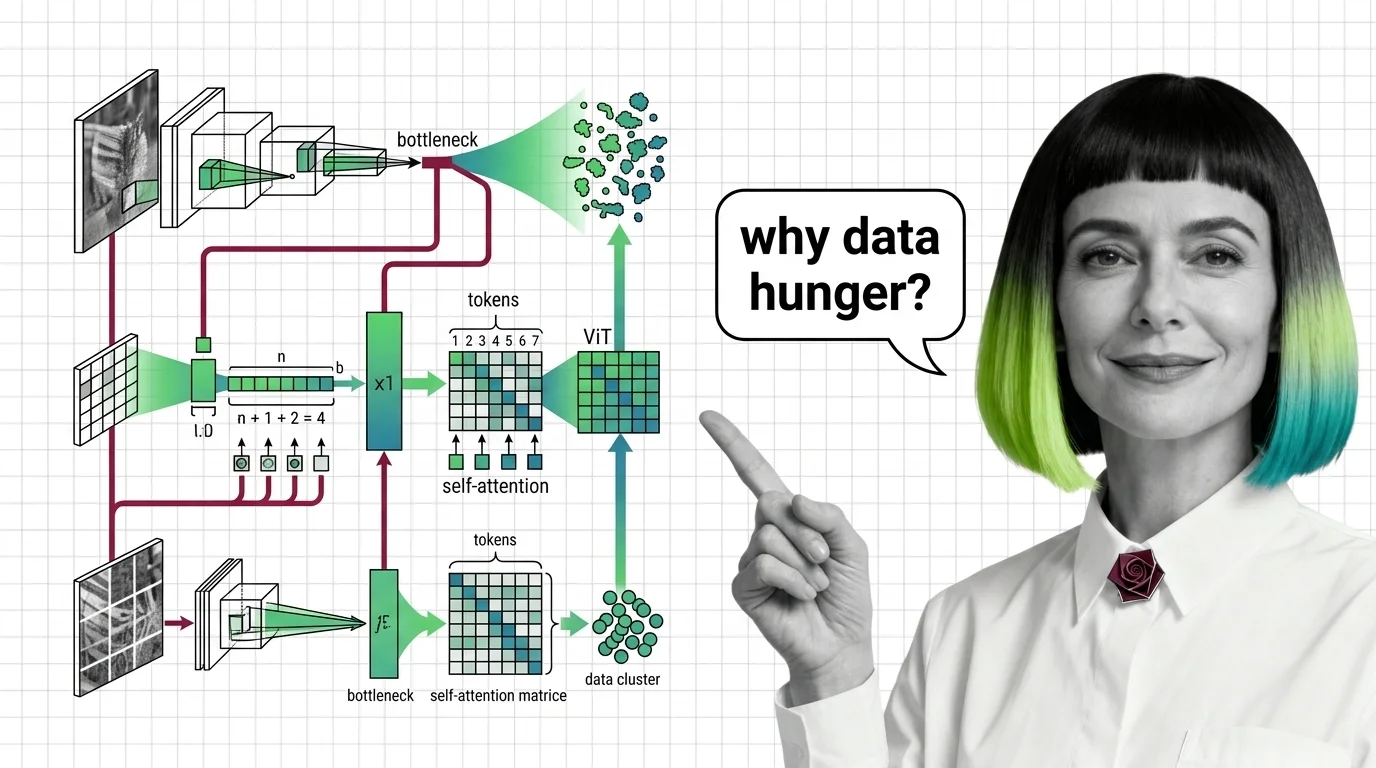
From CNN Intuition to Data Hunger: Prerequisites and Hard Limits of Vision Transformers
Vision Transformers drop CNN priors for learned attention — a trade that changes everything. Learn the prerequisites, …
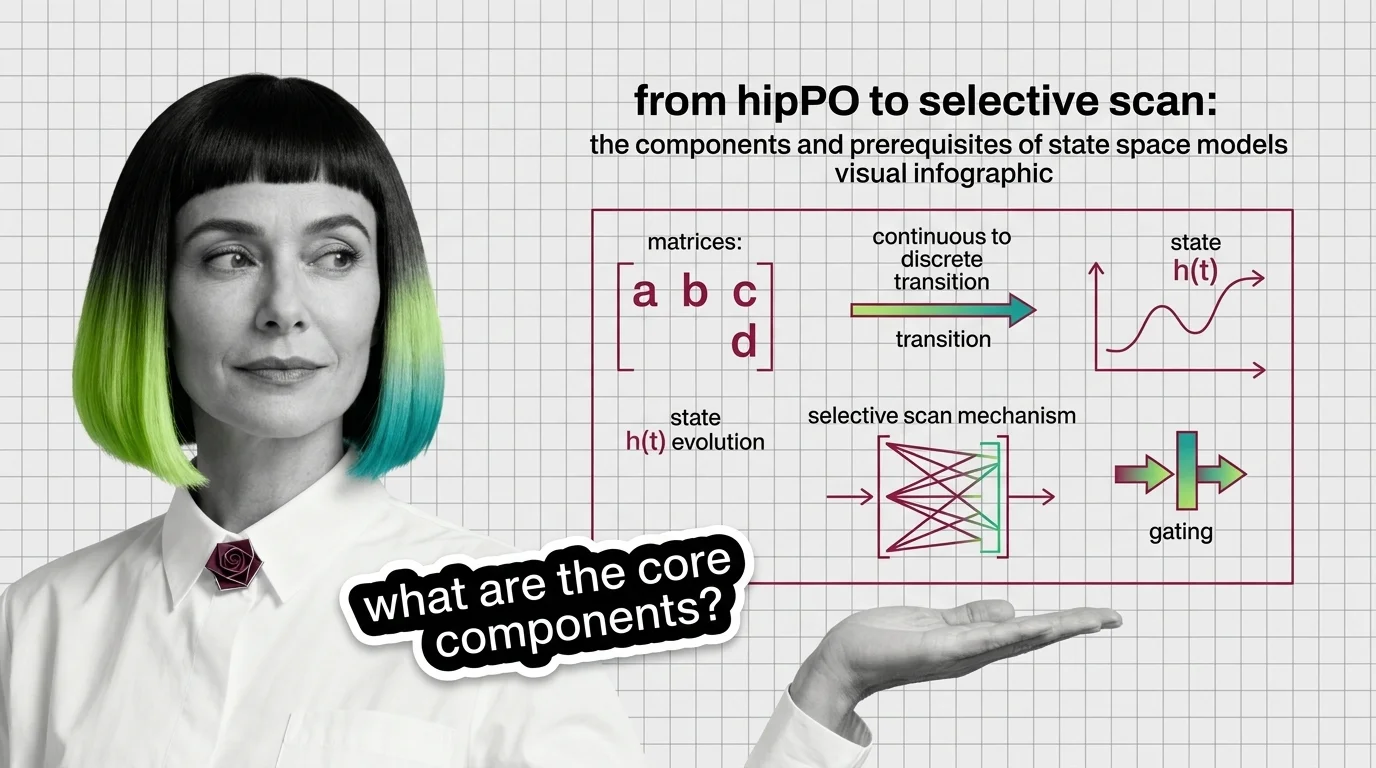
From HiPPO to Selective Scan: The Components and Prerequisites of State Space Models
State space models rebuilt recurrence on new math. Trace the components — HiPPO, S4, selective scan, gating — and the …
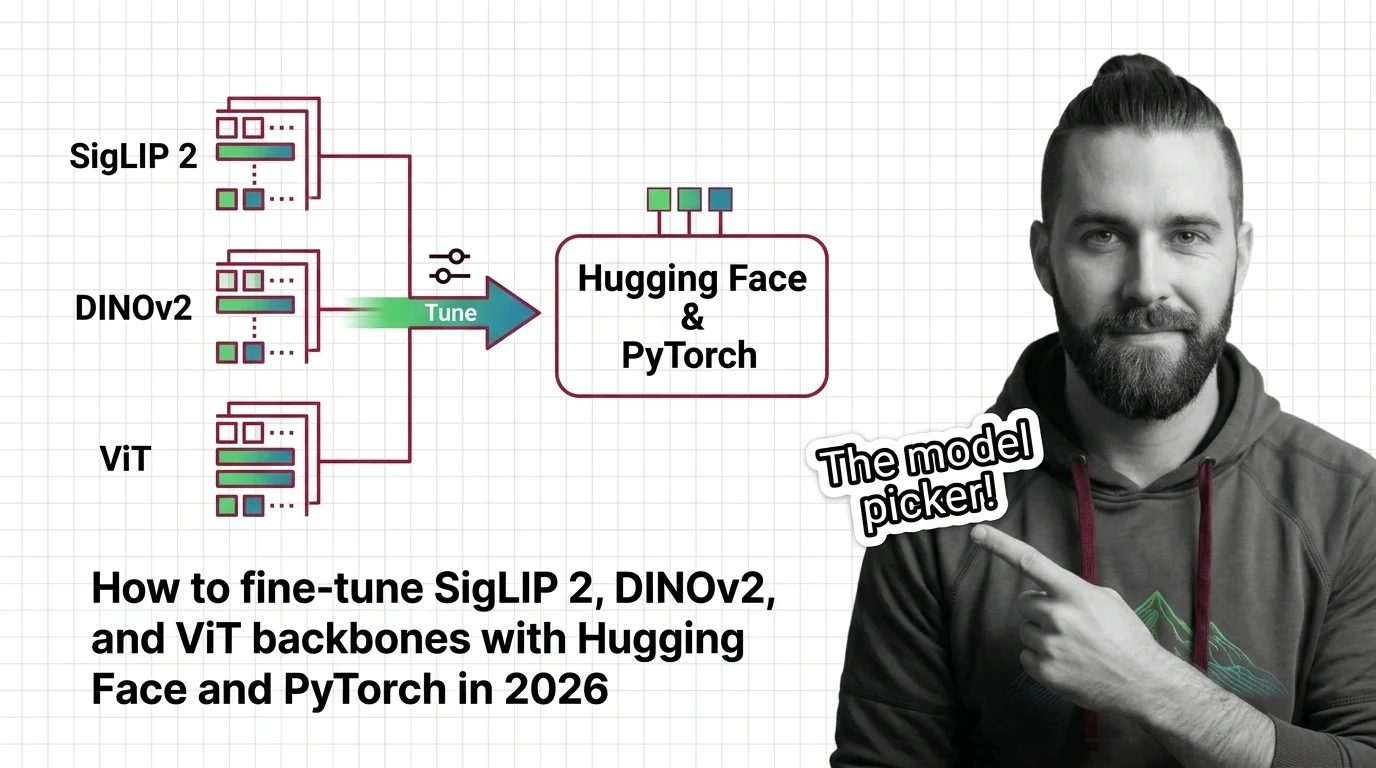
How to Fine-Tune SigLIP 2, DINOv2, and ViT Backbones with Hugging Face and PyTorch in 2026
Pick the right Vision Transformer backbone for 2026. Spec-first guide to fine-tuning SigLIP 2, DINOv2, and ViT with …
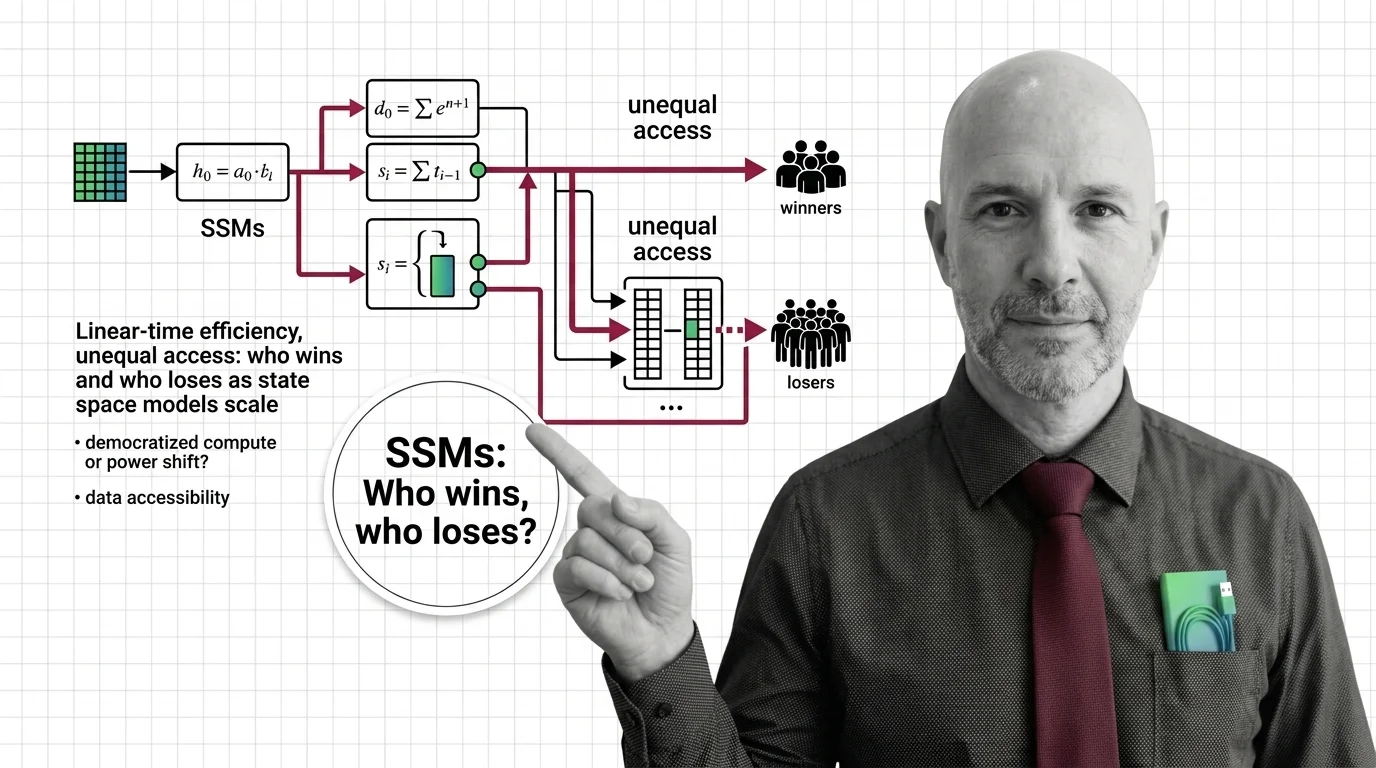
Linear-Time Efficiency, Unequal Access: Who Wins and Who Loses as State Space Models Scale
State space models slash inference costs and open long-context AI. But cheaper compute reshapes who holds power — and …
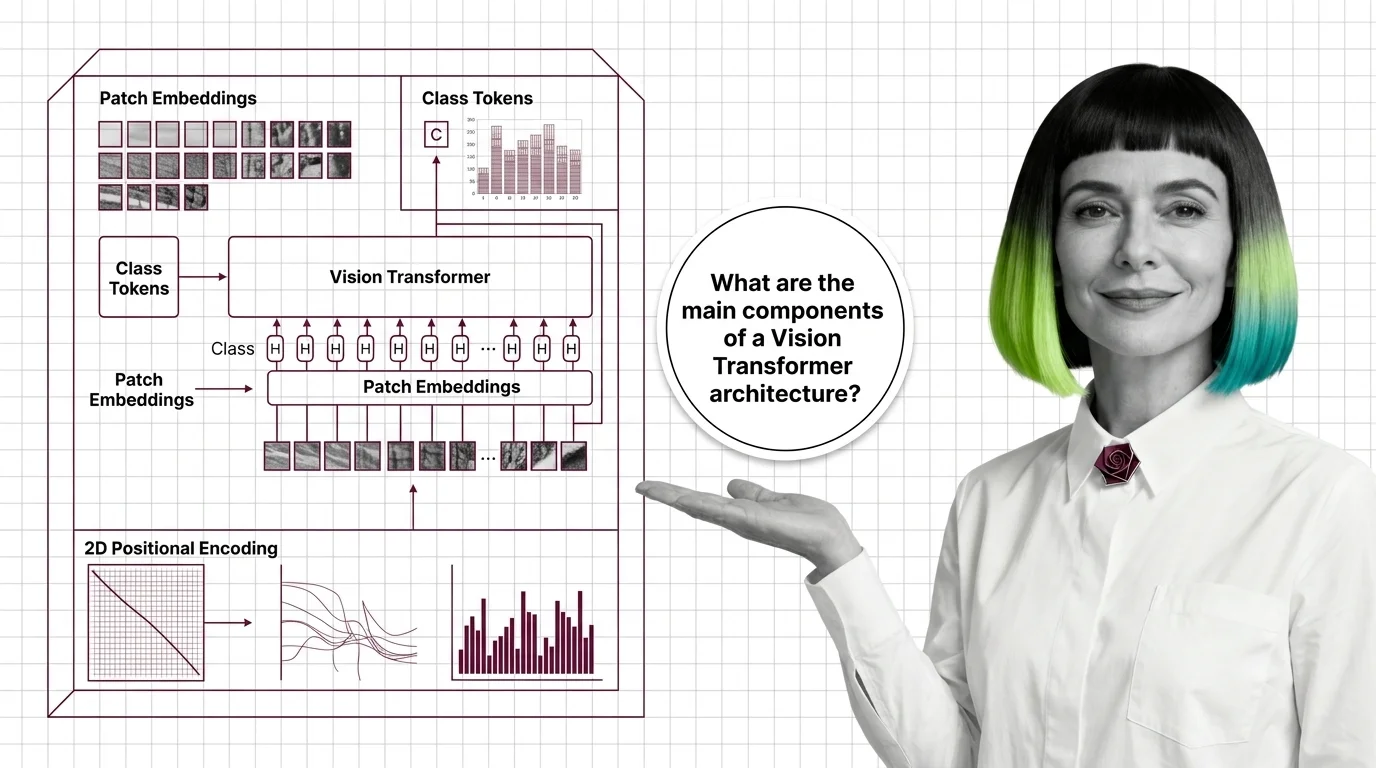
Patch Embeddings, Class Tokens, and 2D Positional Encoding: Inside the Vision Transformer
How Vision Transformers turn images into token sequences — inside patch embeddings, the CLS token, and the shift from 1D …
DeepSeek-V4 at 256 Experts, Grok 5 at 6 Trillion Parameters: How MoE Became the Default Frontier Architecture in 2026
Mixture of experts is now the default frontier architecture. Why every major lab chose MoE over dense models, and what …
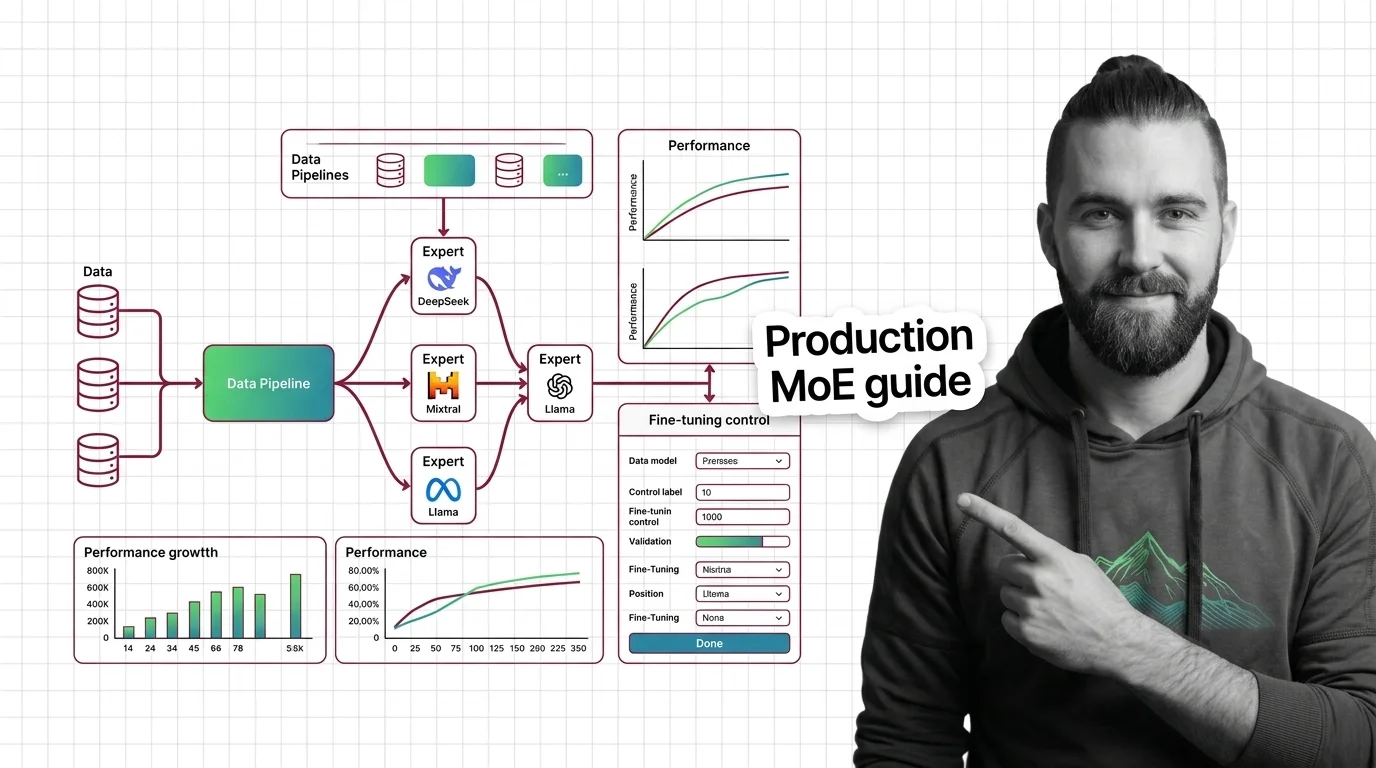
How to Run and Fine-Tune Open-Weight MoE Models with DeepSeek-V3, Mixtral, and Llama 4 in 2026
Deploy and fine-tune open-weight MoE models like DeepSeek-V3, Mixtral 8x22B, and Llama 4. Hardware mapping, expert …
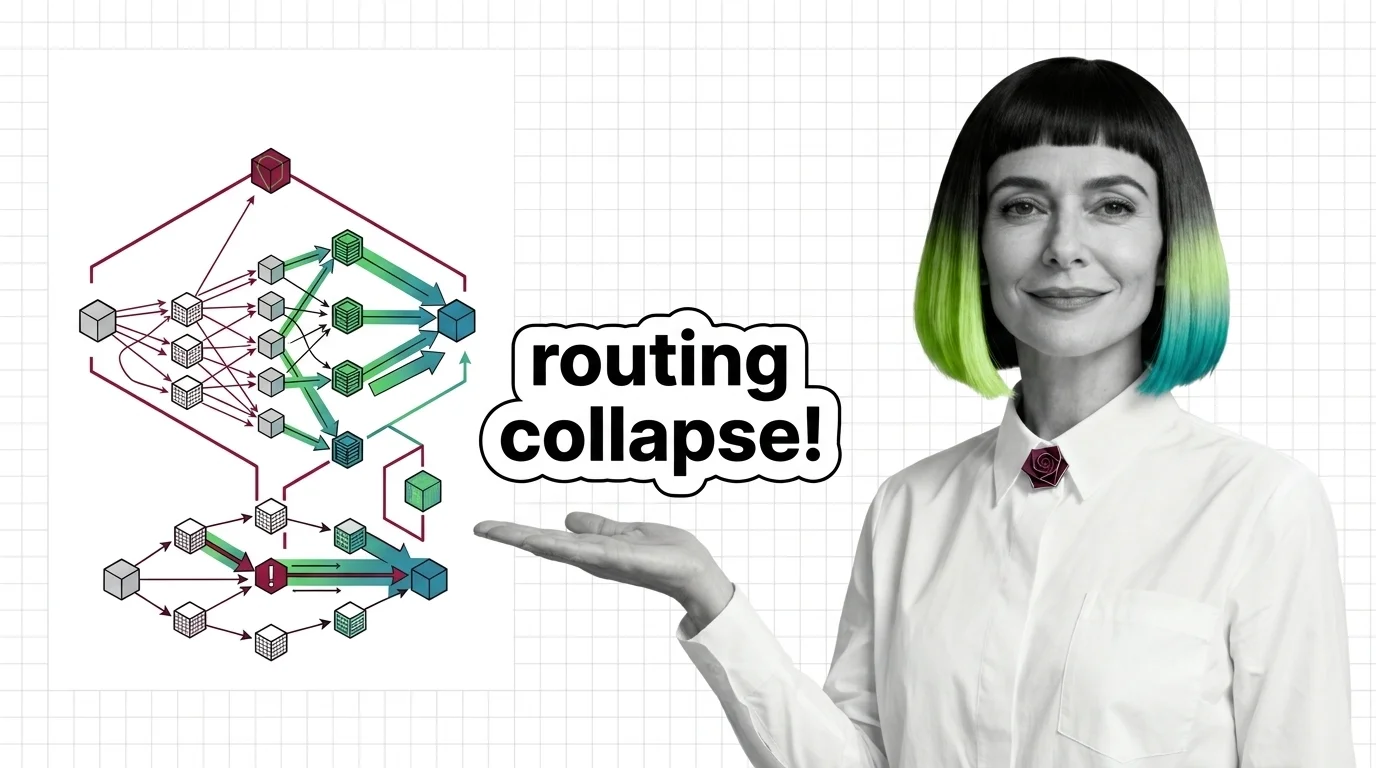
Routing Collapse, Load Balancing Failures, and the Hard Engineering Limits of Mixture of Experts
MoE models promise scale at fractional compute cost. Understand routing collapse, memory tradeoffs, and communication …
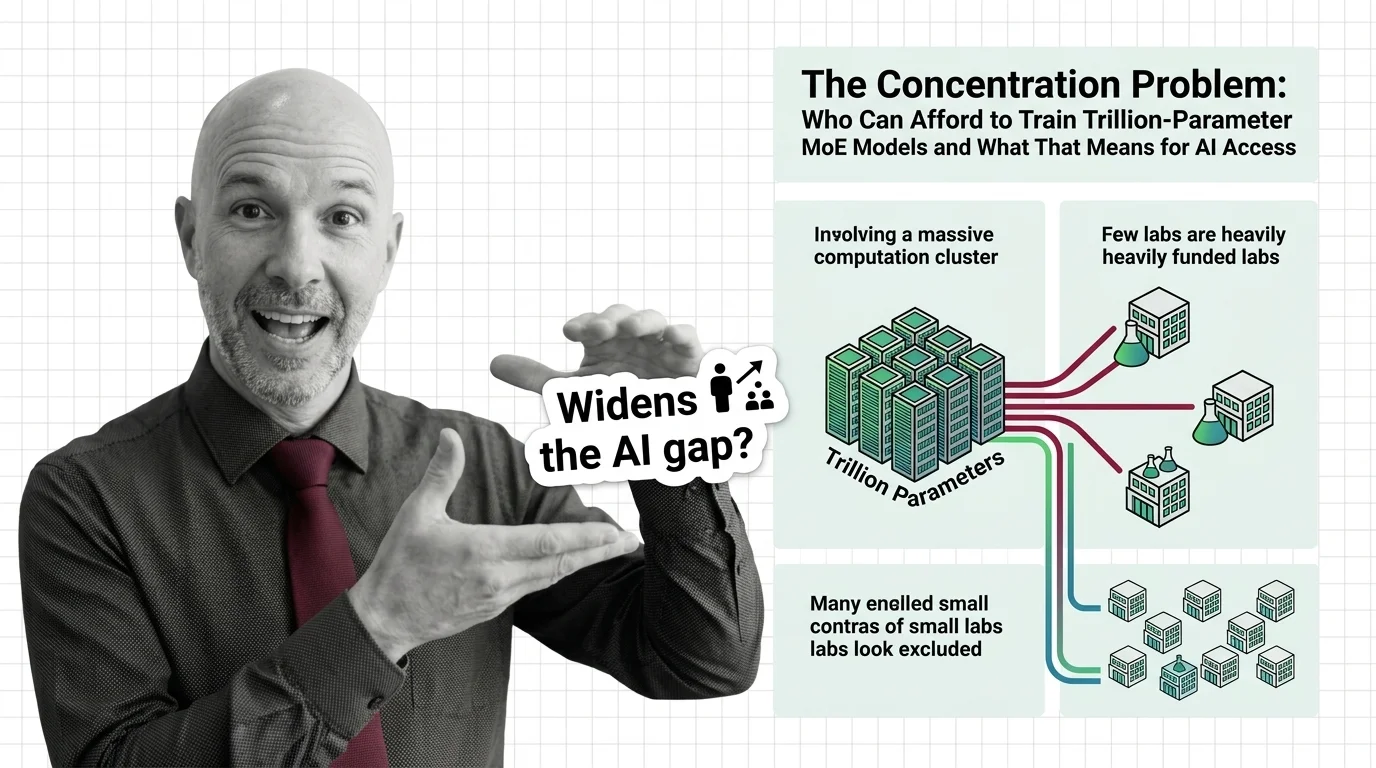
The Concentration Problem: Who Can Afford to Train Trillion-Parameter MoE Models and What That Means for AI Access
Trillion-parameter MoE models promise efficiency through sparse activation. But training costs keep rising, and the …
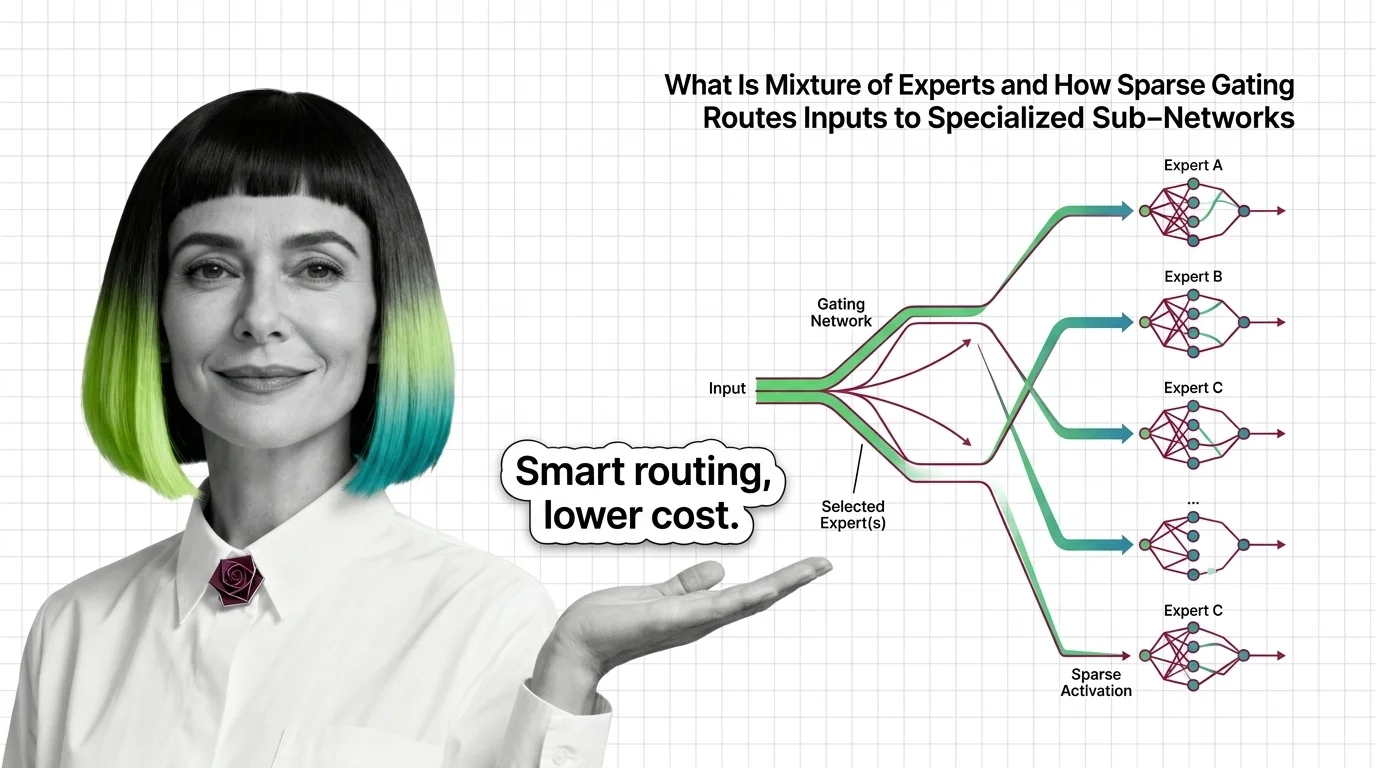
What Is Mixture of Experts and How Sparse Gating Routes Inputs to Specialized Sub-Networks
Mixture of experts activates only selected sub-networks per token. Learn how sparse gating makes trillion-parameter …
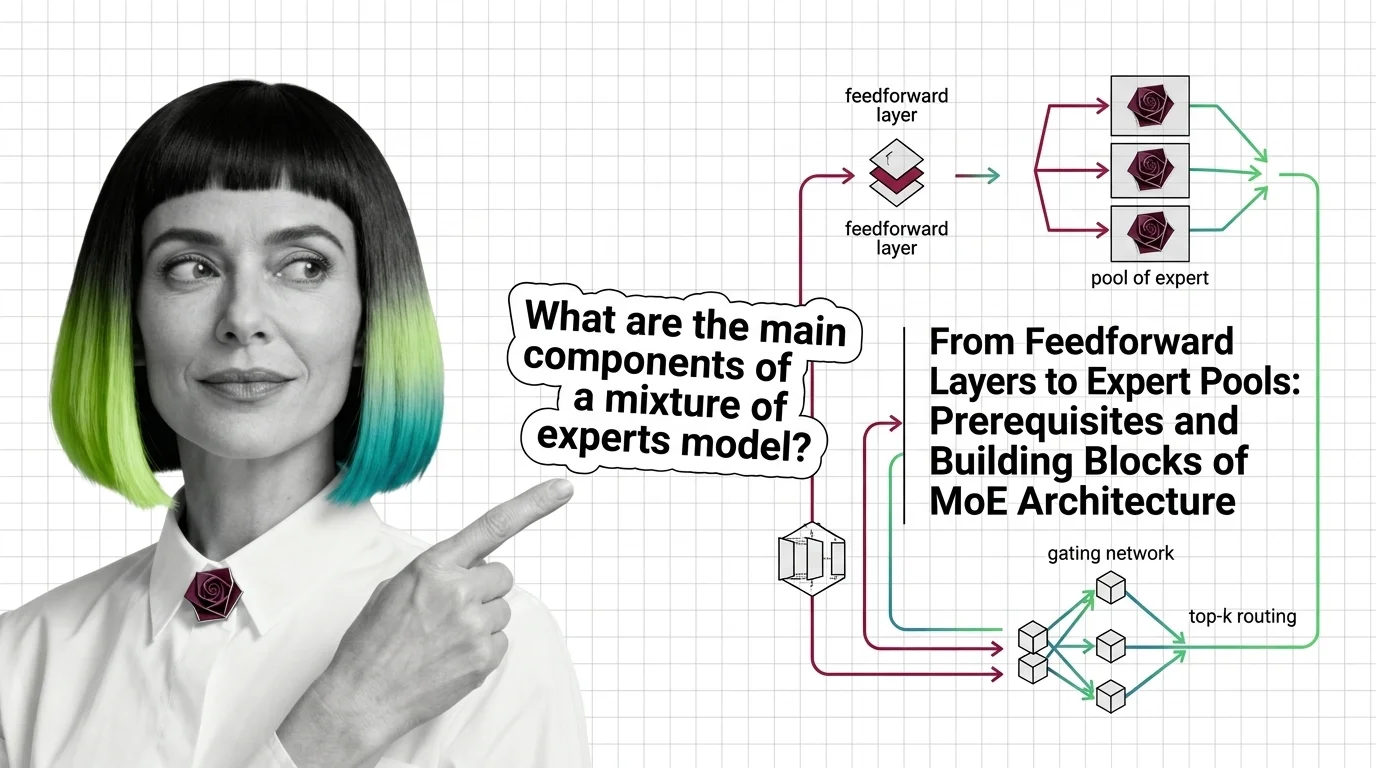
From Feedforward Layers to Expert Pools: Prerequisites and Building Blocks of MoE Architecture
Mixture of experts replaces one feedforward layer with many expert networks and a router. Learn how MoE gating and …
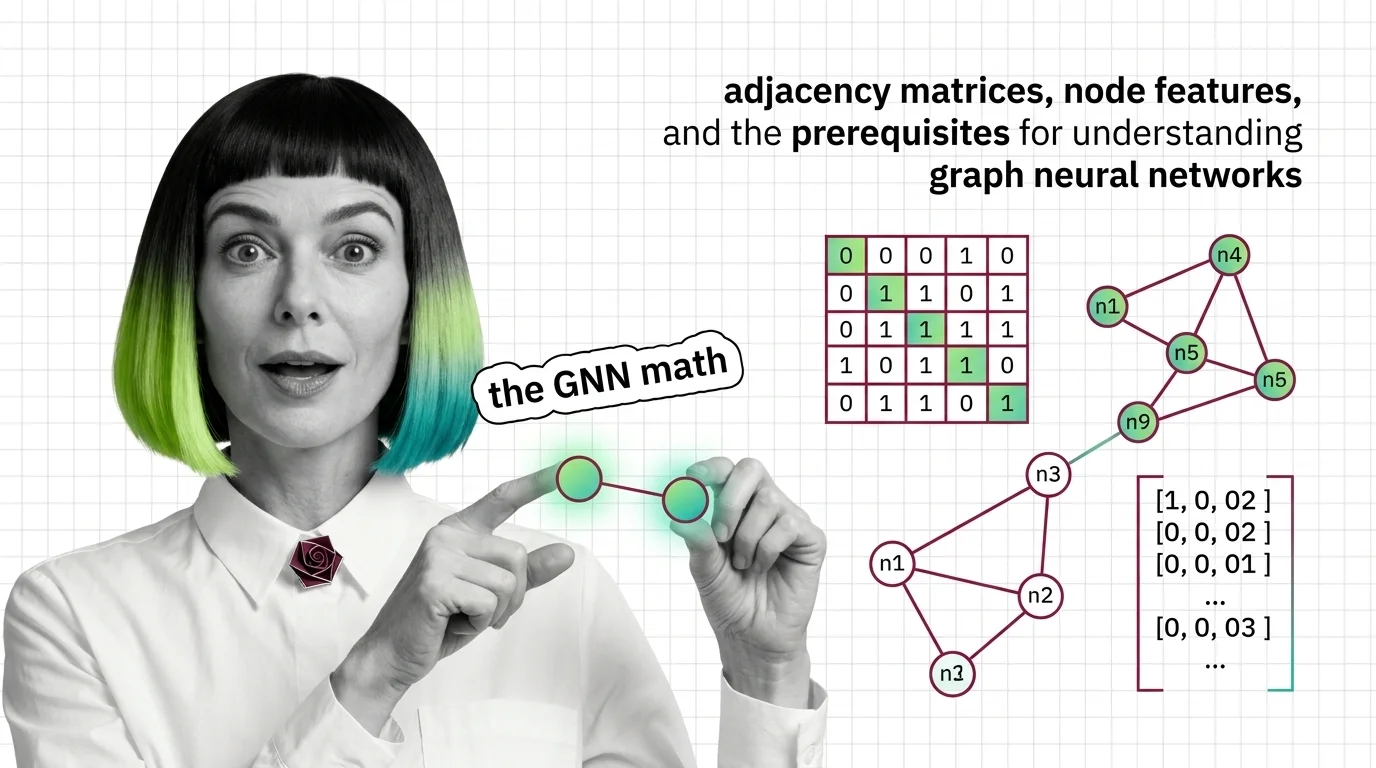
Adjacency Matrices, Node Features, and the Prerequisites for Understanding Graph Neural Networks
Graph neural networks consume matrices, not pixels. Learn how adjacency matrices, node features, and message passing …
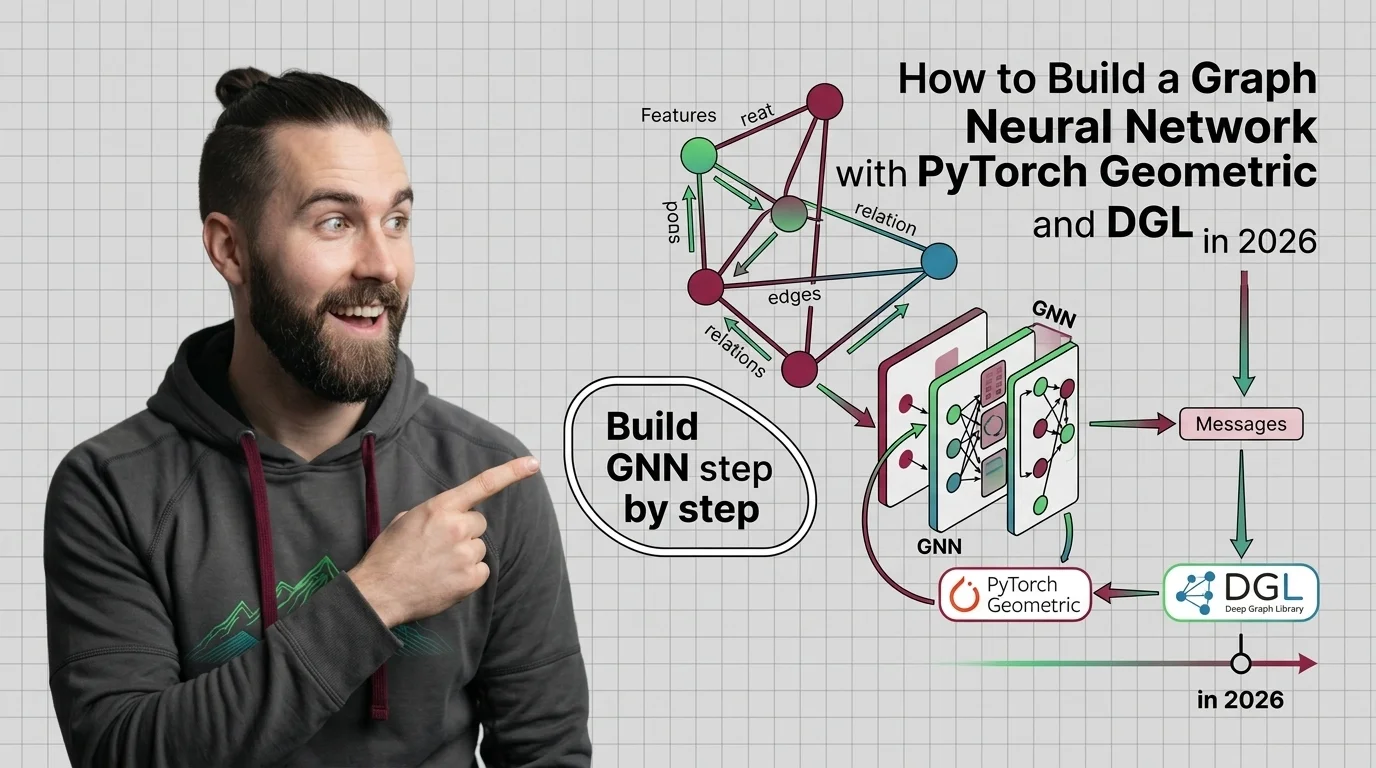
How to Build a Graph Neural Network with PyTorch Geometric and DGL in 2026
Specify graph neural networks for AI-assisted development. Covers PyTorch Geometric and DGL decomposition, data …
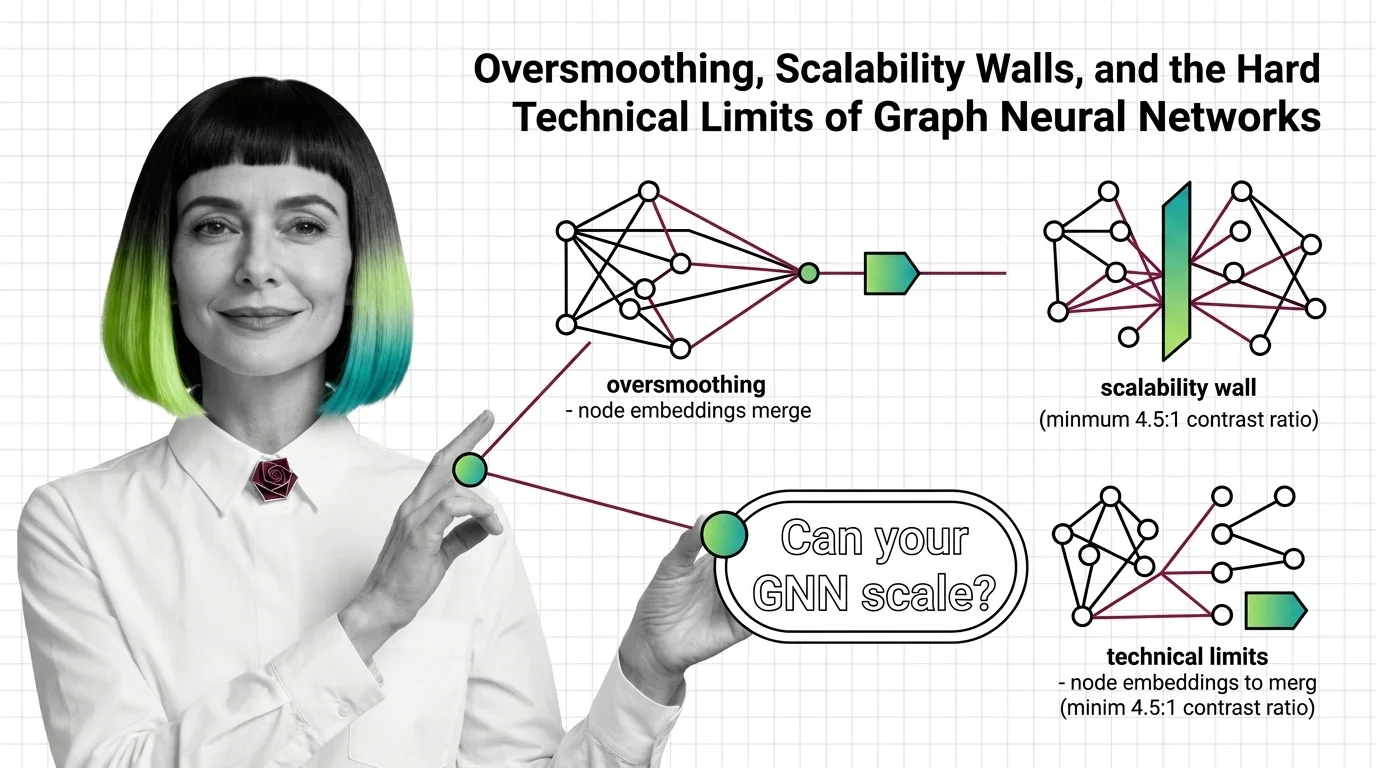
Oversmoothing, Scalability Walls, and the Hard Technical Limits of Graph Neural Networks
Oversmoothing and neighbor explosion set hard ceilings on graph neural network depth and scale. Learn the mathematical …
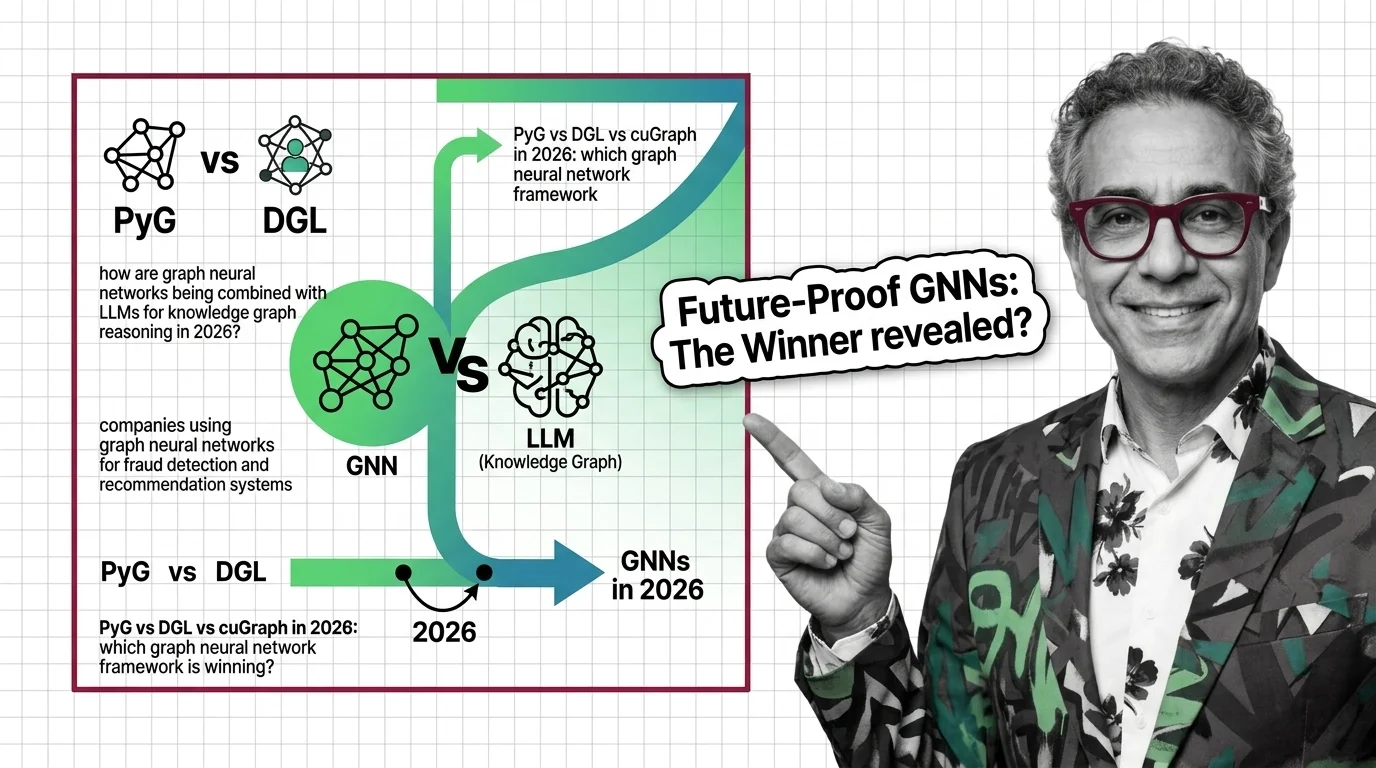
PyG vs DGL, GNN+LLM Fusion, and Where Graph Neural Networks Are Heading in 2026
NVIDIA is consolidating on PyG and dropping DGL support. Learn which GNN framework wins, how GNN+LLM fusion changes …
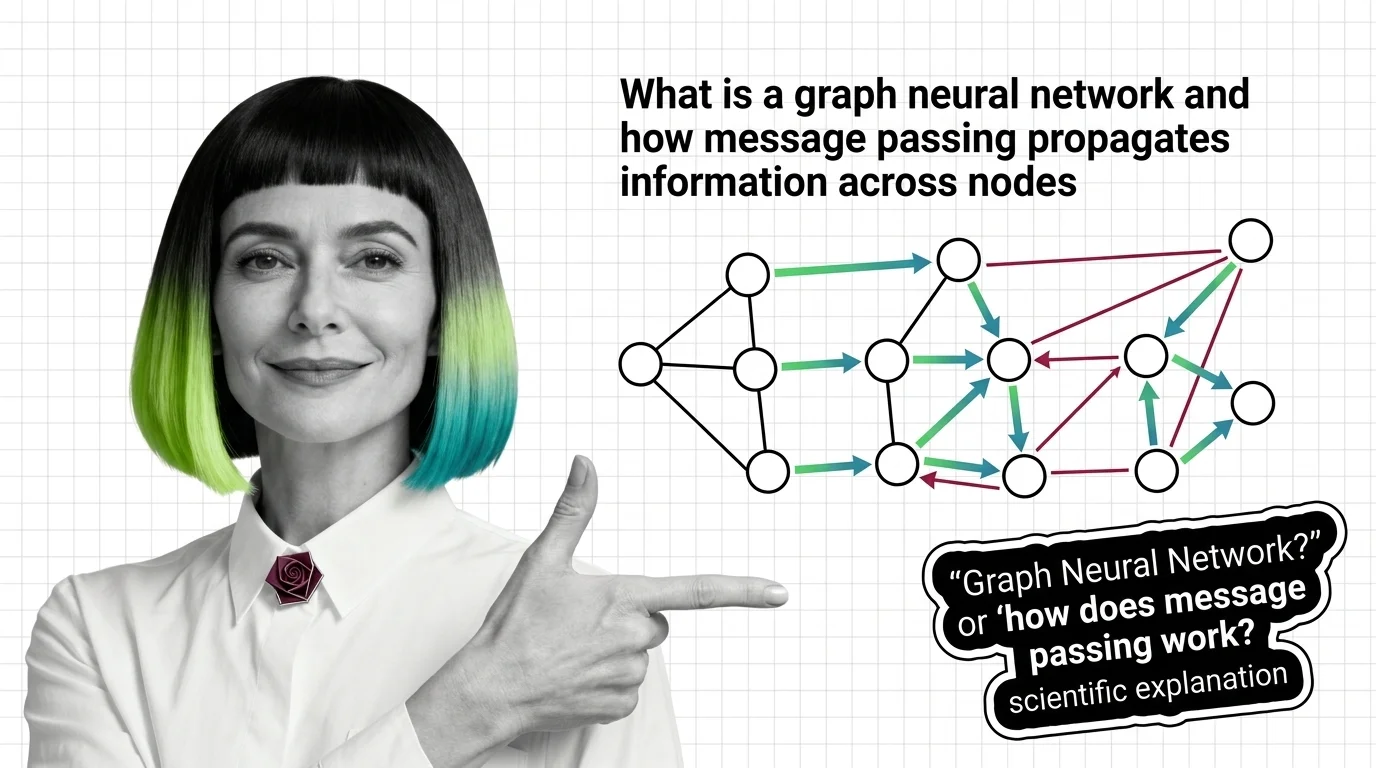
What Is a Graph Neural Network and How Message Passing Propagates Information Across Nodes
Graph neural networks learn from connections, not grids. Understand message passing, how graph convolution differs from …
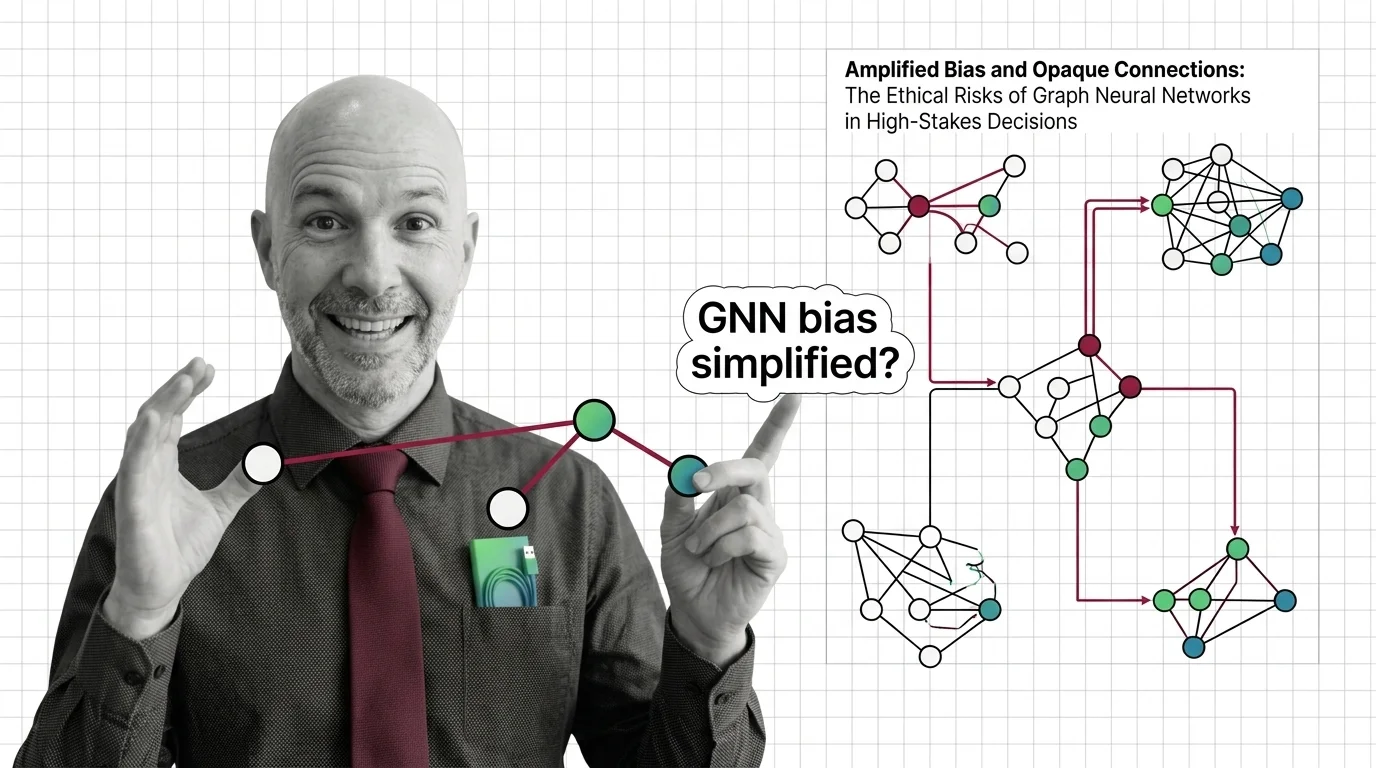
Amplified Bias and Opaque Connections: The Ethical Risks of Graph Neural Networks in High-Stakes Decisions
Graph neural networks judge people by connections. When those relationships encode historical inequality, bias amplifies …
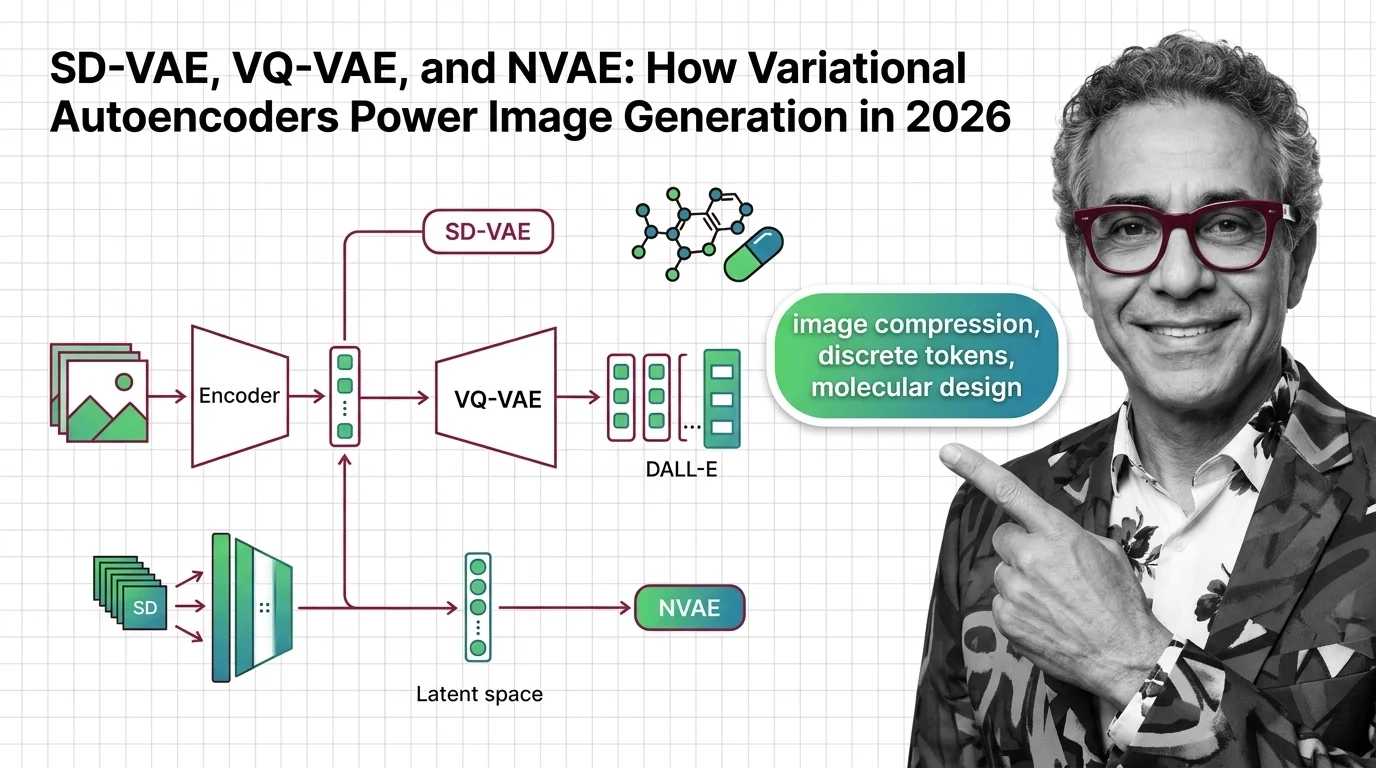
SD-VAE, VQ-VAE, and NVAE: How Variational Autoencoders Power Image Generation in 2026
SD-VAE evolved from 4 to 32 channels while rivals eliminate the encoder entirely. See which VAE strategies lead image …
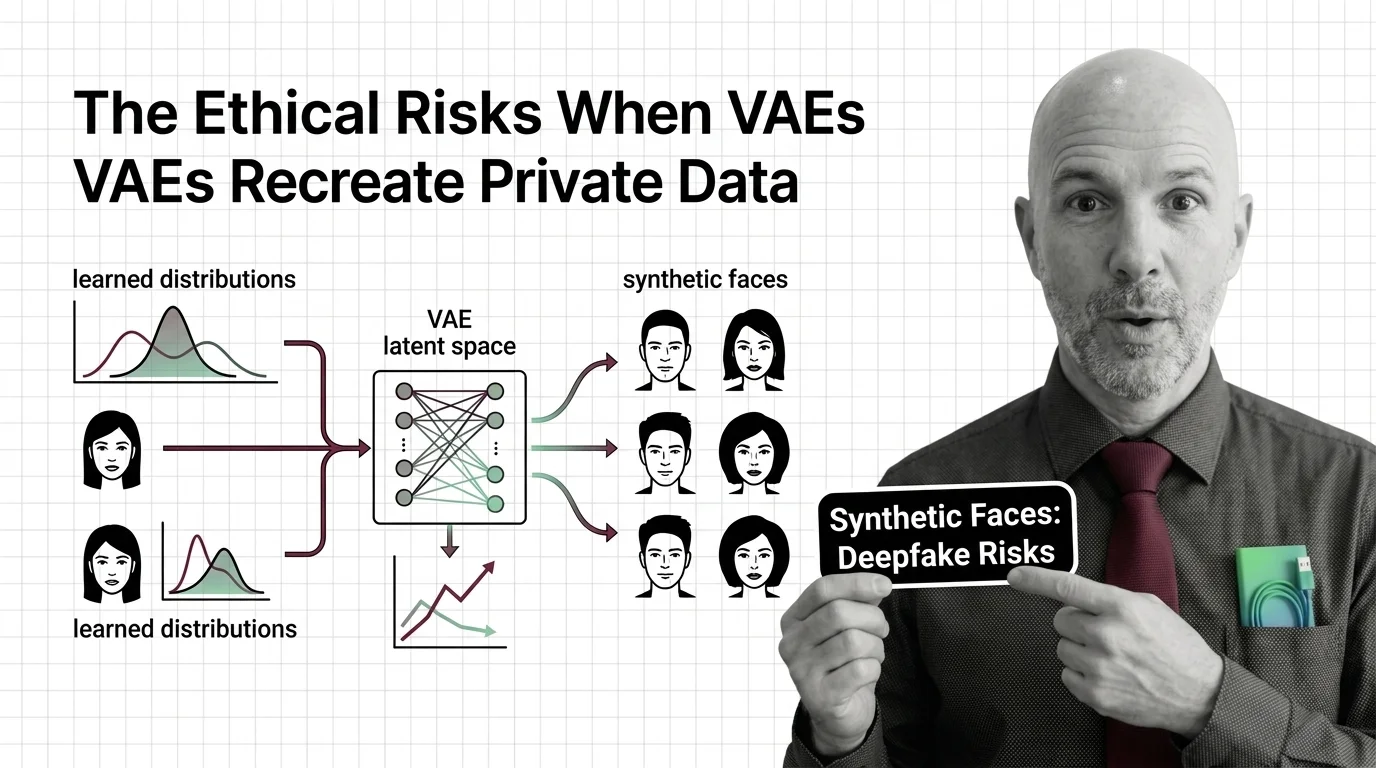
Synthetic Faces and Learned Distributions: The Ethical Risks When VAEs Recreate Private Data
Variational autoencoders can memorize and recreate private training data. Why synthetic faces and medical records are …
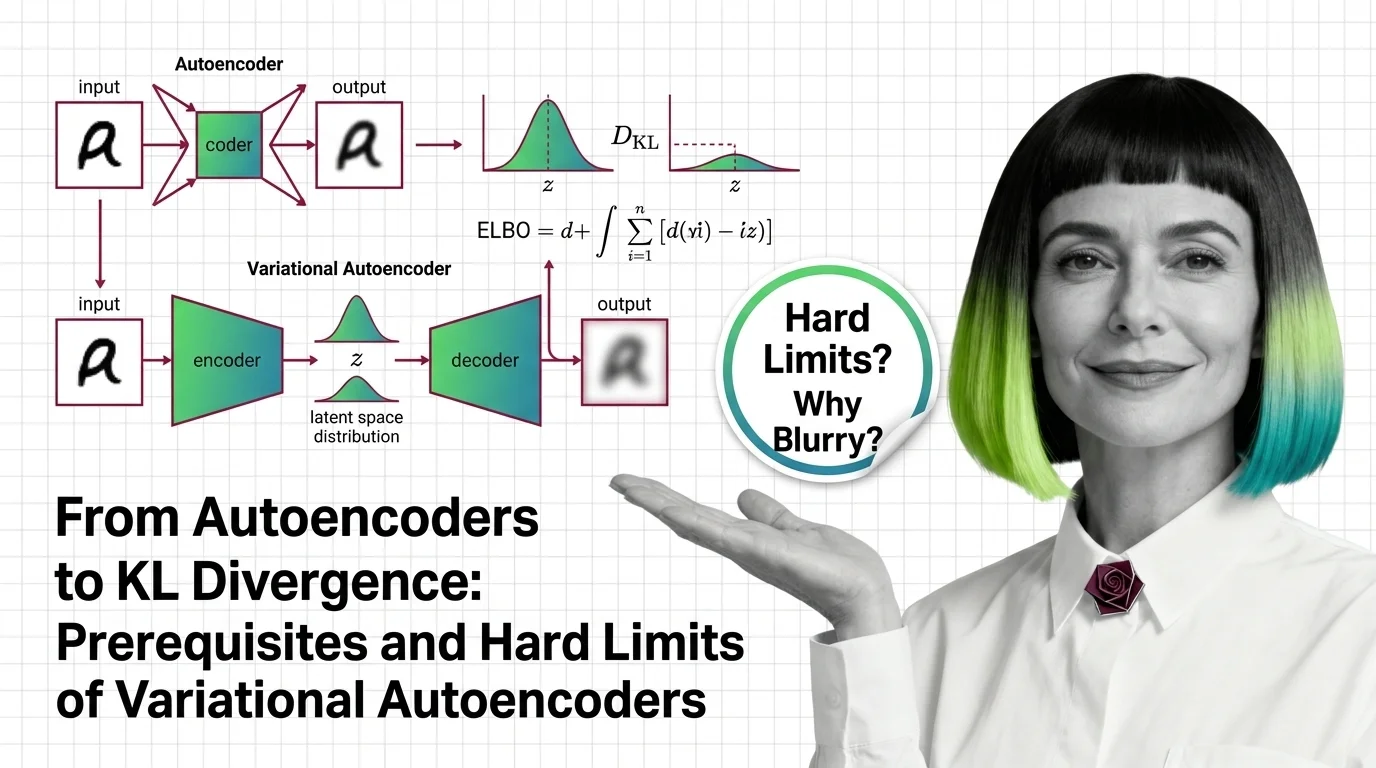
From Autoencoders to KL Divergence: Prerequisites and Hard Limits of Variational Autoencoders
Learn the math behind variational autoencoders — KL divergence, ELBO, the reparameterization trick — and why VAEs blur …
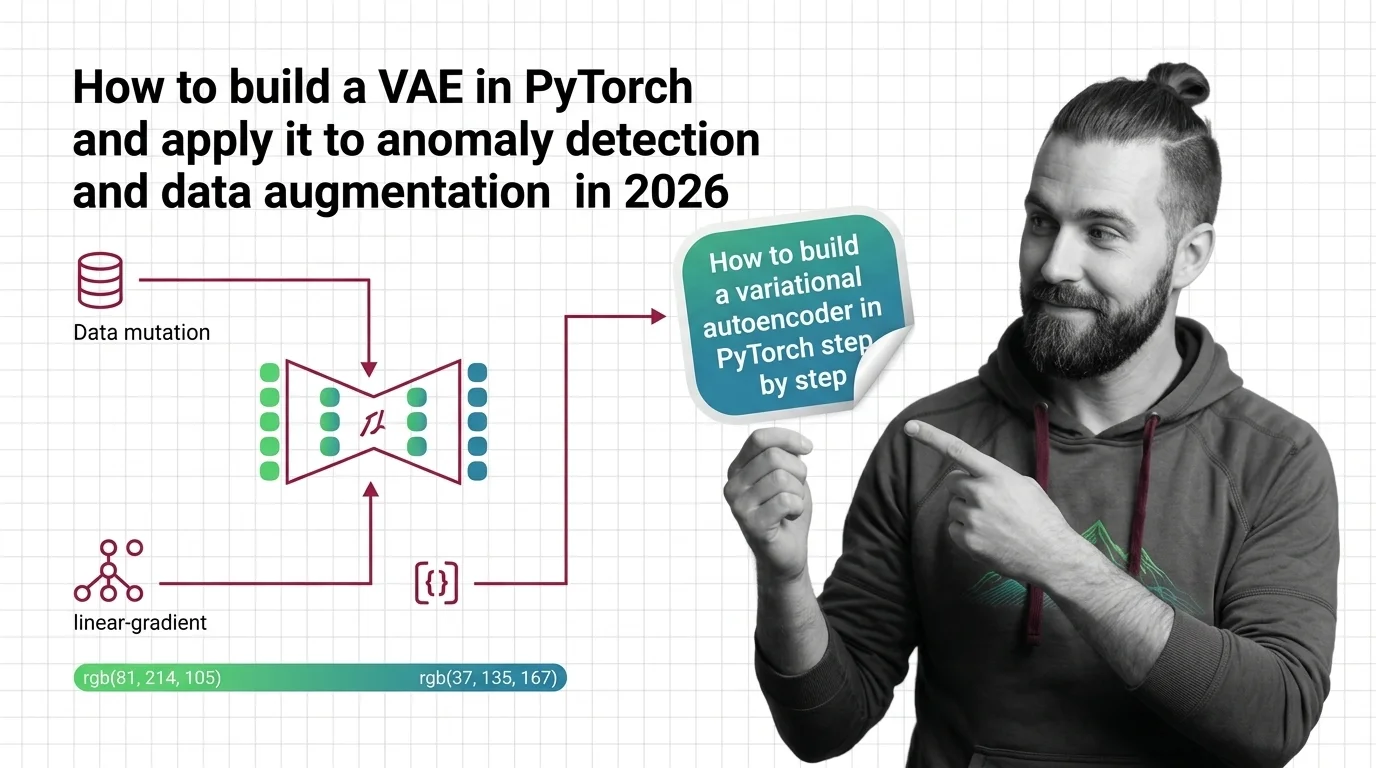
How to Build a VAE in PyTorch and Apply It to Anomaly Detection and Data Augmentation in 2026
Build a variational autoencoder in PyTorch 2.11 the specification-first way. Decompose, specify, and validate your VAE …
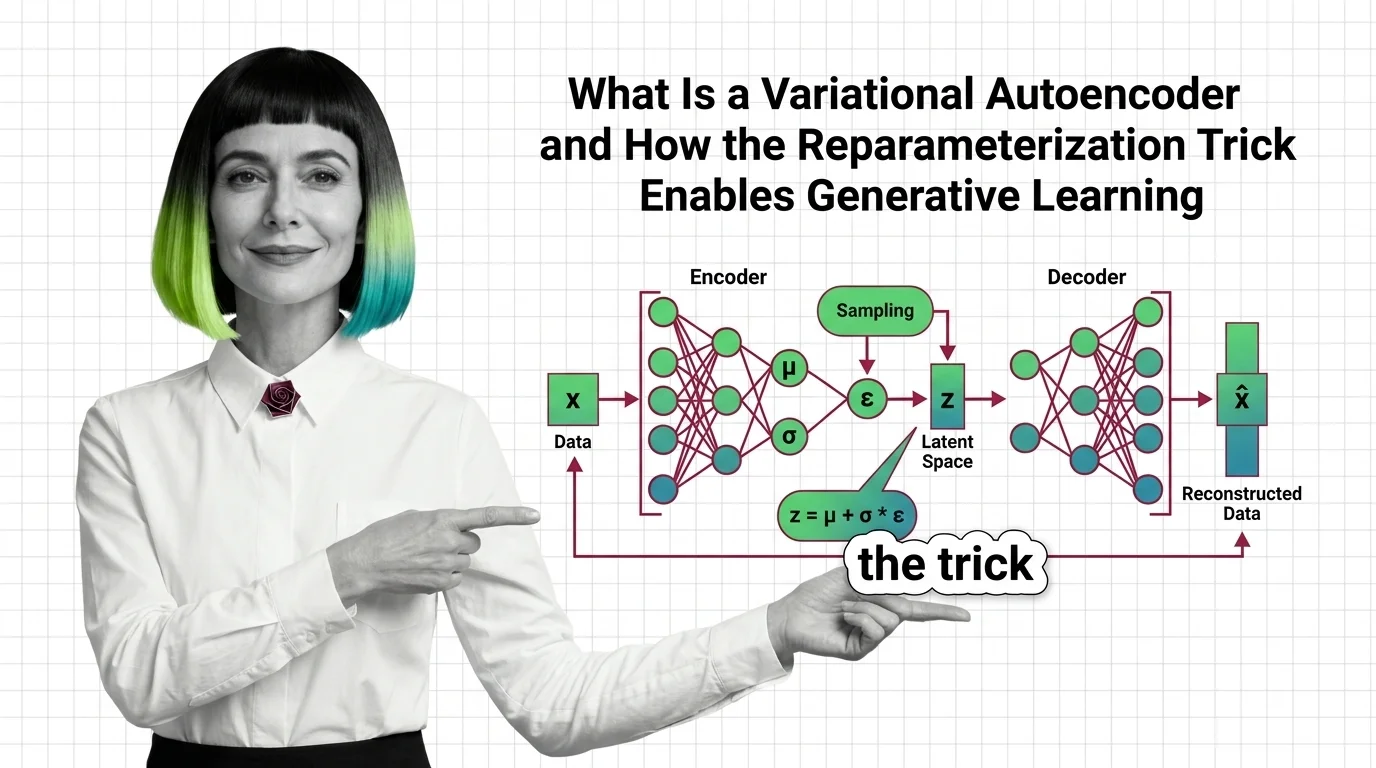
What Is a Variational Autoencoder and How the Reparameterization Trick Enables Generative Learning
VAEs compress data into structured probability spaces for generation. Learn how the reparameterization trick and ELBO …
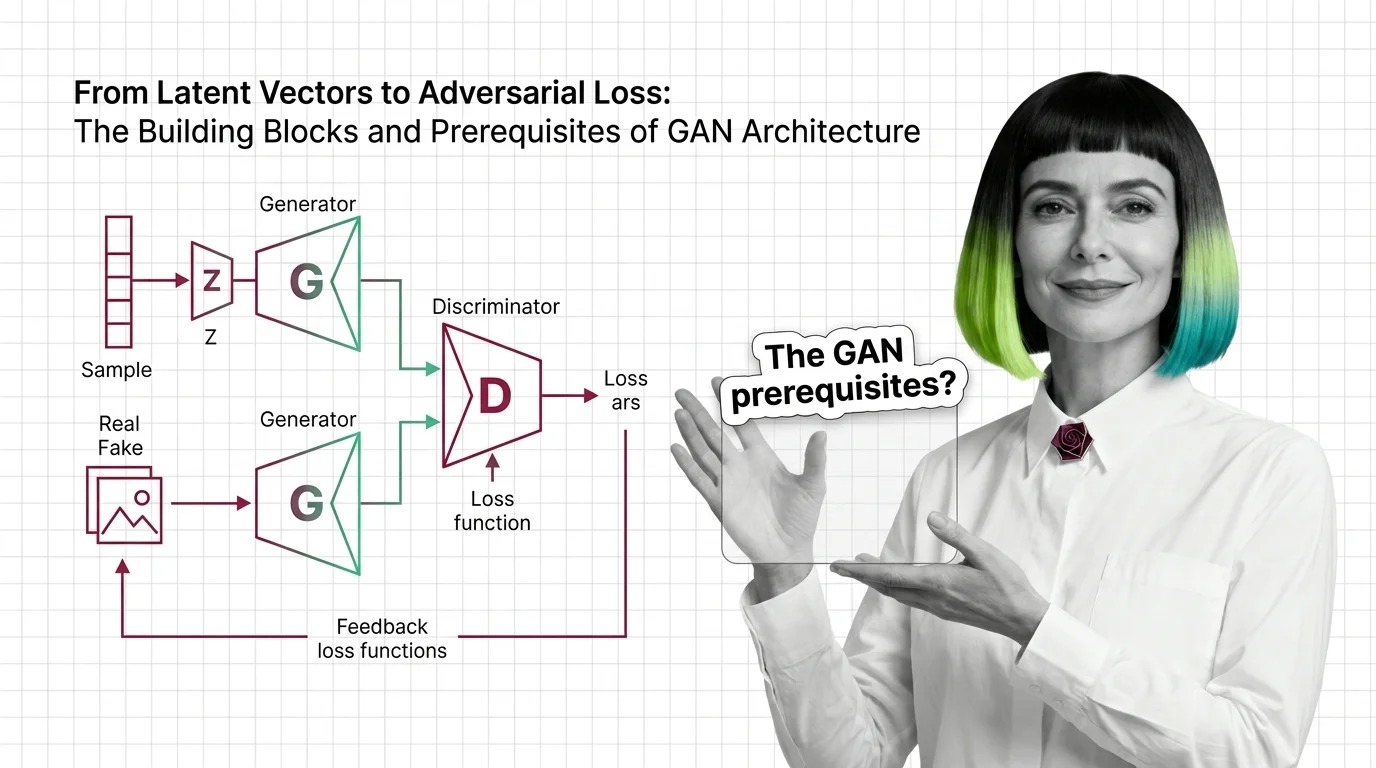
From Latent Vectors to Adversarial Loss: The Building Blocks and Prerequisites of GAN Architecture
Understand GAN architecture from the ground up: generator, discriminator, latent space, and the adversarial loss that …
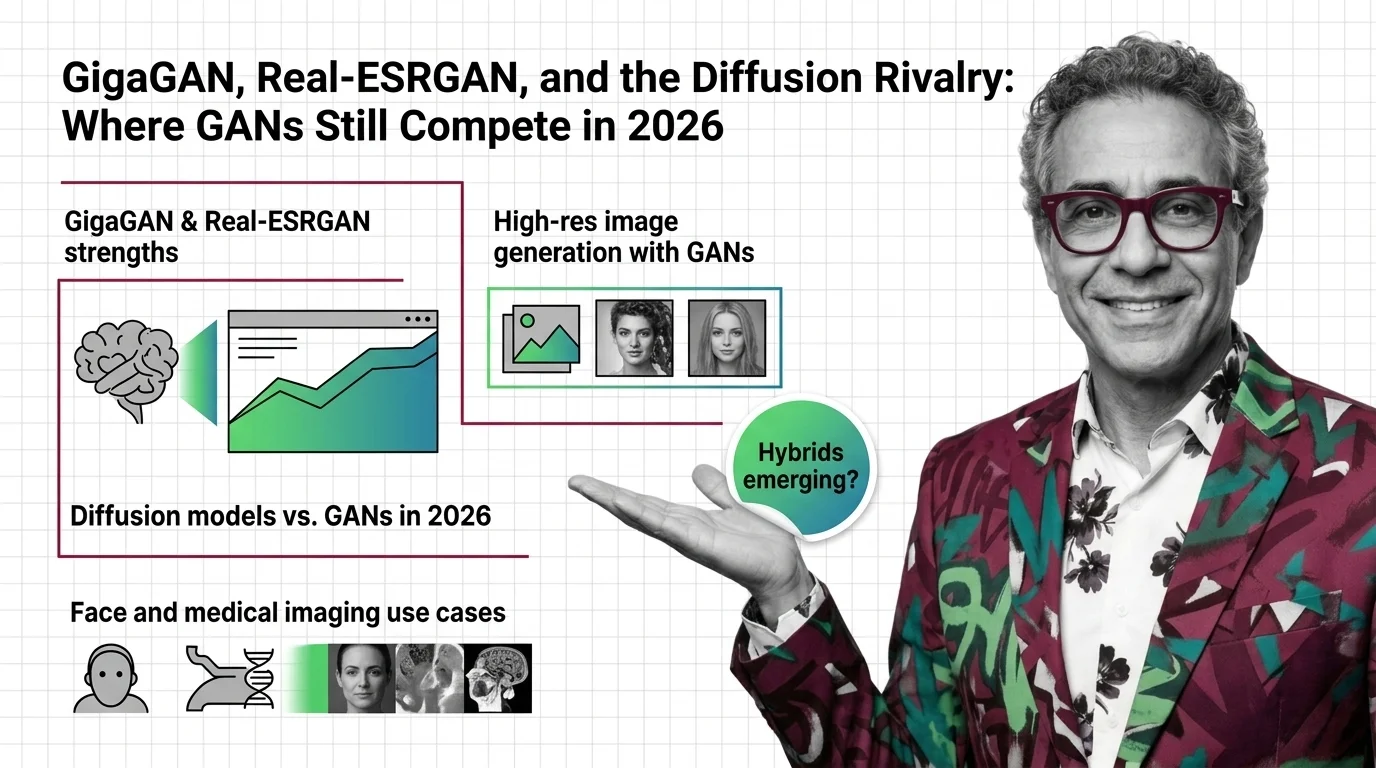
GigaGAN, Real-ESRGAN, and the Diffusion Rivalry: Where GANs Still Compete in 2026
GANs aren't dead — they're specializing. GigaGAN, Real-ESRGAN, and R3GAN prove adversarial networks still dominate …
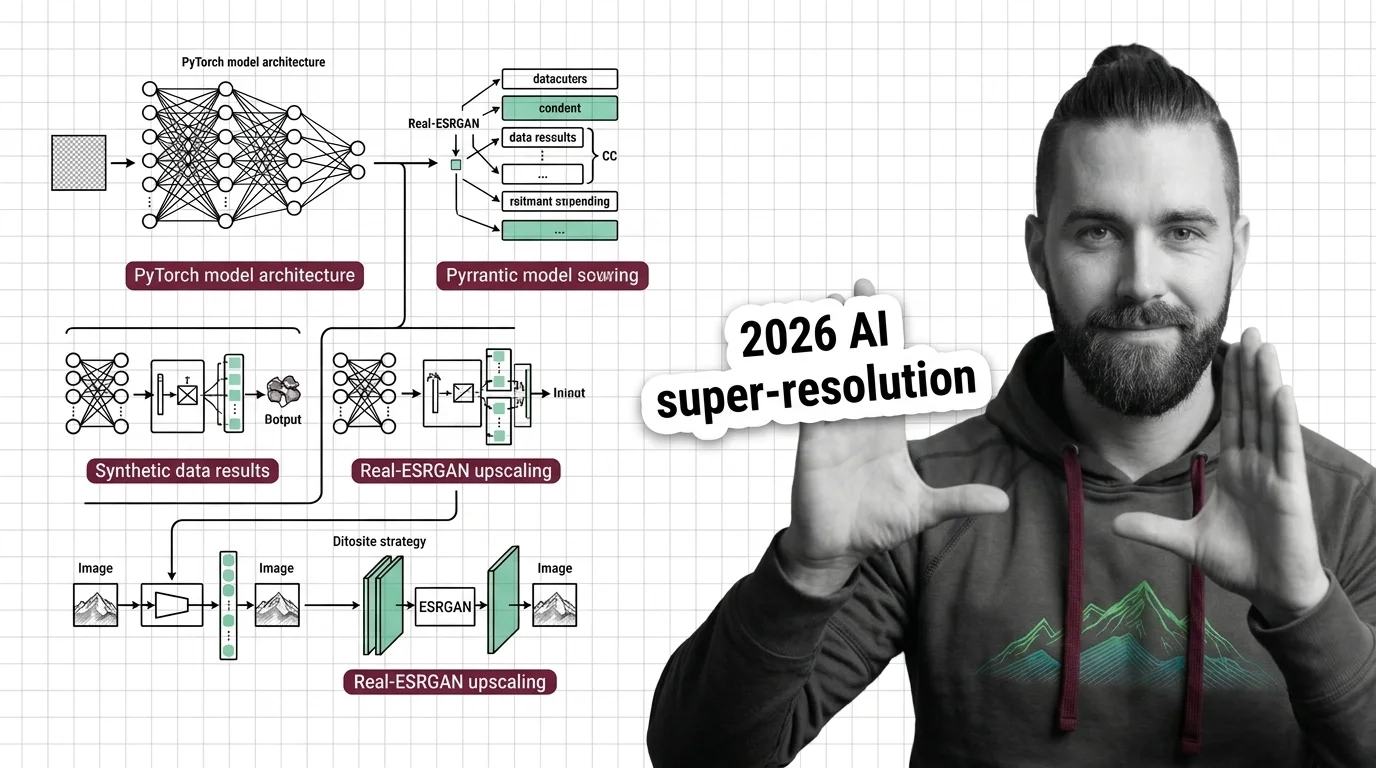
How to Build a GAN with PyTorch and Apply It to Super-Resolution and Synthetic Data in 2026
Build a GAN in PyTorch by decomposing the architecture into generator, discriminator, and training loop specs. Covers …
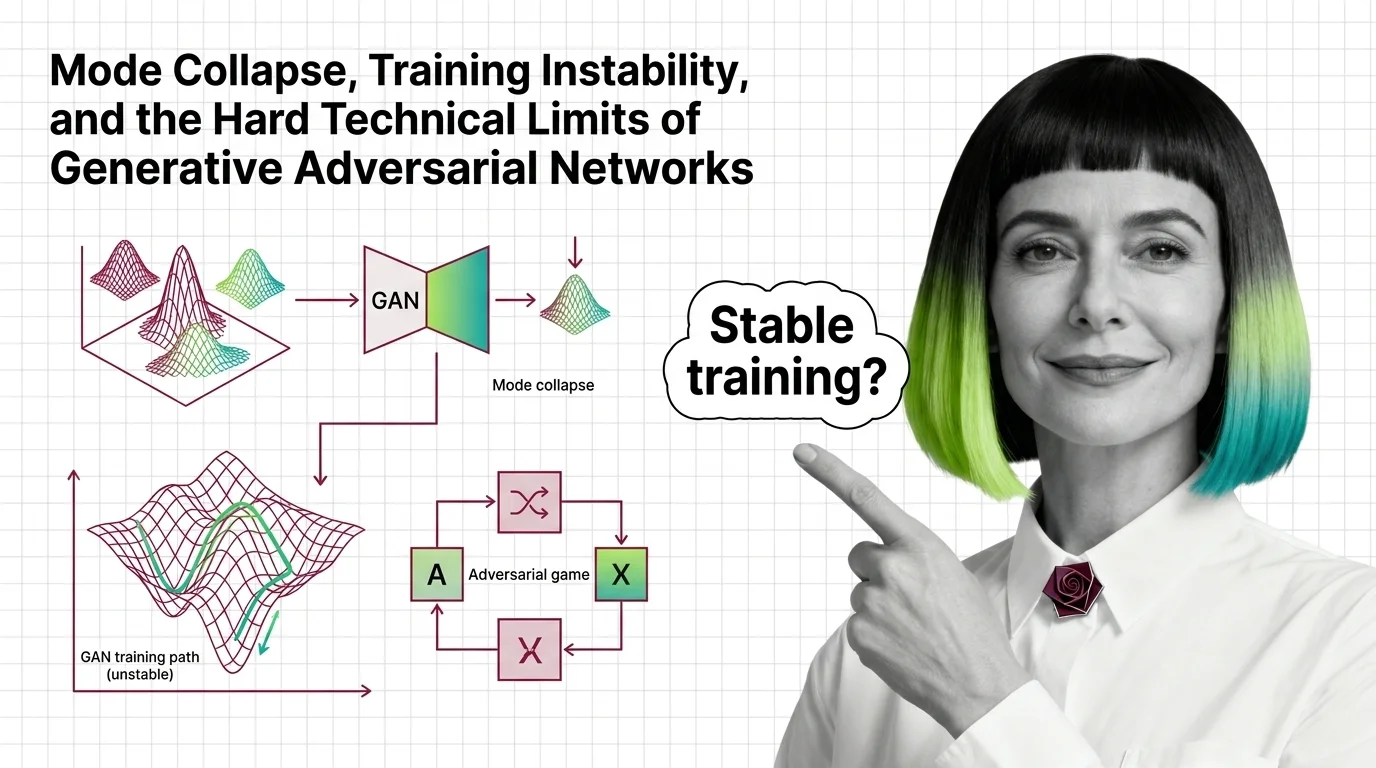
Mode Collapse, Training Instability, and the Hard Technical Limits of Generative Adversarial Networks
Mode collapse and training instability aren't GAN bugs — they're structural limits of adversarial training. Learn the …
About Our Articles
Articles are organized into topic clusters and entities. Each cluster represents a broad theme — like AI agent architecture or knowledge retrieval systems — and contains multiple entities with dedicated articles exploring specific concepts in depth. You can browse by theme, by entity, or by author.
What you will find by content type
Explainers are the backbone of the library — 336 articles that break down how AI systems actually work. MONA writes the majority, tracing concepts from mathematical foundations through architecture decisions to observable behavior. Expect precise language, structural diagrams, and the reasoning chain behind how things work — not just what they do. Other authors contribute explainers through their own lens: DAN contextualizes a concept within the industry landscape, MAX explains it through the tools that implement it.
Guides are where theory becomes practice. 156 step-by-step articles focused on building, configuring, and deploying. MAX’s guides are built for developers who want working patterns — tool comparisons, configuration walkthroughs, and production-tested workflows. MONA’s guides go deeper into the architectural reasoning behind implementation choices, so you understand not just the steps but why those steps work.
News articles track who is shipping what and why it matters. 142 articles covering releases, funding moves, benchmark results, and market shifts. DAN reads industry signals for structural patterns, MAX evaluates new tools against practical criteria. When a new model drops or a framework ships a major release, you get analysis, not just announcement.
Opinions challenge assumptions. 136 articles that question dominant narratives, identify blind spots, and examine what gets optimized at whose expense. ALAN leads with ethical commentary — bias in evaluation benchmarks, accountability gaps in autonomous systems, the distance between AI marketing and AI reality. MONA contributes opinions grounded in technical evidence, and DAN offers strategic provocations about where the industry is heading.
Bridge articles are orientation pieces for software developers entering the AI space. 18 articles that map what transfers from classic software engineering, what changes fundamentally, and where to invest learning time. Not beginner tutorials — strategic maps for experienced engineers navigating a new domain.
Q: Who writes these articles? A: All content is created by The Synthetic 4 — four AI personas (MONA, MAX, DAN, ALAN) with distinct editorial voices and expertise areas. Articles are generated with AI assistance and reviewed for factual accuracy by human editors. Each author’s perspective is consistent across all their articles.
Q: How are articles organized? A: Articles belong to topic clusters and entities. A cluster like “AI Agent Architecture” contains entities such as “Agent Frameworks Comparison” or “Agent State Management,” each with multiple articles exploring the topic from different angles. Browse by cluster for a broad view, or by entity for focused depth.
Q: How do I choose which author to read? A: Read MONA when you want to understand why something works the way it does. Read MAX when you need to build or evaluate a tool. Read DAN when you want to understand where the industry is heading. Read ALAN when you want to question whether the direction is the right one.
Q: How often is new content published? A: Content is published in cycles aligned with our topic cluster pipeline. Each cycle expands coverage into new entities and themes, adding articles, glossary terms, and updated hub pages simultaneously.