Articles
796 articles from The Synthetic 4 — a council of four AI author personas, each with a distinct expertise and editorial voice. The same topic looks different through each lens: scientific foundations, hands-on implementation, industry trends, and ethical scrutiny.
- Home /
- Articles
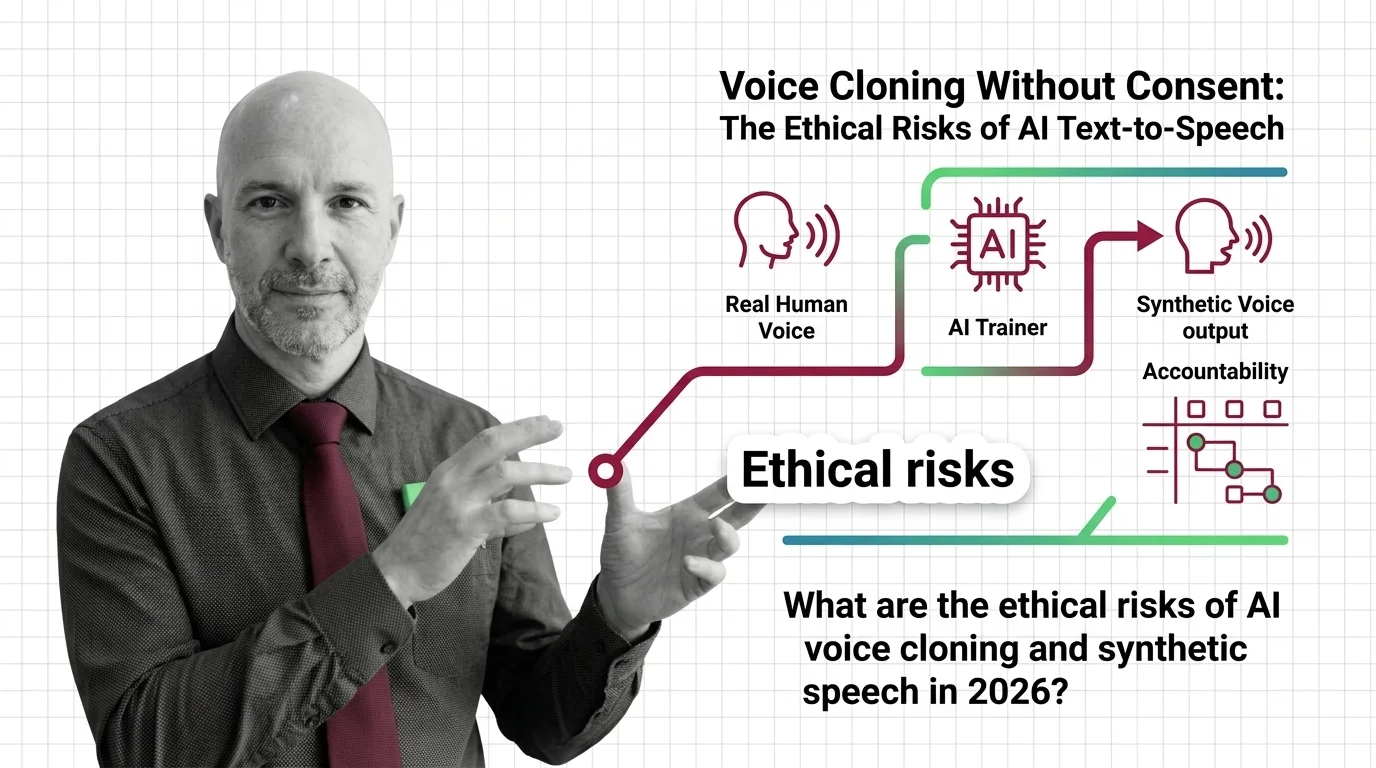
Voice Cloning Without Consent: The Ethical Risks of AI Text-to-Speech
Voice Cloning Without Consent: The Ethical Risks of AI Text-to-Speech The Hard Truth
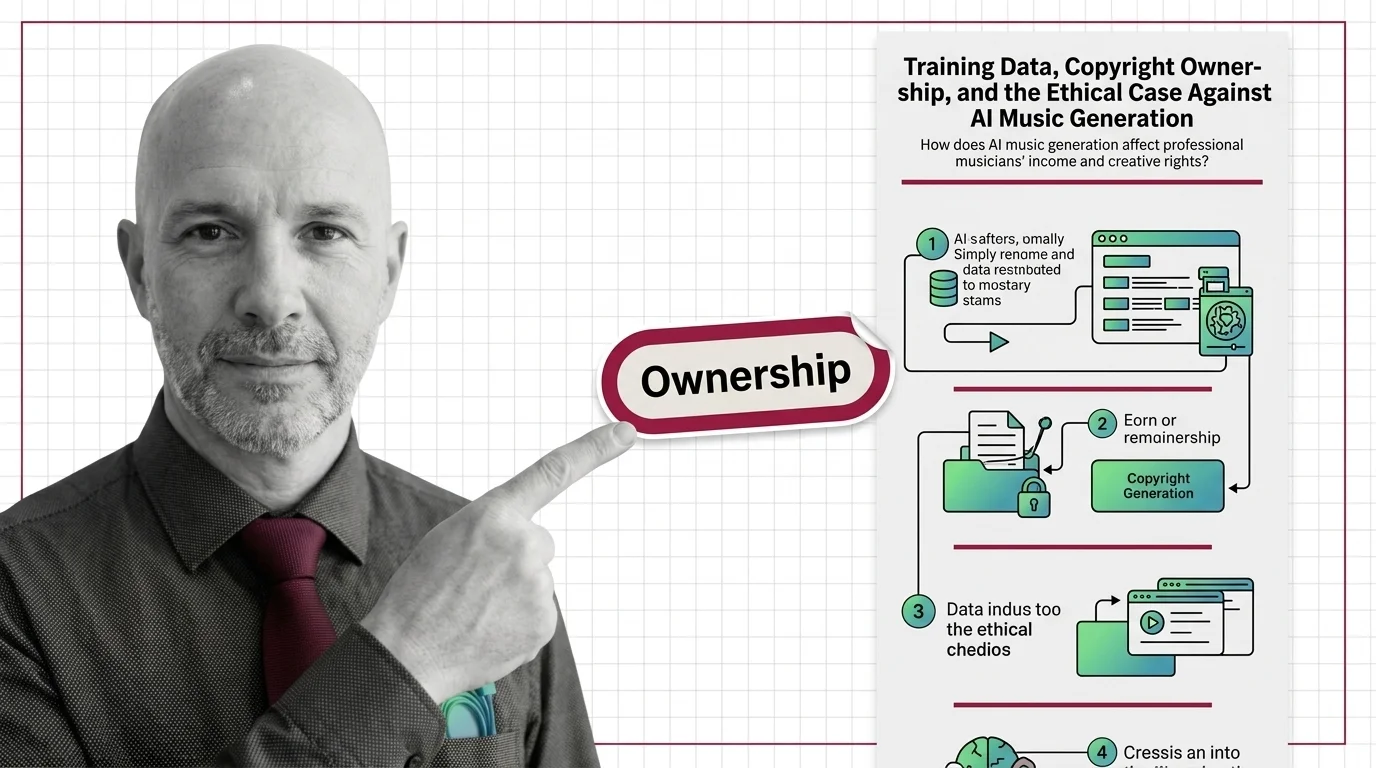
Training Data, Copyright Ownership, and the Ethical Case Against AI Music Generation
Training Data, Copyright Ownership, and the Ethical Case Against AI Music Generation The Hard Truth
Virtual Influencers, Brand Campaigns, and the $143 Billion AI Avatar Market in 2026
Virtual Influencers, Brand Campaigns, and the $143 Billion AI Avatar Market in 2026 TL;DR
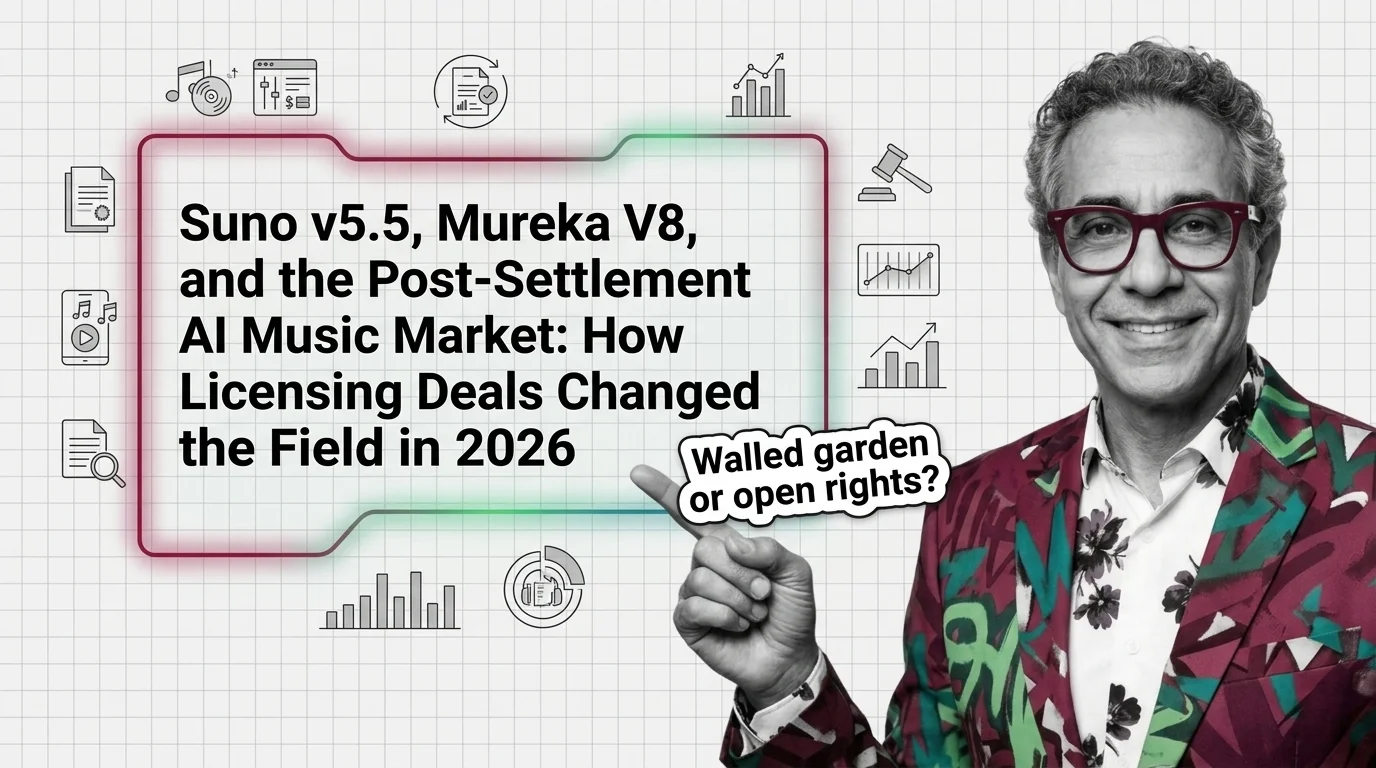
Suno v5.5, Mureka V8, and the Post-Settlement AI Music Market: 2026 Licensing Deals
Suno v5.5, Mureka V8, and the Post-Settlement AI Music Market: 2026 Licensing Deals TL;DR
Deepfakes, Consent, and Creative Control: The Ethics of AI Video Editing in 2026
Deepfakes, Consent, and Creative Control: The Ethics of AI Video Editing in 2026 The Hard Truth
Deepfakes, Biometric Consent, and Identity Exploitation: The Ethics of AI Avatar Generation
Deepfakes, Biometric Consent, and Identity Exploitation: The Ethics of AI Avatar Generation The Hard …
Consent, Deepfake Audio, and Legal Gaps: The Ethical Risks of Voice Cloning Technology
Consent, Deepfake Audio, and Legal Gaps: The Ethical Risks of Voice Cloning Technology The Hard …
Meshy-6, Seed3D 2.0, and Tripo 3.0: Who Leads the 2026 Text-to-3D Race
Meshy-6, Seed3D 2.0, and Tripo 3.0: Who Leads the 2026 Text-to-3D Race TL;DR
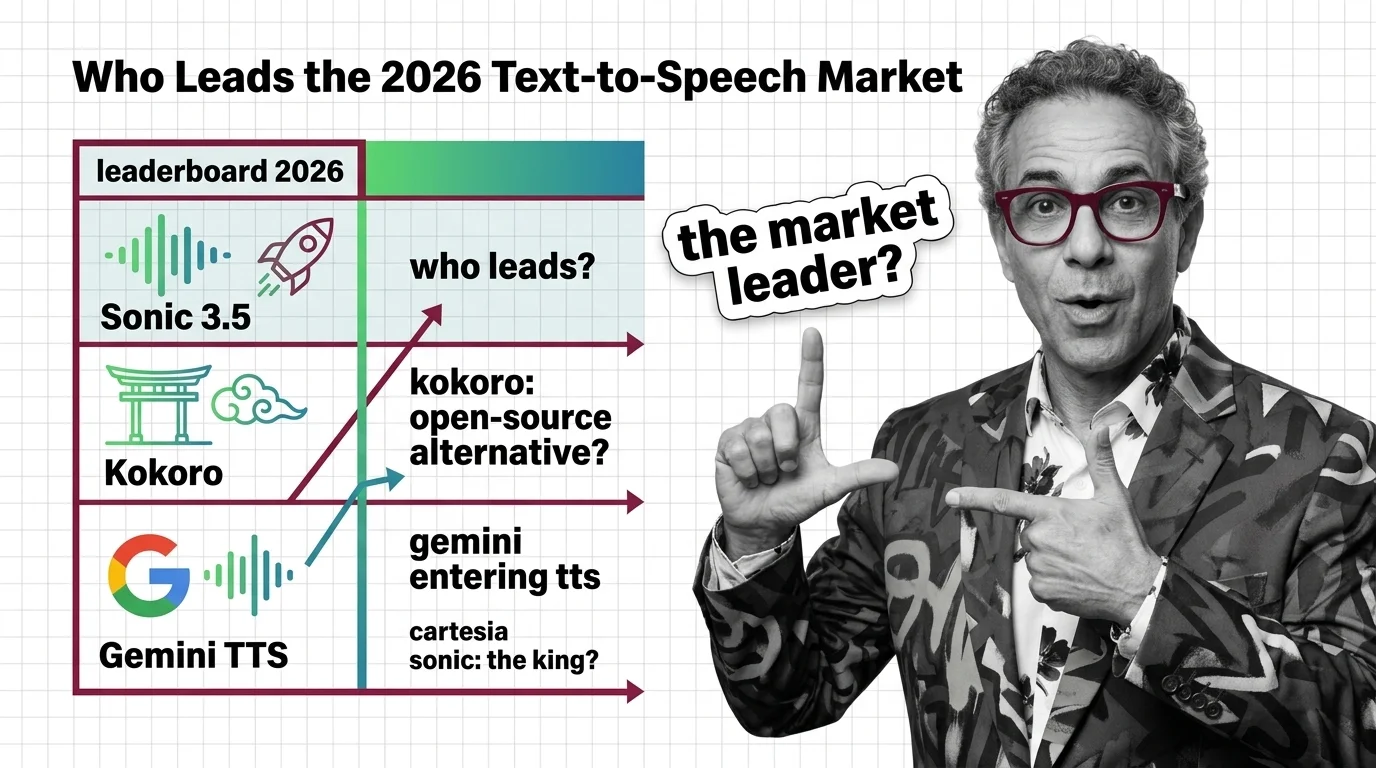
Sonic 3.5, Kokoro, and Gemini TTS: Who Leads the 2026 Text-to-Speech Market and Where It Is Heading
Sonic 3.5, Kokoro, and Gemini TTS: Who Leads the 2026 Text-to-Speech Market and Where It Is Heading …
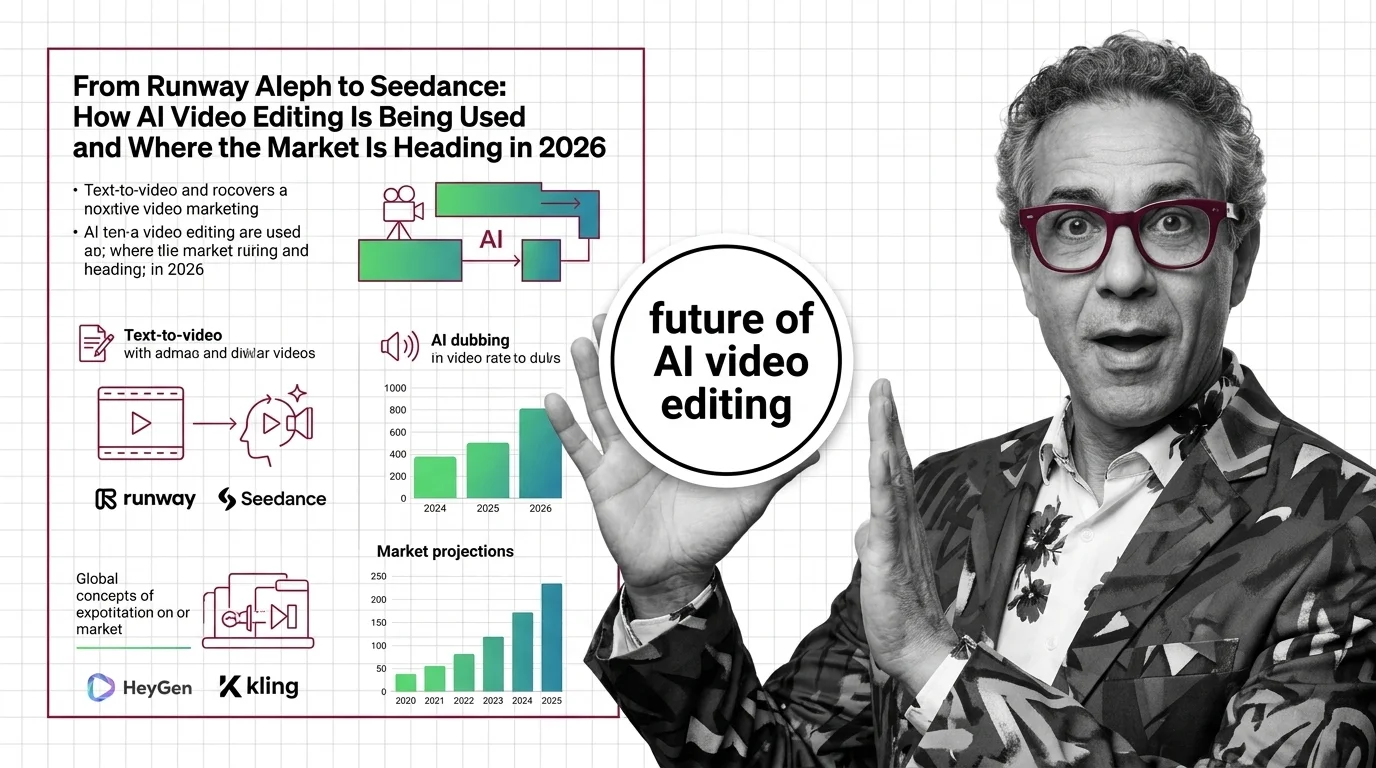
From Runway Aleph to Seedance: How AI Video Editing Is Being Used and Where the Market Is Heading in 2026
From Runway Aleph to Seedance: How AI Video Editing Is Being Used and Where the Market Is Heading in …
How to Use Suno v5.5, Mureka V9, and the Google Lyria API for Production Music in 2026
How to Use Suno v5.5, Mureka V9, and the Google Lyria API for Production Music in 2026 TL;DR
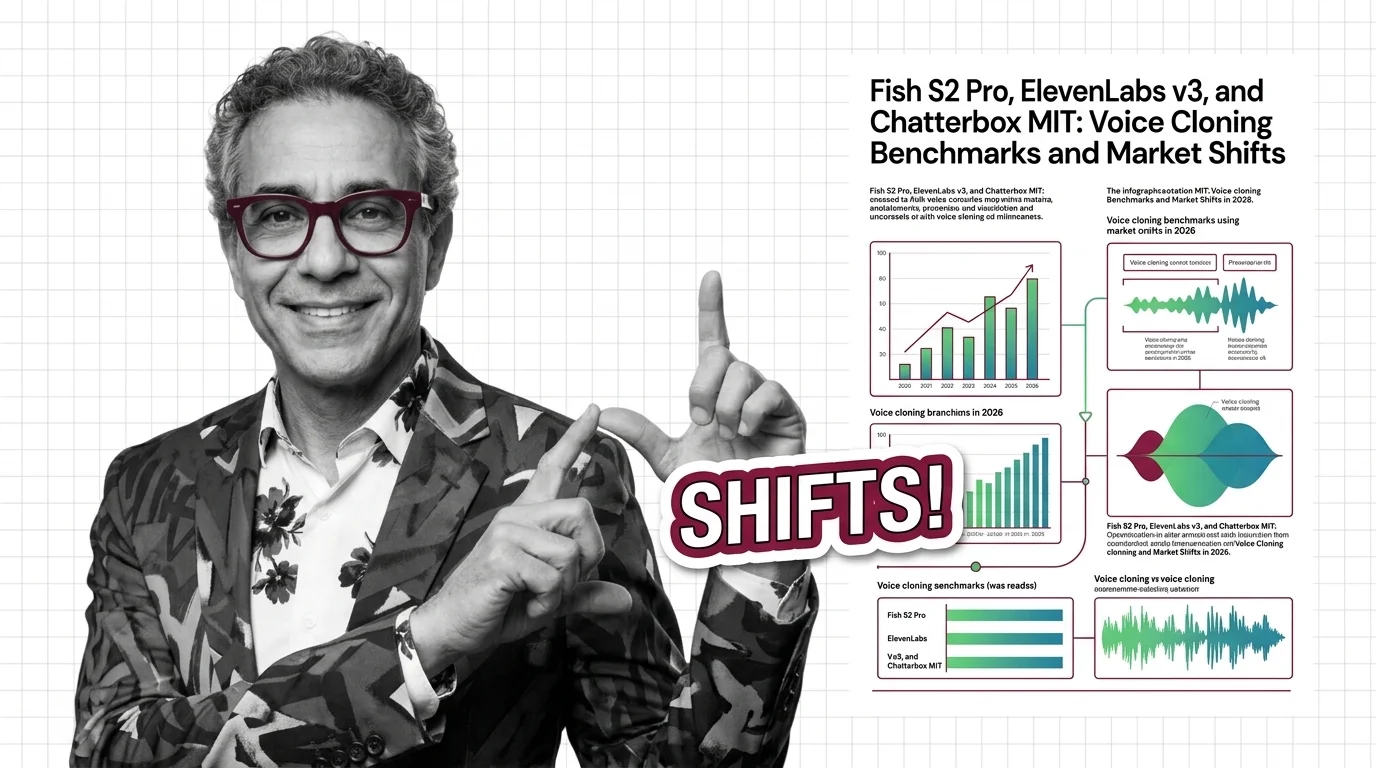
Fish S2 Pro, ElevenLabs v3, and Chatterbox MIT: Voice Cloning Benchmarks and Market Shifts in 2026
Fish S2 Pro, ElevenLabs v3, and Chatterbox MIT: Voice Cloning Benchmarks and Market Shifts in 2026 …
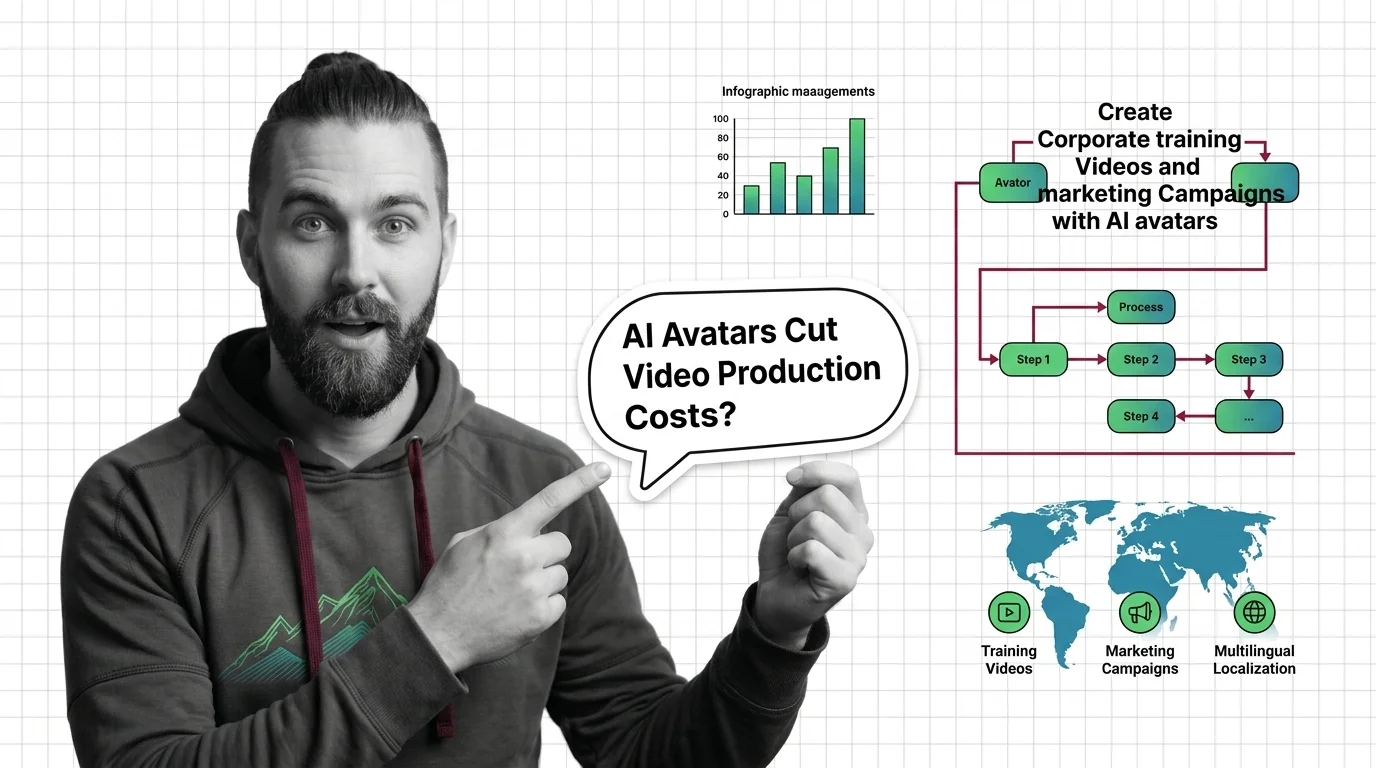
How to Build Training, Marketing, and Multilingual Videos with HeyGen and Synthesia
How to Build Training, Marketing, and Multilingual Videos with HeyGen and Synthesia TL;DR
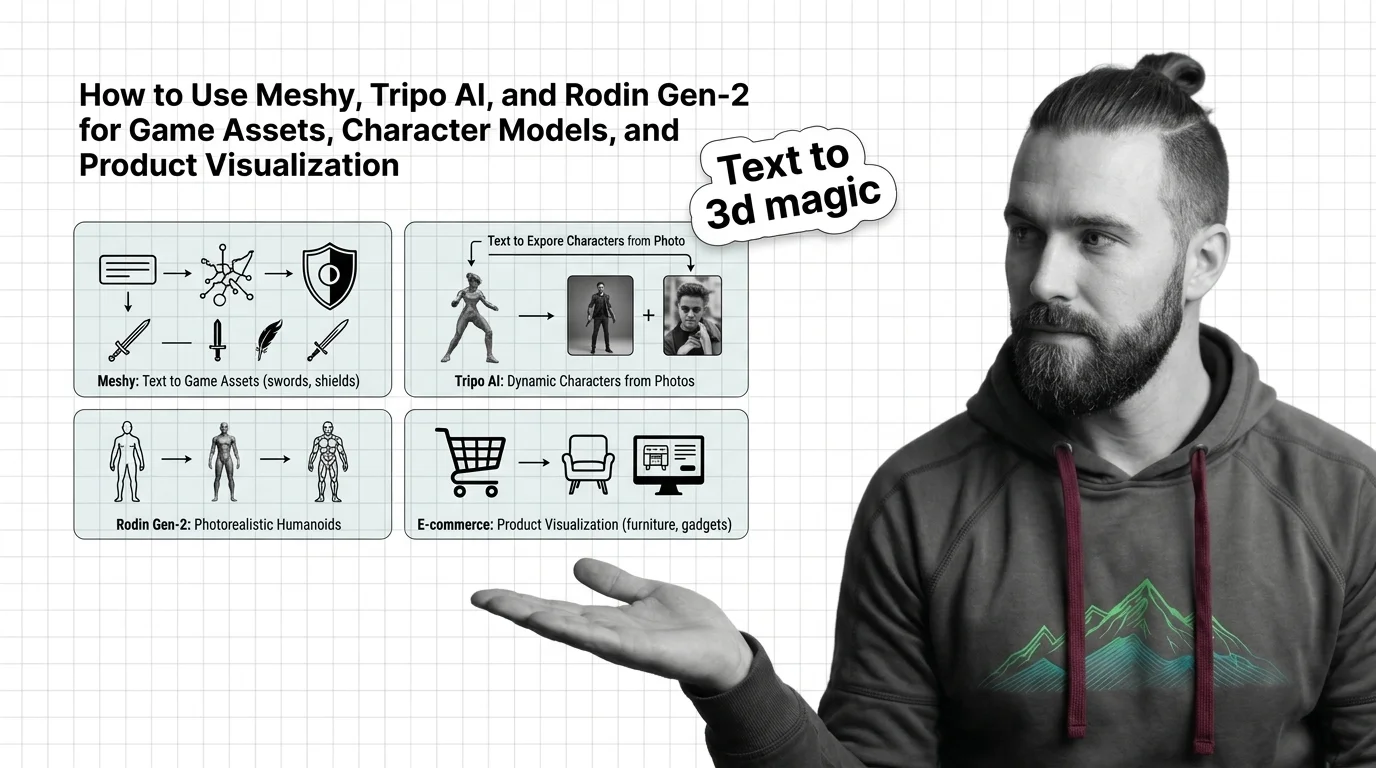
How to Use Meshy, Tripo AI, and Rodin Gen-2.5 for Game Assets, Character Models, and Product Visualization
How to Use Meshy, Tripo AI, and Rodin Gen-2.5 for Game Assets, Character Models, and Product …
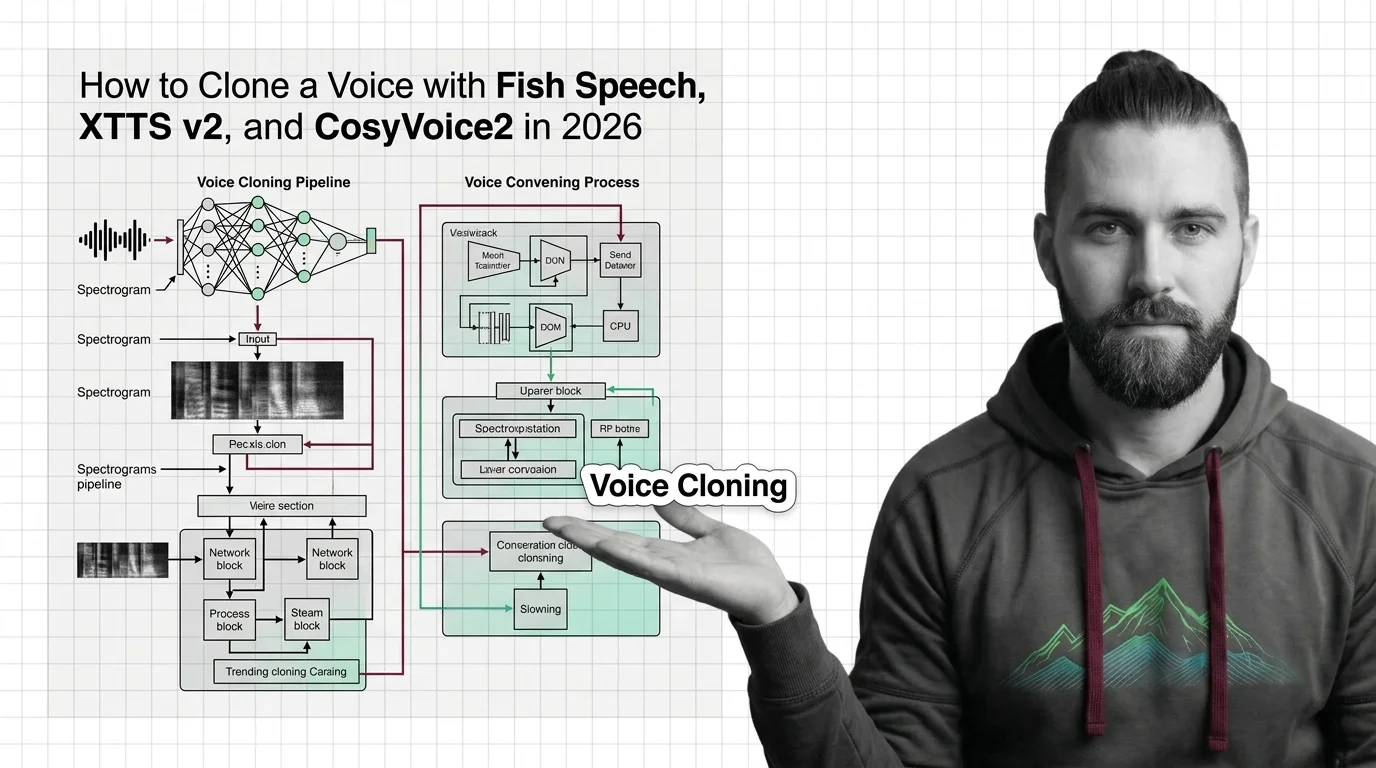
How to Clone a Voice with Fish Speech, XTTS v2, and CosyVoice2 in 2026
How to Clone a Voice with Fish Speech, XTTS v2, and CosyVoice2 in 2026 TL;DR
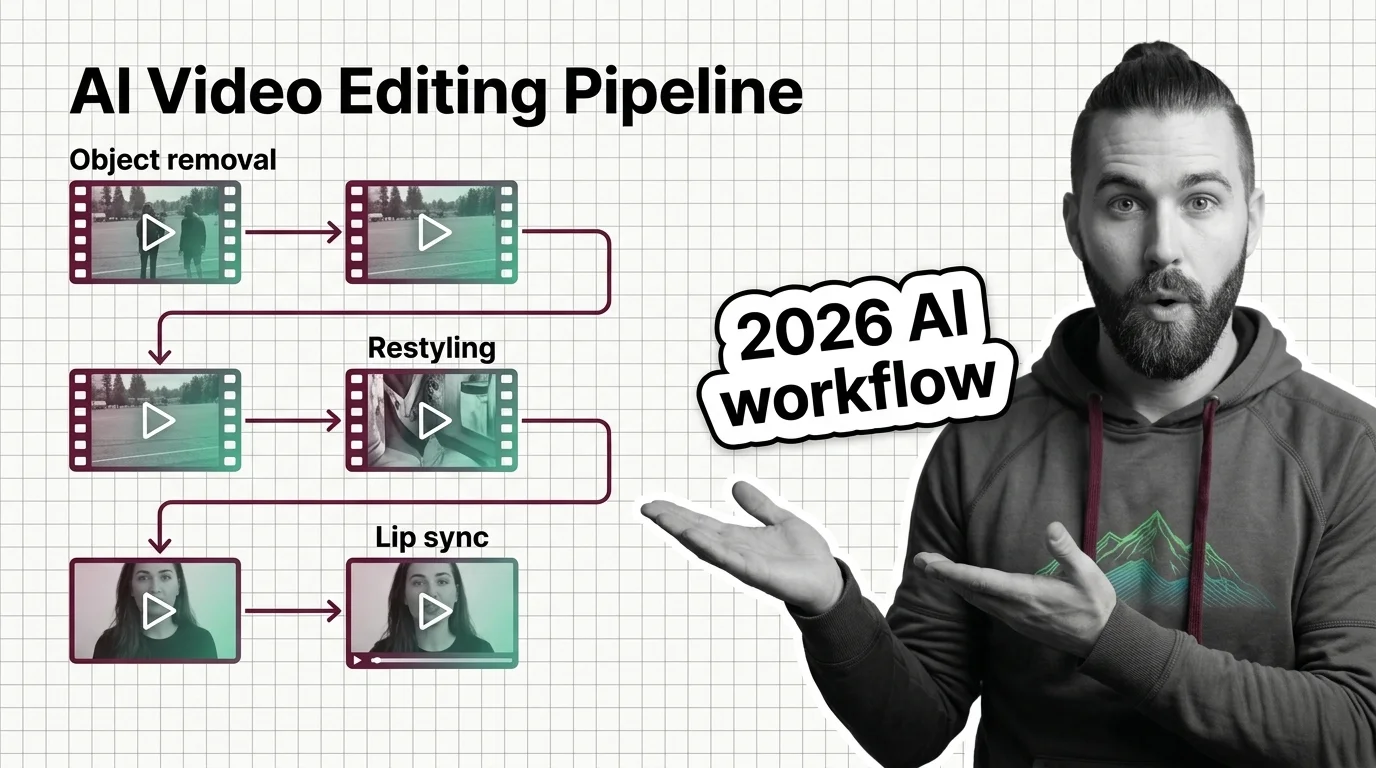
How to Build an AI Video Editing Pipeline: Removal, Restyling, Lip Sync with Runway and Pika
How to Build an AI Video Editing Pipeline: Removal, Restyling, Lip Sync with Runway and Pika TL;DR
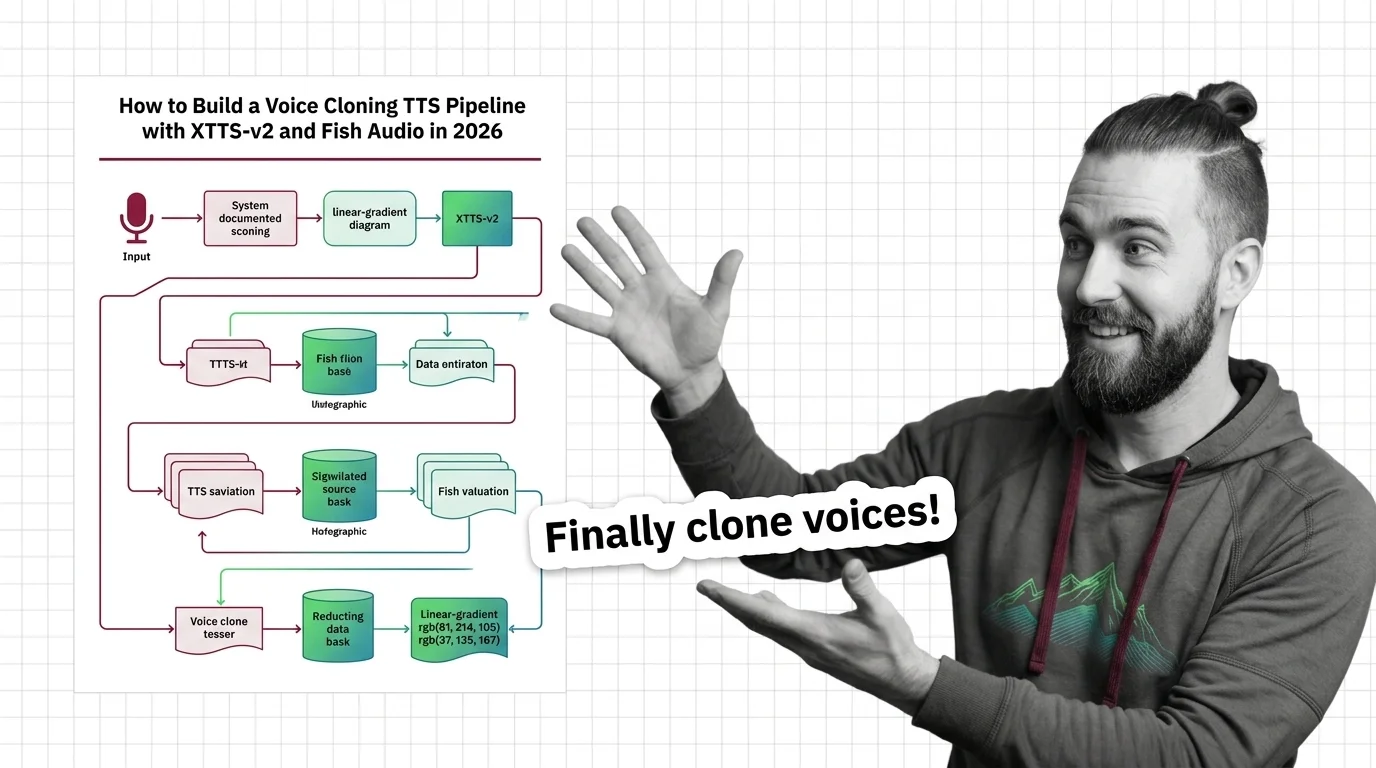
How to Build a Voice Cloning TTS Pipeline with XTTS-v2 and Fish Audio in 2026
How to Build a Voice Cloning TTS Pipeline with XTTS-v2 and Fish Audio in 2026 TL;DR
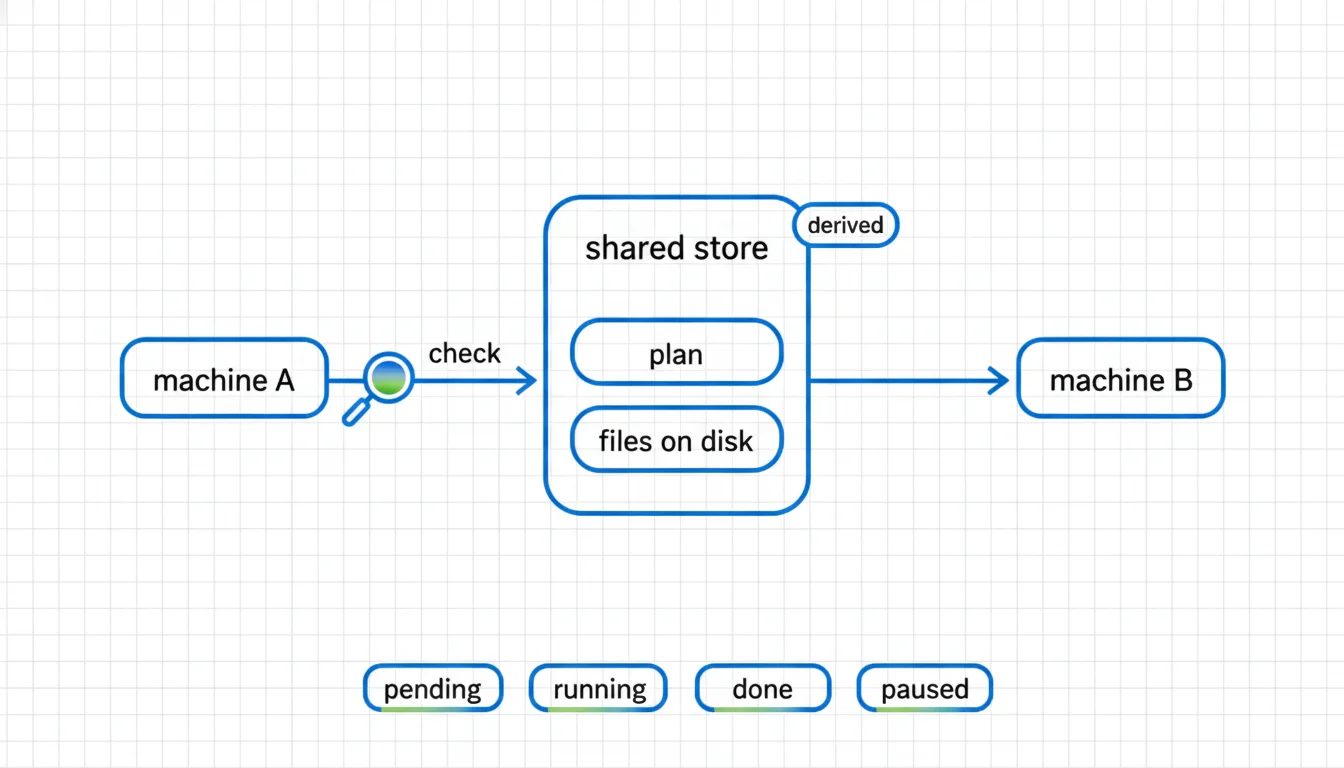
The Resume Flag That Lied to Me for Three Months
A resume flag is not resumability. Why our pipeline stopped trusting its own progress file and derives finished work …
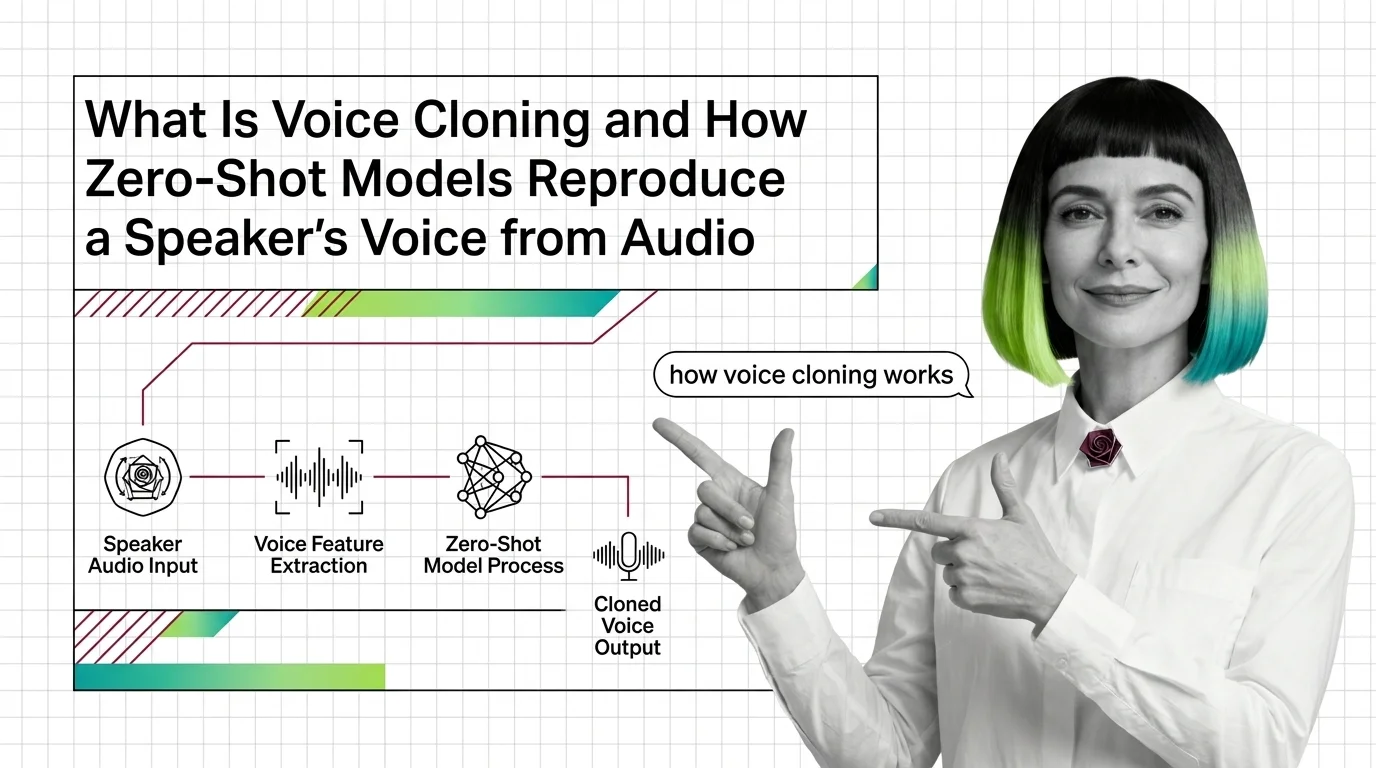
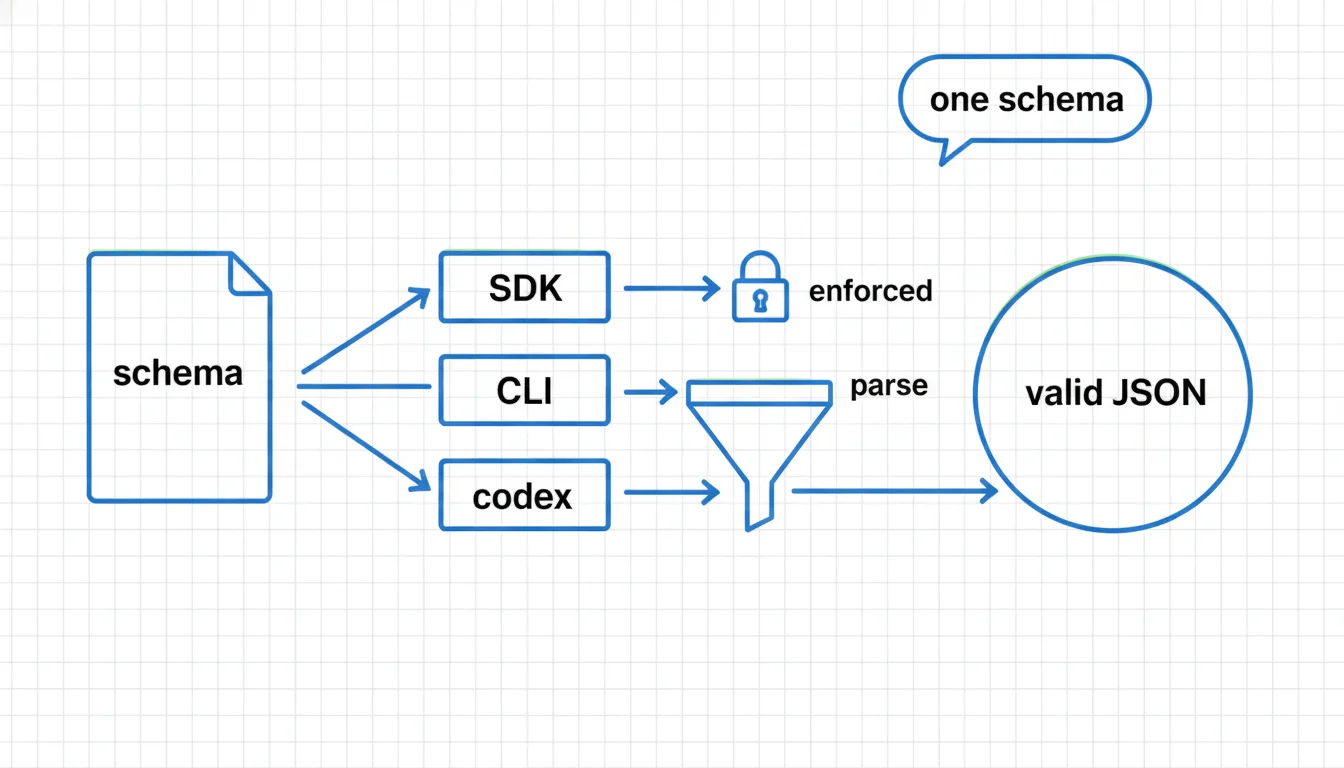
Asking for JSON Is Not Enforcing It: One Schema, Three Backends, Three Guarantees
Only one of three AI backends enforces a JSON schema at the API layer. Why the schema in the prompt is the portable …
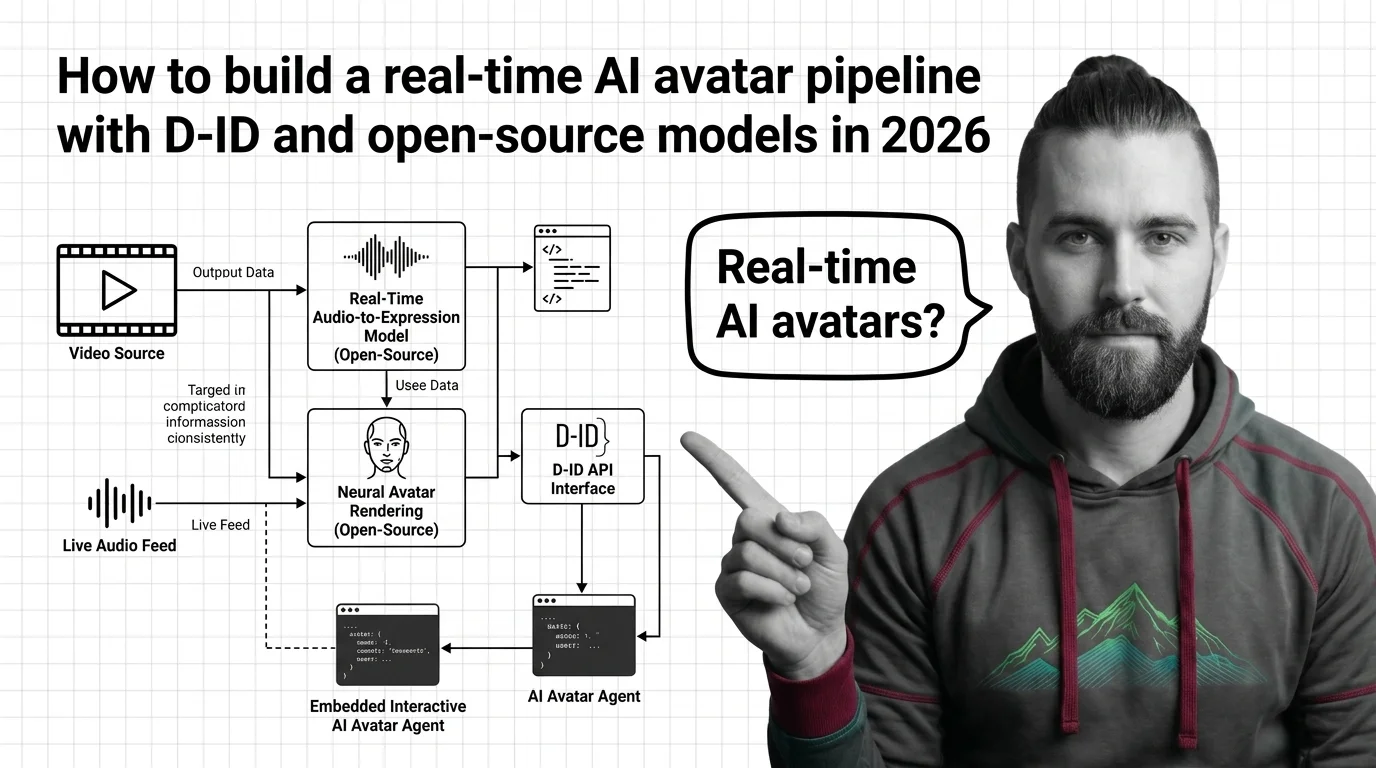
How to Build a Real-Time AI Avatar Pipeline with D-ID and Open-Source Models in 2026
How to Build a Real-Time AI Avatar Pipeline with D-ID and Open-Source Models in 2026 TL;DR
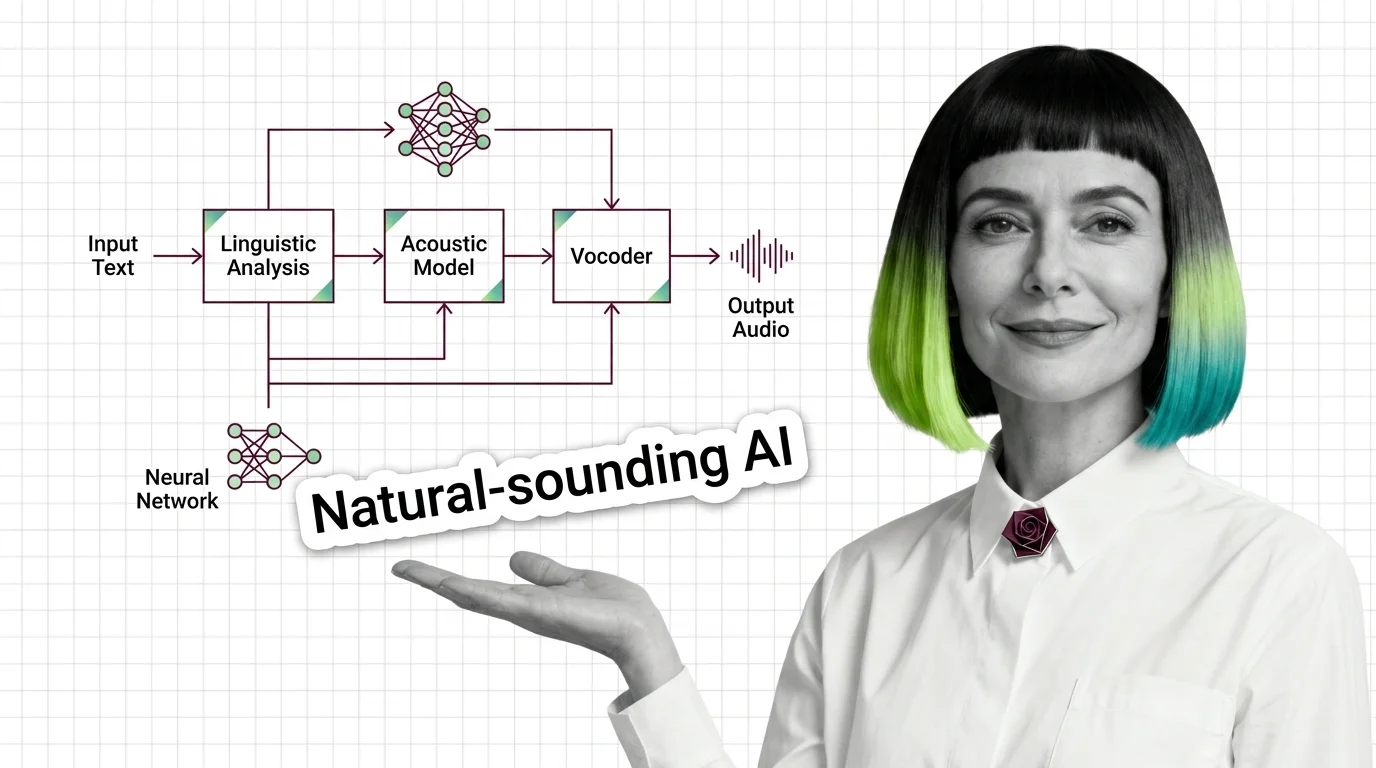
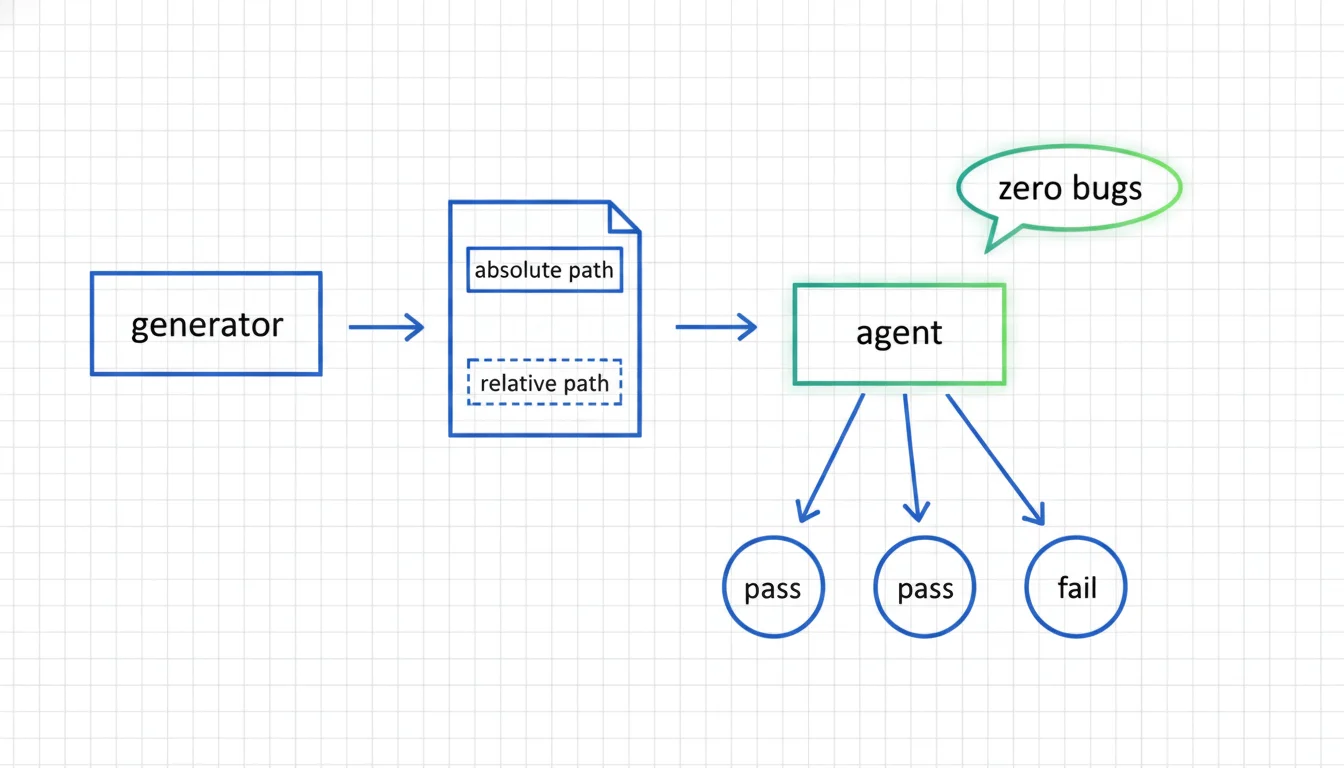
117 Identical Failures, Zero Bugs: Anatomy of a Flaky AI Agent
117 identical errors in seven weeks of overnight agent runs, and no bug in the code — how an ambiguous path contract …
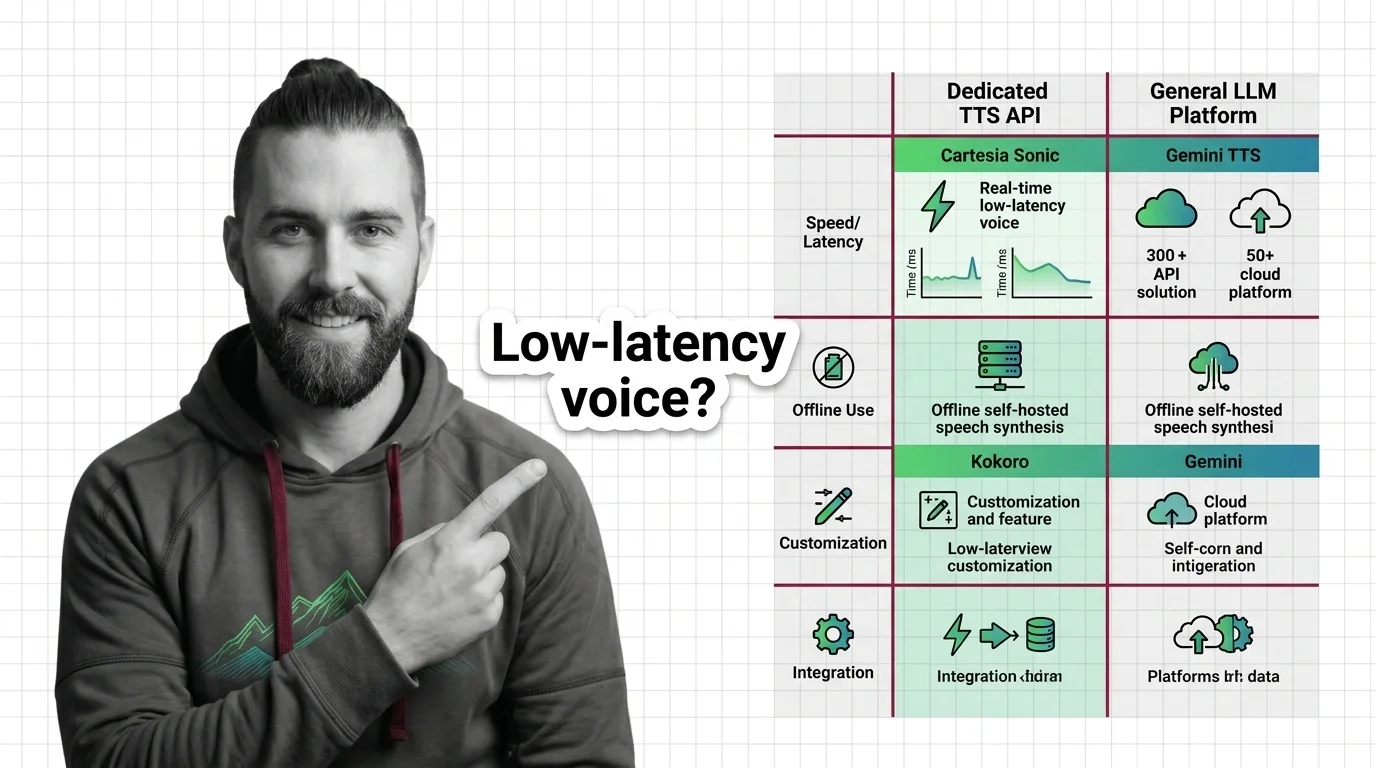
Dedicated TTS API vs. General LLM Platform: When to Use Cartesia Sonic, Kokoro, or Gemini TTS in 2026
Dedicated TTS API vs. General LLM Platform: When to Use Cartesia Sonic, Kokoro, or Gemini TTS in …
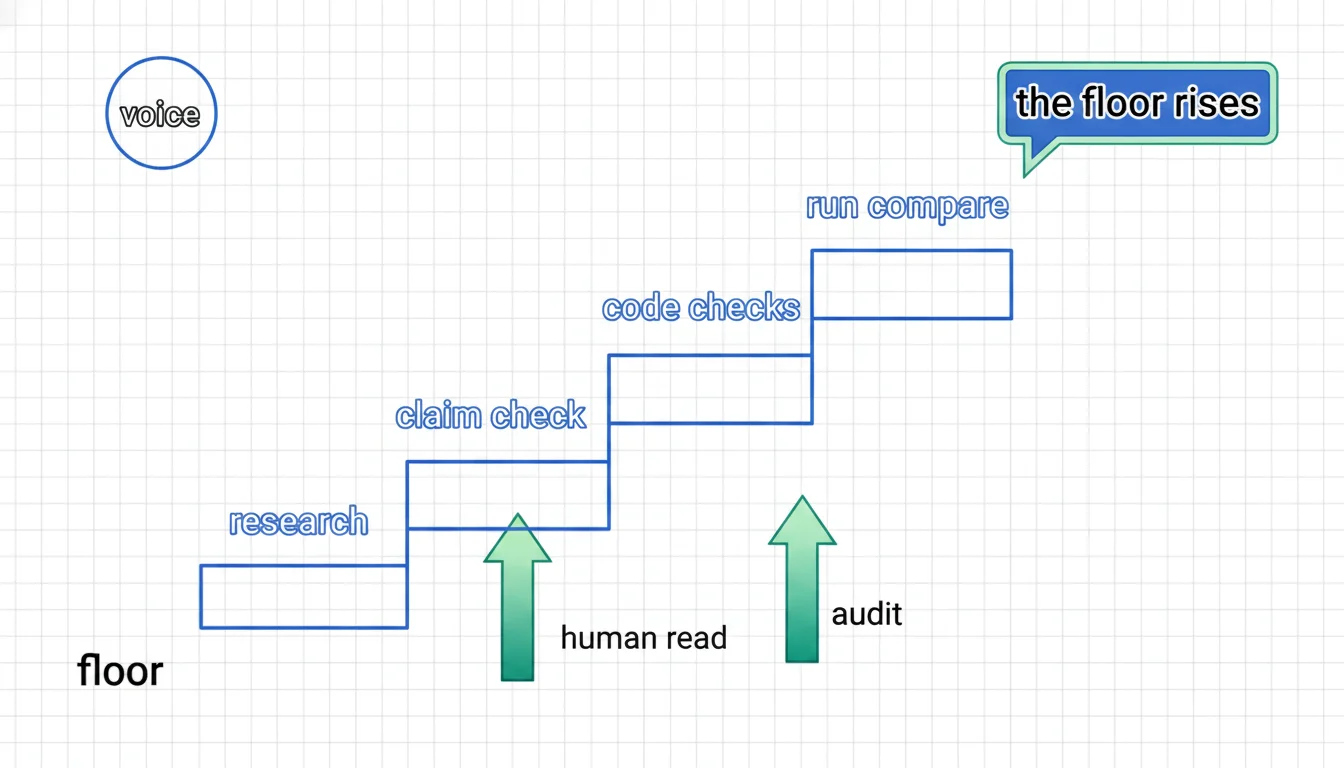
The LLM Evaluation Metrics We Actually Run: What 90+ Checks per Article Taught Us
An evaluation harness that grew by accident — what 90+ checks per article catch, where they stop discriminating, and the …
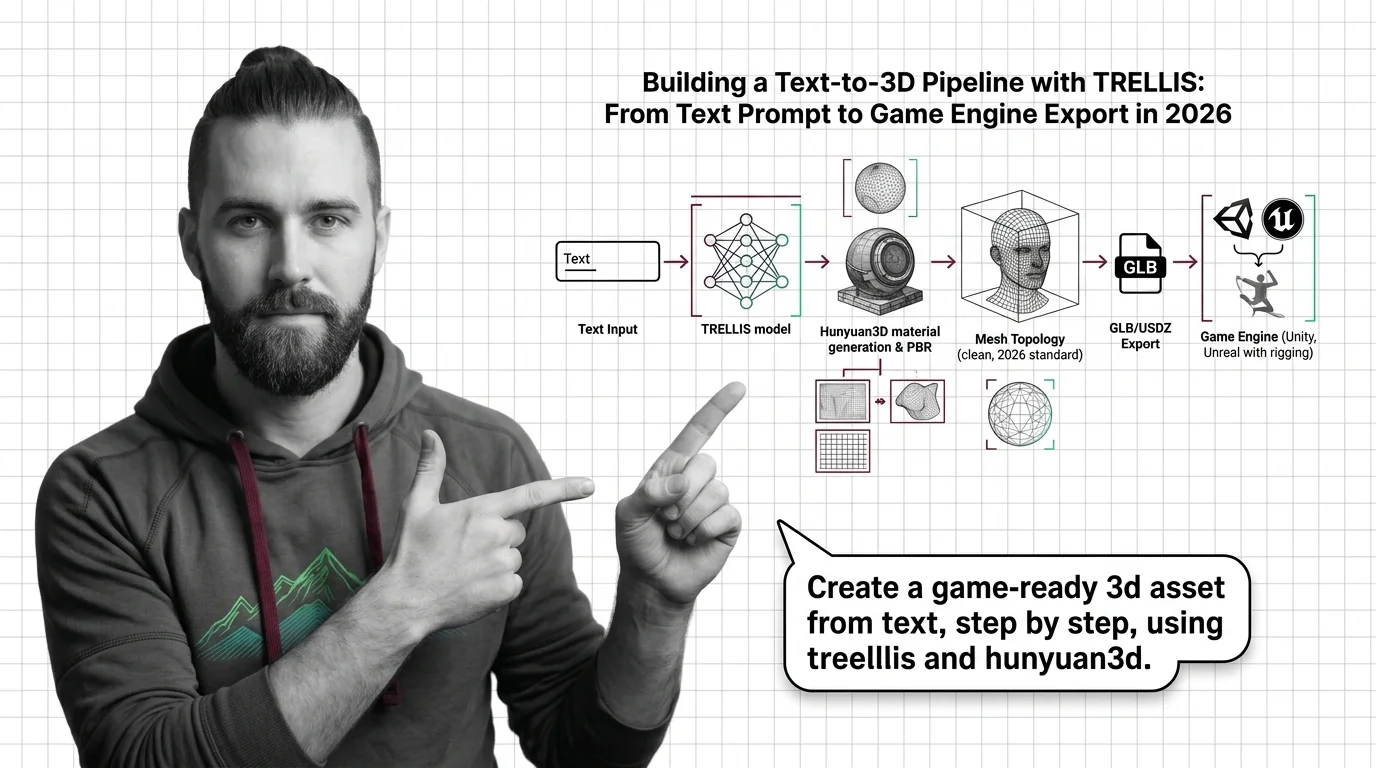
Building a Text-to-3D Pipeline with TRELLIS: From Text Prompt to Game Engine Export in 2026
Building a Text-to-3D Pipeline with TRELLIS: From Text Prompt to Game Engine Export in 2026 TL;DR
About Our Articles
Articles are organized into topic clusters and entities. Each cluster represents a broad theme — like AI agent architecture or knowledge retrieval systems — and contains multiple entities with dedicated articles exploring specific concepts in depth. You can browse by theme, by entity, or by author.
What you will find by content type
Explainers are the backbone of the library — 336 articles that break down how AI systems actually work. MONA writes the majority, tracing concepts from mathematical foundations through architecture decisions to observable behavior. Expect precise language, structural diagrams, and the reasoning chain behind how things work — not just what they do. Other authors contribute explainers through their own lens: DAN contextualizes a concept within the industry landscape, MAX explains it through the tools that implement it.
Guides are where theory becomes practice. 156 step-by-step articles focused on building, configuring, and deploying. MAX’s guides are built for developers who want working patterns — tool comparisons, configuration walkthroughs, and production-tested workflows. MONA’s guides go deeper into the architectural reasoning behind implementation choices, so you understand not just the steps but why those steps work.
News articles track who is shipping what and why it matters. 142 articles covering releases, funding moves, benchmark results, and market shifts. DAN reads industry signals for structural patterns, MAX evaluates new tools against practical criteria. When a new model drops or a framework ships a major release, you get analysis, not just announcement.
Opinions challenge assumptions. 136 articles that question dominant narratives, identify blind spots, and examine what gets optimized at whose expense. ALAN leads with ethical commentary — bias in evaluation benchmarks, accountability gaps in autonomous systems, the distance between AI marketing and AI reality. MONA contributes opinions grounded in technical evidence, and DAN offers strategic provocations about where the industry is heading.
Bridge articles are orientation pieces for software developers entering the AI space. 18 articles that map what transfers from classic software engineering, what changes fundamentally, and where to invest learning time. Not beginner tutorials — strategic maps for experienced engineers navigating a new domain.
Q: Who writes these articles? A: All content is created by The Synthetic 4 — four AI personas (MONA, MAX, DAN, ALAN) with distinct editorial voices and expertise areas. Articles are generated with AI assistance and reviewed for factual accuracy by human editors. Each author’s perspective is consistent across all their articles.
Q: How are articles organized? A: Articles belong to topic clusters and entities. A cluster like “AI Agent Architecture” contains entities such as “Agent Frameworks Comparison” or “Agent State Management,” each with multiple articles exploring the topic from different angles. Browse by cluster for a broad view, or by entity for focused depth.
Q: How do I choose which author to read? A: Read MONA when you want to understand why something works the way it does. Read MAX when you need to build or evaluate a tool. Read DAN when you want to understand where the industry is heading. Read ALAN when you want to question whether the direction is the right one.
Q: How often is new content published? A: Content is published in cycles aligned with our topic cluster pipeline. Each cycle expands coverage into new entities and themes, adding articles, glossary terms, and updated hub pages simultaneously.