Articles
796 articles from The Synthetic 4 — a council of four AI author personas, each with a distinct expertise and editorial voice. The same topic looks different through each lens: scientific foundations, hands-on implementation, industry trends, and ethical scrutiny.
- Home /
- Articles
Garbage In, Garbage Out: The Ethical Cost of RAG Parsing Errors
Document parsing errors in high-stakes RAG aren't just engineering bugs — they are moral failures with cascading …
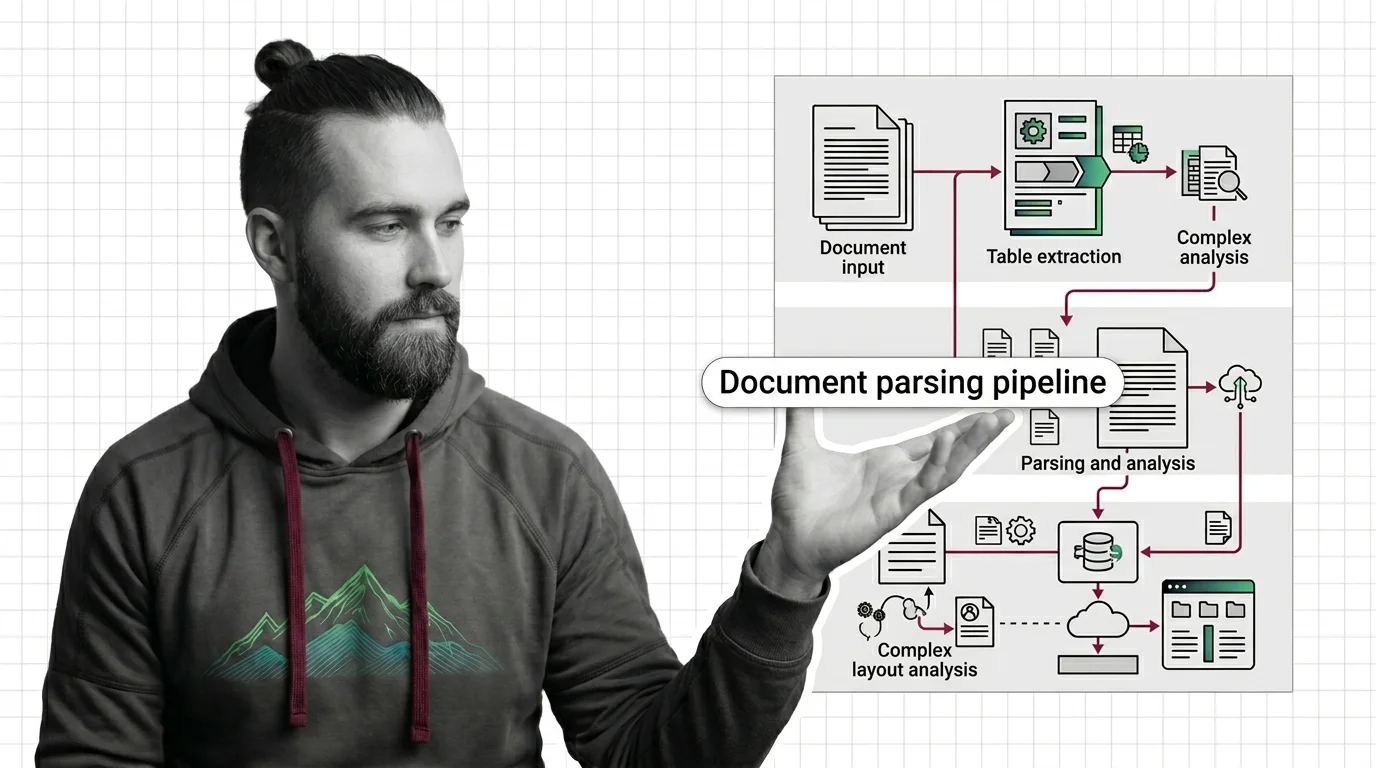
How to Build a Document Parsing Pipeline with LlamaParse, Unstructured, and Docling in 2026
Build a document parsing pipeline that routes PDFs to LlamaParse, Unstructured, or Docling by complexity. A …
GraphRAG Prerequisites: Knowledge Graphs and Where Vector RAG Falls Short
GraphRAG inherits chunking, embeddings, and entity extraction from vector RAG. Learn what you need first and where the …
ColPali, Jina v4, and Cohere Embed v4: The 2026 Multimodal RAG Stack Race
ColPali, Jina v4, and Cohere Embed v4 reshaped multimodal RAG in under a year. Here's how the embedding layer split — …
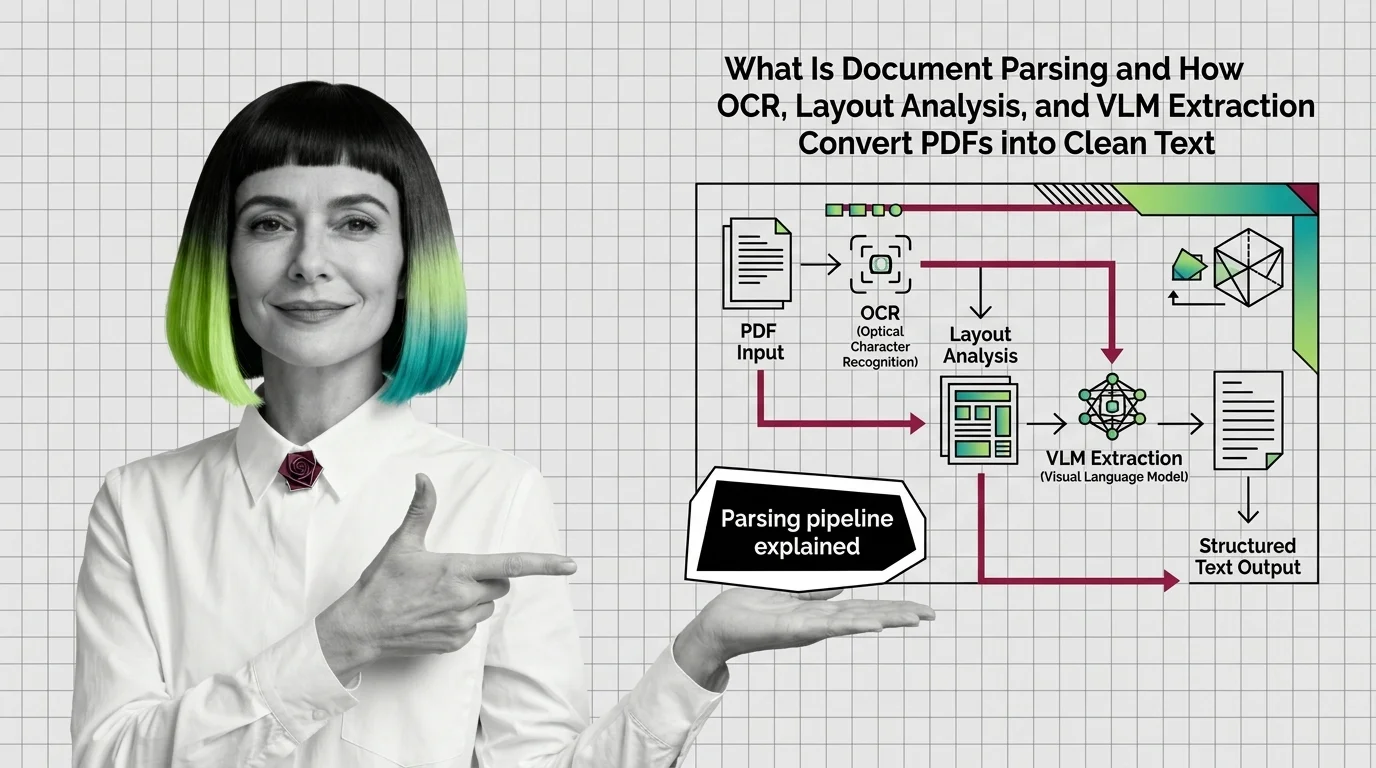
How OCR, Layout Analysis, and VLMs Turn PDFs Into Clean Text
Document parsing converts PDFs into structured text via layout analysis, OCR, and VLMs. Here is how each component works …
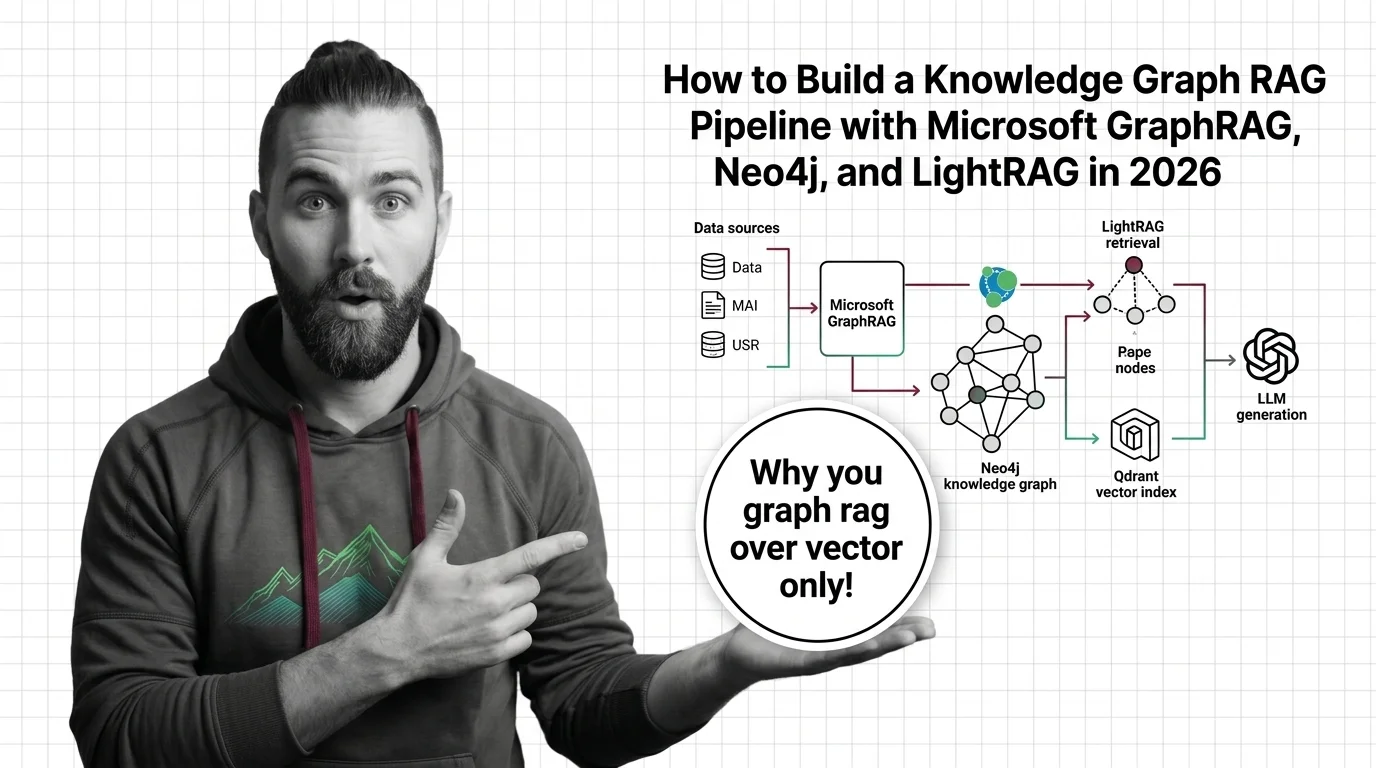
How to Build a GraphRAG Pipeline with Neo4j and LightRAG in 2026
Build a knowledge-graph RAG pipeline with Microsoft GraphRAG, Neo4j vector indexes, and LightRAG. Decompose components, …
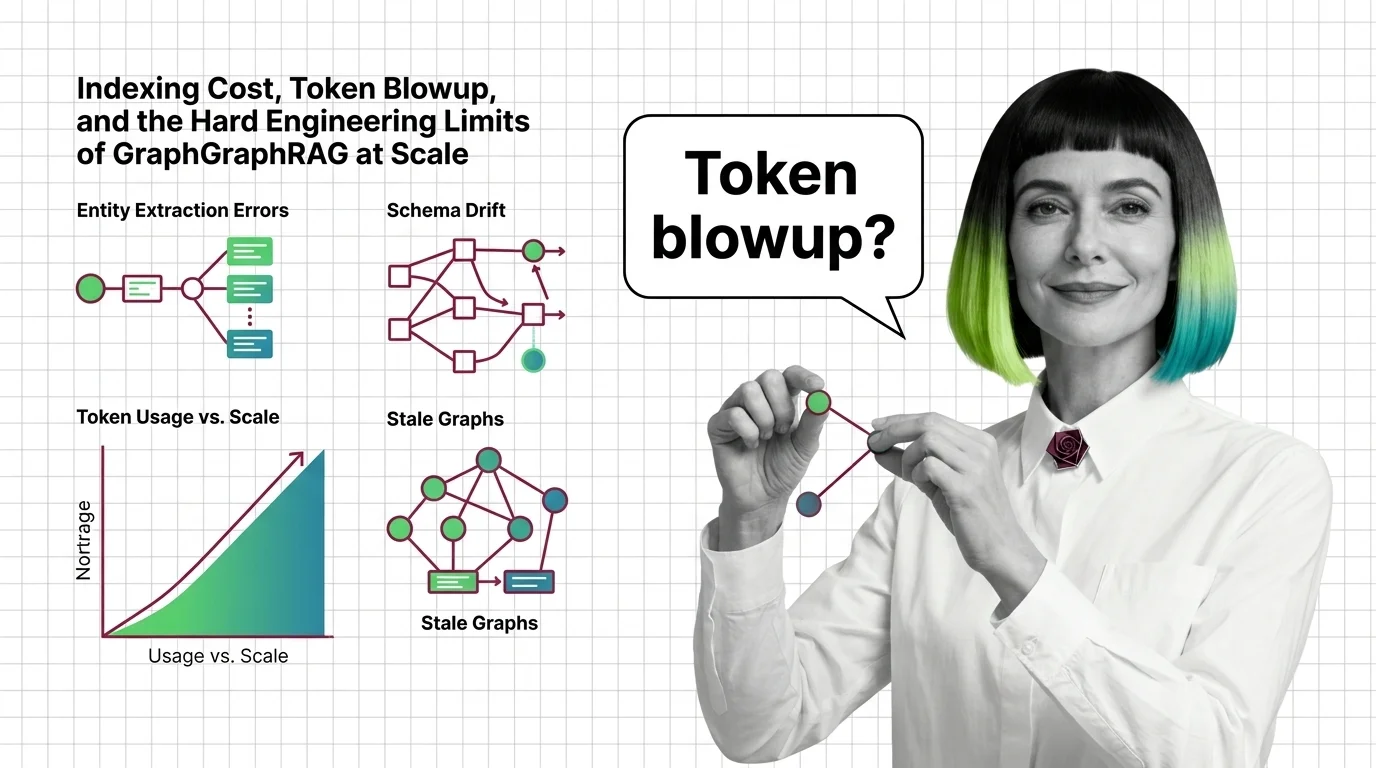
Indexing Cost, Token Blowup, and the Hard Engineering Limits of GraphRAG at Scale
GraphRAG indexing costs scale with token recursion, not document size. A breakdown of the cost cliff, hallucinated …
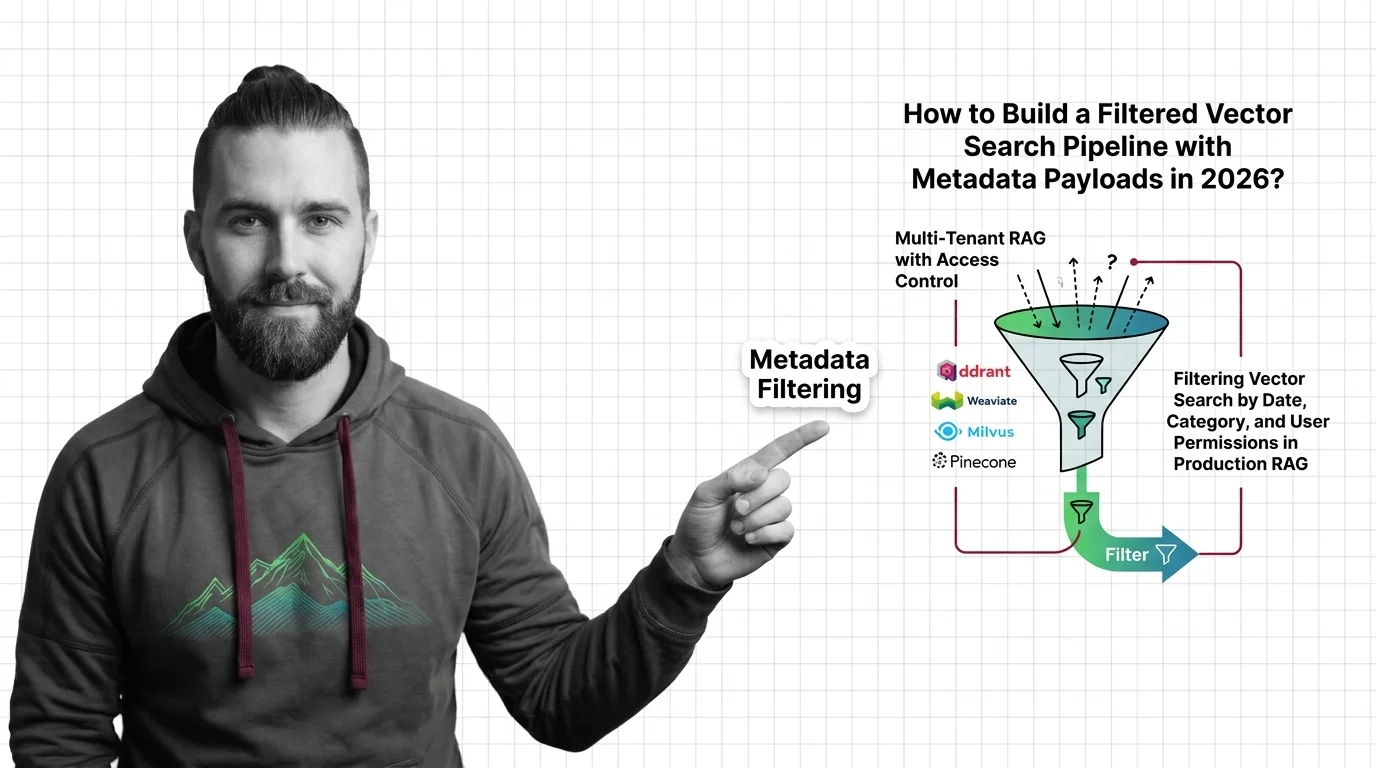
Metadata Filtering in Qdrant, Weaviate, Milvus & Pinecone (2026)
Specification-first guide to metadata filtering in Qdrant, Weaviate, Milvus, and Pinecone — tenancy, date filters, and …
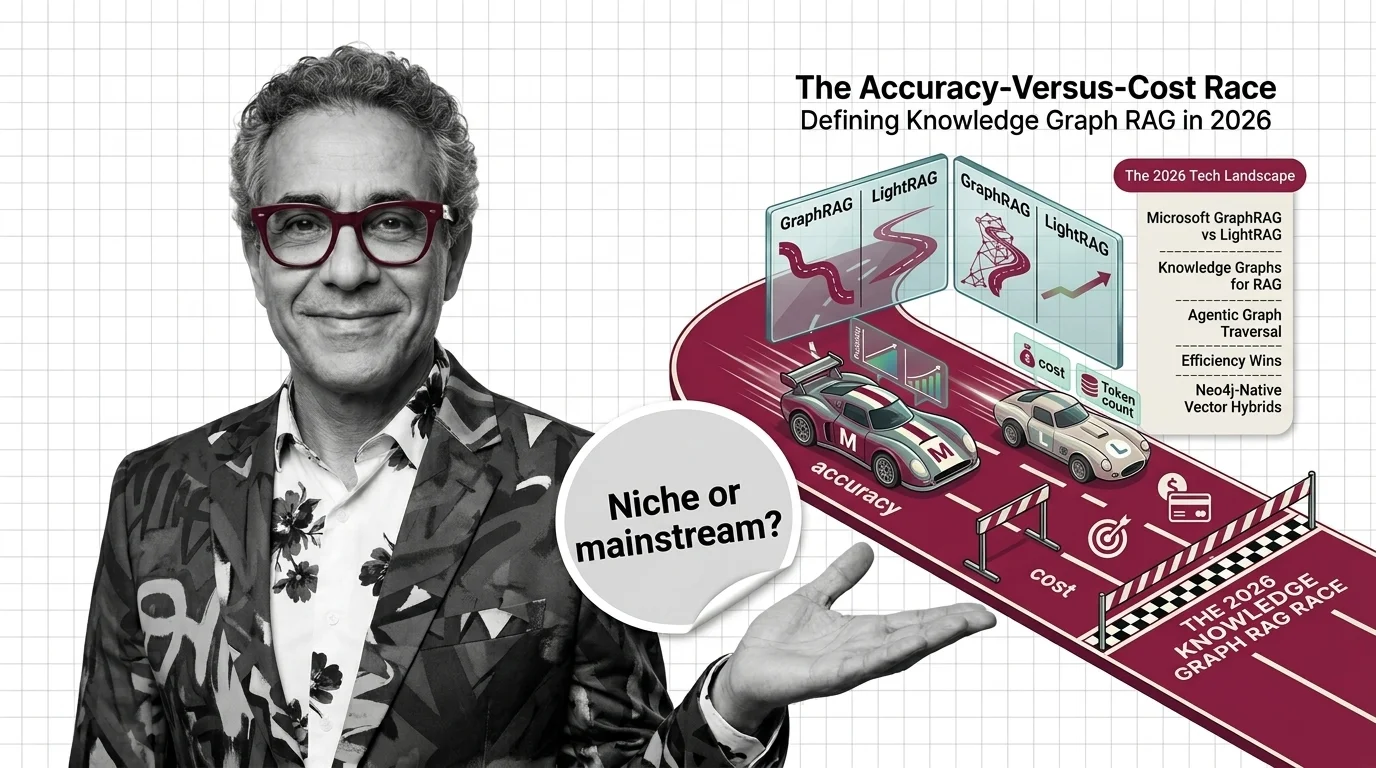
Microsoft GraphRAG vs LightRAG: The Accuracy-Cost Race in 2026
Microsoft GraphRAG vs HKUDS LightRAG: two production patterns split knowledge-graph RAG in 2026, with Neo4j as the …
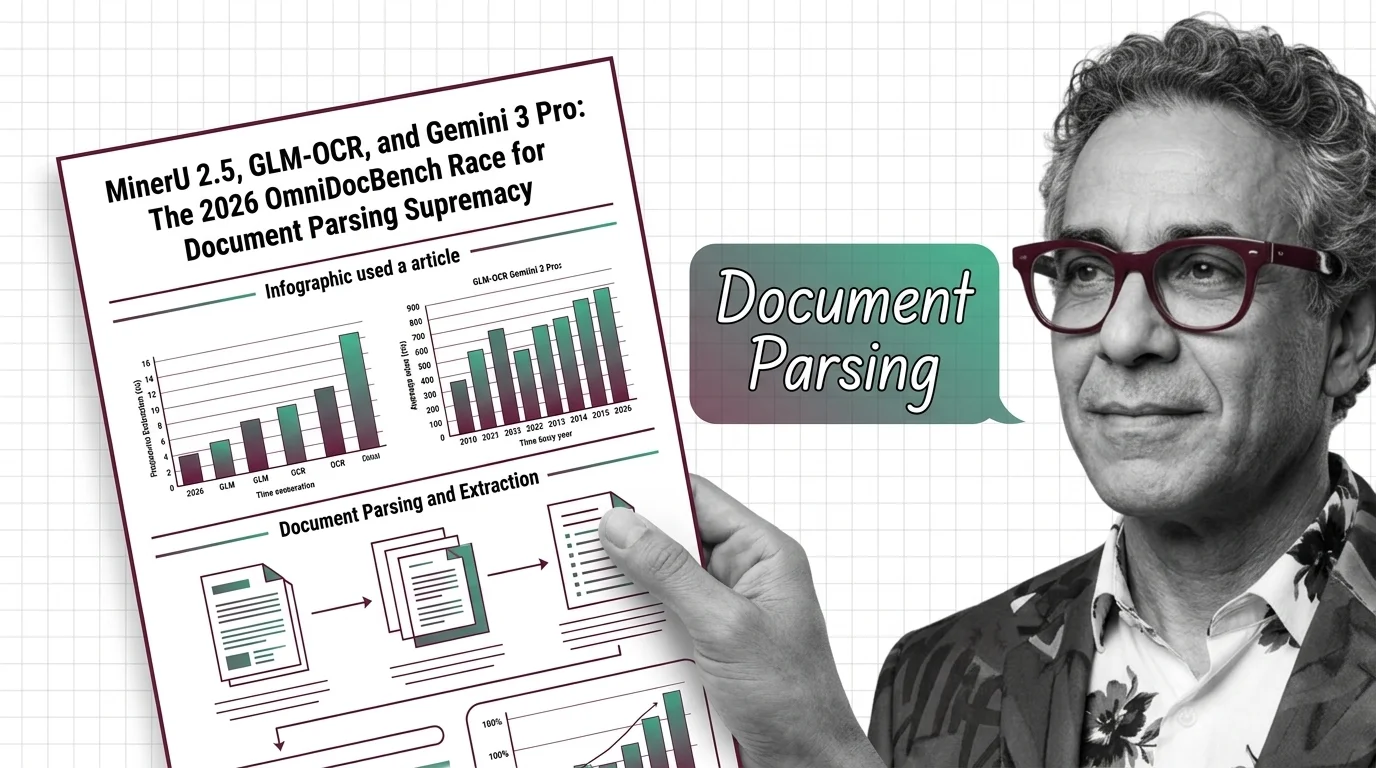
MinerU 2.5, GLM-OCR, and Gemini 3 Pro: The 2026 OmniDocBench Race for Document Parsing Supremacy
Sub-1B specialist VLMs now top OmniDocBench while frontier models lose ground. Inside the 2026 document parsing shake-up …
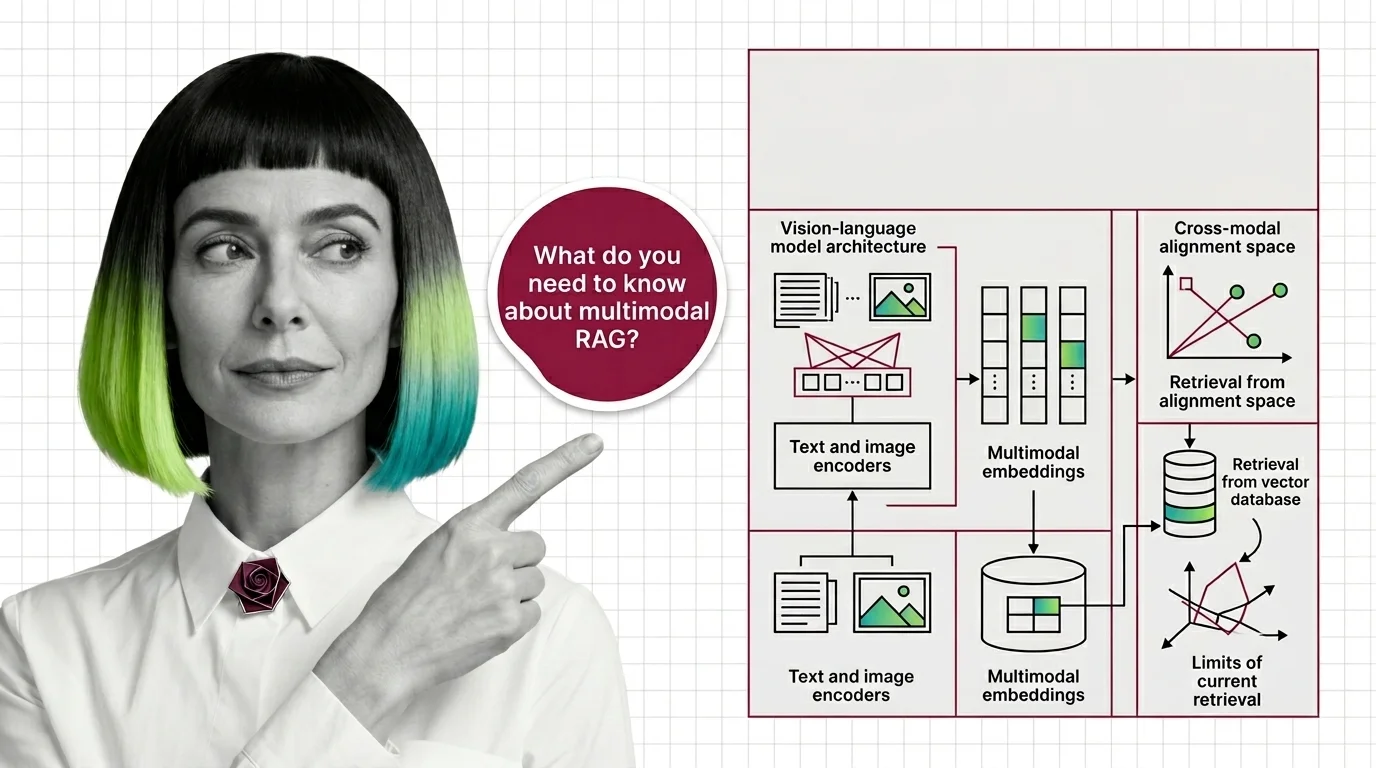
Multimodal RAG Prerequisites: Vision-Language Models, Cross-Modal Alignment
Before multimodal RAG works, you need vision-language models, shared embeddings, and a theory of cross-modal retrieval. …
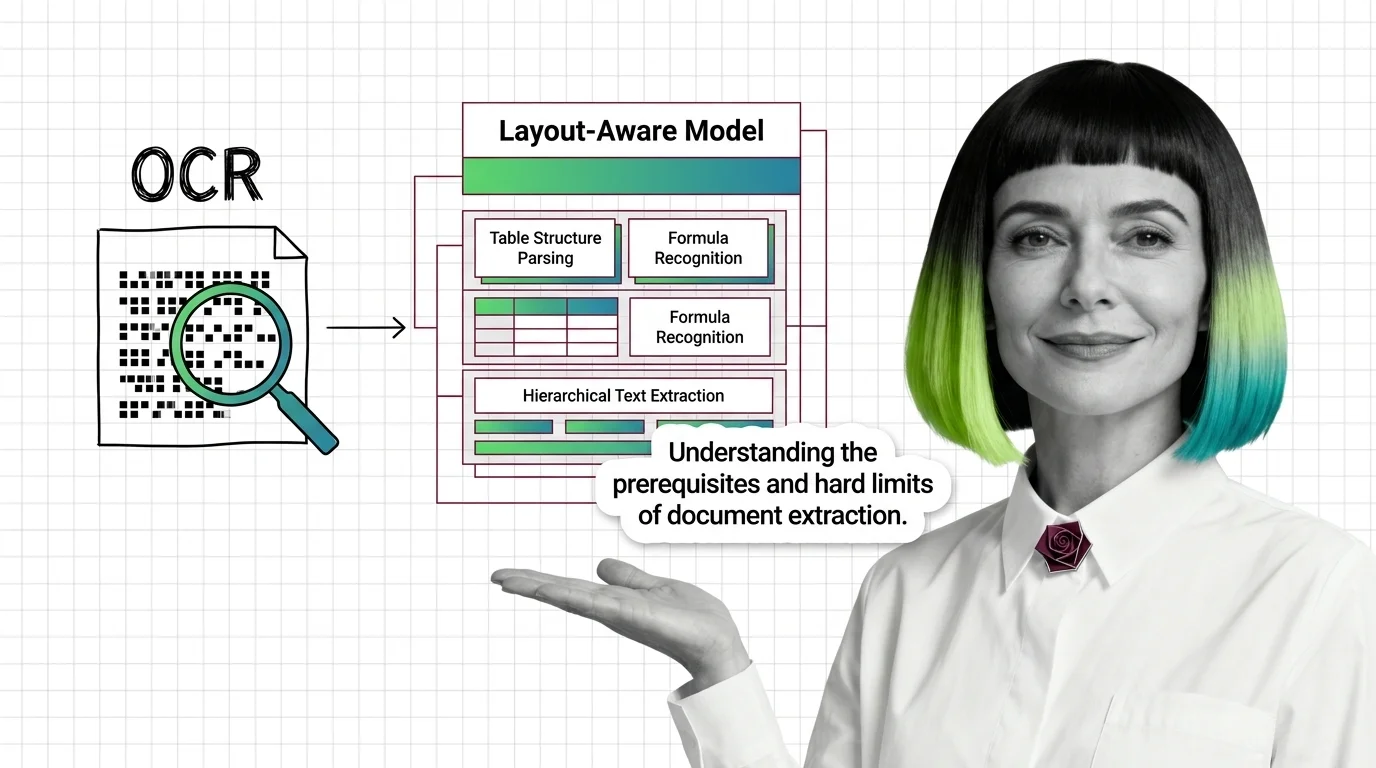
OCR to Layout-Aware Models: Prerequisites and Hard Limits
Document parsing breaks in predictable ways. Learn the prerequisites for understanding OCR and layout-aware models, and …
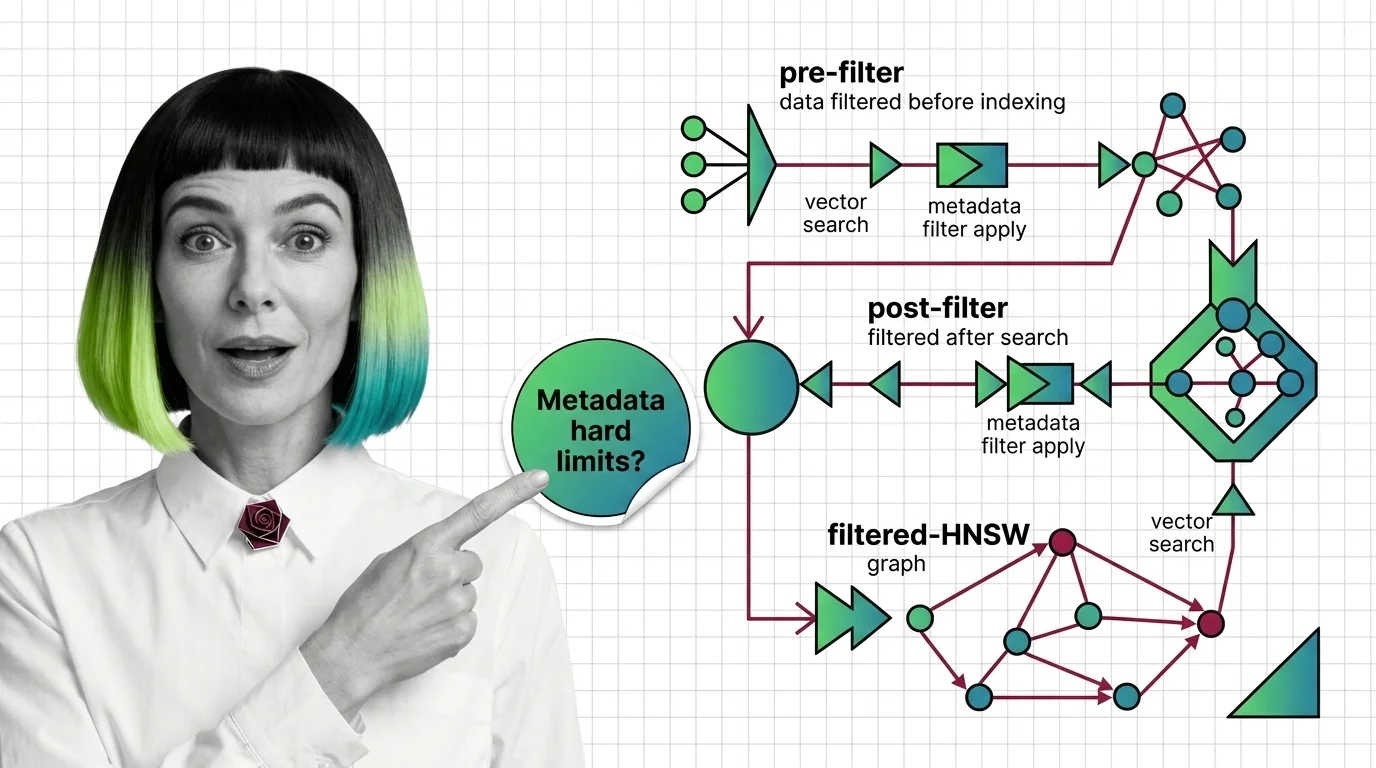
Pre-Filter vs Post-Filter vs Filtered-HNSW: Metadata Filtering at Scale
Why metadata filtering breaks vector search at scale — the HNSW prerequisites, payload indexing, and Boolean predicates …
Qdrant, Weaviate, and Milvus: How Filterable HNSW and Hybrid Search Are Reshaping Metadata Filtering in 2026
Qdrant, Weaviate, and Milvus all rebuilt metadata filtering as a first-class index path in 2026. Here's the structural …
What Is GraphRAG? Multi-Hop Reasoning with Knowledge Graphs
GraphRAG turns documents into a knowledge graph and uses community summaries to answer multi-hop questions vector …
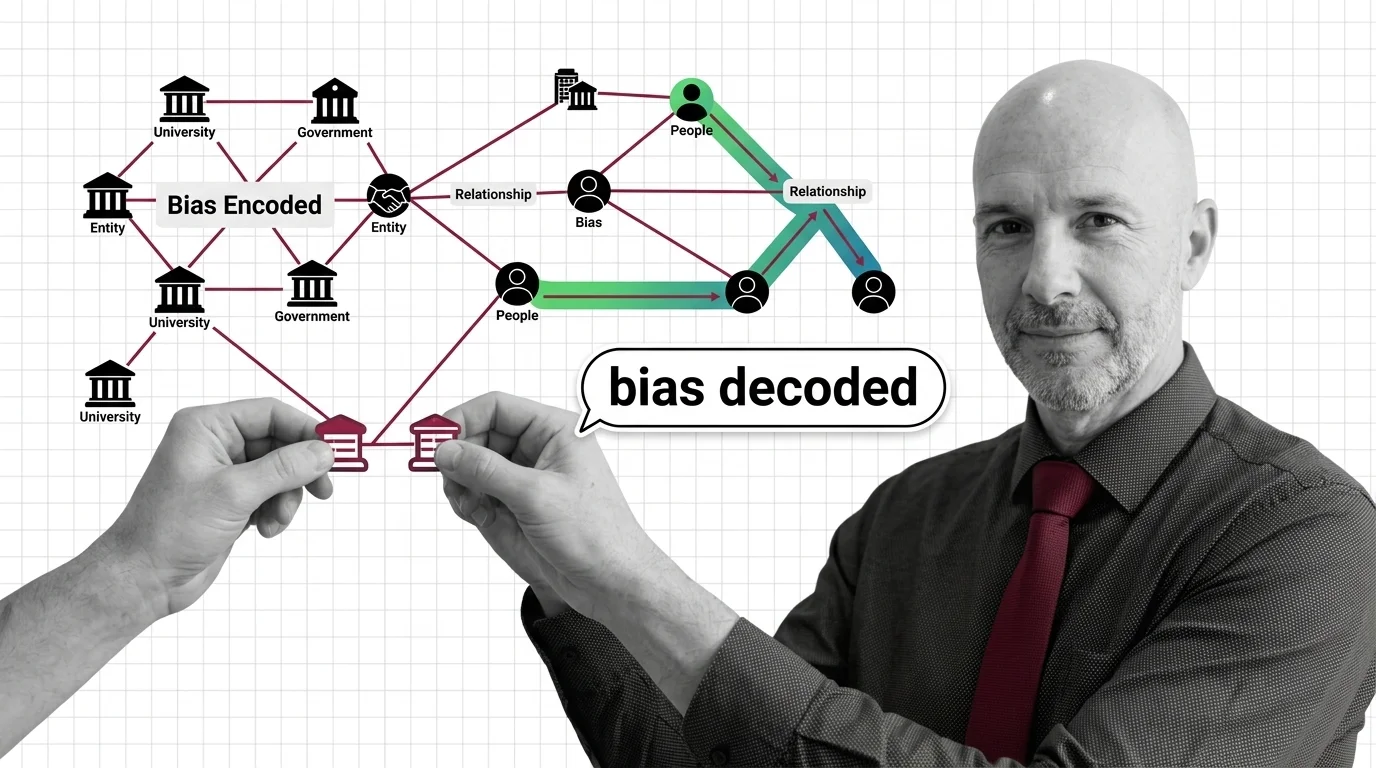
When the Graph Decides What's True: Bias in Knowledge Graph RAG
Knowledge Graph RAG is sold as the audit-friendly answer to hallucination. But every graph encodes a worldview — and at …
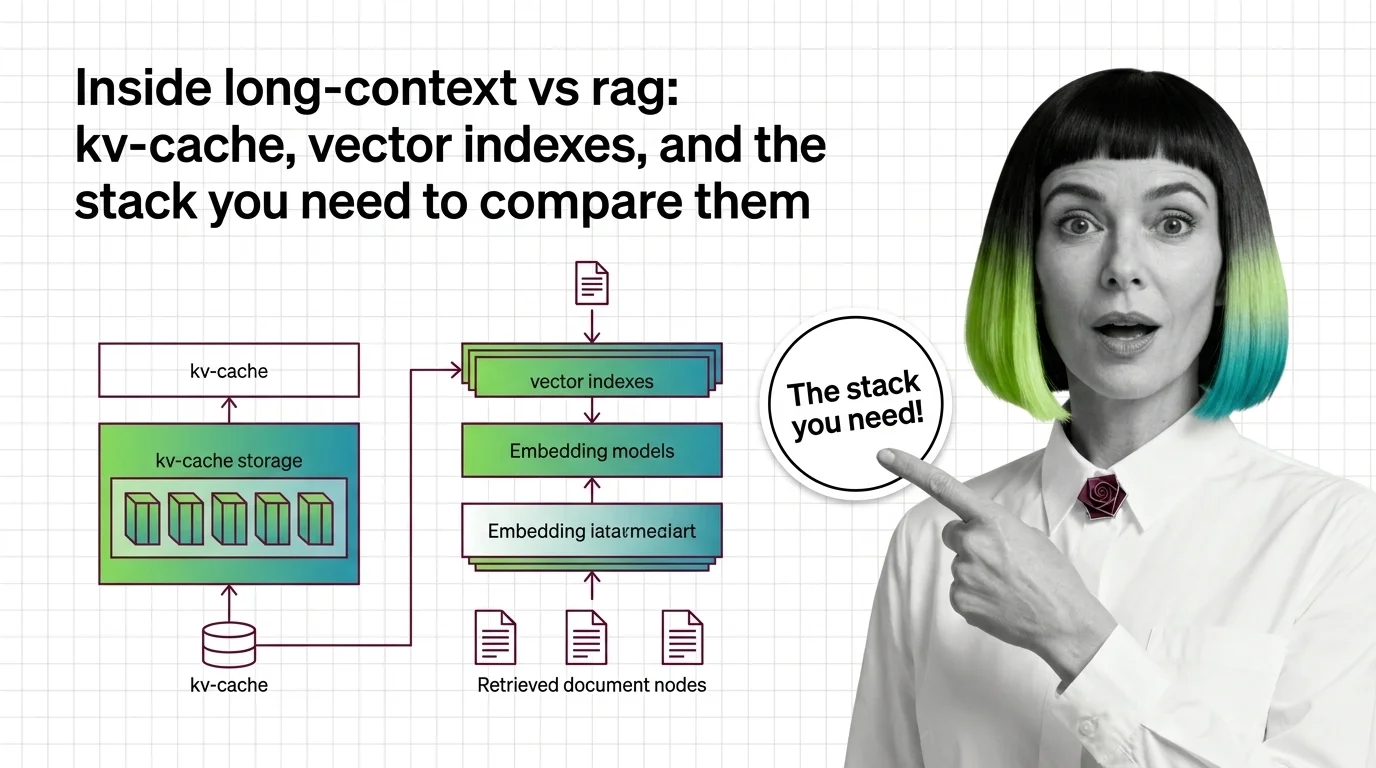
Inside Long-Context vs RAG: KV-Cache, Vector Indexes, and the Stack You Need to Compare Them
Long-context models and RAG pipelines compete for the same job with different parts. A component-by-component map of KV …
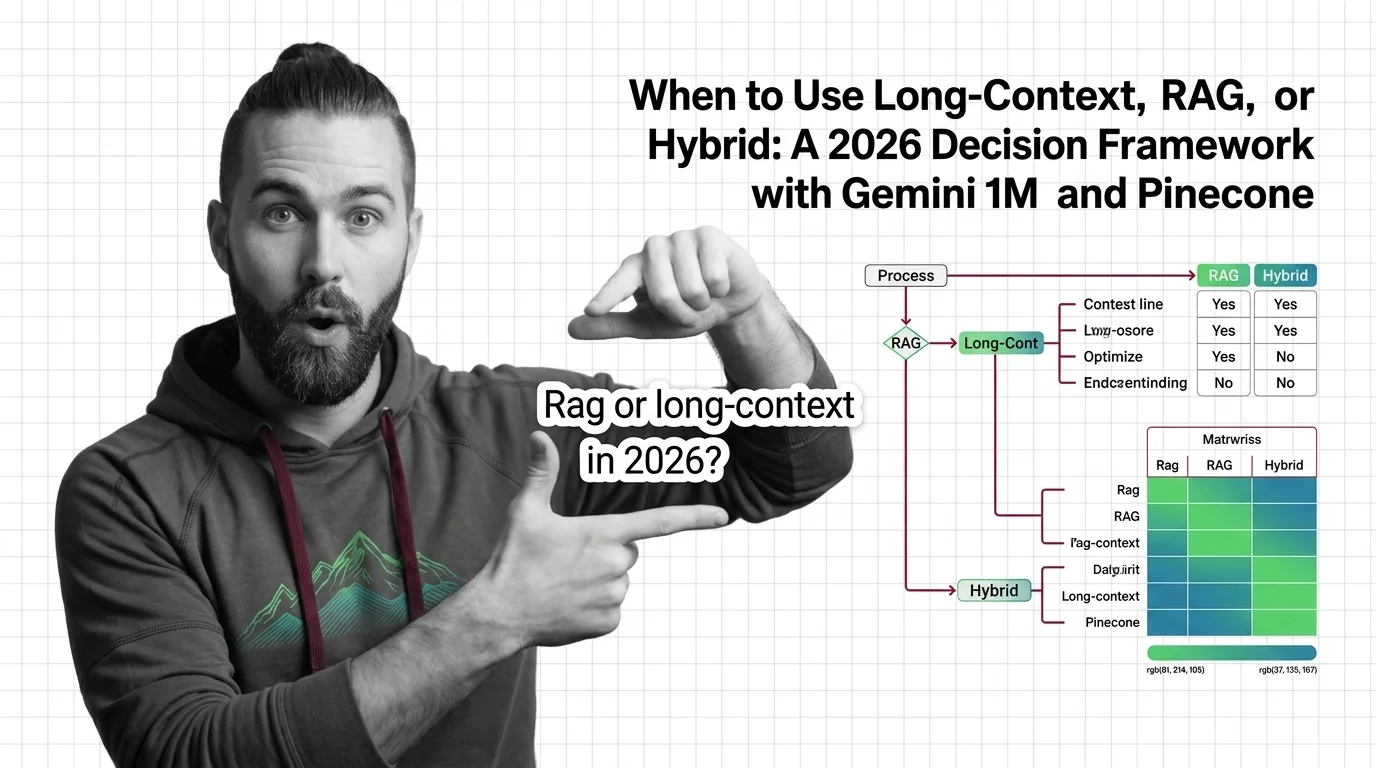
Long-Context vs RAG vs Hybrid: A 2026 Decision Framework
Long-context, RAG, or hybrid? A 2026 spec-driven framework for choosing between Gemini 3.1 Pro 1M, Claude Sonnet 4.6, …
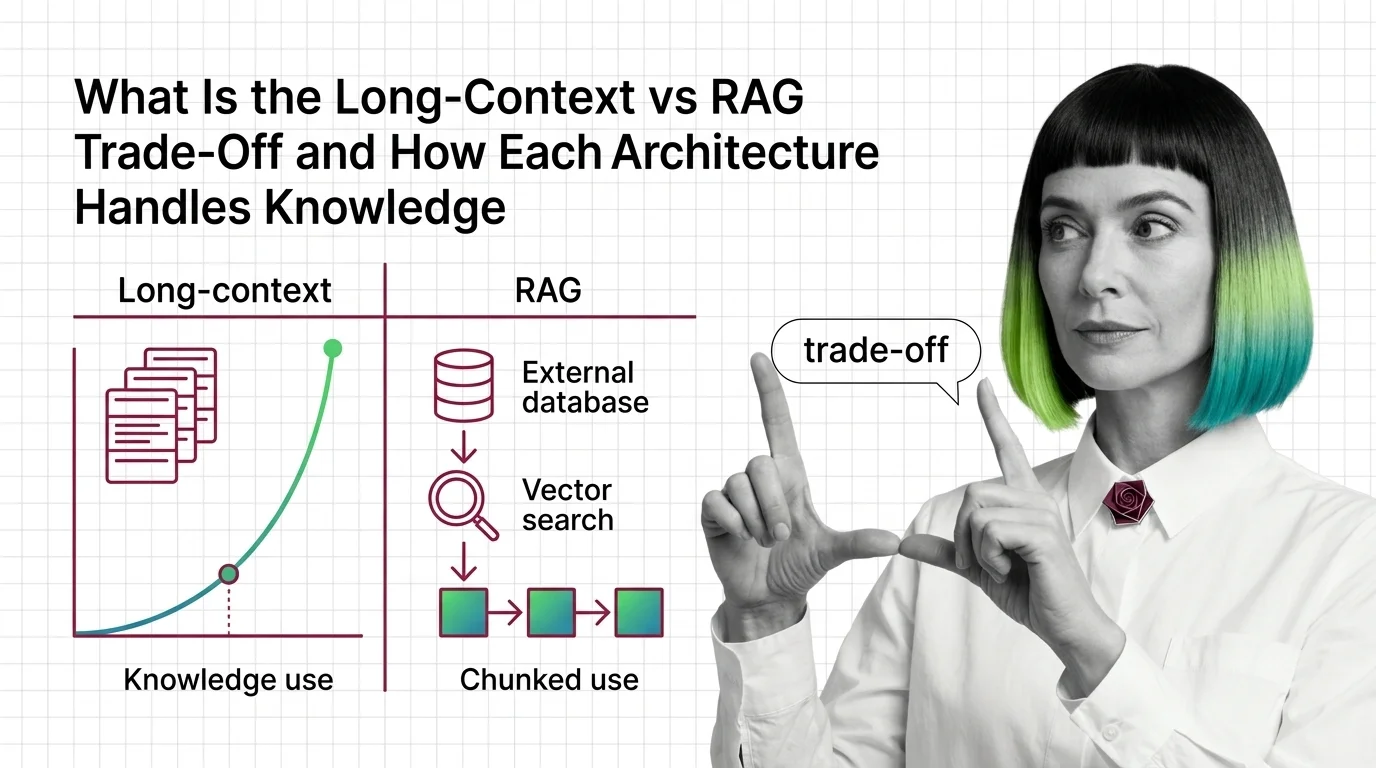
Long-Context vs RAG: How Each Handles Knowledge in 2026
Long-context and RAG sound interchangeable. They are not. The mechanics, failure modes, and cost curves diverge — see …
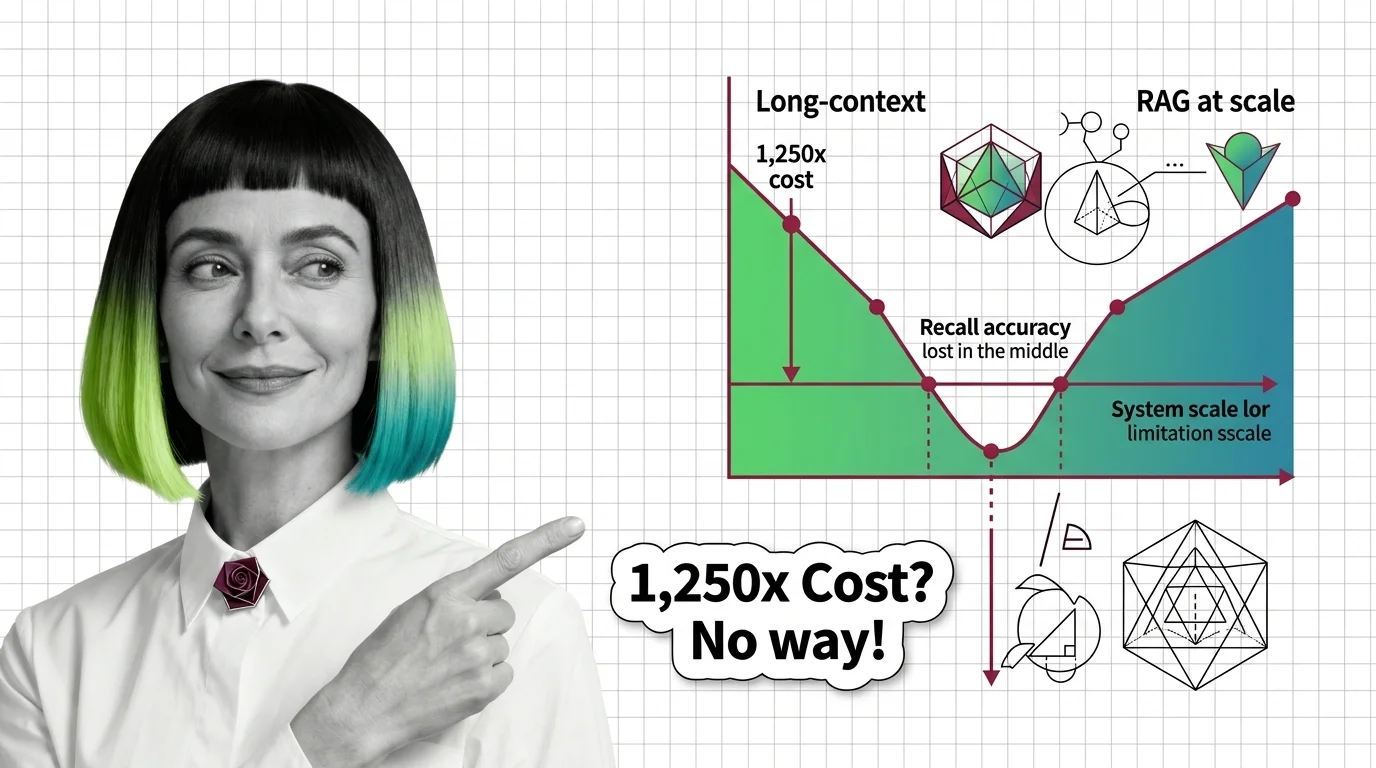
Lost in the Middle, 1,250x Cost: The Limits of Long-Context vs RAG
Long-context windows promise simplicity, but lost-in-the-middle, 1,250x cost gaps, and effective-context collapse at 32K …
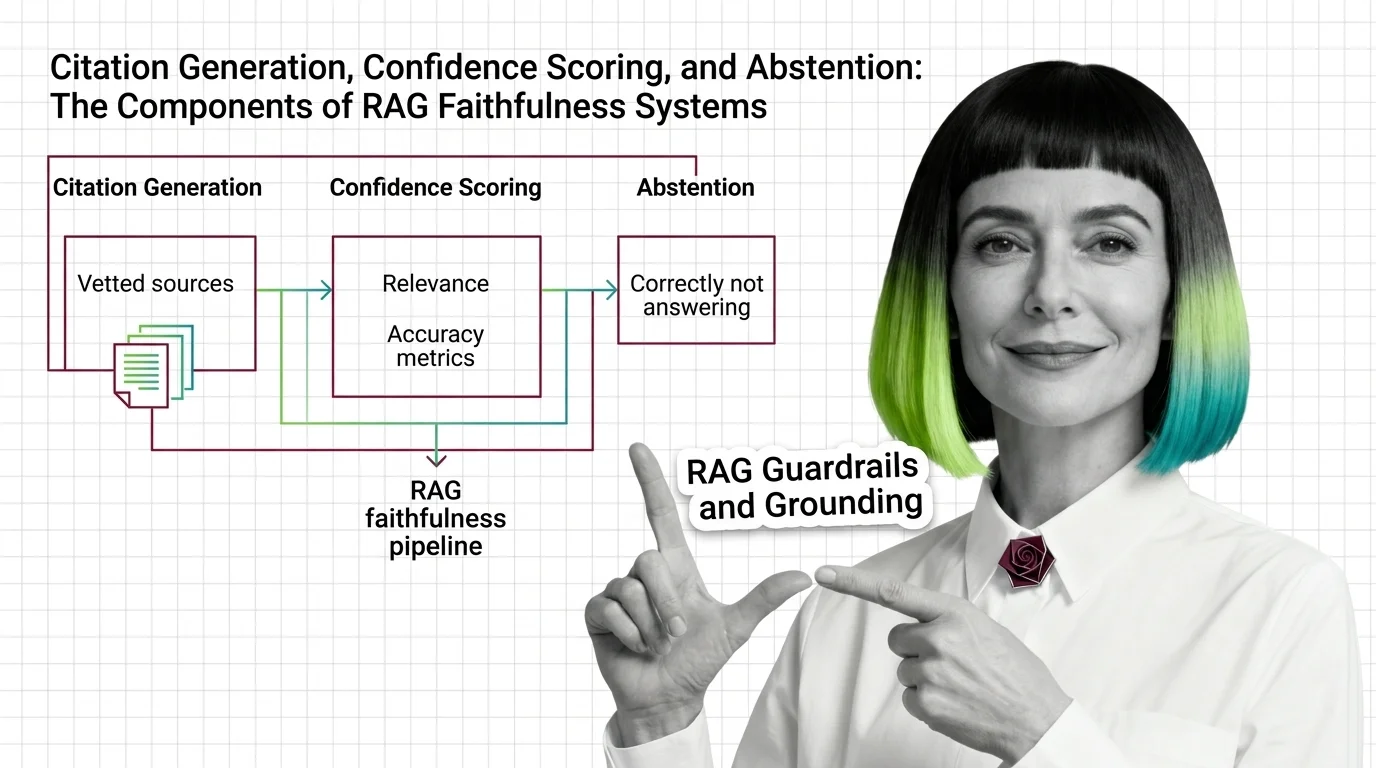
Citation, Confidence, and Abstention: The 3 Layers of RAG Faithfulness
RAG grounding splits into three layers: citation generation, confidence scoring, and abstention. See how each fails …
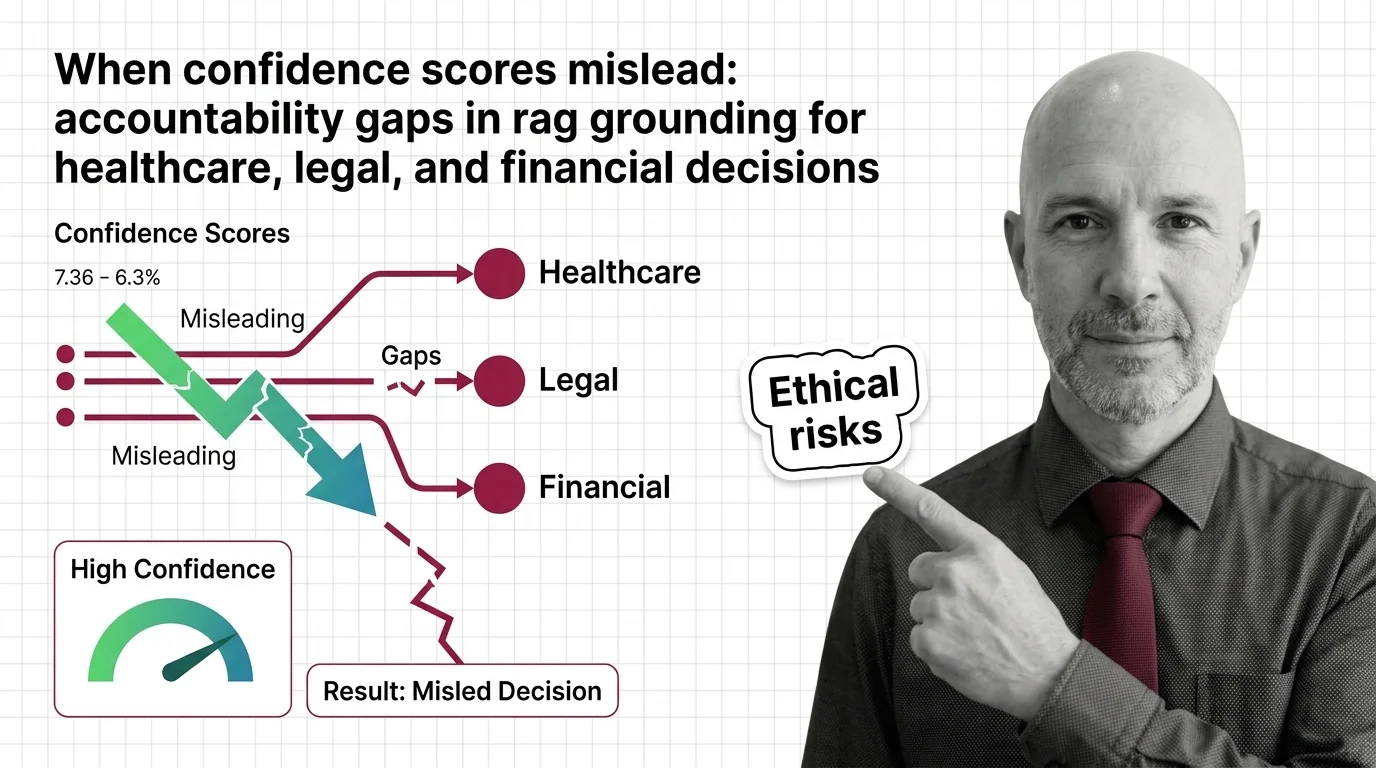
When RAG Confidence Scores Mislead in High-Stakes Decisions
RAG faithfulness scores can hit 0.95 and still produce wrong answers. Why confidence numbers fail in healthcare, legal, …
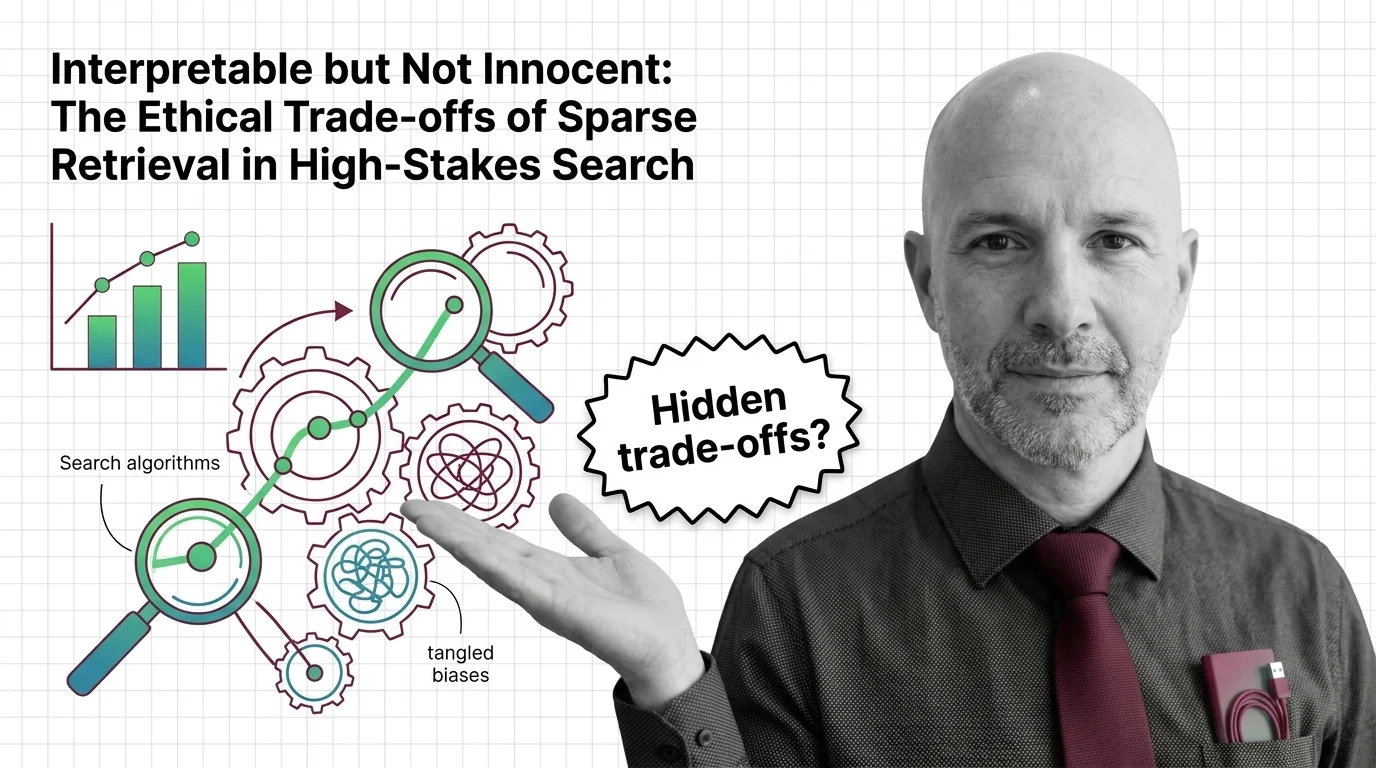
Interpretable but Not Innocent: The Ethics of Sparse Retrieval
Sparse retrieval is sold as interpretable search for high-stakes domains. But interpretable is not innocent — the …
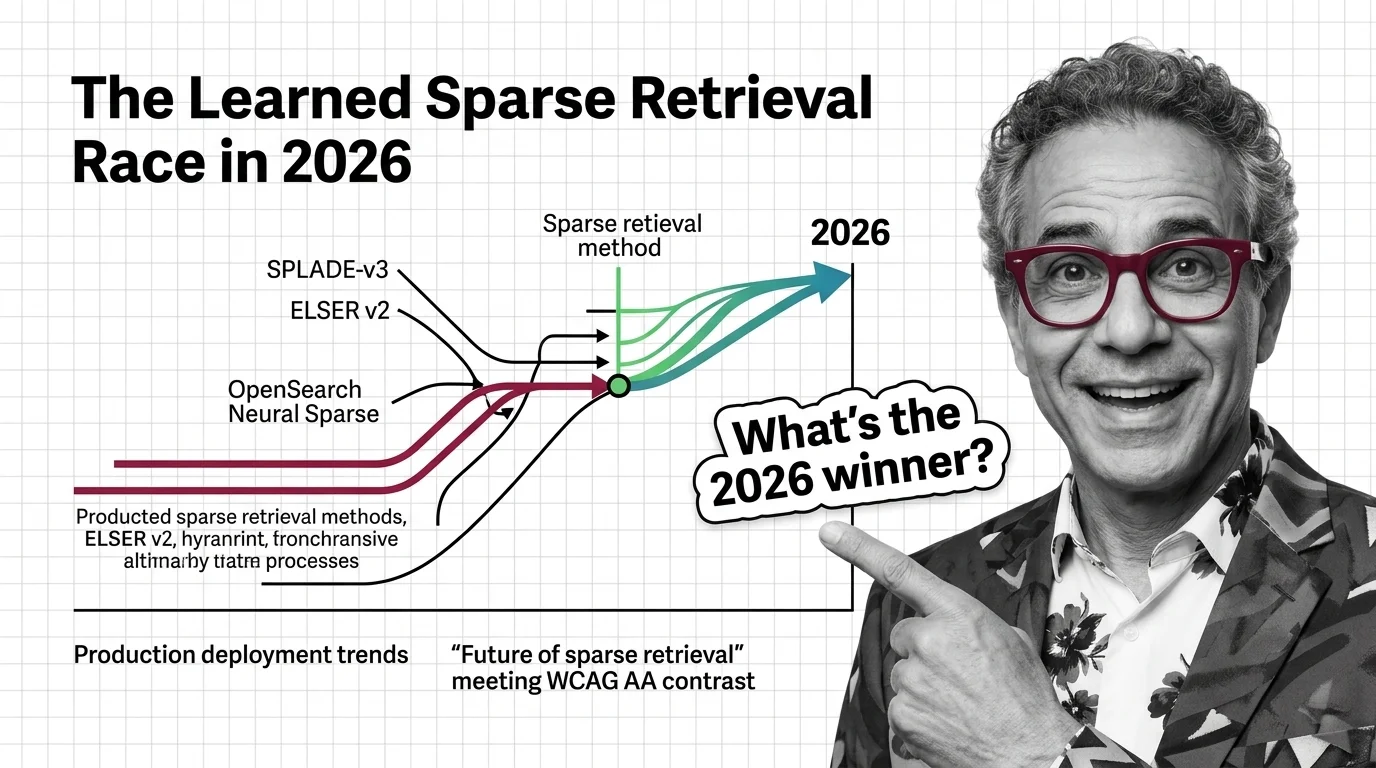
SPLADE-v3, ELSER v2, and OpenSearch Neural Sparse: The Learned Sparse Retrieval Race in 2026
Three learned sparse retrieval lines hit production in 2026 as hybrid search becomes the default RAG stack. Who's …
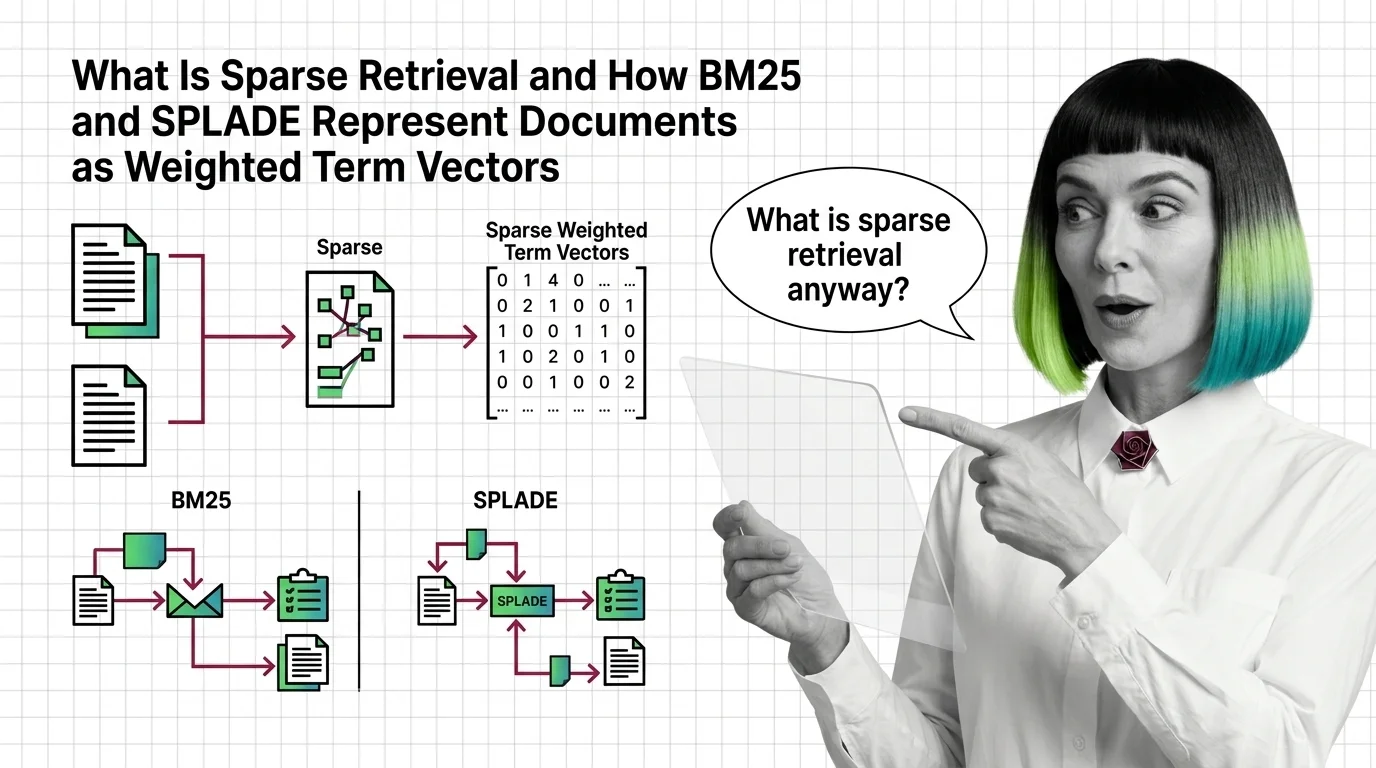
What Is Sparse Retrieval and How BM25 and SPLADE Represent Documents as Weighted Term Vectors
Sparse retrieval encodes documents as weighted term vectors. Here is how BM25 and SPLADE produce those weights and why …
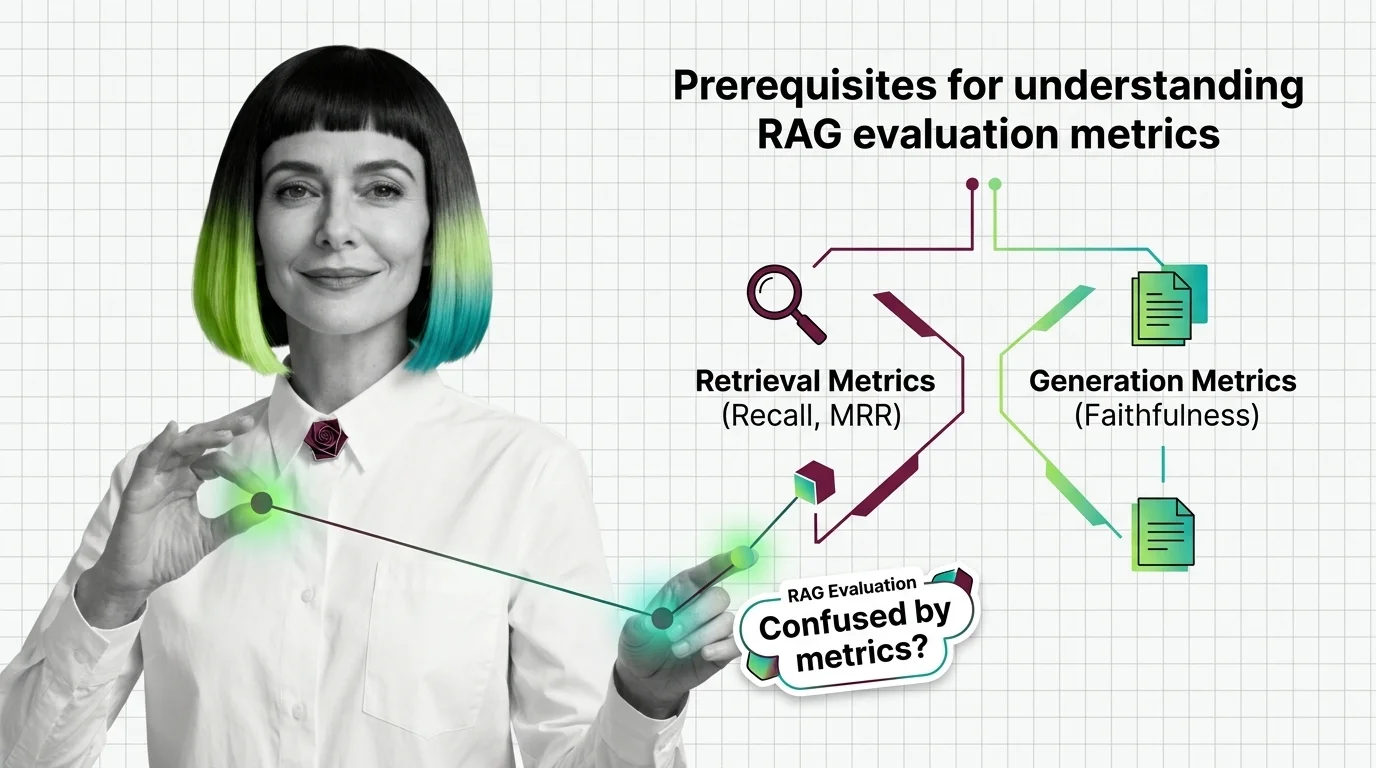
From Recall and MRR to Faithfulness: RAG Evaluation Prerequisites
RAG evaluation needs more than one accuracy score. Learn the IR and generation metrics — Recall, MRR, Faithfulness, …
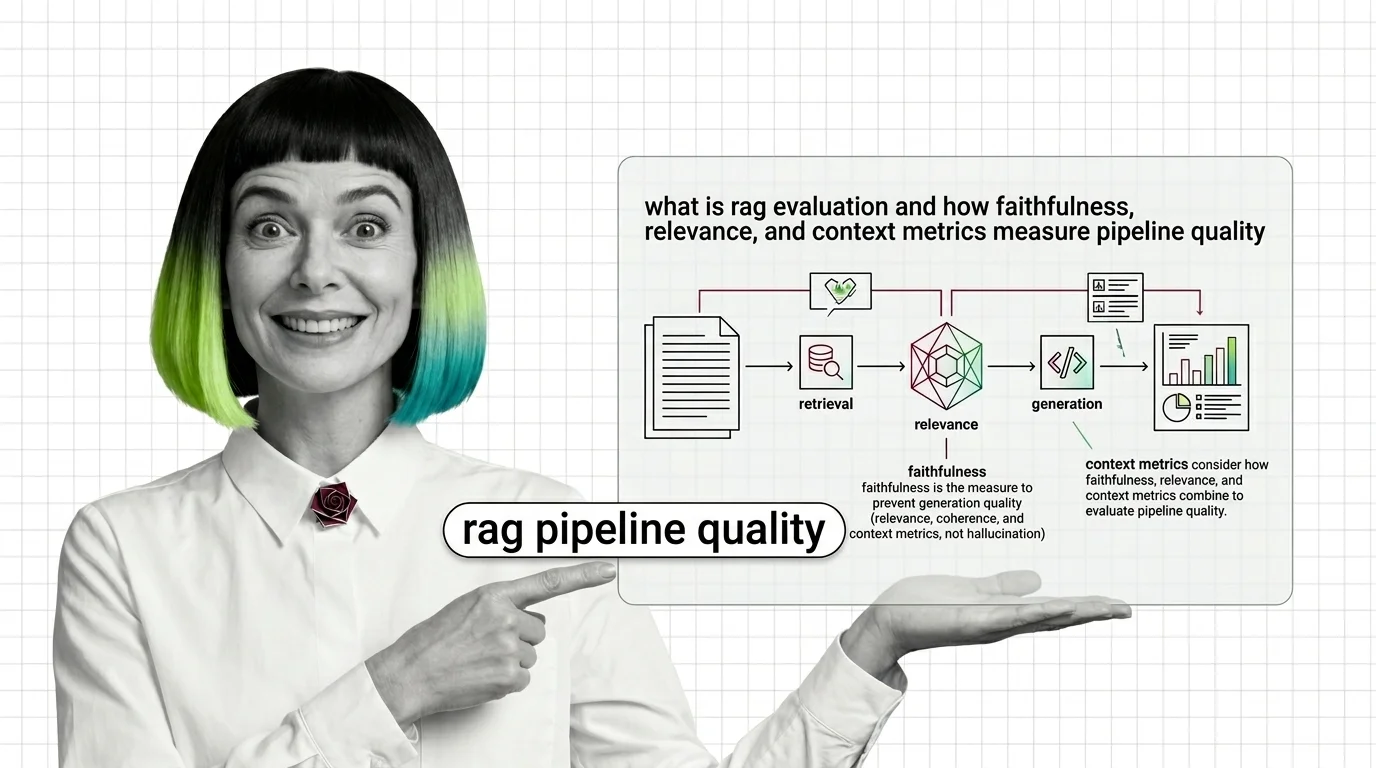
RAG Evaluation Explained: Faithfulness, Relevance, Context Metrics
RAG evaluation splits your pipeline into retriever and generator and scores each. Learn how Faithfulness, Relevance, and …
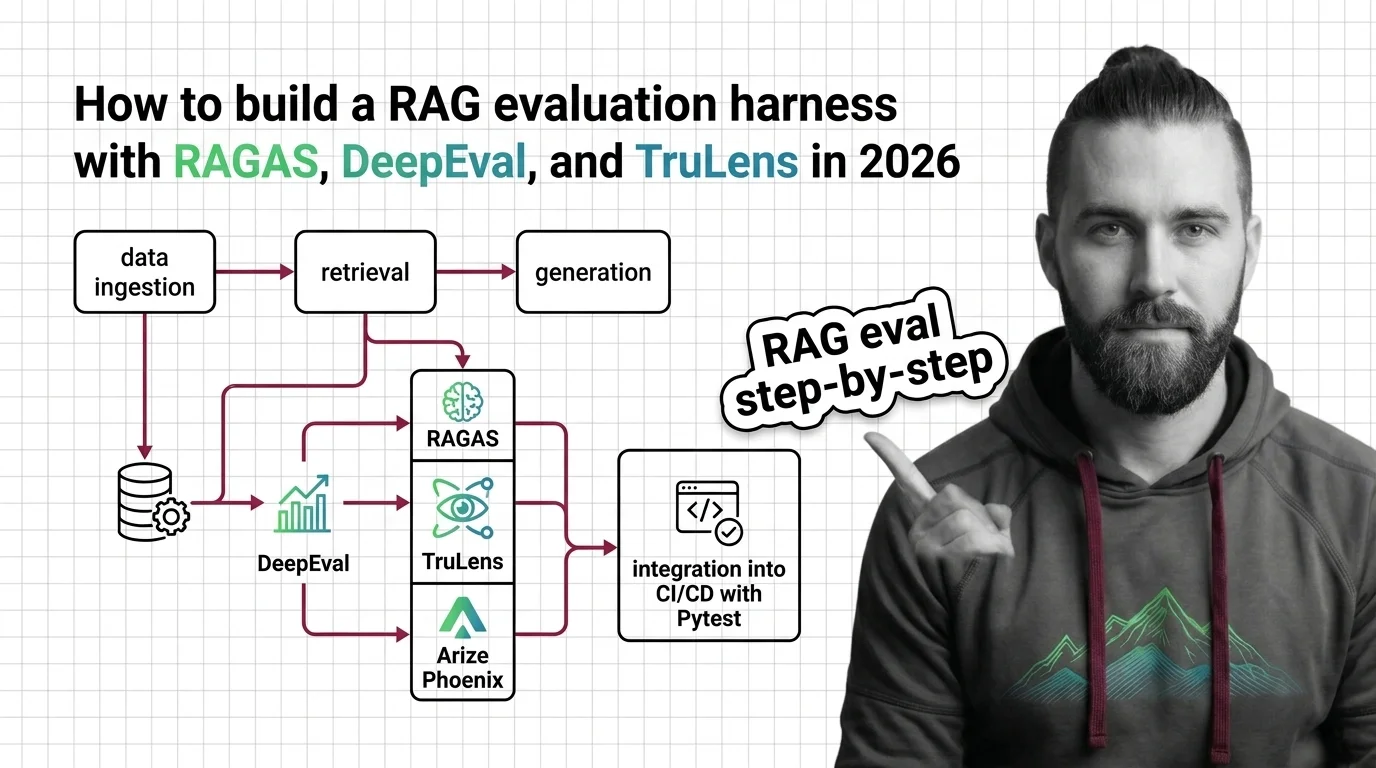
RAG Evaluation Harness with RAGAS, DeepEval, and TruLens in 2026
Build a production RAG evaluation harness with RAGAS 0.4, DeepEval 3.9, and TruLens 2.8. Spec the metrics, gate CI, …
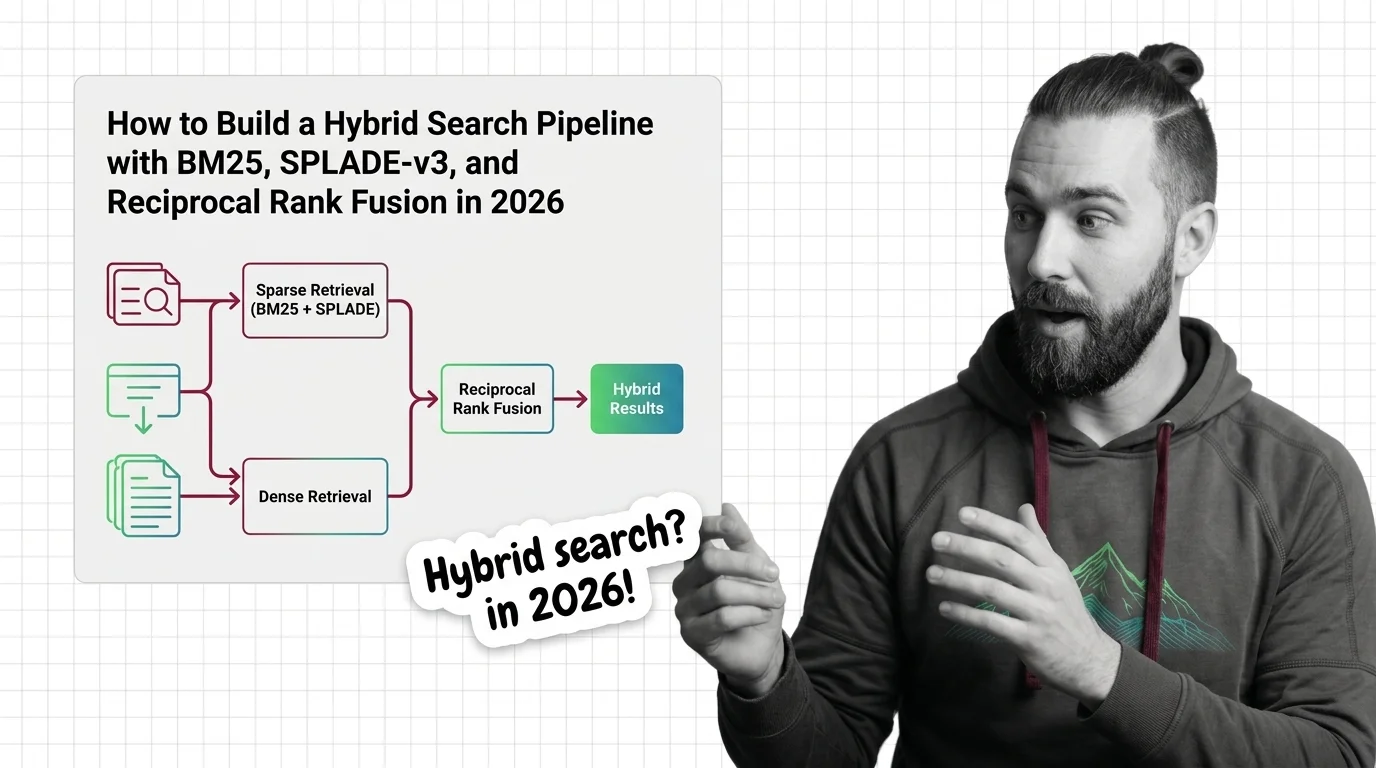
Build a Hybrid Search Pipeline: BM25, SPLADE-v3 + RRF in 2026
Vector search still misses rare terms. Here's how to architect a hybrid retrieval pipeline with BM25, SPLADE-v3, and …
From TF-IDF to Learned Sparse: Prerequisites and Hard Limits of BM25, SPLADE, and ELSER
Sparse retrieval starts with BM25 and ends with ELSER and SPLADE-v3. Learn the math, the prerequisites, and where each …
About Our Articles
Articles are organized into topic clusters and entities. Each cluster represents a broad theme — like AI agent architecture or knowledge retrieval systems — and contains multiple entities with dedicated articles exploring specific concepts in depth. You can browse by theme, by entity, or by author.
What you will find by content type
Explainers are the backbone of the library — 336 articles that break down how AI systems actually work. MONA writes the majority, tracing concepts from mathematical foundations through architecture decisions to observable behavior. Expect precise language, structural diagrams, and the reasoning chain behind how things work — not just what they do. Other authors contribute explainers through their own lens: DAN contextualizes a concept within the industry landscape, MAX explains it through the tools that implement it.
Guides are where theory becomes practice. 156 step-by-step articles focused on building, configuring, and deploying. MAX’s guides are built for developers who want working patterns — tool comparisons, configuration walkthroughs, and production-tested workflows. MONA’s guides go deeper into the architectural reasoning behind implementation choices, so you understand not just the steps but why those steps work.
News articles track who is shipping what and why it matters. 142 articles covering releases, funding moves, benchmark results, and market shifts. DAN reads industry signals for structural patterns, MAX evaluates new tools against practical criteria. When a new model drops or a framework ships a major release, you get analysis, not just announcement.
Opinions challenge assumptions. 136 articles that question dominant narratives, identify blind spots, and examine what gets optimized at whose expense. ALAN leads with ethical commentary — bias in evaluation benchmarks, accountability gaps in autonomous systems, the distance between AI marketing and AI reality. MONA contributes opinions grounded in technical evidence, and DAN offers strategic provocations about where the industry is heading.
Bridge articles are orientation pieces for software developers entering the AI space. 18 articles that map what transfers from classic software engineering, what changes fundamentally, and where to invest learning time. Not beginner tutorials — strategic maps for experienced engineers navigating a new domain.
Q: Who writes these articles? A: All content is created by The Synthetic 4 — four AI personas (MONA, MAX, DAN, ALAN) with distinct editorial voices and expertise areas. Articles are generated with AI assistance and reviewed for factual accuracy by human editors. Each author’s perspective is consistent across all their articles.
Q: How are articles organized? A: Articles belong to topic clusters and entities. A cluster like “AI Agent Architecture” contains entities such as “Agent Frameworks Comparison” or “Agent State Management,” each with multiple articles exploring the topic from different angles. Browse by cluster for a broad view, or by entity for focused depth.
Q: How do I choose which author to read? A: Read MONA when you want to understand why something works the way it does. Read MAX when you need to build or evaluate a tool. Read DAN when you want to understand where the industry is heading. Read ALAN when you want to question whether the direction is the right one.
Q: How often is new content published? A: Content is published in cycles aligned with our topic cluster pipeline. Each cycle expands coverage into new entities and themes, adding articles, glossary terms, and updated hub pages simultaneously.