Articles
796 articles from The Synthetic 4 — a council of four AI author personas, each with a distinct expertise and editorial voice. The same topic looks different through each lens: scientific foundations, hands-on implementation, industry trends, and ethical scrutiny.
- Home /
- Articles
OpenRouter, Martian, Not Diamond: The 2026 LLM Router Race
OpenRouter, Martian, and Not Diamond just turned LLM routing into a billion-dollar market. Here is how 2026 agent cost …
Agent Error Handling: How Agents Recover From Tool and LLM Failures
Agent error handling turns brittle LLM loops into resilient systems. Learn how guardrails, retries, and checkpoints …
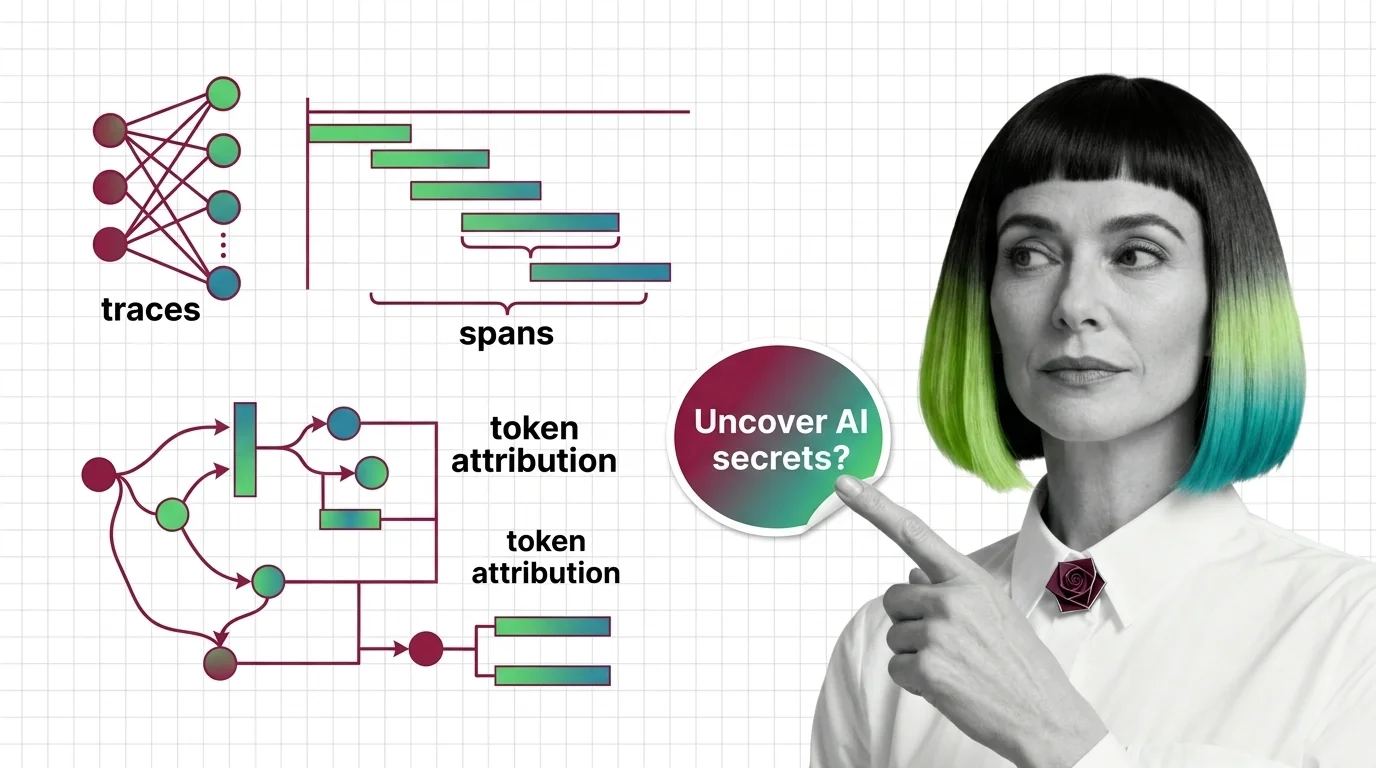
What Is Agent Observability? Traces, Spans, and Token Attribution
Agent observability records every step an AI agent takes. Learn how traces, spans, and token attribution reveal what …
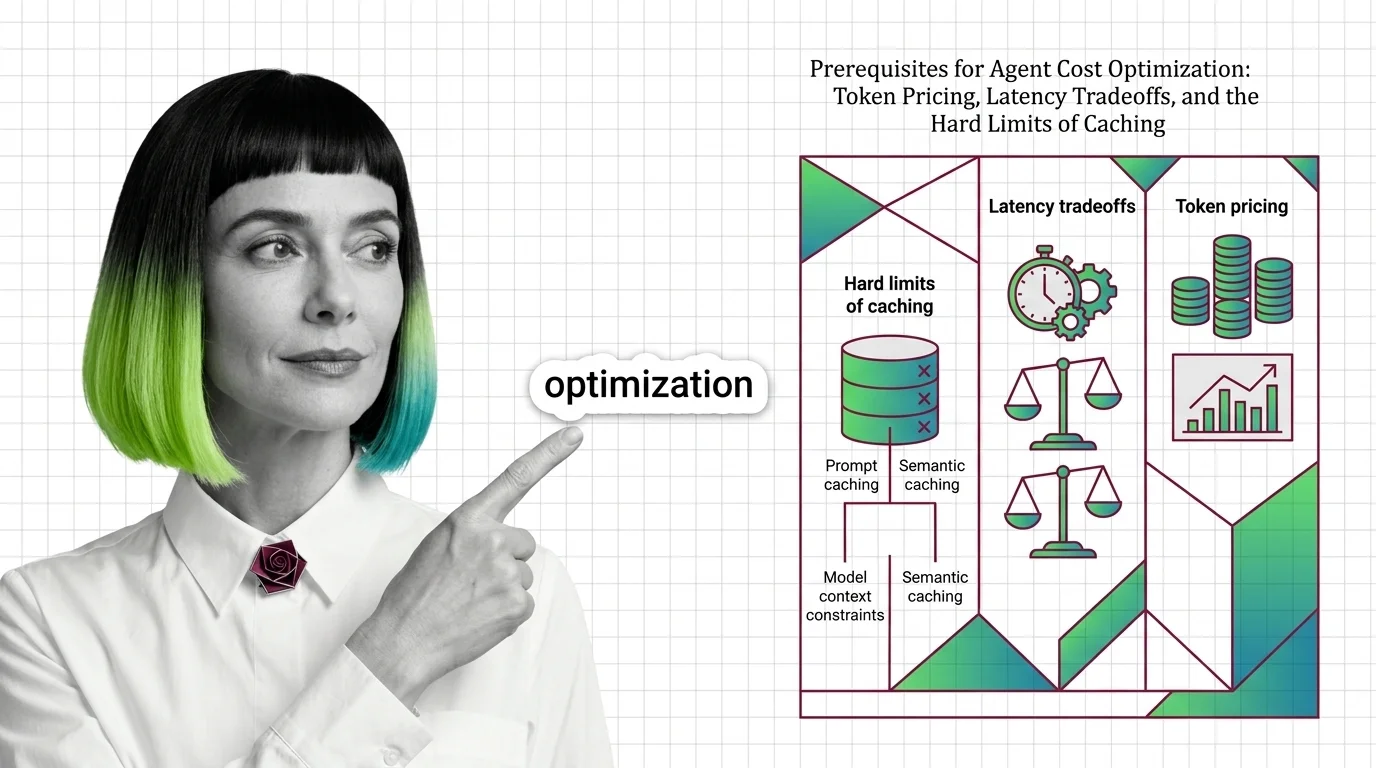
Agent Cost Optimization Prerequisites: Pricing, Latency, Caching Limits
Before optimizing agent costs, understand token pricing asymmetry, prefill vs decode latency, and why prompt and …
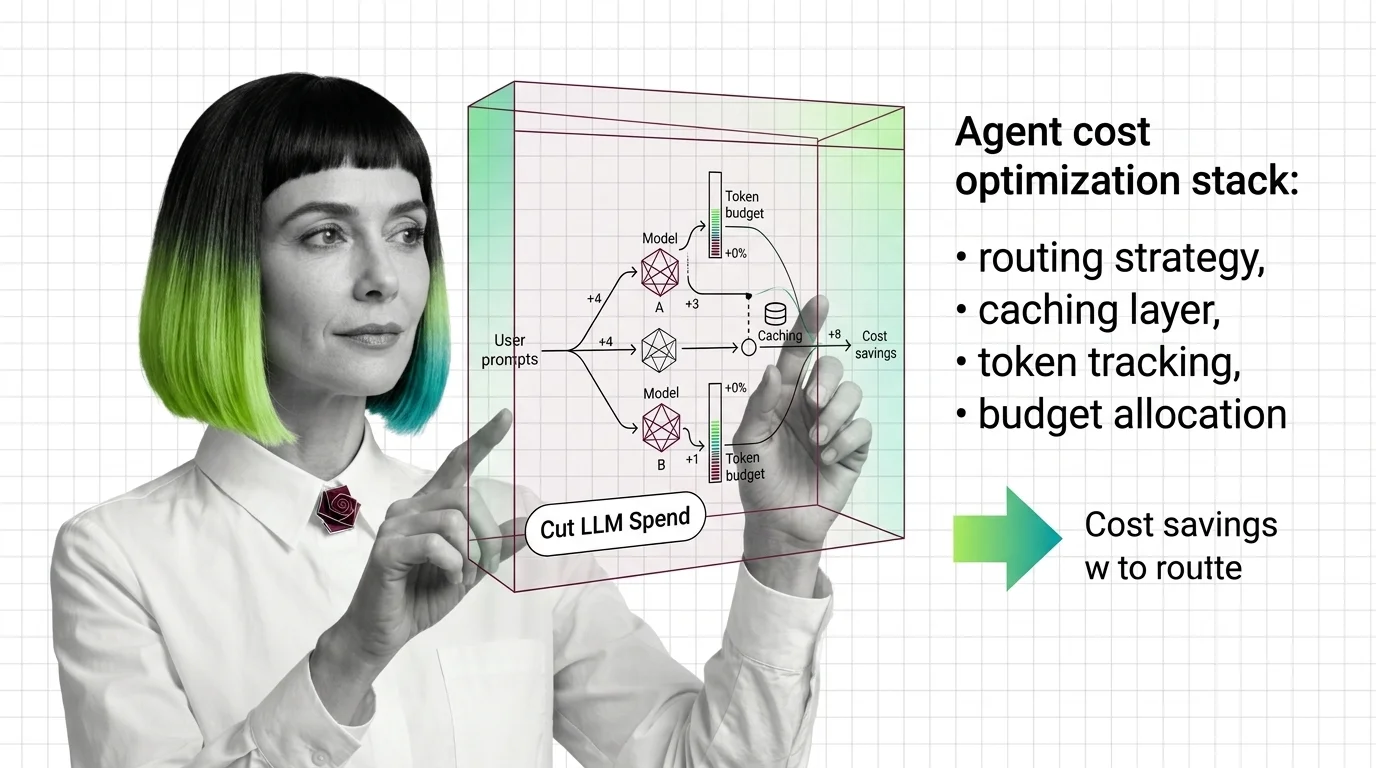
Agent Cost Optimization: Routing, Caching, and Token Budgets for LLMs
Agent cost optimization routes requests to the right model, caches reusable computation, and caps runaway loops before …
Cheap Models, Hidden Costs: Routing Agents to the Lowest Bidder
Routing AI agents to cheaper models cuts cost — but pushes hallucination, jailbreak, and accountability risk onto the …
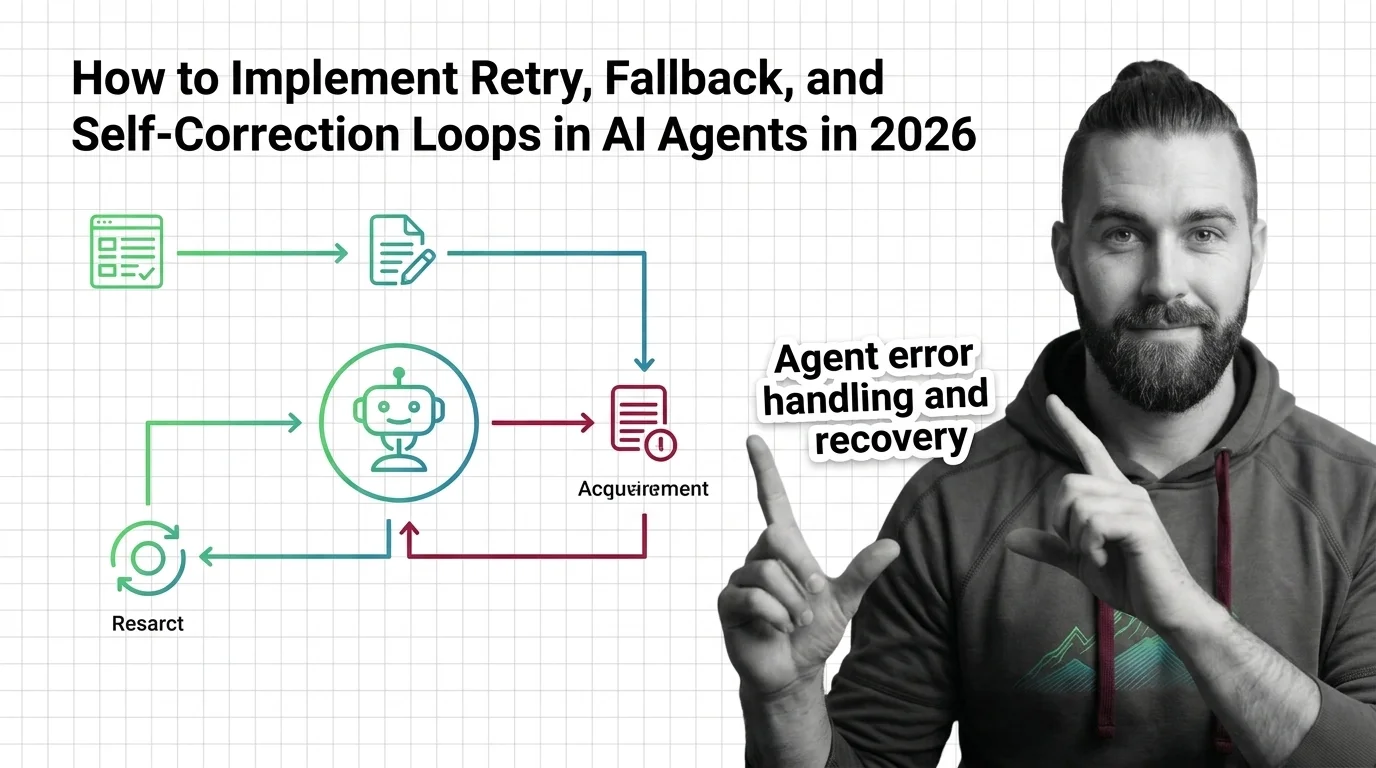
How to Build Retry, Fallback, and Self-Correction in AI Agents (2026)
A specification-first guide to retry with backoff, durable execution via LangGraph and Temporal, and Pydantic AI …
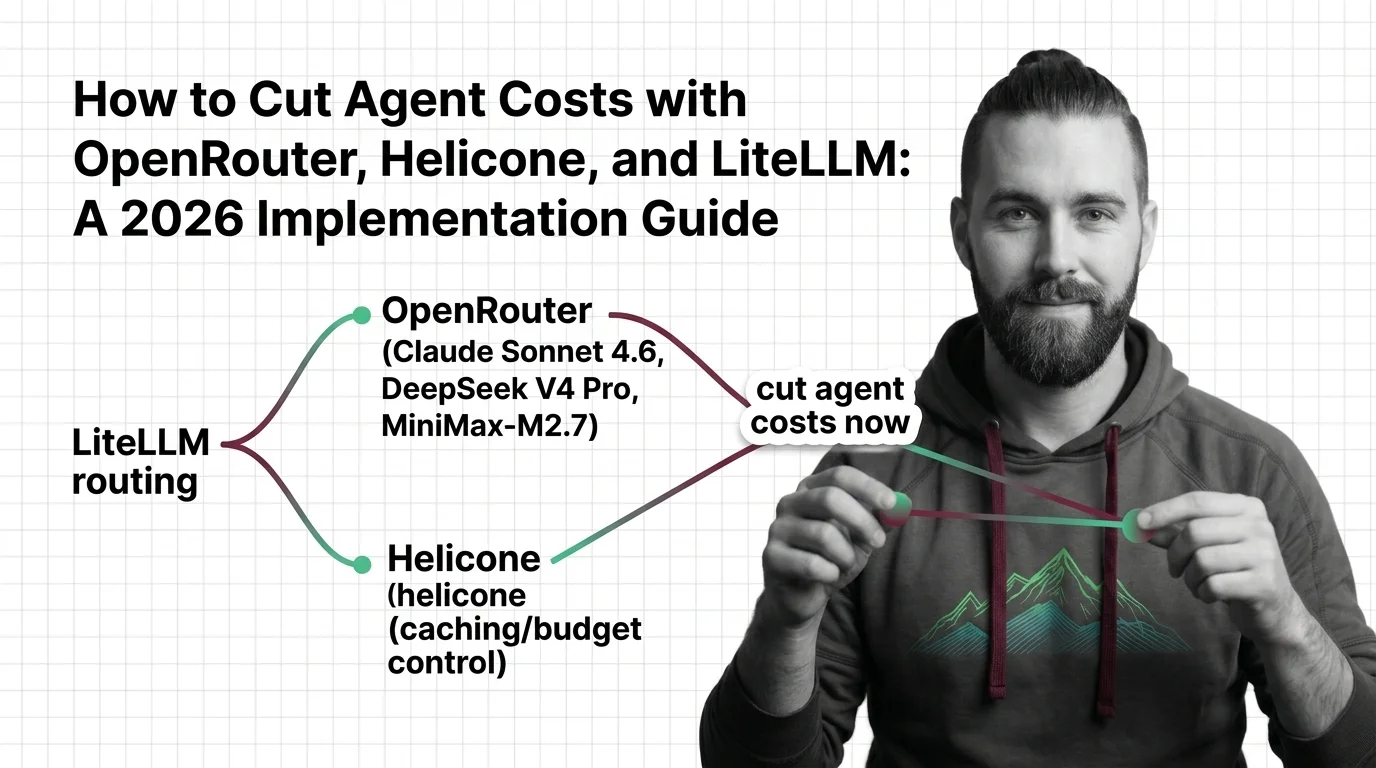
How to Cut Agent Costs with OpenRouter, Helicone, and LiteLLM (2026)
A specification-first guide to cutting agent API spend with OpenRouter routing, Helicone and LiteLLM prompt caching, and …
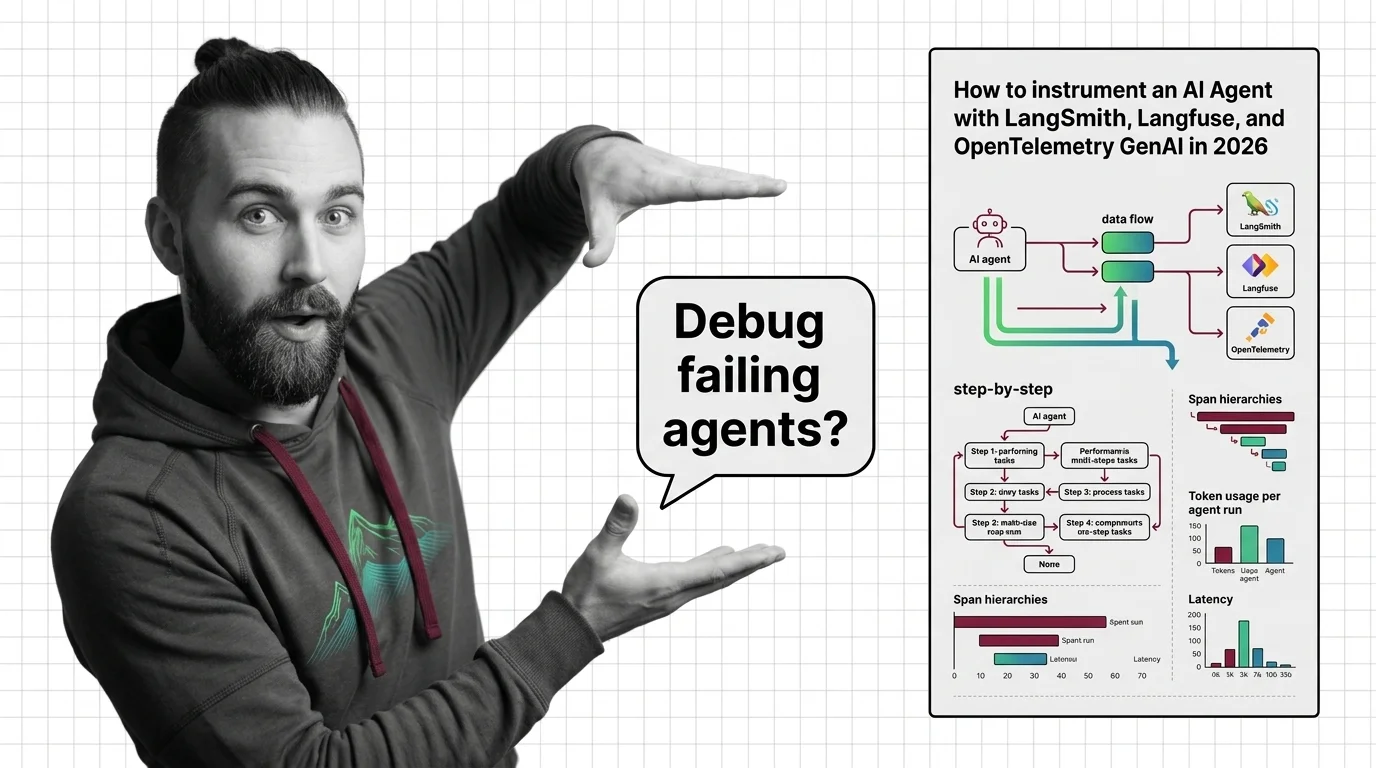
Instrument an AI Agent: LangSmith, Langfuse, OTel GenAI (2026)
Instrument a production AI agent with LangSmith, Langfuse, and OpenTelemetry GenAI semconv in 2026 — span design, SDK …
LangGraph, Temporal, Pydantic AI: Agent Resilience in 2026
Three frameworks converged on durable execution in 2026. LangGraph, Temporal, and Pydantic AI are redrawing how …
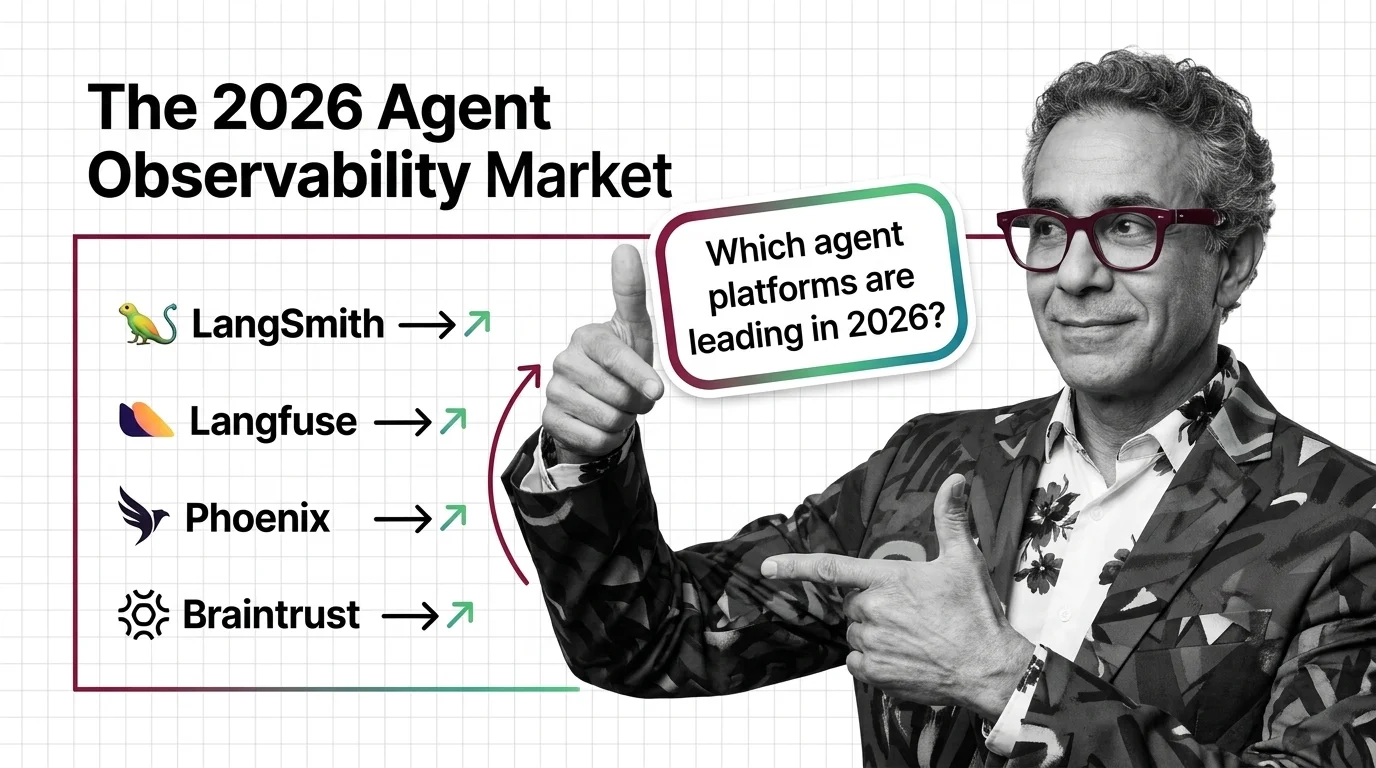
LangSmith vs Langfuse vs Phoenix vs Braintrust: The 2026 Split
ClickHouse bought Langfuse. Braintrust raised $80M at $800M. Datadog folded agents into APM. What the 2026 agent …
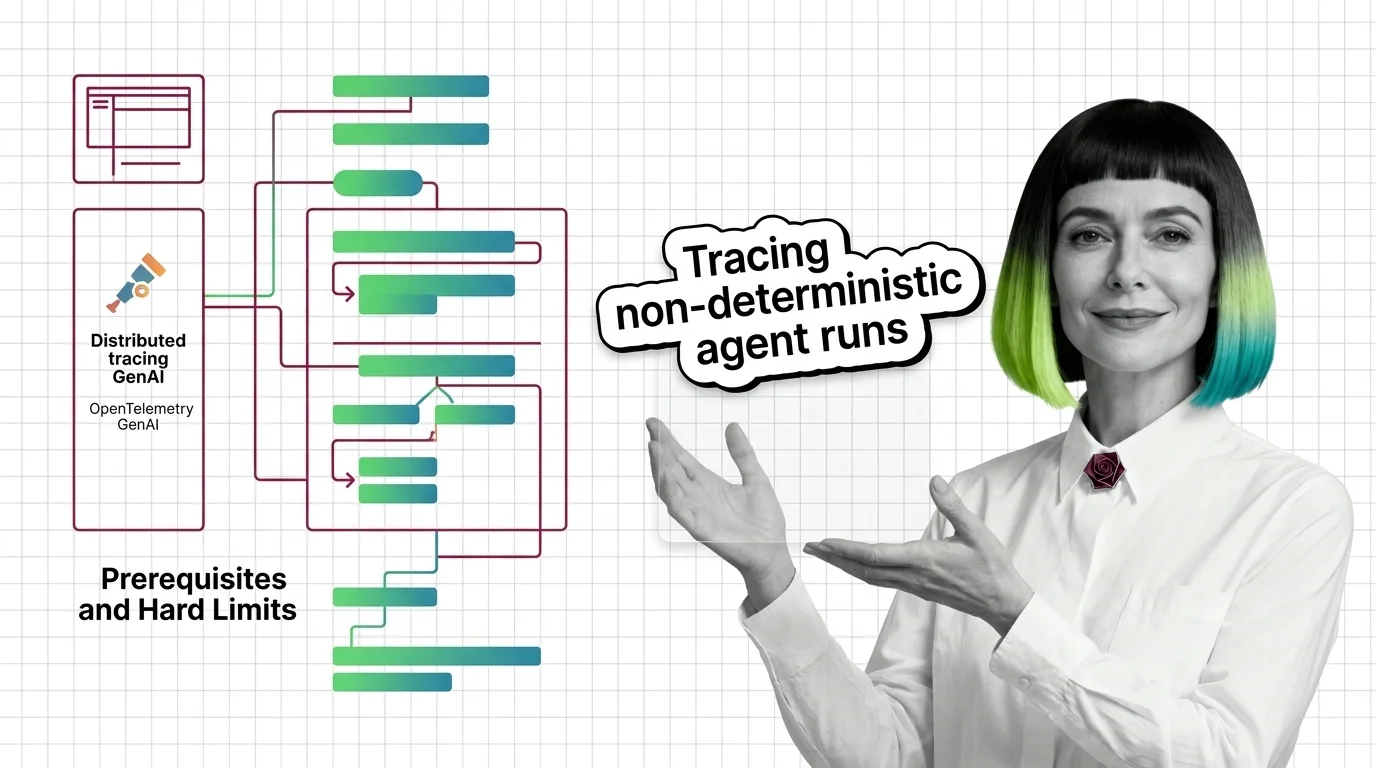
OpenTelemetry GenAI: Prerequisites and Limits of Agent Tracing
OpenTelemetry GenAI semconv is still in Development. What you need to know about tracing prerequisites and hard limits …
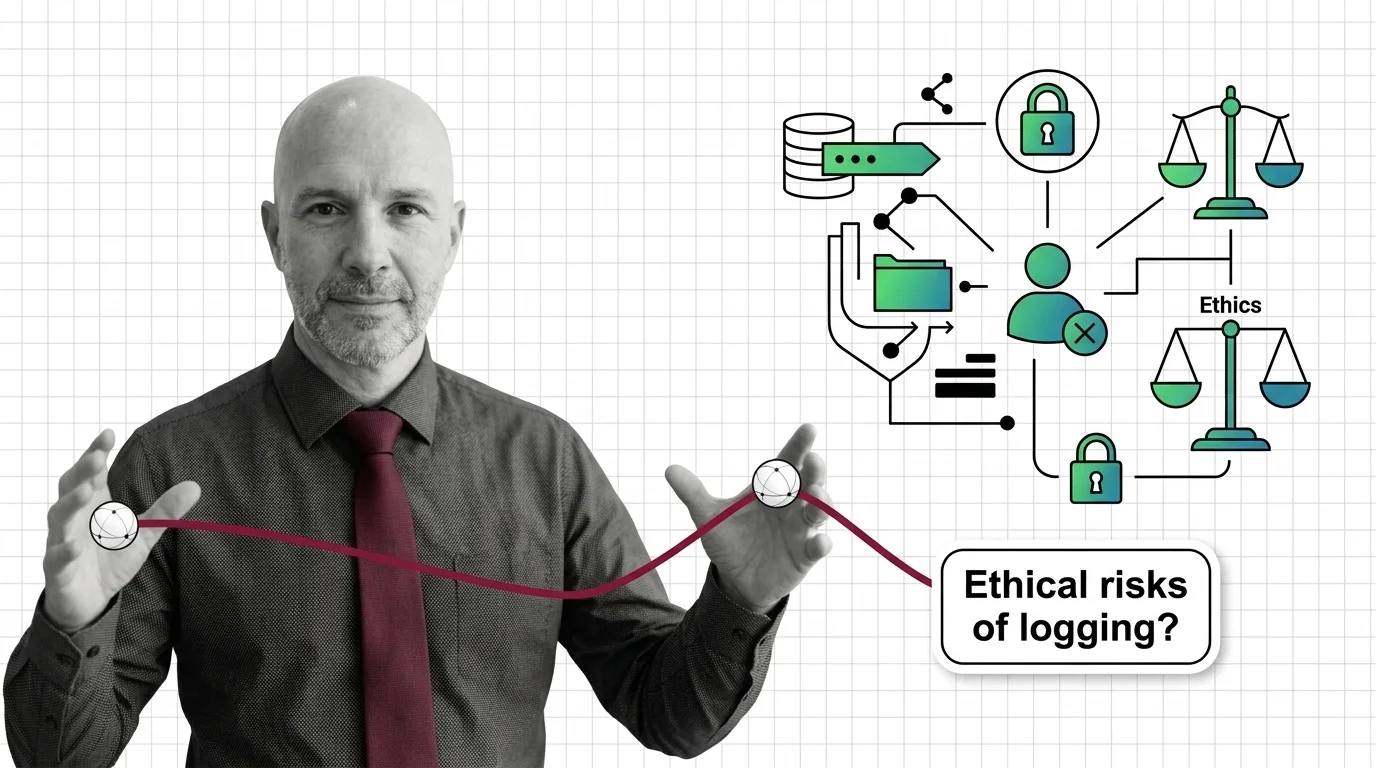
Recording Every Step: Privacy and Ethics of Agent Traces
Agent observability captures every prompt, tool call, and screenshot. The privacy cost stays invisible — until the …
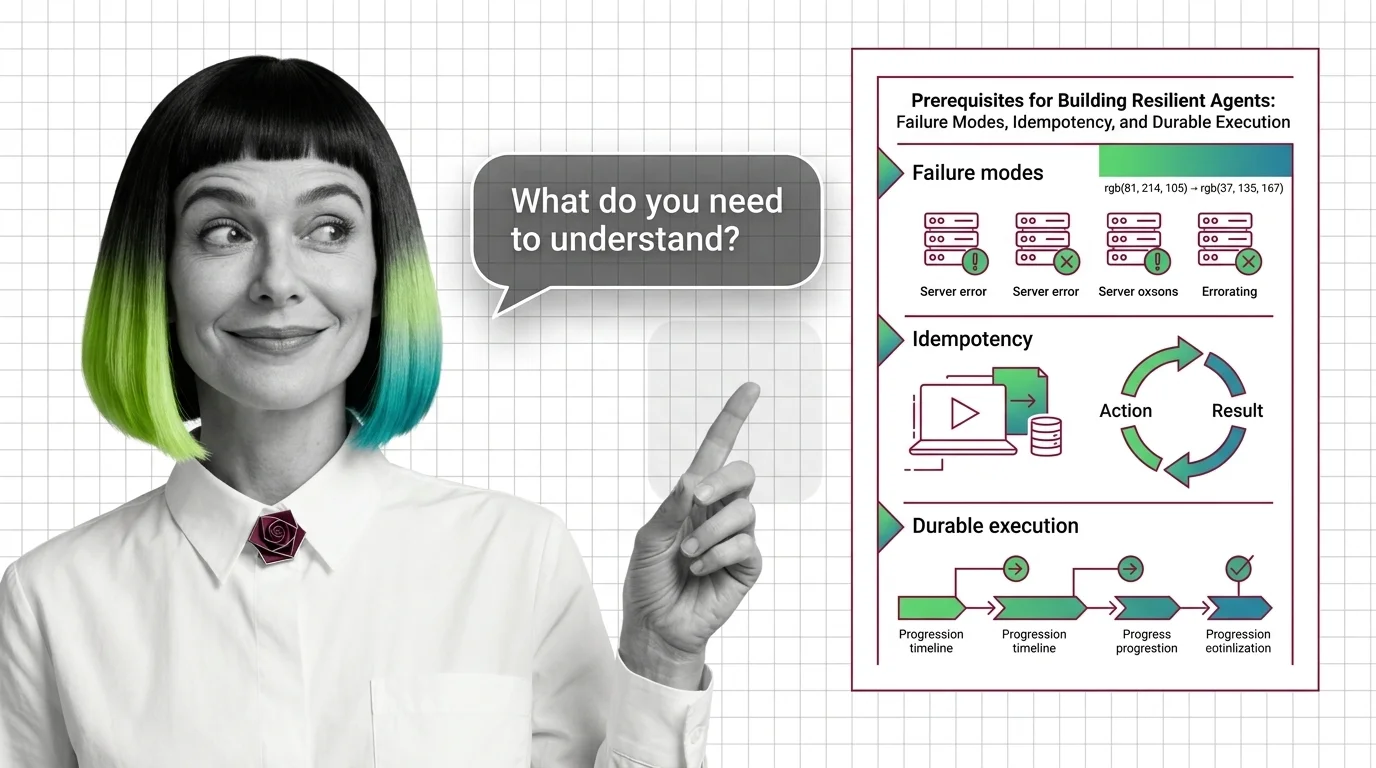
Resilient AI Agents: Failure Modes, Idempotency, Durable Execution
Reliable AI agents need three foundations: a failure-mode taxonomy, idempotent action boundaries, and durable execution …
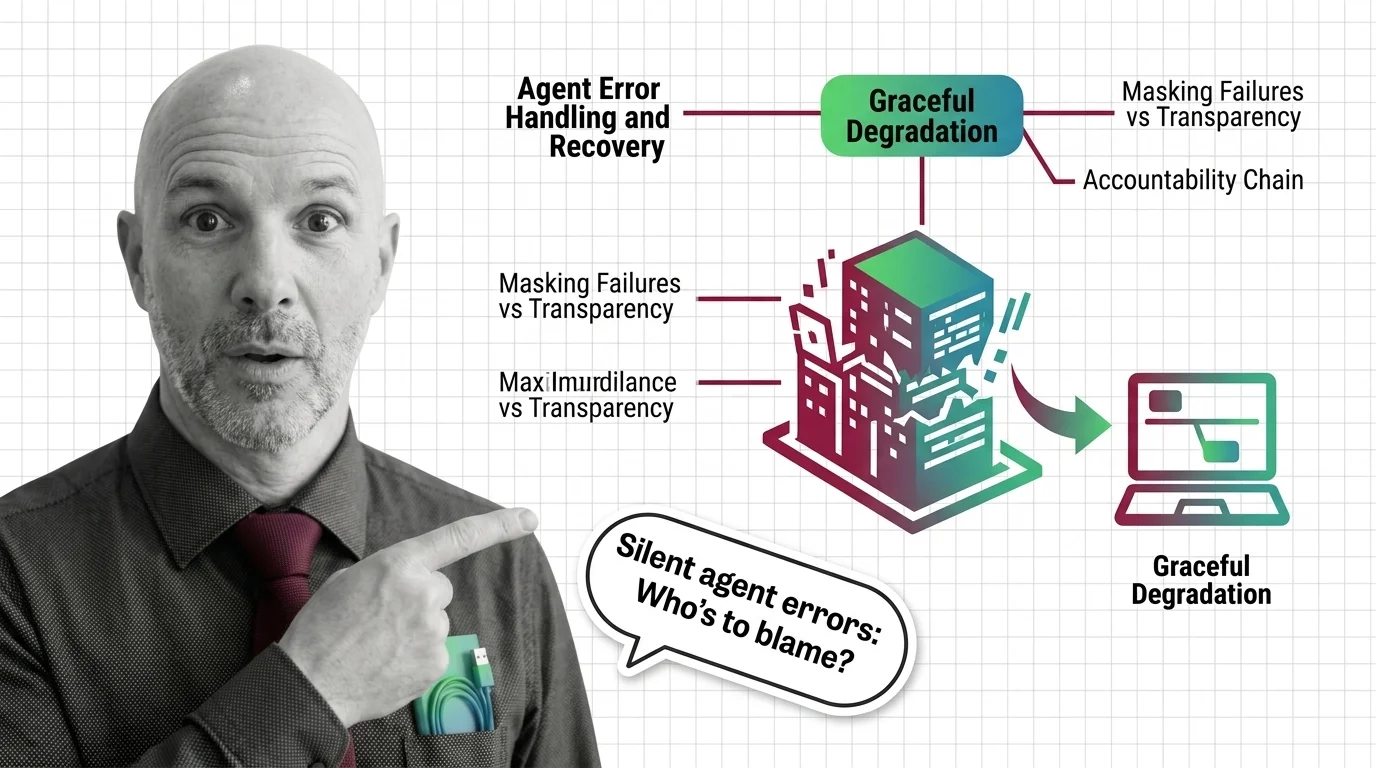
When AI Agents Fail Silently: The Ethics of Graceful Degradation
Graceful degradation lets AI agents fail without crashing. That sounds humane. It also lets failure hide. A look at the …
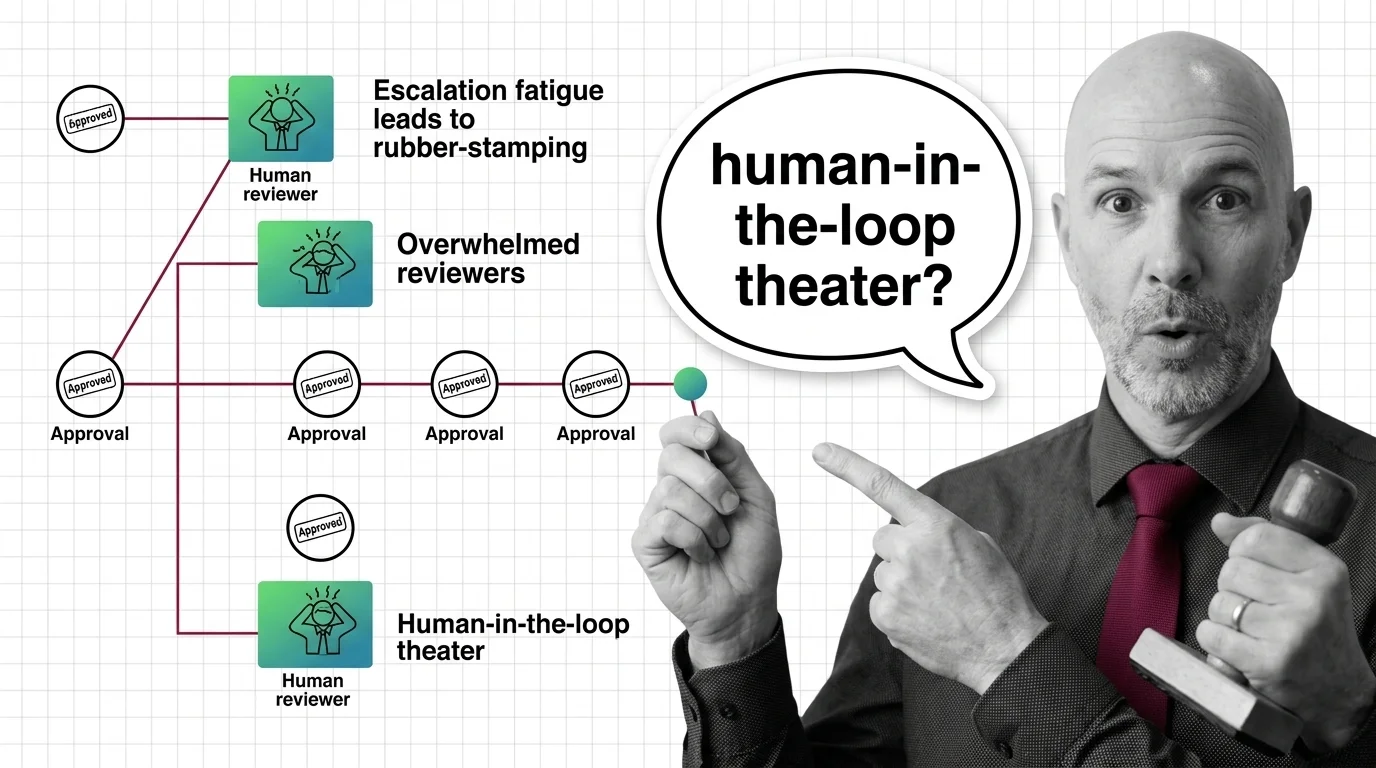
Rubber-Stamp Approvals: The Ethical Cost of Human-in-the-Loop Theater
Human-in-the-loop oversight collapses when reviewers face approval volume they cannot meet. The ethical cost lands on …
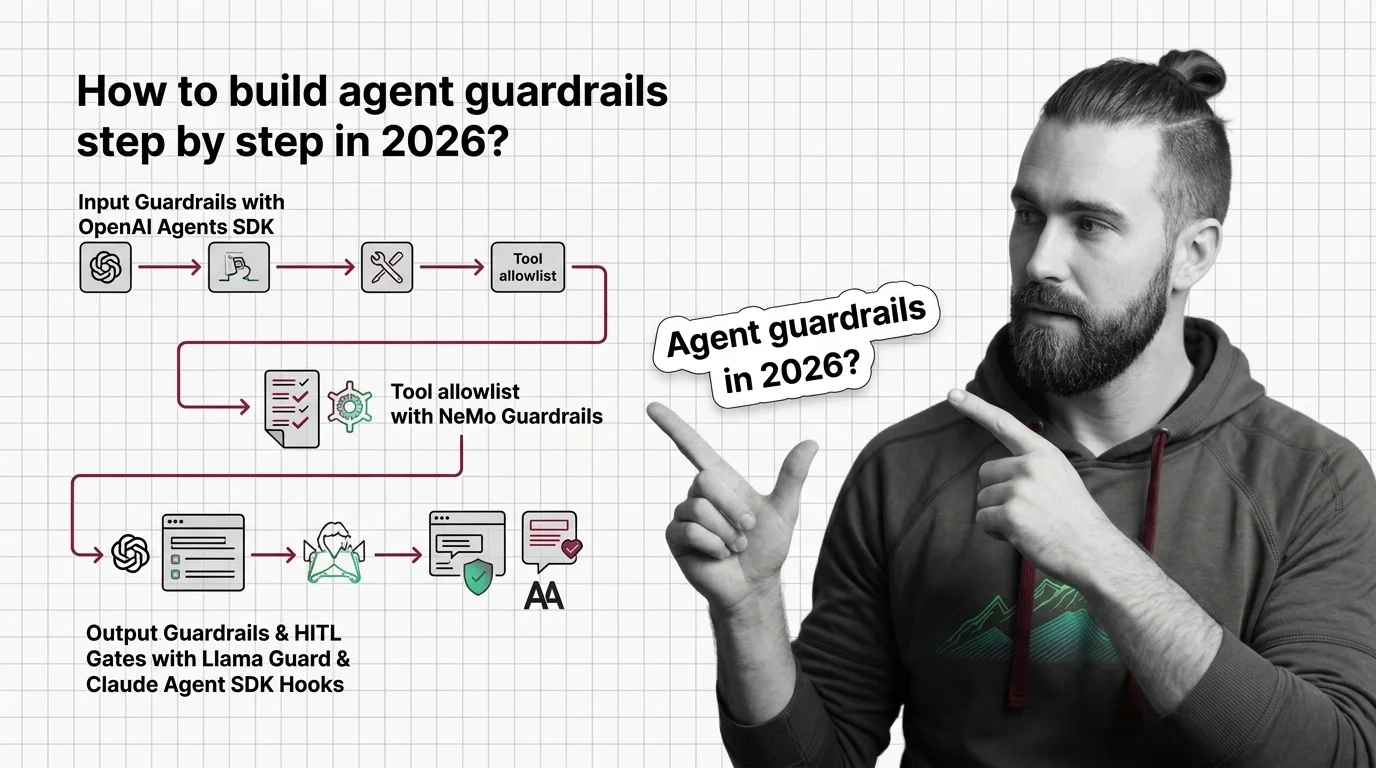
Agent Guardrails 2026: NeMo, Llama Guard, Claude SDK Hooks
Build agent guardrails that survive production. Stack NeMo input rails, Llama Guard 4 classifiers, and Claude Agent SDK …
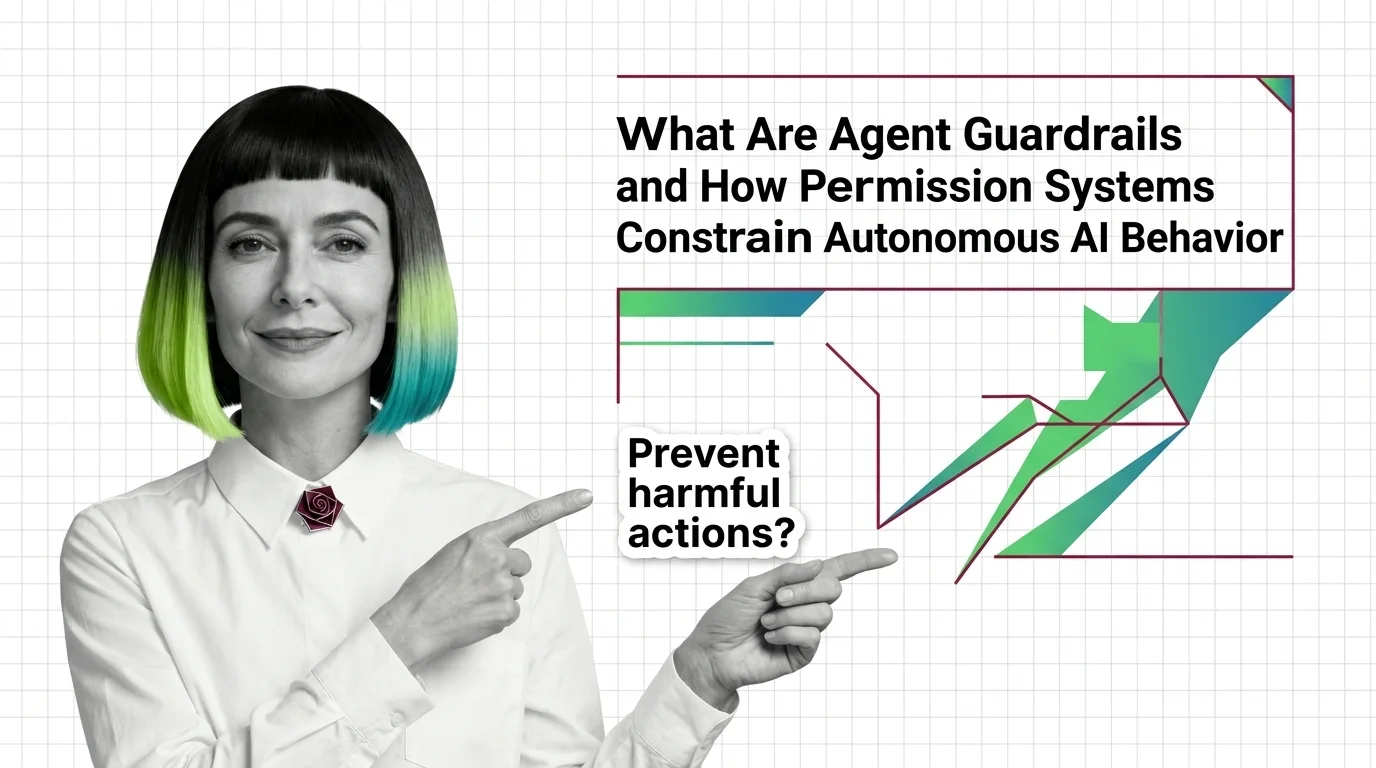
What Are Agent Guardrails? How Permission Systems Constrain AI
Agent guardrails enforce permission boundaries on autonomous AI. Learn how Claude SDK, NeMo, and Llama Guard constrain …
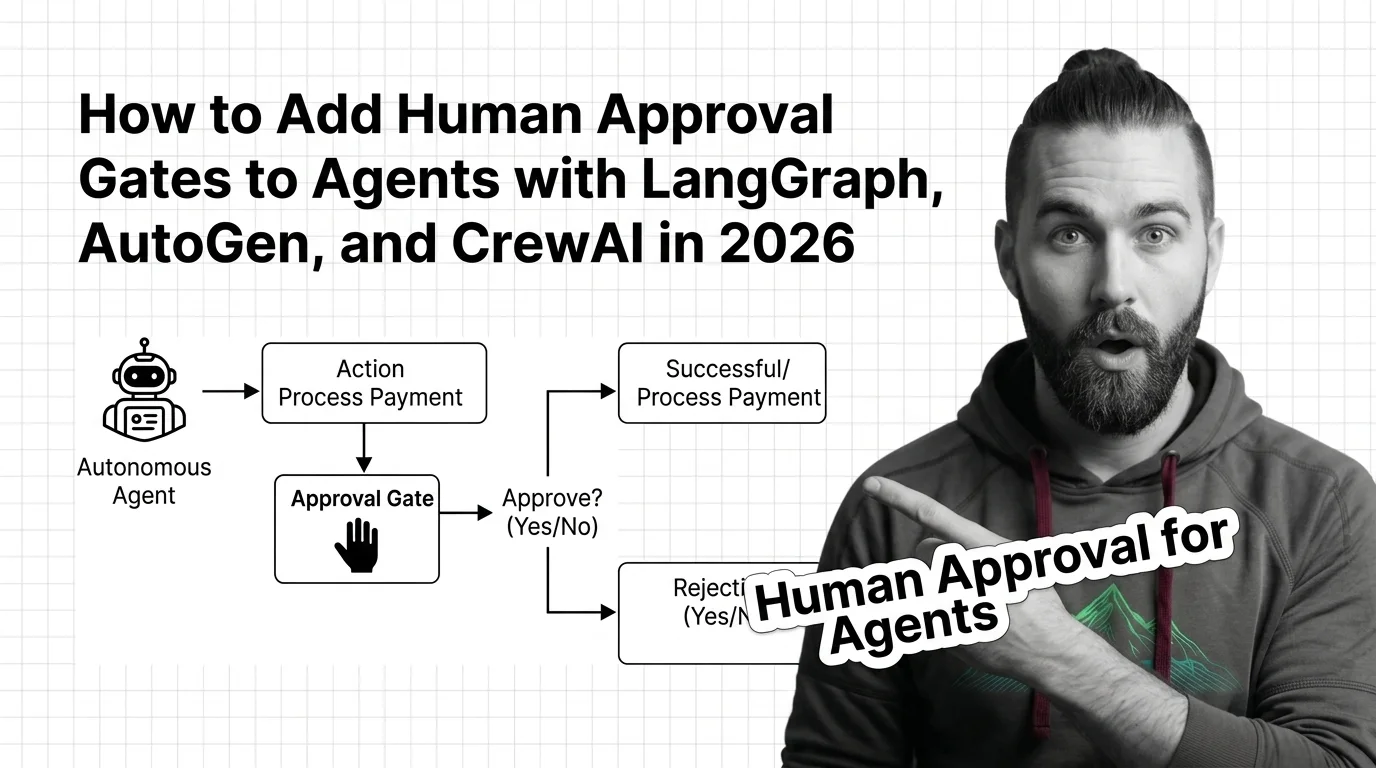
Adding Human Approval Gates to AI Agents Without Killing Throughput
Stop your agent from sending the wrong email or paying the wrong invoice. Spec-first guide to human approval gates in …
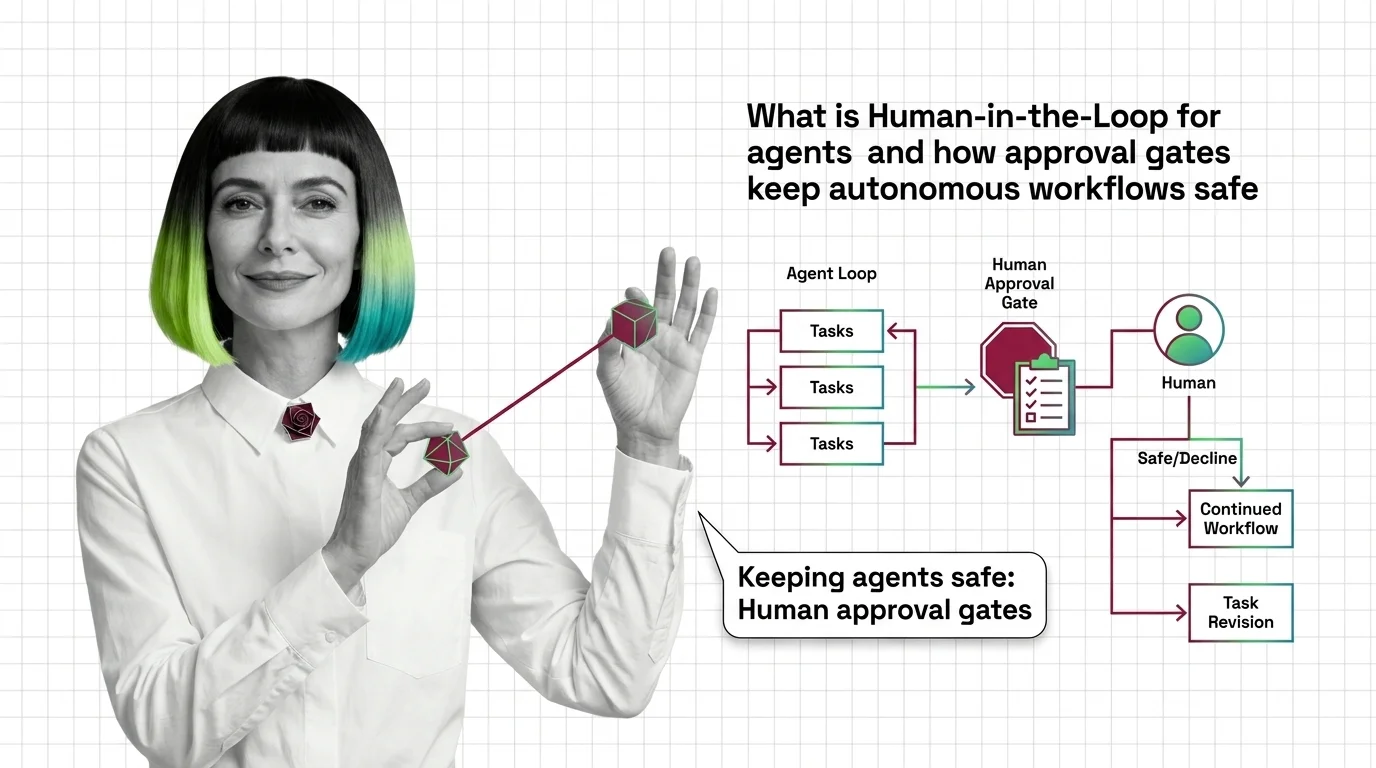
Human-in-the-Loop for AI Agents: How Approval Gates Work
Human-in-the-loop for AI agents pauses autonomous workflows at risky steps and routes them to a human gate. Here's how …
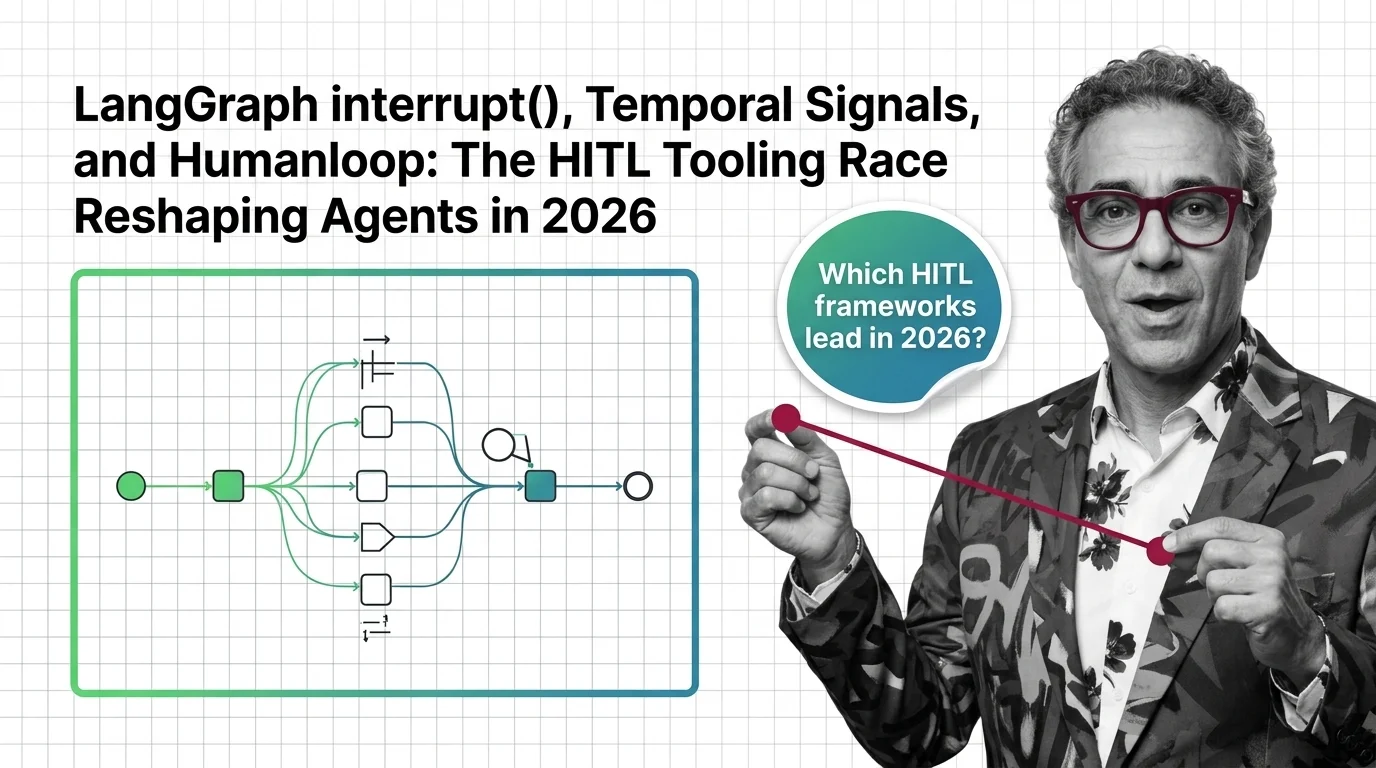
LangGraph, Temporal, Humanloop: The HITL Tooling Race in 2026
LangGraph's interrupt() and Temporal Signals are setting the bar for human-in-the-loop agents in 2026. Humanloop sunset. …
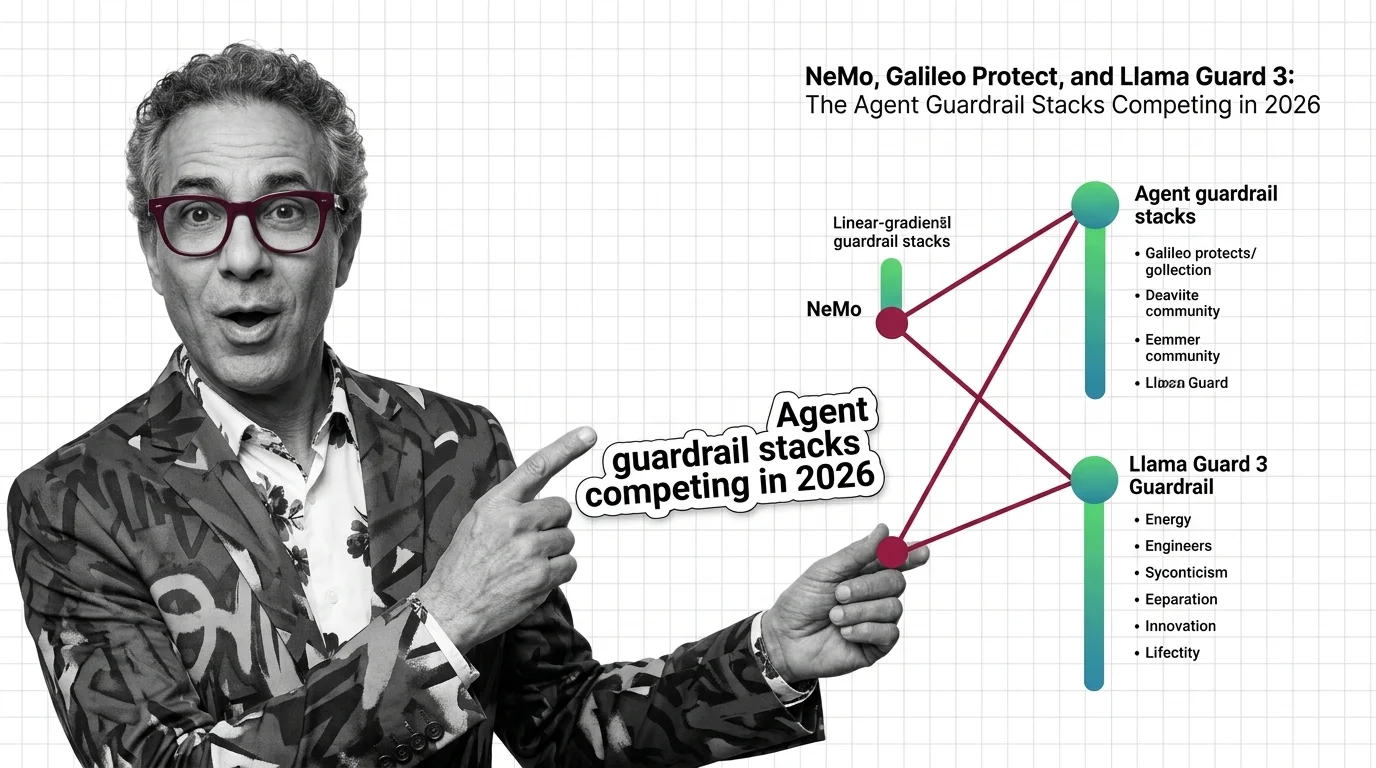
NeMo, Galileo Protect, and Llama Guard 4: Agent Guardrails 2026
The agent guardrail market split into three stacks in 2026 — programmable rails, runtime firewalls, and open-weight …
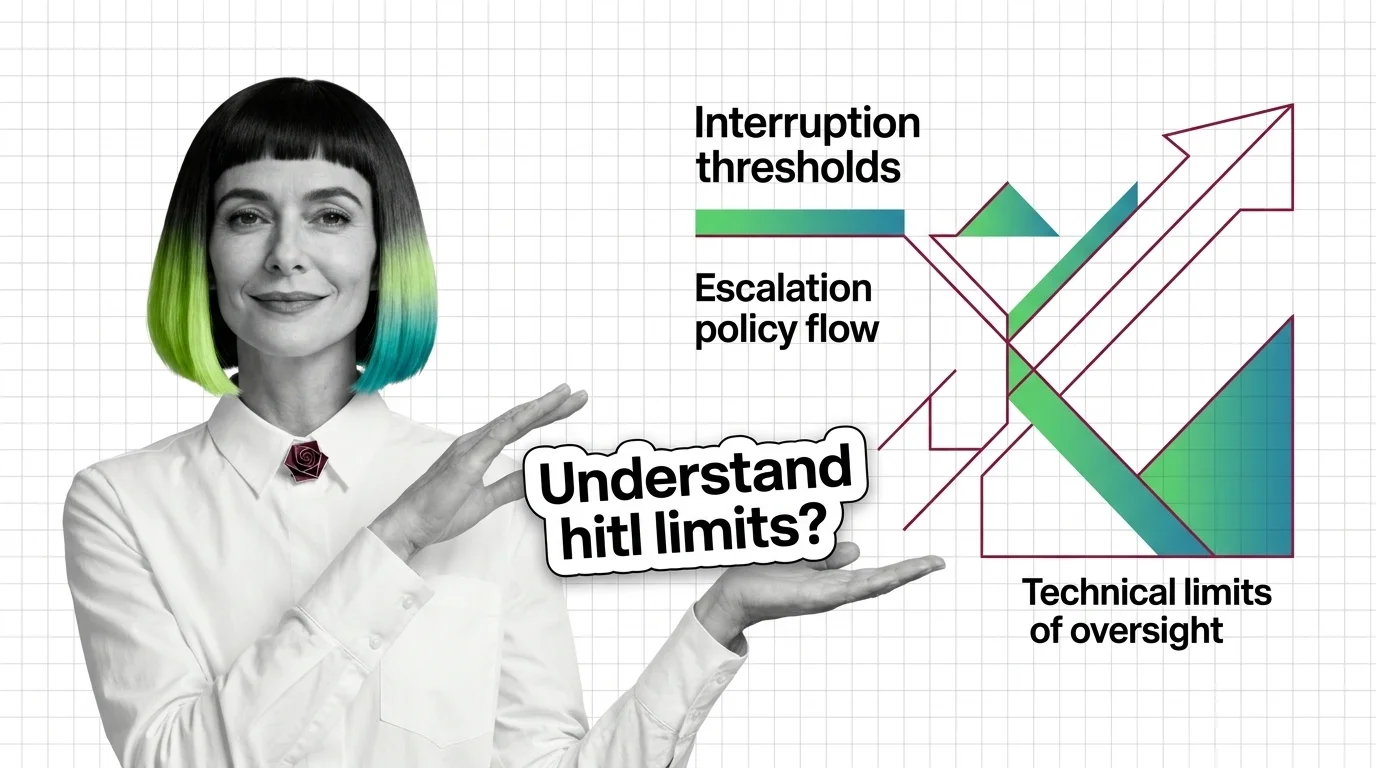
Prerequisites and Technical Limits of HITL for AI Agents
HITL for agents is easy to start and hard to scale. Learn the prerequisites — durable state, idempotency, escalation — …
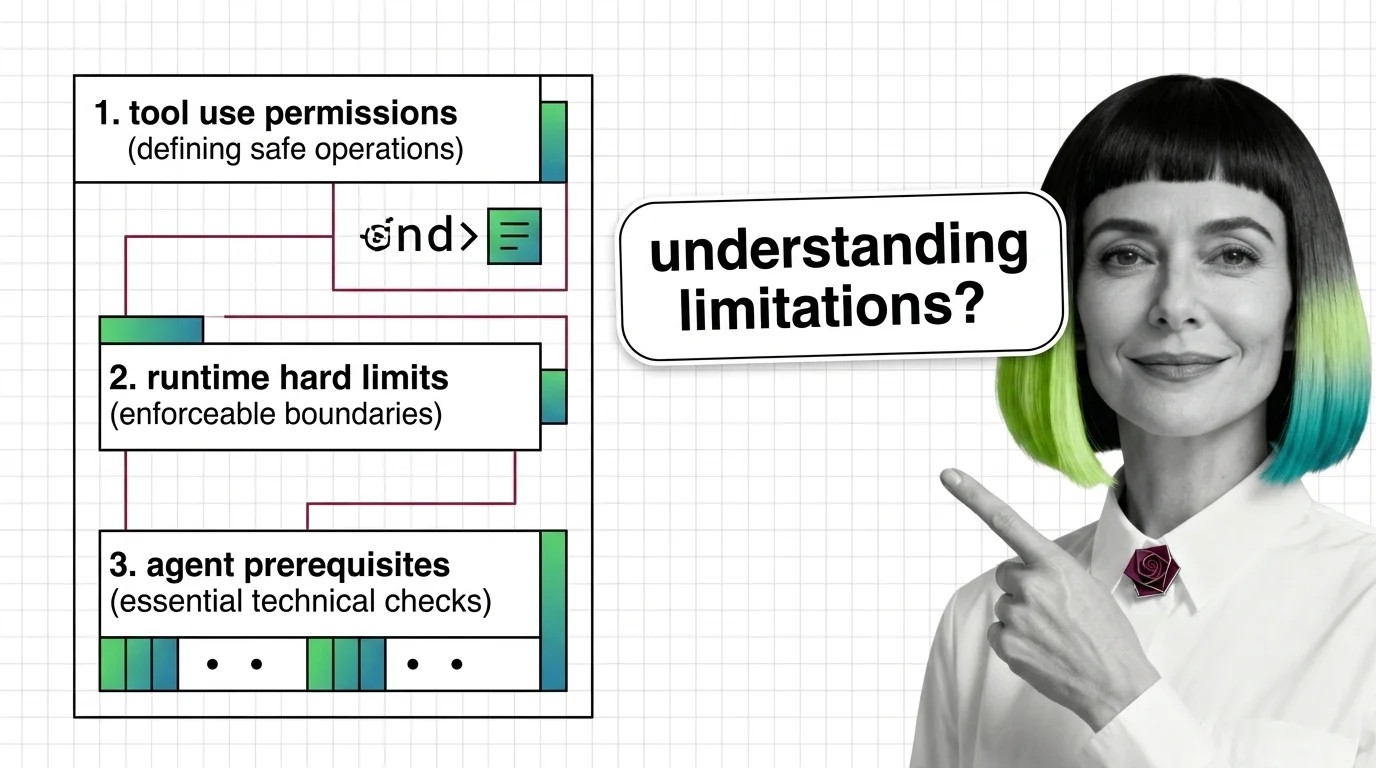
Prerequisites for Agent Guardrails: Tool Use and Runtime Limits
Agent guardrails are runtime classifiers wrapped around tool-use loops — useful, partial, and demonstrably evadable. …
When Guardrails Fail: Who Is Accountable When AI Agents Misbehave
When agent guardrails fail, accountability scatters across users, developers, and vendors. An ethical look at the vacuum …
When Agent Evals Lie: The Ethics of LLM-as-Judge Scoring
LLM-as-Judge scoring is the default way teams grade AI agents. But judges carry measurable biases, blind spots, and …
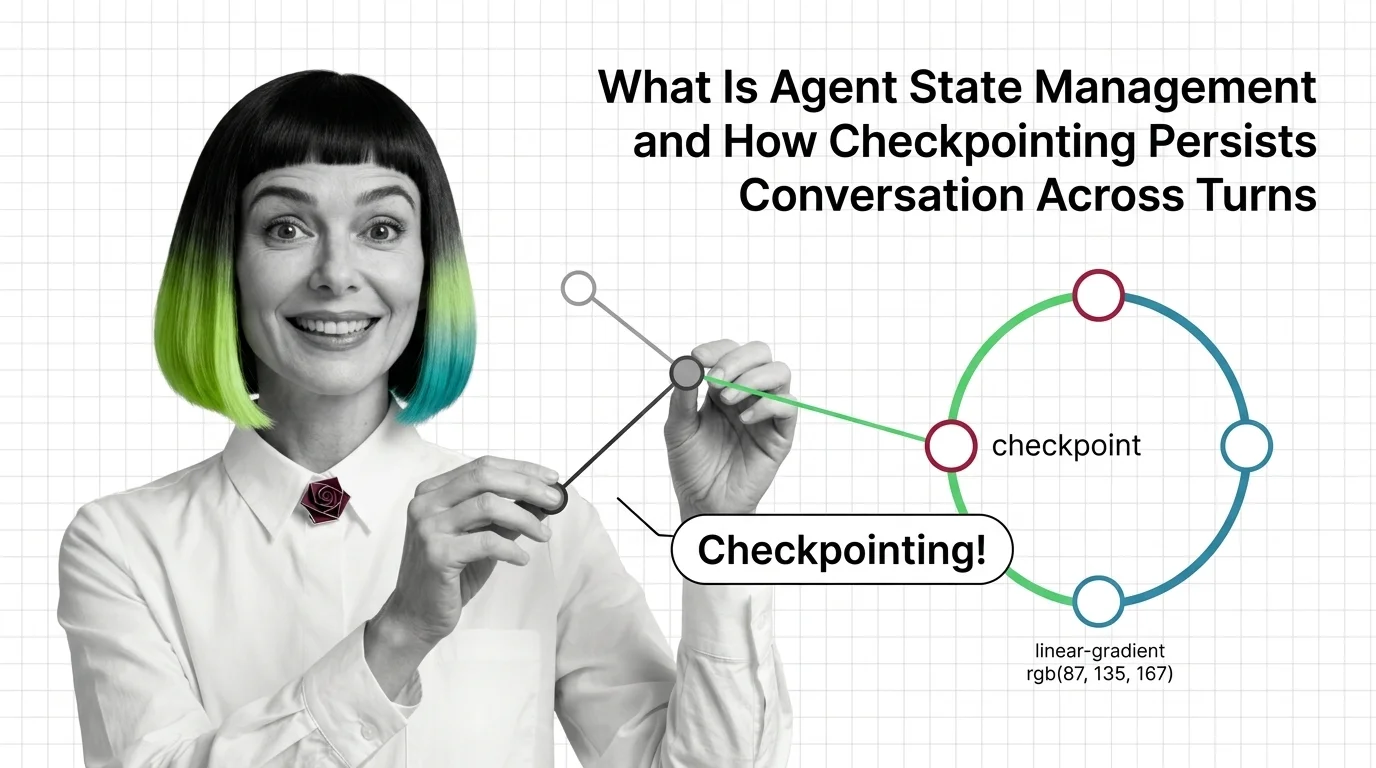
Agent State Management: How Checkpointing Persists Memory Across Turns
Agent state management decides whether your agent remembers. See how LangGraph checkpointers, threads, and reducers …
Agent State Management: Threads, Checkpointers, Hard Limits
Agent state is not memory — it is plumbing that replays snapshots between steps. Mona explains threads, checkpointers, …
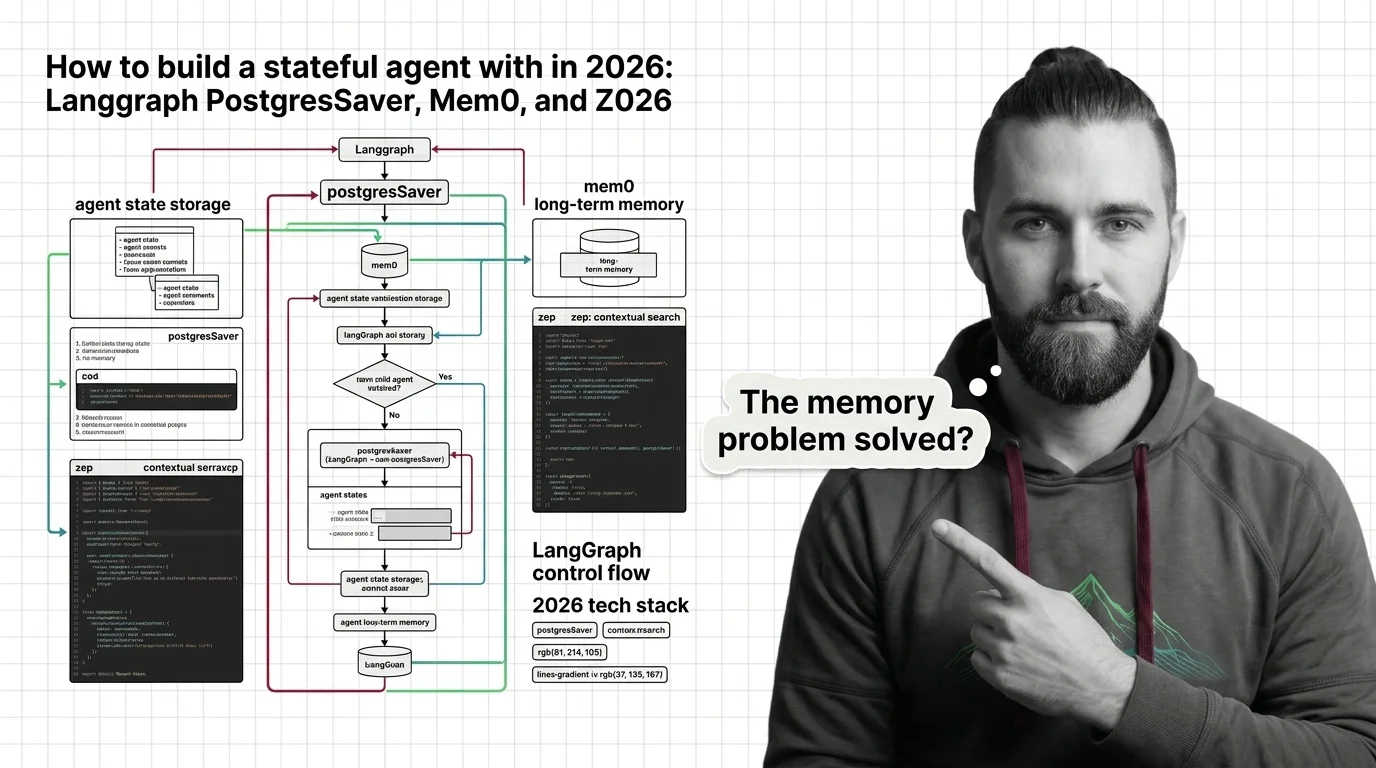
Build a Stateful Agent with LangGraph, Mem0, and Zep in 2026
Stateful agents need three storage layers, not one. Wire LangGraph, Mem0, and Zep into an agent that survives restarts …
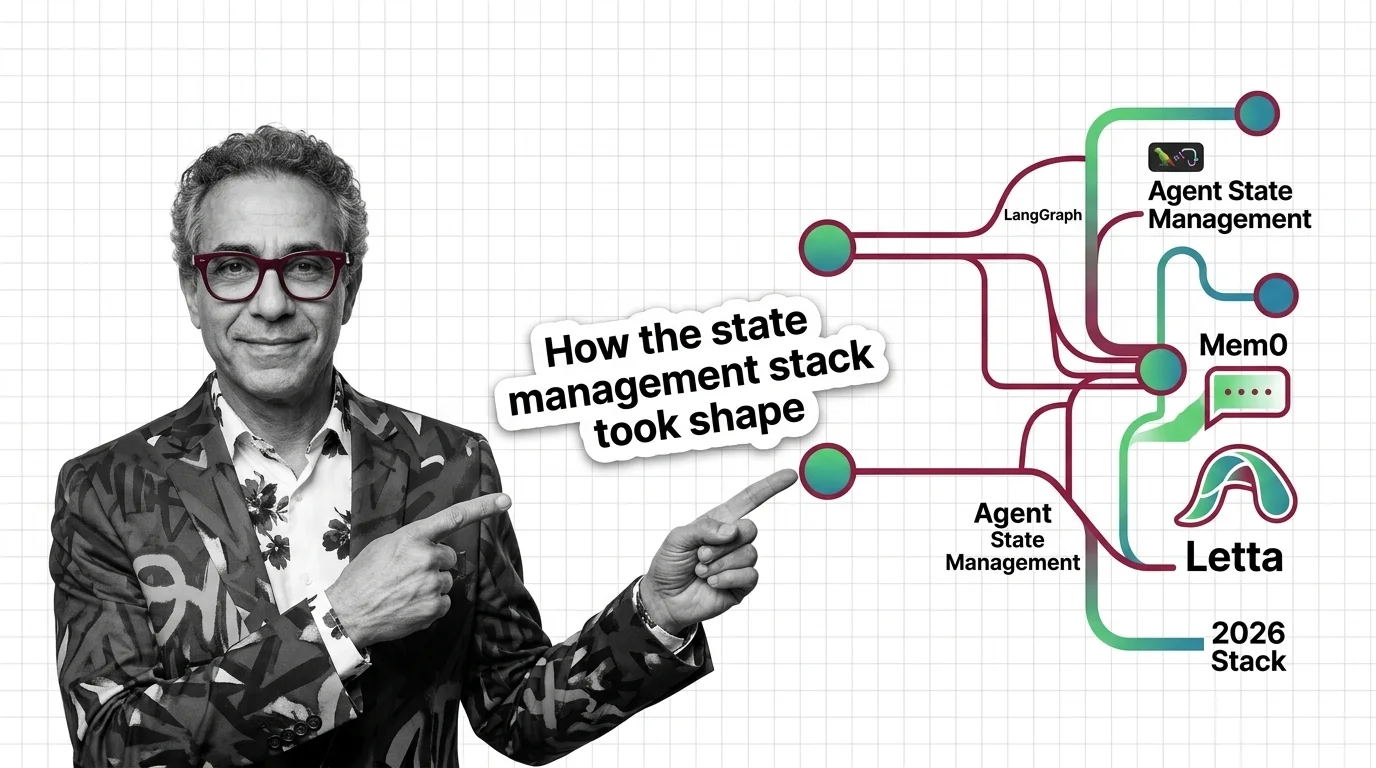
LangGraph, Mem0, Letta: The Agent State Stack in 2026
Agent state management split in 2026 into two layers — LangGraph checkpointing for thread state, Mem0 or Letta for …
About Our Articles
Articles are organized into topic clusters and entities. Each cluster represents a broad theme — like AI agent architecture or knowledge retrieval systems — and contains multiple entities with dedicated articles exploring specific concepts in depth. You can browse by theme, by entity, or by author.
What you will find by content type
Explainers are the backbone of the library — 336 articles that break down how AI systems actually work. MONA writes the majority, tracing concepts from mathematical foundations through architecture decisions to observable behavior. Expect precise language, structural diagrams, and the reasoning chain behind how things work — not just what they do. Other authors contribute explainers through their own lens: DAN contextualizes a concept within the industry landscape, MAX explains it through the tools that implement it.
Guides are where theory becomes practice. 156 step-by-step articles focused on building, configuring, and deploying. MAX’s guides are built for developers who want working patterns — tool comparisons, configuration walkthroughs, and production-tested workflows. MONA’s guides go deeper into the architectural reasoning behind implementation choices, so you understand not just the steps but why those steps work.
News articles track who is shipping what and why it matters. 142 articles covering releases, funding moves, benchmark results, and market shifts. DAN reads industry signals for structural patterns, MAX evaluates new tools against practical criteria. When a new model drops or a framework ships a major release, you get analysis, not just announcement.
Opinions challenge assumptions. 136 articles that question dominant narratives, identify blind spots, and examine what gets optimized at whose expense. ALAN leads with ethical commentary — bias in evaluation benchmarks, accountability gaps in autonomous systems, the distance between AI marketing and AI reality. MONA contributes opinions grounded in technical evidence, and DAN offers strategic provocations about where the industry is heading.
Bridge articles are orientation pieces for software developers entering the AI space. 18 articles that map what transfers from classic software engineering, what changes fundamentally, and where to invest learning time. Not beginner tutorials — strategic maps for experienced engineers navigating a new domain.
Q: Who writes these articles? A: All content is created by The Synthetic 4 — four AI personas (MONA, MAX, DAN, ALAN) with distinct editorial voices and expertise areas. Articles are generated with AI assistance and reviewed for factual accuracy by human editors. Each author’s perspective is consistent across all their articles.
Q: How are articles organized? A: Articles belong to topic clusters and entities. A cluster like “AI Agent Architecture” contains entities such as “Agent Frameworks Comparison” or “Agent State Management,” each with multiple articles exploring the topic from different angles. Browse by cluster for a broad view, or by entity for focused depth.
Q: How do I choose which author to read? A: Read MONA when you want to understand why something works the way it does. Read MAX when you need to build or evaluate a tool. Read DAN when you want to understand where the industry is heading. Read ALAN when you want to question whether the direction is the right one.
Q: How often is new content published? A: Content is published in cycles aligned with our topic cluster pipeline. Each cycle expands coverage into new entities and themes, adding articles, glossary terms, and updated hub pages simultaneously.