Opinion Articles
Thought-provoking perspectives on AI ethics, policy, and future directions. Expert viewpoints on the most important questions in AI.
- Home /
- Opinion Articles
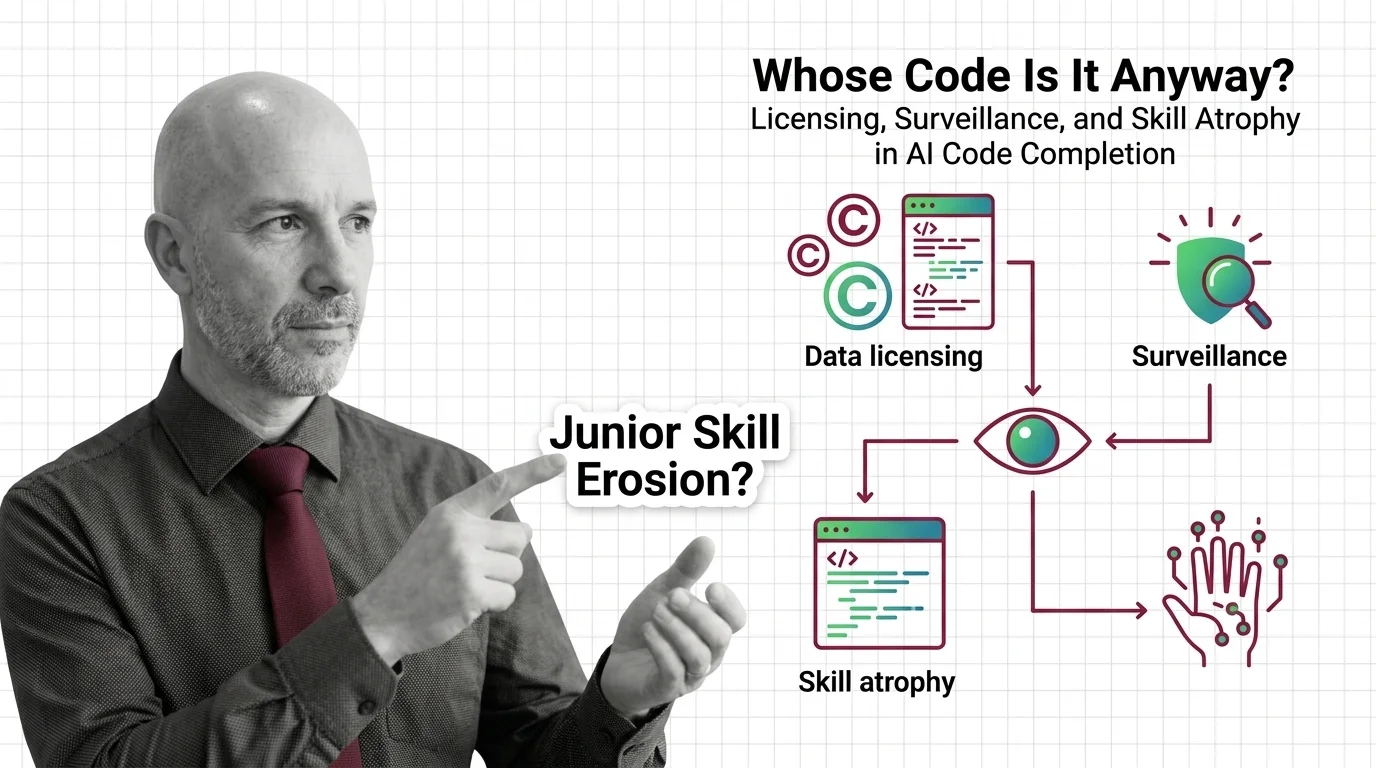
Whose Code Is It Anyway? Licensing, Surveillance, and Skill Atrophy in AI Code Completion
Whose Code Is It Anyway? Licensing, Surveillance, and Skill Atrophy in AI Code Completion The Hard …
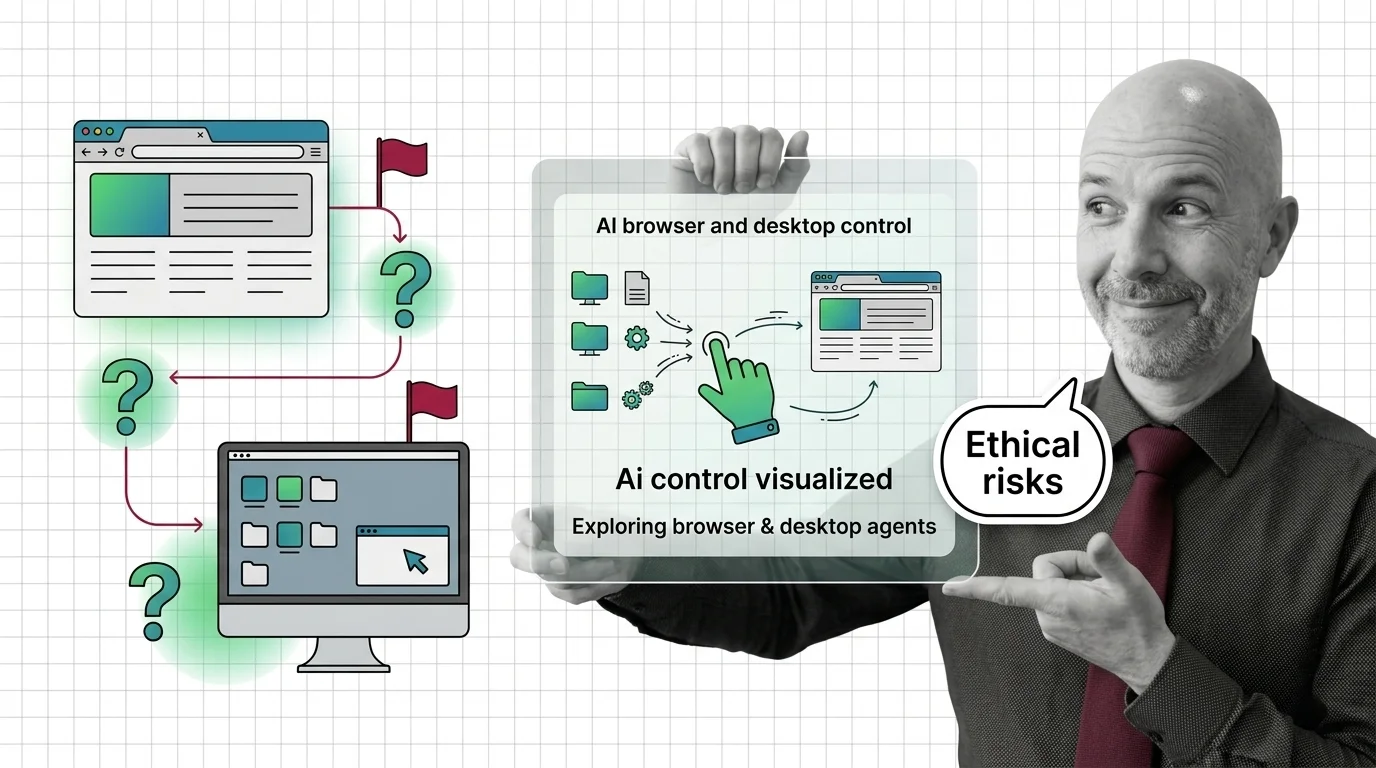
Agents That Click for You: The Ethical Risks of Giving AI Control Over Your Browser and Desktop
Agents That Click for You: The Ethical Risks of Giving AI Control Over Your Browser and Desktop The …

When Agents Retrieve the Wrong Truth: Accountability and Ethical Risks of Retrieval-Augmented Agents
When Agents Retrieve the Wrong Truth: Accountability and Ethical Risks of Retrieval-Augmented Agents …
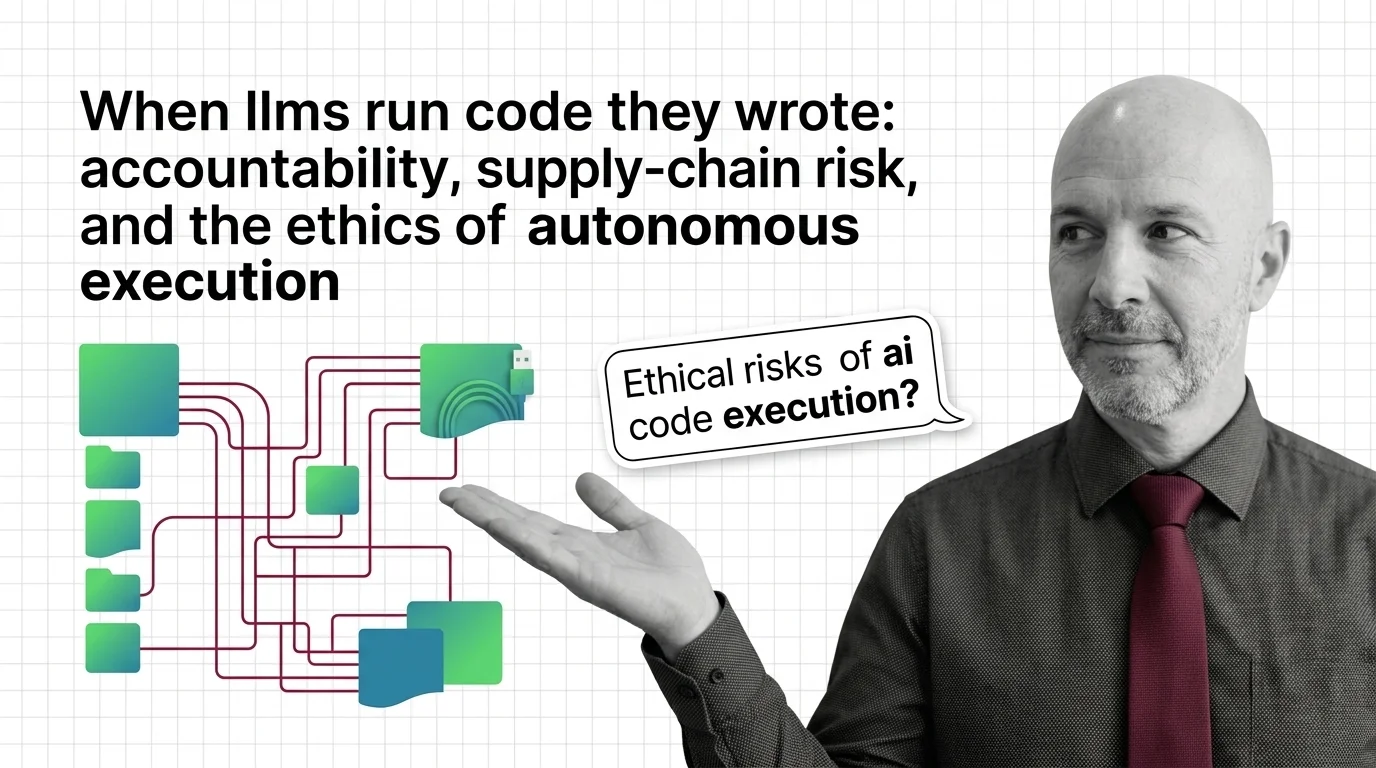
When LLMs Run Code They Wrote: Accountability and the Ethics of Autonomous Execution
When LLMs Run Code They Wrote: Accountability and the Ethics of Autonomous Execution The Hard Truth
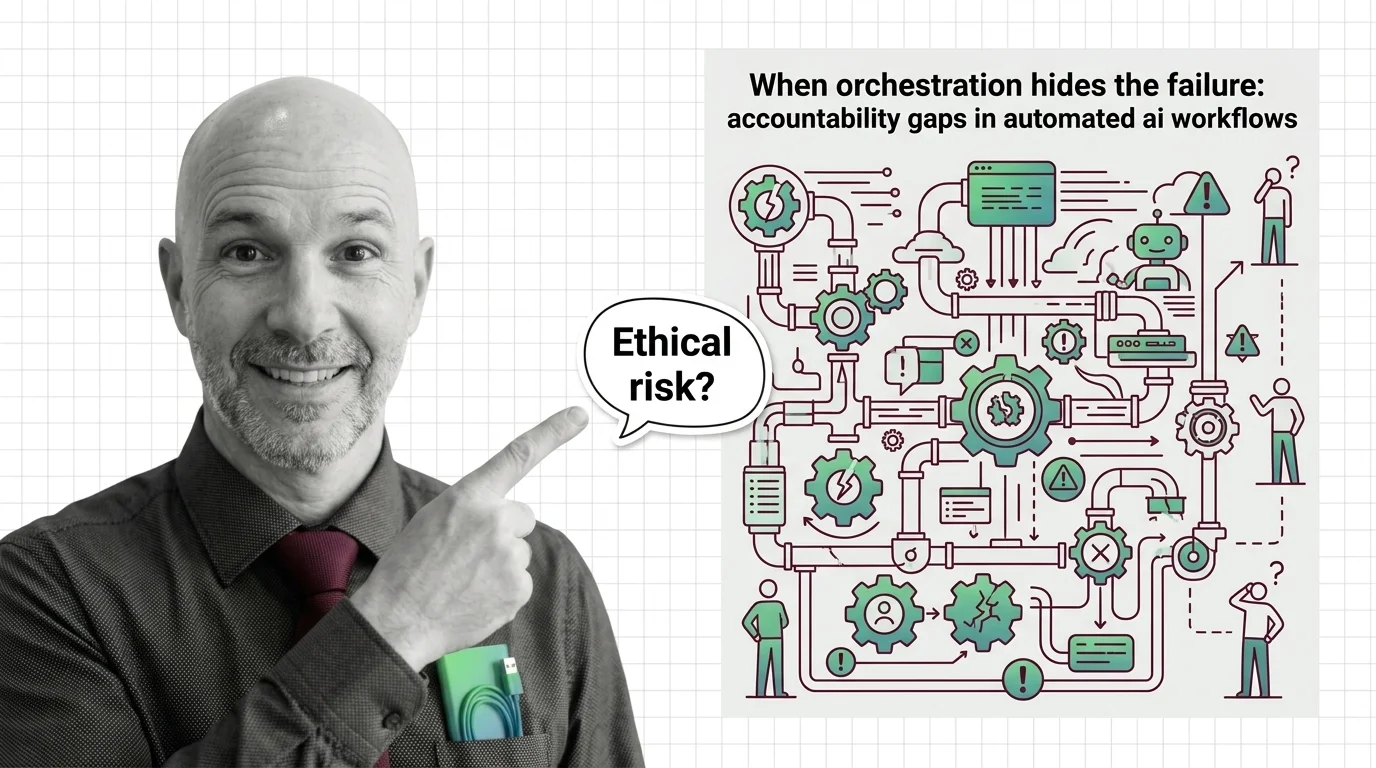
When Orchestration Hides the Failure: Accountability Gaps in Automated AI Workflows
When Orchestration Hides the Failure: Accountability Gaps in Automated AI Workflows The Hard Truth
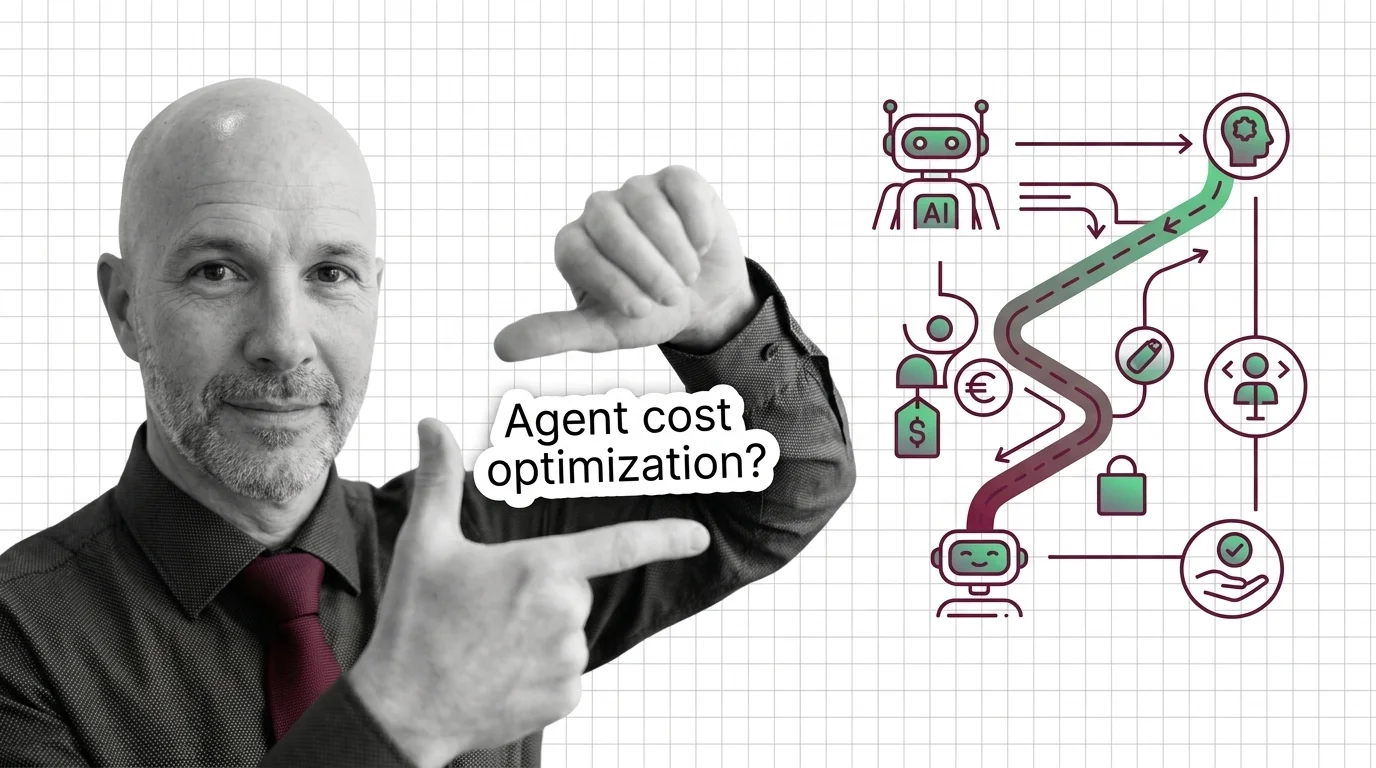
Cheap Models, Hidden Costs: Routing Agents to the Lowest Bidder
Routing AI agents to cheaper models cuts cost — but pushes hallucination, jailbreak, and accountability risk onto the …
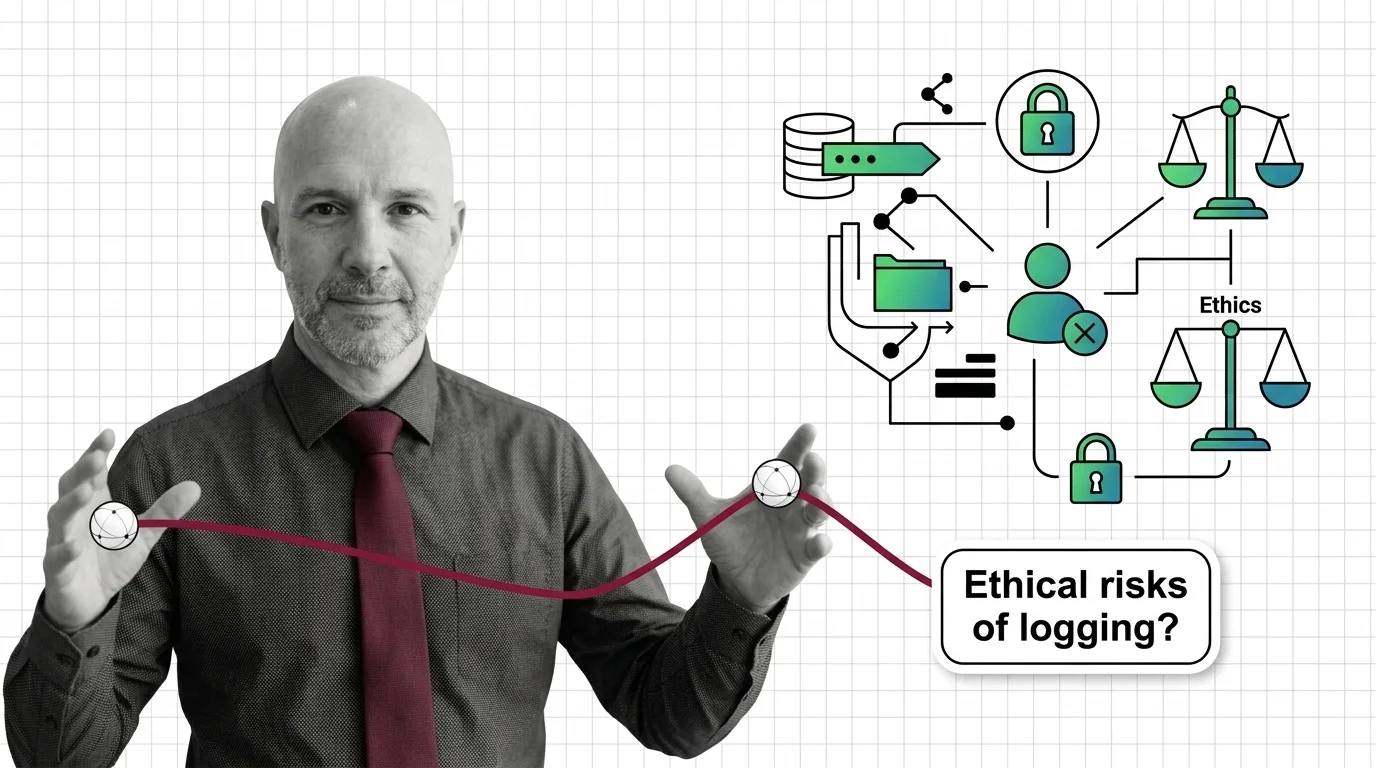
Recording Every Step: Privacy and Ethics of Agent Traces
Agent observability captures every prompt, tool call, and screenshot. The privacy cost stays invisible — until the …
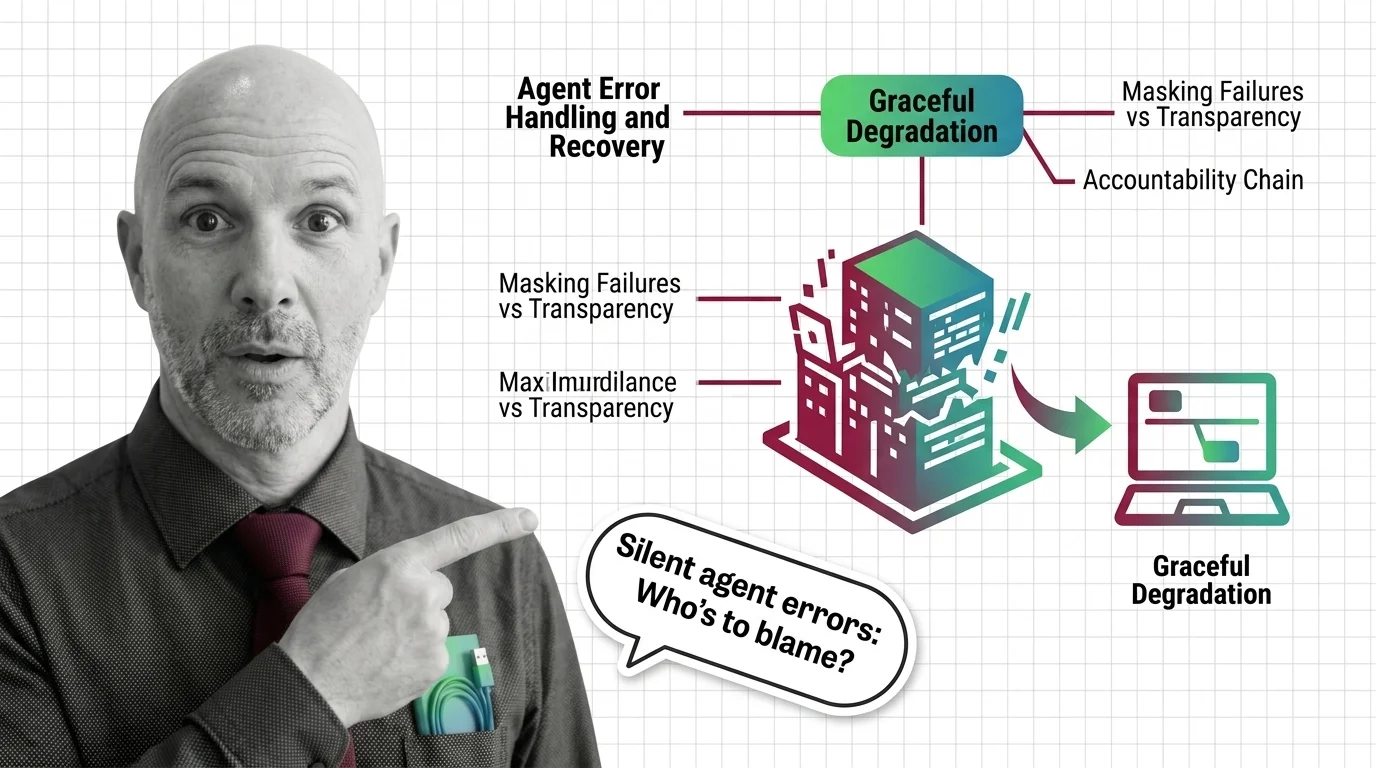
When AI Agents Fail Silently: The Ethics of Graceful Degradation
Graceful degradation lets AI agents fail without crashing. That sounds humane. It also lets failure hide. A look at the …
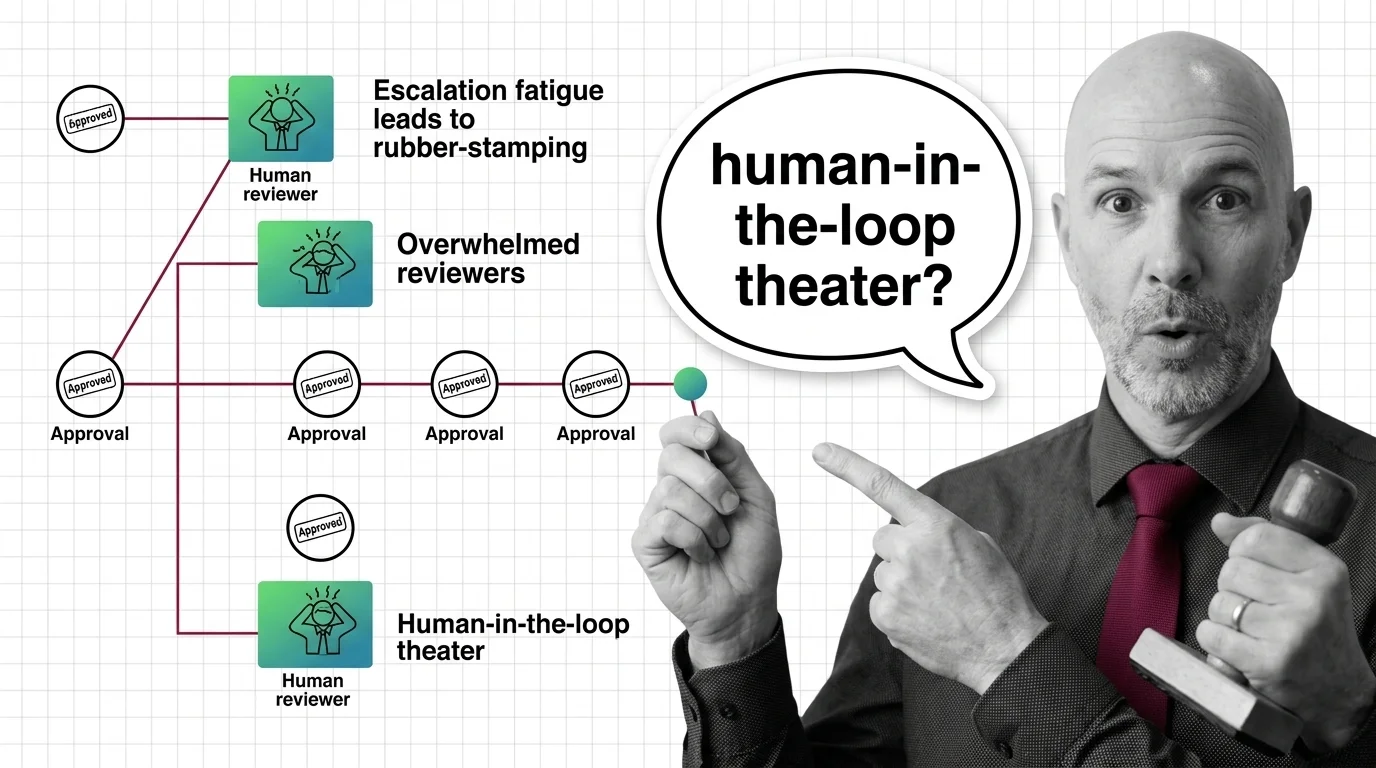
Rubber-Stamp Approvals: The Ethical Cost of Human-in-the-Loop Theater
Human-in-the-loop oversight collapses when reviewers face approval volume they cannot meet. The ethical cost lands on …
When Guardrails Fail: Who Is Accountable When AI Agents Misbehave
When agent guardrails fail, accountability scatters across users, developers, and vendors. An ethical look at the vacuum …
When Agent Evals Lie: The Ethics of LLM-as-Judge Scoring
LLM-as-Judge scoring is the default way teams grade AI agents. But judges carry measurable biases, blind spots, and …
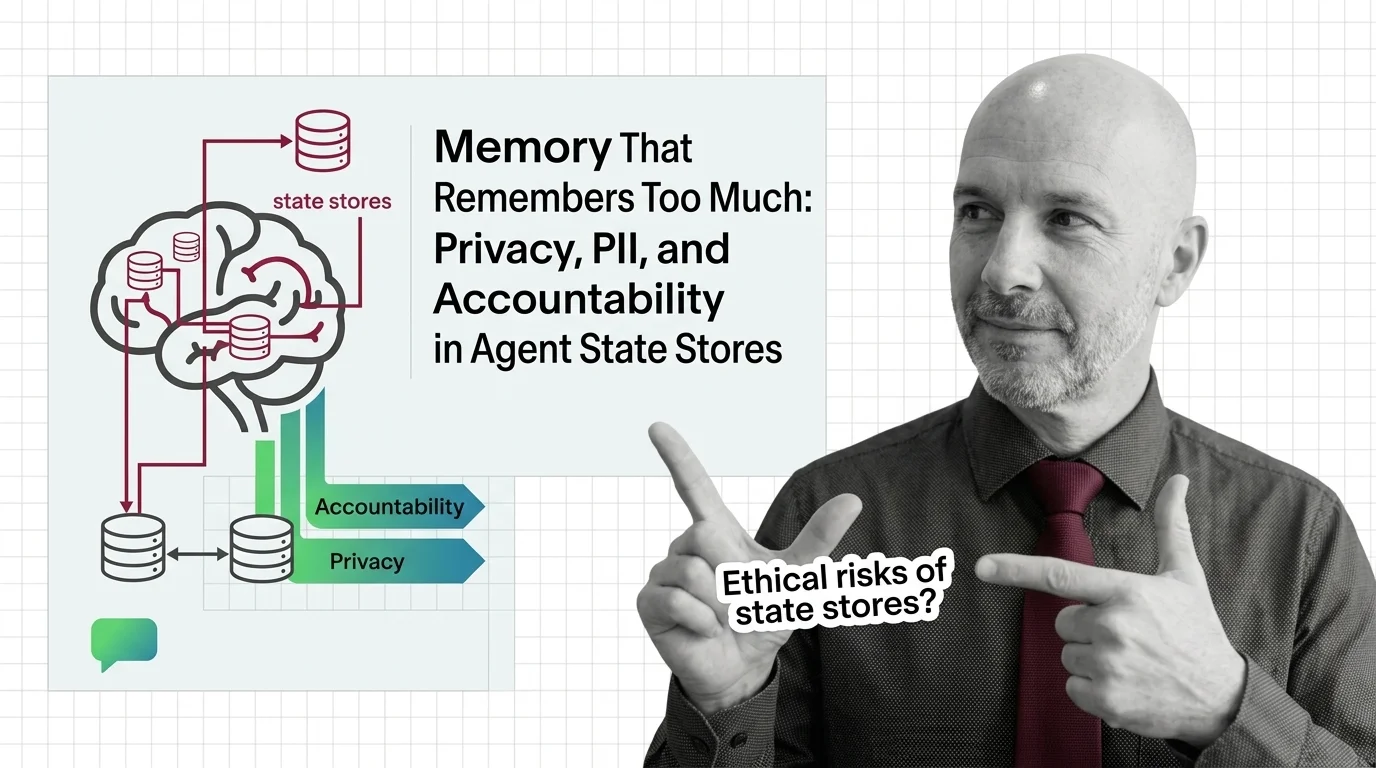
Memory That Remembers Too Much: Agent State, PII, and Accountability
Persistent agent memory turns interactions into records. As courts, regulators, and red teams collide, accountability …
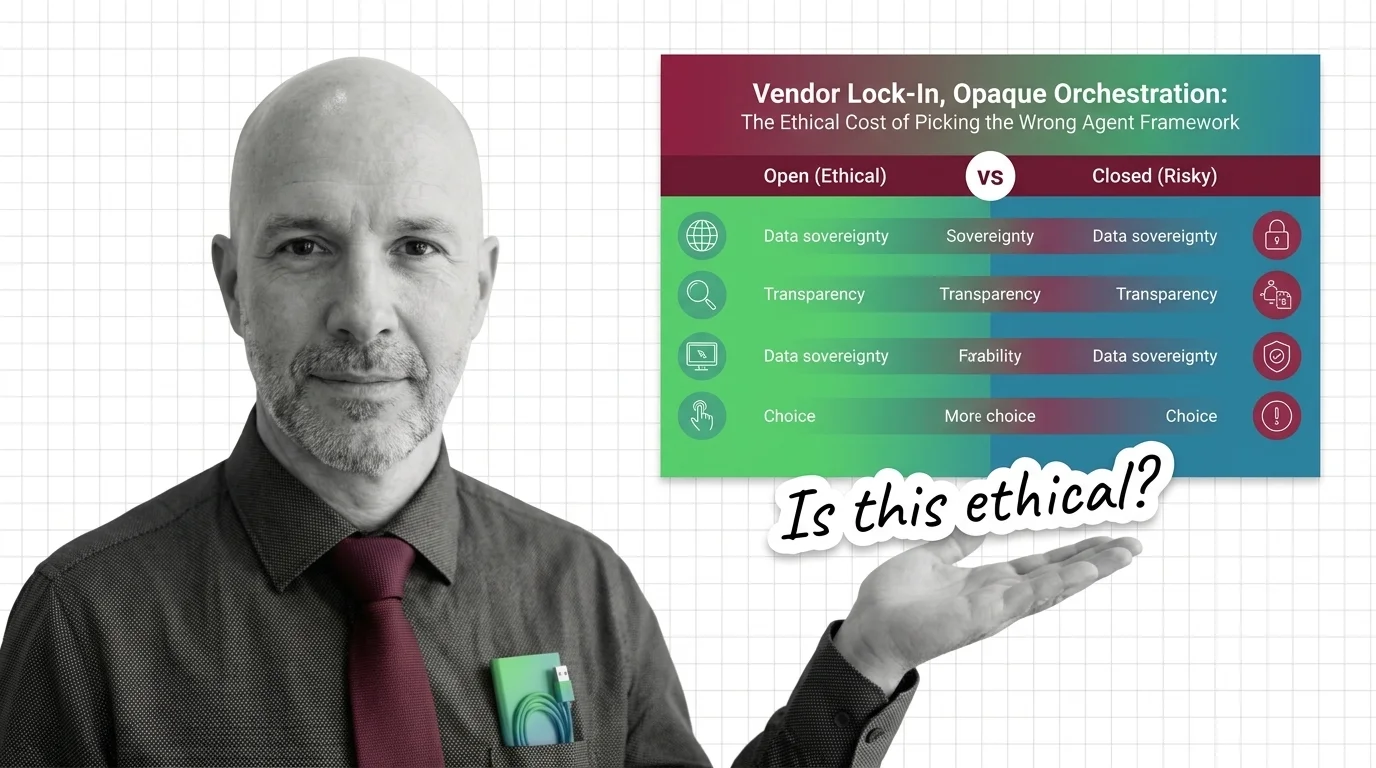
Vendor Lock-In and the Hidden Ethics of Agent Frameworks
OpenAI Agents SDK and Google ADK are open source. So why is vendor lock-in in agent frameworks a deeper ethical risk …
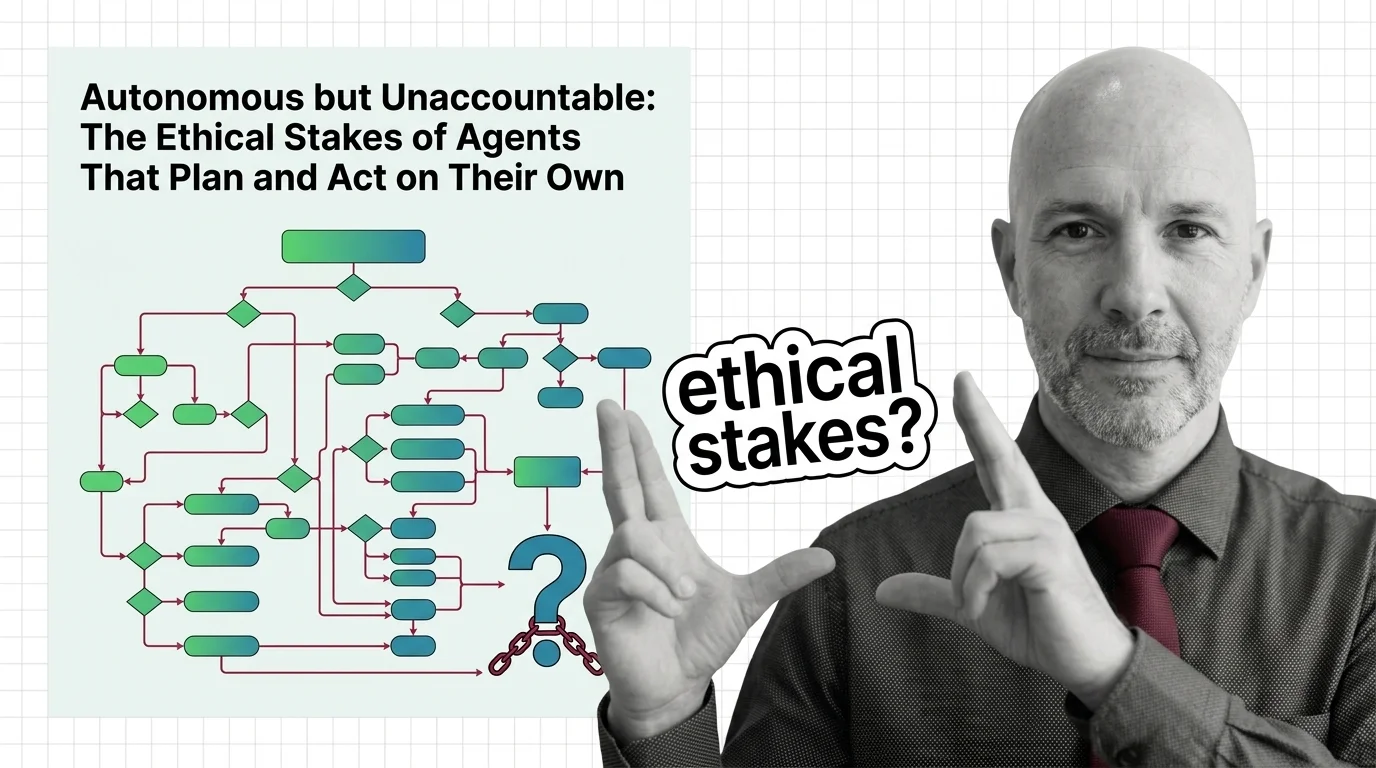
Autonomous but Unaccountable: Ethics of Agents That Plan and Act
Autonomous AI agents plan, call tools, and act before humans can review the result. The accountability chain stays thin. …
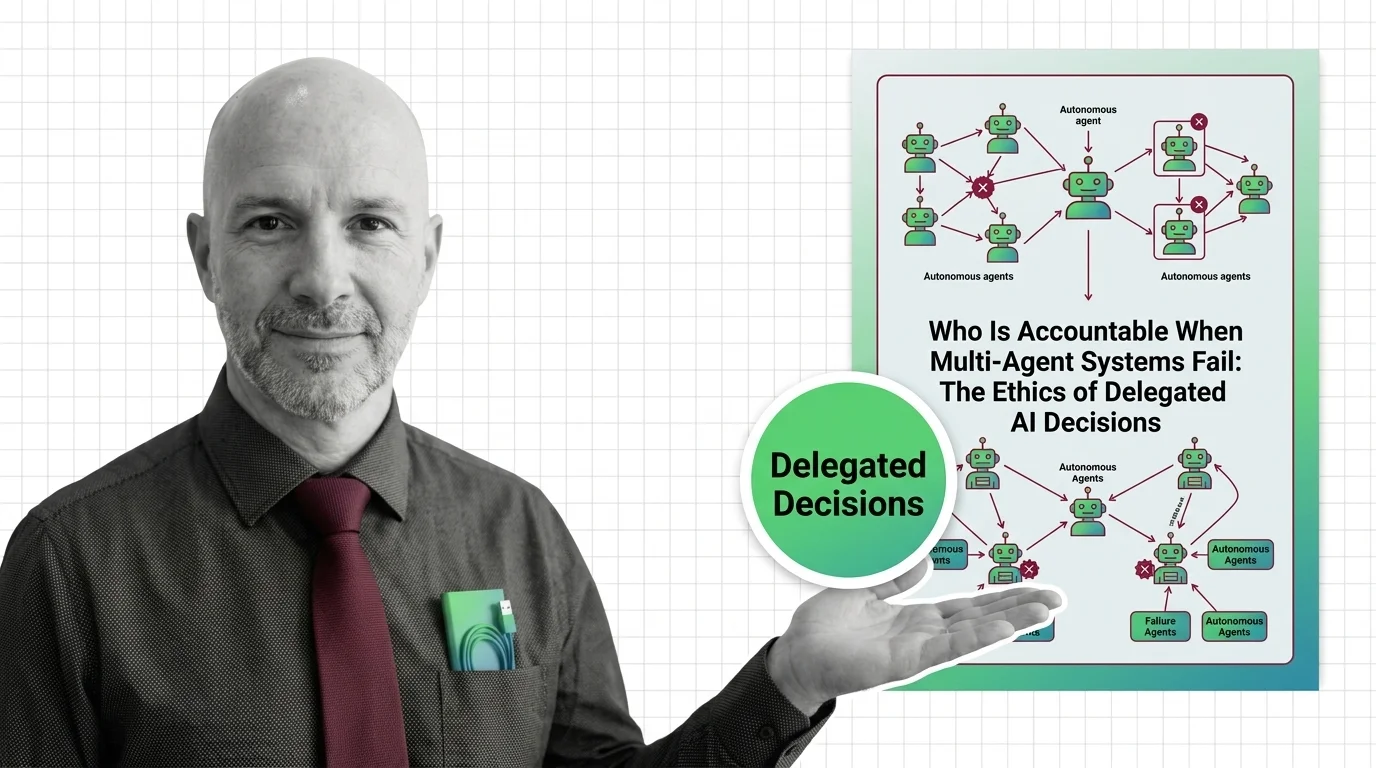
Who Is Accountable When Multi-Agent AI Systems Fail?
When multi-agent AI systems fail, accountability slips through every layer. Why delegated AI decisions create governance …
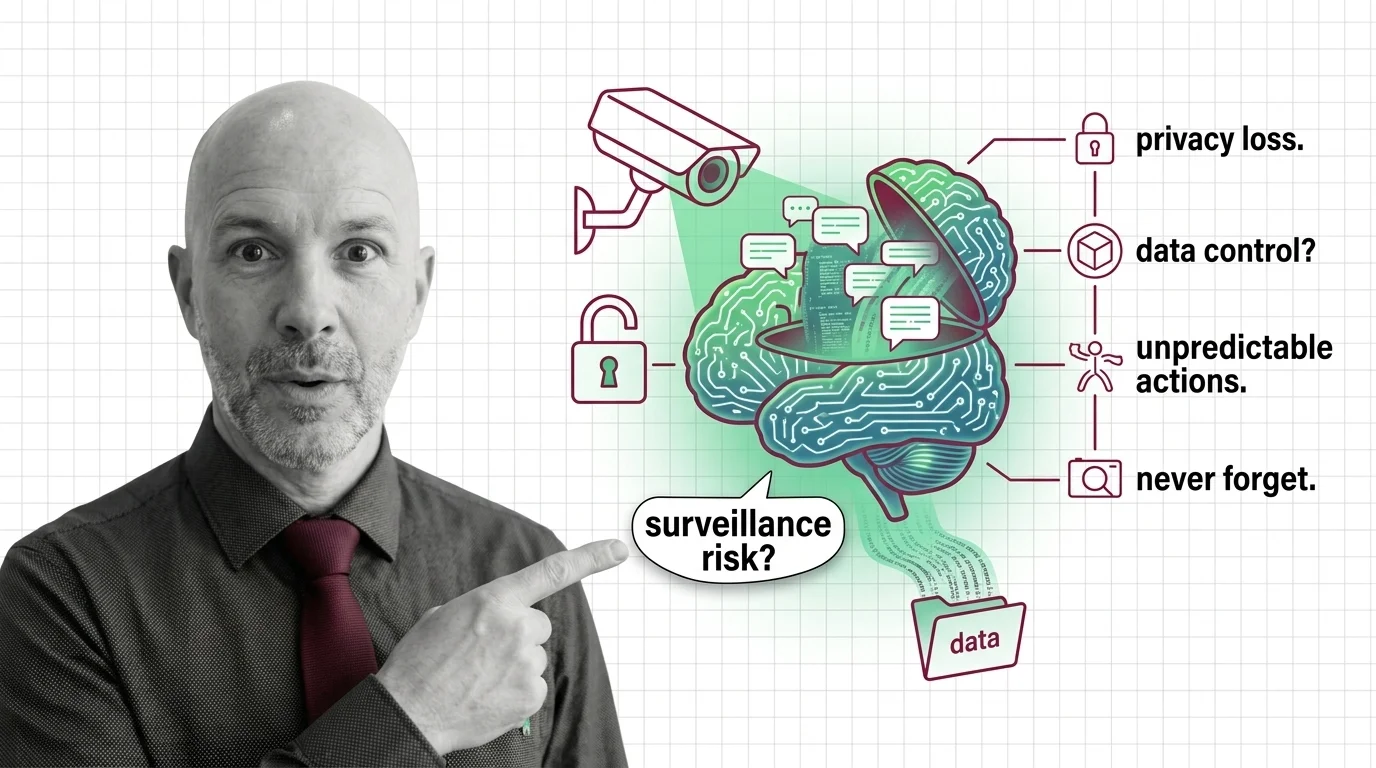
Persistent Memory, Persistent Surveillance: AI Agents That Never Forget
AI agents with persistent memory promise convenience but build a permanent record of you. The ethical tension between …
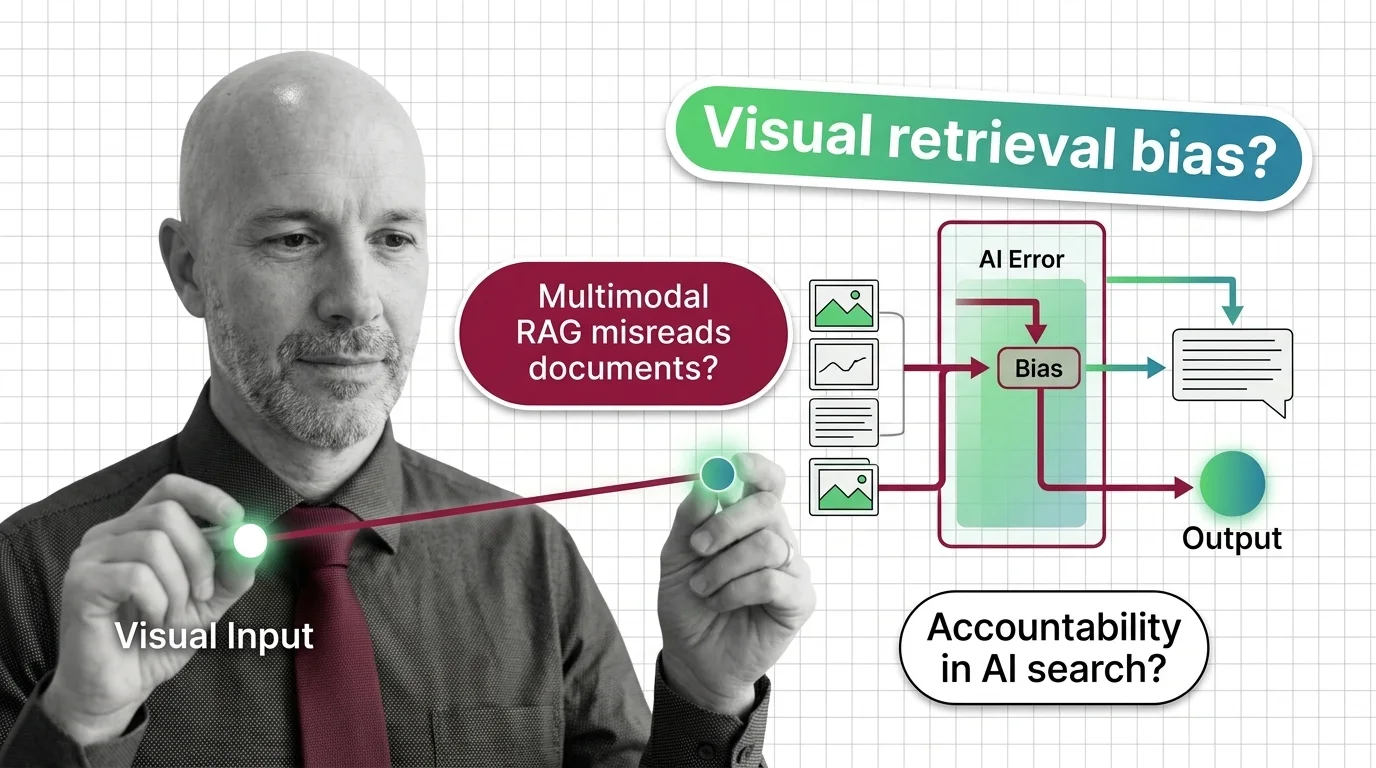
When Multimodal RAG Misreads the Document: Accountability and Bias in Visual Retrieval
Multimodal RAG decides what counts as relevant before a human reads the page. When the retriever misreads, who is …
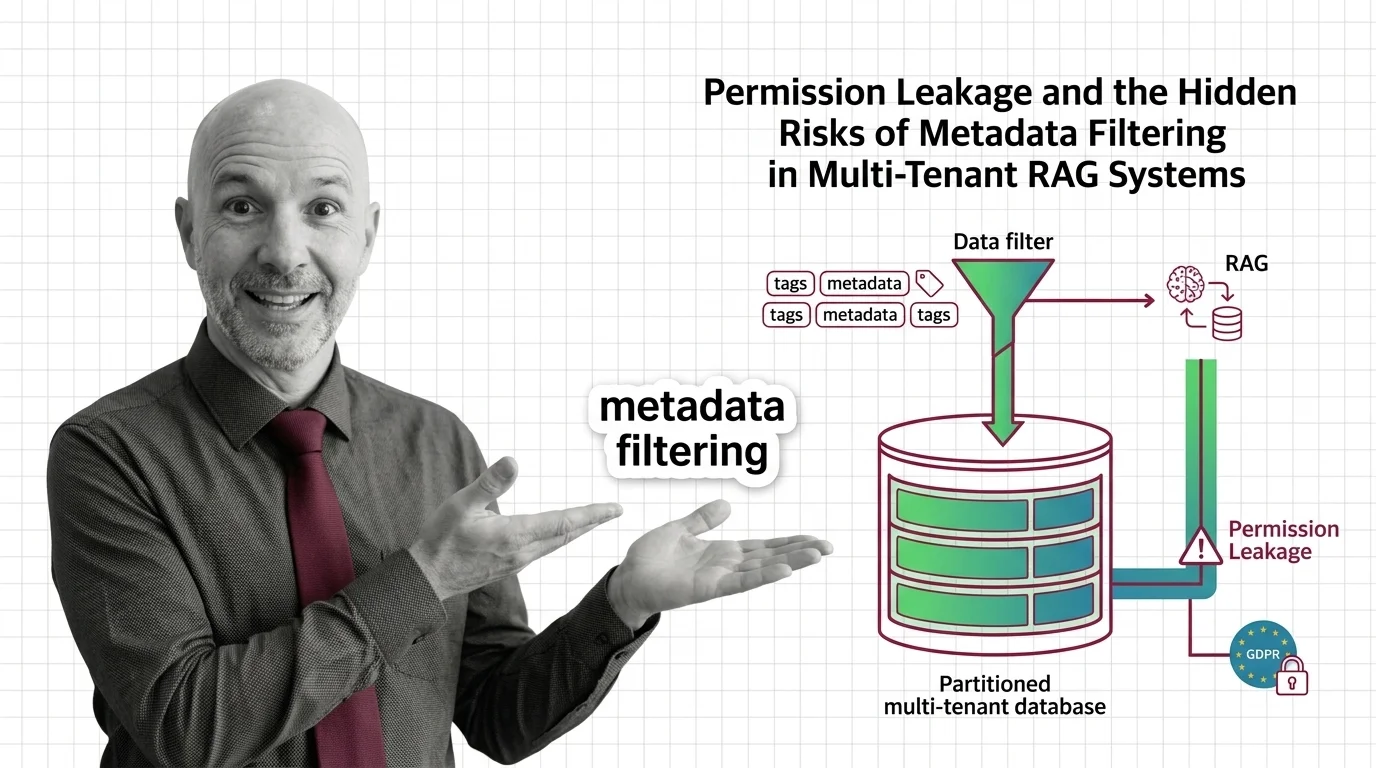
Permission Leakage: Hidden Risks of Metadata Filtering in RAG
Metadata filtering looks like access control, but isn't. The ethical and GDPR cost of using a query optimization as a …
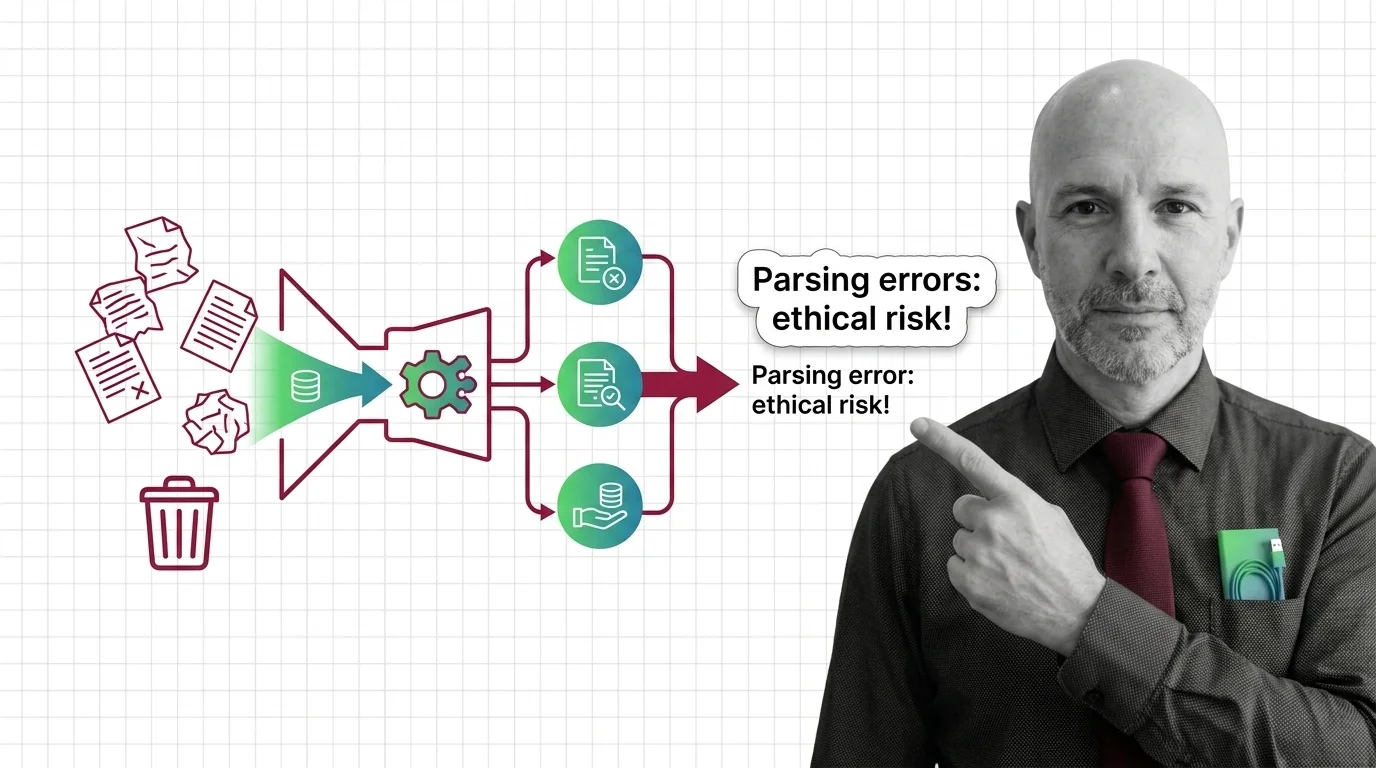
Garbage In, Garbage Out: The Ethical Cost of RAG Parsing Errors
Document parsing errors in high-stakes RAG aren't just engineering bugs — they are moral failures with cascading …
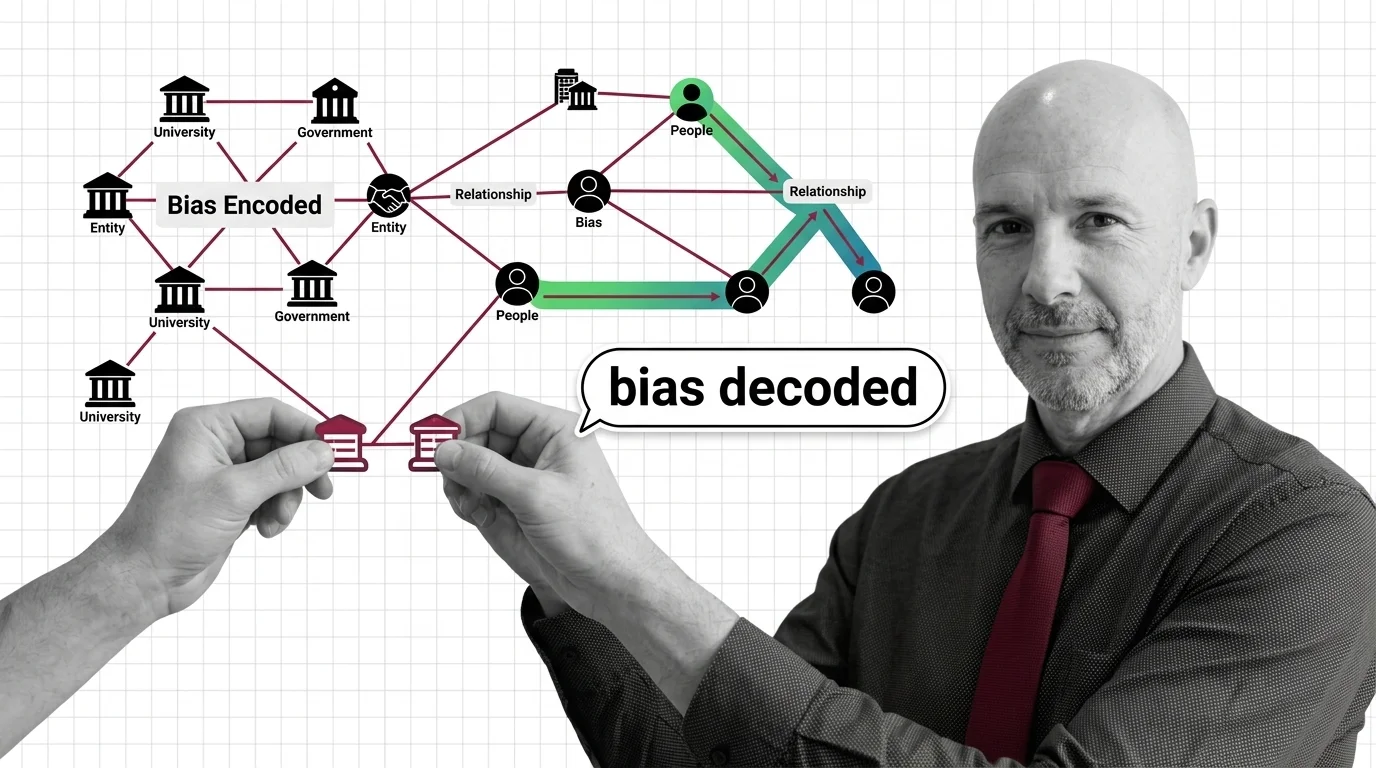
When the Graph Decides What's True: Bias in Knowledge Graph RAG
Knowledge Graph RAG is sold as the audit-friendly answer to hallucination. But every graph encodes a worldview — and at …
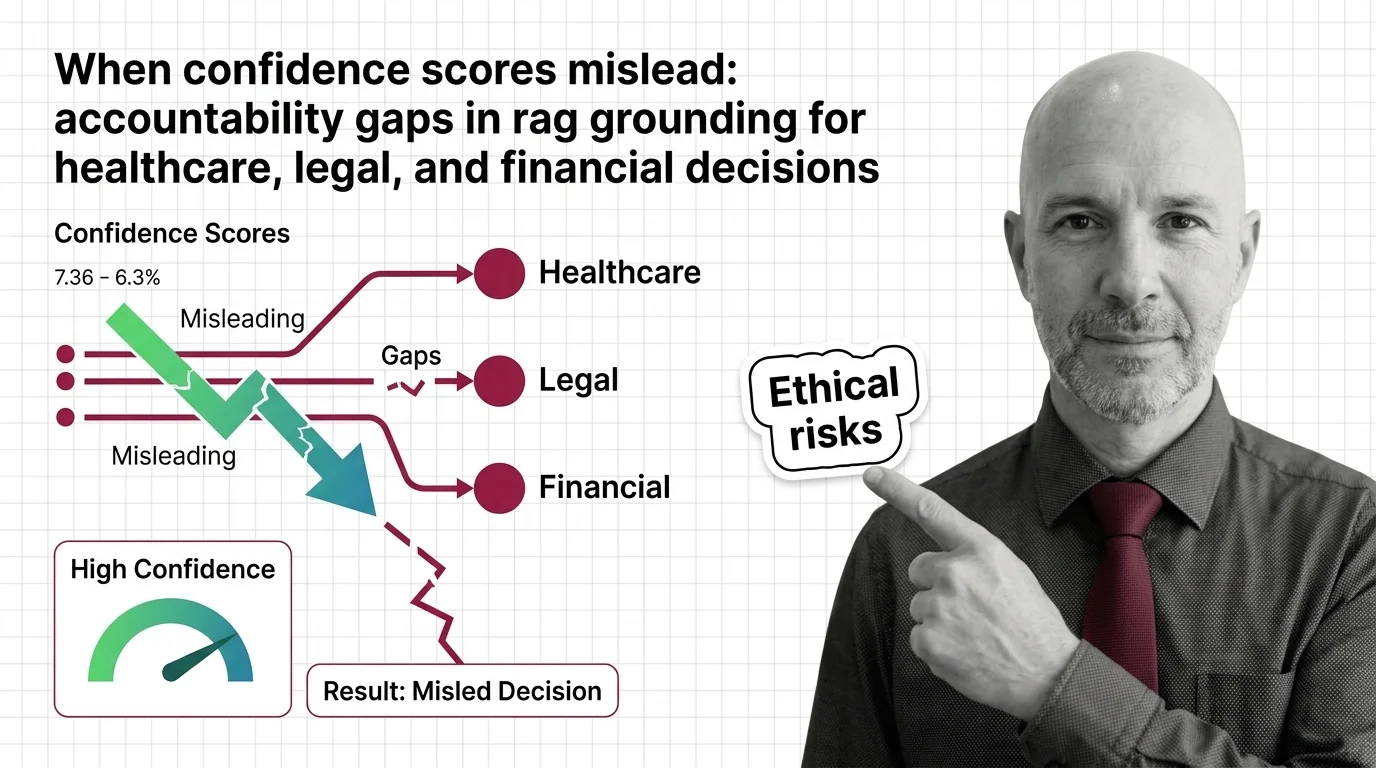
When RAG Confidence Scores Mislead in High-Stakes Decisions
RAG faithfulness scores can hit 0.95 and still produce wrong answers. Why confidence numbers fail in healthcare, legal, …
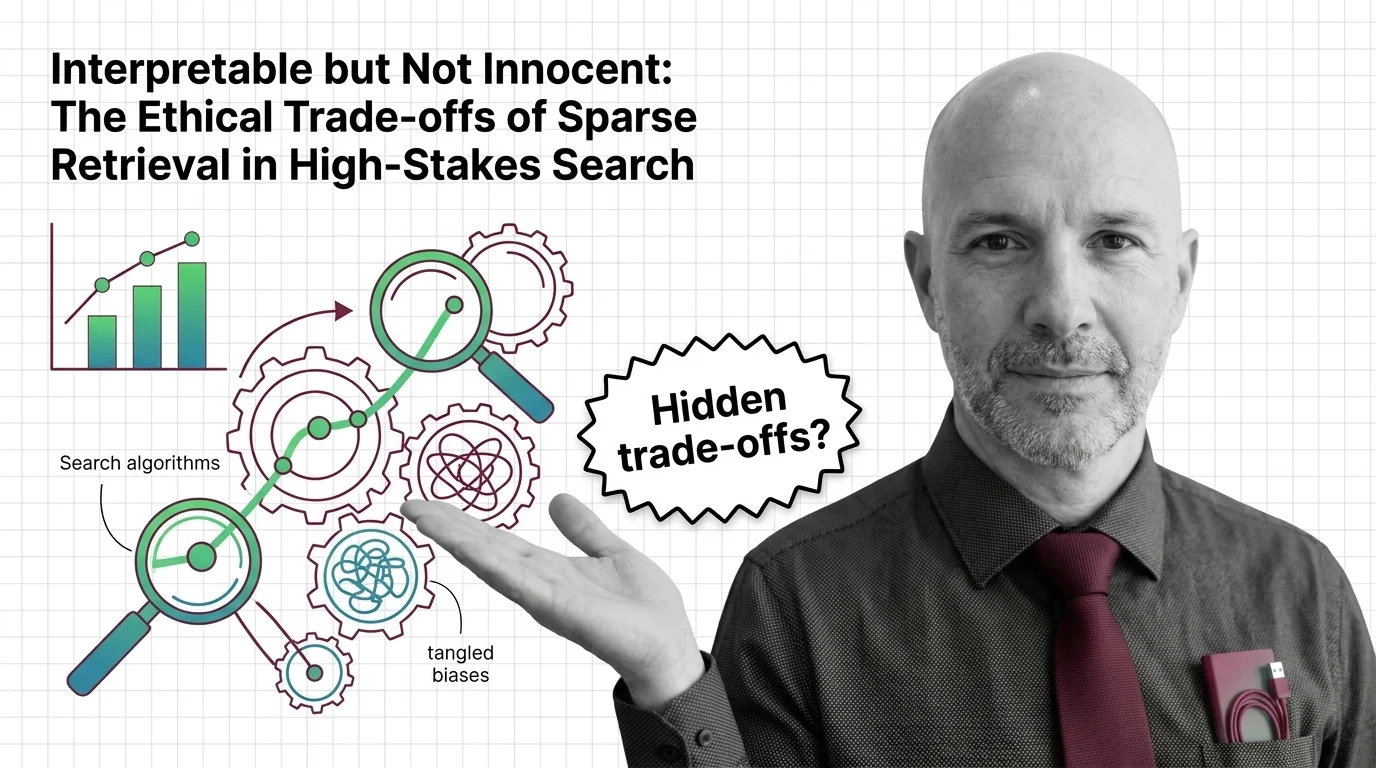
Interpretable but Not Innocent: The Ethics of Sparse Retrieval
Sparse retrieval is sold as interpretable search for high-stakes domains. But interpretable is not innocent — the …
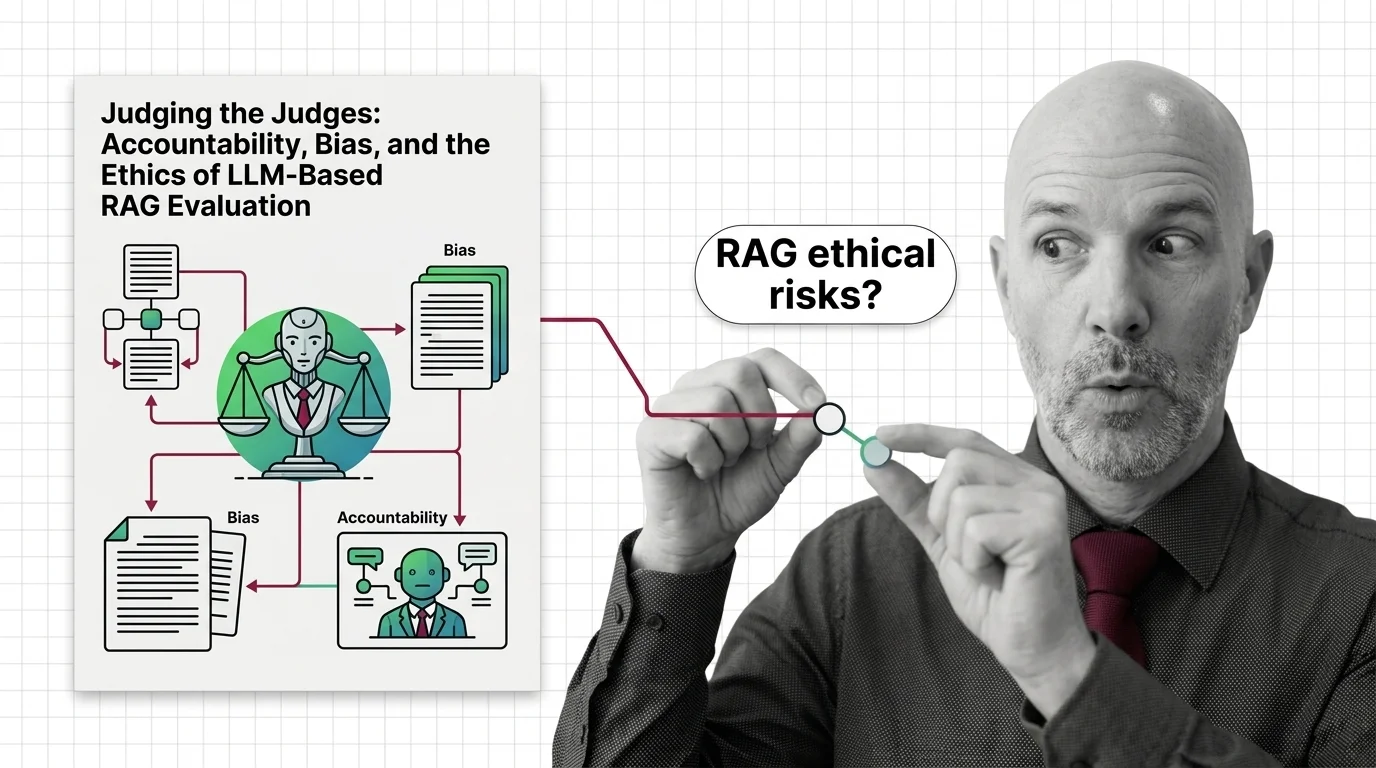
Judging the Judges: Bias and Ethics of LLM-Based RAG Evaluation
LLM-as-judge promises scalable RAG evaluation but inherits documented biases, opacity, and a quiet accountability gap. …
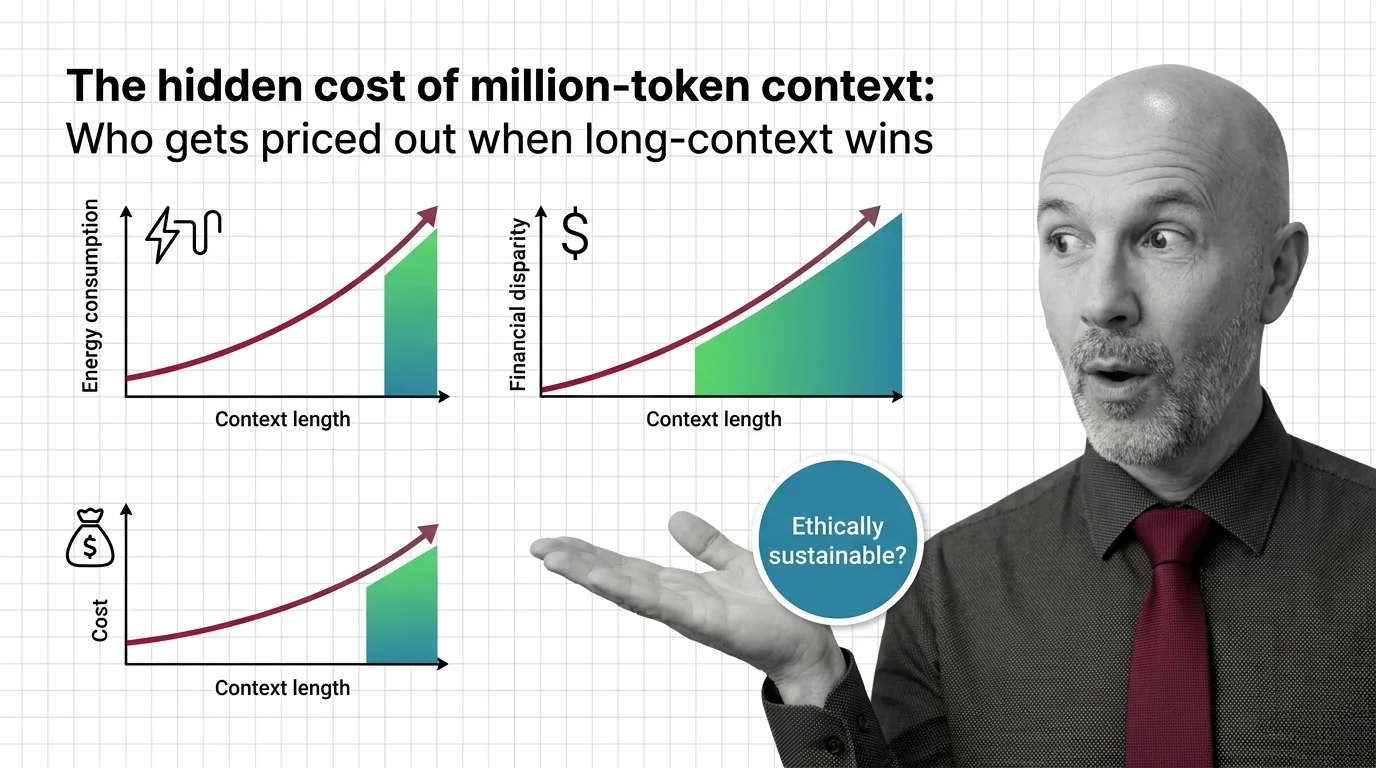
The Hidden Cost of Million-Token Context: Who Gets Priced Out
Million-token context windows shift cost, energy, and access burdens. An ethical look at who pays — and who gets priced …
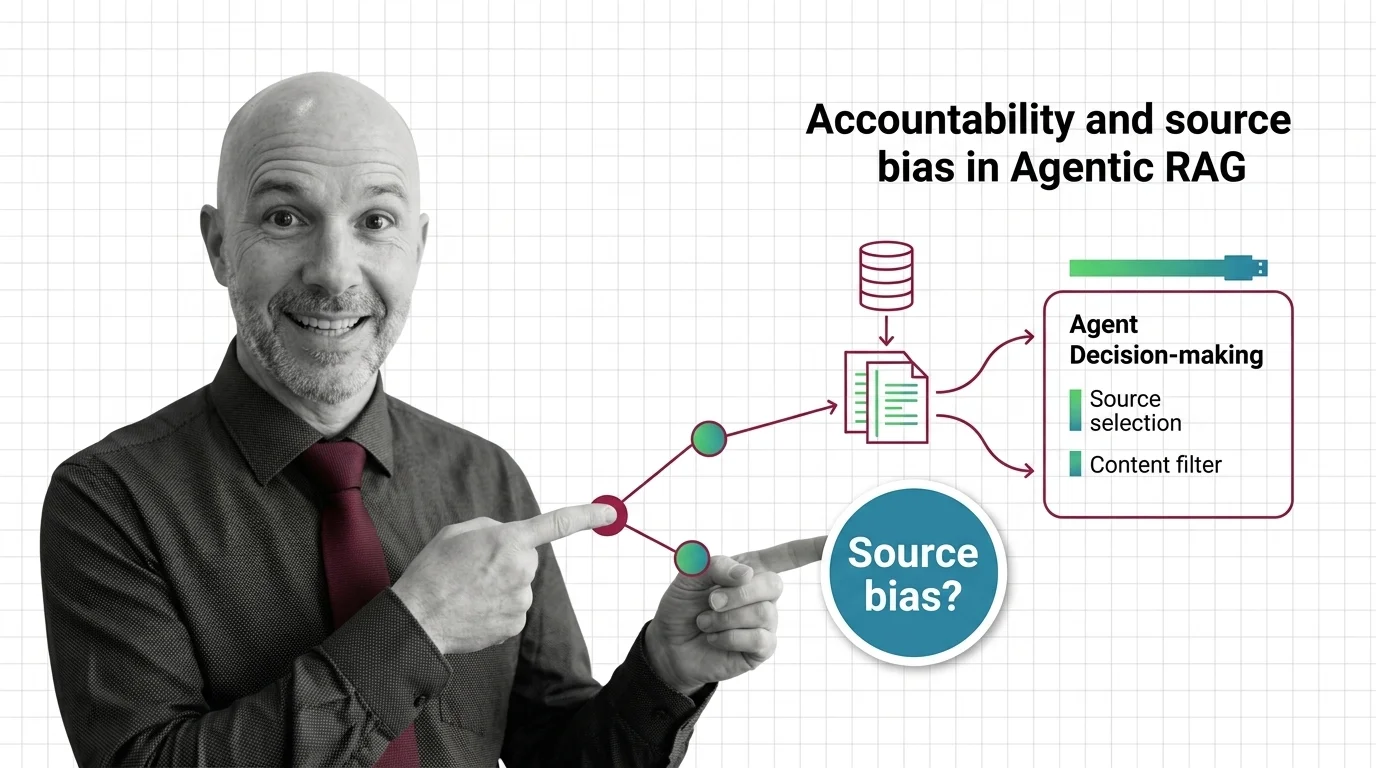
When the Agent Picks Sources: Accountability in Agentic RAG
Agentic RAG hands source selection to autonomous LLM agents. The accountability stack — from corpus skew to bias …
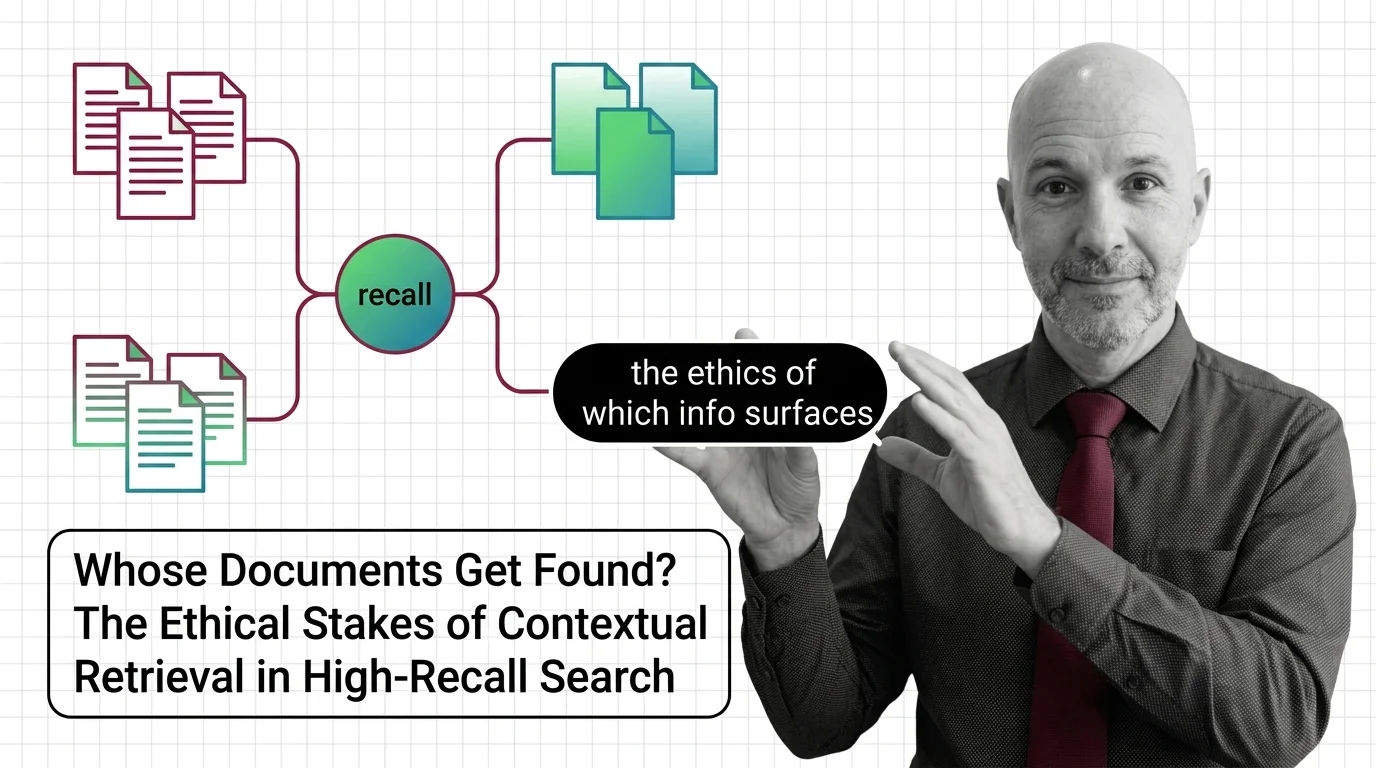
Whose Documents Get Found? The Ethical Stakes of Contextual Retrieval in High-Recall Search
Contextual retrieval improves recall by deciding which context counts. When that decision shapes hiring, credit, and …
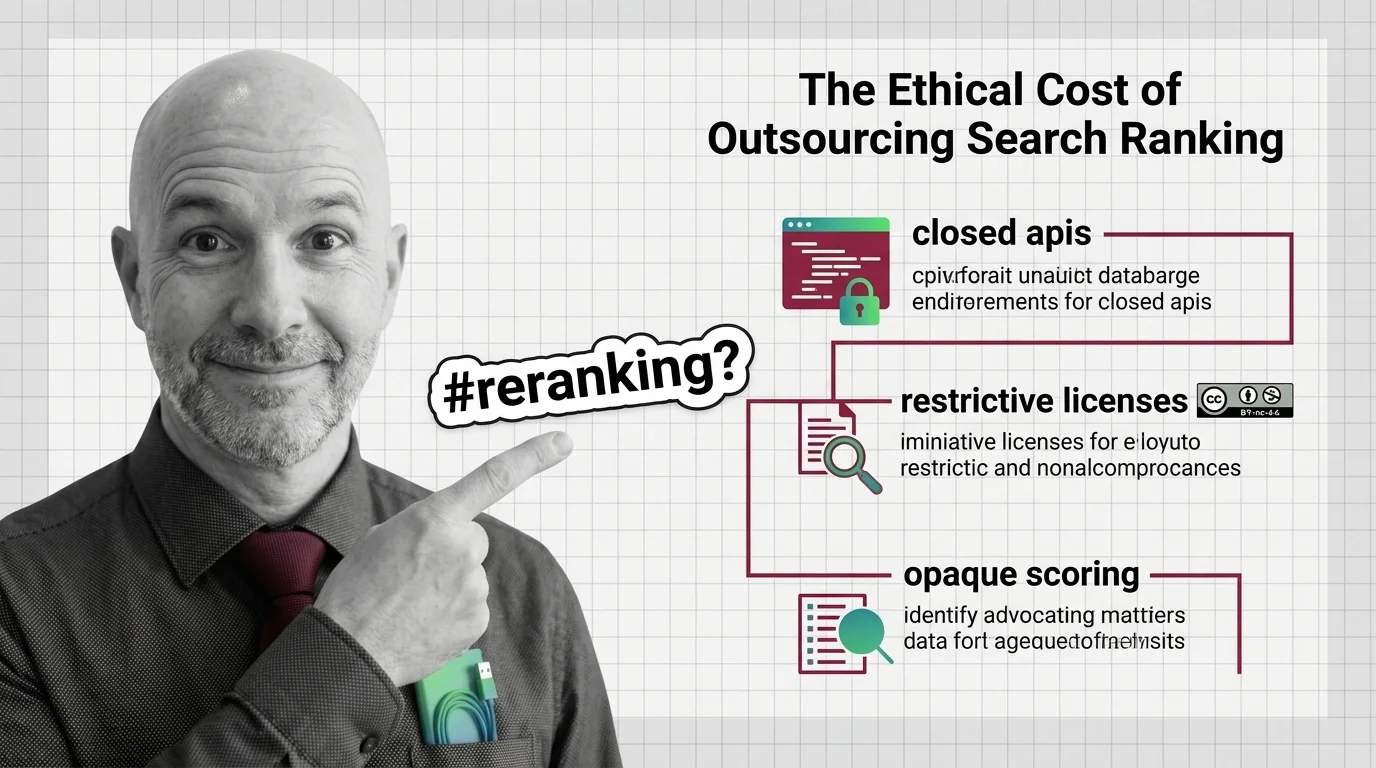
Closed APIs and Opaque Scoring: The Ethics of Outsourced Reranking
Top rerankers come with non-commercial licenses or closed APIs. Reranking quality is rising; our ability to inspect the …
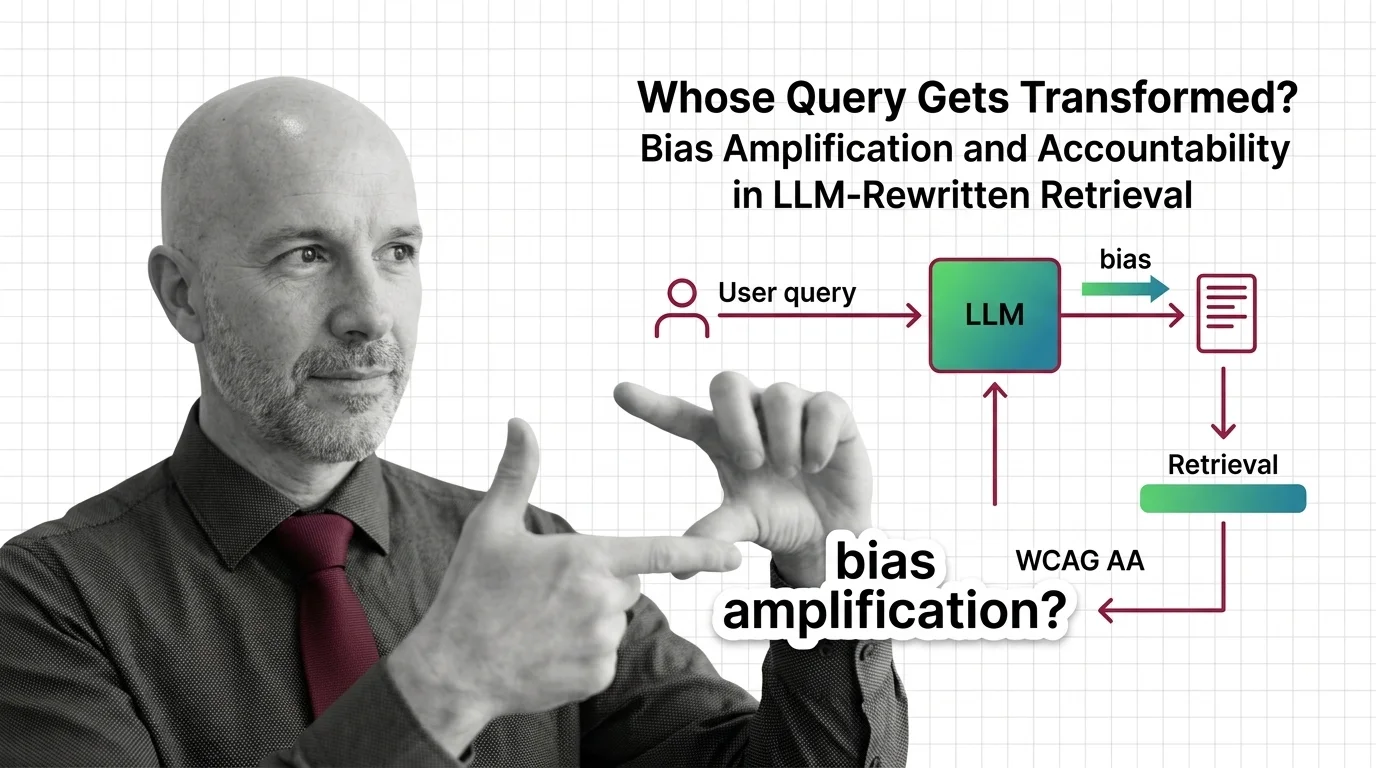
Whose Query Gets Transformed? Bias Amplification and Accountability in LLM-Rewritten Retrieval
When LLMs silently rewrite your query before retrieval, who is accountable for the answer? An ethical look at RAG bias …
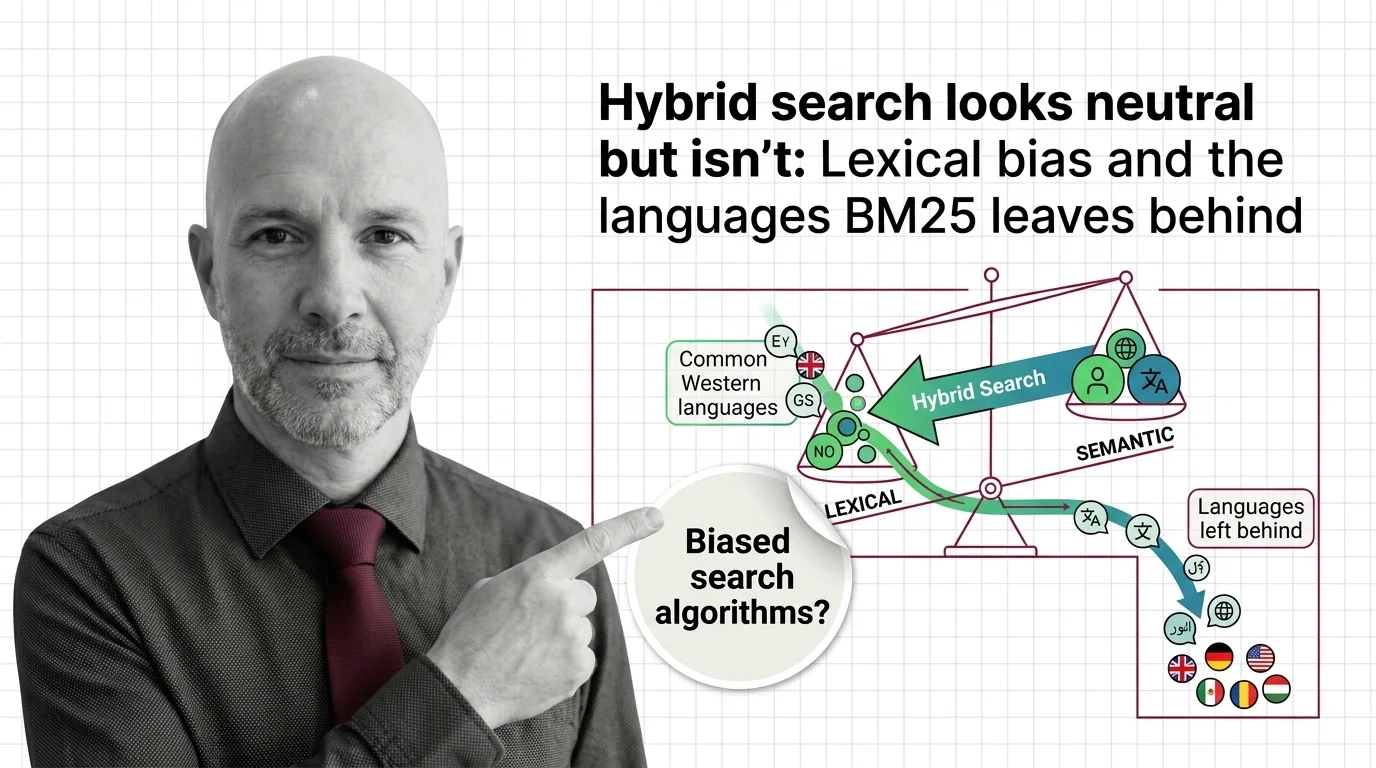
Hybrid Search Looks Neutral but Isn't: Lexical Bias and the Languages BM25 Leaves Behind
Hybrid search looks neutral. But BM25's tokenizer favors English, and the languages it leaves behind reveal what …
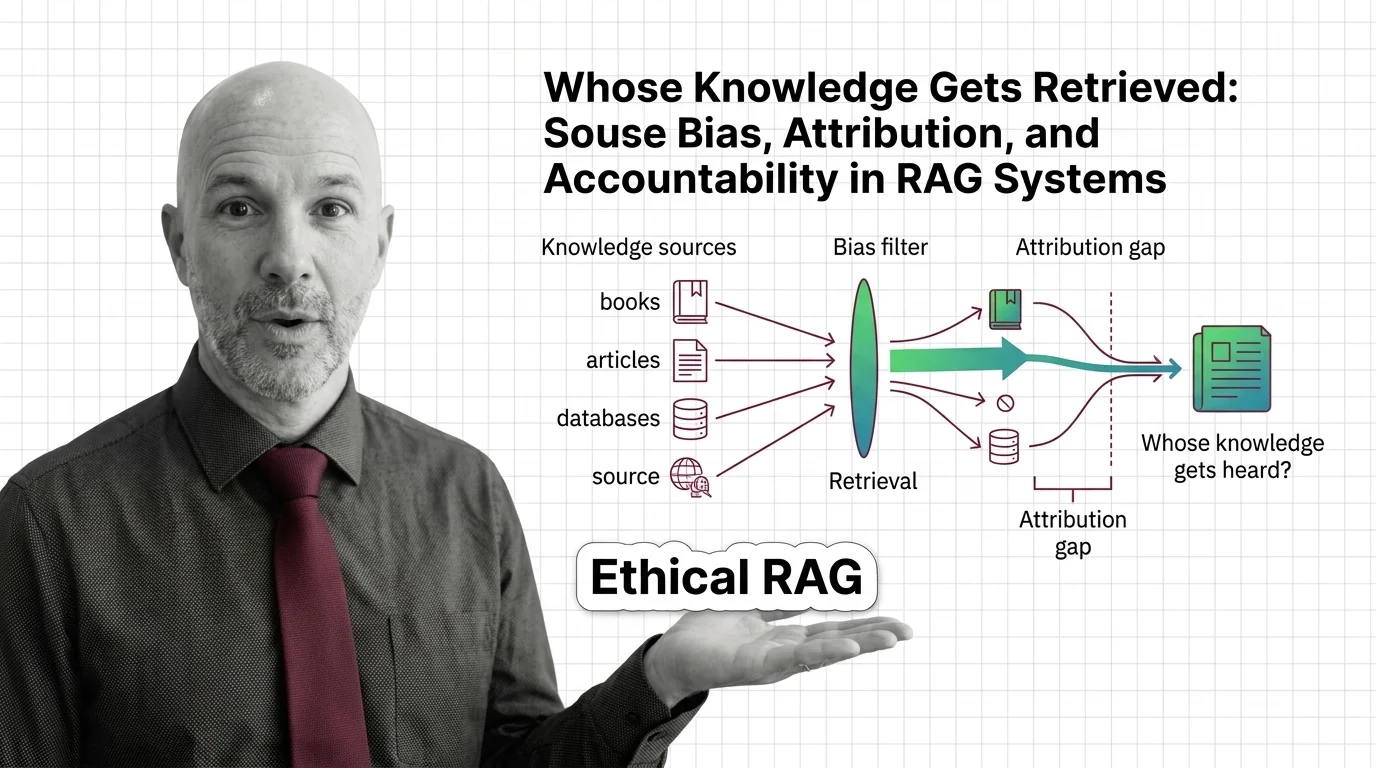
Whose Knowledge Gets Retrieved: Bias and Accountability in RAG
Retrieval-augmented generation isn't neutral. Source bias, attribution gaps, and corpus poisoning quietly decide whose …