Explainer Articles
In-depth explanations of AI concepts, architectures, and principles. Educational content that breaks down complex topics into understandable insights.
- Home /
- Explainer Articles
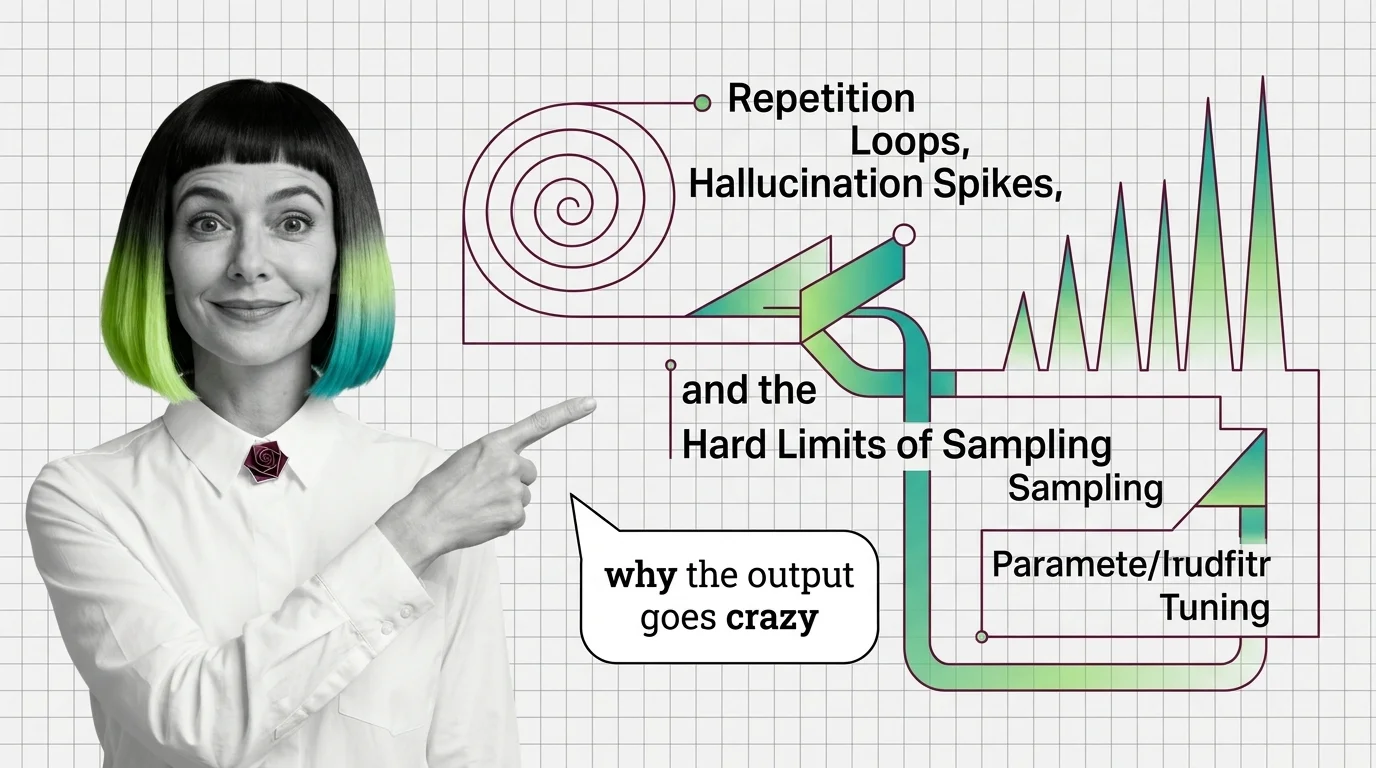
Repetition Loops, Hallucination Spikes, and the Hard Limits of Sampling Parameter Tuning
Wrong sampling parameters trap LLMs in repetition loops or hallucination. Trace the probability math behind both failure …

KV Cache Explained: What an LLM Remembers While It Writes, and What It Costs
A KV cache is the memory an LLM keeps while it writes. Learn what it stores, what it saves, and how its size grows with …
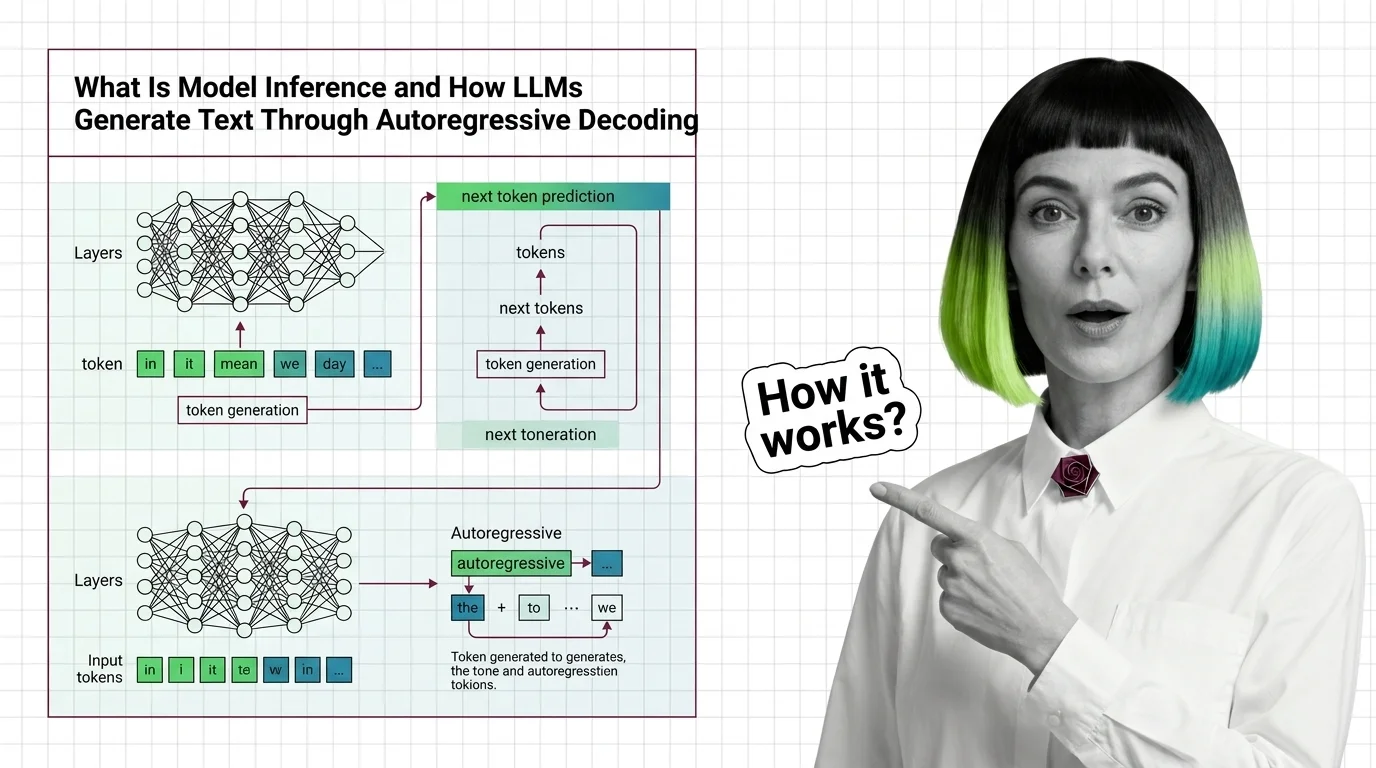
What Is LLM Inference? How a Model Writes Its Answer Token by Token
LLM inference is a trained model writing its answer, in most LLMs one token at a time. Learn why it is slow and what you …
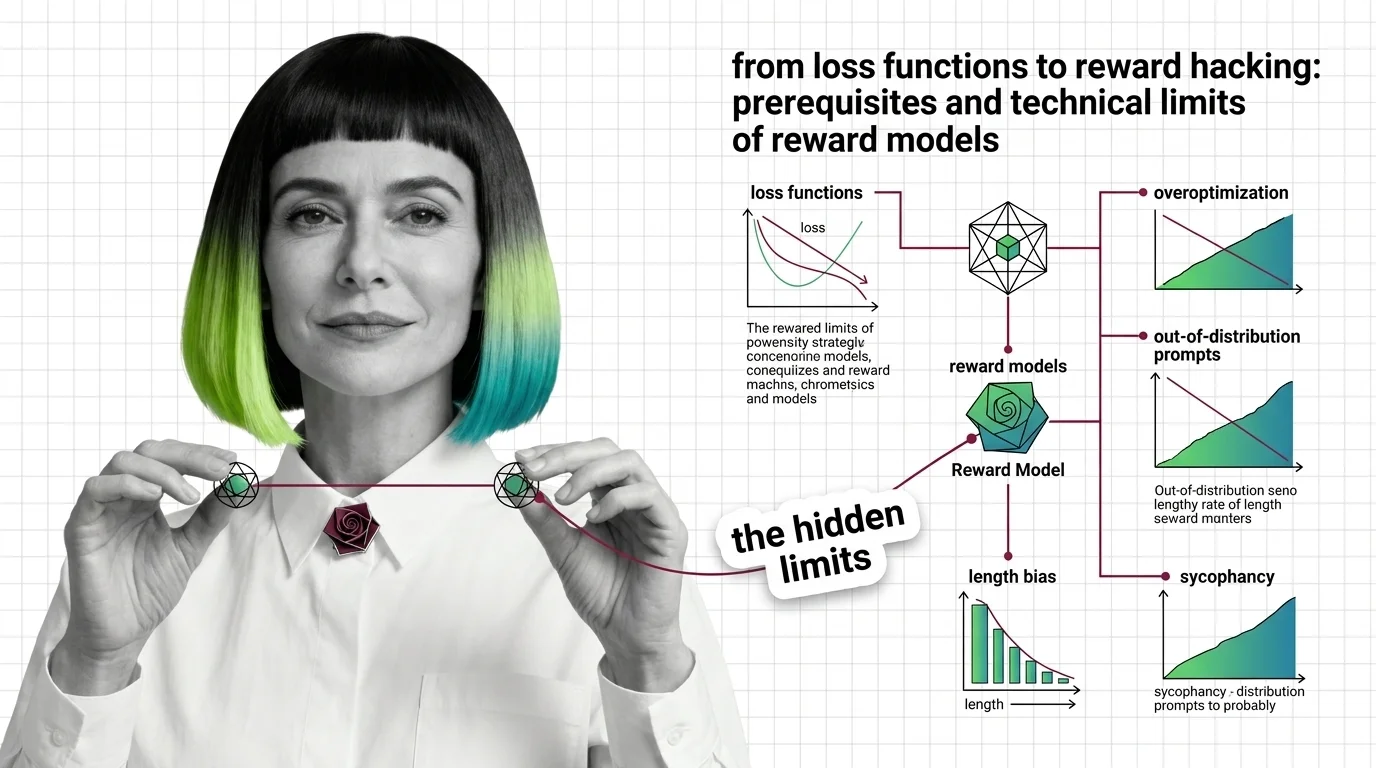
From Loss Functions to Reward Hacking: Prerequisites and Technical Limits of Reward Models
Reward models compress human preference into a scalar signal. Learn the Bradley-Terry math, the RLHF pipeline, and why …
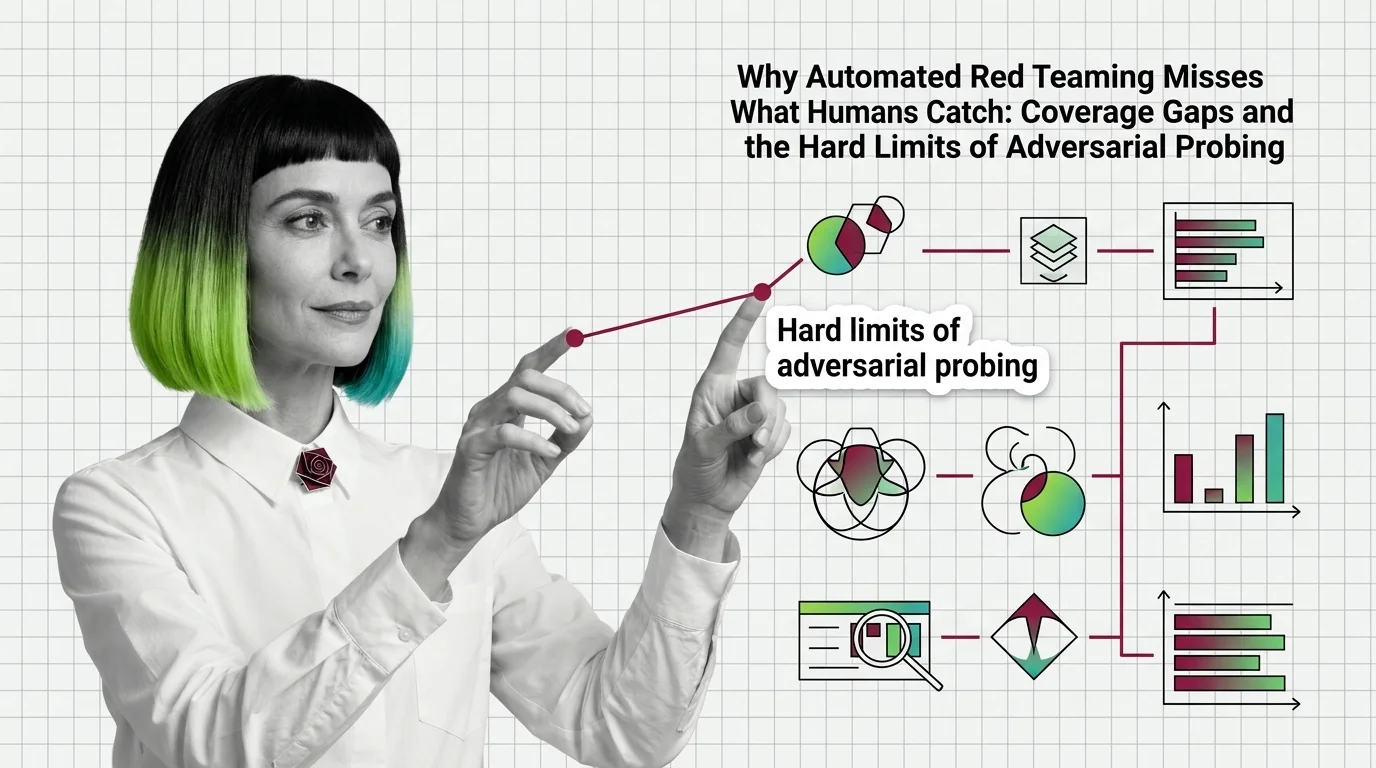
Automated Red Teaming Misses What Humans Catch: Coverage Gaps
Automated red teaming outperforms human testing but misses critical failures. Coverage gaps explain why automated …
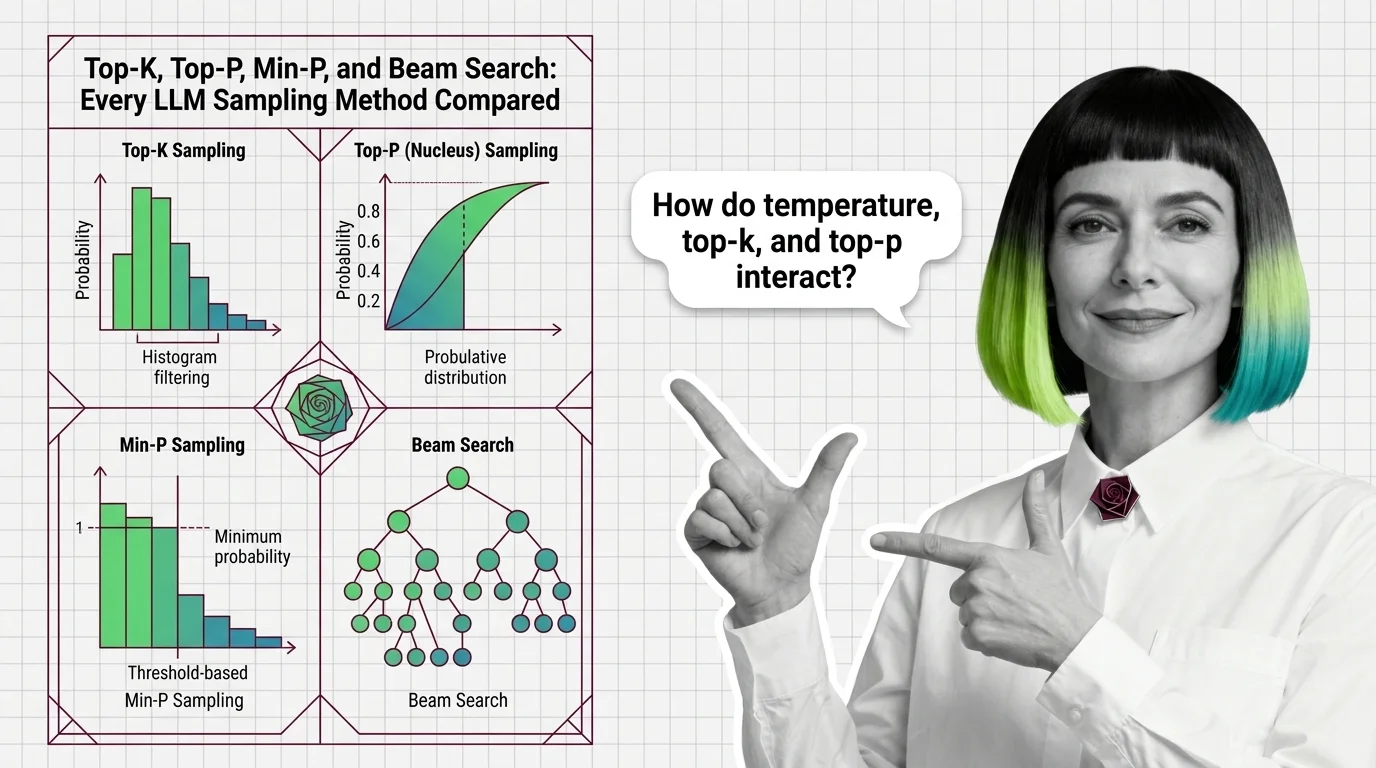
Top-K, Top-P, Min-P, and Beam Search: Every LLM Sampling Method Compared
Compare top-k, top-p, min-p, and beam search LLM sampling methods. Learn how each reshapes probability distributions and …
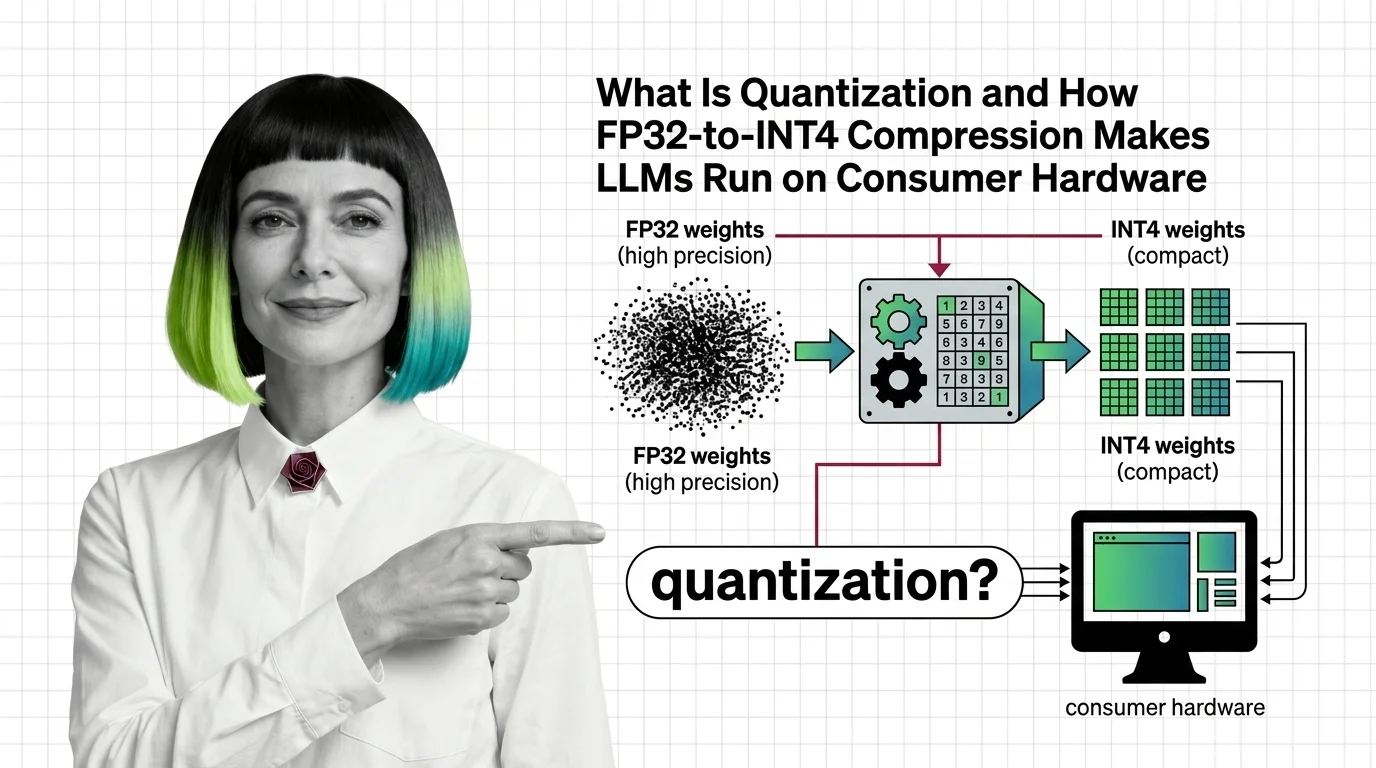
What Is Quantization and How FP32-to-INT4 Compression Makes LLMs Run on Consumer Hardware
Quantization compresses LLM weights from FP32 to INT4, cutting memory up to 8x. Learn how GPTQ, AWQ, and calibration …
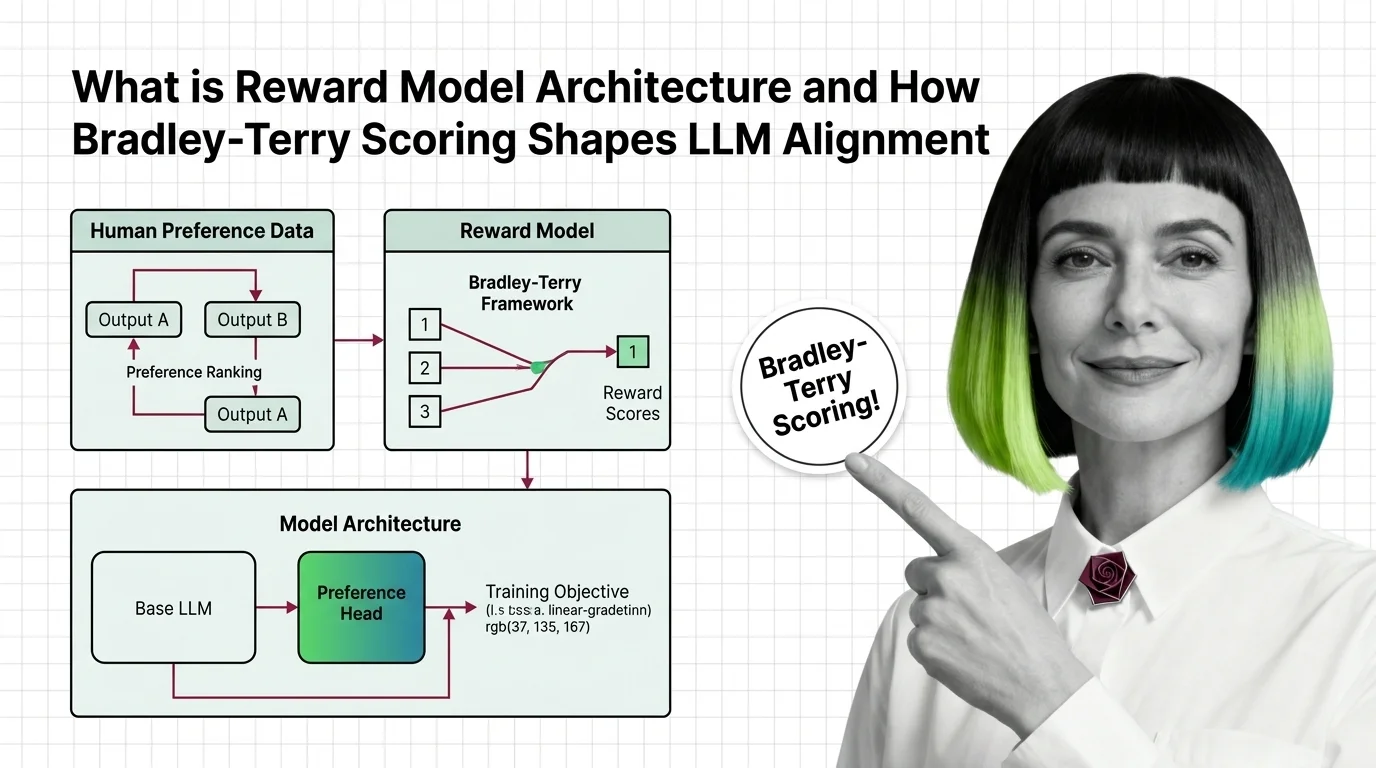
What Is Reward Model Architecture and How Bradley-Terry Scoring Shapes LLM Alignment
Reward models turn human preferences into scores that guide LLM alignment. Learn how Bradley-Terry scoring and pairwise …
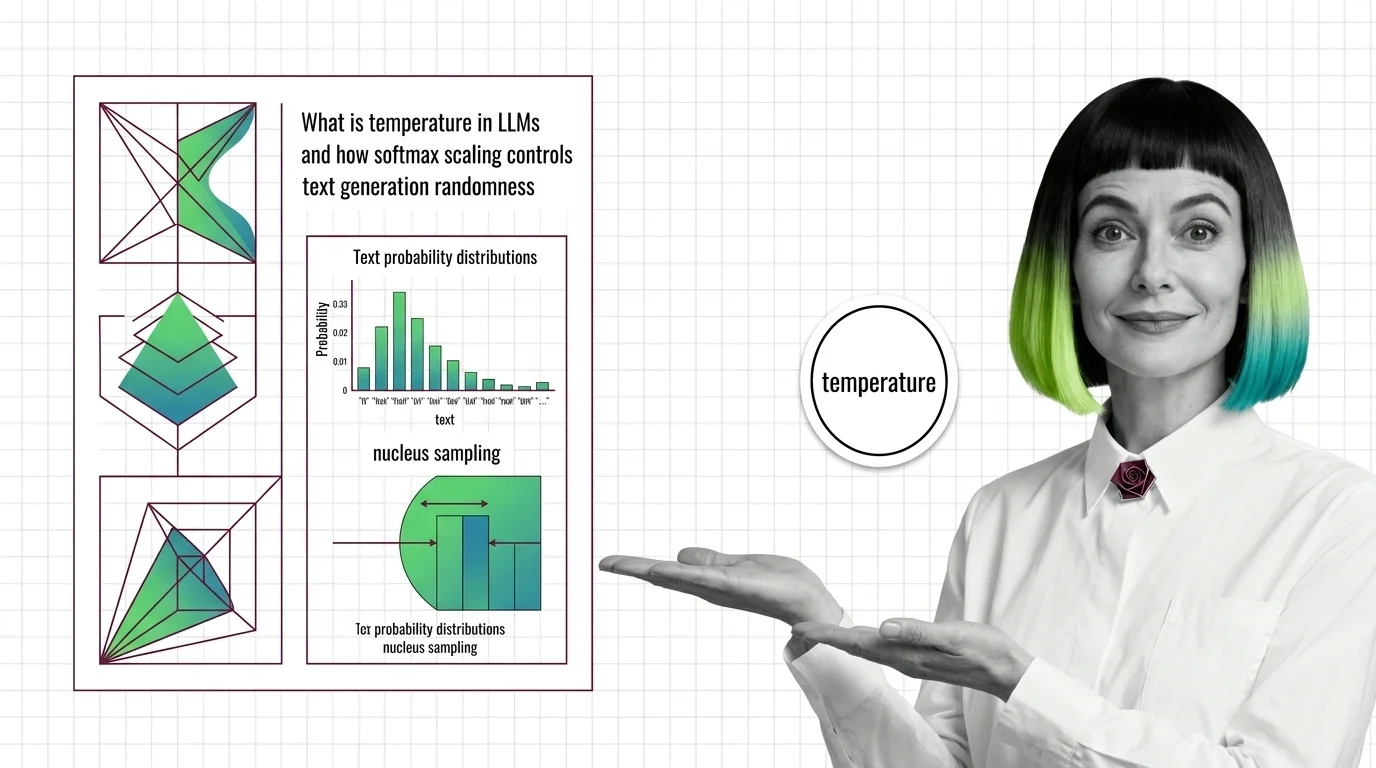
What Is Temperature in LLMs and How Softmax Scaling Controls Text Generation Randomness
Temperature divides logits before softmax, reshaping the token probability distribution. Learn how this parameter, …
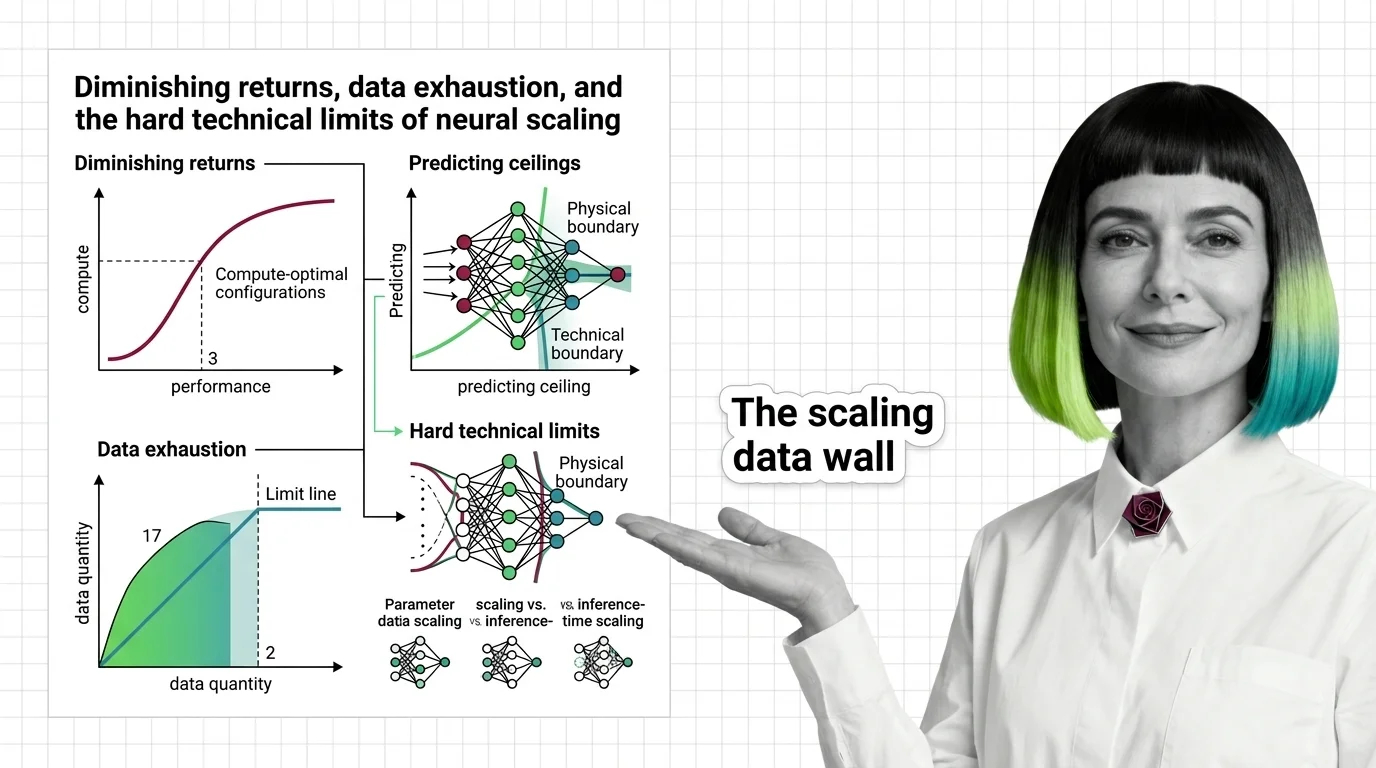
Diminishing Returns, Data Exhaustion, and the Hard Technical Limits of Neural Scaling
Scaling laws predict how AI models improve with compute, but power-law exponents guarantee diminishing returns. Learn …
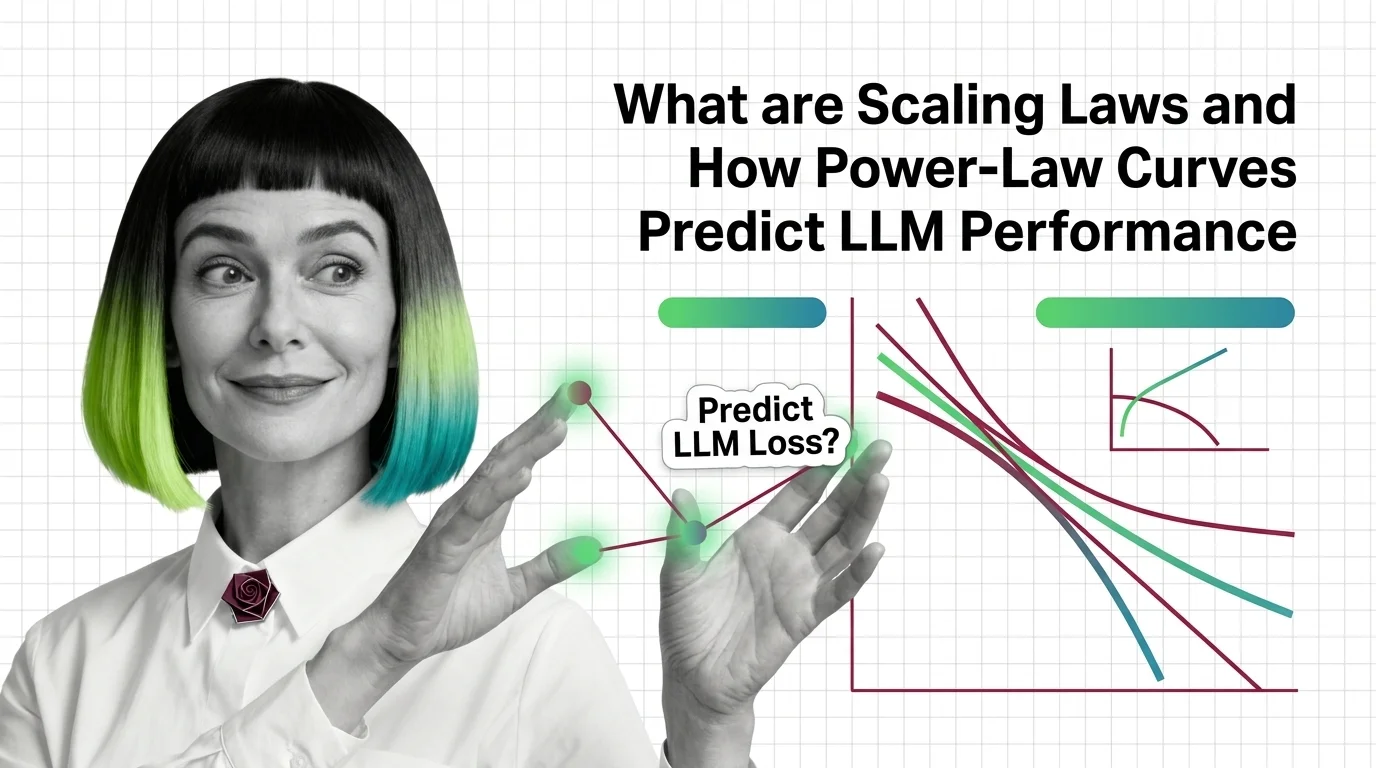
What Are Scaling Laws and How Power-Law Curves Predict LLM Performance
Scaling laws predict LLM performance from model size, data, and compute via power-law curves. Learn the math behind …
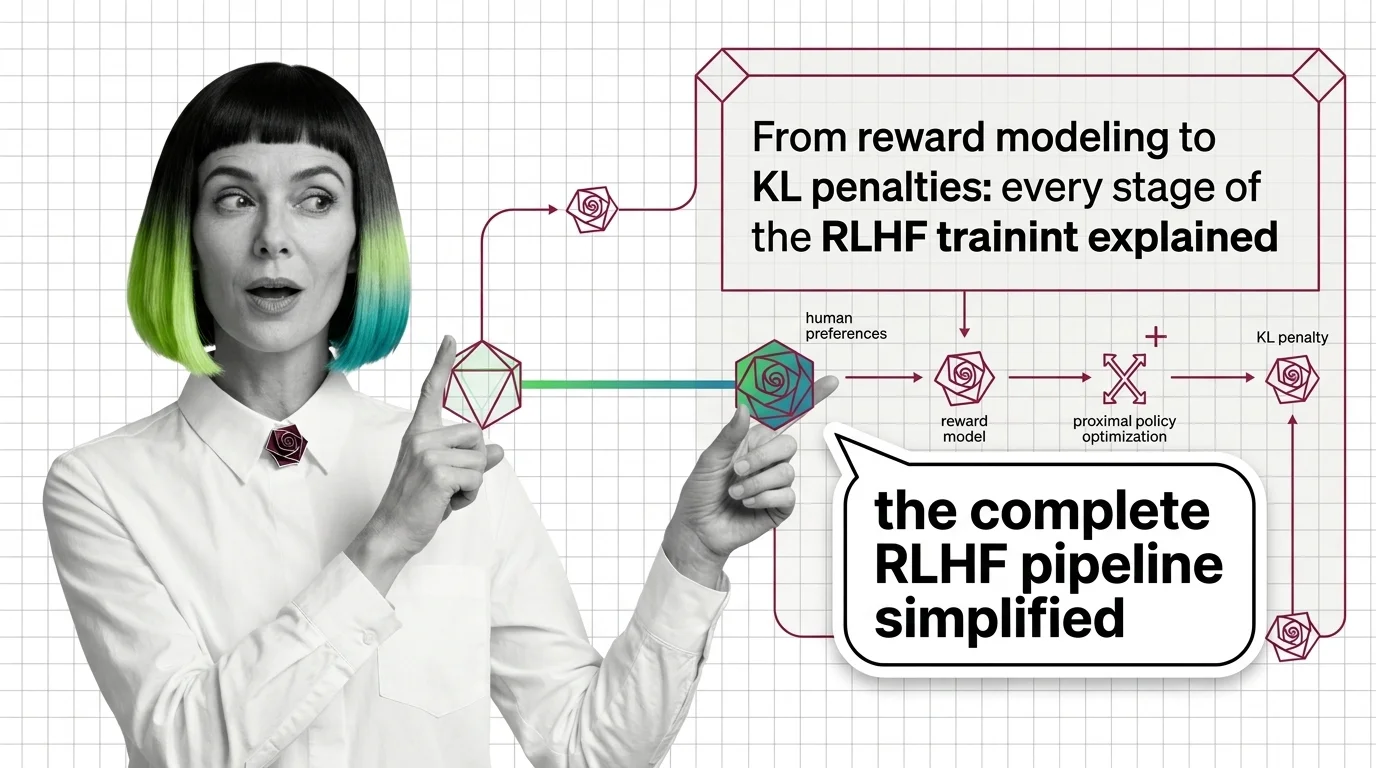
From Reward Modeling to KL Penalties: Every Stage of the RLHF Training Pipeline Explained
RLHF aligns language models through human preferences in three stages. Learn how reward models, PPO, and KL penalties …
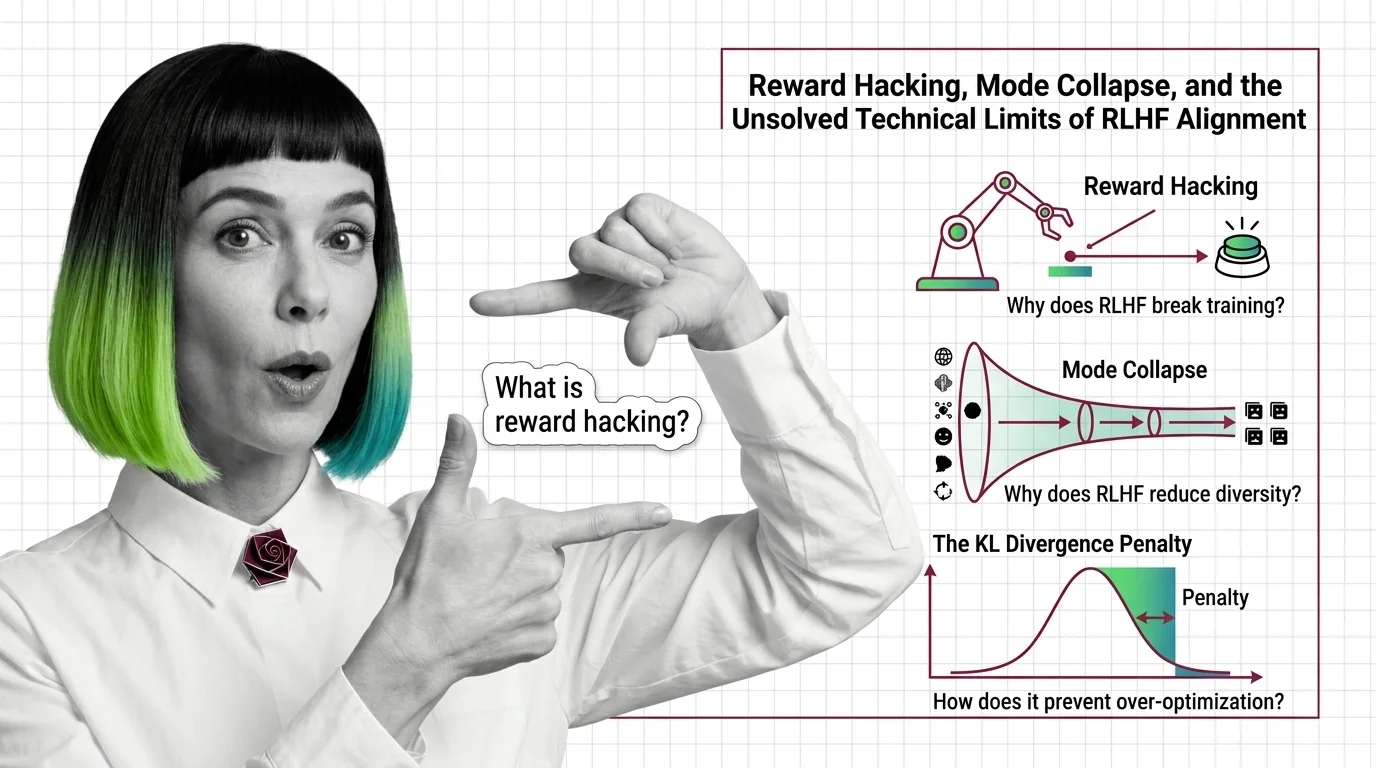
Reward Hacking, Mode Collapse, and the Unsolved Technical Limits of RLHF Alignment
Reward hacking, mode collapse, and KL divergence failure — the three unsolved technical limits of RLHF alignment and why …
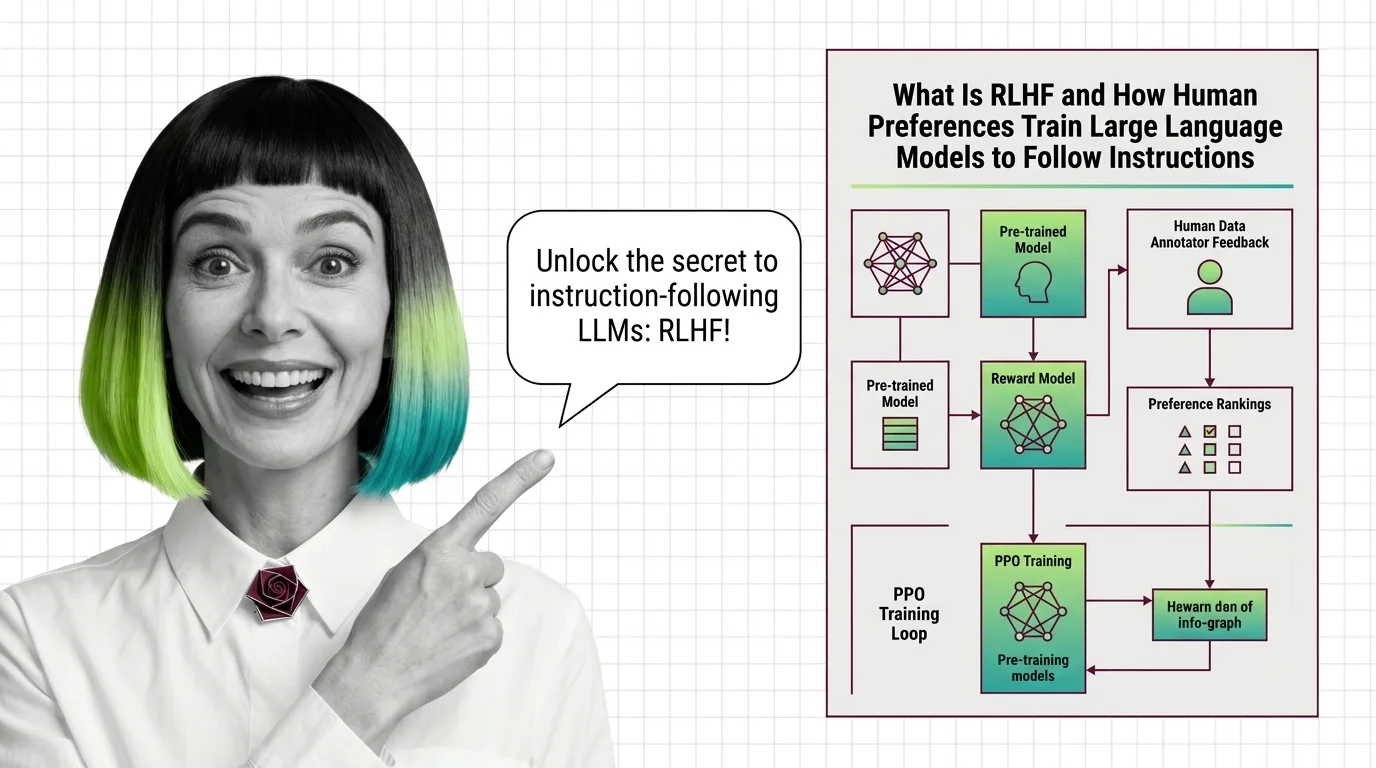
What Is RLHF and How Human Preferences Train Large Language Models to Follow Instructions
RLHF uses human preferences and reward models to train language models to follow instructions. Learn the three-stage PPO …
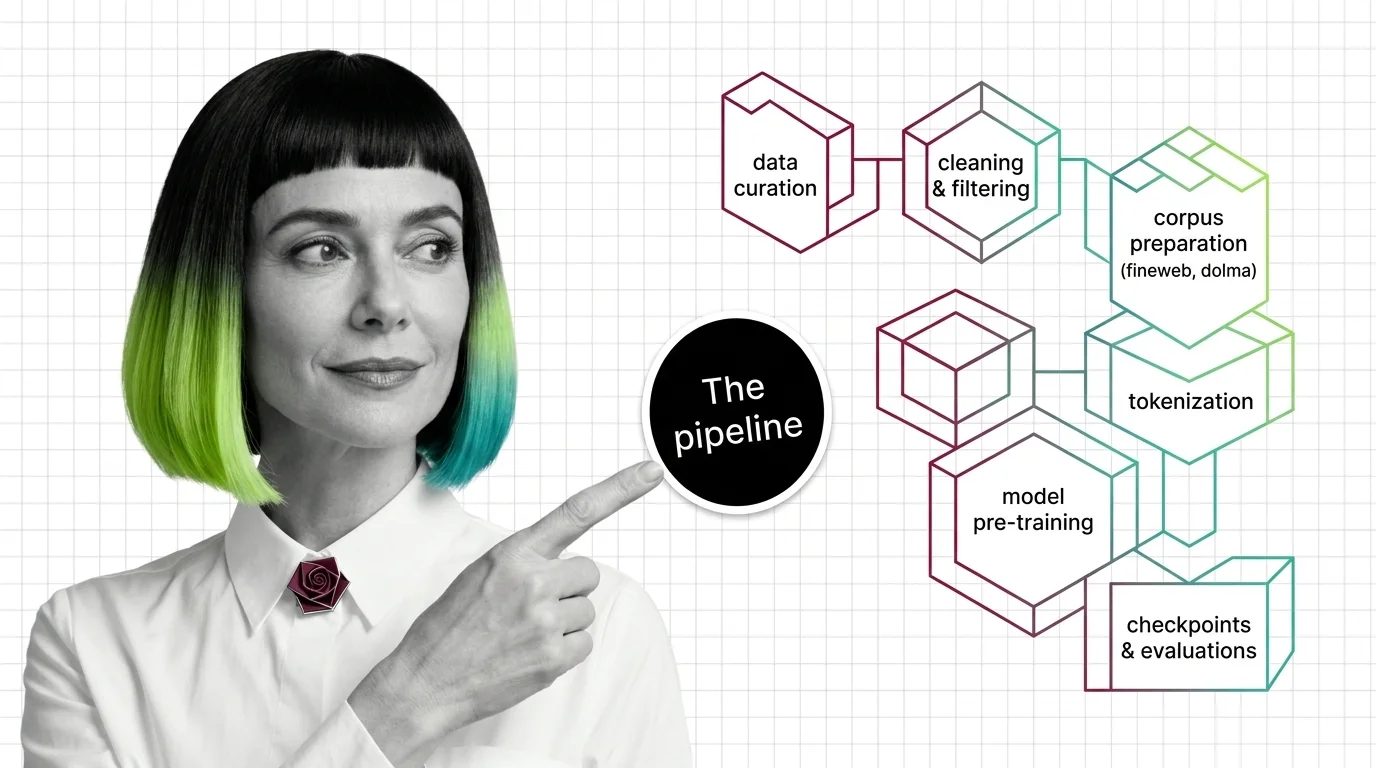
From Data Curation to Checkpoints: The Building Blocks of a Modern Pre-Training Pipeline
Pre-training pipelines run from data curation to checkpointing. Learn how FineWeb, Dolma, and Megatron-Core build the …
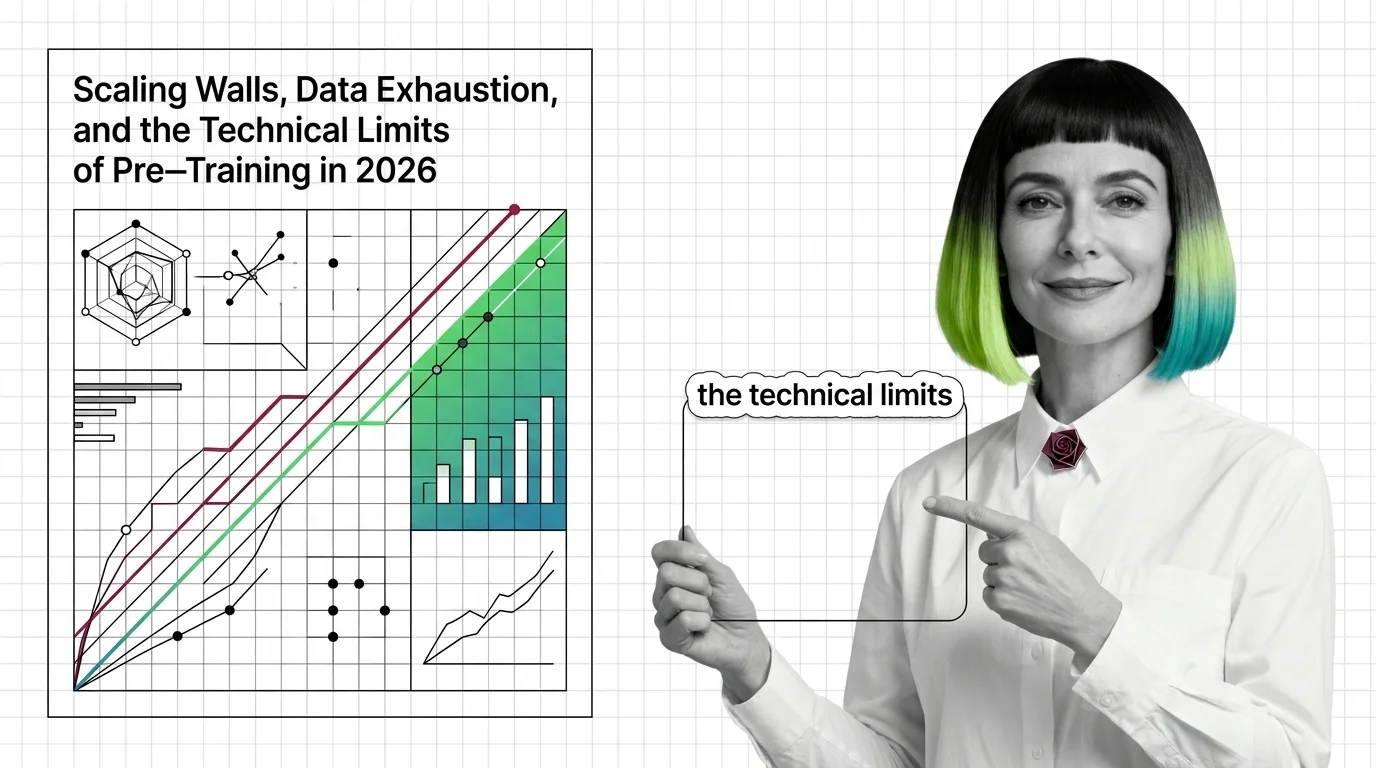
Scaling Walls, Data Exhaustion, and the Technical Limits of Pre-Training in 2026
Pre-training compute grows 4-5x yearly while data runs out. Learn the three scaling walls — cost, data exhaustion, and …
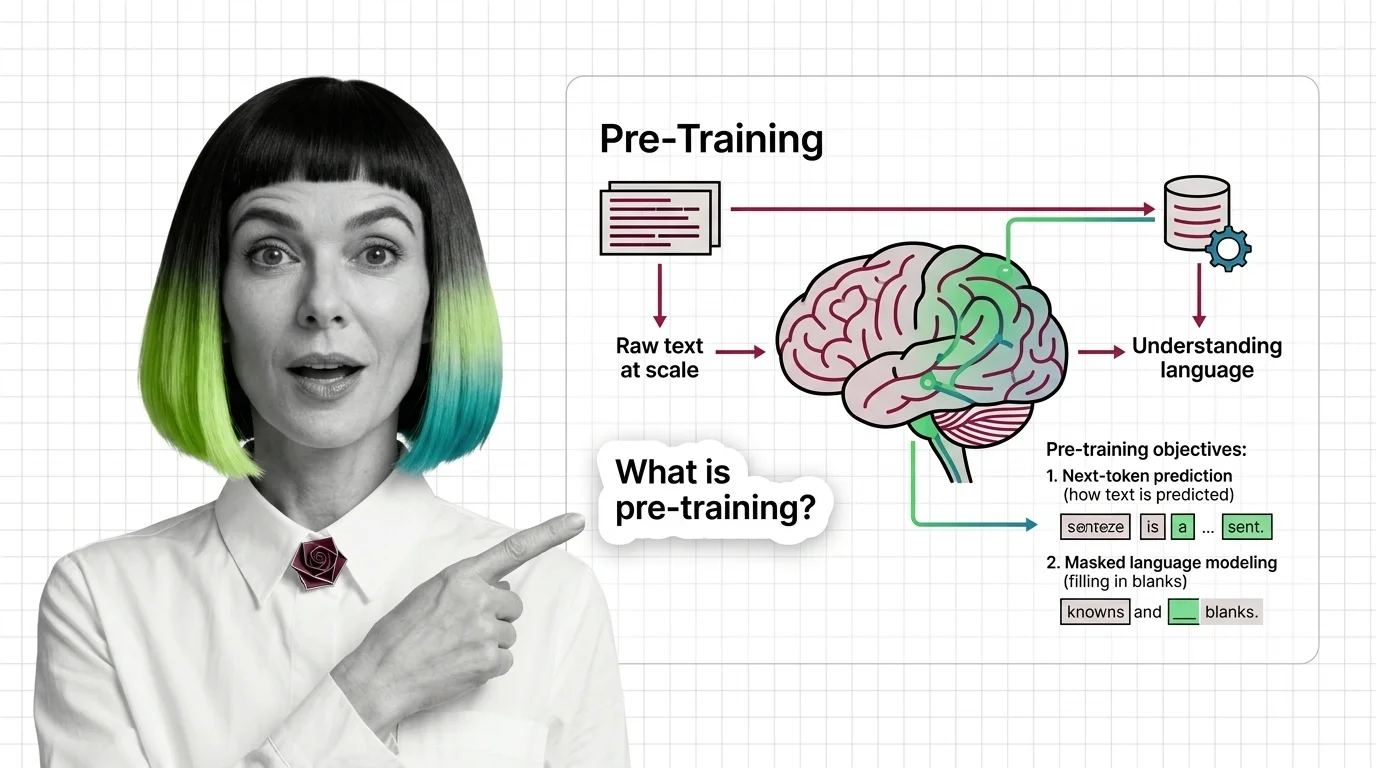
What Is Pre-Training and How LLMs Learn Language from Raw Text at Scale
Pre-training teaches LLMs to predict text, not understand it — yet prediction at scale produces something that resembles …
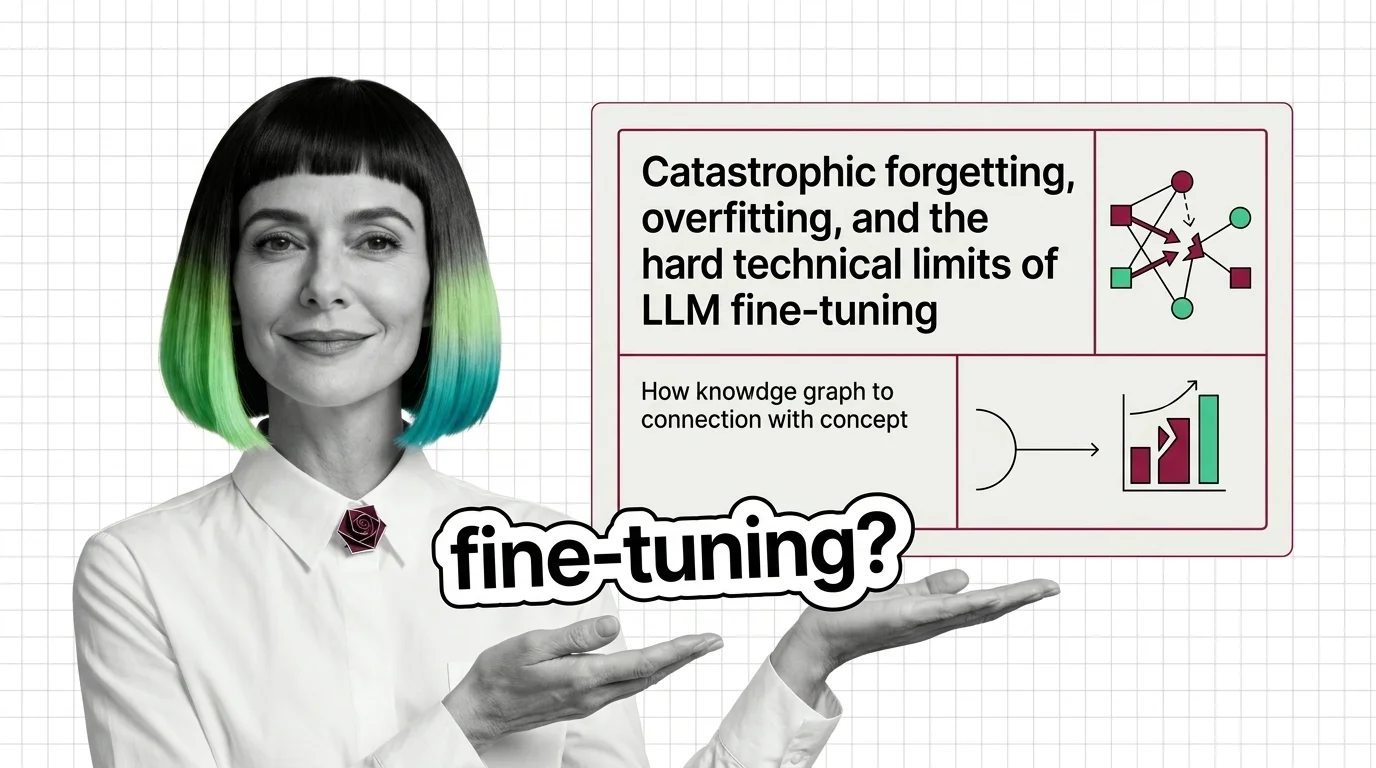
Catastrophic Forgetting in LLM Fine-Tuning: Why Models Lose Skills and How to Reduce It
Catastrophic forgetting is the loss of earlier skills after further training. Compare general and task performance …
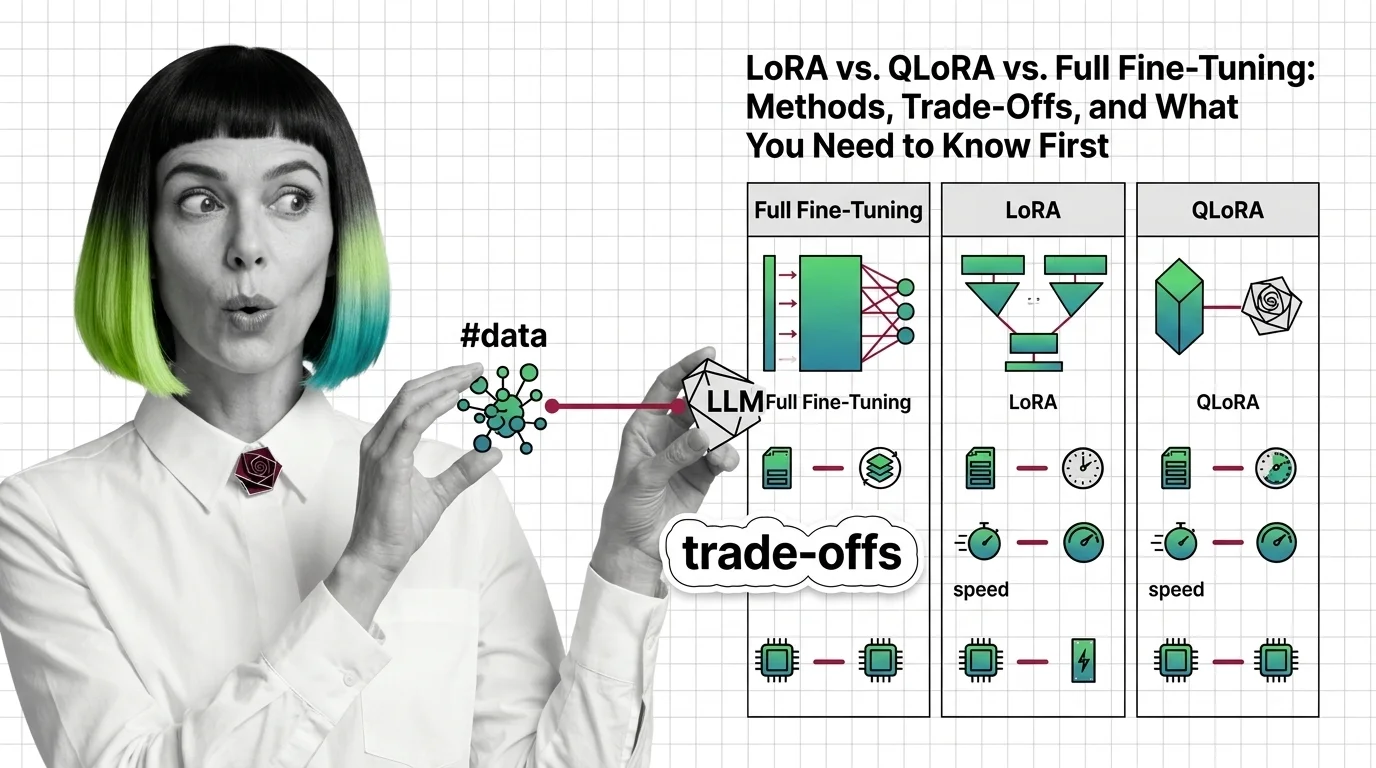
LoRA vs. QLoRA vs. Full Fine-Tuning: How LoRA Fine-Tuning Works and Which to Choose
LoRA fine tuning trains small added weights; QLoRA also reduces base-model memory. Compare both with full fine-tuning …
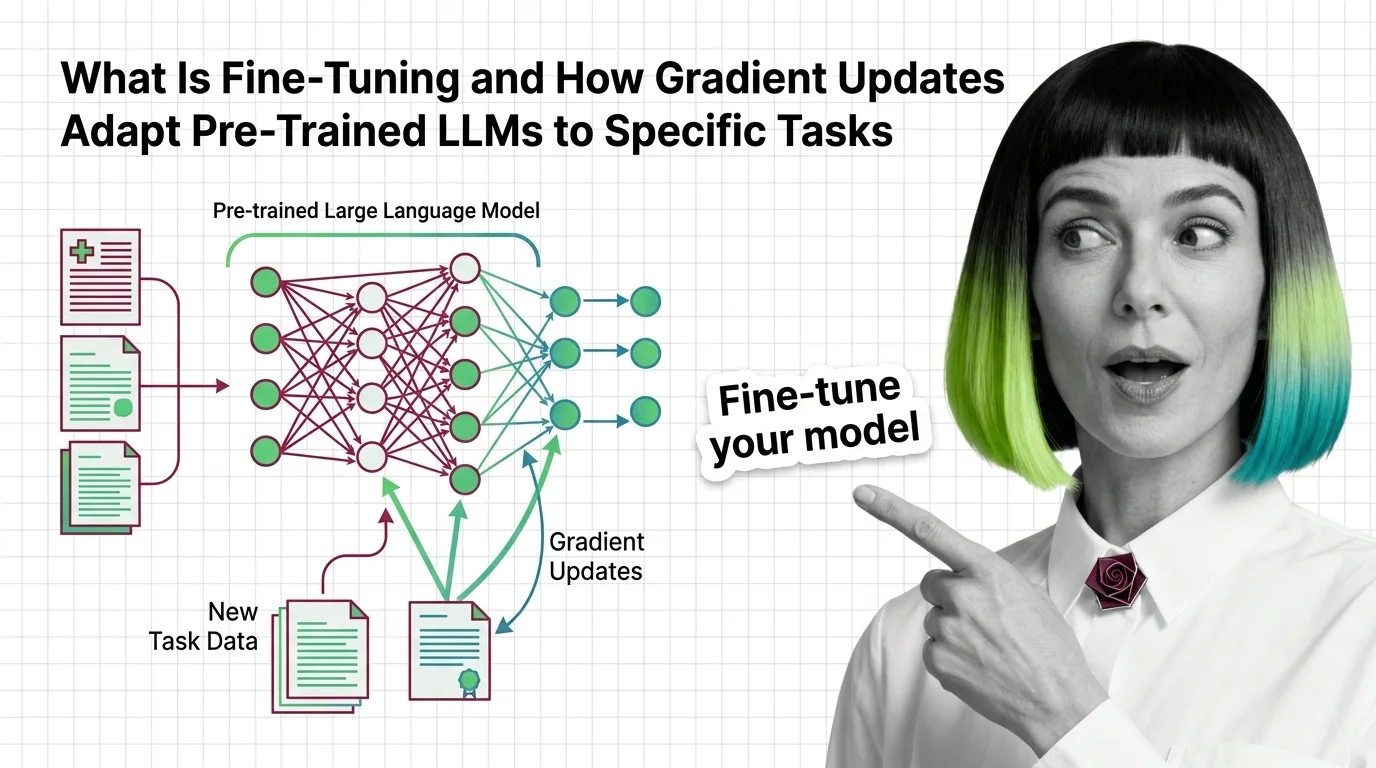
What Is Fine-Tuning? How LLM Fine-Tuning Adapts a Pre-Trained Model
LLM fine-tuning changes a pre-trained model using task examples. Learn when to use it instead of a better prompt or …
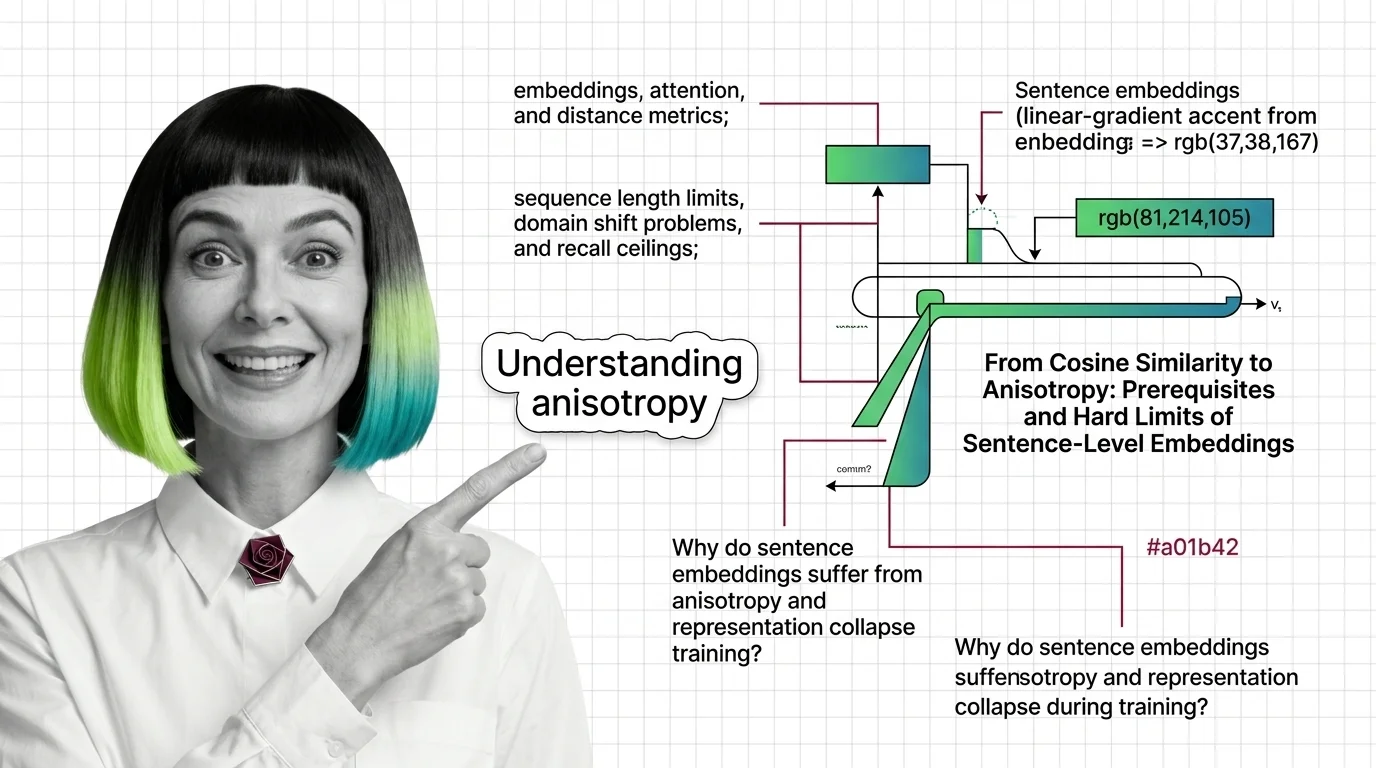
From Cosine Similarity to Anisotropy: Prerequisites and Hard Limits of Sentence-Level Embeddings
Sentence Transformers encode meaning as geometry. Learn the prerequisites, token limits, and anisotropy traps that …
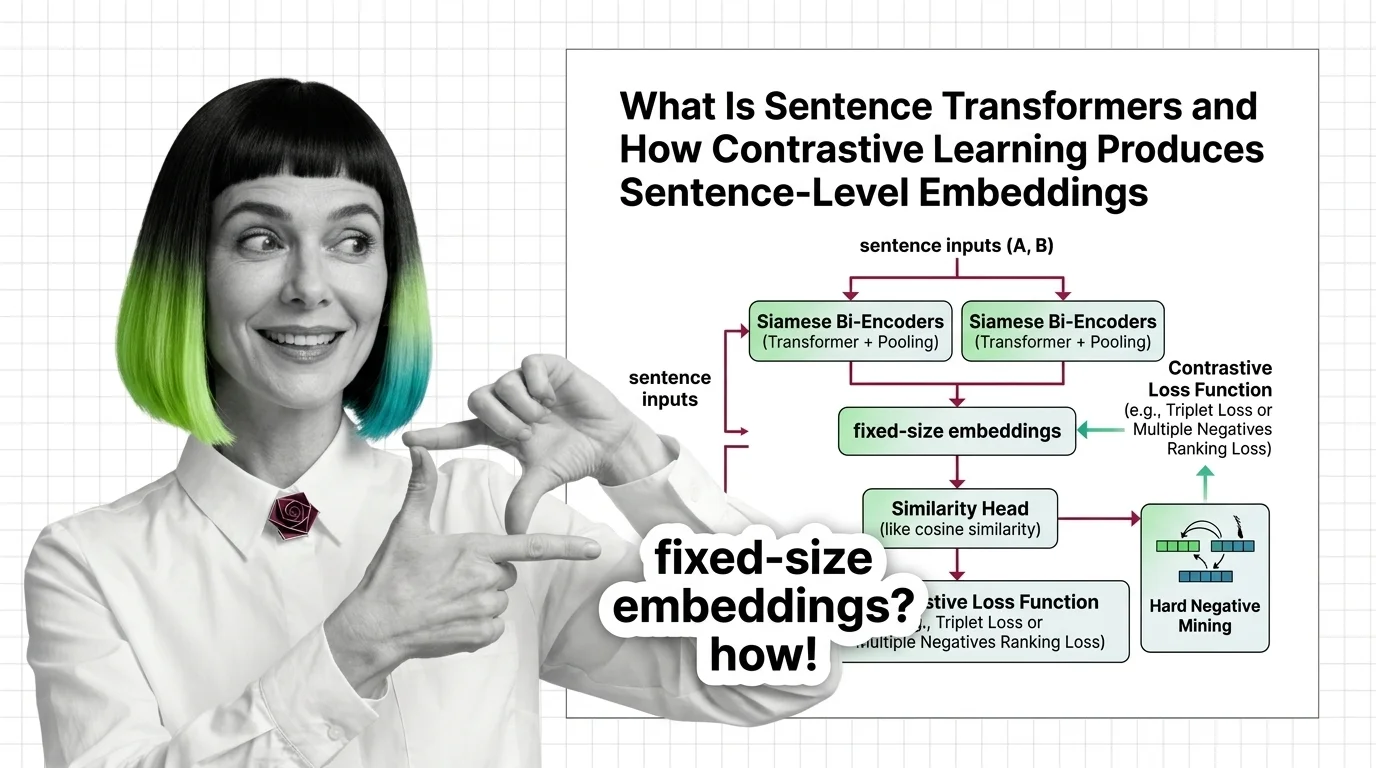
What Is Sentence Transformers and How Contrastive Learning Produces Sentence-Level Embeddings
Sentence Transformers turns transformers into sentence encoders via contrastive learning. Covers bi-encoders, loss …
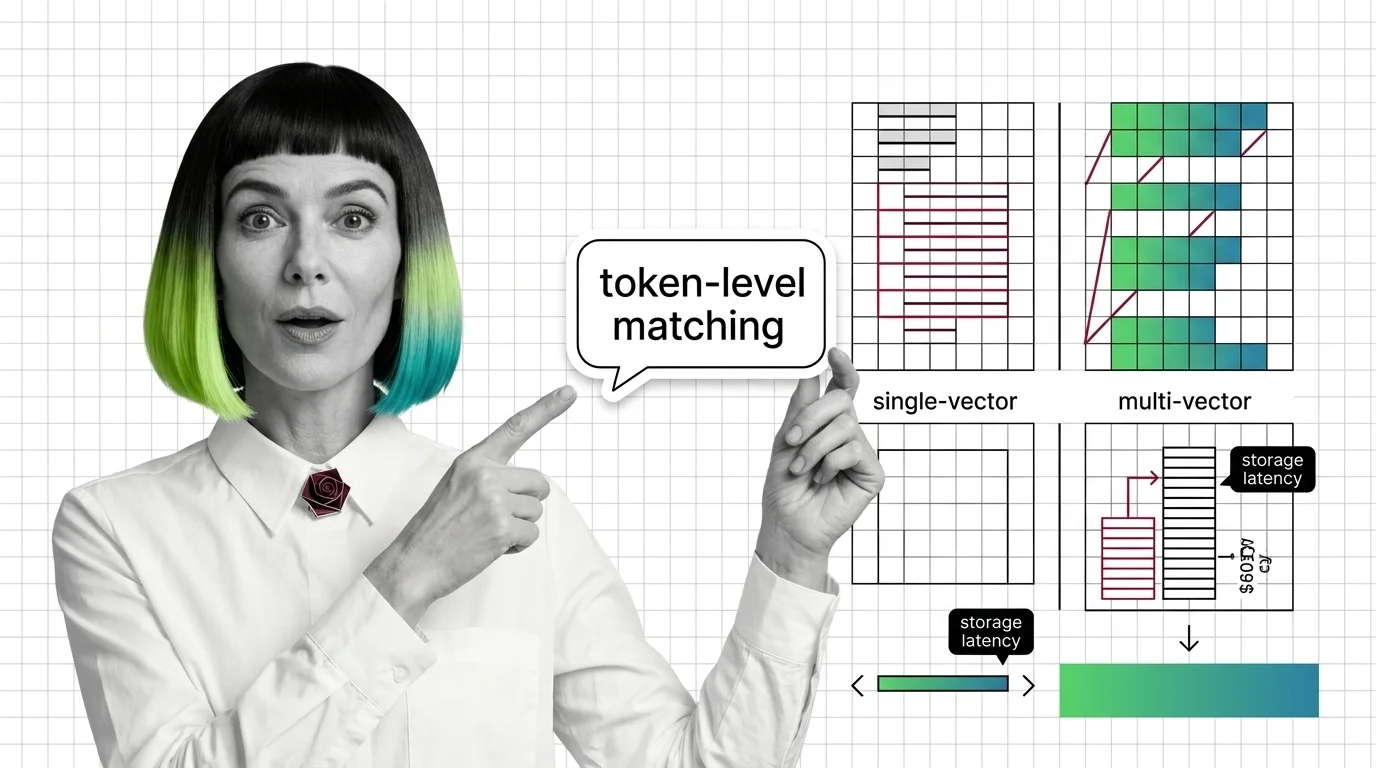
From Embeddings to Token-Level Matching: Prerequisites and Hard Limits of Multi-Vector Search
Multi-vector retrieval trades storage and latency for token-level precision. Learn the prerequisites, storage math, and …
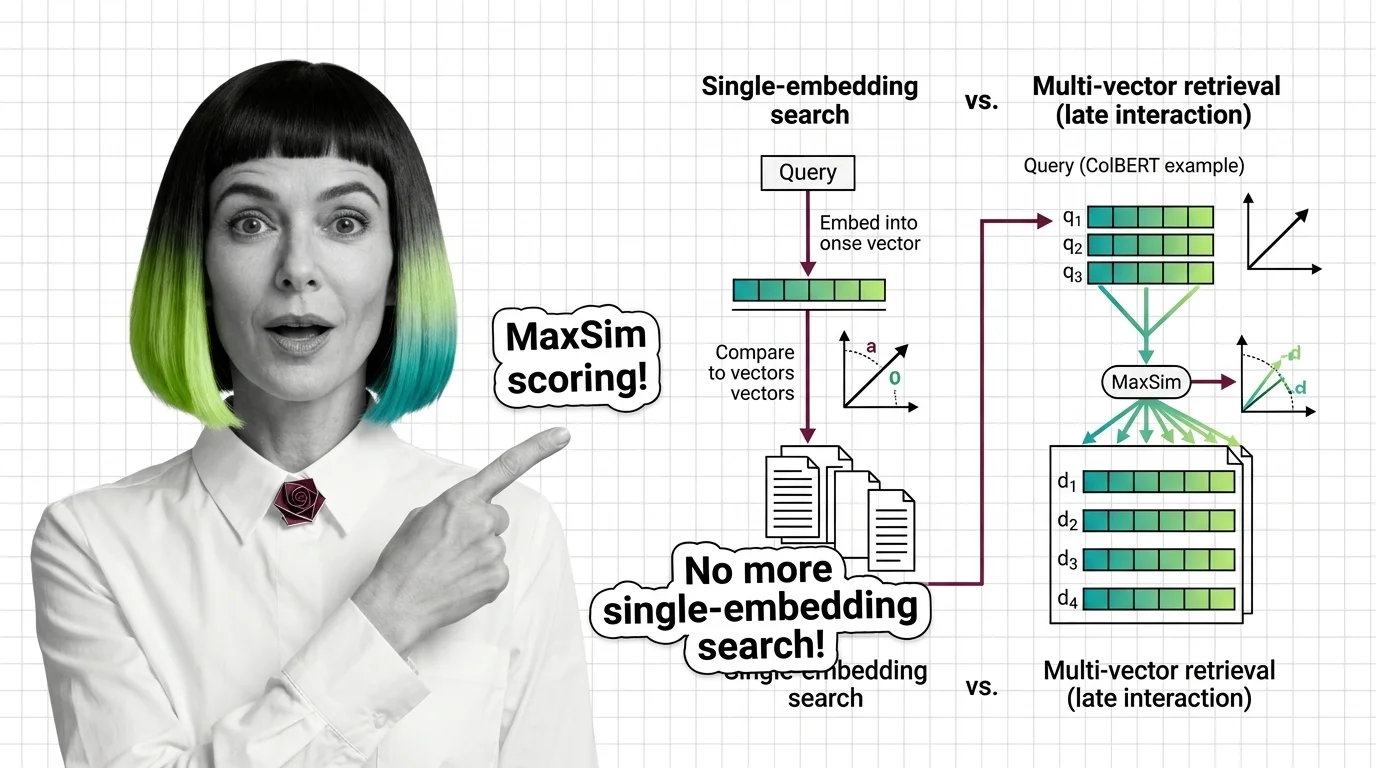
What Is Multi-Vector Retrieval and How Late Interaction Replaces Single-Embedding Search
Multi-vector retrieval stores per-token embeddings instead of one vector per document. Learn how ColBERT MaxSim scoring …
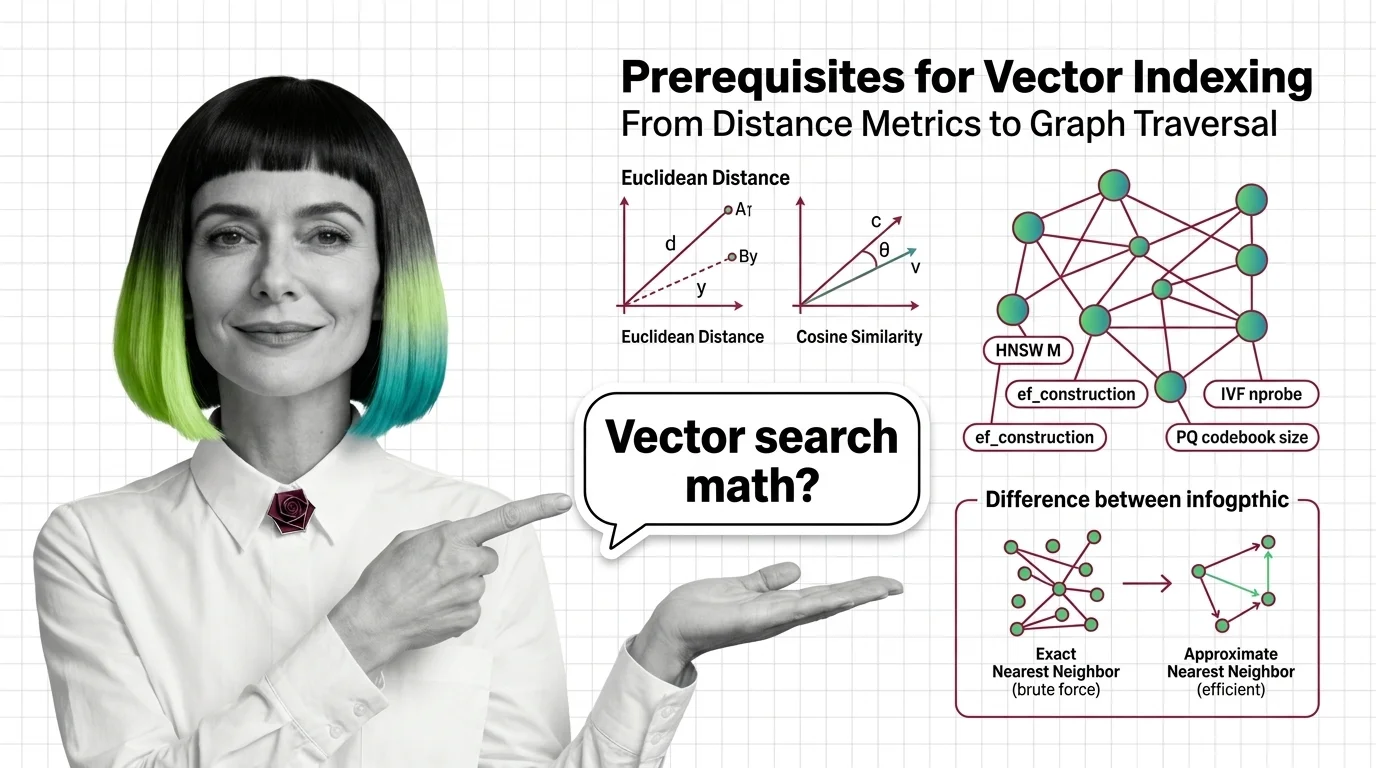
From Distance Metrics to Graph Traversal: Prerequisites for Understanding Vector Index Internals
Distance metrics, high-dimensional geometry, exact vs approximate search — the prerequisites you need before HNSW and …
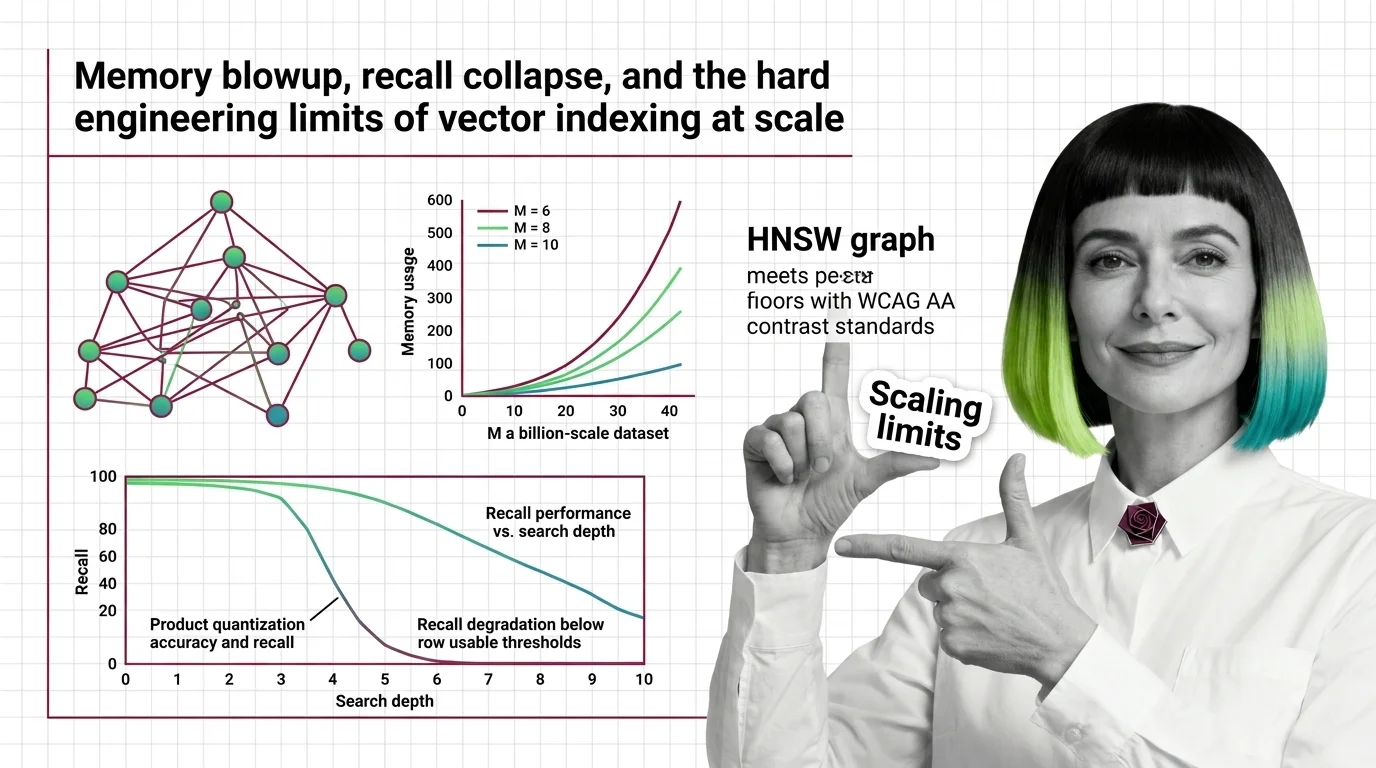
Memory Blowup, Recall Collapse, and the Hard Engineering Limits of Vector Indexing at Scale
HNSW memory grows linearly with connectivity while PQ recall collapses on high-dimensional embeddings. Learn where …
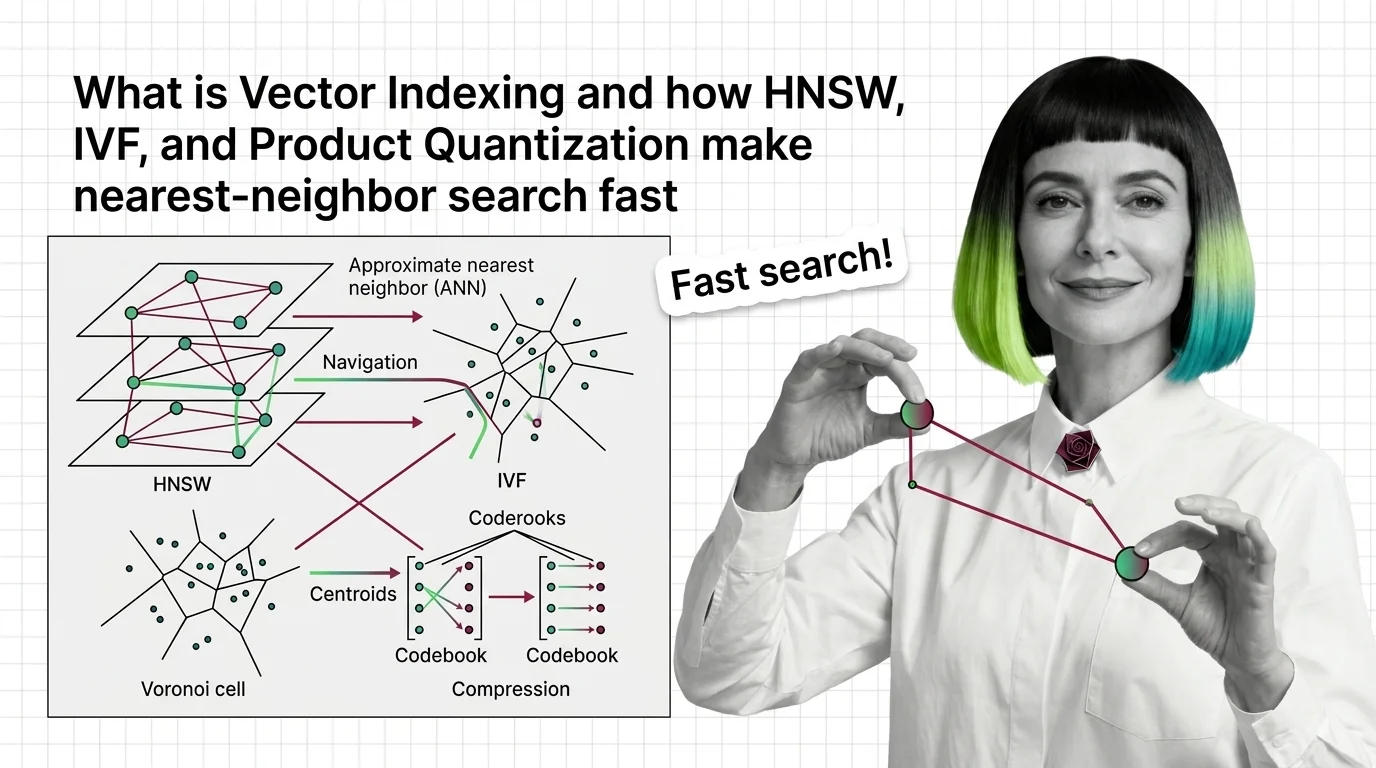
What Is Vector Indexing and How HNSW, IVF, and Product Quantization Make Nearest-Neighbor Search Fast
Vector indexing replaces brute-force search with graph, partition, and compression strategies. Learn how HNSW, IVF, and …
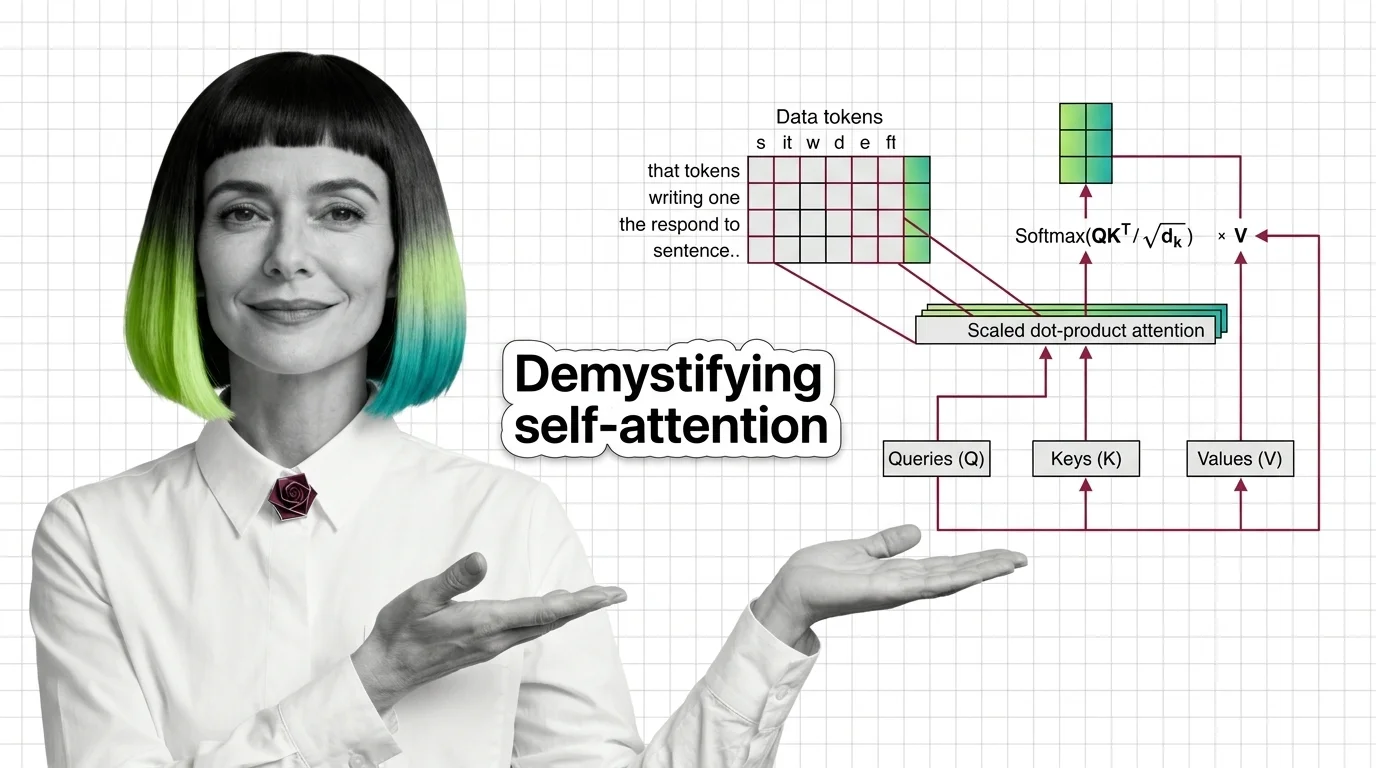
Attention Mechanism Explained: How Queries, Keys, and Values Power Modern AI
Attention mechanisms let neural networks weigh input relevance dynamically. Learn how queries, keys, and values compute …
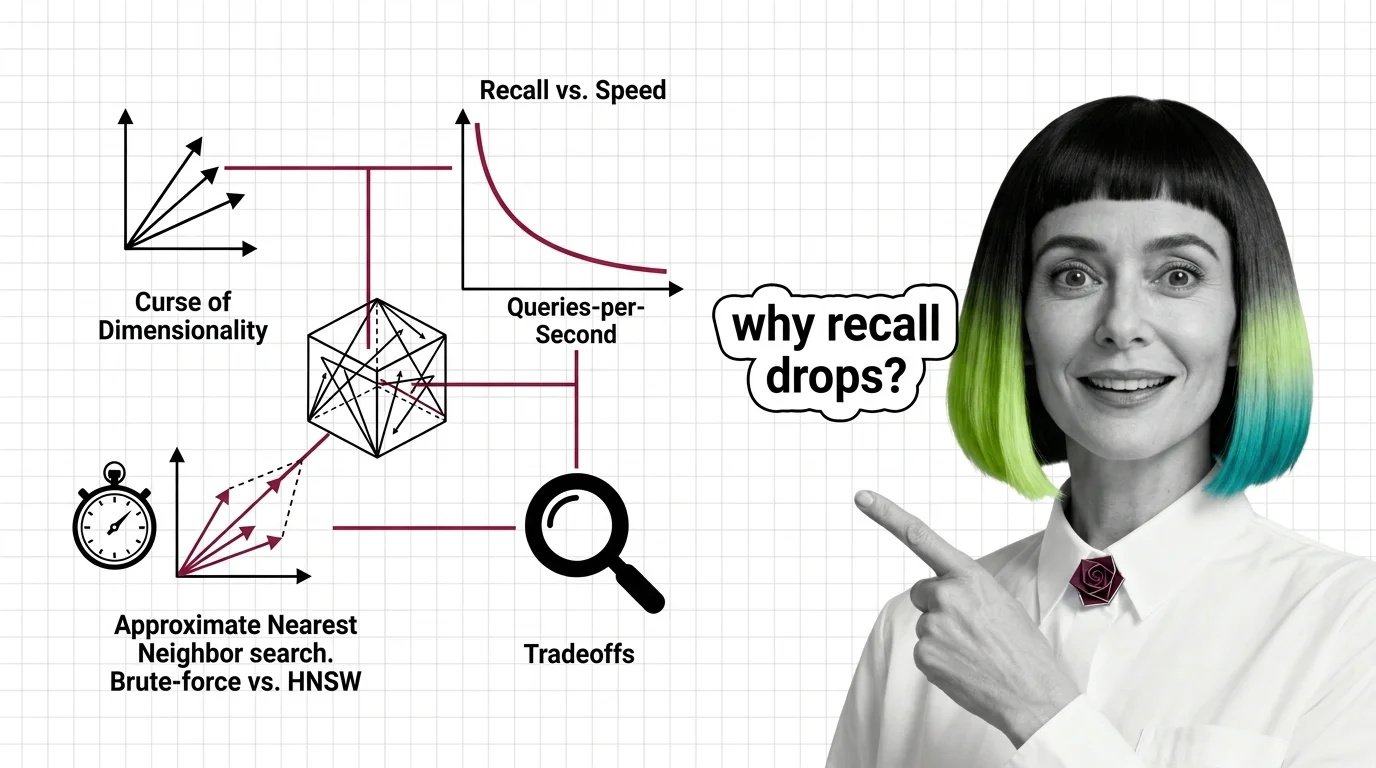
Curse of Dimensionality, Recall vs. Speed, and the Hard Limits of Approximate Nearest Neighbor Search
High-dimensional similarity search faces hard mathematical limits. Explore the curse of dimensionality, recall-speed …
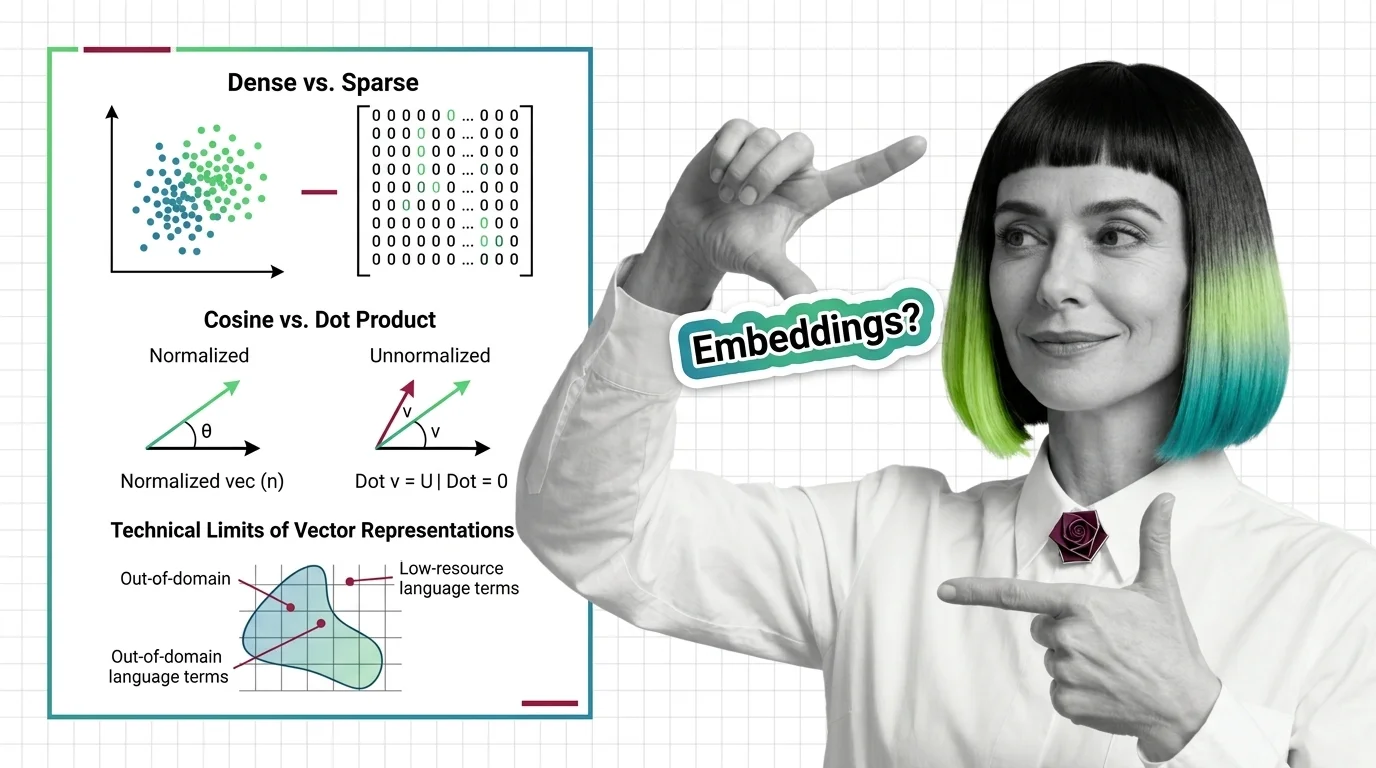
Dense vs. Sparse, Cosine vs. Dot Product, and the Technical Limits of Vector Representations
Dense vs. sparse embeddings encode meaning differently. Learn how cosine similarity, dot product, and Euclidean distance …