Explainer Articles
In-depth explanations of AI concepts, architectures, and principles. Educational content that breaks down complex topics into understandable insights.
- Home /
- Explainer Articles
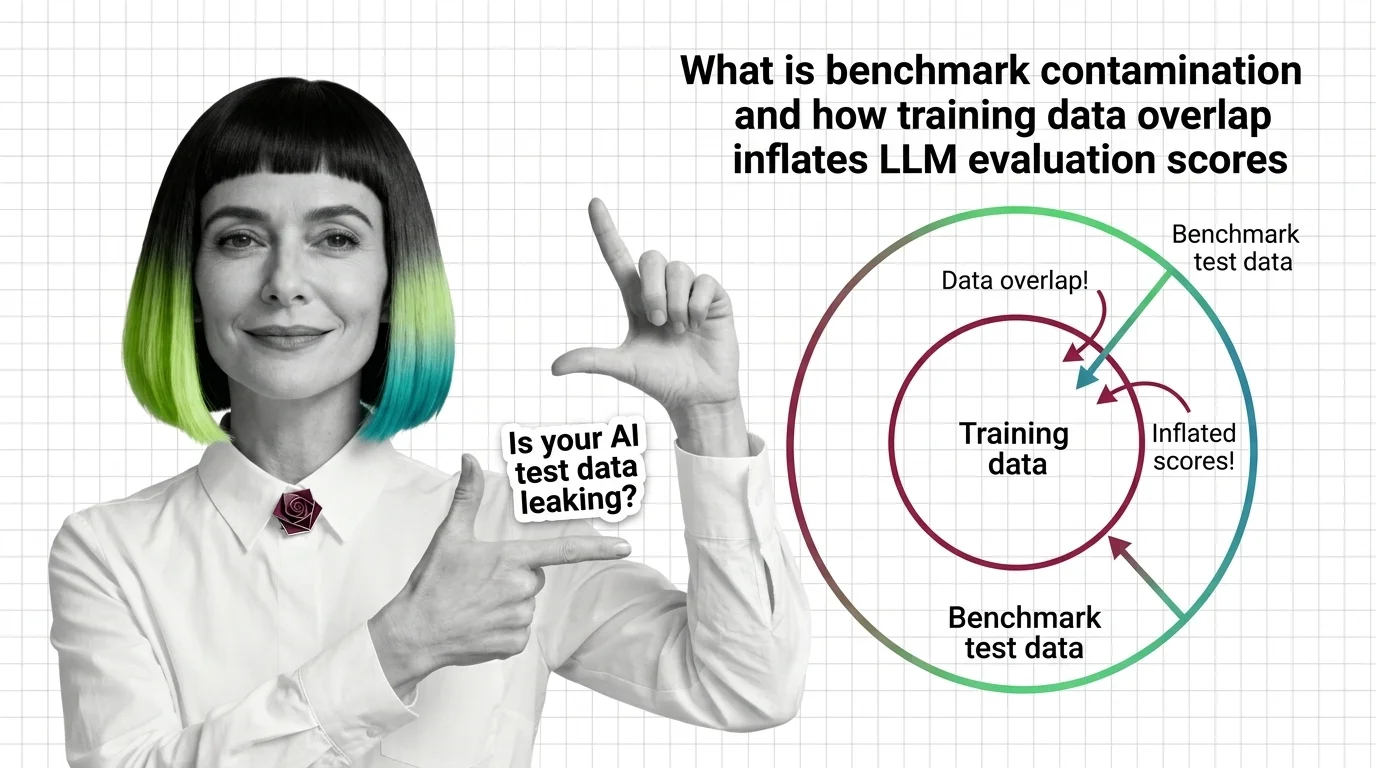
What Is Benchmark Contamination and How Training Data Overlap Inflates LLM Evaluation Scores
Benchmark contamination inflates LLM scores when training data overlaps with test sets. Learn how data leaks in and why …

From Baselines to Factorial Design: Prerequisites and Core Components of Ablation Experiment Design
Ablation studies reveal which components matter, but only with the right baselines, controls, and statistical methods. …
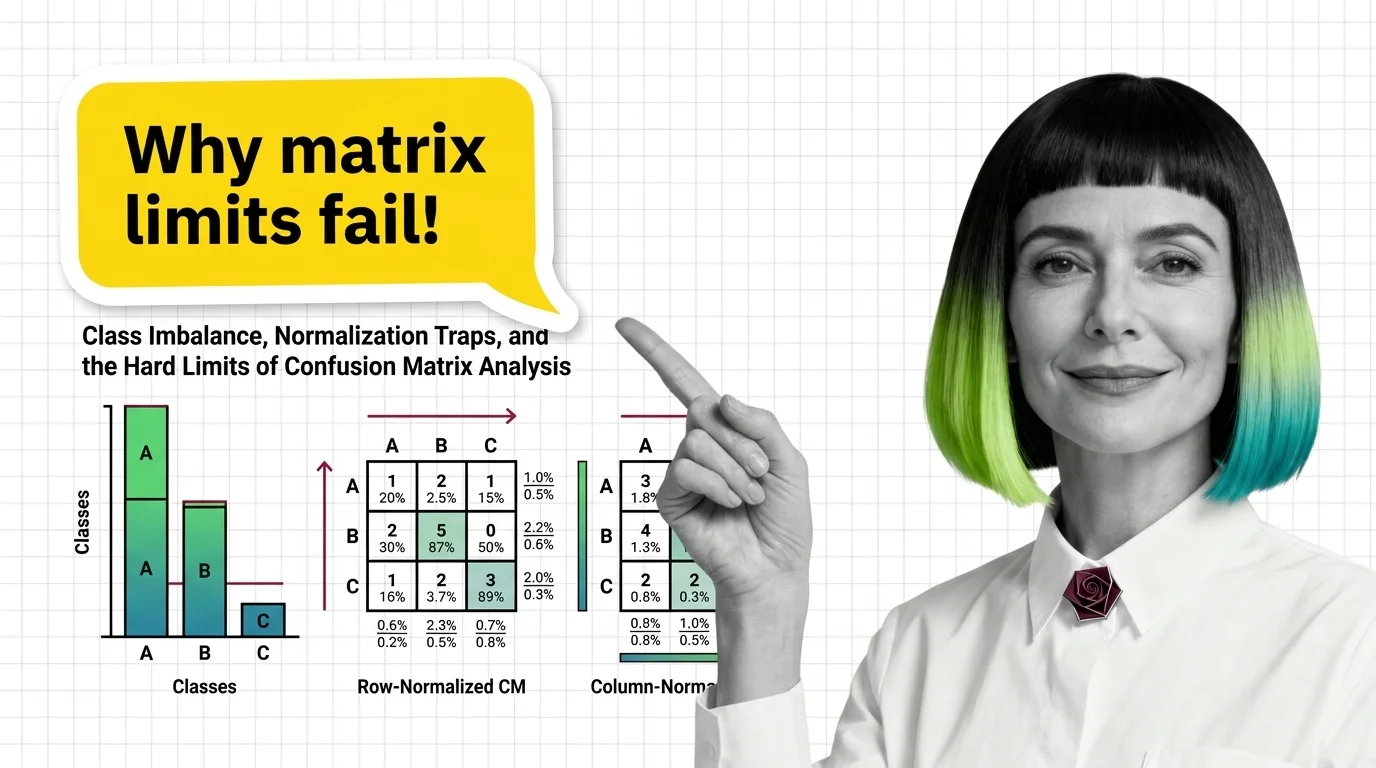
Class Imbalance, Normalization Traps, and the Hard Limits of Confusion Matrix Analysis
Confusion matrices hide failures under class imbalance. Learn how normalization direction changes what you see and why …

Combinatorial Explosion, Interaction Effects, and the Hard Limits of Ablation Studies at Scale
Ablation studies hit a wall at scale: combinatorial explosion and non-additive interactions make exhaustive testing of …
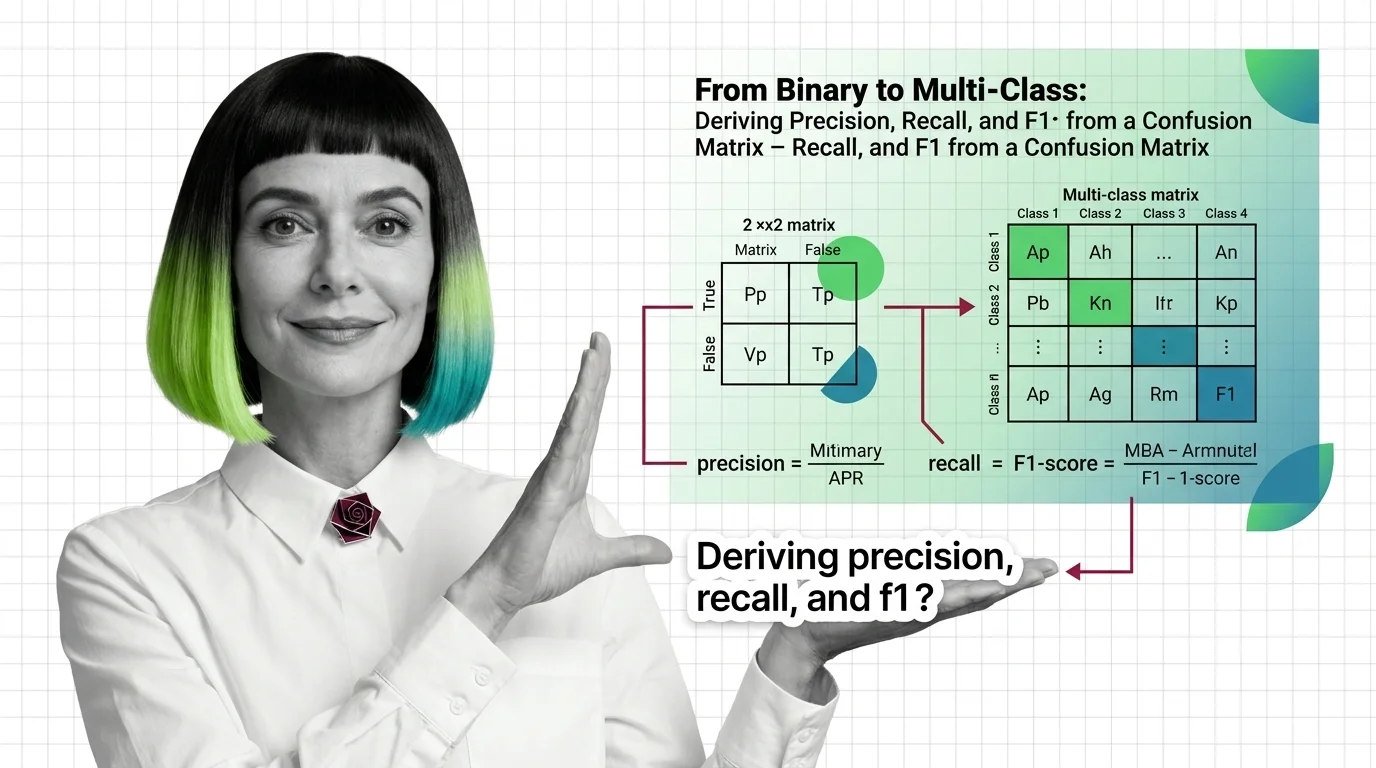
From Binary to Multi-Class: Deriving Precision, Recall, and F1 from a Confusion Matrix
The confusion matrix scales from four binary cells to N² in multi-class problems. What the diagonal and margins record …
MMLU's 6.5% Label Error Rate and Benchmark Score Saturation
MMLU's 6.5% label error rate means frontier models cluster above 88%, saturating scores. Score saturation explains why …
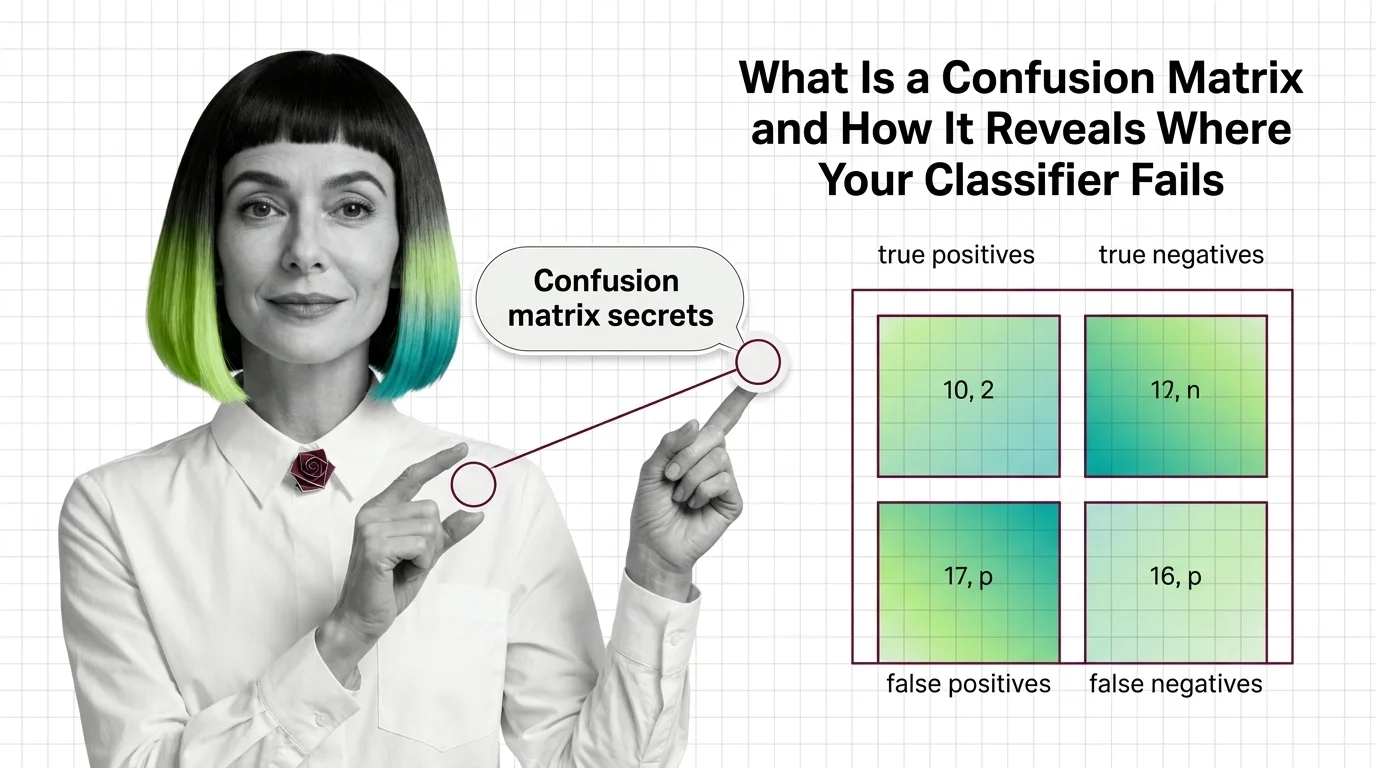
What Is a Confusion Matrix and How It Reveals Where Your Classifier Fails
A confusion matrix reveals exactly where classifiers fail. Understand true positives, false negatives, and why accuracy …

What Is an Ablation Study in Machine Learning? How Removing One Part Shows What It Contributes
An ablation study removes or replaces one part of a machine-learning system and measures what changes.

What Is the MMLU Benchmark and How 57 Academic Subjects Test LLM Knowledge
MMLU tests large language models across 57 academic subjects with 15,908 questions. Learn how it works, where it breaks, …
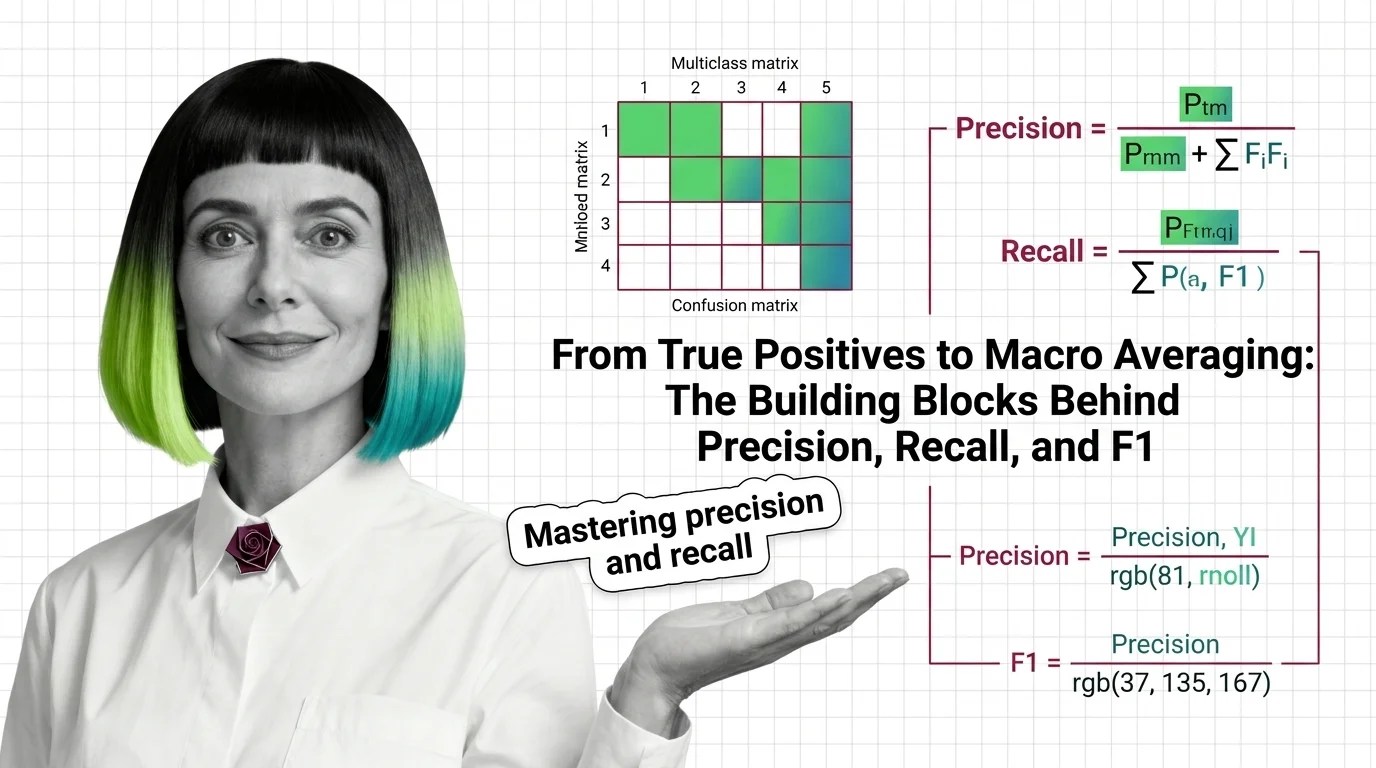
From True Positives to Macro Averaging: The Building Blocks Behind Precision, Recall, and F1
Precision, recall, and F1 score measure what accuracy hides. Learn how true positives, confusion matrices, and macro …
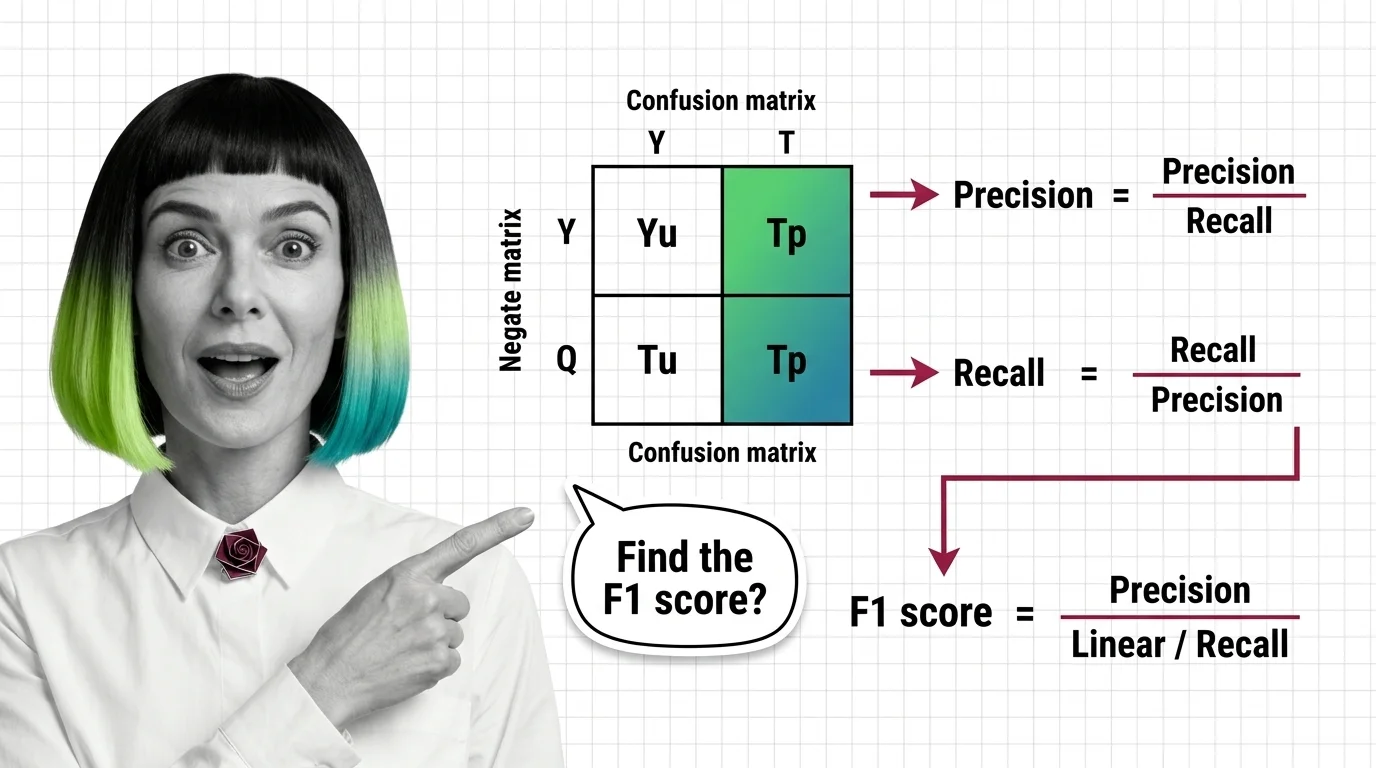
Precision, Recall, F1 Score: What the Confusion Matrix Reveals
What accuracy won't show: precision, recall, and F1 score expose true classifier performance. The confusion matrix …
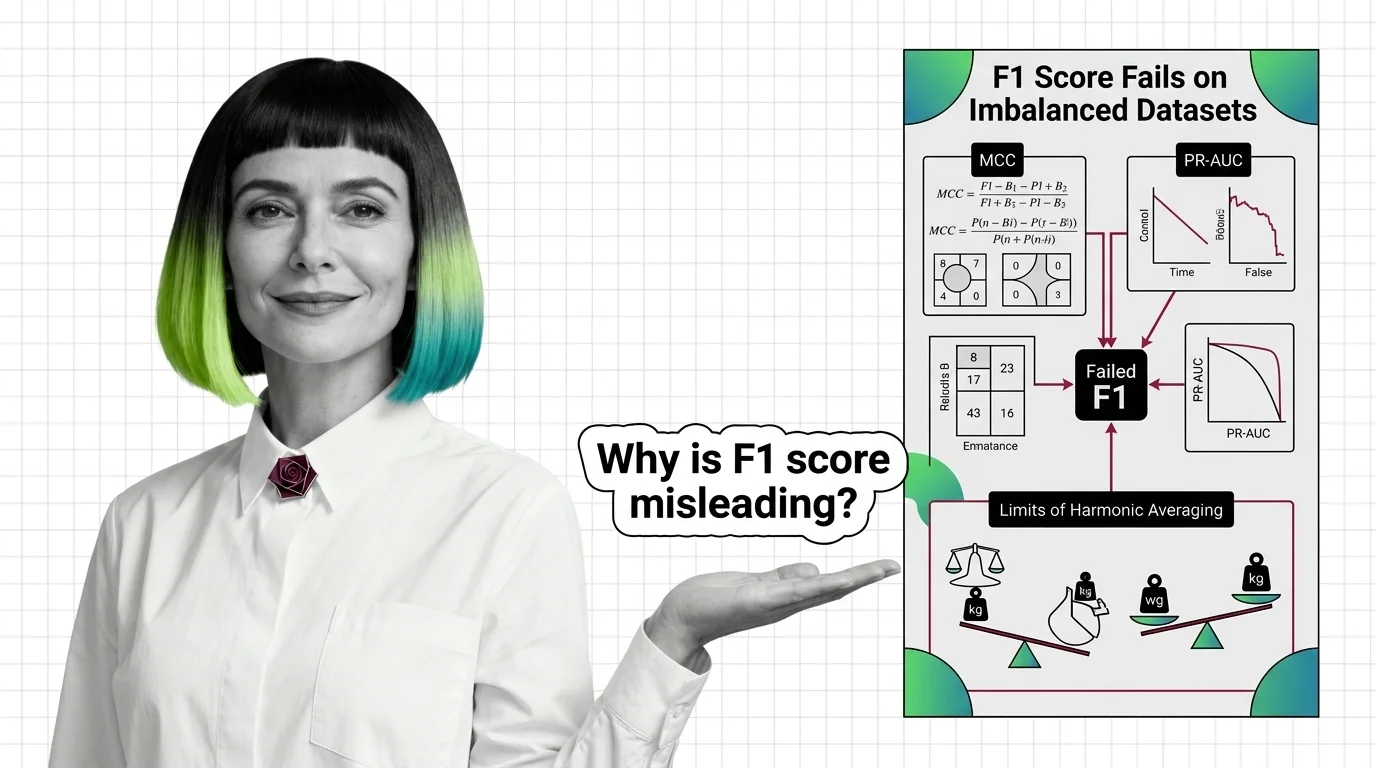
Why F1 Score Fails on Imbalanced Datasets: MCC, PR-AUC, and the Limits of Harmonic Averaging
F1 score hides classifier failures on imbalanced datasets by ignoring true negatives. Learn why MCC and PR-AUC reveal …
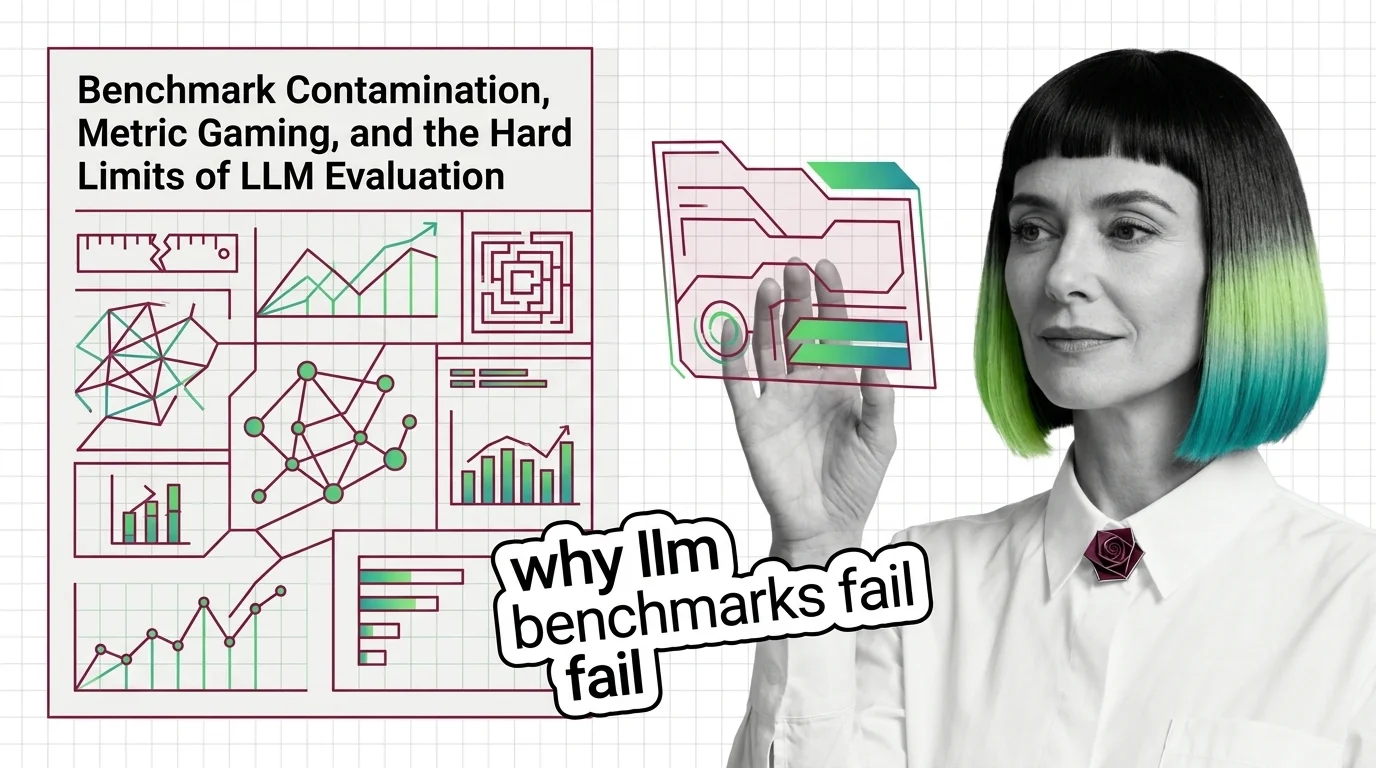
Benchmark Contamination, Metric Gaming, and the Hard Limits of LLM Evaluation
Benchmark contamination inflates LLM scores while real-world performance lags. Learn why metric gaming and saturated …

Perplexity, BLEU, ROUGE, and ELO: The Core Metrics Behind LLM Evaluation Explained
Perplexity, BLEU, ROUGE, and Elo measure fundamentally different properties of language models. Learn when each metric …

What Is Model Evaluation and How Benchmarks, Metrics, and Human Judgment Measure LLM Quality
Model evaluation combines benchmarks, automated metrics, and human judgment to measure LLM quality. Learn why high …

The Impossibility Theorem and Why No Model Can Satisfy Every Fairness Metric at Once
When group base rates differ, no algorithm satisfies calibration, equal error rates, and demographic parity at once. …
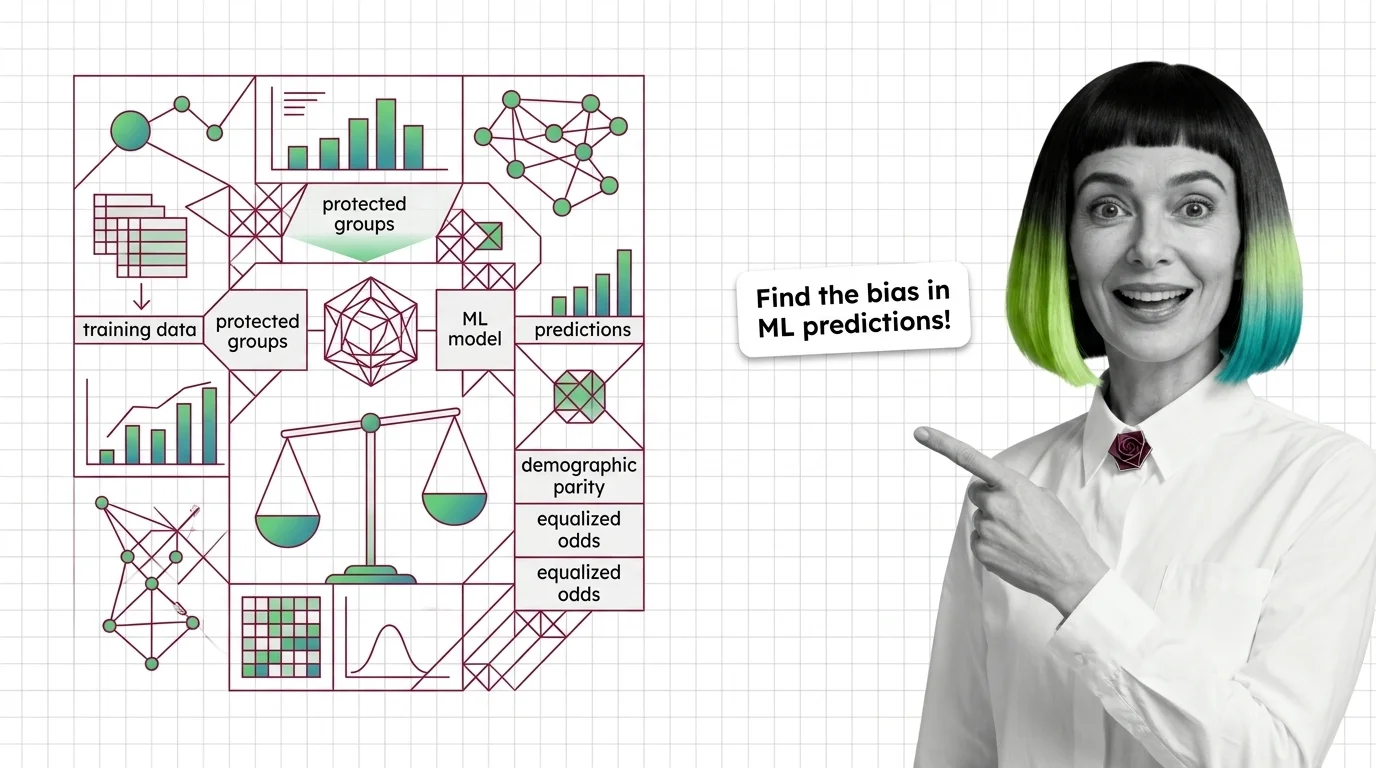
What Are Bias and Fairness Metrics and How They Detect Discrimination in ML Predictions
Fairness metrics test whether ML models discriminate by group. Learn how disparate impact, equalized odds, and the …
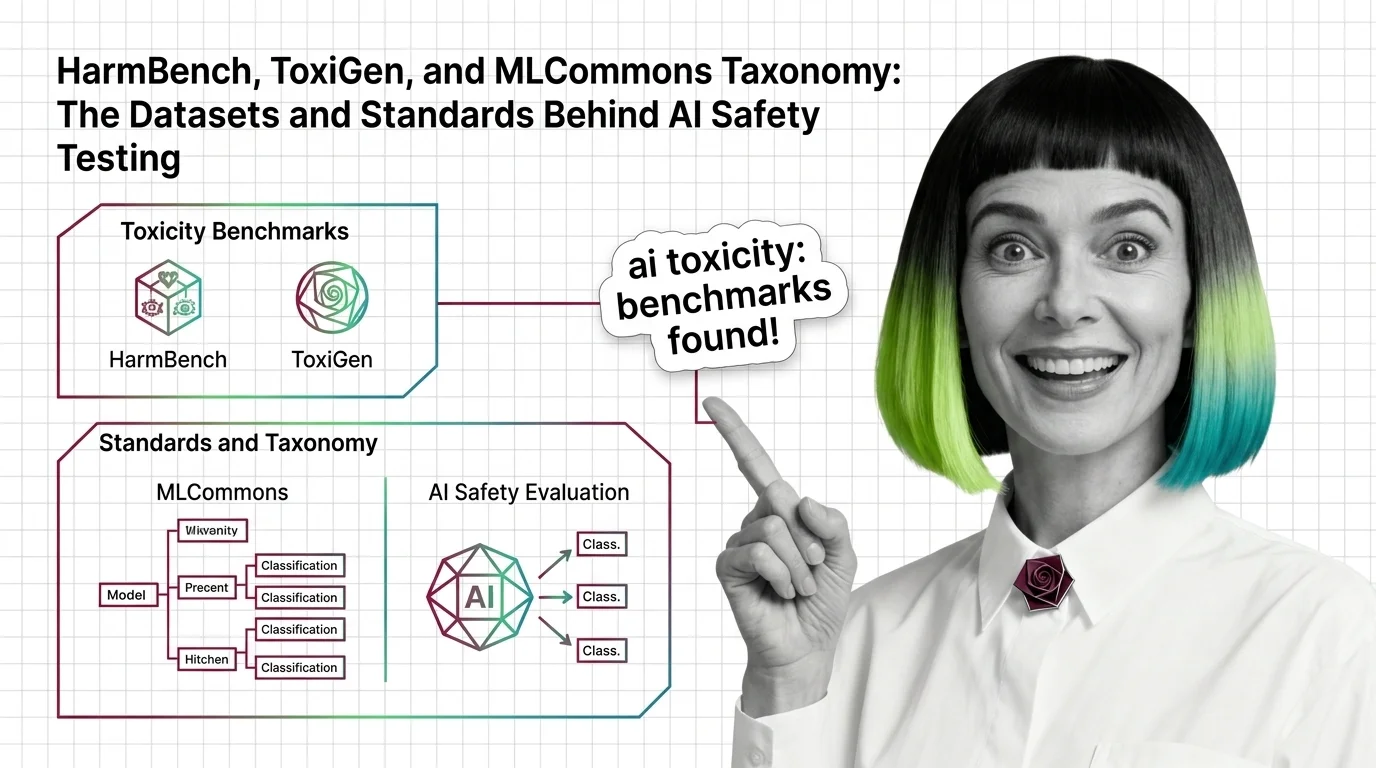
HarmBench, ToxiGen, and MLCommons Taxonomy: The Datasets and Standards Behind AI Safety Testing
HarmBench, ToxiGen, and MLCommons AILuminate define how AI safety is measured. Learn the datasets, classifiers, and …

What Is Toxicity and Safety Evaluation and How Guard Models Score Harmful AI Outputs
Toxicity and safety evaluation scores AI outputs for harm using classifiers and red teaming. Learn how guard models …
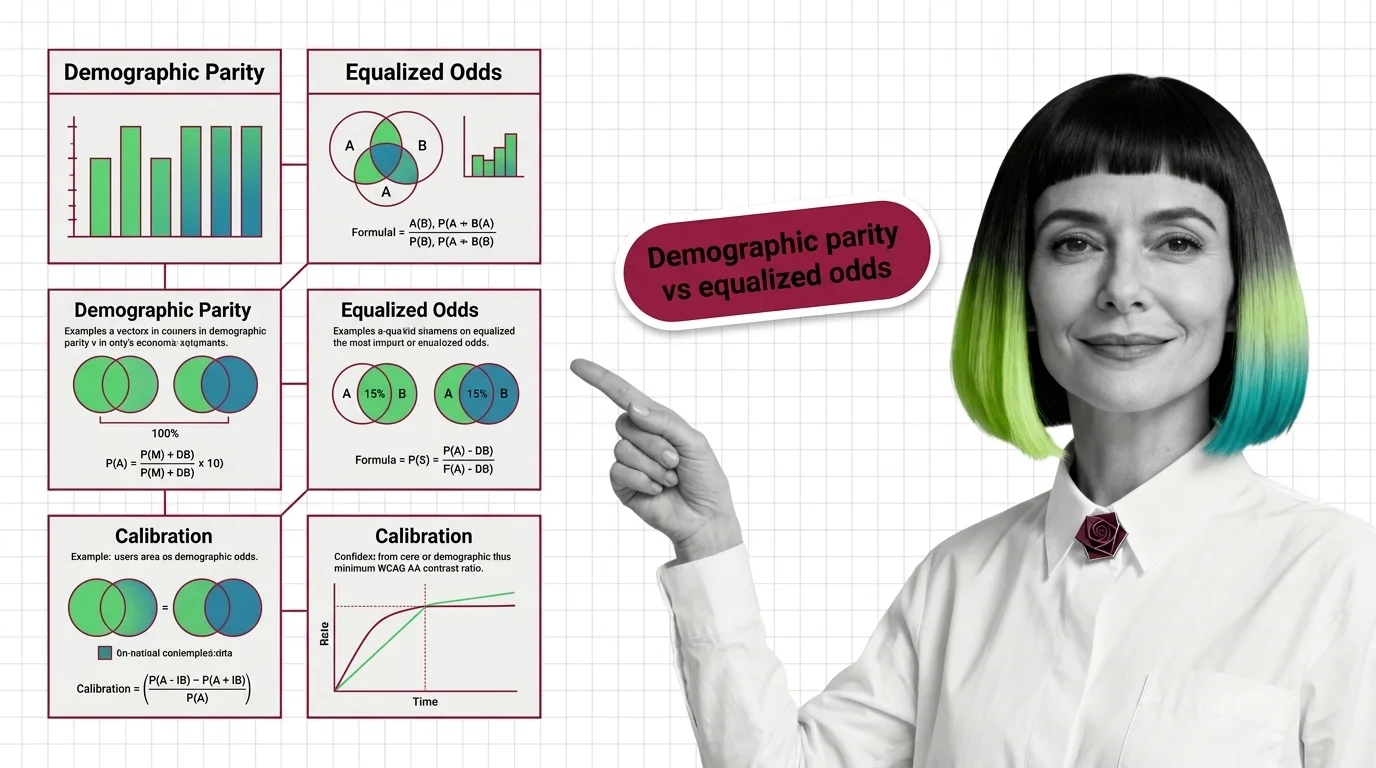
Demographic Parity vs. Equalized Odds vs. Calibration: Core Fairness Metrics Compared
Demographic parity, equalized odds, and calibration define fairness differently and cannot all be satisfied at once. …
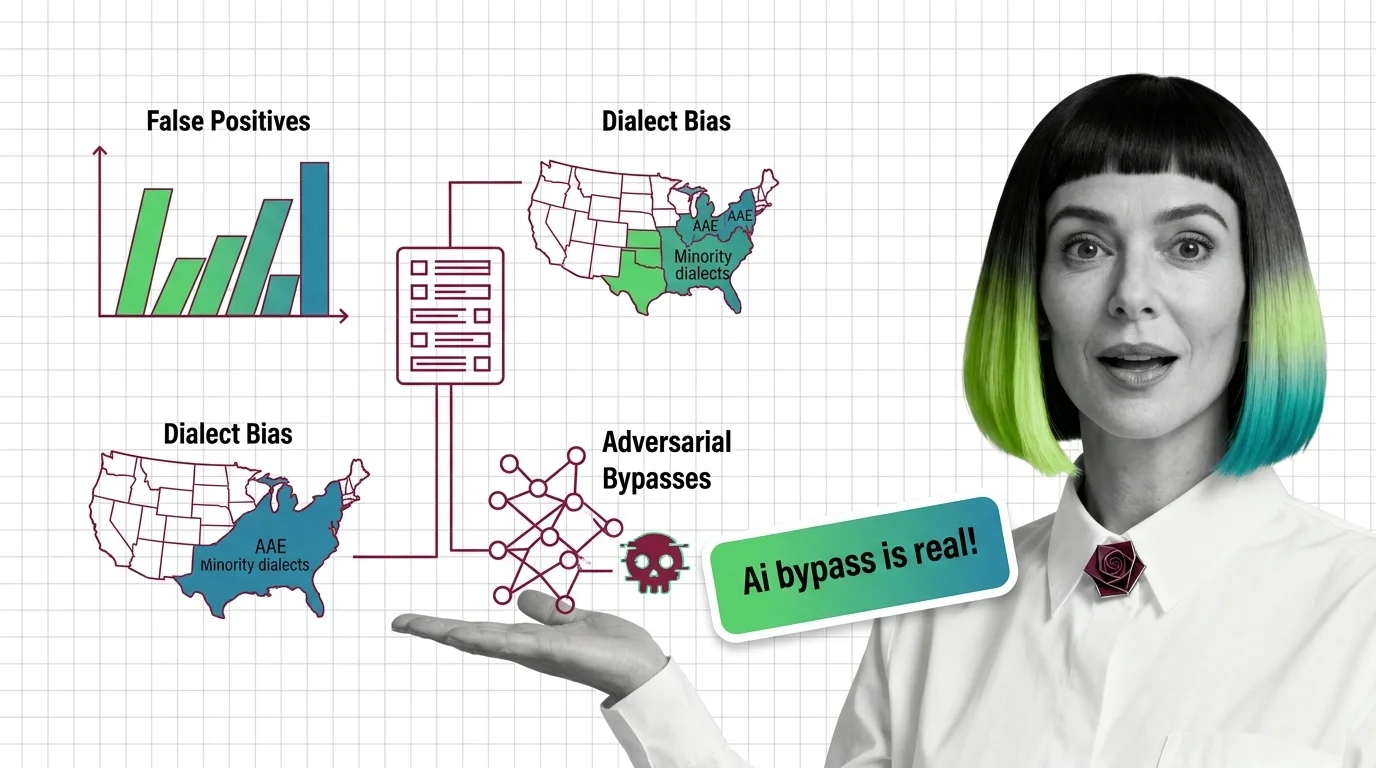
False Positives in Toxicity Detection: Dialect Bias, Bypasses
Toxicity classifiers over-flag minority dialects and miss adversarial attacks. Explore the statistical bias—from dialect …

OWASP LLM Top 10, MITRE ATLAS, and the Frameworks That Structure AI Red Teaming
OWASP LLM Top 10 and MITRE ATLAS give red teams structured attack categories. Learn how these frameworks turn AI …
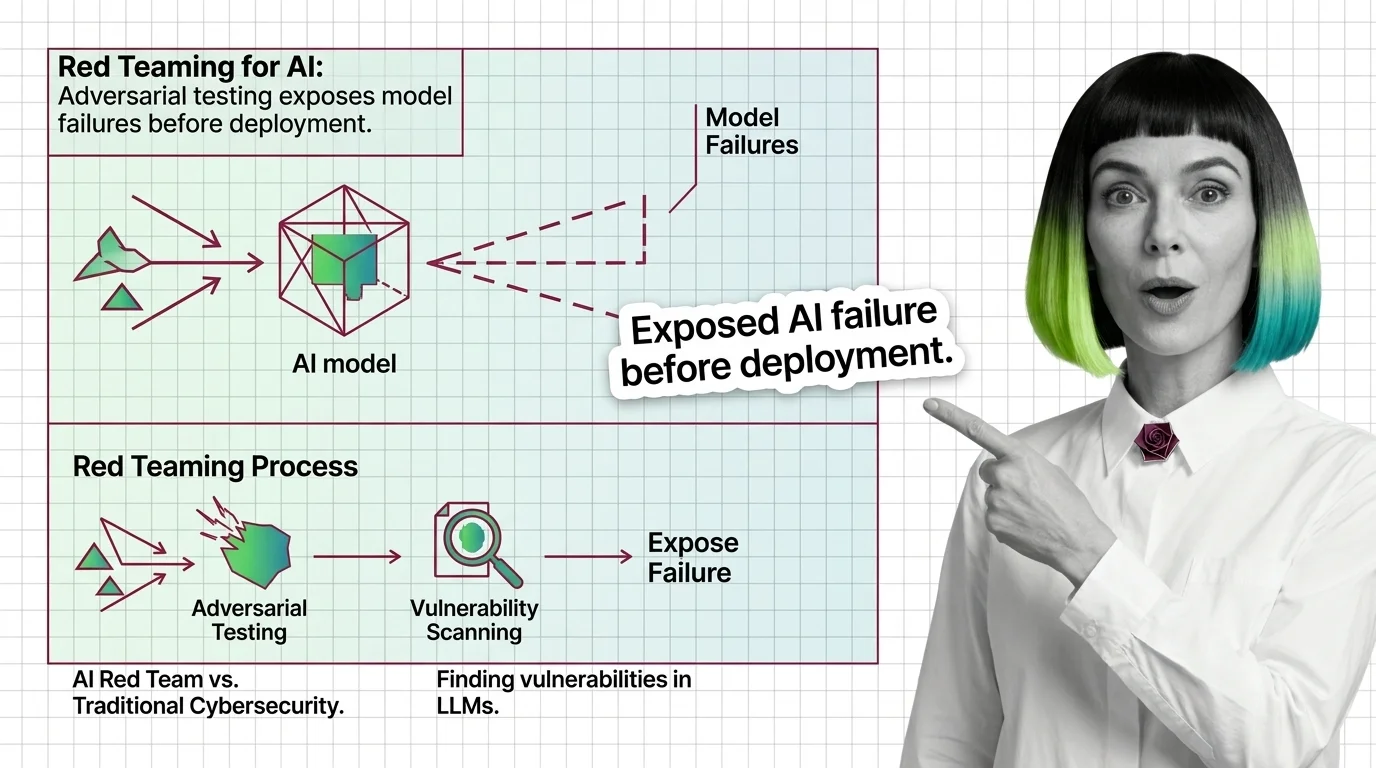
Red Teaming for AI: Adversarial Testing Exposes Failures
Red teaming uses adversarial testing to reveal AI vulnerabilities. Discover what it catches, mechanics, and why it …

Intrinsic vs. Extrinsic, Closed vs. Open Domain: The Taxonomy and Prerequisites of LLM Hallucination
LLM hallucination isn't one problem — it's four. Learn the intrinsic vs. extrinsic taxonomy, the domain split, and the …

What Is AI Hallucination and How Statistical Next-Token Prediction Creates Confident Falsehoods
AI hallucinations aren't bugs — they emerge from how next-token prediction works. Learn why LLMs produce confident …
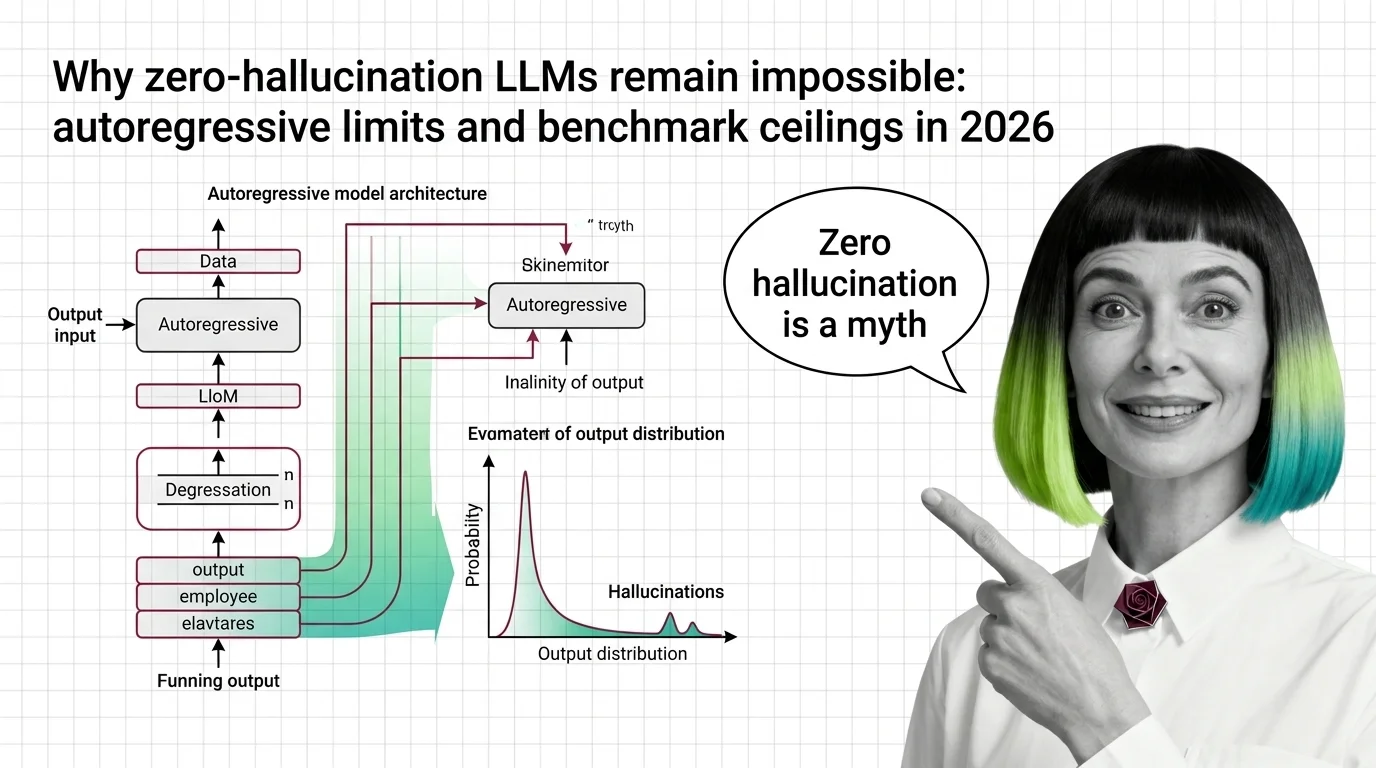
Why Zero-Hallucination LLMs Remain Impossible: Autoregressive Limits and Benchmark Ceilings in 2026
LLM hallucination is mathematically inevitable. Explore the autoregressive limits, benchmark ceilings, and why …
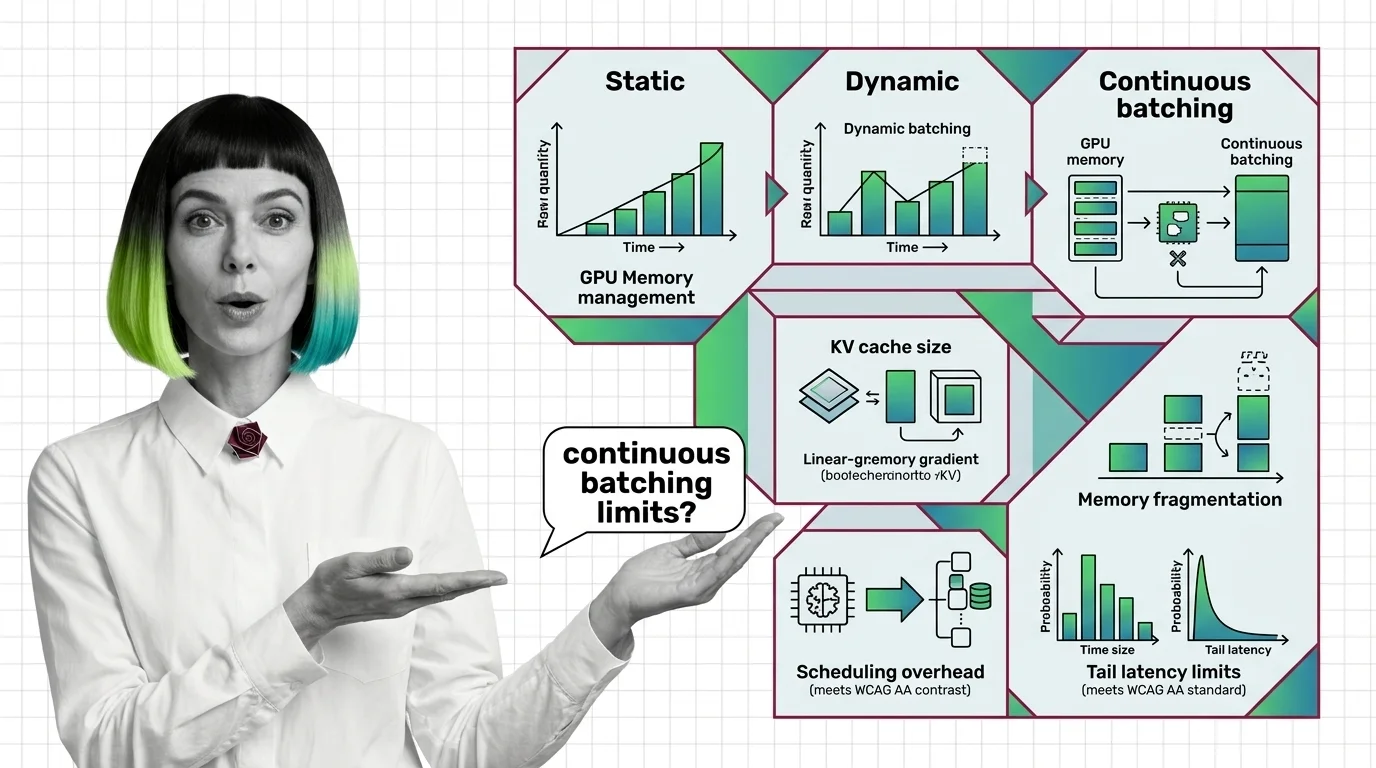
From Static Batching to PagedAttention: Prerequisites and Hard Limits of Continuous Batching
Continuous batching swaps finished LLM requests every decode step. Learn how PagedAttention cuts KV cache waste to under …
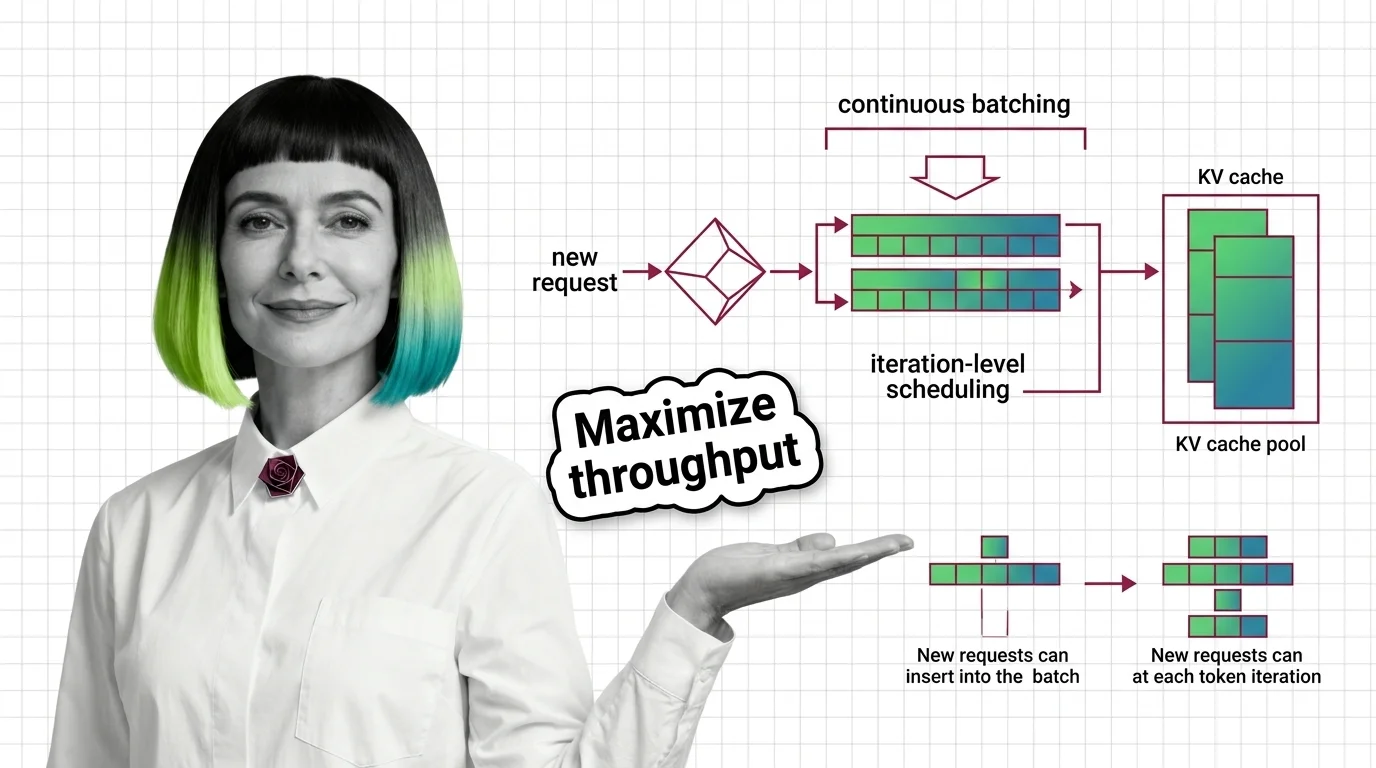
What Is Continuous Batching and How Iteration-Level Scheduling Maximizes GPU Throughput
Continuous batching replaces request-level scheduling with iteration-level scheduling, keeping GPUs busy on every …

Accuracy Collapse, Task-Specific Degradation, and the Hard Limits of Sub-4-Bit Quantization
Sub-4-bit quantization promises smaller LLMs, but accuracy collapses unevenly across tasks and languages. Learn where …
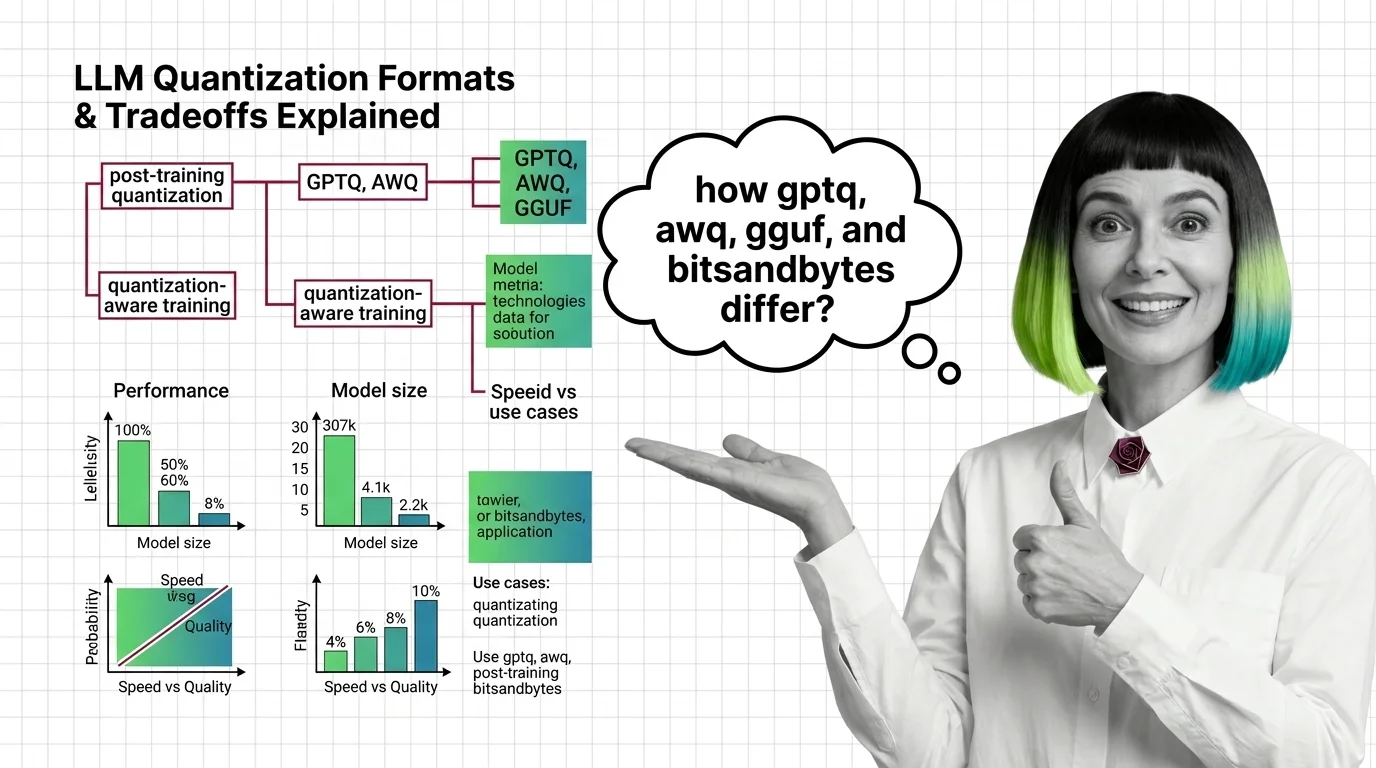
GPTQ vs AWQ vs GGUF vs bitsandbytes: Quantization Formats and Their Tradeoffs Explained
GPTQ, AWQ, GGUF, and bitsandbytes each shrink LLM weights differently. Compare speed, accuracy, and hardware reach to …