AI Transition Explained — From Developer to AI Engineer
Navigating the shift from traditional development to AI — without losing your identity or starting from zero. Every topic explored from four angles: scientific foundations, practical tools, market trends, and ethical impact.
AI Transition: What Developers Actually Need to Know
The “AI engineer” title sounds impressive. The reality is often integration, product decisions, and production engineering. We explain what it actually takes.
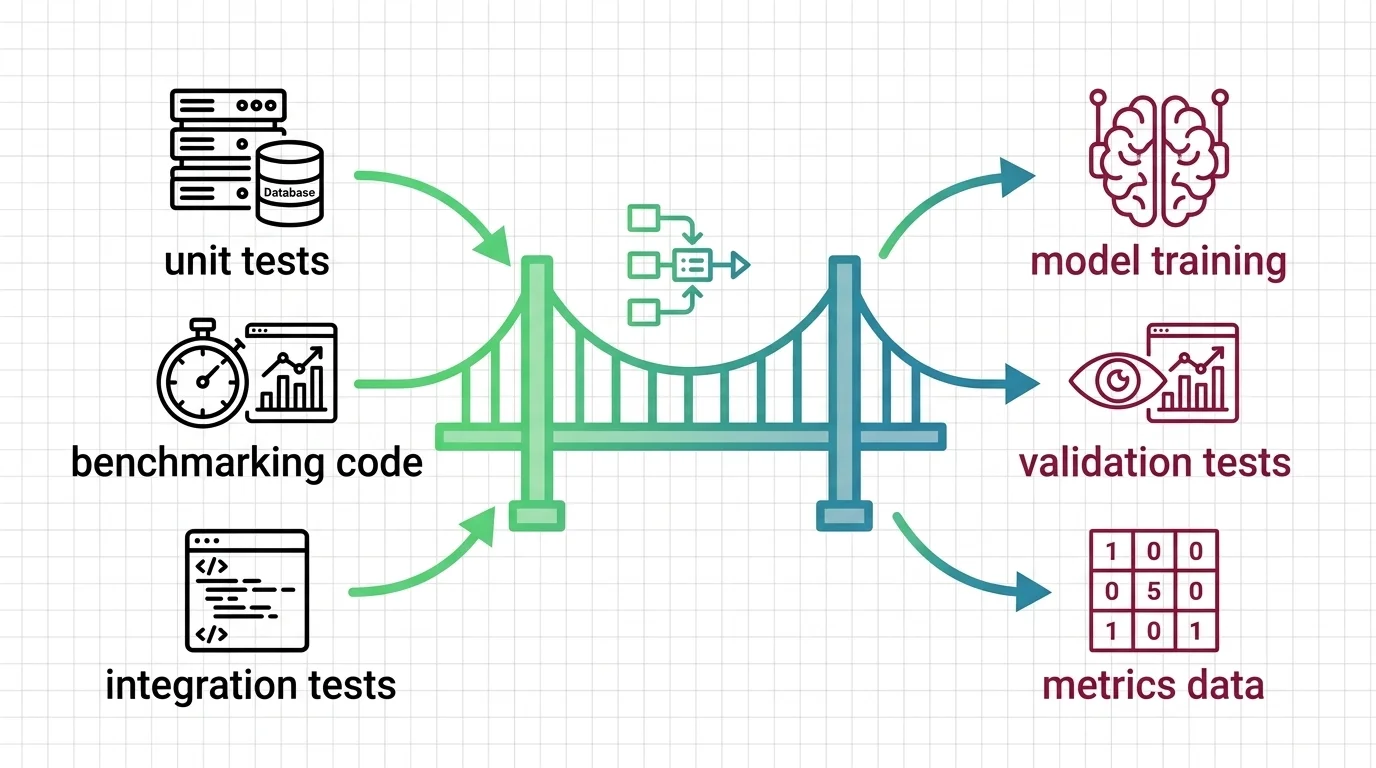
Model Evaluation for Developers: What Maps and What Misleads
Model evaluation mapped for backend developers. Learn which testing instincts transfer to LLM benchmarks, where scores mislead, and what to evaluate first.
Latest AI Insights
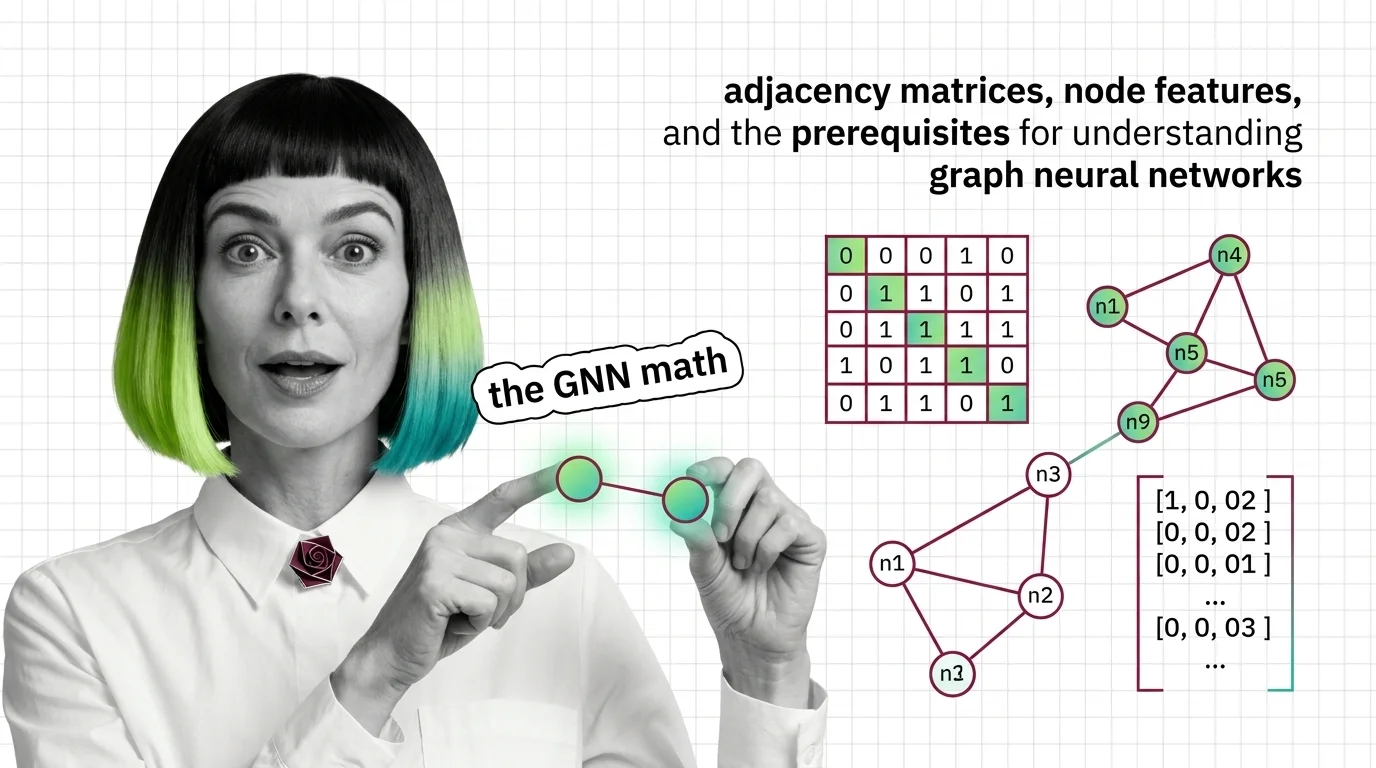
Adjacency Matrices, Node Features, and the Prerequisites for Understanding Graph Neural Networks
Graph neural networks consume matrices, not pixels. Learn how adjacency matrices, node features, and message passing combine — plus the math you need first.
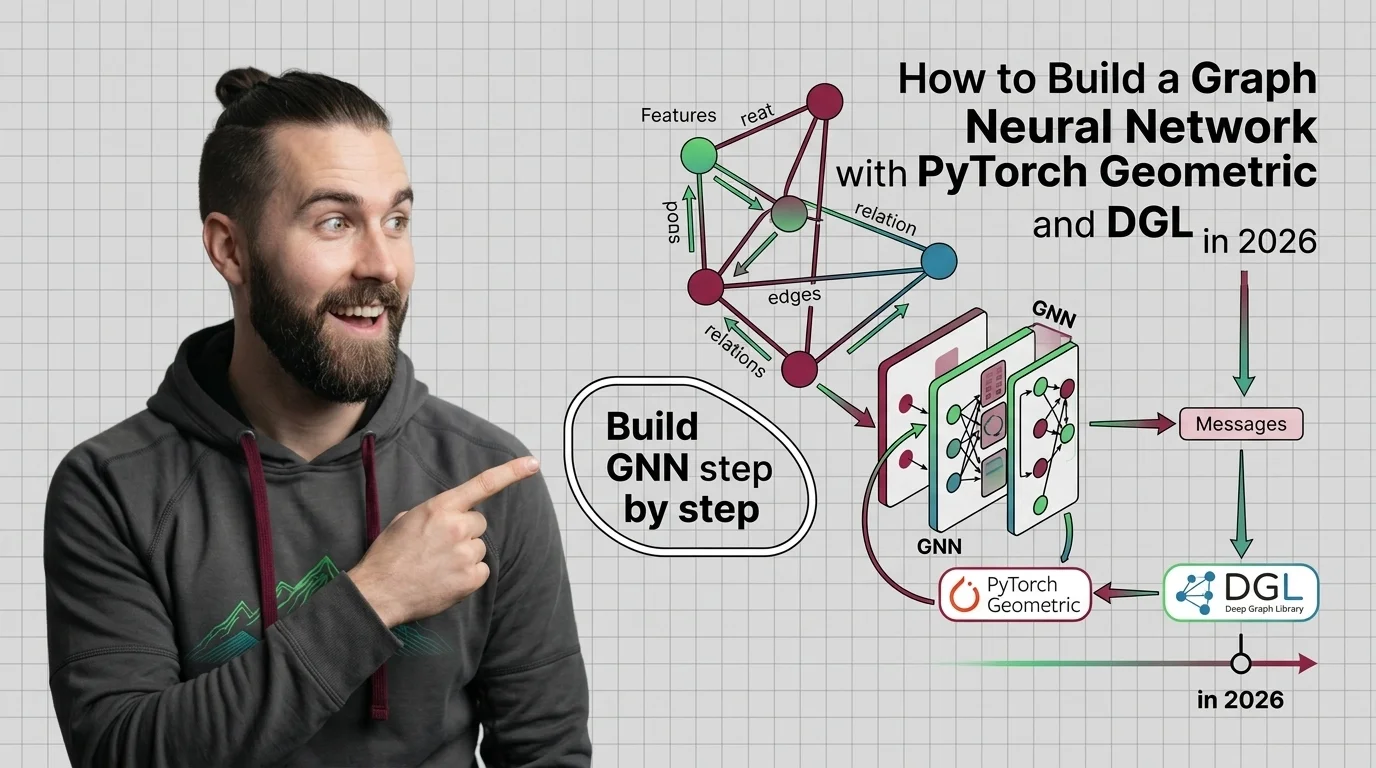
How to Build a Graph Neural Network with PyTorch Geometric and DGL in 2026
Specify graph neural networks for AI-assisted development. Covers PyTorch Geometric and DGL decomposition, data …
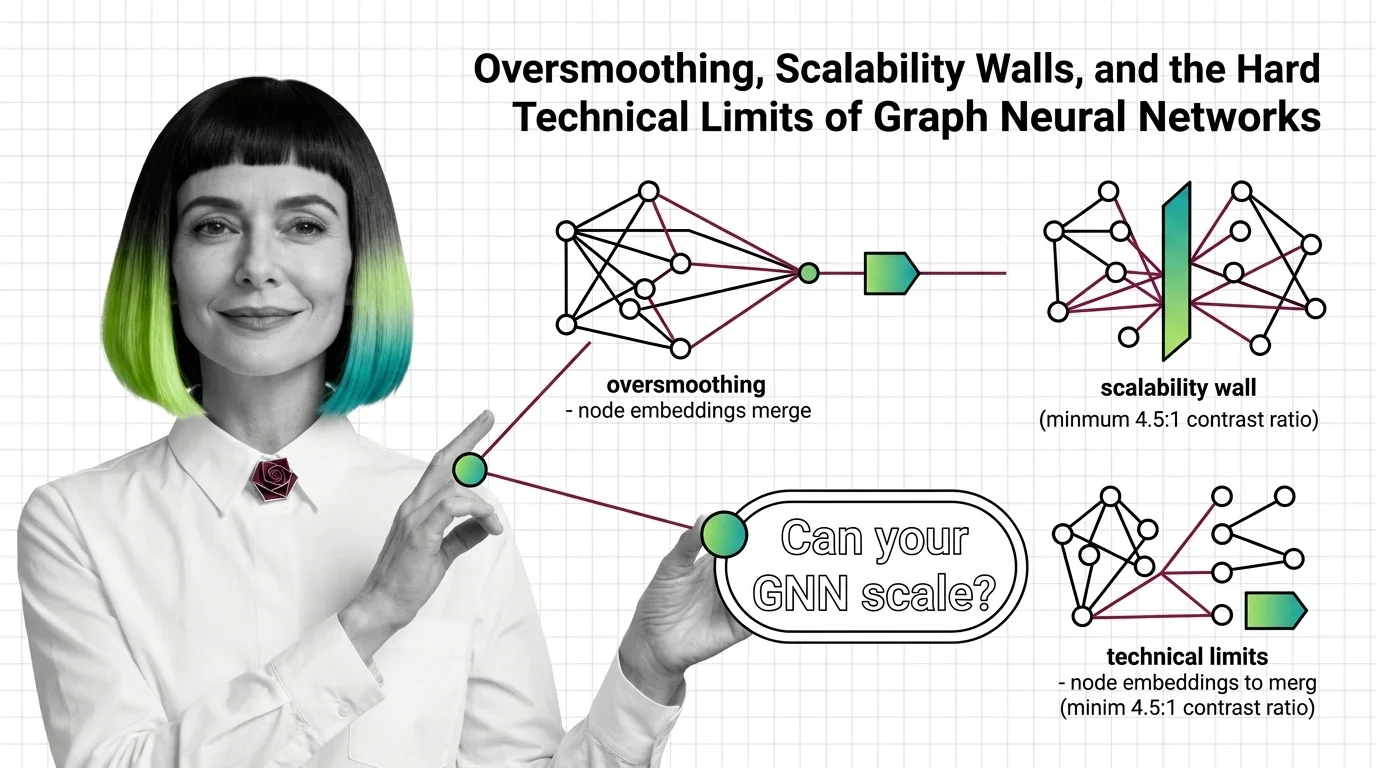
Oversmoothing, Scalability Walls, and the Hard Technical Limits of Graph Neural Networks
Oversmoothing and neighbor explosion set hard ceilings on graph neural network depth and scale. Learn the mathematical …
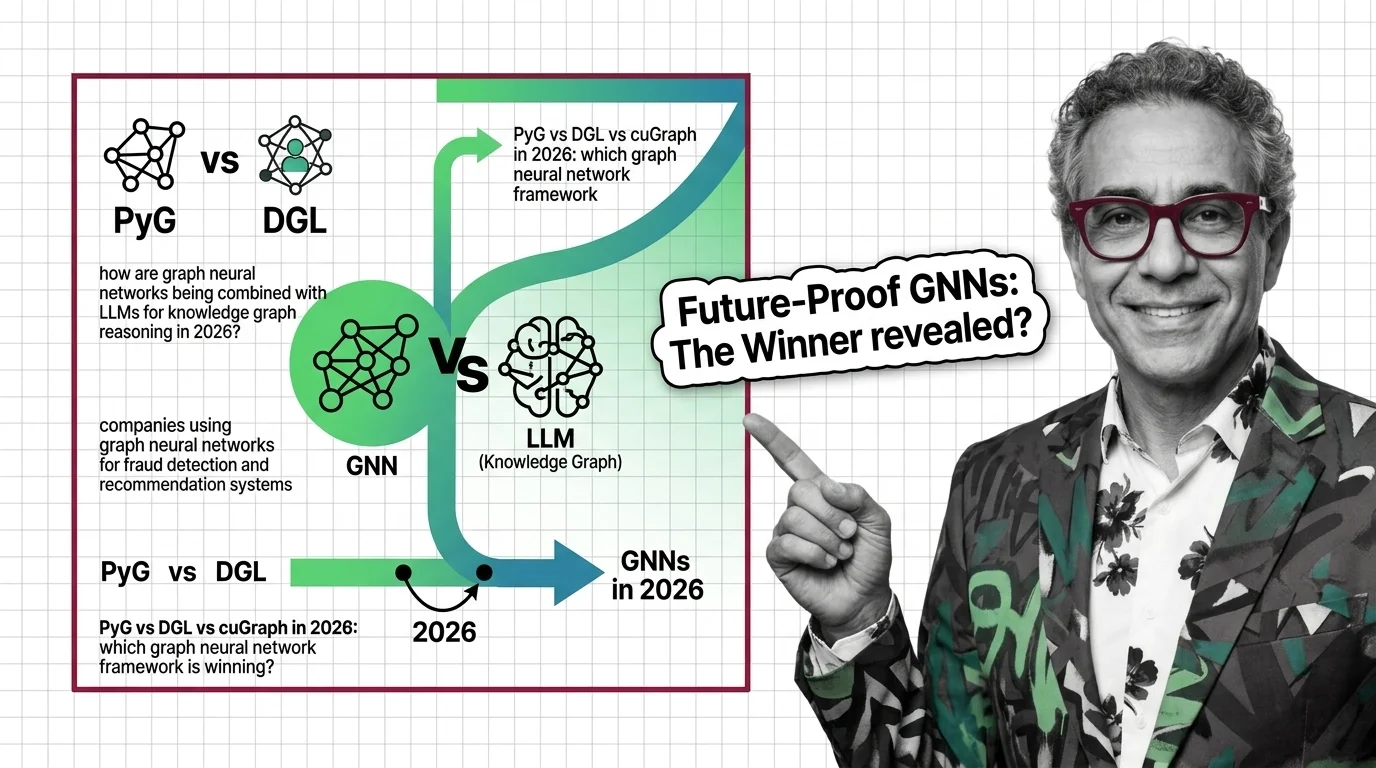
PyG vs DGL, GNN+LLM Fusion, and Where Graph Neural Networks Are Heading in 2026
NVIDIA is consolidating on PyG and dropping DGL support. Learn which GNN framework wins, how GNN+LLM fusion changes …
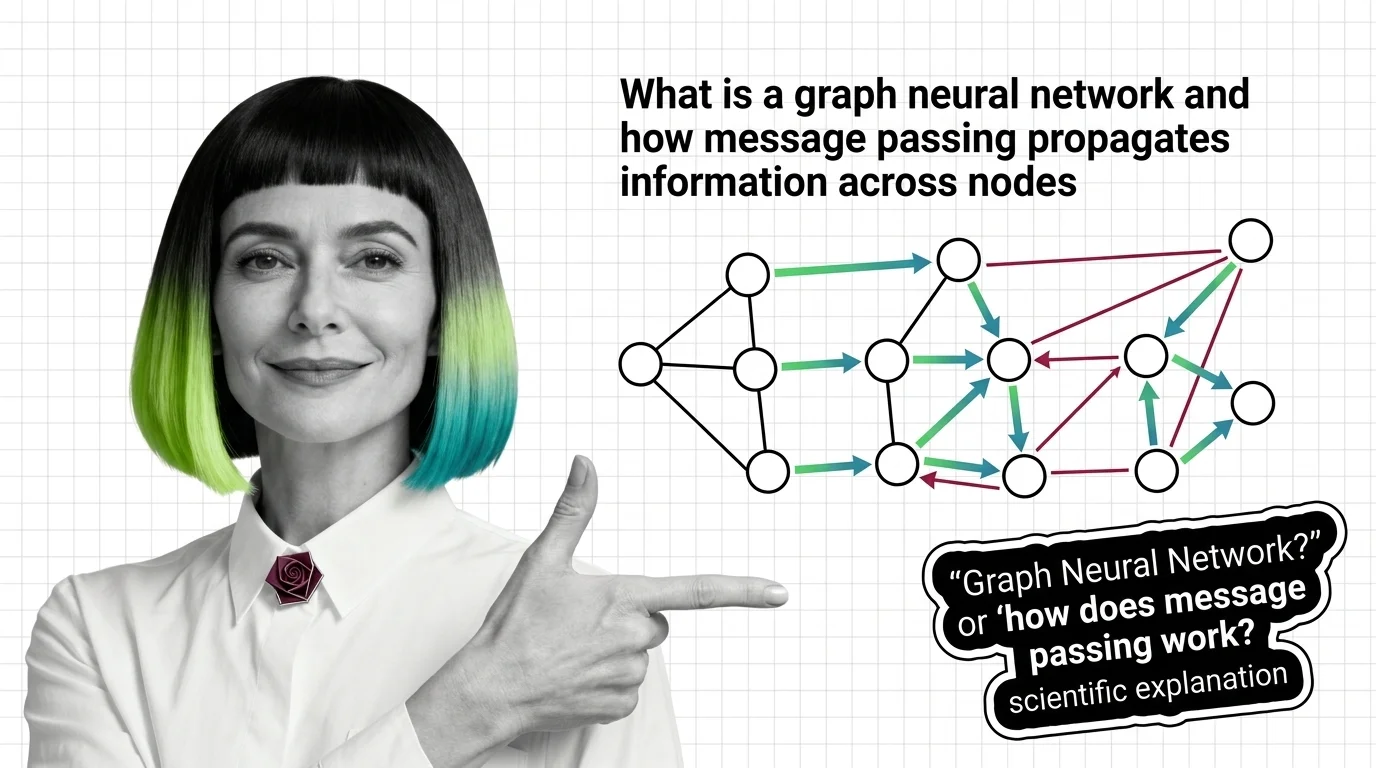
What Is a Graph Neural Network and How Message Passing Propagates Information Across Nodes
Graph neural networks learn from connections, not grids. Understand message passing, how graph convolution differs from …
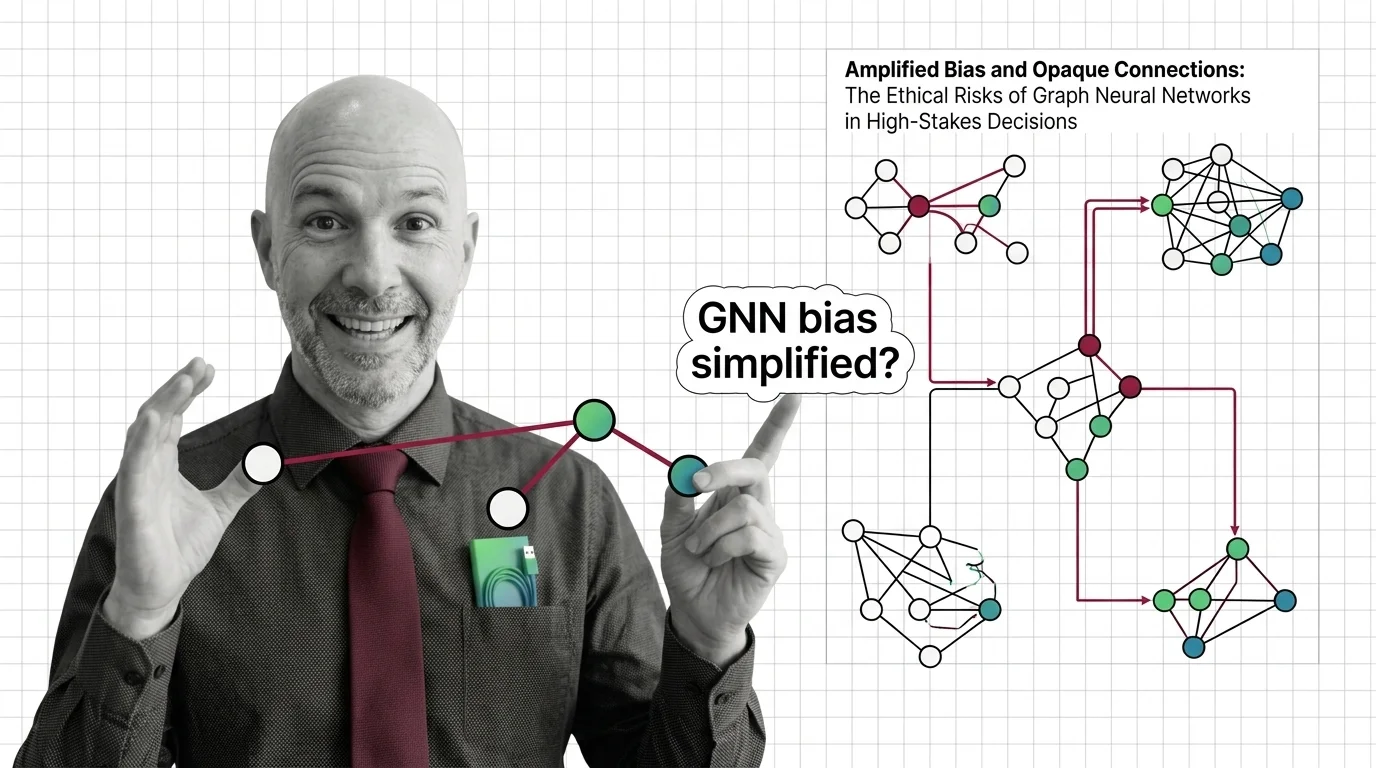
Amplified Bias and Opaque Connections: The Ethical Risks of Graph Neural Networks in High-Stakes Decisions
Graph neural networks judge people by connections. When those relationships encode historical inequality, bias amplifies …
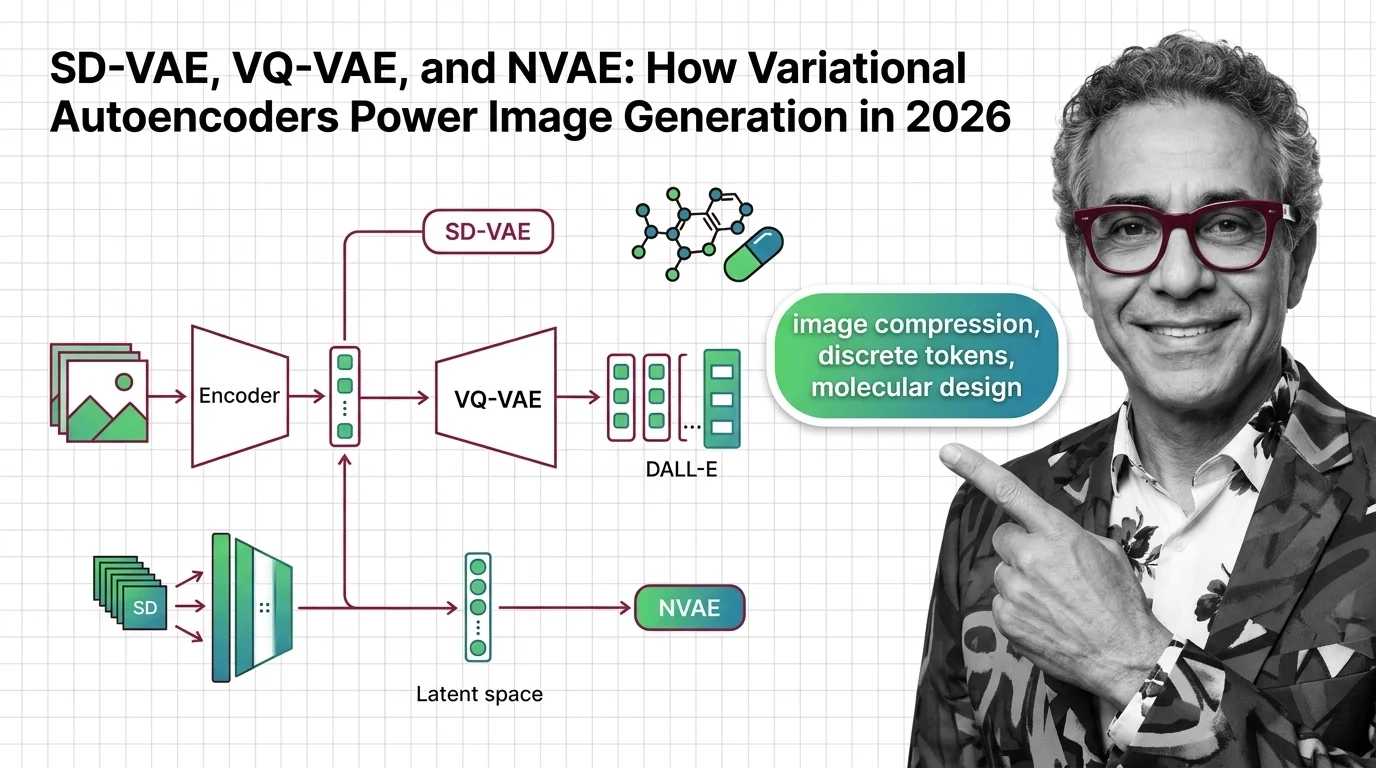
SD-VAE, VQ-VAE, and NVAE: How Variational Autoencoders Power Image Generation in 2026
SD-VAE evolved from 4 to 32 channels while rivals eliminate the encoder entirely. See which VAE strategies lead image …
AI Explained: Explore by Theme
7 themes — from neural network internals to safety evaluation. Pick a theme and go deep.
Neural Network Architectures →
The major neural network architecture families beyond transformers, including CNNs, RNNs, GANs, VAEs, and graph …
Embeddings & Vector Search →
Dense vector representations, similarity algorithms, and indexing structures that power semantic search and retrieval …
Inference Optimization →
Techniques for running models efficiently at inference time, from quantization to batching and sampling strategies.
LLM Training & Pre-Training →
How large language models are trained from scratch, covering pre-training objectives, scaling laws, and compute …
Model Evaluation & Benchmarks →
Methods, metrics, and benchmark suites for measuring AI model quality, from classification metrics to LLM-specific …
Safety & Red Teaming →
Adversarial testing, toxicity evaluation, and safety assessment methods for ensuring AI systems behave within acceptable …
Deep Dive: Learning Paths
36 topics — pick one and get the full picture: theory, tutorials, market context, and critical analysis.
Graph Neural Network →
A graph neural network is a deep learning architecture that operates directly on graph-structured data, where …
Variational Autoencoder →
A Variational Autoencoder (VAE) is a generative neural network that encodes input data into a continuous, structured …
Generative Adversarial Network →
A generative adversarial network is a machine learning architecture composed of two neural networks — a generator and a …
Convolutional Neural Network →
A Convolutional Neural Network is a deep learning architecture that applies small, learnable filters across input data …
Neural Network Basics for LLMs →
Neural networks are computational systems that learn patterns from data by adjusting internal parameters called weights …
Recurrent Neural Network →
A recurrent neural network is a neural network architecture that processes sequential data one step at a time, …
Four Perspectives, One Topic
Every AI topic gets examined from four angles. No single narrative — just the full picture.

Scientist & Anchor
AI Principles
Explains how AI actually works under the hood — from transformer architectures to embedding math.

Maker & Pragmatist
AI Tools
Builds AI workflows that ship. Step-by-step guides, real tool comparisons, and production-tested patterns.

Visionary & Insider
AI Trends
Tracks who is shipping what in AI and why it matters. Market signals, funding moves, and emerging trends.

Skeptic & Conscience
AI Ethics
Asks the questions others skip — bias in models, privacy in pipelines, and who is accountable when AI fails.
Humans in the Loop
Every article is curated and fact-checked by real people before publication.


AI Glossary
227 terms explained — from embeddings to transformers, RAG to synthetic data.
Ready for Your AI Transition?
Start with a learning path and go from zero to deep understanding, guided by four distinct perspectives.
Pick a Topic Start with Glossary